The Blog

Building a Future Free of Age-Related Disease

Are You Sure Eighty Years Are Enough?

When asked how long they want to live, people often say no more than ten years above their country’s average lifespan. This, mind you, is in a world where aging is still inevitable; people know that they won’t be in top shape during those ten extra years, and yet, perhaps hoping that they might be an exception to that rule, they still wish for that little extra time. Even when told that they will live these extra years in complete health, the most common choice is the current maximum recorded human lifespan, which is roughly 120 years.

If we assume that no rejuvenation therapies are available to extend the time you spend in youthful health, then it is somewhat understandable if you don’t feel up for a very long life, because the odds are that its final decades will be increasingly miserable; however, if rejuvenation therapies were available, and you could be fully healthy for an indefinite time, why stop at 120 years? Life extension advocates have probably all had their fair share of conversations with people who insist that 80-odd years will be more than enough for them, health or no health—worse still, some don’t care about preserving their health precisely because they think that 80 years is a sufficiently long time to live.

How long one wants to live is only his or her business; just like no one should have the right to force other people to live no longer than the current maximum (an imposition that would indirectly result from a hypothetical ban on life extension therapies), no one should have the right to force anyone else to live longer than 80 years, if that’s what he or she wishes for whatever reason. Indeed, it’s not the right to die when you see fit that’s at issue here; the question is whether people who claim that 80 years are enough have seriously thought the matter through before making their minds up or are simply parroting what others typically say out of social pressure.

No assumption comes without consequences

For the sake of argument, let’s assume that, even in an ideal world where comprehensive rejuvenation keeps everyone fully healthy and young-looking, 80-something years are indeed “enough”; this assumption has consequences, of course, which may be useful to examine in detail if one is to make up his or her mind as to whether the assumption holds water in his or her specific case.

The first, obvious observation to be made is that, by the very definition of “enough”, the assumption means that you don’t need more than about 80 years of life. Naturally, one doesn’t “need” years for their own sake; what one may need is time to accomplish objectives that one cares for or to do things that one enjoys doing. Thus, saying that 80 years are enough means that such objectives and things can be all be brought to completion and ticked off your list within 80 years—or, for some reason, you won’t care to accomplish quite everything on the list or keep doing things that you like after you turn 80. It also means ruling out the possibility that you might develop new interests or add new objectives or things not included in the original list—or, again, that if it does happen, you won’t really care much for some reason.

This is not impossible. There’s no reason to think that no one, ever, might come to the conclusion that he or she has gotten enough of everything without necessarily being fed up with everything. The question is, unless you’ve already reached that point, are you confident in your prediction that you will certainly reach it when you’re in your 80s—or any other specific age? It would be unwise to make such absolute assumptions about your far-future self, and  even more unwise, on the grounds of these assumptions, to not take action to give yourself the option of living well past 80; what if, once you hit age 85, you realize that your list has grown far longer than you’d anticipated, but you’ve already got one foot in the grave because neither you nor enough other people have bothered to endorse rejuvenation decades before?

The most sensible thing to do would be to wait until you actually do reach the point of no return, if that ever happens, and then decide whether terminating your life really is the best option; don’t burn your bridge before you get there. Meanwhile, it might be worth having a close look at the practical consequences of the assumption that 80 years, while still in the prime of health in a world in which rejuvenation is common, are enough.

You’re not set in stone

Even assuming that you can achieve all “traditional” goals of a human life to your satisfaction within 80 years, you need to take into account the very concrete possibility that, as you tick off existing goals, new ones will present themselves. Similarly, as you satiate your interest for a certain hobby, passion, or career over the years, others are bound to form. You’re bound to change, and if you think that you won’t change much, the odds are that you’ll be proven wrong.

In a paper titled “The End of History Illusionsocial scientists describe the homonymous phenomenon by which people of all ages underestimate the extent to which they will change in the future, compared to their present selves, despite reporting having changed significantly in the past. In other words, people always say that they’re very different from their younger selves, but they don’t really think that their future selves will be much different than their present selves—regardless of their present age.

According to the study, the magnitude of the illusion does shrink somewhat with age—older people change less significantly than younger ones, so their prediction comes closer to the mark—but we must take into account that this was a study ran on normally aging people, whose health and brain plasticity, and therefore options, diminished as they aged. We don’t know what the results of a similar study run on rejuvenated elderly people would be, but there’s little reason to believe that a biologically young person with the mental agility of a 25-year-old would be set in his or her ways forever simply because his or her chronological age is past 80. This may well happen if someone hasn’t really learned much over the course of his or her life, but accumulating knowledge is bound to have the opposite effect—the more that you know, the more that you will take pleasure in knowing and will want to know, and the more that your interests are bound to flourish.

Assuming that you will never develop new passions or hobbies past what you might develop over the course of 80 years simply isn’t a sound assumption. Similarly, it isn’t safe to assume that something in which you lost interest years ago won’t ever become interesting again.

Would you get tired of…?

If you think 80 years of life are enough, you’re assuming that 80 years of anything are enough; it is important that you think about each and every one of these things individually and try to find an answer. There is no absolute answer; it depends on who asks the question. Thus, while the following questions might sound like they are asked rhetorically, keep in mind that they are not.

Again, on the assumption of full, everlasting youthful health for yourself and the rest of the world, would you get tired of being in the company of people whom you like and love? (Mind that this is different from falling out of love with someone or not liking people you used to like anymore—which may well happen at any age, incidentally implying that, despite age, either you or they have changed; this means becoming unable to enjoy the company of anyone at all, forever.) Will you have visited everywhere there is to visit in just 80 years, or will you have got enough of traveling altogether by then? Will you have read enough books, watched enough movies, or gone through your favorites enough times that you won’t wish to see them ever again? Will you be fed up with your favorite food and with food in general? Will you no longer enjoy a night out with friends or practicing a sport? Will you no longer enjoy a sunny day or cuddling up in a blanket with a good book and a warm drink while a storm is raging outside? Will arts and music of all genres and sorts have utterly and hopelessly lost their appeal? Will you no longer enjoy sex, love, humor, or laughing? Will you no longer be awestruck by the Milky Way in a starry sky?

These are only some of the things to consider when deciding whether 80, or however many, years of them will surely be enough; you can easily come up with other things that apply in your specific case. Furthermore, don’t just consider whether 80 years of what exists and you’re aware of right now are enough; consider whether you wouldn’t mind a few decades of things that you’ve yet to discover or that don’t yet exist. In a sort of variant of the end-of-history illusion, people tend to assume that our world and our species won’t be very different in the future, despite the absolutely obvious fact that they have changed a lot during the course of history—our world in particular would be barely recognizable for people who lived one or two centuries ago, and we really can’t say that there’s no difference between the world now and even 30 years ago. Are you ready to literally bet your life on the idea that, after you’ll have hit a certain age, whatever that may be, the world will have reached the form that it will always be in and will no longer stimulate your interest? Will you bet your life on the idea that the future will always be nothing but more of the present?

There’s no absolutely right answer, but whatever your personal answer may be, it would be in your best interest to figure it out before you decide how long you wish your life to last.


Scarlet Protein Might Protect Against Parkinson’s Disease

Researchers at the Department of Biological Sciences at Lehigh University in Bethlehem, Pennsylvania, discovered that a protein known as Scarlet has protective effects against the fruit fly version of Parkinson’s disease [1].

Abstract

Parkinson’s Disease (PD) is characterized by the loss of dopaminergic neurons, resulting in progressive locomotor dysfunction. Identification of genes required for the maintenance of these neurons should help to identify potential therapeutic targets. However, little is known regarding the factors that render dopaminergic neurons selectively vulnerable to PD. Here we show that Drosophila melanogaster scarlet mutants exhibit an age-dependent progressive loss of dopaminergic neurons, along with subsequent locomotor defects and a shortened lifespan. Knockdown of Scarlet specifically within dopaminergic neurons is sufficient to produce this neurodegeneration, demonstrating a unique role for Scarlet beyond its well-characterized role in eye pigmentation. Both genetic and pharmacological manipulation of the kynurenine pathway rescued loss of dopaminergic neurons by promoting synthesis of the free radical scavenger Kynurenic Acid (KYNA) and limiting the production of the free radical generator 3-hydroxykynurenine (3-HK). Finally, we show that expression of wildtype Scarlet is neuroprotective in a model of PD, suggesting that manipulating kynurenine metabolism may be a potential therapeutic option in treating PD.

Parkinson’s disease

Parkinson’s disease (PD) is a neurodegenerative disease that causes so-called dopaminergic neurons to gradually die off in an area of the brain called the substantia nigra. The result of this neuronal loss is an impairment in locomotor function, shaking, and rigidity; at advanced stages, dementia becomes common as well. The factors causing these specific neurons to die are still poorly understood.

The study

In order to better understand the genetic basis that drives the selective degeneration of dopaminergic neurons, researchers at the laboratory of Dr. Daniel Babcock ran a series of experiments on a fruit fly model of the disease.

They found out that flies with a mutation in the Scarlet gene eventually suffered from progressive dopaminergic neuron loss and impaired movement coordination, similar to Parkinson’s disease in humans, and had shorter lifespans. This gene is also responsible for the brown color of the fruit flies’ eyes, and its mutated version leads to a bright red color instead.

The researchers further discovered that manipulating the quantity of metabolites in the kynurenine metabolic pathway, which is present in both humans and invertebrates, within dopaminergic neurons can ameliorate neurodegeneration caused by the defective Scarlet protein.

This provided evidence that lack of a functional version of Scarlet may lead to PD; however, the researchers also wanted to test whether the presence of a working version of the protein may have a protective role against Parkinson’s disease. To do so, they resorted to a fruit fly model of the disease in which WT human α-synuclein was expressed in the insects’ dopaminergic neurons; it is known that expressing this protein in dopaminergic neuron populations in fruit flies leads to substantial neuronal loss, and, indeed, the model showed signs of neurodegeneration within 21 days. However, the researchers observed that when both α-synuclein and a working version of Scarlet were expressed at the same time, neurodegeneration was prevented; the result was the same for three different variants of α-synuclein.

Conclusion

If mice are not humans, fruit flies are even less so, so it is very early to tell whether or not this will have implications for the treatment of PD in human patients; however, the researchers are confident that a better understanding of which genes are required for the preservation of dopaminergic neurons will eventually help research into therapeutic and preventative treatments for Parkinson’s patients.

Literature

[1] Cunningham, P. C., Waldeck, K., Ganetzky, B., & Babcock, D. T. (2018). Neurodegeneration and locomotor dysfunction in Drosophilascarletmutants. Journal of Cell Science, jcs.216697

Fisetin Found in Strawberries Clears Senescent Cells in Mice

Today, we want to bring your attention to a recent mouse study on fisetin, a commonly available supplement that has proven effective at destroying senescent cells.

What are senescent cells?

As we age, increasing amounts of our cells enter into a state known as senescence. Normally, these cells destroy themselves by a self-destruct process known as apoptosis and are disposed of by the immune system. Unfortunately, as we age, the immune system declines, and increasing numbers of senescent cells escape apoptosis and accumulate in the body.

Senescent cell accumulation is one of the main processes of aging, and it can be considered a core reason that we age and suffer form age-related diseases.

These senescent cells do not divide or support the tissues of which they are a part; instead, they emit a range of harmful pro-inflammatory signals. Their presence causes many problems, including impairing tissue repair and increasing chronic inflammation, and is linked with the progression of osteoarthritis [1-2], atherosclerosis [3], cancer [4], and other age-related diseases.

Even worse, the harmful signals created by senescent cells can also encourage other nearby cells to enter the same senescent state; this is often called the bystander effect.

It has suggested that finding ways to clear these problem cells might be a way to prevent or delay age-related diseases, and, indeed, positive results have been shown in mouse studies [5-7]. Therapies that remove senescent cells are commonly known as senolytics or senotherapeutics.

Fisetin shows promise as a senolytic

Fisetin is a plant polyphenol from the flavonoid group that is encountered in many plant species. It is found in various fruits and vegetables, most notably strawberries, but is also present in apples, onions, and cucumbers.

It comes from the same family of compounds as another senolytic compound, quercetin; however, while quercetin only appears to work as a senolytic when used in combination with dasatinib, it appears that fisetin works on its own.

Until recently, there was only cell data for fisetin, but a new study in mice has shown some impressive results against senescent cells [8].

Abstract Senescence is a tumor suppressor mechanism activated in stressed cells to prevent replication of damaged DNA. Senescent cells have been demonstrated to play a causal role in driving aging and age-related diseases using genetic and pharmacologic approaches. We previously demonstrated that the combination of dasatinib and the flavonoid quercetin is a potent senolytic improving numerous age-related conditions including frailty, osteoporosis and cardiovascular disease. The goal of this study was to identify flavonoids with more potent senolytic activity. A panel of flavonoid polyphenols was screened for senolytic activity using senescent murine and human fibroblasts, driven by oxidative and genotoxic stress, respectively. The top senotherapeutic flavonoid was tested in mice modeling a progeroid syndrome carrying a p16INK4a-luciferase reporter and aged wild-type mice to determine the effects of fisetin on senescence markers, age-related histopathology, disease markers, health span and lifespan. Human adipose tissue explants were used to determine if results translated. Of the 10 flavonoids tested, fisetin was the most potent senolytic. Acute or intermittent treatment of progeroid and old mice with fisetin reduced senescence markers in multiple tissues, consistent with a hit-and-run senolytic mechanism. Fisetin reduced senescence in a subset of cells in murine and human adipose tissue, demonstrating cell-type specificity. Administration of fisetin to wild-type mice late in life restored tissue homeostasis, reduced age-related pathology, and extended median and maximum lifespan. The natural product fisetin has senotherapeutic activity in mice and in human tissues. Late life intervention was sufficient to yield a potent health benefit. These characteristics suggest the feasibility to translation to human clinical studies.

These researchers report fairly impressive results from fisetin, as its effectiveness is close to that of dasatinib, a cancer drug considered top of the current senolytic drugs. According to these results, fisetin is able to destroy 25-50% of senescent cells, depending on the tissue/organ type on which it is tested.

During the study, the researchers gave the mice 100 mg/kg daily over the course of five days. This dosage was very high, although, given the generally low bioavailability of flavonoids, it is not unusual.

Conclusion

The search for effective senolytic agents is currently at fever pitch, and with companies such as UNITY Biotechnology entering human trials with potentially even more powerful therapies to remove senescent cells, it is a truly exciting time to be alive.

Senolytics represent the first true rejuvenation biotechnology that directly addresses a particular aging process, and we are now very close to seeing if the results seen in other species will translate. While we should, of course, remain grounded, given the history of the poor translation of results from mice to men, we can also be somewhat optimistic given that these therapies do target aging processes common to both species.

Literature

[1] Jeon, O. H., Kim, C., Laberge, R. M., Demaria, M., Rathod, S., Vasserot, A. P., … & Baker, D. J. (2017). Local clearance of senescent cells attenuates the development of post-traumatic osteoarthritis and creates a pro-regenerative environment. Nature medicine, 23(6), 775-781.

[2] Xu, M., Bradley, E. W., Weivoda, M. M., Hwang, S. M., Pirtskhalava, T., Decklever, T., … & Lowe, V. (2016). Transplanted Senescent Cells Induce an Osteoarthritis-Like Condition in Mice. The Journals of Gerontology Series A: Biological Sciences and Medical Sciences, glw154.

[3] Childs, B. G., Baker, D. J., Wijshake, T., Conover, C. A., Campisi, J., & van Deursen, J. M. (2016). Senescent intimal foam cells are deleterious at all stages of atherosclerosis. Science, 354(6311), 472-477.

[4] Coppé, J.-P., Desprez, P.-Y., Krtolica, A., & Campisi, J. (2010). The Senescence-Associated Secretory Phenotype: The Dark Side of Tumor Suppression. Annual Review of Pathology, 5, 99–118

[5] Baker, D. J., Wijshake, T., Tchkonia, T., LeBrasseur, N. K., Childs, B. G., Van De Sluis, B., … & van Deursen, J. M. (2011). Clearance of p16Ink4a-positive senescent cells delays ageing-associated disorders. Nature, 479(7372), 232-236.

[6] Zhu, Y., Tchkonia, T., Pirtskhalava, T., Gower, A. C., Ding, H., Giorgadze, N., … & O’Hara, S. P. (2015). The Achilles’ heel of senescent cells: from transcriptome to senolytic drugs. Aging cell, 14(4), 644-658.

[7] Roos, C. M., Zhang, B., Palmer, A. K., Ogrodnik, M. B., Pirtskhalava, T., Thalji, N. M., … & Zhu, Y. (2016). Chronic senolytic treatment alleviates established vasomotor dysfunction in aged or atherosclerotic mice. Aging cell.

[8] Yousefzadeh, M. J., Zhu, Y., McGowan, S. J., Angelini, L., Fuhrmann-Stroissnigg, H., Xu, M., … & McGuckian, C. (2018). Fisetin is a senotherapeutic that extends health and lifespan. EBioMedicine36, 18-28.

Forcing Cancer to Put up a Broken Shield

Led by Dr. Alicja Copik, scientists at the University of Central Florida College of Medicine have discovered that it might be possible to make cancer immunotherapy work for a larger portion of patients by employing PM21-activated natural killer (PM21-NK) cells [1].

Study abstract

Anti-PD-1/anti-PD-L1 therapies have shown success in cancer treatment but responses are limited to ~ 15% of patients with lymphocyte infiltrated, PD-L1 positive tumors. Hence, strategies that increase PD-L1 expression and tumor infiltration should make more patients eligible for PD-1/PD-L1 blockade therapy, thus improving overall outcomes. PD-L1 expression on tumors is induced by IFNγ, a cytokine secreted by NK cells. Therefore, we tested if PM21-particle expanded NK cells (PM21-NK cells) induced expression of PD-L1 on tumors and if anti-PD-L1 treatment enhanced NK cell anti-tumor efficacy in an ovarian cancer model. Studies here showed that PM21-NK cells secrete high amounts of IFNγ and that adoptively transferred PM21-NK cells induce PD-L1 expression on SKOV-3 cells in vivo. The induction of PD-L1 expression on SKOV-3 cells coincided with the presence of regulatory T cells (Tregs) in the abdominal cavity and within tumors. In in vitro experiments, anti-PD-L1 treatment had no direct effect on cytotoxicity or cytokine secretion by predominantly PD-1 negative PM21-NK cells in response to PD-L1+ targets. However, significant improvement of NK cell anti-tumor efficacy was observed in vivo when combined with anti-PD-L1. PD-L1 blockade also resulted in increased in vivo NK cell persistence and retention of their cytotoxic phenotype. These results support the use of anti-PD-L1 in combination with NK cell therapy regardless of initial tumor PD-L1 status and indicate that NK cell therapy would likely augment the applicability of anti-PD-L1 treatment.

NK cells, IFNγ, and PD-L1

Interferon gamma (IFNγ), a cytokine secreted by natural killer cells, is known to induce the expression of programmed death-ligand 1 (PD-L1) in certain tumors. PD-L1 protects these tumors, leading to an immunosuppressive tumor environment of regulatory T cells while crippling and killing cytotoxic T cells.

PD-1/PD-L1 blockade

An immunotherapy known as PD-1/PD-L1 blockade works by inhibiting the association of PD-L1 with its receptor protein, programmed cell death protein 1 (PD-1), and has proven to be very successful against certain types of cancer, allowing the immune system to fight back and stopping even metastatic cancers in their tracks. Unfortunately, these therapies only work for relatively small, case-dependent percentages of patients, as in most cases, PD-L1 isn’t sufficiently expressed for PD-1/PD-L1 blockade to be effective.

The study

Dr. Copik and her team wanted to see whether it would be possible to make PD-1/PD-L1 blockade applicable to a larger cohort of patients. They hypothesized that enhancing NK cells with PM21 particles (plasma membrane particles expressing membrane-bound interleukin-21) might induce tumor cells to express sufficient PD-L1 to make PD-1/PD-L1 blockade a viable option.

Indeed, when Dr. Copik’s team tried the modified NK cells in combination with anti-PD-L1/anti-PD-1 drugs in live mice affected by ovarian cancer, they observed that survival rates improved. In the study, PM21-NK cells were found to be highly cytotoxic to ovarian cancer cells and stimulate PD-L1 expression both in vivo and in vitro. With the blockade in place, the immunosuppressive tumor environment was unable to take hold, and the tumors were destroyed.

Conclusion

NK cell therapy doesn’t cause the side effects typical of chemotherapy and radiation, and NK cells can even be safely harvested from other people and implanted in patients, even in case of a less-than-perfect match. Therefore, a combination of PM21-NK cells and PD-1/PD-L1 blockade might be used in human clinical trials—as a matter of fact, Dr. Copik’s method to enhance natural killer cells has been patented and is on its way to be tested in clinical trials against leukemia.

Literature

[1] Oyer, J. L., Gitto, S. B., Altomare, D. A., & Copik, A. J. (2018). PD-L1 blockade enhances anti-tumor efficacy of NK cells. OncoImmunology, 1-11.

Rejuvenation Roundup September 2018

Happy autumn—or spring, if you live in the southern hemisphere! Be as it may, in a post-aging world, the season of your health would always be summer; let’s see how much closer we got to that world during last September.

LEAF News

To get things started, the new episode of the Rejuvenation Roundup podcast is available today.

Highlight: The NAD+ Mouse Project on lifespan.io

On September 18, we launched the NMN Mouse Project—a crowdfunding campaign to finance a mouse study by the Sinclair lab at Harvard University. The study involves testing the NAD+ precursor NMN on normally aged mice and accelerated-aging mice in order to confirm the anti-aging benefits that were previously demonstrated in smaller-scale studies by the same laboratory; this could take us one step closer to human clinical trials for NMN as a therapy against aging.

Thus far, the campaign has been a smashing success; much to our astonishment, 50% of the campaign goal was reached within the first 48 hours, collecting over $15,000 out of $30,000! We are extremely thankful to all donors for their prompt reaction, and a special shout-out goes to David Chambers and James Johnson, whose very generous contributions pushed the meter through the roof!

Having crossed the 10K threshold, the double matching fund by two kind, anonymous donors has been unlocked; this brought in an additional $20,000, making the NAD+ Mouse Project our first campaign to achieve success within a few days of its launch! We take this as a sign that the tide is turning and that awareness of the aging problem, as well as the potential to solve it within a relatively short time frame, is rising.

The collected funds currently stand at nearly $40,000, pushing the stretch goal of $45,000. Stretch goals will allow the Sinclair team to perform a longer, more thorough study—so more donations are absolutely welcome, even though the main goal has already been reached.

Once again, we thank everyone helping us build a world free of age-related diseases—be it through donations, volunteering, raising awareness, or any other way. You’re true heroes!

Team and activities

Lifespan-X event in Leiden. As you might remember, in the last roundup, we mentioned that an independently organized event in support of lifespan.io—a Lifespan-X event—was going to be held in September in the Netherlands. Indeed, the talk “A Cure for Aging: Where Do We Stand Today?” took place on September 29 in Leiden, held by philosopher and bioethicist Tatjana Kochetkova; we should have a report about the event soon, so keep an eye on the blog.

Out for a coffee with Death. On September 21, our Outreach Director Elena Milova attended an unusual event: Death Cafe. Death Cafe is a place where people are encouraged to discuss everything related to death over a cup of coffee with cake. Started by sociologists and people dealing with the terminally ill, this initiative has rapidly spread around the globe: more than 7000 meetings were held since 2011. After listening to people’s stories and telling her own story of joining the movement for healthy life extension, Elena believes that there is a potential for synergy: people attending Death Cafe seem much more receptive to the idea of ending aging by medical means. You can read more in Elena’s recent article about her visit.

lifespan.io conference. Last month, we have published another video from our conference held in New York City last July; the video is a talk from Dr. Stephen Hilbert from Oisìn Biotechnologies, discussing the company’s SENSOlytic technology for senescent cell ablation and cancer treatment. You can watch it on our YouTube channel as well as on our conference page.

lifespan.io campaign updates

We’ve received some updates from the team leaders of three of our previous campaign—the historical MitoSENS campaign, which marked the launch of our crowdfunding platform; the MMTP campaign, our first project on senolytics; and the CellAge campaign, our fourth campaign and our second one focused on senescent cell clearance technology.

The MitoSENS researchers report that they’ve improved upon their allotopic expression technique for mitochondrial genes, allowing the expression of more genes—in the paper that resulted from the study funded on lifespan.io, only two mitochondrial genes could be successfully expressed allotopically; also, the original MitoSENS campaign is soon to going have a baby sister! Make sure to keep an eye on lifespan.io in the coming months. If you want to know more on MitoSENS, check out this podcast interview of the head of MitoSENS, Dr. Matthew O’Connor, by LongeCity.

The researchers at CellAge let us know that they’ve began looking for new senescent cell promoters together with Circularis; being able to identify these promoters might lead to better detection techniques to seek and destroy senescent cells, which is what CellAge is after.

Good luck to the three teams! We look forward to hearing from them again.

Advocacy on LEAF

Paywall: The Business of Scholarship. LEAF doesn’t advocate only for rejuvenation biotechnologies, we also advocate open science—a crucial factor that, if lacking, might seriously slow down research in general and aging research in particular. Most of the world’s research papers are currently behind paywalls; that is, if you want access to the papers, you need to pay, and quite a pretty penny at that, despite the fact that technically, as a taxpayer, you’ve already paid for the research and it would be only logical to expect that you have free access to it. This huge problem has been brought to public attention by initiatives such as Sci-Hub, which allows people to circumvent paywalls and grants access to innumerable otherwise locked-up papers, and the documentary Paywall: The Business of Scholarship—a freely available movie that discusses how this huge business endangers science and the diffusion of knowledge. LEAF has had the privilege to contribute original footage to this movie as well as to produce a Russian version of it. The documentary premiered on September 5th, and it will be screened in several countries in the coming months.

The Status Quo of Aging. One of the biggest challenges faced by rejuvenation biotechnologies is that they question the status quo, the very way we’ve been going about life since pretty much day one. This conservatism is going to be hard to eradicate, but the reward will be well worth all the effort.

lifespan.io interviews

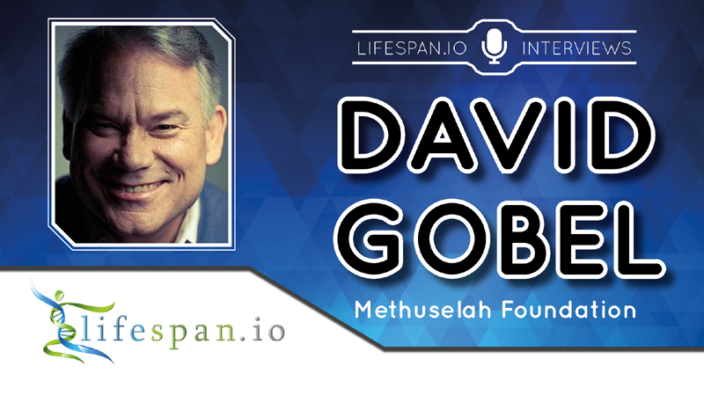
We had a number of great interviews last month, starting with Methuselah Foundation‘s founder, David Gobel. On the off chance the name don’t ring a bell, Methuselah Foundation is a charity that has been funding and advocating for rejuvenation biotechnology research since the early 2000s; Dave’s interview was a long, thorough, and insightful one on the state and progress of rejuvenation research, speculative timeframes for research translation, the story of the foundation, and more—it’s well worth a read!

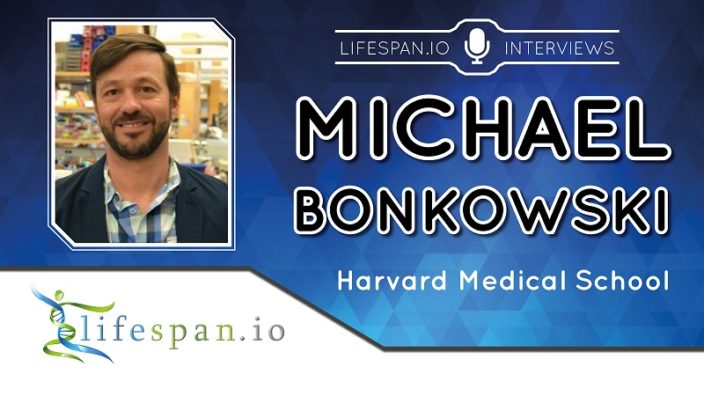
Michael Bonkowski, a member of Dr. David Sinclair’s NAD+ Mouse Project team, also kindly granted us an interview in which he delved into the details of NAD+ biology, the study to be funded through our current campaign,  the innovative ICE mouse model that the team has engineered, and more. Be sure to check it out, and maybe consider heading over to the campaign page to help us reach the next goal, if you haven’t done so already!

Research roundup

Stem cells

As we age, our reservoir of stem cells depletes; this phenomenon, known as stem cell exhaustion, is one of the reasons we age. While losing stem cells is really bad news for your health, as it can lead to a variety of age-related ailments, the good news is that the field of stem cell research is one of the most advanced and well-funded. For example, a human clinical trial of induced pluripotent stem cells (iPSCs) to treat heart disease will begin next year in Japan; it follows a similar clinical application against macular degeneration, which also took place in Japan.

Addressing the stem cell exhaustion hallmark will also be necessary for the sake of brain health, as neural stem cell activity declines with age; interestingly, a recent study discussed on FA! found out that enhancing lysosomal activity improves neural stem cell function, which once again hints at how aging is basically an intricate web woven by the interaction of several phenomena (lysosomal dysfunction being another one). Stem cells are also crucial to the immune system; indeed, innate immune cells are also generated by hematopoietic stem cells as part of the hematopoiesis process. If you’re curious about this, this article on Fight Aging! might be interesting.

Cellular senescence

A recently published review discussed cellular senescence and senolytics, covering topics such as methods to target clear unwanted senescent cells as well as the senescence-associated secretory phenotype (SASP) and its implications for human cancer. Especially if you are new to the subject and would like to learn more, this paper might interest you.

Like most hallmarks of aging, cellular senescence is involved in a wide range of pathologies, and for this reason, researchers all over the world are studying the best methods to identify and eliminate senescent cells; an entire association—the International Cell Senescence Association (ICSA)—exists for that very purpose, and it has recently held a meeting, which you can read about here. A broader view of the field of senotherapeutics, which encompasses all strategies to reduce the senescent cell burden, can be found in a paper briefly discussed here.

Other

Gene therapy without autoimmunity. It might be not immediately clear that gene therapy is accompanied by an autoimmune reaction; but it is to be expected, because adding or modifying genes means that a different protein begins to be produced by your body—one that your immune system has never seen before, which is enough for the protein to be blacklisted and attacked. However, Stanford scientists may recently have figured out a way to have the cake and eat it too—as we reported here, they were able to administer gene therapy to mice without triggering an autoimmune reaction.

A discussion of AGEs. Advanced glycation end-products, or AGEs, are really nasty chemicals—they are thought to be responsible for the stiffening of our tissues, most notably arteries, as well as one of the drivers of age-related chronic inflammation. AGEs are part of the loss of proteostasis hallmark, as they are essentially glycated proteins that the body can’t break down. Recently, the Buck Institute for Research on Aging published an article on the inflammatory nature of AGEs; you might like to take a look at it as well as Reason’s thoughts on the subject.

Introduction to mitochondrial dysfunction on LEAF. Mitochondrial dysfunction is one of the nine hallmarks of aging; as we get older, free radicals produced by the mitochondria themselves end up harming mitochondrial DNA. You can learn more about how this happens and how we might go about fixing it by reading our recent article on the matter.

News Nuggets

M Fund closes funding round successfully. Methuselah Foundation’s venture fund, Methuselah Funds, LLC (M Fund) successfully completed an initial funding round, as reported by the official press release. M Fund, an accelerator program for rejuvenation biotech startups, includes a number of promising companies in its portfolio, such as Leucadia and Oisín.

Covalent Bioscience expands patent portfolio. Two patents by Covalent Bioscience, a company working on catalytic antibodies against different amyloid proteins and even HIV, have recently been approved in both the US and Europe. The company has recently been networking with angel investors and participating in several anti-aging conferences—including LEAF’s Ending Age-Related Diseases.

A strong positive correlation between life expectancy and productivity. According to a recent study published by the International Longevity Centre in the UK, greater life expectancy is correlated with greater economic productivity. This suggests that the advent of rejuvenation biotechnology to undo the damage of aging may actually bring economic benefits, rather than exacerbate existing crises as some people fear.

Role models vastly more likely to be older people. By employing a very large dataset of more than 1.5 million questionnaires, Northwestern University scientists managed to identify four distinct personality types—average, reserved, self-centered, and role model. The four types are based on five widely accepted personality traits, namely neuroticism, extraversion, openness, agreeableness, and conscientiousness. Particularly, the role model personality type, which scores low in neuroticism and high in all the other traits, is typical of dependable and open-minded people. Data analysis shows that the likelihood of someone being a role model increases dramatically with age. This suggests that concerns that rejuvenation biotechnology might lead to a conservative, gerontocratic society may well be unjustified.

Life extension on Forbes Africa. The science and possibility of life extension was recently presented in a positive light by Forbes Africa writer Ancillar Mangena, who correctly acknowledges the benefits that would be derived from defeating aging and extending our healthy, productive lives. The article features the opinion of several experts, such as Dr. Susan Coetzer, Dr. Aubrey de Grey, and LEAF Vice President Dr. Oliver Medvedik.

Coming up in October

Longevity Day. On October 1st, the world celebrates the International Day of Older Persons, an occasion to draw attention to the elderly and their needs. Our community likes to think of this as a Longevity Day and makes it an occasion to bring attention to, and discuss, rejuvenation biotechnology as the most effective means to address old people’s health needs. What better occasion could there be to talk about rejuvenation than the International Day of Older Persons?

Longevity Film Competition. On October 1st, the results of the Longevity Film Competition will be announced. This contest is organized by the SENS Research Foundation, HEALES and ILA in order to stimulate talented activists to produce more educational videos to spread the word and address the typical public concerns related to healthy longevity.

The international school “Mechanisms of Aging and Age-Related Diseases” is taking place at the Moscow Institute of Physics and Technology from September 30 to October 3, and it features a number of leading researchers, such as Claudio Franceschi and Vladimir Anisimov.

ISOAD conference on aging. On October 5-8, ISOAD is hosting the 3rd International Conference of Aging and Disease (2018 ICAD), which will be held at Le Saint Paul Hôtel, Nice, France. We want to congratulate Dr. Ilia Stambler, who was crucial in organizing this conference, on building a wonderful program featuring a number of renowned researchers of aging and advocates of life extension.

MediaForum “All Russia 2018”. On October 6-12, our own Elena Milova is attending MediaForum “All Russia 2018”, which has been organized by the Union of the Journalists of Russia in Sochi, and she will chair Longevity Journalism, a discussion aimed at educating mass media representatives from many regions of Russia about the development and implementation of rejuvenation technologies.

Imagine Science Film Festival. New York City will be hosting the forthcoming Imagine Science Film Festival on October 12-19, an occasion where filmmaking meets science. lifespan.io is proud to be an official sponsor of this year’s event, whose theme—survival—is very much related to our work. If you happen to be in New York at the time, you can get your ticket here, and as one of our readers, you are entitled to a 25% discount—just use the code ISFF11LIFESPAN for all events at the festival, except those at the Rubin Museum and the Margaret Mead Festival.

Awareness campaign in Israel, Cyprus, and Pakistan. An awareness campaign for healthy longevity has been organized by Dr. Ilia Stambler of the Israeli Longevity Alliance, and it will take place throughout next month in Israel. A similar event will be held by the Pakistan Aging Research Society and the National Academy of Young Scientists in Pakistan, and the Rotary Club of Larnaca will also host an event to celebrate Longevity Day; however, it will be held on October 2 at the Sun Hall Hotel at 8 PM and will feature a lecture by geriatrician Dr. Kyriacos Adamou.

Ask LEAF Anything. To celebrate Longevity Month, we will have a special, livestreamed “Ask LEAF Anything” event on October 16 from 12:30 to 2:00 PM ET. We will be answering the questions that our followers ask most often, as well as any that you might ask live in the stream comments! Be sure to save the date!

A screening of Paywall: The Business of Scholarship will take place at the United Nations Headquarters, New York City, on October 22, 2018 as part of International Open Access Week. LEAF contributed a piece of original footage with Sci-Hub creator Alexandra Elbakyan to this documentary, and we are happy to see multiple screenings to be held around the globe. Viva Open Science!

Given that September was such a great month for the world of rejuvenation, we hope that it may be an indication of what we can expect the rest of the autumn to be like. There is much to look forward to in the next coming months, as we slowly but steadily move closer and closer to a world where aging was only a long, bad dream.

The Winners of the Longevity Film Competition

As you probably remember, a few months ago, we wrote about the Longevity Film Competition—an initiative by the Healthy Life Extension Society, the SENS Research Foundation, and the International Longevity Alliance. The promoters of the competition invited filmmakers everywhere to produce short films advocating for healthy life extension, with a focus on dispelling four usual misconceptions and concerns around the concept of life extension: the false dichotomy between aging and age-related diseases, the Tithonus error, the appeal to nature fallacy, and the fear of inequality of access to rejuvenation biotechnologies.

The competition is now over; the deadline for submissions was September 15, and fittingly, the winners have been announced today, October 1, in occasion of Longevity Day. “I want to say that this was a big challenge,” commented LEAF Outreach Director Elena Milova, who served as a judge of the competition. “The creators have used very different techniques and tools, which made most of the videos in the shortlist very hard to compare. Each video has its own advantages, and I can’t help but congratulate every team on their personal success in delivering the message! This year’s shortlist is a wonderful collection of perfectly unique stories.”

The three winners

The winner of the first prize of the Longevity Film Competition is the film “The End of Aging” by Adam Ford. Running almost 20 minutes long, this film goes into great detail about the challenge presented by aging, the benefits that would come from its defeat, and the biotechnologies that might be developed for this purpose; it also discusses several concerns traditionally related to healthy life extension.

The second place was won by the movie “8 Years On” by Tim Maupin, who also won the first prize (ex aequo) of the Longevity Film Competition 2015. Short and to the point, this film talks about how present-day medical science saved Tim’s elderly father from a stroke in 2011, making a very convincing case that it also counts as life extension and that there is no reason why more advanced life extension technologies shouldn’t be developed.

The third place winner was “Undoing Aging”, which presented the idea of rejuvenation and answered common concerns in a humorous way and with an unexpected twist.

Congratulations to all the winners and participants for their advocacy efforts as well as to the organizers of this competition for the success that their initiative has had and will hopefully continue to have in years to come.

Death Cafes and Life Extension: The Possibility of Synergy

Even with an increasing number of articles about aging and rejuvenation technologies in mass media, the general public’s lack of information remains a problem. Pro-longevity organizations try to spread useful information; however, it’s clear that this information is, quite often, only delivered to current members of the community instead of to a new audience. My work at LEAF is partially focused on finding ways to break this border and explore new social territories as often as possible. Last week, this journey brought me to a meeting with a title that speaks for itself: Death Cafe.

What is Death Cafe?

A Death Cafe is not a place. It is a meeting at which people are encouraged to discuss everything related to death over a cup of tea. The official mission of this community is defined as follows: “Our objective is to increase awareness of death with a view to helping people make the most of their (finite) lives.” It is not a form of group therapy, not a support group or a survivors’ group (though only the living can attend…); rather, it’s just a space where people can talk to each other about a topic that is usually excluded from public dialogue.

Jon Underwood and Sue Barsky Reid had the idea to create such a space and were inspired by the work of sociologist and thanatologist Bernard Crettaz. Jon was fascinated by Bernard’s custom of meeting with people in a cafe to talk about death. Jon and Sue formed Death Cafe as a social franchise, allowing anyone who shares their views and agrees with the founding principles of the group to run his or her own Death Cafe anywhere in the world. Despite Jon’s sudden death in 2017 at the age of 44, the initiative survived and keeps developing; as of now, more than seven thousand meetings were held since 2011 in at least 60 countries. This number makes me wonder how many meetings were held by life extensionists in the same period, but that is a question for later.

It turns out that Death Cafes were started in Russia in 2016 by Katerina Pechurichko, an expert in oncopsychology. After she hosted a few meetings in Voronezh and Moscow, the group attracted the attention of mass media, and this is how I knew that one of the Cafes would be taking place in a nearby library.

To be honest, it was not an easy decision to go there. As you may know, the reason why I joined the movement in 2011 was the tragic death of my mother from cancer. In the same period, I have also lost both grannies, which, apart from grief, caused me to think quite a bit about life and death. These events significantly upgraded my system of values and my social environment, which now consists of absolutely amazing people, death has never ceased to be a painful topic, and my fear of death was never quelled.

However, the duty of a life extension advocate (in this case, more of a scout) outweighed personal matters, so I grabbed some books on aging, just in case, and jumped in.

Discussing death… and life.

There were around 50 people in the room. I took a strategic place near the teapot and napkins and next to the moderator, PolyTech Museum’s librarian, Galina Nagoryanskaya. After a brief welcome speech and an explanation of what the Cafe is, the action began. Galina asked the first question, and, after that, the discussion didn’t stop for three hours.

The question was “What is your ideal death?” While the room went silent, I decided to introduce the topic that I wanted to talk about: the undesirability of death. So, I raised my hand and said that my ideal death is to have my body put in liquid nitrogen and kept there until medical technologies have progressed enough to allow my return to life; looking at how fast they develop, I think that this scenario is highly possible.

It started a very intense discussion of why, how, when and if we should or not get rid of death. People were initially describing their “ideal” deaths but then jumping back to either admitting they would like to avoid it or ardently being defensive. What I particularly liked was when one of the participants introduced the idea that each person is unique, so, when each person dies, it leaves a hole in the body of human culture, and this loss is as finite as the person is irreplaceable. I feel very much the same way, and my sadness is especially sharp when it is a notable person dying. However, I didn’t expect the same view to come from someone who seems to have a very different worldview in general. It made me think that maybe we humans have much more in common than we believe when just looking at each other.

At some point, I introduced the possibility of developing therapies that address the mechanisms of aging and might be able to cure age-related diseases, extend healthy life, and maybe even restore youth. After I mentioned that some of these therapies show quite interesting results in animals and are now being tested in human clinical trials, the discussion turned into an interrogation: people were asking me to tell them more. I kept my answers reasonably brief in order to respect people who wanted to talk about other things. However, the final part of the event was focused almost completely on the individual and social consequences of ending aging, even though I was not steering the conversation. The list of concerns, as you can imagine, was exactly the same as usual.

At the very end, I thanked everyone for their thoughts and stories, and I offered the books on aging prevention that I brought with me. The pile of 20 items was gone in a few minutes. After the official closure, we chatted a little bit more before we said goodbye.

Of course, not all 50 people in the room were involved; most of the exchange happened between me and maybe 15 other people. What surprised me is that step by step, with every new round of discussion, the group was picturing a future in which preventable death from aging and age-related diseases might be eradicated — and that it might be a good thing.

Should we attend Death Cafes to introduce rejuvenation technologies?

I see a potential for synergy with Death Cafes, as they are spaces where it is allowed and even welcomed to talk about death. It is okay to see death from all sorts of causes, including aging, as a problem, even as a problem that can be solved. People who come to these meetings seem to be more open to the idea of possible life extension than the general public. One reason is probably that many of them see death as a scary and negative thing (even if they will not admit it), so they are keen to explore other options. They give us an opportunity to speak freely, and in return, we offer them a new option to consider.

I would say that if a Death Cafe is held in your city, it makes sense to go. At the very least, it will be an evening full of revelations. However, you should understand that this space is not meant to be an advocacy playground. The only acceptable way to introduce the topic is to tell your personal story and share your genuine perception and emotions. I know that this might be difficult, and as a long-term outreach activist, I know why. Still, it is worth doing.

Consider that once you have seeded the idea that aging is amenable to intervention, it can affect many people’s future decisions. It may be that these people will be able to use rejuvenation technologies and have amazingly long lives because, on a grey and rainy day, they had met you at a Death Cafe.

NAD+ and Aging With Mike Bonkowski

Today, we have an interview with Dr. Michael Bonkowski, an expert on NAD+ biology and aging from the David Sinclair Lab, Harvard Medical School.

Michael Bonkowski aims to advance our understanding of the links between metabolism, aging, and age-associated diseases. He has published 35 peer-reviewed journal articles and has conducted multiple successful longevity studies. In Dr. David Sinclair’s lab, his research efforts are focused on the role of nutrient sensors’ regulation of endocrine signaling and aging in the mouse. He is also working on direct and indirect ways to drive the activity of these nutrient sensors by using dietary manipulations, small molecules, and chemical treatments.

Michael is trained as a pharmacologist, physiologist, and animal scientist. Some of his areas of expertise include animal physiology, genetics, glucose, and insulin homeostasis, metabolism, assay development, protein biochemistry, and transmission electron microscopy imaging.

As we are currently hosting the NAD+ Mouse Project on lifespan.io, which includes Michael on the research team, now is an ideal time to talk to him about his work and why the project is important for aging research.

For those new to the topic, can you tell us what NAD+ is?

NAD+ is a bioactive metabolite. It is well known for its role as a high-energy hydride carrier between glucose and mitochondria. It is involved in over 500 enzymatic and biochemical reactions, with multiple research groups reporting an age-related decline.  NAD+ is also studied for its role in the body as a resistance sensor against diseases of aging.

Some people simplify the role of NAD+ in metabolism as just being part of nutrient sensing and often see it as only being a caloric restriction mimetic. NAD+ has a lot more roles in metabolism than this; could you tell us what some of them are?

NAD+ is most well-known for its role in redox metabolism, as a cosubstrate for enzymatic reactions and as a downstream metabolite of Vitamin B3 (a.k.a. niacin or nicotinic acid). Its levels do go up during calorie restriction and exercise, which are currently the best-known interventions for slowing aging.

More information can be learned by looking at these reviews by our group and others: Canto et al. 2015, PMID: 26118927; Verdin, 2015 PMID 29031725; Bonkowski & Sinclair 2016, PMID 27552971; Rajman et al. 2018, PMID 29514064.

There are a number of what we call NAD+ precursors, including NR, niacin, and NMN. Can you explain how they are different from each other and what makes NMN potentially the most interesting in regards to NAD+ repletion?

There are many metabolic routes by which NAD+ is produced. The body can make it de novo from tryptophan or from external vitamins, such as niacin or NR. Most importantly, free nicotinamide in our cells, the product of NAD+ hydrolysis, can be remade into NAD+ through the salvage pathway. In this pathway, NMN is the direct precursor to NAD+ – just one enzymatic step away. In our lab, we found that giving NMN exogenously can raise NAD+ in most of the tissues that we have tested (liver, muscle, kidney, immune cells, and blood).

Why use precursors; why not just introduce NAD+ into the bloodstream for the cells to uptake?

We find that administering NMN can significantly increase cellular and tissue pools of NAD+.

NAD+ is known to facilitate DNA repair by preventing PARP1 and DBC1 binding; can you explain a little bit more about how this happens?  

Our lab was the first to show that NAD+ is involved in mediating protein-protein interactions between DBC1 and PARP1. With age-associated declines in NAD+, we find that DBC1 is bound to and inhibits PARP1. Increasing NAD+ levels through exogenous NMN supplementation decreases this interaction and restores PARP1 activity and DNA repair (Li, Bonkowski & Sinclair et al. 2017, PMID:28336669).

Does NAD+ also influence mitochondrial DNA (mtDNA) repair by this same PARP1/DBC1 mechanism?

We have shown that NAD+ in mitochondria is important for cell survival. While PARP1 is present in the mitochondria, we have not found evidence that DBC1 is present in the mitochondria.

Has anyone looked at how NAD+ repletion affects mitochondria; does it help to improve their function and/or reverse aberrant age-related dysfunction?

Many groups have looked at the effects of NAD+ repletion on mitochondria function and biogenesis. These studies have reported that administering NAD+ boosting compounds increases mitochondrial NAD+ altering activity and biogenesis (reviewed in Canto et al. 2015, PMID: 26118927). Work from our lab has found that with the age-associated waning of NAD+ levels, there is miscommunication between the nucleus and mitochondria. We also found that supplementing NMN to raise NAD+ could restore this communication breakdown, leading to a youthful phenotype (Gomes & Sinclair et al. 2013 PMID: 24360282).

NAD+ and SIRT1 were shown to mediate crosstalk with muscle tissue and blood vessels earlier this year. Could we potentially boost NAD+ levels to combat age-related frailty and sarcopenia?

We are very excited about this study.  We found that advanced aged mice received a benefit in muscle vascularization and running endurance from consuming NMN in their drinking water. NAD+ may or may not have a role for other muscle pathologies, such as sarcopenia.

What types of mice are you using in the experiment?

For our advanced age longevity, behavior and cognition experiments, we are using the C57BL/6 mouse line, which is used frequently in the aging field. We chose to start treating these mice at an advanced age (20 months = ~50 in human years) to circumvent developmental issues associated with using transgenic or knockout mouse lines. In addition, we will use our progeroid mouse model for cognitive and behavioral testing to accelerate results.

So, you are using both normal mice and a progeric mouse that experiences “accelerated aging”. How is your progeric model different to the progeric mouse strains already available, or how is it a closer analog to regular aging?

Our progeroid model is an accelerated aging model driven by induced changes to the epigenome (ICE). This model has many changes similar to human aging, and we will use these mice to address certain behavioral or physiological questions to accelerate data collection.

Some people criticize the use of progeric mice as not really representing normal aging; how do the modified mice you are using address some of those concerns?

The ICE mouse is a novel and, we believe, an accurate model of aging that is based on accelerating an underlying cause of aging.

You are conducting a lifespan study with normally aging mice, which is a world first for NMN, but does NAD+ work the same way in mouse cells as it does in human cells?

While there are indeed many differences between mice and humans. NAD+ is a common metabolite across all of life, and at the biochemical level, its functions are similar between species.

Conducting a lifespan study is difficult with all kinds of potential confounding factors that could affect the data, such as diet, environment, and so on. What are the biggest challenges for you and your team conducting a lifespan study?

We have conducted multiple longevity studies in mice and have experience in conducting these types of experiments. We house mice in a completely controlled environment and put a lot of thought into the design of the studies to reduce the confounding factors to an absolute minimum. We have already started a pilot study that is in progress and seeks funds to execute and complete the comprehensive experiments.

How large is your lifespan mouse cohort, and how did you determine that these amounts would be statistically sound and avoid the statistical “noise” some studies fall foul of?

We plan to use approximately 40 mice per group. Based on our statistical power analysis, with this N value, we are powered to detect small differences in average and maximal lifespan. In addition, we will conduct behavioral and cognitive tests.

Given that NMN is already in human trials, what could this experiment on lifespan.io add to our knowledge of NAD+ and aging?

There are phase 1 studies underway at Metrobiotech, and David Sinclair is one of the founders of this company. If we wish to know if NMN has a longevity benefit and improves many age-related diseases, we can have that answer using this mouse study in less than two years. Currently, there are no human trials in the U.S. looking at aging or longevity in response to dietary NAD+ supplementation.

Regarding the NAD+ Mouse Project on lifespan.io, why does the lab need to do this when it is part of a prestigious University?

Conducting research is very costly. We rely on grants and donations just like the majority of University labs. We are performing comprehensive tests and appreciate any monetary contribution allowing us to complete this important study.

Will the data be open access?

We would aim to pre-publish in biorxiv then publish in a peer-reviewed journal following that. The pre-published data would be open access which anyone can read though it will not have gone through the peer review process at this point.

We would like to thank Michael for taking the time to speak with us about his work and if you would like to learn more about the NAD+ Mouse Project check out their project page over at lifespan.io.

The Status Quo of Aging

One of the reasons why the idea of rejuvenating people isn’t all that easy to sell is that it challenges the status quo. For good or bad, we’re used to the fact that our health goes south on us as time goes by, ultimately killing us if nothing else does.

That’s not a nice certainty to have, but our species is one of planners; we tend to prefer bad certainties to uncertainty. For example, some people want to be certain that, at some point, they won’t be fit for work anymore and will need to retire; they prefer this over the uncertainty of not knowing how they’d make a living at age 150.

That’s not the only reason. Radical change requires radical rethinking of anything affected by the change itself; as rejuvenation would affect our social contracts, the job market, future planning, our idea of life milestones, of family, what it means to be old, and many other things, it would take a lot of rethinking—which is something humanity generally does only grudgingly and on its own sweet time.

Think about it: “Granny” is more likely to make you think of a sweet, gray-haired lady with large glasses on her nose baking a cake than of an attractive girl out one late night with friends; similarly, “grandpa” will more likely evoke the image of a friendly bald man in an old-fashioned waistcoat sitting down on an armchair reading the paper than of a good-looking college freshman with curly brown hair.

Yet, in a world in which comprehensive rejuvenation is common, the granny and grandpa that inhabit our collective imagination would simply not exist; rather, you’d find that grannies and grandpas in their late 80s can’t be told apart from people in their 20s; elderly would look just as young as “truly young” people, would be just as healthy, and would be engaged in the activities they prefer rather than having their activities limited by their declining health. To some people, though hopefully not many, this picture of grandma and grandpa is almost sacrilegious; they are supposed to look old, do things old people do, and have enough serious ailments that looking after their grandchildren is the most they can aspire to.

Similarly, “family” is a term used to indicate a rather fleeting human social structure, with parents, children and grandparents that all grow old and die; in a few decades, every family is totally eradicated, even though new families may have originated from pre-existing ones. To be fair, families are unlikely to last “forever” even if aging is taken out of the equation; once the children are grown up, they are likely to go their own ways and no longer live with their parents, however biologically young or old their parents may be. However, in a post-aging world, families could last “forever”, at least in principle.

Currently, there comes a point when, if you want to go and see your dad, you need to go to the cemetery; in a world with rejuvenation, you’d only need to go to his place. Maybe he and your mother still live together, or maybe they decided to split, move away, and start new families and new careers; the point is that as long as the members of your family are alive, you have the option of catching up. You may no longer all live together, but you can keep in touch and maintain your family in some form, if you so wish. Right now, aging forces all families into extinction, whether they like it or not; in a world without aging, how long our families last would be in our hands.

These are only two examples out of many more new situations that we, having grown up in a world plagued by aging, would have to get used to; newer generations born in a post-aging world would hardly have any problem with it and would probably end up wondering how anyone could possibly have opposed it in the past. Examples like this are different from concerns such as overpopulation in that they don’t represent a potential but tangible issue that might arise as a consequence of rejuvenation; people may have problems with biologically young elderly people and with a new “version” of families simply because they’re new and unfamiliar ideas, not because they pose any actual problem.

For example, women entering the workforce, rather than just looking after the kids and the house, wasn’t really going to cause any huge problem or pose insurmountable difficulties; actually, it yielded global benefits, yet it took a while before the idea that women belonged in the kitchen was finally abandoned entirely and the new paradigm was accepted. The fact is that our society was long used to thinking that there were jobs for men (the vast majority) and jobs for women (the minority); that was the idea that virtually everyone grew up with, and abandoning it in favor of a new model required dealing with a new and unfamiliar idea; it required questioning the current state of things, discarding long-held beliefs, and working on a (slightly) different way for society to function—all of which was far more difficult, and hence much less appealing, than simply dismissing the possibility that women could be in the workforce and sticking to the status quo.

The same can be said of concerns about how rejuvenation may change our traditional ideas of old age or of family; the new ideas of them that it would bring about are actually better than the old ones, but abandoning the old way of thinking and embracing the new one can be a challenge in and of itself—one that is well worth rising to nonetheless.

Paywall: The Business of Scholarship Documentary in English and Russian

Today, we want to let you know that the documentary Paywall: The Business of Scholarship is now available in both English and Russian. This is a documentary exploring the crisis in scientific journal publication and the excessive fees that some publishers charge to access knowledge.

Holding scientific knowledge to ransom

Around 70% of scientific publications are hidden behind paywalls, restricting access to knowledge and holding back progress. We believe that this is unfair and that putting profit before the health of others is unacceptable, and this is one reason why we support the concept of open science here at LEAF.

We believe that the paywalling of scientific knowledge is a disgrace, especially when it means that doctors, patients, and carers cannot access important health information because the cost of access is extortionate. It also has implications for students of scientific fields who need access to these papers in order to learn and complete their studies, and it puts budding scientists who cannot afford these costs at a disadvantage.

We applaud the work of people fighting for Open Science, such as Alexandra Elbakyan, the creator of Sci-Hub, a website devoted to providing scientists, students, and researchers with free access to scientific publications that would otherwise be locked behind paywalls.

Paywall: The Business of Scholarship

We also appreciate the hard work of journalist and filmmaker Jason Schmitt, who felt so strongly about the issue that he and his team created a documentary that explored the problems with the current scientific publishing system and offered some potential solutions. The documentary is called Paywall: The Business of Scholarship. We were happy to contribute original footage featuring Alexandra Elbakyan to the movie.

On September 5th, the global premiere of Paywall: The Business of Scholarship took place at 5:30 PM at the Landmark Theatre in Washington, D.C. We organized the screening on our Facebook page a few hours after the official premiere.

In October, there is to be a screening at the United Nations Headquarters in New York City, where it will be included in the annual festival in support of Open Science. Information on the other screenings happening in the U.S. and other countries can be found here.

The goal of this initiative is to reach more people outside academia and engage in wide public discussion in order to find a solution that would suit everyone. We are happy to note that one of the big science communities on Facebook, Trust me, I am a “Biologist”, joined us and also organized a screening, and by now, the movie has more than 30,000 views on this page.

In order to spread the word further, LEAF director Elena Milova, with the help of Joshua Conway and a LEAF volunteer who prefers his name to remain undisclosed, also translated the entire documentary into Russian!

Spread the word about the paywall problem

The current system of scientific publications is broken and unfair and does not facilitate the sharing of knowledge. If you agree with us, then we urge you to not only watch the documentary but also to share it widely. The reason that some publishers have been abusing the system for so long is the lack of awareness of the problem among the general public and decision makers. By showing this documentary to friends, family, and coworkers, you can help bring the problem into the light and bring a solution closer. Help science and progress today by sharing this documentary!

From Within Your Own Failing Shell

Some time ago, I noticed a stock photo of an old lady seeing her geriatrician, who was a much younger woman. Nothing special was happening in the picture, which showed just two people talking; however, it made me wonder what it must feel like to be an elderly person consulting a geriatrician.

One initial assumption could be that it isn’t much different than seeing a GP, but that seems unlikely. If you are seeing a GP, the odds are your disease or ailment is not debilitating, let alone life-threatening. Whatever it might be, you went to see your doctor knowing that, most likely, he or she would be able to cure you; especially if you are young, it’s probable that just taking a medicine for some time, or doing physical therapy, will make you better. You know that you will recover, and the discomfort or the suffering you’re going through is destined to go away. You will get back to your life as it used to be, healthy as ever.

Things are rather different when you are seeing a geriatrician. A geriatrician is a specialist who takes care of the needs of elderly patients, an activity that can be summarized as ensuring the highest possible life quality of a patient in spite of his or her failing body, which becomes increasingly less resilient and less able to respond to treatment with the passing of time. Existing drugs and exercise programs, for example, can ameliorate the symptoms that an elderly person experiences and improve his or her life quality, but the vast majority of age-related diseases simply cannot be cured right now.

When you go to see a geriatrician, you do so with the knowledge that your doctor will most likely be unable to make you any better, despite his or her best efforts; you simply can’t shovel water with a pitchfork. You are aware that, as you keep aging, your condition is likely to worsen, and all your doctor will be able to do is help you manage your symptoms. You know that you are not going to get back to your life as it used to be and that you are not going to be as healthy as ever—that’s not what old people generally are like. In fact, one day, one of the conditions that brought you to see a geriatrician in the first place is going to worsen to the point that you will die of it.

Most of us are familiar with the feeling of going to see a general practitioner, getting a prescription for some mild ailment, and going back home, thinking about our plans for the rest of the day or the week, which possibly involve a big project that we have been working on for a while and can’t wait to take to completion. What if, instead, you are going home after seeing a geriatrician because of osteoarthritis in your knees? Whatever you might be thinking then, you probably are distracted by the pain that you feel in your knees with every step you take, and the thought that it’s not really going to ever improve doesn’t make it any better. It is unlikely that you have any big project going on that you are looking forward to finishing; it’s not that you wouldn’t like to have one, but your deteriorating health makes it difficult to do anything too demanding. Probably, your much younger doctor is going to go back home thinking about an exciting upcoming trip or her next night out, but you are not.

It’s impossible not to wonder what it must feel like to watch others get back to their own lives from within your own failing shell, knowing that the life that you are getting back to is likely going to be short and decreasing in quality; to hear your doctor say that your ailments can be managed, but not cured; to know that, as time passes, you are more and more likely to lose your independence and cause problems or suffering for your loved ones.

Putting on a smile and trying to look at the bright side of things may help you cope and avoid making things worse than they have to be, but it’s not going to make them better either. A positive attitude is a great prescription for any disease you might have, regardless of your age, but it is not the only prescription that you would be given for any serious illness that might strike you before old age. There is no reason why staying positive and palliative care should be the only medicines against aging—not now that rejuvenation biotechnology is becoming an ever-more concrete prospect.

People of all ages should have the right to go to see their doctors knowing that, most probably, whatever diseases they have may be cured; that any others they might get in the future can be prevented; that their discomfort or suffering is going to go away; and that they are going to get back to their lives as they used to be, healthy as ever.

Administering Gene Therapy Without Triggering Immune Response

Scientists at Stanford University School of Medicine managed to administer effective gene therapy in mice without triggering an autoimmune reaction. The research, led by Dr. Peggy Ho, Ph.D., was published in the Proceedings of the National Academy of Sciences [1].

Study abstract

In gene therapy for Duchenne muscular dystrophy there are two potential immunological obstacles. An individual with Duchenne muscular dystrophy has a genetic mutation in dystrophin, and therefore the wild-type protein is “foreign,” and thus potentially immunogenic. The adeno-associated virus serotype-6 (AAV6) vector for delivery of dystrophin is a viral-derived vector with its own inherent immunogenicity. We have developed a technology where an engineered plasmid DNA is delivered to reduce autoimmunity. We have taken this approach into humans, tolerizing to myelin proteins in multiple sclerosis and to proinsulin in type 1 diabetes. Here, we extend this technology to a model of gene therapy to reduce the immunogenicity of the AAV vector and of the wild-type protein product that is missing in the genetic disease. Following gene therapy with systemic administration of recombinant AAV6-microdystrophin to mdx/mTRG2 mice, we demonstrated the development of antibodies targeting dystrophin and AAV6 capsid in control mice. Treatment with the engineered DNA construct encoding microdystrophin markedly reduced antibody responses to dystrophin and to AAV6. Muscle force in the treated mice was also improved compared with control mice. These data highlight the potential benefits of administration of an engineered DNA plasmid encoding the delivered protein to overcome critical barriers in gene therapy to achieve optimal functional gene expression.

Gene therapy and autoimmunity

Gene therapy may be extremely useful to replace defects in the genome of a patient. A defective gene encodes for a faulty protein, which may lead to crippling or even lethal diseases. By replacing broken genes with working ones through gene therapy, cells can be instructed to produce functional proteins instead of faulty ones, thereby eliminating the very root of genetic diseases.

However, the new, working protein produced by a newly introduced gene is foreign to the patient’s body; his or her cells have never produced it before, and the immune system is bound to recognize it as a threat and treat it as such, mounting a dangerous immune reaction that might even result in death. For this reason, gene therapy has always been a bit of a double-edged sword.

Finding ways to administer gene therapy and eliminate or mitigate autoimmune reactions is thus a central problem, and Stanford researchers think that they’ve found a way to do it, at least in mice.

The study

The researchers carried out their experiment on a murine model of Duchenne muscular dystrophy—a progressive, crippling pathology that affects all voluntary muscles and, eventually, cardiac and breathing muscles as well. In humans, it occurs primarily in males and exceedingly rarely in females. The rate of incidence of the disease is about 1 in 5,000 males at birth, most of whom will be unable to walk by the time they reach the middle of their teenage years; in a best-case scenario, affected individuals can expect to live to their 30s.

The reason why the researchers chose this disease is that it originates from a single faulty gene. This gene is responsible for the production of a protein called dystrophin; if the protein is lacking or dysfunctional, it will lead to the disease. As curing the disease requires fixing only one gene, it is a relatively simple target.

The researchers’ patients were fifteen 6-week-old mice who had been bioengineered to lack functional dystrophin. In order to deliver a working copy of the dystrophin-encoding gene to the mice, the researchers employed viral vectors—that is, they modified viruses to render them harmless while preserving their cell-penetrating ability, and they equipped them with the gene they wanted to splice into the mice’s genetic code. This gene wasn’t exactly the one encoding for dystrophin, which would be simply too large to fit into the chosen viral vector; instead, they created a smaller version of it that produces microdystrophin, a suitable substitute for dystrophin. The viral vector, designed by one of the study’s authors, would then go on to infecting the mice’s cells and insert the replacement gene into their DNA.

However, this approach may actually worsen immune reactions; the recipient’s immune system would react not only to microdystrophin but also to the viral vector itself. To circumvent this problem, the authors of the study made use of plasmids—small DNA molecules that are most commonly circular, double-stranded, and found in bacteria. These molecules are generally transferred directly from one bacterium to another—a process known as horizontal gene transfer—sometimes facilitating the transmission of antibiotic resistance.

The immune systems of the mice would mount a response against some of the sequences in the DNA contained in the plasmid as well, but in this case, the scientists had replaced those sequences with others capable of dampening the immune reaction to both microdystrophin and the viral vector.

After the mice received the microdystrophin gene through a viral vector, they were divided into three groups, which, for 32 weeks, received a weekly intramuscular injection of a placebo, a placebo plus the plasmid without the dampening sequences, or the immunity-dampening plasmide. At the end of this treatment, the latter group had much stronger muscles and higher levels of microdystrophin than the other groups as well as little immune response to microdystrophin and few inflammatory signals between immune cells.

Conclusion

While an experiment in mice is not sufficient to absolutely determine whether the same approach would work in people, the researchers are optimistic that this method might translate; the same approach has been used to induce immune tolerance to myelin protein and proinsulin in people with multiple sclerosis and Type 1 diabetes, respectively, so there’s reason to believe that it might work for human gene therapy as well.

Literature

[1] Ho, P. P., Lahey, L. J., Mourkioti, F., Kraft, P. E., Filareto, A., Brandt, M., … Steinman, L. (2018). Engineered DNA plasmid reduces immunity to dystrophin while improving muscle force in a model of gene therapy of Duchenne dystrophy. Proceedings of the National Academy of Sciences, 201808648.

A Review of Cellular Senescence and Senolytics

Today, we want to point out a new publication that dives into the world of senolytics, which are drugs or therapies that seek and destroy harmful non-dividing cells that resist the programmed cell death known as apoptosis.

These cells linger in the body, and, as we age, more and more of them accumulate and contribute to the chronic age-related inflammation known as “inflammaging” while reducing tissue regeneration and repair and contributing to the development of various age-related diseases.

One approach to dealing with these problem cells is to tip them over the edge and cause them to self-destruct, thus removing them and the inflammation they cause. A new class of drugs known as senolytics was discovered a few years ago, and the interest in developing them to potentially combat age-related diseases has been growing rapidly.

Abstract

Cellular senescence is a process that results in irreversible cell-cycle arrest and is thought to be an autonomous tumor-suppressor mechanism. During senescence, cells develop distinctive metabolic and signaling features, together referred to as the senescence-associated secretory phenotype (SASP). The SASP is implicated in several aging-related pathologies, including various malignancies. Accumulating evidence argues that cellular senescence acts as a double-edged sword in human cancer, and new agents and innovative strategies to tackle senescent cells are in development pipelines to counter the adverse effects of cellular senescence in the clinic. We focus on recent discoveries in senescence research and SASP biology, and highlight the potential of SASP suppression and senescent cell clearance in advancing precision medicine.

There are already a number of companies poised to enter human trials with these drugs, so keep an eye on our research roadmap, a curated database of the major aging therapies in development, if you would like to keep up with their progress.

The paper in question takes a look at the biochemistry of cellular senescence, one of the hallmarks of aging, and presents information on all the known senolytic compounds, the studies behind them, and their development progress.

Naturally, like 70% of all scientific publications in the world, this important health and medical knowledge is hidden behind a paywall; however, thanks to projects like Sci-Hub, which bypasses such extortionate fees, anyone can read it for free. We also recently interviewed Alexandra Elbakyan, the creator of Sci-Hub, about the problem of science being held for ransom behind paywalls.

Conclusion

This paper is a great primer on the subject of cellular senescence and senolytics, and it should be of interest to both new and long-time readers. We anticipated that senolytics would be the first repair-based therapy to arrive, and given historical timelines for clinical trials and assuming that everything goes according to plan, we may see senolytic therapies being available in the next 4-5 years. That will be a game changer for medicine and how we think about treating age-related diseases.

Literature [1] Sun, Y., Coppé, J. P., & Lam, E. W. F. (2018). Cellular Senescence: The Sought or the Unwanted?. Trends in molecular medicine.

NAD+ Repletion Shows Potential Against Aging

Science is advancing rapidly, and the field of aging research is no exception. Our understanding of aging has grown a great deal in the last decade, and we are now reaching the point at which the first therapies that target aging are starting to arrive. Unlike the snake oil of previous years, some of these might actually work; today, we are going to have a look at NAD+ repletion, one such promising therapy.

In the near term, nicotinamide adenine dinucleotide (NAD+) is showing potential for addressing some of the aging processes. NAD+ levels decline significantly during aging in both humans and animals, and studies on old mice have shown that restoring NAD+ levels causes them to look and act like younger mice while increasing their lifespan.

What is NAD+?

NAD+ is a molecule that is present in all living cells and is essential for a myriad of cellular processes, including regulating metabolism, performing signaling, facilitating DNA repair and blood vessel growth, and regulating some aspects of aging.

In the body, NAD+ is created from simple building blocks, such as the amino acid tryptophan, and it is created in a more complex way via the intake of food containing nicotinic acid (NA), nicotinamide riboside (NR), nicotinamide mononucleotide (NMN), and other NAD+ precursors.

These different pathways ultimately feed into a salvage pathway, which recycles them back into the active NAD+ form. This salvage pathway, shown on the bottom right of the diagram, includes NAM, NMN, NAD+, and their associated steps.


As this diagram shows, NA has many chemical steps that it must go through before it is converted into NAD+, NR is closer to the salvage pathway, and requires fewer steps to become NAD+ and NMN is within the salvage pathway. Some research suggests that NMN brought in from outside of the cell generally has to convert back into NR to pass through the plasma cell membrane of most cells, but this does not appear to be a bottleneck given how fast it increases NAD+ throughout the body in mice [1].

Unfortunately, it is difficult to infuse cells directly with NAD+ as the molecule is too large for most cell types to take it in through the plasma cell membrane, so adding NAD+ to the bloodstream would not enter most cells. However, there is some research that suggests that NAD+ and NMN might enter certain types of cells directly and this is something researchers are currently trying to ascertain, we will talk about that in a future article.

Making old mice younger

In March 2017, researcher David Sinclair and his team published a study in the journal Science showing that by feeding mice the NAD+ precursor, NMN, they were able to restore lost NAD+ levels within hours [2]. In just a week, some signs of aging in muscle and other tissues had been reversed so much so that the researchers could no longer tell the difference between these 2-year-old mice and the tissues of 4-month-old mice.

This study also showed the exact mechanism by which NAD+ facilitates DNA repair via a special pocket-like structure. The study has implications for cancer survivors, aging research, and even potentially space travel, given that DNA damage is the primary reason for genomic instability and makes us prone to cancer and aging. Being able to boost our DNA repair would be very useful indeed for repairing DNA damage from aging, cancer, and environmental radiation, which is prevalent in space.

In 2018, a study by David Sinclair and his team showed that vascular aging could also be reversed using NMN [3]. Compromised blood flow plays a key role in aging, since it starves tissues and organs, including the brain, of the essential nutrients and oxygen they need. This loss of blood supply is also implicated in sarcopenia, the age-related loss of muscle mass that leads to frailty and loss of independence in older people due to poor mobility.

In this study, Sinclair and his team found that they could restore lost blood flow in old mice using NMN to encourage blood vessel growth. The cells took up the NMN and converted it into NAD+, spurring the formation of new tiny blood vessels to improve muscle tissue; in fact, the mice treated with NMN increased the treadmill running time by an impressive 60% compared to control animals that did not receive NMN. In some cases, the old mice had endurance levels that matched and, in some cases, even exceeded those of younger mice.

In a broad sense, NMN improves blood flow in the same way that exercise does, as it interacts with a family of molecules called sirtuins. This means that if NMN works as hoped, it would be an exercise mimetic, and using it would have similar benefits to actual exercise; this could be useful for older people who are already suffering from loss of mobility and cannot exercise. It also has potential as a preventative for vascular aging in general and for improving tissue regeneration and wound healing.

This is great if you are a mouse, but what about humans?

Scientists are hoping to translate these murine findings to humans, and in 2017, a group of researchers ran a randomized control trial using NR [4]. These researchers reported that there was a significant and sustained increase of NAD+ levels over a two-month period in people taking the supplement. We should, however, take this study with a pinch of salt, as it was partially funded by the sole producer of NR as well as public money via the NIH.

Meanwhile, David Sinclair and his team are running a small-scale human trial on NMN at the Brigham and Women’s Hospital in Boston, Massachusetts, which is adjacent to Harvard Medical School, where Sinclair has his lab. This initial study is important, as in the past, the results of various “anti-aging” compounds shown to be effective in mice have not translated to humans.

David Sinclair and his team are keen to rigorously test NMN in humans and gain clear results. He plans to test NMN in healthy elderly people to see if they receive the same improvements in blood flow that animals receive.

Conclusion

While you can buy NMN as a supplement, the usual concerns about purity and efficacy are there, and until there are clinical trials we advise waiting for the results from those to come in before deciding if it’s worth taking or not. However, if you must self-test, we suggest using a science-based approach.

It is also fair to say that while NMN does not address all of the aging processes, it does address altered nutrient sensing and genomic instability somewhat in mice. There is little doubt that more robust therapies will arrive in time, but NMN could be useful as a stop-gap, assuming, of course, that the results translate from mice to men. The good news is that we may not need to wait too long to find out.

Literature

[1] Mills, K. F., Yoshida, S., Stein, L. R., Grozio, A., Kubota, S., Sasaki, Y., … & Yoshino, J. (2016). Long-term administration of nicotinamide mononucleotide mitigates age-associated physiological decline in mice. Cell metabolism24(6), 795-806.

[2] Li, J., Bonkowski, M. S., Moniot, S., Zhang, D., Hubbard, B. P., Ling, A. J., … & Aravind, L. (2017). A conserved NAD+ binding pocket that regulates protein-protein interactions during aging. Science, 355(6331), 1312-1317.

[3] Das, A., Huang, G. X., Bonkowski, M. S., Longchamp, A., Li, C., Schultz, M. B., … & Treviño-Villarreal, J. H. (2018). Impairment of an Endothelial NAD+-H 2 S Signaling Network Is a Reversible Cause of Vascular Aging. Cell, 173(1), 74-89.

[4] Martens, C. R., Denman, B. A., Mazzo, M. R., Armstrong, M. L., Reisdorph, N., McQueen, M. B., … & Seals, D. R. (2018). Chronic nicotinamide riboside supplementation is well-tolerated and elevates NAD+ in healthy middle-aged and older adults. Nature Communications, 9(1), 1286.

An Interview With David Gobel

David Gobel is an inventor, philanthropist, futurist, and passionate rejuvenation advocate and supporter; he’s known for co-founding Methuselah Foundation with Dr. Aubrey de Grey and for proposing the intriguing concept of “longevity escape velocity”, but his achievements and successes extend far beyond that. David has kindly granted LEAF a most interesting and detailed interview.

If you’re not familiar with the Methuselah Foundation, it is possibly the oldest organization active in the field of rejuvenation advocacy and support; it also works as an incubator for startups working in rejuvenation research and has helped kickstart many of the projects we talk so much about on our website.

We hope you enjoy Dave’s replies as much as we did!

David, you’re well-known in the life extension community for being the co-founder of the Methuselah Foundation. Nonetheless, you have been involved in several different ventures and projects, not all of which involve life extension. Can you briefly discuss your career?

I am fortunate to have experienced much as an entrepreneur. From selling candles off the back of my motorcycle when I was a teen to working with IBM, my entrepreneurial bent has taught me a lot at every turn. I became a serial entrepreneur by creating several software companies. To give you a couple of examples, in 1991, I co-founded Knowledge Adventure. There, we created non-linear video, in which the movement of the user’s mouse would link non-linearly to a database of video frames. This resulted in us producing six best-selling multimedia titles, including 3D Body Adventure.

In 1995, I partnered with Steven Spielberg, Intel, Sprint, and Tandem Computers to design and create Starbright World, a broadband network that allows sick children at home and in over 110 children’s hospitals to “go out and play” in a rich virtual world where they can communicate with friends and family.

After 9/11, I felt compelled to help improve public security and safety, so in 2002, I joined TSA and eventually became the Chief Venture Strategist in the Office of Security Operations. There, I spearheaded the development of the Department of Homeland Security’s first venture capital capability. In that capacity, I also conceived IdeaFactory, which was adopted by DHS and which won the Secretary of DHS’s Team Innovation Award.

How did your involvement in life extension begin; did you realize the problem of aging yourself, or were you introduced to it by someone else?

It started because of my awareness that the healthcare system was broken, like the growth of an unplanned city that has no rhyme or reason. Our healthcare system reacts to system failures rather than preventing them, because that is more lucrative. The incentives push science in poor directions, and then these become inferior technologies and treatments. I came to the conclusion that we need a system reset. After much research and reflection, it became my conviction that this reset should be to delay and reverse aging and rejuvenate robust health. I believe this will result in reduced suffering and the greatest opportunity for individual and civilizational growth.

You co-founded Methuselah Foundation in 2001 with Dr. Aubrey de Grey. Can you tell us about how the idea was born and how the Foundation has grown and evolved over the years?

I founded the charity in 2001. When Aubrey and I began collaborating, I suggested the new name, and then we went with that in 2003. Rather than tell a story, we’ll link to our newly minted history of the Foundation. Of course, we are a moving target and will be announcing several new initiatives this year.

Methuselah Foundation has given millions of dollars to regenerative medicine research, backing ventures such as Organovo, Oisin Biotechnologies, and SENS Research Foundation. Would you like to tell us about some of the results that these companies have obtained thanks to your charity?

Well, Organovo invented and is now selling high-fidelity 3D human liver and kidney tissues to the research market, is providing CRO services, and is on track to deliver a 3D liver patch to the clinic in two years.

Another portfolio alumnus, Silverstone Matchgrid, has saved the lives of over 1,000 people due to our investment in its paired kidney donation software. This software is now used in over 35 hospitals in the U.S., Europe, and soon, Saudi Arabia.

I don’t think I need to say anything about SENS Foundation – it is fantastic, and we at Methuselah Foundation couldn’t be prouder of its success and contributions.

We have very high expectations for Oisin Bio and OncoSenX. We anticipate that it will be in Phase 1 safety trials by mid-2019. We hope to provide it to some patients much sooner than previously possible, as the FDA is liberalizing treatment availability via the recently passed “Right to Try” legislation.

Leucadia Therapeutics is a startup focused on defeating Alzheimer’s disease. This is progressing and promising. We hope to have major news later this year. The research community is realizing that the newly discovered brain clearance structures are perhaps key elements to fix, which is what Leucadia has been advancing since 2015.

Rather than go on, I’d like to say that we at Methuselah Foundation tend to be modest about proclaiming our successes. We prefer that the companies and scientists behind them get famous. For us, we focus on “Return on Mission”: how many people have not suffered; how many people have not died; and how much peace and happiness has been enjoyed because of our donors, stakeholders, non-profits, and new companies started. We absolutely expect to have failures; if we don’t, we’re not trying hard enough. Thankfully, so far, our strategies are working well.

A rather impressive name among your partners is NASA; in 2016, the American space agency launched the Vascular Tissue Challenge alongside your organization. Can you say some things about this particular project, Methuselah Foundation’s involvement in it, and how it has been progressing?

Methuselah Foundation, via its NewOrgan Alliance initiative, has been responsible for attracting the current 13 world-class competitors. We have held 3 conferences to promote the prize in collaboration with NASA and NASA Ames Laboratory. The prize expires at the end of 2019, but we believe that the prize will be won before that, based on the competitors and their progress. Once the solution to the vascularity limit is achieved, 3D engineered human tissues can really take off!

Also, NASA has started releasing a series of videos that it’s produced about the Vascular Tissue Challenge. Here are two links to sample videos on their Facebook pages.

SENS Research Foundation spun off from Methuselah Foundation in 2009; however, SENS was initially a part of Methuselah’s research program. Why was it decided to separate them into two organizations?

Aubrey has an amazing mind for the details of biology, and it was his desire to exploit this growing body of knowledge to pursue his SENS initiative. I, on the other hand, have expertise in getting the “impossible” off the ground and into the sky without it blowing up. He wanted to do lab work which would require vast capital, and I wanted to start companies that could bring products to market/clinic, go public, and recycle the funds back into the mission. With his pharma experience, Mike Kope made it possible for both Aubrey and myself to play to our unique strengths while keeping in sync. This has allowed us to independently drive the mission, likely faster than could otherwise have been possible.

The timeline of MFoundation’s achievements is frankly impressive. One of the latest was the launching of the Methuselah Fund in early 2017, an LLC subsidiary of your charity. Can you tell us about it and how its mission differs from that of Methuselah Foundation?

The Methuselah Fund, or M Fund, is designed to give donors a chance to get a return on equity now that the longevity field is maturing. Many of our donors have been faithfully donating for years, and now that opportunities are emerging, we wanted to give them the first opportunity to invest.

We are delighted to announce that we just successfully closed the M Fund’s Founder’s Round. We now have four companies in our portfolio and have been looking at helping form some promising new ventures. We are particularly proud to say that every single one of our members is a mission-driven individual who wants, more than anything, to see an end to the aging problem.

Lastly, we will be announcing several new company start-ups over the next few weeks, so stay tuned.

Does Methuselah Foundation engage in advocacy and educational activities alongside financing research?

The Methuselah Foundation has created Public Service Announcements to educate the public on the importance of having conversations about aging as a disease and its implications for society. We did a total of five videos, and these aired on Hulu and YouTube.

We believe that our Methuselah Mouse Prize went a long way toward proving that the pursuit of longevity is a legitimate science goal in the biogerontology community. We are decidedly and committedly apolitical. We simply believe that healthy life is good and that more of it is better.

Our form of advocacy is to prove that healthy life extension is scientifically inevitable. Our goal is to deliver solutions to the clinic. We do this with prizes, grants and company formation.

Can you tell us something about the future projects or activities that MFoundation is planning to start?

We have many projects that we are shepherding, but some are not ready to be publicized. We look forward to telling you about them in the upcoming weeks!

The 300 is your charity’s way of honoring a group of early supporters who forwarded the cause of healthy life extension in the face of the public ridicule that, in the early 2000s, was standard for anyone advocating for the defeat of aging. Unfortunately, even today, although the topic has gained significant acceptance among experts, the idea of defeating aging is still often met with ridicule, indifference and, at times, opposition that borders on religious fervor. Why do you think this happens, and how can we change it?

We fervently believe in everyone’s right to express themselves for or against the view of aging as a disease. We recognize the ethical issues that scare or intimidate many individuals who see living longer as a societal problem. We understand that not everyone will want to live significantly longer and that some people would purposely live lives that age their bodies prematurely. We don’t aim to change those feelings, but we aim to inspire tolerance among different opinions.

Science and technology have improved our standards of living, so we can all have choices that we can take or leave. For example, we can go to our fridges and decide to eat chicken, steak, or vegetables in a given meal, knowing that the ingredients not used will be safe to eat another day. Just about 150 years ago, humans did not have that luxury. As a species, we thrive on having options and enhancing our access to novelty. Also, thanks to refrigeration, we are able to diet in numerous ways that make us healthier individuals. We could even say that we are living longer because we can plan our meals now. However, very few individuals would have strong feelings against the invention of refrigerators.

The mainstream view of aging as an engineering problem and not a natural one will change as the view of other vilified industries changed with time. For example, it was once the mainstream view that flying was best left to the birds. The thought was, “If God wanted us to fly, he would have given us wings.” What we say is, “If God wanted us to fly, he would have given us imagination (which of course, we have).” Clearly, flying was engineered, and so can longevity.

You were the first to put forward the concept of longevity escape velocity, or LEV. How far are we from LEV, assuming the current pace of research and no serious showstoppers?

I anticipate that within 3 years, some interventions will be available via safety trials and that people who are treated will receive benefits that put them on a path toward LEV. I believe things will accelerate from there, as vastly more attention is triggered by early advances. We are seeing the first glimmers of this already.

Editorial note: The response to this question about LEV has been clarified in response to comments from David on Fight Aging.

MFoundation’s motto—”Making 90 the new 50, by 2030″—is not as bold as the concept of LEV, which many people are very skeptical about. Then again, 2030 is only 12 years away, so your motto might also appear too bold. Are you still confident that the industry will meet this deadline?

Yes, as long as the early companies get sufficient funding so that they can be accessible to the public without being diverted from the mission. The science is there, so this issue is about meeting necessary funding and regulation. The ability to meet this goal is real, so we are working on all elements of the problem that we can.

Other than not dying of aging, do you have a special dream that may only come true if significant life extension is achieved?

At the age of 65, we are still children. I believe that every 10 years of life can produce a profoundly different and improved person if the host body is kept youthful. The danger is that once we return to youth while drenched with knowledge and experience, we will either become diabolically clever or productively wise. I hope to continue to grow toward greater productive wisdom and joy from regaining youth.

You’re also a futurist. Staying in the realm of speculation, how do you imagine the world might be in 50 years? Worst and best case scenarios.

Many of your readers are no doubt familiar with Kurzweil’s concept of the technological singularity. I make the argument that, as in physics, nothing entering the event horizon of a singularity survives the experience. It gets shredded to oblivion. We have already entered a socio-economic event horizon of similar magnitude to the one which started in 1453-5 with the invention of the printing press and the fall of the Byzantine, Holy Roman, and Catholic empires. Printing led to modest changes in its first 50 years but then absolutely exploded into the Renaissance and discovery of the New World(s). This was followed by the Reformation, which shredded the entire social and governmental fabric of the Western world. This phenomenon is happening again right now.

There is no word to describe these conditions, so I had to give it a name: Simulflation. Simulflation is the simultaneous implosion and explosion of a technologically-driven phase, and these changes are similar to the collapse and inflation of a star undergoing exhaustion of its fuel. As it collapses, a new element begins to burn.

We are experiencing technologically-driven “simulflation”, a situation similar to that of the period between 1910 and 1929, when technological innovations continuously accelerated capital investments in innovations to the point of bubbles, generating huge technological advances, cost reductions, and creative destruction. Now, Moore’s, Metcalf’s and other power laws (genomics) are collapsing industries, trade, and commerce barriers. This is leading to repetitive destruction of pricing power, resulting in deflationary labor costs. This is the highest component of business costs, which feeds back into further gravitational implosion via automation. Coincident with accelerating destructive deflation, currencies have been decoupled from commodity constraints (gold), so governments have no limit on how much money they can print. There is huge inflation in money creation, with said money being driven to invest in paper and digital (crypto) assets. This further accelerates the cost-push inflation. Deflation and inflation at the same time, simulflation, ultimately results from tidal/gravitational exhaustion and collapse of the reigning global socioeconomic system.

According to Martin Armstrong, in 1900, about 40% of the US civilian workforce was employed in agriculture. By the late 1920s, the economy had changed remarkably. There were exceptional gains in productivity due to electrification, which increased production of goods, and the combustion engine, which profoundly altered agricultural production. Previously, up to 25% of agricultural land had been used to feed horses and mules. With tractors replacing horses and mules, this land suddenly became available. The ability to produce food soared and exceeded market demand, creating overproduction and underconsumption. This Great Depression led straight to WWII. A supernova, if you will.

We are on the cusp of a new, even more powerful, event horizon. To answer your question, the next 50 years will either usher in a world of untold plenty and growing good will, or we will personally encounter the great filter of the Fermi Paradox. We will either suffer the fate of the Krell (Forbidden Planet), or we will learn to become Good in a profound sense. Because of the exponentially growing power of humans, there will be no middle ground. So, I am pleased that so many folks who support our work are doing so because it is good and not primarily for financial gain.

If you could tell everyone in the world one thing to remember for the rest of their lives, what would that be?

The concept of money is a mass psychosis that prevents us from being who we are and who we can become. It exists because we don’t trust each other – and perhaps don’t trust ourselves. We simply must transcend this. We must learn the meaning of satisfaction and appreciation and goodness without needing the “dog treats” we call money. Until we internalize this, longer life will not lead to happiness.

A big thank you to David for his thoughtful insights. His enthusiasm and optimism are contagious, and we certainly hope he’s correct in his prediction that the beginning of LEV might be only twelve years away. Without people with his dedication to the cause, the science of rejuvenation wouldn’t have progressed as far as it has.