The Blog

Building a Future Free of Age-Related Disease

Are we on the verge of major breakthroughs in anti-aging?

Today we bring you an interview with author and researcher Dr. Josh Mitteldorf who runs the aging research blog Aging Matters.

Aging is not always the default

Dr. Josh Mitteldorf is an evolutionary biologist and a long-time contributor to the growing field of aging science. His work in this field has focused on theories of aging. He asks the basic question: why do we age and die? This can seem like a silly question to people encountering it for the first time because most of us would quickly respond, “Because that’s just how it is; all creatures age and die eventually as their bodies wear out.”

Essentially, Josh is saying, “Not so fast. In fact, a lot of creatures don’t age and die. Humans, as well as most other animals that do age and die, are programmed to do so. So, humans are programmed to die in much the same way that salmon are programmed to die after spawning.”

Wait, what? Yes, Josh argues, we are not that much different than salmon in this regard – we just have longer to enjoy our inevitable fate than salmon do. However, our ultimate fate is the same. This is important because an accurate understanding of how and why we age will lead to more effective therapies and interventions to mitigate or even eliminate aging.

I discussed my thoughts and reactions upon learning about Josh’s ideas in his excellent 2016 book co-authored with Dorian Sagan, Cracking the Aging Code in my article entitled: Like Tears in Rain, We Are Replicants.

What follows is an interview with Josh about his ideas and his thoughts on the field of aging science more generally. This interview was conducted by email in early 2018.

It seems like the field of aging science has grown remarkably in the last decade or so, with many new books and more research money and scientists devoted to the many problems of aging. Given this growing interest are you optimistic that we’re on the verge of real breakthroughs in longevity improvements?

I’m not as optimistic as I was a few years ago. The Next Big Thing in the field is likely to be senolytic drugs. These are able to selectively remove the body’s worn-out cells that have become toxic, without poisoning our healthy cells. I think they’ll add a decade or more to the human lifespan. The “exercise pills” popularized by the New Yorker last fall will be another boost if they can be made safe.

After that, I think the big challenge will require taking control of our epigenetics (heritable changes that don’t require changes to the genome itself). Epigenetics, I believe, is in control of aging at a deep level. Epigenetics is so complicated that 20 years into the age of epigenetics, we’re still just beginning to understand how it works.

You have a Ph.D. in astrophysics, and you work in mathematical modeling and evolutionary biology – not exactly a set of credentials we’d expect for someone focused on aging science. What was your personal path for becoming a biologist who studies aging? And what is your preferred designation: biogerontologist, “aging scientist,” or something else?

I was and still am fascinated by cosmology, the study of the large-scale structure and the history of the universe as a whole. However, I was frankly intimidated by how many really, really smart people there are in the field. I came to doubt that I would be able to see something that they missed and to make a really fundamental contribution.

Then, in 1996, I figured out that the whole biological community had missed the point about what aging is and where it comes from. Here was a fundamental error that I might be able to help correct, and it is about a question of interest to scientists and non-scientists alike. Truly low-hanging fruit in the world of research, waiting to be plucked. I found my calling.

What I didn’t realize is that science is so well-defended against challenging ideas. Within five years, I had worked out an understanding and a resolution of the basic paradox that aging evolves despite the fact that it is the opposite of traditional notions of evolutionary fitness. Here we are, 17 years later, and I’m still working with the public relations aspects of this new science and entrenched conservatism.

Is it indulgent for scientists to focus on extending lifespans and healthspans when there are so many diseases that still afflict kids and adults?

I don’t think so. Diseases of old age take the biggest toll on human health, by far.

Why are you less optimistic about the potential for major breakthroughs in aging science now in 2018 than you were previously?

Originally, my thinking went like this: The conventional view has been that aging exists despite evolution’s best efforts over hundreds of millions of years to eradicate it. Evolution is already trying to make us live as long as possible, and for humans to extend our lifespan, we’ll have to do some pretty fancy thinking to come up with something that evolution hasn’t already tried.

However, this conventional view is wrong. In fact, evolution has preferred defined lifespans to indefinite lifespans. So, we might hope that we can eliminate aging entirely by understanding the mechanisms of self-destruction that evolution has built into our life history and biochemically disabling them. I had thought that this could probably be done by blocking the signals, jamming the works. Pharmaceutical companies are generally quite good at turning off a hormone or a whole biochemical pathway once it’s been identified.

The reason I’m less optimistic now is that I believe that the evolved mechanism of self-destruction involves gene expression, which is to say epigenetics. Different genes are turned on at different stages of life (this is a big part of what epigenetics is), and the genes turned on late in life turn the body against itself. Mechanisms like apoptosis (cell death), autoimmunity, and inflammation are all dialed up.

The reason my expectations are scaled back now is that epigenetics has turned out to be enormously complicated. We once thought that a few transcription factors controlled a large number of genes, turning them on and off en masse. We now know that there are thousands of different transcription factors, almost as many as there are genes. And there is wide overlap between genes that have transcriptional functions and genes that have metabolic functions. Sigh.

There are more than 100 known mechanisms of epigenetics, and the only one that we have a handle on is methylation; that is, we can measure it and, clumsily with gene editing tools like CRISPR, re-program methylation one site at a time.

In short, I think that turning aging processes off completely will require a mastery of epigenetics, and we have a long way to go before we even understand, let alone take control of, epigenetics.

Could you flesh out a little your contributions to aging science, in terms of the evolutionary theory of programmed death in humans and most other species? I found your book Cracking the Aging Code very interesting and enlightening on these issues, but these ideas are hard for most people to get their heads around.

Thank you, Tam. I do hope that this book will turn around the way people think about the evolutionary origin of aging, causing ripples that affect our understanding of the metabolism of aging and leading to improved medical research. It’s gratifying that my theory is receiving the recognition that was completely absent 20 years ago, but it’s also frustrating that the entrenched theory refuses to die.

Briefly, the entrenched theory is based on the “selfish gene” notion that Richard Dawkins and others have made popular. Darwin had a broad and multifaceted view of what constitutes fitness. He was appropriately vague. But in the 20th century, “fitness” came to mean just one thing: fertility. How many offspring can you produce, and how fast can you produce them?

In this picture of fitness, evolution is highly motivated to make you live as long as possible, so long as you are still churning out babies. So, where does aging come from? The standard answer is that there are genes that tie fertility directly to deterioration late in life, and evolution has not found a way around this; it has not found a way to have lots of fertility early in life without incurring damage later on, despite hundreds of millions of years of trying to overcome this limitation.

In my book, I describe a great mass of evidence against this picture. Much of it is common sense, but there is a lot of technical, genomic evidence as well. The evidence strongly points to the inference that natural selection has preferred shorter lifespans to indefinite (or very long) lifespans.

Why might this be? My theory is that it is about ecosystem stability. It’s not possible to construct a stable ecosystem out of selfish individuals that are each trying to live as long as possible and produce as many offspring as possible. In order to have stable ecosystems, nature has had to accept limits to fertility and to lifespan.

The reason that the evolutionary community is so resistant to this idea is that it requires natural selection to occur within entire ecosystems. In other words, this ecosystem persisted because it was stable, while that one collapsed because it was way out of balance.

So, stable ecosystems spread to take over the territory of collapsed ecosystems, and all the species in the stable ecosystem benefit. This is a much broader notion of how natural selection works than the selfish gene model.

For largely historical reasons, evolutionary theory grew up in a way that was committed to the selfish gene. Most evolutionary biologists today believe that the selfish gene is the only mode by which evolution operates, though they could not articulate a reason why, if challenged.

If we are indeed programmed to die, what does this insight suggest about the most promising pathways for anti-aging breakthroughs?

The death program seems to operate primarily through inflammation, apoptosis (programmed cell death), autoimmunity, and cellular senescence through telomere shortening. My understanding of aging suggests the following:

  • Anti-inflammatories are already well-studied and represent the state of the art in anti-aging medicine.
  • Apoptosis is trickier because the body needs apoptosis to get rid of cancer and infected cells. We can’t just dial down apoptosis; we need to make it smarter and more discriminating.
  • Autoimmunity occurs when the thymus gland shrinks throughout a person’s lifetime. The most promising therapies to restore the thymus involve FOXN1.
  • Telomere maintenance will have to be part of any full-spectrum anti-aging program.

How many additional years of healthspan and/or lifespan do you think good nutrition, exercise, attitude, supportive social bonds, etc. can contribute?

Look around you. The people who are doing everything right live about 10 extra years. However, after age 90 or maybe 95, the genes take over. If you don’t have centenarian genes in your family, all the healthy habits in the world won’t get you to age 100.

Let’s dive into what you identify above as perhaps the most promising area of research: senolytic drugs and apoptosis. What are these drugs, and how do they work? Are there over-the-counter or prescription options available yet?

Senolytic drugs kill senescent (old) cells without harming normal cells. The best evidence we have about the potential for this therapy is that when senescent cells are efficiently eliminated in mice, the mice live 25% longer. However, the catch is that the way this is accomplished in mice is to genetically engineer the mice before they are born, giving them a self-destruct mechanism built only into their senescent cells. Then, the lab scientists can administer a drug that doesn’t directly kill the cells but only signals them to kill themselves.

Without genetic engineering, human cells don’t have these self-destruct mechanisms built-in. Genetic engineering has to start with the fertilized egg; it’s way too late for you and me under this approach. So, for senolytics to be implemented in humans, we need a really smart poison that only affects senescent cells without harming normal cells. There are several pharmaceutical companies working on this idea. The record-holder so far is FOXO4-DRI, and it is about 10 times more toxic to senescent cells than to normal cells. That factor of 10 isn’t enough margin of error for a practical drug. To get rid of all your senescent cells, you’d have to take too many healthy cells as collateral damage.

A combination of dasatinib and quercetin has been suggested for senolytics. Quercetin is found in fruits and berries, but by itself it doesn’t extend lifespan (in mice). Dasatinib is a chemotherapy drug that is far too toxic to be a practical life extension medicine.

The best senolytic treatment we have now is fasting. When we go without food for three days at a time or more, senescent cells start to die off, but normal cells dial up their resistance and become healthier during a fast. Valter Longo has experimented with fasting and has designed a low-cal, low-protein “fasting-mimicking diet” that allows you to get a lot of the benefits of fasting with much less hunger.

David Sinclair, a geneticist at Harvard, has made waves recently with his research on nicotinamide (a type of vitamin B3) and its potential to rejuvenate circulation and increase energy, among many other benefits. He’s talked about his 78-year-old father taking nicotinamide and feeling like a 30-year-old again–with the adventurous lifestyle to prove it. Sinclair’s recent paper found a strong association between nicotinamide and reversing vascular aging. Do you agree that nicotinamide and other methods of increasing NAD+ are promising for significant rejuvenation?

I’ve been behind the curve with the science of NAD all along. There may be evidence I haven’t seen. From what I know now, I’m not impressed with the idea that NAD or its precursors are a significant anti-aging tonic, though I don’t doubt that there are some people who have benefited from these supplements. Our metabolisms are so different, one person from the other, and I believe that individualized anti-aging programs will ride a wave of individualized medicine over the coming decades.

What researchers do you see as being mostly on the right track for major breakthroughs?

Recently, I’ve been much enchanted by Horvath’s aging clock.

But isn’t the “Horvath clock” a measurement tool rather than an anti-aging treatment?

Exactly so. What I believe is that our development of anti-aging technologies has far outpaced our program of testing, so, at present, we don’t know what works. For example, we now have something in the neighborhood of over 20 treatments that have been found to extend lifespan in mice by 5% to 15%, with a few up in the 20% area.

The biggest unknown of all is how all these technologies interact. I take about 20 different pills, plus intermittent fasting, a low-carb vegetarian diet, yoga, endurance exercise and interval training. All these things have been shown to have some benefit, but we know almost nothing about how they interact with one another. The great majority are likely to be redundant. That is, the benefit of taking two supplements is barely better than taking one, if at all; and with 20 different supplements, we can guess that most of them are doing the same thing, but not all. There are some combinations that actually synergize: 1 + 1 = 3.

How can we test all these hundreds of different combinations, when a single life extension trial in humans takes 10-20 years and costs hundreds of millions of dollars?

This is where the Horvath clock is a real breakthrough. The standard test at present would be to try a combination on 3,000 subjects and 3,000 controls, then wait and wait for 50 of them to die in the control group and only 40 in the test group, and we have a positive result that’s barely significant, statistically. However, the new Horvath clock, just out this spring, is so accurate that you can see the results in a single human in the course of a year or two. I predict that testing with the Horvath clock is going to be 10 times faster and 100 times cheaper than the present protocol.

Another great benefit is that early adopters and self-hackers are going to start testing themselves, trying an intervention and testing again the next year. If they do this with some discipline, they can learn not just what works in general but what works for their particular metabolisms. The Horvath clock will be a huge boon for individualized medicine.

That’s an inspiring development. Who else has captured your imagination with their research?

I’m a fan of Irina and Mike Conboy. Starting with parabiosis experiments (hooking the blood circulation of two mice together), they have progressed toward blood draws and blood infusions to study what factors in the blood are responsible for rejuvenation. I think that this is a very promising line of research. On the other hand, they haven’t published a major new finding in several years, and privately, they’ve told me that rejuvenation may be complicated, requiring a rebalancing of many different blood factors.

Dario Valenzano at the Max Planck Institute published a stunning finding last year, linking intestinal flora to rejuvenation in fish. Translated to humans, a 60-year-old might be able to add a dozen years to his life with rectal transplants of feces from his 30-year-old son or daughter. I don’t know of anyone who is trying this yet, but that’s a simple, cheap procedure. You don’t need a lot of money or even a doctor. Combine it with the Horvath clock, and see if it is working.

Of course, I’m a fan of what Nir Barzilai is doing with human trials of metformin. I’d like to see someone do the same with rapamycin. The Russian labs of Anisimov and Skulachev are doing remarkable work, but without proper controls or replication. I’d like to see some Western labs pick up on their technologies. Elissa Epel, Barry Sears, and P.D. Mangan are among many people getting the word out about pro-longevity lifestyles that people can adopt right now.

In the debate over telomerase and telomeres, you’ve previously seemed to side with the more optimistic thinkers like Michael Fossel and Bill Andrews. Aubrey de Grey, another prominent researcher, has downplayed the potential for telomerase due to fears about increasing cancer, and more generally because de Grey’s approach is about simply cleaning up the detritus of the various aging processes rather than stopping the aging processes. Are you shifting over more to the de Grey camp now that your optimism about telomerase therapy is fading?

I’m less enthusiastic than I was about the potential of telomerase activators (which boost telomerase and thus telomere length). I’m not afraid of cancer, but the very recent results associating telomerase with an acceleration of the Horvath aging clock are a big warning sign for me.

Fossel has stated in his book The Telomerase Revolution that we should have affordable (about $100) IV drip treatments for telomerase therapy that rejuvenate the whole body by 2025 or so. Is this wildly optimistic, or is Fossel onto something that most others just aren’t recognizing yet? He’s an M.D./Ph.D. with over thirty years of aging research behind him, so he’s hard to dismiss, but this kind of statement may seem over the top to many.

I like Michael and have enormous respect for him. He saw the potential for telomerase technology more than 20 years ago, when it wasn’t on anyone else’s radar, except Michael West’s and maybe Bill Andrews’. Now, we have so much more data, and I believe the data is telling us that the potential life extension from telomerase therapy is limited to a few years–maybe five at most. I’m glad that Fossel and Andrews are doing what they’re doing, and we should know before long if there are dramatic benefits from telomerase therapies.

What do you think of using de Grey’s approach to clean up the detritus of aging while using things like telomerase therapy, stem cell therapy, and gene therapy to prevent future aging, combining them into a promising “big picture” approach to rejuvenation?

I’ve always said that Aubrey’s repair-based program is going to turn out to be unnecessary. The body knows how to repair itself if we can just adjust the signaling environment appropriately. We shouldn’t have to engineer all these workarounds. However, this is just my theory versus Aubrey’s theory, and time will tell how much can be done with signaling and how much needs engineered repair. (Actually, Aubrey’s view and mine have been converging from both ends in recent years. He is much more aware of the potential for signaling approaches, and I’m coming around to believing that some things will have to be repaired.)

What is your personal balance between “aging gracefully” (accepting the aging process and all that it entails) and staying abreast of all the aging science over the years as well as making original contributions in this area, as you have?

I’m no believer in “aging gracefully.”  I’m much more in the camp of “Do not go gentle into that good night–rage, rage against the dying of the light!” (Dylan Thomas). Or Edna St. Vincent Millay: “Down, down into the darkness of the grave they go… I know. But I do not approve. And I am not resigned.”

At age 68, I’m starting a new career, learning new things not just in the sense of adding to my knowledge; I’m revising old theories as new evidence comes in and overturning the way I see the world.


Using Peptides to Regrow Human Teeth

Researchers at the University of Washington have developed a therapy that uses peptides to promote the regrowth of tooth enamel in order to treat dental cavities.

An end to tooth decay?

There are multiple regenerative medicine approaches being developed to combat tooth decay; for example, earlier this year, we discussed a method that uses gsk3 antagonists to spur the regeneration of teeth. This is a similar approach that is showing promising results.

The study published in the journal ACS Biomaterials Science and Engineering shows a technique that may allow teeth to be rebuilt and may mean the end of dental cavities and the problems they bring [1].

The technique was inspired by the body’s own natural proteins that help teeth to form and enamel to regrow. The researchers first isolated the essence of amelogenin, a key protein responsible for the formation of enamel on teeth; they then developed peptides based on the amelogenin protein to enhance tooth repair.

The peptides are shown to bind to the surface of teeth and recruit calcium and phosphate ions. This means that teeth can replace lost enamel at a faster rate than would naturally occur, which could potentially remineralize teeth damaged by decay.

The researchers report that just one treatment is enough to create between 10-50 micrometers of new enamel on a tooth. Once the system is fully developed, it could be easily deployed in toothpaste, gel solutions, and dental composites as an alternative to current dental methods. Such a system could be bought over the counter and a part of daily dental care in the near future.

Abstract

White spot lesions (WSL) and incipient caries on enamel surfaces are the earliest clinical outcomes for demineralization and caries. If left untreated, the caries can progress and may cause complex restorative procedures or even tooth extraction which destroys soft and hard tissue architecture as a consequence of connective tissue and bone loss. Current clinical practices are insufficient in treating dental caries.

A long-standing practical challenge associated with demineralization related to dental diseases is incorporating a functional mineral microlayer which is fully integrated into the molecular structure of the tooth in repairing damaged enamel. This study demonstrates that small peptide domains derived from native protein amelogenin can be utilized to construct a mineral layer on damaged human enamel in vitro. Six groups were prepared to carry out remineralization on artificially created lesions on enamel: (1) no treatment, (2) Ca2+ and PO43- only, (3) 1100 ppm fluoride (F), (4) 20 000 ppm F, (5) 1100 ppm F and peptide, and (6) peptide alone. While the 1100 ppm F sample (indicative of common F content of toothpaste for homecare) did not deliver F to the thinly deposited mineral layer, high F test sample (indicative of clinical varnish treatment) formed mainly CaF2 nanoparticles on the surface. Fluoride, however, was deposited in the presence of the peptide, which also formed a thin mineral layer which was partially crystallized as fluorapatite. Among the test groups, only the peptide-alone sample resulted in remineralization of fairly thick (10 μm) dense mineralized layer containing HAp mineral, resembling the structure of the healthy enamel. The newly formed mineralized layer exhibited integration with the underlying enamel as evident by cross-sectional imaging. The peptide-guided remineralization approach sets the foundation for future development of biomimetic products and treatments for dental health care.

Conclusion

Dental cavities bring a host of problems, including allowing bacteria to infiltrate deeper into the body, thus adding to the overall microbial burden; this, in turn, ties up the immune system and may contribute to aging in the long term.

There are multiple research teams working on a solution to dental cavities, and while it may seem like we are always hearing about these things but they never arrive, there is a fair chance that we should see something soon, given recent progress.

In broader terms, this is a great demonstration of regenerative medicine and how we might use our natural repair systems to rebuild damaged tissues in the future.

Literature

[1] Dogan, S., Fong, H. K., Yucesoy, D. T., Cousin, T., Gresswell, C. G., Dag, S., … & Sarikaya, M. (2018). Biomimetic Tooth Repair: Amelogenin-derived peptide enables in vitro remineralization of human enamel. ACS Biomaterials Science & Engineering.

a

Promising Results for Age-Related Macular Degeneration Trial

Researchers at the USC Roski Eye Institute, in collaboration with other institutions in California, have shown that a new stem cell-based retinal implant could help people with dry age-related macular degeneration [1]. The researchers have published the results of their phase 1/2a clinical trial in the journal Science Translational Medicine.

What is dry age-related macular degeneration?

Dry age-related macular degeneration is the most common form of age-related macular degeneration and is the leading cause of visual impairment in adults aged 65 and over. The condition leads to a loss of central vision, which can cause problems with reading, writing, driving, and other tasks that rely on vision. Diseases like this can rob the elderly of their independence and put them at risk of accidents, and with around 1.7 million Americans suffering from this condition, it is a significant problem for older people.

The therapy uses a layer of human retinal pigment epithelial cells housed on a thin supporting structure, which is then implanted into the retina. Four patients received the new treatment during the trial and were monitored for a year afterward to assess the long-term safety of the approach.

No adverse side effects were observed following the implant, which suggests that the therapy is tolerated well. The researchers also found evidence that the implant had integrated with the patient’s own retinal tissue, which is required in order to restore vision.

While following up on the safety of the therapy, the researchers assessed its efficacy. Of the four patients treated, one had improved visual acuity and showed significant improvement reading an eye chart, and two patients gained some visual function. It is also worth noting that none of the four patients had further progression of vision loss during the year following the therapy.

Conclusion

These early results show that this therapy is well tolerated and suggest that this currently unique implant approach could help people suffering from the advanced stages of dry age-related macular degeneration. The next step for this therapy will be a full phase 2 study to assess its efficacy in a larger test group.

Literature

[1] Kashani A, Lebkowski J, Rahhal F et al. (2018) A bioengineered retinal pigment epithelial monolayer for advanced, dry age-related macular degeneration. Science Translational Medicine Vol. 10, Issue 435, eaao4097. DOI: 10.1126/scitranslmed.aao4097

World Health Day 2018

Today, April 7, 2018, is World Health Day, an annual occasion to raise awareness celebrated on the anniversary of WHO’s founding. The intent is to draw attention to global health issues, and this year’s theme is Universal Health Coverage and how important it is to implement it on a global scale as soon as possible.

Healthy aging was the theme for World Health Day 2012, but we would still like to avail ourselves of the opportunity to emphasize how bringing aging under comprehensive medical control is an essential milestone on the way to a world where everyone can live longer and healthier lives—one of the very goals that WHO has set itself to achieve.

A step in the right direction

In official contexts, you often hear about “healthy aging” and how its achievement is a global priority. Like WHO itself points out in its World Report on Aging and Health 2015 (WRAH), this term is rather nebulous, largely lacking consensus on how to measure healthy aging or even define it [WRAH, p. 28]. Indeed, it might strike you as a jarring contradiction in terms; aging is a chronic process of damage accumulation at a cellular and molecular level that, over time, will push one’s risk of developing chronic diseases higher and higher and will ultimately result in death [WRAH, p. 25]. It’s difficult to imagine how such a process could ever be considered “healthy”.

However, for the scope of its report, WHO defines “healthy aging” as “the process of developing and maintaining the functional ability that enables well-being in older age” [WRAH, p. 28]. In the simpler terms of a WHO infographic, healthy aging is “being able to do the things we value for as long as possible.”

Lifestyle choices can influence how healthy you are when older.

It is important to keep in mind that WHO defines “functional ability” as a combination of an individual’s intrinsic physical and mental capacities and the characteristics of his or her environment—that is, all the external factors that can have an impact on the life of an individual.

Whatever name we may give it, this definition describes an ideal that LEAF fully subscribes to; the whole point of healthy life extension is to preserve your health in full for as long as possible, allowing you to have a longer life filled with the things you love doing and the people you care for. We would like to draw attention to the fact that the concept of rejuvenation is fully encompassed in WHO’s definition of healthy aging, since comprehensive rejuvenation biotechnologies, assuming they work as intended, would eliminate the problem of the ill-health of old age altogether, allowing you to maintain your functional ability and well-being in older age.

WHO doesn’t yet talk of rejuvenation in its report on healthy aging, which, it suggests, may instead be achieved by changing the way we think about aging and older people, creating age-friendly environments, aligning health systems to the needs of older people, and developing systems for long-term care. It is probably too early for WHO to consider rejuvenation therapies as a crucial factor for the attainment of the highest standard of health for every human being, and successful early clinical trials will have to be completed first.

Regardless, it is definitely wise of WHO to consider healthy aging, as the organization has defined it, and its attainment to be priorities for the future; this is because its proposed measures represent a reasonable fallback plan should the advent of rejuvenation be delayed significantly and, more importantly, because this kind of public discussion may help ease and speed up the introduction of rejuvenation therapies once they become available. It is evident from provision 105 in WHO’s global strategy and action plan on aging and health that the organization would likely be supportive of rejuvenation therapies that achieve its concept of healthy aging and that its current plans are merely a sign of prudence rather than conservatism:

  1. Finally, better clinical research is urgently needed on the etiology of, and treatments for, the key health conditions of older age, including musculoskeletal and sensory impairments, cardiovascular disease and risk factors such as hypertension and diabetes, mental disorders, dementia and cognitive declines, cancer, and geriatric syndromes such as frailty. This must include much better consideration of the specific physiological differences of older men and women and the high likelihood that they will be experiencing multimorbidities. This could also be extended to include possible interventions to modify the underlying physiological and psychological changes associated with ageing

Same objective, same reasons

LEAF and WHO share the same intent in this matter; and the reasons behind it are also the same. First and foremost, every human being has the right to the “highest attainable standard of health”, to use the words of WHO itself [WRAH, p.14, and also the WHO constitution]. The importance that WHO places on health itself, as opposed to simply longer lifespans, is made clear given that it switched from life expectancy at birth to healthy life expectancy at birth, or HALE, to measure the success of its efforts to support overall health and prevent all kinds of disease. Taken together with the promotion of UHC, this means, among other things, that its goal is to give older people access to basic medical services that prevent, treat, and control diseases in order to extend the healthy periods of their lives. It is important to note that the WHO definition of health is “a state of complete physical, mental and social well-being and not merely the absence of disease or infirmity.” Healthcare that fully accomplishes this goal would place older people on the same physical, mental, and social footing as younger people.

A stereotypical view of older people is that their outdated mindset and failing bodies relegate them to the past and make them a burden in the present; we agree with WHO that humanity must move past these ideas, though it is undeniable that the poor health that all too often accompanies old age makes it difficult for elderly people to be an active part of the present, and it arguably would do so even if our society were much more age-friendly than it is today. It is equally undeniable that ill-health is a burden on patients and their families.

As we have reiterated many times, if rejuvenation biotechnology were available, the diseases of old age wouldn’t merely be delayed or mitigated; potentially, they could be comprehensively prevented altogether in a way that current prevention methods, such as having a healthy diet and exercising, cannot. In principle, this would allow people to maintain, throughout their lives, the same health as a young adult enjoys today, which pretty much is the highest attainable standard of health. Completely fulfilling the WHO definition of health would mean that a rejuvenated elderly person would be virtually indistinguishable from a typical chronologically young person, both in terms of physical and mental prowess, weakening the reasons behind age-based discrimination.

A more flexible framing

Up until now, human life has mostly followed a rather simple scheme: a learning period spanning from early childhood to early adulthood, a working life until retirement, and finally retiring without doing, or being expected to do, much at all, except perhaps looking after any grandchildren. This view is so ingrained in the public perception that retirement age is pretty much seen as a fairly unchangeable number somewhere between sixty and seventy at best, meaning that the idea of extended longevity is often associated with an extended period of retirement and increasingly bad health. However, WHO rightfully points out [WRAH, p. 10] how this framing is rather rigid and outdated and that learning is not necessarily something that can happen only early in life. Given good-enough health, people might make different choices than they do now, picking up new courses of studies or careers much later in life, and perhaps, if we are talking about comprehensive-enough rejuvenation treatments, even starting families at presently unconventionally late ages.

The 2015 report doesn’t neglect to mention the developmental and economic benefits that would derive from the achievement of healthy aging, as WHO defined it, on a global scale [WRAH, pp. 15-17]. In this conservative scenario, elderly people are still seen as contributing members of society in terms of their help in raising future generations, financial contributions through taxes, formal or informal participation in the workforce, et cetera. Thus, from this perspective, expenses to help achieve healthy aging are not seen as costs but rather as investments that may be outweighed from deriving benefits. One must also consider that failing to promote healthy aging may eventually result in a world population that is largely composed of elderly, disease-burdened people who are unable to contribute to society in any way and whose medical expenses to modestly mitigate the effects of their conditions will not yield any tangible benefits for the rest of society.

If we consider a less conservative scenario, for example, one where rejuvenation biotechnologies are widely available and able to extend both healthspan and lifespan by a decade or two—actually making 90 the new 70—we see that society would reap the aforementioned benefits for a prolonged period of time. Imagine what the benefits would be if rejuvenation biotechnology could make 90 the new 30.

For these reasons, we believe that once a fully effective anti-aging medicine is ready to leave the lab, what drives WHO to promote healthy aging and Universal Health Coverage for everyone may also drive the organization to do the same for rejuvenation biotechnologies. In the organization’s own words in provision 37 of the General Programme of Work draft 2018,

  1. Ensuring healthy ageing is central to universal health coverage, just as it is to the other priorities of GPW 13. The number of people over the age of 60 is expected to double by 2050 and this unprecedented demographic transition will require a radical societal response. […]

Healthy aging as defined by WHO is mainly a set of preventative measures to delay the onset of, and mitigate the effects of, age-related pathologies; the reason why this is central to the development of UHC is primarily economic. UHC would be challenging to implement if the elderly people of the future, whose number is expected to significantly grow, were to be as burdened with chronic conditions as they generally are today—conditions whose management would have to be paid for by UHC. Preventing those conditions through the promotion of healthy aging would thus ease the financial burden on the system. As rejuvenation biotechnology would be a far more effective and comprehensive form of prevention, it would make more sense for UHC to cover rejuvenation treatments rather than palliative care and therapies that manage chronic conditions.

Conclusion

WHO’s director-general has said, “No one should have to choose between death and financial hardship. No one should have to choose between buying medicine and buying food.” That is, in a nutshell, the rationale behind Universal Health Coverage and one we wholeheartedly agree with. “Access to essential quality care and financial protection not only enhances people’s health and life expectancy,” reports WHO on its website, “it also protects countries from epidemics, reduces poverty and the risk of hunger, creates jobs, drives economic growth and enhances gender equality.”

We are convinced that the defeat of aging through medical intervention will bring similar benefits, and to paraphrase the director-general, we think that no one should have to choose between age-related death and financial hardship. This is why we hope that one day, rejuvenation treatments will be part of the Universal Health Coverage of the future; for now, we will keep pushing to get research groups the funds they need to make this technology happen.

Activating Natural Killer T cells to Combat Cancer

New research has identified the mechanisms responsible for enhancing immune system activity, offering new approaches for more effective cancer treatments and vaccines.

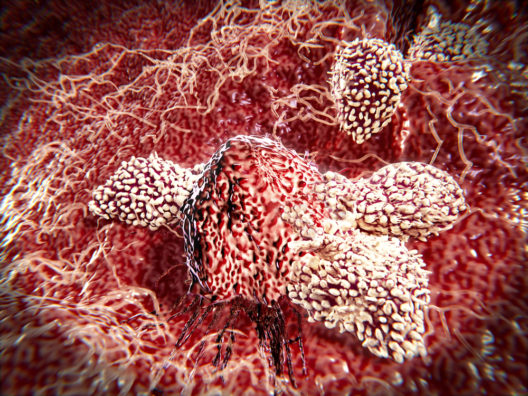
Invariant natural killer T (iNKT) cells are part of the immune system’s arsenal for fighting infection and defeating diseases like cancer. Finding ways to activate these potent cells more quickly could lead to more effective solutions to cancer and other diseases.

Finding an effective way to activate iNKT Cells

While there have been efforts to find compounds that stimulate iNKT cells, and a number of compounds have been demonstrated to do so in mice, the results so far in human cells have been poor.

However, that may be set to change after a new study published in Cell Chemical Biology [1]. This study, conducted by an international team of researchers led by chemistry professor Amy Howell from the University of Connecticut, involved a new compound that appears to do exactly what is needed.

The compound, known as AH10-7, is a modified version of a previously synthesized ligand and appears to be able to both robustly activate human iNKT cells and selectively stimulate these cells so that they release anti-tumor signals called Th1 cytokines.

This is an improvement over previous compounds, which normally caused human iNKT cells to release a range of cytokines, some of which had conflicting functions. These contradictory signals disrupted the desired activation of the iNKT cells, hampering the immune response.

Computational molecular analysis guides intelligent drug design

AH10-7 is designed to avoid generating conflicting signals during activation, as it causes a selective response from the iNKT cells. Aided by advanced 3D computer modeling, the researchers spent years developing this compound and ensuring that it works properly. This modeling allowed the researchers to understand what was happening at a molecular level and represents a new approach for designing better drugs.

The team learned about how AH10-7 worked and its interactions with proteins by using X-ray crystallography and computational molecular analysis. The researchers exposed a crystallized form of the molecular complex to a high-intensity X-ray beam and were able to obtain a detailed 3D image that mapped the molecular interactions between the iNKT cell receptors and the AH10-7 compound. This allowed them to work out the exact reason why AH10-7 is effective in activating iNKT cells.

The team is now making its protocols available to other researchers, allowing them to design similar molecules that can provoke selective and desired responses from iNKT cells.

Researchers have been trying to harness the potential of human iNKT cells for almost twenty years ever since the discovery that certain natural and synthetic glycolipid ligands known as alpha-galactosylceramides (α-GalCers) could activate iNKT cells. These α-GalCers function as regulators in our immune system, assisting antigen-presenting cells to attract and bind with iNKT cells in order to become activated and ready to fight invading pathogens or combat cancer.

During the study, the team modified an α-GalCer in two important ways to bolster its effectiveness. The team discovered that adding a hydrocinnamoyl ester onto the sugar helped to stabilize the ligand, keeping it close to the surface of the antigen-presenting cell, thus making it easier to dock with the iNKT cell and activate it. The team also removed part of the molecule’s sphingoid base, which appears to encourage it to favor the production of Th1 when activating iNKT cells.

To test the effectiveness of AH10-7, the research team tested the compound in wild-type and transgenic mice that had been genetically engineered to mimic the human iNKT cell response.

AH10-7 proved to be equally effective to a similar compound called KRN7000 in suppressing the growth of melanoma in the transgenic mice. KRN7000 was a previously synthesized α-GalCer that robustly stimulated iNKT cells in mice and humans; however, it also activated a variety of cytokines, many of which had conflicting or undesirable side effects. In fact, it was this lack of specificity that led to the search for better compounds, including AH10-7, that are much more specific in the activation of Th1 cytokines.

Conclusion

The results here are promising, and being able to harness the power of iNKT cells reliably is a great step forward for immunotherapy and the fight against cancer and other age-related diseases.

Literature

[1] Chennamadhavuni, D., Saavedra-Avila, N. A., Carreño, L. J., Guberman-Pfeffer, M. J., Arora, P., Yongqing, T., … & Sundararaj, S. (2018). Dual Modifications of α-Galactosylceramide Synergize to Promote Activation of Human Invariant Natural Killer T Cells and Stimulate Anti-tumor Immunity. Cell Chemical Biology.

ApoE4 Gene Variant and Alzheimer’s Disease Risk


Dr. Oliver Medvedik hosts the April 2018 edition of Journal Club, our monthly livestreamed event where we review and discuss the latest scientific research publications relating to life extension and aging. This month, we discuss the gene variant ApoE4, which raises the risk of Alzheimer’s disease [1].

Abstract

Efforts to develop drugs for Alzheimer’s disease (AD) have shown promise in animal studies, only to fail in human trials, suggesting a pressing need to study AD in human model systems. Using human neurons derived from induced pluripotent stem cells that expressed apolipoprotein E4 (ApoE4), a variant of the APOE gene product and the major genetic risk factor for AD, we demonstrated that ApoE4-expressing neurons had higher levels of tau phosphorylation, unrelated to their increased production of amyloid-β (Aβ) peptides, and that they displayed GABAergic neuron degeneration. ApoE4 increased Aβ production in human, but not in mouse, neurons. Converting ApoE4 to ApoE3 by gene editing rescued these phenotypes, indicating the specific effects of ApoE4. Neurons that lacked APOE behaved similarly to those expressing ApoE3, and the introduction of ApoE4 expression recapitulated the pathological phenotypes, suggesting a gain of toxic effects from ApoE4. Treatment of ApoE4-expressing neurons with a small-molecule structure corrector ameliorated the detrimental effects, thus showing that correcting the pathogenic conformation of ApoE4 is a viable therapeutic approach for ApoE4-related AD.

Literature
[1] Wang, C., Najm, R., Xu, Q., Jeong, D. E., Walker, D., Balestra, M. E., Yoon, S. Y., Yuan, H., Li, G., Miller, Z. A., Miller, B. L., Malloy, M. J., & Huang, Y. (2018). Gain of toxic apolipoprotein E4 effects in human iPSC-derived neurons is ameliorated by a small-molecule structure corrector. Nature medicine24(5), 647–657. https://doi.org/10.1038/s41591-018-0004-z
Rejuvenation Roundup March 2018

Rejuvenation Roundup March 2018

March is gone and with it one of the most awaited events of 2018 in the rejuvenation biotechnology community, the Undoing Aging conference—the first, but not the last, of what will hopefully be a long series, given that SRF has already announced UA2019. Let’s review the news of the past month together.

Undoing Aging 2018

Held in Berlin on March 15-17, 2018, the UA2018 conference was the first of its kind. Co-organized by the SENS Research Foundation and the Forever Healthy Foundation, it featured eminent researchers from all over the world among its speakers; the conference was aimed at further popularizing the nascent rejuvenation biotechnology industry, fostering its development, increasing networking among scientists of the field, and involving the general public.

Throughout March, we released a series of interviews with the key people of the organizations who ran the event—Forever Healthy’s founder Michael Greve and SRF’s CSO Aubrey de Grey, among a few others. The latter is a three-part interview, which you can find here, here, and here. Several LEAF team members have attended the conference both to network and to provide our readers with the most up-to-date information later on, as multiple interviews with the leading researchers were agreed upon. Board director Steve Hill described his personal impressions of the conference here.

We know how hard it is to attract the attention of mass media to such events, as there are only a few journalists globally promoting the cause. This is why LEAF provided a travel grant to one of the best Russian reporters doing just that, Anna Dobryukha from Komsomolskaya Pravda (the biggest Russian newspaper with over 40 million readers). Since the conference, Anna has already released the first article from the event, an interview with Ethereum founder Vitalik Buterin, who recently donated $2.4 million in Ether cryptocurrency to the SENS Research Foundation. An English translation of this interview was made by Elena Milova and Josh Conway and is available on our website here.

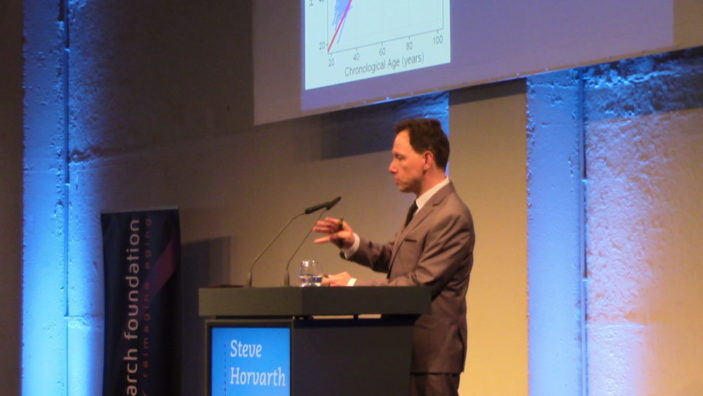
Anna also interviewed Professor Steve Horvath from UCLA, and she has published this interview in Komsomolskaya Pravda. As before, we worked in collaboration with Anna during the show, and we have published an English version of the interview here.

Anna and the LEAF team conducted a number of interviews during the conference, so you can expect more to be published in the coming weeks as we bring you the latest rejuvenation biotech news.

The dream of longevity

Extended, healthy human lifespan has been the stuff of myths and fiction of all sorts throughout millennia; however, most stories of creatures impervious to aging are cautionary tales on the alleged dangers of tampering with nature. While the reasons for this are probably found in Aesop’s tale of the fox and the grapes, in this article, LEAF volunteer Kali Carrigan discusses how the pursuit of healthy longevity is turning from science fiction into science fact.

A hundred and ten years of mortality

In the past century, give or take, several of the most dangerous killers on the long list of human diseases have been tamed by the progression of modern medicine and thereby crossed out—most notably, infectious diseases. An obvious side effect is that, as fewer and fewer people die before they hit old age, the number of patients afflicted by the diseases of aging has been steadily growing; furthermore, minor and largely ineffective treatments against some diseases of aging merely manage to postpone the inevitable, slowing down one’s demise at the hand of a certain age-related pathology only to have another ailment finish the job instead. This, as discussed here on Fight Aging!, is entirely to be expected for as long as the root causes of aging aren’t properly addressed. The study discussed in the article is a categorization of the different causes of human mortality over the course of the last 110 years, and it can be found here.

From SRF’s blog: Pathway to new therapies

In a recent blog entry, SRF science writer Michael Rae discusses the importance of reforming drug approval procedures in order to incentivize both investors and pharmaceutical companies to put the necessary money and work into rejuvenation research and development. In particular, he argues, it is necessary to incorporate the use of aging biomarkers as a preliminary means to assess the therapeutic efficacy of rejuvenation treatments and thus facilitate further investigation. The good news is that there is at least some progress in this direction.

Mapping cellular senescence biomarkers

Speaking of biomarkers, a recent open-access paper attempted to categorize senescent cell biomarkers in mice. Thus far, no specific biomarker has been linked exclusively to senescent cells, making targeting them with precision a challenge. However, as discussed in this article on Fight Aging!, we know for a fact that pruning extra senescent cells is generally beneficial, even though we might not know the details, such as how many senescent cells are too many, in which tissues, and at what age, for example. For this reason, studies such as the one linked here may be very useful to eventually figure out how to accurately target senescent cells.

SRF and Forever Healthy to cooperate further

Early in March, SRF announced the creation of the Forever Healthy Foundation Fellowship in Rejuvenation Biotechnology. The two foundations are inviting researchers all over the world to present their proposals for research projects that are relevant to the field of rejuvenation biotechnology in general, although SRF is currently most interested in projects that focus on clearing persistent intracellular aggregates, identifying and targeting noncanonical death-resistant cells, the regenerative mobilization of atherosclerotic foam cells, rejuvenating the aging extracellular matrix, and the molecular composition and possible origins of cardiac lipofuscin. Hired researchers will receive salaries and benefits and will be able to carry out their research at SRF’s premises, among other things. If you hold at least a Ph.D. and have an interesting proposal, you may want to check this out.

Coming next month

The Undoing Aging conference may be behind us, but another interesting conference will take place in Kazan, Russia, on April 23-25, 2018. The conference, titled “Interventions to extend healthspan and lifespan”, is organized by one of the most active proponents of aging research in Russia, Dr. Alexey Moskalev, who is Head of the Laboratory of Molecular Radiobiology and Gerontology in the Institute of Biology of Komi Science Center of the Ural division of RAS, co-author of the book Life Extension: Lessons from Drosophila, a researcher of potential geroprotectors, and a famous science populariser.

The conference will feature Dr. James Kirkland from the Mayo Clinic, Dr. Vadim Gladyshev from Harvard Medical School, Dr. Brian Kennedy from Singapore National University, Dr. Alex Zhavoronkov from Insilico Medicine, Dr. João Pedro de Magalhães from Liverpool University, Dr. Claudio Franceschi from the University of Bologna, Dr. Vera Gorbunova from Rochester University, Dr. Elena Pasyukova from the Russian Academy of Sciences, and many other experts in the aging research field. You can, of course, expect more exciting interviews from us!

At the conference, LEAF Board Director Elena Milova will be giving a talk about the best messaging to use to make the topic of aging research more accepted by the audience and to touch upon the interactions between academia, science popularizers, representatives of the mass media, and the general public.

Finally, we have a small teaser about something very special that we have been working on for you. We are delighted to tell you about our upcoming interview with Alexandra Elbakyan, the creator of the Sci-Hub project – a free library of scientific publications. The footage is done, and the team is now working on the voice-over in English to help more people in our global community join the discussion of open access in science and the removal of paywalls that are slowing progress.

Steve Horvath – Aging and the Epigenetic Clocks

The Undoing Aging conference, a joint effort between the SENS Research Foundation and Michael Greve’s Forever Healthy Foundation, took place on March 15-17 in Berlin, gathering many aging researchers, advocates, investors, and other important members of the longevity community in one place.

Steve Horvath is a Professor of Human Genetics and Biostatistics at UCLA. His research sits at the intersection of biostatistics, bioinformatics, computational biology, cancer research, genetics, epidemiology, epigenomics, machine learning, and systems biology. His research team applies these methods to study a wide range of topics, including aging research, cancer, cardiovascular disease, HIV, Huntington’s disease, and neurodegenerative diseases.

What is the epigenetic clock?

It is a bit like rust on a car. The DNA molecules experience chemical changes that could be interpreted as rust. So, as we age, things change on the molecule, and these changes are methylation, so by measuring the amount of “rust”, you can measure the age.

Another metaphor is that different locations on DNA are very much like hourglasses. Think of it like 353 different hourglasses in different locations, and I measure the height of sand in each to find an age estimate.

You use 353 locations on DNA to determine biological age; can you explain why you use this amount, and how did you choose them?

These measurements are of 353 locations on the DNA molecules. They were chosen through a mathematical procedure so that they would optimally measure age, and it was a mathematical algorithm that selected them.

Sometimes, doctors say that we can determine our biological aging through measurements such as organ function, arterial stiffness, lung capacity and so on. Why is the epigenetic clock more accurate than these traditional biomarkers?

The epigenetic clock is more accurate for measuring age; for example, if I take a blood sample from you [to assess your epigenetic clock – auth.], I can tell how old you are. These other clinical biomarkers are far more important than age, because if somebody has high glucose levels, they might have diabetes and it should be treated. So these really are two different kinds of measurement; one is measuring age, and the other measurement is to measure health condition, to measure disease.

Still, the stiffness of arteries can also tell how old you are, right?

The stiffness of arteries certainly increases with age, and it gives you a rough estimate of how old someone is. However, you can also have someone who is 80 years old but does not have stiff arteries; for example, in Brazil, there is a tribe living near the Amazon River, and when people looked at their arteries, they appeared perfectly young. The stiffness of arteries can also work the other way; you can have a young person with very stiff arteries due to a disease.

So your system provides a more accurate way to find the correlation between a specific number of biomarkers and age?

Yes, exactly.

Could we use the epigenetic clock as a diagnostic for diseases?

Not yet. It is not a diagnostic for any disease. The hope is that we will develop anti-aging medicines and then it could be used as a diagnostic. But, right now, we have no therapies, so it is not currently. In the future, it may prove useful to see if someone is epigenetically older and can be given rejuvenation.

Why is the epigenetic clock more accurate than measuring telomere length?

Yes, it is far more accurate, there is no comparison. Why is a good question. In my opinion, it shows that epigenetic changes are far more important for aging than telomere maintenance. People have studied telomeres for many years, including me, but telomere shortening alone does not explain aging. You may know that mice have perfect telomeres, but they only live three years.

It’s known that cells in our body are renewed at different speeds; why does your clock measure the age of the tissue or whole organ and not the age of specific cells?

Actually, it does measure the age of specific cells. You can have liver cells, and the epigenetic clock works beautifully. It also works very well for neurons and glial cells. Even in blood, you can have sorted blood, for example T cells or B cells, and the clock works on those cells.

Certain types of cell only live for a few days. What does their clock show, are they any different by age?

In the blood, you have some cell types that live only a week or two weeks, and there are some that live six months. When I analyse the ages of these cells using my clock, they are all roughly the same age and are actually the age of the donor. There are cells called neutrophils that live for two weeks, and they would all have your age, the reason is because the epigenetic clock probably measures the hematopoietic stem cells, which are blood stem cells located in the bone marrow that create neutrophils, so my clock measures the properties of the stem cells and not the individual cells they produce. The stem cells kind of keep the age of the person, and these cells differentiate into all the other cells, but, fundamentally, the epigenetic clock measures the age of the hematopoietic stem cells.

Some people store their cord blood from when they are younger so that it can be used later when they are older in case they need treatment. How would the age of these stored cells differ from the age of the patient?

I think that if they preserve these cells in some way, such as being frozen, then the cells will not age according to my clock. If someone thirty years old freezes their stem cells, then the age of the cells would be halted.

During your talk, you mentioned that when there is a transfusion of cells from a younger donor to an older patient, then the transfused cells will also be younger than the patient. What happens in the case when someone uses their cord blood and transfuses it into themselves when they are older, does that mean these cells would remain younger?

In principle, yes. My results indicate that it might be a good strategy to bank your own cells when you are young and use them decades later, such as using blood to replace your old blood stem cells. The problem is this blood replacement therapy is dangerous; it’s called hematopoietic stem cell therapy, and it is used for leukemia. It is a last resort because it is so dangerous and people die from it. The way the treatment happens is that you are irradiated and get chemotherapy to destroy all your blood cells, and then you have to wait a couple of weeks without any immune cells, and then you get the replacement cells, but some people die because they have no immune system.

Also, when you have blood from other people, then the body fights back; this is called graft vs host disease, which adds more complications. So, although my studies show in theory that this procedure definitely works to rejuvenate you, the side effects are the problem.

Does your clock represent aging?

This is a good question with two answers. One way to ask this question is to ask if methylation changes cause aging. And we honestly don’t know; there is no data. The other question to ask is if the epigenetic clock is the indicator of a biochemical process that plays a role in aging. Which I think it is; it is a biomarker of a process. There is no question that this process that underlies the clock, that if you target this process, you slow aging; this, we know.

What is going to happen if we influence this methylation process?

With the methylation process, we don’t know. Imagine that you have a clock; there is the clock face with the dials, and then there is the clockwork. The discussion with the epigenetic clock is whether methylation is part of the dial or is it part of the clockwork. There is no doubt that it is part of the dial, and if you interfere with the clockwork, there is no question you that rejuvenate people. But it could be that the clockwork might not be the same as methylation; we are not sure.

With a clock face, you can just take the hands and move them, but it may do nothing to actual time. Behind the clock, there is the clockwork, and we don’t completely understand the clockwork. A lot of people are asking about it, but we just don’t know yet.

Is it true that our organs age at different speeds?

Generally, most organs age at roughly the same speed. However, for example, female breast tissue ages faster. We analyzed breast tissue from women aged 25-30, and already, their breast tissue was older than their blood. We also analyzed a woman who was 112 and looked at 30 parts of her body; it turned out that the cerebellum at the back of the brain, which helps with motion and balance, was the youngest part. I studied a lot of people over 100 and found that the cerebellum aged slower than the rest of the body.

Does it have to do with the evolution of our brain?

The cerebellum has the highest concentration of neurons; there are very special kinds of neurons there. On one hand, it could be evolutionary, but it could also be the fact that most of the cells are neurons, while other parts of the brain contain other cell types. So it could be a cell type difference.

In general, we believe that our brain ages slower than our body, is that true?

Yes, I find that true in mice. When I studied the 112-year-old woman, her brain was younger than all other parts of her body. Her brain was perhaps five years younger, and the cerebellum was about fifteen years younger, roughly. On average, her brain was aging much slower.

Why do organs like breasts age faster?

I think it must be hormones; the female breast has a lot of estrogen to make it grow, and this exposure to hormones is one possible reason. It could also be that this aging effect is protective, because cellular senescence is a way to stop cancer, so it may be that the epigenetic aging of the breast is made to protect it from cancer.

Do men have an organ that ages faster?

I haven’t found an organ in men that stands out as being different despite considerable study.

Can we find out anything about our cancer risk?

As an aging researcher, I know that faster aging of blood carries a weak increase of cancer risk; the effect is very small even if statistically significant. It’s interesting because it shows that the epigenetic clock relates on some level to all age-related conditions. So, we can predict mortality from various diseases using it.

How can we predict mortality without seeing specific risk for diseases?

It relates to this root cause of aging or biological aging; you can imagine that if someone is aging faster, they will have many problems later on, but we don’t know what kind of problems they will have. Imagine if you have an 85-year-old man, you know he has a high risk of mortality, but you really don’t know what disease he will die from; you only know his general risk of death. It’s similar with the epigenetic clock, if it tells you that someone is aging faster, you know it is bad, but you do not know exactly what they will die of.

But we can determine what tissue or organ is aging faster?

Unfortunately, you can only measure blood from a living person, or perhaps buckle cells, or skin. It would be nice to measure the epigenetic age of kidneys, lungs, and so on, but people do not take biopsies of this kind from living people. In principle, it would be possible, though. I study such tissues from people who have died, like people who died from Alzheimer’s disease, and see that their brains have aged faster. But it is limited by how invasive it is in living people.

However the good news is that the epigenetic age of blood relates to a lot of organs, so this is a new epigenetic clock that is all based on blood. The age of blood relates to risk of dying from many diseases, but it also relates to your frailty, physical and even cognitive ability. So when you have a person in their 80s, but according to their epigenetic log, their blood is younger, they are cognitively better.

If we want to make blood analysis more accurate to determine the biological age of a whole organism, what must we do?

When taking a blood sample we should measure everything a doctor does, such as kidney function, glucose level, cholesterol, liver function, and more; you should do all these things. And then from blood, you can also also measure blood cell count to see if there is inflammation; all these things are very important.

Then you measure methylation; this helps those other biomarkers by adding more information. So, you can have a person who is perfectly healthy according to the other biomarkers, but their methylation age could be younger or older than expected, so it adds information. For example, in the US Mexican population, when you do traditional medical evaluations, they look like high-risk patients, they have high inflammation and high cholesterol, and they should die sooner according to regular blood tests. However, Hispanics are slightly younger epigenetically than Europeans and tend to live longer; this is called the Hispanic paradox. The epigenetic clock shows that they age more slowly and helps to explain why such a paradox happens when traditional tests would put them at high risk. In the US, Hispanics can live, on average, four years longer than Europeans.

If someone smokes what happens to their epigenetic clock?

We have a new kind of epigenetic clock called the pheno-clock. The original clock was published in 2013, and this new clock was discovered in 2018 and very much detects smoking. If you smoke, the new clock shows you have a much older age, but the original clock does not detect it.

What is the difference between your original clock and the new pheno-clock?

They were built in different ways for different purposes. The original clock was built to measure age in all organs and tissues. However, the new clock was built to predict how long you will live. The new clock would very much relate to your smoking habits because smoking is a large mortality risk.

So, smoking increases biological age; what if you quit?

I do not know if it reverses; I have not studied that yet. I do know that obesity and losing weight afterwards does not reverse epigenetic changes in the liver, but we will have to find out about smoking. We only looked 9 months after weight loss, so it may eventually be that it does reverse in perhaps five years, but we don’t have data.

What about pregnancy; is that the same?

I looked at women who had many children to see if it influenced epigenetic age, and it did not. A woman being pregnant is not the same as being obese, so while they gain weight, it is not the same as being obese. Certainly, this is the case in the 10,000 or so women I have examined to see if the number of pregnancies has a relation to epigenetic aging of blood, and it does not. It would be interesting to test this in breast tissue, and we will be doing so in the future.

Also, if you do breast feeding, it could be that it slows the epigenetic clock because breastfeeding actually lowers your risk for breast cancer. So, we are looking at this now and should know in a year’s time, but it could be that it is protective against aging. I have also found that women who enter menopause earlier, say around 35 instead of 50, can have blood that is epigenetically a couple of years older.

How accurate are commercial kits that measure the epigenetic clock?

I am not directly involved, but there is a company called Zymo, and they offer a test. My employer, UCLA, has the patent which they license to them, so I get a little bit of royalty, but I am not involved directly, so I do not know how they measure things. They offer two urine and blood analyses; the German police have used them. There was a refugee who claimed he was a teenager, but they did not believe him, so they needed a test. They used Zymo and showed that this person was like 25 and much older than he claimed.

How does short-term stress affect aging?

It turns out that short-term stress does not age you according to my clock. So, in other words, if someone has a stress event, like a divorce or a soldier with PTSD. However, for people who suffer lifelong stress, for example, abused children, they have cumulative lifetime stress, and it turns out that their epigenetic age is older. But the good news is that short-term stress does not age you.

Is there a period in life when we age quicker?

In a healthy person after age 21, there is no change; aging is constant. Interestingly, during development, the epigenetic clock is aging faster; remember, the epigenetic clock applies to children, and in children, it is not actually aging, but it measures development.

Nobody wants to be old when you are fifty; you want to be young. However, when you are two years old, you want to be older because being older means being more developed. So, when you are old, you want to be young, and when you are young, you want to be old. It turns out that children who are bigger at birth have an older epigenetic age because they are more developed, so initially being older is better. Children grow very fast, and so the epigenetic clock goes faster, because early on, it measures development, and only later does it measure bad things.

When do we start aging initially?

From birth, we start aging. However, it could be older than 21, certainly later. The epigenetic clock first relates to development, then it relates to a mechanism that protects you from cancer. It could be that in your 20s, 30s or even 40s it protects you from cancer, and only in your 50s could it become bad for you; it is hard to be sure exactly when it changes from good to bad.

What about sunlight and aging?

My original clock from 2013 does not detect effects from sunlight. But, using our new skin clock, it shows that radiation damage from the sun ages you.

What are the factors aside from sunlight that age our skin?

I cannot tell you. We have not analyzed that. In general, using sunscreen and moisturizer is a good idea.

What about food, if we eat turkey and chicken compared to red meat?

I looked at that carefully. We looked at 4000 women, and we knew the amount of red meat they ate. Honestly, the effect was negligible; there was a small difference but not a lot overall. It did not seem to affect the epigenetic clock a great amount. However, our studies show that eating vegetables and fish are good for you; it shows that these are beneficial but it does not show that red meat is bad for you per se.

What about the epigenetic clock in mice; who has made the best clock?

I have not done a fair comparison, but I have to say I really admire the work of Vadim Gladyshev; it’s phenomenal and should have been in Science Magazine. I have high hopes that he will use his clock to answer the questions we all want to know, to find drugs against aging. He is a superb scientist, so there is a good chance that he will find them.

Can we slow down aging now?

I want to tell you that I am very optimistic and that we will have treatments against aging in a few years. I could be wrong, and I want to be cautious, but I want to tell you that I am very optimistic because we already have encouraging results. We already have treatments that have a huge effect, like the Yamanaka factors in mice, but also in human cells. If you use Yamanaka factors on human cells, it completely reverses their age. The problem is how to make them safe.

My hope is that maybe even our generation will benefit from it; certainly, my daughter should benefit from it. I would be absolutely shocked if the next generation does not live twenty years longer. On that level, I am very optimistic.

If you ask me right now what you should do, I can only tell you boring things; immediately stop smoking, avoid obesity, avoid diabetes; if you are a diabetic, manage it; avoid high blood pressure, and if you have it, take action. It is boring, but all my studies show that this is the best thing we can do now.

Could we stop aging or even reverse it?

I think slowing aging will be much easier, but also I think we will be able to reverse the age of many organs. There have been promising results at this conference where people stimulate stem cells in organs, and that rejuvenates the organ. So in my view, absolutely that will influence the epigenetic age.

What is the danger of using Yamanaka factors?

In a word, cancer. That is the number one risk. However, there are four Yamanaka factors, and if you use four it rejuvenates the epigenetic clock, but the question now is maybe three factors are enough to rejuvenate the clock, or even one. The challenge now is to test these factors and see which of these factors work, and by not using all four, it may minimize the risk. Also there are chemical interventions that dedifferentiate cells so maybe some of these may also be able to rejuvenate the epigenetic clock.

Do you have the data from the Salk Institute, which used Yamanaka factors in mice?

I don’t have the data but I have no doubt they are working on this question. I met some of the research team, and they mentioned they want to look at that. Many people are working on Yamanaka factors, including companies; even my lab is going to apply it to human cells and mice. There are a lot of people working on this, so it’s a bit of a competition.

There are also a lot of alternatives like chemical interventions that have pretty much the same effect as Yamanaka factors. It may be that one of these alternatives could be much safer and work for humans.

What are the main challenges in your research in aging?

Scientific challenges, honestly I don’t have them. Because there is so much work to do and I have a good plan, it is not a problem. Financially, there is a challenge; research is expensive, especially human trials. I have a very exciting collaboration with a company which has an anti-aging treatment, and to test it will cost three million dollars. So, as you can imagine, money is the challenge.

How can we solve the funding problem?

The good thing is that many people are working on it and are good at raising money, especially companies. What needs to happen is that industry and companies need to really finance these trials, so it is really a community effort.

What is the role of state funding?

It really is not good. The NIH in the US have supported me, but, to be honest, it is not enough. The reason is the epigenetic clock is a bit controversial because some researchers criticize it because it does not work in C.elegans worms. This is because C.elegans do not have the same type of methylation as we do; some aging researchers only study worms, and they suggest because a worm does not have an epigenetic clock, how can it be aging? So, there is some debate about this among researchers, and this can make grant applications harder.

Ironically we have around 5000 cures against aging in the worm; we have solved aging in the worm. There are 1000 genes in the worm that control aging. I always say that we have cured aging in the worm, and now, with the epigenetic clock, we have the unique opportunity to cure aging in humans. So, these studies should be funded. These are my problems as a researcher.

Do you have a parting message for our readers?

Well, I have no doubt that their children will be much healthier and stay much younger, and if everything goes well, then actually many of us will still benefit. I just turned fifty, and I am hopeful that even my generation will benefit. The greatest would be if my parents would benefit too; my father is 84, and I am a bit frustrated. I mean, these epigenetic clocks were developed in 2013, and progress has been revolutionary in five years with major insights. I think that in another five years, there could be very promising anti-aging treatments, but as a scientist, one must be cautious. But, honestly, I am quite optimistic.

Inflammaging and Age-related Disease

The aging process is accompanied by a chronic, smoldering background of inflammation that researchers call “inflammaging”. This backdrop of low-grade inflammation contributes significantly to mortality risk in the elderly and has a number of sources.

Today, we are going to take a look at inflammaging and the various known sources that promote this age-related inflammatory condition.

Inflammaging precedes many age-related diseases

The chronic inflammation that accompanies the aging process is believed to be a significant risk factor for a myriad of age-related diseases, such as atherosclerosis, arthritis, hypertension, and cancer [1-3].

The burden of unhealthy lifestyles is rising globally and, with it, an increase in age-related diseases. While lifestyle changes may help to reduce the risk of age-related diseases, this is by no means a guarantee.

The immune system relies on acute inflammation during the immune response to fight invading pathogens and to facilitate wound healing. This triggers cell turnover and tissue repair and is, in general, a desirable reason for inflammation. However, in direct contrast to this, inflammaging produces a chronic, low-grade, persistent background of inflammation that leads to poor tissue repair and degeneration [4].

This chronic inflammation also contributes to the development of age-related diseases and is instrumental in driving the aging process in general [5]. In older people, the tissues have high levels of inflammatory cytokines, such as IL-6, IL-1β, TGF-b, and TNF-α, which are known to interfere with anabolic signaling, including insulin and erythropoietin signaling, thus contributing to the development of sarcopenia. This is part of the aging hallmark of deregulated nutrient sensing [6].

This inflammation also plays a key role in reducing the level of NAD+ and sirtuin activity by increasing CD38 in tissue, which is linked to the development of sarcopenia and other age-related diseases [7-9].

Senescent cells

Cells are driven into a senescent, non-dividing state by a number of factors, including telomere shortening, DNA damage, genotoxic stress, and inflammatory cytokines. These all result in the activation of the p53 tumor suppressor and/or the cyclin-dependent kinase inhibitor p16 [10]. The immune system clears away these damaged cells during normal operation; however, as we age, the clearing away of these cells declines, and increasing numbers linger in tissues and secrete an inflammatory cocktail of cytokines known as the senescence-associated secretory phenotype, or SASP.

Based on the evidence to date, it seems likely that senescent cells are the main source of inflammaging during the aging process [11-12]. An increasing body of evidence suggests that the therapeutic removal of these problem senescent cells could delay or even prevent various age-related diseases, including atherosclerosis and osteoarthritis [13-17].

Microbial burden

The oral and gut mucosa barriers that protect against bacterial invasion begin to both decline in effectiveness and break down as we age. Periodontal disease has been shown to shown to contribute to inflammaging by generating chronic, low-grade inflammation [18]. In the gut, the microbiome shows an increasing decline of diversity with age [19-20].

For example, one study showed that beneficial bacteria like Bifidobacterium spp., and F. prausnitzii, which play an anti-inflammatory role in the gut microbiome, decline with age, allowing inflammation to increase [21]. The level of Bifidobacterium directly influences the levels of inflammatory cytokines present in the bloodstream, with less Bifidobacterium corresponding to more inflammation. The opposite is true of harmful bacteria, such as Streptococcus spp., Staphylococcus spp., Enterococcus spp. and Enterobacter spp, which increase with age and promote inflammation and disease.

The role of microbial burden and the microbiome is becoming increasingly clear, and studies like one performed in China last year show the connection [22]. This large-scale study found that the healthiest aged people had gut microbiomes similar to much younger people; in other words, they maintained diversity and thus lower levels of inflammation.

Immunosenescence

Immunosenescence, the age-related decline of the immune system, is typified by inappropriate immune responses that generate persistent levels of inflammation as a result [23]. Immunosenescence increases our vulnerability to infections, autoimmune reactions, and cancer while decreasing our response to vaccinations and disrupting wound healing [24-25].

While not fully understood, chronic inflammatory disease also appears to accelerate immunosenescence via affecting both the numbers and function of immune cells. Immunosenescence may also be accelerated and aggravated by persistent infections, such as CMV, HIV, and Epstein–Barr virus, linking it to microbial burden.

Finally, because the immune system is responsible for removing senescent cells, its decline results in a loss of this ability, thus creating a downward spiral of increasing inflammation.

Cell Debris

Cell debris caused by inappropriate cell destruction and clearance during the aging process can trigger the innate immune system, which sets the scene for persistent inflammation. Cell debris (damage-associated molecular patterns, i.e., damaged organelles, cells, and macromolecules) accumulate with age as a consequence of both increased production and impaired elimination.

Of particular interest in recent years has been mitochondria-derived damage-associated molecular patterns (DAMPs), which are released by aged and damaged mitochondria. Mitochondrial DAMPs have been the focus of intense research recently due to their likely involvement with inflammaging and age-related diseases [26]. Due to their bacterial ancestry, the mitochondrial DAMPs increase inflammatory responses due to their interaction with receptors in a manner similar to those caused by regular pathogens.

Cell debris have recently been shown to disrupt tissue repair such as in nerve tissue where the improper clearance of debris by neutrophils impairs tissue regeneration [27].

Conclusion

These are just some of the known ways in which inflammation sources contribute to the smoldering background that is inflammaging. There is considerable evidence suggesting that many age-related diseases, such as cancer, heart disease, and Alzheimer’s, are linked to inflammaging.

Finding ways to manage and reduce inflammation from these and other sources therefore holds potential as a therapeutic approach to treating and preventing age-related diseases. Senolytic therapies that selectively destroy senescent cells to reduce inflammation are one example of how we might manage inflammaging.

Literature

[1] Freund A, Orjalo AV, Desprez PY, Campisi J. Inflammatory networks during cellular senescence: causes and consequences. Trends Mol Med (2010) 16(5):238–46. doi: 10.1016/j.molmed.2010.03.003

[2] Childs, B. G., Gluscevic, M., Baker, D. J., Laberge, R. M., Marquess, D., Dananberg, J., & van Deursen, J. M. (2017). Senescent cells: an emerging target for diseases of ageing. Nature Reviews Drug Discovery, 16(10), 718.

[3] He, S., & Sharpless, N. E. (2017). Senescence in health and disease. Cell, 169(6), 1000-1011.

[4] Straub, R. H., & Schradin, C. (2016). Chronic inflammatory systemic diseases: An evolutionary trade-off between acutely beneficial but chronically harmful programs. Evolution, medicine, and public health, 2016(1), 37-51.

[5] Franceschi, C., & Campisi, J. (2014). Chronic inflammation (inflammaging) and its potential contribution to age-associated diseases. Journals of Gerontology Series A: Biomedical Sciences and Medical Sciences, 69(Suppl_1), S4-S9.

[6] Beyer, I., Mets, T., & Bautmans, I. (2012). Chronic low-grade inflammation and age-related sarcopenia. Current Opinion in Clinical Nutrition & Metabolic Care, 15(1), 12-22.

[7] Sinclair D. Bonkowski, M. Impairment of an Endothelial NAD+-H2S Signaling Network Is a Reversible Cause of Vascular Aging (2018) doi.org/10.1016/j.cell.2018.02.008

[8] Camacho-Pereira, J., Tarragó, M. G., Chini, C. C., Nin, V., Escande, C., Warner, G. M., … & Chini, E. N. (2016). CD38 dictates age-related NAD decline and mitochondrial dysfunction through an SIRT3-dependent mechanism. Cell metabolism, 23(6), 1127-1139.

[9] Schultz, M. B., & Sinclair, D. A. (2016). Why NAD+ declines during aging: It’s destroyed. Cell metabolism, 23(6), 965-966.

[10] de Magalhães, J. P., & Passos, J. F. (2017). Stress, cell senescence and organismal ageing. Mechanisms of ageing and development.

[11] Sanada, F., Taniyama, Y., Azuma, J., Iekushi, K., Dosaka, N., Yokoi, T., … & Morishita, R. (2009). Hepatocyte Growth Factor, but not Vascular Endothelial Growth Factor, Attenuates Angiotensin II–Induced Endothelial Progenitor Cell Senescence. Hypertension, 53(1), 77-82.

[12] Tchkonia, T., Zhu, Y., Van Deursen, J., Campisi, J., & Kirkland, J. L. (2013). Cellular senescence and the senescent secretory phenotype: therapeutic opportunities. The Journal of clinical investigation, 123(3), 966-972.

[13] Childs, B. G., Baker, D. J., Wijshake, T., Conover, C. A., Campisi, J., & Van Deursen, J. M. (2016). Senescent intimal foam cells are deleterious at all stages of atherosclerosis. Science, 354(6311), 472-477.

[14] Jeon, O. H., Kim, C., Laberge, R. M., Demaria, M., Rathod, S., Vasserot, A. P., … & Baker, D. J. (2017). Local clearance of senescent cells attenuates the development of post-traumatic osteoarthritis and creates a pro-regenerative environment. Nature medicine, 23(6), 775.

[15] Baker, D. J., Wijshake, T., Tchkonia, T., LeBrasseur, N. K., Childs, B. G., Van De Sluis, B., … & Van Deursen, J. M. (2011). Clearance of p16 Ink4a-positive senescent cells delays ageing-associated disorders. Nature, 479(7372), 232.

[16] Zhu, Y., Tchkonia, T., Pirtskhalava, T., Gower, A. C., Ding, H., Giorgadze, N., … & O’hara, S. P. (2015). The Achilles’ heel of senescent cells: from transcriptome to senolytic drugs. Aging cell, 14(4), 644-658.

[17] Roos, C. M., Zhang, B., Palmer, A. K., Ogrodnik, M. B., Pirtskhalava, T., Thalji, N. M., … & Zhu, Y. (2016). Chronic senolytic treatment alleviates established vasomotor dysfunction in aged or atherosclerotic mice. Aging Cell, 15(5), 973-977.

[18] Franceschi, C., Garagnani, P., Vitale, G., Capri, M., & Salvioli, S. (2017). Inflammaging and ‘Garb-aging’. Trends in Endocrinology & Metabolism, 28(3), 199-212.

[19] Kinross, J., & Nicholson, J. K. (2012). Gut microbiota: dietary and social modulation of gut microbiota in the elderly. Nature Reviews Gastroenterology and Hepatology, 9(10), 563.

[20] Claesson, M. J., Cusack, S., O’Sullivan, O., Greene-Diniz, R., de Weerd, H., Flannery, E., … & Stanton, C. (2011). Composition, variability, and temporal stability of the intestinal microbiota of the elderly. Proceedings of the National Academy of Sciences, 108(Supplement 1), 4586-4591.

[21] Toward, R., Montandon, S., Walton, G., & Gibson, G. R. (2012). Effect of prebiotics on the human gut microbiota of elderly persons. Gut microbes, 3(1), 57-60.

[22] Bian, G., Gloor, G. B., Gong, A., Jia, C., Zhang, W., Hu, J., … & Burton, J. P. (2017). The Gut Microbiota of Healthy Aged Chinese Is Similar to That of the Healthy Young. mSphere, 2(5), e00327-17.

[23] Shaw, A. C., Goldstein, D. R., & Montgomery, R. R. (2013). Age-dependent dysregulation of innate immunity. Nature Reviews Immunology, 13(12), 875.

[24] Aw, D., Silva, A. B., & Palmer, D. B. (2007). Immunosenescence: emerging challenges for an ageing population. Immunology, 120(4), 435-446.

[25] Gruver, A. L., Hudson, L. L., & Sempowski, G. D. (2007). Immunosenescence of ageing. The Journal of pathology, 211(2), 144-156.

[26] Zhang, Q., Raoof, M., Chen, Y., Sumi, Y., Sursal, T., Junger, W., … & Hauser, C. J. (2010). Circulating mitochondrial DAMPs cause inflammatory responses to injury. Nature, 464(7285), 104.

[27] Lindborg, J. A., Mack, M., & Zigmond, R. E. (2017). Neutrophils are critical for myelin removal in a peripheral nerve injury model of Wallerian degeneration. Journal of Neuroscience, 2085-17.

Vitalik Buterin supports life extension.

The Best Thing to Donate Money to is the Fight Against Aging

A few days ago, LEAF representatives attended the Undoing Aging 2018 conference in Berlin, which was jointly organized by the SENS Research Foundation and the Forever Healthy Foundation. We invited one of the most professional Russian journalists writing about aging, Anna Dobryukha, to this conference, and she will write a series of articles and interviews in Komsomolskaya Pravda (KP) over the next weeks. As these articles are interesting to the global community, we decided to translate them for our blog.

Today, we publish the first article of this series, an interview that Anna conducted with Vitalik Buterin, the creator of the cryptocurrency Ethereum. Vitalik donated 2.4 million dollars to the SENS Research Foundation earlier this year, so let’s find out what Vitalik’s views are on rejuvenation biotech and life extension! The original article, “King of Ethereum” Vitalik Buterin: the best thing to donate money to is the fight against aging, is by Anna Dobryukha and has been translated by Elena Milova and Joshua Conway.

Vitalik Buterin, a brilliant young programmer and the creator of one of the two most valuable cryptocurrencies in the world, Ethereum, told KP why he gave $2.4 million for research on aging and why helping life extension is a worthy cause.

Bypassing Zuckerberg

The 24-year-old Russian-Canadian programmer is called one of the most influential people on Earth, being referred to as a “crypto-god” and “the king of Ethereum”. In 2013, he developed Ethereum, a unique platform for online services, and became the creator of the Ethereum cryptocurrency, which is now the second-most valuable in the world, behind Bitcoin. In 2014, Vitalik Buterin received the honorary award of the World Technology Network, ahead of Mark Zuckerberg.

Perhaps even now, this young genius is one step ahead of the creator of Facebook; at least, this is what the world’s leading life extension researchers believe. As you know, Mark and his wife Priscilla announced that within the next 10 years, they will donate $3 billion for research to combat cardiovascular problems, cancer, and other diseases. In February, Vitalik Buterin transferred $2.4 million in Ethereum to the SENS Research Foundation, the international anti-aging research foundation headed by the famous British gerontologist Aubrey de Grey. Last week, Buterin came to the Undoing Aging conference in Berlin, an event that SRF and the Forever Healthy Foundation organized and which was attended by more than 340 participants from 36 countries. The reporter from KP.ru was one of the few media representatives invited to this conference and turned out to be the only Russian journalist there.

Cancelling Aging, Preventing Cancer

Vitalik, wealthy people usually donate money towards research into and treatment of cancer, Alzheimer’s disease, and other diseases. Why did you decide to donate Ethereum to the fight against aging?

The first reason is just because there are many other people who donate to fight against cancer and other specific diseases, which, of course, is very important and necessary. The second reason is that there is strong scientific evidence that aging is the root of the most serious diseases.

Yes, KP has written about this more than once: cancer, diabetes, and other illnesses cause the overwhelming majority of deaths of older people. The world’s leading scientists have already proven that aging is the root cause of the health damage that leads to malignant tumors, stroke and Alzheimer’s disease. It turns out that if you slow down aging or even reverse it, you can save people from these serious illnesses.

Exactly. After all, if you do not prevent these diseases by eliminating aging, you will have to provide treatment to people who are already sick and suffering and whose quality of life is worsening, and the economy will be under enormous pressure because the treatment is often expensive, caregiving is needed, etc. These problems could be avoided. Studies of aging are very important right now, yet there are still very few people who invest money in this field, unfortunately.

Why do you think that is so?

Most people simply do not know or do not believe that aging can be successfully manipulated. However, I have read “Ending Aging” by Dr. Aubrey de Grey, I’m interested in scientific discoveries, and I see that this is plausible. Researchers can already extend the life of laboratory animals significantly, and it is necessary to refine these technologies in order to transfer them to humans. And this [research and full-scale clinical trials of anti-aging therapies in humans] requires money.

Biohacking

How do you feel about biohacking, whose supporters believe that the human body can and should be “cracked” in order to improve what is given to us by nature, including slowing down aging, with the help of the latest achievements of science and medicine?

It is very interesting, but I’m not doing it myself now. I still have a lot of time (smiles). So far, I plan to wait long enough to see the anti-aging medicine and technology industry grow into something really effective and safe.

There are a lot of approaches to aging research – what do you personally consider to be the most important?

It’s most important to run the research on people and not just wait for people to die [naturally]. There are already reliable biomarkers that can help assess the biological age of a person, and thanks to them, we can see how effective a therapy is within five years and don’t have to wait 30 to 50 years to see if a treatment can extend life. This can greatly accelerate clinical trials.

“I’m ready to invest more”

Do you have plans to continue supporting research projects on aging and life extension, or is your current contribution of 2.4 million dollars likely to be all?

Of course I’m ready to invest more into it. However, right now, I am mostly investigating what the scientists are working on, what the most promising directions are, and what else should be supported.

What, in your opinion, is the main problem currently hampering the fight against aging on Earth?

There is not enough public support. Huge resources, as I said, are invested in research and treatment of single diseases, but the problem is that if we focus only on specific diseases, this will only slightly improve the lives of people who are already chronically sick. Only a few years will be added to their lives.

Note from KP: Experts have estimated that a complete victory over cardiovascular diseases and cancer can extend the life of people by only 5 to 8 years on average.

Why live longer?

Vitalik, what would you say to other wealthy people who have financial opportunities and the desire to donate money for a worthy cause?

I would say that now, in the 21st century, there are many breakthrough technologies that are developing very quickly; artificial intelligence is moving to new frontiers, biology is very actively moving forward, and, in fact, there is a very good chance that in the next 30 or 50 years, we, as people, will be able to slow down or even reverse the aging process to the extent that we could live much longer. This is one of the most important tasks on which mankind can work. I would remind everyone that successful treatment of cancer, quitting smoking, and achieving victory over cardiovascular diseases can increase life by 5 to 8 years; yet, thanks to anti-aging technologies, it might be possible to prolong life by 50, 70, or many more years.

I would also say to people that if you have money, you can donate it to fight against aging; if you want, you can invest in this sphere, as there are a lot of interesting startups. If you are young and need to choose what to do, then you could study biology and think about what you can do to prolong a person’s life. It’s really the most important thing.

Sometimes, people ask why they should prolong their lives at all and say that to live longer is boring. In your opinion, when we have very long lifespans, what is worth living for?

There are so many things happening in the world and so many discoveries; a person can get new experience in various spheres of life, but now there is so little time for all this. If you can live much longer, then imagine how much you can do, see, and feel in five hundred years! How can a society change if there are not only young people but also people who have 200-300 years of experience while still retaining health and cognitive capacities. I am sure that the benefits of prolonging life will be just enormous.

To the point

The World Health Organization has recognized that people fall ill because of aging.

WHO has made revolutionary additions to the International Classification of Diseases (ICD-11). This was reported at a conference in Berlin by the head of the Department for the Prevention of Health Risks of the Central Research Institute of Health Informatization of the Ministry of Health of Russia, Daria Khaltourina. She leads an international group of experts who have developed and submitted a detailed and well-grounded initiative to WHO, explaining why aging itself should be considered a disease that leads to dysfunctions in the body, causing many other diseases in older people.

Aging has classic signs of disease; the function of various organs and systems of the body is disrupted, leading to related symptoms, including frailty, or asthenia of old age, explains Daria Khaltourina. Furthermore, there is convincing evidence that aging leads to the most unfavorable changes in the body, and heart attacks, strokes, cancer, diabetes, and other serious diseases develop because of it.

At this stage, WHO has approved the addition of indices to ICD-11; in these indices, a number of diseases will be accompanied by the adjective “age-related”, meaning that they are associated with age or caused by aging. This innovation will help to attract more attention to the problems of aging and research to combat it while opening up opportunities for official full-scale clinical trials of anti-aging drugs and therapies, as experts have explained.

We would like to thank Vitalik Buterin for taking the time to share his thoughts with us. If you want to help the fight against aging, please donate to help us continue our important work.

Why NAD+ Declines With Age

Nicotinamide adenine dinucleotide (NAD+), a nucleotide, is critical for life to exist. From the most simple bacteria to complex multicellular organisms such as humans, NAD is a vital component of cellular function and thus life.

An increased level of NAD+ appears to convey health and longevity, and a decrease is associated with aging and disease. Today, we are going to look at NAD+, why it declines with age, and what science might do about it.

What is NAD?

NAD+ is abundantly found in the majority of living cells and is involved in electron transfer and the regulation of various biological pathways, from intracellular calcium transients to the epigenetic status of chromatin. NAD+ provides a critical link between cellular signalling and metabolism, and it is a key player in the metabolic nutrient sensing pathways.

NAD is best known for its role as a coenzyme involved in redox reactions, transporting electrons from one reaction to another within the cell, and linking the catabolic reactions of glycolysis and the citric acid cycle to oxidative phosphorylation.

However, in the last twenty years, NAD+ has been discovered to also play a role as a signalling molecule. In all species, increased levels of NAD+ cause cells to make changes that improve their survival; this includes increased energy production and use, improved cellular repair, and coordinating circadian rhythms.

NAD+ is converted into signals by various enzymes that are designed to sense NAD+, including the sirtuins (SIRT1–SIRT7), CtBP1 and 2, and poly-ADP-ribose polymerases(PARPs). Recent studies have shown that mice treated with PARP inhibitors or NAD+ precursors have health benefits. Some of the observed benefits have been increased insulin sensitivity, reduced mitochondrial dysfunction, reduced cellular senescence, and increased lifespan [1-3]. Unfortunately, with age, levels of NAD+ fall in all studied species.

NAD+ declines with age because it is destroyed

It has been known for some time that NAD levels decline during the aging process, but it is actively destroyed by the enzyme CD38 [4-5]. CD38 is a membrane-bound NADase that hydrolyzes NAD+ to nicotinamide and (cyclic-)ADP-ribose. It is associated with immune responses and energy metabolism, but it is also a NADase whose levels rise with aging, with a corresponding increase in NADase activity and a decrease of NAD+.

Tests have shown that mice bred to be deficient in CD38 enjoy increased protection from mitochondrial dysfunction and are resistant to diabetes as they age. This protective action is regulated via the mitochondrial sirtuin SIRT3. Research shows that mice treated with the CD38 inhibitor apigenin, a flavone found in many plants, show increased levels of NAD+ and are resistant to the effects of high-fat diets [6].

A 2016 study showed that protein levels of CD38 increase in multiple tissues during the aging process, with a corresponding rise in CD38 activity [7]. One of the hallmarks of aging is that of mitochondrial dysfunction, and this study showed that cells with high levels of CD38 use less oxygen, have increased lactate, and have dysfunctional mitochondria. In the mitochondria of the livers of CD38 knockout mice, more oxygen is consumed, and they have greater mitochondrial membrane potential.

The current approach to address the loss of NAD+ is to increase it with NAD+ precursors, such as niacin, nicotinamide riboside (NR), and nicotinamide mononucleotide (NMN). As CD38 actively degrades both NAD+ and NMN, it may be a useful approach to combine such NAD+ boosting therapies with CD38 inhibitors to increase potency.

Inflammaging likely drives NAD+ depletion in aging

We now know that CD38 is the major culprit in NAD+ decline, but why does it fall in the first place? CD38 expression and activity are known to be induced by inflammatory cytokines and bacterial endotoxins, such as lipopolysaccharides (LPS) [8-11]. This strongly suggests that the smouldering, age-related, chronic inflammation commonly called “inflammaging” may be driving the increased expression of CD38 and the resulting NAD+ decline.

This is because senescent cells secrete CD38 as part of the pro-inflammatory cytokine cocktail known as the senescence-associated secretory phenotype (SASP). This mixture of pro-inflammatory signals includes CD38, and senescent cells accumulate during aging as the immune system increasingly fails to remove the problem cells. Thus, more senescent cells almost certainly means more CD38 and less NAD+ available.

The same goes for increasing amounts of cell debris and microbial burden; these also drive inflammaging, thus increasing CD38, decreasing NAD+, and causing age-related dysfunction.

Therapies that increase NAD+ in cells, and potentially co-therapies that reduce CD38, are a potential way to slow an aging process and may help to treat metabolic disorders such as diabetes. There is potential for such approaches to increase the number of years we spend healthy, and it may even increase lifespan as it does in other species; the good news is that we may soon find out.
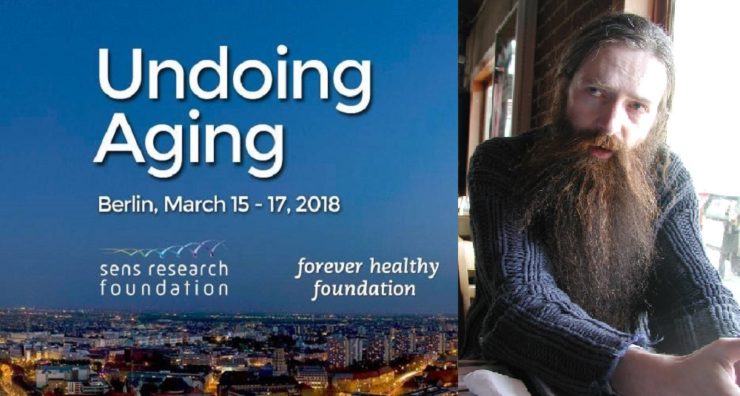

Conclusion

NAD+ boosting therapies represent a near-future prospect, given that they are currently already in small-scale human trials right now, with a view to moving to larger human studies in the future. This therapy can be considered a true rejuvenation therapy, as it directly addresses the aging hallmark of deregulated nutrient sensing and partially addresses genomic instability via encouraging DNA repair. It will be interesting to see if this or senescent cell clearance will be the next rejuvenation technology to arrive, given that stem cell therapy is already here.

Readers may also be interested to learn that the David Sinclair lab at Harvard Medical School has also successfully launched the NAD+ Mouse Project on lifespan.io, this project aims to test NAD+ replacement therapies on mice and study the long-term effects on health and lifespan.

Literature

[1] Bai, P., Cantó, C., Oudart, H., Brunyánszki, A., Cen, Y., Thomas, C., … & Schoonjans, K. (2011). PARP-1 inhibition increases mitochondrial metabolism through SIRT1 activation. Cell metabolism, 13(4), 461-468.

[2] Gomes, A. P., Price, N. L., Ling, A. J., Moslehi, J. J., Montgomery, M. K., Rajman, L., … & Mercken, E. M. (2013). Declining NAD+ induces a pseudohypoxic state disrupting nuclear-mitochondrial communication during aging. Cell, 155(7), 1624-1638.

[3] Zhang, H., Ryu, D., Wu, Y., Gariani, K., Wang, X., Luan, P., … & Schoonjans, K. (2016). NAD+ repletion improves mitochondrial and stem cell function and enhances life span in mice. Science, 352(6292), 1436-1443.

[4] Camacho-Pereira, J., Tarragó, M. G., Chini, C. C., Nin, V., Escande, C., Warner, G. M., … & Chini, E. N. (2016). CD38 dictates age-related NAD decline and mitochondrial dysfunction through an SIRT3-dependent mechanism. Cell metabolism, 23(6), 1127-1139.

[5] Schultz, M. B., & Sinclair, D. A. (2016). Why NAD+ declines during aging: It’s destroyed. Cell metabolism, 23(6), 965-966.

[6] Escande, C., Nin, V., Price, N. L., Capellini, V., Gomes, A. P., Barbosa, M. T., … & Chini, E. N. (2013). Flavonoid apigenin is an inhibitor of the NAD+ ase CD38: implications for cellular NAD+ metabolism, protein acetylation, and treatment of metabolic syndrome. Diabetes, 62(4), 1084-1093.

[7] Camacho-Pereira, J., Tarragó, M. G., Chini, C. C., Nin, V., Escande, C., Warner, G. M., … & Chini, E. N. (2016). CD38 dictates age-related NAD decline and mitochondrial dysfunction through an SIRT3-dependent mechanism. Cell metabolism, 23(6), 1127-1139.

[8] Lee, C. U., Song, E. K., Yoo, C. H., Kwak, Y. K., & Han, M. K. (2012). Lipopolysaccharide induces CD38 expression and solubilization in J774 macrophage cells. Molecules and cells, 34(6), 573-576.

[9] Musso, T., Deaglio, S., Franco, L., Calosso, L., Badolato, R., Garbarino, G., … & Malavasi, F. (2001). CD38 expression and functional activities are up‐regulated by IFN‐γ on human monocytes and monocytic cell lines. Journal of leukocyte biology, 69(4), 605-612.

[10] Sun, L., Iqbal, J., Zaidi, S., Zhu, L. L., Zhang, X., Peng, Y., … & Zaidi, M. (2006). Structure and functional regulation of the CD38 promoter. Biochemical and biophysical research communications, 341(3), 804-809.

[11] Yamamoto-Katayama, S., Ariyoshi, M., Ishihara, K., Hirano, T., Jingami, H., & Morikawa, K. (2002). Crystallographic studies on human BST-1/CD157 with ADP-ribosyl cyclase and NAD glycohydrolase activities1. Journal of molecular biology, 316(3), 711-723.

Undoing Aging With Aubrey de Grey Part Three

Welcome to part three and the final part of our SENS Undoing Aging 2018 interview; we have a few more scientific questions today for Aubrey and his team as well as questions about future developments and taking new therapies to market.

Dr. de Grey, has your position on the relevance of telomere attrition changed since you first devised SENS, especially in the light of the recent results with fibrosis and your involvement with AgeX?

Aubrey: No. Let’s start with the big picture. Neither I nor anyone sensible has ever suggested that telomere attrition has no functional effects in aging: telomere attrition causes cells to become senescent and runs down the proliferative capacity of stem cells, amongst other things. Nor have I suggested that there wouldn’t be some short-term health benefits to activating telomerase or telomerase gene therapy in aging animals or animal models of age-related disease (or even their human equivalents). Indeed, there was plenty of animal data to support this long before the recent results with a mouse model of idiopathic pulmonary fibrosis (IPF)[1].

The issue is rather that those short-term benefits come with the longer-term (and sometimes not so long-term) risk of increased rates of cancer — something that has been in multiple animal studies (also here, here, here and here) as well as in human epidemiology.

So, why don’t we see a plague of excess cancers in animal studies that show the benefits of telomerase-based treatments? Depending on the study, it’s one or more of four reasons. The most common one is that such studies are usually too short-term: a few weeks or months, which is long enough for the benefits of mobilizing stem cells to help repair some particular problem in an aged or disease-model mouse, but not long enough for a precancerous lesion to erupt into mature clinical cancer. This was true in the IPF study you reference, which lasted just eight weeks [1].

A related issue is that many of these studies involving animal models of age-related disease are actually done in quite young animals that have been damaged in some way that simulates aspects of an age-related disease. Because such animals are still quite young, they haven’t yet lived long enough to have accumulated a high burden of the kinds of mutations that predispose cells to become cancerous, so it’s much less likely that telomerase will enable precancerous cells to develop into full-blown cancers. This, again, was true in the IPF study, which involved animals that were little furry teenagers, only 8-10 weeks old [1]. By contrast, the average age of onset of human IPF is 67, and nearly all human IPF patients are over the age of 50. (We’ll get into how they made these adolescent mice develop something resembling IPF a little further along).

At the ages when IPF and other age-related pathology that might otherwise benefit from telomerase treatments emerge in humans, the human body has already acquired multiple cancer-disposing lesions, and most people harbor precancerous cells in their breasts, prostate, and elsewhere. Indeed, autopsy studies show that 30-45% of men who die of other causes in their fifties have actual prostate cancers in their bodies, not just precancerous lesions; their disease just hadn’t yet become aggressive enough to kill them before something else did [2].

Extended over the decades of current human middle age and into the early period of lifespans extended by the first rejuvenation biotechnologies, telomerase activation can be strongly expected to give precancerous and indolent cancerous cells that might otherwise have run out of replicative steam the extra rounds of proliferation needed to gain the mutations that will turn them malignant and ravage the body. Again, this is what we actually see in longer-term studies in aging mice administered extra telomerase and in humans with more permissive telomerase variants.

A third reason why many animal studies of telomerase treatments don’t result in high reported rates of cancer is that the animals may actually be deficient in telomerase to begin with, such that telomerase gene therapies actually just restore the normal activity of telomerase in the animals. This again was a feature of the mouse IPF study: these were mice with their normal telomerase genes completely knocked out, which were then bred for two additional generations to progressively wear down the residual telomeres in their stem cells (and then had DNA-damaging bleomycin applied down their tracheas to their lungs to boot!) [1]. In fact, their original publication reporting that this generated a working model of IPF was even entitled “Mice with pulmonary fibrosis driven by telomere dysfunction”! [3]

When you start off by taking the normal telomerase gene away from a mouse, it’s not exactly surprising that putting that same telomerase gene back in the same mouse ameliorates its short-telomere-driven pathology. The same was true of another study in telomerase-deficient mice that was widely and mistakenly reported in the popular press as showing the “rejuvenating” effects of telomerase therapy [4].

Finally, a significant number of studies where telomerase treatments are shown to have benefits and aren’t reported to have high rates of cancer are done in animals that are made cancer-resistant by other means, such as by giving them extra copies of cancer-resistance genes [5] or by imposing CR on them [6].

The solution to problems caused by age-related attrition of telomeres is not to juice up telomerase to lengthen them again in often-damaged stem cells, but to take telomerase out of the picture, purge those defective stem cells, and replenish stem cell pools periodically with cancer-proofed, pristine replacement cells that are unable to replicate out of control.

Could someone from SENS explain why phiC31 integrases are still important in the age of CRISPR? Looking at the Calos Labs webpage, it is not clear that there is any real advantage to using phage integrases.

Aubrey: Let’s start with what the CRISPR/Cas9 system is good for before explaining why it won’t be much help for rejuvenation biotechnology. CRISPR/Cas9 is an amazing tool for making relatively modest edits in existing genes in isolated cells. This makes it great for things where we can take a few of a patient’s cells out of his or her body, correct a mutation or make similar minor changes, and then reintroduce them. So, for instance, it’s incredibly powerful for genetic diseases involving blood cells, because we can take out some of a patient’s bone marrow stem cells, make the minor edits required to correct the genetic defect, and then wipe out the patient’s original, defective bone marrow using chemotherapy and repopulate it with modified stem cells, which will then replace the entire blood cell system.

It can also be used to create mutant animal models, by making minor edits in embryos (which are, again, single cells or only a few of them) and then growing out a mature organism, every one of whose cells contains the modified gene. And as the technology matures, and with better delivery systems, it could also be used to correct other relatively minor mutations that cause very early-onset versions of diseases of aging, like the ApoEε4 allele (which greatly speeds the onset and course of Alzheimer’s disease) or the BRCA1 and BRCA2 mutations that put one at higher risk for breast, ovarian and possibly prostate cancer.

But in order to deliver rejuvenation biotechnologies, we need to do something quite different: deliver large, entirely new genes across tissues still in the body. For such purposes, CRISPR/Cas9 is really not much help. (For some of the technical details on why, see here — skip down to “As to the CRISPR/Cas9 system”). Reserchers are working to improve on all of CRISPR/Cas9’s limitations, but it’s not at all clear that it will ever be able to go as far as needed for most rejuvenation biotechnologies. Calos’ webpage doesn’t highlight the key contrast the way we do because, as it stands, it’s a bit of a moot question; we can’t use the phiC31 integrase clinically because we don’t have the needed “landing pads” for the integrase in our cells. And that’s exactly what the second stage of the Maximally-Modifiable Mouse project is for: to eventually engineer those “landing pads” into all of our cells, at which point we’d be able to use the integrase for safe, reliable delivery of arbitrarily-large new genes across adult tissues.

You have been engineering glucosepane-eating bacteria that use enzymes effectively ‘gifted’ to them. Have the enzymes you identified demonstrated specificity to glucosepane?

Aubrey: We can say that Dr. David Spiegel’s SRF-funded lab at Yale has identified some candidates, but we can’t go into the details at this time.

Dr. de Grey, can you make any estimates as to the name and/or date of creation of the company spun out to market glucosepane breakers?

Aubrey: First, to break this down a bit: spinoff companies don’t actually market therapeutics; they don’t have the size or the resources (legal, clinical, or financial) to run the large-scale phase III clinical trials required to gain licensure from the FDA and similar regulators around the world and then mass-manufacture a therapy for global distribution, this latter being especially challenging for biologicals like antibodies and cell therapies (which is the form that most rejuvenation biotechnologies will take, as opposed to conventional small-molecule drugs). So, we wouldn’t be literally spinning out a company to market glucosepane breakers. The spinoff will take research that has identified a strong candidate glucosepane-breaker and demonstrated its efficacy in initial proof-of-concept research and do some further R&D (perhaps taking it as far as initial phase I trials) until they are ready to begin courting the large pharma/biotech players who bring their much larger resources and wider expertise to bear in late-stage clinical development and marketing.

As mentioned in response to another question, Dr. David Spiegel’s SRF-funded research has identified some early-stage candidates, but none that are solid enough for a spin off company just yet; that said, do expect some news on the commercialization front in the glucosepane space in coming months.

A question for Dr. O’Connor about MitoSENS: We recently heard that your team was close to four of the thirteen genes. Can you tell us how you are progressing with the mitochondrial gene transfers?

Oki: We are working on several other genes. Nothing solid enough to announce yet, but I think we’ll have some new things to announce at Undoing Aging 2018.

Dr. O’Connor, has anyone else than SRF tried to replicate the results of your 2016 paper on allotopic expression or tried to do the same with other mitochondrial genes?

Oki: I’ve passed our materials on to several researchers who have requested them, and we also made our plasmids publically available through Addgene. So, it looks like there is some interest in repeating our work, but I haven’t heard about any results yet.

RMR, or robust mouse rejuvenation, is intended to be a SENS implementation that is complete enough to double the remaining life expectancy of an elderly mouse, as demonstrated and then replicated in rigorous laboratory studies. Given the current state of research and funding and the current rate of progress, what is the expected timeframe for RMR?

Aubrey: This is difficult to say, and, as you say, is always heavily dependent on funding levels. So far, insufficient funding has held us back to going less than half as fast as I had predicted was possible with full funding. Granted adequate funding going forward, a reasonable if still-speculative estimate would be seven years.

Given the state of immunotherapy, and taking into account the rate of progress in the field, how confident are you that OncoSENS may be unnecessary? Even if not soon, do you think it’s possible that cancer could ever be completely defeated without implementing OncoSENS, i.e. without deleting the telomerase and ALT genes?

Aubrey: The recent progress in cancer immunotherapy has certainly made me much more optimistic than I was five years ago that new cancer therapies might hold off cancer for more than a very small number of years — but not that it might make WILT redundant. If we had all the other components of a comprehensive panel of rejuvenation biotechnologies assembled and deployed, ongoing progress with these therapies might well give us a slightly longer runway along the path to “longevity escape velocity” than I had expected at the time. But only slightly; within an all-too-short few additional years, I expect that without WILT, the surging rocket of “longevity escape velocity” will still run headlong into a wall of cancer until we have a way to definitively defeat its evolutionary engine of selection and replication. At present, WILT is the sole foreseeable approach to doing that.

What single item or reagent used in research (exempting wages) costs the most across research projects?

Aubrey: Probably Fetal Bovine Serum. It’s necessary for all cell culture projects, and you can’t skimp on the price since cells are so sensitive — and no one has figured out how to make it well without requiring the expensive initial animal involvement.

SRF showed that it is possible to degrade oxidized cholesterol using external enzymes from bacterial sources. Has there been any other progress in this direction? In other words, how is LysoSENS research progressing against this particular kind of intracellular aggregate?

Aubrey: We licensed out the original research to which you refer several years ago, and we don’t have much visibility into what the company in question is up to. I can also say that we’re aware of a very promising LysoSENS project working at the problem from a quite different and novel angle, but can’t make any announcements at this time.

Which rejuvenation treatments can we reasonably expect to reach the clinic first? Assuming ideal conditions, when could the more easily implementable among them be expected to be tested and approved for human use?

Aubrey: If you don’t count stem cell therapies (some of which are in clinical use, but not as rejuvenation biotechnology), it’s a race between ablating senescent cells with senolytics (with UNITY Biotechnology expected to perform their first-in-human trials early next year) and one of the many immunotherapies targeting the intracellular or extracellular aggregates that drive the neurodegenerative diseases of aging.

When a branch of the basic research done at SENS goes far enough that it becomes commercially interesting and could spawn a new therapy, is it conceivable to convert SENS to a for-profit organization and seek investments? Why do you choose to start new companies instead of taking the Elon Musk approach of using discoveries for profit and financing basic research with the money? Would it be possible to only involve investors who understand this vision?

Aubrey: The Foundation itself won’t become a for-profit organization, though we have, in the past, spun out individual projects as startups or sold them to investors once they were ripe enough to be carried forward on that basis, and we will continue to do so in the future. Examples include licensing our funded LysoSENS project on 7-ketocholesterol to Human Rejuvenation Technologies, Inc. and licensing our LysoSENS project on A2E to Ichor Therapeutics.

We also provided seed capital to senescent cell ablation startup Oisín Biotechnologies, and work that we have supported was also the basis of the MitoSENS technology behind Gensight Biologics; the AmyloSENS technology targeting senile cardiac amyloidosis that is part of Covalent Bioscience’s portfolio; and Revel LLC, which is in the process of commercializing products emerging from Dr. David Spiegel’s SRF-funded research on glucosepane at Yale. Once these therapies are turned into therapies that are on the market and earning revenues, we will earn royalties and similar monies which we’ll roll into other important areas of SENS research.

However, the Foundation itself will not become a for-profit venture, because doing so would interfere with our ability to pursue our mission: to catalyze the development of a comprehensive platform of rejuvenation biotechnologies. While we’re always looking for opportunities for true blind spots in rejuvenation biotechnologies that can be quickly nudged into proofs-of-concept ready to be spun out into startups with just a little more support, it’s also critical that we invest in planks of the SENS platform that are in much earlier stages of development. And it’s essentially impossible to run a sustainable for-profit enterprise doing such early-stage research. Investors don’t have the patience for the long lead times and uncertainty that yawns between putting down the money and an IPO or full-on commercialization.

Even the true giants of the legacy pharmaceutical industry — who were once able to support significant amounts of relatively early-stage work in-house because of their enormous budgets and soaring profitability — have been in rapid retreat from that model for decades now, shutting down in-house research campuses in favor of buying up startups. On the other end, Elon Musk’s admirable and disruptive ventures — SpaceX, Tesla, and SolarCity — are doing mission-driven work in commercializing and innovating technologies that were already on the market, the early-stage work having already been done (and continues to be done) in university labs, the National Laboratories, and Advanced Research Projects-Energy (ARPA-E).

The best places for early-stage work to be done has always been university labs or not-for-profit research facilities supported by major government health institutes like the NIH, or by philanthropy, where the funding can be allocated and lines of research pursued based on merit and long-term considerations free from investor pressures.

Additionally, a critical part of our work in getting us to a future beyond degenerative aging is our efforts to nurture an entire rejuvenation biotechnology ecosystem, not just the direct sponsorship of research projects aimed at developing individual therapies. This is why we place young students into opportunities for rejuvenation research as part of their academic training through SRF Education; why we bring together academic researchers working in disparate strands of rejuvenation research who labor in ignorance of each others’ work at the Strategies for Engineered Negligible Senescence conferences (and the upcoming Undoing Aging conference); and why we bring some of those same researchers together with investors and the existing biotech industry at the more industry-oriented Rejuvenation Biotechnology conference series. Such work simply can’t be justified to venture capitalists looking for the next IPO payout.

Similarly, companies already close to SENS, such as Unity, could apply the strategy of funding more basic research using profits. Are any of these companies planning to do this?

Aubrey: Note that in this case, UNITY Biotechnology is supporting additional work on the intellectual property that they have themselves licensed from Campisi’s and others’ labs, and on small molecules that they have acquired and identified independently of any of the investigators whose IP they have licensed; they are not disbursing funds that can be reallocated into other kinds of research, which (again) is key to the ongoing progress of SRF. That’s a model to which we’re certainly open, and we will negotiate on a case-by-case basis as opportunities arise.

Once a significant part of the science work behind rejuvenation has been done and spun off to other companies, does SRF plan to fade out, or is there any plan to work with policy-makers and institutions to ensure rapid and widespread access to rejuvenation treatments?

Aubrey: The latter! However, the moment to make the shift from development to distribution and access is likely somewhat later in the process than when you suggest; depending on how the industry evolves, it would more likely be either when it is clear that the “damage-repair” heuristic of SENS has become accepted as the dominant paradigm for tackling diseases of aging or when the individual components of a comprehensive panel of rejuvenation biotechnologies have all been licensed and are being used to treat people who do not yet have obvious age-related pathology. At that point, the research needed to carry us forward will be self-sustaining, and the pressing issue of the day will be making sure that therapies become widely and justly available as rapidly as possible.

We would like to thank Dr. Aubrey de Grey and the SENS Research Foundation team for taking the time to answer all these questions, and we look forward to catching up with you again in the near future. You can find part one and part two of this interview by following the linked text.

Literature

[1] Povedano, J. M., Martinez, P., Serrano, R., Tejera, Á., Gómez-López, G., Bobadilla, M., … & Blasco, M. A. (2018). Therapeutic effects of telomerase in mice with pulmonary fibrosis induced by damage to the lungs and short telomeres. eLife, 7, e31299.

[2] Martin, R. M. (2007). Commentary: Prostate cancer is omnipresent, but should we screen for it?. International journal of epidemiology, 36(2), 278-281.

[3] Povedano, J. M., Martinez, P., Flores, J. M., Mulero, F., & Blasco, M. A. (2015). Mice with pulmonary fibrosis driven by telomere dysfunction. Cell reports, 12(2), 286-299.

[4] Jaskelioff, M., Muller, F. L., Paik, J. H., Thomas, E., Jiang, S., Adams, A. C., … & Horner, J. W. (2011). Telomerase reactivation reverses tissue degeneration in aged telomerase-deficient mice. Nature, 469(7328), 102.

[5] Tomás-Loba, A., Flores, I., Fernández-Marcos, P. J., Cayuela, M. L., Maraver, A., Tejera, A., … & Viña, J. (2008). Telomerase reverse transcriptase delays aging in cancer-resistant mice. Cell, 135(4), 609-622.

[6] Vera, E., de Jesus, B. B., Foronda, M., Flores, J. M., & Blasco, M. A. (2013). Telomerase reverse transcriptase synergizes with calorie restriction to increase health span and extend mouse longevity. PLoS One, 8(1), e53760.

Undoing Aging With Aubrey de Grey Part Two

Welcome to part two of our three-part Undoing Aging 2018 interview of Dr. Aubrey de Grey and his team at SENS Research Foundation. Today, we have some of the scientific questions that the community had about SENS; there are some very detailed responses, and we hope you enjoy them.

Regarding the use of senolytics, are you concerned about their potential to remove highly specialized cells like cardiomyocytes, which do not divide or do so very slowly? Could taking senolytics without the ability to replace these specialized lost cells be risky unless combined with replacement therapies?

Aubrey: This is not a major concern, for a few reasons. First, when cells turn senescent, they cease carrying out their specialized function (as a cardiomyocyte, or neuron, or what have you), so no such function is lost by ablating them. Second, cells that don’t divide (like cardiomyocytes and neurons) are far less likely to become senescent in the first place than cell types that divide; many of the main drivers of senescence are related to cell division. And third, in the specific case of cardiomyocytes, there’s already significant evidence in rodents that it improves cardiac function overall [1] as well as wider cardiovascular health [2-3].

However, there is some reason for concern here, which is why we’re already working to develop the next generation of senescent cell ablation therapies. The selectivity of senolytic drugs for senescent cells comes from the fact that they target the activity or expression of genes involved in cell survival, on which senescent cells are much more reliant than healthy cells under normal, unstressed conditions. But during times in which the cell is under stress, normal cells also rely on those same pathways to carry them through and give them time to recover. Thus, although the net effect of these drugs is undeniably positive, their mechanism of action will necessarily entail occasionally killing off healthy cells that are experiencing a moment of vulnerability when the drug is administered and that they could otherwise have survived. Again, such cells could include difficult-to-replace cells like heart muscle cells and neurons.

Future therapies can target truly senescent cells more selectively, and SENS Research Foundation is helping to advance those next-generation senescent cell therapies even as UNITY prepares for human testing through our investment in Oisín Biotechnologies. We’ll have more to say on this in an upcoming blog post.

But. certainly, no single rejuvenation biotechnology will work as well on its own as it will as part of a comprehensive panel of such biotechnologies, and matching senescent cell ablation with cell replacement therapies is one of the most straightforward examples.

Senolytic drugs gave mice about 35% increased healthy lifespan in experiments. Given that every living organism produces senescent cells the same way, could this mean that it may translate to humans?

Aubrey: First, let’s be clear on just what senescent cell ablation has been shown to do. In the study of which you’re thinking [4], senescent cell ablation didn’t extend lifespans by 35%; it increased median lifespan by 24-27% under most conditions, with no effect on maximum lifespan. It only increased median lifespan by 35% in a subset of animals where the controls were exceptionally short-lived compared to all the other animals in the study. (In fact, all the animals in the study were at least a bit shorter-lived than healthy mice normally are, probably due to some combination of the stress of twice-weekly injections and possibly some effect of the transgenes, though the latter is probably minor — but the 35% figure is clearly not robust and certainly shouldn’t be extrapolated to normal, otherwise-healthy aging humans).

Now, confining ourselves to that 24-27% median lifespan figure: interventions that lead to gains in median lifespan only in laboratory mice, with no corresponding effect on a robust maximum lifespan (tenth-decile survivorship), still need to be heavily discounted when speculating on effects in humans. Interventions that only affect median lifespan primarily affect deaths in the first half of the lifespan — and here there is a critical difference between mice in a lab and modern humans, for whom medicine has already eliminated many causes of such early deaths, from vaccines (which also impact late-life mortality by reducing lifelong inflammatory burden), to surgery, to antibiotics, to drugs that more obviously affect middle-aged people.

The force of this reasoning is somewhat attenuated in the case of interventions like senescent cell clearance, which actually repair aging damage, than with interventions affecting environmental or metabolic risk factors driving “premature” disease (obesity, inflammation, cardiovascular risk factors, environmental toxins, etc). Still, you have to assume that the effect on lifespan of any single damage-repair intervention in isolation will be modest, based on the principle of the “weakest link in the chain”: all the links are weakening over time, and shoring up only one of them still leaves the rest of the links damaged and ready to shear, whereupon the whole chain is broken. To move the needle on lifespan in modern humans, we have to push back on all of the cellular and molecular damage of aging, not just one form.

Are senescent cells fewer in number or less destructive in humans than in other animals because we are more advanced organisms than they are?

Aubrey: Evolutionary biologists would quibble with the notion that humans are “more advanced” organisms than mice (or even than roundworms), but we’re certainly longer-lived organisms than they are — and of necessity, this entails that the rate of accumulation of all the cellular and molecular damage of aging — including senescent cells — is slower in us than in them.

Some proteins can facilitate DNA repair. However, what can SENS do to prevent cells from collecting DNA damage in addition to the proteins that already exist in our body? Also, what approaches are being taken to correct benign mutations?

Aubrey: Because the levels or activity of some of the proteins that repair DNA are downregulated by the downstream metabolic effects of aging damage (such as inflammation and oxidative stress), or are known to be downregulated with age for unknown reasons, removing the underlying damage driving these age-related declines (such as by ablating senescent cells and rendering mitochondrial mutations harmless)  will “take the brakes off” these proteins and restore their ability to repair DNA to the youthful norm, just as rejuvenation biotechnology will reset other downstream derangements of the aging metabolism.

By “benign mutations,” I take it that you mean mutations that don’t cause cancer. Regardless, there is no foreseeable technology (meaning, a technology that can be described in detail and is technically feasible to implement within the next 2-3 decades) that will be able to correct existing mutations. Instead, the focus must be on removing, repairing, or obviating the effects of mutations that are relevant to our health over the course of currently-normal lifespans: clearing senescent cells, replacing cells lost to apoptosis and senescence and other causes, and making the body impervious to cancer. That will buy us time during which scientists can develop future generations of rejuvenation biotechnology to repair DNA mutations directly.

Regarding the breakdown of extracellular aggregates, what will you do if the first wave of treatments using antibodies is unable to repair the whole system?

Aubrey: Certainly, it’s guaranteed that no first-generation SENS therapy will be able to repair every single contributor to any given category of aging damage — and it doesn’t have to. All we have to do to reach “longevity escape velocity“ is to remove or repair the specific forms of cellular and molecular aging damage within each category that meaningfully restrict our lives to the extremes of current lifespans. During the extra decades of healthy life that we’ll then enjoy, scientists can then work to identify the constraints that limit life- and healthspan to those newly-expanded horizons.

Accordingly, all SENS therapies will need to be iteratively improved; we will want safer and more effective ways to repair the damage targeted by earlier iterations of rejuvenation biotechnologies and also to repair additional specific targets within each category. It’s only once those first therapies are developed and in use that we’ll know what their specific limitations will be; what the relative prioritization and, in most cases, even the identities of the next-most important targets will be (our project on Target Prioritization of Adventitious Tissue Crosslinking is tackling a notable exception); and how exactly to design improved or new therapies in each category.

In old age, the vitreous body—an acellular component of the eye—liquifies. The resulting change in viscosity may cause a post-vitreous detachment that can be dangerous for the retina. Where does the relevant age-related damage fit within the SENS categorization? What regenerative interventions might be applied to reverse it?

Aubrey: As with all age-related degeneration, post-vitreous detachment (PVD) can only ultimately flow from stable changes in the cellular and molecular structures responsible for normal, youthful vitreous function. However, the structural basis for PVD is unfortunately still poorly understood. Up until recently, it’s been difficult to study the organ at all, let alone its aging, because of the inherent difficulty of visualizing a tissue that is, by design, invisible and because many of the techniques that have historically been used to study it have required the use of reagents that precipitate the jelly-like material out of the vitreous humor [5]. And even today, with better tools available, there is precious little research in this area.

But let’s focus on what we do know. The vitreous is composed of a network of collagen fibres that are coated by non-covalently bound structural molecules (glycoproteins and chondroitin sulfate) that allow the collagen fibers to slide past one another without sticking to each other and also to interact with the gel phase of the vitreous (primarily comprised of a glycoprotein called hyaluronan). In youth, most of the hyaluronan remains in a gel phase, but over the lifespan, a rising amount of it is degraded into a liquid phase. This degenerative process is already apparent in four-year-old children, and liquid-phase vitreous occupies about 20% of the total vitreous volume by the time one is in one’s late teens; this process accelerates after age 40, to the point where more than half the vitreous has been degraded into a liquid in octogenarians. Along with the shift from gel phase to liquid phase, there is a reduction in the volume of gel vitreous, without a change in total collagen until the extremes of current lifetimes [5].

As the gel shrinks, it begins to separate from the retina, with the gap filled by the accumulated liquid vitreous. If this process of separation happens too quickly in a given area, or if the vitreous gel and the retina remain adherent despite the contraction of the vitreous, then the retina or a retinal blood vessel can tear, leading to symptoms like “flashes” and “floaters.”

As of yet, we don’t know what’s driving these processes. The most suspicious change in the structure of the vitreous with age is the “lateral aggregation” of the collagen fibrils — in other words, the bunching-together of adjacent collagen fibrils. The two prime suspects for this aggregation are age-related loss of the coating proteins that keep the collagen fibrils from naturally sticking to their neighbors, and AGE or other crosslinks forming between the fibrils.

Abnormal AGE crosslinks certainly do occur in the collagen in the vitreous of diabetics, which likely contributes to diabetic retinopathy, an important complication in diabetes that leads to blindness [5]. To the extent that those are involved in PVD in aging nondiabetics, AGE-breakers could be brought to bear to liberate the bound collagen fibrils, allowing them to support gel-phase vitreous hyaluronan again.

Alternatively, the aggregation may result from an age-related loss of the coating proteins that keep the fibrils from sticking together [6]. There are several protein-degrading enzymes in the vitreous that could, in principle, do this if their expression rises with age, and aggregation and liquefaction can be triggered in the lab by injecting any of several common physiologic enzymes into the vitreous. Conversely, peptides have been designed that shield the coating proteins from some of these enzymes; these peptides have protective effects against degradation of bovine vitreous treated with some suspect enzymes, but not others [7].

Along with trypsin, matrix metalloproteinases (MMPs) are among the enzymes most strongly suspected of involvement in an age-related rise in such “stripping” of vitreous collagen [6]. While the link has not been directly made, several lines of circumstantial evidence suggest that a rise in MMP levels with age could be driven by the accumulation of senescent cells in the eye. Senescent cells do accumulate in the retina and other ocular tissues with age, and MMPs are a component of the toxic soup that senescent cells secrete — the so-called senescence-associated secretory phenotype or SASP. And while they didn’t look specifically at MMPs, one study did find increased levels of other components of the SASP in the vitreous of patients suffering from proliferative diabetic retinopathy [8]. If senescent cells are indeed driving an age-related rise in collagen-stripping MMPs, then ablating those cells would put a stop to it, potentially preventing or reversing PVD.

Another possible contributor to PVD is damage to hyaluronan molecules by free radicals, which warp the three-dimensional structure of hyaluronan in model systems. Lifelong exposure to free radicals from metabolic processes and/or ultraviolet light could cause structural changes that either cause gel-phase hyaluronan to dissociate from collagen fibrils or damage hyaluronan decorating adjacent collagen fibrils so that they no longer slide past each other but instead aggregate, leading to liquefaction and PVD [5]. Rendering mitochondrial mutations harmless would eliminate the main driver of the age-related rise in oxidative stress.

Again, none of this is certain; experts don’t know for sure what’s driving the damage underlying PVD, and we’ll need to understand that in order to know what rejuvenation biotechnologies will prevent and treat it. But as with all diseases and disorders of aging, structural changes are driving it, and structural remediation will be the key to ending it; looking at the existing lineup of suspects, it appears that all can be addressed with therapies that contribute to planks of the existing SENS platform.

Increased anabolic signalling, which signals an abundance of nutrients, appears to accelerate aging, while decreased anabolic signalling is shown to extend lifespan. Does this suggest that excessive caloric intake accelerates aging and that a reduced intake may slow it down? If so, may practices such as bodybuilding, which require significant food intake, lead to accelerated aging?

Aubrey: Anabolic signalling is one important driver of the cellular and molecular damage that accumulates over a lifetime, leading ultimately to age-related pathology. This is even true of the normative physiological level of anabolism that supports processes like normal growth and development; wound healing and other regenerative responses; and maintenance of a lean adult body plan. And many interventions that decrease anabolic signalling below this physiologic level meaningfully slow aging in rodents and other relatively short-lived animals; reducing energy intake (i.e., calorie restriction (CR)) and mutations in insulin-like growth factor-1 (IGF-1) pathway are well-known examples.

However, even in rodents, it’s not clear that increasing anabolic signalling above the normative physiological level hastens aging relative to the base case. Obesity, of course, is bad for your health, whether you’re a (wo)man or a mouse — but it’s not clear that the reason it’s harmful is just a matter of “more of the same” anabolic stimuli that contribute to aging in the base case, rather than primarily a distinct pathophysiological process. And the ill-health of obesity is clearly not the simple inverse of the slow-aging phenomenon of low-anabolic states like CR. Further complicating matters, it’s important to bear in mind that there is significant debate as to whether the age-retarding effects of low-anabolic states like CR meaningfully impact aging in humans or other long-lived species [9-10].

Of course, bodybuilders are both lean and have high energy intake. This is also true of endurance athletes, and it’s clear in both rodents and humans that endurance exercise is healthy and does not appear to either accelerate or decelerate aging. The data are significantly more sparse as regards the specific effects of bodybuilding. It’s a difficult kind of activity to model in rodents, and it’s also more difficult to study in the long term in free-living humans than endurance exercises like running: fewer people bodybuild, they are less likely to carry on with it past middle age, there is greater variation in training routines, and the data are confounded by the prevalent abuse of anabolic steroids and other drugs, even among amateurs.

Whatever its effects on “aging itself,” there’s certainly compelling evidence that modest levels of strength training are good for your long-term health, associated with similar or lower risk of mortality as compared with endurance exercise [11], although elite bodybuilders may lose some of its benefits [12-14]. A sensible approach would be to pursue strength training without seeking to push the limits of your genetic potential through very high energy and protein intake or the use of anabolic steroids or IGF-1; this will improve your insulin sensitivity and reduce your risk of osteoporosis and premature frailty, with less risk of injury or truly harmful levels of anabolic signaling.

Has SENS/Aubrey reviewed their position that nuclear mutations matter only in cancer in light of recent research results suggesting that certain ominous mutations in hematopoietic stem cells increase the risk of developing not only blood cancers (50 fold) but dying of all causes (by 40%), particularly cardiovascular diseases, including atherosclerosis and stroke?

Aubrey: The research on this “clonal hematopoiesis” phenomenon is certainly provocative but doesn’t ultimately change our view on this question. Remember first that it has never been our position that nuclear mutations matter only in causing cancer; at a minimum, they also matter in causing apoptosis (“cellular suicide,” which denudes the body of functional cells with age, most importantly stem cells) and cellular senescence (ditto, plus the baleful effects of the SASP). And then remember that SENS is fundamentally an engineering approach to aging, focused on practical solutions rather than acquiring a full understanding of mechanistic details. Our position has been, therefore, that all the effects of nuclear mutations that meaningfully constrain current human lifespan/healthspan can be obviated by removing, repairing, or obviating the effects of mutations that are relevant to our health over the course of currently-normal lifespans: clearing senescent cells, replacing cells lost to apoptosis and senescence and other causes, and making the body impervious to cancer.

In clonal hematopoiesis, blood stem cells with one of a small number of mutations gain a selective advantage over blood stem cells with other genotypes, which allows them to “take over” the stem cell compartment. [15] This isn’t exactly what an oncologist would call “cancer,” but it is a clear case of “cells too many” caused by nuclear mutations proliferating at the expense of their neighbors, which fits the operational criteria for the oncoSENS category. And the periodic purging of all native bone marrow stem cells and their wholesale replacement with fresh, mutation-free, cancer-proof ones — which would immediately eliminate clonal hematopoiesis — is already planned to be the very first clinical phase of the WILT plan to pre-emptively shut down cancer.

Even before we begin implementing WILT, there are rejuvenation biotechnologies in the SENS platform that can minimize the harms that these aberrant cells are suspected of causing. In reported studies, the cause of the excess non-cancer mortality associated with clonal hematopoiesis has been death from cardiovascular disease and stroke [16-18]. In an accompanying animal study, the investigators showed that this could be accounted for by changes in the macrophages derived from bone marrow-bearing clonal hematopoiesis mutations; these macrophages express higher levels of inflammatory mediators that contribute to atherosclerosis than macrophages derived from normal bone marrow [9]. Work by independent researchers also finds that the gene whose loss is modelled in that study is essential to the differentiation of macrophages [19], which could be an additional mechanism.

Of course, atherosclerosis and stroke can be prevented by lysoSENS rejuvenation biotechnology: clearing the macrophage/foam cell lysosome of cholesterol waste products, ablating senescent arterial macrophages and smooth muscle cells, [2, 3] and to a lesser extent, reversing large artery stiffness. So, again, we have ways to deal with the harms that clonal hematopoiesis causes, despite having no medium-term prospects for reversing the underlying mutations.

Finally, it should also be emphasized that this phenomenon should not be extrapolated to other aging tissues. Clonal hematopoiesis is enabled by the very high genetic diversity of the blood stem cell compartment and its high rate of replication as compared to other tissues (even other stem cell compartments) — and even with those enabling characteristics, only about 10%–20% of people develop it by the time they are in their 70s [16]. No other non-cancerous cell types have this inherent potential for mutation-driven clonal expansion.

And while anecdotal, we should also note the case of a female supercentenarian whose exceptional longevity (by current, unremediated aging standards) was still possible despite having nearly all of her blood stem cell compartment dominated by two such clonal lines [19].

That concludes part two of our Undoing Aging 2018 interview; we’ll publish the third and final part tomorrow here on our blog. If you missed part one you can find it here.

Literature

[1] Zhu, Y., Tchkonia, T., Pirtskhalava, T., Gower, A. C., Ding, H., Giorgadze, N., … & O’hara, S. P. (2015). The Achilles’ heel of senescent cells: from transcriptome to senolytic drugs. Aging cell, 14(4), 644-658. [2] Roos, Carolyn M., Bin Zhang, Allyson K. Palmer, Mikolaj B. Ogrodnik, Tamar Pirtskhalava, Nassir M. Thalji, Michael Hagler et al. “Chronic senolytic treatment alleviates established vasomotor dysfunction in aged or atherosclerotic mice.” Aging Cell 15, no. 5 (2016): 973-977. [3] Childs, B. G., Baker, D. J., Wijshake, T., Conover, C. A., Campisi, J., & Van Deursen, J. M. (2016). Senescent intimal foam cells are deleterious at all stages of atherosclerosis. Science, 354(6311), 472-477. [4] Baker, D. J., Childs, B. G., Durik, M., Wijers, M. E., Sieben, C. J., Zhong, J., … & Khazaie, K. (2016). Naturally occurring p16 Ink4a-positive cells shorten healthy lifespan. Nature, 530(7589), 184. [5] Sebag, J. (1992). Anatomy and pathology of the vitreo-retinal interface. Eye, 6(6), 541. [6] Bishop, P. N., Holmes, D. F., Kadler, K. E., McLeod, D., & Bos, K. J. (2004). Age-related changes on the surface of vitreous collagen fibrils. Investigative ophthalmology & visual science, 45(4), 1041-1046. [7] Zhang, Q., Filas, B. A., Roth, R., Heuser, J., Ma, N., Sharma, S., … & Shui, Y. B. (2014). Preservation of the structure of enzymatically-degraded bovine vitreous using synthetic proteoglycan mimics. Investigative ophthalmology & visual science, 55(12), 8153-8162. [8] Oubaha, M., Miloudi, K., Dejda, A., Guber, V., Mawambo, G., Germain, M. A., … & Mallette, F. A. (2016). Senescence-associated secretory phenotype contributes to pathological angiogenesis in retinopathy. Science translational medicine, 8(362), 362ra144-362ra144. [9] de Grey, A. D. (2005). The unfortunate influence of the weather on the rate of ageing: why human caloric restriction or its emulation may only extend life expectancy by 2–3 years. Gerontology, 51(2), 73-82. [10] Rae, M. J. (2006). You don’t need a weatherman: famines, evolution, and intervention into aging. Age, 28(1), 93-109. [11] Stamatakis, E., Lee, I. M., Bennie, J., Freeston, J., Hamer, M., O’Donovan, G., … & Mavros, Y. (2017). Does strength promoting exercise confer unique health benefits? A pooled analysis of eleven population cohorts with all-cause, cancer, and cardiovascular mortality endpoints. American journal of epidemiology. [12] Clarke, P. M., Walter, S. J., Hayen, A., Mallon, W. J., Heijmans, J., & Studdert, D. M. (2015). Survival of the fittest: retrospective cohort study of the longevity of Olympic medallists in the modern era. Br J Sports Med, 49(13), 898-902. [13] Teramoto, M., & Bungum, T. J. (2010). Mortality and longevity of elite athletes. Journal of Science and Medicine in Sport, 13(4), 410-416. [14] Sarna, S. E. P. P. O., Sahi, T., Koskenvuo, M. A. R. K. K. U., & Kaprio, J. A. A. K. K. O. (1993). Increased life expectancy of world class male athletes. Medicine and science in sports and exercise, 25(2), 237-244. [15] Jan, M., Ebert, B. L., & Jaiswal, S. (2017, January). Clonal hematopoiesis. In Seminars in hematology (Vol. 54, No. 1, pp. 43-50). [16] Jaiswal, S., Natarajan, P., Silver, A. J., Gibson, C. J., Bick, A. G., Shvartz, E., … & Baber, U. (2017). Clonal hematopoiesis and risk of atherosclerotic cardiovascular disease. New England Journal of Medicine, 377(2), 111-121. [17] Jaiswal, S., Fontanillas, P., Flannick, J., Manning, A., Grauman, P. V., Mar, B. G., … & Higgins, J. M. (2014). Age-related clonal hematopoiesis associated with adverse outcomes. New England Journal of Medicine, 371(26), 2488-2498. [18] Kallin, E. M., Rodríguez-Ubreva, J., Christensen, J., Cimmino, L., Aifantis, I., Helin, K., … & Graf, T. (2012). Tet2 facilitates the derepression of myeloid target genes during CEBPα-induced transdifferentiation of pre-B cells. Molecular cell, 48(2), 266-276. [19] Holstege, H., Pfeiffer, W., Sie, D., Hulsman, M., Nicholas, T. J., Lee, C. C., … & Meijers-Heijboer, H. (2014). Somatic mutations found in the healthy blood compartment of a 115-yr-old woman demonstrate oligoclonal hematopoiesis. Genome research, 24(5), 733-742.

Undoing Aging With Aubrey de Grey Part One

As the Undoing Aging 2018 Conference approaches, excitement and interest about the event are growing among both aging scientists and rejuvenation enthusiasts alike. If you’re a regular on our blog, neither Undoing Aging 2018’s main organizer, SENS Research Foundation, nor the main sponsor, Michael Greve’s Forever Healthy Foundation, need much of an introduction, but for the benefit of any newcomers, here’s a brief summary of all you need to know before diving into the questions that we’ve asked the SRF team on behalf of the members of the growing rejuvenation community.

SENS Research Foundation

SENS Research Foundation is a medical research charity based in California and the UK. A spin-off of the Methuselah Foundation, SRF is the engine room of research on biotechnologies against aging. Co-founded by Dr. Aubrey de Grey, the first proponent of the so-called “maintenance approach” to aging, the foundation has, over the years, funded and conducted cutting-edge research on the known root causes of aging, producing solid evidence that rejuvenation biotechnologies that can undo the damage of aging may be achievable within a few decades, given sufficient effort and funding.

Forever Healthy Foundation and the Undoing Aging 2018 Conference

Effort is not a problem; while initially controversial, the maintenance approach is now endorsed and pursued by some of the most eminent names of gerontology, not to mention the start-up companies that have spun off SRF itself or conduct SENS-related research. However, funding is still an issue, and this is where the Forever Healthy Foundation has stepped in.

The Forever Healthy Foundation’s stated goal is to be part of the first generation to cure aging. In order to achieve this ambitious goal, the foundation is actively investing significant sums into research and advocacy. The Undoing Aging 2018 Conference, to be held in Berlin on March 15-17, 2018, is part of the foundation’s outreach efforts. The event, open to everyone, will feature leading scientists from all over the world, and it is meant to offer a first-hand understanding of the current state of research in the emerging field of rejuvenation medicine.

The Undoing Aging 2018 SENS Interview Part One

We have been working with the life extension community on the Lifespan Discord server and collecting the best questions about research progress and developments in the field. Dr. Aubrey de Grey and other SRF team members kindly took the time to answer these questions for us. This is the first of our three-part Undoing Aging 2018 interview, which we will publish over three days in support of the Undoing Aging 2018 conference.

Why did you choose Berlin and not California or elsewhere in the USA for the event?

Aubrey: Basically, because the suggestion came from our main German donor, Michael Greve, who is also the conference’s main sponsor. Hard to argue with that!

Will the Undoing Aging conference 2018 be live-streamed and later have videos uploaded so that people can watch the conference at their convenience?

Aubrey: It won’t be live-streamed, but many of the presentations will be available for viewing on our website afterwards.

Can you explain what the motivation was for this show and, in particular, the change from the invite-only format to being open to the wider community?

Aubrey: It’s not really a change – more of a reversion to past practice. The RB conference last year was relatively small, and we wanted it to be available mostly to investors and opinion-formers, but we have in no way lost sight of the role of educated laypeople.

Is SRF planning to make Undoing Aging into a recurring event, much like the Rejuvenation Biotechnology conferences in America?

Aubrey: We’ll certainly be continuing to do both more science-centred events like Undoing Aging and the SENS Conferences, as well as more rejuvenation biotechnology industry-oriented events like the Rejuvenation Biotechnology series, but we haven’t yet decided on the sequence and orientation of future meetings.

With the Undoing Aging show this year, will there be an RB2018, or is this new show format replacing it?

Aubrey: We are still working on that question. We certainly want to maintain a strong conference presence in California, but it may be best to do that with smaller, more frequent events, such as the one we did with the California Life Sciences Association.

Recently, SRF has received significant donations amounting to over 7 million dollars. What priorities does SRF plan to address with this money?

Aubrey: First and foremost, we will be gearing up our existing programs in mitochondrial gene replacement, scaling up glucosepane research, rejuvenation biotechnology against cytosolic aggregates, and so on. We will also be initiating new ones; those are still being discussed with potential extramural collaborators, but you can expect some announcements later this year.

They will all be within the same seven-strand framework that has defined SENS since the beginning. And after having sometimes in the past allocated nearly all of our available research budget at the beginning of the fiscal year and thereby limiting our ability to take advantage of new opportunities that arose later in the year, we will be maintaining a research reserve fund so that we are always poised to get good work funded year-round.

For anyone reading this who is thinking about doing the same as our recent donors, I will just say that we are a very long way from running out of productive ways to invest more money.

What is the current status of the SENS Project 21?

Aubrey: Project 21 was created in order to give greater focus and exposure to our efforts to attract major donations from high-net-worth individuals. It is necessarily an initiative whose success is hard to measure for a while, since, by definition, such donations are very sporadic. However, with the receipt of so much in cryptocurrency over the past few months, nearly all of it in the form of four 7-digit donations, I think it’s fair to say that Project 21 is flourishing. We certainly hope that such donations will accelerate!

Is SRF trying to reach out to other celebrities than those already involved in the “Reimagine Aging” campaign? Are there any celebrities in particular whose endorsement may significantly help spread more awareness?

Aubrey: The Reimagine Aging celebrity campaign was a few years ago; we have not been focused on recruiting celebrities in recent years. We always welcome new people who can carry our message to a wide audience. As to individual celebrities, each person advocates for rejuvenation research and the vision of a future free of age-related debility and disease in their own way, bringing different personal symbolism or personal stories to their advocacy, and will thereby be compelling to different audiences.

How important do you think the work of organizations such as LEAF/lifespan.io are in respect to their activities in advocacy and fundraising? Does our presence make your job easier?

Aubrey: Oh, it’s massive. Thank you so much for existing! I have always felt (and said) that the single biggest thing that this mission needs on the outreach side is diversity: that I can do what I can, but ultimately there are large audiences out there who just aren’t receptive to my way of saying things but who may be much more receptive to other voices saying materially the same thing. Also, we mustn’t forget the simple manpower aspect – like anyone else, I have only 24 hours in my day.

During our advocacy, we often find that people use terms like ‘immortality’ and ‘living forever’ to describe the work we are involved in. What influence do you think such words have on the credibility of the field and also on advocacy efforts?

Aubrey: I’ve been on the record for some time as saying that such terminology is not helpful. Most people who support biomedical intervention in aging who speak in such terms are using it in a stipulative sense to mean what they call “biological immortality” — by which they mean no manner of “immortality” at all, but rather a medical solution to end age-related debility and death. If that’s what they mean, they should just say so! To call this “immortality” (including “biological immortality”) simply confuses the discussion and makes people think that you’re saying things that you don’t mean. It reduces your credibility while also raising concerns that don’t apply to eliminating one very widespread and particularly terrible cause of death.

Policymakers are typically conservative towards disruptive biotechnologies, such as genetic engineering. How do you expect they will react once the first rejuvenation treatments are proven to work? Do you expect a lot of obstructionism, heavy regulations, and perhaps even attempts to ban these treatments, or do you think that politicians will understand the importance of rejuvenation without much need for lobbying from advocates?

Aubrey: Actually, I don’t expect significant amounts of either reaction. We’ve clearly seen already that the vast majority of people (whether bioethicists, or policymakers, or the person on the street) who express reservations about hypothetical therapies that would greatly extend life expectancy will nonetheless still express their support for therapies that would prevent or reverse individual, specific diseases of aging. But remember, rejuvenation biotechnology will not come in the form of a single, permanent ‘cure’ for aging like we have for many infectious diseases. Instead, there will be multiple rejuvenation biotechnologies, each targeting a different kind of cellular or molecular aging damage.

Because various specific diseases of aging are driven primarily by small subsets of such damage, individual rejuvenation biotechnologies will therefore initially appear as treatment and prophylaxis against those specific diseases, with relatively minor effects on life expectancy when considered in isolation. I am supremely confident that the support for each such therapy will be very strong and the opposition confined to a very small number of ever-more isolated ideological holdouts.

Additionally, remember that truly dramatic effects on life expectancy will — of mathematical necessity — not begin to manifest for decades after an entire panel of such therapies is widely available and in use as a comprehensive regimen. It is implausible that any strong constituency will arise in the intervening decades to insist that individual patients be denied any one of these therapies — let alone all of them — because of feared consequences for life expectancy and related social consequences decades into the future.

That concludes part one of our Undoing Aging 2018 interview; check out parts two and three, which we will publish here on our blog over the next two days.

Physical Activity Slows Aging of the Immune System

If you need yet another reason to exercise as part of your health and longevity strategy, then check out this study, which suggests that aging of the immune system can be slowed by exercise.

The problem with our modern lives is that we are, in general, much more sedentary than our ancient ancestors, who hunted and engaged in intense physical activity in order to survive. They often covered great distances in their hunt for food, and their world was one of constant movement and activity. In contrast, we spend more time behind a desk or sitting on the sofa than we do hunting bison on the Great Plains.

To make matters worse, as we age, we become even less physically active, which is seriously bad news for the body and contributes to muscle loss, bone thinning, and even decline of the immune system.

Introduction

What confounds human studies of immunosenescence is that physical activity is not taken into account in either cross-sectional or longitudinal studies of immune aging. The majority of older adults are largely sedentary and fail to meet the recommended guidelines for physical activity of 150 min of aerobic exercise per week. Regular physical activity in older adults has been associated with lower levels of pro-inflammatory cytokines such as IL-6, TNFα, improved neutrophil chemotaxis and NK cell cytotoxicity, increased T-cell proliferation and improved vaccination responses. Thus, the current literature on immunosenescence is not able to determine which aspects of age-related immune change are driven by extrinsic factors and which may be the consequence of a constitutive aging programme.

Here, we studied several aspects of the adaptive immune system in highly physically active older individuals (master cyclists) in which we have shown the maintenance of a range of physiological functions previously reported to decline with age. We show that compared with more sedentary older adults, the cyclists show reduced evidence of a decline in thymic output, inflammaging and increased Th17 cell responses, although accumulation of senescent T cells still occurred. We reveal high serum levels of IL-7 and IL-15 and low IL-6, which would together provide a environment protective of the thymus and also help to maintain naïve T cells in the periphery. We conclude that maintained physical activity into middle and old age protects against many aspects of immune aging which are in large part lifestyle driven.

The decline of the immune system

As we age, the thymus, the organ that produces the majority of T cells, starts to shrink in a process known as involution. During this process, the T cell-producing tissue changes to fat and the production rate of T cells steadily falls.

The first major drop in thymic output occurs towards the end of childhood; prior to this, we produce T cells at a furious rate, which may also somewhat explain why children are so resilient and can heal injuries faster.

Ultimately, the loss of thymic tissue and the decline of T cell production leads to the failure of the immune system, leaving us wide open to infections and microbial invasion. The immune system is also responsible for clearing senescent cells, and, as it declines, more and more of these problem cells build up, leading to chronic inflammation and increasingly poor tissue repair.

Exercise keeps the thymus young

The new study by Janet Lord, Professor of Immune Cell Biology at the University of Birmingham in the UK, looked at 125 male and female cyclists between 55 to 79 years old who had bicycled heavily during their adult lives. They found that these people did not suffer from the typical loss of muscle mass (sarcopenia) seen during aging, nor did their bones become significantly thinner as is often observed in normal aging.

The research also showed that the age-related decline of T cell production in the thymus was negligible in older people who have maintained high physical activity throughout their lives compared to people who did not exercise regularly. The study results showed that active older people have a similar level of T cell production as people in their 20s.

The cyclists had high levels of the hormone interleukin 7 present in their blood, which helps to slow down the shrinking of the thymus. The hormone is produced by various cells in the body, including muscle cells; the researchers believe that the more active the muscles are, the more hormone is produced, which keeps the thymus functionally younger.

Conclusion

While the results are significant and are yet another reason to exercise, it would be interesting to see the outcome if the thymus could be restored to the production level that we all enjoy as children. Certainly, there are researchers working on rejuvenating the thymus, and the initial results have been positive.

Until that therapy arrives, the best we can do right now is to maintain physical activity in order to try to slow down aging of the immune system as much as possible.

Literature

[1] Duggal NA, Pollock RD, Lazarus NR, Harridge S, Lord JM. Major features of immunosenescence, including reduced thymic output, are ameliorated by high levels of physical activity in adulthood. Aging Cell. 2018;e12750. https://doi.org/10.1111/acel.12750