The Blog

Building a Future Free of Age-Related Disease

Ultra-processed food

New Database Lets You Know How Processed Your Food Is

Scientists have presented GroceryDB, an open-access online database that measures the degree of processing of tens of thousands of products sold in three major US grocery chains [1].

What is ultra-processed food?

While there is no universally accepted definition, the NOVA food classification system is widely used, and it defines ultra-processed food as “industrially manufactured food products made up of several ingredients including sugar, oils, fats and salt (generally in combination and in higher amounts than in processed foods) and food substances of no or rare culinary use (such as high-fructose corn syrup, hydrogenated oils, modified starches and protein isolates).”

In other words, ultra-processed food involves breaking down “real food” and creating something mostly new, such as instant soup or candy, with a nutrient makeup unlike anything encountered in nature. This food equivalent of Frankenstein’s monster fools the gratification circuits developed by millions of years of evolution, tricking people into ingesting too much unhealthy and too little healthy food while generally overeating.

Even though ultra-processed food encompasses a wide range of different products, from beverages to sausages, as a category, it has been consistently linked to adverse health outcomes, such as cancer [2], cardiovascular disease [3], and obesity [4]. Alarmingly, people in developed nations consume up to 60% of their calories from ultra-processed food.

Getting to know your food

It is not always straightforward to know the processing of foods in a local grocery store. It is sometimes possible to make an educated guess, such as with sugary beverages, but other products are not as obvious. Unfortunately, minimalistic food labels don’t offer much help.

The group, which included researchers from Harvard Medical School and Northeastern University, has been studying ultra-processed food for several years. In their new paper published in Nature Food, the researchers describe GroceryDB, an open online database that contains information on more than 50,000 products offered by three major US chains: Walmart, Whole Foods Market, and Target.

Last year, the group published FPro, a food processing score that they had developed using machine learning techniques, that translates the nutritional content of a food item into its degree of processing. FPro, which powers GroceryDB, is mostly based on NOVA (it was trained to predict a NOVA category of the product from its ingredients) but can accommodate other food processing classification systems. The reliance on the list of nutrients is due to several reasons, such as that in unprocessed food, their quantities are constrained by biochemistry-determined physiological ranges.

Browsing GroceryDB, available at Truefood.tech, and comparing favorite foods to less or more processed alternatives is a captivating pastime. One of the main takeaways is that the degree of food processing can vary a lot even within a single category. The paper provides several examples, starting with bread.

The tale of the two cheesecakes

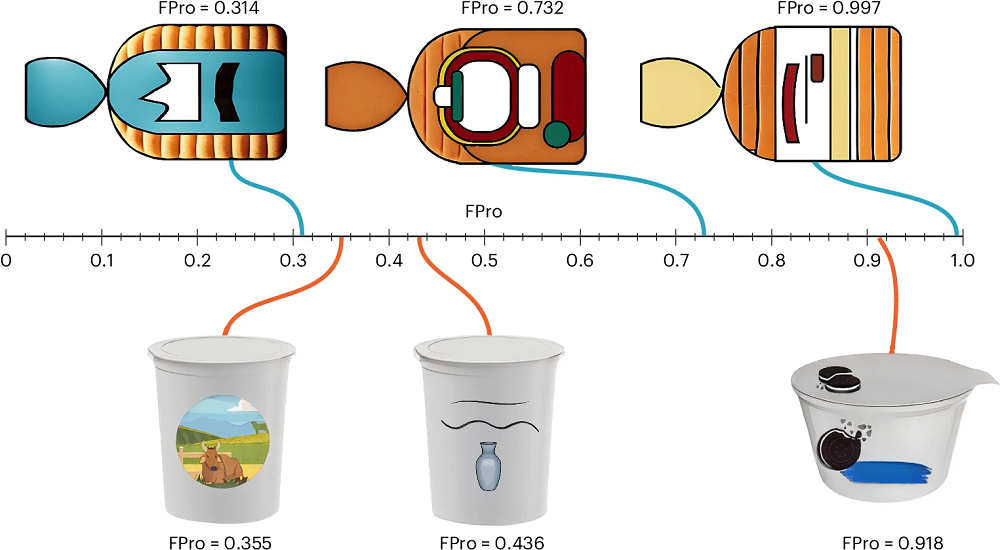
A multi-grain bread from Manna Organics, sold by Whole Foods, which mostly contains whole wheat, barley, and brown rice without any additives, salt, oil, and yeast, has an FPro of 0.314 (the index ranges from 0 to 1). The two less health-oriented chains, Walmart and Target, both carry Aunt Millie’s and Pepperidge Farmhouse breads (FPros of 0.732 and 0.997, respectively) with ingredients including soluble corn fiber, sugar, resistant corn starch, wheat gluten, and monocalcium phosphate.

The researchers saw a similar picture with yogurts: Seven Stars Farm yogurt made from grade A pasteurized organic milk has an FPro of 0.355. Siggi’s yogurt, with an FPro of 0.436, uses pasteurized skim milk, which, according to the paper, requires more food processing to eliminate fat. The two pale in comparison to Chobani Cookies and Cream yogurt with its whopping FPro of 0.918, thanks to loads of cane sugar and multiple additives such as caramel color, fruit pectin, and vanilla bean powder.

FPro 1

Some food categories are inherently highly processed, so it is unlikely to find cookies with a low FPro. However, even in those categories, the distribution of FPro scores is quite wide, and healthier alternatives are available. Unsurprisingly, the prevalence of less processed food was much higher in Whole Foods Market than in the other two chains.

The researchers highlighted one of the reasons for the abundance of ultra-processed food: processing decreases the cost per calorie. Across all GroceryDB categories, a 10% increase in FPro leads to an 8.7% decrease in the price per calorie. In some categories, the decline is much steeper, however, with milk, the relationship is reversed, probably due to more expensive plant milks also being more processed.

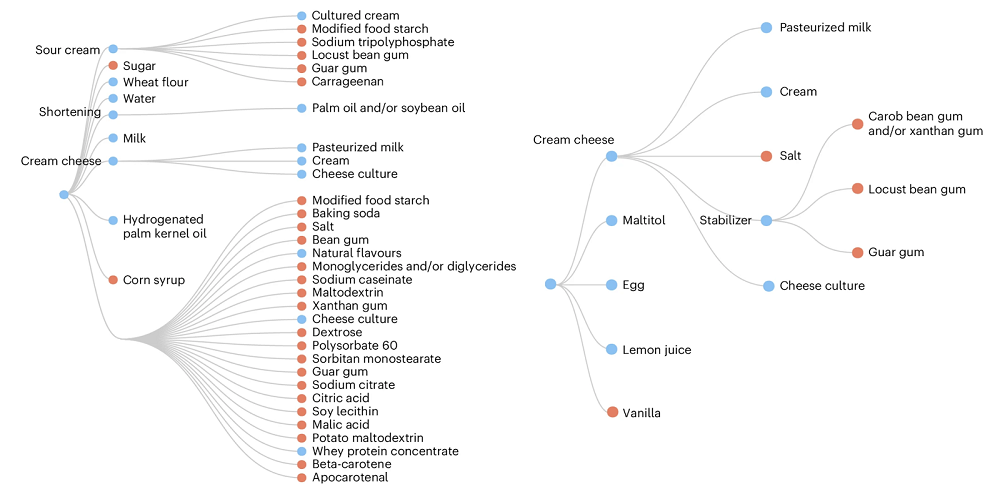
To illustrate the makeup of the FPro score for every product in GroceryDB, its ingredients are presented as a tree. This allows accounting for “ingredients of ingredients,” such as in this example with two cheesecakes. While both are highly processed, the one on the left has an FPro of 0.953 and the one on the right – 0.720. The former, along with many additives, contains sour cream which, in turn, contains a number of ingredients, such as modified food starch.

FPro 2

The highly processed ingredients are designated by red dots. The researchers mention, however, that this does not necessarily mean they are harmful. For example, xanthan gum, guar gum, and locust bean gum are considered generally safe. The purpose of GroceryDB is to allow people to dig into the ingredients of pantry staples and make informed decisions.

Informing the public’s choices

“GroceryDB serves as a proof of concept, demonstrating the potential of accessible, algorithm-ready data to advance nutrition research,” said Dr. Giulia Menichetti, a Principal Investigator and Junior Faculty at Harvard Medical School, and a co-author of the study. “This is especially significant in a field where much of the work still depends on labor-intensive manual curation, relying on descriptive definitions that suffer from poor inter-rater reliability and lack of reproducibility.”

“While the general population is increasingly aware of the potential health impacts of ultra-processed foods, they lack the knowledge to distinguish minimally processed foods, which have no known health consequences, from ultra-processed ones,” said Prof. Barabási. “Here, we set out to offer this resource by measuring the degree of processing for the foods that constitute a significant fraction of the US food supply. Most importantly, through this online resource, consumers are empowered to replace the ultra-processed foods they consume with brands that are less processed.”

Menichetti, too, underscored the potential societal benefits of their project. “Our vision with GroceryDB is not just to build a database, but to catalyze a global effort toward open-access, internationally comparable data that advances nutrition security and ensures equitable access to healthier food options for all,” she said.

Another nutrition scientist, Barry M. Popkin, Distinguished Professor of Nutrition at the University of North Carolina, who was not involved in this study, voiced some critique regarding its design: “Rather than doing an exact study of the ingredients list to find those colors, flavors and other additives identified in NOVA as identifying ultra-processed food, they guess on a set of foods that they were ultra-processed and then the machine identified the other ultra-processed foods.”

However, according to Menichetti, the approach suggested by Popkin “is not currently practical from an algorithmic perspective, due to the poor standardization of ingredient lists worldwide and the absence of definitions tied to robust, measurable variables across food composition databases.”

“Implementing such an approach,” she noted, “would have required significant manual curation, more than double the funding and time, and the incorporation of subjective opinions into the classification process. We see these challenges firsthand with our friends at Open Food Facts, a non-profit initiative powered by thousands of volunteers globally, which grapples with these same limitations daily.”

We would like to ask you a small favor. We are a non-profit foundation, and unlike some other organizations, we have no shareholders and no products to sell you. All our news and educational content is free for everyone to read, but it does mean that we rely on the help of people like you. Every contribution, no matter if it’s big or small, supports independent journalism and sustains our future.


Literature

[1] Ravandi, B., Ispirova, G., Sebek, M., Mehler, P., Barabási, A. L., & Menichetti, G. (2025). Prevalence of processed foods in major US grocery stores. Nature Food, 1-13.

[2] Fiolet, T., Srour, B., Sellem, L., Kesse-Guyot, E., Allès, B., Méjean, C., … & Touvier, M. (2018). Consumption of ultra-processed foods and cancer risk: results from NutriNet-Santé prospective cohort. bmj, 360.

[3] Srour, B., Fezeu, L. K., Kesse-Guyot, E., Allès, B., Méjean, C., Andrianasolo, R. M., … & Touvier, M. (2019). Ultra-processed food intake and risk of cardiovascular disease: prospective cohort study (NutriNet-Santé). bmj, 365.

[4] Hall, K. D., Ayuketah, A., Brychta, R., Cai, H., Cassimatis, T., Chen, K. Y., … & Zhou, M. (2019). Ultra-processed diets cause excess calorie intake and weight gain: an inpatient randomized controlled trial of ad libitum food intake. Cell metabolism, 30(1), 67-77.

An exosome filled with protein-based information.

Restoring Cellular Proliferation Through Exosomes

In Cell Metabolism, researchers have described how a microRNA (miRNA) derived from exosomes generated by human embryonic stem cells (hESCs) restores function and fights senescence in cell cultures and mice.

Looking for a better senomorphic

This study begins with a discussion of cellular senescence and its role in aging, focusing on the main approaches to dealing with it: senolytics, which kill senescent cells, and senomorphics, which transform them. Senolytics may have side effects because their number goes up with advanced age [1], and some of them are necessary for life. Even such techniques as directly affecting the SASP may have adverse impacts on the immune system [2].

While senomorphics appear to be a viable strategy, they are still in their infancy. One potential strategy involves exosomes: messenger particles that are regularly sent by cells. Previous work with hESC-derived exosomes (hESC-Exos) has found that their contents are instrumental in rejuvenating multiple tissues [3]. Therefore, these researchers decided to examine them as a senomorphic, discovering which of their many components is best at restoring senescent cells.

Cells regained the power to proliferate

The first experiment was a basic test of hESC-Exos on IMR-90 cells, a line of human fibroblasts. After 30 divisions, this cell line remains youthful, but at 50, it has reached replicative senescence. However, treating those senescent cells with hESC-Exos almost entirely reversed their senescent biomarkers, downregulating SASP-related genes such as those for inflammatory interleukins, restoring cellular proliferation, and sharply decreasing the senescence biomarker SA-β-gal. Other genes related to senescence were inhibited, while those relating to proliferation were enhanced.

These findings were recapitulated at the single-cell level. First, the researchers created a population of human cells that were modified to express the fluorescence protein along with the senescence marker p21. Then, they drove these cells senescent by exposing them to doxycycline, after which they exposed some of them to hESC-Exos.

Compared to an untreated control group, the treated cells had substantially less p21-related fluorescence and less SA-β-gal, and some of them regained the ability to proliferate. Just like with the replicatively senescent cells, hESC-Exos diminished senescence-related gene expression and enhanced proliferation-related expression instead.

Mice regained youthful attributes

From the 20th month to the 30th month of life, wild-type mice on a normal diet were injected with hESC-Exos. Compared to a control group, the exosome-treated mice performed better on both fixed and accelerating rotarod tests, had higher body weight, and retained normal bladder activity. In the Morris water maze test, they both found the platform more quickly and remembered its location more accurately. They retained their hair color and skin smoothness as well.

Biomarkers of senescence, just as in the cellular culture, were substantially reduced in the treated mice. Inflammatory factors, such as cytokines and TNF-α, were also substantially reduced in their circulation, and γ-H2AX, a marker of genomic damage, was notably reduced. Just as in cellular cultures, the mice’s biomarkers of cellular proliferation were improved. Overall, the researchers found the treated mice to be substantially rejuvenated as a whole.

Finding the key molecule

The researchers hypothesized that much of this rejuvenative power can be distilled down to the exosomes’ individual components. They selected one of them, miR-302b, which is abundantly found in hESC-Exos and is documented to play a role in cellular proliferation [4]. However, it had remained untested against aging.

This particular miRNA was found to directly regulate expression of the Cdkn1a gene, which is related to cellular senescence. Exposing IMR-90 cells to miR-302b recapitulated the effects of hESC-Exos, reducing senescence and promoting proliferation.

Encouraged, the researchers then turned to mice. This time, they injected 25- to 30-month-old mice with artificially transfected exosomes containing miR-302b. They found that this approach recapitulated the results found in hESC-Exos as well, reducing inflammatory factors and SA-β-gal, substantially improving the results of rotarod and Morris water maze tests, and restoring cellular proliferation.

Llifespan itself was also improved by this approach. The median lifespan of the mice treated with miR-302b was 137 days greater than that of the control group. While the difference was not significant, the effect seemed to be stronger in males.

While hESC-Exos and miR-302b were not compared directly, they appear to be largely similar in terms of their effects. Still, this is a cell and mouse study, and further work needs to be done to determine if this approach is safe for clinical use. It is also not known which of these approaches will be the most scalable and suitable for mass production.

We would like to ask you a small favor. We are a non-profit foundation, and unlike some other organizations, we have no shareholders and no products to sell you. All our news and educational content is free for everyone to read, but it does mean that we rely on the help of people like you. Every contribution, no matter if it’s big or small, supports independent journalism and sustains our future.
Lifterature

[1] Huang, W., Hickson, L. J., Eirin, A., Kirkland, J. L., & Lerman, L. O. (2022). Cellular senescence: the good, the bad and the unknown. Nature Reviews Nephrology, 18(10), 611-627.

[2] Zhang, L., Pitcher, L. E., Yousefzadeh, M. J., Niedernhofer, L. J., Robbins, P. D., & Zhu, Y. (2022). Cellular senescence: a key therapeutic target in aging and diseases. The Journal of Clinical Investigation, 132(15).

[3] Bi, Y., Qiao, X., Liu, Q., Song, S., Zhu, K., Qiu, X., … & Ji, G. (2022). Systemic proteomics and miRNA profile analysis of exosomes derived from human pluripotent stem cells. Stem Cell Research & Therapy, 13(1), 449.

[4] Subramanyam, D., Lamouille, S., Judson, R. L., Liu, J. Y., Bucay, N., Derynck, R., & Blelloch, R. (2011). Multiple targets of miR-302 and miR-372 promote reprogramming of human fibroblasts to induced pluripotent stem cells. Nature biotechnology, 29(5), 443-448.

Targeting cancer

New Drug Eliminates Breast Cancer in Mouse Study

Researchers have discovered a small molecule that effectively kills cancer cells in the most prevalent type of breast cancer. The new drug could help against cancer recurrence and decrease the need for surgery [1].

The ongoing fight against breast cancer

Medicine has made great strides in treating breast cancer, but the fight is far from over. About 70% of all cases are estrogen receptor alpha positive (ERα+), meaning that cancer cells express ERα, and tumor growth is driven by the hormone estrogen.

Current therapies already ensure a high five-year survival rate for ERα+ cancer patients. However, it hinges on early detection, surgical resection, and consequent long-term hormone therapy that in itself can cause serious side effects, including increased risk of endometrial cancer and osteoporosis [2]. Moreover, there is a high chance of recurrence: 10%-50% over 20 years, depending on the initial tumor size. When this happens, the resurrected cancer often does not respond to endocrine therapy due to mutations in ERα or other mechanisms.

In this case, there is an unmet need for treatments that would eliminate the cancer completely, preferably in a single swoop. A new study coming from the University of Illinois at Urbana-Champaign features a worthy candidate.

The researchers have been working on small molecules for treating ERα+ breast cancer for several years. Resistance in this type of cancer “occurs partly because endocrine therapies typically are cytostatic: tumor cell proliferation is inhibited, but cell death is modest,” the paper says. Hence, the researchers were looking for a drug that would kill breast cancer cells instead of just preventing their division.

The group’s previous candidate, ErSO, was effective, but it harmed ERα-negative cells as well [3]. This time, the researchers described an improved formulation: ErSO-TFPy. In previous studies, it showed high potency at low concentrations and tolerability at high concentrations. ErSO-TFPy targets the protein TRPM4, which is involved in cation transport and is upregulated in some cancers, including breast cancer.

First, the researchers tested ErSO-TFPy versus a string of current state-of-the-art treatments in several ERα+ breast cancer lines. The current drugs were less effective and, as expected, mostly cytostatic, causing the cells to stop dividing, while ErSO-TFPy effectively induced cell death.

Similar results were demonstrated in vivo: while fulvestrant, a currently used drug that served as a positive control, was only able to halt tumor growth, ErSO-TFPy achieved full tumor regression in concentrations well within the therapeutic window.

One of the models used was a xenograft derived from a patient who had developed drug-resistant cancer due to a mutation in ESR1, the gene coding for ERα+. In this setting, fulvestrant proved mostly ineffective, while ErSO-TFPy again eliminated the tumor completely.

In these experiments, the drug was given weekly as an intravenous injection. “This quantitative tumor regression is highly unusual for single-agent breast cancer therapeutics and may be the result of the unique, necrotic mechanism of action for this class of small molecules,” the paper says.

A single dose – even for large tumors

Given the surprising efficacy of the weekly regimen, the researchers wanted to see whether a single dose of their drug would do the trick – and it did. “If recapitulated in humans, such a minimal dosing regimen would revolutionize ERα+ breast cancer therapeutic management through improved treatment compliance, quality-of-life, and long-term outcomes for breast cancer patients,” the authors note.

“It is very rare for a compound to shrink tumors in mouse models of breast cancer, let alone completely eradicate those tumors with a single dose, so we are eager for ErSO-TFPy to advance for treatment of breast cancer,” said Paul Hergenrother, Kenneth L. Rinehart Jr. Endowed Chair in Natural Products Chemistry and the leading author of the study.

The efficacy of the current treatments for ERα+, as well as the chance of recurrence, is highly dependent on the stage at which the disease was diagnosed, so the researchers tested their drug in the extreme conditions of well-developed, extra-large tumors. Even in this challenging setting, a single IV dose of ErSO-TFPy (albeit at a higher concentration) was enough to shrink the tumors by more than 80%. This indicates the exciting possibility of a drug that can tackle late-stage breast cancer.

ErSO-TFPy results

Interestingly, ErSO-TFPy gets washed out of circulation quickly. The researchers were pleasantly surprised and somewhat baffled by the prolonged effect of their drug and are looking for possible explanations.

“The ability of ErSO-TFPy to induce complete regressions after a single dose is surprising given ErSO-TFPy serum levels peak within 10 min of administration in mice and are undetectable after 16 h when dosed at 15 mg/kg IV,” the paper says. “The xenograft experiments show that tumor regression occurs over a period of weeks, long after the compound is eliminated.”

We would like to ask you a small favor. We are a non-profit foundation, and unlike some other organizations, we have no shareholders and no products to sell you. All our news and educational content is free for everyone to read, but it does mean that we rely on the help of people like you. Every contribution, no matter if it’s big or small, supports independent journalism and sustains our future.
Literature

[1] Mulligan, M. P., Boudreau, M. W., Bouwens, B. A., Lee, Y., Carrell, H. W., Zhu, J., Mousses, S., Shapiro, D. J., Nelson, E. R., Fan, T. M., & Hergenrother, P. J. (2025). Single dose of a small molecule leads to complete regressions of large breast tumors in mice. ACS Central Science. Advance online publication.

[2] Goss, P. E., Ingle, J. N., Martino, S., Robert, N. J., Muss, H. B., Piccart, M. J., … & Pater, J. L. (2005). Randomized trial of letrozole following tamoxifen as extended adjuvant therapy in receptor-positive breast cancer: updated findings from NCIC CTG MA. 17. Journal of the National Cancer Institute, 97(17), 1262-1271.

[3] Boudreau, M. W., Mulligan, M. P., Shapiro, D. J., Fan, T. M., & Hergenrother, P. J. (2022). Activators of the anticipatory unfolded protein response with enhanced selectivity for estrogen receptor positive breast cancer. Journal of medicinal chemistry, 65(5), 3894-3912.

Marco Quarta

Marco Quarta on Cellular Senescence in Aging

Dr. Marco Quarta runs one of the most interesting start-ups in the longevity field: Rubedo, which focuses on utilizing the senolytic approach to cellular senescence. This company has developed ingenious ways to cope with the notorious heterogeneity of senescent cells and is one of the first to bring its senolytic drug candidate into clinical trials. Marco also co-founded Turn Biotechnologies, a company with a different vision based on partial cellular reprogramming, as he sees the future of anti-aging interventions as combinations of various drugs and therapies that tackle different aspects of aging.

Let’s start with how you got to where you are today.

My passion for the longevity field began when I was around five years old: I had this sudden inspiration that I wanted to become a scientist. With scientists and physicians in my family, it was natural inspiration, but what drove me was wanting to understand why different organisms live in different ways.

I had this realization that since we’re all made of the same matter, we should be able to change how long we live. It was naive, but that really inspired me. I never stopped; by age six, I had set up my first lab, playing with a chemistry kit and microscope with my family’s support.

I’m still exploring these questions today, perhaps less naively and more sophisticatedly. My studies and readings, not just in science but in philosophy, mythology, and history, were all about trying to understand this quest that humanity has pursued for millennia: how to live longer, healthier lives. The alchemist’s quest exists across all cultures and populations.

I think the difference now is that we now have real science. We’ve hit a tipping point where we have enough understanding, though there’s still much to learn, to move to Medicine 3.0 and develop longevity medicine.

As a quick side note, I actually wanted to ask you why your company Rubedo and its drug discovery platform ALEMBIC are named after alchemy terms.

I’ve long been interested in alchemy as a broader view of science and nature, a source of inspiration, essentially. Major scientists like Isaac Newton, the father of modern physics, and Robert Boyle, the father of modern chemistry, spent most of their careers as alchemists, trying to understand the language of nature and how it manifests in both animate and inanimate worlds.

There’s almost a spiritual dimension to science that has become disconnected from modern scientific practice, but philosophy and science have always been intertwined. Reading Persian, Arabic, Egyptian, Greek, Medieval, and Renaissance works, you find observational insights that remain inspiring for modern scientific approaches.

The names indeed come from alchemy. Rubedo is the final phase in creating the universal medicine, the elixir of long life meant to cure all diseases and extend longevity. Alembic was the apparatus alchemists used to distill and prepare this medicine, but ALEMBIC is also an acronym describing what our platform actually does: Algorithms for Life-Extending Medicine with Biology, Informatics, and Chemistry.

Okay, let’s go back to your story.

When choosing my university studies, I took this direction: aging biology. I did my undergraduate work in a lab under the patronage of the Nobel Laureate Rita Levi-Montalcini, who discovered nerve growth factor. I studied brain aging and regeneration, along with acute neuropathic pain. Then, I continued with a PhD in neuroscience, studying aging, physiology, and bioengineering. I wanted to understand aging from all angles, spending time on bioengineering, regenerative medicine, and stem cell biology.

I came to Stanford to work with Thomas Rando, a pioneer in the field. It was a great environment to develop as a scientist. I went on to direct the research center for Tissue Regeneration, Restoration and Repair at Veteran Medical Center of Palo Alto and Stanford Medicine, leading a team working on regenerative medicine, bioengineering, stem cells, aging, and rejuvenation in different areas. Our work on epigenetic reprogramming along with the lab of Vittorio Sebastiano, also at Stanford, became the foundation of Turn Bio.

Yes, it is interesting that you’re also a co-founder in a cellular reprogramming company

Aging is complex, but what we could do immediately is remove pathologic cells, like we have been doing for cancer for the past 50-60 years. You can’t live with them. Now we know there are other pathologic cells, more age-related, such as senescent cells, but, like cancer cells, they are highly heterogeneous. Also, they’re not all bad, but rather pleiotropic, they have different states.

The field is exciting because it reminds me of oncology in the 60s-70s. Back then, people naively wanted to develop chemotherapies to kill all cancer cells. After 50 years, we have cures for some cancers, we’re still working on others, and we understand how complex it is – we need multiple therapies and modalities.

A lot of it is the same for cellular senescence, which is why I started Rubedo: we needed to build tools first to understand the differences in cells. The idea is to remove the pathologic cells that emerge with aging biology. The other approach, with Turn Bio, is to preserve or restore useful biology in aging cells that are becoming dysfunctional – turning back the clock using cellular reprogramming.

I see strong synergy between these two strategies and platforms. My hope is that in the future, these therapies can work together for a truly comprehensive longevity approach, rather than just treating diseases of aging as we’re doing now. The field is changing and advancing quickly.

I founded the Phaedon Institute a couple of years ago with several key opinion leaders from academia and industry. We have members from leaders in academics, industry. The goal is to raise awareness, improve scientific rigor, help the field advance, create winners. I see the field made of collaborators, not competitors. If someone succeeds, everybody will benefit. So, it’s important that we create this ecosystem. It’s a complex mission but advancing very quickly.

Since you mentioned the Phaedon Institute, tell me more about it. I think it’s an interesting organization that’s been largely flying under the radar.

We’ve been working more behind the scenes. This year, we’re organizing the new Senotherapeutic Summit. The last one was in 2023 – we hold it every two years, as we believe annual meetings don’t allow enough progress. This year, it will be combined with the International Cellular Senescence Society for a longer meeting combining academic work, industry, and clinical perspectives. It will be held in Rome in September.

We’ve been creating a framework to help advance the field and coordinate different aspects from education to research to investments. Our goal is to have focused activities rather than constant PR. We’re planning another event focused on epigenetic reprogramming and other aspects of aging. I’m not a fan of the “hallmarks of aging” framework, but we want to understand different areas separately rather than mixing them all together, having different communities work on different aspects.

Let’s move on to Rubedo. The year 2024 was really busy for you, right? You closed funding series for 40 million dollars, you signed a lucrative partnership, you’re gearing up for your first human trial, and you also have a new CEO. Tell me all about it.

We actually ended up raising 46 million after the announcement as more investors wanted to join. Part of this came from CDP Ventures, a major Italian investment fund – essentially a government sovereign fund that drives innovation. This supported our expansion into Italy, where we opened an office in Milan. We chose Milan as our European headquarters not just for our upcoming clinical trial in the Netherlands, but with the goal to eventually expand our R&D operations across Europe. We announced the target of the first program going to the clinic now.

And you chose skin indications – atopic dermatitis, psoriasis – correct?

Yes, among other chronic inflammatory skin diseases and skin aging, we chose the skin as the tip of the spear, an entry point. While we’ve been investigating many therapeutic areas – muscle, brain, liver, lung – we found skin to be the most accessible starting point. It allows us to move quickly in multiple directions.

This trial gives us a unique opportunity to study aging in a clinical setting through a basket trial approach, starting immediately with patients in a Phase 1. Skin is ideal because you can directly observe and assess it. We received approval for a Phase 1 trial primarily testing safety, but we’ll be treating multiple patients with chronic inflammatory skin conditions that we’ve carefully profiled in parallel with skin aging. We’ve analyzed clinical samples using our ALEMBIC platform, incorporating single-cell RNA sequencing, multi-omics, spatial transcriptomics, and AI integration to identify senescent cell types and potential targets.

These are great market opportunities – some are still unmet medical needs predicted to become blockbuster markets. Guggenheim’s end-of-year forecast surprisingly placed dermatology at the top of therapeutic areas, which aligns with our pipeline indications. Strategy& flagged an analysis that forecast senotherapeutics to be at $127B market by 2030.

We’ll be studying target engagement, biomarkers, and various changes. Beyond examining biopsies of diseased tissue, we’ll also analyze normal aged skin to look not just at disease biomarkers but at changes in skin aging biology – including epigenetic clock measurements and specific aging markers. This makes it a true dual-purpose trial examining both therapeutic effect and aging processes.

As you said, we also closed a major deal with Beiersdorf, one of the largest cosmetics companies globally, known for brands like Nivea, Coppertone, and Eucerin. We’re collaboratively developing anti-aging skincare that actually rejuvenates the skin – not just marketing, but creating genuinely healthier, younger skin.

As we move into the clinical stage, I wanted to focus more on innovation and R&D for our new programs, so I looked for someone to complement my work. We found Frederick Beddingfield, who was an ideal fit. He’s a dermatologist with a PhD who became an executive, serving as CMO at Allergan where he launched several drugs including Botox for medical aesthetics and therapeutics. He’s had successful CEO roles in several companies, including one he sold back to Allergan for 2.2 billion, and has led multiple IPOs.

The last two years, Beddingfield worked as a venture capitalist at Apollo Health Ventures, focusing on longevity therapeutics. When he saw our work, his words were, “I can’t say no here.” He brings the experience to build our clinical strategy with the understanding that we’re not just a dermatology company – we’re a longevity company, and skin is just our starting point.

Tell me more about your target.

We just announced our target during the JP Morgan conference: it’s GPX4. Our compound RLS1496 is a proprietary GPX4 modulator. We developed a molecule that can modulate GPX4 and target vulnerabilities in senescent cells while sparing healthy cells, and its effects extend beyond skin.

GPX4 is central to ferroptosis, a distinct form of cell death different from apoptosis or necroptosis. Though this pathway was only discovered about ten years ago, it’s generating a lot of interest. Major companies like Takeda, Bayer, and Calico (in collaboration with AbbVie) are working on it.

This target has been studied mostly in the context of oncology so far. Now, people are looking at cardiovascular conditions, inflammation, and fibrosis. Our own next step will be systemic applications targeting inflammation and metabolic disorders. We also have other programs with different targets – for instance, our lung interstitial disease program, supported by the California Institute for Regenerative Medicine (CIRM), targets lung stem cells that become senescent. These cells trigger a cascade leading to fibrosis as in IPF, and tissue degeneration leading to COPD or pulmonary hypertension. We’ll start with lung fibrosis before expanding to other indications.

In oncology, ferroptosis has been explored as a therapeutic opportunity studying aggressive cancer cells that resist traditional treatments. Researchers are trying to use synthetic lethality approaches to sensitize treatment-resistant cancer cells to ferroptosis, with GPX4 as a target. This presents challenges because cancer cells proliferate rapidly, develop resistance, and require carefully engineered synthetic lethality.

What we discovered is that certain senescent cells are naturally vulnerable to ferroptosis. But senescent cells have an advantage over cancer cells – they don’t divide or grow. This means we can use more flexible dosing schedules and don’t need to eliminate every single cell immediately. We can gradually reduce their population over time.

In the case of ferroptosis, researchers found they could make cancer cells more sensitive to this type of cell death by inhibiting CDK4/6 with drugs like palbociclib. What makes senescent cells particularly interesting is that they have a natural predisposition to this sensitivity. When cells become senescent, they can elevate levels of p16 and/or p21, which are natural inhibitors of CDK4/6, creating an almost built-in synthetic lethality mechanism.

We’ve found that by modulating GPX4 in specific ways, we can trigger ferroptosis in senescent cells while sparing healthy cells, giving us a therapeutic window. Our compound, RLS1496, is a potent GPX4 modulator that can achieve this effect at single-digit nanomolar concentrations.

Studies have shown that reducing GPX4 levels throughout life in mice (not completely removing it, which is lethal at birth) increases lifespan by 7-10%, and these mice develop fewer tumors and are generally healthier. While this suggests a broader role in longevity, we’re currently focusing on targeting specific pathological senescent cell populations.

This brings up an interesting question about the notorious heterogeneity of senescent cells. Are you targeting specific subsets of senescent cells, and is your ALEMBIC platform designed to address this heterogeneity problem?

Yes, exactly. Senescent cells come in different types and flavors, but unlike cancer cells that keep dividing and developing resistance, senescent cells maintain relatively stable states once established. The type of senescence depends on the initial trigger: different stressors lead to different senescent states. Cell types also acquire different senescent states depending on their tissue of origin and the disease context. Once you identify these distinct populations, you can target them specifically, and you don’t need to eliminate them all at once.

The challenge was how to identify and characterize these different populations. When we started Rubedo, the tools to address this complexity didn’t exist. That’s why we developed ALEMBIC, which is built on single-cell multi-omics technology. This is a relatively new frontier – even ten years ago these technologies didn’t exist, but now they’re becoming mainstream.

We began with single-cell RNA sequencing and have since incorporated ATAC sequencing, genomics, and spatial multi-omics, continuously adding layers of data. We source our samples directly from patients – such as skin biopsies, lung tissue from IPF patients at Cedars Sinai Medical Center in LA, and samples from COVID patients with interstitial lung diseases.

These patient samples are our starting point for data generation. To make sense of this complex data, we use deep neural networks and machine learning algorithms that we’ve developed in-house. Just as we create our own molecules rather than repurposing existing drugs, we build our own computational tools.

The discovery component of ALEMBIC uses algorithms trained on our large in-house datasets. These can analyze samples and triangulate across different cell types to identify senescent states, their various subtypes, and potential biomarkers or signatures. We’re now developing different modalities that take advantage of vulnerabilities identified with ALEMBIC. An example of such targeted modalities are prodrugs based on this understanding – creating inactive senolytics with specific modifications that are only activated by enzymes present in senescent cells. This improves our safety profile.

Through ALEMBIC, we’re discovering novel enzymes, mechanisms, and pathways specific to certain senescent cell populations. This requires understanding cellular states at single-cell resolution across healthy and diseased tissue, different ages, and how various cell types interact. This forms the foundation of ALEMBIC. We then leverage a chemistry platform that translates these insights into molecules, using both in silico simulation and generative chemistry approaches specifically designed for targeting senescent cells or pathologically aging cells. Using these approaches to support our medicinal chemistry to optimize lead molecules, we accelerate and inform our drug discovery and development, derisking the process.

We’ve seen a couple of early failures in senolytic clinical trials. Does this concern you? Everyone was excited about senolytics as a low-hanging fruit, but it’s proved more complex than anticipated.

I always look back to the early days of oncology and how many therapies failed before we started seeing success. Now, we have cures for certain cancers. Clinical trials are experiments in humans – as a scientist, I know you design them as carefully as possible but like in any experiment, failure is part of learning how to redesign and recalibrate.

The field of senolytics started with great excitement but perhaps moved too quickly. You’re probably talking about UNITY’s first trial, followed by another in 2023. I believe they chose an interesting target but in a challenging indication as their starting point. Their trial design was also complicated – a single intra-joint dose followed by a 12-week wait to assess pain scores, which are inherently noisy measurements. Additionally, the trial coincided with COVID’s onset, leading to significant patient dropout and loss of statistical power.

The results were ultimately inconclusive. One limitation was their choice of a BCL-2/XL inhibitor, which comes with toxicity issues from its oncology origins. This first-generation senolytic has systemic limitations like thrombocytopenia that need addressing for systemic use. They’ve since shifted to localized delivery, first in joints for arthritis and now in the eye.

Their recent trials in diabetic macular edema are actually quite exciting. A single intraocular injection showed functional improvements in visual acuity over twelve months. Compare this to standard VEGF inhibitors that require injection every three to four months – I’ve seen how difficult this is, as my father had this condition. Their results show that removing senescent endothelial cells from the eye with a single treatment could provide superior and potentially long-lasting results to current standard of care.

On the other side, we’re seeing promising results from academic trials, like those at Mayo Clinic. While they’re using less selective senolytics like dasatinib plus quercetin – essentially repurposed chemotherapy – they’re showing effects. Their studies in IPF patients, kidney diseases, preeclampsia, diabetes, and cancer are demonstrating reduced senescence, decreased inflammation, and functional improvements. Ongoing trials are assessing senolytic interventions for frailty, Alzheimer’s, chronic kidney diseases, and other neurodegenerative conditions, to name a few.

The Mayo Clinic’s IPF open-label pilot trial is particularly noteworthy. Despite being a small trial with a challenging patient population, they showed improved function, quality of life, such as six-minute walk distance and four-minute gait speed. Current approved drugs for IPF – nintedanib and pirfenidone – slow down fibrosis and extend survival for some patients, but at the cost of quality of life. They’re so toxic that patients often choose to discontinue treatment despite having only 2-3 years life expectancy at diagnosis. Even the relatively crude combination of dasatinib plus quercetin improved quality of life in these patients. This suggests we’re on the right track: we just need to learn from the biology and refine our therapeutic approaches.

You’ve said that senescent cells are key drivers of chronic diseases, from cancer to cardiovascular disease, dementia, and diabetes. How fundamental is cellular senescence as a cause of aging?

Aging is a complex systems problem – that’s why I don’t like the “hallmarks of aging” framework. All components are interconnected; when one thing changes, everything responds. But senescence is a particularly interesting integration point for cellular dysfunction. It can arise from DNA damage, mitochondrial dysfunction, telomere attrition, epigenetic changes, and other causes. It’s fundamentally a defensive response – when something’s wrong, cells stop dividing and start secreting signaling factors (SASP).

This process is actually beneficial in certain contexts: during development, embryogenesis, and wound healing. These factors help recruit immune cells and modulate tissue responses, supporting regeneration when working properly. It’s a pleiotropic biology with two faces. Problems arise when these cells escape immune surveillance and accumulate, sending aberrant signals to immune cells and stem cells. They create a maladaptive response where inflammation becomes chronic and self-perpetuating.

So, senescence is a response to damage and stress. It’s part of aging, because over decades we accumulate damage and lose our capacity to buffer these responses, but this isn’t just about chronological aging. Consider children with leukemia undergoing chemotherapy – they show very high levels of inflammation and senescence markers. Cancer survivors, including pediatric patients, often develop age-related diseases decades earlier than average. It’s an acceleration of the normal aging process.

COVID-19 provided another example: SARS-CoV-2 causes senescence in epithelial cells. At Cedars, we’re seeing people in their 40s in need of lung transplants, with lung tissue aging phenotypes equivalent to typical 70-year-old IPF patients. Senescent cells both accelerate aging and are produced by aging, creating an amplifying cycle.

Removing senescent cells breaks this cycle and clears tissues of factors that drive chronic inflammation. They’re not the only source, but they’re a persistent one. Consider current treatments for severe dermatological conditions like psoriasis or atopic dermatitis – these biologics target single factors like TNF-alpha, IL-17, IL-23, or IL-6, which are all SASP components. Instead of targeting individual factors, we can remove their source upstream and let immune cells and stem cells to restore normal function.

This process happens in disease but also in healthy aging, with gradual degeneration and loss of tissue function. Removing senescent cells isn’t the only solution, but it’s an important part of the longevity medicine toolkit. After removing these cells, you can apply other interventions: epigenetic reprogramming, improving mitochondrial function, remodeling the extracellular matrix. These therapies could eventually be personalized and combined.

The importance of senescent cells in driving premature aging has been demonstrated experimentally – we’ve shown this too. Transplanting senescent cells, whether from humans into mice or between mice, causes premature aging. Even a small number of these cells can drive frailty and age-related symptoms. Moreover, Campisi and Conboy’s lab’s elegant work showed that exposing young mice to even a single exchange of blood from aged mice accelerates aging and induces cellular senescence prematurely. Conversely, this induction of cellular senescence is abrogated if the old mice are pre-treated with senolytic drugs, suggesting that cellular senescence is neither a simple stress and damage response nor a chronological cell-intrinsic phenomenon.

This transition to human applications is just beginning. In conditions like IPF, the role of senescence is becoming clear. Evidence from 15 years ago showed that the primary problem isn’t fibroblasts causing fibrosis – it’s upstream, where epithelial progenitors and stem cells lose their healing capacity, especially in patients with genetic predispositions like telomere mutations.

When you add environmental stress – smoking, pollution, COVID – this triggers a strong and persistent cellular senescent response. You lose functional progenitors and stem cells, which are replaced by senescent cells that perpetuate the cycle and activate aberrant immune responses. The resulting pro-inflammatory, pro-fibrotic environment activates fibroblasts to become myofibroblasts, leading to collagen deposition and scarring. Breaking this cycle by removing senescent cells could lead to disease-modifying treatments.

We’re about to publish work in an important peer-reviewed scientific journal with Stanford collaborators showing how cellular senescence influences chronic pain development: neurons become senescent after injury, spread senescence to surrounding neurons, and drive the transition from acute to chronic pain. Removing senescent cells can reverse this process.

So, you believe that senolytic therapies should be customized to specific disease conditions, perhaps even individual patients, and that longevity medicine will eventually involve multiple simultaneous approaches. Can you elaborate on this vision?

The future of longevity medicine doesn’t necessarily require customization to individual patients for senolytics. Rather, we need to understand how single therapies can be applied across multiple diseases and patient groups. We also need to identify the best responders and how to stratify patients effectively. That’s for treating existing diseases.

The next frontier is prevention: understanding how to remove specific senescent cell populations before disease develops. This isn’t possible yet because we need validated biomarkers, which we’re working to develop in our trials.

I envision a future where you visit your doctor for routine tests, and just as they now tell you when your glucose or HbA1c levels indicate pre-diabetes, they’ll check a panel of senescence markers. They might tell you that you have concerning senescence levels in your liver and recommend specific interventions to prevent conditions like NASH from developing 10-20 years later.

As we learn more, we’ll understand which treatments work best for particular marker patterns, whether used alone or in combination. But first, we need to validate these therapies and understand how they work. Look at GLP-1 drugs: there’s tremendous excitement, but we’re still learning about different patient responses and side effects. That’s just how medicine and drug discovery work.

We can accelerate this process with modern tools like AI, de-risk development, and speed up pipelines, but we still need to follow the scientific journey. Unfortunately, the current drug development process isn’t well-suited to preventive medicine. Drug development faces multiple challenges – market penetration, payer acceptance, physician and patient adoption. The marketing aspect isn’t just about sales but creating awareness and changing habits.

We often see improved medicines fail simply because patients stick with familiar treatments, missing potentially life-changing opportunities. These become sleeping assets in pharmaceutical companies, perhaps to be rediscovered later for different purposes.

That’s why advocacy is crucial, creating awareness about longevity medicine, educating physicians and policymakers, and preparing society for this medical paradigm shift. As we develop new therapies, we need a society ready to understand and implement them.

We would like to ask you a small favor. We are a non-profit foundation, and unlike some other organizations, we have no shareholders and no products to sell you. All our news and educational content is free for everyone to read, but it does mean that we rely on the help of people like you. Every contribution, no matter if it’s big or small, supports independent journalism and sustains our future.

Longevity Med Summit Full

The 3rd Longevity Med Summit Heads to Lisbon in May 2025

Lisbon, Portugal – The Global 3rd Longevity Med Summit, the premier global event in longevity medicine, wellness, and healthcare innovation, is set to take place in Lisbon from May 6 to 8, 2025. This year’s summit promises an expanded agenda featuring groundbreaking topics, world-renowned speakers, and an exclusive Pre-Summit Day focused on the Future of Wellness Spaces: Longevity, Hospitality, and Clinics on May 6.

With over 60+ exhibitors and 70+ speakers, the Longevity Med Summit 2025 is a must-attend event for professionals in healthcare, wellness, and longevity. Attendees will gain access to cutting-edge innovations, insights from leading experts, and the opportunity to connect with global leaders shaping the future of preventive medicine.

Key Highlights of the Global 3rd Longevity Med Summit 2025

  • Cutting-Edge Topics: Explore advancements in regenerative medicine, AI-driven diagnostics, longevity clinics, and wellness innovation.

World-Class Speakers: Featuring notable leaders such as:

  • Dr. Robert Hariri, Founder and CEO of Celularity, on cellular therapies for human performance and longevity.
  • Anna Bjurstam, Senior Strategic Advisor at Six Senses, on integrating clinical practice with wellness services.
  • Simone Gibertoni, CEO of Clinique La Prairie, moderating a panel on investing in longevity startups.
  • Gordan Lauc, Founder of GlycanAge, exploring the use of glycans in personalized health.
  • Elizabeth Yurth, MD, Co-Founder of Boulder Longevity Institute, on optimizing NAD therapies.
  • Ernst Kuipers, Former Minister of Health, Netherlands, on rethinking healthcare systems for longevity.
  • Pre-Summit Day Focus: Discussions on integrating longevity, wellness, and hospitality into real estate projects, creating environments that support health and well-being.
  • LMS App for Networking: The Summit introduces the Longevity Med Summit App, a dedicated platform for seamless 1:1 Matchmaking and networking.

Attendees can connect with industry leaders, schedule meetings, and engage with peers through this innovative digital tool.

  • Global Expertise: Featuring 70+ speakers, including top-tier researchers, clinicians, and thought leaders driving innovation in longevity and wellness.
  • Exhibitor Showcase: With 60+ exhibitors, the Summit’s exhibition hall will highlight cutting-edge solutions, products, and technologies transforming the healthcare and wellness sectors.
  • Networking & Collaboration: A vibrant platform to connect with clinicians, innovators, investors, and thought leaders from around the world.

Why in Lisbon?

Lisbon, with its rich history, vibrant culture, and status as a growing hub for innovation, provides the perfect backdrop for exploring the future of health, wellness, and longevity.

The 3rd Longevity Med Summit is not just an event; it’s a call to action for professionals and organizations dedicated to improving healthspan and advancing longevity science. With its comprehensive program, focus on collaboration, and the innovative LMS App, the Summit is the must-attend event of 2025 for those at the forefront of healthcare and longevity medicine.

For more information and registration, visit the summit’s website www.longevitymedsummit.com or contact us at register@longevitymedsummit.com.

About Longevity Med Summit

The 3rd Longevity Med Summit brings together global leaders, researchers, and innovators to explore and advance the science of longevity and preventive medicine. With a mission to transform the future of healthcare, the Summit offers a platform for collaboration, innovation, and actionable insights.

Media Contact:

press@longevitymedsummit.com

Gut bacteria inside

Maintaining Muscle by Restoring Gut Bacteria

In Aging Cell, researchers have described how different combinations of gut bacteria impact muscle strength in mice.

Expanding upon a known link

The link between gut bacteria and health is well-documented, and multiple biomarkers have confirmed that a healthy gut leads to health elsewhere [1]. This is not just due to inflammation caused by pathogenic bacteria: previous work in mice without existing gut bacterial populations has found that introducing beneficial bacteria leads to better muscle health [2]. The biochemical links have also also been found; for example, beneficial bacteria create short-chain fatty acids (SCFAs) that were demonstrated to benefit muscle health in mice [3].

Research in this area is ongoing; for example, we reported on a paper on a probiotic derived from breast milk earlier this month. These researchers took a different approach to the subject: using bacteria derived from older people with and without sarcopenia, they sought to push towards an effective clinical therapy that uses gut bacterial populations to alleviate frailty.

People with sarcopenia have different gut bacteria

This experiment recruited 51 people with an average age of 74.5 years, and roughly three-fourths were women. 28 of the participants had sarcopenia, and 23 did not.

Sarcopenia was associated with lower levels of acetic acid and butyric acid; this is unsurprising, as butyrate has been documented to have physical benefits. They also trended towards having less SCFAs, although this finding did not meet statistical significance. A total of 37 metabolites were found to be different between the two groups, particularly purine.

People with sarcopenia also had less of Clostridiales and Lachnospira species while having more Butyricimonas virosa, a species that, despite producing butyric acid, has been found to be pathogenic [4]. An evaluation of 16 known probiotics found that one was related to muscle mass and two more were related to physical performance.

The effects of these bacteria were analyzed in mice. There were four groups used in this experiment: mice that were given gut bacteria from people with sarcopenia, mice given gut bacteria from people without it, mice that had their gut bacteria removed through antibiotics, and a pure control group of unaffected mice.

Two weeks later, the antibiotic-treated mice, as expected, had poorer physical metrics than the control group. Their grip strength, interestingly, was on par with the mice given human non-sarcopenic bacteria; the mice given sarcopenic bacteria fared even worse. However, the mice given non-sarcopenic bacteria had greater twitch force than any of the other groups. There were no significant differences in body weight between the four groups. Force induced by repeated (tetanic) contractions was significantly lower in the mice given sarcopenic bacteria, which, unsurprisingly, had the lowest muscle mass.

The gut health of the mice was also affected. The gut mucus of the mice given sarcopenic bacteria was significantly thinner than that of the ones given non-sarcopenic bacteria. They also had more of the inflammatory biomarker Il-1β.

A probiotic solution

In the next part of their study, the researchers looked into probiotics, specifically Lacticaseibacillus rhamnosus (LR), which is correlated with muscle function, and Faecalibacterium prausnitzii (FP), which is correlated with muscle mass. The researchers also tested a combination of the two (LF). Beginning at 20-21 months of age, mice were given one of these treatments alongside a control group for three months.

Only some muscle sizes were improved by the treatments; the quadriceps and gastrocnemius muscle sizes were improved in all treatment groups, and other muscle sizes were only improved in the FP and LF groups. All of the treatments improved grip strength and both twitch and tetanic forces compared to the control group; however, there were no improvements over the baseline, meaning that these probiotic treatments were found to delay but not reverse sarcopenia. Muscle fiber cross-sections were improved by all three treatments.

Metabolism was also found to be positively affected: multiple proteins related to mitochondrial fusion and fission were upregulated, and biochemical cycles that occur in the mitochondrial matrix were upregulated as well. The LF and FP groups had more NRF1, a protein that encourages the creation of mitochondria. Interestingly, either of the bacteria alone improved the NAD+/NADH ratio, but the combination of the two did not. Additionally, a few gene expressions related to muscle atrophy were by from the treatments, although most were unaffected.

There were also improvements in gut health. The gut barrier was improved by all three treatments, but only the LR and LF groups enjoyed increased immunological biomarkers. LR was found to improve amino acid and lipid metabolism, LR and FP separately were found to improve vitamin metabolism, and FP and LF had fewer metabolic diseases than the control group.

While this study was performed with bacteria taken from humans, it was not performed on humans. While substantial work has been done in this overall area, these particular probiotics need clinical verification to determine if they are in fact valuable for fighting sarcopenia.

We would like to ask you a small favor. We are a non-profit foundation, and unlike some other organizations, we have no shareholders and no products to sell you. All our news and educational content is free for everyone to read, but it does mean that we rely on the help of people like you. Every contribution, no matter if it’s big or small, supports independent journalism and sustains our future.

Literature

[1] Hou, K., Wu, Z. X., Chen, X. Y., Wang, J. Q., Zhang, D., Xiao, C., … & Li, J. Microbiota in health and diseases., 2022, 7.

[2] Lahiri, S., Kim, H., Garcia-Perez, I., Reza, M. M., Martin, K. A., Kundu, P., … & Pettersson, S. (2019). The gut microbiota influences skeletal muscle mass and function in mice. Science translational medicine, 11(502), eaan5662.

[3] Liu, C., Wong, P. Y., Wang, Q., Wong, H. Y., Huang, T., Cui, C., … & Wong, R. M. Y. (2024). Short‐chain fatty acids enhance muscle mass and function through the activation of mTOR signalling pathways in sarcopenic mice. Journal of Cachexia, Sarcopenia and Muscle, 15(6), 2387-2401.

[4] García-Agudo, L., & Nilsen, E. (2018). Butyricimonas virosa: a rare cause of bacteremia. Anaerobe, 54, 121-123.

Matthew O'Connor

Cyclarity Launches Human Trial to Cure Atherosclerosis

Recently, Cyclarity Therapeutics announced the launch of a Phase 1 human clinical trial for a drug that aims to remove the arterial plaques that lead to heart attacks and strokes.

Tackling the leading cause of death worldwide

Cyclarity Therapeutics is working on a cost-effective small molecule drug aimed at eliminating arterial plaque, thus potentially addressing the globally leading cause of death: cardiovascular disease.

Its primary cyclodextrin drug candidate, UDP-003, focuses on 7-ketocholesterol, a type of oxidized cholesterol that increases in cells and tissues as people age. Atherosclerosis occurs when plaque accumulates in the arteries, primarily due to this oxidized cholesterol buildup.

This clinical trial will take place at CMAX, a leading clinical research center in Australia, in partnership with Monash University. As the clinical trial is set to start this year, we feel that this is the right moment to connect with Dr. Matthew O’Connor from Cyclarity to learn more about this important advancement.

Dr. Matthew O’Connor formerly worked for the SENS Research Foundation, which merged with lifespan.io last year to establish the Lifespan Research Institute, where the initial concepts for Cyclarity originated. He now holds the position of CEO of Scientific Affairs at Cyclarity.

Hi Matthew, and thanks for joining us for this interview. So, first off, congratulations on reaching this important milestone, it has been quite a while coming. How do you feel about Cyclarity finally achieving this goal?

It’s really a dream come true. For me, or any researcher really, to get something that we developed and worked on over the course of years to this point is great. First, it’s just an idea, then you do some proof-of-concept research, then you put a lot of blood, sweat and tears into it over the course of years. And then to have something that you worked on from the beginning coming all the way to people, and you get to find out if it can actually help people, it’s a dream come true. It’s an amazing feeling.

I can imagine, it’s really quite an achievement, and we’re all very excited about it. Before we dive into things, could you briefly explain how UDP-003 works to remove plaques?

So, what we’re trying to do is convince your own immune cells, in particular a type of immune cell called the macrophage, to go and eat up the plaque. In fact, that’s what the macrophage already wants and tries to do.

But, when it comes to the buildup of plaques, when the macrophage tries to eat them, it absorbs too much oxidized cholesterol (7-ketocholesterol) from inside them. It cannot metabolize the oxidized cholesterol, so it shuts down and balloons in size, becoming a nasty kind of cell called a foam cell.

Foam cells are just big bloated cells that sit there and contribute to the problem of the plaque rather than resolving it like the macrophage is supposed to do. So, what our treatment does is turns the foam cell back into a healthy macrophage and allows it to go back to doing its job. Our drug specifically binds this oxidized cholesterol form, pulls it out of the plaques and macrophages, and just floats away with it to be excreted. That allows the plaque to shrink and the artery wall to heal.

Also, there is a myth about our drug that it works like Drano and is just going to wash away your plaque. It’s not quite that simplistic, and that might be dangerous. What our drug targets is the small amount of oxidized cholesterol that’s in your plaque and then allows it to resolve and heal on its own over the course of a few months after the treatment.

Well, that would be amazing. And we’ve talked about this in our last interview, that it has the potential to help 70 to 80 percent of people who are at risk of heart attacks and or strokes. It would be wonderful to have a real solution to the number one cause of death in the world. I would think that with the Phase 1 that you’re about to start, you’re probably already fully enrolled with participants?

No, not yet.

Well then, how might people go about enrolling if they’re interested?

The enrollment will officially open on or around January 22nd. We’re not managing the trial directly; there’s a professional trial site and company that’s managing it, but we will put up the volunteer information on the Cyclarity website and the Cyclarity Facebook page as soon as that information is available.

That sounds fantastic, and needless to say, I think you’re going to be inundated. Now onto a question I asked you when we did the previous Cyclarity interview last February. It’s been almost a year since we last talked, and based on your experiences since then, what has been the greatest challenge getting UDP-003 into the clinic?

Overall, it’s about creating a product that you’ve tested is safe in every way you can before moving it to people: that you have the drug product manufactured correctly, properly, and well documented. The amount of work and documentation that goes into that process is simply harrowing.

I won’t bore you or your audience with all of the nitty-gritty details, but it’s an enormous amount of work, and we’ve gone through every step of the process and the review committee in Australia.

We’ve also talked to regulators in the UK and in the US to get international feedback to make sure that what we’re doing in Australia is going to be transferable to an international realm. It’s a lot of work to get from something that’s working in a test tube in the lab to being ready to start dosing people.

Yeah, it is a tremendously long journey. You’ve got the in vitro and the animal testing stages before something can even get anywhere near people. So it’s an amazing achievement that you have reached this point.

But anyway, as most conversations eventually turn to, let’s talk about money. Cyclarity has just closed the first tranche of a Series A funding round, which was somewhere around about 6.4 million US dollars. Could you tell us a little bit more about how these funds will be used?

Yes, of course, and I’ll just clarify one thing, which was that it was actually the first part of a series A funding round, and the second part is still open. We’re hoping to close on that in the next month or two. We actually still need to raise the rest of the round in order to complete the entirety of the Phase 1 trial that has been approved by the regulators.

What this 6.4 million will pay for, in terms of the clinical trial, is the safety-only part in healthy volunteers. So, there’ll be 72 healthy volunteers, half of whom will get a single dose of our drug and half of whom will get six doses.

The second part, the multiple dosing program, is what the eventual design of the dosing regimen is planned to be, and that’s what will get used in the second part of Phase 1.. We still need to raise at least another $2.6 million to be able to pay for it.

Raising money is hard to do, and we are always raising money, and there’s not any end to that in sight.

Yes, there’s few things as expensive as research, especially medical research. I definitely sympathize, so hopefully there are some people reading this who have the means and might be interested in putting funds into it.

So let’s talk a little bit about the personalities driving this trial. You’ve opted to work with Dr. Stephen Nicholls, the director of the Monash Victorian Heart Institute in Melbourne, and he’s also a professor of cardiology at Monash University. What made you decide to work with him, and how has your experience been with him so far?

We’re really lucky to get to work with Professor Nichols on this project and to get his advice and feedback on our clinical strategy and on the trial to have him leading the effort. It was really thanks to him that we ended up deciding to do our initial clinical trials, and hopefully later phases of the clinical trials, in Australia.

Really, he’s just an amazing guy to work with. He has a phenomenal history, he came out of cardiology at the Cleveland Clinic in the U. S., and he’s the type of person that the big pharmaceutical companies call to oversee their end-stage clinical trials for cardiovascular drugs that are out there now.

He’s been associated with some of the statins and now the other lipid-lowering drugs that he’s working on. To have somebody like him be excited about our drug and the potential that it has to reverse plaque rather than just slowing down the accumulation, which is what the lipid-lowering drugs do, is just amazing.

He’s been really generous with his advice and his time, and he has an amazing team of people to help make all these things happen. That’s really a lot of the value that he bought, introducing us to people who work at Monash University, who can advise us at the Victorian Heart Institute, and at CMAX where we are running the trial. There’s so many people that he has around him who help make magic happen in the cardiovascular field. It’s a real privilege to work with him.

Yes, he is quite a well-known personality in the medical world. He sounds like the perfect choice. Circling back, you mentioned big pharma just now, has there been much interest from Big Pharma in UDP-003? Or are they just watching from the sidelines waiting to see what happens?

We’ve had a number of productive discussions with pharmaceutical companies, and we anticipate wanting to partner with a large pharmaceutical company later on, especially in a large disease indication space like cardiovascular disease.

Atherosclerosis, broadly speaking, is not a tiny niche group of rare disease patients where you might be able to run that with a small biotech company on your own. It’s really something that requires a lot of international infrastructure that the big partners can bring to the table.

So, we’ve had a lot of good discussions. I’d say the summary of the situation is that they want to see the results. They’re excited about the fact that we’ve gotten into the clinic and they want to see the results of Phase 1. They want to see the safety, the blood work, the urine test results and see if the drug is doing, at least at the molecular level, what we claim it’s supposed to do.

Yeah, so they are hedging their bets at the moment, but they’re definitely interested, which is good because we’re going to need big pharma with any of these interventions our field is working on. Of course, we talked about the scalability of the technology last time we spoke, and it does have potential to be produced at scale, which is where Big Pharma comes in.

This is a question that relates to the road that you’ve traveled to get to this point, because you were originally looking at working in doing it in the US via the FDA. Then, you were exploring working with the NHS in the UK but that didn’t pan out, and you finally moved to start up in Australia. So, how does the Australian healthcare system differ from the U.S. and the U. K. in the context of launching trials?

The biggest difference is that it’s somewhat more decentralized than in most countries. In our case, we are working with a Human Research Ethics Committee (HREC) that has national jurisdiction but is one of a number of HRECs in the Australian system. The effect of doing things like this is that it makes for a more decentralized system that has a lower level of bureaucracy.

The other thing, at least with the FDA, is that you’re expected to file your clinical trial application and get it right the first time, and so you put an enormous amount of work into guessing what they could possibly want to see. They will still come back with questions, but there’s a very tight timeline. If you fail to meet it, you get put on clinical hold, which makes your company look very bad, and you have to start over with the application process.

But, in Australia, the way it works is you submit an application, and it’s not expected to be perfect on the first try. You just submit something that is a little bit briefer than what you would do in some other countries and a little less detailed. Then, you wait for their feedback and their questions and see what they want more information about, what concerns they have, and what feedback they have about your clinical trial protocol.

Then, you respond to their questions, and they look at your responses. They can then respond with more questions, and that back and forth can happen however many times it takes. So, it’s a bit more of an iterative process, which I think makes it just as thorough as the other countries, but it’s a bit more nimble and efficient and designed to get therapies into the testing phase as efficiently as possible.

So, speaking a bit more about the Australian healthcare system. The approach that our field embraces is directly targeting the biology of aging, and UDP-003 is very much targeting one of those processes to prevent disease. In the past, there has been significant pushback against this idea from the medical community. Does the one disease at a time approach, what I call whack-a-mole, still pervade?

From that perspective, the Australian policies and the agencies in Australia are pretty similar to other countries.

They’re focused on disease indications and outcomes measures in that way, so we have described our drug in those terms rather than as an anti-aging drug or something like that. Fortunately, since science is logical, if you’re targeting a fundamental aspect of aging, it should be possible to connect the dots and explain why it’s going to help this disease or that disease.

So, in that respect, it hasn’t been any different than you would expect to see in any other country, and we haven’t tried to sell the regulators on the idea that our drug is an anti-aging drug. But, there’s certainly wide recognition that with chronic diseases like atherosclerosis, the main risk factor is a person’s age, and that’s the target of our drug.

They’re happy to acknowledge a new target for a specific disease indication, and as long as you can explain the logic of it and show some evidence, then they can give you a shot. So in that respect it’s not really any different from any other country.

Yes, that makes sense, and at the end of the day if it’s demonstrated to work through the established systems, then it works. Next, I’d like to take you back in time. You worked at the SENS Research Foundation, which merged last year with lifespan.io to form the Lifespan Research Institute (LRI), for nine years. Can you tell me about your early research experience there and how did it help you move towards launching Cyclarity?

When I first joined the SENS Research Foundation in 2010 I was initially hired to work on mitochondrial aging and to develop a mitochondrial gene therapy to help resolve the mutations in mitochondrial DNA that accumulate with age. That was a great project, and we did a lot of good research. It was challenging but also fruitful and we built a good team and published some nice papers, and that work is ongoing by Dr. Amutha Boominathan and her team at the LRI.

But not too long after being at the institute, I got involved in helping to manage all of the research that we were doing at our research center in Mountain View, California, and research that we were funding around the world focused on damage repair. These were types of projects either characterizing the damage or looking at ways to resolve the kinds of damage that we had identified.

So it was that step of getting exposure to all the different kinds of research that we were doing that led to me taking a project that was being done at a university externally and bringing the project into our research center. Next, we completely changed it into a different approach from what had been done previously by the academics.

This led to us making the discoveries that we made, to being able to write patents, and eventually form a company and spin it out of the foundation bringing some of the team with us. That’s how that all came together through the SENS Research Foundation.

It’s great to see that nonprofits have an important role in getting these things off the ground, and obviously in your case, it’s definitely succeeded, and here we are at this very important moment. I think it’s fair to say that if you guys do succeed, it would be pretty strong validation for the idea that the damage repair approach towards aging and age related diseases is viable.

So, now for the big question and what most readers will be wanting to know. With the caveats that clinical trials have at least three phases and this takes time and assuming everything goes to plan and the data is good, when might this therapy become available?

With the traditional system of doing Phase 1, 2, 3, and then being approved for market, the fastest route would be by 2030. That would be about the quickest time that I could imagine full approval under the current system.

That said, we’re really interested in some of the accelerated and adaptive approaches that are being developed. For example, we received the Innovative Licensing and Access Pathway award (ILAP), in the UK, which allows for partial reimbursement by the UK healthcare system in late-stage clinical trials.

If it looks like the drug is working as promised, if it seems likely that it’s working, if it appears that it’s helping people, then we may be able to start gradually releasing it in places like the UK that may start allowing this. Rather than this sort of all-or-nothing system that most of the world uses now, where it either hasn’t been completely proven to be safe and effective, or it’s been completely proven to be safe and effective.

Right now, the overwhelming practice is that you have to prove beyond any shadow of a doubt that it’s safe and effective. Then, it gets fully released and anyone with the approved diagnosis can receive the treatment. That’s pretty black and white, and I think there’s more gradual approaches that hopefully will be available to us soon in the UK and other places. And who knows, maybe in the US, they’ll start experimenting with systems like that as well.

There’s a lot of innovation in clinical trials that are being experimented with in different places right now that we’re paying close attention to and looking for opportunities to try to bring our therapy to people as soon as it’s ready.

It strikes me that systems like RMAT in the USA may be a possible avenue as well. That’s a framework that’s attempting to get with the times and accommodate approaches like gene therapies, regenerative medicine and the new technology that’s coming. As you say, there could be other systems in development that may allow us to accelerate its distribution globally a little bit faster. Also, existing data in one area may also mean you’re not having to start a Phase 1 in every single country.

The last question I’ve got for you is: what’s next for the Cyclarity team?

Of course, we’re mostly focused on developing our lead drug for atherosclerosis, but there’s other related indications that we’re also exploring. So, atherosclerosis and the associated dyslipidemias could be caused by oxidized cholesterol accumulation, where we’re closely investigating the impact on brain aging, and oxidized cholesterol is strongly implicated. We have also got a grant to study our drug in relation to Alzheimer’s disease. While we’re not emphasizing that disease indication, it’s certainly something we’re looking at in the lab.

Liver disease, particularly for things like non-alcoholic fatty liver, is something that we think has a lot of potential as well. So, we’re working on all aspects of the impact of oxidized cholesterol.

We also have this basic technology that is built to sequester things that are small and toxic that accumulate in biological systems. We could potentially use that as a detoxifier of things that accumulate with age. There’s other things that we’re interested in, like bisretinoids that accumulate in the eye in macular degeneration that we’re looking closely at.

We are also working on finding solutions to nanoplastics, things like BPA and PFAS that we think our technology could potentially address. Firstly, at a therapeutic level, in people who’ve accumulated unhealthy levels of nanoplastics that we could clean out of the blood, cells and tissues where they’re building up.

Secondly, environmental remediation is another possible area of interest. You could create something with our technology that’s very specific and potent for removing it from the environment. So, you might use it to remove nanoplastics and other pollution from the soil or water. Obviously, environmental remediation isn’t our focus. We’re a biomedical company, but we’re looking at collaborating with organizations that want to use our technology for other things unrelated to what we’re working on such as environmental remediation.

Well, if this succeeds, I think you folks deserve the Nobel Prize.

Thank you, Steve, but we’re not in it for the prizes or accolades, we’re in it to have a massive impact on humanity for the better. What I’d like to say to my team is that we could make a billion dollars and it’s not just a billion-dollar industry, it’s a trillion-dollar industry. But it’s not about making a billion dollars or a trillion dollars. It’s about saving a billion lives. And that’s when we’ll be true billionaires. The first true billionaire will be the person or the team who has saved a billion lives. And that’s the kind of billionaire that I want to become.

Well, people do often say that health is the greatest wealth. and I’m going to say I do agree with them. Thank you for taking the time to talk with us today, and we wish you the best of luck with your endeavors.

We would like to ask you a small favor. We are a non-profit foundation, and unlike some other organizations, we have no shareholders and no products to sell you. All our news and educational content is free for everyone to read, but it does mean that we rely on the help of people like you. Every contribution, no matter if it’s big or small, supports independent journalism and sustains our future.

Gerophysics Conference

The Global Conference on Gerophysics

Chaired by Prof Brian Kennedy, Assoc Prof Jan Gruber and Dr Maximilian Unfried, this pioneering conference will bring together leading theoretical physicists and eminent researchers in ageing and rejuvenation biology to explore a transformative new field: ‘Gerophysics’. Organised by the Healthy Longevity Translational Research Programme at the Yong Loo Lin School of Medicine, National University of Singapore (NUS Medicine), this interdisciplinary meeting will investigate the application of rigorous physical principles to unravel the complexities of the ageing process.

In the 1980s, physicists revolutionised financial modelling, introducing quantitative methods that transformed Wall Street and reshaped global markets. More recently, key concepts from physics have profoundly influenced the field of deep learning, culminating in a Nobel Prize awarded for discoveries rooted in theoretical physics. In the same manner, this conference seeks to unlock the secrets of longevity by applying similar rigorous frameworks to the study of ageing.

By using powerful tools of theoretical physics such as statistical mechanics, complex systems theory, and dynamical modelling, researchers can comprehend the collective behaviors of cellular components, model ageing as a complex system of interconnected processes, and predict the trajectory of ageing and identify potential points of intervention. Participants at the conference will explore predictive models that can effectively address ageing challenges and foster collaborations to accelerate progress in the field of gerophysics.

The conference will feature a distinguished faculty, including Prof Uri Alon, Prof Vadim Gladyshev, Prof Marija Cvijovic, Prof Andrew Teschendorff, and Dr Peter Fedichev, who will bring their expertise to this exciting new frontier in ageing research. This inaugural gathering will lay the intellectual and collaborative groundwork for a lasting synergy, harnessing the deep insights of theoretical physics to rewrite our understanding of ageing and rejuvenation. Together, researchers can identify parallels and common frameworks, cultivate a shared language, and forge long-term collaborations that lead to breakthroughs in human healthspan.

The Global Conference on Gerophysics will take place on 5 and 6 March 2025 at the Paradox Singapore Merchant Court.

For more information and sign up, please visit our event page.

We would like to ask you a small favor. We are a non-profit foundation, and unlike some other organizations, we have no shareholders and no products to sell you. All our news and educational content is free for everyone to read, but it does mean that we rely on the help of people like you. Every contribution, no matter if it’s big or small, supports independent journalism and sustains our future.
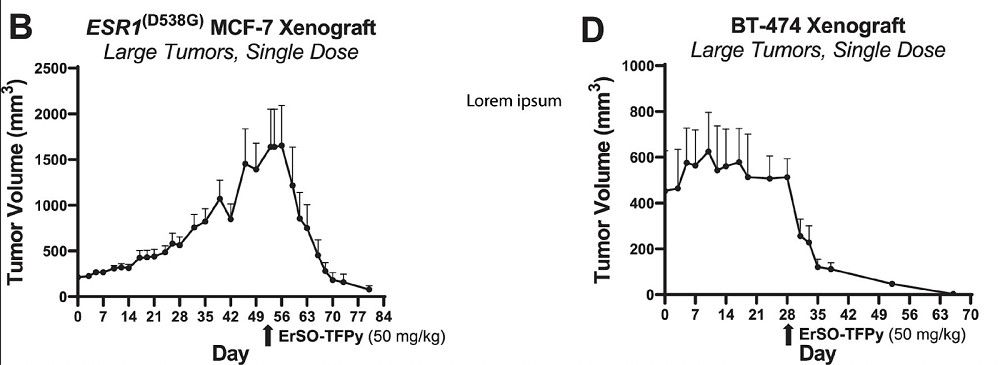
Telomeres

Maintaining Telomeres Extends Lifespan in Mice

A recent study has found that the overexpression of telomerase reverse transcriptase (TERT), which is a subunit of telomerase, an enzyme essential for telomere maintenance, leads to lifespan extension in mice without significant side effects [1].

Protecting DNA

Telomere shortening is a well-known hallmark of aging. Telomeres are protective DNA sequences at the ends of the chromosomes. In most human cells, they become shorter with each division.

Telomerase and TERT have been found to be essential in maintaining telomere length [2]. Since telomeres become shorter with aging, reversing this process and extending telomere length may have the potential to extend longevity and health [3].

Creating genetically modified mice

The authors of a recent study started their research into TERT’s impact on lifespan and healthspan by creating mice that express the TERT gene. They decided to use a safer, more efficient, and more controllable approach since, as they discuss, such techniques as viruses or exogenous TERT introduction to overexpress it can “potentially lead to unintended effects or immune response,” which raises safety concerns.

The researchers genetically modified embryonic stem cells by inserting the TERT gene under the control of the human EF1α promoter. This promoter was selected to ensure stable inheritance and strong TERT expression. They referred to the genetically modified mice as TertKI.

Mating with wild-type Black 6 mice confirmed that the transgene was correctly inherited and didn’t have a negative impact on the mice’s development, growth, or survival. The researchers confirmed the transgene to be inherited for at least five generations with no negative impact on litter size.

A comparison of TertKI and wild-type animals didn’t show any significant differences in visible features, such as coat color, locomotor activities, or social behaviors, including sniffing, grooming, and play behavior.

However, the researchers noted TERT’s impact on postnatal growth and development, as the TertKI group exhibited quicker weight gain from the fifth to twenty-third day postnatal, compared to wild-type mice.

Analysis of organs revealed that organ-to-body weight ratios of the examined organs and organ cellular and tissue morphology didn’t differ between genetically modified and wild-type mice. However, analysis of organs during the autopsy revealed five cases of enlarged liver and six cases of enlarged spleen but no evidence of tumor growth.

The researchers ran tests to confirm increased TERT expression, telomerase activity, and telomere length in TertKI mice compared to wild-type mice. The results confirmed their expectations, but expression was at different levels in different organs. The authors suggested that organ-specific regulation of the EF1α promoter, TERT transcription, and/or the stability of TERT mRNA all played a role in the observed differences.

The researchers also noted that the increase in telomere length and telomerase activity in various organs was not proportional to the increase in the mRNA levels of TERT in a given organ. They suggest that this may be due to tissue-specific gene regulation.

TertKI 1

Safety first

The researchers addressed some safety considerations regarding their research, especially since TERT gene therapy was previously debated to be either the “natural ally” or the “molecular instigator” of cancer [4]. This debate comes from the observation of telomerase activation in many human cancers.

The researchers did not observe any signs of tumors in the TertKI mice they created. Additionally, they didn’t find differences between TertKI and wild-type mice in the levels of the cancer biomarker CA72-4.

However, when the researchers exposed the mice to a mutagen to establish lung cancer, they observed more rapid cancer development in the TertKI mice compared to control animals, suggesting that the overexpression of TERT “can increase the likelihood of carcinogenesis under chronic harmful stimulation.”

Testing whether the genetic modification and TERT overexpression would cause any DNA damage or disturb fetal growth or development revealed no differences between genetically modified and wild-type mice. Blood test results either didn’t show differences or suggested that the genetically modified mice had better health.

Increased lifespan

Lifespan analysis of generations of genetically modified mice revealed an increase in the maximal lifespan of the TertKI mice by 27.48% and a 16.57% increase in median lifespan compared to WT mice.

TertKI 2

Previous research suggested that TERT might contribute to lifespan extension through oxidative stress modulation and protection from oxidative damage, which is known to contribute to aging [5]. The researchers measured antioxidant molecules, namely glutathione (GSH) and superoxide dismutase (SOD), in mouse livers, since TERT expression was significantly increased in this organ. Both GSH and SOD were increased in the liver, suggesting improved antioxidant capacity.

However, these results might also suggest an increase in oxidative stress in TertKI mice, resulting in an increase in GSH and SOD levels. Future studies would need to address those possibilities.

Tissue repair and regenerative potential

Significant lifespan extension doesn’t seem to be the only characteristic of TertKI mice. The researchers also observed improved hair growth, faster skin wound healing with reduced infiltration of inflammatory cells, and improved collagen fiber remodeling. In vitro experiments also demonstrated that mouse TertKI skin fibroblasts had more migration ability than wild-type fibroblasts. All of these results suggest improvements in tissue repair and an increase in regenerative capacity.

An assessment of inflammatory factors during wound healing suggested a quick inflammatory response followed by a quick resolution of this inflammation. The researchers suggested that this allows for a rapid response to injury while preventing the adverse effects of an sustained inflammatory state.

The increase in the wound healing capacity of TertKI mice was also supported by the upregulation of growth factor expression and protein levels.

TERT was also found to have benefits when the researchers induced colon inflammation (colitis) in these mice. Their results indicated that their TertKI animals “display less colon deformation, functional disruption, and reduced molecular markers of injury compared to WT animals.”

Limitations

Since this study focused on the common Black 6 strain of mice, more studies are needed to test if these results are strain-specific or can be more generalizable to different strains, animal models, and environments. It is also unclear whether these findings can be applied to future human therapies in the future, especially ones that would start in older age and don’t involve TERT overexpression over the entire human lifespan.

Additionally, existng methods of overexpressing genes can be challenging to perform, time- and labor-intensive, expensive, and/or limited to mouse models. The development of easier, human therapy-compatible, and safe methods is essential.

We would like to ask you a small favor. We are a non-profit foundation, and unlike some other organizations, we have no shareholders and no products to sell you. All our news and educational content is free for everyone to read, but it does mean that we rely on the help of people like you. Every contribution, no matter if it’s big or small, supports independent journalism and sustains our future.
Literature

[1] Zhu, T. Y., Hu, P., Mi, Y. H., Zhang, J. L., Xu, A. N., Gao, M. T., Zhang, Y. Y., Shen, S. B., Yang, G. M., & Pan, Y. (2024). Telomerase reverse transcriptase gene knock-in unleashes enhanced longevity and accelerated damage repair in mice. Aging cell, e14445. Advance online publication.

[2] Bodnar, A. G., Ouellette, M., Frolkis, M., Holt, S. E., Chiu, C. P., Morin, G. B., Harley, C. B., Shay, J. W., Lichtsteiner, S., & Wright, W. E. (1998). Extension of life-span by introduction of telomerase into normal human cells. Science (New York, N.Y.), 279(5349), 349–352.

[3] Muñoz-Lorente, M. A., Cano-Martin, A. C., & Blasco, M. A. (2019). Mice with hyper-long telomeres show less metabolic aging and longer lifespans. Nature communications, 10(1), 4723.

[4] Shay J. W. (2016). Role of Telomeres and Telomerase in Aging and Cancer. Cancer discovery, 6(6), 584–593.

[5] Sahin, E., & Depinho, R. A. (2010). Linking functional decline of telomeres, mitochondria and stem cells during ageing. Nature, 464(7288), 520–528.

Amyloid plaques

Fighting Alzheimer’s by Helping Neurons Consume Proteins

Researchers have found that kinesin family member 9 (KIF9), a protein that diminishes with aging, is instrumental in allowing cells to consume harmful proteins and fights Alzheimer’s in a mouse model.

Consuming amyloids before they become a problem

Alzheimer’s is well-known as a proteostasis disease: it is characterized by amyloid beta plaques outside the cells and tau tangles inside them [1]. These protein accumulations have been reported to occur alongside the failure of autophagy, and prior work has found that improving autophagy may be effective in preventing Alzheimer’s [2].

However, autophagy is a complicated biochemical process with many moving parts. Within neurons, the kinesin family is responsible for transporting lysosomes, core components of autophagy, along the microtubules inside the cell, and their decline is associated with brain degeneration [3]. While overexpressing kinesins have been found to improve autophagy [4], there has been little work in their connection to Alzheimer’s, and the researchers noted that KIF9 in particular has gone mostly unevaluated.

Transport is crucial

In their first experiment, the researchers examined a well-known mouse model of Alzheimer’s and compared it to wild-type mice. They found that after six months, compared to the wild-type mice, the Alzheimer’s model mice began to suffer significant reductions in KIF9 and significant increases in the proteins p62 and LCIII, which is evidence of degraded autophagy. These differences became even more stark after 12 months of life.

Next, the researchers turned to human cells. Beginning with HEK293, a commonly used cell line, the researchers used a variant, 2EB2, that produces amyloid precursor proteins. That variant, as expected, experienced diminished KIF9 and substantially decreased autophagy. This effect was found to be directional: forcing the 2EB2 cells to express more KIF9 reduced the presence of amyloid precursors and restored the autophagic components, autophagosomes, that were normally reduced in these cells.

Further research that specifically targeted individual parts of the autophagic process found that KIF9 had no special ability in directly restoring the structures themselves; rather, it was simply doing its job as a transporter, bringing these organelles to where they need to be.

Effective in mice

The researchers then used an adeno-associated virus (AAV) to determine whether an increased expression of KIF9 could ameliorate Alzheimer’s in model mice, performing behavioral tests at 5 months and brain tissue examination at 6 months.

The KIF9 AAV did nothing to the behavior of wild-type mice, as measured by an open-field test, the Barnes maze test, and the Morris water maze test. However, there were significant dfferences in all three tests when the AAV was applied to the Alzheimer’s model mice, restoring their abilities almost exactly to the levels of the wild-type mice.

Anxious mice do not want to spend time in an open space, but once they become acclimated to an area, they become more willing to explore it. Alzheimer’s model mice, at this age, do not become acclimated; the KIF9 AAV allowed this to occur significantly more.

The Barnes maze is a memory test that measures a mouse’s ability to discover and return to the correct hole. Alzheimer’s model mice, as expected, have significant impairments in memory, which the KIF9 AAV ameliorated. The Morris water maze is similar, except that it uses a hidden platform; the KIF9 AAV restored the ability of the Alzheimer’s mice to remember where it was.

However, this treatment was not perfect, as the brain examination revealed. Even after the KIF9 AAV, Alzheimer’s mice still had amyloid plaques and increases in amyloid-related proteins compared to the wild-type mice. However, the extra KIF9 did significantly reduce the amounts of these proteins and plaques.

Like many others of its kind, this is only a mouse study that uses a lab-created model, as mice do not naturally get Alzheimer’s. It is also unclear if this approach, causing neurons to express KIF9 through an AAV, could be successfully implemented in the clinic. However, it provides a crucial starting point for allowing our neurons to fight Alzheimer’s at its protein-accumulation root.

We would like to ask you a small favor. We are a non-profit foundation, and unlike some other organizations, we have no shareholders and no products to sell you. All our news and educational content is free for everyone to read, but it does mean that we rely on the help of people like you. Every contribution, no matter if it’s big or small, supports independent journalism and sustains our future.

Literature

[1] Liu, Y., Tan, Y., Zhang, Z., Yi, M., Zhu, L., & Peng, W. (2024). The interaction between ageing and Alzheimer’s disease: insights from the hallmarks of ageing. Translational Neurodegeneration, 13(1), 7.

[2] Long, Z., Ge, C., Zhao, Y., Liu, Y., Zeng, Q., Tang, Q., … & He, G. (2025). Enhanced autophagic clearance of amyloid-β via histone deacetylase 6-mediated V-ATPase assembly and lysosomal acidification protects against Alzheimer’s disease in vitro and in vivo. Neural Regeneration Research, 20(9), 2633-2644.

[3] Hayashi, K., & Sasaki, K. (2023). Number of kinesins engaged in axonal cargo transport: A novel biomarker for neurological disorders. Neuroscience Research.

[4] Liu, M., Pi, H., Xi, Y., Wang, L., Tian, L., Chen, M., … & Zhou, Z. (2021). KIF5A-dependent axonal transport deficiency disrupts autophagic flux in trimethyltin chloride-induced neurotoxicity. Autophagy, 17(4), 903-924.

Genetic examination

New Study Links Epigenetic Changes to Genetic Mutations

A new paper published in Nature Aging suggests that somatic mutations cause significant remodeling of the epigenetic landscape. The findings might be relevant to future anti-aging interventions [1].

The genome and the epigenome

Genomic instability and epigenetic alterations are two of the hallmarks of aging [2]. The former occurs in somatic cells due to replication errors and stressors such as radiation and reactive oxygen species. DNA mutations can be relatively benign, but they can also impair cellular function, which might contribute to age-related disorders in various ways. The ultimate bad outcome of mutations in a single cell is, of course, cancer.

Epigenetic alterations are different. One type of them, methylation, involves a methyl group being added to or removed from a nucleotide in the DNA molecule, most often a cytosine that is followed by a guanine in the DNA sequence, with the two linked by a phosphate bond (which is why such sites are called CpG). CpG methylation is an important regulator of gene expression.

While the exact role of somatic mutations in aging is not entirely clear [3], CpG methylation is so strongly correlated with aging that it has formed the basis for epigenetic aging clocks, which have become increasingly popular over the last decade. However, what if mutations and epimutations are causally connected? A new study coming from the University of California suggests that this might be the case.

Building a mutation clock

The scientists note that at least one mechanism linking methylation and mutations has been known for a while: when a CpG site is methylated, the cytosine becomes more prone to spontaneous deamination, leading to its conversion into thymine. Since cellular DNA repair machinery does not always correct this change, CpG sites are common mutation hotspots. Conversely, if a mutation alters or eliminates a CpG site, it can prevent future methylation at that location.

Using tissue samples that had both mutation and methylation data available, the researchers identified several types of interaction between somatic mutations and DNA methylation. While they mostly used cancerous tissues, they also made an effort to validate their findings in healthy tissues.

First, the researchers confirmed that mutated CpG sites were methylated less often than non-mutated sites, which concurs with the known data. However, they also found that such mutations created atypical methylation patterns in the sections of the genome surrounding the mutation site, sometimes for tens of thousands of base pairs. This was observed in all tested tissue types.

The effect size in non-cancerous tissues, however, was substantially lower than in cancerous ones. In the latter, abnormal methylation patters were found around 15.5% of mutated sites, while in the former, the number was 8%, and the disturbances’ extent was about 1,000 base pairs from the mutation site.

Having established this correlation, the researchers wanted to see whether mutation patterns can predict biological age, just like methylation clocks do. They constructed a proprietary clock based on the profile of somatic mutations, including the counts of mutations in the vicinity of the CpG sites on which the methylation clock was based.

The methylation clock won the day, showing higher accuracy in predicting chronological age, but the mutation clock was predictive as well (Pearson correlations of r=0.83 and r=0.67, respectively). Predictions from the two clocks were also correlated across individuals. This correlation held for three previously published clocks: Horvath, PhenoAge, and Hannum.

The researchers validated their findings in a smaller number of samples from non-cancerous tissues. Here, both clocks were more predictive of chronological age (which is to be expected, since cancer introduces genomic instability and disrupts normal epigenetic patterns), but the mutation clock was still substantially behind the methylation clock. The researchers concluded that somatic mutations explain more than 50% of variation in methylation age across individuals.

What does it mean for fighting aging?

Dr. Trey Ideker of UCSD, the leading author of the study, gave us a comment:

What our paper shows is that epigenetic clocks can be largely explained by underlying DNA mutations. We think this is a pretty important finding since so much investment is currently being placed in epigenetic clocks – not only as a quantitative measurement of age, but as a means of reversing it. Our study suggests that current efforts to reverse or stabilize epigenetic changes will need to seriously contend with the underlying accumulation of DNA mutations, an area that has received comparatively less attention. On the other hand, perhaps it is worth ‘doubling down’ on treatments that slow the accumulation of DNA mutations in the first place, such as caloric restriction/dieting and certain anti-aging drugs.

The results might be especially relevant to cellular reprogramming, in which cells are being either fully de-differentiated to a pluripotent state or rejuvenated using certain reprogramming factors. Cellular reprogramming is accompanied by a considerable remodeling of the epigenetic landscape. One possibly relevant question is what if, following reprogramming, the underlying mutations cause this landscape to once again become aberrant?

“Yes, this would be one concern,” Ideker noted. “Another is that the epigenetic changes are largely not causal for aging at all, and that aging is related more directly to the mutations themselves and how they disrupt protein expression, structure and function. Essentially, what our paper has done is to open up all of these new questions.”

João Pedro de Magalhães, professor at the University of Birmingham, who was not involved in this study, said, “It’s a very interesting paper, suggesting that mutations may contribute or to some degree explain epigenetic changes, including in the context of epigenetic clocks. They show that somatic mutations with age correlate with methylation changes, which is an important new observation.”

However, he also had some reservations: “The obvious limitation of the study is that it employs data from cancer patients, including mostly from tumor samples – though some noncancerous tissues were also used. Therefore, validating these findings in normal tissues is imperative to assess the relevance of somatic mutations to epigenetic aging changes.”

One company that chose to go after the particularly hard target of fixing somatic mutations is Matter Bio. Its co-founder and CSO, Dr. Sam Sharifi, who was not involved in this study, commented:

While epigenetic clocks have attracted considerable attention as markers of biological aging, they may only reflect downstream changes triggered by a deeper, more permanent force – cumulative DNA damage. This article sheds a fascinating light on the interplay between genetic and epigenetic changes and opens the door to a purely mutation-based clock. It is still early, but once this technology matures, it could provide a more robust measure for age, given the permanent nature of DNA mutations and their steady accumulation with age.

The findings of this study are also potentially relevant to the information theory of aging promoted by Dr. David Sinclair of Harvard. It postulates that epigenetic changes are an upstream cause of aging due to loss of information on how the cell should function; therefore, aging can largely be reversed by restoring this information via cellular reprogramming or other, yet to be discovered, techniques.

“This study provides compelling evidence that epigenetic changes could not only be connected to but actually be downstream of somatic mutations,” Sharifi said. “This means that the changes in epigenetic information could be consequences of genetic information loss. Unlike methylation marks, which are relatively malleable and can be experimentally reset, DNA mutations are permanent. A big question is: are both epigenetic and genetic loss of information due to upstream processes such as DNA damage, which accumulates during aging? Critically, the article’s findings raise the important notion that targeting epigenetic states alone might not suffice to reverse aging if the underlying mutational burden is driving those epigenetic shifts in the first place.”

We would like to ask you a small favor. We are a non-profit foundation, and unlike some other organizations, we have no shareholders and no products to sell you. All our news and educational content is free for everyone to read, but it does mean that we rely on the help of people like you. Every contribution, no matter if it’s big or small, supports independent journalism and sustains our future.
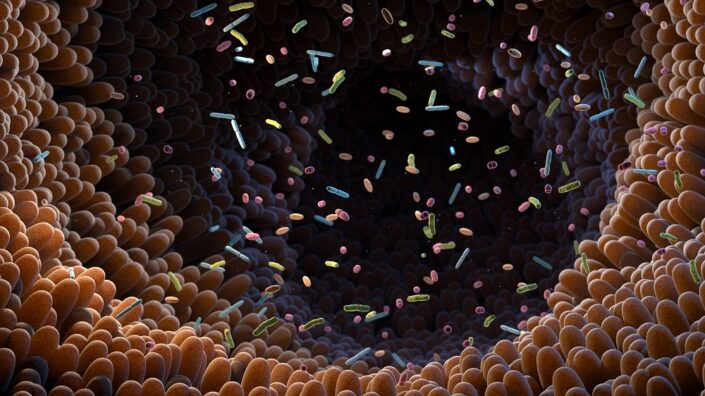
Literature

[1] Koch, Z., Li, A., Evans, D. S., Cummings, S., & Ideker, T. (2025). Somatic mutation as an explanation for epigenetic aging. Nature Aging, 1-11.

[2] López-Otín, C., Blasco, M. A., Partridge, L., Serrano, M., & Kroemer, G. (2023). Hallmarks of aging: An expanding universe. Cell, 186(2), 243-278.

[3] Chatsirisupachai, K., & de Magalhães, J. P. (2024). Somatic mutations in human ageing: New insights from DNA sequencing and inherited mutations. Ageing Research Reviews, 102268.

S. Jay Olshansky Op-Ed

The Battle for Long Life Has Been Accomplished: What’s Next?

How long can people live? This is not just a foundational question in science. The answer has important public policy implications and is of interest to us all. Recent scientific evidence has revealed the answer, so what’s next in humanity’s never-ending battle against disease and the persistent ravages of aging?

Larger increases in lifespan not likely if aging itself remains the same

In our first effort to answer this longevity question more than three decades ago, my colleagues and I estimated how much death rates would need to decline to live decades longer than we do now. The findings were unexpected. Our analysis revealed that a life expectancy of 100, for example, appeared implausible because it would require reductions in death rates greater than those achieved by curing diseases of aging.

To illustrate why this seemed improbable, we calculated the effect on life expectancy if cancer, cardiovascular diseases, and diabetes were cured individually, or collectively all at the same time. Surprising to many, curing cancer increases life expectancy by only about three years; curing heart disease only adds about 4.5 years to life expectancy; and curing all fatal diseases together produces a life expectancy at birth of about 90 years.

This naturally raised the question: if curing everything does not render us immortal or something close to it, what’s holding us back?

The answer eventually hit us like a lightning bolt. There is an immutable force at work in humans and other species that becomes activated and visible only when enough people survive long enough to experience it. It is the aging of our bodies – the natural degradation of parts of the body that wear out over time and with use, that was barely visible throughout history because, so few people lived that long.

This phenomenon not only prevents large increases in life expectancy from occurring in the future as long as aging remains unchanged, it also meant that the rise in life expectancy must slow down in long-lived populations except under extenuating circumstances that have never occurred before. It is the biological aging of our bodies that explains why accelerating gains in life expectancy, and immortality, aren’t in the cards.

As long as aging remains unchanged, large increases in life expectancy, like those experienced in the 20th century, are unattainable.

In other words, a slowdown in the rate of improvement in life expectancy is not a sign of a failing health care system or a byproduct of harmful risk factors (like smoking or obesity) or some new toxins in our food and air. Instead, it is a signal that humanity’s battle for a long life had largely been accomplished. We estimated back in 1990 that once 95% of a birth cohort survives beyond age 65, and 80% of deaths occur between 65 and 95, life expectancy would plateau at around 85 years (88 for women and 82 for men).

A decade later, in an article in Science, we provided a 10-year check on this hypothesis using life expectancy data from Japan, France, and the U.S., and came to the same conclusions: this phenomenon of slowing increases in life expectancy had already begun.

We’ve now waited a full 34 years to look back on what actually happened following our 1990 prediction and 2001 confirmation. The results appear in a paper recently published in Nature Aging. Using data from ten long-lived populations that were first in line to benefit from accelerating advances in life-extending technologies, we’ve now demonstrated definitively that the period of rapid increases in life expectancy is over.

The rise in life expectancy slowed precipitously in the very countries where it should have accelerated higher. Accompanying evidence also demonstrated that mortality is compressing into the time window between ages 65 and 95, and that it is far more difficult to raise life expectancy today than it was just three decades ago.

So, what do these observations mean exactly? What’s next?

First, declare victory in the pursuit of life extension

The miracle of extended life has been given to us by public health, modern medicine, and improved behavioral risk factors. If all medical interventions of every kind were removed from a population, even if everyone lived a healthy lifestyle, life expectancy would be somewhere in the 30-60-year range – which is consistent with the historical record. This means that most people now alive past age 60 are living on “manufactured time” – survival time humanity has created for itself.

In practical terms, this means that the natural limit to life expectancy for long-lived human populations is well behind us – not in front of us as longevity protagonists suggest. Like stretching a rubber band, the further life expectancy extends beyond its natural limits, the more difficult it becomes to live longer.

This means the battle to achieve longer lives has been won. The time has arrived to declare victory in the pursuit of life extension. It’s now time to extend the period of healthy life.

The failures of success

The rising prevalence of heart disease, cancer, stroke, dementia, sensory impairments, etc., is a product of success – not failure. In the early 1990s, we described this as the “expansion of morbidity hypothesis”, which is a cautionary note indicating we should be aware of the diseases and disorders we’re trading for in exchange for our longer lives. We weren’t the first to make this argument – the “Failures of Success” arguments from Ernest Gruenberg, Jim Fries, and Ken Manton, led to related conclusions.

Treating one disease at a time without modulating the rate at which we age, which is a whack-a-mole approach to disease management now in place, will ultimately lead to rising levels of frailty and disability among the survivors. This is not a suggestion that humanity stop battling diseases or improving behavioral risk factors that can accelerate both disease and aging – it is a realization of the population-level health consequences of successful life extension in the absence of modifications to aging itself.

Would healthier lifestyles lead to radical life extension?

The short answer is no, but healthier lifestyles as primary prevention should always be a top priority in public health. Keep in mind that certainly in the United States, but elsewhere, harmful behavioral risk factors, such as obesity and sedentary lifestyles, have been working against the observed gains in life expectancy shown to be slowing down.

However, modern medicine moved swiftly to accommodate these health challenges through medical procedures and pharmaceuticals that have proven successful in restoring length of life close to average. Stents, statins, and blood pressure medications, among many others, are effective in saving and extending lives.

But would we be better off modifying risk factors, so these drugs aren’t needed to begin with? Of course, and that’s the preferred path to a healthier life, but the life-extending benefits of healthier lifestyles at the population level cannot exert that strong of an influence on life expectancy for national populations that is much greater than the medical and pharmaceutical interventions already in place. However, at the individual level, their influence on health and length of life can be profound.

Does the presence of “vanguard groups” of longer-lived people, such as those described as living in Blue Zones, provide optimism for the future of life expectancy for national populations?

At one level, yes, because these population subgroups provide us with clues on what is theoretically possible in human bodies. Furthermore, studying vanguard groups of longer-lived people allows scientists to discover some of the genetic and behavioral risk factors that favor exceptional longevity. However, heterogeneity in survival prospects across genetically diverse populations is a natural part of human biology, so just because some people can live exceptionally long lives, does not mean everyone in a population has the opportunity to do so.

By way of illustration, some people are capable of running a mile in under four minutes, but this does not mean the rest of us can. The same holds true for vanguard longevity and its link to life expectancy. Just because the world record for human longevity is a validated 122 years by the French woman Jeanne Calment, this does not mean the life expectancies of national populations are capable of rising to the maximum lifespan for the species.

The rationale for geroscience

If there is one thing aging research has proven in the last few decades, it’s that the biological process of aging is inherently modifiable. Science and medicine can shape and mold this process just as we have done for major fatal diseases, so one obvious path forward is to change the rules of the whack-a-mole game by bringing in a new hammer with multiple heads that hit all the moles at once.

There is no shortage of pathways to a successful gerotherapeutic because the door is wide open – natural selection could not have given rise to brick walls for longevity or aging time bombs that are set off beyond a certain age. Combine this with empirical evidence suggesting that the economic value of extending healthspan is, at a minimum, $38 trillion for just one year of healthy life, and the conditions are ripe for investments in aging interventions and the healthspan they will manufacture. Geroscience has the potential to redefine what it means to grow old.

We would like to ask you a small favor. We are a non-profit foundation, and unlike some other organizations, we have no shareholders and no products to sell you. All our news and educational content is free for everyone to read, but it does mean that we rely on the help of people like you. Every contribution, no matter if it’s big or small, supports independent journalism and sustains our future.
Roswell Park

Cutting-Edge Facility Expands to Support Cancer Therapy

New York Gov. Kathy Hochul and leaders from The Roswell Park Comprehensive Cancer Center came together on Monday to celebrate the opening of the newly expanded Roswell Park Good Manufacturing Engineering and Cell Manufacturing Facility (GMP). This significant undertaking expands Roswell Park’s GMP facility to 11,000 square feet, including 20 clean rooms across two buildings and an entire floor within the Roswell Park Cancer Cell Center. Now the largest academic GMP facility in the state of New York, this milestone marks a transformative step for cancer research and treatment.

The expansion provides cutting-edge cell therapy equipment, manufacturing capabilities and comprehensive quality control, providing a complete spectrum of resources spanning pre-clinical research, clinical manufacturing, clinical trials and implementation. Top specialists in all aspects of cell and gene therapy will lead the work in and around this innovation hub — including Roswell Park team members who helped develop three of the six CAR T-cell therapies now approved by the FDA for treatment of cancer.

“This state-of-the-art facility gives Roswell Park the unique ability to manufacture customized therapies using patients’ own cells right here on site,” said Candace S. Johnson, PhD, President and CEO of the Roswell Park Comprehensive Cancer Center. “Not only will this give our own world-class physicians and scientists the tools and resources needed to advance cancer care, but it also allows us to partner with research organizations and pharmaceutical companies to foster new products and developments.”

The design of the multi-purpose facility will help grow groundbreaking CAR T-cell therapies and also support smaller biotech companies, helping advance therapies that may otherwise be stalled by funding or production constraints. This will ensure the most promising treatments can reach cancer patients faster.

“Our experts are committed to guiding these groundbreaking developments through every stage of the process, ensuring quality, efficiency, and compliance, while focusing on the ultimate goal – patient care and treatment,” said Yeong “Christopher” Choi, PhD, MBA, Technical Director of the Roswell Park’s GMP Facility. “The meticulously planned infrastructure is designed to expedite access to the most promising immunotherapy treatments and is poised to become the largest academic GMP facility in New York State, with insights from the globally acclaimed cell therapy experts at Roswell Park.”

Roswell Park’s Renier Brentjens, MD, PhD, is one of the pioneers of CAR T-cell therapy and has built a team of leading scientists, engineers and oncologists dedicated to advancing these treatments, improving their safety and efficacy and making them more widely available. Five CAR T clinical trials are slated to begin in 2025, utilizing the facility expansion to create these customized treatments.

“These therapies hold remarkable potential to save lives,” said Brentjens, Deputy Director and Chair of Medicine for the Roswell Park Comprehensive Cancer Center. “The GMP Facility allows us to truly blaze the trail to take these from bench to bedside and get them to the patients who need them as quickly as possible.”

To learn more about the unique resources available at the only National Cancer Institute-designated comprehensive cancer center in Upstate New York, as well as the new technology within the Roswell Park GMP Engineering & Cell Manufacturing Facility (GEM), visit roswellpark.org/gmp.

From the world’s first chemotherapy research to the PSA prostate cancer biomarker, Roswell Park Comprehensive Cancer Center generates innovations that shape how cancer is detected, treated and prevented worldwide. Driven to eliminate cancer’s grip on humanity, the Roswell Park team of 4,000 makes compassionate, patient-centered cancer care and services accessible across New York State and beyond. Founded in 1898, Roswell Park was among the first three cancer centers nationwide to become a National Cancer Institute-designated comprehensive cancer center and is the only one to hold this designation in Upstate New York. To learn more about Roswell Park Comprehensive Cancer Center and the Roswell Park Care Network, visit www.roswellpark.org, call 1-800-ROSWELL (1-800-767-9355) or email ASKRoswell@RoswellPark.org.

Media Contact

Annie Deck-Miller, Director of Public Relations 716-845-8593; annie.deck-miller@roswellpark.org

We would like to ask you a small favor. We are a non-profit foundation, and unlike some other organizations, we have no shareholders and no products to sell you. All our news and educational content is free for everyone to read, but it does mean that we rely on the help of people like you. Every contribution, no matter if it’s big or small, supports independent journalism and sustains our future.

Green mitochondria

Enhancing NAD+ Efficiency by Energizing Sirtuins

Researchers publishing in Physical Review X have discovered compounds that can double the efficiency of the sirtuin SIRT3 in processing NAD+.

Looking for a new way to boost enzymes

The researchers begin their paper by noting that most drugs administered to people are geared towards inhibition of particular enzymes in order to treat a disease. In this case, however, the goal is the opposite: to boost the function of an enzyme, thereby boosting a healthy phenotype rather than battling back a diseased one.

Sirtuins are enzymes that have been heavily investigated in the context of aging. They rely on NAD+ to function, and these researchers describe them as being critical regulators of cellular pathways relating to aging [1]. Upregulating sirtuins has been found in considerable previous work to extend lifespan in mammals [2]. However, most methods of using drugs to boost sirtuins has relied on allosteric activation, a chemical process that relies on an existing substrate that might be limited in quantity [3].

Of course, as sirtuins rely on NAD+, there has been much work on directly influencing that instead. These researchers note two problems with that approach: as it is a common aspect of metabolism, boosting NAD+ across the board may result in broad side effects [4] and converting it into NADH relies on delivering it into cells that have functioning internal machinery [5], which, in the context of aging, is far from guaranteed.

Therefore, these researchers seek to allow sirtuins to do more with less: to continue to function adequately even when NAD+ is diminished. This, the researchers describe, is a trickier thing to do; while allosteric activators fundamentally rely on existing, evolved mechanisms, attempting to modulate these enzymes is similar to designing new enzymes outright.

Also, they needed a compound that works all the time: a steady-state activator. Previous work has created compounds that inhibit, rather than activate, sirtuins most of the time [6], only performing their desired function under specific conditions.

SIRT3 was chosen as the target for two reasons. The first is that it is known to have beneficial effects on mitochondria [7], and previous work has found that the benefits of NAD+ against mitochondrial dysfunction are due to SIRT3 [8]. The second is that natural mutations in the SIRT3 gene are connected to longevity [9].

Needle in a haystack

Using an advanced algorithm, the researchers searched a library of 1.2 million compounds by beginning with Honokiol, a compound that only activates SIRT3 under certain conditions. The researchers were able to find compounds that do steady state and non-steady state activation, with which they refined their experiments further with a close and detailed examination of the specific biochemistry involved, looking for compounds that have strong bonds to certain amino acids on the SIRT3 protein.

This initial work, however, was all done on computers. To verify their findings in the real world, the authors administered their compounds to real SIRT3 in a substrate. While a lot of this type of work uses fluorescent labeling, the authors eschewed that approach as it may have affected the results. One particularly strong compound, number 5689785, was identified as being a plausible drug after this screening process.

The researchers tested their new candidate against a control group, honokiol, and the well-known NAD+ precursor NMN. In nearly all cases, 5689785 performed favorably against these alternatives. Administering nicotinamide (NAM) to cells inhibits NAD+ enzymatic activity, but 5689785 was able to restore it in a way that honokiol could not.

Next steps

This is not a drug yet; it has not been formulated in a way that is consumable by living organisms, and so there were no animal studies done. What the researchers have is an initial compound with which to continue the process of drug development. Their goal was to prove that it is indeed possible to directly enhance the activity of sirtuins without relying on substrate-based methods. If this approach sees success in animal models, it could pave the way for drugs that, due to SIRT3’s mitochondrial effects, fight multiple aspects of aging.

We would like to ask you a small favor. We are a non-profit foundation, and unlike some other organizations, we have no shareholders and no products to sell you. All our news and educational content is free for everyone to read, but it does mean that we rely on the help of people like you. Every contribution, no matter if it’s big or small, supports independent journalism and sustains our future.
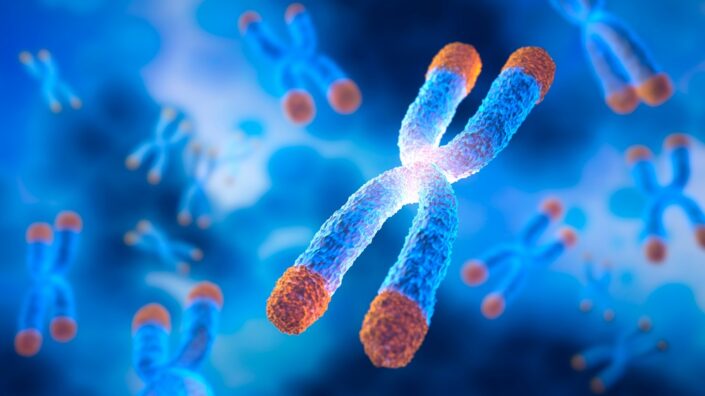
Literature

[1] Kaeberlein, M., McVey, M., & Guarente, L. (1999). The SIR2/3/4 complex and SIR2 alone promote longevity in Saccharomyces cerevisiae by two different mechanisms. Genes & development, 13(19), 2570-2580.

[2] Roichman, A., Elhanati, S., Aon, M. A., Abramovich, I., Di Francesco, A., Shahar, Y., … & Cohen, H. Y. (2021). Restoration of energy homeostasis by SIRT6 extends healthy lifespan. Nature communications, 12(1), 3208.

[3] Sinclair, D. A., & Guarente, L. (2014). Small-molecule allosteric activators of sirtuins. Annual review of pharmacology and toxicology, 54(1), 363-380.

[4] Yang, T., & Sauve, A. A. (2006). NAD metabolism and sirtuins: metabolic regulation of protein deacetylation in stress and toxicity. The AAPS journal, 8, E632-E643.

[5] Hu, Q., Wu, D., Walker, M., Wang, P., Tian, R., & Wang, W. (2021). Genetically encoded biosensors for evaluating NAD+/NADH ratio in cytosolic and mitochondrial compartments. Cell reports methods, 1(7).

[6] Reverdy, C., Gitton, G., Guan, X., Adhya, I., Dumpati, R. K., Roy, S., … & Chakrabarti, R. (2022). Discovery of novel compounds as potent activators of Sirt3. Bioorganic & medicinal chemistry, 73, 116999.

[7] Van de Ven, R. A., Santos, D., & Haigis, M. C. (2017). Mitochondrial sirtuins and molecular mechanisms of aging. Trends in molecular medicine, 23(4), 320-331.

[8] Cantó, C., Houtkooper, R. H., Pirinen, E., Youn, D. Y., Oosterveer, M. H., Cen, Y., … & Auwerx, J. (2012). The NAD+ precursor nicotinamide riboside enhances oxidative metabolism and protects against high-fat diet-induced obesity. Cell metabolism, 15(6), 838-847.

[9] Bellizzi, D., Rose, G., Cavalcante, P., Covello, G., Dato, S., De Rango, F., … & De Benedictis, G. (2005). A novel VNTR enhancer within the SIRT3 gene, a human homologue of SIR2, is associated with survival at oldest ages. Genomics, 85(2), 258-263.

Founders Longevity Forum

Founders Longevity Forum and NUS Announce Event

Founders Longevity Forum Singapore, hosted in collaboration with the National University of Singapore (NUS) Academy for Healthy Longevity, Yong Loo Lin School of Medicine, and Longevity.Technology is set to host a pivotal two-day event on 27-28 February 2025, in Singapore. This forum aims to advance knowledge and foster growth in the rapidly evolving field of longevity, with a special emphasis on the Asia-Pacific (APAC) region.

Building upon the immense success of the Unlock Healthy Longevity Conference of the NUS Academy for Healthy Longevity and the inaugural Founders Longevity Forum held in London in 2024, the Singapore event will convene global leaders, clinicians, academics, and investors to explore advancements in extending health span and addressing the challenges of ageing. The forum will feature a dynamic roster of speakers, including experts in epigenetics, AI, cryomedicine, and preventative healthcare.

The event is structured to allow attendees to engage with content relevant to their specific interests through two distinct tracks: Precision Geromedicine and Longevity Investment. Sessions will cover a broad spectrum of topics, from biomarkers of ageing and consumer diagnostics to investment opportunities in the wellness and gym sectors embracing longevity.

Prof Andrea Maier, Oon Chiew Seng Professor in Medicine, NUS highlights the importance of the multidisciplinary approach of the conference, saying: “Precision Geromedicine is an emerging field and increasingly implemented into clinical practice to optimise the health of ageing individuals. Gerodiagnostics to measure the biological age and gerotherapeutics to lower the biological age are needed to build clinically meaningful and cost-effective services. This conference is stimulating the interaction of stakeholders to build this hugely important ecosystem.”

Carolyn Dawson, CEO of Founders Forum Group, said: “We are thrilled to bring Founders Longevity Forum to Singapore in collaboration with the National University of Singapore (NUS) Academy for Healthy Longevity, Yong Loo Lin School of Medicine and Longevity.Technology. This event is a testament to the rapid advancements and investment opportunities emerging in the Asia-Pacific longevity sector. By uniting global experts, investors, and innovators, we aim to catalyse breakthroughs in healthspan and ageing science, empowering the next generation of founders and leaders to shape a healthier and more sustainable future for all.”

Phil Newman, Founder and CEO of Longevity.Technology, emphasised the significance of the event, stating: “Founders Longevity Forum Singapore represents a unique convergence of scientific innovation, investment potential, and consumer engagement in the longevity sector. With the APAC region experiencing rapid growth in longevity marketing, this forum offers unparalleled networking opportunities and insights into the future of healthy ageing.”

Ticketing for the event is live, and attendees are encouraged to register promptly to secure their participation.

About Founders Longevity Forum

Founded by Founders Forum Group and Longevity.Technology, Founders Longevity Forum is a premier event series dedicated to advancing the field of longevity science and technology. In collaboration with leading academic institutions and industry partners, the forum provides a platform for thought leaders, innovators, and investors to drive progress in extending healthspan and addressing the challenges of ageing.

About Founders Forum Group

Founders Forum Group is a global community and group of businesses supporting entrepreneurs at every stage of their journeys.

Its forums unite the world’s most influential founders, investors, corporate and government leaders to tackle era-defining questions in iconic locations across the globe.

Since 2019, Founders Forum has partnered with Informa Tech to celebrate the strength and diversity of UK tech through London Tech Week.

Fuelled by the connections and ideas forged at the group’s flagship events, FF Group businesses support the needs of today’s founders via services (Founders Keepers, Founders Law, Founders Makers, Miroma Founders Network, Founders HR, Founders Comms, Founders Health), education (01 Founders), investment (Founders Factory, firstminute capital), networking (Grip, INDI), philanthropy (Founders Pledge, The Centre for Entrepreneurs), and content (Founders Insights). In 2021, the group sold its innovation strategy consulting firm, Founders Intelligence, to global consultancy, Accenture.

In 2023, FF Group acquired Tech Nation, the UK’s leading growth platform for tech scaleups. Founders Forum Group continues the previously government-funded Tech Nation programmes centred around early-stage and diverse founders, as well as data-driven research into the UK’s tech ecosystem.

For more information, contact:

Sean Lau

Head of Asia, Founders Forum Group