The Blog

Building a Future Free of Age-Related Disease

Gut bacteria

The Impact of a Human Breast Milk Probiotic on Sarcopenia

A recent study linked probiotic-induced gut microbiome and metabolite changes to improved muscle functioning in older sarcopenia patients [1].

Sarcopenia and the gut

Sarcopenia is an age-related condition. People with sarcopenia suffer from a reduction in muscle mass, strength, and function, leading to a decreased quality of life and increased morbidity and mortality [2].

The authors of this study, citing evidence of a link between the gut microbiome, muscle health, and sarcopenia, investigated the effect of the consumption of a probiotic on the muscle health of sarcopenia patients. They used Bifidobacterium animalis subsp. Lactis Probio-M8 (Probio-M8), a probiotic strain present in human breast milk [3]. Probio-M8 has already been shown to have a positive impact on bone metabolism [4] and in the treatment of Parkinson’s disease in older adults [5].

Anti-aging effects in mice

The researchers administered Probio-M8 to 19-month-old mice for 28 days. They observed improved muscle function and a significant reduction in senescence in the mice that received probiotics, suggesting an anti-aging effect.

The researchers also investigated inflammatory markers but didn’t see significant differences between the treatment and control groups. They suggest that this might be due to existing low inflammation in the control group, which does not allow probiotic treatment to lower it further.

Impact on microbes and metabolites

The impact of probiotic treatment on the structure and diversity of the gut microbiome in old mice was limited. A deeper look into the 10 most populous bacterial species in these groups’ fecal matter revealed a pathogen (Mucispirillum schaedleri) that was far more abundant in the control group. Previous reports suggested that this microbe may cause ulcerative colitis [6]. This is in contrast to probiotic-treated mice, in which the researchers observed abundant beneficial microbes.

There were also beneficial changes in the metabolites in the fecal and serum samples of old mice treated with the probiotic. The treatment led to a significant increase in anti-inflammatory, anticancer, and antioxidant metabolites, metabolites that have been reported to have benefits against aging, and metabolites that may somewhat alleviate neurological disorders, such as Alzheimer’s disease and Parkinson’s disease.

The chair test

The promising results in mice led to a test of this probiotic on 43 older sarcopenia patients. Following 60 days of supplementation with Probio-M8, the researchers observed a roughly 16% reduction in the five-time chair stand (FTCS) test time among the treated patients. This test requires patients to sit and stand up five times and measures lower limb strength. This significant result suggests an improvement in overall physical performance.

However, other sarcopenia-related measurements didn’t support the optimistic results obtained in the FTCS test. Skeletal muscle mass, grip strength, calf circumference, and BMI didn’t significantly change following the probiotic treatment.

Additionally, an evaluation of multiple physiological sarcopenia-related measurements showed mostly no changes compared to controls, except for reduced total cholesterol.

The role of microbial metabolites

Similarly to the results obtained in mice, human samples also showed modest changes in the richness and structure of the gut microbiome after probiotic treatment. Some of the most significant changes included increased numbers of beneficial gut bacteria, and reduced numbers of pathogenic gut bacteria, in patients with sarcopenia.

Despite modest changes in microbial composition, the researchers observed significant metabolite changes: the probiotic treatment enriched the microbial pathways involved in vitamin C biosynthesis and nucleotide metabolism. The researchers suggest that higher activity of those pathways might play a role in microbes’ support for host antioxidant defenses and nucleotide availability.

Other metabolites that were increased in feces and serum are involved in anti-inflammatory effects and processes essential for vital physiological functions, or they are associated with skeletal muscle, such as metabolites promoting the proliferation of skeletal muscle cells. There was also an increase in a compound that is considered a source of muscle energy and important for promoting muscle protein synthesis: creatine.

The researchers noted that the impact of the probiotic treatment on the composition of the gut microbiome was modest. However, the impact on the metabolite changes was significant, leading them to further investigations into how probiotic-driven metabolite changes influence host physical performance.

A series of bioinformatic analyses and models were employed to identify key players in the connection between Probio-M8 and sarcopenia. The authors summarized that their analysis “suggests that Probio-M8 may positively influence muscle metabolism, potentially through its effects on the gut microbiome and subsequent modulation of creatine synthesis or utilization.”

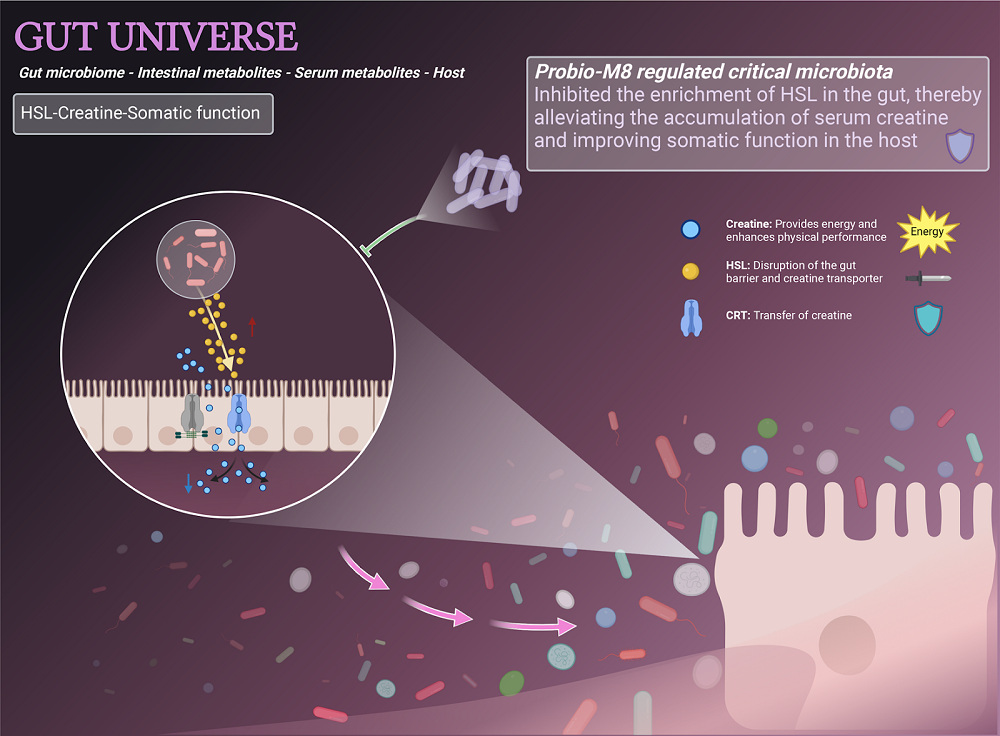
A computational analysis of metabolites also pointed the researchers toward a hypothesis that one of the harmful molecules known as n-dodecyl-l-homoserine lactone (HSL) “could reduce the absorption of creatine from the gut.” To test this, they created a cell culture monolayer of enterocytes. Enterocytes are intestinal absorptive cells that are located on the inner surface of the small and large intestines. An experiment confirmed that HSL interfered with creatine transport by affecting the level of its transporter (CRT).

Molecular understanding

In the discussion section, the researchers gathered the molecular evidence that they and others presented to assemble a possible mechanism of action.

One of the key players appears to be creatine, and these researchers have found that this probiotic encourages creatine to be delivered into the bloodstream from the gut. Creatine is a compound essential for muscles and, when combined with resistance training, can increase lean mass and muscle strength in older adults. Previous research suggested that creatine supplementation has benefits in older adults with sarcopenia [7]. The authors suggest that creatine might “act as a buffer to inhibit the production of reactive oxygen species (ROS) by serving as a neutralizing agent.” The inhibition of ROS is important, since accumulation of ROS has been linked to muscle function and muscle loss [8].

Probio-M8 can inhibit the enrichment of HSL in patients with sarcopenia, thereby promoting the accumulation of creatine in the serum and improving the host’s overall physical performance.

HSL Creatine
We would like to ask you a small favor. We are a non-profit foundation, and unlike some other organizations, we have no shareholders and no products to sell you. All our news and educational content is free for everyone to read, but it does mean that we rely on the help of people like you. Every contribution, no matter if it’s big or small, supports independent journalism and sustains our future.

Literature

[1] Zhang, Z., Fang, Y., He, Y., Farag, M. A., Zeng, M., Sun, Y., Peng, S., Jiang, S., Zhang, X., Chen, K., Xu, M., Han, Z., & Zhang, J. (2024). Bifidobacterium animalis Probio-M8 improves sarcopenia physical performance by mitigating creatine restrictions imposed by microbial metabolites. NPJ biofilms and microbiomes, 10(1), 144.

[2] Cohen, S., Nathan, J. A., & Goldberg, A. L. (2015). Muscle wasting in disease: molecular mechanisms and promising therapies. Nature reviews. Drug discovery, 14(1), 58–74.

[3] Zhong, Z., Tang, H., Shen, T., Ma, X., Zhao, F., Kwok, L. Y., Sun, Z., Bilige, M., & Zhang, H. (2022). Bifidobacterium animalis subsp. lactis Probio-M8 undergoes host adaptive evolution by glcU mutation and translocates to the infant’s gut via oral-/entero-mammary routes through lactation. Microbiome, 10(1), 197.

[4] Zhao, F., Guo, Z., Kwok, L. Y., Zhao, Z., Wang, K., Li, Y., Sun, Z., Zhao, J., & Zhang, H. (2023). Bifidobacterium lactis Probio-M8 improves bone metabolism in patients with postmenopausal osteoporosis, possibly by modulating the gut microbiota. European journal of nutrition, 62(2), 965–976.

[5] Sun, H., Zhao, F., Liu, Y., Ma, T., Jin, H., Quan, K., Leng, B., Zhao, J., Yuan, X., Li, Z., Li, F., Kwok, L. Y., Zhang, S., Sun, Z., Zhang, J., & Zhang, H. (2022). Probiotics synergized with conventional regimen in managing Parkinson’s disease. NPJ Parkinson’s disease, 8(1), 62.

[6] Kuffa, P., Pickard, J. M., Campbell, A., Yamashita, M., Schaus, S. R., Martens, E. C., Schmidt, T. M., Inohara, N., Núñez, G., & Caruso, R. (2023). Fiber-deficient diet inhibits colitis through the regulation of the niche and metabolism of a gut pathobiont. Cell host & microbe, 31(12), 2007–2022.e12.

[7] Casciola, R., Leoni, L., Cuffari, B., Pecchini, M., Menozzi, R., Colecchia, A., & Ravaioli, F. (2023). Creatine Supplementation to Improve Sarcopenia in Chronic Liver Disease: Facts and Perspectives. Nutrients, 15(4), 863.

[8] Watson, M. D., Cross, B. L., & Grosicki, G. J. (2021). Evidence for the Contribution of Gut Microbiota to Age-Related Anabolic Resistance. Nutrients, 13(2), 706.

Intestinal inflammation

A Gut Metabolite Reduces Senescence and Inflammation

In a preprint study, scientists from Lifespan Research Institute and the Buck Institute for Research on Aging have published their findings that Urolithin A, a molecule that has garnered a lot of attention in the longevity field, potently reduces senescence-related markers in human fibroblasts [1].

Senolytic versus senomorphic

Cellular senescence is a well-documented aspect of aging [2], but the best strategy to counter it remains a question. Senescent cells play an important role in development, wound healing, and anti-cancer defenses, but with age, as their numbers grow, they start doing more harm than good.

While even in aged tissue, the relative prevalence of senescent cells is usually small, they wreak havoc by emitting damage-associated molecular patterns (DAMPs) as well as the SASP. These trigger excessive immune response and are documented to contribute to the systemic, age-related inflammation known as inflammaging.

Clearing out senescent cells, something that the immune system should naturally do, forms the basis of the senolytic approach, which dominates today’s research in academia and biotech. The task is tricky, however, particularly because senescent cells are highly heterogeneous and are also full of harmful molecules that are released when the cell dies. One enticing alternative approach is the senomorphic one, which involves altering senescent cells in a way that would leave them in place but make them less harmful.

Urolithin A might help heal senescent cells

Urolithin A is a molecule that has gained popularity in the longevity community after demonstrating several healthspan and lifespan benefits in animal models and humans. This metabolite is produced by our gut bacteria from precursors found in foods like nuts, berries, and pomegranates, and it has been shown to decrease inflammation and improve muscle function in humans. In animal models, it led to significant increases in lifespan. For instance, in a small study from the Buck Institute for Research on Aging, Urolithin A produced a 19% increase in lifespan in mice, which is among the best results for any intervention [3].

In this study, the researchers induced two types of senescence in human fetal lung fibroblasts: one triggered by the chemotherapy drug doxorubicin and another by cellular division (replicative senescence). While the treatment had little effect on the two popular senescence markers p16 and p21, it did significantly reduce the secretion of the major pro-inflammatory SASP factors interleukin 6 (IL-6) and interleukin 8 (IL-8) as well as the expression of the corresponding genes in both models of senescence.

This translated to lower levels of paracrine senescence, which occurs when SASP from senescent cells induces senescence in neighboring cells. The researchers cultured healthy fibroblasts in the presence of media collected from either control senescent cells or those treated with Urolithin A and found that the latter scenario caused less paracrine senescence.

“Urolithin A has generated a lot of excitement in the last several years based on its potential use as an anti-aging therapeutic,” said Dr. Julie Andersen of the Buck Institute for Research on Aging, a co-author of this study and the earlier one showing that Urolithin A increases lifespan in mice. “This includes clinical data demonstrating its ability to slow loss of muscle function in older individuals. Our studies demonstrate a novel mechanism of action for the compound – suppression of chronic inflammation associated with cellular senescence, a major contributor to multiple age-related diseases. This offers a novel approach for treating a wide range of chronic diseases which could improve overall quality of life in later years.”

The mechanism

The researchers went one step further and tried to elucidate the potential mechanisms behind these effects. Cellular senescence has been linked to cytosolic DNA, which are fragments of DNA floating around in the cytosol instead of staying where they belong: in the nucleus and in mitochondria. Since it can be of viral or bacterial origins, cytosolic DNA is recognized by the cell as a sign of invasion, and the alarm is raised via the cGAS-STING pathway, which drives inflammation.

Urolithin A significantly decreased the abundance of cytosolic DNA in the treated cells. The researchers suggest that this might have something to do with Urolithin A’s ability to induce mitophagy [4], the process of eliminating unhealthy mitochondria. Damaged mitochondria leak DNA, and lowering their burden would be consistent with the observed reduction in cytosolic DNA.

“We discovered that Urolithin A, a remarkable gut-derived metabolite significantly suppresses the expression and release of pro-inflammatory SASP and DAMP factors,” said Dr. Amit Sharma of the Lifespan Research Institute, the study’s lead author. “This effect is driven, at least in part, by reducing cytosolic DNA release and dampening the cGAS-STING signaling pathway – a central player in chronic inflammation.”

Is the hype real?

Urolithin A has been making a lot of buzz lately, given its availability as a supplement, which makes this pre-print particularly timely. “This is an exciting study as it opens up the possibility of thinking how gut metabolites can influence inflammation by modulating the SASP,” said another Buck researcher, Dr. Pankaj Kapahi, who was not involved in this study.

“The growing excitement around Urolithin A as a potent anti-aging molecule is well-founded, and our findings take this a step further, unveiling the precise mechanisms behind its anti-inflammatory power,” Sharma noted. “This breakthrough provides a deeper understanding of how Urolithin A combats the hallmarks of aging.”

Importantly, genetics dictate how we metabolize Urolithin A. According to one study, only 40% of people are able to produce it from natural precursors in meaningful quantities [5]. However, there are still not a lot of human studies that involve Urolithin A.

“Our results open new doors for exploring Urolithin A as a targeted and selective intervention against inflammaging and its associated diseases,” said Sharma. “Its exceptional ability to reduce inflammation and tackle the root causes of inflammaging left us astonished. This molecule could redefine the fight against age-related inflammation and its devastating consequences.”

We would like to ask you a small favor. We are a non-profit foundation, and unlike some other organizations, we have no shareholders and no products to sell you. All our news and educational content is free for everyone to read, but it does mean that we rely on the help of people like you. Every contribution, no matter if it’s big or small, supports independent journalism and sustains our future.

Literature

[1] Barkovskaya, A., Brauning, A., Chamoli, M., Rane, A., Andersen, J. K., & Sharma, A. (2025). Mitigating Proinflammatory SASP and DAMP with Urolithin A: A Novel Senomorphic Strategy. bioRxiv, 2025-01.

[2] Di Micco, R., Krizhanovsky, V., Baker, D., & d’Adda di Fagagna, F. (2021). Cellular senescence in ageing: from mechanisms to therapeutic opportunities. Nature reviews Molecular cell biology, 22(2), 75-95.

[3] Ballesteros-Alvarez, J., Nguyen, W., Sivapatham, R., Rane, A., & Andersen, J. K. (2023). Urolithin A reduces amyloid-beta load and improves cognitive deficits uncorrelated with plaque burden in a mouse model of Alzheimer’s disease. Geroscience, 45(2), 1095-1113.

[4] Zhao, H., Song, G., Zhu, H., Qian, H., Pan, X., Song, X., … & Liu, C. (2023). Pharmacological Effects of Urolithin A and Its Role in Muscle Health and Performance: Current Knowledge and Prospects. Nutrients, 15(20), 4441.

[5] D’Amico, D., Andreux, P. A., Valdés, P., Singh, A., Rinsch, C., & Auwerx, J. (2021). Impact of the natural compound urolithin A on health, disease, and aging. Trends in molecular medicine, 27(7), 687-699.

Atherosclerosis

Cyclarity Launches Human Trial for Atherosclerosis

Cyclarity Therapeutics, a biotechnology company based at the Buck Institute in California, has launched its first human clinical trial.

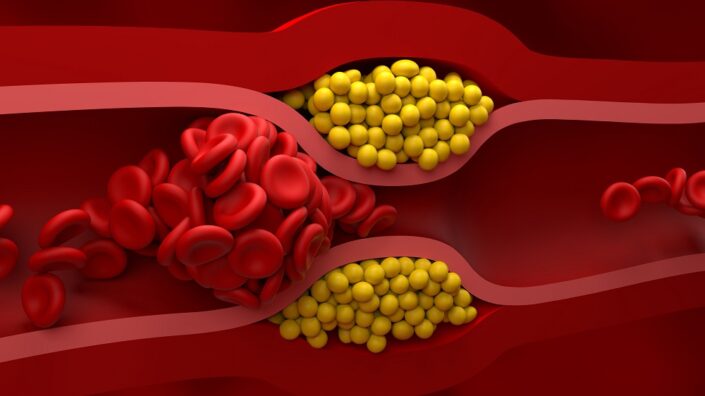
Its primary candidate cyclodextrin drug, UDP-003, focuses on 7-ketocholesterol, an oxidized cholesterol variant that builds up in cells as we age. Atherosclerosis involves the accumulation of plaque within arteries, and it primarily results from this oxidized form of cholesterol.

Heart disease is the leading cause of death worldwide. If successful, this drug could potentially help 70 to 80 percent of people that have heart disease and are at risk of having heart attacks.

Current treatment of heart disease includes lifestyle and dietary interventions, statins, and surgery. However, these are not that effective, and there is currently no effective way to reverse the condition. If UDP-003 is a success in the coming years, it will be a game changer.

Not only will it transform how we treat heart disease, it will be a clear demonstration of how tackling the root causes of aging can lead to proper solutions to age-related diseases.

Trials and tribulations

The original plan had been to launch the trials in Cambridge, UK working with the MHRA (similar to the FDA in the USA), but, unfortunately, there were setbacks.

Regular readers may recall our last interview with Dr. Matthew O’ Connor from Cyclarity, CEO of Scientific Affairs, where he explained the delay:

The bad thing is that post Brexit, it seems that the MHRA has gotten a bit backlogged and isn’t able to keep up with our current demands on their time. It takes too long to get meetings and responses to applications currently. We’ve had to take our first human clinical trial to Australia, where it’s a faster, more streamlined, and cheaper process.

While this has led to a delay in starting trials for this potentially transformative therapy, it is great to see it finally moving forward.

Dr. Matthew O’ Connor was previously the Vice President of Research at the SENS Research Foundation for nine years (now the LRI, of which lifespan.io is part), where initial research for what was to become UDP-003 was conducted. This trial is a proud moment for both Cyclarity and our organization.

Australia is leading the charge

This research will now take place at CMAX, a leading clinical research center in Australia, in partnership with Monash University. The trials will proceed under the guidance of Dr. Stephen Nicholls, the Director of the Monash Victorian Heart Institute in Melbourne and a Professor of Cardiology at Monash University.

In the recent Cyclarity press release, Dr. Matthew O’Connor said: “We are excited to be working with Dr. Nicholls on a groundbreaking advancement in cardiovascular care. As we advance into being a clinical stage company, Cyclarity is focused on bringing truly disease-modifying treatments for the world’s deadliest disease into reality.”

The Phase 1 clinical study will include a section featuring single ascending dose and multiple ascending dose methodologies as well as a unique segment involving 12 patients suffering from acute coronary syndrome.

This trial is intended to assess the safety of UDP-003 in patients with pre-existing plaque and to collect initial insights on its efficacy.

Cyclarity has already finished the manufacturing process for the human-quality drug material in what’s known as the Current Good Manufacturing Practice (the CGMP). They have human-grade material packaged and in sterile, single-use vials ready for patients to receive.

Thorough studies necessary for investigational new drug approval have been completed, showing no expected toxicity issues and ensuring a safe route for clinical advancement. All essential documents for trial authorization have been submitted and accepted, which means that the clinical trial should commence in the very near future.

We will be interviewing Dr. Matthew O’ Conner from Cyclarity and finding out more about this exciting development, so stay tuned for that in the next week. Finally, we wish to congratulate the Cyclarity team on this important milestone for our field. Perhaps this will lead to more acceptance of the idea that to tackle age-related diseases, we need to tackle the underlying reasons we age.

We would like to ask you a small favor. We are a non-profit foundation, and unlike some other organizations, we have no shareholders and no products to sell you. All our news and educational content is free for everyone to read, but it does mean that we rely on the help of people like you. Every contribution, no matter if it’s big or small, supports independent journalism and sustains our future.
Time-restricted eating

Intermittent Fasting Improves Coordination in Mice

Researchers have discovered that intermittent fasting increases myelin in aged mice, leading to better neural function and coordination.

Crucial proteins and a well-known intervention

Normally, neuronal axons are coated in a protein sheath made of myelin, which is necessary for their proper function [1]. Myelination is most known to be impeded by multiple sclerosis, but it also decreases with aging [2]. It is predominantly formed from two key proteins, myelin basic protein (MBP) and myelin-associated glycoprotein (MAG) [3], and previous work has found that upregulating the expression of these proteins has a beneficial effect on myelination [4].

Other work has found that myelination can be affected by diet and nutrition [5]. However, that work did not focus on these researchers’ chosen intervention: intermittent fasting, which has been found in substantial previous research to have metabolic and anti-inflammatory benefits, particularly in the context of aging [6].

Fasting for 18 hours a day

For their experiments, the researchers used three groups of mice: ten young mice, ten older mice, and eight older mice that had undergone intermittent fasting fof ten weeks, in which they were only allowed to eat for six hours a day. The researchers first began by testing overall markers of physical function: on the wire hanging test, the fasting mice were able to hold on for longer than the old control group, and they trended towards being able to run faster and longer than this group as well.

In a balance beam test, the fasting proved exceptionally potent: the fasting group was able to perform just as well as the young mice, far outpacing their same-aged counterparts. However, cognitive function was found to be unaffected: there was no benefit according to a Y maze test.

Stronger motor signals

A closer look at the mice’s muscles may have revealed why. While the maximum electrical signal strength going from the nerves to the muscles was not significantly affected, the treatment group had higher average signal strength. Looking at the frequency ranges involved revealed that the treatment group could exert more force and could react more quickly than similarly aged mice that were fed freely.

The brain was affected as well. Measuring whole-brain connectivity, the researchers found that the brains of the treated mice were less connected in ten areas but more connected in seven, particularly in places related to motor function and sensory input. Comparing these connection differences to the physical tests, the researchers concluded that these changes may also be responsible for the improvements they found.

Myelin was directly improved

Finally, the researchers looked directly at the myelin in the brain. Interestingly, and possibly of concern, the fasting group had reduced axonal diameters compared to the aged control group, suggesting an increase in degeneration. However, they had substantially more myelin, particularly on their smaller axons. These findings were true for both motor and non-motor portions of the brain, and the researchers note that this has been documented to occur in other animals, including people, who are recovering from demyelinating diseases [5].

Both MBP and MAG were positively affected. The treated mice had significantly more of both proteins in both of the tested areas, although there was no significant increase in MAG in the motor cortex. Myelinated fibers were found to trend towards being more common and longer in the fasting group. Overall, these results suggest that fasting somewhat changes the brain, and the researchers hold that these changes are beneficial.

While this is only a mouse study, it is in line with previous research showing that such dietary interventions may have beneficial effects on the brain. Furthermore, while it may not be appropriate for everyone, intermittent fasting is a freely available intervention. More studies may reveal whether or not it has beneficial effects on the myelin, and muscle coordination, of older people.

We would like to ask you a small favor. We are a non-profit foundation, and unlike some other organizations, we have no shareholders and no products to sell you. All our news and educational content is free for everyone to read, but it does mean that we rely on the help of people like you. Every contribution, no matter if it’s big or small, supports independent journalism and sustains our future.

Literature

[1] Almeida, R. G., & Lyons, D. A. (2017). On myelinated axon plasticity and neuronal circuit formation and function. Journal of Neuroscience, 37(42), 10023-10034.

[2] Nickel, M., & Gu, C. (2018). Regulation of central nervous system myelination in higher brain functions. Neural plasticity, 2018(1), 6436453.

[3] Deng, S., Shu, S., Zhai, L., Xia, S., Cao, X., Li, H., … & Xu, Y. (2023). Optogenetic stimulation of mPFC alleviates white matter injury‐related cognitive decline after chronic ischemia through adaptive myelination. Advanced science, 10(5), 2202976.

[4] Zhang, Q., Zhu, W., Xu, F., Dai, X., Shi, L., Cai, W., … & Hu, X. (2019). The interleukin-4/PPARγ signaling axis promotes oligodendrocyte differentiation and remyelination after brain injury. PLoS biology, 17(6), e3000330.

[5] Langley, M. R., Triplet, E. M., & Scarisbrick, I. A. (2020). Dietary influence on central nervous system myelin production, injury, and regeneration. Biochimica et Biophysica Acta (BBA)-Molecular Basis of Disease, 1866(7), 165779.

[6] De Cabo, R., & Mattson, M. P. (2019). Effects of intermittent fasting on health, aging, and disease. New England Journal of Medicine, 381(26), 2541-2551.

Cyclarity

Cyclarity Therapeutics Secures Approval for Clinical Trial

Cyclarity Therapeutics is pleased to announce regulatory approval to begin its first-in-human clinical trial. The trial will be conducted at CMAX, one of Australia’s leading clinical research centers, in partnership with Monash University. This effort will be led by Dr. Stephen Nicholls of the Victorian Heart Institute (VHI), a distinguished leader in cardiovascular medicine. In addition to a traditional SAD/MAD phase 1 trial, the authorization includes an allowance to enroll 12 patients with Acute Coronary Syndrome (ACS) to assess the safety of UDP-003 in individuals with plaque buildup, as well as to explore anecdotal evidence of efficacy. This represents a critical first step in evaluating the potential impact of our therapy in a population with high unmet need.

Key performance indicators (KPIs):

  • Clinical Trial Material (CTM): Manufacture is complete, with all supporting documentation and analysis finalized. UDP-003 is in vials and ready for administration to human participants.
  • Investigational New Drug (IND) Enabling Studies: All studies have been successfully completed with no predicted toxicological liabilities, ensuring a safe path forward.
  • Clinical readiness: All materials necessary for clinical trial authorization have been submitted and are in place.

This milestone marks a significant moment for Cyclarity as the trial joins Dr. Nicholls’ legacy of innovative clinical research. His previous work includes the SATURN trial for Crestor in the early 2000s, the CLEAR Outcomes trial in the 2020s that introduced bempedoic acid as a statin alternative, and the recent Muvalaplin trial targeting Lp(a), a major innovation in cardiovascular health.

“We are excited to be working with Dr. Nicholls on a groundbreaking advancement in cardiovascular care,” said CEO of Scientific Affairs Matthew O’Connor. “As we advance into being a clinical stage company, Cyclarity is focused on bringing truly disease-modifying treatments for the world’s deadliest disease into reality.”

We deeply appreciate the support we’ve received to reach this important stage and invite you to stay tuned as we continue to push the boundaries of therapeutic development. For more information, please contact press@cyclaritytx.com or visit https://cyclaritytx.com/.

Nanoparticles entering a cell

Precision Targeting of Senescent Cells

In a journal called Small, researchers have described a new targeting mechanism for delivering senolytic compounds where they need to go.

Finding the right nanoparticle

This paper begins with a discussion of the well-known features of cellular senescence and laments that, despite all the work done in this area, no senolytic has yet been approved for clinical use. The researchers provide evidence that this is due to both efficacy and targeting: senolytics do not always solely affect senescent cells [1].

Previous work has focused on using galactose as a carrier for such potential drugs [2], as senescent cells are characterized by the presence of SA-β-gal, a compound that naturally cleaves galactose. This approach has, in early studies, been found to reduce the toxicity of navitoclax, the senolytic that is the focus of this study [1].

However, much of that previous work was focused on encapsulating porous silica with galactose as a nanocarrier for the drug, and these researchers note that porous silica can be toxic [3]. Trying to directly modify drugs with galactose changes is also not perfect, as this process changes their structure and is difficult to accomplish [4].

The soap approach

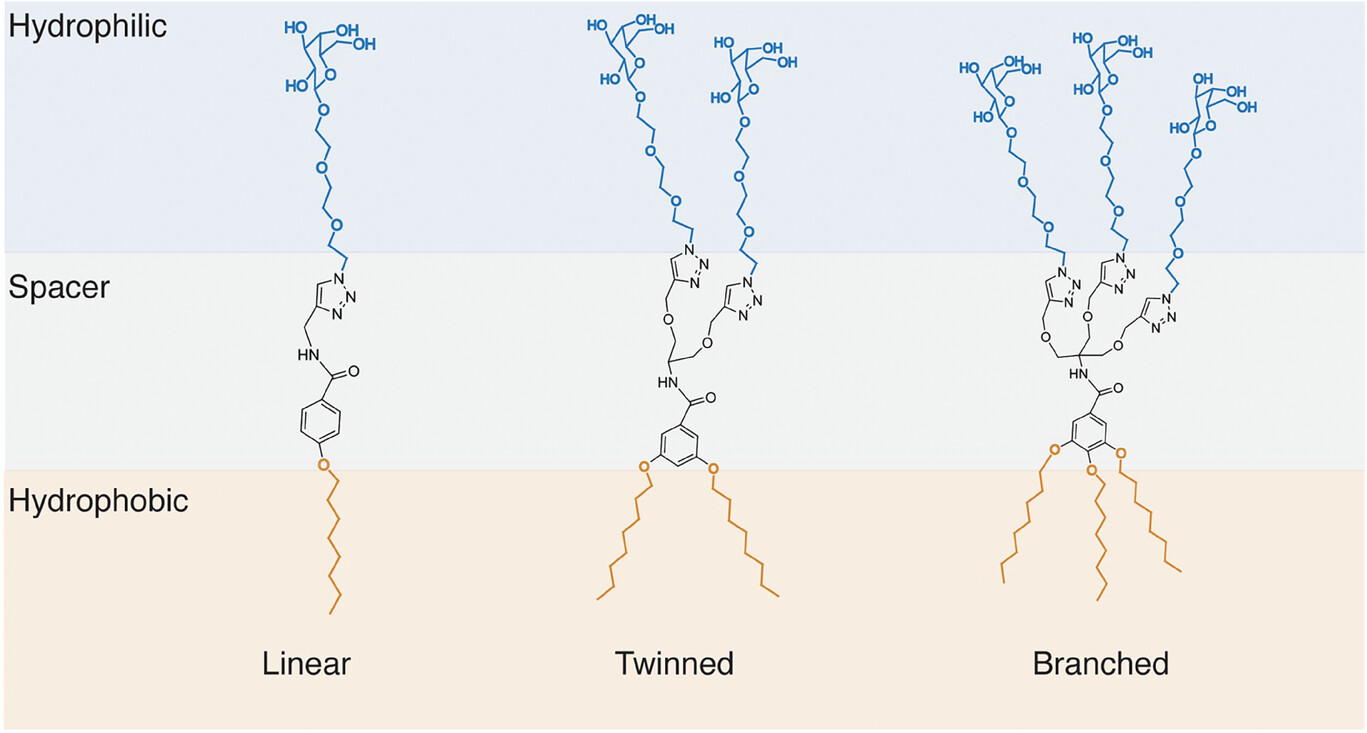
Instead of silica, these researchers chose to encapsulate their drug in amphiphilic micelles, which are very similar to soap bubbles and have been previously examined in drug delivery [5]. Here, the micelles have the water-attracted (hydrophilic) portion facing outwards and holding the galactose, with the water-repellent (hydrophobic) portion facing inwards to contain the navitoclax. The researchers go into detail regarding the chemistry of how they accomplished this, using a variety of branches extending from the central component and then assembling those molecules together to form a bubble.

Soap structures

Of these three approaches, the branched variant was found to be the most effective, as shown by an in vitro test using fluorescent Nile Red dye. Furthermore, the bubble was found to be protective: in the absence of β-galactosidase, only 6% of the total fluorescence was reduced 24 hours after exposure, while in its presence, 50% of it was gone within 6 hours and 90% within 24 hours.

Effective in cells

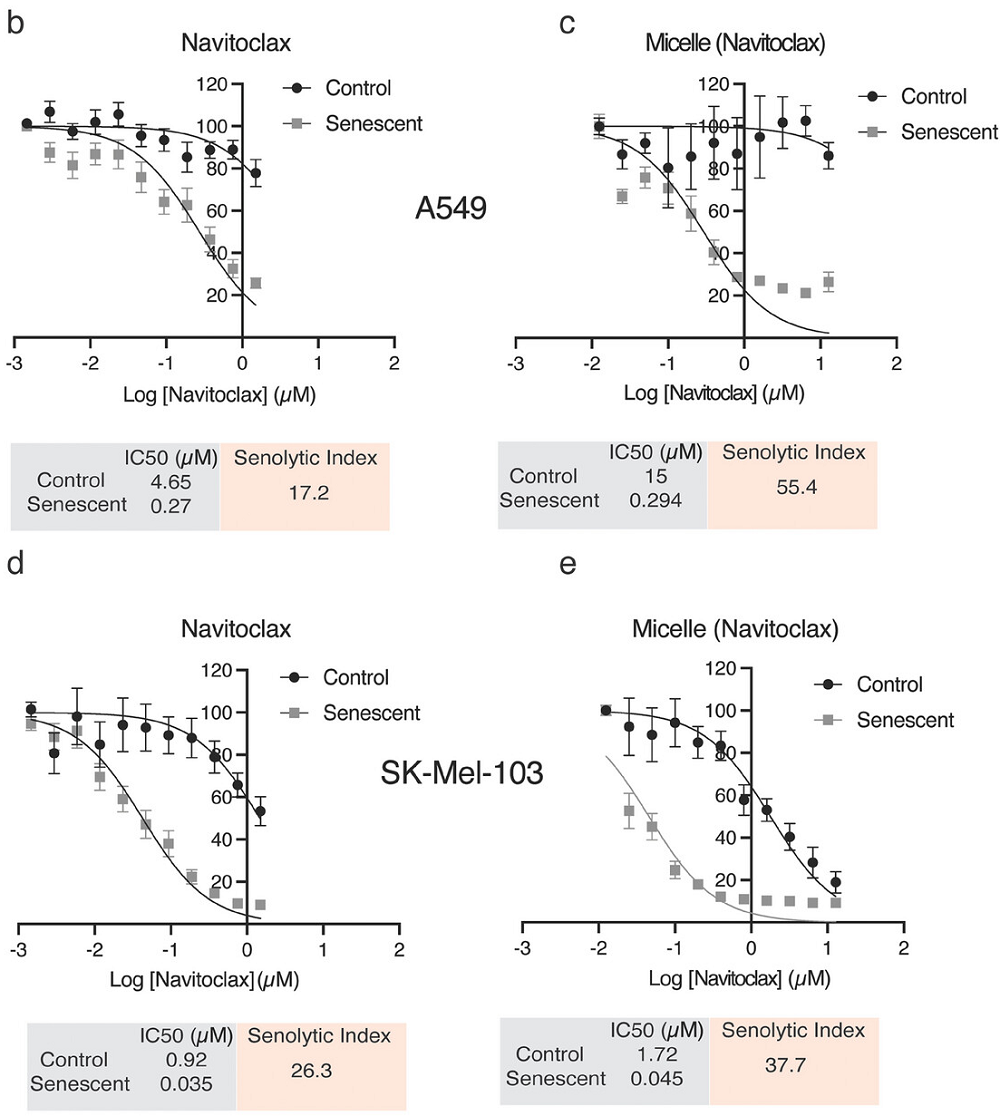
The researchers then tested their compound against actual senescent cells, specifically cells derived from lung cancer (A549) and melanoma (SK-MEL-103) lines. The senolytic index, which measures efficacy versus off-target effects, was much stronger in the encapsulated variant versus raw navitoclax alone: the micelle-encapsulated drug was more selective against senescent cells, particularly in the A549 line.

Micelle effectiveness

However, this paper is only a cellular study, and there were no animals involved. Furthermore, the experiments were conducted solely on cell lines derived from cancer, and it has yet to be experimentally determined how other cells or living organisms might respond to these micelles in the body. Still, this paper serves as a useful proof of concept, explaining how a drug can be targeted to the cells that need it most.

We would like to ask you a small favor. We are a non-profit foundation, and unlike some other organizations, we have no shareholders and no products to sell you. All our news and educational content is free for everyone to read, but it does mean that we rely on the help of people like you. Every contribution, no matter if it’s big or small, supports independent journalism and sustains our future.

Literature

[1] González‐Gualda, E., Pàez‐Ribes, M., Lozano‐Torres, B., Macias, D., Wilson III, J. R., González‐López, C., … & Muñoz‐Espín, D. (2020). Galacto‐conjugation of Navitoclax as an efficient strategy to increase senolytic specificity and reduce platelet toxicity. Aging cell, 19(4), e13142.

[2] Muñoz‐Espín, D., Rovira, M., Galiana, I., Giménez, C., Lozano‐Torres, B., Paez‐Ribes, M., … & Serrano, M. (2018). A versatile drug delivery system targeting senescent cells. EMBO molecular medicine, 10(9), e9355.

[3] Lin, Y. S., & Haynes, C. L. (2010). Impacts of mesoporous silica nanoparticle size, pore ordering, and pore integrity on hemolytic activity. Journal of the American Chemical Society, 132(13), 4834-4842.

[4] Guerrero, A., Guiho, R., Herranz, N., Uren, A., Withers, D. J., Martínez‐Barbera, J. P., … & Gil, J. (2020). Galactose‐modified duocarmycin prodrugs as senolytics. Aging Cell, 19(4), e13133.

[5] Parshad, B., Prasad, S., Bhatia, S., Mittal, A., Pan, Y., Mishra, P. K., … & Fruk, L. (2020). Non-ionic small amphiphile based nanostructures for biomedical applications. RSC advances, 10(69), 42098-42115.

Caloric restriction

Receiving Caloric Restriction Benefits Without Practicing It

In a new study, researchers have found that lithocholic acid, a metabolite found in the serum of calorically restricted mice, can mimic the effects of caloric restriction [1].

Restricting calories to live longer

Caloric restriction without malnutrition improves healthspan and extended lifespan in multiple model organisms and has been found to have health benefits in human studies. We have covered the many benefits of caloric restriction on longevity and healthspan, including a recently published interview in which we discussed one of the longest-running caloric restriction experiments on monkeys.

Mimicking caloric restriction

Restricting calories changes many aspects of an organism’s metabolism [2]. One of its well-documented effects is the activation of AMP-activated protein kinase (AMPK). AMPK is an essential regulator of multiple signaling pathways, including aging-related pathways and cellular processes, and mediates many of these beneficial effects [3]. In this study, the researchers used AMPK as a proxy to identify metabolites that mimic caloric restriction.

The researchers subjected mice to 4 months of caloric restriction. Then, they treated a few cell lines with serum from calorically restricted mice. The serum activated AMPK in those cell lines, suggesting that this serum mimicked the effects of caloric restriction. The activation of AMPK was also possible in the liver and muscle cells of normally fed mice treated with the serum of calorically restricted mice.

Finding ‘the one’

Being able to mimic the effects of caloric restriction without restricting caloric intake is an intriguing idea. However, using a whole serum from mice to achieve it is not a practical solution, especially since, most likely, only one or a few molecules from the serum are responsible for the effect of AMPK activation. The researchers went on a quest to identify those molecules.

They employed mass spectrometry-based approaches to identify over a thousand specific metabolites in the serum, and almost seven hundred that were altered by caloric restriction. After performing a few more tests to narrow the list, they performed a screen on cell cultures using AMPK activation as a biomarker.

In the initial screening, the researchers identified six metabolites that increased after caloric restriction and activated AMPK in cell cultures. However, the concentrations needed to activate AMPK by most of those metabolites were too high to be used in physiological conditions.

Only one of the identified metabolites, lithocholic acid (LCA), one of the bile acids (but not its derivatives), activated AMPK when administered at a concentration similar to that in the serum.

Late-life intervention

The researchers asked whether LCA can improve aging-related phenotypes when administered later in life. To test it, they gave aged mice LCA for one month. They noted that while mice and humans differ in their bile acid composition, LCA concentrations are similar in both species [4, 5].

The authors observed many improvements following LCA treatment in mice, including increased running distance, duration, and grip strength, and positive impact on other molecular measures, such as NAD+ levels, mitochondrial content, mitochondrial respiratory function, glucose tolerance, and insulin resistance.

LCA also didn’t cause muscle loss, a phenotype observed in mice and humans when restricting calories [6], suggesting that LCA treatment may be more beneficial. Additionally, muscle regeneration after damage was accelerated in aged mice following the LCA treatment.

Extending lifespan

As AMPK is an essential player in mediating lifespan extension [3], the researchers tested if LCA can mimic the effects of caloric restriction and extend lifespan in the model organisms C. elegans (worms) and D. melanogaster (fruit flies).

LCA treatment in worms and flies activated AMPK and extended their mean lifespans. In hermaphroditic C. elegans, lifespan was extended from 22 to 27 days. Lifespan extension from LCA was similar to that of caloric restriction and consistent with previous reports showing LCA-mediated lifespan extension in flies [7]: from 47 to 52 days in males and from 52 to 56 days in females.

The positive effect of LCA treatment was also evident in healthspan markers in worms and flies, for example, in a few measurements of resistance to different stresses or NAD+ levels. The activity of AMPK was necessary for those improvements since inactivating the AMPK gene in worms or flies abrogated those anti-aging effects.

The effects of LCA were more modest in mice, resulting in “a consistent, albeit nonsignificant, increase in median lifespan” when LCA was started at one year of age. Depending on the cohort, the increase was between 5.1% and 9.6% for male and between 8.3% and 12.5% for female mice.

The authors suggest that altering the LCA dose or the age at which LCA was administered might improve lifespan extension.

The role of gut microbes

The authors point to gut microbes’ role in LCA metabolism. LCA precursors are secreted from the liver to the intestine, where microbes, specifically by Lactobacillus, Clostridium, and Eubacterium species, convert it to LCA. Those microbes are known to be increased after caloric restriction [8, 9].

“It is reasonable to suggest that the LCA increase that occurs during CR may be caused by changes in these gut microbes.” Current and previous research supports the role of gut microbes in LCA metabolism when calories are restricted. The authors report detecting higher concentrations of LCA in the feces of calorically restricted mice. This was not observed in mice lacking gut microbes or with disrupted gut microbiome due to antibiotic treatment. Similarly, transplanting feces from calorically restricted mice into germ-free mice or antibiotic-treated mice caused an increase in LCA levels, which was higher than when feces were transplanted from normally fed mice.

The role of Clostridioides in increasing LCA levels is also supported by human research, as healthy centenarians with high Clostridioides levels also have high levels of LCA [10].

The authors summarize that their research “provided multiple lines of evidence to show that LCA acts as a CRM [caloric restriction mimetic], recapitulating the effects of CR, including AMPK activation and rejuvenating and anti-aging effects.“

While their research was conducted on model systems, they point to a previous study that observed that LCA was observed to be increased in the serum of healthy humans following 36 hours of fasting, suggesting a link between LCA and fasting in humans [11].

We would like to ask you a small favor. We are a non-profit foundation, and unlike some other organizations, we have no shareholders and no products to sell you. All our news and educational content is free for everyone to read, but it does mean that we rely on the help of people like you. Every contribution, no matter if it’s big or small, supports independent journalism and sustains our future.

Literature

[1] Qu, Q., Chen, Y., Wang, Y., Long, S., Wang, W., Yang, H. Y., Li, M., Tian, X., Wei, X., Liu, Y. H., Xu, S., Zhang, C., Zhu, M., Lam, S. M., Wu, J., Yun, C., Chen, J., Xue, S., Zhang, B., Zheng, Z. Z., … Lin, S. C. (2024). Lithocholic acid phenocopies anti-ageing effects of calorie restriction. Nature, 10.1038/s41586-024-08329-5. Advance online publication.

[2] Selman, C., Kerrison, N. D., Cooray, A., Piper, M. D., Lingard, S. J., Barton, R. H., Schuster, E. F., Blanc, E., Gems, D., Nicholson, J. K., Thornton, J. M., Partridge, L., & Withers, D. J. (2006). Coordinated multitissue transcriptional and plasma metabonomic profiles following acute caloric restriction in mice. Physiological genomics, 27(3), 187–200.

[3] Burkewitz, K., Zhang, Y., & Mair, W. B. (2014). AMPK at the nexus of energetics and aging. Cell metabolism, 20(1), 10–25.

[4] Zhao, A., Zhang, L., Zhang, X., Edirisinghe, I., Burton-Freeman, B. M., & Sandhu, A. K. (2021). Comprehensive Characterization of Bile Acids in Human Biological Samples and Effect of 4-Week Strawberry Intake on Bile Acid Composition in Human Plasma. Metabolites, 11(2), 99.

[5] Li, M., Wang, S., Li, Y., Zhao, M., Kuang, J., Liang, D., Wang, J., Wei, M., Rajani, C., Ma, X., Tang, Y., Ren, Z., Chen, T., Zhao, A., Hu, C., Shen, C., Jia, W., Liu, P., Zheng, X., & Jia, W. (2022). Gut microbiota-bile acid crosstalk contributes to the rebound weight gain after calorie restriction in mice. Nature communications, 13(1), 2060.

[6] Heymsfield, S. B., Yang, S., McCarthy, C., Brown, J. B., Martin, C. K., Redman, L. M., Ravussin, E., Shen, W., Müller, M. J., & Bosy-Westphal, A. (2024). Proportion of caloric restriction-induced weight loss as skeletal muscle. Obesity (Silver Spring, Md.), 32(1), 32–40.

[7] Staats, S., Rimbach, G., Kuenstner, A., Graspeuntner, S., Rupp, J., Busch, H., Sina, C., Ipharraguerre, I. R., & Wagner, A. E. (2018). Lithocholic Acid Improves the Survival of Drosophila Melanogaster. Molecular nutrition & food research, 62(20), e1800424.

[8] Cai, J., Rimal, B., Jiang, C., Chiang, J. Y. L., & Patterson, A. D. (2022). Bile acid metabolism and signaling, the microbiota, and metabolic disease. Pharmacology & therapeutics, 237, 108238.

[9] Fraumene, C., Manghina, V., Cadoni, E., Marongiu, F., Abbondio, M., Serra, M., Palomba, A., Tanca, A., Laconi, E., & Uzzau, S. (2018). Caloric restriction promotes rapid expansion and long-lasting increase of Lactobacillus in the rat fecal microbiota. Gut microbes, 9(2), 104–114.

[10] Sato, Y., Atarashi, K., Plichta, D. R., Arai, Y., Sasajima, S., Kearney, S. M., Suda, W., Takeshita, K., Sasaki, T., Okamoto, S., Skelly, A. N., Okamura, Y., Vlamakis, H., Li, Y., Tanoue, T., Takei, H., Nittono, H., Narushima, S., Irie, J., Itoh, H., … Honda, K. (2021). Novel bile acid biosynthetic pathways are enriched in the microbiome of centenarians. Nature, 599(7885), 458–464.

[11] Fiamoncini, J., Rist, M. J., Frommherz, L., Giesbertz, P., Pfrang, B., Kremer, W., Huber, F., Kastenmüller, G., Skurk, T., Hauner, H., Suhre, K., Daniel, H., & Kulling, S. E. (2022). Dynamics and determinants of human plasma bile acid profiles during dietary challenges. Frontiers in nutrition, 9, 932937.

Futuristic City

Vitalia Co-Founders Announce Split-up

Vitalia co-founders Niklas Anzinger and Laurence Ion today announced that they will be leading two new, separate organizations, Viva City and Infinita City.

“Together, we built Vitalia from the ground up, establishing a foundation that has led us to this exciting new chapter,” said Anzinger and Ion in a joint statement. “This decision stems from our shared recognition that our unique perspectives can best flourish in two distinct organizations, each with its own approach. Both companies remain committed to accelerating biomedical innovation, and we look forward to building on our shared legacy in complementary directions.”

Laurence Ion will lead Viva City, which will concentrate on building a city within a special regulatory zone governed by its residents, to accelerate medical innovation and extend healthy lifespan.

Niklas Anzinger will head Infinita City, which will concentrate on special regulatory zones as a path to acceleration.

“We extend our gratitude to our community, partners, and investors, whose trust has been pivotal,” added Anzinger and Ion. “We are eager to share our next steps and invite you to join us on these parallel journeys. Vitalia will forever continue in our shared memory.”

Joint Statement of Vitalia Co-founders

We are excited to announce that we are moving forward along two paths to best pursue our respective visions.

Together, we built Vitalia from the ground up, establishing a foundation that has led us to this exciting new chapter.

Laurence will lead Viva City, which will concentrate on building a city within a special regulatory zone governed by its residents, to accelerate medical innovation and extend healthy lifespan. It can be followed on these new channels: Website | Linktree

Niklas will head Infinita City, which will concentrate on special regulatory zones as a path to acceleration, which can be followed on these new channels: Website | Linktree

This decision stems from our shared recognition that our unique perspectives can best flourish in two distinct organizations, each with its own approach.

Both companies remain committed to accelerating biomedical innovation, and we look forward to building on our shared legacy in complementary directions.

We extend our gratitude to our community, partners, and investors, whose trust has been pivotal. We are eager to share our next steps and invite you to join us on these parallel journeys.

Vitalia will forever continue in our shared memory.

Niklas Anzinger & Laurence Ion

Vitalia

We would like to ask you a small favor. We are a non-profit foundation, and unlike some other organizations, we have no shareholders and no products to sell you. All our news and educational content is free for everyone to read, but it does mean that we rely on the help of people like you. Every contribution, no matter if it’s big or small, supports independent journalism and sustains our future.
Liver cancer

Drinking and Dying: Alcohol as a Risk Factor for Cancer

A new advisory by the US Surgeon General highlights a topic that – as the document itself notes – has been flying mostly under the public’s radar: the relationship between alcohol consumption and cancer. While most people are aware of smoking and obesity being risk factors for cancer, apparently, less than half of Americans know that a growing body of evidence links alcohol to this deadly disease.

A major preventable risk factor

The advisory, based on the current state of research, calls alcohol “a leading preventable cause of cancer in the United States, contributing to nearly 100,000 cancer cases and about 20,000 cancer deaths each year.” Alcohol consumption is linked to at least seven cancer types: breast, colorectum, esophagus, liver, mouth, throat, and larynx.

“It appears that alcohol is most closely linked to the cancers of all levels of the digestive system, which is expected, as alcohol causes DNA damage, creating dangerous mutations and causing a malignant transformation in some cells,” explained Anna Barkovskaya, PhD, of Lifespan Research Institute. “This is most likely to happen in tissues that it directly comes into contact with.”

There is one notable outlier, however: breast cancer. The advisory speculates that alcohol could elevate the risk of breast cancer by affecting hormonal levels. “It is unclear and unproven, however, as the advisory itself mentions, that this takes place,” Barkovskaya explained. “It is also unclear and unspecified why this does not occur in men and why there does not appear to be a link with prostate cancer.”

The numbers

According to the document, alcohol consumption is the third leading preventable cause of cancer in the US, after tobacco and obesity. “In absolute numbers, in 2019,” it says, “an estimated 96,730 cancer cases were related to alcohol consumption, including 42,400 in men and 54,330 in women. This translates to nearly 1 million preventable cancer cases over ten years in the U.S.”

In general, the higher the alcohol consumption, the greater the risk of cancer. However, alarmingly, at least with breast, mouth, and throat cancers, the risk increase starts even at low levels of consumption, even at less than one drink per day on average. 83% of alcohol-related cancer deaths are associated with levels of alcohol consumption above the recommended limit of two drinks daily for men and one drink daily for women. Still, the remaining 17% occur below this threshold.

In American women, the largest burden of alcohol-related cancer is for breast cancer: estimated 44,180 cases in 2019. For men, the leading alcohol-related cancers are liver and colorectal.

“Breast cancer is the most common cancer type in women,” Barkovskaya mentioned. “However, it is very diverse, and the different brands of this disease are caused by distinct molecular dysfunctions. It is therefore unclear exactly how and if alcohol directly promotes breast cancer, or if this effect reflects a broader alcohol-related cancer probability increase.”

Discussing the actual increases in risk, the advisory cites a study that reported that in women, the absolute lifetime risk of developing any alcohol-related cancer increases from 16.5% to 19.0% for those who consume one drink daily on average and to 21.8% for those who consume two drinks daily on average, compared to those consuming less than one drink per week. In other words, even heavy drinking increases a woman’s chances to get cancer by only about 5 percentage points. For men, those figures are 10%, 11.4%, and 13.1%, respectively.

The mechanisms

The advisory offers some thoughts on possible mechanisms that link alcohol to cancer, while admitting those are still under investigation. “Multiple studies,” it says, “have shown that giving rats and mice drinking water with ethanol or its primary metabolic breakdown product, acetaldehyde, results in increased tumor numbers at multiple places in the body. At high levels such as those that occur with consumption of alcohol, acetaldehyde is highly toxic and cancer-causing.”

Acetaldehyde causes cancer by binding to DNA and damaging it, which can trigger oncogenic mutations. On top of that, alcohol generates reactive oxygen species, which promote inflammation and can also damage DNA, proteins, and lipids through oxidation.

The third possible mechanism involves alcohol altering hormone levels, including estrogen, which might be relevant for breast cancer. Finally, the report says, carcinogens from other sources, such as particles of tobacco smoke, can dissolve in alcohol, which would increase their absorption.

“The best-established evidence is on the first two pathways of acetaldehyde and inflammation,” the document concludes. “Hormonal regulation and alcohol as a solvent are widely agreed upon to be important pathways for carcinogenesis but are not yet fully understood.”

Isn’t moderate drinking good for you?

Longevity physician David Barzilai, MD, PhD, fittingly calls the report “quite sobering” and adds that it “challenges the presumed protective role of moderate alcohol consumption and emphasizes the need for improved methodologies to address this critical public health issue.”

Indeed, until fairly recently, most research showed a U-shaped (or J-shaped) association between alcohol and mortality, meaning that the lowest risk corresponds to moderate levels of consumption. Newest findings, however, suggest a more linear correlation.

One possible cause of misinterpreting the real nature of the relationship is reverse causation, when people give up drinking after having developed health problems. This artificially elevates average risk levels for teetotalers and lowers them for drinkers. Most of the data in this field comes from population studies, which are notoriously noisy and can only establish correlation but not causation. Essentially, the jury is still out.

While some researchers hold that we should completely give up alcohol, Barzilai strikes a moderate tone: “While a well-validated lower boundary of the dose-response curve between alcohol intake and cancer risk remains unclear (and there may be no minimum threshold effect), the absolute risk of cancer is especially low for individuals consuming two or fewer alcoholic beverages per week. For those who enjoy the social aspects of alcohol, it seems reasonable, if this is their preference, to follow previous guidelines, allowing up to one drink per day for females and two for males.”

The recommendations

Unsurprisingly, quitting or reducing drinking helps. According to a recent evidence review cited in the advisory, alcohol cessation or reduction decreases the risk of mouth cancer and esophageal cancer. “More research is needed to determine if this risk decreases for other cancer sites and whether it decreases to the level observed in people who never consume alcohol,” the authors say.

The numbers featured in the advisory are population averages and don’t tell a lot about personal risk levels, which can be affected by people’s genetic makeup. Thankfully, today, anyone can have their genome sequenced to assess their personal vulnerability. For instance, the document says, “many individuals of East Asian descent have a genetic variant that results in an alcohol flushing response and reduces their ability to metabolize acetaldehyde, which produces much higher risks for certain alcohol-related cancers.”

The advisory also calls for increasing public awareness of alcohol consumption as a risk factor for cancer. To do so, the authors recommend updating the existing Surgeon General’s health warning label on alcoholic beverages with a specific warning about alcohol increasing cancer risk. However, this is a Congressional prerogative that requires political involvement to set into motion.

“It would be interesting,” Barkovskaya mused, “to explore the link between cancer and alcohol from the viewpoint of aging. Much of the damage caused by alcohol is exactly the kind that is known to promote aging. Cancer, broadly, is also a disease of aging. This begs a question if alcohol consumption at different points in life has different effects on aging, and by extension – cancer and the resulting lifespan.”

We would like to ask you a small favor. We are a non-profit foundation, and unlike some other organizations, we have no shareholders and no products to sell you. All our news and educational content is free for everyone to read, but it does mean that we rely on the help of people like you. Every contribution, no matter if it’s big or small, supports independent journalism and sustains our future.
Human ear anatomy

A Potential Gene Therapy for Hearing Loss

In JCI Insight, researchers have explored the possibility of using gene therapy to restore a crucial protein and repair hearing loss.

Hearing and its failure

In mammals, afferent neurons, which originate from the inner ear, transform received stimuli (sound waves) into electrical signals [1]. This process is known as mechanoelectrical transduction, and a specific myosin, MYO7A, has been found to be a critical part of it [2]. Problems with the related gene, Myo7a, result in various forms of deafness [3].

Knocking this gene out in mature animals has been found to lead to reversion into a nonfunctional state, which is normally found in prenatal animals that have not yet developed the ability to hear [4]. This state is characterized by efferent neurons, which originate from the brain stem rather than inner ear cells, having direct connections to the inner ear that do not exist in functionally hearing animals. As this process also occurs with aging [5], the researchers decided to investigate whether or not directly affecting this gene could lead to hearing restoration in an animal model.

Mice that lose their hearing

The researchers developed a mouse strain that can be triggered to downregulate the Myo7a gene. A few days after this gene was downregulated, mice of both sexes quickly lost their hearing, and by two weeks, the mice were nearly completely deaf at all frequencies, and a large part of their hearing was found to be rewired into the same nonfunctional state found in prehearing and aged animals. Myo7a was not found to affect the afferent neurons themselves, only the efferent innervation of hair cells.

Downregulating Myo7a only in the inner hair cells, which directly send signals to the brain, was found to be sufficient to lead to deafness. Downregulating it in the outer hair cells, amplifier cells that are more susceptible to damage and aging, led to deafness as well.

Restoration through gene therapy has positive effects

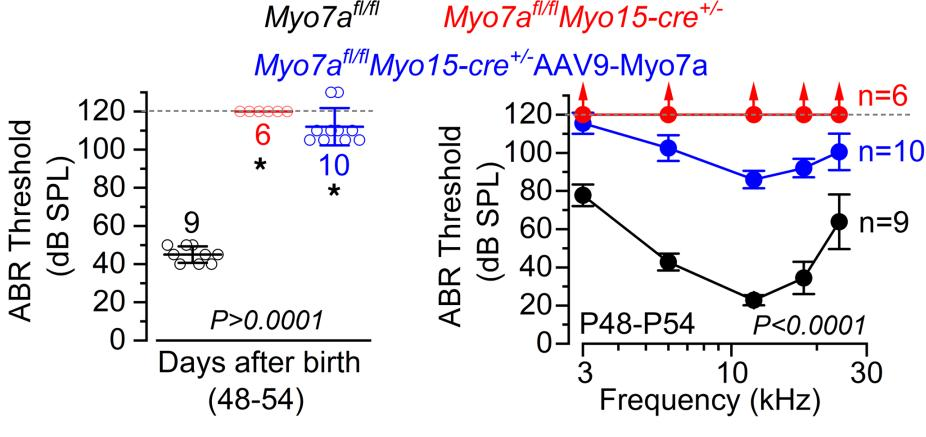
Injecting the inner ears of these genetically modified mice with an adeno-associated virus (AAV) that restores this protein had positive effects, with many wiring structures being restored to their functional adult versions. However, it did not fully restore the mice’s hearing to the level of an unaffected control group. Most of the treated animals could hear very loud noises as measured by the auditory brainstem response thresholds for clicker tests (left) and specific pure tone frequencies (right).

AAV Hearing Loss Effect

Of course, this is a study on a genetically modified mouse model, not aged wild-type animals nor human beings. Further research will need to be done to determine if aged animals can be affected by this kind of gene therapy and whether or not the results can be replicated in people. Furthermore, the effects of this particular AAV approach were weak, but if it can be applied to people, it may be enough to allow hearing aids to function more effectively.

Additional findings

The researchers discovered that MYO7A controls many aspects of hearing loss that were previously hypothesized to occur due to other factors, such as secondary effects from other systems failing or a failure in proper molecular transport. This research also sheds some light on a link between loud noise and deafness: to protect the ears, the brain uses the efferent system to temporarily reduce hearing capability in loud situations [6], and this may be related to the efferent innervation of the inner ear over time.

The most critical finding is that the adult cochlea, which processes hearing, is in fact capable of being remodeled through changes in gene expression after birth. True biological hearing restoration, once merely a dream, appears to finally be on the table with this and other recent gene therapy approaches [7], and people with congenital deafness caused by some Myo7a mutations, or people who have lost their hearing through repeated noise exposure, may have an effective treatment in the future.

We would like to ask you a small favor. We are a non-profit foundation, and unlike some other organizations, we have no shareholders and no products to sell you. All our news and educational content is free for everyone to read, but it does mean that we rely on the help of people like you. Every contribution, no matter if it’s big or small, supports independent journalism and sustains our future.

Literature

[1] Fettiplace, R. (2011). Hair cell transduction, tuning, and synaptic transmission in the mammalian cochlea. Comprehensive Physiology, 7(4), 1197-1227.

[2] Hasson, T., Gillespie, P. G., Garcia, J. A., MacDonald, R. B., Zhao, Y. D., Yee, A. G., … & Corey, D. P. (1997). Unconventional myosins in inner-ear sensory epithelia. The Journal of cell biology, 137(6), 1287-1307.

[3] Weil, D., Küssel, P., Blanchard, S., Lévy, G., Levi-Acobas, F., Drira, M., … & Petit, C. (1997). The autosomal recessive isolated deafness, DFNB2, and the Usher 1B syndrome are allelic defects of the myosin-VIIA gene. Nature genetics, 16(2), 191-193.

[4] Corns, L. F., Johnson, S. L., Roberts, T., Ranatunga, K. M., Hendry, A., Ceriani, F., … & Marcotti, W. (2018). Mechanotransduction is required for establishing and maintaining mature inner hair cells and regulating efferent innervation. Nature Communications, 9(1), 4015.

[5] Lauer, A. M., Fuchs, P. A., Ryugo, D. K., & Francis, H. W. (2012). Efferent synapses return to inner hair cells in the aging cochlea. Neurobiology of aging, 33(12), 2892-2902.

[6] Fuchs, P. A., & Lauer, A. M. (2019). Efferent inhibition of the cochlea. Cold Spring Harbor perspectives in medicine9(5), a033530.

[7] Amariutei, A. E., Jeng, J. Y., Safieddine, S., & Marcotti, W. (2023). Recent advances and future challenges in gene therapy for hearing loss. Royal Society Open Science, 10(6), 230644.

A computer generated image of stem cells

Keeping Stem Cells Healthy and Young

A team of researchers has outlined a new approach that uses mRNA to prevent senescence and strengthen mesenchymal stem cells (MSCs) against aging before they are transplanted into patients.

Stem cells go bad before they can be used

The researchers introduce this study by focusing on the translational problems with MSCs, specifically the propensity of these cells to become senescent during the replication process [1]. The researchers hold that oxidative stress is the key driver of this rapid aging, causing senescence pathways to trigger [2] and mitochondria to become dysfunctional [3], which causes even more oxidative stress.

We have previously reported that senolytics might be useful in reducing premature senescence in stem cells before they reach the patient. While this approach has value, particularly in stem cell types that rapidly become senescent in a few replications, it won’t protect those cells against the patient’s microenvironment once they are transplanted. While the researchers note that MSCs affect the microenvironment into which they are placed [4], they also note in this study that an oxidative microenvironment is a possible threat to MSCs on top of the existing issues with pre-implantation replication.

Therefore, this work focuses on protecting cells before they even begin replicating. Previously, this team had found out that transplanting healthy mitochondria into fibroblasts can prevent fibrosis [5]; here, the researchers encouraged mitochondrial growth by transfecting the stem cells with mRNA for nuclear respiratory factor 1 (NRF1).

Widespread benefits

First, the researchers made sure that their approach was actually increasing mitochondrial mass compared to a control group. Microscopic fluorescence examination and an analysis of the mitochondrial biomarker TFAM agreed that it did after 24 hours: MSCs that were exposed to this mRNA had roughly 50% more mitochondria than the control group, as measured by fluorescence, whether the cells were placed under peroxide-induced oxidative stress or not. Additionally, the mRNA transfection increased NRF1 production by roughly 30 times over controls, although oxidative stress itself also causes NRF1 to increase in response.

This NRF1 was found to be effective in blunting markers of oxidative stress under peroxide exposure. While it was not a perfect solution, cells that had been transfected with NRF1 had roughly 25% less oxidative stress as measured by the fluorescence of the MitoSOX reagent. Mitochondrial membrane depolarization, which occurs under oxidative stress, was also reduced in the treatment group. Most critically, these findings were replicated in cells undergoing replicative senescence.

NRF1 mRNA treatment also appeared to have benefits related to metabolism. An RNA sequencing analysis revealed that genes related to oxygen usage were significantly upregulated, while glycolysis, a form of anaerobic energy production, was downregulated, signifying a more efficient use of energy. The researchers believe that this primes cells to better handle an environment of increased oxidative stress.

This improvement of energy usage was even maintained after exposure to hydrogen peroxide. Under this intense stress, cells normally rely more on glycolysis and less on using oxygen productively. NRF1 transfection reversed nearly all of this change, restoring ATP production and encouraging more proper oxygen use.

At relatively high concentrations (400 micromoles), hydrogen peroxide even interferes with the fission and fusion of mitochondria. However, NRF1 protected against this as well, maintaining mitochondrial balance, which was also found to be true in aged, senescent MSCs.

A better treatment for senescence?

NRF1 mRNA had further benefits for senescent cells, reducing key markers of senescence, including the key marker SA-β-gal, and this held true whether the cells were driven senescent by exposure to hydrogen peroxide or by multiple replications. The researchers compared its effects on these biomarkers to the well-studied senolytic ABT263, although this is a senomorphic that changes senescent cells and not a senolytic that kills them.

While the researchers found that their mRNA begins to naturally degrade in 48 hours and the resulting increase in mitochondria starts to peter out after 72 hours, this initial time period is likely to be critical for replication and implantation. However, this is still just a cell study. Further work in animals will need to be done before this approach could be considered for use in human beings.

Additionally, this work suggests a close tie between cellular senescence and mitochondrial dysfunction. If directly benefiting mitochondria can indeed reduce senescence, this general approach may be useful for other cells, including ones already in the body. However, substantially more work must be done to determine if such an approach is indeed viable.

We would like to ask you a small favor. We are a non-profit foundation, and unlike some other organizations, we have no shareholders and no products to sell you. All our news and educational content is free for everyone to read, but it does mean that we rely on the help of people like you. Every contribution, no matter if it’s big or small, supports independent journalism and sustains our future.

Literature

[1] McHugh, D., & Gil, J. (2018). Senescence and aging: Causes, consequences, and therapeutic avenues. Journal of Cell Biology, 217(1), 65-77.

[2] Weng, Z., Wang, Y., Ouchi, T., Liu, H., Qiao, X., Wu, C., … & Li, B. (2022). Mesenchymal stem/stromal cell senescence: hallmarks, mechanisms, and combating strategies. Stem Cells Translational Medicine, 11(4), 356-371.

[3] Miwa, S., Kashyap, S., Chini, E., & von Zglinicki, T. (2022). Mitochondrial dysfunction in cell senescence and aging. The Journal of clinical investigation, 132(13).

[4] Song, N., Scholtemeijer, M., & Shah, K. (2020). Mesenchymal stem cell immunomodulation: mechanisms and therapeutic potential. Trends in pharmacological sciences, 41(9), 653-664.

[5] Baudo, G., Wu, S., Massaro, M., Liu, H., Lee, H., Zhang, A., … & Blanco, E. (2023). Polymer-functionalized mitochondrial transplantation to fibroblasts counteracts a pro-fibrotic phenotype. International Journal of Molecular Sciences, 24(13), 10913.

Rejuvenation Roundup December 2024

Rejuvenation Roundup December 2024

The holiday season is over and the new year is here, and we’re back to discussing the one gift that matters the most: biological rejuvenation. Let’s see what’s been done in December.

LEAF News

EditorialAnother Year of Longevity Advocacy and Journalism: The nights are the longest of the year, the holidays are drawing near, and we are back with a festive edition of the lifespan.io editorial. This time, we bring you some of this year’s highlights and talk about what the future holds for our content.

Interviews

Mehmood Khan on Aging Policy and Collaboration: Khan is not just a high-profile bureaucrat. He has a solid background in science and healthcare, having served as Chief of the Endocrine Division at Hennepin County Medical Center in Minnesota and later as a faculty member in endocrinology at the Mayo Clinic and Medical School.

Jamie Justice XPRIZEWhy Research Teams Should Email XPRIZE Healthspan Now: With the deadline for submissions just around the corner, Jamie Justice, Executive Director of XPRIZE HealthSpan, explains to researchers still on the fence why they should contact her team now but also why missing the deadline is not the end of the world.

Advocacy and Analysis

Can AI Predict Your Death?: Once confined to the realms of science fiction or relatively crude internet death calculators, AI-driven predictions about longevity are inching closer to reality. Questions about the accuracy and value of these forecasts remain.

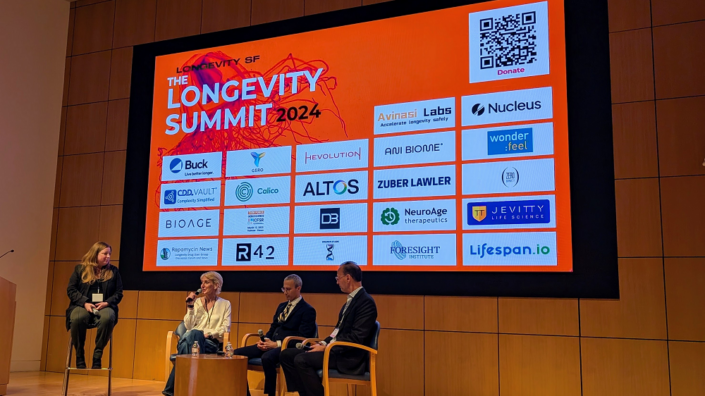
Longevity Summit 2024 PanelThe Best Talks From Longevity Summit 2024: Earlier this month, for the third year in a row, the famed Buck Institute for Research on Aging hosted the Longevity Summit. This two-day event was organized by Longevity Global, a community of longevity researchers, investors, and enthusiasts, and its founder Dr. Christin Glorioso.

Research Roundup

A Clinical Trial of a Three-Part Treatment for Inflammaging: Reseachers publishing in Antioxidants have combined three antioxidant and anti-inflammatory compounds and tested their effects in human beings. The researchers hold that this supplement combination has significant effects on oxi-inflammaging, a combination of oxidative stress and inflammaging that has been suggested to have significant effects on lifespan.

Oranges and GrapesResveratrol, Vitamin C Drop Oxidative Stress After Menopause: In a randomized, controlled trial published in Nutrients, researchers tested supplementation with resveratrol, vitamin C, and a combination of both. They learned that all of the treatments had a similar positive impact on oxidative stress in postmenopausal women.

AI Outperforms AI-Assisted Doctors in Diagnostic Reasoning: In a new study, ChatGPT 4.0 achieved significantly better diagnostic scores when evaluating complex cases than either unassisted human physicians or physicians who consulted the chatbot.

Skeletal muscleFragmented Mitochondria Linked to Muscle Weakness: In a study published in Aging Cell, researchers have outlined a relationship between mitochondrial fragmentation in skeletal muscle and the loss of strength with age. As exercise is associated with mitochondrial fusion and one study had suggested that six months of endurance training can compensate for 30 years of aging, the authors suggest that further research on exercise in older people should be done with a close examination into mitochondrial changes.

Nuclear Expression of a Mitochondrial Gene in Mice: Scientists from the Longevity Research Institute (LRI), which was formed by the merger of SENS Research Foundation and lifespan.io, have achieved expression of an essential mitochondrial gene in the nucleus and proper functioning of the protein. This could pave the way for curing diseases caused by mitochondrial mutations.

BladderSenescent Cells Protect the Bladder: In Aging Cell, a research team has explained why barrier cells in the human bladder are largely senescent and what might lead them to become cancerous. The researchers note that these senescent cells are clearly necessary for proper function of the bladder, suggesting that they should be treated rather than destroyed, such as by improving their mitochondrial function or reducing their oxidative stress.

Extending Monkeys’ Reproductive Span With Stem Cells: An investigation into transplanting human embryonic stem cells (hESC)-derived MSC-like cells (M cells) into the ovaries of cynomolgus monkeys suggests an extension of female reproductive span accompanied by a reduction in senescence-associated processes, such as inflammation, fibrosis, oxidative damage, and apoptosis.

AlopeciaEncouraging Hair Growth by Reducing Senescence: In Aging Cell, researchers have described how to improve the hair growth potential of stem cells and organoids by reducing cellular senescence. The researchers hold that senolytics are key in overcoming one of the major hurdles associated with this line of work.

A Senolytic Approach to Faster Wound Healing: Researchers have published in Aging their findings that a senolytic compound accelerates wound healing in aged mice when it is administered before the wound occurs.

Master rowerLower Rates of Epigenetic Aging in Olympic Champions: A recent investigation into Hungarian Olympic champions suggests slower epigenetic aging and differences in gene methylation patterns between champions and non-champions.

How Cellular Reprogramming Affects Mitochondrial Dysfunction: Creating induced pluripotent stem cells (iPSCs) causes mutant mitochondrial populations to change, and researchers have investigated this phenomenon more thoroughly.

Associations of accelerometer-measured physical activity, sedentary behaviour, and sleep with next-day cognitive performance in older adults: Memory benefits of physical activity may persist for 24 hours; longer sleep duration, particularly more time spent in slow-wave sleep, could independently contribute to these benefits.

Dietary inflammatory potential and the risk of cognitive impairment: A meta-analysis of prospective cohort studies: This meta-analysis suggests that a higher dietary inflammatory potential is independently associated with an increased risk of cognitive impairment.

Association between dietary inflammatory index score and incident dementia: Higher DII scores were associated with a higher risk of incident all-cause dementia and Alzheimer’s.

Dietary flavonoid intake is negatively associated with accelerating aging: an American population-based cross-sectional study: This study has found that most influential flavonoids are flavones, flavanones, flavan-3-ols, and flavonols.

A phase 2 pilot study of umbilical cord blood infusion as an adjuvant consolidation therapy in elderly patients with acute myeloid leukemia: These findings suggest that UCB infusion is an effective and safe post-remission adjuvant therapy for elderly AML patients.

Metabolomic age (MileAge) predicts health and life span: A comparison of multiple machine learning algorithms: This metabolomic aging clock can be applied in research and may find use in health assessments, risk stratification, and proactive health tracking.

Intestinal mucosal barrier repair and immune regulation with an AI-developed gut-restricted PHD inhibitor: ISM012-042 restores intestinal barrier function and alleviates gut inflammation in multiple experimental colitis models.

Exploring the potential of plasma and adipose mesenchymal stem cell-derived extracellular vesicles as novel platforms for neuroinflammation therapy: Overall, this study highlights the potential of EVs loaded with DNZ as a novel approach for treating neuroinflammation underlying various neurodegenerative diseases.

Comparative Analysis of the Therapeutic Potential of Extracellular Vesicles Secreted by Aged and Young Bone Marrow-Derived Mesenchymal Stem Cells in Osteoarthritis Pathogenesis: These findings highlight that donor age is a critical determinant in the therapeutic potential of BMSC-derived EVs for clinical use in OA treatment.

In vivo AAV9-Myo7a gene rescue restores hearing and cholinergic efferent innervation in inner hair cells: Restoration of IHC function using AAV-Myo7a rescue re-establishes the synaptic profile of adult IHCs, leading to the amelioration of hearing loss.

Telomerase reverse transcriptase gene knock-in unleashes enhanced longevity and accelerated damage repair in mice: These findings foreshadow the potential of TertKI as an extraordinary rejuvenation force, promising not only longevity but also rejuvenation in skin and intestinal aging.

Improved Therapeutic Efficiency of Senescent Cell-specific, Galactose-Functionalized Micelle Nanocarriers: This novel formulation showed reduced delivery and toxicity to non-senescent cells, thereby increasing the senolytic index of Navitoclax and making it suitable for future in vivo experimental designs to improve selectivity and safety profiles.

Association of urban green and blue space with accelerated ageing: A Cohort Study in the UK Biobank: UGBS with a composite weighted score showed a better correlation with accelerated ageing than green spaces.

Bifidobacterium animalis Probio-M8 improves sarcopenia physical performance by mitigating creatine restrictions imposed by microbial metabolites: These findings provide new insights into probiotics as a potential treatment for sarcopenia by modulating gut microbiota metabolism.

News Nuggets

Turn Biotechnologies Announces ERA™ Bone Marrow Study: Turn Biotechnologies, a cell rejuvenation and restoration company developing novel mRNA medicines for untreatable, age-related conditions, announced its latest study to assess the efficacy of using epigenetic reprogramming to rejuvenate bone marrow stem cells. The study, which is being funded by Methuselah Foundation, is the first to evaluate use of Turn Bio’s unique RNA-based ERA™.

BioAge LabsBioAge Labs Ends STRIDES Phase 2 Clinical Trial: BioAge Labs, a clinical-stage biopharmaceutical company developing therapeutic product candidates for metabolic diseases by targeting the biology of human aging, today announced that the Company has made the decision to discontinue the ongoing STRIDES Phase 2 study of its investigational drug candidate.

Longevity Hackers: A Documentary Debuts on How to Stop Aging: Longevity Hackers, an in-depth look at how to slow the human pace of aging, debuts on Apple TV and Amazon beginning December 4, 2024. The film revolutionizes outdated cultural conceptions and beliefs about aging and offers a behind-the-scenes look at the breakthrough science and biohacking secrets that are adding not just years but healthy, fulfilled years to our lifespan.

Long GameLongGame Venture Capital Fund Officially Launched: Crypto investor and founder Will Harborne will lead a new enterprise aimed at funding and supporting groundbreaking longevity technologies. At a time when many venture capital funds are wary about “high risk, high reward” technologies that may take years and decades to mature, LongGame is going all in, as evident already from its name.

BioAge Labs Announces Multi-Year Collaboration with Novartis: BioAge Labs, Inc. (“BioAge”), a clinical-stage biopharmaceutical company developing therapeutic product candidates for metabolic diseases by targeting the biology of human aging, today announced a multi-year research collaboration with Novartis.

Coming Up

VitalismAnnouncing Vitalist Bay, a Pop-Up City in the Bay Area: A unique project is set to go live next spring in the Bay Area. Organized by the Vitalism Foundation, it promises to be one of the largest longevity-related events ever. Since the pop-up city of Zuzalu took the longevity community by storm in early 2023, its innovative concept has inspired a wave of adaptations around the globe.

We would like to ask you a small favor. We are a non-profit foundation, and unlike some other organizations, we have no shareholders and no products to sell you. All our news and educational content is free for everyone to read, but it does mean that we rely on the help of people like you. Every contribution, no matter if it’s big or small, supports independent journalism and sustains our future.

Editorial

Another Year of Longevity Advocacy and Journalism

The nights are the longest of the year, the holidays are drawing near, and we are back with a festive edition of the lifespan.io editorial. This time, we bring you some of this year’s highlights and talk about what the future holds for our content.

lifespan.io and SENS Research Foundation merge

Regulars will recall that Lifespan Extension Advocacy Foundation and SENS Research Foundation merged in October. We are now the Longevity Research Institute (LRI), an organization focused on rejuvenation biotechnology research and news.

Lifespan and SENS Merger Announcement Banner

The two organizations have combined to pursue the goal of healthier and longer lives for all. Keith Comito, President of the Board, had this to say about the merge:

“lifespan.io and SRF have shared a rich legacy in the battle against age-related diseases, driven by passion and purpose in both advocacy and research. Today, we unite these powerful forces to forge an organization uniquely equipped to identify and advance the most transformative projects in our field. Together with you, the Lifespan Research Institute will work to create a future where vitality and long-lasting health are within reach for everyone.”

lifespan.io will continue to bring you the latest longevity news from the same website, so there’s no need to change your bookmarks!

Celebrating a decade of independent non-profit journalism

lifespan.io has been one of the top sources for non-profit aging research news for the last decade. Here are some of the things we have achieved:

  • 10 years of independent journalism.
  • 270 news articles published this year so far!
  • 160 longevity topics and growing.
  • 147 leading researchers interviewed since 2014.

Not bad for a small non-profit organization that started with a handful of people, right? We think so, and it has been an awesome experience supporting the aging research field over this last decade.

This field is a very unique one, and it is both a challenge and privilege to focus our journalism on it. Since we started 10 years ago, there has been a significant change in the field. This field of research, which a significant part of the public had considered to be fringe, is steadily growing in credibility and respect.

Hucksters peddling unscientific nonsense continue to harm our field’s reputation, but things are starting to improve. In recent years, real science has started to take the spotlight.

Many rejuvenation treatments are in or near human trials, and the science is gaining traction as its credibility increases. While there is still much work to be done, there is reason for optimism and hope that longer, healthier lives are something that we can achieve in the near future.

Independent journalism is at risk

Dear readers, I am Steve Hill, Editor-in-Chief of lifespan.io, and I need to tell you about the crisis happening right now in journalism.

The anti-competitive practices of big tech firms are an existential threat to independent journalism. Companies like Google and Meta are effectively gatekeepers of online content, deciding what internet users see. While this has long been the case, the level of control they have is now extreme.

Facebook, Linkedin, X, and other social media are increasingly trying to keep users on their platforms. They have made social media into a walled garden: a place where external content is consumed without any benefits for its creators, such as independent journalists.

The emphasis on paying to be seen on social media, even by your own followers, has gotten completely out of hand. This hurts content creators who are struggling to be seen, doubly so for non-profit organizations like us.

Non-profit content makers like us are increasingly being pushed out of internet search results. This is in part thanks to sweeping changes that Google has made to its search algorithm.

The risks from AI-generated content are greater than ever before, too. Often, such AI content is filled with misinformation and cannot be a trusted source. On top of that, Google’s clumsy attempts to stem the tide of low-quality AI content with changes to its search algorithm has damaged many legit content creators too.

Finally, the use of AI search overlays means that content creators like us are effectively having our content stolen, repackaged, and served up by Google as their own work. All of this is done without any acknowledgement or reward for content creators’ efforts!

All of this means that it’s become harder to reach people and tell them about the amazing work happening in our field. It is absolutely vital, now more than ever before, for independent voices to be heard.

Why independent longevity journalism is important

We are an important voice for the aging and rejuvenation research field. Our ethics code of longevity journalism is what makes us stand out from our competitors and makes us a source of information you can trust.

Our non-profit status means thaat our news remains free from government and commercial influence and will always be free. This is because we believe in sharing knowledge and a world where science is not locked behind paywalls.

But, it’s like the old saying goes: “Use it or lose it!” Put simply, without the support of the community, we cannot continue to be your trusted source for longevity news. If you value independent journalism that isn’t motivated by profit, please consider supporting us this holiday season!

How you can support independent longevity journalism

If you like what we do and you want to help us to keep doing it, I would like to ask you to support us in one or more ways:

  • Donate: No matter how big or small, every little bit helps us to keep creating content for you. Help us by making a donation today.
  • Be a Hero: The most important way you can support our work is by becoming one of our monthly patrons: the Lifespan Heroes.
  • Stay informed: Keep up to speed about what is happening in the exciting world of rejuvenation research by joining our monthly newsletter.
  • Follow us: We are on Facebook, Instagram, Linkedin, and X.

With your support, independent journalism can continue to thrive, and we can keep bringing you the best in independent journalism covering aging, longevity, and rejuvenation.

Best wishes to you and your family for the holidays and a happy new year.

Now, on to more positive things as we take a look at this year’s top stories and future plans for content here on the news outlet.

Success in the lab for the Longevity Research Institute

2024 was a year to celebrate our organization’s success in the lab. Researchers at the Longevity Research Institute (LRI) published results in December showing they had achieved the expression of an essential mitochondrial gene in the nucleus and proper functioning of the protein.

Gene editing

This important research builds on years of work towards finding a solution to age-related mitochondrial dysfunction. The mitochondria are the power stations of our cells. Unfortunately, as we age, they get increasingly damaged and unable to function.

To combat this, LRI aims to make copies of the mitochondrial genes inside the safety of the cell nucleus. This research brings us another step closer to that final goal. If we can keep our mitochondria healthy and functional as we age, it could have big implications for our health and longevity.

“This work represents the culmination of more than a decade’s worth of effort to provide a genetic backup system for mitochondrial DNA in mammals, for which inherited mutations cause disease in nearly 1 in 200 people,” said Dr. E. Lillian Fishman, Director of Research and Education at LRI.

This line of research could help combat diseases such as age-related muscle loss, Parkinson’s, and Alzheimer’s. It might also be used to potentially treat mitochondrial diseases that cause seizures and blindness.

Top stories of 2024

It’s been a busy year packed with great stories, but as is customary for this time of year, here are some of the best ones from 2024.

I Dined with Bryan Johnson and Didn’t Die

Bryan Johnson Don't Die

Journalist Arkadi Mazin was invited to Bryan Johnson’s home for one of his famous “Don’t Die Dinners”.

Johnson has been hosting these dinners for a few years. His guests often include celebrities and key figures in longevity research and important figures in the longevity research field.

Johnson is a somewhat controversial figure in the longevity community. His efforts to improve his health and extend his life have sparked much discussion. In this interview, Arkadi delves into what drives him to do the things he does for longevity.

Whether his approach is right or wrong is a subjective opinion, and you may or may not agree with his methods. However, we believe you will enjoy this interview either way.

Have We Maxed Out on Life Expectancy Gains?

An hourglass showing time is running out.

One research paper that seems to have ruffled quite a few feathers in the community suggested that radical life extension was all but impossible in this century.

Often, predictions like these are followed by a demonstration that the said impossible thing is in fact possible. The Wright Brothers are an example of that: they demonstrated that heavier-than-air flight was perfectly possible despite experts at the time saying it was not.

However, what seems to have escaped quite a few people about this paper was that Jay Olshanky and the other authors did not discount the possibility that radical life extension may be achieved if breakthroughs in rejuvenation biotechnology were to occur.

It really is the case that nature is not going to solve aging and that life expectancies are no longer rising as they have in previous decades. It says everything about what nature will do, but puts no limits on what we might achieve through science.

Mehmood Khan on Aging Policy and Collaboration

Recently, Arkadi did an interview with Dr. Mehmood Khan about aging policy and how reframing the goal of rejuvenation biotechnology might help to drive progress forward faster. Longevity apparently means something quite different to high-level policy makers than it might for most people.

Mehmood Khan Interview

To these policymakers, it isn’t about people living longer for the sake of living longer but about productivity. This is why we need people like Khan advocating for our field and being able to speak the language policymakers want to hear to unlock funding for longevity research.

As sad as it is that we need to argue for the right to live longer and healthier lives through science, this is the reality of things. We think this interview might be an interesting read and help you understand what we are up against when it comes to advocacy and making policy work for us, not against us.

AI in Longevity: The Reality Today

lifespan.io journalist Maria Isabella brought us an overview of the role of AI in longevity research and how it is being used in healthcare today.

AI in Healthcare

Patient data analysis is a currently popular use case for AI, and a number of companies are involved in this. AI isn’t without its potential issues though, and we take a look at some of these in this article.

We are planning to delve deeper into the emerging use of AI in relation to aging and rejuvenation research in the future, but for now, we think you should enjoy this high-level summary of the technology.

Peter Diamandis: “Stay Healthy, Anti-Aging Tech is Coming”

Peter Diamandis is a major influence on the field of aging and rejuvenation research.

In August, Peter Diamandis shared his thoughts on the aging and rejuvenation field with Arkadi.

Diamandis is an influential figure in the aging and rejuvenation world. He is an entrepreneur and investor in several fields, including commercial space flight and rejuvenation biotechnology.

During this fascinating interview, he shares his insights into how to encourage high-net-worth investors to get into the longevity space and why it is such a challenge to do so.

While there are a number of challenges our field faces in both progressing the research and funding for that research, Diamandis offers an overall message of hope and positivity for the future that we think you will enjoy.

These are just some of the great articles lifespan.io has published this year, and we hope you continue to enjoy reading more in 2025.

Future improvements to our content

Our commitment to bring you the best in independent journalism will continue in 2025. In fact, we are scaling up what we plan to offer in the new year in order to bring you even more quality content.

Earlier this year, we did an audience survey, and the results were amazing! We asked you what you wanted to see us focusing on, you told us, and we listened. So, for 2025, we are going to be exploring new and exciting content and bringing you more of the things you asked for.

  • Based on your feedback, we are going to be publishing more interviews, op-eds (opinion pieces by leading external researchers), special reports, feature pieces, and more!
    • The ethics of launching a supplement based on your research (op-ed) – We’ll invite a leading expert to speak about the perils and positives of researchers who opt to launch supplements following their initial research. Is it ethical or harmful to perception and progress in the field?
    • The hype and reality of the field (op-ed) – While we should be committed to the defeat of aging, it is important to ensure we remain grounded and realistic. A leading expert (probably Matt K) will discuss the field in a sober and realistic manner.
    • The reality of AI in research (op-ed) – We’ll invite a leading expert to talk about how exactly AI is being used in the research setting, its potential, and its limitations. There is a lot of misconception around what AI is likely to achieve in the context of aging research, so it’s important to have a grounded discussion about it.
    • Reviewing progress in the field (review) – We’ll publish a high-level report on where we are in the context of achieving damage repair. We used to do a yearly report called “SENS – Where are we now?” This will be similar but with a wider Hallmarks of Aging focus to match our excellent Rejuvenation Roadmap.
  • We will be exploring the world of longevity investment and business and taking deep dives into the things investors want to know about the field:
    • Lifespan prediction – We’ll look at capabilities of AI in this area, companies working in this field, actual technology, and why finance companies may be interested (spoiler: it’s medical and pension costs).
    • AI and Longevity – We’ll take a look at the reality of solutions and perspectives, including external expert commentary.
    • DeSci and longevity – How much funding has DeSci/crypto really generated? We’ll analyze the impact of DeSci on the field and asking the question: Has DeSci been a success or failure in driving progress? We’ll look at the biggest funding of the year, research, what has been learned, and what could be ahead in 2025 for DeSci.
    • Thinking of doing research? – We’ll discuss funding, including crypto, along with the reality of application procedures, including commentary from internal and external experts.
    • Economics of living longer – Are we ready? We’ll discuss infrastructure, finance, health and planning.
  • Expanding the Rejuvenation Roadmap –  We aim to continue to grow the Rejuvenation Roadmap. We are currently tracking 224 rejuvenation biotech interventions and biomarkers, and we want to increase that to 300+ in the next year.

There is plenty to look forward to in the new year, and we hope you will continue to visit us for your aging research news. Finally, we wish you Happy Holidays from the lifespan.io team!

Stay up to date, join the newsletter!

If you want to keep up with the latest research news, then feel free to join our newsletter. We will see you in the next editorial with more updates and news on what our new organization has been doing to defeat age-related diseases.

Longevity Summit 2024 Panel

The Best Talks From Longevity Summit 2024

Earlier this month, for the third year in a row, the famed Buck Institute for Research on Aging hosted the Longevity Summit. This two-day event was organized by Longevity Global, a community of longevity researchers, investors, and enthusiasts, and its founder Dr. Christin Glorioso. While not the biggest or the longest conference in the field, Longevity Summit has consistently attracted top-tier speakers and audience members. We are happy to bring you a selection of talks from the event. As is our custom, we apologize to the equally worthy speakers whose talks we were unable to include.

Calico wants to compute aging away

Calico was founded more than a decade ago by Alphabet, Google’s parent company. Well-funded and well-positioned to move the longevity field forward, it ignited a lot of hopes that have since faded somewhat due to a perceived lack of tangible results. While we’ve seen some quality research from Calico, such as Cynthia Kenyon’s groundbreaking work, the anxiety is still there, and every appearance by a Calico scientist is an event.

Dr. Madeleine Cule talked about using large human cohorts to study changes in aging and how they are related to disease. Her talk hinted at Calico leveraging its Google roots in its fight against aging. “For a computational scientist,” Cule said, “it’s an exciting time with advances in AI and machine learning, plus interesting datasets to ask and hopefully answer questions.”

Cule started by stating the obvious: that the closest model organisms to humans are humans. However, human clinical trials are complicated and costly, and for the purposes of studying aging, also prohibitively long due to our species’ longevity.

Thankfully, more and more human data is now collected and stored in repositories such as UK Biobank. Analyzing this data does not replace clinical trials, but it can greatly help scientists in understanding aging. UK Biobank, Cule said, is “perfect for an aging company because we can look at changes during aging that affect multiple disease outcomes simultaneously, potentially making new connections.” Biobank data, she added, provides us a window into changes occurring before disease onset and an unbiased, often longitudinal, look at health across the body and its various systems.

Combining this data with the latest machine learning techniques to extract new measurements might help us understand disease outcomes. “In our framework for advancing drug discovery,” Cule explained, “we can use these human measurements to identify new age-related traits with heritable components, then use rapidly accumulating molecular data to interrogate causal relationships. This becomes a platform for developing new therapeutic hypotheses we can test in independent cohorts, experimental medicine approaches, mouse experiments, or in vitro systems.”

Cule then shared a specific example of her team’s work that uses deep learning to extract information from abdominal imaging stored in the UK Biobank database. This dataset contains rich information about body composition and organ health linked to multiple aging-related diseases, such as cardiovascular disease and cancer.

The group started working on it about five years ago by annotating individual organs. Even with Calico’s considerable resources, the process was painstaking and time-consuming, but it eventually paid off. “Thanks to linkage with health outcomes,” Cule said, “we can look across the whole disease spectrum to understand connections.”

She provided an example involving the cardiovascular system. Using body scans, Cule’s team segmented and analyzed blood vessel diameters at different anatomical locations. “This gives us a way to study aneurysm or aging of large blood vessels that isn’t accessible using just clinical information,” she said.

In the future, the team plans to expand beyond using machine learning to replicate what humans would do. “Latest machine learning models don’t need to anchor to what a radiologist might see or think interesting,” Cule noted. “We’re working with machine learning engineers on representation learning approaches that summarize whole images or particular organs into vectors that aren’t necessarily human-interpretable.”

In 2020, Calico teamed up with the UK Biobank to add a longitudinal component by inviting tens of thousands of individuals to repeat the imaging process. “This is exciting for aging research,” Cule said, “because it allows us to study aging-related decline across many imaging phenotypes, identify traits where change predicts disease outcomes, characterize genes involved in the aging process, and identify biomarkers of disease progression – crucial for future clinical trials.”
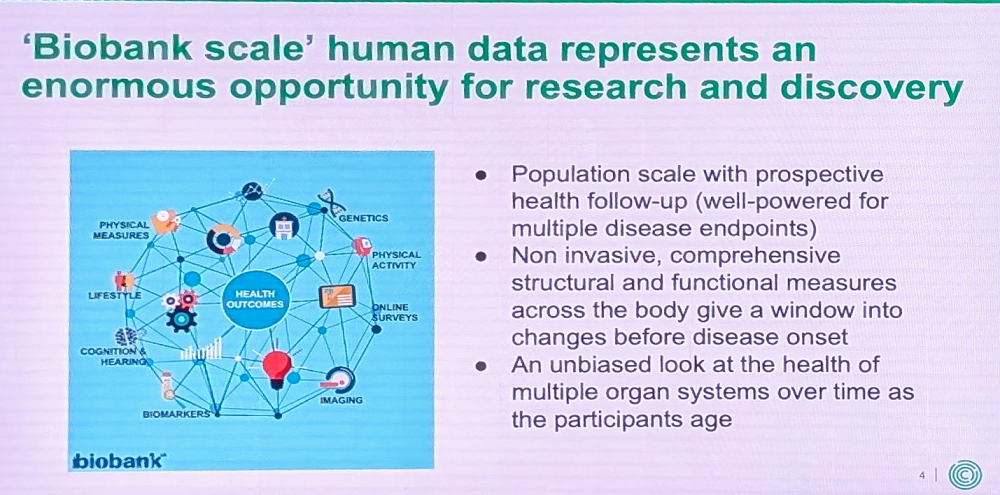
Longevity Summit 2024 1

The hierarchy of clocks

David Furman, Associate Professor at the Buck, gave a talk on creative approaches to building novel biological age clocks. Since we need tools to measure aging in vitro, in animal models, and in humans, this field has been booming, with researchers using epigenetic, transcriptomic, proteomic, lipidomic, and other techniques.

Furman started by showing the audience a slide where different types of biological age clocks were compared side by side. “My favorite is the inflammatory clock,” he then said. “It can give you really good intervention guidance, as opposed to more standard first-generation clocks.”
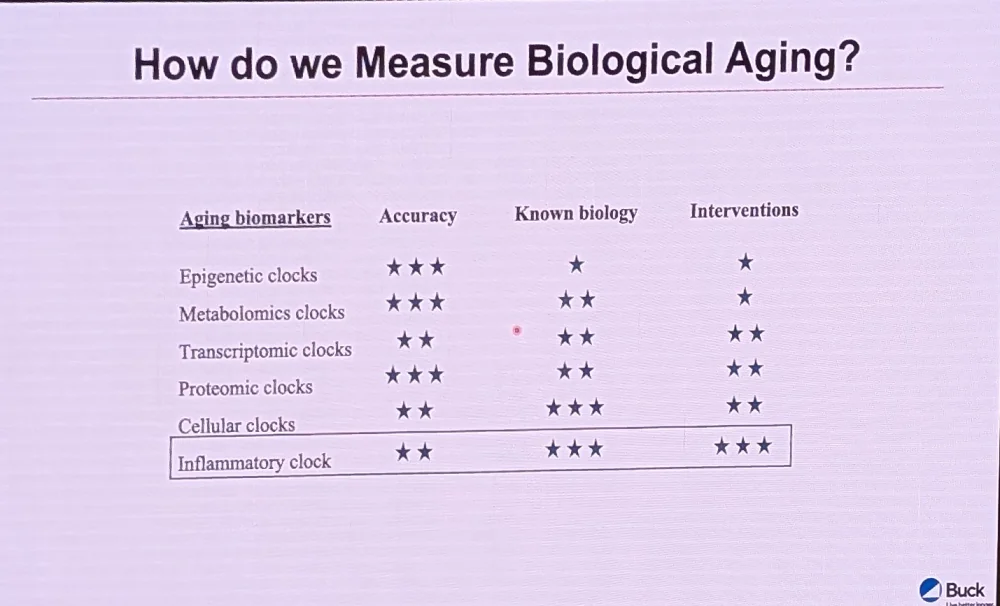
Longevity Summit 2024 2

Furman’s complaint about epigenetic clocks is that “we don’t really know how to actuate them very well,” unlike cellular and proteomic clocks. When we understand the proteins involved and the organs we want to target, he explained, it gives clinicians and consumers a much more focused way of intervening.

Furman also heads the Thousand Immunomes project at the School of Medicine at Stanford to identify chronic inflammation biomarkers and build a clock based on them. This clock, he noted, tracks with several clinical endpoints such as multi-morbidity and frailty, even years before they occur, and serves as a surrogate of immune aging and heart health.

“The higher the inflammatory age, the worse the phenotypes overall, both in our Thousand Immunomes cohort and in an independent cohort of exceptional longevity individuals,” Furman said. “We can also predict mortality. We’re now commercializing this through companies, mostly through longevity clinics, wellness centers, and functional medicine practices.”

At his Buck lab, Furman’s team is using baseline multi-omics measurements to predict different functional outcomes with aging. This clock is proxy-methylation-based, that is, it uses methylation data as a proxy for underlying biological processes associated with aging. The clock predicts intrinsic capacity, which according to Furman, is one of the most important measures of aging. Interestingly, few methylation sites (CpGs) selected by this new clock overlap with first and second-generation clocks.

“Using gene sets based on LLMs associated with different hallmarks of aging, we asked if our intrinsic capacity clock relates to hallmarks of aging,” Furman said. “The answer is yes, mostly for chronic inflammation and cellular senescence. We can also associate high intrinsic capacity with overall health, exposome, and lifestyle choices.”

As an example, certain foods drive higher or lower intrinsic capacity as measured by the clock, with all flavonoids, as well as omega-3 fatty acids from animal sources, showing positive correlations. Conversely, omega-6 fatty acids are negatively correlated with intrinsic capacity.

Switching gears, Furman reported on a new study that uses data from UK Biobank and Health and Retirement Study. The idea is to build what Furman calls a third-generation clock: “We’re trying to predict UK ICD-10 chapters – different diseases people die from – using clinical lab measurements first, then creating a metric we can predict using multi-omics: proteomics, metabolomics, DNA methylation patterns, and transcriptomics.”

First-generation clocks were trained to predict chronological age, while most second-generation clocks were trained to predict all-cause mortality. “But if you have a clock that tells you about brain acceleration or heart acceleration, clinicians and consumers can better guide interventions,” Furman noted. “Taking the massive amount of data collected in the UK Biobank and Health and Retirement Study, we’re now creating what I believe is the largest disease-omics mapping that exists today.”

Paying attention to the hypothalamus

Another Buck representative, Dr. Ashley Webb, gave a talk on an area of the brain that is apparently getting too little attention. Cognitive science has long focused on the hippocampus, which makes sense since this part of our brain is crucial for learning. “While our lab studies this area too,” Webb said, “we felt there was another region that has been hugely neglected in the context of aging and neurodegeneration. A number of years back, we started thinking about the hypothalamus, which has numerous functions that are critical for healthy aging.”

Hypothalamus is involved in controlling appetite, hormone production, and circadian rhythms. Some research in animal models shows that manipulating neurons within the hypothalamus affects lifespan. “What makes the hypothalamus very interesting to study, but also very complex, is that this is a highly diverse region,” Webb said. “There are many different subregions and neural subtypes with diverse functions.”

The team’s initial experiment involved single-nucleus RNA sequencing on 3-month-old and 20-month-old mice and produced a high-quality dataset. It showed that some neuronal subtypes remain stable and are more resilient to aging.

The experiment involved only female mice. This limitation actually led to an interesting discovery – the gene most upregulated with age across various subtypes of hypothalamic neurons was a long non-coding RNA known as Xist (pronounced “exist”). “It’s involved in X chromosome inactivation early in life,” Webb explained. “Males are XY, females are XX, and the way we deal with having two X chromosomes in females is through dosage compensation.”

Early during development, Xist is expressed from one of the X chromosomes and silences it throughout life. The researchers were surprised to find that Xist was also the most altered with age. Eventually, they learned to predict a cell’s age from changes in Xist.

Webb told the audience about another interesting finding: while glial cells seemed to age similarly in males and females in terms of gene expression, neurons showed marked differences. “When we looked at neurons – both excitatory and inhibitory – we saw a lack of coordination in how the neurons were changing with age in males versus females,” she said.

Webb concluded her talk by presenting the new machine learning pipeline that her team created to analyze cell-type specific aging in the brain, specifically in the hypothalamus. Transcriptomic clocks are notoriously noisy. Comparing them to methylation clocks, the researchers realized that the latter were binary (a site is either methylated or demethylated), while transcriptomic data is continuous.

“Drawing inspiration from these clocks, we decided to binarize our matrix,” Webb said. “When we did that, it denoised the data. We ran this binary dataset through the same pipeline, and to our surprise, our performance shot up to about 95%. We call this new method Cell-By-Age.”

Cell-By-Age is essentially a transcriptomics-based machine learning method used to predict single-cell age using single-cell RNA-seq datasets. “It’s useful because it can discover cell-type specific aging signatures and evaluate interventions,” Webb explained. “We’ve already tested this by taking a dataset from Andrew Dao’s lab at Stanford, where they exercised mice, and Cell-By-Age could predict rejuvenation of cell types in the brain.”

Reprogramming selected cell types

Vittorio Sebastiano, Stanford professor and CSO of Turn Biotechnologies, is one of the leading authorities on partial cellular reprogramming. Under his guidance, Turn is holding its own in this competitive niche against giants like Altos Labs, producing exciting results.

Sebastiano began with an overview of epigenetics’ role in aging, echoing David Sinclair’s information theory of aging. “Aging,” he said, “is fundamentally an epigenetic problem – something that happens in the epigenome. Because of this deterioration of epigenetic information, we see the manifestation of aging at cellular, tissue, and organismal levels.” Since the epigenome dictates cellular behavior, changes in it result in changes across the whole spectrum of aging markers.

Sebastiano suggested that nature already solved aging on a cellular level via epigenetic reset that occurs early in embryogenesis. Without that, continuation of life would have been impossible. Understanding this epigenetic reset “requires understanding female reproductive biology and gives us tremendous opportunities to develop anti-aging interventions,” he noted.

Sebastiano then proceeded to describe Turn’s proprietary platform called Epigenetic Reprogramming of Aging (ERA). “We started this work in late 2014, published in 2020, and eleven years later, I can tell you – it works,” he said.

ERA uses mRNA technology to deliver six reprogramming factors. As of now, ERA’s effectiveness has been demonstrated in 12 different human cell types. The team primarily works with human cells to shorten the way to clinical use. Turn is actively working with several cell types and indications in parallel, and Sebastiano provided two concrete examples.

In collaboration with Marco Quarta and his company Rubedo, Turn rejuvenated aged stem cells from muscle and transplanted them into age-matched hosts. Compared to untreated stem cells, age-matched stem cells treated with ERA restored muscle strength to young muscle levels – about a 40% increase.

Sebastiano is convinced that treating all cells in the body with reprogramming factors is a mistake, although this approach has produced some positive results in animal models. Instead, reprogramming should be targeted to cell types where it would be most beneficial, such as stem cells and immune cells, and tailored for specific indications.

In this spirit, Turn is working on reprogramming aged T cells. “We saw increased expression of two markers associated with T cell functionality – the higher their expression, the more likely the cells can kill tumor cells in the body,” Sebastiano said. “With the ERA treatment, we can restore or enhance the population of stem cell-like cells in the T cell population, which has potential therapeutic implications.” Importantly, the cells also showed a higher proliferative capacity when challenged with cancer cells and were much better at killing those.

The company is now extending this work to blood stem cells. The day of the talk, Turn announced a partnership with the Children’s Hospital of Philadelphia.

Sebastiano’s team was able to compare epigenetic changes caused by the treatment to those caused by other interventions. Interestingly, cellular reprogramming seems to be more aligned in this regard with caloric restriction, while rapamycin alters methylation in different regions.
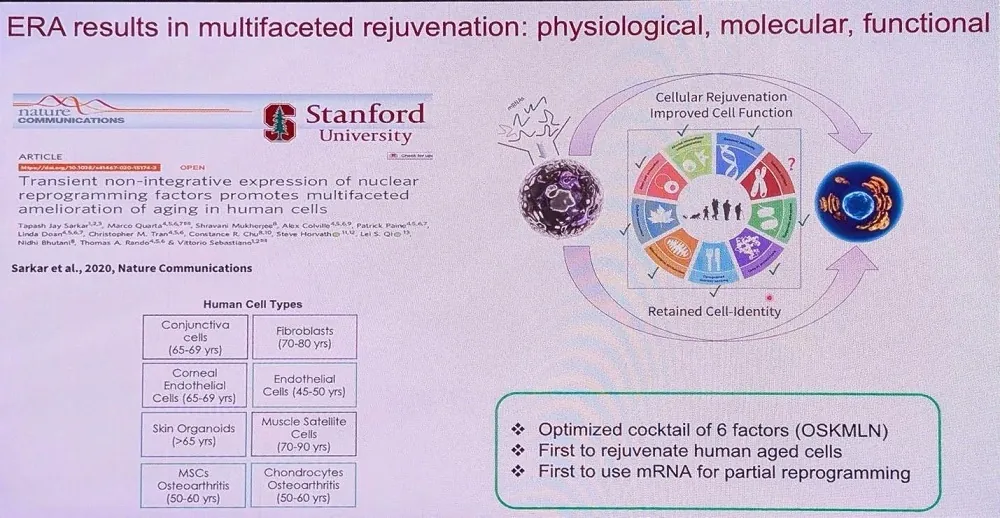
Longevity Summit 2024 3

Third time’s the charm?

A lot of eyes have been on UNITY Biotechnology, a company that aims to bring senolytic treatments to the clinic. In 2020, UNITY’s Phase 2 clinical trial, one of the first in longevity biotech, failed, sending ripples through the entire field. Another one failed in 2023. Undaunted, UNITY’s team has since then continued to hone their approach. The company’s Chief Scientist Mike Sapieha was at the Buck to give an update.

Sapieha talked about the direction stemming from his academic research: vision loss. Some types of vision loss are age-related (most people who lose their sight are above age 50, Sapieha said). Vision loss not only causes depression but also reduces mobility, accelerates dementia, and contributes to other age-related morbidities.

Something that many vision loss disorders have in common is a failure of vascularization. “This starts as a dropout in healthy blood vessels,” Sapieha said, “then growth of blood vessels into areas of the eye that are physiologically avascular, meaning in a healthy eye, blood vessels typically don’t grow there.”

Around 2004-2006, treatment of many of those diseases was revolutionized with the first anti-vascular endothelial growth factor (VEGF) treatments. Today, it is a lucrative market of around 14 billion dollars.

The problem, according to Sapieha, is that those drugs target all vasculature growth. UNITY, on the other hand, wants to selectively target only “the bad blood vessels.”

“The anti-VEGFs hit all blood vessels,” Sapieha said, “so we asked: is there a way to molecularly identify these abnormal structures and develop a tool to selectively eliminate them? Much like gardening, where you cut out dead branches and the healthy ones regenerate.”

Sapieha’s team found that pathological angiogenesis causes retinal neurons to go into a hibernation-like state, triggering endoplasmic reticulum stress pathways. If this ER stress is not resolved, cells in the retina enter senescence.

After those senescent cells start producing inflammatory factors, neutrophils arrive at the scene to mark the senescent cells for destruction. However, with age, this immune-mediated elimination of senescent cells becomes compromised. “We spent years identifying susceptibility nodes in senescent blood vessel cells and landed on a protein called BCL-XL, which lives inside mitochondria and sequesters death effectors,” Sapieha said.

The scientists decided to go specifically after senescent endothelial cells. After proving that the drug was safe, the team focused on diabetic macular edema, a complication of diabetic retinopathy, which affects around 1.7 million people in the U.S.

“We found senescent cells were highly enriched in areas of disease activity, right next to the leaking blood vessels,” Sapieha said. “Single-cell RNA sequencing in mouse models showed about 5-10% of endothelial cells expressing these senescence markers.”

One of the main roles of endothelial cells is to maintain the blood barrier via proteins called adherens junctions. The researchers discovered that in senescent cells, these proteins do not form properly, compromising the barrier function. “In efficacy models, we saw inflammatory factors like IL-6, IL-1β, and TNF-α increased, then significantly reduced with UBX treatment,” Sapieha said. UBX is UNITY’s drug candidate.

UNITY’s Phase 2 clinical trial enrolled patients who had received anti-VEGF standard of care for about six months and plateaued in improvement, despite continuing to receive injections every six weeks. Sapieha’s team hypothesized that, with their senolytic approach, one injection would be enough to eliminate senescent cells and allow healthy neighboring cells to regenerate.

A year after the single injection, 53% of patients improved to the point where they needed no other treatments. “Most striking, patients with BCVA [Best Corrected Visual Acuity, a measurement of how well a person can see with corrective lenses] under 60 gained an average of 10 letters after one year with that single injection – potentially enough improvement to restore driving ability,” Sapieha said. More results are expected at the end of Q1, 2025.
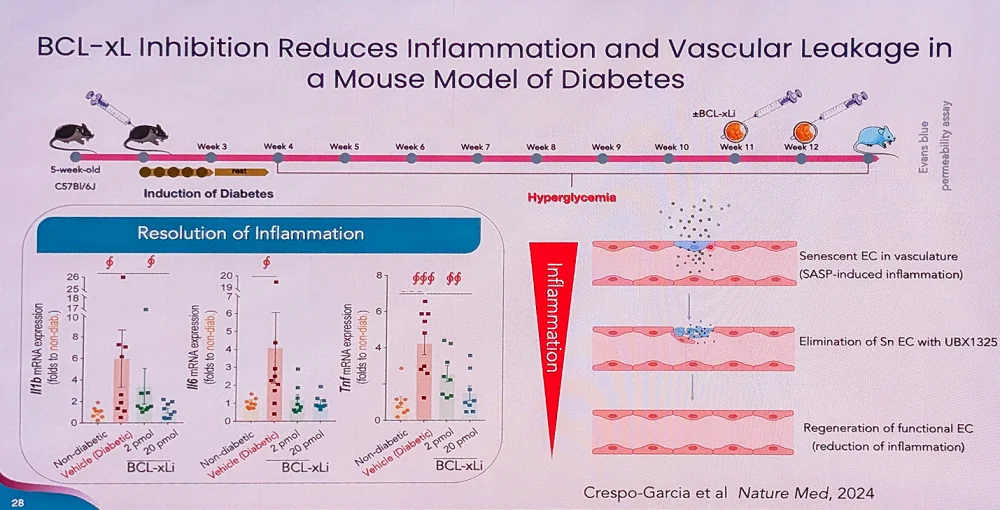
Longevity Summit 2024 4

Measuring brain aging

The debate around amyloid’s role in Alzheimer’s disease has dominated the field for decades. However, according to Dr. Christin Glorioso, who, this time, was wearing her NeuroAge Therapeutics founder hat, we might need to think about it differently. “Amyloid is a risk factor, like cholesterol,” she said. “We should think about it not as the single cause of Alzheimer’s disease, but one cause among many.”

Alzheimer’s is multifactorial and doesn’t look the same in all people, Glorioso noted. This means that we need better biomarkers and segmentation to predict who anti-Alzheimer’s drugs will work for. It is also important to diagnose the disease and identify responders and non-responders earlier, since current drugs have been shown to work better at an early stage.

Glorioso’s company is focusing on aging itself as a key risk factor. Her research shows that pathological processes in brain cells start surprisingly early. “Even in your 20s,” she explained, “you have calcium dysregulation, mitochondrial dysfunction, DNA damage, changes in neurotransmitters, and brain-specific hallmarks like loss of synapses between neurons and inflammatory processes in glia.”

By studying donated brain tissue, Glorioso’s team discovered many genes that show pro-Alzheimer’s age-related changes, such as calbindin and GFAP. This allowed the researchers to create an algorithm that predicts brain age from 52 blood RNA transcripts. “This is an organ-specific aging clock, similar to Tony Wyss-Corey’s work with proteomics, but using RNA-seq as a more accessible approach,” Glorioso said. “You go to your doctor yearly to check cholesterol for heart disease risk and glucose for diabetes risk, but no one checks brain aging – we didn’t have a way to assess neurodegeneration risk.”

The final product is an “AI-based super predictor” that combines blood biomarkers, genetics, brain MRI, and cognitive testing to predict brain age. This information is actionable, Glorioso said, “because about 40% of your brain aging rate is due to lifestyle, with 60% genetic. There’s this huge modifiable component you can work on right now to reduce your brain aging.”

Glorioso cited recent research that supports this approach. A new study showed that just 25 extra minutes of exercise per week increased brain volume on MRI – “literally growing their brains back,” as Glorioso put it. In another case, an entrepreneur with high genetic risk for Alzheimer’s managed to reverse his amyloid accumulation through intensive lifestyle changes.

Glorioso’s company provides its clients with a comprehensive dashboard that includes measurements of their brain age and lifestyle recommendations. The “big six” are exercise, healthy eating, getting eight hours of sleep, community engagement, stress reduction, and staying mentally active. “There’s also good evidence for Omega-3s from fish, walnuts, and flaxseed,” Glorioso said. “Coffee and tea are very good for brain aging due to their polyphenols and other antioxidants, not the caffeine itself. We curate many other studies and provide information through both our dashboard and newsletter.”

The company is also moving beyond diagnostics. Using their multi-omic dataset, they are developing therapeutics targeting the pathways that drive brain aging. This includes a small molecule and an antibody for Alzheimer’s and mild cognitive impairment.
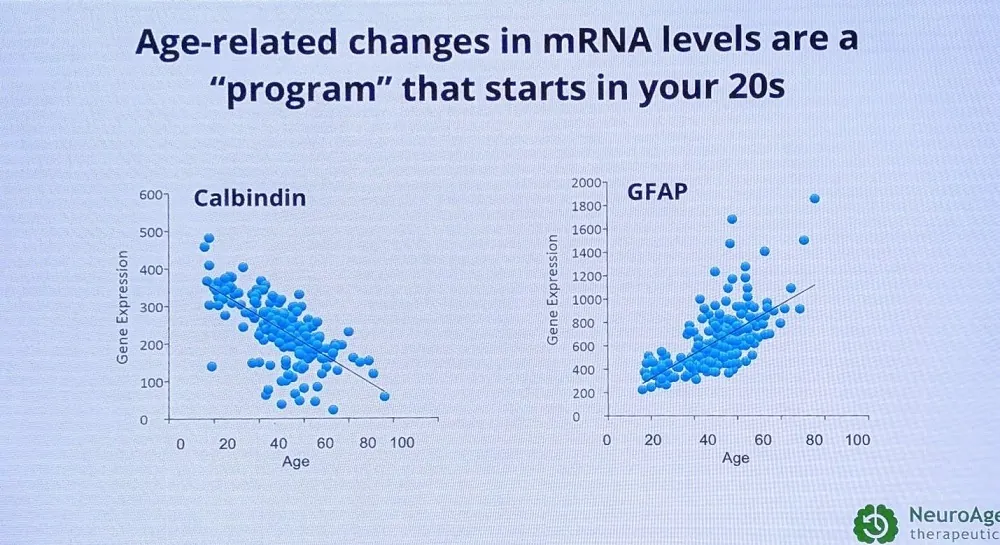
Longevity Summit 2024 5

Make splicing great again

Lorna Harries, a professor of molecular genetics at the University of Exeter Medical School and founder of Senisca, focused her talk on splicing – the process of creating different mRNAs from a single pre-mRNA transcript by removing non-coding sequences (introns) and joining coding sequences (exons). “98 percent of your transcriptome is alternatively spliced,” Harries said, “so most genes can make a number of isoforms that are expressed at different times, in different places, in response to different stimuli. This is a fundamental underpinning of our molecular response to stress.”

Splicing, which is regulated by about 150 splicing factors, becomes dysregulated with age. Understanding those proteins makes it possible to restore the splicing ability, which Harries likened to partially reprogramming the cell. She called splicing dysregulation “a new and druggable hallmark of aging.”

However, to declare something a hallmark of aging, she said, you first have to show that it happens during normal aging in populations – which Senisca did in collaboration with Luigi Ferruci at the NIA. “Six of the seven most age-affected pathways were directly related to RNA processing, particularly splicing,” Harries said. The team validated these findings in multiple populations.

Working with human cells, the researchers found that replicative senescence is accompanied by downregulation of splicing-related genes. Vice versa, disrupting even a single splicing factor could trigger cellular senescence. More importantly, in the longitudinal cohort InCHIANTI, people with lower splicing factor expression showed faster decline in cognitive and physical function over time.

“Splicing factors are actually pretty good candidate aging genes,” Harries said. “They regulate splicing patterns globally, but they also do many other things – regulate telomeres, SASP (senescence-associated secretory phenotype) proteins and molecular stress resilience, play a role in DNA repair, and are essential for RNA quality control.”

“The million-dollar question was: what happens if we switch them back on?” she continued. When her team restored splicing factor levels in old cells, they saw a dramatic “reprogramming effect”: a 60 percent reduction in senescent cells. The formerly senescent cells re-entered the cell cycle, and their telomere length was restored to near-youthful levels.

This led to the development of two therapeutic approaches. The first uses small molecules for skin health applications. The second, more ambitious approach uses oligonucleotides, small pieces of DNA or RNA that can precisely target specific genes.

Senisca is initially testing its oligonucleotide therapy on idiopathic pulmonary fibrosis (IPF), a devastating age-related lung disease where cellular senescence plays a major role. In laboratory tests using lung tissue from IPF patients, its treatment reduced senescent cells by 75-80 percent and decreased markers of tissue scarring. “We see drops in MMP7, a marker of pathological lung remodeling that we can track from laboratory studies all the way to the clinic,” Harries noted.

However, splicing factors are finicky, as they are highly auto-regulated and cross-regulated. Rather than completely blocking or activating these genes, Senisca’s treatment pushes them back toward their normal working range, restoring the equilibrium. “These genes exist in a Goldilocks zone – you don’t want too much or too little,” Harries said. “We just give them a little nudge, and the cell does the work for us.”


Encapsulated DNA

How Cellular Reprogramming Affects Mitochondrial Dysfunction

Creating induced pluripotent stem cells (iPSCs) causes mutant mitochondrial populations to change, and researchers have investigated this phenomenon more thoroughly.

Easy to mutate

Being outside of the protection of the nucleus, mitochondria DNA (mtDNA) mutates at anywhere from 10 to 100 times the rate of nuclear DNA [1]. At only 16,569 base pairs, mtDNA is very compact and does not contain the extra, non-coding introns that nuclear DNA has; therefore, any mutation may have a signficant effect. If a mutation occurs to all the mitochondria in a cell, it is homoplasmy, but if it only occurs to some of them, it is heteroplasmy, and its effects vary between cell types [2]. Heteroplasmy can have severe downstream consequences, including heart problems [3].

It is well-known that within certain cell types, mitochondria with harmful mtDNA deletions outcompete mitochondria that are more beneficial for the cell [4]. However, it remains unknown precisely why this is the case. Furthermore, while mitochondrial dysfunction has plenty of age-related consequences, it has not been proven if this DNA deletion is behind some or all of them. There are also few effective ways to directly alter mitochondria in living organisms.

However, previous work has found that cellular reprogramming can change the heteroplasmy of mitochondria. Interestingly, it can go one of two ways: either the heteroplasmy becomes dominant or becomes erased entirely [5]. This has a substantial effect on stem cells, which are greatly influenced by the quality of their mitochondria [6].

All or nothing

To start their experiment, the researchers used OSKM to reprogram three distinct cell lines, one with a well-known point mutation called A3243G and the others with a frequently discussed deletion called Δ4977, although the A3243G cells had 89% of their mitochondria affected while both of the Δ4977 lines had very low percentages of this deletion. As expected, the A3243G cells had substantial problems with respiration, while the Δ4977 cells were not significantly affected.

In all cases, the cells quickly became very strongly biased for or against these mitochondrial alterations. Some of the iPSCs generated from A3243G had similar percentages to that of the original cells, while others had none whatsoever. Similarly, while the stem cell generation process initially increased the amount of Δ4977 deletions, this amount dropped very quickly in nearly all of the generated cells after only four divisions; only cells with extremely high amounts of Δ4977 retained this mutation. Cells with approximately 50% of mitochondria containing the mutation either quickly lost it or gained more of it after four divisions.

While the stem cells with large percentages of mutations did not change how they differentiated into somatic cells, there were significant effects later on. The cells with large amounts of Δ4977 grew larger but divided less than the cells without it. While these mitochondrial mutants were able to slowly differentiate into fat cells and bone cells without any visible problems, they failed to beat properly when they were differentiated into heart tissue, and critical compounds necessary for cardiac function were not found in these cells.

As expected, these Δ4977 mutants also had significant alterations in nuclear gene expression as well: genes related to fundamental metabolism, oxidative stress, small molecule transport, and the management of cholesterol were all affected. There were also trends involving such aspects of metabolism as ADP to ATP translation and the usage of NAD+.

While A3243G mutants did not have a significant difference in epigenetic age, Δ4977 mutants did. These are freshly reprogrammed cells, which should have a minimum of difference, but this difference was greater than that of iPSCs taken from 20-year-olds and iPSCs taken from 100-year-olds, according to the Horvath epigenetic clock.

These findings are of interest to some researchers looking for a supply of mitochondrially mutated cells for use in the study of mitochondrial diseases, but others may simply feel relieved. While it is not clear if these results hold true for every mitochondrial mutation, the simple process of iPSC creation appears to create either significantly affected cells that can be discarded at the clinical level or cells whose gradually accruing mitochondrial mutations have been removed with no additional intervention required. This bodes well for iPSC-based therapies, particularly those that create cardiac and similar functional tissues.

We would like to ask you a small favor. We are a non-profit foundation, and unlike some other organizations, we have no shareholders and no products to sell you. All our news and educational content is free for everyone to read, but it does mean that we rely on the help of people like you. Every contribution, no matter if it’s big or small, supports independent journalism and sustains our future.

Literature

[1] Allio, R., Donega, S., Galtier, N., & Nabholz, B. (2017). Large variation in the ratio of mitochondrial to nuclear mutation rate across animals: implications for genetic diversity and the use of mitochondrial DNA as a molecular marker. Molecular biology and evolution, 34(11), 2762-2772.

[2] Picard, M., Zhang, J., Hancock, S., Derbeneva, O., Golhar, R., Golik, P., … & Wallace, D. C. (2014). Progressive increase in mtDNA 3243A> G heteroplasmy causes abrupt transcriptional reprogramming. Proceedings of the National Academy of Sciences, 111(38), E4033-E4042.

[3] Baris, O. R., Ederer, S., Neuhaus, J. F., von Kleist-Retzow, J. C., Wunderlich, C. M., Pal, M., … & Wiesner, R. J. (2015). Mosaic deficiency in mitochondrial oxidative metabolism promotes cardiac arrhythmia during aging. Cell metabolism, 21(5), 667-677.

[4] Khrapko, K., Bodyak, N., Thilly, W. G., Van Orsouw, N. J., Zhang, X., Coller, H. A., … & Wei, J. Y. (1999). Cell-by-cell scanning of whole mitochondrial genomes in aged human heart reveals a significant fraction of myocytes with clonally expanded deletions. Nucleic acids research, 27(11), 2434-2441.

[5] Wei, W., Gaffney, D. J., & Chinnery, P. F. (2021). Cell reprogramming shapes the mitochondrial DNA landscape. Nature Communications, 12(1), 5241.

[6] Chakrabarty, R. P., & Chandel, N. S. (2021). Mitochondria as signaling organelles control mammalian stem cell fate. Cell stem cell, 28(3), 394-408.