The Blog

Building a Future Free of Age-Related Disease

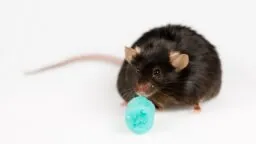
Mouse on wheel

A Molecular Reason Why Exercise Fights Senescence

Researchers publishing in Aging have found a molecule linking exercise to the inhibition of cellular senescence, one of the hallmarks of aging.

Exercise against senescence

We recently reported on a team of researchers looking to protect against chronic obstructive pulmonary disease (COPD) by focusing on possible molecular protections. These researchers have the same target, investigating aging of the lungs, but their target is quite different: this research builds upon previous work demonstrating how senescence and the SASP are connected to this and other lung diseases, such as emphysema [1], noting that fighting senescence appears to mitigate this disease in a mouse model [2].

Exercise, among its many benefits, has been found to fight against COPD [3] and reduce cellular senescence [4]; however, previous work has not discovered the molecular underpinnings of why. These researchers searched for a connection, looking for the exercise-related factor that impedes senescence.

Finding the key protein

The researchers began by cultivating mouse embryonic fibroblasts (MEFs) in either a control medium or a conditioned medium rich with the factors of C2C12 cells, a line of immortalized mouse muscle cells. The cells grown in C2C12-CM performed much better than the control group, having reduced amounts of senescence-related factors, such as SA-β-gal and p16INK4a, along with significantly more robust cellular division.

Out of 841 candidate proteins in C2C12-CM, 62 had been specifically identified as extracellular factors. Narrowing it down to proteins that had been previously found both to inhibit senescence and to be related to exercise, the researchers found only one that satisfies both criteria: pigment epithelium-derived factor (PEDF) [5, 6].

The researchers tested its effects by comparing cells that had been cultured in C2C12-CM to a group that had been cultured in that medium alongside an antibody against PEDF. The anti-PEDF group had increased amounts of key senescence factors.

Then, the researchers cultured cells in either a control medium or a medium containing recombinant PEDF. Senescence markers in the PEDF group were, as expected, significantly diminished compared to the control group. Looking into the MEFs themselves, the researchers could not recapitulate previous research showing PEDF’s effects on signaling pathways [7]; instead, they found that it reduces reactive oxygen species (ROS) in these cells.

PEDF has positive effects on mice

The researchers then turned to mice, conducting an 8-week experiment in which some mice had running wheels to use while the control group did not. The exercising mice had increased levels of PEDF throughout their bodies and fewer senescence-related factors. mRNA levels of inflammatory cytokines were also decreased in the exercising group.

The researchers then bypassed exercise entirely, injecting recombinant PEDF into mice for 4 weeks. While the effects were not as profound as in the 8-week exercise experiment, PEDF was found to decrease some senescence markers in lung tissues. In another experiment in which 6-month-old mice were subjected to a chemical that causes emphysema, the PEDF-administered group had less markers of emphysema and senescence; the lung collapses that had occurred to the control group had significantly less occurrence in the PEDF group.

PEDF’s molecular effects were found to be related to the interaction of the microRNA miR-127, which promotes senescence, and BCL-6, a protein that is negatively associated with senescence.

These results offer hope in two ways: they show a likely reason why exercise is beneficial in people with long-term lung disease, and they show the potential of PEDF as a potential drug, particularly for people who are unable to exercise. Of course, these results were in mice, and further work will need to be done to determine if direct PEDF administration is safe for humans.

We would like to ask you a small favor. We are a non-profit foundation, and unlike some other organizations, we have no shareholders and no products to sell you. All our news and educational content is free for everyone to read, but it does mean that we rely on the help of people like you. Every contribution, no matter if it’s big or small, supports independent journalism and sustains our future.

Literature

[1] Tsuji, T., Aoshiba, K., & Nagai, A. (2006). Alveolar cell senescence in patients with pulmonary emphysema. American journal of respiratory and critical care medicine, 174(8), 886-893.

[2] Mikawa, R., Sato, T., Suzuki, Y., Baskoro, H., Kawaguchi, K., & Sugimoto, M. (2020). p19Arf exacerbates cigarette smoke-induced pulmonary dysfunction. Biomolecules, 10(3), 462.

[3] Amin, S., Abrazado, M., Quinn, M., Storer, T. W., Tseng, C. H., & Cooper, C. B. (2014). A controlled study of community-based exercise training in patients with moderate COPD. BMC pulmonary medicine, 14, 1-8.

[4] Chen, X. K., Yi, Z. N., Wong, G. T. C., Hasan, K. M. M., Kwan, J. S. K., Ma, A. C. H., & Chang, R. C. C. (2021). Is exercise a senolytic medicine? A systematic review. Aging cell, 20(1), e13294.

[5] Norheim, F., Raastad, T., Thiede, B., Rustan, A. C., Drevon, C. A., & Haugen, F. (2011). Proteomic identification of secreted proteins from human skeletal muscle cells and expression in response to strength training. American Journal of Physiology-Endocrinology and Metabolism, 301(5), E1013-E1021.

[6] Cao, Y., Yang, T., Gu, C., & Yi, D. (2013). Pigment epithelium‐derived factor delays cellular senescence of human mesenchymal stem cells in vitro by reducing oxidative stress. Cell biology international, 37(4), 305-313.

[7] Niyogi, S., Ghosh, M., Adak, M., & Chakrabarti, P. (2019). PEDF promotes nuclear degradation of ATGL through COP1. Biochemical and biophysical research communications, 512(4), 806-811.

Dying cancer

Novel Drug Suppresses Metastatic Cancer in Mice

Scientists have found a small molecule that turns an anti-apoptotic protein into a pro-apoptotic one, protecting against deadly metastases in a mouse model of human triple-negative breast cancer and, potentially, in other cancers [1].

Small but mighty

With cutting-edge cancer treatments now including things like antibodies and genetically engineered T-cells, small molecules seem to have fallen out of fashion. However, they can still pack a punch, if you find the right one (for instance, recently, a small molecule was discovered that extends telomeres). In this new study, researchers from Oregon State University have reported on a novel small molecule that can modify a protein ubiquitous in some cancer cells, turning it from a foe into an ally.

The protein, Bcl-2, prevents apoptosis (cellular death) in cancer cells, protecting them from intracellular self-destruction programs. Bcl-2 plays a role in many types of cancer. Previous research has discovered molecules that effectively modulate Bcl-2 in lymphomas, but solid tumors proved to be a harder target.

The cellular turncoat

In this study, the researchers started with triple-negative breast cancer, a subtype that lacks the three receptors commonly expressed in breast cancer and is considered particularly dangerous. Using modern methods of high-throughput screening, they were able to test a lot of molecules in vitro, in cancerous cells, assessing the effect on viability.

The leading compound, BFC1108, potently reduced the viability of several types of cancer cells in a dose-dependent manner. Bcl-2 knockdown cells were resistant to the treatment, showing that the molecule indeed worked on this specific protein.

The researchers then established that the reduced viability was due to increased apoptosis. Interestingly, the more Bcl-2 that cells expressed, the more vulnerable they were to apoptosis. As the team hoped, the new molecule did actually turn Bcl-2 from anti-apoptotic to pro-apoptotic, instead of just deactivating it, so more Bcl-2 means a stronger apoptotic impact.

“Cancer cells are so smart, they figure out ways to survive,” said Siva Kolluri, professor of environmental and molecular toxicology in the College of Agricultural Sciences, and the lead author on the paper. “Many therapies do work for a while, but it’s like making a car stop only to have the car move again. Here, we’re completely taking the wheels off the car. We used the same Bcl-2 pathway but fundamentally made a new discovery: changing how this protein functions so it starts killing cancer cells.”

Metastasis prevention

In vivo, BFC1108 strongly inhibited the growth of tumors in mice after they were inoculated with human breast cancer cells. Staining for apoptosis proteins revealed greatly increased apoptotic activity.

While science has made great strides against non-metastatic cancers, it struggles with metastatic ones. In triple-negative breast cancer, survival rates are about 90% for patients with localized tumors, but drop to just 12% for metastatic tumors. This holds true for many other cancers.

The researchers were thrilled to find that BFC1108 was effective against metastatic tumors as well. In a mouse model of metastatic triple-negative breast cancer, the study group had almost no metastases in the lungs (the organ that breast cancer usually metastasizes to). Importantly, the treated mice did not lose weight in the process.

BFC1108

“This is very promising because many metastatic cancers have high Bcl-2 levels,” said Christiane Löhr, professor of anatomic pathology in the Carlson College of Veterinary Medicine and a co-author of the paper. “This increased Bcl-2 expression is also common in cancer that has become resistant to therapies.”

Bcl-2 is also associated with liver metastasis in colorectal cancer, lymphovascular invasion of breast cancer cells, and nodal metastasis and invasion in laryngeal squamous cell carcinoma [2]. This makes BFC1108 a potential game changer for many cancer patients with bad prognoses.

“Changing the conformation of Bcl-2 and using that pathway to kill cells is a distinctively different approach than has been tried before.”, Löhr said. “Altering the function of a protein in a live cell is pretty amazing and the potential to attack cancers that have escaped other treatments, while leaving normal cells intact, is there.”

In this study, we identified BFC1108, a small molecule Bcl-2 functional converter, that suppresses primary and metastatic breast cancers in mouse xenograft models. Bcl-2 and its family members are prime molecular targets for developing new cancer therapeutics. There have been several efforts in the development of Bcl-2 inhibitors for solid cancers, but not with very encouraging results in clinical trials. Our study provides a proof of concept for the therapeutic targeting of Bcl-2 through the use of small molecules that induce the Bcl-2 killer conformation.

We would like to ask you a small favor. We are a non-profit foundation, and unlike some other organizations, we have no shareholders and no products to sell you. All our news and educational content is free for everyone to read, but it does mean that we rely on the help of people like you. Every contribution, no matter if it’s big or small, supports independent journalism and sustains our future.

Literature

[1] Kopparapu, P. R., Pearce, M. C., Löhr, C. V., Duong, C., Jang, H. S., Tyavanagimatt, S., … & Kolluri, S. K. (2024). Identification and characterization of a small molecule Bcl-2 Functional Converter. Cancer Research Communications, 4(3), 634-644.

[2] Um, H. D. (2016). Bcl-2 family proteins as regulators of cancer cell invasion and metastasis: a review focusing on mitochondrial respiration and reactive oxygen species. Oncotarget, 7(5), 5193.

Lungs

A New Target for Chronic Lung Diseases

Revealing their findings in Aging Cell, researchers have found a new biochemical target for chronic obstructive pulmonary disease (COPD).

Smoking is only one cause

COPD, which is characterized by bouts of lung problems, has only limited treatments, is progressive and currently incurable, and often occurs in people over 60 [1]. While smoking is its most widely known risk factor, aging and environmental pollutants also contribute to the disease, and its incidence is on the rise [2]. While it has similarities to idiopathic pulmonary fibrosis (IPF), which these researchers also included in this study, the physical causes of COPD are well documented but in IPF are less clear.

However, understanding the physical causes is not the same as understanding the biochemical ones. To better grasp those, these researchers employed genome-wide association studies (GWAS), a technology that is constantly improving. They looked across the map of gene transcription and proteins for potential mechanisms and targets.

One key metric they examined was leukocyte telomere length (LTL), a biomarker of telomere attrition, one of the hallmarks of aging. Previous work has found that LTL is causally associated with IPF but not COPD [3].

Bringing together large databases

These researchers employed multiple databases containing extensive biological data. including the gene expression databases eQTLGen and GTEx, two separate proteomics databases with thousands of proteins and tens of thousands of participants, and the well-known UK Biobank along with the similar FinnGen.

Comparing their genomics databases to patient data, the researchers found a total of 16 proteins that were associated in some way with IPF, 6 proteins associated with COPD, and 17 proteins associated with LTL. While the researchers found other promising targets, only one of these proteins, SCARF2, was negatively associated with both COPD and IPF, completely independently of LTL, and these researchers’ algorithms found this to be causal: that is, higher SCARF2 is likely to protect against these lung diseases.

Other data supported this view. SCARF2 was found to be associated with gene variants that have effects on the lungs. Similarly, as expected, epithelial cells in the lungs of people with COPD had less SCARF2 than in people without it.

These results were also bolstered by similar gene expression data and multivariable analysis. Similar to the protein data, gene expression databases found that cells that expressed more SCARF2 in their mRNA were less likely to be from people with IPF or COPD. Even after adjusting for LTL, SCARF2 was still found to have a significant effect.

This protein has not been heavily investigated. Previous work has found that it is a scavenger protein that binds to acetylated low-density lipoprotein (LDL) [4]; this is widely known as the harmful form of cholesterol, although it is unclear if that relationship plays any role in COPD or IPF. Being that this is a novel and unexplored target, there are as of yet no prospective drugs for increasing SCARF2 in lung cells. If one can be found and successfully tested, this discovery might offer new hope to older people whose lungs are deteiorating from these crippling and dangerous diseases.

We would like to ask you a small favor. We are a non-profit foundation, and unlike some other organizations, we have no shareholders and no products to sell you. All our news and educational content is free for everyone to read, but it does mean that we rely on the help of people like you. Every contribution, no matter if it’s big or small, supports independent journalism and sustains our future.

Literature

[1] Bhatt, S. P., Agusti, A., Bafadhel, M., Christenson, S. A., Bon, J., Donaldson, G. C., … & Martinez, F. J. (2023). Phenotypes, Etiotypes, and Endotypes of Exacerbations of Chronic Obstructive Pulmonary Disease. American Journal of Respiratory and Critical Care Medicine, 208(10), 1026-1041.

[2] Singla, A., Reuter, S., Taube, C., Peters, M., & Peters, K. (2023). The molecular mechanisms of remodeling in asthma, COPD and IPF with a special emphasis on the complex role of Wnt5A. Inflammation Research, 72(3), 577-588.

[3] Duckworth, A., Gibbons, M. A., Allen, R. J., Almond, H., Beaumont, R. N., Wood, A. R., … & Scotton, C. J. (2021). Telomere length and risk of idiopathic pulmonary fibrosis and chronic obstructive pulmonary disease: a mendelian randomisation study. The Lancet Respiratory Medicine, 9(3), 285-294.

[4] Ishii, J., Adachi, H., Aoki, J., Koizumi, H., Tomita, S., Suzuki, T., … & Arai, H. (2002). SREC-II, a new member of the scavenger receptor type F family, trans-interacts with SREC-I through its extracellular domain. Journal of Biological Chemistry, 277(42), 39696-39702.

Elderly woman with dementia

Recurrent Pregnancy Loss Associated with Increased Dementia

A recent paper in the European Journal of Epidemiology reported that recurrent miscarriage and stillbirths are associated with the occurrence of dementia, but there was insufficient evidence to establish such a connection between infertility and dementia [1].

Sex-specific differences in dementia risk

Dementia affects women more frequently than men. The authors of this paper discuss data from 2019 that shows that dementia was estimated to be responsible for one million deaths among women. In the case of men, the estimate is about half the number, at 600,000 deaths. Women also lose more years of life to dementia-related disability than men (17.7 million vs 10.6 million). Females’ long lifespans cannot explain these discrepancies fully [2, 3].

The authors believe that sex-specific dementia risk factors require investigation since well-known risk factors, such as lower education, smoking, diabetes, hypertension, depression, and pre-existing stroke, do not explain the higher magnitude of this problem among women [4].

Some studies have already addressed this issue and investigated a number of female-specific possible risk factors, suggesting that later age at menarche (first period), being nulliparous (a female who has never given birth), and premature and early menopause are dementia risk factors [5, 6]. However, as the authors point out, there has not been enough investigation into infertility and pregnancy loss (i.e., miscarriage and stillbirth) and their link to dementia.

Pregnancy loss and dementia association

For the analysis, the authors used data from 291,055 women with a median age of 55.0. Study participants were followed up for a median of 13.0 years. After the follow-up time, 3334 (1.2%) of these women developed dementia. The median age of developing the disease was 75.0. In the studied cohort, 17.9% had experienced infertility, 25.4% had experienced miscarriage, and 3.2% had experienced stillbirth.

According to the analyzed data, “there was insufficient evidence to establish an association between infertility and dementia.” However, the analysis indicated that recurrent miscarriage (three or more) leads to a “modestly higher risk of dementia” when compared to women who didn’t experience a miscarriage, and women who experienced recurrent (two or more) stillbirths also had a 1.64-fold increased dementia risk when compared to women who didn’t experience it. This effect size (1.64) is similar in size to the effect size of conditions such as obesity (1.6), hypertension (1.6), and diabetes (1.5) [4], which makes it an important risk factor.

Scarce research on the topic

The authors of current papers reviewed previous research on this topic, noting there were not many studies that addressed the relationship between stillbirths, miscarriages, infertility, and dementia risk.

In fact, the association between infertility and dementia was addressed by only one cohort study. The authors of that study observed a lower risk of dementia among women with secondary infertility [7]. One of the differences between that study and this one is that in this study, a much higher fraction of women was considered infertile (17.9% as opposed to 2.4% in the previous study). The difference stems from a different way of identifying infertile women, as that previous study didn’t include women who didn’t seek medical help for infertility, and this study had much broader inclusion criteria.

Regarding the link between recurrent miscarriages and dementia, the authors point to three previous studies that investigated it. They “found no evidence on the association between miscarriage (single or recurrent) and dementia” [7-9]. That is contradictory to this study, which reported a modest association between recurrent miscarriages, defined as three or more miscarriages, and dementia. The authors point to the lack of consensus regarding the definition of recurrent miscarriages, which makes a difference in the data analysis. The previous studies only distinguished between zero, one, or more than two miscarriages. They didn’t have a separate category for three or more miscarriages, as this study did (and where the association was observed).

Only two previous studies investigated the link between recurrent stillbirths and dementia, with inconsistent results. One reported the association, while the second didn’t [8, 9]. The authors point out that both studies have serious limitations, such as a short follow-up period to a median age of 49 and inadequate control for confounding factors. Those limitations were addressed in this study, which reported increased dementia risk for women with recurrent stillbirths.

Possible molecular mechanisms

Based on other observational studies, the authors hypothesized about possible underlying molecular processes. One of them is the role of oestrogen and progesterone, two hormones that play crucial roles in many female reproduction-related processes. They are also essential regulators of neuroplasticity [10]. The researchers note that “women with pregnancy loss may have inadequate levels of oestrogen or progesterone.” Such deficiencies can be the reason for declining neuroplasticity and dementia development.

They also note the possible impact on dementia development caused by molecular changes that result from stroke, diabetes, and depression, conditions more common among women who experience pregnancy loss [11-13]. However, studies are necessary to confirm those hypotheses.

Limitations of the study

As with every study, this one had some limitations, including data acquisition: the questionnaires might have introduced recall bias. Also, due to the nature of the data, the researchers were unable to distinguish whether infertility was due to her body or that of her male partner. They also didn’t have data regarding some factors that might influence the results, such as smoking, alcohol intake, BMI, hormonal or blood biomarkers, and missing dementia cases (as they might have been unidentified at the time). Additionally, the authors didn’t investigate different subtypes of dementia. The results have limited generalizability since the women included in the study were mostly Caucasian.

We would like to ask you a small favor. We are a non-profit foundation, and unlike some other organizations, we have no shareholders and no products to sell you. All our news and educational content is free for everyone to read, but it does mean that we rely on the help of people like you. Every contribution, no matter if it’s big or small, supports independent journalism and sustains our future.

Literature

[1] Liang, C., Dobson, A. J., Chung, H. F., van der Schouw, Y. T., Sandin, S., Weiderpass, E., & Mishra, G. D. (2024). Association of infertility and recurrent pregnancy loss with the risk of dementia. European journal of epidemiology, 10.1007/s10654-024-01135-3. Advance online publication

[2] World Health Organization. Global health estimates: leading cause of death, cause specific mortality, 2000–2019.

[3] World Health Organization. Global health estimates: leading causes of DALYs disease burden, 2000–2019.

[4] Livingston, G., Huntley, J., Sommerlad, A., Ames, D., Ballard, C., Banerjee, S., Brayne, C., Burns, A., Cohen-Mansfield, J., Cooper, C., Costafreda, S. G., Dias, A., Fox, N., Gitlin, L. N., Howard, R., Kales, H. C., Kivimäki, M., Larson, E. B., Ogunniyi, A., Orgeta, V., … Mukadam, N. (2020). Dementia prevention, intervention, and care: 2020 report of the Lancet Commission. Lancet (London, England), 396(10248), 413–446.

[5] Gilsanz, P., Lee, C., Corrada, M. M., Kawas, C. H., Quesenberry, C. P., Jr, & Whitmer, R. A. (2019). Reproductive period and risk of dementia in a diverse cohort of health care members. Neurology, 92(17), e2005–e2014.

[6] Fu, C., Hao, W., Ma, Y., Shrestha, N., Virani, S. S., Mishra, S. R., & Zhu, D. (2023). Number of Live Births, Age at the Time of Having a Child, Span of Births and Risk of Dementia: A Population-Based Cohort Study of 253,611 U.K. Women. Journal of women’s health (2002), 32(6), 680–692.

[7] Andolf, E., Bladh, M., Möller, L., & Sydsjö, G. (2020). Prior placental bed disorders and later dementia: a retrospective Swedish register-based cohort study. BJOG : an international journal of obstetrics and gynaecology, 127(9), 1090–1099.

[8] Basit, S., Wohlfahrt, J., & Boyd, H. A. (2019). Pregnancy loss and risk of later dementia: A nationwide cohort study, Denmark, 1977-2017. Alzheimer’s & dementia (New York, N. Y.), 5, 146–153.

[9] Gong, J., Harris, K., Peters, S. A. E., & Woodward, M. (2022). Reproductive factors and the risk of incident dementia: A cohort study of UK Biobank participants. PLoS medicine, 19(4), e1003955.

[10] Yagi, S., & Galea, L. A. M. (2019). Sex differences in hippocampal cognition and neurogenesis. Neuropsychopharmacology : official publication of the American College of Neuropsychopharmacology, 44(1), 200–213.

[11] Liang, C., Chung, H. F., Dobson, A. J., Hayashi, K., van der Schouw, Y. T., Kuh, D., Hardy, R., Derby, C. A., El Khoudary, S. R., Janssen, I., Sandin, S., Weiderpass, E., & Mishra, G. D. (2022). Infertility, recurrent pregnancy loss, and risk of stroke: pooled analysis of individual patient data of 618 851 women. BMJ (Clinical research ed.), 377, e070603.

[12] Kolte, A. M., Olsen, L. R., Mikkelsen, E. M., Christiansen, O. B., & Nielsen, H. S. (2015). Depression and emotional stress is highly prevalent among women with recurrent pregnancy loss. Human reproduction (Oxford, England), 30(4), 777–782.

[13] Biessels, G. J., Staekenborg, S., Brunner, E., Brayne, C., & Scheltens, P. (2006). Risk of dementia in diabetes mellitus: a systematic review. The Lancet. Neurology, 5(1), 64–74.

Longevity Desci Recap June 2024

Longevity and DeSci Recap – June 2024

This summer season is red hot in the world of longevity. Packed with interesting events, investments and new research proposals, the future of longevity is becoming today’s reality. Join us as we run through the happenings of June 2024 and what’s been going on in the longevity and DeSci world.

Upcoming conferences and events

On July 5, Journal Club returns

Starting the summer months with a look at TERT activator compound (TAC), Dr. Oliver Medvedik will explore a paper by Ron DePinho and his team on the topic of telomeres. With the latest research supporting TERT activation as a potential therapy for mitigating multiple aging hallmarks and associated diseases, this online event isn’t one to miss. Sign up now via Facebook.

ARDD returns for its 11th session

Tried, tested, and loved, the Aging Research and Drug Discovery Meeting is back this August for its 11th edition. Bringing to the stage Nir Barzilai, Vera Gorbunova, and Aubrey de Grey among many others, this conference is set to be one of the highlights of the season. Tickets are available online, and the program promises to be packed with engaging topics such as healthy longevity, epigenetic reprogramming, and senolytics.

Longevity elite investors gather

The yearly longevity conference for investors is set to return to Gstaad, Switzerland this September. Over the three days of the conference, this exclusive event will provide a haven for longevity investors and pave the way for the industry’s direction this year. Potential attendees must pass a screening process for eligibility if they wish to apply for attendance.

Four letters, one big conference: HLTH 2024

Hitting the stage in Las Vegas, HLTH 2024 is set to be one of the most important events in healthcare this year. Speakers include Johnson & Johnson CEOs and the Cleveland Clinic, with topics including AI in healthcare, marketing, longevity, nursing, and much more. This is a must-do for longevity enthusiasts seeking a more holistic view of longevity in the wider health ecosystem. Tickets are available online now.

Tech breakthroughs & new research

From the Cradle to the big freeze: $48 million in funding for cryopreservation startup

Biotech startup Cradle has just received a massive $48 million in funding to further its research into reversible cryopreservation. Early research has shown some recovery of electrical activity in neural tissue, prompting the latest funding move.

Strategic partnership combines tech, data, and genomics

MapmyGenome and Humanity Inc. have teamed up to develop more personalized healthcare solutions. The latest partnership draws upon MapmyGenome’s genomic testing and Humanity’s data-driven platform to deliver insights to the app’s users and craft tailed solutions and health profiles, empowering users to live healthier lives.

Mapping your body’s inner age with SYMPHONYAge

TruDiagnostic has announced the launch of the first epigenetic aging analysis for individual organ systems: SYMPHONYAge. Developed utilizing Yale University’s algorithms, this system provides insights into how different parts of the body are aging. These researchers believe that their approach will provide information about how interconnected aging patterns operate and deliver more personalized health solutions.

DAOs and communities

Vitalia Summer Program kicks off this July

The already famous city Vitalia is preparing for a vibrant summer packed with networking opportunities, talks, and workshops for longevity enthusiasts. Topics of the month-long event include legal issues and governance, techno-optimism, biohacking, prosthetics and exoskeletons, and VC pitching.

VitaDAO delivers additional $300K in funding to Artan Bio with IP-NFTs

Utilizing its unique IP-NFT system, VitaDAO has successfully raised $300,000 for Artan Bio with support from its community. The latest funds are in addition to an earlier funding round and will go towards continuing to support Artan Bio in the development of an engineered arginine suppressor tRNA in cells to target nonsense codons. The newest funds will support the biotech in preclinical phases and potential clinical trial preparation.

EthCC – Ethereum Community Conference sells out in Brussels

With the Paris Olympics heating up the streets of the French capital, EthCC is heading to Brussels this summer with a host of Ethereum-focused events for crypto enthusiasts. Although not solely a longevity conference, the event facilitates the use of crypto technology for biotech project and is set to feature speakers such as Paul Kohlhaas of Molecule and bio.xyz.

Other DeSci and longevity news

Saudi-funded non-profit Hevolution delivers major boost to longevity

Hevolution has just dropped the news of its latest investment, a symbol of confidence in the longevity sector, by investing $400+ million into new grants programs in the coming couple of years. That’s not all, the longevity giant has delivered on its promise of a holistic approach to longevity by holding the first Global Healthspan Summit early this year, attended by over 1,500 participants, with promises of another round in 2025. Hevolution is one of the biggest funds in longevity, with an annual budget nearing $1 billion. Read more about the latest updates here.

Turn Biotechnologies and HanAll Biopharma join forces for longevity solutions

Pharma giant HanAll Biopharma and longevity technology company Turn Biotechnologies have signed a global licensing agreement in a deal estimated to be worth in the range of $300 million. This collaboration isn’t a first for the pair, with HanAll previously funding Turn.bio in its past research and explorations. The latest collaboration is seeking to further develop epigenetic reprogramming treatments for age-related eye and ear conditions and aims to improve quality of life for older patients.

$7.5 million in Series A funding for Alida Bioscienes

Epigenomic research biotech Alida Biosciences has just closed a Series A funding round with $7.5 million going towards new tools, including the EpiPlex RNA Library Prep Kit and the EpiScout Analysis Suite, to facilitate the analysis of RNA modifications, supporting aging and disease research within its wider epitranscriptomic analysis research.

Two aging researchers go head-to-head

Aubrey de Grey of the LEV foundation and Peter Fedichev of Gero.ai are two of the longevity industry’s most well-known personalities. Each has a different perspective on longevity and how progress should be achieved. Fedichev emphasizes challenges of reversing entropic damage, advocating for a focus on slowing its accumulation. Meanwhile, de Grey maintains his optimism for life extension by finding solutions to damage repair and cellular reprogramming. Delve into the details of the debate with an in-depth article on the longevity titans debate by our own Arkadi Mazin.

Social media pages to follow this month

Gero is a data-driven biotech leveraging artificial intelligence to create drugs against aging and disease

Gladyshev Lab is a collaboration between Brigham and Women’s Hospital and Harvard Medical School developing new longevity solutions.

Dr. Evelyne Bischof is a longevity physician and specialist in internal medicine. Dr Bischof is one of the leading voices of the longevity world.

We would like to ask you a small favor. We are a non-profit foundation, and unlike some other organizations, we have no shareholders and no products to sell you. All our news and educational content is free for everyone to read, but it does mean that we rely on the help of people like you. Every contribution, no matter if it’s big or small, supports independent journalism and sustains our future.
Longevity Summit Dublin

Four Days of Longevity in Dublin: Conference Highlights

The annual Longevity Summit Dublin happened this June, and we are bringing you the highlights. Initiated by Aubrey de Grey and Martin O’Dea in 2022, this conference has earned a reputation for combining scientific depth with just the right amount of quirkiness over full four days of talks, panels, and late-night networking.

One of the Summit’s characteristic features is two awards: one for lifetime achievement and the other for a new star in the longevity field. lifespan.io executive director Stephanie Dainow was the latter’s first recipient back in 2022.

Unfortunately, we were only able to cover some of the several dozen talks at the conference. Our apologies customarily go to the equally worthy presenters who had to be left out.

Longevity goes mainstream

The first day began with a “pre-session” before the official opening, and the very first talk set an interesting tone. It was given by Michael Suk, the newly elected chair of the American Medical Association (AMA)’s Board of Trustees. The AMA is the biggest organization of medical doctors in the US, and having its leader talk at a longevity conference is an important event and an encouraging sign of our field inching closer to the mainstream.

Suk, through a remote connection, praised the recent scientific advances that bring us closer to personalized medicine that would allow for continuing healthspan extension. “The work you do here,” he said, “has the potential to change lives, to offer hope where there is none, and to redefine the future of healthcare. Together, we are building a future where technology and compassion go hand in hand, where surgical care is not just about precision, but about people, and where the promise of a longer, healthier life is within reach for all.”

Microsoft’s taking notice

Suk’s talk was followed by another high-profile speaker who does not come strictly from the longevity field: Sally Ann Frank, Worldwide Health and Life Sciences Lead at Microsoft for Startups and the author of The Startup Protocol: A Guide for Digital Health Startups.

Sally described Founders Hub, Microsoft’s platform for startup acceleration, which includes up to $150,000 in free Azure credits and other perks. She then moved on to explain how AI will revolutionize healthcare, which has become a recurring theme both in Dublin and at other longevity conferences.

Within Microsoft’s Startup Program, a smaller Pegasus Program is nestled to “curate a very small set of startups from key industries like health and life sciences.” With the Pegasus Program, Microsoft acts as a VC “to find those really pivotal, transformational solutions and accelerate their growth.”

Sally then gave an overview of Microsoft’s Pegasus portfolio, which includes companies such as Helfie.ai, the creator of an app that offers early diagnostics of various conditions using just a smartphone’s camera and microphone.

AI, Sally said, can help us understand aging at the molecular level for each person, predict future disease states, personalize treatments, develop new drugs and therapies, and, importantly, improve access to healthcare of underserved patients – something companies like Healfie.ai are already doing.

More on AI and longevity

The next speaker was another Microsoft alumnus, Tom Lawry, former National Director for AI – Health and Life Sciences at the company. Tom, too, is the author of a bestselling book: Hacking Healthcare. Today, he is managing director at Second Century Tech, an AI consultancy for health and medical leaders.

Tom started by drawing a line between predictive and generative AI. While, today, the latter is garnering all the attention with ChatGPT and the likes of it, the former has been used in healthcare for at least 12-15 years. Meanwhile, generative AI has seen yet to see massive use in healthcare, but its possibilities are endless.

While many novel technologies follow the so-called Gartner’s curve, where “the peak of inflated expectations” is followed by “the trough of disillusionment,” Tom thinks that AI will escape this fate and will just keep going strong, including in healthcare. One reason is that the amount of data is growing exponentially, with healthcare actually outperforming other fields. According to Tom, soon, 30% of all new data generated around the world will be related to healthcare.

At the same time, AI training costs are plummeting, which means that “doing interesting things with AI” is becoming easier and much more accessible. “By 2030,” Tom said, “it will probably be more expensive to take a friend out to lunch than to train a large data model.”

How will all this impact longevity? Tom highlighted AI’s ability to discover previously unknown correlations. For instance, deep learning AI was able to predict diabetes from a chest X-ray – the most ubiquitous type of health imaging available. However, in many situations, a mere smartphone camera can unlock amazing diagnostic capabilities. In this regard, Tom mentioned AEYE Health – the first company to receive FDA approval for diagnosing diabetic retinopathy, a leading cause of blindness, from handheld camera images.

AI will enable us to optimize health at all stages of life, instead of diagnosing diseases that have already developed, usually at an older age. Tom mentioned research that suggests millennials might be less healthy than previous generations (although that’s debatable), which makes early diagnostics and personalized proactive healthcare ever more important.

The founders’ words

The pre-session was followed by the official opening and two brief talks by the organizers – Aubrey de Grey and Martin O’Dea. In his talk, Martin made a case for nonprofits in the longevity field, such as the Longevity Escape Velocity Foundation (LEVF) that he co-founded with Aubrey.

LEVF’s flagship project is the Robust Mouse Rejuvenation Project (RMR), which tests combination therapies in mice. “What’s interesting about that project aside from the science,” Martin said, “is that nobody else would do it, even though a child can understand its value.”

Pharma companies cannot go in that direction, because their modus operandi is to look for a single novel intervention against a single indication. This leaves the important task of looking for possible life-extending combinations of existing therapies to non-profits.

The nonprofit activity in the longevity field must be greatly expanded, Martin argued, and companies that are profiting from the fundamental research performed years ago by noncommercial agents should be giving back to nonprofits.

The overarching goal, however, is to win over the public sentiment, which, Martin said, requires speaking more boldly about the longevity movement’s ultimate goal: “I think we need to say more in a kind of a confident, brave way that it’s the deterioration, it’s the aging that we want to tackle.”

Speaking next, Aubrey welcomed the participants and expanded on longevity escape velocity, the concept he has been promoting for decades that gave the name to his foundation.

LEV means buying time by eliminating age-related damage (another concept that Aubrey pioneered and is now entering the mainstream): “If you take someone who is, let’s say, 60 years both chronologically and biologically, and you rejuvenate them reasonably well so that they’re back to being biologically 40,  then they won’t be biologically 60 again until they’re 80.”

However, some types of damage are harder to tackle, and they will continue to accumulate, but their effect will not be as devastating as today’s combined effects of all types of damage.

Hopefully, during those 20 extra years of life, geroscientists “will have been continuing to improve this rejuvenation arsenal,” Aubrey said. “We will be able to continue rejuvenating people because we will have improved the therapy so that some of the damage that used to be difficult to remove is now within the scope of the portfolio that we have. The idea is that there’s some finite, in fact quite modest, minimum rate at which we need people like the people in this room to be improving the comprehensiveness of rejuvenation technologies in order to stay one step ahead of the problem.”

For this to work, the longevity field must cast a wide net, bringing together people from various fields, which is what Longevity Summit Dublin is trying to achieve.

A task against AGEs

Revel Pharmaceuticals is one of those brave small companies to literally boldly go where no one has gone before: in this case, towards reversing the molecular damage produced by advanced glycation end products (AGEs). Like their name suggests, AGEs accumulate with age in blood and tissues, causing inflammation and the stiffening of the extracellular matrix by binding to molecules like collagen.

Aaron Cravens, Revel’s CEO, told the audience that his company is after a specific AGE, carboxymethylysine (CML). It exists in two forms: a free form present in cells and a bound form that accumulates in the extracellular matrix (for instance, in arterial walls). “The body has no physiological means of removing this,” Aaron said.

Revel built an enzyme engineering platform to develop bespoke enzymes. Currently, it focuses on removing the free-floating form of CML. According to Aaron, it strongly contributes to inflammation, in particular by binding to the RAGE receptor and initiating inflammatory signaling. The specific clinical application chosen is rheumatoid arthritis, an inflammatory disease, but the company envisions “crossing over into longevity biotech.”

The free version of CML has been shown to contribute to microglial dysfunction in the brain, which, in turn, is linked to neurodegenerative diseases. “We’re developing enzymes that can specifically reverse these changes as they build up,” Aaron said. “It’s not trying to slow or prevent, it’s truly reversing the damage.”

The company has gone a long way, improving their enzymes’ ability to remove CML a million-fold. Aaron admitted that bound CML is a more hard-to-crack target, but Revel is making progress. In the future, they also hope to tackle even more insidious AGEs, such as glucosepane.

The oldest of the old

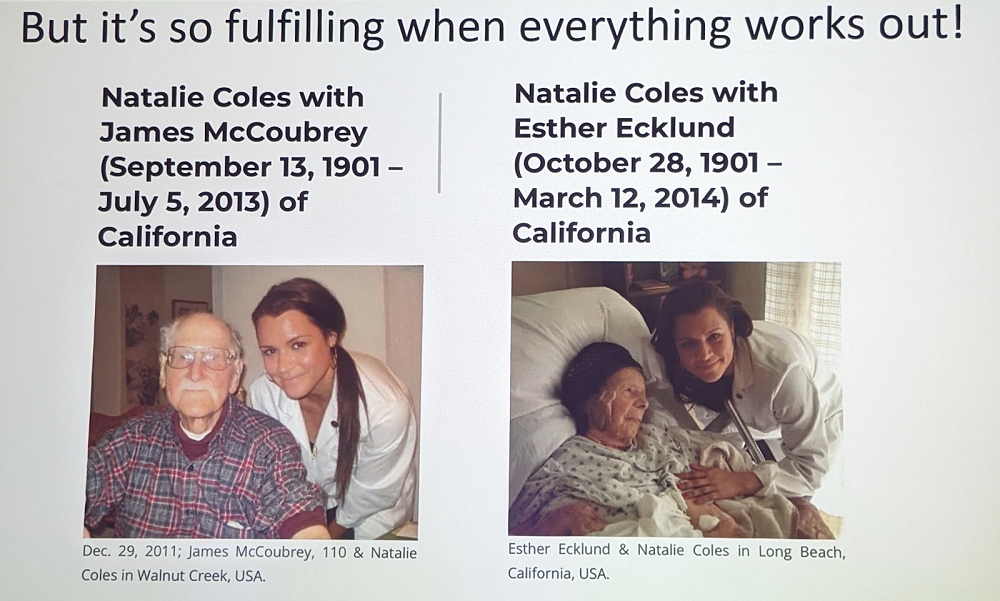
In a talk that was less about cutting-edge science but important nonetheless, Natalie Coles, the chief phlebotomist and project manager for R3Bio, described her work on creating a supercentenarian biobank.

Supercentenarians are a very rare breed. At any given time, there’s only a few hundred of them in the world. Their prevalence is growing, but not as fast as that of centenarians (whose population is booming), highlighting just how much harder it is to cross the 110-year line.

According to Coles, who has been studying supercentenarians for years, they are more biologically homogeneous than centenarians: meaning that they possess, to paraphrase a popular movie, “a very specific set of biological skills” that allows them to outlive the rest of us – and those features are worth studying in depth.

Coles engages with supercentenarians personally, travelling all over the world to take biological samples from them. Her talk focused on the intricacies of performing this job and on her interactions with supercentenarians.

The challenges begin with validating the age claim. One organization that does this is the Gerontology Research Group (GRG) (Wacław Kroczek from GRG also presented at the conference, detailing the company’s validation methodology). For people born at the beginning of the previous century, especially in underdeveloped parts of the world, proper documentation might be hard to find.

After the claim has been verified, Natalie arrives to collect samples and perform interviews. Everything has to be arranged as fast as possible, since the average remaining lifespan for a supercentenarian is just one year. Many of Natalie’s patients died before she could meet them.

Less than one tenth of supercentenarians are males, which makes them especially valuable for researchers. Natalie mentioned the robustness of supercentenarians’ immune systems, made evident by the COVID pandemic: most of the supercentenarians who had gotten infected survived the disease, and at least one person did it twice.
Longevity Summit Dublin 2

Geroscience is the key

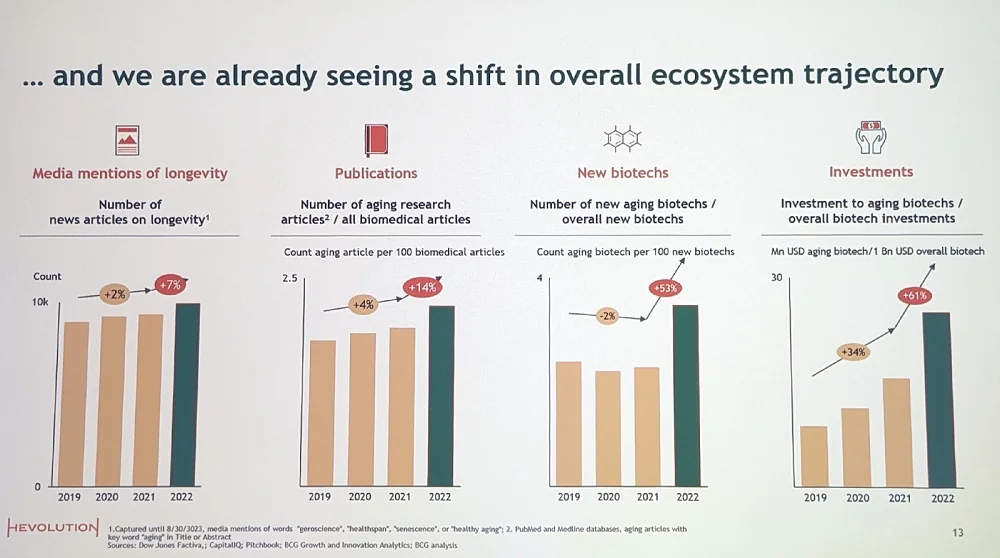
Michael Ringel of the Boston Consulting Group talked about the recent trends in the longevity field. After decades of not taking geroscience seriously, there is apparently a growing understanding in society that investigating the biology of aging is the only way to ward off the economic threats of population aging and to meaningfully increase human lifespan.

If we do nothing, global resources might be devastated by the need to care for the increasingly aged population, exacerbated by slumping birth rates. However, even a slight slowing of the rate of aging would bring unprecedented prosperity, adding hundreds of trillions of dollars to the global economy over the course of a decade.

Today’s medicine is clearly unable to achieve this, as the gains in life expectancy for every additional dollar spent on healthcare have flattened out. Thankfully, Michael said, “we’ve seen significant growth in aging research, investment, and new company formation over the last couple of years.” Aging research is outperforming biomedical research in general and mentions of longevity in the media are also on the rise.
Longevity Summit Dublin 3

Importantly, Big Pharma is finally taking notice. Numerous pharmaceutical companies have partnered with longevity biotech startups working on therapies that are built on the principles of geroscience. Among the most notable collaborations are the ones between AbbVie and Google’s Calico, and between Pfizer and Gero. Answering a question from the audience about the seeming lack of output from Calico, which exists since 2013, Michael noted that AbbVie seems happy about the collaboration.

Senescence and mTOR

Lynne Cox from Oxford University is fascinated with cellular senescence. Senescence, she said, is very tightly connected to aging: “All of the things that drive aging also drive cellular senescence.” On top of that, senescence is itself a hallmark of aging, contributing to other hallmarks and age-related diseases. The senescent cell burden grows faster with premature aging, and injecting senescent cells into a healthy animal accelerates aging.

While senescent cells are heterogeneous, they also “show very marked changes in gene expression.” One particular change in which Lynne is very interested is the upregulation of the mechanistic target of rapamycin (mTOR). Lynne’s group has been working for years on an in vitro model – human skin fibroblasts – which enabled them to dig deep into the molecular aspects of senescence.

When a cell goes senescent, its mTOR pathways stop reacting to regular stimuli such as amino acid abundance. Instead, they are constantly switched on, which is intriguing since mTOR is associated with growth and senescent cells no longer divide. However, they grow much larger than non-senescent cells of the same type.

First generation mTOR inhibitors, such as rapamycin, mostly act on one of its parts, mTOR complex 1 (mTORC1). While some scientists are working on creating even more specific mTORC1 inhibitors, Lynne’s group has chosen the opposite direction: to target both mTORC1 and mTORC2. For this, they are using an investigational drug from Astra Zeneca, AZD8055, an ATP mimetic that competes with ATP for the active site of mTOR.

Chronic mTOR inhibition with this drug greatly increased fibroblasts’ replicative lifespan, even when administered intermittently to very aged cells. In already senescent cells, the treatment reversed various phenotypes of senescence. It alleviated age-related telomere loss, cytoskeleton abnormalities, impaired mitophagy, and morphological changes.

Lynne’s group found that senescent cells are very active mitochondria donors. While healthy cells also exchange mitochondria from time to time, senescent cells do it much more often, populating adjacent cells with their damaged mitochondria via “nanotubes”, which might be one of the mechanisms of spreading senescence across cell populations. This process was also significantly abrogated by the treatment.

Lynne and her colleagues are moving through with a clinical trial of rapamycin in older adults. It will ask questions such as whether rapamycin affects aging muscle strength and response to resistance exercise and whether it can protect the immune system from aging in vivo in humans.

CHIP: Attack of the clones

The Rising Star Award this year went to Alexander Fedintsev from the Radical Life Extension Group. In his talk, Fedintsev proposed a new hallmark of aging: clonal hematopoiesis (CHIP). Clonal hematopoiesis is a condition in which a single hematopoietic stem cell (HSC) acquires genetic mutations that give it a growth advantage, allowing it to expand clonally within the bone marrow. This results in a significant proportion of blood cells being derived from this single mutated stem cell rather than from a diverse population of HSCs.

Mutations that increase self-renewal also impair HSCs’ ability to produce healthy blood cells. Hence, in an evolutionary process, less immunocompetent but more rapidly reproducing cells soon outcompete normal cells, similar to how cancerous cells outcompete non-cancerous ones. CHIP is also associated with lymphoid/myeloid bias, in which HSCs preferentially differentiate into myeloid lineage cells (e.g., granulocytes, monocytes) rather than lymphoid lineage cells (e.g., B cells, T cells). Myeloid bias also has a detrimental effect on the immune system.

The prevalence of CHIP rises exponentially with age and causes a significant skew towards the innate immune response that myeloid cells are associated with. Innate immunity is highly pro-inflammatory, which might be one of the causes of age-related sterile inflammation (inflammaging). As happens a lot in biology, this creates a positive feedback loop, with inflammation promoting CHIP.

CHIP drastically increases the risk of diseases: of cardiovascular disease by 80%, of blood cancer by tenfold, and of lung cancer by 60%. Some research indicates that CHIP might be a leading cause of death in extremely old people. Clonal expansion also happens in other cell types, such as in mesenchymal stem cells, and might contribute to atherosclerosis.

Currently, we don’t have good tools to combat CHIP. However, prolonged inhibition of the pro-inflammatory cytokine IL-6 has shown some promise, including in non-human primates. Answering a question about how safe lifelong IL-6 inhibition is, Fedintsev noted that rheumatoid arthritis patients receive such therapy, which only causes a slight increase in infections but is associated with less CVD risk.
Longevity Summit Dublin 4

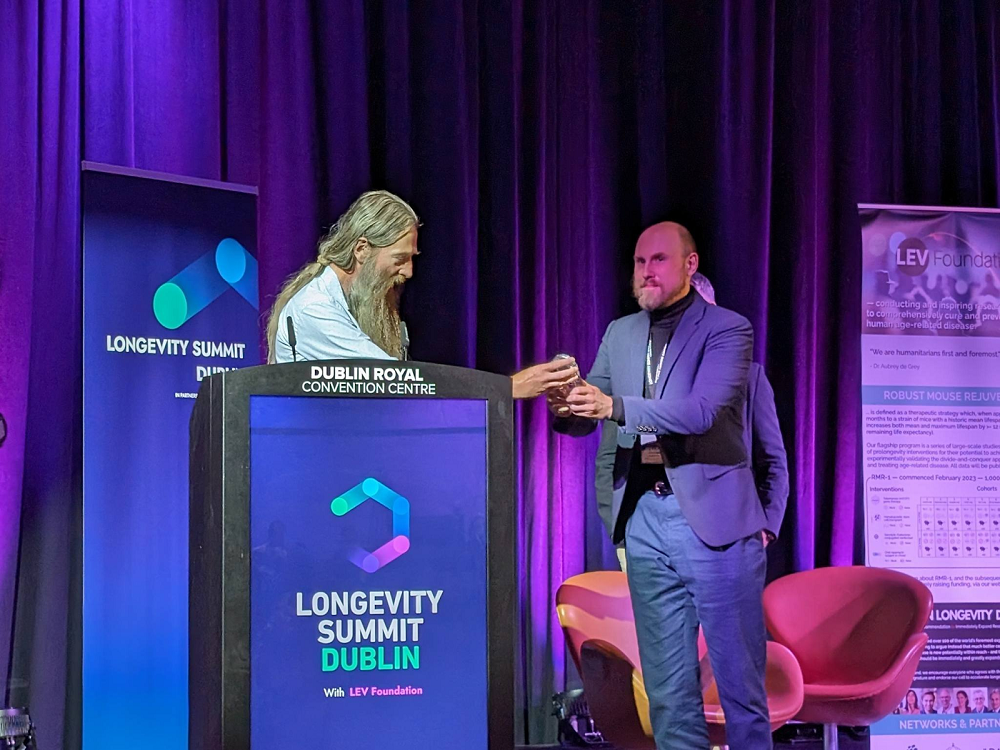
Alexander Fedintsev receives the award from Aubrey de Grey. Photo: lifespan.io

Peter Diamandis on XPRIZE Healthspan

Entrepreneur and philanthropist Peter Diamandis tuned in remotely to talk with Aubrey de Grey about longevity and specifically XPRIZE Healthspan. Peter is Executive Chairman of the Board of XPRIZE Foundation, which he launched 30 years ago. Across those three decades, 30 prizes have been launched in domains ranging from space exploration to biodiversity.

Peter and Aubrey reminisced on their first rounds of discussing the possibility of a longevity XPRIZE almost two decades ago. While Peter was already a longevity fan, he felt that the field was too small, and the time wasn’t right back then.

It changed several years ago, when the entrepreneur Sergey Young, Peter’s partner at BOLD Longevity Growth fund, entered the picture. Young, a passionate longevity investor, helped raise the first one million dollars to develop the ideas for and the design of the future prize. With the longevity field growing fast, the idea seemed much more plausible.

One problem was how to measure success. Eventually, it was decided to offer the prize to the first team that can reverse functional loss due to aging. The main focus is on the domains of cognition, muscle health, and the immune system. “Minimum is 10 years reversal,” Peter said, “but the goal is 20 years”. Aubrey de Grey joined the team as an advisor, and several benefactors, including Hevolution foundation, helped put together the unprecedented prize fund.

Before that, the largest XPRIZE ($100 million), funded by Elon Musk, was for developing carbon capture technologies to help fight climate change. However, given the immense importance of increasing healthspan for humankind, the organizers agreed that the new XPRIZE should symbolically be even bigger, and it was set at $101 million.

Musk’s name having been mentioned, Aubrey asked Peter, why doesn’t Musk support longevity? Peter replied that he was able to eventually make Musk more amenable to the idea of life extension: “Elon feels that science makes progress one death at a time, that people need to die in order to make room for new people. And I said to him, Elon, no one at GM had to die to create Tesla.”

Today, the giant prize is open for applications, and Peter called on scientific teams to register. He is confident that longevity is on track to become one of the biggest markets in the world. His other call was for billionaires (although there probably weren’t any in the audience) to use their money “to make a dent in the universe.”

Pros and cons of telomere extension

The Lifetime Achievement Award was given this year to Maria Blasco, a veteran geroscientist whose contribution to the longevity field is formidable. After a short ceremony Maria proceeded to give a keynote talk on telomeres, the leading topic of her research for the last three decades.

At the dawn of modern geroscience, telomeres captivated the young field’s attention. Many hopes were tied to them, and telomere attrition was included in the original nine Hallmarks of Aging (Maria was a co-author of the seminal Hallmarks paper from 2013).

It turned out that not everything revolves around telomeres, and their role in health and longevity is complex and multifaceted. For instance, many types of cancer cells turn telomerase expression back on to maintain the length of their telomeres, ensuring continuous proliferation.

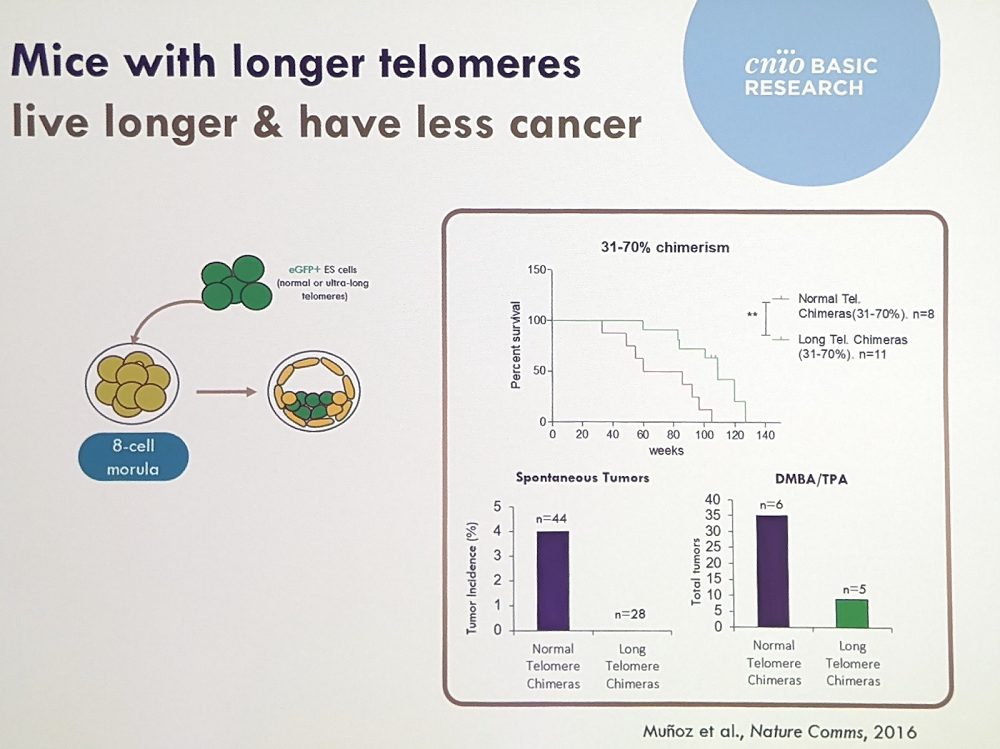
Maria described some of the most important experiments with telomeres. For instance, telomerase deficiency in mice causes accelerated aging, while transgenic mice with extra-long telomeres live longer and, importantly, get less cancer, which is the leading cause of death in lab mice. These mice also showed significant improvements in healthspan: better metabolism, less cognitive decline, less osteoporosis, and so on.

Telomere shortening plays an important role in many diseases, including the deadly pulmonary fibrosis. Gene therapy with TERT (telomerase reverse transcriptase, a crucial telomerase subunit) stops and even reverses pulmonary fibrosis in a mouse model, reducing inflammation, damage, and senescent cell burden.

Other conditions in which short telomeres are a factor include kidney fibrosis and myocardial infarction. In one study, only mice with short telomeres developed kidney fibrosis when challenged with folic acid.

Another study that Maria mentioned might provide an explanation of why turning back telomerase expression seems to lower the risk of cancer instead of elevating it: shorter telomeres cause chromosomal instability, which increases the risk of oncogenic mutations. Genetically engineered TERT-expressing mice were more protected from cancer even when challenged with oncogenic mutations.

A study from 2020 tied COVID severity to shorter telomeres. Another one, from 2024, detected more lung fibrosis in COVID survivors with shorter telomeres. Telomeres might not hold the ultimate key to life extension, but they certainly play an important role in aging and age-related diseases that needs to be thoroughly investigated.
Longevity Summit Dublin 5

Eat less, live longer

Rozalyn Anderson of the University of Wisconsin Madison reported on another longevity “staple”: caloric restriction (CR). CR, studied since the mid-20th century, has been shown to improve healthspan and lifespan in many model organisms. There are also some initial positive findings in humans. For instance, the CALERIE randomized controlled trial showed “a persistent and significant reduction of all measured conventional cardiometabolic risk factors” as a result of long-term 25% caloric restriction (although Rozalyn thinks that due to weak adherence, the actual CR rate in CALERIE was around 15%).

Caloric restriction affects many mechanisms of aging, and Rozalyn’s group is working on understanding how exactly this happens. “Metabolite, energy, and oxidation sensors regulate longevity and all have been implicated in CR’s mechanisms,” Rozalyn said. “Metabolism influences all cellular functions from information access to transport to movement and growth to signaling.” There is a metabolic component to cardiovascular disease, neurodegeneration, cancer, and diabetes, to name a few. Unsurprisingly, many geroprotective interventions work along the same pathways that CR does.

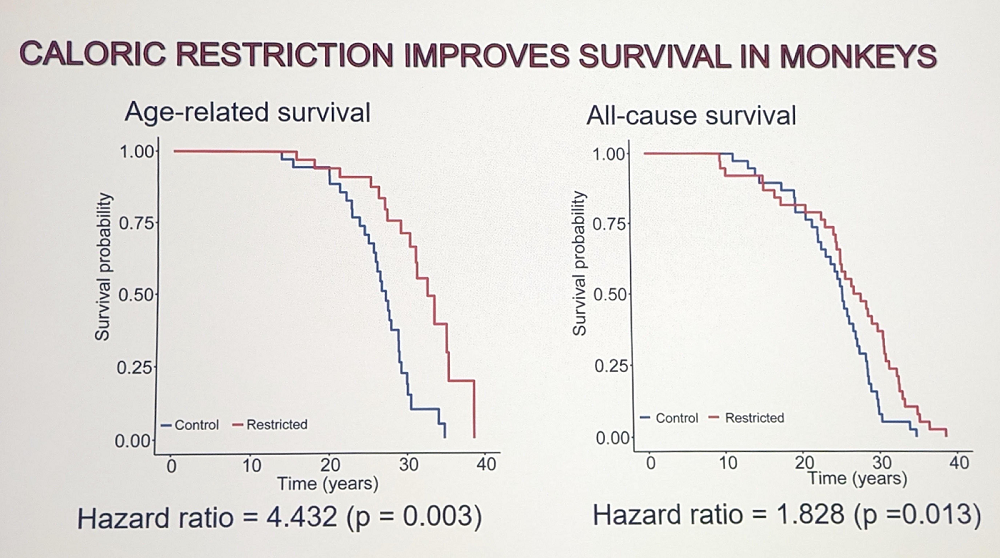
Rozalyn told the audience about the important and long-running study of CR in rhesus monkeys, which are long-lived and very humanlike animals. They share 93% of their genome with humans and have similar aging outcomes. 76 monkeys were recruited for this study in the late 80s / early 90s and monitored for more than 30 years, and now we have lifespan data.

Lifelong 30% caloric restriction had a profound effect on lifespan and survival, lowering the odds of dying from age-related conditions by 4.4 times. The scientists identified multi-omic CR signatures and recorded some intriguing effects. For instance, calorie-restricted animals had less muscle mass in midlife but more in late life: they were partially immune to age-related loss in both muscle quantity and quality. CR also countered the decline in voluntary physical activity that is characteristic of old age. Both males and females responded to CR, but somewhat differently.
Longevity Summit Dublin 6

Building a mega-movement

Melissa King has over two decades of experience in business, non-profits, and public affairs. About two years ago, she co-founded Healthspan Action Coalition with another veteran medical research advocate, Bernard Siegel. We excitedly reported on the creation of HAC from Longevity Summit Dublin 2022, welcoming those advocacy heavyweights into our field. Since then, the coalition has grown impressively to unite more than 160 organizations across 25 countries, including lifespan.io.

Melissa has steered important campaigns and projects in patient advocacy and biomedical research funding. For example, she led a successful ballot initiative in California to secure $8.5 billion in funding for the California Institute for Regenerative Medicine, which specializes in stem cell research.

Patient advocacy, Melissa argued, is impressively effective in mobilizing public opinion and funds for health research initiatives. Now is the time to apply the principles of patient advocacy to prolonging healthspan. After all, when it comes to aging, every person on the planet is a patient. This creates a potential for a truly massive movement.

While we are all excited about the rise of longevity biotech, “public funding for science is what brought us to space and the moon, enabled medical research that brought us vaccines and other life-saving treatments,” Melissa said. “Private industry and funding usually don’t come in early because of the risk.”

Government oversees immense resources, but it needs to be steered in the right direction by public opinion. While many at this and other recent conferences evoked working with public opinion as a crucial element of the longevity field’s success, Melissa made it the cornerstone of her talk.

Skillful and effective science communication is the key, she said, and we couldn’t agree more. Melissa called on the members of the geroscience community “to help the public by making it a point to communicate with non-scientist friends and family members about science and your work.” This can be done by writing articles/op-eds for lay audiences, giving talks, and more.

Longevity Summit Dublin 7
We would like to ask you a small favor. We are a non-profit foundation, and unlike some other organizations, we have no shareholders and no products to sell you. All our news and educational content is free for everyone to read, but it does mean that we rely on the help of people like you. Every contribution, no matter if it’s big or small, supports independent journalism and sustains our future.

Peripheral artery disease

Nicotinamide Riboside Improves Walking in Clinical Trial

Researchers publishing in Nature Communications have found that nicotinamide riboside (NR) improves walking distance for people who have peripheral artery disease (PAD) in the legs.

When the arms and legs don’t get enough blood

Ischemia, the failure of blood vessels to deliver sufficient oxygen and nutrients, is a key part of fatal conditions such as heart attack and stroke. However, arms and legs can get ischemia as well, and PAD in the legs can make walking painful or impossible [1].

To counter this, the researchers turned to NR, as greater NAD+ abundance is linked to better muscle health and mitochondrial activity in older people [2]. The researchers also suspected that including resveratrol, which has been reported to increase the affinity of SIRT1 for NAD+ [3], might also help in NAD precursor administration. To test this idea, they created a clinical trial combining NR and resveratrol, and their findings were not what they expected.

NR was effective, but resveratrol was of no help

This trial initially recruited 142 people, but 52 were excluded. Three groups were in this trial: NR + resveratrol, NR alone, and a placebo group. After exclusions, each group had roughly 30 participants.

Compared to the placebo group, the NR group met this trial’s criteria for statistical significance, improving 6-minute walk distances by 17.6 meters on average after six months. However, the NR + resveratrol group only walked 3.6 meters more after six months, and this small difference did not meet statistical significance. NR alone was able to improve walking time on a treadmill by 2 minutes, meeting statistical significance, but again, the NR + resveratrol group did not quite meet that threshold.

Much of this difference was found to be due to the participants’ adherence to the study’s guidelines. In a post-hoc analysis, among people who took at least 75% of the supplied doses, NR alone improved walking distance by 31 meters and NR + resveratrol improved it by 26.9 meters; both of these measurements were well within statistical significance.

NR, however, was not able to meet every outcome. The total counts of physical activity per minute and over the course of a day seemed to be slightly improved, but the results did not meet statistical significance, regardless of whether or not resveratrol was included. One measurement of cellular health in the leg, the abundance of satellite cells in the gastrocnemius muscle, was significantly improved with NR; however, other measurements, including myofiber type and, interestingly, NAD+ abundance, were not improved.

Resveratrol did not statistically improve any positive measurement over NR alone. Instead, it seemed to be responsible for adverse events: people in the NR + resveratrol group had higher rates of diarrhea and vomiting compared to the placebo or NR-alone groups.

The researchers recognize the relatively small number of participants in this study, and not all of the participants had muscle biopsies done. However, they note that it is the first of its kind to show a benefit for NR in walking speed. Further trials will need to be done to confirm the validity of these results.

We would like to ask you a small favor. We are a non-profit foundation, and unlike some other organizations, we have no shareholders and no products to sell you. All our news and educational content is free for everyone to read, but it does mean that we rely on the help of people like you. Every contribution, no matter if it’s big or small, supports independent journalism and sustains our future.

Literature

[1] Polonsky, T. S., & McDermott, M. M. (2021). Lower extremity peripheral artery disease without chronic limb-threatening ischemia: a review. Jama, 325(21), 2188-2198.

[2] Elhassan, Y. S., Kluckova, K., Fletcher, R. S., Schmidt, M. S., Garten, A., Doig, C. L., … & Lavery, G. G. (2019). Nicotinamide riboside augments the aged human skeletal muscle NAD+ metabolome and induces transcriptomic and anti-inflammatory signatures. Cell reports, 28(7), 1717-1728.

[3] Howitz, K. T., Bitterman, K. J., Cohen, H. Y., Lamming, D. W., Lavu, S., Wood, J. G., … & Sinclair, D. A. (2003). Small molecule activators of sirtuins extend Saccharomyces cerevisiae lifespan. Nature, 425(6954), 191-196.

Rejuvenation Roundup June 2024

Rejuvenation Roundup June 2024

Puzzle pieces are being fit together and connections are being made in understanding the massive number of biological changes that make up aging. Here’s how the science has progressed in June.

LEAF News

Team and activities

EditorialSummer Could Be Big for Longevity Tech Investment: The weather isn’t the only thing heating up, as we have been busy advocating for research on aging. Here’s what our team has been doing recently on the longevity advocacy front.

Advocacy and Analysis

How to Defeat Aging? Two Scientists Offer Their Visions: In a much-anticipated debate, prominent aging researchers Aubrey de Grey and Peter Fedichev presented their competing, but also overlapping, theories about the relationships between aging, damage, and entropy.

Research Roundup

Junk food mouseInhibiting a Transporter to Stop Senescence: Researchers publishing in Nature Aging have discovered that inhibiting a glucose transporter leads to a decrease in senescent cells by forcing a reduction in calories at the cellular level.

Estrogen Metabolite Robustly Increases Lifespan in Male Mice: In the newest study by the Interventions Testing Program, 16α-hydroxyestriol and canagliflozin significantly increased lifespan in male mice but were deleterious for females. The Interventions Testing Program is a golden standard for testing lifespan-extending interventions on mice.

Older woman brushing teethOral Microbiome Associated with Cognitive Performance: An analysis of oral microbes in older adults has indicated an association between microbial diversity and executive function performance. The researchers suggest that changes to the oral microbiome can be a potential source of low-grade systemic inflammation, which might play a role in cognitive impairment and dementia development.

A New Approach to NAD+ in Sarcopenia: Researchers have published a potential new method of treating the age-related muscle loss known as sarcopenia in Aging Cell. It focuses on the gene NNMT, which was least expressed in young people, more expressed in older people, and even more expressed in older people with sarcopenia.

Psoralea corylifoliaA Natural Compound as an Osteoporosis Treatment: A team of researchers has found that corylin, a compound previously investigated for its anti-senesence properties, is effective against osteoporosis in a mouse model. Corylin was first discovered in Psoralea corylifolia, a plant commonly used in Chinese traditional medicine. This is far from the first investigation into its effects.

Treating Genetic Liver Diseases at Their Root: Researchers publishing in Cell Stem Cell have demonstrated that genetically diseased liver cells can be taken from human beings, altered in the laboratory, and used to regrow the livers of model mice.

Elderly people eating healthy foodMix of Lifestyle Interventions Might Reverse Alzheimer’s: In a randomized, controlled trial in humans, scientists have demonstrated that a multimodal lifestyle intervention consisting of a vegan diet, exercise, supplements, and stress management can improve the symptoms of Alzheimer’s.

Some Brain Changes May Cause Strength Loss: In Aging Cell, researchers have published data on a causal link between brain structure changes and age-related muscle loss (sarcopenia). They have discovered that crucial motor areas are no longer able to make muscles move properly.

Long-tailed macaque faceA Protein Necessary for Corneal Healing: Researchers have discovered a protein that is necessary for proper healing of damaged corneal tissue and that this protein decreases with age. It may be possible to restore the levels of this protein in older people.

Combating How Space Travel Weakens Immune Function: It has been known for many years that microgravity in space interferes with human physiology in negative ways. Researchers at the Buck Institute have published a fascinating new study that shows the influence of microgravity on immune cells.

Fatty liver diseaseA Reason Why Livers Accumulate Fat with Age: Researchers have discovered one of the reasons why fatty liver disease, even without alcohol consumption, increases with aging. A gene that encodes for short-chain fatty acids greatly increases with advancing age.

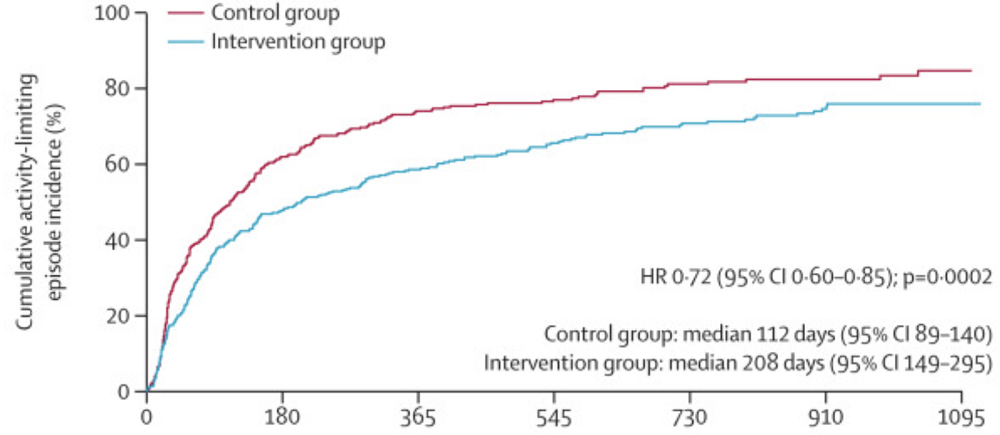
Walking Reduces Risk of Low Back Pain Recurrence: Publishing in The Lancet, scientists have shown that simple walking can have significant effects on the recurrence of back pain and disability metrics. In this study, walking reduced the risk of an activity-limiting recurrence of low back pain by 28%.

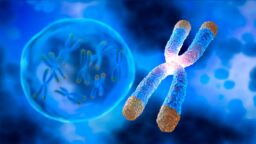
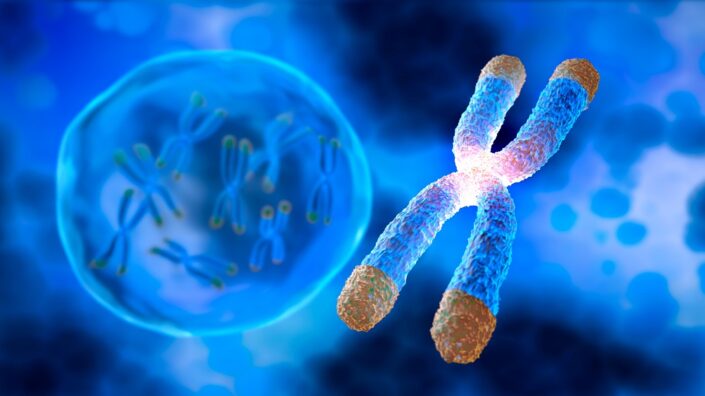
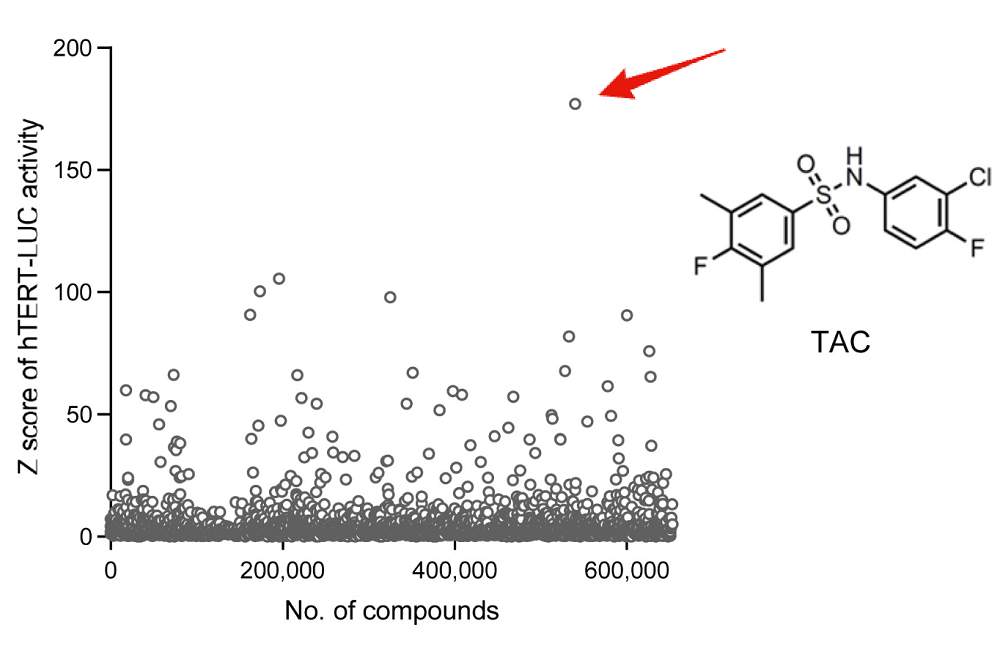
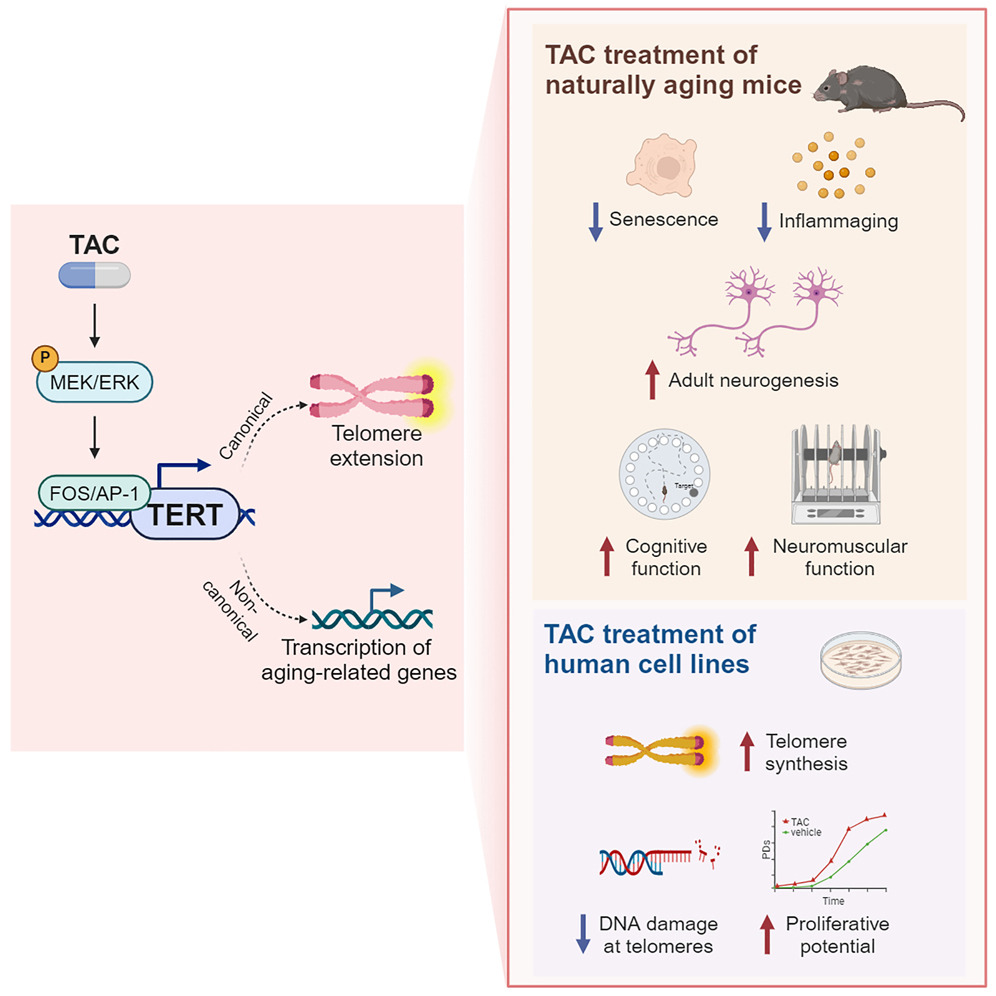
Telomeres on chromosomesNew Drug Restores Telomerase, Improves Cognition in Mice: Scientists have identified a small molecule that upregulates telomerase reverse transcriptase (TERT) in multiple tissues, improving health and cognition in old mice.

Study Links Stress to Mitochondrial Dysfunction in the Brain: For the first time, scientists have shown that the abundance of proteins needed for mitochondrial energy production in human brains is linked to perceived psychosocial experiences.

Environmental PolystyreneBlueberry Polyphenol May Relieve Plastic-Caused Sperm Damage: A recent paper has investigated the impact of polystyrene nanoplastics on the molecular processes of male reproductive tissues in mice. Microplastic and nanoplastic contamination is a worldwide public health concern for a good reason.

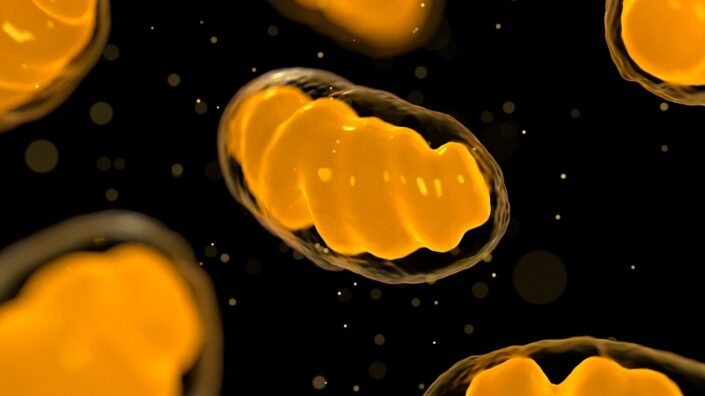
Encouraging Mitochondrial Maintenance to Fight Senescence: Researchers have published a method of rescuing cells from damaged mitochondria and cellular senescence, potentially alleviating major aspects of aging by increasing mitophagy: the process by which cells consume their malfunctioning power plants.

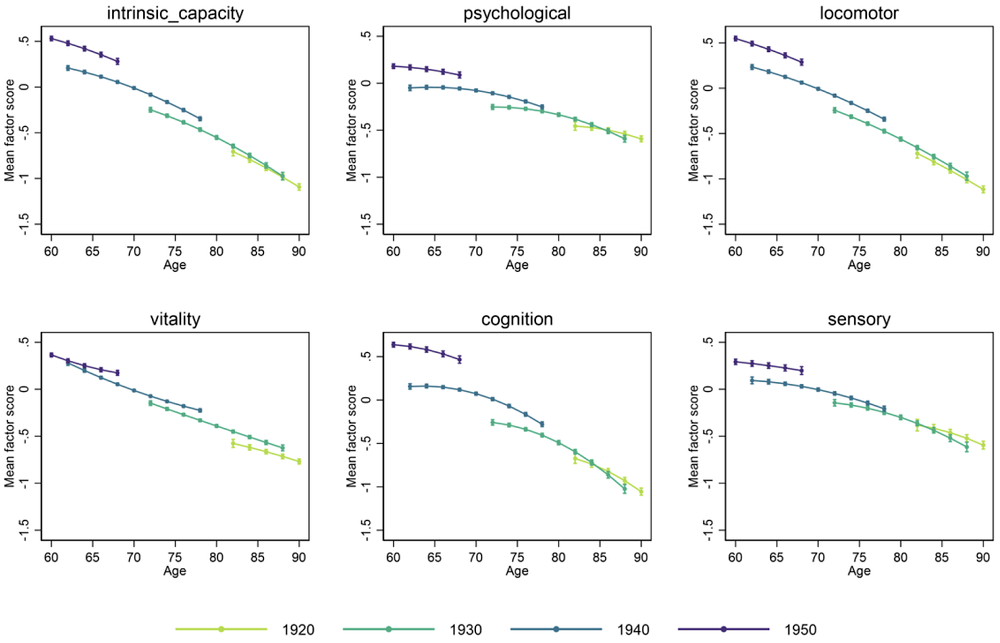
Hitting the brakes70 Is Indeed the New 60, Study Suggests: Scientists have found that older people currently retain more youthful abilities than people who were the same age did in previous decades. The intrinsic capacity of the 1950 cohort at age 68 was significantly higher than that of the 1940 cohort at age 62.

Developing a New Aging Clock for Medical Professionals: In Nature Aging, researchers have published the creation of a new clock that uses multiple metrics to evaluate biological aging. This is not an epigenetic clock, and a version has been created based on simple blood tests and clinical metrics.

Healthy Lifestyle and the Likelihood of Becoming a Centenarian: Individuals with the highest healthy lifestyle score (constructed from smoking, exercise, and dietary diversity) had a significantly higher likelihood of becoming a centenarian, compared with those with the least healthy lifestyle behaviors.

Ketogenic diet administration later in life improves memory by modifying the synaptic cortical proteome via the PKA signaling pathway in aging mice: A ketogenic diet modifies brain function even when it is administered later in life and recapitulates molecular features of long-term administration, including the PKA signaling pathway, thus promoting synaptic plasticity at advanced age.

Precision nutrition impact on metabolic health and quality of life in aging population after a 3-month intervention: These results support the benefit of precision nutrition approaches for promoting healthy aging and emotional well-being, enhancing the quality of life in aging populations.

Heavy resistance training at retirement age induces 4-year lasting beneficial effects in muscle strength: In well-functioning older adults at retirement age, 1 year of heavy resistance training may induce long-lasting beneficial effects by preserving muscle function.

An Examination into the Effects of a Nutraceutical Supplement on Cognition, Stress, Eye Health, and Skin Satisfaction in Adults with Self-Reported Cognitive Complaints: Twelve weeks of supplementation with a nutritional supplement was associated with improvements in episodic memory and several biological markers associated with cognitive health.

Epigenetic predictors of species maximum life span and other life-history traits in mammals: Maximum lifespan is determined in part by an epigenetic signature that is an intrinsic species property and is distinct from the signatures that relate to individual mortality risk.

Empagliflozin rescues lifespan and liver senescence in naturally aged mice: These results indicate that empagliflozin intervention could be considered a potential strategy for extending lifespan and slowing liver senescence in naturally aged mice.

Photobiomodulation in the aging brain: a systematic review from animal models to humans: PBM holds promise as a non-invasive intervention for enhancing cognitive function and in the modulation of brain functional reorganization.

Cognitive and Emotional Effect of a Multi-species Probiotic Containing Lactobacillus rhamnosus and Bifidobacterium lactis in Healthy Older Adults: There were significant improvements observed in planning and problem-solving skills, selective attention, cognitive flexibility, impulsivity, and inhibitory ability.

Probiotic-Reduced Inflammaging in Older Adults: A Randomized, Double-Blind, Placebo-Controlled Trial: The probiotic analyzed in this study was found to have a moderate effect on low-grade inflammation in a healthy older population.

News Nuggets

Hevolution CEOHevolution Announces New Funding Initiatives: Hevolution, the Saudi-funded healthspan non-profit behemoth, has been around for about two years, and it hasn’t been wasting any time, funding research and investing in biotech companies. With its yearly budget touching 1 billion dollars, Hevolution is the biggest non-profit donor and one of the most important players in this field today.

We would like to ask you a small favor. We are a non-profit foundation, and unlike some other organizations, we have no shareholders and no products to sell you. All our news and educational content is free for everyone to read, but it does mean that we rely on the help of people like you. Every contribution, no matter if it’s big or small, supports independent journalism and sustains our future.

Choosing a clock

Developing a New Aging Clock for Medical Professionals

In Nature Aging, researchers have published the creation of a new clock that uses multiple metrics to evaluate biological aging.

What’s worth measuring?

Multiple metrics have been used to measure aging. The most commonly known in the literature are the epigenetic clocks, such as GrimAge and PhenoAge, but those are not the only sources of information. For many decades, people have been attempting to build clocks based on physical analysis in rodents [1] and people [2], an effort that continues to this day [3].

Some clocks are meant to estimate biological age [4], while others are built around determining how likely it is that an organism will die within a certain timeframe [5]. The latter are often correlated with markers of specific risks, such as cardiovascular risks, but are more geared towards predicting all-cause mortality.

Many methylation-based clocks are built around clinical features, but these researchers have decided to go straight to the source instead, focusing on clinical clocks, which directly measure clinical metrics intead of epigenetic one. Becaue the number of metrics that can be derived from any one individual is very large, this team prioritized focusing on combining them into principal components (PCs), which are often used to analyze large data sets.

Proving the concept

After removing incomplete information, this study used data from just under 1,800 people in the 1999-2000 cohort of the widely referenced NHANES database, and they tested it on just over 2,000 people in the 2001-2002 NHANES cohort to demonstrate its validity. Starting with 165 clinical parameters, the team was able to use an algorithm to compress them into 18 PCs that the team could use to predict all-cause mortality, calculating men and women separately. They used this prediction as their basis for a clock that estimates biological age (PCAge), which, unsurprisingly, was closely correlated with chronological age.

People with lower PCAge estimates had longer telomeres, faster walking speed, and better cognitive performance than people with higher estimates but the same chronological age. Compared to the ASCVD, a widely used measurement of estimating cardiovascular risk, PCAge was found to be a better predictor of mortality and was less sensitive to noise in the data. The researchers also found that PCAge was more useful in predicting survival than the PhenoAge clock.

The researchers were also able to group people into five broad categories based on this data: healthy agers, people with three distinct severity levels of metabolic disorders, and people with multimorbidities. As expected, the healthy aging group had the lowest PCAge compared to chronological age. People who lived to be centenarians, also as expected, had lower PCAges than other people in their cohort who did not live that long.

One of the PCs used in this study, PC2, was found to be the most correlated with healthy aging. When they unpacked this PC back into its components, they found that its strongest elements involved metrics related to fat mass, leading the researchers to suggest that healthy weight maintenance and healthy aging are strongly linked.

PC4 was also found to be very strongly significant, and this PC was comprised of such factors as kidney function, glucose metabolism, and inflammation. People with untreated kidney disease, as measured by the albumin-to-creatinine ratio, also scored worse on PC4’s other components; people with treated disease had much better outcomes than the untreated group. This finding, according to the researchers, underscores the need for early detection and proper prescription of drugs that treat this particular ailment.

The researchers also used their methodology to analyze the effects of caloric restriction, as conducted by the CALERIE trial. Unsurprisingly, they found that caloric restriction was associated with reduced biological age.

An easier clock

Being made of so many measurements, PCAge is hard to derive in the clinic. Therefore, the researchers used the same cohorts to develop a simpler clock, LinAge, which uses standard blood biomarkers along with basic information about patients that is readily available in any medical setting. LinAge was found to be a better predictor of mortality than chronological age, ASCVD, and the chronic frailty scale, and it performed slightly better than PhenoAge in predicting mortalty as well. Despite being trained on 20-year follow-up data, LinAge was found to be effective in determining mortality 25 years away in an earlier NHANES cohort.

The researchers note that they cannot determine the causality of the interventions they suspect to be effective; confounding factors may be at play. However, the clock they have created appears to be accurate and can be quickly derived from simple blood tests and clinical data. They see their tool as being “to geroscience what clinical risk scores are to traditional primary prevention.”

Aging clocks are not replacements for disease-specific risk markers or differential diagnosis. They differentiate subjects who are aging well from those who are aging poorly, helping us to define the former and pointing to interventions to help the latter.

We would like to ask you a small favor. We are a non-profit foundation, and unlike some other organizations, we have no shareholders and no products to sell you. All our news and educational content is free for everyone to read, but it does mean that we rely on the help of people like you. Every contribution, no matter if it’s big or small, supports independent journalism and sustains our future.

Literature

[1] Ingram, D. K. (1983). Toward the behavioral assessment of biological aging in the laboratory mouse: concepts, terminology, and objectives. Experimental aging research, 9(4), 225-238.

[2] Comfort, A. (1969). Test-battery to measure ageing-rate in man. The Lancet, 294(7635), 1411-1415.

[3] Ferrucci, L., Gonzalez‐Freire, M., Fabbri, E., Simonsick, E., Tanaka, T., Moore, Z., … & de Cabo, R. (2020). Measuring biological aging in humans: A quest. Aging cell, 19(2), e13080.

[4] Horvath, S. (2013). DNA methylation age of human tissues and cell types. Genome biology, 14, 1-20.

[5] Lu, A. T., Binder, A. M., Zhang, J., Yan, Q., Reiner, A. P., Cox, S. R., … & Horvath, S. (2022). DNA methylation GrimAge version 2. Aging (Albany NY), 14(23), 9484.

Hitting the brakes

70 Is Indeed the New 60, Study Suggests

Scientists have found that older people currently retain more youthful abilities than people who were the same age did in previous decades [1].

How miserable are we?

Recent decades have seen leaps in average life expectancy. However, those mostly stem from successes in curbing childhood mortality and infectious diseases. The gains in later life have been more modest, despite all the advances modern medicine has made. Moreover, some research suggests that while people live longer on average, they also spend an increasingly bigger part of their lives with chronic diseases – in other words, increases in lifespan do not translate into longer healthspan [2].

However, some evidence contradicts the idea that we’re just being kept alive for longer in a miserable, disabled state. A new study by an impressive team of scientists from Columbia University, University of New South Wales, World Health Organization, and University College London seems to suggest otherwise. This study is currently published as a preprint and is under review by Nature.

Big differences, especially in cognition

The researchers utilized two large cohort studies from the UK and China: the English Longitudinal Study on Ageing (ELSA) and the China Health and Retirement Longitudinal Study (CHARLS). Both studies have collected massive amounts of health data on participants from different age cohorts.

While most studies in this field have focused on the burden of disease or severe disability, the researchers constructed instead a composite index of intrinsic capacity, “comprising subdomains of cognitive, locomotor, sensory and psychological capacity and a further subdomain labelled vitality, which may represent underlying age-related biological changes and energy balance.”

What they found was that more recent cohorts had much higher levels of intrinsic capacity at the same age. This capacity expectedly declined with time, but the rate of decline was attenuated in more recent cohorts, suggesting slower aging.

Aging Cohorts

The cohort studies from which this data was derived had not run long enough to directly compare distant cohorts: for instance, it was impossible to directly compare the intrinsic capacities of the 1950 (year of birth) cohort and of the 1930 cohort at the same ages.

Where such direct comparisons were possible, they produced hope-inspiring results. For instance, in ELSA, the intrinsic capacity of the 1950 cohort at age 68 was significantly higher than that of the 1940 cohort at age 62. As the researchers note, this comes close enough to validating the popular saying “70 is the new 60.”

The biggest improvements were between the most recent (1950) cohort and the 1940 cohort. “If these directly observed trends were extrapolated to compare the earliest with the most recent cohort,” the authors write, “the improvements would be significantly greater than those we could observe directly.” Among individual metrics, the largest improvement was in cognition.

Whether those trends are equally valid for both sexes remains a question, as the researchers were unable to perform direct cross-gender comparisons. However, within-gender trajectories were largely similar to those found in the overall analyses.

Does this square with previous research?

The researchers admit that interpreting their results is hard due to the numerous factors at play and that those results seem to contradict previous research, which has found that increases in longevity are accompanied by increased prevalence of chronic conditions in older age. The authors then hypothesize at length about possible reasons for that.

For instance, they suggest that the increased prevalence of chronic diseases at a certain age “is likely driven, at least in part, by people who would have previously died from a condition such as heart disease now surviving into older ages.” Not only is modern medicine increasingly better at keeping people with chronic conditions alive, but it can often ensure a reasonably full, active life.

Thus, today, the same disease can be less debilitating than a decade or two ago. There have also been improvements in detection: some chronic diseases that are routinely diagnosed today might have been overlooked more often in the past, creating an impression of lower disease burden.

Variance of measures used across different studies and periods might also be a factor. For example, the researchers note, a common question used to determine the burden of disability is how easy it is for the respondent to use a phone. However, phones today are very different from phones 20 years ago, and using them requires different abilities.

While this study presents a hefty reason for optimism, it also has many limitations, and its findings will have to be validated by future studies, using additional cohorts and designs.

Our research suggests there have been significant improvements in functioning in more recent cohorts of older people in both England and China. Within ELSA, more recent cohorts entered older ages with higher levels of intrinsic capacity, and subsequent declines were less steep than for earlier cohorts. Improvements were seen in all subdomains. Trajectories were similar for males and females and largely consistent across both countries.

We would like to ask you a small favor. We are a non-profit foundation, and unlike some other organizations, we have no shareholders and no products to sell you. All our news and educational content is free for everyone to read, but it does mean that we rely on the help of people like you. Every contribution, no matter if it’s big or small, supports independent journalism and sustains our future.
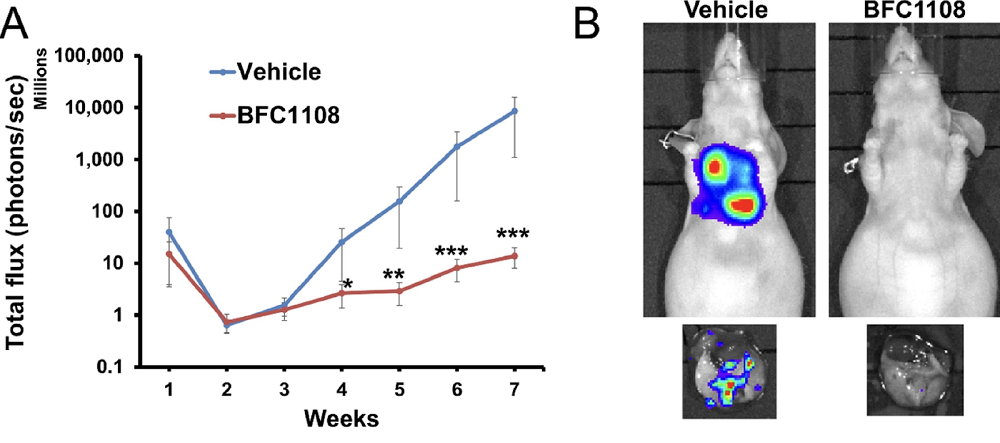
Literature

[1] Beard, J., Katja, H., Si, Y., Thiyagarajan, J., & Moreno-Agostino, D. (2024). Is 70 the new 60? A longitudinal analysis of cohort trends in intrinsic capacity in England and China.

[2] Garmany, A., Yamada, S., & Terzic, A. (2021). Longevity leap: mind the healthspan gap. NPJ Regenerative Medicine, 6(1), 1-7.

Mitochondria

Encouraging Mitochondrial Maintenance to Fight Senescence

Researchers have published a method of rescuing cells from damaged mitochondria and cellular senescence, potentially alleviating major aspects of aging.

Bad mitochondria must be consumed

A core part of autophagy involves selective autophagy receptors (SARs), which build the autophagosomes in which the organelles are consumed [1]. Mitophagy is a subset of autophagy that refers to the consumption of mitochondria. When these tiny power plants become damaged and dysfunctional, they need to be cleared and replaced, and failure to do this drives age-related diseases [2]. Mitochondrial autophagy is primarily spurred by the PINK1/Parkin pathway, which has been extensively studied [3]. PINK1 on the surface of damaged mitochondria leads to the formation of downstream targets, which spur SAR activity through multiple biochemical pathways [4].

However, much previous research into mitophagy has been done in models of intense mitochondrial stress. This research team has also done work demonstrating that a lack of mitophagy is a driver of cellular senescence [5], and this paper builds on that work, elaborating on a pathway fundamental to mitophagy and a small molecule that encourages it.

Mitophagy in human cells

These researchers used a genetically engineered human cell line that expresses a fluorescent reporter compound when mitophagy is conducted, along with a separate reporter that offers real-time information [6]. They then exposed these cells to ionizing radiation to drive them into senescence, according to well-established biomarkers and a halting of the cell cycle. Interestingly, this did not stop autophagy as a whole; in fact, general autophagy was increased, which is in line with previous research [7].

However, mitophagy was greatly suppressed with radiation-induced senescence, which still held true on a different group of cells driven senescent through hydrogen peroxide. Pre-senescent human dermal fibroblasts (HDFs) derived from older people also had reduced mitophagy compared to their younger counterparts.

Mitochondrial superoxide, unlike other reactive oxygen species (ROS), was found to be significantlly downregulated in radiation, hydrogen peroxide exposure, and natural aging. This superoxide is one method by which mitochondria are encouraged to be consumed in mitophagy [8]. The researchers discovered that this was attributable to mitochondrial fusion: instead of being consumed, the mitochondria were fusing together in cells.

This process was amenable to chemical intervention. Exposing cells to paraquat, which encourages superoxide production, also encouraged mitophagy. Targeting the cells with the well-known mitochondrial ROS scavenger mitoquinone (MitoQ) discouraged mitophagy, and exposing HDFs to MitoQ over 11 days drove them into senescence. Rather than being entirely negative, therefore, some ROS are clearly required for proper mitochondrial function.

Multiple other elements were found to be related to this superoxide-induced mitophagy, including the PINK1/Parkin pathway and the autophagy receptor p62. Knocking down p62 suppressed autophagy in proliferating HDFs.

Potential treatments

The researchers investigated whether NAD precusors, including nicotinamide and NR, along with the well-known compound rapamycin could rescue mitophagy, and they found positive results for all of these compounds. Some of the markers associated with senescence were recovered, but it did not restore the cells’ ability to proliferate. NAD precursors were able to encourage mitophagy even in cells that had p62 knocked down.

The researchers then performed a long series of experiments involving p62 and various mutant forms. They found that one particular small molecule, STOCK1N-57534, strongly encouraged p62 to oligomerize, which encouraged mitophagy. Most importantly, applying STOCK1N-57534 to the HDFs derived from older people restored much of their function, decreasing senescence markers and increasing the motility and activity of these cells and their mitochondria.

The researchers clearly believe that they have discovered a potential approach to age-related diseases of mitochondria and senescence. However, this is only a cellular study. Preclinical work in animals will need to be done before this small molecule, or any derivative, can be considered for the clinical trial process.

We would like to ask you a small favor. We are a non-profit foundation, and unlike some other organizations, we have no shareholders and no products to sell you. All our news and educational content is free for everyone to read, but it does mean that we rely on the help of people like you. Every contribution, no matter if it’s big or small, supports independent journalism and sustains our future.
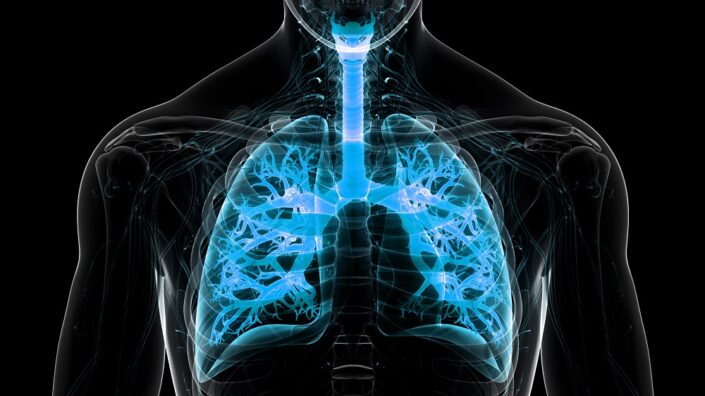
Literature

[1] Conway, O., Akpinar, H. A., Rogov, V. V., & Kirkin, V. (2020). Selective autophagy receptors in neuronal health and disease. Journal of molecular biology, 432(8), 2483-2509.

[2] Sedlackova, L., & Korolchuk, V. I. (2019). Mitochondrial quality control as a key determinant of cell survival. Biochimica et Biophysica Acta (BBA)-Molecular Cell Research, 1866(4), 575-587.

[3] Onishi, M., Yamano, K., Sato, M., Matsuda, N., & Okamoto, K. (2021). Molecular mechanisms and physiological functions of mitophagy. The EMBO journal, 40(3), e104705.

[4] Lazarou, M., Sliter, D. A., Kane, L. A., Sarraf, S. A., Wang, C., Burman, J. L., … & Youle, R. J. (2015). The ubiquitin kinase PINK1 recruits autophagy receptors to induce mitophagy. Nature, 524(7565), 309-314.

[5] Korolchuk, V. I., Miwa, S., Carroll, B., & Von Zglinicki, T. (2017). Mitochondria in cell senescence: is mitophagy the weakest link?. EBioMedicine, 21, 7-13.

[6] Sun, N., Yun, J., Liu, J., Malide, D., Liu, C., Rovira, I. I., … & Finkel, T. (2015). Measuring in vivo mitophagy. Molecular cell, 60(4), 685-696.

[7] Young, A. R., Narita, M., Ferreira, M., Kirschner, K., Sadaie, M., Darot, J. F., … & Narita, M. (2009). Autophagy mediates the mitotic senescence transition. Genes & development, 23(7), 798-803.

[8] Kataura, T., Otten, E. G., Rabanal‐Ruiz, Y., Adriaenssens, E., Urselli, F., Scialo, F., … & Korolchuk, V. I. (2023). NDP52 acts as a redox sensor in PINK1/Parkin‐mediated mitophagy. The EMBO Journal, 42(5), e111372.

Environmental Polystyrene

Blueberry Polyphenol May Relieve Plastic-Caused Sperm Damage

A recent paper has investigated the impact of polystyrene nanoplastics on the molecular processes of male reproductive tissues in mice [1].

Health risks of micro- and nanoplastics

Microplastic and nanoplastic contamination is a worldwide public health concern for a good reason. Numerous research papers have associated microplastics with multiple health risks in the respiratory, immune, digestive, nervous, and reproductive systems, with nanoparticles especially dangerous for reproductive and nervous systems [2-8] due to their ability to “infiltrate biological barriers and have longer retention in tissue”, as the authors point out.

Humans are exposed to microplastics and nanoplastics primarily through food but also through skin contact and air [9, 10]. Studies have reported the presence of microplastics in human blood, the placenta, and the testes [6, 11, 12].

The authors of this study specifically focused on polystyrene nanoplastics and their impact on the male reproductive system. They mentioned that there are some previous studies that have already investigated polystyrene nanoplastics’ impact on reproductive health, showing that polystyrene nanoplastic exposure can lead to changes in sperm count, motility, and morphology [13] and can lead to a reduction in male fertility, including complete infertility [14]. Some studies have noted that an excess of reactive oxygen species (ROS) and premature senescence are part of the toxic effects of polystyrene nanoplastics [15].

Adverse effects of nanoplastics

The researchers exposed the mice to polystyrene nanoplastics for 60 days by delivering them directly to their stomachs. When they analyzed the animals’ tissue morphology after this treatment, they observed changes to male reproductive organ cells and accumulation of exogenous particles in spermatogenic cells. The researchers also referred to their previous, similar study, in which they observed a reduction in reproductive capacity and lower semen quality [16].

The authors also analyzed gene expression in testicular tissues. They noted that in mice exposed to polystyrene nanoplastics, molecular indicators connected to undifferentiated male germ cells (spermatogonia) were downregulated, and the number of spermatogonia was reduced in the group of mice that received a higher nanoplastics dose.

The researchers further evaluated mouse spermatogonia-derived cultured cells by exposing them to various concentrations of polystyrene nanoplastics. They observed suppressed cell proliferation and dose-dependent cell cycle arrest, which can lead to cellular apoptosis or senescence. Through measuring biomarkers, gene expression, and protein levels, the authors demonstrated elevated levels of cellular senescence in mouse spermatogonia that were exposed to polystyrene nanoplastics.

The damage from reactive oxygen species

The researchers aimed to determine exactly how polystyrene nanoplastic exposure leads to cellular senescence. Analysis of gene expression data indicated a role of reactive oxygen species (ROS) metabolism and ROS synthesis processes. Experimental exposure of mouse spermatogonia-derived cultured cells to polystyrene nanoplastics resulted in a dose-dependent increase in ROS levels.

To further investigate the role of ROS, the authors treated the cells with N-acetyl-L-cysteine (NAC), a ROS inhibitor. Exposing cells to NAC reduced the effects of polystyrene nanoplastic-induced changes in senescent biomarkers, gene and protein levels, and cell cycle arrest.

Further investigation into the molecular mechanism behind polystyrene nanoplastics’ impact on male fertility involved extracting data from the male health atlas (MHA) database and other gene expression databases along with a series of experiments. The authors arrived at the conclusion that Sirt1 is, at least partly, responsible for activating polystyrene nanoplastic-induced ROS generation. This “excessive ROS triggers DNA damage response in spermatogenic cells.”

The authors also discuss previous studies that implicated ROS as inducers of senescence and add that their results confirm that suppressing excessive ROS production can blunt the related effects of polystyrene nanoplastics. Taken together, they believe that polystyrene nanoplastic exposure causes excessive ROS production, which leads to a DNA damage response that causes spermatogenic cell senescence.

Potential of pterostilbene

After identifying the problem, the researchers tested pterostilbene as a potential remedy for it. Pterostilbene is a resveratrol-related polyphenol derived from blueberries, and it has potent antioxidant activity and a higher bioavailability than resveratrol.

Similar to the NAC treatment, using pterostilbene to treat polystyrene nanoplastic-exposed, mouse spermatogonia-derived cultured cells reduced ROS levels, cell cycle arrest, senescent cell levels, and expression of senescence-associated molecular markers. It also decreased the levels of a critical DNA damage marker.

The researchers concluded that “pterostilbene can alleviate the spermatogenic cell senescence induced by polystyrene nanoplastics.” Pterostilbene achieves this by reducing the detrimental effects of oxidative stress-mediated DNA damage.

Further research into protecting reproductive functions

The authors emphasize the importance of studying environmental pollutants on male reproductive ability. Their results linking polystyrene nanoplastics to cellular senescence align with previous research linking this particular type of nanoplastic to senescence in different types of cells.

Our study provides a scientific foundation for assessing the male reproductive health risks associated with nanoplastics exposure and identifies a promising intervention drug to mitigate the detrimental health effects of nanoplastics on male reproductive health. However, the impact of PS-NPs on male reproductive health still requires further exploration of the specific mechanism by which Sirt1 leads to ROS outbreaks, and further research is needed to combine epidemiological evidence to better explain the impact of PS-NPs on the spermatogenic process.

We would like to ask you a small favor. We are a non-profit foundation, and unlike some other organizations, we have no shareholders and no products to sell you. All our news and educational content is free for everyone to read, but it does mean that we rely on the help of people like you. Every contribution, no matter if it’s big or small, supports independent journalism and sustains our future.

Literature

[1] Liang, Y., Yang, Y., Lu, C., Cheng, Y., Jiang, X., Yang, B., Li, Y., Chen, Q., Ao, L., Cao, J., Han, F., Liu, J., & Zhao, L. (2024). Polystyrene nanoplastics exposure triggers spermatogenic cell senescence via the Sirt1/ROS axis. Ecotoxicology and Environmental Safety, 279, 116461.

[2] Li, G., Yang, Z., Pei, Z., Li, Y., Yang, R., Liang, Y., Zhang, Q., & Jiang, G. (2022). Single-particle analysis of micro/nanoplastics by SEM-Raman technique. Talanta, 249, 123701.

[3] Zhu, X., Peng, L., Song, E., & Song, Y. (2022). Polystyrene Nanoplastics Induce Neutrophil Extracellular Traps in Mice Neutrophils. Chemical research in toxicology, 35(3), 378–382.

[4] Lin, S., Zhang, H., Wang, C., Su, X. L., Song, Y., Wu, P., Yang, Z., Wong, M. H., Cai, Z., & Zheng, C. (2022). Metabolomics Reveal Nanoplastic-Induced Mitochondrial Damage in Human Liver and Lung Cells. Environmental science & technology, 56(17), 12483–12493.

[5] Shan, S., Zhang, Y., Zhao, H., Zeng, T., & Zhao, X. (2022). Polystyrene nanoplastics penetrate across the blood-brain barrier and induce activation of microglia in the brain of mice. Chemosphere, 298, 134261.

[6] Zhao, Q., Zhu, L., Weng, J., Jin, Z., Cao, Y., Jiang, H., & Zhang, Z. (2023). Detection and characterization of microplastics in the human testis and semen. The Science of the total environment, 877, 162713.

[7] Kopatz, V., Wen, K., Kovács, T., Keimowitz, A. S., Pichler, V., Widder, J., Vethaak, A. D., Hollóczki, O., & Kenner, L. (2023). Micro- and Nanoplastics Breach the Blood-Brain Barrier (BBB): Biomolecular Corona’s Role Revealed. Nanomaterials (Basel, Switzerland), 13(8), 1404.

[8] Jaafarzadeh Haghighi Fard, N., Mohammadi, M. J., & Jahedi, F. (2023). Effects of nano and microplastics on the reproduction system: In vitro and in vivo studies review. Food and chemical toxicology : an international journal published for the British Industrial Biological Research Association, 178, 113938.

[9] Hu, J., Xu, X., Song, Y., Liu, W., Zhu, J., Jin, H., & Meng, Z. (2022). Microplastics in widely used Polypropylene-Made food containers. Toxics, 10(12), 762.

[10] Niu, S., Liu, R., Zhao, Q., Gagan, S., Dodero, A., Ying, Q., Ma, X., Cheng, Z., China, S., Canagaratna, M., & Zhang, Y. (2024). Quantifying the Chemical Composition and Real-Time Mass Loading of Nanoplastic Particles in the Atmosphere Using Aerosol Mass Spectrometry. Environmental science & technology, 58(7), 3363–3374. Advance online publication.

[11] Leslie, H. A., van Velzen, M. J. M., Brandsma, S. H., Vethaak, A. D., Garcia-Vallejo, J. J., & Lamoree, M. H. (2022). Discovery and quantification of plastic particle pollution in human blood. Environment international, 163, 107199.

[12] Braun, T., Ehrlich, L., Henrich, W., Koeppel, S., Lomako, I., Schwabl, P., & Liebmann, B. (2021). Detection of Microplastic in Human Placenta and Meconium in a Clinical Setting. Pharmaceutics, 13(7), 921.

[13] Zhou, L., Yu, Z., Xia, Y., Cheng, S., Gao, J., Sun, W., Jiang, X., Zhang, J., Mao, L., Qin, X., Zou, Z., Qiu, J., & Chen, C. (2022). Repression of autophagy leads to acrosome biogenesis disruption caused by a sub-chronic oral administration of polystyrene nanoparticles. Environment international, 163, 107220.

[14] Xu, W., Yuan, Y., Tian, Y., Cheng, C., Chen, Y., Zeng, L., Yuan, Y., Li, D., Zheng, L., & Luo, T. (2023). Oral exposure to polystyrene nanoplastics reduced male fertility and even caused male infertility by inducing testicular and sperm toxicities in mice. Journal of hazardous materials, 454, 131470.

[15] Shiwakoti, S., Ko, J. Y., Gong, D., Dhakal, B., Lee, J. H., Adhikari, R., Gwak, Y., Park, S. H., Jun Choi, I., Schini-Kerth, V. B., Kang, K. W., & Oak, M. H. (2022). Effects of polystyrene nanoplastics on endothelium senescence and its underlying mechanism. Environment international, 164, 107248.

[16] Lu, C., Liang, Y., Cheng, Y., Peng, C., Sun, Y., Liu, K., Li, Y., Lou, Y., Jiang, X., Zhang, A., Liu, J., Cao, J., & Han, F. (2023). Microplastics cause reproductive toxicity in male mice through inducing apoptosis of spermatogenic cells via p53 signaling. Food and chemical toxicology : an international journal published for the British Industrial Biological Research Association, 179, 113970.

Sharp red brain

Study Links Stress to Mitochondrial Dysfunction in the Brain

For the first time, scientists have shown that the abundance of proteins needed for mitochondrial energy production in human brains is linked to perceived psychosocial experiences [1].

Picking the brains

Negative psychosocial experiences have been linked to health problems by numerous studies. However, not enough is known about the concrete mechanisms at play. In this new study, scientists from Columbia University have provided interesting insights that point to a possible mediatory role of mitochondria in the brain.

The researchers utilized data from two cohorts of several hundred diseased elderly patients who had donated their brains to science. While they were still alive, periodic psychosocial self-assessments had been collected over the course of up to two decades.

How do your mitochondria feel?

Proteomic analysis of the brains revealed a link between psychosocial experiences and mitochondria, the organelles that produce the lion’s share of energy in our cells. Instead of analyzing thousands of mitochondrial genes one by one, the researchers worked with seven generalized aspects of mitochondrial health, such as metabolism and small molecular transport.

One such factor, OxPhos protein abundance, relates to the amount of protein available for oxidation-phosphorylation reactions, which are at the core of mitochondrial energy production. In the dorsolateral prefrontal cortex (DLPFC), a brain area that is involved in executive functions and emotional regulation and is known to be sensitive to psychological stress, this factor showed marked correlation with both positive and negative psychosocial experiences.

The positive psychosocial aspects most associated with increased OxPhos protein abundance were well-being and late-life social activity. On the opposite side of the scale, negative mood and negative life events had the biggest effect sizes. “Thus”, the paper notes, “both individual experiences (well-being and mood) and objectifiable factors (social activity and life events) relate to DLPFC brain mitochondrial biology.”

The correlation was most notable for complex I, the largest and most upstream mitochondrial OxPhos enzyme. Psychosocial experiences accounted for 18% to 25% of the variance in the abundance of this protein. For reasons not yet fully understood, the brain is exceptionally vulnerable to complex I defects [2].

Not the neurons

Moving from proteomics to single-cell RNA sequencing enabled the researchers to take an even closer look and yielded intriguing results. The correlation between psychosocial scores and complex I was undetectable for neurons but strong for glia, the “helper” cells that facilitate proper neuronal functions, such as microglia, the brain’s resident immune cells.

“This may be why chronic psychological stress and negative experiences are bad for the brain,” said Caroline Trumpff, assistant professor of medical psychology in the Department of Psychiatry at Columbia University and a lead author on the paper, “because they damage or impair mitochondrial energy transformation in the dorsolateral prefrontal cortex, the part of the brain responsible for high-level cognitive tasks.”

These results do not come as a complete surprise. Scientists have already shown that in animal models, stress impairs mitochondrial function [3]. Moreover, this relationship appears to be bidirectional: the same group that authored this new study had found that differences in mitochondrial energy production capacity affect anxiety and social avoidance in rodents [4].

Complex interactions

“We’re showing that older individuals’ state of mind is linked to the biology of their brain mitochondria, which is the first time that subjective psychosocial experiences have been related to brain biology,” said Trumpff.

Yet, the researchers admit that their study has several limitations, such as inability to establish causation. Instead, they propose four “biologically plausible scenarios” to explain their findings. First, that psychosocial experiences affect brain activity and thus mitochondrial biology. Second, that mitochondrial biology affects behavior and perception of psychosocial experiences. Third, a bidirectional relationship, sort of a positive feedback loop. Finally, other factors, such as environmental pollution, could independently affect both mitochondria and psychosocial experiences. “However,” the authors note, “the emerging picture in the literature is that all those pathways are interactive, and thus, our results may reflect the outcome of those complex interactions.”

In this study, we used longitudinal psychosocial data and postmortem DLPFC proteomics in a sample of older adults with and without cognitive impairments to evaluate the association between psychosocial experiences and brain mitochondrial biology. Individuals reporting more positive experiences, such as greater well-being, had greater brain tissue OxPhos complex I protein abundance, while the opposite effect was found for negative psychosocial experiences. Considering their independent contributions (people feeling more positive may report fewer negative experiences), we find that ~18 to 25% of the variance in complex I abundance between individuals was attributable to self-reported psychosocial experiences.

We would like to ask you a small favor. We are a non-profit foundation, and unlike some other organizations, we have no shareholders and no products to sell you. All our news and educational content is free for everyone to read, but it does mean that we rely on the help of people like you. Every contribution, no matter if it’s big or small, supports independent journalism and sustains our future.

Literature

[1] Trumpff, C., Monzel, A. S., Sandi, C., Menon, V., Klein, H. U., Fujita, M., … & Picard, M. (2024). Psychosocial experiences are associated with human brain mitochondrial biology. Proceedings of the National Academy of Sciences, 121(27), e2317673121.

[2] Quintana, A., Kruse, S. E., Kapur, R. P., Sanz, E., & Palmiter, R. D. (2010). Complex I deficiency due to loss of Ndufs4 in the brain results in progressive encephalopathy resembling Leigh syndrome. Proceedings of the National Academy of Sciences, 107(24), 10996-11001.

[3] Batandier, C., Poulet, L., Hininger, I., Couturier, K., Fontaine, E., Roussel, A. M., & Canini, F. (2014). Acute stress delays brain mitochondrial permeability transition pore opening. Journal of neurochemistry, 131(3), 314-322.

[4] Rosenberg, A. M., Saggar, M., Monzel, A. S., Devine, J., Rogu, P., Limoges, A., … & Picard, M. (2023). Brain mitochondrial diversity and network organization predict anxiety-like behavior in male mice. Nature Communications, 14(1), 4726.

Telomeres on chromosomes

New Drug Restores Telomerase, Improves Cognition in Mice

Scientists have identified a small molecule that upregulates telomerase reverse transcriptase (TERT) in multiple tissues, improving health and cognition in old mice.

Telomere attrition and health

The enzyme telomerase can prevent telomere attrition from happening by extending the length of telomeres. However, in most multicellular organisms, including humans, telomerase expression is switched off, except in germ cells, some types of stem cells, and certain white blood cells. While this might play a role in preventing cancer, as most cancerous cells must switch telomerase expression back on via mutations to enable runaway replication, numerous studies have shown that increasing telomerase through TERT delays aging and increases longevity of model organisms [1].

The small molecule that could

In the lab, this is usually done by introducing genetic vectors carrying a working copy of the gene that codes TERT. It’s this gene that is switched off in somatic cells. However, gene therapies are complex and expensive, and they are just entering the medical mainstream. What if we could do the same using a small molecule?

In a new paper, scientists from the University of Texas MD Anderson Cancer Center report that they have found such a molecule: TERT activator compound (TAC). The researchers started by screening more than 600 thousand molecules and found about 100 that could increase the activity of the human TERT gene. One of them particularly shined.

TAC 1

TAC worked narrowly and precisely, significantly upregulating only TERT and the two genes needed for its derepression.

Excited by these results, the researchers moved to experiments in vivo. TAC was shown to reach numerous tissues and organs, including, importantly, the central nervous system, and to be cleared from the organism in about three hours.

This, according to the researchers, was enough to improve multiple hallmarks of aging. Peripheral mononuclear blood cells (PBMCs), taken from the treated 12-month-old mice, had markedly lower expression levels of p16, an important marker of cellular senescence, as well as several other senescence-associated and pro-inflammatory molecules. Conversely, expression signatures of organism growth and of natural killer cell activation were upregulated.

In genetically modified mice lacking TERT, those changes did not happen, proving that TAC works specifically by upregulating TERT rather than via some other pathway. Interestingly, however, the treatment did not affect the levels of another popular marker of senescence, p21.

Cognitive improvements and more

Chronic TAC administration had a marked effect on the brain health and cognitive abilities in mice, in line with previous research on genetic reactivation of TERT [2]. The treatment increased the creation of new neurons (neurogenesis) and upregulated numerous genes associated with brain function. It also significantly diminished the number of activated microglia, the resident immune cells of the brain. Activated microglia are the primary drivers of neuroinflammation, which, in turn, is a major factor in age-related neurodegeneration. Accordingly, levels of several pro-inflammatory cytokines, including IL-1β, IL-6, and tumor necrosis factor alpha (TNF-α), were significantly downregulated in the hippocampi of the treated mice.

All of this translated into cognitive improvements. Treated old (26-27 months) mice scored better in hippocampus-related cognitive tests compared to controls. Interestingly, the mice also showed improved rotarod performance and grip strength. Unfortunately, the researchers did not investigate possible lifespan extension.

“Epigenetic repression of TERT plays a major role in the cellular decline seen at the onset of aging by regulating genes involved in learning, memory, muscle performance and inflammation,” said Ronald DePinho, professor of Cancer Biology and the corresponding author on the paper. “By pharmacologically restoring youthful TERT levels, we reprogrammed expression of those genes, resulting in improved cognition and muscle performance while eliminating hallmarks linked to many age-related diseases.”

TAC 2

This study highlights the significant regenerative capacity of aging organ systems as well as the ability to pharmacologically modulate aging hallmarks during natural aging. We report the discovery of a novel small-molecule telomerase activator that induces the physiological expression of TERT in both human and mouse somatic tissues. Our findings reinforce the view that TERT exerts anti-aging activity not only by preserving telomere integrity but also by modulating gene expression and cellular signaling pathways governing cellular survival, senescence, neurogenesis, and stress resistance, among other processes.

We would like to ask you a small favor. We are a non-profit foundation, and unlike some other organizations, we have no shareholders and no products to sell you. All our news and educational content is free for everyone to read, but it does mean that we rely on the help of people like you. Every contribution, no matter if it’s big or small, supports independent journalism and sustains our future.

Literature

[1] Bernardes de Jesus, B., Vera, E., Schneeberger, K., Tejera, A. M., Ayuso, E., Bosch, F., & Blasco, M. A. (2012). Telomerase gene therapy in adult and old mice delays aging and increases longevity without increasing cancer. EMBO molecular medicine, 4(8), 691-704.

[2] Shim, H. S., Horner, J. W., Wu, C. J., Li, J., Lan, Z. D., Jiang, S., … & DePinho, R. A. (2021). Telomerase reverse transcriptase preserves neuron survival and cognition in Alzheimer’s disease models. Nature aging, 1(12), 1162-1174.

Walking Reduces Risk of Low Back Pain Recurrence

Publishing in The Lancet, scientists have shown that simple walking can have significant effects on the recurrence of back pain and disability metrics.

Age-related and more than just annoying

While not as lethal as heart attacks and cancer, low back pain is also an age-related disease. According to WHO, “in 2020, low back pain affected 619 million people globally and it is estimated that the number of cases will increase to 843 million cases by 2050, driven largely by population expansion and ageing”.

Low back pain limits mobility, decreases quality of life, and thus contributes to further age-related deterioration [1]. Once a person first experiences low back pain, the risk of recurrence is very high [2]. Treatment includes invasive procedures such as surgery and rehabilitation via physical activity. Some types of exercise have shown good results in clinical trials, but many of them require specialized equipment and close supervision [3].

Walking away from pain

What about something as simple as walking? Here, opinions among scientists and the general public differ. In this paper, scientists have reported on the first randomized controlled trial to investigate the efficacy of walking in preventing the recurrence of low back pain.

The scientists recruited 701 patients who had recovered from an episode of non-specific low back pain within the previous six months. The intervention itself was delivered by private physiotherapy clinics across Australia. The guideline was to walk five times per week for at least half an hour a day, but the physiotherapists were authorized to individualize the program to increase adherence.

The consulting physiotherapists also educated their patients from the treatment group on basic strategies on how to mitigate the risk of recurrence and how to deal with mild recurrence episodes. There were other limitations to the study as well: for instance, participants in the control group were not barred from seeking other care for their condition, and the prevalence of women was high (81%). All of this might have affected the results.

The participants’ median age was 54. Most of them already had several recurring episodes of low back pain (median 33 episodes) and had reported a high perceived risk of recurrence. The chosen primary outcome was the number of days between randomization and the first recurrence of activity-limiting low back pain.

Significant risk reduction

In the study, walking reduced the risk of an activity-limiting recurrence by 28%. The median number of days between recurrences was almost twice as high in the intervention group as in the control group (208 days and 112 days respectively). These differences were highly statistically significant.

Low back pain 1

For the incidence of episodes that caused participants to seek care, the difference was even bigger, with a 43% risk reduction.

Low back pain 2

Interestingly, over the course of the study, members of the control group also significantly increased their walking activity, although not as rapidly as the study group. At baseline, the reported number of minutes of walking per week was 70 for the study group and 67 for the control group. At the three-month mark, it was 165 and 114 minutes, respectively, and a year after the beginning of the study, 160 and 159. This is a well-known effect in which the control group, conscious of not receiving the intervention, begins mimicking it voluntarily. The control group was also much more likely to seek additional care, such as massage and physiotherapy.

Despite the control group eventually catching up with the study group in walking, significant differences in disability score remained until the end of the study and even increased. While patients in the study group reported a marked decline in disability score, it was much more attenuated in the control group. Statistically significant differences in perceived quality of life, favoring the control group, were detected at most timepoints.

An individualized, progressive walking and education intervention substantially reduced low back pain recurrence compared with a no treatment control group in adults who were not previously engaging in regular physical activity. This finding was consistent across the primary and two secondary recurrence outcomes. There were also reductions in back pain-related disability in the intervention group for up to 12 months, and the intervention had a high probability of being cost-effective from the societal perspective compared with a no treatment control.

We would like to ask you a small favor. We are a non-profit foundation, and unlike some other organizations, we have no shareholders and no products to sell you. All our news and educational content is free for everyone to read, but it does mean that we rely on the help of people like you. Every contribution, no matter if it’s big or small, supports independent journalism and sustains our future.
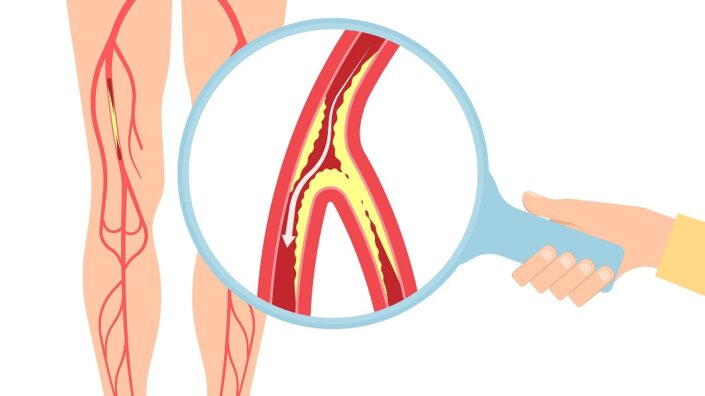
Literature

[1] Gore, M., Sadosky, A., Stacey, B. R., Tai, K. S., & Leslie, D. (2012). The burden of chronic low back pain: clinical comorbidities, treatment patterns, and health care costs in usual care settings. Spine, 37(11), E668-E677.

[2] da Silva, T., Mills, K., Brown, B. T., Pocovi, N., de Campos, T., Maher, C., & Hancock, M. J. (2019). Recurrence of low back pain is common: a prospective inception cohort study. Journal of physiotherapy, 65(3), 159-165.

[3] Steffens, D., Maher, C. G., Pereira, L. S., Stevens, M. L., Oliveira, V. C., Chapple, M., … & Hancock, M. J. (2016). Prevention of low back pain: a systematic review and meta-analysis. JAMA internal medicine, 176(2), 199-208.