The Blog

Building a Future Free of Age-Related Disease

Fatty liver disease

A Reason Why Livers Accumulate Fat with Age

Researchers have discovered one of the reasons why fatty liver disease, even without alcohol consumption, increases with aging.

We would like to ask you a small favor. We are a non-profit foundation, and unlike some other organizations, we have no shareholders and no products to sell you. All our news and educational content is free for everyone to read, but it does mean that we rely on the help of people like you. Every contribution, no matter if it’s big or small, supports independent journalism and sustains our future.

The earliest stage of fatty liver disease

Nonalcoholic fatty liver disease (NAFLD) begins with steatosis, the accumulation of fatty tissues in an organ [1], which can then progress to hepatitis, fibrosis, and cancer [2]. Therefore, fat accumulation in the liver isn’t just a matter of obesity or fat accumulation in general: it is a direct precursor to liver failure. NAFLD increases with aging, and this fact has been re-confirmed in multiple studies encompassing multiple populations and time periods [3, 4, 5].

The acyl-coenzyme A (acyl-CoA) dehydrogenases are key elements of lipid metabolism and synthesis in the liver, as they form acetyl-CoA, a precursor of lipid formation [6]. Blocking the formation of acetyl-CoA promotes autophagy and lengthens lifespan in simple organisms [7]. This research focuses on the short-chain form of acyl-CoA dehydrogenase (SCAD), which these researchers believe to be key to the gradual formation of NAFLD.

SCAD is linked to both liver disease and aging

This paper began with a gene set analysis taken from younger (21-45) and older (70+) people. As expected, genes related to fatty acid metabolism were strongly upregulated in the older group. ACADS, which encodes for SCAD, was significantly upregulated among this gene set. In groups of young. middle-aged, and older mice, the genes for very long, long, and medium-chain fatty acids did not significantly change; only the gene for SCAD did.

Liver tissue analysis showed similar results, with people older than 74 producing much more of it than 18- to 25-year-olds. Peripheral blood mononuclear cells (PBMCs), which are easy to access and naturally produce SCAD, also produce much more of it in this older cohort. Inducing senescence into a human liver cell line through hydrogen peroxide also caused these cells to express more SCAD along with the senescence marker p21.

Gene expression of SCAD was positively correlated with NAFLD. People with this disease were age-matched with healthy controls, and the healthy controls had far less SCAD than the people with NAFLD. Unsurprisingly, even in the NAFLD patients, the amount of SCAD was increased with age.

Life without SCAD?

The researchers utilized a mouse strain that had the ACADS gene completely knocked out, and analysis of their liver tissues confirmed that these mice did not produce any SCAD. While their total bodyweights were the same, older mice of this strain had far less evidence of liver steatosis compared to similar mice that produced SCAD. Fibrosis was also greatly diminished in the SCAD-free mice, as were standard biomarkers of cellular senescence, and embryonic fibroblasts derived from these SCAD-free mice were more able to consume lipids after multiple replications and had less DNA damage.

Additionally, the cellular housecleaning mechanism known as autophagy was strongly downregulated with SCAD. With aging, the cells of SCAD-free mice still engaged in less autophagy than younger mice, but multiple biomarkers confirmed that their autophagy was still greater than older mice that produce SCAD. Further experiments found this to be directly related to the acetyl-CoA pathway.

While most of these results were positive, one crucially negative result was found: the mice without SCAD production produced significantly less ATP, particularly with aging. This is the crucial molecule used for mitochondrial energy production. While it may be possible to alleviate NAFLD by targeting SCAD in people, the deveopers of any future drug must take potential side effects related to energy metabolism into account.

We would like to ask you a small favor. We are a non-profit foundation, and unlike some other organizations, we have no shareholders and no products to sell you. All our news and educational content is free for everyone to read, but it does mean that we rely on the help of people like you. Every contribution, no matter if it’s big or small, supports independent journalism and sustains our future.

Literature

[1] Chalasani, N., Younossi, Z., Lavine, J. E., Diehl, A. M., Brunt, E. M., Cusi, K., … & Sanyal, A. J. (2012). The diagnosis and management of non‐alcoholic fatty liver disease: Practice Guideline by the American Association for the Study of Liver Diseases, American College of Gastroenterology, and the American Gastroenterological Association. Hepatology, 55(6), 2005-2023.

[2] Wang, H., Naghavi, M., Allen, C., Barber, R. M., Bhutta, Z. A., Carter, A., … & Bell, M. L. (2016). Global, regional, and national life expectancy, all-cause mortality, and cause-specific mortality for 249 causes of death, 1980–2015: a systematic analysis for the Global Burden of Disease Study 2015. The lancet, 388(10053), 1459-1544.

[3] Miyaaki, H., Ichikawa, T., Nakao, K., Yatsuhashi, H., Furukawa, R., Ohba, K., … & Eguchi, K. (2008). Clinicopathological study of nonalcoholic fatty liver disease in Japan: the risk factors for fibrosis. Liver International, 28(4), 519-524.

[4] Kagansky, N., Levy, S., Keter, D., Rimon, E., Taiba, Z., Fridman, Z., … & Malnick, S. (2004). Non‐alcoholic fatty liver disease–a common and benign finding in octogenarian patients. Liver International, 24(6), 588-594.

[5] Hilden, M., Christoffersen, P., Juhl, E., & Dalgaard, J. B. (1977). Liver histology in a ‘normal’population—examinations of 503 consecutive fatal traffic casualties. Scandinavian journal of gastroenterology, 12(5), 593-597.

[6] Ghosh, S., Kruger, C., Wicks, S., Simon, J., Kumar, K. G., Johnson, W. D., … & Richards, B. K. (2016). Short chain acyl-CoA dehydrogenase deficiency and short-term high-fat diet perturb mitochondrial energy metabolism and transcriptional control of lipid-handling in liver. Nutrition & metabolism, 13, 1-17.

[7] Eisenberg, T., Schroeder, S., Andryushkova, A., Pendl, T., Küttner, V., Bhukel, A., … & Madeo, F. (2014). Nucleocytosolic depletion of the energy metabolite acetyl-coenzyme a stimulates autophagy and prolongs lifespan. Cell metabolism, 19(3), 431-444.

ISS Spacewalk

Combating How Space Travel Weakens Immune Function

It has been known for many years that microgravity in space interferes with human physiology in negative ways. As early as the first Apollo missions, astronauts experienced heart rhythm issues, low blood pressure, inner ear problems, and bone loss.

Researchers at the Buck Institute have published a fascinating new study that shows the influence of microgravity on immune cells [1]. This study is a world first that demonstrates these effects on a single-cell basis.

Previous studies had shown that immune cells do not function well in microgravity, but the reason why had remained elusive. The researchers at the Buck set out to determine what mechanisms and gene pathways are responsible for this phenomenon.

Simulating space here on Earth

The researchers simulated a microgravity environment and observed its effects on immune cells. They examined a variety of immune cells including monocytes, dendritic cells, B cells, T cells and NK cells in microgravity. The cells were taken from 27 healthy donors aged from 20 to 46 years old.

The simulation lasted for a total of 25 hours using a Rotating Wall Vessel, a device created by NASA to mimic a microgravity environment. This vessel helps cells grow in a way that is similar to how they would grow in space.

Microgravity Quercetin 1

It has a motor that spins the container around and a pump that brings in clean air and releases it through a rotating part of the container. This helps create a suitable environment for cells to grow in. The team used RNA sequencing and super-resolution microscopy to observe the differences between immune cells grown in this environment and a more normal one.

Alongside the simulation, they also used data taken from the Inspiration-4 (I4) mission, the JAXA (Cell-Free Epigenome) mission, a twin study, and spleens from mice on the International Space Station. This allowed them to create a detailed picture of how a microgravity environment impacts immune cell function.

Microgravity Quercetin 2

The researchers identified a number of genes and pathways that were negatively affected by microgravity. These then go on to impact the function of our immune cells.

Quercetin may protect immune cells from microgravity

Once the researchers understood how the immune cells were being impacted, it was time to see if they could stop it. They began to search through libraries of drugs and supplements, looking for any that had a protective effect against microgravity.

To do this, they used a machine learning approach developed by Dr. David Furman at his lab at the Buck Institute. This system is able to analyze millions of interactions taking place between genes, drugs, and supplements.

While the research team identified a number of potentially interesting drugs and compounds, it was quercetin that interested them the most. Quercetin is a natural antioxidant found in various fruits and vegetables, and it is a popular dietary supplement believed to have anti-aging properties.

Quercetin has been a focus of interest in aging research for quite some time. It was first catapulted into the spotlight when researchers found that it has a useful senolytic effect when combined with the drug dasatinib.

According to these researchers’ data, quercetin may reverse around 70% of the negative changes caused to immune cells by microgravity. That means that it has a protective effect against excessive levels of reactive oxygen species provoked by microgravity.

Reactive oxygen species are involved in inflammation and play a significant role in aging, particularly in the context of damage to our mitochondria, the power stations of our cells. So reducing the presence of them is a good strategy if we want to keep our cells in good condition, even more important in space than it is on Earth.

This is the first study to find potential solutions to combating the effects of microgravity on our immune cells. These findings are not only relevant to the brave men and women pioneering space, they also apply to those of us here on Earth, as these researchers intend to explore the potential effects of these interventions on ordinary immune system aging. It is possible that compounds such as quercetin may find wide value against immunosenescence in the not-too-distant future.

We would like to ask you a small favor. We are a non-profit foundation, and unlike some other organizations, we have no shareholders and no products to sell you. All our news and educational content is free for everyone to read, but it does mean that we rely on the help of people like you. Every contribution, no matter if it’s big or small, supports independent journalism and sustains our future.

Literature

[1] Wu, F., Du, H., Overbey, E. et al. Single-cell analysis identifies conserved features of immune dysfunction in simulated microgravity and spaceflight. Nat Commun 15, 4795 (2024). https://doi.org/10.1038/s41467-023-42013-y

Long-tailed macaque face

A Protein Necessary for Corneal Healing

Researchers have discovered a protein that is necessary for proper healing of damaged corneal tissue and that this protein decreases with age.

Repairing a shield that is easy to damage

The corneal epithelium covers the cornea, which focuses light onto the retina of the eye. Although it fulfills multiple protective functions, this tissue is not particularly thick and is susceptible to damage [1]. Therefore, it is regularly renewed by limbal stem cells (LSCs), a population of stem cells deep in the cornea [2].

However, alongside a long list of other negative changes, the niche of these cells diminishes with aging [3]. If these cells cannot go to a damaged area and properly heal it in time, keratocytes will appear in the area and cause scarring [4].

Because the eyes of humans and smaller mammals are somewhat different, eye experiments often need to be performed in animals that are evolutionarily closer to us. Therefore, alongside human corneal tissue donations and mice, these researchers used long-tailed macaques, non-human primates that are frequently used for these sorts of experiments.

A single gene and protein

In their first experiment, the researchers scraped half of the corneal epithelium of one eye of both young and elderly macaques, then observed their healing. Within three days, the younger group was well on its way to healing, while the older group was not. By day six, the younger group had completely healed, but older monkeys took twice as much time. Unlike the younger monkeys, the older monkeys had fibroblasts in the area along with increased corneal opacity after the injury, demonstrating imperfect healing with scar tissue. These results were also found to be true in mice.

RNA transcription in younger and older LSCs was similar in uninjured tissue. However, after injury, they reacted significantly differently, with expressions related to repair and proliferation being far more upregulated in younger tissue. One of these genes coded for the SECTM1 protein, which had considerably greater expression in young corneas after wounding.

Encouraged by this discovery, the researchers then tested the effects of SECTM1 on LSCs. LSCs unable to express SECTM1 were greatly restricted in proliferation, although it did not affect their fundamental nature as stem cells. Applying extra SECTM1 to LSCs encouraged their proliferation, with greater doses having more effect. This was found to affect downstream genes, notably CDCA7, which is a critical part of the cell cycle.

The researchers then returned to animal experiments. Mice that were given anti-SECTM1 treatment experienced delayed corneal repair, while giving SECTM1 to older mice and macaques dramatically sped up their repair. In mice, it was found to make the corneas less opaque after healing was complete.

Notably, this treatment is a topical solution that could, in theory, be used in eyedrops or creams. However, the mechanism of action and potential side effects are not yet completely understood, and further studies will need to be performed before this could be clinically available for patients.

We would like to ask you a small favor. We are a non-profit foundation, and unlike some other organizations, we have no shareholders and no products to sell you. All our news and educational content is free for everyone to read, but it does mean that we rely on the help of people like you. Every contribution, no matter if it’s big or small, supports independent journalism and sustains our future.

Literature

[1] Bashir, H., Seykora, J. T., & Lee, V. (2017). Invisible shield: review of the corneal epithelium as a barrier to UV radiation, pathogens, and other environmental stimuli. Journal of ophthalmic & vision research, 12(3), 305.

[2] Gonzalez, G., Sasamoto, Y., Ksander, B. R., Frank, M. H., & Frank, N. Y. (2018). Limbal stem cells: identity, developmental origin, and therapeutic potential. Wiley Interdisciplinary Reviews: Developmental Biology, 7(2), e303.

[3] Notara, M., Shortt, A. J., O’Callaghan, A. R., & Daniels, J. T. (2013). The impact of age on the physical and cellular properties of the human limbal stem cell niche. Age, 35, 289-300.

[4] Shu, D. Y., & Lovicu, F. J. (2017). Myofibroblast transdifferentiation: The dark force in ocular wound healing and fibrosis. Progress in retinal and eye research, 60, 44-65.

Walker for frailty

Some Brain Changes May Cause Strength Loss

In Aging Cell, researchers have published data on a causal link between brain structure changes and age-related muscle loss (sarcopenia).

Not just falls and frailty

Sarcopenia is a key reason for the loss of independence among older people. Data on the prevalence of this gradual disorder varies by region and measurement, but some data suggests that one in twenty to one in four people over 65 in Asia may have it [1], and it is much more common in nursing homes [2].

Previous work has linked cognitive decline to sarcopenia [3, 4], which should be no surprise given that the disorders are rooted in fundamental aspects of aging. However, this work was cross-sectional and compared different people, making it impossible to prove a causal relationship. According to the authors of this paper, it isn’t just that sarcopenia and cognitive decline have the same fundamental causes: the two are causally linked.

To prove it, they relied on Mendelian randomization, a data processing technique that is well-equipped for the purpose [5]. They used this technique in both directions, looking to see how much the muscles affect the brain and vice versa.

Putting together the dataset

For brain data, the researchers used a genome-wide association set (GWAS) of 33,224 UK Biobank participants, and constructed 1,325 brain imaging structure phenotypes based on this data. These phenotypes were divide into cortical and whole-brain aspects of tissue thickness and volume.

There is no GWAS for sarcopenia by itself. However, there are GWASes for grip strength, walking pace, and appendicular lean mass, all of which have strong, fundamental associations with sarcopenia. These studies were also based on UK Biobank data, with the lean mass study including data from nearly half a million people.

In a specialized single-trait analysis study, some of the correlations that the researchers were looking for did not exist. For example, there was no significant relationship between either hand’s grip strength and brain imaging, according to this analysis’s very high threshold necessary for statistical significance. However, this analysis did find significant relationships between phenotypes of lean mass and walking speed.

The researchers then turned to a different form of analysis looking for causal relationships. Here, handgrip strength was found to be significantly affected by certain brain regions, with several phenotypes having effects on grip strength in both hands and others having effects on only one hand or the other. Walking speed was also affected by other regions, and interestingly, larger volume in one cortical region was found to be associated with slower walking. The results were similar for lean mass, with 27 phenotypes being found to have a connection.

The authors were unable to explain some of these results. However, some of them have a clear association: the explained reason for some of the handgrip strength and lean mass losses is that some of the parts of the brain responsible for motor function deteriorate with age. Therefore, as the brain becomes less able to support the body, the body’s deterioration is accelerated as well.

Fortunately for some people with frailty, this study also showed a lack of any reverse causality: muscle deterioration, at least according to these researchers, does not directly lead to brain loss.

We would like to ask you a small favor. We are a non-profit foundation, and unlike some other organizations, we have no shareholders and no products to sell you. All our news and educational content is free for everyone to read, but it does mean that we rely on the help of people like you. Every contribution, no matter if it’s big or small, supports independent journalism and sustains our future.

Literature

[1] Chen, L. K., Woo, J., Assantachai, P., Auyeung, T. W., Chou, M. Y., Iijima, K., … & Arai, H. (2020). Asian Working Group for Sarcopenia: 2019 consensus update on sarcopenia diagnosis and treatment. Journal of the American Medical Directors Association, 21(3), 300-307.

[2] Cruz-Jentoft, A. J., Bahat, G., Bauer, J., Boirie, Y., Bruyère, O., Cederholm, T., … & Zamboni, M. (2019). Sarcopenia: revised European consensus on definition and diagnosis. Age and ageing, 48(1), 16-31.

[3] Osawa, Y., Tian, Q., An, Y., Studenski, S. A., Resnick, S. M., & Ferrucci, L. (2021). Longitudinal associations between brain volume and knee extension peak torque. The Journals of Gerontology: Series A, 76(2), 286-290.

[4] Gurholt, T. P., Borda, M. G., Parker, N., Fominykh, V., Kjelkenes, R., Linge, J., … & Andreassen, O. A. (2024). Linking sarcopenia, brain structure and cognitive performance: a large-scale UK Biobank study. Brain Communications, 6(2), fcae083.

[5] Hemani, G., Zheng, J., Elsworth, B., Wade, K. H., Haberland, V., Baird, D., … & Haycock, P. C. (2018). The MR-Base platform supports systematic causal inference across the human phenome. elife, 7, e34408.

Elderly people eating healthy food

Mix of Lifestyle Interventions Might Reverse Alzheimer’s

In a randomized, controlled trial in humans, scientists have demonstrated that a multimodal lifestyle intervention consisting of a vegan diet, exercise, supplements, and stress management can improve the symptoms of Alzheimer’s [1].

Can we roll it back?

Despite billions of dollars invested in finding a cure for Alzheimer’s disease (AD), progress has been frustratingly slow. The current standard of pharmaceutical care can only slightly slow the progression of the disease while also causing harsh side effects.

Lifestyle modifications can have a profound impact on health, including decreasing the risk of getting Alzheimer’s. For example, the Lancet commission on dementia prevention, intervention, and care estimates that 12 potentially modifiable risk factors together account for about 40% of the world dementia burden [2].

However, it has been unclear if lifestyle interventions can help people who already have the disease. The research into this has been scant, which makes this new randomized controlled Phase 2 trial done by scientists from the UCSF, UCSD, Harvard Medical School, and Duke University all the more important.

The trial was of a moderate size, with 51 AD patients divided between the treatment group and the control group. The treatment group received a 20-week multimodal lifestyle intervention that included diet, exercise, stress management, and several supplements.

In two earlier trials, the same program led to regression of coronary atherosclerosis [3], which the authors tout as an unprecedented result: “Until then,” they write, “it was believed that coronary heart disease progression could only be slowed, not stopped or reversed, similar to how MCI (mild cognitive impairment) or early dementia due to AD are viewed today.”

This study’s length was on the shorter side, but the researchers offer an interesting explanation for that. In these studies, participants in the control group are aware that they are not receiving the intervention and the accompanying health benefits; it is impossible to have a placebo control. However, it is highly important that the control group does not change their lifestyle for the whole duration of the experiment.

In the researchers’ previous experience, 20 weeks was the longest a control group could reliably go on without starting to spontaneously improve their own lifestyle. In compensation, the control group was offered the same intervention course after the experiment free of charge. Both groups continued to receive their usual AD-related care.

Diet, exercise, yoga

The intervention program was built upon several pillars, starting with a wholesome, minimally processed vegan diet that is high in complex carbohydrates (predominantly fruits, vegetables, whole grains, legumes, soy products, seeds, and nuts) and low in harmful fats, sweeteners, and refined carbohydrates. 14-18% of calories came from fat, 16-18% from protein, and 63-68% from mostly complex carbohydrates. Caloric intake was unrestricted.

The exercise routine included aerobic physical activity such as walking for at least 30 minutes a day as well as mild strength training at least three times a week. The program was personalized based on age and fitness level. The third major element was stress management, which included meditation, gentle yoga, stretching, relaxation, and breathing exercises for a total of one hour per day.

The supplement stack included omega-3, curcumin, a multivitamin, coenzyme Q10, vitamin C, vitamin B12, magnesium, probiotics, and lion’s mane mushroom.

The researchers say that while using many interventions simultaneously makes it impossible to detect each one’s effect, it is also becoming increasingly clear that such multimodal programs may have a cumulative effect and hence should be tested.

Improvements for many study group participants

The researchers report significant correlations between the degree of lifestyle change (from baseline to 20 weeks) and the degree of change in three of four measures of cognition and function. The ratio of the two types of amyloid-β peptides (Aβ42 and Aβ40), an important Alzheimer’s metric, also showed a statistically significant response to the intervention. While it increased by 6.4% in the intervention group, it declined by 8.3% in the control group. Two more biomarkers were robustly improved: the concentration of harmful LDL cholesterol and microbiome composition.

Of the 24 patients in the study group, 10 showed improvement as measured by the cognitive test CGIC. In another 7, the symptoms were unchanged, and in 7 patients, they worsened. Not a single patient in the control group improved: 8 were unchanged, and 17 worsened. These results are impressive compared to our current best anti-AD drugs, but the duration of the study was relatively short, and it is possible that the gains would have maxed out over a longer term.

We would like to ask you a small favor. We are a non-profit foundation, and unlike some other organizations, we have no shareholders and no products to sell you. All our news and educational content is free for everyone to read, but it does mean that we rely on the help of people like you. Every contribution, no matter if it’s big or small, supports independent journalism and sustains our future.

Literature

[1] Ornish, D., Madison, C., Kivipelto, M., Kemp, C., McCulloch, C. E., Galasko, D., … & Arnold, S. E. (2024). Effects of intensive lifestyle changes on the progression of mild cognitive impairment or early dementia due to Alzheimer’s disease: a randomized, controlled clinical trial. Alzheimer’s Research & Therapy, 16(1), 122.

[2] Livingston, G., Huntley, J., Sommerlad, A., Ames, D., Ballard, C., Banerjee, S., … & Mukadam, N. (2020). Dementia prevention, intervention, and care: 2020 report of the Lancet Commission. The Lancet, 396(10248), 413-446.

[3] Ornish, D., Scherwitz, L. W., Billings, J. H., Gould, K. L., Merritt, T. A., Sparler, S., … & Brand, R. J. (1998). Intensive lifestyle changes for reversal of coronary heart disease. Jama, 280(23), 2001-2007.

Liver genetics

Treating Genetic Liver Diseases at Their Root

Researchers publishing in Cell Stem Cell have demonstrated that genetically diseased liver cells can be taken from human beings, altered in the laboratory, and used to regrow the livers of model mice.

Recreating an entire organ has its own difficulties

These researchers begin their paper by discussing existing cellular therapies for multiple tissues, such as bone, cornea, and even the entire skin of a seven-year-old with a life-threatening genetic disease [1]. However, internal organs have their own problems, most notably immunorejection, in which the immune systems of the recipient reject the new organ as foreign material. While transplantation of liver cells from person to person is possible, immunorejection, even with immunosuppressants, makes this a risky proposition [2].

Normally, to regrow an organ through a cellular therapy, a patient’s own cells are the best choice if it all possible; however, if these cells have a genetic disease, repopulating an organ with them would not be beneficial. If those cells could be genetically modified to cure this disease at its root, however, the repopulating cells would form a healthy organ while staying untargeted by the patient’s immune system.

The liver, which has greater regenerative capacity than any other human organ, is the low-hanging fruit for this approach, which has already been demonstrated to work in pigs [3]. While some work has been done on creating cells that are like liver cells (hepatocytes), those cells did not proliferate enough to be beneficial [4]. Other genetic approaches have also been found to be inefficient and impractical [5].

A CRISPR and AAV-based approach

Returning to well-studied genetic approachers, these researchers appear to have found a solution. First, they took hepatocytes derived from patients with genetic diseases and used an enhanced medium to cultivate these diseased cells. Then, using an adeno-associated virus (AAV) based on CRISPR-Cas9 biotechnology [6], they genetically altered these cultured cells.

This approach was not perfect, and there were some off-target effects, but it was substantially effective. Only a quarter of the cells ultimately expressed the desired genes, but after purification, three-quarters of the cells were expressing them.

These cells were then injected into a mouse model of liver disease, specifically human tyrosinemia type 1, which leads to liver failure. Two negative controls were used: untreated mice and mice given unmodified cells from diseased human donors. Every one of these controls was dead within five months. Another control group was of mice that received cells from healthy human donors. 8 out of 11 of those mice survived after 6 months. Of the mice that received the genetically engineered cells that had originally come from diseased human donors, 7 out of 11 of them had survived for 6 months.

Biomarkers confirmed this result. Although the edited cells were not exactly as effective as cells derived from healthy donors, many markers of liver function were very similar, including bilirubin and albumin. The researchers believe that these cells took longer to mature and populate than cells derived from healthy donors, but they still allowed most of the mice to survive. Further work confirmed that these cells are indeed capable of repopulating the organ.

This study stopped just short of an actual clinical trial. The genetically altered hepatocytes were shown to proliferate in mice; the next step is to have them proliferate in human patients who wish to see if their genetic disorders may have an effective treatment. Additionally, genomic instability is a hallmark of aging; if it is possible to modify and purify hepatocytes derived from aged donors, and repopulate their livers with these modified and proliferating cells, many age-related liver issues may have an effective treatment.

We would like to ask you a small favor. We are a non-profit foundation, and unlike some other organizations, we have no shareholders and no products to sell you. All our news and educational content is free for everyone to read, but it does mean that we rely on the help of people like you. Every contribution, no matter if it’s big or small, supports independent journalism and sustains our future.

Literature

[1] Hirsch, T., Rothoeft, T., Teig, N., Bauer, J. W., Pellegrini, G., De Rosa, L., … & De Luca, M. (2017). Regeneration of the entire human epidermis using transgenic stem cells. Nature, 551(7680), 327-332.

[2] Jorns, C., Nowak, G., Nemeth, A., Zemack, H., Mörk, L. M., Johansson, H., … & Ericzon, B. G. (2016). De novo donor‐specific hla antibody formation in two patients with Crigler‐Najjar syndrome type I following human hepatocyte transplantation with partial hepatectomy preconditioning. American Journal of Transplantation, 16(3), 1021-1030.

[3] Hickey, R. D., Mao, S. A., Glorioso, J., Elgilani, F., Amiot, B., Chen, H., … & Nyberg, S. L. (2016). Curative ex vivo liver-directed gene therapy in a pig model of hereditary tyrosinemia type 1. Science translational medicine, 8(349), 349ra99-349ra99.

[4] Gao, Y., Zhang, X., Zhang, L., Cen, J., Ni, X., Liao, X., … & Hui, L. (2017). Distinct gene expression and epigenetic signatures in hepatocyte-like cells produced by different strategies from the same donor. Stem Cell Reports, 9(6), 1813-1824.

[5] VanLith, C. J., Guthman, R. M., Nicolas, C. T., Allen, K. L., Liu, Y., Chilton, J. A., … & Hickey, R. D. (2019). Ex vivo hepatocyte reprograming promotes homology‐directed DNA repair to correct metabolic disease in mice after transplantation. Hepatology Communications, 3(4), 558-573.

[6] Zhang, K., Zhang, L., Liu, W., Ma, X., Cen, J., Sun, Z., … & Hui, L. (2018). In vitro expansion of primary human hepatocytes with efficient liver repopulation capacity. Cell stem cell, 23(6), 806-819.

Psoralea corylifolia

A Natural Compound as an Osteoporosis Treatment

A team of researchers has found that corylin, a compound previously investigated for its anti-senesence properties, is effective against osteoporosis in a mouse model.

A return to a well-known compound

Corylin is a compound that was first discovered in Psoralea corylifolia, a plant commonly used in Chinese traditional medicine. This is far from the first investigation into corylin: this compound has been found to be effective against a few aspects of aging in cellular, yeast, and mouse models. These researchers also cite prior studies demonstrating its potential utility against inflammation [1], oxidative stress [2], and cancer [3].

For this study, however, their main interest is its effects on bone. Corylin has been previously reported to encourage bone-building cells (osteoblasts) [4] while suppressing bone-consuming cells (osteoclasts) [5]. This might fight back against osteoporosis, a condition in which osteoclasts run wild and consume substantial amounts of bone material, rendering bones brittle and falls potentially deadly.

Discourages osteoclasts at every level

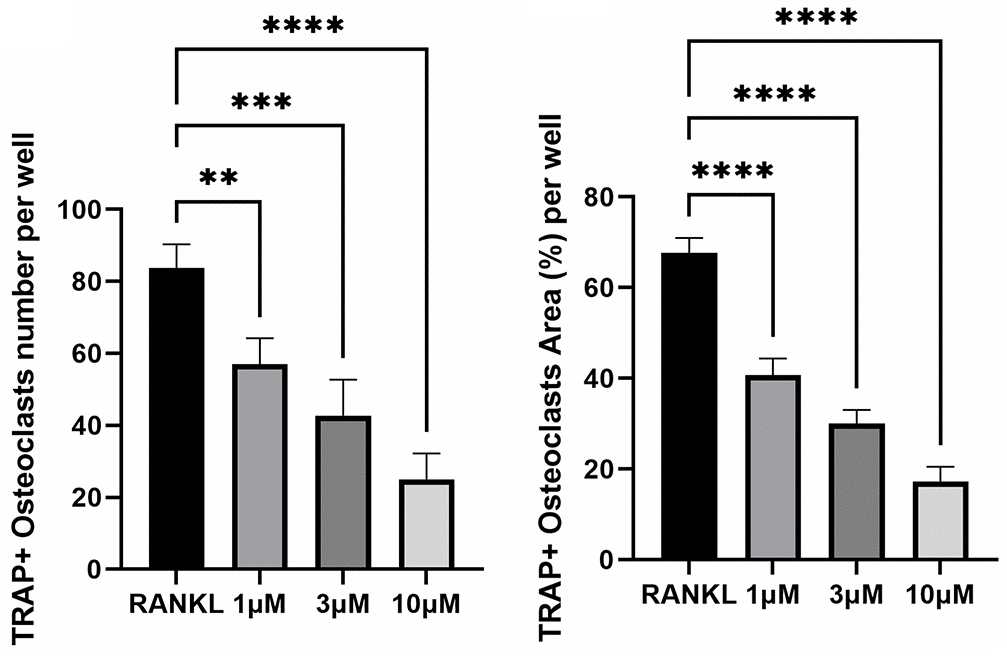
This study’s experiments began with bone marrow macrophages derived from young mice. These cells are known to differentiate into osteoclasts when treated with the compound RANKL. However, co-treatment with corylin blocked most of this differentiation in a dose-dependent manner.

Corylin osteoclasts

Similarly, treating existing osteoclasts with corylin decreased their capabilities, preventing them from creating deep pits when placed on bone plates. These results were corroborated with a gene expression analysis, which reported that genes related to osteoclast differentiation and function were inhibited by corylin. Additionally, the osteoclast differentation process, in which pre-osteoclasts migrate and fuse into osteoclasts, was disrupted. This was found to be accompanied by a reduction in mitochondrial mass and number.

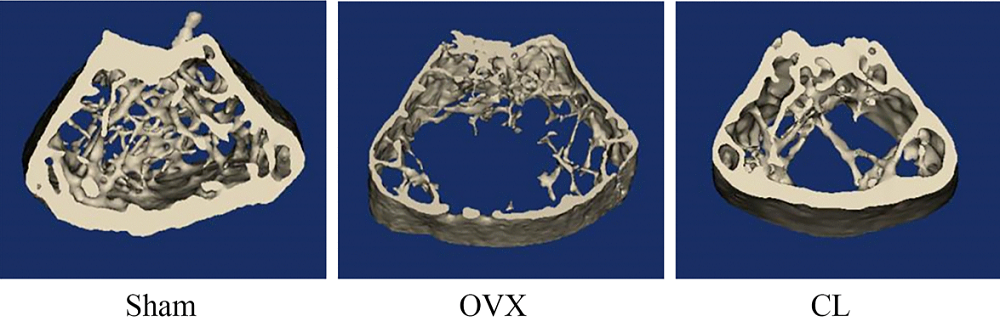
Following these results, the researchers continued with a mouse study. 12-week-old female mice had their ovaries removed, which leads to overproduction of osteoclasts and severe osteoporosis. Treating this population with corylin for four weeks after the surgery reduced much of the osteoclast production and bone loss, although not to the level of the control group.

Corylin bone loss

These results, while initially promising, were not conducted in wild-type mice or on cells derived from human beings. Given the amount of information published on corylin, more comprehensive animal and human trials are warranted to determine its side effects and prove or disprove its efficacy against multiple conditions, including osteoporosis. The precise mechanism of action should also be investigated.

We would like to ask you a small favor. We are a non-profit foundation, and unlike some other organizations, we have no shareholders and no products to sell you. All our news and educational content is free for everyone to read, but it does mean that we rely on the help of people like you. Every contribution, no matter if it’s big or small, supports independent journalism and sustains our future.

Literature

[1] Chen, C. C., Li, H. Y., Leu, Y. L., Chen, Y. J., Wang, C. J., & Wang, S. H. (2020). Corylin inhibits vascular cell inflammation, proliferation and migration and reduces atherosclerosis in ApoE-deficient mice. Antioxidants, 9(4), 275.

[2] Wei, S. M., Yan, Z. Z., & Zhou, J. (2011). Psoralea corylifolia protects against testicular torsion/detorsion-induced ischemia/reperfusion injury. Journal of ethnopharmacology, 137(1), 568-574.

[3] Lin, Z., Liao, L., Zhao, S., Gu, W., Wang, G., Shen, Z., … & Yan, T. (2023). Corylin inhibits the progression of Non-small cell lung cancer cells by regulating NF-κB signaling pathway via targeting p65. Phytomedicine, 110, 154627.

[4] Yu, A. X. D., Xu, M. L., Yao, P., Kwan, K. K. L., Liu, Y. X., Duan, R., … & Tsim, K. W. K. (2020). Corylin, a flavonoid derived from Psoralea Fructus, induces osteoblastic differentiation via estrogen and Wnt/β‐catenin signaling pathways. The FASEB Journal, 34(3), 4311-4328.

[5] Yu, A. X. D., Xiao, J., Zhao, S. Z., Kong, X. P., Kwan, K. K. L., Zheng, B. Z. Y., … & Tsim, K. W. K. (2021). Biological evaluation and transcriptomic analysis of Corylin as an inhibitor of osteoclast differentiation. International Journal of Molecular Sciences, 22(7), 3540.

Editorial

Summer Could Be Big for Longevity Tech Investment

For our readers in the Northern Hemisphere, the summer has begun! The weather isn’t the only thing heating up, as we have been busy advocating for research on aging!

lifespan.io at the Rejuvenation Startup Summit

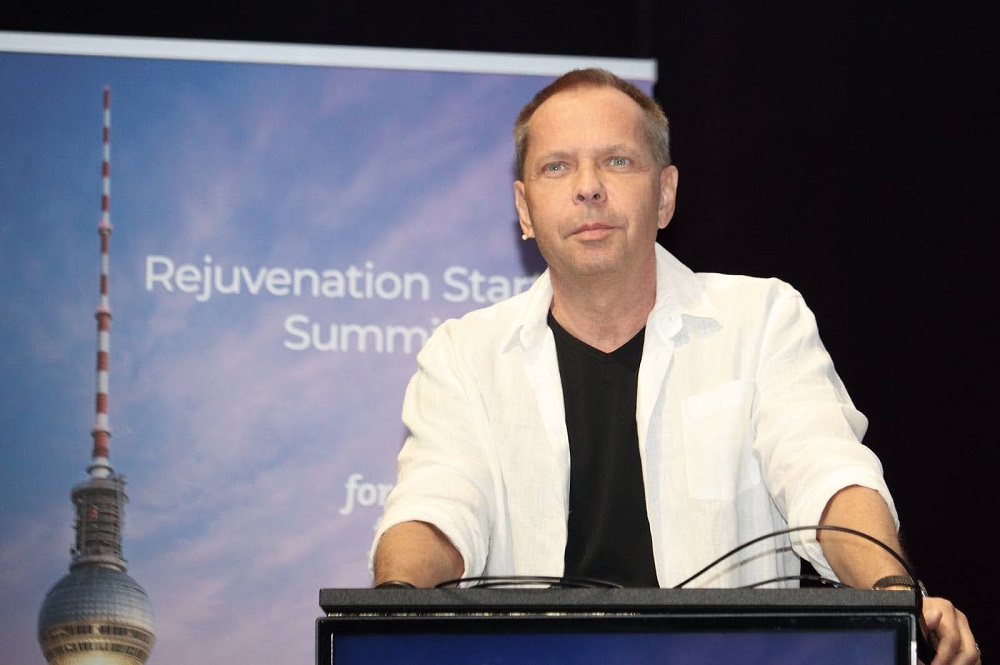
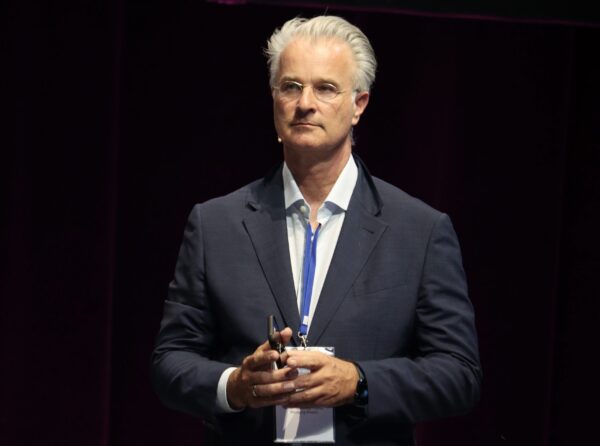
The lifespan.io team was recently at the Rejuvenation Startup Summit in Berlin hosted by the Forever Healthy Foundation. This is one of the most important events on the longevity calendar, and several of us attended.

Communication Editorial 1

Michael Greve from the Forever Healthy Foundation giving the opening talk.

Building the largest industry in human history

This event aimed to support the growth of rejuvenation biotechnology to become the biggest industry in human history.

This is not an exaggeration; everyone ages and suffers from age-related diseases. There will be a huge market for treatments that help people stay biologically younger and prevent such diseases. Potentially, every single human being on the planet is a customer.

Communication Editorial 2

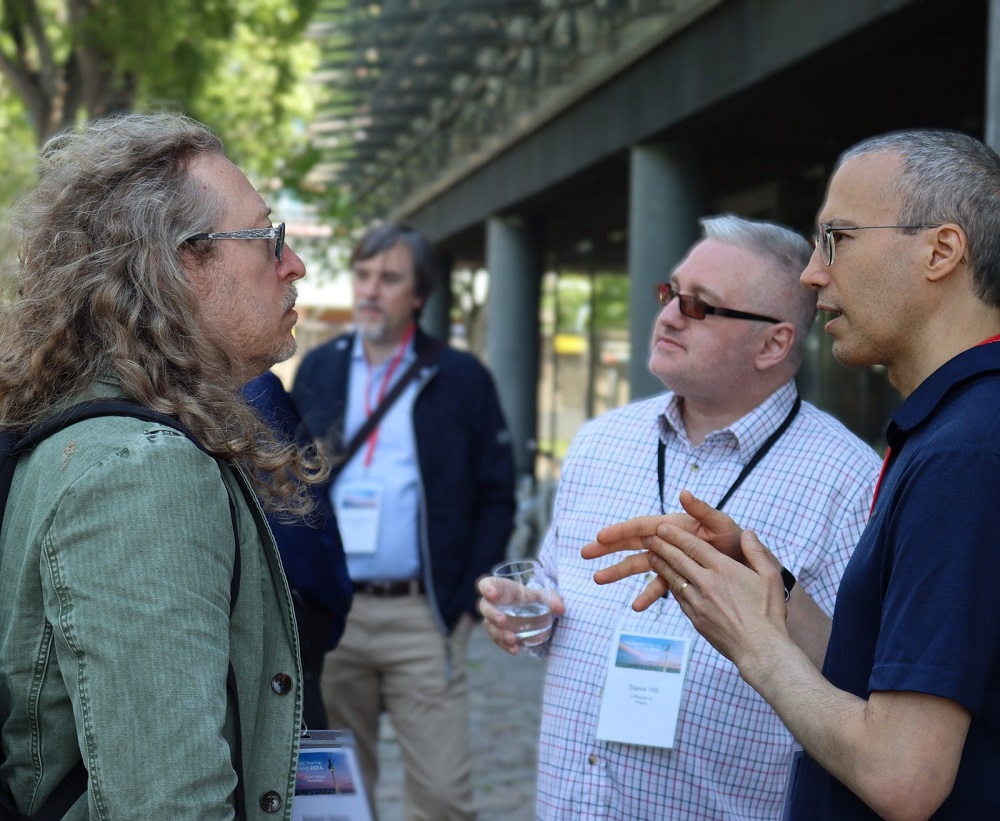
lifespan.io’s Steve Hill and Arkadi Mazin with David Barzilai aka Agingdoc.

We are at a point in our field’s history when there are a number of therapies either in or near human clinical trials. All it will take is for one of those to succeed. Demonstrating that rejuvenation is possible and that aging can be slowed, halted, or even reversed will be a game changer.

That is the point at which wider public interest and attention should happen. The conversation will then turn to the potential of tackling aging, rather than reasons not to. More and more investment should then happen, and the pace of progress could snowball.

Conferences like the Rejuvenation Startup Summit are critical in helping science to reach this point.

A few years ago, the biggest bottleneck to progress was the lack of funding for preclinical research. Things have progressed since then, and getting therapies to clinical trials is now the bottleneck.

Moving from funding preclinical research to clinical trials is a big step, and this is where investors come in.

Communication Editorial 3

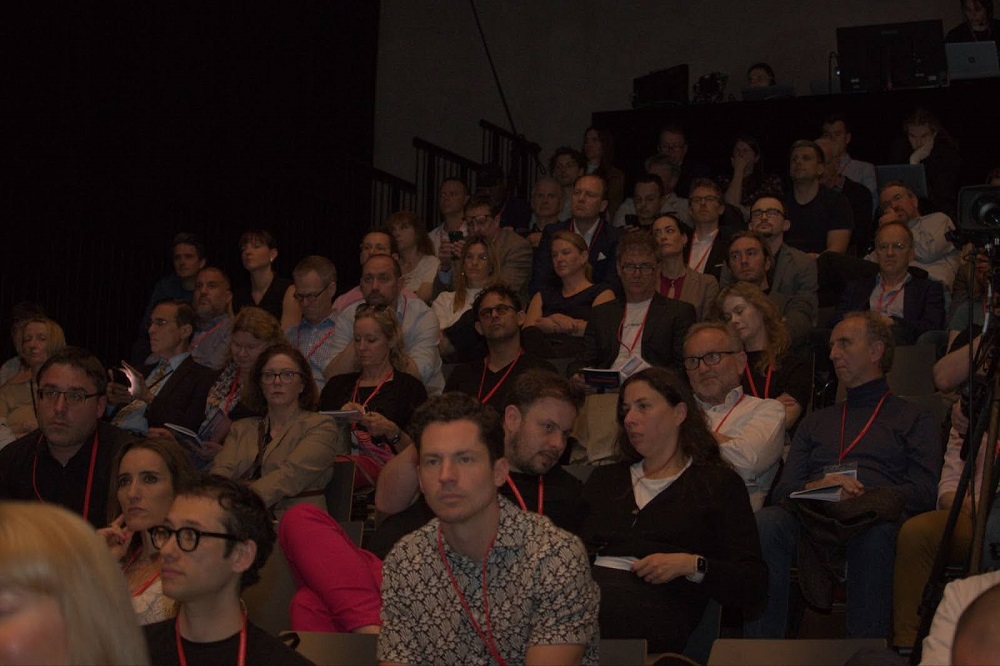
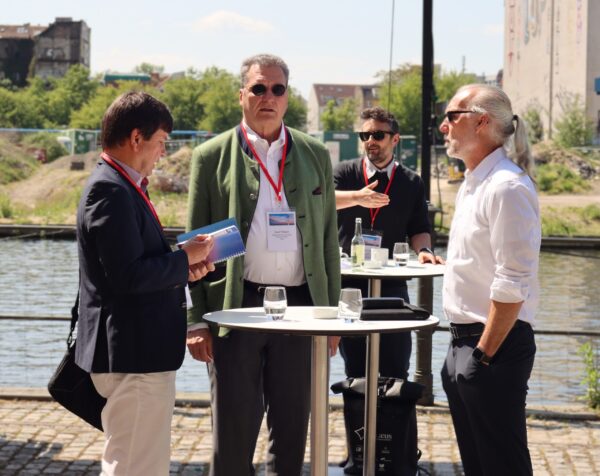
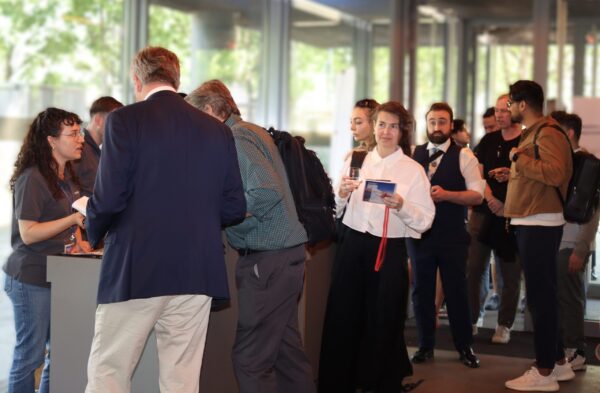
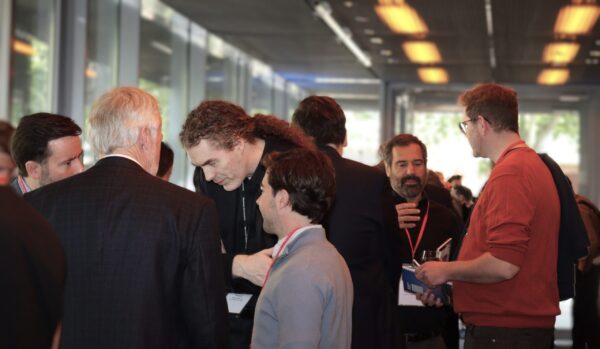
The riverside venue was packed with researchers, investors, and longevity advocates.

Many new biotech companies presented at the conference, and it was a good chance to meet and connect with others. There is no doubt that many deals resulted from the event, and this is the fuel that drives progress towards the clinic.

For more insights from the conference, check out “Everything Happens in Berlin”: Highlights from the Summit by Arkadi Mazin.

Effective communication for aging and longevity research

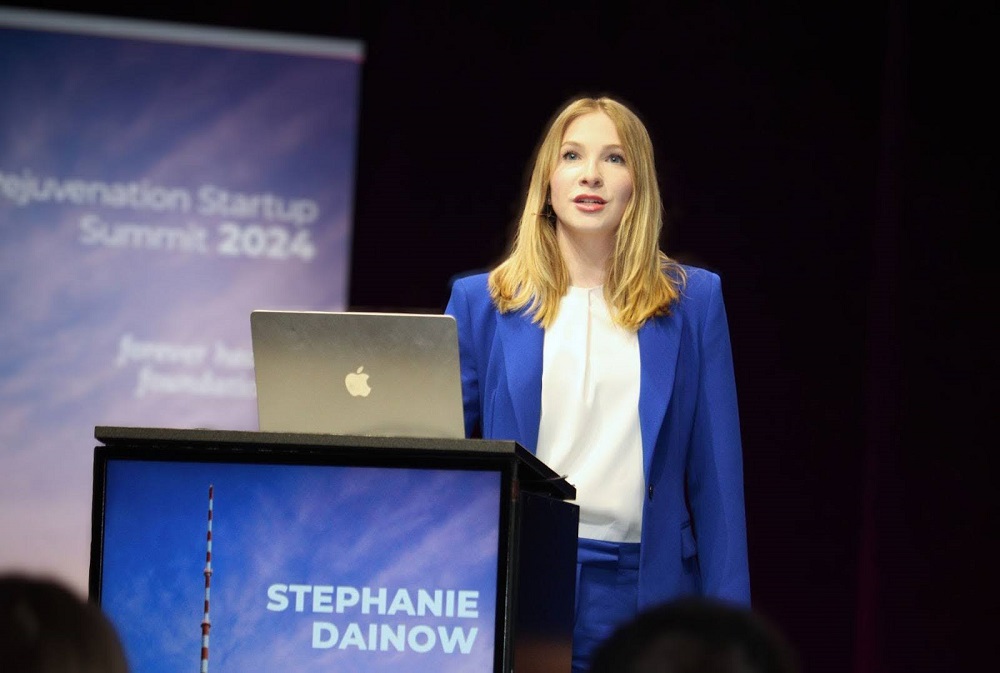
Stephanie Dainow, lifespan.io’s Executive Director, gave a talk at the Rejuvenation Startup Summit. The talk focused on how to effectively communicate with investors, policymakers, and the public about rejuvenation biotechnology.

This is critically important if we want to continue to generate interest and support among the general public.

Stephanie Speaking

lifespan.io’s Stephanie Dainow talks about the importance of effective communication.

Unfortunately, many researchers have difficulty communicating what they do to people without scientific backgrounds in a way that these interested people can understand. Talking with other academics is easy enough, but it can be difficult to discuss this science with people who have different fields of expertise.

To overcome what is perceived to be the biggest bottleneck to progress in the longevity field, namely, lack of funding, we need to find more effective ways to communicate. In fact, ineffective communication itself, Dainow argued, is the real bottleneck.

People have different levels of understanding of this topic, so we must adjust how we communicate to fit the audience. We shouldn’t assume that they will automatically understand, especially when discussing complicated biology. This is a common mistake, and it’s where we can often lose people’s interest.

Our approach to communication has three key points:

  • Find common ground
  • Meet them where they are
  • Choice of language matters

Find common ground

When you care about a cause, it’s easy to come out all guns blazing against anyone with a differing opinion, but this is counterproductive in the long run.

Misconceptions and resistance to the idea of longevity come from deeply-rooted beliefs and the fear of the unknown. However, the potential benefits and opportunities for a healthier and longer life are becoming increasingly tangible.

Instead of attacking someone’s core beliefs head-on and trying to change their mind, try to find common ground instead. This starting point should be something that is very compelling and undeniable. Ideally, it will be something that has a similar “fact of life” sense of permanence to it that the other person’s core beliefs have.

Something that people will generally accept is that aging leads to a gradual failure of bodily systems, frailty, and disease. This is an undeniable reality for everyone and is the truth that most of us accept. It is an inevitable consequence of living and a biological reality, and there is no argument against it.

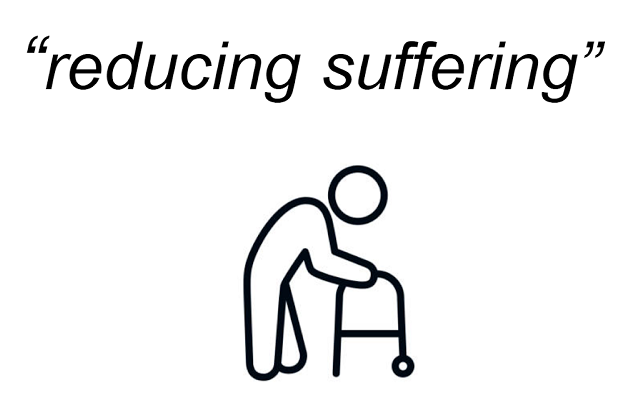
Plus, we all understand what it feels like when our bodies aren’t working. After all, we have all experienced being sick or injured during our lives, and we know how bad that feels. Therefore, we can leverage this mutual understanding, which makes it possible to talk about rejuvenation biotechnology in the context of reducing suffering.

Communication Editorial 4

Aging leads to age-related diseases that cause suffering, and suffering is bad. No one in their right mind would argue that suffering is a positive thing or that it makes us happy. It is hard to argue against the idea that less suffering and more happiness are good and desirable things.

It’s also important to remember that it’s not just about solving a problem you think is important. It’s about making them see that your problem is also their problem and that they will benefit from you solving it.

Meet them where they are

If you want the wider public and people outside the field to engage with this topic, understand where they are and meet them there. Taking them on a journey that they personally relate to personally is a great way to do this.

Communication Editorial 5

Audiences may not be as engaged as those at the Rejuvenation Startup Summit, so plan accordingly.

Therefore, understand your audience, particularly their knowledge level, before jumping into the science of rejuvenation biotechnology. While talking, pause and ask if they understand or need a different explanation. You can also go back to a broader overview if needed. After all, anyone who does not understand what you are talking about will become confused and disinterested.

Stephanie gave an example of where failing to take the audience on a shared journey cost the presenter funding. At an event, a scientist talked about their research and company in order to seek funds.

In the audience were several high-net-worth individuals who listened and nodded as the speaker gave their presentation. Unfortunately for the presenter, the nodding was a pretense, and no one really understood what was being said.

Afterwards, Stephanie asked some of these people what they thought of the talk. The answer was not positive. They said that their heads were spinning trying to understand what was being said, and it made them uncomfortable.

When she asked if they would consider investing in the startup or other longevity projects, the answer was no. They believed that even if what was being said was real, it was not their area of expertise and understanding, so they could not get involved.

This unfortunate reaction can be translated to: “I’m too overwhelmed to be excited about learning more. I don’t understand it, and I don’t understand what the scientist was trying to explain.” Their perception of anything longevity-related is now tainted by this single experience. The idea has been rejected and any potential funding along with it.

So, lighten up, connect with the listener, and make sure you are both on the same page.

Choice of language matters

Your particular choice of words when talking about rejuvenation biotech is important. A wide range of people are interested in aging and rejuvenation research for different reasons.

Some people may be approaching the field from the wellness side, which makes them interested in learning about what can be done now to extend healthy life. Others may have a sick or elderly relative, so they’re looking for information about battling specific diseases or conditions. Others still may be motivated by a desire to use their resources to make the world a better place, which has put them on the search for philanthropic opportunities.

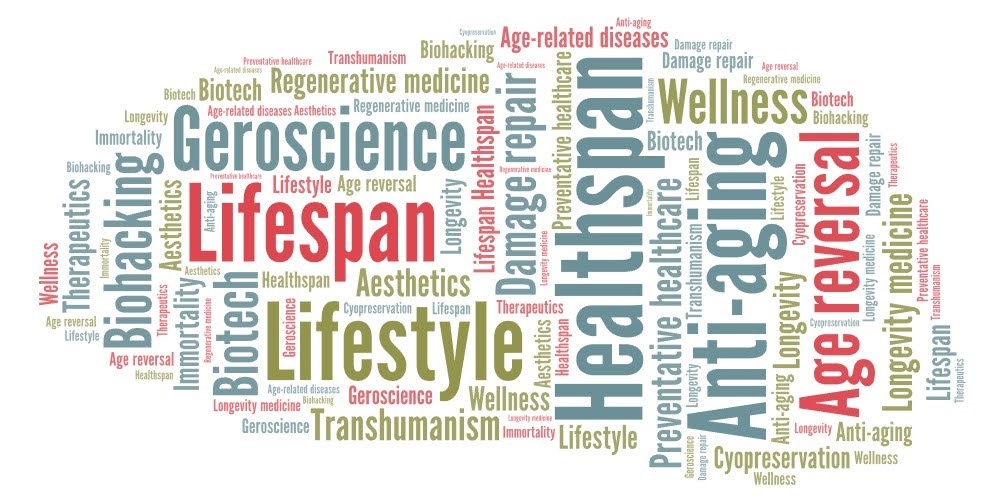
Whatever your own reason for supporting the research being done, take a look at this word cloud:

Communication Editorial 6

As you go through this list, pay attention to how you think and feel about each word.

When speaking with others, make an effort to understand their perspective. Choose words from this list that align with your audience. This will help them understand your message.

Be curious about your audience, find out what motivates them, and use that to frame how and what you are saying. This makes the conversation relatable and will help them to stay engaged with what you are talking about.

For example, if your audience is interested in maintaining good health, consider discussing preventative healthcare or damage repair. However, if they are passionate about organic products and yoga, the term ‘wellness’ may resonate. A medical doctor will understand the terms ‘regenerative medicine’ and ‘geroscience’. For individuals focused on maintaining youth and appearance, consider using the term ‘anti-aging’.

Above all, remember: communication matters just as much as the science.

Moving forward together for aging research

The Rejuvenation Startup Summit was also a great opportunity for the lifespan.io and SENS Research Foundation teams to get together.

Communication Editorial 7

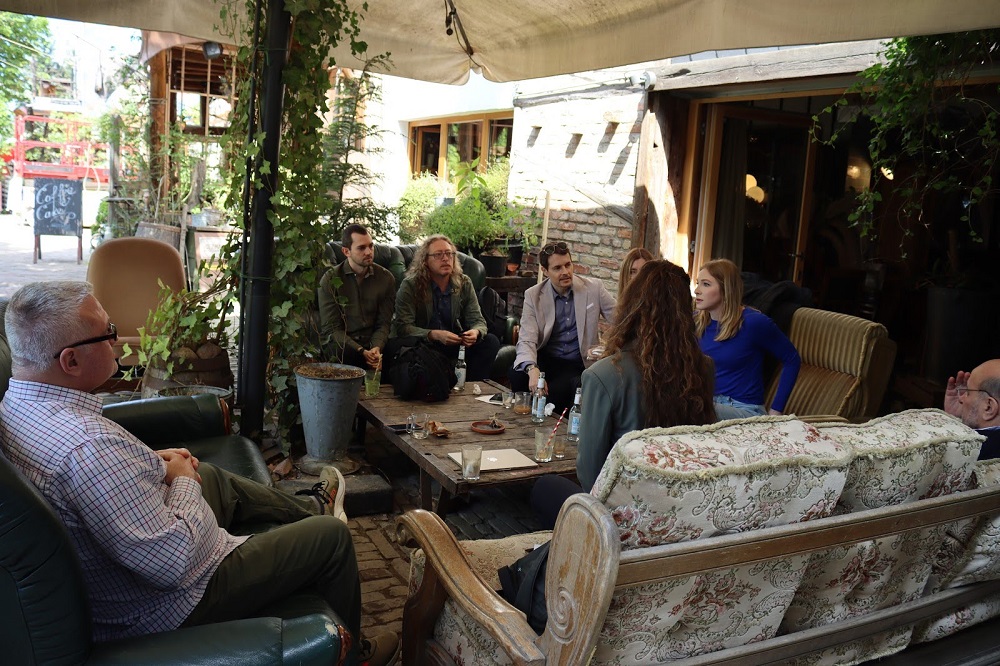
The lifespan.io and the SENS Research Foundation teams meet over breakfast.

From lifespan.io, we had Stephanie Dainow, executive director; Steve Hill, editor-in-chief; Christie Sacco, brand manager; Arkadi Mazin, journalist; and Paul Spiegel, board member. Representing SENS Research Foundation were Maria Entraigues Abramson, director of development; James Hale, associate director of partnerships; and Gary Abramson, creative & web lead.

In April, lifespan.io and the SENS Research Foundation announced their intention to merge and form a new longevity entity. We will have more news to share about what the two organizations will be doing to drive progress in aging research in the future.

Last but not least, many thanks to lifespan.io volunteer, Fatima Hill, for being our official photographer. We have a gallery of photos from the event for you to enjoy below.

Please feel free to post them on social media and mention the lifespan.io Facebook, lifespan.io Twitter, or lifespan.io Linkedin pages. If you do, we’d love to see your posts.

Walking the walk at 0100 Conference Europe

In March, Stephanie Dainow, lifespan.io Executive Director, joined a panel at 0100 Conference in Amsterdam.

When it comes to longevity, you may talk to the talk, but can you walk the walk? Five panelists accepted the challenge! They took to the treadmills while having a discussion about the developing longevity tech industry.

Walking is a great activity for anyone serious about longevity.

The treadmills symbolize the determination needed to navigate long-term investments. They also represent the ability to create opportunities that can enhance our health. Additionally, exercise may help increase our lifespan by several years or more.

The panelists were:

The panelists discussed the importance of exercise, age reversal therapies, and the opportunities in this growing field. They also addressed misconceptions and the potential impact on society and resources.

Key insights from the panel

  • Age-reversal interventions are becoming a reality through advancements in biotech.
  • Mental health and neurodegenerative disorders are also important aspects of longevity.
  • The field of longevity has gained mainstream attention and is supported by nonprofits, advocacy groups, and the media. This increased visibility has accelerated progress in the field.
  • The financial upside of longevity investments is substantial, with projections of a $200 billion market for the first approved aging drug. The field offers opportunities for both therapeutics and related industries.
  • Longevity investments can have a positive impact on resource consumption, as healthier, longer-lived individuals require fewer resources and contribute to a more sustainable society.
  • The convergence of technology, such as AI and big data, with advancements in biology and medicine is accelerating progress in the field of longevity and opening up new possibilities for interventions and treatments.
  • The focus on reducing suffering and improving quality of life through interventions that address age-related diseases, mental health, and overall well-being is at the core of the longevity field.

lifespan.io at the 2024 SALT conference

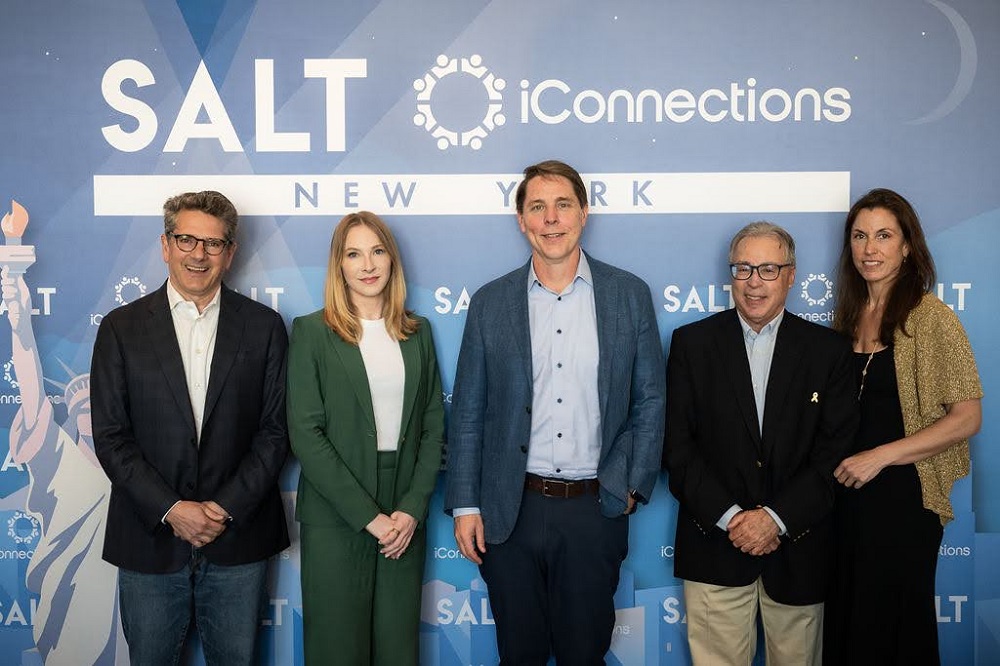
lifespan.io Executive Director, Stephanie Dainow hosted a panel at the SALT iConnections New York 2024 conference.

Stephanie Dainow hosts the Breakthroughs in Longevity panel.

The panel was titled “Breakthroughs in Longevity: How Programmable Biology is Helping Humans Live Healthier, Longer”. The panelists were:

SALT is a global thought leadership forum and capital introduction platform encompassing finance, tech & public policy. It is comprised of a community of the world’s foremost investors, creators and thinkers.

Communication Editorial 10

The Breakthroughs in Longevity panelists.

Here’s to more connections, deeper discussion, and bigger and better communication for longevity.

Events like this help us to be a powerful force for longevity research, advocacy, journalism, and education! If you are interested in supporting us, please consider making a donation to our non-profit organization.

We would like to ask you a small favor. We are a non-profit foundation, and unlike some other organizations, we have no shareholders and no products to sell you. All our news and educational content is free for everyone to read, but it does mean that we rely on the help of people like you. Every contribution, no matter if it’s big or small, supports independent journalism and sustains our future.
Hevolution CEO

Hevolution Announces New Funding Initiatives

Hevolution, the Saudi-funded healthspan non-profit behemoth, has been around for about two years, and it hasn’t been wasting any time, funding research and investing in biotech companies. With its yearly budget touching 1 billion dollars, Hevolution is the biggest non-profit donor and one of the most important players in this field today.

Hevolution touts a holistic approach by working across the “healthspan ecosystem”, which includes everything from influencing public opinion to funding fundamental research into aging biology. For now, however, Hevolution mostly focuses on the latter.

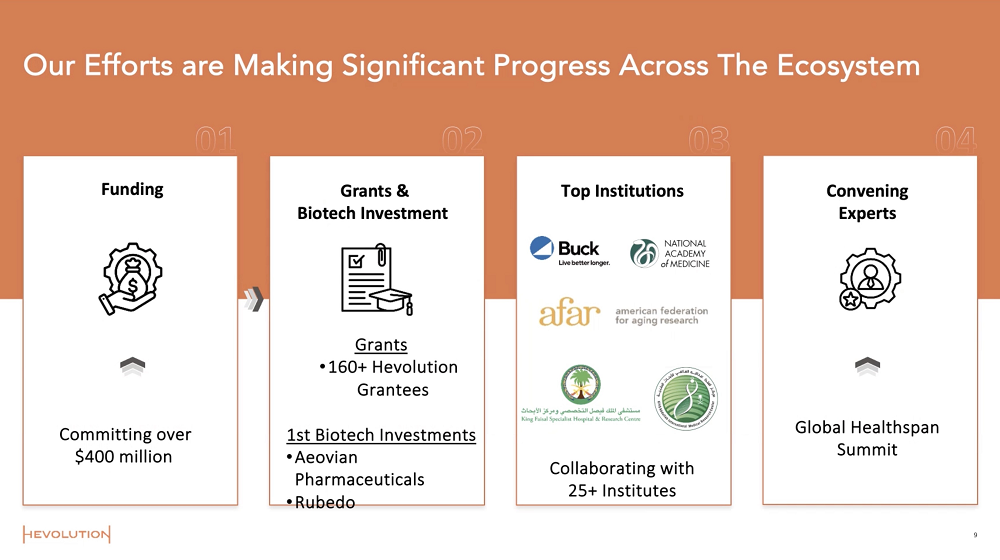
Hevolution is also the organizer of the Global Healthspan Summit in Riyadh. The first one, which was held earlier this year, attracted a record 1,500 participants. The next one will be held in February 2025.

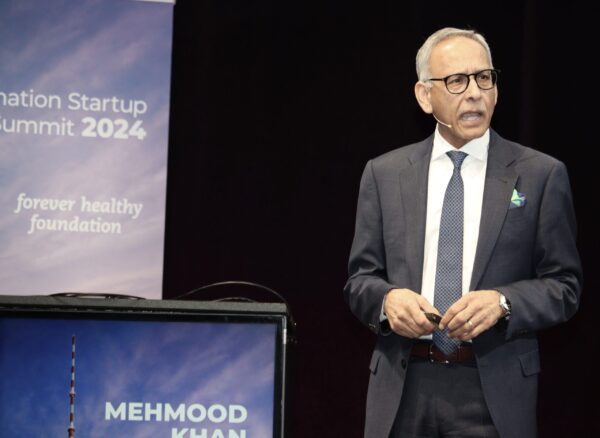
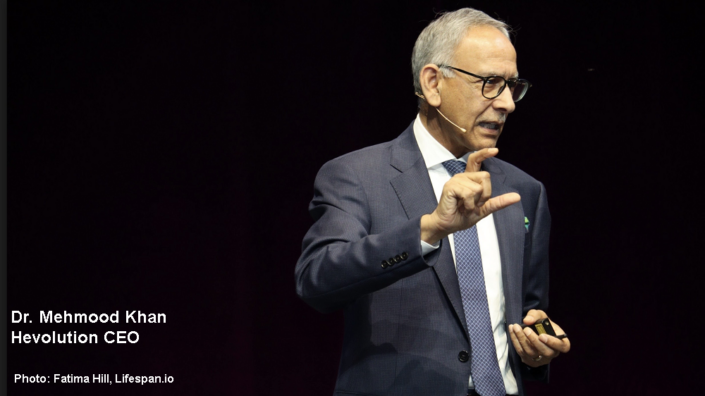
Hevolution’s CEO, Dr. Mehmood Khan, is a charismatic leader with a trove of experience in some of the biggest companies in the world. He is also an MD specializing in endocrinology.

Riyadh is becoming a centre for longevity research funding.

Riyadh is becoming a center for aging and rejuvenation research funding.

Tens of millions in new grants

At a press conference today, Hevolution announced a funding milestone of over $400 million in investments in healthspan over the past 21 months along with a new round of grants.

A $20.2 million grant will be awarded to Albert Einstein College of Medicine for research focused on senescence and aging. The research will be led by Dr. Ana Maria Cuervo, a leader in the aging field and a member of the National Academy of Sciences.

“This is one of the most exciting times in the research on the biology of aging, due to the multiple experimental proofs that show we can modulate the way organisms age. However, we all fear that the scarcity of funding may hinder progress,” Cuervo said. “Timely support through the many programs of the Hevolution Foundation will be key to recruiting and retaining new talent in this field, maintaining momentum, and accelerating the discovery and implementation of gerotherapeutic interventions to ensure healthy aging.”

Northwestern University will receive a $32.3 million grant for proteostasis research led by Dr. Richard Morimoto, Bill and Gayle Cook Professor of Biology at Northwestern University. Loss of proteostasis (the regulation of the concentration, conformation, binding interactions, and location of individual protein molecules within a cell) is one of the hallmarks of aging.

“We are thrilled that the Proteostasis Consortium is partnering with the Hevolution Foundation to address this fundamental question on the biology of aging,” Morimoto said. “Our team, including researchers at Northwestern, the University of California San Francisco, the Gladstone Institute of Neurological Disease, Stanford, Scripps Research, Harvard Medical School, and the Health Research Institute of Asturias, is working to provide new insights on the molecular biology of healthy aging and develop approaches to rejuvenate cellular and organismal health.”

Also announced today were a series of grant programs to support individual geroscience researchers, including:

  • Hevolution Foundation Postdoctoral Training in Geroscience (HF-PTG), which will invest a total of $5 million over four years (recently began accepting applications)
  • Hevolution Foundation Geroscience Research Opportunities (HF-GRO), providing up to $25 million in 2024 to fund projects in aging biology or geroscience (round two recently began accepting applications)
  • Hevolution Foundation Geroscience in Latin America (HF-GLA), a pilot initiative providing up to $5M over four years to researchers in Latin America (will begin accepting applications in July)

Towards active prevention

Khan also touched on Hevolution’s vision. “We’re spending a decade of life in poor health — this is a decade too many,” he said. “Our current healthcare system focuses more on intervention, but our goal is to address the underlying causes of aging and age-related diseases. Geroscience and healthspan science are critically underfunded, which is why Hevolution is stepping up to bridge this gap. We are proud to be the world’s largest philanthropic funder in geroscience.”

Hevolution Efforts

Khan emphasized the immense economic and societal impact of populational aging, which will soon start straining global resources if we don’t find a way to extend healthy lifespan. The current reactive approach to healthcare is not producing additional gains in lifespan despite growing expenses. Hevolution’s vision for solving this is to move the global focus towards active prevention.

Population graying is a universal trend, Khan said, as all regions are getting older, including those that are relatively young today. Underdeveloped regions are particularly vulnerable because they lack the resources and the infrastructure needed to support their aging populations. “Estimates suggest that Africa will have more old people than any other continent in the world, given time,” Khan said. However, those regions also have more time to prepare and could produce the greatest impact in terms of healthy years of life.

Investments in biotech

To date, Hevolution has invested in two biotech companies. Aeovian Pharmaceuticals is working on a selective mTORC1 inhibitor, while Rubedo Biosciences is focused on senolytics. Answering a question from lifespan.io, Khan said that this choice does not necessarily reflect Hevolution’s affinity towards any particular direction in aging research: “I don’t have a favorite child. We look at the usual things – the quality of the science, the management team, and the success that they’ve had, including the data that they present. I can tell you we’ve looked so far at about 200.” Khan promised new investment announcements soon.

Advocacy matters

We also asked Khan whether Hevolution has been active in the field of advocacy, which the foundation itself sees as a crucial element of the healthspan ecosystem. Khan confirmed that the company assigns high importance to advocacy and suggested that because of its sheer size and visibility, Hevolution has already contributed a lot to shifting the attention of the world’s decision makers towards aging. Khan has been talking to prominent government and business leaders, and he sees healthy aging “becoming a priority.”

“It’s not just Hevolution,” he said. “The work you’re doing, everybody’s doing – if this activity is somewhat synchronized and aligned on the terminologies we use, it will raise the bar, and we’re seeing evidence that that is the case.”

We would like to ask you a small favor. We are a non-profit foundation, and unlike some other organizations, we have no shareholders and no products to sell you. All our news and educational content is free for everyone to read, but it does mean that we rely on the help of people like you. Every contribution, no matter if it’s big or small, supports independent journalism and sustains our future.
Open Longevity Debate

How to Defeat Aging? Two Scientists Offer Their Visions

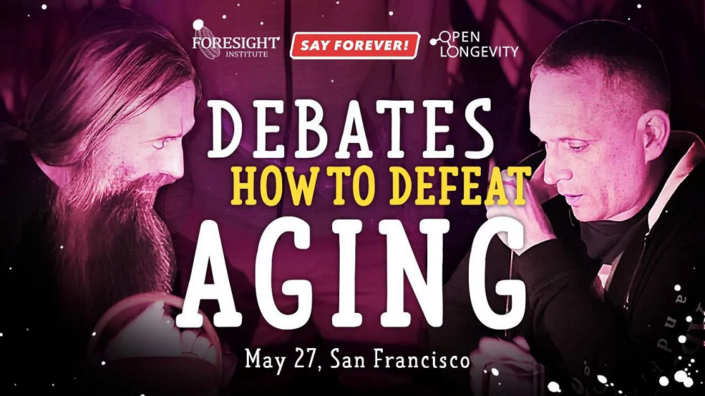
In a much-anticipated debate, prominent aging researchers Aubrey de Grey and Peter Fedichev presented their competing, but also overlapping, theories.

Gentlemen, draw your laser pointers!

When the non-profits Foresight Institute, Open Longevity, and Say Forever had the idea to hold debates on the best strategy to defeat aging, there was little question about whom they should invite first. Aubrey de Grey, head of LEV Foundation and one of the faces of the longevity field, and Peter Fedichev, CEO of Gero and a rising star in the same field, already had an impromptu debate last year in Zuzalu, the longevity/crypto/AI-themed pop-up city in Montenegro. I had the honor to witness that clash of titans, which kept a small but dedicated crowd on its toes for more than two hours.
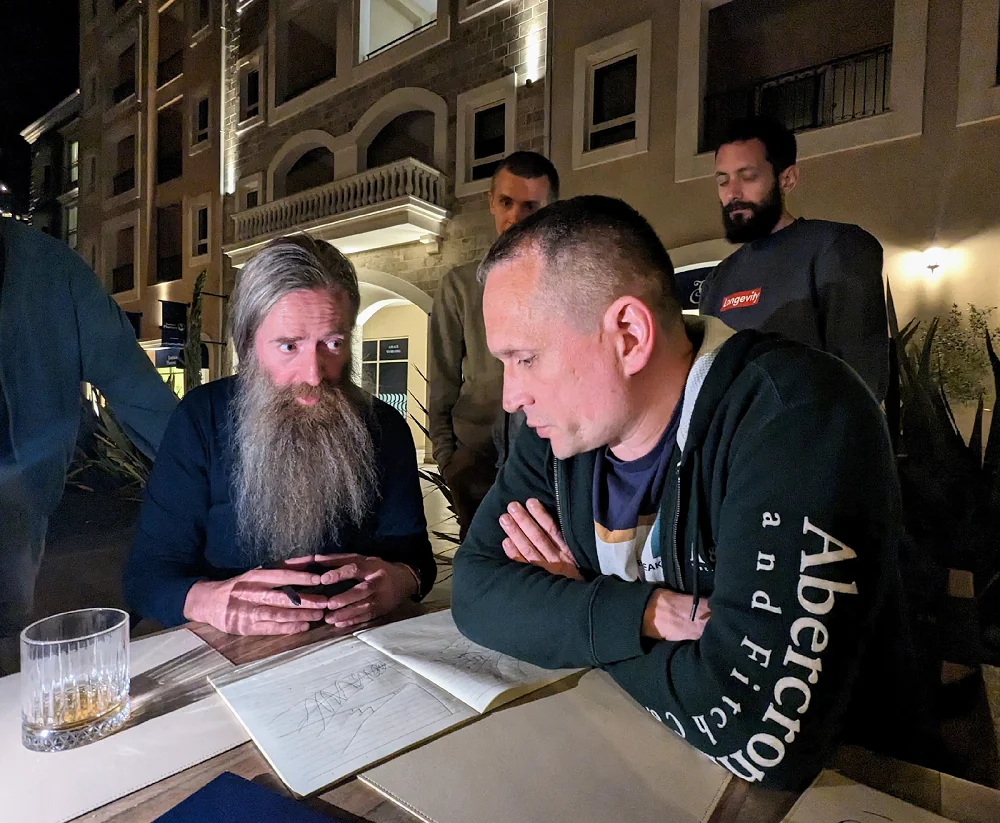
Aubrey Peter Debate 1

The impromptu debate in Zuzalu. Photo: Arkadi Mazin

Now, almost exactly a year later, the two scientists agreed to settle the score, with a panel of five esteemed judges and a $10,000 prize at stake.  The debate mostly clarified the participants’ positions, which turned out to share many similarities but also some important differences. What is undebatable, though, is that this was one of the most fascinating and eye-opening longevity-related events of the year and that such debates should become a frequently honored tradition.

The jury included Prof. David Furman (Buck/Stanford), Prof. Dorota Skowronska-Krawczyk (UCI), Prof. Guo Huang (UCSF), Prof. Thomas Stoeger (Northwestern), and Prof. Mattew Yosefzadeh (Columbia).

At the center of the disagreement was our ability to reverse aging in the near future. Aubrey is much more optimistic about that than Peter. From that rather straightforward point, the journey down the rabbit hole began.

The importance of education

Aubrey took the stage first, focusing this initial part of his talk on the current longevity ecosystem rather than the science of aging reversal. The first thing we can do to extend the human lifespan, he said, is education. In this context, he mentioned several organizations, including Longevity Biotech Fellowship, which educates people seeking a career in longevity, and lifespan.io, which he called “a fantastic, really important organization”.

Warm words were also reserved for the XPRIZE in healthspan, the Alliance for Longevity Initiatives, and the Dublin Longevity Declaration – “the single most important piece of advocacy in several years.” Aubrey praised “the emergence of new jurisdictions,” first and foremost, Prospera, the special economic zone in Honduras, which offers a streamlined and efficient regulatory system for young biotech companies.

The reign of entropy

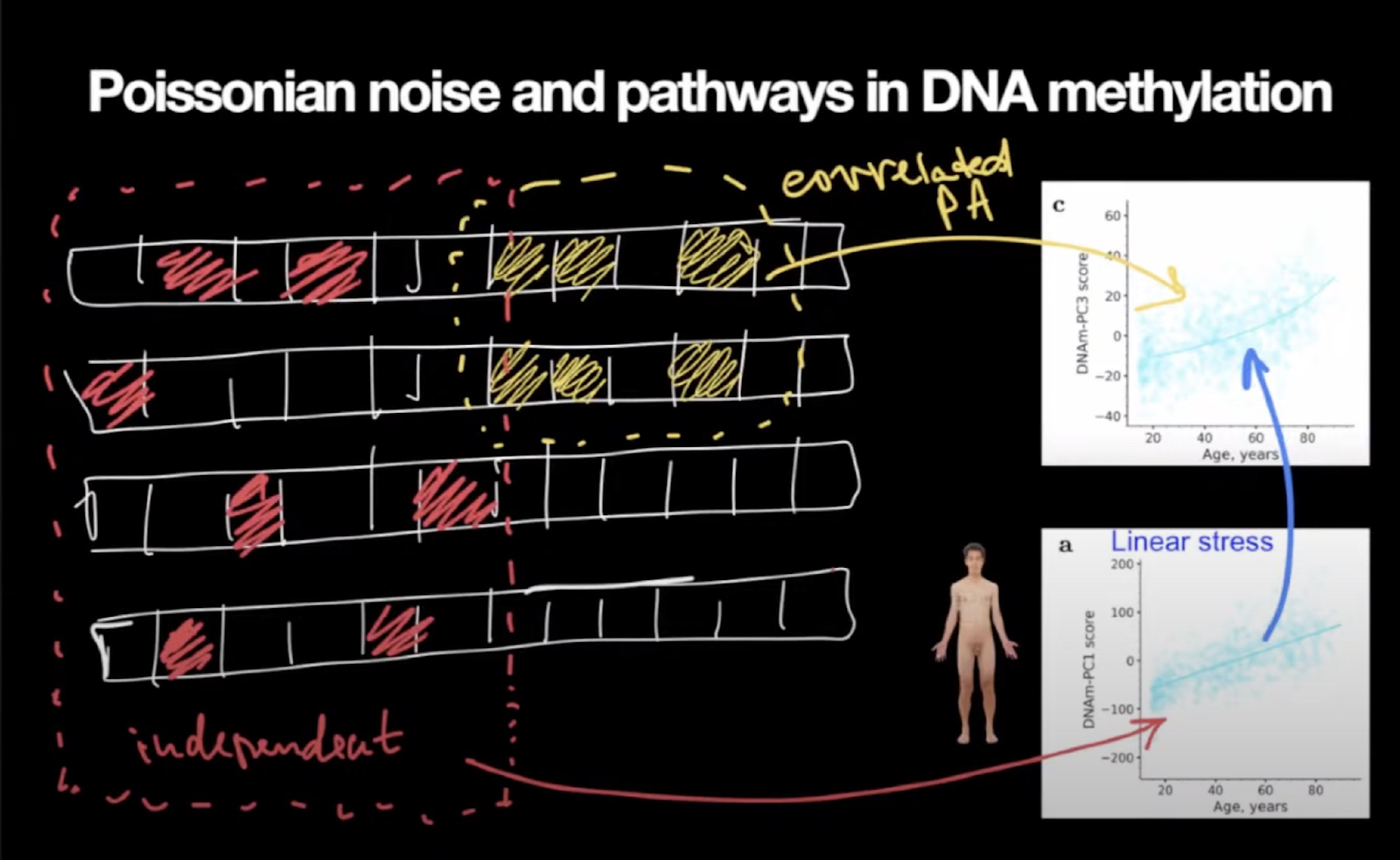
When his turn arrived, Peter dived into the biology part head-first. His theory, developed in a series of publications starting from 2015, borrows heavily from his background in physics. Peter claims that he and his company were able to detect two types of age-related signals in some biological data, including epigenetics.

When they performed a principal component analysis on their methylation dataset, Peter said, they saw one principal component increasing linearly with age and the other one increasing exponentially. Here is how Peter interprets this: normal cellular processes produce heat, which, in turn, inevitably causes some amount of damage, such as genetic and epigenetic alterations. This damage is stochastic, and the alterations are unrelated to each other. As a result, all cells accumulate different patterns of those changes.

Some of those changes are benign, yet, with time, they begin to affect cellular function, creating stress. The body reacts to this stress by activating various compensatory mechanisms, but since everything in the organism is tied together so tightly, problems in one place create more problems in another, and the organism gets more and more out of balance.
Aubrey Peter Debate 2

Yellow squares are methylation changes that reflect the cell’s normal workings, i.e., biological pathways performing essential functions. Pathways correlate with each other. This work produces heat which produces stochastic damage (red squares). The linear accumulation of this damage (the bottom graph) induces even more stress responses, which is reflected by the top graph’s increasing curvature.

Humans are already an exceptionally long-lived species, which means we have excellent mechanisms of controlling damage and stress (not as good as some other species, such as the naked mole rat or the bowhead whale). Therefore, in humans, the accumulation of instability occurs very slowly, but it occurs nevertheless, and in the last part of our lives, it becomes conspicuous, with numerous things going out of control in a feedback loop, causing pathology. As more stress accumulates, the organism becomes less resilient to it and eventually “goes over the cliff”, leading to death.

As an illustration (conceived by me, not Peter), imagine a tightrope walker. He is very good at what he does, so, initially, he walks nonchalantly on a brand-new, perfectly tight rope over the abyss, experiencing little discomfort. Imagine now that the rope starts disintegrating slowly due to the elements. At first, the walker manages to expertly correct his stance when he encounters those slight imperfections, but as they multiply, it’s becoming increasingly hard, and he’s spending more and more energy, even as he’s getting increasingly tired.

At this point, even a small increase in the density of imperfections causes a large increase in energy expenditure. We see that he’s walking slowly, noticeably wobbling. Finally, one more step becomes too much – he starts waving his hands wildly in a desperate attempt to keep his balance, which only gets him more and more out of balance. I don’t need to tell you what happens next.

In this model, it is not the biomarkers that increase exponentially. In fact, probably not a single biomarker changes exponentially with age; otherwise, we’d see very large increases in older people, and we only see something like that in life-threatening medical situations.

Instead, what we usually see is a linear increase in the variability and/or a change in the average level of the biomarker. Take blood pressure for example: with age, it increases gradually, and its variability increases as well. Both changes are considered alarming. Levels of cholesterol generally slowly increase with age, and levels of VO2max decline.

So, the exponential signal that Peter is talking about is a composite measure of instability. We might not be able to map it to all the specific interdependent molecular processes it reflects, but according to Peter, we see that it strongly correlates with morbidity and mortality. Without knowing what it is exactly, Peter calls it “the dynamic component of aging.” The second one, which increases linearly due to the stochastic damage caused by metabolic processes, reflects the increase in entropy and is named “the entropic component of aging.”

An important part of Peter’s theory says that various species age differently. Mice live for 2-3 years because they are, essentially, not very good at walking this tightrope. Or, as Peter puts it, mice are “tiny explosions”: they start disintegrating almost immediately after they are born, entering the death spiral that humans enter many decades later. This makes mice popular models in biomedical research in general, although many interventions that work in mice fail in humans, but especially poor models in aging research.

Aging in mice is dominated by the dynamic component, which also reacts well to interventions because it reflects interdependent biological pathways. Affecting a pathway may bring back some of the stability and calm things down overall, and this, Peter says, is what we see with our current geroprotectors.

However, in humans, the dynamic component becomes dominant (“we become mice”, as Peter puts it) only during the last couple of decades of life or so. By affecting this component with interventions without stopping the entropic (stochastic) damage from accumulating, we can add, Peter estimates, about a decade to average life expectancy. If we can also stop the entropic damage in its tracks, we can keep a person stable much longer.

The central tenet of Peter’s theory is that reversing the entropic element of aging is extremely hard, because entropy doesn’t like to be reversed (try unmixing two liquids or, if you’re up to a really hard challenge, unbreaking an egg). Without reversing it, he argues, we cannot achieve actual rejuvenation. This bleak prospect, however, is only for the foreseeable future since, technically, Peter admits, there is no “hard limit” on reversing entropic damage, and with technology much more advanced than ours, this can be done.

So, Peter’s answer to the debate’s main question is that we need to concentrate on slowing the accumulation of entropic damage. Otherwise, according to this view, we can only achieve very limited life extension. If we manage to stop the entropic element and reign in the dynamic element of aging, we can keep people at their current age for a long time. However, we cannot rejuvenate people without finding a way to reverse the entropic element, which is extremely hard.

The maintenance approach

Next, Aubrey took the stand to paint his picture of aging.
Aubrey Peter Debate 3

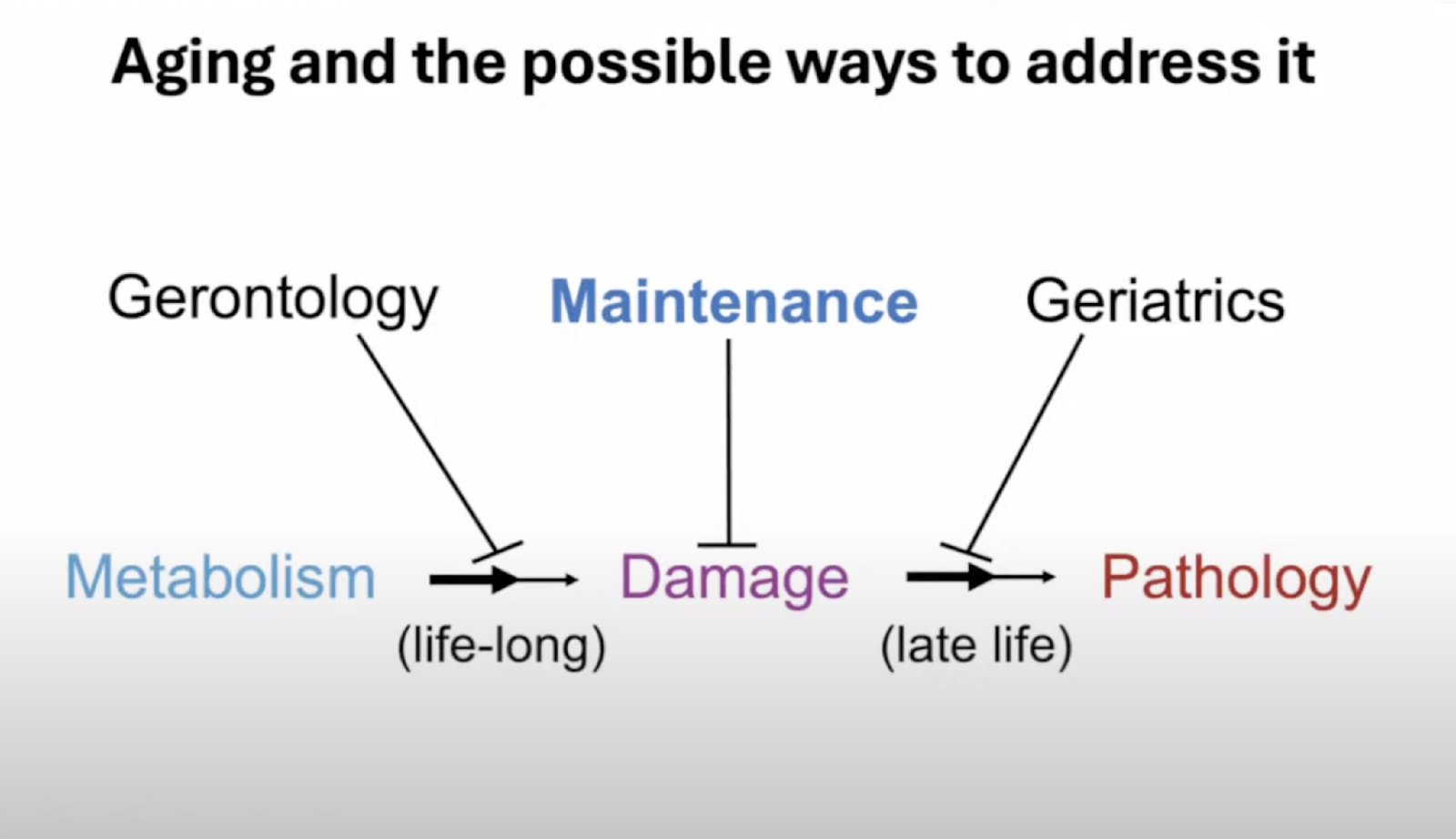
Aging, he said, consists of the combination of two processes. The first one is “a lifelong process whereby metabolism, in other words, the network of processes that keeps us alive from one day to the next, generates changes to the molecular and cellular structure of the body that accumulate over time.” This is what Aubrey calls damage. Accumulation of damage due to normal metabolic processes looks a lot like Peter’s “entropic element of aging.” With time, the increasing damage causes pathology.

Aubrey offered an interesting narrative of how medicine’s efforts to counter aging have changed over time. Encouraged by early successes against infectious diseases, scientists thought it would be just as easy to reverse aging-related pathologies. Obviously, it did not happen. Attempts to alter metabolism so that it creates less damage have not been very successful either. This is why Aubrey has always seen removing damage (“the maintenance approach”) as the only feasible way to disconnect metabolism from pathology and, hence, to slow and hopefully reverse aging.

Since metabolic processes cause many types of damage, a key part of this approach is combination therapies. Unfortunately, the whole system of incentives, both in academia and in biotech, is built to favor single interventions. Aubrey himself is working on the combination approach in the ongoing Robust Mouse Rejuvenation (RMR) study. Still, combining two, three, or even four therapies is just the first step.

An important feature of Aubrey’s concept is that developing pathologies heavily influence the amount of damage produced by metabolism. Again, this bears some similarity to Peter’s idea that pathways produce increasingly more stochastic damage.
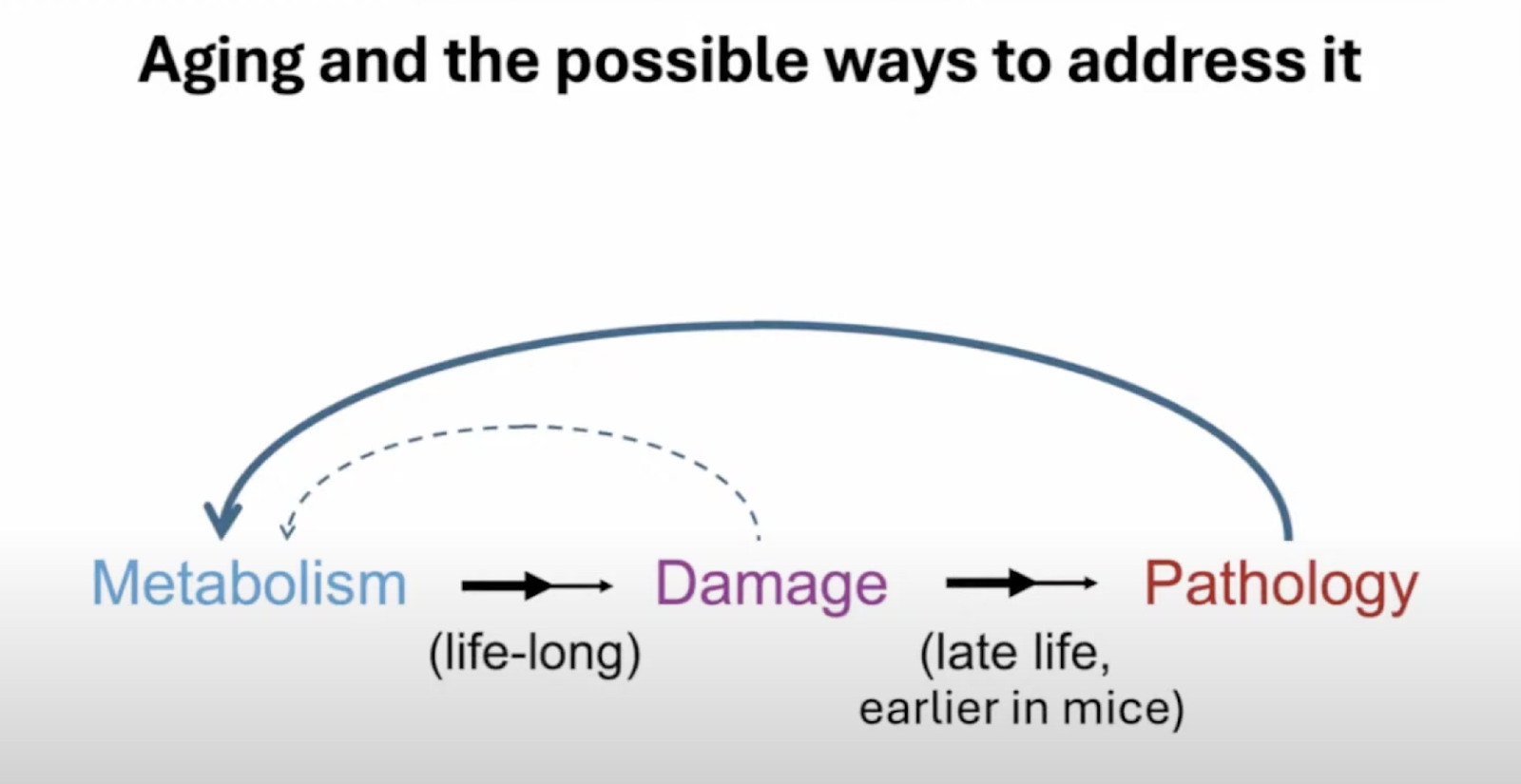
Aubrey Peter Debate 4 Aubrey said that, like Peter, he defines two types of damage: chemically defined damage and chemically undefined damage. The first type is, for example, “something that can be distinguished as damage versus not damage by an enzyme.”

This includes the accumulation of waste products, such as amyloids and crosslinks (chemical bonds between proteins in the extracellular matrix) along with the loss of cells, including stem cells. On the other hand, genetic and epigenetic changes are “chemically undetectable”: enzymes cannot identify sequences with deleterious alterations.

According to Aubrey, both he and Peter agree that it is possible, even if not easy, to remove damage of the first type, but they disagree on how much harder it is to fix the damage that Peter calls entropic and Aubrey calls undetectable or informatic. Notably, although some elements of Aubrey’s and Peter’s theories resemble each other, they don’t necessarily overlap perfectly. Comparing the two theories will probably take more work.

“We know that (informatic damage) can be removed,” Aubrey said, “if you’ve got some kind of oracle, an external source of information that says, this is damage, this is not damage. But we don’t have that oracle, and we certainly don’t have a way to communicate that oracle to cells.”

However, Aubrey is optimistic because of “informatic redundancy” – the idea that the information about a particular cell type’s “pristine” epigenome is retained even if a certain amount of epigenetic damage accumulates. Partial cellular reprogramming is a way to restore this information without sacrificing the cell’s differentiation and without the need for an oracle.

Aubrey is still not sure that experiments in partial reprogramming tell us this, but he thinks that recent research leans towards his hypothesis. His disagreement with Peter is that “the amount of rejuvenation that we can do without an oracle is much greater than it might seem.”

David Sinclair uses an appropriate metaphor. Sinclair, too, puts a lot of hope in restoring epigenetic information using partial cellular reprogramming. He has also achieved some practical success, restoring crushed optical nerves in rodents and non-human primates.

Sinclair likens partial reprogramming to removing scratches from an old CD (hopefully, you remember what that is). Scratches, i.e., epigenetic noise, obscure valuable epigenetic information, but the latter can still be restored, at least up to a certain point. Sinclair also suspects that there is a “backup copy” of this epigenetic information hidden in the cell. He does not have a sound theory about the mechanism yet, but in one of his recent papers, he makes interesting suggestions about how a cellular mechanism of recording epigenetic changes might work.

“The epigenome is what matters”

In the second round, Peter agreed with Aubrey on two issues. First, that a strong positive feedback loop between pathology and the amount of damage produced by biological processes exists, and it kicks in much faster in mice, which shapes the way they age. Second, he agrees about the existence of defined and undefined damage.

“I think it’s a very good definition,” he said, “because we are an evolutionarily sophisticated species, meaning that most of the time, we have options to remove a lot of defined damage. We may not use them for whatever reasons, but the options exist.” Hence, by ramping up those inbuilt mechanisms, we can enzymatically remove a lot of this chemically defined damage.

Still, Peter brought up other types of undefined damage, such as activated retrotransposons that insert themselves back into the genome – damage that, he said, will be much harder to remove. He also mentioned genetic mutations, the rate of which is strongly associated with lifespan across species. Our ability to identify and fix those types of damage might be limited. “There is no evidence,” Peter said, “that (epigenetic mutations are) even the largest part of the story.”

Aubrey countered by noting that cellular reprogramming “just works,” and since differentiation affects only the epigenome but not the genome, “it must be telling us that the epigenome is what matters.” He agreed with Peter that partial cellular reprogramming has not shown a drastic effect on lifespan in mice and that there seems to be a narrow therapeutic window (applying too much of the reprogramming factors kills the animal).

However, he noted, all the experiments we have seen only tested cellular reprogramming alone, without fixing other types of damage. This might be the reason why effects from reprogramming max out quickly. Another reason is that we are just not very skilled at it yet. In the next round of RMR, Aubrey plans to include partial reprogramming so that it can be tested in combination with other interventions.

Next, Aubrey asked Peter about some of the interventions to go after genetic and epigenetic damage. Peter suggested that it might be possible to remove most damaged cells, such as senescent or cancerous cells. Peter sees studying biological noise (the inevitable stochastic damage stemming from the operation of the biological machine that is our body) as essential and is glad to see this field of research growing quickly.

Hundreds of years or a couple of decades?

At this point, a judge’s question returned the discussion to its original topic: Can we rejuvenate the human body? Aubrey answered first by saying that we can definitely “restore some aspects of the structure, function, and composition of the body,” which is rejuvenation by definition. The real question, however, is can we achieve comprehensive rejuvenation, or are there changes to the body’s structure and composition that cannot be reversed with foreseeable technology?

“My belief,” he said, “is that the amount of informatic redundancy that exists in the genome and the epigenome is sufficient for us to be able to comprehensively rejuvenate the body in the foreseeable future.” Aubrey added that he always thought that fixing chemically identifiable damage can only get us so far, and at some point, the accumulation of mutations and epimutations in itself will become deadly. However, he is convinced that the relative contribution of those mutations to aging is so small that, if we find ways to remove all other damage, we will be able to live for hundreds of years.

“Peter’s contention, as I understand it,” he continued, “is that this limit is going to hit us within as little as 10 or 20 years beyond where we can already get. In other words, we can only get 10 or 20 years from the chemically detectable aspects of rejuvenation. I believe, actually, no, we can probably get hundreds of years.”

Peter generally agreed with Aubrey’s representation of his position. He thinks that the longevity field and the pharma industry are mostly going after chemically identifiable damage, and we can only expect limited gains from this approach. The only way to stop aging is by preventing the growth of entropy, which is quite hard (“to struggle against the second law is the last thing that you want to do”) – and that’s even before we start thinking about reversing entropy, which would be required for true rejuvenation.

We go to the scorecards

After another couple of questions from the judges, the debate was officially scored 38 for Aubrey, 42 for Peter, and the proceedings moved on to questions from the audience, which turned out to be just as challenging and insightful.

One of the questions involved an embryonic reset: the apparent erasure of damage, except for genetic mutations, that occurs somewhere during early embryonic development and allows old organisms to produce perfectly young offspring in the never-ending cycle of life. Can an embryonic reset be used to create rejuvenation therapies?

Both Aubrey and Peter responded to the effect of an embryonic reset being analogous to the factory reset of a cell phone, which makes it hard to use it for therapies in vivo. However, the mechanisms of such an embryonic reset and its relation to the Yamanaka factors are being actively studied, including by Vadim Gladyshev’s team at Harvard.

Another question pointed at Peter was whether we have proof of a causative relationship between entropic damage and aging. Peter admitted that, at the moment, it was “a neat theoretical argument that relies on a certain physical intuition” and the most natural explanation.

“I have to confess,” he said, “that direct evidence does not exist because we don’t have an experiment where this damage is either reduced or stopped, and then we would see some effect on lifespan. Mice simply don’t give us such an opportunity right now, so at this time, this argument flows from modeling. We have a model that relates this linear damage to this hyperbolic activation of stress responses that actually kill the animal.”

A member of the audience pointed out that entropy can be reversed if you pay an energetic penalty. In other words, entropy can be reversed in an open system that can draw energy from outside.

Peter said that the problem was not the amount of energy needed – according to estimates, it would only take one cookie a day to fix all our DNA – but the amount of information we have about genetic and epigenetic states and the level of control: “If you can measure all states in your system, and if you can come up with a very exact intervention, you can do whatever you want.”

An elephant in the room addressed in another question was tissue and organ replacement. This direction holds a promise of major shortcuts in our quest for body rejuvenation. After all, do we need to care about the accumulation of damage on a cellular level when we can replace large chunks of our body with perfectly young ones?

Aubrey said that we should invest in this direction but not make it our main focus, although “we’re quite likely to end up needing to do macroscopic interventions for a short while as we reach longevity escape velocity.” Peter’s take was more sympathetic: he called organ replacement “the last resort against the second law of thermodynamics,” which has a lot of potential.

Hope is the last thing ever lost

With that, the debate came to a close, leaving the audience wanting more. It was admirably amicable and thoughtful and showcased the deep mutual respect between the debaters. Among the noteworthy things that I felt did not get proper attention are two promising directions of research, both of which are related to the nefarious entropic damage at the center of Peter’s theory.

First, many species have developed superior mechanisms of damage control, including DNA repair, and researchers such as Vera Gorbunova are working on understanding those mechanisms and translating them for humans. Second, there are budding attempts to reverse the burden of mutations. At the recent Rejuvenation Startup Summit in Berlin, the company Matter Bio presented its vision for identifying and fixing DNA mutations in vivo.

For me, the main takeaway from the debate was more in line with Aubrey’s optimistic vision. Both slowing and reversing aging are theoretically possible, and there are numerous avenues we can pursue toward both of those goals (just take a look at our Rejuvenation Roadmap).

Eventually, we will probably end up with a wide range of interventions, which would include effective waste clearance, cellular reprogramming in vitro and in vivo, clearance of aberrant cells and mitochondria, restoring the extracellular matrix, tissue and organ replacement, elimination of mutations, and many others. While this approach does not look like a “silver bullet” for aging, it gives us realistic hope.

We would like to ask you a small favor. We are a non-profit foundation, and unlike some other organizations, we have no shareholders and no products to sell you. All our news and educational content is free for everyone to read, but it does mean that we rely on the help of people like you. Every contribution, no matter if it’s big or small, supports independent journalism and sustains our future.

Older man muscle

A New Approach to NAD+ in Sarcopenia

Researchers have published a potential new method of treating the age-related muscle loss known as sarcopenia in Aging Cell.

A return to NAD+

We have previously published information relating to exercise and NAD+ levels, and previous work has investigated the relationship between NAD+ and sarcopenia, the crippling loss of muscle that is all too common in older people [1]. Unsurprisingly, this disorder is closely tied to metabolic dysfunction [2], of which NAD+ plays a large part.

However, there are still no approved drugs for the treatment of sarcopenia, and the effectiveness of established dietary and exercise interventions is limited [3]. Therefore, instead of focusing on NAD+ precursors, such as NMN and NR, this work focuses on a related compound, nicotinamide N-methyltransferase (NNMT), which affects the methylation of both nicotinamide and DNA [4].

A clear biomarker

This experiment began with a gene expression analysis of muscle samples taken from older and younger people. The differentially expressed genes were also related to fundamental metabolic pathways, including AMPK and lipid metabolism. These genes had also been previously implicated in fatty liver disease, diabetes, and obesity.

One of the core genes that was strongly upregulated with sarcopenia was NNMT, which was also found to be significantly upregulated in older muscle compared to young muscle. Sarcopenia-related gene expression changes had significant overlap with the age-related gene expression changes, including fundamental aspects of metabolism and NAD+ processing.

NNMT was least expressed in young people, more expressed in older people, and even more expressed in older people with sarcopenia. Analyzing a previous dataset found that NMN supplementation decreased NNMT expression in older Black 6 mice.

A potential for treatment

With NNMT’s status as a biomarker confirmed, these researchers decided to target it directly. Using a mouse model of accelerated aging using D-galactose for five weeks, they found that the artificially aged mice, as expected, had reduced grip strength; however, this loss of strength was partially ameliorated with NNMT inhibition over this time period, which also rescued some of the muscle size lost to D-galactose.

Encouraged, the researchers then turned to naturally aged mice. 19-month-old Black 6 mice were given an NNMT inhibitor for five weeks and compared to a similarly aged control group. The results were very encouraging: their age-related loss of lean mass was attentulated, their grips under electrical stimulation were considerably stronger, metabolic factors such as AMPK and NAD+ were considerably greater, and their cross-sectional muscle mass was larger.

NNMT Inhibition

While it is not yet clear what treatment to reduce NNMT could be used for human beings, this metabolic compound is certainly a clear target for interventions. If the metabolic problems underlying sarcopenia could be attenuated through a small molecule or gene therapy, a great many older people would be better protected from this serious disorder and its accompanying loss of independence and lifespan.

We would like to ask you a small favor. We are a non-profit foundation, and unlike some other organizations, we have no shareholders and no products to sell you. All our news and educational content is free for everyone to read, but it does mean that we rely on the help of people like you. Every contribution, no matter if it’s big or small, supports independent journalism and sustains our future.


Literature

[1] Cruz-Jentoft, A. J., Baeyens, J. P., Bauer, J. M., Boirie, Y., Cederholm, T., Landi, F., … & Zamboni, M. (2010). Sarcopenia: European consensus on definition and diagnosis: Report of the European Working Group on Sarcopenia in Older People. Age and ageing, 39(4), 412-423.

[2] Daily, J. W., & Park, S. (2022). Sarcopenia is a cause and consequence of metabolic dysregulation in aging humans: effects of gut dysbiosis, glucose dysregulation, diet and lifestyle. Cells, 11(3), 338.

[3] Mellen, R. H., Girotto, O. S., Marques, E. B., Laurindo, L. F., Grippa, P. C., Mendes, C. G., … & Quesada, K. (2023). Insights into pathogenesis, nutritional and drug approach in sarcopenia: a systematic review. Biomedicines, 11(1), 136.

[4] Roberti, A., Fernández, A. F., & Fraga, M. F. (2021). Nicotinamide N-methyltransferase: At the crossroads between cellular metabolism and epigenetic regulation. Molecular Metabolism, 45, 101165.

Older woman brushing teeth

Oral Microbiome Associated with Cognitive Performance

An analysis of oral microbes in older adults has indicated an association between microbial diversity and executive function performance [1].

Multiple factors impact cognitive impairment risk

Aging is one of the major risk factors for cognitive impairment and dementia, but it is not the only one. According to multiple research papers, the risk of developing cognitive impairment and dementia is impacted by factors such as lower educational level; toxin exposure; physical inactivity; systemic inflammation; comorbidities such as diabetes, cardiovascular disease, and stroke; and gut dysbiosis: the perturbed composition of gut microbes [2, 3, 4, 5].

While the gut microbiome is well studied, microbes in the oral cavity get less attention. However, some studies suggest a connection between oral cavity dysbiosis and neurodegenerative disorders. This prompted the researchers to test the association between the oral microbiome and Alzheimer’s disease in small-scale clinical studies. The results of those studies do not give a clear answer, since some of the studies report a connection while others don’t see it [6, 7].

In this study, the researchers aimed to build on that knowledge and address a similar question: whether “the oral microbiome is associated with cognitive function measurements” in older adults.

They used data from the National Health and Nutrition Examination Survey (NHANES) 2011-2012, a study conducted by the U.S. Centers for Disease Control and Prevention (CDC). For their analysis, the authors used data from 605 adults between 60 and 69 years old.

Microbes and cognitive function

During the initial analysis, the researchers observed significantly lower scores for all the cognitive tests performed in the older participants with lower educational levels, lower income, current smoking, lower physical activity, and pre-existing diabetes and hypertension.

More in-depth analysis looked at microbiome α- and β-diversity. α-diversity indicates microbiome diversity within a given sample, and β-diversity compares diversity between samples. The analysis revealed a significant positive association between α-diversity and the Digit Symbol Substitution Test (DSST), which measures brain health based on executive function and processing speed. The author’s models pointed out that “higher α-diversity was significantly associated with higher odds of better cognitive function based on DSST.” The results also suggested the importance of β-diversity for DSST.

However, other cognitive domains didn’t show significant associations with α- and β-diversity. Taken together, these resultst suggest that oral dysbiosis has an impact on executive function as tested with DSST, but there was no significant impact on verbal memory as tested with other cognitive tests.

The models also identified the association between the oral microbiome and subjective memory changes. Specifically, higher levels of α-diversity in participants were associated with a lower possibility of experiencing subjective memory changes, and participants who experienced subjective memory changes had significantly different β-diversity than those who didn’t experience them.

The authors discuss that their results are mostly consistent with similar observations by other researchers. If differences arise, they can be caused by different methods of obtaining samples or small cohorts in some studies that were insufficient for proper statistical analysis.

Potential role of inflammation

The authors elaborate on the potential mechanisms underlying the connection between oral microbial dysbiosis and cognitive function impairment. Based on previous research, they hypothesize the role of inflammation in this process, as, for example, other researchers found higher concentrations of inflammatory markers in plasma or cerebrospinal fluid in patients with mild cognitive impairment compared to normal individuals [8].

They also suggest that changes to the oral microbiome can be a potential source of low-grade systemic inflammation, which might play a role in cognitive impairment and dementia development. They give an example of a periodontal disease associated with oral microbial dysbiosis and increased pro-inflammatory mediators.

Large dataset with some limitations

The large dataset used in this study was one of its major strengths compared to smaller studies. Additionally, the availability of other information describing this cohort allowed for adjustment for extensive covariates. However, like every study, this one suffers from some limitations, including the inability to infer causality, which means that the results of this study cannot tell “whether cognitive impairment occurred before or after oral dysbiosis or whether declining health itself influenced both cognitive function and the oral microbial community.”

Since the data of specific microbial species is unavailable in NHANES, that limites the analysis. The generalizability of the results is also limited to this study’s particular age group. The authors also mention that their choice of statistical analysis (not correcting for a number of comparisons) increases the risk of false positives.

In this cross-sectional analysis using data from the NHANES 2011–2012, we found that the α-diversity of the oral microbiome was significantly associated with DSST among U.S. older adults aged 60–69 years after controlling for potential confounding variables. Moreover, cognitive function status based on DSST was associated with distinct oral microbial compositions. Similar results were also identified in the association between the oral microbiome and subjective memory changes. Our study highlights the potential contribution of the oral microbiome to the maintenance of normal cognitive function.

We would like to ask you a small favor. We are a non-profit foundation, and unlike some other organizations, we have no shareholders and no products to sell you. All our news and educational content is free for everyone to read, but it does mean that we rely on the help of people like you. Every contribution, no matter if it’s big or small, supports independent journalism and sustains our future.

Literature

[1] Lin, T. Y., Wang, P. Y., Lin, C. Y., & Hung, S. C. (2024). Association of the oral microbiome with cognitive function among older adults: NHANES 2011-2012. The journal of nutrition, health & aging, 28(8), 100264. Advance online publication.

[2] Livingston, G., Huntley, J., Sommerlad, A., Ames, D., Ballard, C., Banerjee, S., Brayne, C., Burns, A., Cohen-Mansfield, J., Cooper, C., Costafreda, S. G., Dias, A., Fox, N., Gitlin, L. N., Howard, R., Kales, H. C., Kivimäki, M., Larson, E. B., Ogunniyi, A., Orgeta, V., … Mukadam, N. (2020). Dementia prevention, intervention, and care: 2020 report of the Lancet Commission. Lancet (London, England), 396(10248), 413–446.

[3] Kipinoinen, T., Toppala, S., Rinne, J. O., Viitanen, M. H., Jula, A. M., & Ekblad, L. L. (2022). Association of Midlife Inflammatory Markers With Cognitive Performance at 10-Year Follow-up. Neurology, 99(20), e2294–e2302.

[4] Seo, D. O., & Holtzman, D. M. (2020). Gut Microbiota: From the Forgotten Organ to a Potential Key Player in the Pathology of Alzheimer’s Disease. The journals of gerontology. Series A, Biological sciences and medical sciences, 75(7), 1232–1241.

[5] Meyer, K., Lulla, A., Debroy, K., Shikany, J. M., Yaffe, K., Meirelles, O., & Launer, L. J. (2022). Association of the Gut Microbiota With Cognitive Function in Midlife. JAMA network open, 5(2), e2143941.

[6] Wu, Y. F., Lee, W. F., Salamanca, E., Yao, W. L., Su, J. N., Wang, S. Y., Hu, C. J., & Chang, W. J. (2021). Oral Microbiota Changes in Elderly Patients, an Indicator of Alzheimer’s Disease. International journal of environmental research and public health, 18(8), 4211.

[7] Cirstea, M. S., Kliger, D., MacLellan, A. D., Yu, A. C., Langlois, J., Fan, M., Boroomand, S., Kharazyan, F., Hsiung, R. G. Y., MacVicar, B. A., Chertkow, H., Whitehead, V., Brett Finlay, B., & Appel-Cresswell, S. (2022). The Oral and Fecal Microbiota in a Canadian Cohort of Alzheimer’s Disease. Journal of Alzheimer’s disease : JAD, 87(1), 247–258.

[8] Shen, X. N., Niu, L. D., Wang, Y. J., Cao, X. P., Liu, Q., Tan, L., Zhang, C., & Yu, J. T. (2019). Inflammatory markers in Alzheimer’s disease and mild cognitive impairment: a meta-analysis and systematic review of 170 studies. Journal of neurology, neurosurgery, and psychiatry, 90(5), 590–598.

Longevity Desci Recap May 2024

Longevity and DeSci Recap – May 2024

In this latest edition of the Longevity and DeSci Recap, we’ll take a look back at May’s events, research, and investments to give you the latest update on what’s going on in the Longevity and DeSci world.

As the weather is heating up, so too are events surrounding longevity. Not only are there four great conferences coming up in the next few months, but organizations across the globe are securing funding, producing research, and getting results.

Upcoming conferences and events

Longevity event of the year in Dublin

Enthusiasts from all over the world will jet to an emerald isle for the most anticipated event of the season: Longevity Summit Dublin 2024. With the conference just days away, there’s still time to scoop up a ticket and join talks on rejuvenation biotechnology and longevity. This year’s speakers include Luisa G Bâcă from the National Institute on Aging, David Barzilai, founder and CEO of Healthspan Coaching LLC, Laurence Ion of VitaDAO, Brian Kennedy of the Centre for Healthy Longevity and Professor Departments of Biochemistry and Physiology at National University of Singapore, and Manuel Serrano of Altos Labs, among many others.

11th Aging Research and Drug Discovery Meeting

Returning to the stage this August, the 11th ARDD conference will host industry experts such as Nir Barzilai, Vera Gorbunova, and Aubrey de Grey in an exciting longevity conference. Tickets and event details are available here. The event promises to dive into topics including senolytics, stem cell research, healthy longevity, and epigenetic reprogramming.

HLTH around the world

This June 17-20th in Amsterdam, HLTH will host its European conference with renowned speakers covering a variety of health-related topics. Then it’s on to October, when HLTH will move its focus to the Las Vegas stage, covering everything from AI to nutrition to aging.

Longevity Investors Conference

Gstaad, Switzerland is the place to be for longevity investors this September. Between the 24th and 27th of that month, top-level longevity investors will gather together among the mountains to discuss the hottest longevity topics this year. People who wish to attend the exclusive event must pass a screening before being able to purchase tickets. Apply here to attend.

Tech breakthroughs & new research

Female-led biotech announces new innovative fertility research

Gameto, a biotech company focused on women’s health, recently announced novel research into cellular engineering and manufacturing techniques behind its proprietary solution Fertilo. This study looks into how ovarian support cells enhance in vitro fertilization (IVF) outcomes in an effort to improve further understanding of fertility issues.

AI heart care is here

This May, Caristo Diagnostics published a study in The Lancet on inflammatory risk and cardiovascular events in patients without obstructive coronary artery disease. What makes this study unique is that it draws on AI technology to assess cardiac risk utilizing its CaRi-Heart® technology, which the company claims can predict cardiac events due to coronary inflammation up to 10 years in advance. This could be a game-changer for heart care.

Innovative liver treatment on the horizon?

Immorta Bio Inc, a longevity company, announced its positive results with a new liver treatment using PMSC-11 stem cell therapy. The proprietary technology behind the solution resulted in a significant suppression of liver damage in a carbon tetrachloride model, preserving albumin production and preventing spikes in liver enzymes. Due to these results, the company is now seeking further preclinical trials before proceeding to FDA approval for clinical trials.

Longevity investment news

Mitochondrial research organization raises additional $12.5 million in funding

Lucy Therapeutics, a biotech startup focused on longevity through mitochondrial research, has secured $12.5 million in funding to support its drug discovery programs. The company’s current research is centered on targeting Alzheimer’s, Parkinson’s, and Rett syndrome in a novel way. This funding round was led by Engine Ventures and Safar Partners, with new contributions from the illustrious Bill Gates, Parkinson’s UK, and the Michael J. Fox Foundation.

Stealth mode off, development mode on

Radar Therapeutics is definitely on the radar this month, as it’s emerged from stealth mode with $13.4 million in tow. This biotech startup from Berkeley, California isn’t just about the money; rather, it’s bringing the scientific goods too. Radar Therapeutics leverages advanced mRNA technology and proprietary regulatory control elements to create precision therapeutics that can address key challenges in genetic medicine, particularly in the longevity field. This latest funding will go toward this aim and help further this company’s research.

DAOs and communities

VitaRNA by Artan Bio is ongoing right now

VitaDAO, a biotech decentralized autonomous organization, is currently in the process of tokenizing the Artan Bio IP-NFT, an innovative way to fund research projects through an intellectual property NFT. With the aim of raising $300,000 in capital, this process is open to the public until June 6th.

Gitcoin’s DeSci round wraps

With a pool of 25,000 USDC, Gitcoin’s DeSci round ran from May 8th-23rd. Comprising 23 projects spanning a variety of domains, Just DNA-Seq took home the highest amount at $6517.11. The organization focused on an open-source genomics platform that helps people sequence the DNA of their loved ones to get insights into their genetic code. With a new round of funding to be announced, this is one to watch.

Vitalia summer program announced

What could be better than sun, sand, and longevity? At Vitalia in Roatan, Honduras, people who are looking for all these things this summer are welcome to join in the latest in a series of longevity city events. Spanning July 1st-31st, participants can partake in a unique program covering such things as a bio-acc summit, human augmentation week, and a startup investor demo day.

Other DeSci and longevity news

Berlin’s Rejuvenation Startup Summit

This month saw the long-awaited Rejuvenation Startup Summit held in Berlin. Hosted by Michael Greve’s Forever Healthy Foundation, the event saw a number of exciting talks and networking opportunities for people interested in the longevity biotech field. Hevolution’s CEO Mehmood Khan took the keynote speech, highlighting the financial challenges posed by an aging population, and how diverse approaches, such as Rockfish’s novel senolytics pathway and NaNotics’ innovative nanoparticle platform, could be part of the solution.

lifespan.io Executive Director Stephanie Dainow also took the stage, speaking about the recent merger of lifespan.io and the SENS Research Foundation, detailing how our shared mission plans to advance longevity. Get a closer look at all the details here.

Longevity now on your phone

Novos, a tech company focused on longevity, has just launched an AI-backed app for improving longevity. The app helps users discover their biological age and take daily actions to improve it. Find out more here.

The season of collaboration

Just as lifespan.io announced its merger with SENS Research Foundation, 2024 is proving to be the year of working together for a common goal. QuantaIX Neuroscience has joined forces with The Sheba Longevity Center to develop new technologies in the world of brain health diagnostics. Aiming to address the needs of the aging population, the teams will look into predictive analytics, early detection and intervention strategies to improve human healthspan.

Social media pages to follow this month

Gitcoin — For people interested in the crypto side of the coin, Gitcoin’s social media follows the process of the company’s efforts in empowering communities to fund, build and protect what matters.

DeSci Berlin — Follow up on one of the most exciting conferences of the year and find out all the latest about next year’s event.

Laurence Ion (VitaDAO) — Follow the latest happenings at VitaDAO and related DeSci projects from one of the organization’s key figures.

Mouse race

Estrogen Metabolite Robustly Increases Lifespan in Male Mice

In the newest study by the Interventions Testing Program, 16α-hydroxyestriol and canagliflozin significantly increased lifespan in male mice but were deleterious for females [1].

The golden standard

The Interventions Testing Program, now entering its 20th year, is a monumental undertaking by the National Institute on Aging aimed at rigorously testing compounds for their possible effects on lifespan in mice. The ITP is considered the golden standard of mouse longevity studies for a reason. It is run in three academic facilities simultaneously, on large cohorts of genetically heterogeneous, naturally aging mice that are kept in identical conditions.

ITP’s stamp of approval on a molecule is a big deal. Currently, the absolute champion is a combination of rapamycin and the anti-diabetes drug acarbose, which produced a 28% increase in median lifespan in females and a 34% increase in males [2].

From 2004 to 2023, the ITP tested dozens of compounds and published 77 research papers. The previous one highlighted the first supplement in the program’s history to produce significant life extension: astaxanthin.

Good for males, bad for females

Now, the newest ITP paper is out, so brace yourself for the results. In this latest cohort, the researchers tested several molecules: alpha-ketoglutarate (AKG), 2,4-dinitrophenol (DNP), hydralazine, nebivolol, 16α-hydroxyestriol, and sodium thiosulfate. Additionally, it evaluated the effects of canagliflozin, which already produced significant life extension in one of the previous cohorts when administered late in life.

16α-hydroxyestriol was the star of this study, producing a 15% increase in median lifespan in male mice. However, it lowered median lifespan in females by 7%. While many drugs affect lifespan sex-specifically, opposing effects are rare; in fact, this is the first case in ITP’s history. Interestingly, we have another example from the same study: canagliflozin, when started at 16 months of age, led to a 14% increase in median lifespan in males and a 6% decline in females. In a previous ITP study, when started at 6 months, canagliflozin increased male lifespan without affecting female lifespan. All other tested drugs did not have a statistically significant effect on lifespan in either sex.

ITP Interventions

The winners…

16α-hydroxyestriol is a metabolite of estrogen. Its inclusion in the study was due to the previous success of 17-α-estradiol, also called “the non-feminizing estrogen”, which increased median survival by 20% in males only [3]. The researchers hypothesized that 16α-hydroxyestriol might produce a similar lifespan extension in both sexes, but they were harshly proved wrong. The authors do not know what caused the significant reduction in female lifespan.

While estrogen supplementation might be beneficial for aging males, understanding the exact mechanisms and perfecting a therapy will take some time. 16α-hydroxyestriol is only the seventh ITP-tested drug to induce at least a 10% lifespan increase in one or both sexes.

Canagliflozin is a sodium-glucose cotransporter-2 (SGLT2) inhibitor and is used to treat type 2 diabetes. Blocking SGLT2 in the kidneys reduces the reabsorption of glucose back into the blood and helps to lower blood sugar levels. Interestingly, the more famous anti-diabetes drug metformin failed to produce significant life extension [4].

Female mice had a much higher concentration of canagliflozin in the blood than males. The researchers speculate that “hypothetical benefits (of canagliflozin) that might accrue in females at younger ages are then countered by harmful effects at ages above 16 months, when blood levels of this drug are particularly high in females.” They plan a series of new experiments hoping to avoid this late-life toxic effect. Still, the success of a mid-life canagliflozin treatment in males is a great result. With this study, canagliflozin has become the fourth ITP-tested drug to increase lifespan when started later in life.

…and the losers

The most high-profile failure was AKG, which has been touted as a potential geroprotector. AKG is involved in energy production in cells, and some research suggests that its supplementation can improve cellular function and reduce oxidative stress. “Our data on AKG,” the researchers wrote, “fail to confirm the published work in which this agent produced a small but significant lifespan benefit in female C57BL/6 mice” (those mice, widely known as B6, are inbred, as opposed to the genetically heterogenous mice used in the ITP). AKG is being tested by the ITP in another cohort, starting at an earlier age.

Sodium thiosulfate, a sulfur donor used as an antidote for cyanide poisoning, produced a 5% increase in median lifespan in males but not in females. This result fell just short of statistical significance, but the researchers haven’t given up on this inorganic molecule and plan to try other doses.

We would like to ask you a small favor. We are a non-profit foundation, and unlike some other organizations, we have no shareholders and no products to sell you. All our news and educational content is free for everyone to read, but it does mean that we rely on the help of people like you. Every contribution, no matter if it’s big or small, supports independent journalism and sustains our future.
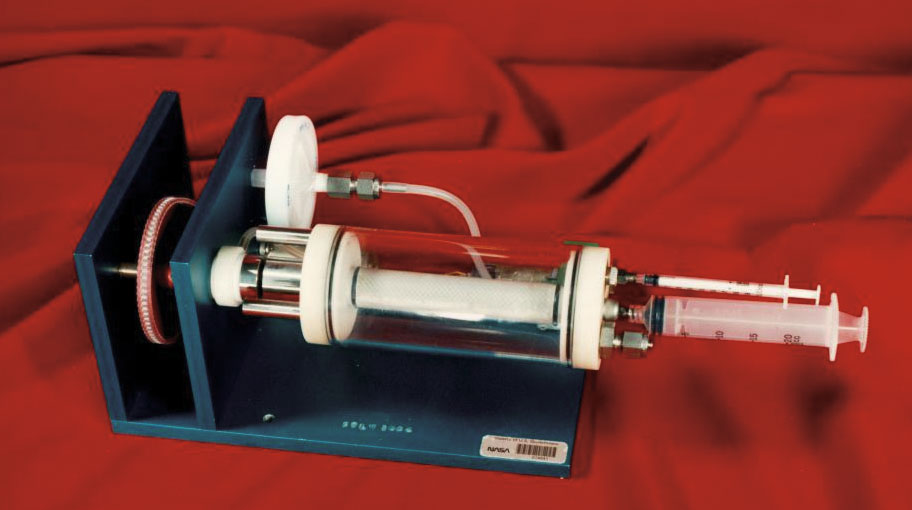
Literature

[1] Miller, R. A., Harrison, D. E., Cortopassi, G. A., Dehghan, I., Fernandez, E., Garratt, M., … & Strong, R. (2024). Lifespan effects in male UM-HET3 mice treated with sodium thiosulfate, 16-hydroxyestriol, and late-start canagliflozin. GeroScience, 1-14.

[2] Strong, R., Miller, R. A., Cheng, C. J., Nelson, J. F., Gelfond, J., Allani, S. K., … & Harrison, D. E. (2022). Lifespan benefits for the combination of rapamycin plus acarbose and for captopril in genetically heterogeneous mice. Aging Cell, 21(12), e13724.

[3] Harrison, D. E., Strong, R., Allison, D. B., Ames, B. N., Astle, C. M., Atamna, H., … & Miller, R. A. (2014). Acarbose, 17‐α‐estradiol, and nordihydroguaiaretic acid extend mouse lifespan preferentially in males. Aging cell, 13(2), 273-282.

[4] Strong, R., Miller, R. A., Antebi, A., Astle, C. M., Bogue, M., Denzel, M. S., … & Harrison, D. E. (2016). Longer lifespan in male mice treated with a weakly estrogenic agonist, an antioxidant, an α‐glucosidase inhibitor or a Nrf2‐inducer. Aging cell, 15(5), 872-884.

Junk food mouse

Inhibiting a Transporter to Stop Senescence

Researchers publishing in Nature Aging have discovered that inhibiting a glucose transporter leads to a decrease in senescent cells.

Forcing a reduction in calories

This paper begins with a discussion of the well-known problems with widespread cellular senescence and its connections with other aspects of aging. Previous work has found that inhibiting sodium–glucose co-transporter 2 (SGLT2) leads to reduced glucose uptake by cells, causing it to be excreted in the urine [1], and that it reduces cellular senesence in the kidneys [2, 3].

However, previous experiments were relatively limited and consisted of cells and diabetic model mice. These researchers decided to advance their understanding of this particular transporter by conducting a study in wild-type mice.

Effective against high-fat diets

The mice in this study were fed a high-fat diet for 8 to 10 weeks, and the treatment group was given a week of canagliflozin, which inhibits SGLT2. This treatment didn’t have any impact on body weight, fat mass, oxygen use, or food intake, but the treatment group had reduced diabetic phenotypes: less insulin resistance and better glucose metabolism. These benefits continued even after the treatment was stopped for a week and canagliflozin no longer had a significant presence in the mice’s systems.

This treatment also significantly reduced senesence. Biomarkers of senescent cells were significantly reduced throughout the mice’s bodies, including in atherosclerotic plaques. Evidence of inflammation and cellular stress was also significantly decreased, as were SASP factors. Ongoing 4-week treatment of canagliflozin led to a long-term reduction of cellular senescence.

These changes were not mirrored with insulin. Insulin, as expected, restored metabolic biomarkers, but it did not affect the senescent cell burden in the way that canagliflozin did. Similarly, feeding the mice a normal diet instead of a high-fat diet restored metabolic biomarkers, but the senescent cells remained.

Additional benefits were found in a mouse model of progeria. Progeroid mice fed canagliflozin lived significantly longer than progeroid mice that were not, and these results were confirmed for both sexes.

A key pathway

The researchers investigated exactly what canagliflozin might be doing to impact senesence. They discovered that SGLT2 inhibition upregulated AICAR, a compound that activates AMPK. The AMPK pathway is well-known in metabolism and was previously found to downregulate cellular senescence [4]. Further experimentation with AICAR and AMPK found that this was indeed the case, as interfering with this chain of events blocked the beneficial effects of canagliflozin.

Inhibiting SGLT2 was also found to downregulate programmed cell death ligand 1 (PD-L1), which is associated with cellular senescence and encourages pathological aging [4]. The AMPK chain that was discovered to inhibit cellular senescence was directly linked to this downregulation of PD-L1.

All of this work was done on mice fed a high-fat diet or on progeric mice. It is not clear if SGLT2 inhibition works on wild-type mice fed more normal diets. However, given the prevalence of unhealthy dietary practices among Western populations, it is conceivable that this approach may have clinical benefit. A clinical trial would need to be conducted to determine if inhibiting SGLT2 would provide benefits related to inhibiting cellular senescence, particularly when accompanied by diabetes or metabolic syndrome.

We would like to ask you a small favor. We are a non-profit foundation, and unlike some other organizations, we have no shareholders and no products to sell you. All our news and educational content is free for everyone to read, but it does mean that we rely on the help of people like you. Every contribution, no matter if it’s big or small, supports independent journalism and sustains our future.

Literature

[1] Ferrannini, E. (2017). Sodium-glucose co-transporters and their inhibition: clinical physiology. Cell metabolism, 26(1), 27-38.

[2] Kim, M. N., Moon, J. H., & Cho, Y. M. (2021). Sodium‐glucose cotransporter‐2 inhibition reduces cellular senescence in the diabetic kidney by promoting ketone body‐induced NRF2 activation. Diabetes, Obesity and Metabolism, 23(11), 2561-2571.

[3] Eleftheriadis, T., Pissas, G., Filippidis, G., Efthymiadi, M., Liakopoulos, V., & Stefanidis, I. (2022). Dapagliflozin Prevents High-Glucose-Induced Cellular Senescence in Renal Tubular Epithelial Cells. International Journal of Molecular Sciences, 23(24), 16107.

[4] Wang, T. W., Johmura, Y., Suzuki, N., Omori, S., Migita, T., Yamaguchi, K., … & Nakanishi, M. (2022). Blocking PD-L1–PD-1 improves senescence surveillance and ageing phenotypes. Nature, 611(7935), 358-364.