The Blog

Building a Future Free of Age-Related Disease

Socializing elderly

More Social Connections Associated with Slower Aging

Recent research has contributed to the growing body of evidence regarding social isolation, loneliness, and biological aging [1].

Social isolation is not generally screened for

During doctor visits, patients are often screened for many physical conditions. However, screening for social isolation in the clinic is not as common as it should be, despite the evidence linking social isolation and physical health.

Recent research has linked social isolation to poor mental health [2], high blood pressure [3], poor control of diabetes mellitus [4], higher medical expenditure, more hospitalization rates [5], and higher mortality rates [6].

The authors emphasize that, despite this strong evidence on the deleterious impact of social isolation on one’s health, the understanding of the impact of social isolation on biological age, which is a better estimate of a person’s overall health and well-being, is limited. Therefore, the authors decided to investigate it.

AI-based biological cardiac age

The study population included 280,324 Mayo Clinic patients with a mean chronological age of 59.8, who visited the clinic for outpatient visits between 2019 and 2022 and responded to a survey on the topic of social isolation. The researchers used a previously designed multiple-choice survey based on the Social Network Index, which ranged from 0 for the most isolated individuals to 4 for the least isolated.

Participants had to be at least 18 years old and have a 12-lead electrocardiogram, which records the electrical activity of the heart, within one year of completing these surveys to be included in the study.

Those ECGs were used to assess biological aging. Specifically, the authors used previously developed artificial intelligence-enabled electrocardiography (AI-ECG). These results were then subtracted by their chronological age to get an Age-Gap value. A positive Age-Gap suggests accelerated aging, while a negative one suggests that it has been slowed down [7]. The mean Age-Gap of study participants was -0.2.

More socializing, slower aging

A higher survey score, which indicates less social isolation, was associated with a lower Age-Gap value, meaning that social isolation is associated with more rapid aging. The results showed differences among age groups, with social isolation impacting younger patients more.

The researchers followed up on the study cohort for a median of 24 months. During that time, 13,764 (4.9%) of the study participants died. Among the people who died, many suffered from hypertension (48.6%), hyperlipidemia (33.9%), and chronic kidney disease (24.8%) and were mostly older than the average participant.

An analysis revealed that social isolation and mortality were significantly associated. Individuals scoring higher on the survey (less isolated) experienced lower mortality risk. The authors point out that their results are in agreement with previous research linking social isolation with increased risk of multiple diseases, health conditions, and mortality.

Social isolation and health connections

The authors discussed the “bidirectional relationship between social isolation and chronic illnesses” [8, 9]. Previous literature shows that social isolation leads to increased cardiovascular event risk. On the other hand, suffering from chronic medical conditions makes people more likely to experience social isolation [8, 10].

The authors also discussed mechanisms that can possibly underline the association between social isolation and accelerated aging. They listed systemic inflammation and the endocrine

system as the two processes that might play a big role in this connection. They further explained that overactivation of the hypothalamic-pituitary-adrenal axis resulting from social isolation can lead to hypertension and accelerated atherosclerosis [11, 12]. On the other hand, social isolation has been shown to upregulate proinflammatory genes [13], leading to oxidative stress in vascular tissues and atherosclerosis [14,15].

Social isolation can also influence health through behavioral choices. For example, “social isolation is associated with a higher likelihood of health-risk behaviors such as smoking, alcohol consumption, unhealthy diet, and physical inactivity” [16-18] and “poor medication adherence” [19].

Incorporating social isolation screening and helping to combat it can have a direct impact on people’s health, as a meta-analysis of 87 randomized control trials showed that support from family or groups “was associated with a 20% higher survival rate and a 29% higher likelihood of longer survival compared to standard care” [20].

The authors list a few limitations of this research. First, their study doesn’t fully represent the general population in terms of racial groups, and there is a risk of selection bias since the population was self-selected and included patients of the Mayo Clinic. Further limitations pertain to the model’s ability to estimate the patient’s biological age. The authors believe that their algorithms could be improved and note that their statistical analysis could increase the possibility of false positives.

This large population cohort demonstrated the independent association of social isolation with accelerated aging and a higher risk of mortality, even after controlling for demographic and clinical comorbidities.

Social isolation
We would like to ask you a small favor. We are a non-profit foundation, and unlike some other organizations, we have no shareholders and no products to sell you. All our news and educational content is free for everyone to read, but it does mean that we rely on the help of people like you. Every contribution, no matter if it’s big or small, supports independent journalism and sustains our future.

Literature

[1] Ito, S., Cohen-Shelly, M., Attia, Z. I., Lee, E., Friedman, P. A., Nkomo, V. T., Michelena, H. I., Noseworthy, P. A., Lopez-Jimenez, F., & Oh, J. K. (2023). Correlation between artificial intelligence-enabled electrocardiogram and echocardiographic features in aortic stenosis. European heart journal. Digital health, 4(3), 196–206.

[2] Mann, F., Wang, J., Pearce, E., Ma, R., Schlief, M., Lloyd-Evans, B., Ikhtabi, S., & Johnson, S. (2022). Loneliness and the onset of new mental health problems in the general population. Social psychiatry and psychiatric epidemiology, 57(11), 2161–2178.

[3] Hawkley, L. C., Thisted, R. A., Masi, C. M., & Cacioppo, J. T. (2010). Loneliness predicts increased blood pressure: 5-year cross-lagged analyses in middle-aged and older adults. Psychology and aging, 25(1), 132–141.

[4] Ford, K. J., & Robitaille, A. (2023). How sweet is your love? Disentangling the role of marital status and quality on average glycemic levels among adults 50 years and older in the English Longitudinal Study of Ageing. BMJ open diabetes research & care, 11(1), e003080.

[5] Holt-Lunstad, J., & Perissinotto, C. (2023). Social Isolation and Loneliness as Medical Issues. The New England journal of medicine, 388(3), 193–195.

[6] Holt-Lunstad, J., Smith, T. B., Baker, M., Harris, T., & Stephenson, D. (2015). Loneliness and social isolation as risk factors for mortality: a meta-analytic review. Perspectives on psychological science : a journal of the Association for Psychological Science, 10(2), 227–237.

[7] Attia, Z. I., Friedman, P. A., Noseworthy, P. A., Lopez-Jimenez, F., Ladewig, D. J., Satam, G., Pellikka, P. A., Munger, T. M., Asirvatham, S. J., Scott, C. G., Carter, R. E., & Kapa, S. (2019). Age and Sex Estimation Using Artificial Intelligence From Standard 12-Lead ECGs. Circulation. Arrhythmia and electrophysiology, 12(9), e007284.

[8] Christiansen, J., Lund, R., Qualter, P., Andersen, C. M., Pedersen, S. S., & Lasgaard, M. (2021). Loneliness, Social Isolation, and Chronic Disease Outcomes. Annals of behavioral medicine : a publication of the Society of Behavioral Medicine, 55(3), 203–215.

[9] Xu, X., Mishra, G. D., Holt-Lunstad, J., & Jones, M. (2023). Social relationship satisfaction and accumulation of chronic conditions and multimorbidity: a national cohort of Australian women. General psychiatry, 36(1), e100925.

[10] Barlow, M. A., Liu, S. Y., & Wrosch, C. (2015). Chronic illness and loneliness in older adulthood: The role of self-protective control strategies. Health psychology : official journal of the Division of Health Psychology, American Psychological Association, 34(8), 870–879.

[11] Burford, N. G., Webster, N. A., & Cruz-Topete, D. (2017). Hypothalamic-Pituitary-Adrenal Axis Modulation of Glucocorticoids in the Cardiovascular System. International journal of molecular sciences, 18(10), 2150.

[12] Yang, S., & Zhang, L. (2004). Glucocorticoids and vascular reactivity. Current vascular pharmacology, 2(1), 1–12.

[13] Powell, N. D., Sloan, E. K., Bailey, M. T., Arevalo, J. M., Miller, G. E., Chen, E., Kobor, M. S., Reader, B. F., Sheridan, J. F., & Cole, S. W. (2013). Social stress up-regulates inflammatory gene expression in the leukocyte transcriptome via β-adrenergic induction of myelopoiesis. Proceedings of the National Academy of Sciences of the United States of America, 110(41), 16574–16579.

[14] Siegrist, J., & Sies, H. (2017). Disturbed Redox Homeostasis in Oxidative Distress: A Molecular Link From Chronic Psychosocial Work Stress to Coronary Heart Disease?. Circulation research, 121(2), 103–105.

[15] Black, C. N., Bot, M., Révész, D., Scheffer, P. G., & Penninx, B. (2017). The association between three major physiological stress systems and oxidative DNA and lipid damage. Psychoneuroendocrinology, 80, 56–66.

[16] Lauder, W., Mummery, K., Jones, M., & Caperchione, C. (2006). A comparison of health behaviours in lonely and non-lonely populations. Psychology, health & medicine, 11(2), 233–245.

[17] Locher, J. L., Ritchie, C. S., Roth, D. L., Baker, P. S., Bodner, E. V., & Allman, R. M. (2005). Social isolation, support, and capital and nutritional risk in an older sample: ethnic and gender differences. Social science & medicine (1982), 60(4), 747–761.

[18] Hawkley, L. C., Thisted, R. A., & Cacioppo, J. T. (2009). Loneliness predicts reduced physical activity: cross-sectional & longitudinal analyses. Health psychology : official journal of the Division of Health Psychology, American Psychological Association, 28(3), 354–363.

[19] Lu, J., Zhang, N., Mao, D., Wang, Y., & Wang, X. (2020). How social isolation and loneliness effect medication adherence among elderly with chronic diseases: An integrated theory and validated cross-sectional study. Archives of gerontology and geriatrics, 90, 104154.

[20] Smith, T. B., Workman, C., Andrews, C., Barton, B., Cook, M., Layton, R., Morrey, A., Petersen, D., & Holt-Lunstad, J. (2021). Effects of psychosocial support interventions on survival in inpatient and outpatient healthcare settings: A meta-analysis of 106 randomized controlled trials. PLoS medicine, 18(5), e1003595.
Desci March

Longevity and DeSci Recap – March 2024

Welcome back for the latest edition of the Longevity and DeSci Recap. This March has seen a swarm of activity as the longevity and DeSci world has sprung to renewed life. Between the many upcoming conferences, latest investment news, and innovations happening at the Vitalia pop-up city in Honduras, the longevity world could be set to see even more exciting news and discussion in the coming months.

For now, let’s recap this month’s goings-on and explore how the longevity and DeSci scene is looking this March.

Upcoming conferences and events

The HEALinc Future Health Summit is coming soon

From April 28th to 30th, longevity enthusiasts will descend on the Atlantis Resort on Paradise Island in the Bahamas for a summit focused on regenerative medicine, longevity tech, and health innovations. Among the experts speaking at the event is Dr. Brian Kennedy. Tickets are available now, with tickets starting at $150 for Bahamian citizens and residents, $275 for virtual attendance, and $550 for general entrance.

The Rejuvenation Startup Summit is back in Berlin

The 2nd ever Rejuvenation Startup Summit is returning to Berlin. With the last event garnering 400 participants, this year’s Summit is set to be packed with longevity founders, investors, researchers, and enthusiasts. Tickets to the event are available online.

The Global Synthetic Biology Conference comes to California

Topics such as synthetic biology, DNA technologies, cellular therapies, biology-based construction materials, and agricultural innovations are on the table for discussion at the Global Synthetic Biology Conference this March 6th-9th in San Jose, California. Ticket sales start at $2,995, with discounts available for specific groups.

The Longevity Summit returns to Dublin this June

In a four-day event this summer, the Longevity Summit is returning to Dublin. Over the course of the summit, some of the world’s leading experts in rejuvenation biotechnology and longevity will join together and discuss the hottest topics this year. Speakers are set to include Dr. Irina Conboy, Dr. Brian Kennedy and Dr. Matthew “Oki” O’Connor among others. Tickets are available here.

Longevity Investors Conference, 5th Edition

As the leaves start to fall in September, the 5th edition of the Longevity Investors Conference will be underway in Switzerland. Over the course of 2.5 days, the world’s longevity investors will gather together at a 5* hotel in Gstaad, Switzerland to discourse on the world’s leading longevity challenges. Tickets to the event, including early-bird discounts, are now available here.

Longevity investment and development news

Hevolution’s $20 million investment into aging therapies

Aeovian Pharmaceutics is set to receive $20 million from the Hevolution Foundation as part of its Series A financing extension, which is reported to total $50 million. The latest investment by the foundation will go toward advancing Aeovian’s work on selective mTORC1 inhibitors and support innovations in the development of longevity therapies. Here are the latest details from the lifespan.io team.

$45 million investment for humanity’s best friend

Loyal, a longevity biotech company developing medications for dogs, has just announced the completion of Series B funding for a total of $45 million. This brings its total fundraising efforts since 2019 to $125 million with the aim of bringing FDA-approved longevity drugs for dogs to the market in the near future.

£3.7 million raised to accelerate senotherapeutics platform

SENISCA, a University of Exeter spin-off project turned biotech, has raised £3.7 million in its latest funding round. There is now a total of £7.1 million for accelerating the development of an RNA-based senotherapeutics platform. The proposed solution aims to treat age-related diseases by reprogramming senescent cells and is set to fuel the preclinical development stage of the project.

Rejuve.Bio launches crowd fundraising on NetCapital

Seeking to further boost longevity investments, Rejuve.Bio (an AI biotech company) has announced the launch of fundraising via NetCapital. This latest round seeks to extend its capacity and offers investors the chance to join its mission of expanding the human healthspan.

Easing the pathway to longevity investment

Maximon, Marcuard Heritage, and GenTwo have joined forces to make investing in longevity in Europe easier by launching a new investment opportunity focused on longevity. Open to professional investors through Maximon’s portfolio of longevity companies, this opportunity utilizes actively managed certificates (AMC) to make this possible. This move means the investment threshold for investing in longevity has been reduced from CHF 500,000 to CHF 10,000, making it more accessible for a wider range of investors.

Tech breakthroughs & new research

From pig kidneys to 3D hearts: transplantation is evolving

March 2024 saw the first successful transplantation of a pig kidney into a human patient. Although this is still in its initial stages, the move towards xenotransplantation could be set to reduce mortality for people on waiting lists for vital organs. Additionally, researchers at Tel Aviv University reported the “printing” of the world’s first 3D heart, using the patient’s own cells and biological material, moving the prospect of bioprinting one step closer to becoming a reality.

Positive results from Nanoscope Therapeutics

Following the positive outcomes of the Phase 2b RESTORE trial of MCO-010 for retinitis pigmentosa, Nanoscope Therapeutics is hopeful that achieving significant vision improvement is the true light at the end of the tunnel. In its first successful trial with a mutation-agnostic gene therapy for a genetic disease, the initial results have been proving positive, with few serious adverse effects. Following this initial success, the biotech plans to move ahead with an FDA application for its plans to provide a novel treatment for patients with permanent vision loss.

DAOs and communities

Vitalia wraps up with a start-up demo day

For the past couple of months, longevity enthusiasts have been visiting and living at Vitalia, a pop-up city located in Roatan, Honduras. With a focus on developing governance for the longevity sphere, the event has advanced into the development of spin-off start-ups that seek to advance the healthspan. This event’s themes include gene therapy and editing, cybernetics and organ replacement, DeSci, accredited ingestors, human challenge and off-label trials, and insurance, financial and crypto models. More details on the start-ups can be found here; keep an eye on these names for the future.

Vitalik Buterin on the Crypto-Longevity & Network State Nexus

As Vitalia, the pop-up city, draws to a close, Vitalik Buterin, founder of the Ethereum network, talks about the dynamics between technology, science, and society and their role in shaping the future of human health and its governance. This 50-minute YouTube video is one to watch for any DeSci and longevity fans seeking to get a sense of the future of the sphere.

World Longevity News

Latest on the Million Molecule Challenge

As the name suggests, the Million Molecule Challenge is a huge project. The team behind it, Ora Biomedical, a longevity biotech dedicated to developing small molecule therapeutics, chatted with lifespan.io’s own Arkadi Mazin about the project’s progress and how it’s possible to test one million molecules. Get the latest updates here.

Biomarkers of Aging Challenge launched

Aiming to innovate and validate the next generation of aging biomarkers, bridge computational and biological sciences, and improve clinical research, the Biomarkers of Aging Consortium has launched the Biomarkers of Aging Challenge. In three phases, the challenge will focus on predicting chronological age, mortality, and multi-morbidity. For more details or to enter, visit the dedicated site.

Social media pages to follow this month 

Laurence Ion: VitaDAO and Vitalia founder Laurence Ion is one of the key figures in the DAO movement.

Niklas Anzinger: Niklas is the founder of Infinita VC and Vitalia; follow him for the latest financing and development updates.

David Sinclair: Professor and scientist Dr. Sinclair is a leading expert in longevity.

A4LI Speaker

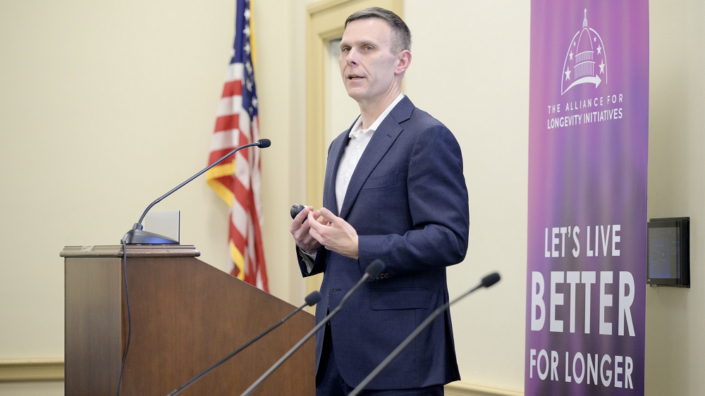
Longevity Gets Political at an Unprecedented DC Event

The longevity community has always been a niche one, but many of its members realize this is not how we defeat aging. This goal requires immense resources as well as political and regulatory changes that can only be obtained at a national level. With all our labs, startups, and conferences, if we don’t elevate life extension to the top of the global, or at least American agenda, we don’t stand a chance.

Recently, the Longevity Biotech Fellowship (LBF) conducted a survey of experts in the longevity field aimed at identifying the bottlenecks that hamper its progress. Unsurprisingly, the lack of funding took the second place, narrowly trailing the lack of aging biomarkers.

While research into specific diseases of aging, particularly cancer and Alzheimer’s, is generously funded by the government, the basic biology of aging gets scraps: only about 300 million dollars a year from the multibillion NIH budget. Without understanding the biology of aging, how can we deal it a serious blow?

Current regulation is also skewed towards the disease-based approach. No regulatory framework exists for testing anti-aging interventions and bringing them to market.

All this is well known, but what can be done about it? Enter the Alliance for Longevity Initiatives (A4LI), a non-profit organization founded by Dylan Livingston. lifespan.io took an active part in taking A4LI off the ground, with our president Keith Comito being a founding board member. From the start, A4LI has looked to sell the idea of longevity science to politicians, and we have been keeping an eye on the organization. For example, A4LI has played an instrumental role in the creation of the Longevity Science Caucus in Congress.

In our era of toxic partisanship, when a divided Congress is largely dysfunctional and its approval ratings are at all-time lows, this caucus is refreshingly bipartisan, led by the Republican congressman Gus Bilirakis from Florida and his Democratic colleague Paul Tonko from New York. Another staunch proponent of longevity that A4LI was able to recruit to the cause is the former House speaker Newt Gingrich.

A few days ago, A4LI reached another milestone by organizing a congressional briefing on longevity science and a two-days event around it. This was a major bet on the young organization’s part. Will it be able to attract top talent in the field to educate politicians on longevity? Will it be able to attract politicians to listen to the speakers? Will enough people pay a hefty price for the ticket and the insanely expensive DC hotels? Long story short, A4LI pulled it off and then some.

Can ARPA-H help the longevity cause?

It all began on Wednesday, March 20th with an industry discussion centered around ARPA-H, a new research agency created about two years ago and borrowing some of its design from the famous Defense Advanced Research Projects Agency (DARPA). Gathered in the historic Mayflower hotel, the longevity crowd heard from ARPA-H representatives about the organization and then grilled them about something of a misalignment between the organization and longevity.

The first two speakers, Michael Stebbins and Geoffrey Ling, have a very different background, but they both ended up near and around politics. While not politicians themselves, they know how to talk to one, and their skills were on full display. Their fast-paced, straight-to-the-point, and almost mysteriously assertive presentation style was something to learn from.

Stebbins and Lee are the godfathers of ARPA-H, although currently not directly involved in its operation. Interestingly, according to Stebbins, a geneticist by training and former assistant director for biotechnology in the Obama administration’s Office of Science and Technology Policy (OSTP), ARPA-H was almost kicked off during the Trump administration. Eventually, it didn’t happen, and ARPA-H was created with Biden in the White House.

Ling, whose career spans many years in the army, a stint at DARPA, and medical practice, captivated the audience with his energetic half-scientist, half-Marine Colonel style. “Why did we go after a new agency?” he asked. “NIH exists, Mike and I are alumni of it. Why did we do that? Very simple. I’m a practicing doctor, so I know exactly what it is to be at the bedside. I know exactly where we are in medicine. There are extraordinary advances made by NSF [National Science Foundation] and NIH that have not made it into the clinic, despite us spending 50 billion dollars a year. How come people are dying at the same rate of pancreatic cancer today as they were in 1965?”

The new agency, according to Ling, is different in that it is supposed to “do work that would fundamentally change clinical practice and patient outcomes. That’s the only metric. Are you saving lives with those people’s money? And if you are not, get off the damn phone!” Ling roared, eliciting loud applause.

The next speaker, Arunan Skandarajah, advisor to the Director of the Project Acceleration and Transition Innovation Office (PATIO) in ARPA-H, confirmed that “the mission of ARPA-H as an agency is to accelerate better health outcomes for all.” Accessibility of care is also a major criterion, apparently.

Skandarajah explained that ARPA-H is built around programs and program managers who must be skilled in company formation and treatment translation: “The ARPA model fundamentally is about holding to deliverables, and the person that matches problem to solution and then holds people to their metrics is the program manager. The fundamental part of the ARPA model is that we bring on people and empower them for three to six years. They drive progress, pushing something to an inflection point, and we hold them to result at the end of that time. This is different from NIH in that we’re transactional.”

On paper, ARPA-H looks amazing: sort of a government-run startup incubator, able to distribute fast money in exchange for concrete, feasible plans, agreed upon deliveries, and close monitoring of progress. The problem for our field is that almost none of ARPA-H’s currently running programs has any connection to aging research, as noted by Keith Comito early in the Q&A. This became a major issue in the discussion that unfolded after the speeches were over.

Ling’s passionate response seemed to strongly prioritize healthspan and compressing mortality over lifespan, which came as a surprise to the longevity-oriented audience. Skandarajah, however, struck a more reconciliatory tone: “Right now, we’re building our first portfolio. But in five, ten years, it’ll be a different portfolio. Since we started about two years ago, we went from three program managers a year ago to 17 today. And if we get to the amount that was initially advocated for, which is about 6.5 billion, we will aim for about a hundred program managers, each pushing an area. We’re still actively growing, looking for program managers, for ideas.”

Skandarajah then encouraged the audience to apply to program management positions as “the ultimate way to come in and drive an agenda for a short time and hold yourself to some results.”

“Unfortunately,” he continued, “there’s a path dependence, in terms of what people are comfortable with, but we have a mission to think big. I’m hoping we will bridge the gap soon.”

The longevity field and ARPA-H might currently not be on the same page, but it was a fruitful discussion which, as everyone agreed, should be continued. After all, this is what the fly-in was all about – establishing communication.

A4LI ARPA-H

Left to right: Dylan Livingston, Arunan Skandarajah, Michael Stebbins

In the corridors of power

The second day started with a suit-and-tie congressional briefing on longevity inside one of the House office buildings across the road from the Capitol. A4LI recruited a team of speakers which included Kristen Fortney of BioAge, Matt Kaeberlein of Optispan and Ora Biomedical, and Joe Betts-Lacroix of Retro Biosciences. This impressive panel was moderated by Sonia Arison, longevity biotech investor and A4LI board chair. The briefing room was full to the brim with almost 80 participants – a rare feat for such an event, as I was told by an insider.

It was a busy day on the Hill, so appearances by the two Longevity Science Caucus co-chairs were brief, but the very fact of them finding time to address the room was significant.

Rep. Tonko kicked things off by highlighting the bipartisan nature of the issue of longevity. “The caucus,” he said, “was started with the goal of better educating members about the growing field of aging and longevity biotechnology and promoting initiatives aimed at increasing the healthy average lifespan of all Americans. With life expectancy in the US at its lowest in decades, we in Congress need to come together to address this decline and support science and research that will enable people to live fuller and healthier lives.”

Rep. Bilirakis spoke next, stating the fact that life expectancy has gone down in the US and is currently at its lowest level in years. “We have to reverse that, folks,” he said. “We need to invest in ways to change that, and I’m hopeful that increased investment in the NIH combined with the new ventures and ARPA-H may present hope for a better future. If we can effectively treat the aging process, this could lead to significant breakthroughs in how we approach disease states and progression of age-related conditions. If we work together, we can solve this. We can make progress that will improve patient outcomes and help people live better, longer lives. This will also save significant money in the healthcare system.”

After he finished and left the room, the remaining political part of the audience was represented by staffers, which is not something unusual. Staffers are a necessary filter for the vast amounts of information trying to reach those in power. At least, they looked engaged and interested.

Company presentations

A4LI BioAge

Kristen Fortney presenting BioAge

The panel of experts clearly understood that they were speaking in front of a lay audience and did their best to convey the tenets of aging research in the most concise and approachable way. Matt Kaeberlein called geroscience “the most important area of biomedical research and translation into healthcare currently in the United States or anywhere in the world.”

He reminded the crowd that in the US, the “sickspan”, the period of life spent with one or more age related conditions, has been increasing dramatically. According to the CDC, 60% of Americans suffer at least one chronic age-related disease, and the average age when a person gets their first age-related conditions is just 38. This means that the typical American has a sickspan of at least four decades. Unsurprisingly, about 90 percent of healthcare expenditure goes towards treating chronic disease. This is clearly untenable, which makes going after aging itself instead of singular diseases the only path forward.

Kaeberlein compared our knowledge of biology of aging to a map of the Earth in 500 BC, adding that that map was still useful to travelers at the time and much better than no map at all. To hone and expand our map, we need funding, which is where politicians come in. Kaeberlein touted his company Ora Biomedical, which we wrote about recently. Ora is a unique undertaking aimed at screening vast quantities of new molecules to find those that can extend lifespan, and you can actually help the science of aging by buying an experiment.

Speaking next, Kristen Fortney presented her company, which is one of the most advanced in the field in terms of the distance to clinic. Like Kaeberlein before her, Fortney mentioned the immense amount of resources spent on the fight to slow the progression of age-related diseases: 500 billion dollars a year for people aged 65+.

“We need human data to increase translation chances and to build better biomarkers”, Fortney said, adding that this is an area in which there’s been significant progress. Prioritizing human data is an important part of BioAge’s model.

BioAge uses a realistic approach, going with the system instead of trying to radically change it – “initially going after a particular disease, where there’s one clear regulatory pathway and a commercial market at the end of the day, but where over a longer period of time there’s a potential to go after a broader category of aging.”

Fortney brought up statins, the class of cholesterol-lowering medications first approved to treat familial hypercholesterolemia, a rare hereditary disease. Today, statins “are prescribed as if they were anti-aging drugs,” she explained, marking a clear shift from treatment to prevention.

The complany’s leading candidate drug that Fortney talked about is based on the peptide apelin and is intended to help people keep muscle mass while losing weight. If successful, it can be used in combination with weight-loss drugs. Fortney ended with a call for more members of Congress to join the Longevity Science Caucus – a call that, hopefully, will get through via the staffers who were present.

After famously receiving a 180-million-dollar private investment from OpenAI CEO Sam Altman, Joe Betts-LaCroix’ Retro Biosciences went all-in with the stated mission of “extending the healthy human lifespan by 10 years.” Like the two other speakers, Betts-LaCroix explained the geroscience approach in simple terms: going after the fundamental processes of aging, so that one therapeutic will affect multiple downstream diseases.

Betts-LaCroix described Retro’s ethos as “frugal, inventive, and a little bit pirate”. For instance, to cut costs and expedite its launch, the company built a lab in shipping containers.

“Our biggest bet is on cellular reprogramming”, Betts-LaCroix said. “Fortunately, nature has already solved rejuvenation. That’s why we’re all alive today.” He referred to the phenomenon of embryonic reset, where a pristine, brand-new embryo is created from two aged cells. Cellular reprogramming has a lot in common with embryonic reset, which gives hope to the scientists and entrepreneurs who pursue this approach.

Betts-LaCroix also had a major announcement to make: in addition to its other programs, Retro will attempt to create a foundation biology model – a large-scale, deep learning model trained on vast amounts of biological data to be able to represent the underlying patterns, relationships, and principles in biological systems. The company is putting at least 50 million dollars into this effort.

Betts-LaCroix made two interesting suggestions to regulators. First, to consider not just the effectiveness of a therapy, but also its cost. This could lead to prioritizing similarly effective but cheaper therapeutics, making healthcare more affordable. Second, to create a mechanism that allows approval of therapies which affect multiple diseases (via age-related pathways), even if the effect size for any single disease is smaller than that of existing therapies for the same disease.

A4LI Biotech

Left to right: Dylan Livingston, Joe Betts-LaCroix, Kristen Fortney, Rep. Gus Bilirakis, Matt Kaeberlein, Sonia Arrison

When is everything possible?

At the last part of the event, a dinner back at the Mayflower, A4LI founder Dylan Livingston drew some conclusions: “We educated dozens of offices today that this morning had no idea what longevity science was, and now they’re going home filled with knowledge. More importantly, we packed that room and when Congressmen Bilirakis and Tonko stood up there to speak they saw 78 passionate longevity supporters looking to make a change. It sends a message that this is an industry ready for change and growth.”

“This is the first A4LI fly-in, definitely not the last”, he continued. “The first education campaign we’re going on, definitely not the last. The first legislative asks we’re about to make, definitely not the last. But political advocacy requires long term support. We need members of Congress to see the words longevity and geroscience a heck of a lot more than they do already. So please, if you’re a scientist, or a biotech entrepreneur, send progress to your local reps.”

Michael Stebbins who talked next announced that he was taking a role as a senior policy advisor for A4LI. “There is an extraordinary upside for the United States and this government if we start to invest in this space,” he said, referring to longevity. “We need to get a more of a continuum from the basic science research all the way through to the marketplace so that we can start improving people’s lives. We cannot rely simply on private sector dollars and private capital to fund the companies that are going to improve the lives of every single American. It doesn’t make sense.” Stebbins then called for more people and companies in the longevity space to add their voice to that of A4LI, actively engaging with regulators and politicians.

The evening also saw an improvised appearance by Ken Bogner, a Republican state senator from Montana who pushed through a groundbreaking piece of legislation which extended the right to try new therapies from terminally ill patients to everyone, given that the therapy has passed Phase 1 safety trials. Bogner told the audience he himself was amazed by the bipartisan nature of his initiative: “We ended up passing the bill with about three quarters of the votes. I looked at the vote count, and it was about the same percentage of Republicans and Democrats. It really clicked for me then that this is an issue that everyone can get behind.” Bogner, who is running for Congress, is hoping to pass this legislation nationwide.

Finally, we got to see the star of the evening: Newt Gingrich. The 80-year-old former Speaker of the House, who symbolizes for many the dawn of the current divisive era of partisan politics, was amiable, knowledgeable, and overall fun. As if to dispel the stereotype, he talked mostly about his bipartisan side, like when a welfare reform his party passed got support from “literally half of the Democratic caucus”.

Gingrich prides himself on always having been a staunch supporter of medical research. “In 1995, we doubled the NIH budget while balancing the federal budget”, he reminded the audience.

Having praised longevity scientists, he added: “The challenging part is that the level of achievement you’re acquiring in the laboratories is very hard to translate into the opportunities that are going to change the lives of people. The very nature of the breakthroughs we’re about to have is antithetical to the bureaucratic model. The answer is not to try to figure out some clever reform, but to ask yourself, if they didn’t exist and we were inventing them, what would our research institutions look like?”

Gingrich closed with a quote from Lincoln that heavily resonates with A4LI’s and lifespan.io’s advocacy mission: “With public sentiment, anything is possible. Without public sentiment, nothing is possible.”

A4LI Newt Gingrich

Newt Gingrich talking at the dinner

With this, the inaugural A4LI DC fly-in was over – hopefully, having had enough impact to overcome the inertia on the Hill and highlight for those holding the keys from the treasury the immense importance of fighting aging. After this success, A4LI is well-positioned to expand its policy advocacy efforts, but it’s essential that the longevity community as a whole becomes more politically active. In Washington, we clearly saw that politicians are impressed by the number and quality of people standing behind a cause.

We would like to ask you a small favor. We are a non-profit foundation, and unlike some other organizations, we have no shareholders and no products to sell you. All our news and educational content is free for everyone to read, but it does mean that we rely on the help of people like you. Every contribution, no matter if it’s big or small, supports independent journalism and sustains our future.
E-cigarette and cigarettes

The Epigenetic Similarities Between E-Cigarettes and Smoking

The authors of a new paper in Cancer Research have published the surprising finding that cigarettes and e-cigarettes have some similar effects on DNA methylation that have been reported to lead to cancer.

Harm reduction might not truly reduce harm

It is well-known that cigarettes are dangerous, with an extensive list of long-term harms, most notably lung cancer. Cigarette smoking has been held responsible for 7.69 million deaths around the world in 2019 alone [1].

E-cigarettes, which have a more controlled list of chemicals, are widely touted as being safer, with one Public Health England report stating that they are “95% less harmful” than cigarette smoking [2]. However, judging their actual long-term harm is difficult because they are relatively new and many of their users are former smokers; the authors of this paper state that such a comprehensive study would need to run for decades.

Some previous biomarker studies have been conducted, but they were more focused on immediate damage rather than long-term harm. Some of them have reported that such dangers are similar [3], while others state that switching from cigarettes to e-cigarettes reduces risk [4]. These researchers, however, decided to focus on a biomarker that more accurately reflects long-term harm: epigenetic alterations. Previous work has been done in this area, but these researchers focused on several cell types rather than just one, including cells that are not directly exposed.

Multiple data sources

This study used data from FORECEE, a cancer study that used data from women aged 18 to 83. Cells were taken from the cervix, the breast, and the inside of the cheek. More data was taken from the SEE-Cigs study conducted among 18- to 35-year-olds. More methylation data was taken from the ESTHER study conducted in Germany among a broad group of participants.

Comparing the cellular methylation of e-cigarette users to that of smokers and nonsmokers yielded some surprising results. While hypomethylation of cellular sites that should have been methylated was more similar to that of nonsmokers, hypermethylation of sites that should not have been methylated was more similar to that of smokers. This was somewhat apparent in far-away cells that are not directly exposed to e-cigarette vapor, but it was strongly apparent in the cells that are directly exposed to it.

Smokeless tobacco use had somewhat different patterns: sites on epithelial cells had more hypomethylation than that of smokers, but immune cells’ hypomethylation was indistingushable from that of nonsmokers. Hypermethylation was close to that of smokers in cells exposed to it. These findings are unsurprising in light of how smokeless tobacco is used.

This specific hypermethylation, the researchers note, is strongly associated with lung and cervical cancer. The epigenetic sites in question are associated with cellular growth and DNA damage response. While some cells, such as immune cells, appear to recover after people quit smoking [5], other research has suggested that it affects stem cells [6] – meaning that, without a thorough and currently unavailable intervention, the problem will never go away.

Smoking is a very good way to shorten lifespan, and these findings suggest that e-cigarette use, while potentially less harmful than smoking, is not beneficial either.

We would like to ask you a small favor. We are a non-profit foundation, and unlike some other organizations, we have no shareholders and no products to sell you. All our news and educational content is free for everyone to read, but it does mean that we rely on the help of people like you. Every contribution, no matter if it’s big or small, supports independent journalism and sustains our future.

Literature

[1] Reitsma, M. B., Kendrick, P. J., Ababneh, E., Abbafati, C., Abbasi-Kangevari, M., Abdoli, A., … & Gorini, G. (2021). Spatial, temporal, and demographic patterns in prevalence of smoking tobacco use and attributable disease burden in 204 countries and territories, 1990–2019: a systematic analysis from the Global Burden of Disease Study 2019. The Lancet, 397(10292), 2337-2360.

[2] McNeil, A., Brose, L. S., Calder, R., Hitchman, S. C., Hajek, P., & McRobbie, H. (2015). E-cigarettes: an evidence update. A report commissioned by Public Health England. Public Health England, 111, 14-15.

[3] Singh, K. P., Lawyer, G., Muthumalage, T., Maremanda, K. P., Khan, N. A., McDonough, S. R., … & Rahman, I. (2019). Systemic biomarkers in electronic cigarette users: implications for noninvasive assessment of vaping-associated pulmonary injuries. ERJ open research, 5(4).

[4] Polosa, R., Morjaria, J. B., Prosperini, U., Busà, B., Pennisi, A., Malerba, M., … & Caponnetto, P. (2020). COPD smokers who switched to e-cigarettes: health outcomes at 5-year follow up. Therapeutic Advances in Chronic Disease, 11, 2040622320961617.

[5] Yoshida, K., Gowers, K. H., Lee-Six, H., Chandrasekharan, D. P., Coorens, T., Maughan, E. F., … & Campbell, P. J. (2020). Tobacco smoking and somatic mutations in human bronchial epithelium. Nature, 578(7794), 266-272.

[6] Guida, F., Sandanger, T. M., Castagné, R., Campanella, G., Polidoro, S., Palli, D., … & Chadeau-Hyam, M. (2015). Dynamics of smoking-induced genome-wide methylation changes with time since smoking cessation. Human molecular genetics, 24(8), 2349-2359.

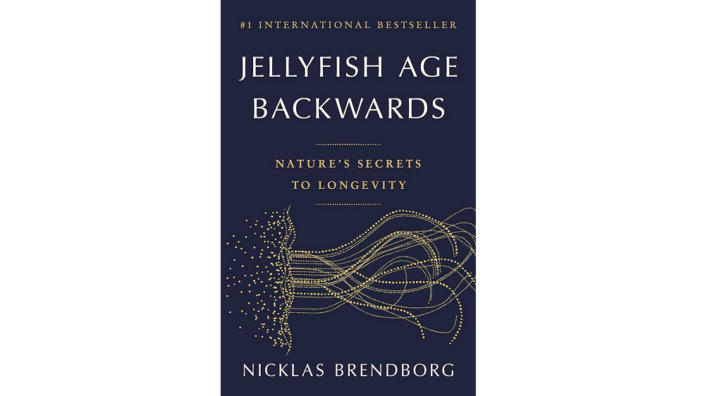
Jellyfish Age Backwards

Nicklas Brendborg on How Jellyfish Age Backwards

The quest for eternal youth, encapsulated in Dr. Malcolm’s fictional yet profound declaration that “Life finds a way,” mirrors humanity’s age-old fascination with longevity. This fascination isn’t new; as Nicolas Brendborg’s “Jellyfish Age Backwards – Nature’s Secrets to Longevity” expounds; it’s as ancient as the epic tales of Ponce de Leon’s mythical fountain of life and the epic of Gilgamesh.

Long-lived animals, long-lived people

Brendborg’s narrative embarks from these storied beginnings to explore the longevity of Earth’s most enduring inhabitants, from the ancient Greenland Shark, which serves as an intoxicating delicacy for Icelanders, to the centuries-old bowhead whale and beyond to the realm of seemingly immortal trees and superorganisms like Pando.

Brendborg excels in intertwining humor with intriguing asides, making the science of longevity both accessible and entertaining. His examination extends into how certain lifestyle and dietary habits within human “Blue Zones” contribute to an extended lifespan, subtly hinting at the complex interplay between genetics and environment. Yet, Brendborg remains grounded, pointing out that while genes play a role, they might not be the ultimate deciders of lifespan. He ventures into the scientific underpinnings of aging, discussing theories like mutation accumulation and antagonistic pleiotropy with relatable examples.

Brendborg’s exploration is broad and deep, venturing into the biology of aging with a critical eye on popular theories and interventions. He discusses the efficacy of antioxidants, the concept of hormesis, and the body’s nuanced response to stress. His analysis is grounded in science yet imbued with a narrative charm that engages readers, making complex concepts relatable and thought-provoking.

A deeper look

The book’s latter chapters delve into more specialized topics, such as the role of senescent cells and senolytics in aging, the promise and pitfalls of stem cell research, and the controversial practice of blood transfusions for rejuvenation. Brendborg presents each subject with clarity and skepticism, highlighting cutting-edge research and such interventions’ limitations and ethical considerations.

“Jellyfish Age Backwards” also addresses the microbiome’s impact on aging, the potential of fasting and caloric restriction, and the ongoing debate over nutrition’s role in longevity. Brendborg’s foray into the genetic and epigenetic underpinnings of aging, including the fascinating case of the jellyfish that ages backwards, showcases the book’s overarching theme: the complexity of aging and the myriad factors that influence it.

Brendborg’s work is a testament to the richness of life and the unending quest to understand its final frontier: aging. His blend of storytelling and scientific rigor invites readers to reflect on their own lives and the possibility of extending them through knowledge and science. However, he remains realistic, reminding us that aging research is still in its infancy and that the search for a panacea is far from over.

“Jellyfish Age Backwards” is more than just a scientific discourse on aging; it’s a call to marvel at the natural world’s wonders and a reminder of the human capacity for discovery and understanding. Brendborg has crafted a work that is both enlightening and profoundly human. This captivating read leaves us pondering the nature of life, aging, and our collective quest for longevity.

Nicolas Brendborg’s “Jellyfish Age Backwards” contributes significantly to the literature on longevity and aging. It entertains as much as it informs, challenging readers to consider the possibilities of extending life not just in pursuit of time but in the quest for a deeper understanding of what it means to live fully. Brendborg’s narrative is a compelling blend of science, history, and philosophy that captures the imagination and stimulates the intellect, making it a must-read for anyone fascinated by the secrets of longevity.

We would like to ask you a small favor. We are a non-profit foundation, and unlike some other organizations, we have no shareholders and no products to sell you. All our news and educational content is free for everyone to read, but it does mean that we rely on the help of people like you. Every contribution, no matter if it’s big or small, supports independent journalism and sustains our future.
Rejuvenation Roundup March 2024

Rejuvenation Roundup March 2024

April Fool’s Day is here yet again, but the ongoing research and clinical trials are no joke at all. Here’s what’s happened in March.

LEAF News

Team and activities

RSS2024 LSStephanie Dainow Speaks at Rejuvenation Startup Summit 2024: Stephanie Dainow, Executive Director of lifespan.io was a speaker at Rejuvenation Startup Summit 2024, where she gave a talk about how to make longevity mainstream.

Springtime and a Time for Growth in the Rejuvenation Field: Spring is in the air if you are in the Northern Hemisphere, and in the theme of new growth, let’s see what the lifespan.io team has been up to recently. This growth included the rejuvenation space as a whole and the technologies that go into making interventions possible.

Interviews

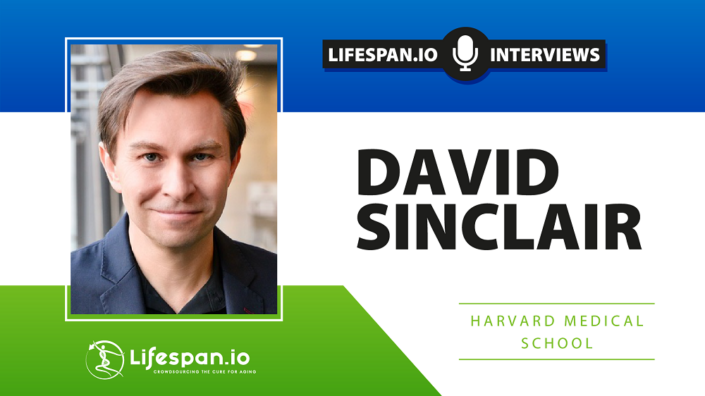
David Sinclair InterviewDavid Sinclair Hopes Rejuvenation Possible in a Few Decades: In this new interview, the famous David Sinclair, Harvard professor and the author of “Lifespan”, explains his theory of aging, shares parts of his health routine, and reveals which directions in today’s aging research excite him.

Journal Club

This Journal Club is on a paper demonstrating that noninvasive 40 Hz stimulation promotes 40 Hz neural activity in multiple brain regions and attenuates pathology in mouse models of Alzheimer’s disease. This is a subject close to our heart, as Dr. Medvedik and lifespan.io are working on developing the Mindset project.

Advocacy and Analysis

Hard Science and Long-Shot Ideas Meet in Vitalia: Vitalia, the longevity pop-up city that came into being earlier this year on the island of Roatan off the coast of Honduras, was a first-of-its-kind event. We are happy to present a roundup of the talks from the longevity biology conference held in Vitalia on the 23rd and 24th of February.

Research Roundup

Pink slimeUltra-Processed Food Linked to Numerous Health Risks: A new massive umbrella review of epidemiological meta-analyses reinforces the idea that ultra-processed food is bad for most aspects of human health.

Using Ultrasound to Assist Gene Therapy: A new publication in iScience has described a novel way in which heart tissue can be encouraged to accept a gene therapy by using ultrasound to create cavitation bubbles that open gaps in the cells.

Egg cellDecreasing Autophagy Might Reverse Ovarian Aging: Experimenting in vitro and in mice, scientists have found that ovarian aging is linked to increased autophagy and apoptosis in granulosa cells and that it can be reversed by an estrogen receptor inhibitor.

Intermittent Rapamycin Lessens Negative Effects in Mice: A recent Molecular Metabolism paper dives into the differences between intermittent and chronic rapamycin treatment and its differential impact on male and female mice. Constant rapamycin use has been documented to have several negative side effects.

Genetic scienceLooking for Safety in Epigenetic Rejuvenation: In Nature Communications, Ali Yücel and Vadim Gladyshev have published a review of the current state of the art in partial cellular reprogramming, detailing what this technology does and how it might be used safely.

High Protein Consumption May Drive Atherosclerosis: A new study suggests that increased protein intake, specifically of the amino acid leucine, can exacerbate atherosclerosis by inhibiting autophagy in macrophages. The protein we get from food is indispensable, as it allows us to produce our own proteins, but the ideal amount of dietary protein remains an open question.

Cellular experimentReprogramming Cells to Research Aging: Instead of using cellular reprogramming to directly treat age-related diseases, a perspective published in Nature Communications focuses on the opposite: using reprogrammed cells to form aged tissues and organoids on which to conduct experiments.

Senolytic Activity of Drug-Polyphenol Combinations: The authors of a paper published in Pharmaceuticals tested multiple drug-polyphenol combinations to find the ones with the best senolytic properties. They believe cellular senescence can be a therapeutic target for such conditions as chronic obstructive pulmonary disease (COPD) and idiopathic pulmonary fibrosis (IPF).

Insilico MedicineInSilico Shares Details on AI-Generated Drug Candidate: In a new paper, InSilico has reported on its impressive success with a drug against idiopathic pulmonary fibrosis that was created by artificial intelligence “from A to Z” and is currently in Phase 2 trials.

Controlling a Protein to Stop Obesity: In GeroScience, researchers have described how turning off a specific protein prevents mice from getting obese in old age. Hypoxia-inducible factors (HIFs) are a collection of three proteins that are sensitive to oxygen, and they normally activate when a cell is operating in a low-oxygen environment. The target protein dampens these factors.

Pharmaceuticals on shelfStudy Suggests 14 Existing Drugs Increase Human Lifespan: Scientists have used a huge database of human beings to find links between existing drugs and human lifespan. Only 14 of more than 400 showed a positive correlation.

A Small Molecule to Restore the Liver: In Cell, a team of researchers, including the founders of the biotech company HepaRegeniX, has published a paper on HRX215, a molecule that encourages liver regeneration. The liver has a “nearly unlimited regenerative potential” under healthy circumstances.

Macaques respond to caloric restriction.Caloric Restriction in Primates Leads to Gut Changes: In a recent Nature Communications paper, the researchers investigated changes in weight, metabolism, and microbiome that resulted from periodic restricted feeding in non-human primates. Caloric restriction, which limits the amount of calories an organism consumes, is a widely known lifespan-extending intervention in laboratory animals.

Epigenetic Memory Might Underlie Multiple Sclerosis: In an in-depth paper in Nature, researchers have explained how astrocytes, helper cells that provide crucial brain functions, epigenetically remember things in a way that encourages inflammation. Long-lived immune cells, including T cells and B cells, can remember foreign pathogens, but this memory is sometimes negative.

OligodendrocytesGlial Cells and Neurons Mutate Differently: In Cell, researchers have published a paper outlining the different ways in which brain cells slowly mutate with aging. Cells accumulate mutations with aging, including brain cells. However, most previous research into these mutations has been on neurons rather than the glia, the helper cells of the brain.

An Experimental Brain Protector May Fight Obesity: According to a paper published in Aging, a fisetin derivative that is being investigated for brain protection may also be effective in controlling glucose and ameliorating obesity. Repurposing a repurposed compound CMS121, the focus of this study, was created by modifying fisetin, a flavonol that is well known for its effects against cellular senescence.

Long peppersNatural Senotherapeutics that Mimic Dasatinib: Scientific Reports has published a study that used a computational approach to identify natural senotherapeutics that have a similar impact on gene expression as a known senotherapeutic drug, dasatinib.

Popular Antioxidants Don’t Work Against Bone Loss in Mice: In Aging, researchers have published negative results on the long-term use of methylene blue and mitoquinone (MitoQ), two popular antioxidants, to sustain bone health in mice. Oxidative stress and bone health Previous work has found that oxidative stress, which is commonly associated with age-related disease and damage, is related to bone diseases.

ScalesRestoring Lymphoid-Myeloid Balance Boosts Immunity in Mice: A new study suggests that depleting a subset of stem cells that overproduces myeloid cells can rescue age-related immunosenescence. Immunosenescence, the gradual decline in the immune system’s abilities, is one of the hallmarks of aging. Moreover, many scientists view it as one of the most consequential processes of aging.

News Nuggets

Lowering the Bar to Invest in Longevity: Maximon, Marcuard Heritage, and GenTwo have announced the launch of a new longevity-related investment opportunity. Their proposal allows professional investors to get access to Maximon’s portfolio of longevity companies via an actively managed certificate (AMC). According to Maximon, there have been many requests to launch an AMC focused on longevity.

Wormbot assays side by side during the million molecule challenge.How to Test One Million Molecules: Ora Biomedical has created a robot for high-throughput screening of life-extending compounds in worms, and you can buy an experiment for 100 dollars. WormBot automates simple experiments in C. elegans, allowing for high-throughput small molecule screening.

First Transplantation of a Pig Kidney into a Human: After a total of 69 rejection-preventing gene edits, history has been made with the first-ever successful transplantation of a pig kidney into a human patient. Organ transplantation has been one of modern medicine’s biggest triumphs, helping to save innumerable lives. It is also viewed as one of the pathways to life extension.

HevolutionHevolution Foundation Announces $20 Million Investment: Hevolution announced its investment of $20 million (SAR 75,000,000) as the lead investor for a $50 million (SAR 188,000,000) Series A financing extension in Aeovian Pharmaceuticals. Hevolution’s investment will advance promising therapies that target the mTORC1 biological pathway, helping find solutions to major unmet medical needs including neurological diseases and other diseases of aging.

Coming Up

11th ARDD Meeting Announces Speaker Lineup: This year, ARDD has an incredibly exciting program with global thought-leaders sharing their latest insights into aging and how they target aging, ensuring everyone lives a healthier and longer life. ARDD is proud to be a partner of XPRIZE Healthspan, a 7-year, $101 million global competition to revolutionize the way we approach human aging.

We would like to ask you a small favor. We are a non-profit foundation, and unlike some other organizations, we have no shareholders and no products to sell you. All our news and educational content is free for everyone to read, but it does mean that we rely on the help of people like you. Every contribution, no matter if it’s big or small, supports independent journalism and sustains our future.

Scales

Restoring Lymphoid-Myeloid Balance Boosts Immunity in Mice

A new study suggests that depleting a subset of stem cells that overproduces myeloid cells can rescue age-related immunosenescence [1].

Thrown off balance

Immunosenescence, the gradual decline in the immune system’s abilities, is one of the hallmarks of aging [2]. Moreover, many scientists view it as one of the most consequential processes of aging, as it influences many other hallmarks.

A major sign of immunosenescence is the progressive imbalance between lymphoid and myeloid cells, the two main lineages of blood cells that originate from hematopoietic stem cells (HSCs). Lymphoid cells include T cells, B cells, and natural killer cells and are primarily involved in the adaptive immune response. Myeloid cells are comprised of monocytes, macrophages, granulocytes, and dendritic cells, and they are responsible mainly for innate immunity.

A healthy immune system needs all those elements. The problem is that at least two HSC subsets exist. One is the “balanced subset”, with its progeny fairly equally divided between lymphoid and myeloid cells. The second one is biased towards producing myeloid cells. With time, this leads to an imbalance in which the organism’s ability to fight previously unknown pathogens is diminished. This imbalance also contributes to rising levels of inflammation over time (inflammaging) and myeloid-specific diseases.

Restoring immunity by depleting stem cells

In this new study published in Nature, the researchers attempted a novel approach to this problem. They asked what would happen if they were to deplete the imbalanced HSC subset that overproduces myeloid cells.

After identifying antigens specific to my-HSC (the myeloid subset), the researchers attacked those cells with antibodies in mice. This treatment significantly depleted my-HSCs relative to bal-HSCs (the balanced subset). The researchers validated this finding by transfusing immunodepleted mice with HSCs from treated mice. These cells then proliferated into a more balanced lymphoid-myeloid population.

The researchers then treated old mice with the antibodies. By the age of 18-24 months, mice demonstrated the familiar immunophenotype with a prevalence of myeloid progenitor cells, but a single treatment significantly restored the balance for at least 16 weeks.

The treatment also increased the abundance of differentiated naive T and B cells, which are capable of recognizing new antigens. The deficit of those cells is one of the most detrimental aspects of immunosenescence [3]. Treated animals also had fewer T and B cells with signs of age-associated exhaustion.

Since myeloid bias has been implicated in inflammaging, the researchers analyzed various inflammation markers. Interestingly, two pro-inflammatory factors, IL-1α and CXCL5, were the most elevated proteins in old relative to young mice. They were also the two most dramatically decreased following the treatment.

But how does this translate into actual immunity? It is known that immunosenescence significantly dampens vaccine response [4]. The researchers infected mice with a live attenuated murine retrovirus – basically, a vaccine. They used the Friend virus, which requires a complex immune response involving several cell types, each of which is essential. As expected, young mice developed a much more robust immunity than old untreated mice, but depleting my-HSC changed the picture, significantly increasing immune response in aged animals.

The evolution connection

To understand how relevant their findings were to humans, the researchers looked in human HSCs for the same genes that characterize murine my-HSCs. Several of those genes (that is, their human homologs) were indeed upregulated. Moreover, all three markers that were targeted to deplete murine my-HSCs were also found on the cell surface of a subset of human HSCs – a hint that the remarkable success the scientists had in mice can be replicated in humans.

The researchers also offer an interesting take on the possible evolutionary origins of the lymphoid-myeloid imbalance. They hypothesize that since animals usually spend their lives in a confined geographic area, they develop immunity to all local pathogens fairly early in life, after which the ability to recognize novel pathogens is no longer needed (memory T and B cells are long-lived and can survive the whole lifetime). Conversely, producing new short-lived myeloid cells for acute innate immune responses remains crucial. Modern humans, on the other hand, by traveling and interacting with people who travel, are constantly exposed to novel pathogens, which makes the lymphoid-myeloid imbalance a serious problem.

Our results indicate that my-HSC depletion in aged mice enabled bal-HSCs to rebalance the haematopoietic system and restore youthful immune features, including increased lymphocyte progenitors and naive cells, decreased markers of lymphocyte dysfunction/exhaustion and decreased inflammatory mediators. Importantly, HSC rebalancing also improved protective immunity in aged mice to live, pathogenic retroviral infection. The mouse my-HSC antigens mark subsets of human HSCs, implicating them as candidate targets for human rejuvenation. Further research will be required to optimize conditioning protocols, possibly using combinations of antibodies against my-HSC-specific markers while considering possible effects on differentiated cells such as regulatory T cells.

We would like to ask you a small favor. We are a non-profit foundation, and unlike some other organizations, we have no shareholders and no products to sell you. All our news and educational content is free for everyone to read, but it does mean that we rely on the help of people like you. Every contribution, no matter if it’s big or small, supports independent journalism and sustains our future.

Literature

[1] Ross, J. B., Myers, L. M., Noh, J. J., Collins, M. M., Carmody, A. B., Messer, R. J., Dhuey, E., Hasenkrug, K. J., & Weissman, I. L. (2024). Depleting myeloid-biased haematopoietic stem cells rejuvenates aged immunity. Nature, 10.1038/s41586-024-07238-x.

[2] Gruver, A. L., Hudson, L. L., & Sempowski, G. (2007). Immunosenescence of ageing. The Journal of Pathology: A Journal of the Pathological Society of Great Britain and Ireland, 211(2), 144-156.

[3] Tu, W., & Rao, S. (2016). Mechanisms underlying T cell immunosenescence: aging and cytomegalovirus infection. Frontiers in microbiology, 7, 218871.

[4] Crooke, S. N., Ovsyannikova, I. G., Poland, G. A., & Kennedy, R. B. (2019). Immunosenescence and human vaccine immune responses. Immunity & ageing, 16, 1-16.

Hevolution

Hevolution Foundation Announces $20 Million Investment

  • Hevolution announced its investment of $20 million (SAR 75,000,000) as the lead investor for a $50 million (SAR 188,000,000) Series A financing extension in Aeovian Pharmaceuticals.
  • Hevolution’s investment will advance promising therapies that target the mTORC1 biological pathway, helping find solutions to major unmet medical needs including neurological diseases and other diseases of aging.
  • Hevolution’s Chief Investment Officer Dr. William Greene joins Aeovian’s Board of Directors to support the company’s next phase of growth.

Hevolution Foundation announced its first life science impact investment of $20 million to help Aeovian Pharmaceuticals advance its innovative platform of selective mTORC1 inhibitors which could lead to several promising therapies for disease of aging. This investment – the leading contribution in a $50 million Series A financing extension for Aeovian – has the potential to address major unmet medical needs, including TSC refractory epilepsy, neurological diseases, and prevalent diseases of aging.

“Hevolution stands out as a global nonprofit, having allocated over $250M towards healthspan research grants and partnerships since 2021. Our inaugural impact investment in Aeovian is another landmark moment for us, furthering our mission by laying the groundwork to encourage more companies and investors to engage with the healthspan field through promising early-stage biotech companies like Aeovian. We remain unwavering in our commitment to drive growth, innovation, and cooperation in this scientific field, with the ultimate goal of enhancing healthy human healthspan,” stated Dr. Mehmood Khan, CEO of Hevolution.

After careful evaluation of over 200 opportunities, Hevolution selected Aeovian based on the company’s success in drug discovery, its expertise in development, the potential for commercialization, and its compelling platform for the discovery of selective mTORC1 inhibitors.

Strategic collaborations focused on advancing the healthspan sector are integral to Hevolution’s investment approach. As the lead investor, Hevolution is joined in this investment by Apollo Health Ventures, Sofinnova Investments, venBio, Evotec, and b2venture. Hevolution’s Chief Investment Officer William Greene, M.D. will also join Aeovian’s Board of Directors, bringing over 25 years of leadership experience as a founder, biotechnology executive, investor, and clinician.

“The entire Aeovian team welcomes Hevolution and Dr. Greene as we transition to a clinical-stage company,” said Allison Hulme, Ph.D., President and Chief Executive Officer, Aeovian Pharmaceuticals. “We are delighted to partner with Hevolution to develop therapeutics with the potential to precisely target the underlying biology of both rare and age-related diseases, thereby addressing significant unmet medical needs and serving broad patient populations.”

This investment underscores Hevolution’s commitment to increase the number of safe and effective treatments entering the market, compress the timeline of drug development, using the latest tools and technologies and increase accessibility to therapeutics that extend healthy lifespan. It follows Hevolution’s launch of the Breakthrough Innovation Alliance at the Global Healthspan Summit in November 2023. To date, Hevolution has committed more than $250 million in scientific funding to catalyze the healthspan ecosystem.

We would like to ask you a small favor. We are a non-profit foundation, and unlike some other organizations, we have no shareholders and no products to sell you. All our news and educational content is free for everyone to read, but it does mean that we rely on the help of people like you. Every contribution, no matter if it’s big or small, supports independent journalism and sustains our future.
Mouse measurement

Popular Antioxidants Don’t Work Against Bone Loss in Mice

In Aging, researchers have published negative results on the long-term use of methylene blue and mitoquinone (MitoQ), two popular antioxidants, to sustain bone health in mice.

Oxidative stress and bone health

Previous work has found that oxidative stress, which is commonly associated with age-related disease and damage, is related to bone diseases. Substantial amounts of work have been done on this connection [1], and antioxidants have been found to sustain function in bone cells derived from rats [2]. A human study had found an inverse correlation between antioxidant consumption and osteoporosis [3].

Therefore, these researchers chose two well-known antioxidants for a long-term mouse study. The first, methylene blue, has been in the clinic for over a hundred years. This molecule readily enters cells and mitochondria, where it has been discovered to react to sunlight [4]. Multiple experiments have found that it has positive effects against age-related conditions. For example, one experiment found that it lengthens the average lifespan of female mice in a genetically heterogenous population [5], and another found that it stops osteoarthritis from progressing in rats [6].

While MitoQ, a commonly taken supplement, has not been found to extend lifespan in heterogenous mice [5], previous work has found that it helps bone health in a mouse model of diabetes and in mice given a diet high in fat [7]. Another study found it to be effective against advanced glycation end-products (AGEs) [8] and in a mouse model of bone loss caused by tooth decay [9].

Cellular effects, but not in living animals

This study began with administering methylene blue and MitoQ to mesenchymal stem cells (MSCs) and osteoblasts, which are responsible for constructing bone. While these compounds were found to have mitochondrial effects in these cells, there was no change in total cellular respiration. These compounds also discouraged stem cells from differentiating into osteoclasts, which are responsible for removing bone.

The researchers administered methylene blue to female Black 6 mice for 6 or 12 months, analyzing them at 18, 24, and 30 months of age. Unfortunately, there were no differences between the treated mice and the control group. The same amount of osteoporosis, age-related bone loss, had occurred in all of these mice relative to another population of 5-month-old female mice. It was also found to have no effect on the age-related loss of muscle strength known as sarcopenia; the mice became progressively weaker with age regardless of whether or not they had taken methylene blue.

The researchers then partnered with the well-known Interventions Testing Program to determine if either methylene blue or MitoQ has effects on the bones of genetically heterogenous mice, administering 28 parts per million of methylene blue from 7 to 22 months or 100 parts per million of MitoQ for 4 to 22 months. Despite this long-term treatment, the results were entirely negative: no effects on bone morphology were found in either male or female mice.

Antioxidants have been well-documented as having multiple health benefits, and it was reasonable to believe that they might have had some benefit in this case. However, this study serves as proof that they are not a panacea and that, according to the researchers, “targeting whole body redox balance via systemic application of MB or MitoQ may not be an effective way to prevent age-related bone loss.” They instead suggest that exercise and related interventions may be better ways to manage this potentially debilitating condition.

We would like to ask you a small favor. We are a non-profit foundation, and unlike some other organizations, we have no shareholders and no products to sell you. All our news and educational content is free for everyone to read, but it does mean that we rely on the help of people like you. Every contribution, no matter if it’s big or small, supports independent journalism and sustains our future.

Literature

[1] Marcucci, G., Domazetovic, V., Nediani, C., Ruzzolini, J., Favre, C., & Brandi, M. L. (2023). Oxidative stress and natural antioxidants in osteoporosis: Novel preventive and therapeutic approaches. Antioxidants, 12(2), 373.

[2] Ueno, T., Yamada, M., Igarashi, Y., & Ogawa, T. (2011). N‐acetyl cysteine protects osteoblastic function from oxidative stress. Journal of Biomedical Materials Research Part A, 99(4), 523-531.

[3] Sendur, O. F., Turan, Y., Tastaban, E., & Serter, M. (2009). Antioxidant status in patients with osteoporosis: a controlled study. Joint bone spine, 76(5), 514-518.

[4] Klosowski, E. M., de Souza, B. T. L., Mito, M. S., Constantin, R. P., Mantovanelli, G. C., Mewes, J. M., … & Constantin, R. P. (2020). The photodynamic and direct actions of methylene blue on mitochondrial energy metabolism: A balance of the useful and harmful effects of this photosensitizer. Free Radical Biology and Medicine, 153, 34-53.

[5] Harrison, D. E., Strong, R., Allison, D. B., Ames, B. N., Astle, C. M., Atamna, H., … & Miller, R. A. (2014). Acarbose, 17‐α‐estradiol, and nordihydroguaiaretic acid extend mouse lifespan preferentially in males. Aging cell, 13(2), 273-282.

[6] Li, J. W., Wang, R. L., Xu, J., Sun, K. Y., Jiang, H. M., Sun, Z. Y., … & Shi, D. Q. (2022). Methylene blue prevents osteoarthritis progression and relieves pain in rats via upregulation of Nrf2/PRDX1. Acta Pharmacologica Sinica, 43(2), 417-428.

[7] Li, J., He, W., Liao, B., & Yang, J. (2015). FFA-ROS-P53-mediated mitochondrial apoptosis contributes to reduction of osteoblastogenesis and bone mass in type 2 diabetes mellitus. Scientific reports, 5(1), 12724.

[8] Mao, Y. X., Cai, W. J., Sun, X. Y., Dai, P. P., Li, X. M., Wang, Q., … & Huang, S. B. (2018). RAGE-dependent mitochondria pathway: a novel target of silibinin against apoptosis of osteoblastic cells induced by advanced glycation end products. Cell death & disease, 9(6), 674.

[9] Li, X., Zhao, Y., Peng, H., Gu, D., Liu, C., Ren, S., & Miao, L. (2022). Robust intervention for oxidative stress-induced injury in periodontitis via controllably released nanoparticles that regulate the ROS-PINK1-Parkin pathway. Frontiers in Bioengineering and Biotechnology, 10, 1081977.

Long peppers

Natural Senotherapeutics that Mimic Dasatinib

Scientific Reports has published a study that used a computational approach to identify natural senotherapeutics that have a similar impact on gene expression as a known senotherapeutic drug, dasatinib [1].

Drug combinations for better treatments

Cellular senescence, a state in which cells cannot divide anymore but are still metabolically active and often display senescence-associated secretory phenotype (SASP), is one of the Hallmarks of Aging.

Senotherapeutics are drugs that aim to address the problem of cellular senescence. These drugs might target different cellular processes or proteins by directly slowing the senescent process, killing senescent cells, or modifying the SASP.

Since each senotherapeutic might have a different mechanism of action, it is reasonable to assume that combining two or more leads to better therapeutic results, as each one addresses the problem of senescence from different perspectives.

So far, the most commonly tested senolytic combination is the antitumor drug and tyrosine-kinase inhibitor dasatinib along with the polyphenol quercetin, which is commonly found in edible plants [2]. Unfortunately, dasatinib activity frequently leads to adverse side effects, such as skin irritation, fluid retention, reduction in blood cell production, and diarrhea [3]. Thus, researchers have sought a substitute with similar properties but minimal side effects.

Searching for gene expression similarities

In this paper, the authors used computational approaches to identify natural senotherapeutic candidates that have similar properties to dasatinib. They followed a computational approach as they believe that traditional drug discovery methods are “time-consuming, costly, and labor-intense process with high failure rates” [4].

One such computational approach, drug repurposing, can use information about existing drugs to find new applications for them [5]. In this case, the authors aimed to identify a drug that induces a gene expression profile similar to dasatinib. They hypothesized that if drugs induce similar gene expression profiles, they most likely act in a similar way to treat a given condition.

The authors identified dasatinib studies that analyzed and publicly shared gene expression data following the dasatinib treatment. Those included studies of leukemia, prostate, and breast cancer cell lines. Based on this data, they identified differentially expressed genes impacted by desatinib treatment. They focused especially on the senescence- and aging-associated genes.

Following this, the authors computationally searched through databases containing over a million gene expression profiles showing responses of human cell lines to treatments with different chemical agents [6]. Their aim was to find dasatinib analogs and, based on gene expression similarities, hypothesize about the potential mechanisms of action that dasatinib and newly found drugs share.

Using the three different datasets, they identified a few candidates and manually curated the list to choose the natural compounds. These included piperlongumine, parthenolide, curcumin, and phloretin, with piperlongumine being the most promising candidate. Those compounds are all found in common foods.

Killing through apoptosis

The authors’ analysis suggested that “mechanisms of piperlongumine are related to senescence and apoptosis,” a process of programmed cell death. The authors acknowledge that they used cancer cell line datasets for the analysis. However, they also point out that cancer and senescent cells share some pro-survival pathways. Since numerous studies have investigated the mechanism of apoptosis induction by piperlongumine in cancer cells [7, 8], those studies and their data together make a stronger case to suggest that piperlongumine works by inducing apoptosis in senescent cells [9].

The authors also bring up some additional benefits of piperlongumine. The safety and efficacy of this natural compound have been previously tested with promising results [7]. Other studies have found that it is toxic to cancer cells and senescent cells with non-significant toxicity towards different cells [9].

Regarding the remaining three compounds the authors identified, phloretin, parthenolide, and curcumin, they didn’t thoroughly investigate the published literature to understand their mechanism of action, but their results again suggested associations with apoptosis, specifically in the case of curcumin.

The need for in vivo validation

The researchers acknowledge that this study has its limitations, the main one being it is a computational study, and further validation of their results in preclinical and clinical trials is essential to ascertain the therapeutic potential of identified compounds. Their approach also had some assumptions that need to be tested; for example, they assumed that the similarities of gene expression profiles tested in vitro will translate to similarities in the action of the compounds in vivo, which might not be the case since biological systems are very complex.

Despite those shortcomings, the newly identified senotherapeutics are great potential targets for more detailed testing, especially since they have already been under investigation for their potential anti-inflammatory, anti-cancer, and anti-aging properties.

We would like to ask you a small favor. We are a non-profit foundation, and unlike some other organizations, we have no shareholders and no products to sell you. All our news and educational content is free for everyone to read, but it does mean that we rely on the help of people like you. Every contribution, no matter if it’s big or small, supports independent journalism and sustains our future.

Literature

[1] Meiners, F., Hinz, B., Boeckmann, L., Secci, R., Sueto, S., Kuepfer, L., Fuellen, G., & Barrantes, I. (2024). Computational identification of natural senotherapeutic compounds that mimic dasatinib based on gene expression data. Scientific reports, 14(1), 6286.

[2] Bravo L. (1998). Polyphenols: chemistry, dietary sources, metabolism, and nutritional significance.Nutrition reviews, 56(11), 317–333.

[3] Justice, J. N., Nambiar, A. M., Tchkonia, T., LeBrasseur, N. K., Pascual, R., Hashmi, S. K., Prata, L., Masternak, M. M., Kritchevsky, S. B., Musi, N., & Kirkland, J. L. (2019). Senolytics in idiopathic pulmonary fibrosis: Results from a first-in-human, open-label, pilot study. EBioMedicine, 40, 554–563.

[4] Everett J. R. (2015). Academic drug discovery: current status and prospects. Expert opinion on drug discovery, 10(9), 937–944.

[5] Jarada, T. N., Rokne, J. G., & Alhajj, R. (2020). A review of computational drug repositioning: strategies, approaches, opportunities, challenges, and directions.Journal of cheminformatics, 12(1), 46.

[6] Subramanian, A., Narayan, R., Corsello, S. M., Peck, D. D., Natoli, T. E., Lu, X., Gould, J., Davis, J. F., Tubelli, A. A., Asiedu, J. K., Lahr, D. L., Hirschman, J. E., Liu, Z., Donahue, M., Julian, B., Khan, M., Wadden, D., Smith, I. C., Lam, D., Liberzon, A., … Golub, T. R. (2017). A Next Generation Connectivity Map: L1000 Platform and the First 1,000,000 Profiles. Cell, 171(6), 1437–1452.e17.

[7] Kung, F. P., Lim, Y. P., Chao, W. Y., Zhang, Y. S., Yu, H. I., Tai, T. S., Lu, C. H., Chen, S. H., Li, Y. Z., Zhao, P. W., Yen, Y. P., & Lee, Y. R. (2021). Piperlongumine, a Potent Anticancer Phytotherapeutic, Induces Cell Cycle Arrest and Apoptosis In Vitro and In Vivo through the ROS/Akt Pathway in Human Thyroid Cancer Cells. Cancers, 13(17), 4266.

[8] Thongsom, S., Suginta, W., Lee, K. J., Choe, H., & Talabnin, C. (2017). Piperlongumine induces G2/M phase arrest and apoptosis in cholangiocarcinoma cells through the ROS-JNK-ERK signaling pathway. Apoptosis : an international journal on programmed cell death, 22(11), 1473–1484.

[9] Wang, Y., Chang, J., Liu, X., Zhang, X., Zhang, S., Zhang, X., Zhou, D., & Zheng, G. (2016). Discovery of piperlongumine as a potential novel lead for the development of senolytic agents. Aging, 8(11), 2915–2926.

Pig

First Transplantation of a Pig Kidney into a Human

After a total of 69 rejection-preventing gene edits, history has been made with the first-ever successful transplantation of a pig kidney into a human patient.

Xenotransplantation within reach

Organ transplantation has been one of modern medicine’s biggest triumphs, helping to save innumerable lives. It is also viewed as one of the pathways to life extension. We are still a long way from achieving considerable rejuvenation of the body or even of a single organ, but replacing old organs with new ones could be a drastic shortcut.

However, this is easier said than done. An acute shortage of organs for transplantation exists, with hundreds of thousands of people on waiting lists, many of them dying before a suitable organ is available for them.

For decades, an idea of xenotransplantation – taking organs from other species – has been floated but mostly as wishful thinking. Even organs from other humans, including well-matched ones, necessitate immunosuppression so that the recipient’s body does not reject them. Organs from other species, such as pigs, produce seemingly insurmountable levels of rejection.

Yet, research in the field has been inching forward. Recently, advances in understanding the mechanisms of rejection and in gene editing techniques such as CRISPR have placed xenotransplantation within striking distance.

Dozens of gene edits

Now, in a single week, two teams have reported major successes. In Massachusetts General Hospital in Boston, a team of surgeons successfully transplanted a kidney from a genetically engineered pig into a 62-year-old patient with end-stage kidney disease, which causes about 54,000 deaths a year in the US alone. Kidney transplantation is a relatively simple and well-established surgery, the problem being transplant shortage. Dialysis, a cumbersome and grueling procedure, can extend the lives of many patients, but this particular one was unable to receive dialysis anymore due to vasculature problems.

The company behind the transplantation is eGenesis, and it is based on the work of Harvard professor George Church’s team. Dr. Church, a renowned aging researcher, is also a co-founder. His team has published four papers on the subject, describing the creation of genetically modified pigs whose organs are suitable for transplantation into humans.

Achieving this required a staggering number of gene edits, 69 in total. “We knocked out all 3 genes responsible for the sugar coating of the pig cells that had caused rapid rejection in previous work, GGTA1, CMAH and B4GALNT2/L”, Dr. Church told lifespan.io. “We also added seven human genes: CD46 and CD55 from the blood complement cascade, THBD and PROCR from the coagulation pathway, CD47, which is involved in innate immunity, and TNFAIP3 and HMOX1, which dampen ischemia–reperfusion injury, apoptosis and inflammation.” Those seven edits were essential to increase compatibility.

However, most edits were done to silence retroviruses hiding in the pigs’ DNA that could potentially break loose in the human body. “We knocked out all 59 of the endogenous retroviral pol genes which had caused the FDA and groups like ours concern that such viruses could use the bodies of immunosuppressed patients as incubators to evolve into zoonotic diseases,” Dr. Church explained.

Relief for millions

The surgery seems to have gone well, with the pig kidney reliably producing urine and filtering out waste. The patient’s condition has been steadily improving, and he might be soon discharged from the hospital. The patient has a history of diabetes and heart problems. In the past, after spending seven years on dialysis, he received a human kidney transplant, which failed after five years. The patient was back on dialysis, but his condition was deteriorating, leaving the experimental procedure as the only option.

“The significance (of this achievement),” Dr. Church said, “is that 800,000 patients in the US alone have end-stage kidney disease requiring painful dialysis for three hours at a time, three times a week. These could be replaced by our pig kidney procedure. Moreover, 36 million people in the US affected by chronic kidney disease are at risk of transitioning to dialysis, which might be prevented. An abundance of organs might provide more equity, more access for the poor, aged, and those with multiple health issues.”

Liver transplantation in China

The second pig-to-human transplantation reported last week took place in China. It involved transplanting a liver grown in a genetically modified pig to a clinically dead person for scientific purposes. The organ came from a pig bred by the company Clonorgan Biotechnology based in Chengdu. As reported in Nature, the six gene edits included knocking out three genes involved in production of sugars (probably the same genes that are deactivated in eGenesis’ pigs) and introducing three human genes.

Using brain-dead subjects is a common practice and an essential stage in xenotransplantation that helps to identify potential problems before moving on to living patients. Previously, scientists have transplanted hearts and kidneys into clinically dead people, but this is the first time it has been done with a liver. For ten days, the liver was functioning and producing bile, after which time it was removed from the body.

We would like to ask you a small favor. We are a non-profit foundation, and unlike some other organizations, we have no shareholders and no products to sell you. All our news and educational content is free for everyone to read, but it does mean that we rely on the help of people like you. Every contribution, no matter if it’s big or small, supports independent journalism and sustains our future.
Obesity measurement

An Experimental Brain Protector May Fight Obesity

According to a paper published in Aging, a fisetin derivative that is being investigated for brain protection may also be effective in controlling glucose and ameliorating obesity.

Repurposing a repurposed compound

CMS121, the focus of this study, was created by modifying fisetin, a flavonol that is well known for its effects against cellular senescence. CMS121 was originally investigated for its effects in protecting the brain from age-related damage, and it demonstrated effectiveness in a murine model of Alzheimer’s disease [1]. A Phase 1 clinical trial to determine its safety has been conducted, although the results are not yet finalized.

The researchers previously determined that its effects are due to its maintenance of acetyl-CoA, a mitochondrial metabolite [2]. CMS121 restricts fatty acid synthesis, and that study found it to reduce polyunsaturated fatty acids in the brain.

It was also found to limit the effects of diabetes in previous work, reducing liver inflammation and improving metrics of glucose [3]. However, that particular study focused on a mouse model rather than wild-type mice, which were the subjects of this study.

Less weight gain, better metabolism

Freely fed wild-type mice normally gain weight with age. However, 5-week-old mice that were also dosed with CMS121 gained considerably less weight over a six-month period than a control group of mice without it. This was not due to food intake, as the treatment group only ate slightly less food than the control group.

CMS121

CMS121 also increased metabolic metrics, increasing the oxygen consumption and exhaled carbon dioxide of the animals. Fasting glucose was substantially reduced by CMS121, as was the diabetes metric HbA1c. The CMS121 group had considerably less, not more, insulin than the control group, which may be partially explained by a decrease in glucose production in the liver. The livers of the treated mice also produced less lactate than the control group.

The CMS121 group also had significantly fewer free fatty acids in both the blood plasma and the liver. Blood triglycerides were the same, although the CMS121 group had far fewer of them in the liver. Liver cholesterol was unchanged, but total blood cholesterol was increased by the treatment.

Deep changes in function

These broad biological changes were mirrored by mitochondrial changes. Mitochondrial biogenesis, which reflects the reproduction of mitochondria, was upregulated by CMS121. Mitochondrial activity markers were also significantly increased: the powerhouses were producing more power.

The decrease in liver inflammation found in the previous model-mouse study [3] was mirrored in wild-type mice as well. Markers of oxidative stress were significantly reduced, and ketone metabolism was increased. Lipid synthesis, the formation of fat, was significantly decreased.

While these effects are promising and CMS121 does appear to be effective in discouraging obesity, the researchers did not study longevity. We have previously reported on how one method of discouraging obesity in mice can have life-shortening effects. Further work will need to be done to make sure that CMS121 is safe for long-term consumption if it is developed as an anti-obesity drug for people.

We would like to ask you a small favor. We are a non-profit foundation, and unlike some other organizations, we have no shareholders and no products to sell you. All our news and educational content is free for everyone to read, but it does mean that we rely on the help of people like you. Every contribution, no matter if it’s big or small, supports independent journalism and sustains our future.

Literature

[1] Ates, G., Goldberg, J., Currais, A., & Maher, P. (2020). CMS121, a fatty acid synthase inhibitor, protects against excess lipid peroxidation and inflammation and alleviates cognitive loss in a transgenic mouse model of Alzheimer’s disease. Redox Biology, 36, 101648.

[2] Currais, A., Huang, L., Goldberg, J., Petrascheck, M., Ates, G., Pinto-Duarte, A., … & Maher, P. (2019). Elevating acetyl-CoA levels reduces aspects of brain aging. Elife, 8, e47866.

[3] Zahid, S., Dafre, A. L., Currais, A., Yu, J., Schubert, D., & Maher, P. (2023). The geroprotective drug candidate CMS121 alleviates diabetes, liver inflammation, and renal damage in db/db leptin receptor deficient mice. International Journal of Molecular Sciences, 24(7), 6828.

Oligodendrocytes

Glial Cells and Neurons Mutate Differently

In Cell, researchers have published a paper outlining the different ways in which brain cells slowly mutate with aging.

The genomic damage of aging

Cells accumulate mutations with aging, including brain cells [1]. However, as these researchers note, most previous research into these mutations has been on neurons rather than the glia, the helper cells that make up more than half of the brain’s mass and perform helpful and regulatory roles.

This study focuses on oligodendrocytes, which make up a large part of the white matter [2], are responsible for creating protective myelin sheaths around neuronal axons, and whose proper functioning is necessary for brain health over the human lifespan [3]. Problems with these cells have been associated with mental disorders [4], age-related brain diseases [5], brain tumors [6], and even the autoimmune disease of multiple sclerosis [7].

Unlike neurons, whose natural replenishment is limited, oligodendrocytes are regularly replenished through stem cells. Like many other processes, this replenishment diminishes with aging [8], and mutations in these cells can be responsible for some forms of brain cancer [9].

This study took a look at the mutational differences between neurons and oligodendrocytes, and it found significant, fundamental differences between them, even though these cells share the same microenvironment.

Indels and SNVs

A single-nucleotide variant (SNV) is the classically known form of mutation: one of the nucleotides in DNA changes into another one. An insertion or deletion (indel), on the other hand, refers to a section of DNA that is added to or deleted from the middle of an existing sequence.

The human brain donors in this study were from a very wide variety of ages, from babies to 83-year-olds. Using cells derived from these donors, the researchers found mutational signatures in both kinds of cells. While the technical procedures used to detect these signatures is not quite perfect, cross-checking through multiple methods determined that while oligodendrocytes accumulate 28% fewer indels than neurons, they accumulate 81% more SNVs. The gene-altering effects of the indels was found to be twice as powerful in neurons as in oligodendrocytes.

While there did not seem to be any individual genes that were significantly affected by this difference in mutation, the kinds of mutations that oligodendrocytes accumulate with age are the same ones associated with cancer, even if the cells themselves do not become cancerous.

A reason for the mutational differences

The researchers examined the cells’ origin and behavior more closely, and found that these mutational differences were, as expected, related to the natural reproduction of these cells. Olidogendrocytes and other glial cells, even from birth, can accumulate SNVs in the natural process of division. The majority of these changes were found to be present in non-coding regions rather than functional regions of DNA. Mature neurons, however, do not divide, and their indel mutations are associated with the process of transcription rather than replication, suggesting that their activity is primarily responsible for their mutations.

The cancerous mutations found in oligodendrocytes are hypothesized to be related to internal competition. Over time, the natural process of growth and development favors mutations that encourage more rapid growth, and these pro-replication mutations, unsurprisingly, are related to cancer. Because mature neurons do not divide, this process does not happen in them, and neural stem cells divide much more slowly.

The researchers also hypothesize that the DNA repair process is less efficient in SNVs than in neurons. However, this study did not include any direct measurements of DNA repair, and they hope that future studies will address this question.

This study also focuses on causes rather than any potential solution. It is likely that any solutions to this fundamental aspect of biology must involve stem cell replenishment or gene editing of a kind that is not yet feasible in human beings. In the short term, it appears that avoiding mutation-inducing toxins or other exposures is the best way to hope to stave off age-related brain cancer.

We would like to ask you a small favor. We are a non-profit foundation, and unlike some other organizations, we have no shareholders and no products to sell you. All our news and educational content is free for everyone to read, but it does mean that we rely on the help of people like you. Every contribution, no matter if it’s big or small, supports independent journalism and sustains our future.

Literature

[1] Lodato, M. A., Rodin, R. E., Bohrson, C. L., Coulter, M. E., Barton, A. R., Kwon, M., … & Walsh, C. A. (2018). Aging and neurodegeneration are associated with increased mutations in single human neurons. Science, 359(6375), 555-559.

[2] Von Bartheld, C. S., Bahney, J., & Herculano‐Houzel, S. (2016). The search for true numbers of neurons and glial cells in the human brain: A review of 150 years of cell counting. Journal of Comparative Neurology, 524(18), 3865-3895.

[3] Bennett, I. J., & Madden, D. J. (2014). Disconnected aging: cerebral white matter integrity and age-related differences in cognition. Neuroscience, 276, 187-205.

[4] Nagy, C., Maitra, M., Tanti, A., Suderman, M., Théroux, J. F., Davoli, M. A., … & Turecki, G. (2020). Single-nucleus transcriptomics of the prefrontal cortex in major depressive disorder implicates oligodendrocyte precursor cells and excitatory neurons. Nature neuroscience, 23(6), 771-781.

[5] Kang, S. H., Li, Y., Fukaya, M., Lorenzini, I., Cleveland, D. W., Ostrow, L. W., … & Bergles, D. E. (2013). Degeneration and impaired regeneration of gray matter oligodendrocytes in amyotrophic lateral sclerosis. Nature neuroscience, 16(5), 571-579.

[6] Liu, C., Sage, J. C., Miller, M. R., Verhaak, R. G., Hippenmeyer, S., Vogel, H., … & Zong, H. (2011). Mosaic analysis with double markers reveals tumor cell of origin in glioma. Cell, 146(2), 209-221.

[7] Chang, A., Tourtellotte, W. W., Rudick, R., & Trapp, B. D. (2002). Premyelinating oligodendrocytes in chronic lesions of multiple sclerosis. New England Journal of Medicine, 346(3), 165-173.

[8] Sim, F. J., Zhao, C., Penderis, J., & Franklin, R. J. (2002). The age-related decrease in CNS remyelination efficiency is attributable to an impairment of both oligodendrocyte progenitor recruitment and differentiation. Journal of Neuroscience, 22(7), 2451-2459.

[9] Ganz, J., Maury, E. A., Becerra, B., Bizzotto, S., Doan, R. N., Kenny, C. J., … & Walsh, C. A. (2022). Rates and patterns of clonal oncogenic mutations in the normal human brain. Cancer discovery, 12(1), 172-185.

David Sinclair Interview

David Sinclair Hopes Rejuvenation Possible in a Few Decades

In this new interview, David Sinclair, Harvard professor and the author of “Lifespan”, explains his theory of aging, shares parts of his health routine, and reveals which directions in today’s aging research excite him.

A professor and a public figure

In the longevity field, when it comes to name recognition, there’s David Sinclair and all the rest. Like in many other areas, this gap in popularity doesn’t necessarily reflect the actual professional hierarchy. Dr. Sinclair, a Harvard professor, is undoubtedly a very prominent aging researcher, but he would probably agree (although we didn’t ask) that he has many equally worthy colleagues.

Some of Dr. Sinclair’s popularity stems from his highly successful “Lifespan: Why We Age and Why We Don’t Have To”, a great entry-level book that did a lot to introduce the science of aging and the ideology of life extension to the public consciousness. Now, a new book is in the works, and it differs from the first one, Dr. Sinclair told us, in that “Lifespan is the textbook, Lifespan II is the guidebook”. That probably means we can expect some expert wisdom on how every one of us can stay healthier and live longer. Dr. Sinclair maintains an interesting personal routine, which we also asked him about.

Today, Dr. Sinclair is one of the most visible longevity advocates, expertly broadcasting the message of life extension from top-tier platforms such as Joe Rogan’s and Peter Diamandis’ podcasts. He carefully chooses his appearances at conferences, where he receives rock star-like attention.

All this does not mean that Dr. Sinclair has completely morphed into a public figure. On the contrary, he and his team at Harvard continue to produce some of the most interesting results in the field, which we have covered extensively. He is one of the pioneers in practical applications for partial cellular reprogramming, having demonstrated that it can regenerate crushed optic nerves in mice and non-human primates.

The Information Theory of Aging

Like many high-profile researchers, Dr. Sinclair has his pet theory of aging. The current ruling paradigm is the Hallmarks of Aging, the processes that include genomic instability and telomere attrition. Together, they are responsible for the phenotype of aging that we are all familiar with. Scientists know that many if not all these processes are interconnected, but is there an actual hierarchy?

Dr. Sinclair’s answer to that is “yes”. According to his Information Theory of Aging, cells’ health and function depend heavily on epigenetic information, a set of “instructions” in the form of slight chemical alterations to DNA molecules that governs the expression of genes and other elements of our DNA, such as retrotransposons. This is what tells cells into which cell type they should differentiate and how they should perform this type’s duties.

With time, various stressors throw our epigenome into disarray. Imagine pages of a manual being accidentally torn out, having coffee spilt over them, and so on. Epigenetic alterations are indeed one of the Hallmarks of Aging, and their contribution to aging is widely acknowledged. However, Dr. Sinclair takes it one step further.

First, those changes, he says, are responsible for a very significant part of aging – that is, they are high upstream and influence many or all other hallmarks. Second, he postulates that there is a copy of the “manual” that can be used to restore the epigenome to its youthful state. We can see hints to this in cellular reprogramming, where cells can be either thrown back to their pluripotent (undifferentiated) state and almost completely rejuvenated, or partially reprogrammed and partially rejuvenated.

If we can find that pristine backup copy of cellular epigenetic information and learn how to use it, the possibilities are endless. A recent study by Sinclair et al. presents findings in support of the theory. It’s not conclusive evidence yet, but definitely hope-inspiring. For more on this and other topics, we turned to David himself, and he kindly agreed to answer a few questions.

Let’s start with your Information Theory of Aging. In terms of what causes aging, how far upstream are epigenetic changes, according to this theory?

According to the Information Theory of Aging, epigenetic changes that disrupt gene expression patterns as we age are driven by cell stress and damage, such as DNA breaks. This process causes cells to lose their function and identity, to become “exdifferentiated,” and this may be a cause of many of the changes seen during aging, including some major age-related diseases.

You have said that a “whole-body epigenetic reset” is theoretically possible, just like we reset a cell’s clock by reprogramming it. Will this reset result in the elimination of all kinds of damage, or will we need to supplement it with therapies that fix things like extracellular matrix degradation?

It’s not yet known how potent the effects of in vivo epigenetic reprogramming will be. We know it can improve the function of the eye to cure blindness in mice and monkeys and even improve the function of the brain, but whether it can fix the many problems that occur with age in the human body is not known.

One of the theory’s most fascinating postulates is that there is a “backup copy of epigenetic information in every cell”. At last year’s ARDD, you teased: “We think we know where this information is stored” – so, what’s the hypothesis?

The hypothesis predicts that there is chemical information in cells that encodes the youthful structure of the epigenome so that it can be reset, and gene expression can be restored to an earlier age. We know that it is possible to reset gene expression. We don’t yet know for sure how and where this information is stored, but we are working hard to find these answers.

This backup copy supposedly stores information about the cell’s “youthful” state. Is it something like “this is how a healthy differentiated cell looks like”? In other words, to what epigenetic age does the backup copy point to?

The hypothesis is that the backup copy stores the cell’s youthful chromatin structure that controls which RNAs and proteins are expressed. Resetting these structures allows the cell to regain its differentiated state and its youthful functions.

The evolutionary reason behind a full epigenetic reset is obvious: it ensures that in every generation, a brand-new organism is born. But what could be the evolutionary reason for keeping a “backup copy” of a differentiated cell’s epigenome?

The hypothesis is that rejuvenation is important for germ cells and embryos to maintain youth. We speculate the putative backup copy is also important for the rebuilding of damaged organs and tissues. Many species can regrow entire body parts, from limbs to heads. With the exception of our livers, which can regrow after damage or surgery, we humans have largely lost the ability to regrow organs and limbs.

How does negligible senescence fit into the Information Theory of Aging? Do species with negligible senescence accumulate less epigenetic noise, or are they more effective in clearing damage, or both?

Species that live a long time are known to have a more stable epigenome than those that live shorter. We suspect this might be because they are better at preventing and repairing DNA damage, which we have shown can accelerate age-related changes.

You have said that the information theory of aging is compatible with the antagonistic pleiotropy paradigm. Can you explain this in more detail?

Antagonistic pleiotropy is a process that is advantageous when organisms are young, but they cause problems later in life, when the force of natural selection is so weak they continue to exist in the germline. The processes that disrupt the epigenome seem to be useful in young organisms because they recruit chromatin factors to sites of broken DNA and increase DNA repair and stabilize chromosomes. We first saw this in yeast cells in Lenny Guarente’s lab in the late 1990s, then later in mammals, in my own lab in the 2000’s. The problem is that the recruitment doesn’t reset fully, and chromatin regulators lose their place on the genome, causing exdifferentiation of cells. In 2007, we called this the “Relocalization of Chromatin Hypothesis of Aging” or RCM, and it was later incorporated into the Information Theory of Aging.

The idea behind one of your recent papers was that if we induce double strand breaks and faithfully repair them while still getting cellular damage, that will mean that this damage happened due to epigenetic changes. A claim that I’ve heard is that the compound you used to induce DSBs, I-PpoI, is cytotoxic, so the cellular damage observed could have been a result of this cytotoxicity.

We have not seen any evidence for this claim after a decade of studying the system, the results of which are in the paper showing cells do not experience cytotoxicity. Our detailed response to the claim has been published in Cell.

You have the highest media profile and name recognition in the field, so your voice bears a lot of weight. What are your thoughts on the current situation with longevity advocacy?

We have a long way to go. Most people haven’t heard of aging research or the results that are being produced. Most doctors are also unaware of the advances in the field.

What are the bottlenecks in today’s aging research, and how can we eliminate them?

I think our biggest bottleneck is having access to old mice that we can study. One solution would be to have a source of them for all researchers.

Recently, you have said things like “there is no upper limit on human aging”. You have discussed reaching Longevity Escape Velocity as a real possibility. Just a few years ago, this would have raised a lot of eyebrows in the field. What has changed?

Saying there is no known upper limit doesn’t mean we can live for decades or centuries longer. I don’t know of any technology that would allow Longevity Escape Velocity currently, but I also know saying something is “impossible” is a dangerous thing in this time of human history.

What recent developments and discoveries in the longevity field are you excited about?

I’m excited about senolytics, epigenetic reprogramming, and the use of AI in healthcare.

Do you believe we will be able to rejuvenate people our age (I’m just a few years younger than you), or can we only hope to slow aging?

I have hopes we will be able to rejuvenate people in the next few decades. If all goes well, Life Biosciences will be testing vision restoration in humans in 2025.

Let’s talk about your health routine. You describe yourself as “a struggling vegan” and practice intermittent fasting. Are those two things firmly backed by science, or do we only have anecdotal evidence for them?

I’m not simply relying on anecdotes. Changing my lifestyle has resulted in changes to my blood biomarkers that are consistent to long-term health. Vegan diets are considered some of the healthiest of all, and this is backed by multiple human studies. Skipping meals so that my eating window is shorter, which is what I try to do, is backed by evidence indicating that it improves metabolic health and lowers inflammatory markers, among other benefits.

Same question about you taking rapamycin and metformin. Given that the human data is insufficient (and with metformin, contradictory), how can we know those two drugs are safe and effective, especially in combination?

We know their safety profile. Metformin has been in tens of millions of people. Metformin and low-dose rapamycin appear to be relatively safe. Whether they are effective at slowing aging and safe in combination is not yet known.

After this interview was taken, David Sinclair has stepped down as President of the Academy for Health & Lifespan Research, as announced on X by another co-founder, Nir Barzilai.

We would like to ask you a small favor. We are a non-profit foundation, and unlike some other organizations, we have no shareholders and no products to sell you. All our news and educational content is free for everyone to read, but it does mean that we rely on the help of people like you. Every contribution, no matter if it’s big or small, supports independent journalism and sustains our future.
ARDD2024

11th ARDD Meeting Announces Speaker Lineup

According to the United Nations, the proportion of people aged over 65 now outnumber children younger than 5. The enormous growth in the elderly population is posing a socioeconomic challenge to societies worldwide, and necessitates new sweeping interventions for age-associated diseases. This year we have an incredibly exciting program with global thought-leaders sharing their latest insights into aging and how we target the aging process ensuring everyone lives a healthier and longer life. Welcome to the 11th Aging Research and Drug Discovery Meeting.

This year, ARDD is proud to be a partner of XPRIZE Healthspan, a 7-year, $101 million global competition to revolutionize the way we approach human aging. Competing teams will develop and test therapeutics that restore muscle, cognition, and immune function by a minimum of 10 years with a goal of 20 years. Highlighting this collaboration, XPRIZE Healthspan will host its first XPRIZE Healthspan Team Summit at the 11th ARDD. The event underscores a shared commitment between ARDD and XPRIZE to fostering advancements in health and longevity, signaling an important milestone in efforts to enable everyone to live healthier and longer lives through extended healthspan.

“XPRIZE Healthspan is setting out to revolutionize the way we think about and treat aging through the development of therapeutics that target biological aging rather than disease,” said Jamie Justice, Ph.D., Executive Director of XPRIZE Healthspan, XPRIZE. “In order to accomplish this, we need partners like ARDD to help bring together global thought leaders that can create a future where healthy aging is made possible for everyone.”

“I’m extremely excited about this year’s ARDD. We have a stellar academic lineup and an incredibly strong presence from leading companies in the aging field. This year the presence of pharma companies including Lilly, Lundbeck, Novartis, Regeneron and many others have been strengthened and we are super excited that XPRIZE will host their XPRIZE Healthspan Team Summit at ARDD. We are continuing to offer 3 travel grants for young scholars to attend ARDD and give generous poster awards for the top poster presentations. This edition of ARDD is shaping up to be a fantastic conference. Tickets are limited so we encourage everyone to sign up early to secure a spot in Copenhagen. I very much look forward to seeing old and new friends here in Copenhagen.” said Morten Scheibye-Knudsen, MD, Ph.D., University of Copenhagen.

“I’m genuinely thrilled about the upcoming ARDD conference this year! Building on the incredible success and full bookings of last year’s event, this year promises again unique opportunities to connect with brilliant minds, fostering collaboration and showcasing groundbreaking research. What makes this year even more special is that we are eagerly welcoming even more pharmaceutical companies to join us on this journey. But that’s not all – we’re proud to announce our collaboration with XPRIZE. So, mark your calendar and join us at ARDD2024.” said Daniela Bakula, Ph.D., University of Copenhagen.

“Thanks to the tireless and disciplined efforts of the University of Copenhagen and specifically professors Scheibye-Knudsen and Bakula, the ARDD has grown to become the largest and most important conference in longevity biotechnology sponsored by over 30 biotechnology startups. The knowledge partner is BCG and executives of top pharma companies and editors of major journals are taking part. Unsurprisingly, the XPRIZE Healthspan, one of the most important initiatives in this industry, decided to host its first Team Summit during the ARDD. Copenhagen has become the epicenter of the global longevity community”, said Alex Zhavoronkov, Ph.D., founder and CEO of Insilico Medicine.

Since 2020, ARDD has been opening with a clinically-oriented Longevity Medicine Day, which has been of great success in terms of attracting physicians and related health care professionals. “The upcoming 5th Longevity Medicine and XPRIZE Healthspan Team Summit at ARDD, marks a significant milestone in the integration of cutting-edge geroscience and AI into clinical practice, with a focus on extending healthspan and reversing biological aging. This collaboration underscores the essential role of physicians and healthcare professionals in translating scientific advancements into tangible medical solutions. As we gather the medical community for this event, we reaffirm our commitment to pushing the boundaries of longevity medicine to improve patient care and outcomes.” said Prof.Dr.Evelyne Bischof, the organizer of the Longevity Medicine Days.

As every year, ARDD will be collaborating with the Longevity Medicine Education Hub at Longevity.Degree, on which Longevity medicine course series are available with CME accreditation for free. The course series will now be expanding and feature a special Longevity Course for Investors.

Three travel grants will be available for junior scholars (up to 2,000 USD each) for the 11th ARDD. In addition to the travel, the grantees will be given short talk slots in the program. To be considered, please send an abstract and cover letter to bakula@sund.ku.dk with the subject “Application for travel grant” by June 1. Individuals that have already registered and submitted abstracts will also be eligible and contacted if they are selected.

For further information, images or interviews, please contact: ardd@pharma.ai

About Aging Research for Drug Discovery Conference

At ARDD, leaders in the aging, longevity, and drug discovery field will describe the latest progress in the molecular, cellular and organismal basis of aging and the search for interventions. Furthermore, the meeting will include opinion leaders in AI to discuss the latest advances of this technology in the biopharmaceutical sector and how this can be applied to interventions. Notably, this year we will have a special day called Longevity Medicine Day, specifically for physicians where the leading-edge knowledge of clinical interventions for healthy longevity will be described. ARDD intends to bridge clinical, academic and commercial research and foster collaborations that will result in practical solutions to one of humanity’s most challenging problems: aging. Our quest? To extend the healthy lifespan of everyone on the planet.

About XPRIZE

XPRIZE is an established global leader in designing, launching, and executing large-scale competitions to solve humanity’s greatest challenges. Our unique model democratizes innovation by incentivizing crowd-sourced, scientifically viable solutions to create a more equitable and abundant future for all. Donate, learn more, or join a team at xprize.org.

We would like to ask you a small favor. We are a non-profit foundation, and unlike some other organizations, we have no shareholders and no products to sell you. All our news and educational content is free for everyone to read, but it does mean that we rely on the help of people like you. Every contribution, no matter if it’s big or small, supports independent journalism and sustains our future.