The Blog

Building a Future Free of Age-Related Disease

Variety of clocks

New System-Specific Epigenetic Clocks Revealed

A group of researchers led by Morgan Levine of Altos Labs has created a set of methylation clocks that can detect various aging patterns [1].

The less-than-perfect revolution

The discovery that genome methylation patterns correlate with various processes of aging led to the development of methylation (epigenetic) clocks. They first appeared more than a decade ago [2] and revolutionized geroscience by enabling researchers to gauge the biological age of an organism as opposed to its chronological age. Methylation clocks are now widely used as a proxy to determine the effects of various interventions on lifespan instead of having to wait for organisms to die.

However, the existing clocks are far from perfect. The mechanistic underpinnings of the correlation are often unclear. A clock might give different results on a particular organism than it gives the next day, and this test-retest variability is possibly driven by short-term fluctuations in methylation. Furthermore, while many processes of aging are interlinked, distinct aging patterns exist, as evidenced by the fact that different people acquire different sets of age-related diseases.

Capturing aging patterns

Former Yale professor Morgan Levine, who is now with Altos Labs, is one of the foremost authorities on methylation clocks, and we have interviewed her on the subject. Her group invented the advanced PhenoAge clock [3] along with a method of reducing the variability of existing clocks via principal component analysis. In this new preprint paper, Morgan and her co-authors describe Systems Age, a clock that has been in the works for quite some time. This clock is aimed at discerning between different aging patterns.

The researchers describe several levels of heterogeneity in aging. The first and obvious one is the difference in whole-body aging between individuals: people who have the same chronological age differ in their biological age as measured by today’s methylation clocks. However, there are also more fundamental levels. Subcellular elements, cells, tissues, organs, and systems age differently, which creates distinctive aging subtypes. Systems Age works on these lower levels, capturing interpersonal differences in higher detail.

“Two individuals can have different DNA methylation profiles that produce the exact same epigenetic age as calculated by blood-based epigenetic clocks,” the researchers explain, “yet they may be physiologically deteriorating in entirely different systems.” Accounting for those differences can be immensely helpful for aging research as well as for personalized prevention, detection, and treatment.

Heterogenicity in Aging

Systems Age was trained on system-specific clinical chemistry and hematology biomarkers from the Health and Retirement study. A mortality prediction model was incorporated as well. The clock includes 11 system-specific scores, such as musculoskeletal, heart, inflammation, and a full Systems Age score which “re-unifies” those scores into a single measurement of biological age. Specificity of system scores was assessed using data from a different study. The researchers tested associations with disease incidence, disease prevalence, and various functional parameters of aging.

The tests showed high levels of correlation between system scores and the corresponding aging phenotypes (for instance, between brain score and cognition, heart score and cardiovascular events, and musculoskeletal score and diabetes). Interestingly, the inflammation score was highly correlated with the total burden of comorbidities at baseline, supporting the hypothesis that inflammation has an especially wide and multi-pronged effect on aging.

Comparison to existing clocks

The researchers then compared their system scores to three existing top-tier clocks, GrimAge, PhenoAge, and DunedinPACE, using various aging outcomes. The relevant system scores proved more predictive that the three clocks for 10 out of 14 diseases and came close second in the rest. While the existing clocks were slightly more accurate in some cases, the system scores were more consistent, showing that they are less skewed towards particular aging phenotypes. According to the authors, “these results suggest that having different scores for each system may more precisely capture disease relevant risk and facilitate personalized interventions compared to a single global metric.”

Interestingly, the unified Systems Age score was also placed either first or close second for most of the 14 conditions, while GrimAge and DunedinPACE were overall less consistent. Probably due to that higher consistency, Systems Age also outperformed the other clocks in general categories such as mortality, comorbidities at baseline, and cognitive and physical function.

Some system scores were more highly intercorrelated than others, such as heart and lung along with inflammation and musculoskeletal. Analyzing these correlations, the researchers identified nine clusters (aging subtypes) that showed distinct patterns across the system aging scores and different associations with certain diseases.

Morgan Levine said to lifespan.io:

Epigenetic clocks exhibit robust age correlations and can be applied universally to almost any tissue or biofluid. However, existing clocks provide only a single value meant to represent the predicted age or rate of aging in the organ or biofluid from which the DNA sample was taken. This is despite us knowing that not every cell, tissue, or even organ in our body is aging at the same rate. To date, the only way to assess differential aging across organ systems using epigenetic clocks has been to take biopsies and then profile each organ individually. To address this, we developed multiple novel systems-based methylation clocks that, when assessed in blood using a single DNA sample and assay, capture aging in distinct physiological systems.

We would like to ask you a small favor. We are a non-profit foundation, and unlike some other organizations, we have no shareholders and no products to sell you. All our news and educational content is free for everyone to read, but it does mean that we rely on the help of people like you. Every contribution, no matter if it’s big or small, supports independent journalism and sustains our future.


Literature

[1] Sehgal, R., Meer, M., Shadyab, A. H., Casanova, R., Manson, J. E., Bhatti, P., … & Levine, M. (2023). Systems Age: A single blood methylation test to quantify aging heterogeneity across 11 physiological systems. bioRxiv, 2023-07.

[2] Horvath, S. (2013). DNA methylation age of human tissues and cell types. Genome biology, 14(10), 1-20.

[3] Levine, M. E., Lu, A. T., Quach, A., Chen, B. H., Assimes, T. L., Bandinelli, S., … & Horvath, S. (2018). An epigenetic biomarker of aging for lifespan and healthspan. Aging (albany NY), 10(4), 573.

Smoking mouse

Repairing the Long-Term Damage of Smoking

Researchers publishing in Aging Cell have described how treating the increased senescent cell burden that comes with cigarette smoke exposure can repair some of the damage.

Senescent cells and COPD

Chronic obstructive pulmonary disorder (COPD) and idiopathic pulmonary fibrosis (IPF), both of which are well-known consequences of regular exposure to cigarette smoke, have been associated with senescent cells [1]. Cellular senescence and cigarette smoke have been directly linked as well [2]. However, while the relationship between IPF and cellular senescence has been relatively well explained [3], COPD is less well-understood.

As p16 expression is strongly associated with cellular senescence in this context [2], this research team sought to learn more by employing a mouse model that has easily controllable and visible p16-expressing cells.

Smoking for mice

For this study, the researchers used both male and female mice between the ages of 4 and 12 months. These animals were obtained from Judith Campisi of the Buck Institute for Research on Aging.

One group was exposed to normal air, another group was exposed to a model of environmental tobacco smoke (ETS) to reflect second-hand smoke exposure, and a third group was exposed to cigarette smoke (CS). This smoke exposure lasted for two months. Five days before the end of the experiment, some mice from each group were administered ganciclovir (GCV), a known senolytic.

Many biomarkers are affected

As expected, CS and ETS strongly affected cellular senescence according to the p16 reporter mechanisms in these model mice. CS also significantly increased cellular senescence according to the well-known senescence biomarker SA-ß-gal. ETS also significantly increased the amount of nicotine metabolites.

Ganciclovir successfully reversed these senescence biomarkers, reducing them to non-significant levels between the treated mice and mice that had never been exposed to smoke. It also significantly restored biomarkers of mitochondrial function, suggesting that critical parts of energy transport were restored.

However, it could not reverse all of the effects of smoking. One consequence of cigarette smoke is neutrophil infiltration in the lungs. While five days of ganciclovir was able to slightly but significantly reduce this in younger mice, it had no significant effect in older mice. KC, a cytokine associated with neutrophils, was doubled by CS and reduced back to baseline levels by ganciclovir. Other biomarkers of inflammation were mostly unaffected.

Most critically, the changes to lung morphology caused by CS were largely reverted with ganciclovir, including unhealthy airspace enlargement. As before, young mice were better affected by this treatment than older mice were.

Positive but incomplete

This data shows many positive effects of senolytics in treating exposure to cigarette smoke and demonstrates that it has potential as a treatment. However, this was only still a mouse model, there was only two months of exposure and five days of treatment, and many of the experiments did not return significant results. In the future, removing or repairing senescent cells might be part, but only one part, of a complete treatment for smoking-induced COPD.

As always, the best treatment is prevention. If nothing else, experiments like this once again show that exposure to cigarette smoke is a very bad idea.

We would like to ask you a small favor. We are a non-profit foundation, and unlike some other organizations, we have no shareholders and no products to sell you. All our news and educational content is free for everyone to read, but it does mean that we rely on the help of people like you. Every contribution, no matter if it’s big or small, supports independent journalism and sustains our future.

Literature

[1] Barnes, P. J., Baker, J., & Donnelly, L. E. (2019). Cellular senescence as a mechanism and target in chronic lung diseases. American journal of respiratory and critical care medicine, 200(5), 556-564.

[2] Cottage, C. T., Peterson, N., Kearley, J., Berlin, A., Xiong, X., Huntley, A., … & Lemaire, R. (2019). Targeting p16-induced senescence prevents cigarette smoke-induced emphysema by promoting IGF1/Akt1 signaling in mice. Communications Biology, 2(1), 307.

[3] Kellogg 3rd, D. L., Kellogg Jr, D. L., Musi, N., & Nambiar, A. M. (2021). Cellular senescence in idiopathic pulmonary fibrosis. Current Molecular Biology Reports, 7(3), 31-40.

Lifespan io Editorial

Ending Age-Related Diseases 2023 is Almost Here!


Summer is in full swing, and our most important event of the year draws near. In this special edition of our editorial, we want to update you on our conference and what we have in store for you this year.

Can we turn back our biological clocks?

Life Noggin has teamed up with with Trudiagnostic to make a video about biological age and how we can measure it using aging clocks.

Being able to accurately measure a person’s biological age is very important in the race to develop technology that can address the aging processes. This is because if we cannot see any changes to our biological age following a treatment, we will not know if it has worked or not.

Thanks to Trudiagnostic for sponsoring this video, and if you would like to find out how you can sponsor a video, please get in touch.

How Life Noggin educates millions about science

Continuing with the Life Noggin theme, we have an exclusive interview with Pat Graziosi, the man behind the show and the voice of the main character, Blocko. In this interview, we delve into Graziosi’s incredible journey, starting from his early days of creating skits on Google Video to his current success as the creator of a YouTube series that has captivated millions of viewers.

During the interview, Graziosi opens up about his creative process, shedding light on the inspiration that brought his iconic characters to life and explaining why he opted for a simple animation style. He also shares the fascinating story behind the birth of Blocko. Moreover, Graziosi discusses the highs and lows of being a content creator and the challenges he faces in keeping up with the ever-changing YouTube algorithm, all while staying true to his authentic self.

The conversation doesn’t stop there. Graziosi also reveals his passion for advancements in medical technology and his commitment to creating content that promotes healthier, happier, and longer lives.

Also, as a special summer deal, the Life Noggin team is offering 20% off of the price of regular and online tickets for our upcoming conference, Ending Age-Related Diseases 2023. You can get your discount using the code: keeponthinking.

Ending Age-Related Diseases 2023 is almost here!

We are delighted to announce our sixth Ending Age-Related Diseases conference on August 10-11 at the Capitale building in New York City and online.

With many interventions against aging already in human clinical trials, the rejuvenation industry seems to be reaching the stage of bearing fruit. However, much has yet to be done before our society can benefit from scientific progress in this field. We are bringing together experts in aging and rejuvenation research, biotech investment, policy, investment, and decentralized science  (DeSci) to foster scientific and business collaborations in to accelerate the development of therapies that target the causes of aging.

We are also delighted to welcome the Advanced Research Projects Agency for Health (ARPA-H) to the conference this year. You can find out more about them and how they are helping to accelerate progress below.

There will be talks, workshops, and discussion panels, among other things to enjoy. Join us for two exciting days focused on how we can end age-related diseases sooner!

Conference speakers and program

Like in previous years, we have an action-packed schedule and have included a link to the conference program below. Check out the full list of confirmed speakers; below is just a small sample.

Brian Kennedy, Ph.D.

National University Singapore - Professor of Biochemistry and Physiology

Hanadie Yousef, Ph.D.

Juvena Therapeutics - CEO

Vadim Gladyshev, Ph.D.

Harvard Medical School - Professor, Medicine, Harvard Medical School

Matthew O'Connor, Ph.D.

Cyclarity Therapeutics - CEO of Scientific Affairs

Steve Horvath, Ph.D.

Altos Labs - Principal Investigator San Diego Institute of Science

Susan Monarez, Ph.D.

ARPA-H - Deputy Director

The Advanced Research Projects Agency for Health will be joining us

This year, ARPA-H, the Advanced Research Projects Agency for Health, is going to be at the conference. ARPA-H is a US government research funding agency modeled after DARPA (Defense Advanced Research Projects Agency). ARPA-H is committed to supporting high-impact research to drive transformative, sustainable, and equitable biomedical and health breakthroughs for everyone.

This organization is seeking the most innovative approaches to tackle the most challenging health issues, leveraging advances in research for real world impact, and you have the opportunity to be a part of it. Don’t miss the exclusive Program Manager 101 Workshop taking place at EARD 2023, where ARPA-H will share insights, answer questions, and debunk misconceptions about the programs they are looking to fund, what it takes to be a program manager, and more. Be part of this transformative event, and shape the future of healthcare and biomedical innovation.

Lots to look forward to at Ending Age-Related Diseases 2023

We have pulled out all the stops this year to make this our best conference yet. We have a great program of events this year; below are some of the highlights.

First up is a discussion panel exploring if aging can truly be reversed or not. lifespan.io’s Vice President Oliver Medvedik chairs what is sure to be a robust and entertaining discussion panel featuring Peter Fedichev from GERO, Reason from Repair Biotechnologies and the Fight Aging blog, Hanadie Yousef from Juvena Therapeutics, Hans Keirstead from Immunis, and last but not least, Aubrey de Grey from the LEV Foundation.

Some researchers like Peter Fedichev believe that slowing down or halting aging is more likely to result from current research before rejuvenation, which he explains along with his theory of aging in a recent interview.

On the other hand, Aubrey de Grey believes that rejuvenation is posssible if we approach the problem from a damage repair position and directly tackle the reasons we age. It should be an interesting discussion, and perhaps these two ideas may find a productive middle ground during the panel.

Steve Horvath’s talk, Epigenetic Clocks to Identify Novel Anti-Aging Interventions, is another highlight. Horvath has been working on increasingly more accurate methylation clocks that can measure the biological age of a person. Developing reliable aging biomarkers helps us to determine if an intervention against any of the aging processes has been successful or not and will be critical in getting potential rejuvenation treatments through human trials.

Aging biomarkers panel.

Staying on the subject of biomarkers is another of our discussion panels, which will be exploring the process of establishing accurate biomarkers of aging. Oliver Medvedik once again chairs this panel with lifespan.io President Keith Comito, Vadim Gladychev from Harvard Medical School, Maximilian Unfried from VitaDAO, and Mahdi Moqri from Harvard Medical School.

There are currently a number of biomarkers used to measure how someone is aging, but most if not all have their shortcomings. What is needed is a cost effective and accurate panel of biomarkers to determine if an approach has worked on not.

Without being able to demonstrate that a treatment has worked to modify age-related diseases and show that it has achieved this by directly targeting one or more of the aging processes, it will not be possible to get such things into the healthcare system and available for us to use. This panel promises to be an interesting discussion about the challenges and way ahead in developing those much needed aging biomarkers.

You can here, or if you prefer, you can visit the ticket page on Eventbrite. If you are in education and would like to attend, we are offering a special student discount this year. You can learn more about the event by visiting the Ending Age-Related Diseases 2023 page. Use keeponthinking to get 20% off the price of regular tickets.

We look forward to seeing you in New York City or online!

DNA

Finding The Genes for Longevity in Mammals

Researchers have analyzed the activity of genes in the livers, kidneys, and brains of over a hundred mammals and found genes that are consistently associated with longevity [1].

The search for longevity-associated genes

Between the shortest-living and the longest-living mammal, there is a more than 100-fold difference in lifespan. This natural difference may be key to understanding the genes that drive longevity.

Previous approaches to understanding longevity-associated genes often focused on analyzing the longest-living animals, such as bowhead whales, whose lifespan exceeds 200 years, or naked mole rats, the longest-living rodents [2, 3].

Those studies pointed to particular adaptations as drivers of longevity. However, those mechanisms are specific to species or narrow groups of organisms and are not generalized across mammals. To be able to understand the common genes and pathways that may work to extend lifespan, gene activity must be examined across multiple species.

Therefore, to gain a broader understanding of longevity-associated genes, these researchers analyzed 103 species from different groups of mammals, including cows, goats, foxes, bats, mice, gorillas, platypi, Tasmanian devils, opossums, sugar gliders, and humans. This broad range of animals makes this the most comprehensive cross-species study of lifespan-associated genes.

Longevity-associated genes and pathways

Researchers analyzed the activity of genes in different animals in three tissues: kidney, liver, and brain. They assessed whether those genes are associated with longevity traits, such as maximum lifespan or female time to maturity. If a gene was found to be significant for more than two longevity-related traits, then the authors considered this gene to be a longevity-related gene.

The genes identified as being positively associated with longevity have different functions. They play a role in such diverse aspects as learning and memory, DNA repair, cancer suppression, and stress-related cellular functions.

Other hits include genes linked to creatine (a molecule located mostly in muscles) synthesis or genes whose increased expression inhibits mTOR signaling. mTOR is part of a pathway that is important for sensing nutrients and growth. Its inhibition prolongs the lifespan of yeast [4].

Researchers also identified a gene that encodes a protein that plays a role in programmed cell death. Suppressing this protein leads to a decrease in cellular viability and can lead to cellular death by other means.

Some pathways that included longevity-associated genes were related to the immune system and inflammation. Those results align well with previous research that pointed to the improved ability to resist inflammation among people with longer lifespans.

In the brain, longevity-associated genes were involved in pathways that play a role in oxidative damage repair. Oxidative damage occurs when the cells produce too many free radicals, which can then cause damage to proteins, lipids, or DNA in cells [5].

Other pathways were associated with genes that are negatively correlated with longevity, including the metabolism of lipids and lipoproteins, proteins, amino acids, and derivatives; pathways that are related to Alzheimer’s disease; and pathways that create reactive oxygen species that lead to oxidative damage.

Common themes

Most identified genes or pathways showed increased activity only in one or two tissues. Researchers wanted to find if there are common themes between the kidneys, liver, and brain.

Scientists identified several pathways correlated with longevity in all three tissues they looked at. They observed that longevity-associated pathways were often related to transcription and translation fidelity. These pathways are responsible for translating DNA code into proteins.

Previous research suggests that translation fidelity has an impact on lifespan. For example, naked mole rats have been shown to have better translation fidelity than mice [6].

The analysis also revealed that longevity-related genes were enriched for essential genes and old genes in all three tested tissues. Essential genes are required for cellular function. Old genes are the ones that appeared before mammals emerged during evolution. Most essential genes are also old genes.

The results of this analysis suggest that changes in the activity levels of essential genes play an important role in lifespan across different mammalian species.

Researchers then compared the genes they identified in this study to the genes that are known to impact aging in the model organisms commonly used in the lab. While there was some overlap, most newly identified genes were not previously known as aging-related genes. These newly identified genes and pathways may be valuable in future aging research.

We would like to ask you a small favor. We are a non-profit foundation, and unlike some other organizations, we have no shareholders and no products to sell you. All our news and educational content is free for everyone to read, but it does mean that we rely on the help of people like you. Every contribution, no matter if it’s big or small, supports independent journalism and sustains our future.

Literature

[1] Liu, W., Zhu, P., Li, M., Li, Z., Yu, Y., Liu, G., Du, J., Wang, X., Yang, J., Tian, R., Seim, I., Kaya, A., Li, M., Li, M., Gladyshev, V. N., & Zhou, X. (2023). Large-scale across species transcriptomic analysis identifies genetic selection signatures associated with longevity in mammals. The EMBO journal, e112740. Advance online publication.

[2] Seim, I., Ma, S., Zhou, X., Gerashchenko, M. V., Lee, S. G., Suydam, R., George, J. C., Bickham, J. W., & Gladyshev, V. N. (2014). The transcriptome of the bowhead whale Balaena mysticetus reveals adaptations of the longest-lived mammal. Aging, 6(10), 879–899.

[3] Kim, E. B., Fang, X., Fushan, A. A., Huang, Z., Lobanov, A. V., Han, L., Marino, S. M., Sun, X., Turanov, A. A., Yang, P., Yim, S. H., Zhao, X., Kasaikina, M. V., Stoletzki, N., Peng, C., Polak, P., Xiong, Z., Kiezun, A., Zhu, Y., Chen, Y., … Gladyshev, V. N. (2011). Genome sequencing reveals insights into physiology and longevity of the naked mole rat. Nature, 479(7372), 223–227.

[4] Gebre, S., Connor, R., Xia, Y., Jawed, S., Bush, J. M., Bard, M., Elsalloukh, H., & Tang, F. (2012). Osh6 overexpression extends the lifespan of yeast by increasing vacuole fusion. Cell cycle (Georgetown, Tex.), 11(11), 2176–2188.

[5] Pizzino, G., Irrera, N., Cucinotta, M., Pallio, G., Mannino, F., Arcoraci, V., Squadrito, F., Altavilla, D., & Bitto, A. (2017). Oxidative Stress: Harms and Benefits for Human Health. Oxidative medicine and cellular longevity, 2017, 8416763.

[6] Azpurua, J., Ke, Z., Chen, I. X., Zhang, Q., Ermolenko, D. N., Zhang, Z. D., … & Seluanov, A. (2013). Naked mole-rat has increased translational fidelity compared with the mouse, as well as a unique 28S ribosomal RNA cleavage. Proceedings of the National Academy of Sciences, 110(43), 17350-17355.

Rejuvenating Cells Using A New Small Molecule Approach

A team led by renowned Harvard geroscientists David Sinclair and Vadim Gladyshev has reported successful chemically induced partial cellular reprogramming in vitro. The researchers have also developed a novel cellular rejuvenation assay [1].

Smaller than proteins

Complete cellular reprogramming using the Yamanaka factors was first accomplished more than ten years ago [2]. Those four proteins, collectively known as OSKM, can erase cellular identity, turning the cell into an induced pluripotent stem cell (iPSC). This is accompanied by the reversal of several signs of cellular aging. Later, it was shown that transient induction of these factors can result in cellular rejuvenation without the loss of cellular identity. Experiments in animal models have demonstrated that in vivo partial cellular reprogramming may confer health benefits [3] and even lifespan extension [4].

While cellular reprogramming has immense potential, many problems remain, including the cancer risk (oncogenicity) of at least one of the factors. Additionally, delivery of genetic material to cells can be tricky and cause complications. This pushed scientists to look for small molecules that would mimic the reprogramming action of OSKM, with some progress achieved in this direction [5].

The authors of this new paper describe how signs of aging in senescent cells can be reverted with several small molecule cocktails according to a novel cellular rejuvenation assay.

The assay

In eukaryotes, what goes in and out of the nucleus is tightly controlled. For instance, transcription from DNA to mRNA occurs in the nucleus, while translation from mRNA to proteins takes place in the cytoplasm. The protein complexes that comprise nuclear pores make sure that this nucleocytoplasmic compartmentalization (NCC) is obeyed.

However, aging or otherwise damaged cells are often associated with NCC deterioration [6]. By tagging proteins that should remain inside the nucleus and those that should reside in the cytoplasm with different fluorescent colors, the researchers were able to measure the extent of this deterioration. According to the paper, this novel NCC assay “can distinguish between young, old, and senescent cells” essentially in real time and without the need to take the cell apart for analysis.

Senescence can be induced by several stressors. Replicative senescence (which is induced by several dozen cell divisions) is associated with an increase in the cell’s epigenetic age, which is why the authors chose human fibroblasts driven to replicative senescence as their model of cellular aging. Their NCC system reliably distinguished senescent from non-senescent cells. When the senescent fibroblasts were then treated with the OSKM cocktail, the NCC assay was able to discover the resulting signs of cellular rejuvenation.

Rejuvenation without loss of identity

Having established their novel cellular age assay, the researchers turned to screening small molecules to find the ones that can induce OSKM-like rejuvenation. Building on previous research, they tested 80 cocktail variants, eventually narrowing down the field to the six best candidates.

Along with the NCC assay, the researchers used transcriptomic clocks, which assess cellular age by examining age-related changes in the transcriptome. These clocks were trained on mouse, human, and combined data. Senescent cells showed increased transcriptomic age. When applied to senescent cells, all six candidate cocktails caused significant reductions in transcriptomic age, even compared to non-senescent but quiescent cells.

One of the clocks, which is built to estimate chronological age, showed an impressive reduction of over three years after only four days of treatment.

Clock Results

Transcriptomic analysis showed no loss of cellular identity resulting from the treatment. The researchers did not detect any expression of iPSC-specific genes or pluripotency-related genes such as NANOG.

More work ahead

While the results of this study look encouraging, additional work is needed to generalize its findings to other settings and contexts. As the authors note, “this study focused on the physiological rejuvenation and analysis of specific and well-established epigenomic signatures of aging. Whether chemical reprogramming can attenuate or reverse other hallmarks of aging and how effective it is on non-senescent cells and different cell types, tissues, and species, requires additional exploration.”

Another potential issue is the safety of those small molecules. Many more experiments will have to be done to establish the safety profile and effective dosage. “It is critical that the safety of chemical rejuvenation cocktails is tested rigorously in mammalian animal models before human trials are initiated,” the researchers caution.

We would like to ask you a small favor. We are a non-profit foundation, and unlike some other organizations, we have no shareholders and no products to sell you. All our news and educational content is free for everyone to read, but it does mean that we rely on the help of people like you. Every contribution, no matter if it’s big or small, supports independent journalism and sustains our future.
Literature

[1] Yang, J. H., Petty, C. A., Dixon-McDougall, T., Lopez, M. V., Tyshkovskiy, A., Maybury-Lewis, S., … & Sinclair, D. A. (2023). Chemically induced reprogramming to reverse cellular aging. Aging, 15.

[2] Takahashi, K., Tanabe, K., Ohnuki, M., Narita, M., Ichisaka, T., Tomoda, K., & Yamanaka, S. (2007). Induction of pluripotent stem cells from adult human fibroblasts by defined factors. cell, 131(5), 861-872.

[3] Rodríguez-Matellán, A., Alcazar, N., Hernández, F., Serrano, M., & Ávila, J. (2020). In vivo reprogramming ameliorates aging features in dentate gyrus cells and improves memory in mice. Stem Cell Reports, 15(5), 1056-1066.

[4] Alle, Q., Le Borgne, E., Bensadoun, P., Lemey, C., Béchir, N., Gabanou, M., … & Lemaitre, J. M. (2022). A single short reprogramming early in life initiates and propagates an epigenetically related mechanism improving fitness and promoting an increased healthy lifespan. Aging Cell, e13714.

[5] Knyazer, A., Bunu, G., Toren, D., Mracica, T. B., Segev, Y., Wolfson, M., … & Fraifeld, V. E. (2021). Small molecules for cell reprogramming: a systems biology analysis. Aging (Albany NY), 13(24), 25739.

[6] D’Angelo, M. A., Raices, M., Panowski, S. H., & Hetzer, M. W. (2009). Age-dependent deterioration of nuclear pore complexes causes a loss of nuclear integrity in postmitotic cells. Cell, 136(2), 284-295.

sorting

Making Genetically Engineered Stem Cells Viable

Researchers publishing in Cell Stem Cell have announced a new method of accurately and rapidly cloning genetically engineered stem cells.

CRISPR is still imperfect

While the accuracy of genetic modification through the well-known CRISPR/Cas9 system continues to improve, the technology remains imperfect. Small mistakes were initially reported [1], and later researchers found that under certain circumstances, even large swaths of DNA can be excised by mistake [2].

Obviously, this is not ready for direct use in people, and stem cells grown outside the body face a similar problem. If undesirably mutated cells are produced after CRISPR is applied, they must be removed before the modified cells could be safely used as a therapy.

Identifying which cells have the desired changes and which have undesired changes, however, is difficult, particularly when researchers are working with a mix of heterogenous cells. The solution, therefore, is to separate the individual cells and clonally grow them, creating homogenous cellular populations to analyze.

Engineered Stem Cell Approach

A system for expansion

Clonally expanding stem cells is not as easy as it sounds, particularly when dealing with stem cell populations that normally require signaling factors (the niche) to grow properly. These include hematopoietic stem cells (HSCs), which are the subjects of this study. These researchers have previously reported on a system that allows for the rapid expansion of HSCs in the lab [3], but only now have they taken it to the single-cell level.

The researchers attempted to grow mouse HSCs in several different media, including the polyvinyl alcohol used in their previous study [3] along with recombinant albumin and other compounds. One of these compounds was Soluplus, which is used to enhance the solubility, and hence absorption, of drugs [4]. Cells grown in 0.1% Soluplus were found to be more viable than cells grown in other compounds, and cells expressing a phenotype associated with long-term expansion were more abundant. Cytokines were also more stable in Soluplus than in other compounds.

Finally, the researchers performed the most critical test: are these cloned HSCs viable? Injecting them into mice showed that they formed largely stable grafts and that the cell populations did indeed take root without showing evidence of unwanted mutations. Interestingly, while only one of the three groups seemed to maintain these grafts, taking grafts from one mouse in which it did take root, and then injecting those cells into other mice, created entirely stable grafts in those mice.

The principle seems to work

These positive results were seen even after gene editing. Proceeding with the original plan, the researchers took a population of HSCs, subjected them to CRISPR, cloned them, and then took cells from only the clones that had successfully received modifications without off-target effects. As before, only about a third of the mice that received these stem cells had long-term stable grafts, as measured 16 weeks after injection, but taking grafts from one mouse and transplanting those into other mice produced long-term stable grafts.

The transplanted HSCs seemed to be fully functional, including in areas related to the immune system. An experimental population of mice was lacking in immune abilities, and these mice had their immune systems challenged by an antigen. The treatment group, injected with HSCs, showed evidence that these HSCs had formed T cells 19 days after injection; the control group failed to respond in the same way. Similarly, injecting human lung cancer cells into these mice formed uncontrolled tumors in the untreated mice, while the immune systems of the treated mice were significantly more effective in fighting them off.

While they did not inject any cells into human beings, the results from human cell populations were very similar. The researchers were able to winnow out undesired modifications and keep only the cell populations with the desired changes.

Hope for treating age-related diseases

If this approach can be found to work in people, it obviously has promise in treating immune disorders and other issues related to the bone marrow. It also has significant implications for aging. It may one day be feasible to take HSCs from an old person, use CRISPR/Cas9 to remove many of the genetic problems caused by genomic instability, and return that patient’s own, perfectly youthful, cells to the bone marrow.

However, even if clinical trials find this approach to be successful, it clears only one of the hurdles. For example, the stem cell niche and the overabundance of senescent cells will need to be dealt with in order to truly restore a person’s bone marrow to full, youthful functionality.

We would like to ask you a small favor. We are a non-profit foundation, and unlike some other organizations, we have no shareholders and no products to sell you. All our news and educational content is free for everyone to read, but it does mean that we rely on the help of people like you. Every contribution, no matter if it’s big or small, supports independent journalism and sustains our future.

Literature

[1] Genovese, P., Schiroli, G., Escobar, G., Di Tomaso, T., Firrito, C., Calabria, A., … & Naldini, L. (2014). Targeted genome editing in human repopulating haematopoietic stem cells. Nature, 510(7504), 235-240.

[2] Boutin, J., Rosier, J., Cappellen, D., Prat, F., Toutain, J., Pennamen, P., … & Bedel, A. (2021). CRISPR-Cas9 globin editing can induce megabase-scale copy-neutral losses of heterozygosity in hematopoietic cells. Nature Communications, 12(1), 4922.

[3] Wilkinson, A. C., Ishida, R., Kikuchi, M., Sudo, K., Morita, M., Crisostomo, R. V., … & Yamazaki, S. (2019). Long-term ex vivo haematopoietic-stem-cell expansion allows nonconditioned transplantation. Nature, 571(7763), 117-121.

[4] Linn, M., Collnot, E. M., Djuric, D., Hempel, K., Fabian, E., Kolter, K., & Lehr, C. M. (2012). Soluplus® as an effective absorption enhancer of poorly soluble drugs in vitro and in vivo. European Journal of Pharmaceutical Sciences, 45(3), 336-343.

Aerobic & Resistance Training Impact Skin Aging Differently

According to a new study published in Nature Scientific Reports, while both aerobic and resistance exercise improve some aspects of skin aging, only the latter is able to increase skin thickness [1].

Exercise and skin – an overlooked connection

Skin is the largest organ of the human body, providing a barrier that keeps us safe from environmental hazards, such as pathogens, sun rays, and pollution – which also means that skin is one of the first organs to start aging. Skin aging is characterized by skin thinning, extracellular matrix degradation, and increased cellular senescence.

Exercise is an essential part of any life extension strategy. Its health benefits are numerous, and new discoveries keep coming. However, the role of exercise in skin aging has been largely overlooked. While one study found that aerobic exercise lowers IL-15, a regulator of skin aging [2], the effects of resistance training on skin aging are basically unknown.

In thickness and in health

In this new paper, the researchers describe a 16-week, randomized study in 61 healthy sedentary middle-aged Japanese women. The participants were divided into two groups, one put on an aerobic training regimen (AT) and the other on a resistance training regimen. Blood samples were taken from participants before and after the intervention.

Both interventions did what they were supposed to do: AT significantly decreased body weight and body mass index (BMI) and significantly improved peak oxygen uptake (VO2peak), a measure of aerobic capacity, while RT increased lean mass and muscle strength.

With regard to skin aging, both AT and RT improved skin elasticity and upper dermal structure. However, only RT increased dermal thickness.

Exercise Elasticity 1

To explore the mechanisms by which the interventions improved skin aging, plasma from blood sampled at rest before and after the 16-week training was added to cultured human dermal fibroblasts, and the expression of dermal genes related to the extracellular matrix (ECM) was analyzed.

Here, the difference between the two types of training was evident as well. Both AT and RT improved the expression of numerous ECM-related genes, such as those involved in collagen production, but the overlap was incomplete. AT affected more collagen-related genes, while RT affected biglycan, a protein that interacts with collagen fibers in the ECM, contributing to the structural integrity of tissues.

Exercise Elasticity 2

Since biglycan was one of only two proteins affected solely by RT, and it has been linked to skin health by previous research (genetically modified mice with impaired biglycan production are known to have thinner skin) [3], the researchers focused on this factor.

Exercise clearly affects expression of genes in skin cells via circulating factors. The researchers measured 1480 of them and found three that were negatively correlated with the post-RT increase in biglycan levels. Incidentally, all those factors are known to be pro-inflammatory. When applied to human dermal fibroblasts in vitro, the three factors caused a decrease in biglycan levels. However, the researchers admit that animal studies are needed “to clearly confirm the skin rejuvenating mechanism of RT.”

In conclusion, a 16-week intervention with AT and RT showed that both training interventions counteract skin aging by improving skin elasticity and upper dermal structure. In addition, RT increases dermal thickness by inducing a reduction in circulating levels of CCL28, N,N-dimethylglycine, and CXCL4 and thus suppressing expression of dermal BGN (Fig. 5). The study clarified only the mechanism by which RT counteracts age-associated dermal thinning, and the other mechanisms of AT- and RT-driven skin rejuvenation remain to be elucidated.

Both kinds are valuable

The main upshot of this study is that both types of exercise are needed to maximize the positive effect on skin health. However, this is not the only reason to integrate both aerobic and resistance training into a routine. The former is notably better at maintaining a healthy weight and metabolism, while the latter is known to help maintain muscle mass, which is crucial for healthspan.

We would like to ask you a small favor. We are a non-profit foundation, and unlike some other organizations, we have no shareholders and no products to sell you. All our news and educational content is free for everyone to read, but it does mean that we rely on the help of people like you. Every contribution, no matter if it’s big or small, supports independent journalism and sustains our future.

Literature

[1] Nishikori, S., Yasuda, J., Murata, K., Takegaki, J., Harada, Y., Shirai, Y., & Fujita, S. (2023). Resistance training rejuvenates aging skin by reducing circulating inflammatory factors and enhancing dermal extracellular matrices. Scientific Reports, 13(1), 10214.

[2] Crane, J. D., MacNeil, L. G., Lally, J. S., Ford, R. J., Bujak, A. L., Brar, I. K., … & Tarnopolsky, M. A. (2015). Exercise-stimulated interleukin-15 is controlled by AMPK and regulates skin metabolism and aging. Aging cell, 14(4), 625-634. Chicago

[3] Corsi, A., Xu, T., Chen, X. D., Boyde, A., Liang, J., Mankani, M., … & Young, M. F. (2002). Phenotypic effects of biglycan deficiency are linked to collagen fibril abnormalities, are synergized by decorin deficiency, and mimic Ehlers-Danlos-like changes in bone and other connective tissues. Journal of Bone and Mineral Research, 17(7), 1180-1189.

Senolytics Restore Regeneration in Killifish

Researchers publishing in npj regenerative medicine have found that destroying senescent cells through a well-known senolytic combination gives older killifish back some of their regenerative abilities.

Regeneration, for a while

Killifish, like starfish and salamanders, are some of the most well-known regenerators of the animal kingdom, able to even regenerate brain tissue [1]. However, these animals age rapidly, and they lose their abilities with aging: injuries that would have been regenerated become permanent losses instead [2].

This fact makes them ideal for studying aging and potential interventions against it, as researchers seek to discover what exactly is changing over that time. Senescent cell removal is one of those interventions, and these researchers have chosen the popular senolytic combination of dasatinib and quercetin to discover what it might do for older killifish.

Substantial but incomplete benefits

These researchers took six killifish, young and old, and examined the proteins in their brains. Of the 1413 proteins they found, 398 had different levels between young and old fish. Many of these proteins are already associated with aging [3]. A pathway analysis links many of the reduced proteins to DNA repair and the increased proteins to cellular senescence.

As expected, senescent cells, as measured by the established biomarker SA-ß-gal, increased as well. The number of cells expressing this biomarker was five times higher in the brains of the aged fish.

Dasatinib and quercetin also behaved as expected. As these fish age very rapidly, the researchers chose to dose them at a very old age. This treatment decreased the number of cells expressing SA-ß-gal by 30%. They then performed the most important test: determining if regeneration was restored.

By injuring the brains of aged, treated fish and treated controls, the researchers found that removing senescent cells did indeed restore some of the animals’ regenerative abilities. Interestingly, the number of quiescent, non-dividing glial cells did not change. However, the number of dividing progenitor cells, the cells that lead to regeneration and replenishment ot tissues, was significantly increased by senolytics. The number of freshly created neurons was nearly doubled in the treated animals.

While the benefits were substantial, they were not complete. The aged killifish still had scars from the injury, which does not occur in younger killifish.

What this means for people

Senescent cells work differently in other marine life forms: in cnidarians, cellular senescence is a key part of whole-body regeneration. Killifish, despite their regenerative abilities, appear to be more like mammals in this respect. Senescent cells can encourage growth in some contexts, but excessive senescent cell burden destroys regenerative capacity instead.

Any potential rejuvenative therapy, therefore, must take the signaling environment and the SASP into careful account. If scientists want to give people the regenerative abilities of killifish, they must first understand what, at the molecular level, allows those abilities to happen. This research takes an important step towards that goal.

We would like to ask you a small favor. We are a non-profit foundation, and unlike some other organizations, we have no shareholders and no products to sell you. All our news and educational content is free for everyone to read, but it does mean that we rely on the help of people like you. Every contribution, no matter if it’s big or small, supports independent journalism and sustains our future.

Literature

[1] Van Houcke, J., Marien, V., Zandecki, C., Seuntjens, E., Ayana, R., & Arckens, L. (2021). Modeling neuroregeneration and neurorepair in an aging context: the power of a teleost model. Frontiers in Cell and Developmental Biology, 9, 619197.

[2] Van Houcke, J., Marien, V., Zandecki, C., Vanhunsel, S., Moons, L., Ayana, R., … & Arckens, L. (2021). Aging impairs the essential contributions of non-glial progenitors to neurorepair in the dorsal telencephalon of the Killifish Nothobranchius furzeri. Aging Cell, 20(9), e13464.

[3] Tozzini, E. T., Baumgart, M., Battistoni, G., & Cellerino, A. (2012). Adult neurogenesis in the short-lived teleost Nothobranchius furzeri: localization of neurogenic niches, molecular characterization and effects of aging. Aging cell, 11(2), 241-251.

Elderly walking

Better Health in Older Adults, One Step at a Time

Research published in Experimental Gerontology suggests that even smaller amounts of daily physical activity can benefit people over 60 [1].

Cardiometabolic health and physical activity

The positive influence of exercise on health is widely known. However, the recommended 150 minutes per week of moderate-to-vigorous exercise can be a big challenge to older adults.

With the help of 248 older adults from Brazil, these researchers focused specifically on cardiometabolic health. Cardiometabolic health is the health of the cardiovascular system, which is composed of the heart, blood, and blood vessels. They used a system that calculates cardiometabolic health scores by using metrics such as waist circumference, fasting glucose, blood pressure, blood triglycerides (a type of fat), and HDL cholesterol. They also measured participants’ daily step volume and intensity.

Most of the participants suffer from high blood pressure. About a quarter had type 2 diabetes or an abnormal amount of lipids in the blood (dyslipidemia). The majority also suffered from metabolic syndrome.

Every step matters

Researchers divided the study participants into a few groups. Each group was characterized based on daily step count. The inactive group walked less than 5,000 daily steps, the low active walked 5,000 to 7,499 steps, the active walked 7,500 to 9,999 steps, and the highly active walked more than 10,000.

After measuring metabolic syndrome scores and daily steps, researchers noticed that the active and the highly active groups had better cardiometabolic health than the inactive group. They didn’t find a significant difference in cardiometabolic health between the low active and inactive groups. They also noticed that increasing the number of steps by 1,000 a day is associated with better metabolic syndrome scores.

Previous research supports the results obtained in this study, although the numbers were different. In one paper, older adults who take at least 3,000 daily steps were found to have lower mortality risk. Lower risk was associated with increasing step count until somewhere between 6,000 to 8,000 steps. At that point, it had reached the best possible score and was not found to improve any further [2].

Another investigation also showed an association between 6,000 to 9,000 steps a day and a 40-50% lower risk of cardiovascular disease problems in older adults [3].

Intensity matters

Researchers also assessed the intensity of walking by assessing the peak 30-minute cadence. If it was less than 40 steps per minute, the group was categorized as lowest intensity. 40-59 steps per minute were considered low. The average-intensity group was 60-79 steps per minute, the high was 80-99 steps per minute, and the highest was more than 100 steps per minute.

The results indicated that not only does the amount of steps matter, but their cadence is also important for metabolic health. The average, the high, and the highest peak step cadence groups had better metabolic syndrome scores than groups with the lowest peak step cadence.

The group with the highest peak step cadence had the best metabolic syndrome score. The researchers also observed that increasing peak step cadence by ten steps per minute was associated with improving metabolic syndrome scores. This led the authors to suggest that for people who find it impossible to increase daily steps, increasing step cadence may be an effective alternative.

“Every move counts toward better health”

This paper and previous research suggest that increasing the amount and intensity of daily steps helps with improving cardiometabolic health and helps to reduce health risks in older adults. This is in accordance with WHO 2020 guidelines stating that “every move counts toward better health.”

This research suggests that achieving the popular 10,000 steps a day is not required. Even smaller amounts of activity seem to show health benefits. Such smaller numbers of steps are more achievable for older adults. For example, the increase of 1,000 steps corresponds to a 10-minute moderate-intensity walk. This level of activity can be included in everyday activities.

Increasing daily steps is a low-cost and easy-to-implement method to improve cardiometabolic health that can be implemented even among people with limited incomes.

We would like to ask you a small favor. We are a non-profit foundation, and unlike some other organizations, we have no shareholders and no products to sell you. All our news and educational content is free for everyone to read, but it does mean that we rely on the help of people like you. Every contribution, no matter if it’s big or small, supports independent journalism and sustains our future.

Literature

[1] Cabral, L. L. P., Browne, R. A. V., Freire, Y. A., Silva, R. M., Vliestra, L., Waters, D. L., Barreira, T. V., & Costa, E. C. (2023). Association of daily step volume and intensity with cardiometabolic risk in older adults. Experimental gerontology, 179, 112245. Advance online publication.

[2] Paluch, A. E., Bajpai, S., Bassett, D. R., Carnethon, M. R., Ekelund, U., Evenson, K. R., Galuska, D. A., Jefferis, B. J., Kraus, W. E., Lee, I. M., Matthews, C. E., Omura, J. D., Patel, A. V., Pieper, C. F., Rees-Punia, E., Dallmeier, D., Klenk, J., Whincup, P. H., Dooley, E. E., Pettee Gabriel, K., … Steps for Health Collaborative (2022). Daily steps and all-cause mortality: a meta-analysis of 15 international cohorts. The Lancet. Public health, 7(3), e219–e228.

[3] Paluch, A. E., Bajpai, S., Ballin, M., Bassett, D. R., Buford, T. W., Carnethon, M. R., Chernofsky, A., Dooley, E. E., Ekelund, U., Evenson, K. R., Galuska, D. A., Jefferis, B. J., Kong, L., Kraus, W. E., Larson, M. G., Lee, I. M., Matthews, C. E., Newton, R. L., Jr, Nordström, A., Nordström, P., … Steps for Health Collaborative (2023). Prospective Association of Daily Steps With Cardiovascular Disease: A Harmonized Meta-Analysis. Circulation, 147(2), 122–131.

The Journal Club is a monthly livestream hosted by Dr. Oliver Medvedik which covers the latest aging research papers.

Journal Club July 2023 – Zoom Details Within

The Journal Club returns on 25th July at 12:00 Eastern time to the lifespan.io Facebook channel. Editing mitochondrial DNA (mtDNA) has long been a challenge, and systems such as CRISPR, which make editing regular DNA faster and easier, are very difficult to use when it comes to mtDNA. This month, we are going to take a look at a new paper where researchers have used a different approach to edit the mtDNA.

Join us as Dr. Oliver Medvedik explores and discusses this new journal paper as well as takes a look at chimeric proteins in general and the earlier TALE/TALEN gene editing technologies to set the scene for this new research.

Abstract

A number of mitochondrial diseases in humans are caused by point mutations that could be corrected by base editors, but delivery of CRISPR guide RNAs into the mitochondria is difficult. In this study, we present mitochondrial DNA base editors (mitoBEs), which combine a transcription activator-like effector (TALE)-fused nickase and a deaminase for precise base editing in mitochondrial DNA. Combining mitochondria-localized, programmable TALE binding proteins with the nickase MutH or Nt.BspD6I(C) and either the single-stranded DNA-specific adenine deaminase TadA8e or the cytosine deaminase ABOBEC1 and UGI, we achieve A-to-G or C-to-T base editing with up to 77% efficiency and high specificity. We find that mitoBEs are DNA strand-selective mitochondrial base editors, with editing results more likely to be retained on the nonnicked DNA strand. Furthermore, we correct pathogenic mitochondrial DNA mutations in patient-derived cells by delivering mitoBEs encoded in circular RNAs. mitoBEs offer a precise, efficient DNA editing tool with broad applicability for therapy in mitochondrial genetic diseases.

Join the Journal Club

As a Lifespan Hero, you can join us live on the Zoom call and participate directly using the information below:

Join Zoom Meeting Meeting ID: 880 0519 3300 Passcode: 442285

Literature

Yi, Z., Zhang, X., Tang, W. et al. Strand-selective base editing of human mitochondrial DNA using mitoBEsNat Biotechnol (2023)

The Journal Club is a monthly livestream hosted by Dr. Oliver Medvedik which covers the latest aging research papers.

Editing Mitochondrial DNA

The Journal Club returns on 25th July at 12:00 Eastern time to the lifespan.io Facebook channel. Editing mitochondrial DNA (mtDNA) has long been a challenge and systems such as CRISPR, which make editing regular DNA faster and easier, are very difficult to use when it comes to mtDNA. This month we are going to take a look at a new paper where researchers have used a different approach to edit the mtDNA.

Join us as Dr. Oliver Medvedik explores and discusses this new journal paper, as well as taking a look at chimeric proteins in general and the earlier TALE/TALEN gene editing technologies to set the scene for this new research.

Abstract

A number of mitochondrial diseases in humans are caused by point mutations that could be corrected by base editors, but delivery of CRISPR guide RNAs into the mitochondria is difficult. In this study, we present mitochondrial DNA base editors (mitoBEs), which combine a transcription activator-like effector (TALE)-fused nickase and a deaminase for precise base editing in mitochondrial DNA. Combining mitochondria-localized, programmable TALE binding proteins with the nickase MutH or Nt.BspD6I(C) and either the single-stranded DNA-specific adenine deaminase TadA8e or the cytosine deaminase ABOBEC1 and UGI, we achieve A-to-G or C-to-T base editing with up to 77% efficiency and high specificity. We find that mitoBEs are DNA strand-selective mitochondrial base editors, with editing results more likely to be retained on the nonnicked DNA strand. Furthermore, we correct pathogenic mitochondrial DNA mutations in patient-derived cells by delivering mitoBEs encoded in circular RNAs. mitoBEs offer a precise, efficient DNA editing tool with broad applicability for therapy in mitochondrial genetic diseases.

Literature

Yi, Z., Zhang, X., Tang, W. et al. Strand-selective base editing of human mitochondrial DNA using mitoBEsNat Biotechnol (2023)

Fedichev Interview

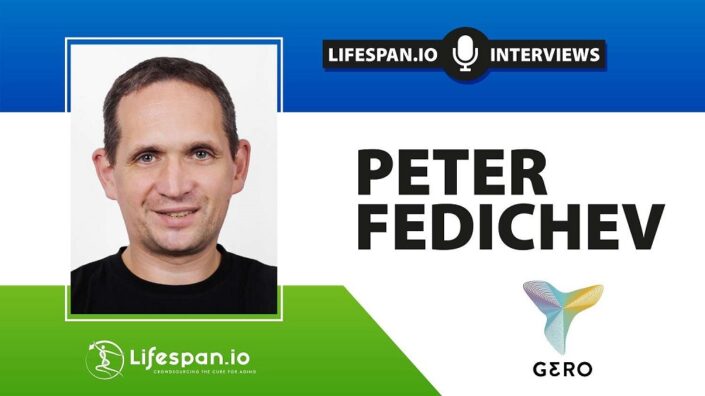
Peter Fedichev Explains His Theory of Aging

Peter Fedichev, co-founder and CEO of Gero, is a relative newcomer to the field of geroscience with a background in physics and not in biology. However, Peter has firmly established himself and Gero in the longevity landscape by twice publishing in Nature, entering a lucrative collaboration with Pfizer, and proposing a new aging-related theory. We discuss this theory in this interview, which was taken during the recent longevity biotech conference in Montenegro.

You are one of the few people who came to the longevity field without having a background in biology. How did this happen?

Well, the official, tidy version of my story starts with a childhood fascination with biology, but in reality, I was torn between studying physics and biology. At the time of that decision, physics seemed like the safer bet to me.

So, you went for the more foundational discipline, right?

Exactly, and I do love physics. I’ve been immersed in studying physics of complex and strongly interacting systems. If you think about it, isn’t life just like that: complex and strongly interacting? I believe that biology is becoming an exciting area where the principles of physics can be applied.

It wasn’t until later that I found inspiration in certain animals that exhibit what we call negligible senescence, or aging so slow it’s almost unnoticeable. This concept clicked with my physics background. I began to wonder if it was possible to create a physical model that could explain why some creatures age quickly, and others don’t seem to age at all.

I thought that maybe aging and “non-aging” could be two outcomes of the same biological system, just with tiny changes in how it’s regulated. If that was the case, we could potentially engineer ways to make aging animals non-aging. To me, this seemed like the most intriguing question in biology, perhaps even in all of science, and I decided to take a crack at solving it.

Just to clarify: although we know that some animals age much slower than others of the same size, whether their senescence is truly “negligible” is an open question, right?

Absolutely, and perhaps those creatures do age, just at an incredibly slow pace. Consider the naked mole rat. From what we’ve discovered, it doesn’t experience even one mortality rate doubling during its 40-year lifespan. In comparison, humans experience five such doublings during the same period. I’d be quite happy if we could reduce that to just one doubling; it would grant us an additional 200 years of life.

How was Gero born?

About a decade ago, we were getting serious about these questions. Data from animal studies was pouring in, and we felt like we could use this data to create predictive models, similar to those used for weather forecasts or financial market predictions.

Once you have these mathematical models in hand, you can perform thought experiments. You can ask: “what would happen if we changed this variable or that one?” So, we aimed to tackle the physics behind the aging rate and the mortality doublings to see how these factors could potentially be altered by a medicine.

We started to reach out to biologists like Robert Shmookler Reis. We conducted transcriptomics of incredibly long-lived worm strains. At Gero, we’ve gathered a range of data on worms that live anywhere from one to ten times their natural lifespan due to various interventions.

We’re talking C. elegans, right?

Exactly. We began with animals that have a highly flexible lifespan. With C. elegans, it’s possible to directly change the aging rate, offering an immediate link between theory and experiment. From there, we transitioned to working with mice. We collaborated with Andrei Gudkov and Brian Kennedy, began collecting human samples, and expanded our data generation and analysis techniques, including longitudinal proteomics.

Did you find biology more complex or less complex than you had thought? 

It’s been a steep learning curve, to be honest. We initially thought it might be simpler, but we also believe that our skills complement those of biologists, who are often inundated with the volume of data they gather.

In the world of engineering sciences, we rely on statistical physics and mechanics to decipher complex systems. I often use this analogy: the steam engine was invented before there was definitive proof of atoms and molecules’ existence. This is statistical mechanics in action.

There are plenty of instances in physical sciences where it’s fundamentally challenging to understand how all parts of a complex system function together. Some argue that it’s simply a difficult task; others believe it’s impossible due to the sheer number of variables. But, thankfully, where one stands on this issue often doesn’t matter because detailed mechanistic knowledge isn’t always necessary for practical applications.

Like weather prediction, right?

Absolutely, or like hydrodynamics, which is used to forecast fluid flows and weather. To dig a bit deeper, there’s a long-standing debate in physics and the philosophy of science. Some, like Richard Feynman, are absolute reductionists, believing that if we fully understand all the fundamental forces, we could compute everything from chemistry to biology, psychology, society, and all other aspects of existence.

In contrast, Nobel laureates Philip Anderson and Ilya Prigogine, who studied complex systems in chemistry and condensed matter physics, noted a fascinating concept, which is highly relevant to biology. In his impactful paper “More is Different,” Anderson noted that as we move from one level of matter organization to another, new properties emerge. These properties don’t exist on a micro level but do on a macro level of a system.

Interestingly, these emergent properties often don’t depend much on microscopic details. This means that we can’t easily predict macroscopic properties of materials from microscopic details such as chemical structure. Consequently, we need to develop a whole new science for each complexity level in nature: chemistry is more than physics, biology is more than chemistry, and so on.

The concept of emergence is one of the most intriguing scientific developments of the last 100 years. In terms of biology, it may imply that medicine is more than just molecular biology. Extensive knowledge of individual genes and pathways may become irrelevant when new, large-scale properties like aging or chronic diseases emerge from interactions of biomolecules or cells.

The loss of information associated with moving up across complexity levels could explain why drug discovery is so challenging. We identify and administer drugs at the molecular level and anticipate results at the system or organism level. This might be the reason why it’s hard to find effective treatments for many diseases and why many modern drugs developed against a particular molecular target fail in human trials.

This line of reasoning is what I wanted to introduce to biology. I might not have had extensive knowledge of biology, but I knew from various textbook examples that the slower the process you’re trying to understand, the less relevant most of your mechanistic knowledge becomes. In other words, slower processes tend to be simpler and more universal, and there’s a solid set of procedures to describe the dynamics of these slow changes. In physics, when you can leverage this universality, it’s incredibly powerful.

Aging is the slowest process in an organism. If this approach is applicable at all, it should first work for aging and likely for chronic diseases. I thought that this perspective could give Gero a competitive edge.

Yes, Gero. It’s been around for a while, everyone has heard about Gero, and yet many people don’t know what you do. What is your model?

Essentially, our objective is to first understand and then halt human aging by basically engineering negligible senescence. We initially got support from people who appreciated this goal, believing that if we succeed, it could become a profitable thing. With time, we’ve gained more interest from traditional pharmaceutical companies. Take our recent partnership with Pfizer, for example. Since almost all diseases are age-related, our advanced understanding of human aging could help develop new drugs to combat ‘conventional’ diseases.

So, it’s a moonshot, but you have investors who share your vision?

Absolutely. We’re fortunate to have investors who’ve stayed with us, as well as newcomers. These people continue to support us, enabling us to manage Gero in an increasingly business-like fashion, but our primary goal was always to understand aging and develop powerful anti-aging interventions. Most people in this field accept that a successful intervention must alter the rate of aging.

How do we even measure the rate of aging in humans?

Great question. The most effective definition of aging I know is that it’s the exponential increase of mortality. In humans, the risk of death from all causes doubles every eight years, but mortality is a population-level trait, and we need to connect these population figures with measurements in individual organisms.

This challenge is central to the aging biomarkers field. They want to measure something in you today that correlates with the characteristics of population mortality trends. This is why we began examining longitudinal datasets that contain multiple measurements from the same person. We wanted to understand how physiological parameters change throughout a person’s life.

We couldn’t do this with nematodes, since measurements would likely kill them. So, we turned to data from mice and humans. We started with a large public Mouse Phenome Dataset and added retrospective data from Andrei Gudkov’s years of mouse aging studies. We also procured a vast human dataset from a diagnostic company in Moscow with data points from individuals who took multiple blood tests over the company’s 20-year history.

When we started comparing mice and humans, we found something intriguing: although both species show an exponential increase in mortality, the dynamics of individual markers in humans and mice are completely different. Humans are not just bigger mice.

This discovery made us revisit our theories and rethink everything. We had to face the fact that humans are very different longitudinally. In mice, we see mortality increase exponentially, but so do biomarkers of aging. This pattern of exponential codependencies is everywhere.

Markers of inflammation, such as c-reactive protein, IL-6, and others are rising exponentially in mice. So is the burden of senescent cells. The exponential rate matches the mortality acceleration. This means that mouse aging is simple: we observe an exponentially accelerating breakdown of the organism’s state.

In humans, however, we know that after the age of 40, our mortality doubles every eight years. So, we see five doublings of mortality, a total 30-fold increase between 40 and 80.

Even before we hit 40, signs of aging begin to show. Are these just more subtle aspects of the same age-related curve, too gradual for us to measure accurately?

It’s clear that not all aspects of aging in humans follow an exponential pattern. Our facial features do shift with age, but not exponentially. For instance, the space between our eyes might increase, but it doesn’t multiply by fivefold by the time we’re 80. Just picture that!

If you were to chart various human characteristics over time, you would likely find two distinct patterns. Many aspects change in a straight line, getting more varied with time – showing that their change is random. Then there are those markers that change faster than a straight line – hyperbolically. If you were to extend these lines, some would reach an infinite point at around 120 years – the current maximum lifespan. Interestingly, these are the same markers that show an exponential increase in mice.

This subtle but qualitative difference (hyperbolic vs. exponential) already shows you, even without any interpretation, that aging in humans is very different from aging in mice. For instance, mice experience an exponential rise in death rates until their average lifespan, then it plateaus. But in humans, once death rates begin to rise exponentially from around 40, they keep doing so beyond the average lifespan. In simpler terms, mice and humans age quite differently, and we need a theory to explain this.

Scientists are beginning to realize that mice may not be the best models for studying human aging. 

Yes, our work aims to highlight exactly how human aging differs and identify aspects of it that can be studied in mice or even in C. elegans.

Basically, we find that severe late-life health issues in humans resemble aging in mice quite a lot. In humans, aging and frailty are separate – an older person might not necessarily be frail and vice versa. Doctors and aging researchers use ‘frailty indices’ to measure aging in patients – they tell us about the burden of disease, not about demographic trends. In mice, it seems, aging and frailty go hand in hand – perhaps because frailty sets in so rapidly that it looks like the aging process itself.

On the other hand, in humans, frailty typically sets in only in the last decade of life. Before that, other aging-related changes are happening, changes that we don’t see or don’t have time to observe in mice.

Let’s go back to your theory and explain it in the plainest terms possible. So, you are saying that there are two types of aging: mice-like aging and human-like aging.

We propose a simpler classification. Let’s do a thought experiment. Imagine a living system in a balanced state, and you introduce an error into this system – for instance, by removing a few molecules. This action damages the system, at least temporarily. Now, two scenarios could play out.

In the first, the absence of these molecules triggers a chain reaction of errors that escape the system’s repair mechanisms, causing more and more errors. This cascading effect could cause deviations from the balanced state, increasing exponentially until the system disintegrates. If we were to draw a comparison with physics or engineering, these systems would be dynamically unstable. When mortality increases exponentially, it’s natural to assume there’s an exponential instability in the system.

In the second scenario, the system’s error repair mechanisms efficiently correct errors before they can cause more errors. It’s like having a system where the basic reproduction number of errors is less than one. In such a case, errors occur but don’t multiply, allowing the system to survive for a long time without showing signs of aging.

Interestingly, we see that similar organisms, with slightly different parameters of regulatory interactions, can have very different aging outcomes. A minor change to the parameters that govern error repair systems can determine whether or not errors amplify exponentially. This was our initial concept: similar species, like mammals, share much of the same genetic makeup. We all have genes that, in theory, can repair almost any kind of damage, but different species have evolved different approaches to fixing these errors.

From our observations, there are usually good reasons not to fix every error. In evolutionary terms, energy can be spent on growth or on repair. Too much energy spent on repair slows growth. This is why there are no worms living ten times longer in the wild – as explained to me by Robert Shmookler Ries. Long-lived mutants develop and reproduce slowly, which washes their genes out of the gene pool.

This is the story of the first generation of intervention in worms. Later, we did find interventions that significantly increase lifespan in C. elegans (but not tenfold, I think) without slowing development and reproduction too much. But, in general, this trade-off between development, reproduction, and repair is real.

Yes, in most species, the rate of development and aging are interconnected. If too much energy is invested in repair, development slows down. Social animals often develop more slowly.

And evolution is making this choice for us.

Yes, and evolution doesn’t really have too many options to play with. It has to balance between growth and repair, especially when considering energy conservation (this idea is due to Geoffrey West). If there are too many individuals competing for resources, a viable strategy might be to try to outgrow and out-consume them, but this might also mean investing less in repair, which can lead to less stability over time. But if this instability doesn’t bring you down before you reproduce, evolution doesn’t really mind.

In essence, competition drives us all to the edge of instability. This is something that was first noted by Stuart Kauffman, a medical doctor turned influential physicist, who observed that all living creatures produced characteristics of regulatory systems operating on the edge of stability and instability. His work was a significant inspiration for us.

Basically, competition makes you live on the edge.

In fact, it can push us over the edge. To compete effectively, it might be a good idea to disregard repair and allow for exponential disintegration. This is the “anti-engineering” solution that nature often opts for. Nature doesn’t mind if you’re unstable. If you choose to grow quickly and then begin to disintegrate, but manage to reproduce during that functional period, that’s all evolution needs from you.

But if you don’t face this kind of pressure — if you’re at the top of the food chain, survive to a certain age, and continue to reproduce for a long time, which is crucial — then the gene pool could become dominated by genes that promote longevity, simply because a longer life allows for a more extended reproductive period.

I’m not a biologist, and that’s why I generally avoid these discussions in my papers, but I believe that humans are caught in this unique situation because of menopause. On one hand, we’re at the top of the food chain, but on the other, we stop reproducing way before the end of our lifespan, which is not too common in nature.

Both humans and naked mole rats are social animals, but we’ve developed two very different social structures. In naked mole rats, it’s like insects, where one “queen” reproduces throughout her entire life. So, if genes promoting lifespan extension enter the gene pool, they have a high chance of sticking around and accumulating.

In humans, older women often help their daughters to produce offspring. This could be why evolution might favor switching off reproduction in older women to establish a balance. There is strong evidence that just a few hundred years ago, when human living conditions were harsh, having your grandparents alive significantly increased your chances of reaching reproductive age.

This is often referred to as “the grandmother hypothesis”.

Yes. While this may have been instrumental in shaping our social organization, it has disrupted the connection between longevity and dominance in the food chain. We’re a dominant species that could have allowed for more longevity genes to enrich our gene pool. I believe this is still happening, but a bit slower and for different reasons.

Humans are living longer as we’re social creatures, and our society is ever-evolving, growing increasingly complex. This is why it takes more time now to mature and adapt socially. So, nature might be subtly extending our development time by enhancing our repair mechanisms.

People now appear younger at 50 than they did a hundred years ago, even after accounting for advancements in medical technology and other factors. But due to menopause, we can’t have a situation where longevity genes aggressively accumulate in our genome.

Most of this is irrelevant to mice. We both agree that mice aren’t the best model for studying aging, but what other options do we have? Fortunately, we’re living in a golden era: we have more medical and molecular data on humans than on any other animal. So, we might not even need to study animal models as extensively as we once did.

Yes, we are limited in experiments in humans, but if we can achieve a similar level of understanding of human aging and disease dynamics as we have for weather or markets, we could learn a lot even without direct experimentation.

This is where I see great potential at the intersection of physics, biology, and machine learning. If you understand the dynamics of your subject, you don’t need to conduct countless experiments because you already have a good idea of the outcomes based on your understanding of data generation. Once you know the dynamics, you can run simulations. This is how airplanes and weapons are designed, and hopefully, it’s how drugs will be designed in the future.

That’s why we’ve started building models based on longitudinal data. We’ve already developed such a model for mice, which we published last year. Two and a half years ago, we published another model using longitudinal human data.

Today, thanks to our collaboration with Pfizer, we have models that have been trained on tens of millions of medical records. These records distinguish between aging and chronic diseases, allowing us to see how aging impacts chronic diseases. With these comprehensive models, we have access to superior aging phenotypes from genetic studies to inform our aging research.

Let’s step back and examine the foundation of your theory. I’m going to try and simplify it, and you can tell me if I’m on track. We’re discussing two distinct types of aging. Humans are superior at self-repair compared to mice. Our robust repair systems only start failing much later, when aging accelerates.

But this means we can’t effectively use anti-aging treatments before this acceleration kicks in, as our repair systems would counteract their impact, constantly restoring the body to its slow-decay equilibrium, right?

That’s right. There are animals that maintain stability and others that rapidly deteriorate, like mice. When humans reach full development, we arrive at a stable state. Both negative influences, like smoking, and positive ones, like taking anti-aging drugs, don’t significantly alter this balance. For instance, consider smoking – even with its harmful effects, it only reduces lifespan by around 5 years. This impact, less than a 10% effect on lifespan, is comparable to the effect of gender.

This is what stability means. It’s hard to modify human lifespan. But this stability isn’t infinite. Within a certain range of changes, there’s a force that restores balance. But if you push too far, you’ll end up in an unstable state and begin to deteriorate.

What we noticed is that although we mature into a stable state, this stability gradually weakens as we age. Just as the size of our nose and ears change steadily with age, so does our recovery force. We mapped this decline as a function of age in longitudinal data.

Two consistent observations stood out. First, the variation in fluctuations increases, suggesting that the ability to maintain balance weakens. Second, the force that restores balance after a stress weakens. It appeared that the only thing changing was the degree of balance, with the restoring force growing weaker, leading to larger fluctuations. This suggests that in addition to the typical markers of aging, something else is gradually reshaping everything within us, from the shape of our nose to our inherent balancing force.

This dominant aging process in humans is linear, which is interesting. Compared to mice, nature has already done most of the work stabilizing our internal systems. We’re left with this slow, linear process leading to eventual instability late in life, while mice experience an exponential process almost immediately after birth, shortening their lifespan significantly.

You have said that aging-wise, we are like naked mole rats for most of our lives, and that’s probably true. We may be frustrated about our limited lifespan, but it’s actually already very impressive for an animal of our size.

Exactly, we and naked mole rats share many similarities. Perhaps they too experience this linear reshaping of their regulatory systems, just at a slower rate than humans. Some people take a negative view of this, but my theory’s positive statement is that nature has already done most of the bioengineering required for life extension. We are stable, so we don’t experience exponential aging for most of our life. We only have this linear decline to contend with, and if we could slow it by half, our lifespan would double.

Another part of your theory suggests that this slow linear aging is like an arrow of time, going in one direction and very hard to reverse. So, we might be able to achieve negligible senescence (to slow the clock), but it’s much harder to achieve true rejuvenation (to turn the clock back).

Yes, it’s a practical theory that provides a systematic approach to identifying factors that control the rate of aging, removing the reliance on fortuitous experimentation. If our theory is correct, certain factors would behave in predictable ways, and we should see this reflected in experiments.

Unfortunately, if we’re correct, this slow, linear aging is not a single process but the cumulative effect of many unrelated processes. There are countless variables that could go wrong. A molecule could change shape, methylation states could alter and fail to revert, mutations could occur – there are simply too many possibilities.

Each minor change might seem insignificant, but if you wait long enough, over a near 100-year lifespan, the compound effects of all the accumulated minor insults changes every variable in your body. In response to this stress, the recovery force gradually weakens. Interestingly, for some processes, the recovery force strengthens. Certain diseases don’t affect the elderly. But naturally, the weakest link is what matters. The system that breaks down first, becoming unstable, is what determines our lifespan.

If we’re right, and this slow aging is the result of many uncorrelated processes rather than a single one, it means that it’s extremely challenging to develop one or even a few drugs that would have a significant impact. Different cells experience different problems, so any treatment would need to be highly specific.

But it’s not exactly impossible, even with existing technologies. We’ve learned to target our therapies pretty well, even on cellular level.  

Theoretically, it’s possible. It would require less energy than what you get from a daily cookie to clean up all your DNA. It’s not about energy, but rather about information. Take, for instance, trying to swat an irritating mosquito. You exert a lot of energy, but that’s not the issue. The problem is that you often miss and hit yourself instead – you lack the necessary knowledge about the mosquito’s position and can’t quickly act on that information.

You’d need to go into every cell, determine what’s gone wrong, and then apply a highly precise intervention that targets only what you need and leaves everything else intact. In physics, theoretical things like nano-devices acting on individual elements in complex systems are referred to as “demons”, like the famous Maxwell’s demon. These are like the nano-robots we were promised a long time ago. If we could do that, it’s not impossible. Nature’s laws don’t forbid it. But it’s a monumental task.

If I had two projects based on current technology, one to slow aging and another to significantly reverse it, my money would be on the first one. Why? First, because my background in physics tells me so. Second, we see creatures like the naked mole rat and other animals that have apparently slowed the pace of aging by an impressive degree.

So, this is a hypothesis, albeit an interesting one. Do you believe it requires more supporting data?

Actually, what we need now isn’t more data but more experiments. The theory has been built from data. Theories allow for predictions. For example, there’s a recent paper by João Pedro de Magalhães that, like our work, showed that the variance of the “epigenetic noise” increases with age. He proposed examining this additional biomarker of age – the variance.

I’m predicting that some drugs could reduce the variance of the biological age at any age and, in turn, extend lifespan by making biological networks more robust. That’s a prediction, and that’s the power of theory. Even when working on the wrong animal but examining the right things, a theory can lead you a long way. You can observe things that are relevant to your theory and then attempt to apply those findings to humans.

Could things like organ replacement or epigenetic rejuvenation (cellular reprogramming) work around your theory?

Possibly, but to make a significant impact, you would need to remove a substantial amount of damage. It can’t just be a handful of cells. In my opinion, cell rejuvenation holds the most promise, at least theoretically, because it’s currently the closest thing we have to those theoretical “demons” from classic thermodynamics.

However, as we’ve seen from experiments, if you increase the dose in mice, you see a beneficial effect for a while, then it peaks, and then it decreases. The peak effect isn’t more significant than interventions targeting other hallmarks of aging.

How was your theory received by the scientific community? I know some people were skeptical and even displeased. After all, you’re sort of a buzz killer.

Overall, I think the response from the community has been positive. We’ve received help all along the way. Our theory lines up with what many in the field have experienced when testing longevity drugs in humans. More often than not, we see what we predicted: small, sometimes temporary effects that can’t outperform the effects of a good diet.

Yes, at the conference we’re currently at, people like Brian Kennedy have mentioned that some of their results are at least compatible with your theory.

I don’t want to come off as pessimistic because, like many others, I joined the field of longevity research hoping to achieve dramatic rejuvenation in humans. There’s also significant funding flowing into this field, and we must manage expectations accordingly. If, after all this investment, we end up with interventions that mimic the effects of calorie restriction, there will be a lot of disappointment. Basically, we risk undermining the field if, in five to ten years, we find that everything we have is no better than diet and exercise.

But clearly, you still want the field to receive ample funding.

Absolutely. I believe that having a flawed theory is better than having no theory at all because it saves time and money. When we promote the concept of longevity to outside investors, we’re building expectations, and we must be responsible in managing them. For instance, we should consider the effects of calorie restriction as a fundamental benchmark.

What is then your message to people who want to invest in longevity biotech?

The answer really depends on their risk tolerance. Many investors want to help people towards the end of their lives cope with specific diseases that currently have no effective cure. For instance, I commend what BioAge is doing. They’re repurposing existing drugs and rapidly progressing them through clinical trials to help people, especially the elderly, in specific situations such as post-COVID. In this scenario, there’s a distinct medical problem, a substantial number of people who need help, a potential for profit, but also a significant opportunity to gain experience with anti-aging drugs.

Likely, they will be able to enhance patients’ quality of life and provide returns for investors. This is an ideal fit for those investors looking for proven methods that align with modern medical philosophy. Some people will profit, while others might, say, win a Nobel Prize for something like senolytics.

With these interventions, we can hope to extend the last period of life by maybe 10 years for people who are already in bad shape. This is what compressing morbidity is. We shouldn’t downplay its importance, it’s substantial, but outsiders often have different expectations. Our books and speeches lead them to believe that we can halt or even reverse the aging process in someone in their 30s or 40s. But this won’t happen with the current generation of interventions.

So maybe, Gero’s proposition is: “If you carry on this path, you’ll have to wait at least 10 years before realizing these approaches don’t work as you’d hope. Then you’ll have to wait another 10 years for new strategies to be developed. By collaborating with us, you might save 10 years.”

Your theory suggests we have a better shot at maintaining an 80-year-old in reasonably good health than rejuvenating a 50-year-old. Would you personally take this deal to stay 80 for a long time?

If I’m still vigorous and relatively healthy at 80, then absolutely. My mother is nearly 80, she’s not in perfect health, but she wants to stay around, maintain her independence, and help her grandchildren. At the very least, we should have this option, and then it becomes a matter of personal choice.

We would like to ask you a small favor. We are a non-profit foundation, and unlike some other organizations, we have no shareholders and no products to sell you. All our news and educational content is free for everyone to read, but it does mean that we rely on the help of people like you. Every contribution, no matter if it’s big or small, supports independent journalism and sustains our future.
Disagreeing clocks

Using Proteins and RNA to Determine How Old You Are

A paper published in Aging goes into detail about the proteins and RNA pieces that increase and decrease with aging, suggesting a multiple-clock approach to biomarkers.

Blood proteins change with age

The researchers start out by discussing existing clocks based on such measurements as imaging [1] and epigenetic methylation [2], which is the most well-known and most widely discussed approach. However, these are not the only biomarkers associated with aging.

We have extensively reported on parabiosis and plasmapheresis, two rejuvenation approaches that change the composition of proteins circulating in blood. Blood proteins have been used as aging biomarkers in previous research [3].

However, these researchers lament the lack of comparative measurements, noting that even though it is possible to run multiple comprehensive clocks at once, this is not a well-established practice. To their knowledge, only one group has previously tried, and that cohort consisted exclusively of older people [4]. Therefore, they sought to bridge that gap using a comparison between proteins and RNA.

Well-constructed clocks in disagreement

This study’s cohort consisted of 103 people between the ages of 20 and 83, with an average age of 55. The participants were generally healthy and did not have known diseases.

Using state-of-the-art protein sequencing technology [5], the researchers identified 145 proteins that they determined to change with aging. 114 of these proteins had never been previously determined to change with age. The researchers confirmed their findings with other protein measurements, finding that they were highly reproducible. Comparing these measurements, the researchers narrowed their findings to 21 proteins with which to make a clock.

They noticed an upregulation in “complement components”, a group of immune-related proteins that is associated with age-related systemic inflammation (inflammaging). This increase is in agreement with prior research [3] finding this pathway upregulated with age. They also noticed a downregulation in proteins associated with high-density lipoproteins (HDLs), which are more abundant in longer-lived people [6] and negatively correlated with heart disease [7].

The researchers then turned to small RNAs, which they noticed have not been previously used as clock biomarkers. A total of 315 of these RNAs were found to increase and decrease with age, with the 60 most significant all decreasing; small RNAs, as a whole, decrease with aging. The genes affected by these RNAs included multiple aspects of aging, including senescence, cancer, nutrient sensing, and autophagy.

Interestingly, many classes of RNA showed no association with aging at all. A select group of 20 miRNAs was found to be considerably more predictive of chronological age. Furthermore, re-testing the same individual’s RNA yielded far more consistent numbers than re-testing proteins.

Finally, and perhaps most importantly, there was little correlation between the protein model and the RNA model.

What number to believe?

The differences between aging clocks might lead to clinical confusion. If someone’s protein clock says “55 years” and small RNA clock says “50 years”, how biologically old is that person? The answer is that both clocks, if properly calibrated, can be correct for their specific domains.

Human aging is not necessarily uniform, and different aspects of aging can operate at different rates. Therefore, the purpose of multiple clocks isn’t to arrive at a single, all-encompassing number: it is to determine what is, and isn’t, being affected by lifestyle or rejuvenation interventions. There is no ‘true’, single, biological age.

Taken together, our observations suggest that models built from proteins or from small RNAs capture different aspects of aging, and therefore, age predictions benefit from their combination.

We would like to ask you a small favor. We are a non-profit foundation, and unlike some other organizations, we have no shareholders and no products to sell you. All our news and educational content is free for everyone to read, but it does mean that we rely on the help of people like you. Every contribution, no matter if it’s big or small, supports independent journalism and sustains our future.
Literature

[1] Xing, J., Li, K., Hu, W., Yuan, C., & Ling, H. (2017). Diagnosing deep learning models for high accuracy age estimation from a single image. Pattern Recognition, 66, 106-116.

[2] Horvath, S. (2013). DNA methylation age of human tissues and cell types. Genome biology, 14(10), 1-20.

[3] Tanaka, T., Biancotto, A., Moaddel, R., Moore, A. Z., Gonzalez-Freire, M., Aon, M. A., … & Kotliarov, Y. (2018). Plasma proteomic signature of age in healthy humans. Aging cell, 17(5), e12799.

[4] Huan, T., Chen, G., Liu, C., Bhattacharya, A., Rong, J., Chen, B. H., … & Levy, D. (2018). Age-associated micro RNA expression in human peripheral blood is associated with all-cause mortality and age-related traits. Aging Cell, 17(1), e12687.

[5] Bruderer, R., Bernhardt, O. M., Gandhi, T., Miladinovic, S. M., Cheng, L. Y., Messner, S., … & Reiter, L. (2015). Extending the limits of quantitative proteome profiling with data-independent acquisition and application to acetaminophen-treated three-dimensional liver microtissues*[S]. Molecular & Cellular Proteomics, 14(5), 1400-1410.

[6] Arai, Y., & Hirose, N. (2004). Aging and HDL metabolism in elderly people more than 100 years old. Journal of atherosclerosis and thrombosis, 11(5), 246-252.

[7] Tall, A. R. (2021). HDL in morbidity and mortality: a 40+ year perspective. Clinical Chemistry, 67(1), 19-23.

Rhesus macaques

The Longevity Factor Klotho Improves Memory in Monkeys

Researchers have explained in Nature Aging how klotho, a factor associated with longevity, improves the cognitive abilities of rhesus macaques.

Moving on from mice

This paper begins with a discussion of klotho and how it relates to aging. In mice, klotho has been found to improve cognitive function [1], even though systemic administration does not cross the blood-brain barrier [2]. Additionally, humans with genetically high levels of klotho have less risk of dementia with age [1].

However, administering klotho as a treatment in humans has never been tested. This research takes a step closer towards that goal, moving on from mice to rhesus macaques, whose cognitive functions and genetics are considerably closer to those of people.

Rhesus and human klotho are very similar

The klotho protein that exists in these animals has a 4% difference from the human version. The researchers began their experiments by first confirming that rhesus klotho works in mice. As expected, administering the protein increased its levels in serum and improved mouse cognition at an appropriate dose, increasing both synaptic plasticity, which reflects learning ability, and the ability to navigate a maze.

With those results in hand, the researchers turned to the animals it was derived from. The macaques in this experiment were, on average, nearly 22 years old, which is roughly equivalent to 65-year-old people. The researchers used a spatial delayed response test, which is meant to assess memory and involves the hippocampus and the prefrontal cortex, two regions that are strongly affected by aging [3].

Administering rhesus klotho to these monkeys improved their performance in both normal difficult memory tasks. Normally, rhesus monkeys get about half of the difficult answers correct and 70% of the normal answers correct. The treated monkeys scored approximately 10% higher than the control group on the hard tasks and 5% better on the normal tasks; both of these results were well over statistical significance. These benefits were first tested four hours after administration, and they continued at the same intensity for at least two weeks afterwards.

The positive effects of klotho in rhesus macaques were found only at 10 micrograms per kilogram. A double dose had far less of an effect, which did not reach statistical significance above the control group, and a triple dose might have worsened performance.

It seems to be time for human trials

The researchers conclude their discussion by suggesting that klotho administration may improve cognition in older human beings. Human clinical trials are required to first find an appropriate dosing regimen and determine side effects. If it is found to be safe and works in people at the same speed that it works in animal models, klotho may quickly become a go-to standard for people suffering from cognitive decline.

We would like to ask you a small favor. We are a non-profit foundation, and unlike some other organizations, we have no shareholders and no products to sell you. All our news and educational content is free for everyone to read, but it does mean that we rely on the help of people like you. Every contribution, no matter if it’s big or small, supports independent journalism and sustains our future.

Literature

[1] Dubal, D. B., Yokoyama, J. S., Zhu, L., Broestl, L., Worden, K., Wang, D., … & Mucke, L. (2014). Life extension factor klotho enhances cognition. Cell reports, 7(4), 1065-1076.

[2] Leon, J., Moreno, A. J., Garay, B. I., Chalkley, R. J., Burlingame, A. L., Wang, D., & Dubal, D. B. (2017). Peripheral elevation of a klotho fragment enhances brain function and resilience in young, aging, and a-synuclein transgenic mice. Cell reports, 20(6), 1360-1371.

[3] Herndon, J. G., Moss, M. B., Rosene, D. L., & Killiany, R. J. (1997). Patterns of cognitive decline in aged rhesus monkeys. Behavioural brain research, 87(1), 25-34.

Cnidarian

Cellular Senescence Drives Regeneration in Cnidarians

Scientists have demonstrated that full-body regeneration in cnidarians, a group of animals that includes the jellyfish and hydra, can be driven by signals from senescent cells [1]. This might be the original purpose of cellular senescence.

Why can’t we regrow our arms?

There are many examples of amazing regenerative abilities in the animal kingdom, but the vast majority of complex animals, including humans, lack them. Barring a few exceptions, substantial regeneration seems to be reserved for ancient, simpler animals, such as the hydra or another cnidarian and the star of this new study, Hydractinia symbiolongicarpus.

According to the study’s authors, the reason might be that “the high plasticity that allows for whole-body regeneration may also compromise the integrity of complex structures and increase malignancy risk.” Despite the literal abyss between us and animals like hydractinia, studying regeneration in them might be relevant to human longevity if we can understand and harness some of their regeneration mechanisms.

Head to body

Hydractinia can regrow an amputated head in just three days. This regeneration is driven by adult pluripotent stem cells called i-cells. Those cells normally reside in the stems of hydractinia, ready for regenerative action. After these animals are decapitated, those cells migrate towards the injury site and facilitate head regrowth:

Regeneration i-cells

However, while hydractinia can grow new heads from their bodies, their heads lack the i-cells needed to grow new bodies with. Yet, surprisingly, amputated hydractinia heads transform into fully functional animals due to the appearance of new i-cells, which the researchers dubbed “secondary i-cells”.

Senescent cells signal regeneration

The researchers were able to establish that those cells had dedifferentiated from somatic cells. Since cellular senescence has been linked to regeneration by earlier studies, the researchers analyzed the transcription levels of senescence-related genes several times during the process of regeneration (which typically took about six days).

142 of 229 homologs of human senescence genes were differentially expressed at least once. The signal was strongest on day one, shortly after amputation, and then gradually subsided. This senescence-related activity seemed to emerge at the injury site before propagating to other parts of the amputated head.

Given that senescent cells don’t just disappear but tend to linger in tissue [2], the researchers were puzzled by the fizzling out of senescence markers. They were able to show that those senescent cells migrate to the gastrointestinal tissue of the newly grown body and then are expelled, probably through the mouth. Unfortunately, humans cannot just cough their senescent cells out.

To further investigate the role of senescent cells in the regeneration event, the researchers treated the amputated heads with navitoclax, an effective senolytic. As navitoclax inhibited senescent markers, no secondary i-cells appeared, and no regeneration event occurred. Animals with genetically ablated cellular senescence were able to regrow a head but not a body, since they had primary i-cells but no secondary i-cells.

Finally, the researchers developed a conditional model in which cellular senescence could only be induced by exposing animals to blue light. Following decapitation, only the animals that were exposed to light demonstrated cellular senescence at the injury area, then emergence of secondary i-cells, and, finally, full body regeneration.

Conserved mechanism

Those results led the researchers to believe that senescent cells emerged in amputated heads to initiate a cascade of signals that triggered dedifferentiation of somatic cells into secondary i-cells. This points to cellular senescence as a highly conserved regeneration-related mechanism that was stripped of its impressive powers in most of the more complex animals. It was repurposed (as evolution has done many times) to facilitate regeneration on a smaller scale: in wound healing [3]. Interestingly, proximity to senescent cells is known to boost cellular reprogramming with Yamanaka factors [4].

This study does not immediately show a way for humans to regrow limbs, but it expands our understanding of the fascinating phenomenon of cellular senescence. While it does play a role in aging, there is a bright side to senescence, which we might eventually learn to use to our advantage.

We suggest that senescence is an ancient mechanism, instructing cells adjacent to an injury site to prepare for a regenerative event. We also speculate that other consequences of senescence that have been observed in mammals, such as long-term retention and accumulation of senescent cells, aging, chronic inflammation, and cancer, are side effects that evolved later in the evolution of these lineages, perhaps as a consequence of the increase in cell fate stability and morphological complexity. Understanding the senescent environment and its role in cellular plasticity could pave the way for new treatments to enhance regeneration in poorly regenerating mammals.

We would like to ask you a small favor. We are a non-profit foundation, and unlike some other organizations, we have no shareholders and no products to sell you. All our news and educational content is free for everyone to read, but it does mean that we rely on the help of people like you. Every contribution, no matter if it’s big or small, supports independent journalism and sustains our future.

Literature

[1] Salinas-Saavedra, M., Krasovec, G., Horkan, H. R., Baxevanis, A. D., & Frank, U. (2022). Senescence-induced cellular reprogramming drives cnidarian whole-body regeneration. Cell Reports.

[2] López-Otín, C., Blasco, M. A., Partridge, L., Serrano, M., & Kroemer, G. (2013). The hallmarks of aging. Cell, 153(6), 1194-1217.

[3] Adams, P. D. (2009). Healing and hurting: molecular mechanisms, functions, and pathologies of cellular senescence. Molecular cell, 36(1), 2-14.

[4] Mosteiro, L., Pantoja, C., Alcazar, N., Marión, R. M., Chondronasiou, D., Rovira, M., … & Serrano, M. (2016). Tissue damage and senescence provide critical signals for cellular reprogramming in vivo. Science, 354(6315), aaf4445.