
October 06, 2026
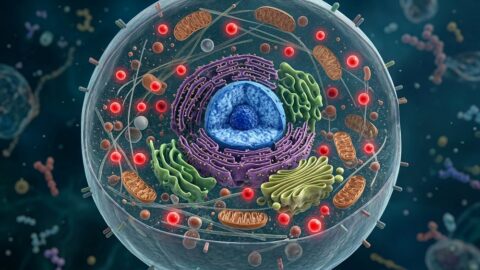
A new study links an age-related decline in cellular maintenance to impaired immune clearance. Activating the pathway reduced signs of senescence in aged mice [1]. Senescence and autophagy Cellular senescence, which occurs when cells stop dividing and start emitting largely pro-inflammatory stress signals, the senescence-associated secretory phenotype (SASP), is a double-edged sword. On the one...
July 23, 2026
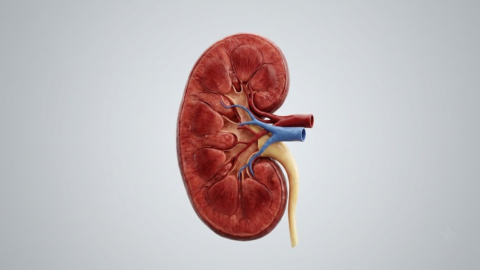
Autophagy, which increases in younger mice under toxic stress, does not increase in older mice and leaves them susceptible to acute kidney injury (AKI). Increasing autophagic flux by targeting a key molecule, transcription factor EB (TFEB), alleviates some of this damage. An acute disease with lasting effects AKI is a rapidly developing condition that causes...

July 20, 2026
Researchers have described a method of using exosomes derived from mesenchymal stem cells (MSCs) to fight harmful metabolic changes in the liver. Another look at exosomes This is far from the first attempt at using MSC-derived exosomes, particularly exosomes derived from MSCs originally taken from human umbilical cord tissue (HucMDEs derived from HucMSCs), to treat...
June 08, 2026
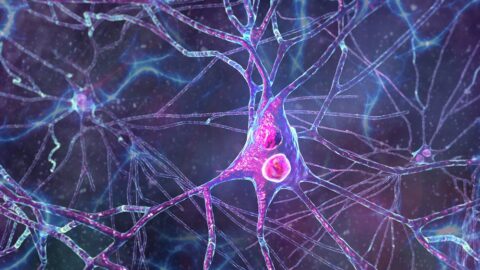
Researchers have explained how a protein found in both yeast and humans facilitates the destruction of the core protein responsible for Parkinson's disease. An aggregate that impairs clearance Loss of ProteostasisThe loss of proteostasis is the failure of the protein-building machinery of the cell and the accumulation of misfolded proteins, which is one of the...
October 30, 2025
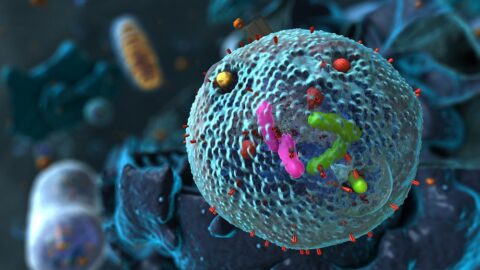
Researchers publishing in Aging Cell have found that the efficiency of autophagy, a cellular maintenance process, increases rather than decreases in some T cells derived from healthy older people. Keeping cells healthy Disabled MacroautophagyIn autophagy, damaged proteins and organelles are wrapped in a double-membraned autophagosome structure. These sacs then join with lysosomes, which act like...
January 21, 2025
Researchers have found that kinesin family member 9 (KIF9), a protein that diminishes with aging, is instrumental in allowing cells to consume harmful proteins and fights Alzheimer's in a mouse model. Consuming amyloids before they become a problem Alzheimer's is well-known as a proteostasis disease: it is characterized by amyloid beta plaques outside the cells...