

October 30, 2026
In a new study, late-life treatment with a three-element senolytic vaccine led to lower senescence markers and a 12% increase in median lifespan in female B6 mice. However, short-lived controls complicate the picture [1]. Helping the immune system kill “zombie cells” Cellular SenescenceAs your body ages, more of your cells become senescent. Senescent cells do...
October 19, 2026
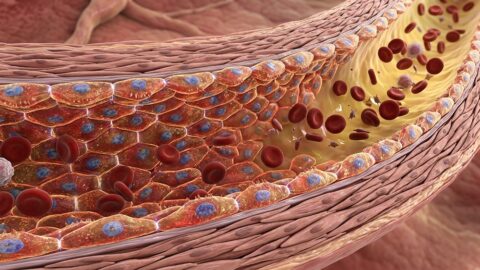
Researchers publishing in Aging Cell have found that the regulatory protein MTR4 fights DNA damage in the blood vessel lining but decreases with aging. Vulnerable by nature This paper begins by noting the properties, and aging, of vascular endothelial cells (VECs), which line the blood vessels and govern their permeability [1]. As these cells are...

October 12, 2026
In Aging Cell, a team of researchers has described how a little-known gene, ZNF865, has a significant influence on back pain through the regulation of cellular senescence. Lower back pain and senescence are related Cellular SenescenceAs your body ages, more of your cells become senescent. Senescent cells do not divide or support the tissues of...
October 08, 2026
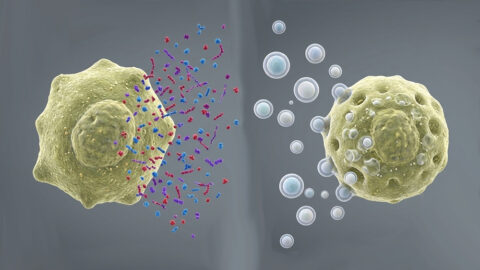
In Aging, researchers have described the differences between the secretions of cells driven senescent through a cancer gene and cells that stopped proliferating due to p16 expression. A difference of kind Cellular SenescenceAs your body ages, more of your cells become senescent. Senescent cells do not divide or support the tissues of which they are...
October 06, 2026
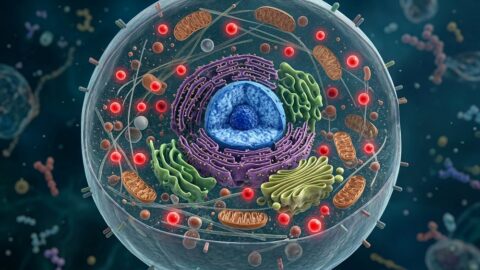
A new study links an age-related decline in cellular maintenance to impaired immune clearance. Activating the pathway reduced signs of senescence in aged mice [1]. Senescence and autophagy Cellular senescence, which occurs when cells stop dividing and start emitting largely pro-inflammatory stress signals, the senescence-associated secretory phenotype (SASP), is a double-edged sword. On the one...
September 28, 2026
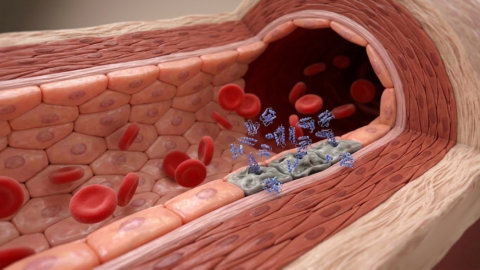
Researchers have created a deep learning-based biomarker, SASP Score, that evaluates the combined effects of the senescence-associated secretory phenotype (SASP) circulating in the bloodstream. Measuring an overall burden Cellular SenescenceAs your body ages, more of your cells become senescent. Senescent cells do not divide or support the tissues of which they are part; instead, they...