
July 07, 2026
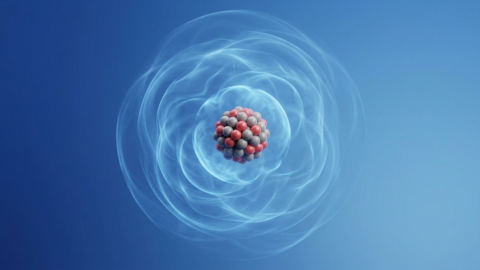
Scientists have linked disrupted Ca²⁺ homeostasis to aging in both progeroid and naturally aging mice. Rescuing it with a well-known antidepressant significantly increased the animals’ median and maximum lifespan [1]. Calcium ions in progeria and natural aging Cells use calcium ions (Ca²⁺) for signaling, and a rise or fall in cytoplasmic Ca²⁺ switches many pathways...
January 27, 2026
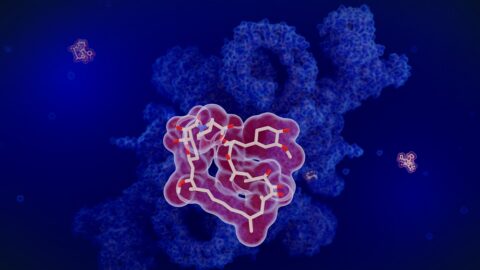
A new study from the Universities of Oxford and Nottingham has uncovered a potential new mechanism by which rapamycin counters immunosenescence. Rather than increasing autophagy or reducing protein synthesis, the effect appears to involve directly reducing DNA damage burden in immune cells [1]. How can this work? Rapamycin, a powerful inhibitor of the nutrient-sensing mTOR...
October 14, 2025
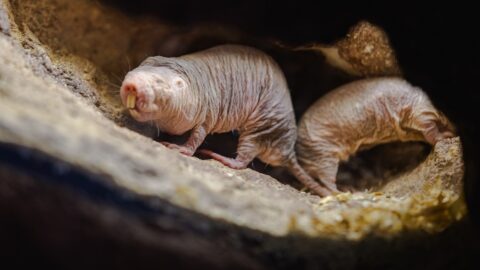
Scientists have found that the cGAS protein in naked mole rats, a famously long-lived species, boosts DNA repair, while the human version tends to hamper it. The difference boils down to just four amino acids [1]. DNA repair and cGAS Despite their unassuming appearance, naked mole rats (NMRs) are stars in the longevity field. These...

October 03, 2025
Among the hallmarks of aging, DNA damage is both one of the most important and one of the hardest to crack. A couple of years ago, when I first learned about Matter Bioworks at a prominent longevity conference, I was amazed at the audacity of the small startup’s vision: actually fixing our DNA, including the...
February 24, 2025
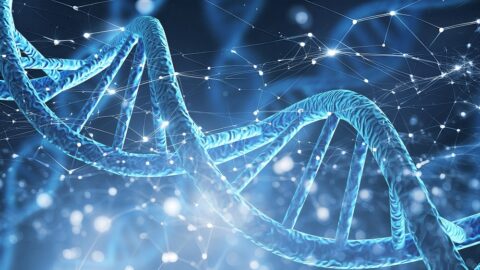
The Arc Institute, a nonprofit research organization, has published a manuscript on its creation of Evo 2, an AI foundation model that is capable of both understanding and building full genomes of organisms. A new step in understanding biology The authors of this paper, a group of professionals largely from the Arc Institute and well-known...

February 15, 2024
In Nature Genetics, researchers have described how a defect in RNA transcription constitutes a previously undiscovered mechanism of aging. When the blueprint becomes harder to read Gene expression begins when a cell transcribes RNA from DNA protein codes. This process, like almost all others, is affected by aging. One key reason behind this is, of...