
October 27, 2026
One of the oldest and biggest longevity conferences moved this year across the Atlantic, from Copenhagen to Boston. The new location brought ARDD close to several important longevity hubs and might have contributed to this edition’s practical, entrepreneurial, and forward-oriented spirit. We have already reported on the unprecedented panel where FDA named longevity a priority....
October 22, 2026
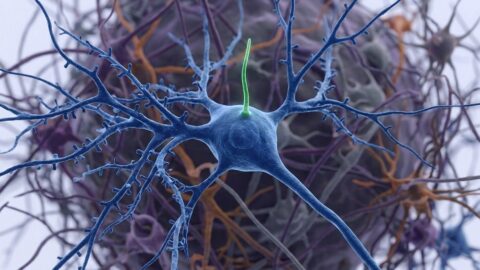
A team of researchers has written a paper with a surprising finding: that many of the benefits of caloric restriction and increased NAD+ may be due to their effects on the cilia of hypothalamic neurons. Neuronal cilia have a relationship to overall health Nicotinamide Adenine Dinucleotide (NAD): Benefits and ResearchNicotinamide adenine dinucleotide (NAD) is a...
October 16, 2026
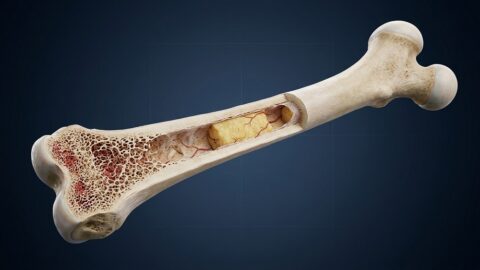
A new study links STING-mediated signals from marrow fat cells to inflammation and declining NAD⁺ levels in bone-forming cells. Interrupting this pathway helped preserve aging bone [1]. Making old bones Our bones live a complex life, as they are constantly remodeled: cells called osteoclasts break down existing bone, while osteoblasts build new bone. Osteoblasts arise...

October 15, 2026
Reviewers publishing in Biology have elucidated SIRT1 functional reserve as an aspect of aging, describing how its depletion is an upstream cause of age-related disorders at the cellular level and explaining why many prospective therapies that increase SIRT1 and NAD+ have not had promising results. Managing a dangerous byproduct Reactive oxygen species (ROS) are necessarily...

July 24, 2026
According to the experts that we spoke to, the death, which followed an intravenous NAD⁺ infusion that went catastrophically wrong, underscores the risks of unproven treatments and the need for rigorous longevity medicine. Earlier this week, Elizabeth Baron, a 27-year-old woman from New York City, died after receiving an intravenous infusion at a local “wellness...

July 21, 2026
A new study suggests that regular planned exercise, not just being generally active, protects against certain aspects of muscle aging [1]. Are trained muscles younger? With age, skeletal muscles lose strength, metabolic flexibility, and mitochondrial capacity. While regular exercise slows many aspects of functional aging [2], just how deeply training affects the molecular state of...