GLP-1 Drugs’ Muscle Effects Similar to Ordinary Weight Loss
- About a quarter of the lost weight is lean mass.

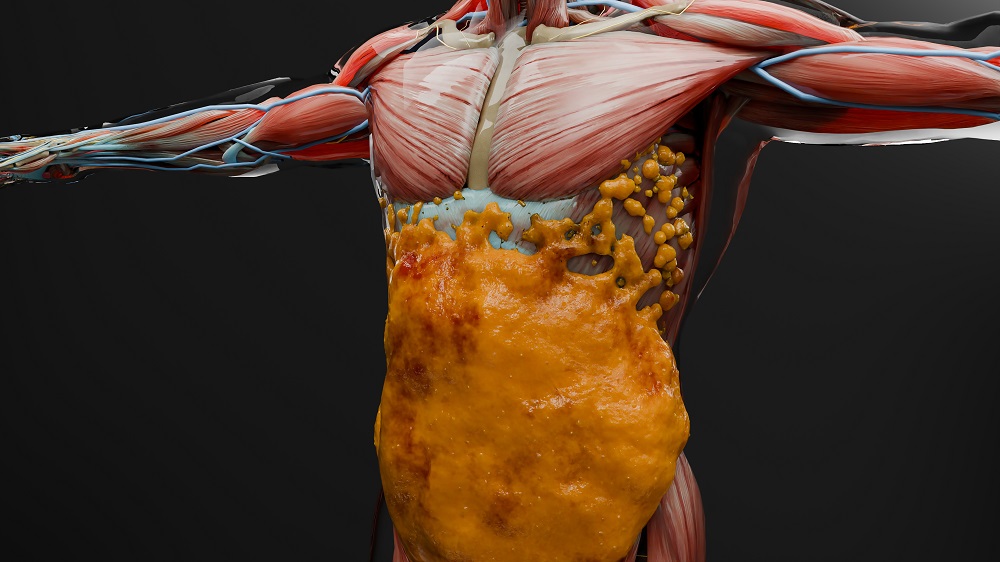
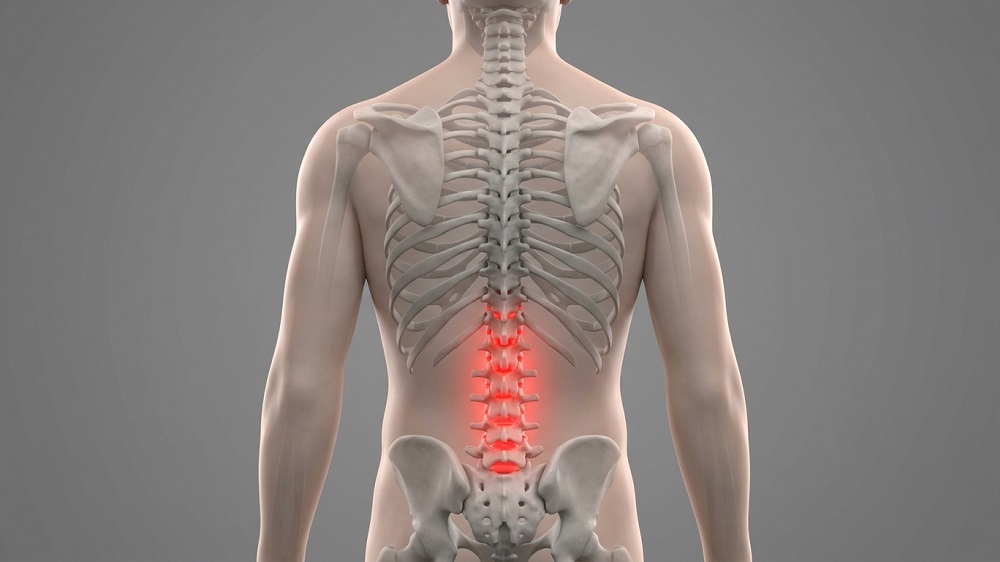
- In normal weight loss, non-fat tissues (lean mass), including muscle, are also decreased in size.
- The amount of lean mass lost does not appear to be significantly different between GLP-1 agonists and caloric restriction.
- There also did not seem to be marked effects on overall strength.
A new study suggests that GLP-1 receptor agonists do not affect muscle mass any more than weight loss caused by caloric restriction, and this appears to be true for strength as well [1].
What do we lose when we lose weight?
GLP-1-based drugs, such as semaglutide and tirzepatide, have transformed obesity treatment. People on these drugs lose 15-20% of their body weight over several months [2], which was previously achievable only with bariatric surgery. That success has caused a new worry: where exactly is all that weight coming from?
Scientists roughly divide the body into fat mass and lean body mass (LBM). LBM is more than just muscle: it also includes the internal organs, bones, skin, connective tissue, and the water inside them. While skeletal muscle is the biggest component of LBM, it is not the only one, and changes in LBM do not translate directly to changes in muscle.
In healthy people who lose weight gradually (through diet and/or exercise), about 25% of the weight loss is LBM and 75% is fat; this is known as the “quarter fat-free mass rule” and is associated with healthy weight loss. However, when the landmark trials of semaglutide (STEP 1) and tirzepatide (SURMOUNT-1) measured body composition, they found that in some analyses, around 40% of weight loss came from LBM.
If GLP-1 drugs accelerate muscle loss beyond what is caused by weight loss alone, the consequences for public health could be very serious. It may be too early to sound the alarm, since those big trials measured LBM and not specifically muscle mass or function, which is what matters for daily life. A new study by an international group of scientists, published in Cell Reports Medicine, tried to address the looming questions more rigorously.
The liver contributes to LBM reduction
The paper essentially combines several studies performed by different teams in different institutions. This can be seen as a problem due to lack of standardization or as a feature that actually makes the findings more robust: whatever design flaws exist in one study are probably absent from the rest.
The first experiment asked whether a dual GLP-1/GIP agonist (tirzepatide, the active ingredient in Mounjaro) causes outsized muscle loss in obese mice. Diet-induced obese (DIO) male mice were given daily subcutaneous tirzepatide (50 μg/kg) or vehicle for 14 days. Tirzepatide produced dramatic weight loss, roughly 20% of which was LBM, which is close to the “quarter FFM” formula.
The researchers then analyzed the mice’s hindlimb muscles. Only two of the five showed a statistically significant reduction in absolute mass, and the drops were modest (about 10%). Because body weight fell faster than muscle mass, the muscle-to-body-weight ratio improved in three of the five cases.
Importantly, liver mass fell by about 20%. This was reproduced in a companion experiment with semaglutide and MAR709, another GLP-1/GIP dual agonist. This lends support to the researchers’ idea that LBM is not equal to muscle mass and that other tissues can contribute to LBM loss considerably.
Function is not impacted
A reduction in muscle mass matters mostly if it impairs function. In the second experiment, the researchers asked whether semaglutide-treated mice were actually weaker or less mobile. DIO mice received semaglutide (40 μg/kg/day) or vehicle for 28 days, with lean chow-fed mice as controls. Semaglutide-treated mice lost 22% of their body weight, with fat mass dropping 46% and LBM dropping only about 4%.
Absolute grip strength fell slightly with semaglutide, but grip strength relative to body weight improved. On a treadmill VO2max test (a metric of endurance), semaglutide-treated mice ran almost as long as lean control mice and much longer than untreated obese mice. This suggests that whatever muscle loss occurs, it does not dramatically impact muscle strength.
The third study added immobilization, a well-established stimulus for muscle wasting, to see if not exercising the muscle would reveal any hidden harmful effects of GLP-1-based drugs on muscle mass. Crucially, the study included a calorie-restricted “pair-fed” group whose daily food intake was matched to the semaglutide group to isolate the effect of the drug from the effect of eating less. Immobilization was achieved by casting one hindlimb.
When normalized to body weight, the muscle loss in the immobilized leg was just a few percent below DIO controls. Crucially, pair-feeding and semaglutide produced virtually identical effects on muscle, showing that muscle loss was driven by reduced calorie intake and not by anything specific to GLP-1 signaling. In this study, too, liver mass dropped significantly as a result of weight loss.
GLP-1 drugs affect muscle proteomics
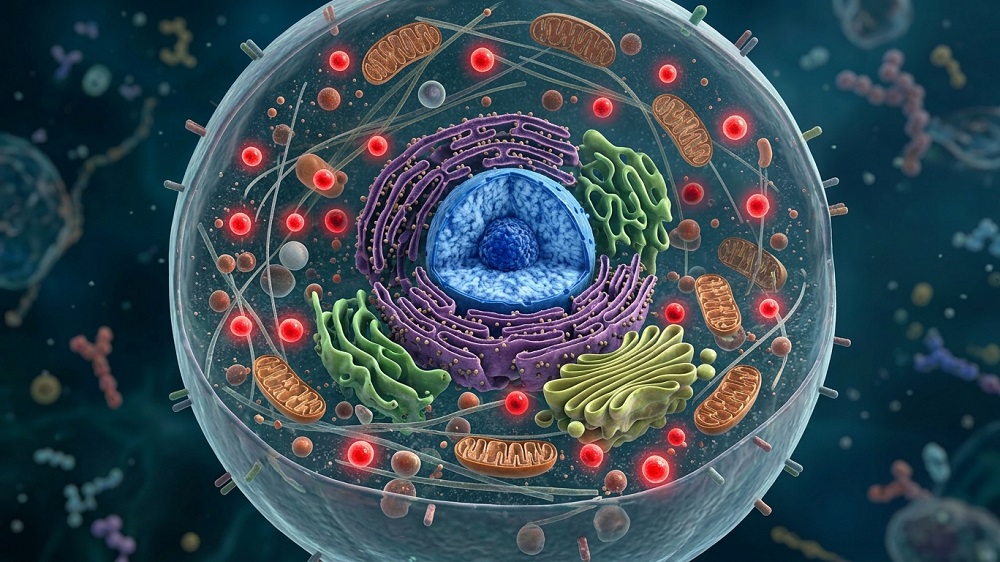
The fourth experiment analyzed skeletal muscle proteomics in the mice from the casting study to determine any possible effects of the drug at the molecular level. Despite nearly identical body weights, food intake, and muscle masses, the proteomes differed meaningfully between the semaglutide group and the “pair-fed” group.
In the non-immobilized leg, semaglutide markedly increased several mitochondrial proteins, including components of the electron transport chain. Electron transport, oxidative phosphorylation, and mitochondrial respiration were among the most upregulated processes. Interestingly, as the authors note, skeletal muscle does not appear to express a functional GLP-1 receptor. This means that whatever semaglutide is doing to the muscle proteome must be mediated indirectly – through some other tissue signaling to muscle.
A (tiny) human trial
Finally, the authors conducted a small proof-of-concept human study, directly measuring muscle size and muscle strength in the same patients before and after treatment. Ten patients with obesity and type 2 diabetes received weekly subcutaneous semaglutide, escalated from 0.25 mg to 1 mg over 4 weeks and maintained for 8 more weeks (12 weeks total).
Body weight, fat mass, and lean body mass all decreased significantly, but fat dropped much more than LBM (70% of weight loss was fat, 30% was LBM – close to the “quarter FFM rule”). While vastus lateralis cross-sectional area decreased significantly, maximum voluntary contraction during isometric knee extension (a direct measurement of leg strength) did not change, nor did handgrip strength. Overall, the paper suggests that the effect of GLP-1-based drugs on muscle appears to be comparable to that of “natural” weight loss except for the different molecular signature, which may have yet undiscovered long-term effects.
Literature
[1] Langer, H. T., Gilmore, N. K., Hayden, C. M., Roux, J., Bariohay, B., Rouquet, T., … & Baar, K. (2026). Weight loss with GLP-1 medicines does not result in a disproportionate loss of muscle mass or function in obese mice and humans. Cell Reports Medicine, 7(3).
[2] Wilding, J. P. H., Batterham, R. L., Calanna, S., Davies, M., Van Gaal, L. F., Lingvay, I., McGowan, B. M., Rosenstock, J., Tran, M. T. D., Wadden, T. A., Wharton, S., Yokote, K., Zeuthen, N., & Kushner, R. F. (2021). Once-weekly semaglutide in adults with overweight or obesity. New England Journal of Medicine, 384(11), 989–1002.
[3] Prentice, A. M., Goldberg, G. R., Jebb, S. A., Black, A. E., Murgatroyd, P. R., & Diaz, E. O. (1991). Physiological responses to slimming. Proceedings of the Nutrition Society, 50(2), 441–458.
[4] Jastreboff, A. M., Aronne, L. J., Ahmad, N. N., Wharton, S., Connery, L., Alves, B., Kiyosue, A., Zhang, S., Liu, B., Bunck, M. C., & Stefanski, A. (2022). Tirzepatide once weekly for the treatment of obesity. New England Journal of Medicine, 387(3), 205–216.
About the author

Arkadi Mazin