


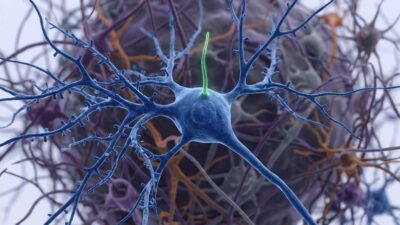


Blunting an Inflammatory Pathway Slows Alzheimer’s in Mice
Scientists have demonstrated that knocking out part of the cGAS-STING DNA-sensing pathway slows disease progression in a mouse model of Alzheimer’s, calming down microglia and protecting neurons [1]. STING operation

A Drug Combo Increases Lifespan in Mice by Over 30%
Combining rapamycin with the anti-cancer drug trametinib produced a synergistic effect and robust life extension in a new study [1]. A multi-node approach Rapamycin, which was first widely used as

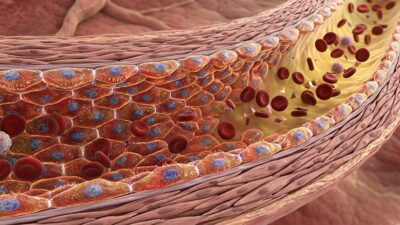
How Plasma Exchange Affects Aging in a Human Trial
A placebo-controlled clinical trial, with results published in Aging Cell, has determined that plasma replacement has beneficial effects when combined with immunoglobulin, according to multiple epigenetic clocks and -omics biomarkers.

Why Some Mammals Live Much Longer Than Others
A recent study investigated differences in maximum lifespan potential among different mammalian species. The researchers found associations between gene family size expansion, maximum lifespan potential, and relative brain size. They
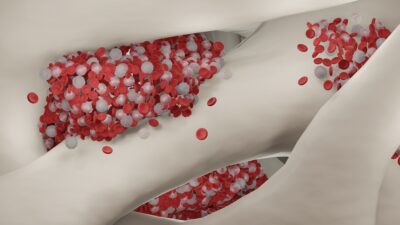
DNA Methylation Patterns Trace Blood Aging Dynamics
Scientists have created a new, highly effective method of tracing blood cells’ lineage. This can improve our understanding of clonal hematopoiesis and its impact on an aging organism [1]. Hostile

Caloric Restriction Slows Ovarian Aging in Monkeys
In Aging, researchers have published their discovery that three years of caloric restriction in rhesus macaques that are beginning to enter menopause slows their ovarian aging. Closer to people than

Vitamin D Rescues Telomere Attrition in Leukocytes
A sub-study, which was part of the large-scale VITAL trial, determined that vitamin D supplementation slows telomere attrition in leukocytes almost to a halt. This could have real-life clinical implications

Common Laboratory Mice Age Faster in a Natural Environment
In Aging Cell, researchers have found that exposing ordinary Black 6 mice to a more natural environment accelerates rather than slows the aging of their livers. When natural doesn’t mean
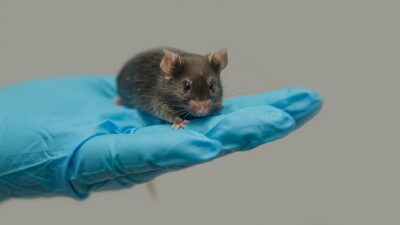
Dietary Methionine Restriction Improves Healthspan in Mice
In a recent study, researchers investigated how restricting dietary methionine and inhibiting the tyrosine degradation pathway affects healthspan in aged mice. While affecting tyrosine didn’t show any benefits, methionine restriction
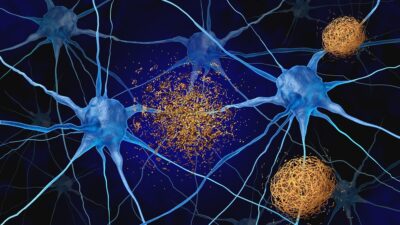
Nanostructures Trap Amyloid Beta, Rescuing Neurons
Scientists have created engineered nanostructures that bind monomers and oligomers of harmful amyloid beta (Aβ) protein, preventing them from entering neurons and drastically increasing the cells’ survival in vitro [1].

Results of a Phase 1 Trial of Senolytics for Alzheimer’s
The results of a Phase 1 trial of the well-known senolytic combination of dasatinib and quercetin (D+Q) in patients with Alzheimer’s disease have been published in Neurotherapeutics. Building on substantial

Well-Known Researchers Discuss Personalized Aging Treatments
The Hallmarks of Aging team has returned to Cell, publishing a detailed review discussing how future methods of dealing with aging might be highly personalized. Two more hallmarks? In the

How Apigenin May Reduce Senescence and Cancer
Screening of a natural compounds library has revealed the senomorphic properties of apigenin. This natural flavonoid also demonstrated rejuvenating effects on many aging-associated molecular features as well as physical and
A New Approach to Treating Aging Skin
Researchers publishing in Aging Cell have found a biochemical pathway that leads skin cells to become senescent along with a potential target for future therapies. Fibroblasts have a purpose Dermal
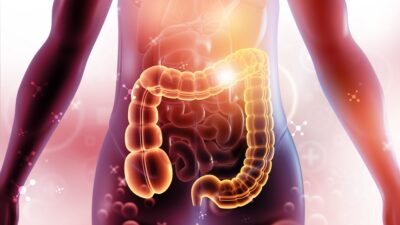
Young Microbiota Transfer Reduces Aging Aspects in Mice
In a recent study, lifelong, repeated microbiota transfer from young mice to old mice improves intestinal permeability, coordinative ability, and metabolic profiles while reducing pro-inflammatory responses [1]. Small in size,

Blunting an Inflammatory Pathway Slows Alzheimer’s in Mice
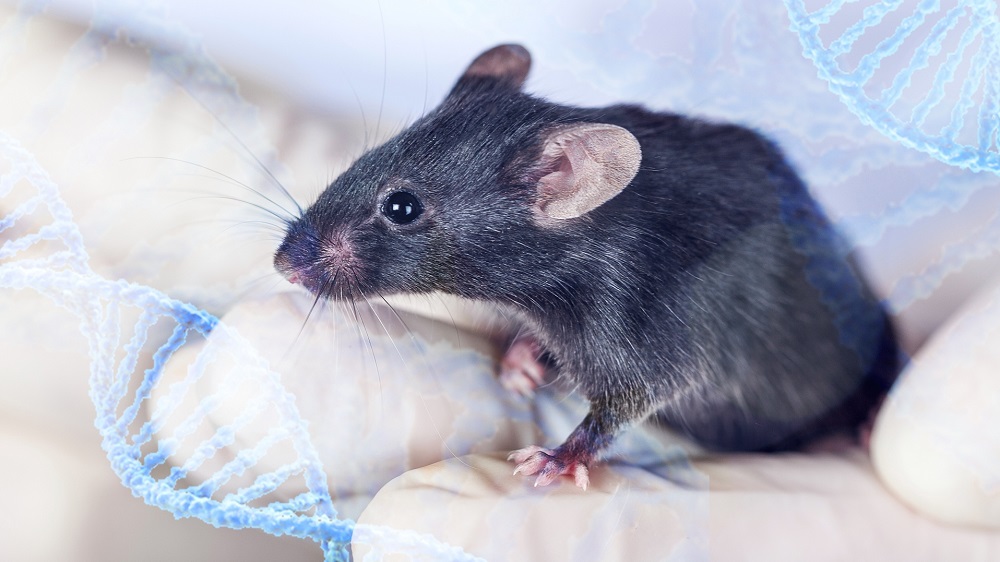
Scientists have demonstrated that knocking out part of the cGAS-STING DNA-sensing pathway slows disease progression in a mouse model of Alzheimer’s, calming down microglia and protecting neurons [1]. STING operation Inflammation is central to the pathogenesis of Alzheimer’s disease [2], which is accompanied by the accumulation
A Drug Combo Increases Lifespan in Mice by Over 30%
Combining rapamycin with the anti-cancer drug trametinib produced a synergistic effect and robust life extension in a new study [1]. A multi-node approach Rapamycin, which was first widely used as an immunosuppressant for transplant patients and is also used in oncology, is considered one of the
How Plasma Exchange Affects Aging in a Human Trial
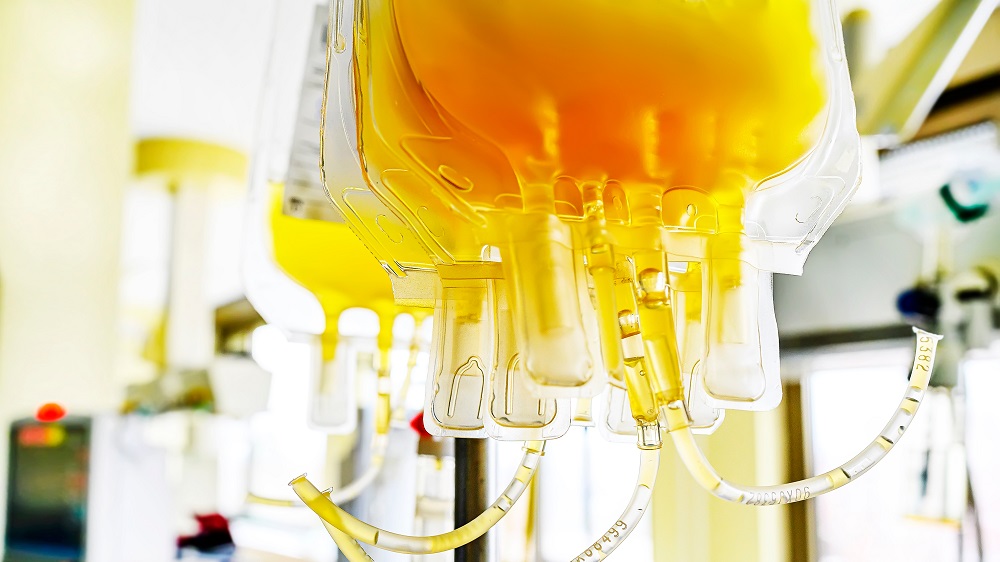
A placebo-controlled clinical trial, with results published in Aging Cell, has determined that plasma replacement has beneficial effects when combined with immunoglobulin, according to multiple epigenetic clocks and -omics biomarkers. Looking for a signal Therapeutic plasma exchange (TPE), the practice of extracting and replacing a person’s

Why Some Mammals Live Much Longer Than Others
A recent study investigated differences in maximum lifespan potential among different mammalian species. The researchers found associations between gene family size expansion, maximum lifespan potential, and relative brain size. They also studied genomic features linked to lifespan evolution [1]. Maximum lifespan potential Maximum lifespan potential can
DNA Methylation Patterns Trace Blood Aging Dynamics
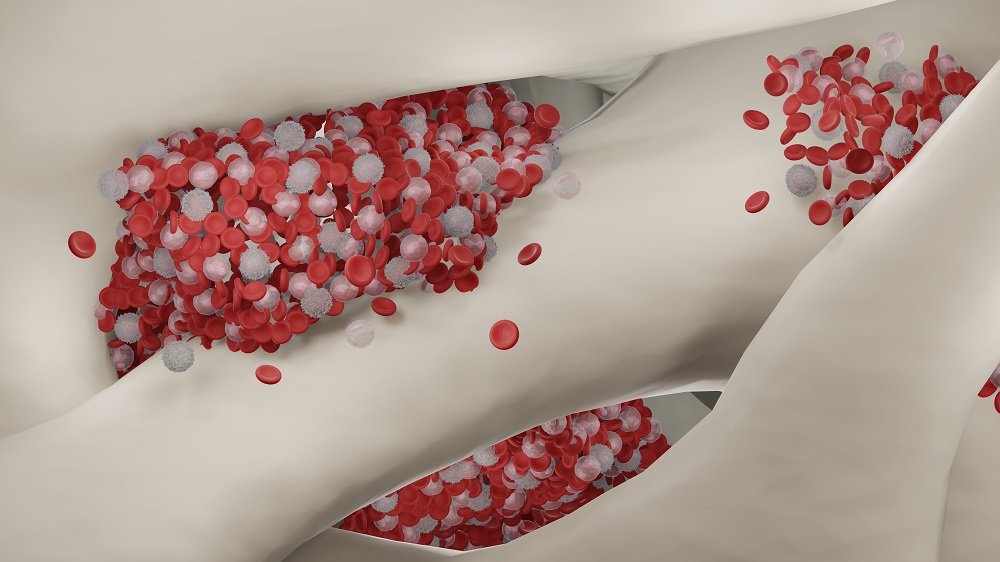
Scientists have created a new, highly effective method of tracing blood cells’ lineage. This can improve our understanding of clonal hematopoiesis and its impact on an aging organism [1]. Hostile takeover In the human body, a relatively small pool of hematopoietic stem cells (HSCs) sustains a

Caloric Restriction Slows Ovarian Aging in Monkeys
In Aging, researchers have published their discovery that three years of caloric restriction in rhesus macaques that are beginning to enter menopause slows their ovarian aging. Closer to people than mice The ovary is one of the first human organs to be seriously affected by aging,

Vitamin D Rescues Telomere Attrition in Leukocytes
A sub-study, which was part of the large-scale VITAL trial, determined that vitamin D supplementation slows telomere attrition in leukocytes almost to a halt. This could have real-life clinical implications [1]. The chromosome guardians Attrition of telomeres, repetitive sequences that cap chromosomes, is one of the

Common Laboratory Mice Age Faster in a Natural Environment
In Aging Cell, researchers have found that exposing ordinary Black 6 mice to a more natural environment accelerates rather than slows the aging of their livers. When natural doesn’t mean better It is a well-known fact that laboratory animals live in controlled conditions beyond that of
Dietary Methionine Restriction Improves Healthspan in Mice
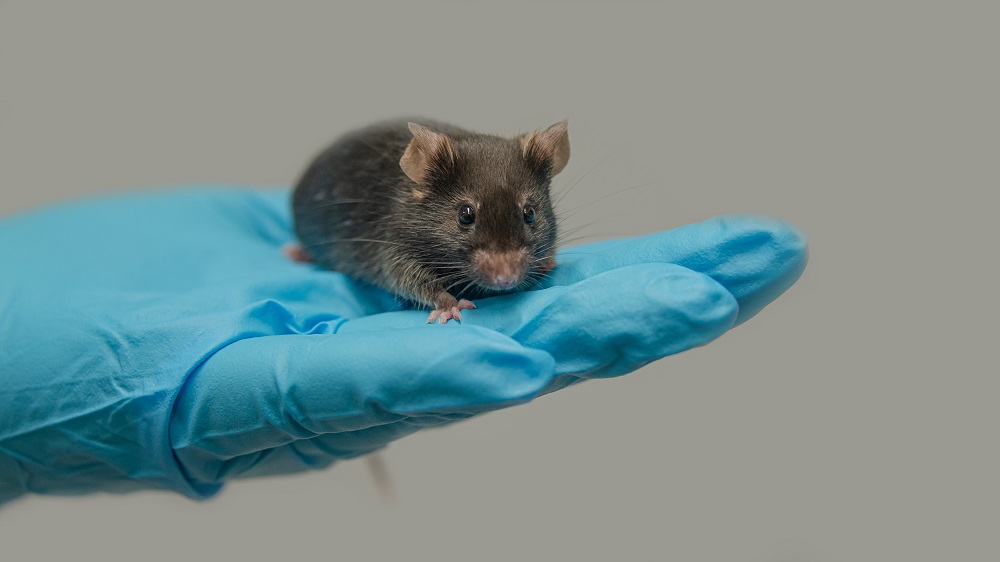
In a recent study, researchers investigated how restricting dietary methionine and inhibiting the tyrosine degradation pathway affects healthspan in aged mice. While affecting tyrosine didn’t show any benefits, methionine restriction improved many, but not all, measures of healthspan, including frailty, pathological disease burden, and neuromuscular function
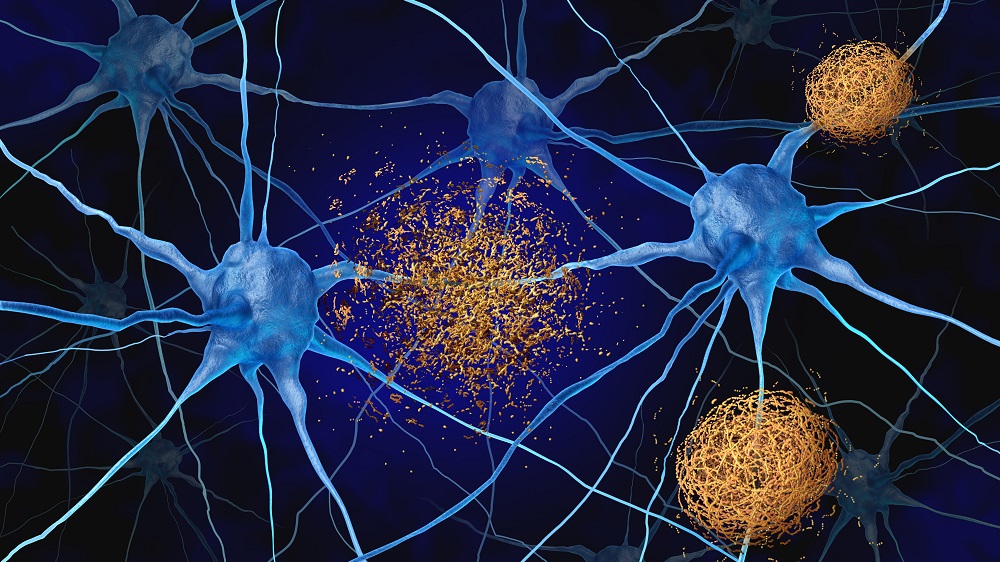
Nanostructures Trap Amyloid Beta, Rescuing Neurons
Scientists have created engineered nanostructures that bind monomers and oligomers of harmful amyloid beta (Aβ) protein, preventing them from entering neurons and drastically increasing the cells’ survival in vitro [1]. Don’t let them into cells! Misfolded proteins are thought to be behind diseases like Alzheimer’s and

Results of a Phase 1 Trial of Senolytics for Alzheimer’s
The results of a Phase 1 trial of the well-known senolytic combination of dasatinib and quercetin (D+Q) in patients with Alzheimer’s disease have been published in Neurotherapeutics. Building on substantial previous work The researchers introduce this study by discussing the relationship of senescent cells to Alzheimer’s

Well-Known Researchers Discuss Personalized Aging Treatments
The Hallmarks of Aging team has returned to Cell, publishing a detailed review discussing how future methods of dealing with aging might be highly personalized. Two more hallmarks? In the original and very heavily cited 2013 paper [1], Dr. López-Otín and colleagues outlined nine hallmarks of

How Apigenin May Reduce Senescence and Cancer
Screening of a natural compounds library has revealed the senomorphic properties of apigenin. This natural flavonoid also demonstrated rejuvenating effects on many aging-associated molecular features as well as physical and cognitive performance, and it has a beneficial impact on cancer treatment in mice and cells [1].
A New Approach to Treating Aging Skin
Researchers publishing in Aging Cell have found a biochemical pathway that leads skin cells to become senescent along with a potential target for future therapies. Fibroblasts have a purpose Dermal fibroblasts are common subjects in aging research, particularly in the context of senescence. These cells have
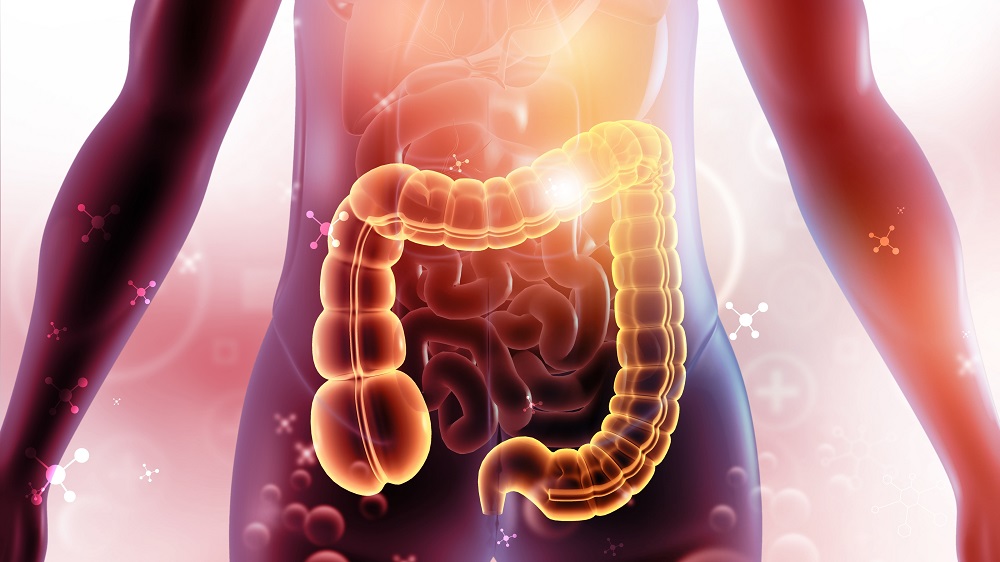
Young Microbiota Transfer Reduces Aging Aspects in Mice
In a recent study, lifelong, repeated microbiota transfer from young mice to old mice improves intestinal permeability, coordinative ability, and metabolic profiles while reducing pro-inflammatory responses [1]. Small in size, but mighty in impact Previous research has found that the composition and function of gut microbes