




Targeting Metabolism to Protect Against Stroke
Japanese researchers publishing in Aging have described how improving the AMPK metabolic pathway improves outcomes in a rat model of stroke. Targeting metabolism directly This paper begins with a look

Cells Regularly Donate Mitochondria to One Another
In a review published in Nature, researchers have explained how and why cells transfer mitochondria to one another, proposing that this transfer allows organisms to be more resilient against energy deficiencies.
Tweaking the Growth of Stem Cells for Better Therapies
Researchers publishing in ACS Nano have described how culturing stem cells on nanogratings instead of flat substrates changes the effects of the extracellular vesicles (EVs) they send, potentially paving the

Predicting Future Frailty with an Epigenetic Clock
An accepted manuscript in the Journals of Gerontology has described how a third-generation epigenetic clock is a predictor of future frailty. Are epigenetic and physiological metrics connected? This paper begins

Hyperbaric Oxygen Therapy Improves Bone Health in Rats
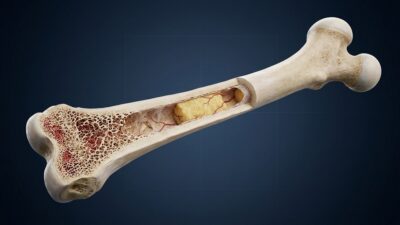
Scientists have demonstrated that hyperbaric oxygen therapy can reverse some aspects of bone deterioration caused by aging and obesity in rats [1]. Under pressure Hyperbaric oxygen therapy (HBOT) involves placing
Longevity and DeSci Recap – October 2023
Welcome back to the latest edition of the Longevity and DeSci Recap. Here, you’ll discover the latest interviews, insights, and research in the longevity tech sphere over the past month,
Bacteria from Alzheimer’s Patients Induced Symptoms in Rats
New research published in Brain investigated the influence of fecal microbiota transplants from Alzheimer’s patients on cognitive function and neurogenesis in rats and human cell cultures [1]. Microbiota-gut-brain axis There

Metabolically Healthy Obesity Still Increases Diabetes Risk
A new study suggests that while it is possible to be both obese and healthy, this phenotype considerably increases the risk of getting diabetes, mainly because it is hard to

A Reason Brain Protection Fails As We Age
Researchers publishing in GeroScience have discovered the molecular mechanisms through which fibrinogen, a protein that increases with aging, causes toxic compounds to more easily leak into the brain. The deteriorating

Plasma from Young Pigs Halves Old Rats’ Epigenetic Age
A new study used a plasma fraction from young pigs to robustly reduce the biological age of old rats. This could potentially open doors to rejuvenation in humans [1]. The

Intermittent Fasting Partially Offsets Alzheimer’s in Mice
Scientists have found that intermittent fasting can ameliorate Alzheimer’s in mice by improving sleep patterns [1]. Time to eat, time to fast Time-restricted eating, also referred to as intermittent fasting

Prostate Enlargement and Metabolic Syndrome Linked
Researchers publishing in Aging have explained a relationship between inflammation, metabolic syndrome, and prostate enlargement. Not so benign Benign prostatic hyperplasia (BPH) is only called ‘benign’ to differentiate it from

Cannabinoid Therapy as a Treatment for Alzheimer’s Disease
The authors of a recent paper have reviewed the literature regarding the potential of cannabinoids to treat Alzheimer’s disease [1]. The endocannabinoid system and Alzheimer’s disease Aging is a well-known

Creating a New Clock with Medical Records
Assisted by TruDiagnostic, a team of researchers has published a preprint paper in which omics data has been used to create an epigenetic methylation clock. Why -omics? The researchers begin

New Insight Into How APOE4 Drives Alzheimer’s
A new study suggests that the gene variant APOE4 promotes Alzheimer’s disease by increasing gliosis, but this effect can be blocked by inhibiting the protein HMGB1 [1]. The dreaded E4

Targeting Metabolism to Protect Against Stroke
Japanese researchers publishing in Aging have described how improving the AMPK metabolic pathway improves outcomes in a rat model of stroke. Targeting metabolism directly This paper begins with a look back at previous research on the focus of this study, 5′-adenosine monophosphate-activated protein kinase (AMPK). This

Cells Regularly Donate Mitochondria to One Another
In a review published in Nature, researchers have explained how and why cells transfer mitochondria to one another, proposing that this transfer allows organisms to be more resilient against energy deficiencies. A relatively recent discovery It was not until 2006 when a team of researchers realized that

Tweaking the Growth of Stem Cells for Better Therapies
Researchers publishing in ACS Nano have described how culturing stem cells on nanogratings instead of flat substrates changes the effects of the extracellular vesicles (EVs) they send, potentially paving the way to a new system of therapies. When signaling is critical Many of the effects of

Predicting Future Frailty with an Epigenetic Clock
An accepted manuscript in the Journals of Gerontology has described how a third-generation epigenetic clock is a predictor of future frailty. Are epigenetic and physiological metrics connected? This paper begins with an examination of two different methods of measuring aging processes. The first is the well-known

Hyperbaric Oxygen Therapy Improves Bone Health in Rats
Scientists have demonstrated that hyperbaric oxygen therapy can reverse some aspects of bone deterioration caused by aging and obesity in rats [1]. Under pressure Hyperbaric oxygen therapy (HBOT) involves placing the patient in a chamber with elevated levels of oxygen and atmospheric pressure. HBOT has been
Longevity and DeSci Recap – October 2023
Welcome back to the latest edition of the Longevity and DeSci Recap. Here, you’ll discover the latest interviews, insights, and research in the longevity tech sphere over the past month, and learn more about blockchain, DAOs, cryptocurrency, DeSci, and events. This October saw ExcepGEN, a genetic
Bacteria from Alzheimer’s Patients Induced Symptoms in Rats
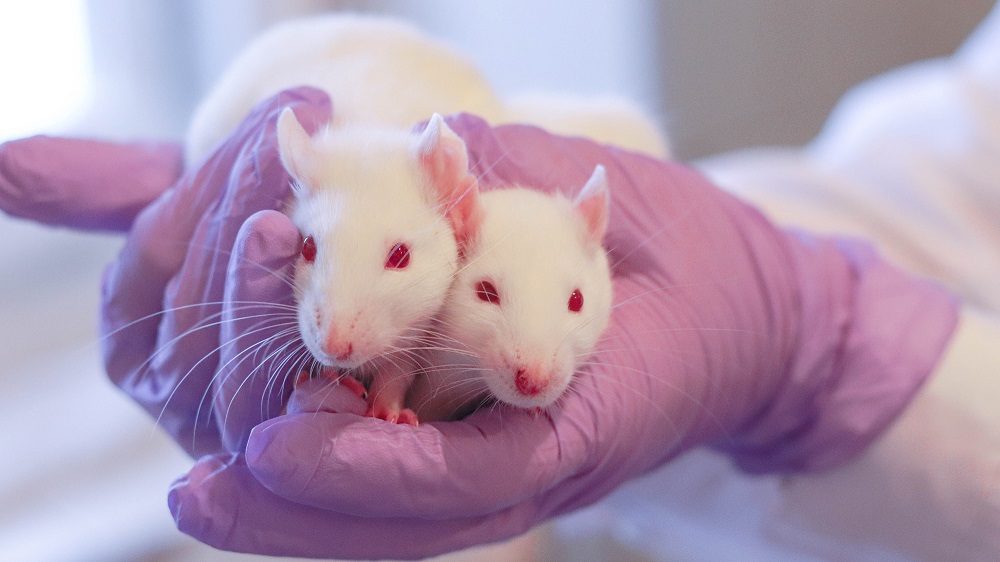
New research published in Brain investigated the influence of fecal microbiota transplants from Alzheimer’s patients on cognitive function and neurogenesis in rats and human cell cultures [1]. Microbiota-gut-brain axis There is a growing body of research reporting changes to the composition and metabolites in the microbiomes

Metabolically Healthy Obesity Still Increases Diabetes Risk
A new study suggests that while it is possible to be both obese and healthy, this phenotype considerably increases the risk of getting diabetes, mainly because it is hard to maintain [1]. Chubby and happy? Obesity is a known comorbidity in numerous chronic conditions, including age-related

A Reason Brain Protection Fails As We Age
Researchers publishing in GeroScience have discovered the molecular mechanisms through which fibrinogen, a protein that increases with aging, causes toxic compounds to more easily leak into the brain. The deteriorating blood-brain barrier In the brain, the microvessels (MVs) that are responsible for carrying blood to neurons

Plasma from Young Pigs Halves Old Rats’ Epigenetic Age
A new study used a plasma fraction from young pigs to robustly reduce the biological age of old rats. This could potentially open doors to rejuvenation in humans [1]. The blood connection People have been trying to use young blood to rejuvenate old organisms for millennia,

Intermittent Fasting Partially Offsets Alzheimer’s in Mice
Scientists have found that intermittent fasting can ameliorate Alzheimer’s in mice by improving sleep patterns [1]. Time to eat, time to fast Time-restricted eating, also referred to as intermittent fasting (IF), can take different shapes, such as the one-meal-a-day regimen, alternate-day fasting, or 16/8, in which

Prostate Enlargement and Metabolic Syndrome Linked
Researchers publishing in Aging have explained a relationship between inflammation, metabolic syndrome, and prostate enlargement. Not so benign Benign prostatic hyperplasia (BPH) is only called ‘benign’ to differentiate it from another well-known cause of prostate enlargement: prostate cancer. BPH is known to lead to bladder obstruction

Cannabinoid Therapy as a Treatment for Alzheimer’s Disease
The authors of a recent paper have reviewed the literature regarding the potential of cannabinoids to treat Alzheimer’s disease [1]. The endocannabinoid system and Alzheimer’s disease Aging is a well-known risk factor for Alzheimer’s, and more than 50% of people over 85 are expected to suffer

Creating a New Clock with Medical Records
Assisted by TruDiagnostic, a team of researchers has published a preprint paper in which omics data has been used to create an epigenetic methylation clock. Why -omics? The researchers begin this preprint by discussing multiple biomarkers that are used to measure physical aging, including immune cell

New Insight Into How APOE4 Drives Alzheimer’s
A new study suggests that the gene variant APOE4 promotes Alzheimer’s disease by increasing gliosis, but this effect can be blocked by inhibiting the protein HMGB1 [1]. The dreaded E4 While scientists still do not know the precise causes of Alzheimer’s disease or how to treat