




Other Solutions to Senescent Cells than Senolytics
Senolytics have been in the news a great deal ever since van Deursen and his team conducted a landmark 2011 study showing that removing senescent cells could delay age-related ill

The First Rejuvenation Therapy Reaches Human Trials
Today we are pleased to announce that UNITY Biotechnology is going into human clinical trials with the first true rejuvenation therapy that directly targets one of the processes of aging:
Antioxidant inhibitor might be a regulator of aging
According to scientists at the German Cancer Research Center (Deutsches Krebsforschungszentrum, or DKFZ), the enzyme TXNIP, which inhibits the enzyme TRX-1, might be a regulator of aging and might be
Using Nanoscale Robots to Fight Aging and Disease
At least in the developed world, cancer, heart diseases, and neurodegenerative diseases are among the greatest causes of mortality. One emerging and very promising way to prevent or cure these
Aggregated α-synuclein leads to cell death in Parkinson’s
An open-access paper published in Nature Communications sheds light on how an accumulation of α-synuclein protein in brain cells contributes to causing Parkinson’s disease. In particular, the researchers discovered how

Senolytics for Age-Related Muscle Loss and Frailty
Today, we want to draw your attention to an open-access review that focuses on the role of senescent cells in sarcopenia, the age-related loss of muscle mass and strength that

NAD+ Precursor Has Therapeutic Potential Against Parkinsons Disease
Today, we will be taking a look at a new study showing that an NAD+ precursor was able to improve mitochondrial function in cells and flies with a model of

Using a Natural Antibody to Combat Atherosclerosis
Researchers at the University of California San Diego School of Medicine have shown that they can block inflammation in mice, thereby protecting them from liver disease and hardening of the

Mitochondrial dysfunction in aged brain cells
Thanks to a new technique, researchers from the Salk Institute’s Gage laboratory have shown that impaired energy production might be a reason why human brains are susceptible to age-related diseases

A New Way to Control High Blood Pressure
Researchers at the National University of Singapore (NUS) have potentially found a new way to combat hypertension by discovering how blood pressure is controlled. What is hypertension? High blood pressure,
Increased Autophagy Promotes Healthy Longevity in Mice
A new study suggests that autophagy, the recycling, and disposal system that cells use to remove unwanted garbage, can extend the healthy lifespan of mammals. The study, led by Drs.

A Health and Longevity Strategy
Who wants to lose weight, feel great, and live a long and healthy life, and what does it take to achieve these goals? Diet and exercise are equally important in

Alzheimer’s Reversed by Editing a Single Gene
Researchers at Gladstone Institutes in San Francisco report that a gene variant associated with Alzheimer’s works differently in mice and humans, and they also demonstrate how modifying this gene
NAD+ Regulates the Creation of Fat Cells
Researchers from the University of Texas have discovered how NAD+ creation and consumption in cells is linked to glucose metabolism and their transformation from preadipocytes into adipocytes, or as most people

Recoding Human Cells to Make them Virus Proof
On May 1, around 200 scientists from the Genome Project-write (GP-write) met in Boston and announced the first target of their project: the creation of cells that cannot be infected

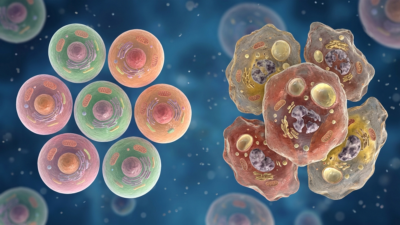
Other Solutions to Senescent Cells than Senolytics
Senolytics have been in the news a great deal ever since van Deursen and his team conducted a landmark 2011 study showing that removing senescent cells could delay age-related ill health in mice [1]. Since then, interest in what was once a niche topic has continued

The First Rejuvenation Therapy Reaches Human Trials
Today we are pleased to announce that UNITY Biotechnology is going into human clinical trials with the first true rejuvenation therapy that directly targets one of the processes of aging: senescent cells. The quiet revolution In our collective imagination, revolutions start with a bang; however, more

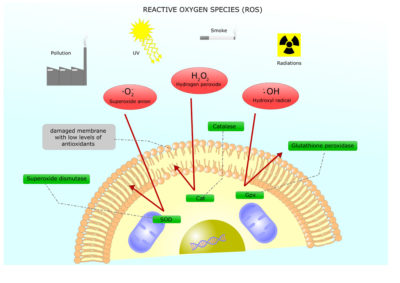
Antioxidant inhibitor might be a regulator of aging
According to scientists at the German Cancer Research Center (Deutsches Krebsforschungszentrum, or DKFZ), the enzyme TXNIP, which inhibits the enzyme TRX-1, might be a regulator of aging and might be a viable candidate for future interventions against age-related diseases [1]. Study summary The “free radical theory
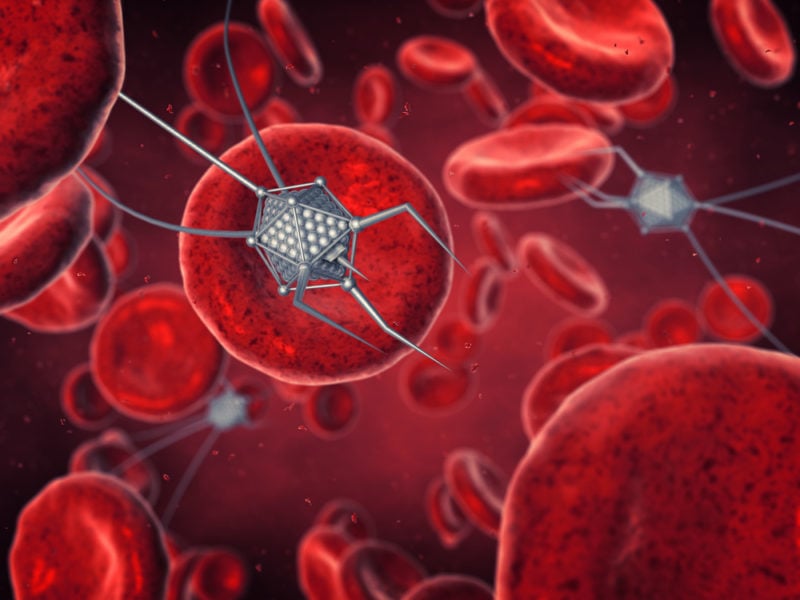
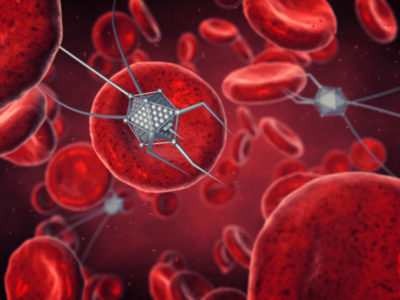
Using Nanoscale Robots to Fight Aging and Disease
At least in the developed world, cancer, heart diseases, and neurodegenerative diseases are among the greatest causes of mortality. One emerging and very promising way to prevent or cure these diseases is through bio-nanotechnology. Nanotechnology is the design, synthesis and application of materials or devices that

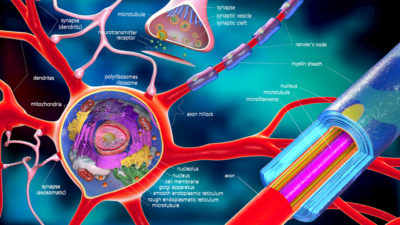
Aggregated α-synuclein leads to cell death in Parkinson’s
An open-access paper published in Nature Communications sheds light on how an accumulation of α-synuclein protein in brain cells contributes to causing Parkinson’s disease. In particular, the researchers discovered how clumps of the protein damage important proteins on mitochondrial surfaces, leading to impaired energy production, swelling

Senolytics for Age-Related Muscle Loss and Frailty
Today, we want to draw your attention to an open-access review that focuses on the role of senescent cells in sarcopenia, the age-related loss of muscle mass and strength that leads to frailty. Aging is the prime risk factor for the broad-based development of diseases. Frailty

NAD+ Precursor Has Therapeutic Potential Against Parkinsons Disease
Today, we will be taking a look at a new study showing that an NAD+ precursor was able to improve mitochondrial function in cells and flies with a model of Parkinson’s disease. While mitochondrial dysfunction is emerging as key in Parkinson’s disease (PD), a central question

Using a Natural Antibody to Combat Atherosclerosis
Researchers at the University of California San Diego School of Medicine have shown that they can block inflammation in mice, thereby protecting them from liver disease and hardening of the arteries while increasing their healthy lifespan. The study, published in the journal Nature, shows that inflammation

Mitochondrial dysfunction in aged brain cells
Thanks to a new technique, researchers from the Salk Institute’s Gage laboratory have shown that impaired energy production might be a reason why human brains are susceptible to age-related diseases in the first place [1]. In particular, Salk scientists observed that induced neurons (iNs) obtained from

A New Way to Control High Blood Pressure
Researchers at the National University of Singapore (NUS) have potentially found a new way to combat hypertension by discovering how blood pressure is controlled. What is hypertension? High blood pressure, or hypertension, rarely has noticeable symptoms. However, if it is left untreated, your risk of serious

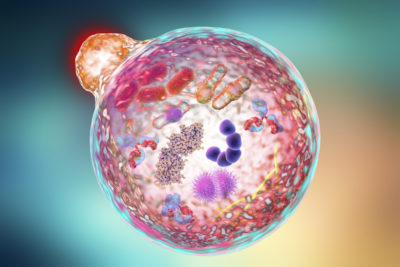
Increased Autophagy Promotes Healthy Longevity in Mice
A new study suggests that autophagy, the recycling, and disposal system that cells use to remove unwanted garbage, can extend the healthy lifespan of mammals. The study, led by Drs. Salwa Sebti and Alvaro Fernández from the Center for Autophagy Research, has discovered that mice with

A Health and Longevity Strategy
Who wants to lose weight, feel great, and live a long and healthy life, and what does it take to achieve these goals? Diet and exercise are equally important in long-term health, but let’s look at what recent science is telling us about the healthiest diets.

Alzheimer’s Reversed by Editing a Single Gene
Researchers at Gladstone Institutes in San Francisco report that a gene variant associated with Alzheimer’s works differently in mice and humans, and they also demonstrate how modifying this gene could potentially prevent the plaques associated with Alzheimer’s from forming and damaging the brain[1]. An ApoE4

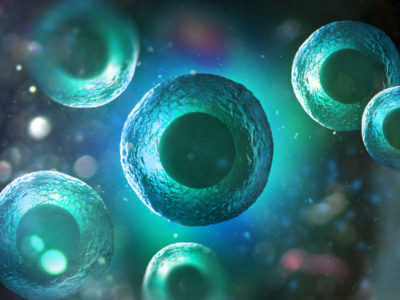
NAD+ Regulates the Creation of Fat Cells
Researchers from the University of Texas have discovered how NAD+ creation and consumption in cells is linked to glucose metabolism and their transformation from preadipocytes into adipocytes, or as most people know them, fat cells. INTRODUCTION Nicotinamide adenine dinucleotide (NAD) is an essential small molecule that is

Recoding Human Cells to Make them Virus Proof
On May 1, around 200 scientists from the Genome Project-write (GP-write) met in Boston and announced the first target of their project: the creation of cells that cannot be infected by viruses. What is the Genome Project-write? GP-write includes sub-projects like the Human Genome Project-write (HGP-write),