The Blog

Building a Future Free of Age-Related Disease

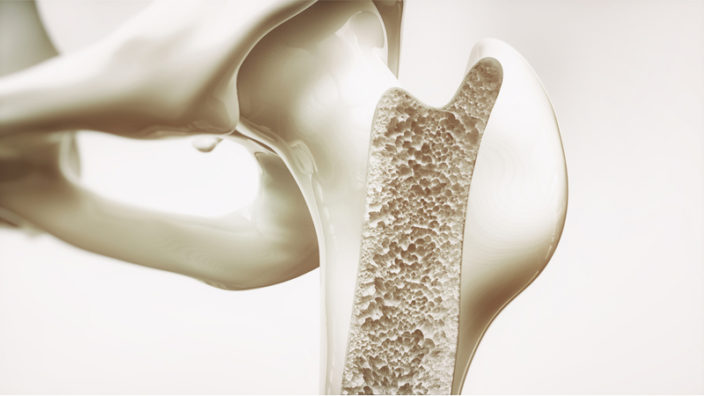
Osteoporosis Hip

Avoiding Osteoporosis with Alpha-Ketoglutarate

Research on rodents shows that alpha-ketoglutarate could be an effective way to treat or even prevent osteoporosis [1].

Feeling frail

Osteoporosis increases the risk of bone fractures in older people, harming them as individuals and increasing the load on hospitals as the average age of the population rises. Finding ways to prevent bones from weakening with age is thus important for vulnerable people and for the healthcare system in general.

Earlier studies have offered hope that alpha-ketoglutarate (αKG) might prevent bone loss or strengthen weakened bones. Experiments showed that αKG promotes bone development in rats and lambs [2, 3], and it also delays the decline of rapid, coordinated movement in worms [4]. In addition, αKG was shown to have a key role in maintaining the ability of embryonic stem cells to differentiate into any cell type [5]. Based on this, αKG seems like a promising candidate for preventing or repairing osteoporosis, but there haven’t been experiments testing the idea.

Bringing back toughness

A team of researchers in China and the US tested how αKG affects bone mass, bone loss, and healing in mice and rats. They dosed old rodents with two concentrations of αKG in their drinking water and then measured the volume, thickness, and mass of various bones. They found that αKG treatment increased bone mass and density, and they also showed that the treated mice had more osteoblasts and osteoclasts, cells that make and break down bone material. In cell cultures, mesenchymal stem cells, which produce osteoblasts and osteoclasts, from the αKG-treated mice had more osteogenic potential and higher expression of osteogenic genes.

Having shown that αKG can increase bone mass in older rodents, the team then tested whether it could prevent bone loss. They treated adult mice with αKG and found that they lost less bone mass over the next few months than a control group did. Finally, experiments with a “drilling-hole injury” showed that αKG improves bone healing in older rats.

The researchers did some molecular analyses to figure out how αKG boost stem cells to keep bone healthy. They discovered that αKG treatment reduces the levels of certain types of methylation in the stem cells of older mice, leading to increased expression of key bone development genes.

Age-related osteoporosis is characterized by the deterioration in bone volume and strength, partly due to the dysfunction of bone marrow mesenchymal stromal/stem cells (MSCs) during aging. Alpha-ketoglutarate (αKG) is an essential intermediate in the tricarboxylic acid (TCA) cycle. Studies have revealed that αKG extends the lifespan of worms and maintains the pluripotency of embryonic stem cells (ESCs). Here, we show that the administration of αKG increases the bone mass of aged mice, attenuates age-related bone loss, and accelerates bone regeneration of aged rodents. αKG ameliorates the senescence-associated (SA) phenotypes of bone marrow MSCs derived from aged mice, as well as promoting their proliferation, colony formation, migration, and osteogenic potential. Mechanistically, αKG decreases the accumulations of H3K9me3 and H3K27me3, and subsequently upregulates BMP signaling and Nanog expression. Collectively, our findings illuminate the role of αKG in rejuvenating MSCs and ameliorating age-related osteoporosis, with a promising therapeutic potential in age-related diseases.

Conclusion

While this is obviously just a first step, it’s still quite encouraging research. Whether or not αKG ever passes muster and makes it through clinical trials to become an osteoporosis treatment, it will at least serve as a powerful tool to unravel the factors involved. Addressing the burdens of aging will probably involve a variety of treatments to adjust the behavior of a range of different pathways, and αKG seems well positioned to help us tackle issues in bone development and stem cell regulation.

We would like to ask you a small favor. We are a non-profit foundation, and unlike some other organizations, we have no shareholders and no products to sell you. All our news and educational content is free for everyone to read, but it does mean that we rely on the help of people like you. Every contribution, no matter if it’s big or small, supports independent journalism and sustains our future.

Literature

[1] Wang, Y., Deng, P., Liu, Y., Wu, Y., Chen, Y., Guo, Y., … & Li, Q. (2020). Alpha-ketoglutarate ameliorates age-related osteoporosis via regulating histone methylations. Nature communications, 11(1), 1-14.

[2] Dobrowolski, P., Tomaszewska, E., Bienko, M., Radzki, R. P., & Pierzynowski, S. G. (2013). The effect of dietary administration of 2-oxoglutaric acid on the cartilage and bone of growing rats. British journal of nutrition, 110(4), 651-658.

[3] Harrison, A. P., Tygesen, M. P., Sawa-Wojtanowicz, B., Husted, S., & Tatara, M. R. (2004). α-Ketoglutarate treatment early in postnatal life improves bone density in lambs at slaughter. Bone, 35(1), 204-209.

[4] Chin, R. M., Fu, X., Pai, M. Y., Vergnes, L., Hwang, H., Deng, G., … & Hu, E. (2014). The metabolite α-ketoglutarate extends lifespan by inhibiting ATP synthase and TOR. Nature, 510(7505), 397-401.

[5] Carey, B. W., Finley, L. W., Cross, J. R., Allis, C. D., & Thompson, C. B. (2015). Intracellular α-ketoglutarate maintains the pluripotency of embryonic stem cells. Nature, 518(7539), 413-416.

Inflamed knee

Inflammation Decreases NAD+ During Aging

Nicotinamide adenine dinucleotide (NAD+) is a coenzyme found in all living cells and is essential for cells to work; without it, life would be impossible. The connection between aging and the accompanying loss of NAD+ has been the subject of much research, and a new study sheds light on why this happens.

We have previously discussed some of the reasons why NAD+ declines during aging, and this new research builds on this. This new study published in Nature Metabolism by researchers from the Buck Institute identifies chronic age-related inflammation (inflammaging) as being one of the causes of NAD+ decline [1].

The researchers here demonstrate that the increasing accumulation of senescent cells contributes to the decline of NAD+ through the activation of CD38 (cyclic ADP ribose hydrolase), a membrane-bound NADase that hydrolyzes NAD+ to nicotinamide and (cyclic-)ADP-ribose.

It is already known that NAD+ declines due to the presence of CD38, but it was previously unclear if that decline was due to reduced production of NAD+ in the body or due to its degradation. This data appears to suggest that the problem is more about degradation rather than a loss in production capacity of NAD+.

It also suggests that supplementation with NAD+ precursors, while still potentially useful, does not target the underlying problem of degradation. Therefore, boosting NAD+ levels via supplementation may offset the problem somewhat, but the degradation issue means that, over time, NAD+ levels are still leaking away. It’s a bit like having a garden pool with a hole in the bottom; you can keep adding more water, but the water in the pool is still steadily leaking away, and eventually it will reach the point at which the hole becomes bigger and you cannot put water in fast enough to replace the water leaking out.

This study included mouse experiments involving visceral white fat and liver, which were examined when exposed to both chronic age-related and acute inflammation. The researchers found that CD38 activation occurred with both sources of inflammation.

When senescent cells and NAD+ decline collide

The researchers of this study have shown that the SASP causes macrophages to proliferate and start expressing CD38, which degrades NAD+. CD38 is found in and on the cell membranes of many of our immune cells, particularly macrophages, which, as this study shows, are the link between senescent cell accumulation and NAD+ decline.

Declining tissue nicotinamide adenine dinucleotide (NAD) levels are linked to ageing and its associated diseases. However, the mechanism for this decline is unclear. Here, we show that proinflammatory M1-like macrophages, but not naive or M2 macrophages, accumulate in metabolic tissues, including visceral white adipose tissue and liver, during ageing and acute responses to inflammation. These M1-like macrophages express high levels of the NAD-consuming enzyme CD38 and have enhanced CD38-dependent NADase activity, thereby reducing tissue NAD levels. We also find that senescent cells progressively accumulate in visceral white adipose tissue and liver during ageing and that inflammatory cytokines secreted by senescent cells (the senescence-associated secretory phenotype, SASP) induce macrophages to proliferate and express CD38. These results uncover a new causal link among resident tissue macrophages, cellular senescence and tissue NAD decline during ageing and offer novel therapeutic opportunities to maintain NAD levels during ageing.

Conclusion

This activation of macrophages is a maladaptive process and is one of the ways in which NAD+ declines during aging. The key is to fix the actual problem rather than try to compensate for the leaking of the NAD+ pool. The good news is that the initial data from this study suggests that inhibiting CD38 may help to solve the problem, and the data in older animals certainly supports this. This opens the door for therapies that can block the activity of CD38 and potentially fix the loss of NAD+.

We would like to ask you a small favor. We are a non-profit foundation, and unlike some other organizations, we have no shareholders and no products to sell you. All our news and educational content is free for everyone to read, but it does mean that we rely on the help of people like you. Every contribution, no matter if it’s big or small, supports independent journalism and sustains our future.
Electric brain

Diluting Aged Blood Rejuvenates Old Brains

There has been a great deal of interest in the last few years in the potential regenerative properties of blood factors. This has led to two broad schools of thought: one in which there are regenerative factors in young blood that can be isolated, and another in which aged blood contains regenerative factors that cannot function due to an oversupply of pro-aging factors.

Today, we have yet another study from the Conboy Lab at UC Berkeley that supports the idea that aged blood can support rejuvenation if properly calibrated or, in this case, simply diluted so that its pro-aging factors cease to interfere with the rejuvenation process [1].

Similar to the lab’s previous study, which showed that factors in young blood were not responsible or required for the systemic rejuvenation of various tissues in aged animals, this study again establishes that rejuvenation is possible simply via the dilution of old blood [2].

This data shows an improvement in short-term memory, a reduction of activated microglia and hence less neuroinflammation, and an increase in proteins that are associated with healthy brain function and repair in both mice and humans.

One popular idea as to why this phenomena spurs rejuvenation is that the dilution of the senescence-associated secretory phenotype (SASP), which comes from inflammatory senescent cells, allows it to occur.

However, this data, for the most part, dismisses this proposal, as the researchers tested both dilution via a neutral blood exchange and the senolytic drug ABT-263, also known as Navitoclax. ABT-263 is one of the earliest senolytic drugs to have been identified, and it targets the BCL-2 family of proteins, which some senescent cells use to evade apoptosis, a self-destruct process that cells initiate when damaged or worn out.

The researchers found that the neutral blood exchange and the senolytic treatment outside the brain had some considerable difference in effect. The blood exchange diluted the aged blood and spurred neurogenesis in the hippocampus, a region of the brain, and reduced neuroinflammation. On the other hand, the senolytic drug had a lesser influence on neuroinflammation and did not produce any neurogenesis in the hippocampus at all.

That said, both treatments did reduce the presence of the SASP-associated biomarker SA-βGal in the brains of aged animals. This strongly suggests that peripheral senescence in the body crosses the blood-brain barrier and spreads to the brain.

However, as the neutral blood exchange did produce significantly greater levels of rejuvenation than the senolytic, it shows that the resulting rejuvenation was not simply caused by the reduction of SASP signals given off from senescent cells, nor was it caused by the destruction of those cells.

Lead study author Dr. Irina Conboy explains:

The dilution of old plasma is more effective for brain rejuvenation than the senolytic ABT 263, even though both act in the periphery – not in the brain. We interpret it as attenuation of blood to brain transfer of the age-elevated factors; and that the senescent cell secretome does not encompass all or the most negative effects of the aged circulation.

Abstract

Our recent study has established that young blood factors are not causal, nor necessary, for the systemic rejuvenation of mammalian tissues. Instead, a procedure referred to as neutral blood exchange (NBE) that resets signaling milieu to a pro-regenerative state through dilution of old plasma, enhanced the health and repair of the muscle and liver, and promoted better hippocampal neurogenesis in 2-year-old mice (Mehdipour et al., Aging 12:8790–8819, 2020). Here we expand the rejuvenative phenotypes of NBE, focusing on the brain. Namely, our results demonstrate that old mice perform much better in novel object and novel texture (whisker discrimination) tests after a single NBE, which is accompanied by reduced neuroinflammation (less-activated CD68+ microglia). Evidence against attenuation/dilution of peripheral senescence-associated secretory phenotype (SASP) as the main mechanism behind NBE was that the senolytic ABT 263 had limited effects on neuroinflammation and did not enhance hippocampal neurogenesis in the old mice. Interestingly, peripherally acting ABT 263 and NBE both diminished SA-βGal signal in the old brain, demonstrating that peripheral senescence propagates to the brain, but NBE was more robustly rejuvenative than ABT 263, suggesting that rejuvenation was not simply by reducing senescence. Explaining the mechanism of the positive effects of NBE on the brain, our comparative proteomics analysis demonstrated that dilution of old blood plasma yields an increase in the determinants of brain maintenance and repair in mice and in people. These findings confirm the paradigm of rejuvenation through dilution of age-elevated systemic factors and extrapolate it to brain health and function.

Conclusion

This is yet another piece of the puzzle of the steadily evolving picture that we have of how blood factors play a central role in aging. We have said before, and will no doubt say again in the future, that the work the Conboys are doing is absolutely the low-hanging fruit of aging and rejuvenation.

We are particularly enthusiastic about the approach used here, given that it is something that could be done using already approved technology and would be easy enough to adapt to human use. We look forward to the day when human trials can begin.

You may also be interested in reading the interview we did earlier this year with Drs. Irina and Michael Conboy about their research.

We would like to ask you a small favor. We are a non-profit foundation, and unlike some other organizations, we have no shareholders and no products to sell you. All our news and educational content is free for everyone to read, but it does mean that we rely on the help of people like you. Every contribution, no matter if it’s big or small, supports independent journalism and sustains our future.

Literature

[1] Melod Mehdipour, Taha Mehdipour, Colin M. Skinner, Nathan Wong, Chao Liu, Chia-Chien Chen, Ok Hee Jeon, Yi Zuo, Michael J. Conboy, et al. (2020) Plasma dilution improves cognition and attenuates neuroinflammation in old mice. GeroScience DOI 10.1007/s11357-020-00297-8

[2] Conboy, I. M., Conboy, M. J., Kiprov, D., Kato, C., Etienne, J., Liu, C., … & Mehdipour, M. (2020). Rejuvenation of three germ layers tissues by exchanging old blood plasma with saline-albumin. Aging, 12(10), 8790-8819.

Healthy elderly

Why I Hope to Be Alive at 75

2020 has been a strange year for a variety of reasons, but the societal changes that the COVID-19 pandemic has created are probably the strangest. However, it is perhaps even stranger that Dr. Ezekiel Emanuel has been appointed to advise Joe Biden on COVID strategy.

Emanuel is best known for writing a controversial article in the October 2014 edition of The Atlantic, headlined “Why I Hope to Die at 75”, in which he strongly rejects the desire to live beyond the age of 75 and expresses his opinion that continuing to live after such an age is meaningless.

Living too long is also a loss. It renders many of us, if not disabled, then faltering and declining, a state that may not be worse than death but is nonetheless deprived.

Needless to say, I strongly disagree with this baffling point of view and am somewhat concerned that someone who thinks this way of his own life, and presumably the lives of others, may be appointed to a position of influence for a disease whose primary risk group is the elderly. This seems almost as foolhardy as spending a vacation weekend in a caravan with Hannibal Lecter.

He listed quite a few methods by which people extend their lives and stated that they were a “valiant effort to cheat death and prolong life as long as possible,” but his response to them was, “I reject this aspiration. I think this manic desperation to endlessly extend life is misguided and potentially destructive.”

Age is the #1 risk factor for COVID

The scientific evidence clearly shows that the primary risk factor for contracting and dying from COVID is age, with people over the age of 75 at particularly high risk. This is due to the decline of the immune system, which becomes increasingly weak and dysfunctional with age in a process known as immunosenescence.

Globally, the strategy has been to try to shield these vulnerable people as best as possible due to their weakened immune systems and limit their exposure to the disease while vaccines are developed.

Needless to say, I find Biden’s nomination of him to address a disease that mostly affects seniors ironic in itself, given that he thinks the lives of most people beyond 75 are pointless and that they don’t live meaningful lives and would be better off embracing death rather than desperately trying to extend them. Therefore, I hope for the sake of the older people in our society that he has rethought his priorities.

Why I hope to be alive at 75

Predictably, there is already a storm raging on social media around his appointment, so there is no purpose to adding more fuel to that fire. Instead, I am going to talk about why the future of aging could be very different to the grim picture that Emanuel paints.

At age 63, he is getting closer to the age at which he thinks life is pointless, and I believe that a large reason why he is so pessimistic about life beyond 75, whether he realizes it or not, is based on the current state of medicine. This line of reasoning does not take into account how medicine, and in particular how we treat aging could change in the next decade or two.

Current medicine does a great job at keeping people alive for longer, but they often have to live with one or more chronic diseases. Given that, I am not surprised that Emanuel is not enamored with living a long life, especially as that could entail being disabled, bed-bound, or otherwise suffering a poor quality of life as the result of debilitating age-related diseases.

Thankfully, the world healthcare strategy is slowly starting to shift to one of prevention over cure, but right now, the typical approach is to play whack-a-mole with diseases. As one pops up, it is treated, then the next, and the next, and so on. This strategy works great for infectious diseases, but it is an exercise in futility and diminishing returns when applied to the chronic diseases of aging.

However, things could be different in the not so distant future, and being 75 could see the majority of people far more fit, healthy, and vibrant than ever before in human history thanks to advances in aging research. Therapies that directly target aging could potentially make people biologically younger (in particular their immune systems) and much more able to withstand COVID and other diseases.

As explained on our What is Aging? page, aging consists of multiple processes (“hallmarks”) that gradually cause damage to organs and tissues and lead to age-related diseases. Rejuvenation biotechnology is advanced medical technology that directly addresses any of the various aging processes in order to restore tissue and organ function to a more youthful state, thereby ameliorating, delaying, or preventing age-related diseases. Let’s take a brief look at some of the promising near-future research that could bear fruit by the time Emanuel reaches 75 and perhaps change his mind.

Rejuvenating the immune system

The decline of the immune system is a key reason why the elderly are most susceptible to infectious diseases such as COVID, and there has been considerable interest in the rejuvenation of the immune system in recent years.

Dr. Greg Fahy from Intervene Immune has had some early success with thymus rejuvenation in a small human pilot study and demonstrated that it is possible to cause the thymus, which shrinks and loses its capacity to produce immune T cells during aging, to regrow and resume production of those cells. Dr. Fahy is now moving forward into a larger-scale study, and if the results continue to be positive, it is not hard to imagine that thymus regrowth could become a staple of helping the elderly stay healthy.

Another example of immune rejuvenation is currently being developed by Samumed, a biotechnology company that is developing drugs that target the Wnt pathway to restore it to youthful function. The Wnt pathway is a key pathway that regulates the function of our stem cells and ensures that they supply our tissues and organs with new cells to replace losses from injury, disease, and wear and tear.

If successful, this approach would allow the body to resume efficient repair of tissues, and it would replenish aged and failing tissues and organs with fresh, healthy cells supplied by the rejuvenated stem cells.

Therapeutic plasma exchange

Researchers Irina and Mike Conboy at UC Berkeley have been researching blood factors and their role in aging for over two decades. During that time, they have identified a number of factors present in aged blood that appear to regulate aging.

These factors are also present in younger people, but in typically far lower amounts, and tend to serve useful functions. However, during aging, the levels of these proteins become deregulated, and they often rise to detrimental levels and cause damage to the body, which typically involves preventing stem cells from working and tissue from regenerating.

Decades’ worth of research from the Conboy lab has shown that, in mice at least, it is possible to filter out these harmful pro-aging blood factors and bring them back down to a level similar to younger animals. When this happens, the result is rejuvenation of tissues and the reversal of some of the aspects of aging, making the mice more youthful.

This approach uses an already approved technique known as therapeutic plasma exchange to filter and calibrate these key factors and could be readily modified for human use. Should the results seen in animals translate to humans using this approach, it would have a profound effect on our health as we age and potentially delay, prevent, or even reverse some age-related diseases.

Conclusion

These are only some of the examples of why healthy life expectancy could rise significantly in the near future, and there are plenty of reasons to remain future positive. This is the future direction of medicine and healthcare that we support at lifespan.io, a world where being 75 does not mean you are thrown on the scrap heap and where people like Emanuel will no longer feel that life has no meaning. I am confident that in such a world, being 75 would not be the burden he thinks it will be, and this is why I hope to be alive at 75.

We would like to ask you a small favor. We are a non-profit foundation, and unlike some other organizations, we have no shareholders and no products to sell you. All our news and educational content is free for everyone to read, but it does mean that we rely on the help of people like you. Every contribution, no matter if it’s big or small, supports independent journalism and sustains our future.
Blood cells

Aged Blood Makes Young Cells Old

A team of researchers, including Dr. Tony Wyss-Coray, co-founder of Alkahest, has discovered that exposing young cells to aged blood makes their gene expression like old cells.

Signaling cells to act older

We have known from the heterochronic parabiosis and plasmapheresis research performed by Dr. Irina Conboy’s lab and similar work done by Dr. Wyss-Coray’s lab that aged blood causes negative effects in human cells and is strongly linked to systemic aging, to the point that a proteomic clock can be created to judge someone’s biological age in much the same way as other biomarker-based clocks can [1].

However, the biochemical relationship between aged blood and aged gene expression has yet to be fully understood, and this new study goes a long way in explaining these changes. RNA analysis shows that hundreds or thousands of genes are altered, depending on cell type, and these cellular reactions vary wildly. Even cells that are only indirectly exposed to blood factors are shown to have altered gene expression.

Hepatocytes, the predominant cells of our liver, have 600 differentially expressed genes (DEGs) when exposed to aged blood; on the other hand, aged hepatocytes exposed to young blood have a thousand gene expressions restored to a more youthful state. Endothelial cells, the cells that line our blood vessels, have anywhere from 300 to 1,000 DEGs affected by aged blood, which suggests that plasmapheresis or another blood treatment may be able to have significant effects on our blood vessels.

Hematopoietic stem cells (HSCs), which are responsible for generating other blood cell types, along with the many tissue-resident immune cell types, such as T cells, B cells, and neutrophils, also have a thousand gene expressions altered by the presence of aged blood, and mesenchymal stromal cells (also known as mesenchymal stem cells, MSCs) are also significantly affected.

The researchers point out that this accelerated aging has much in common with normal aging. 60% of the changes that occur in MSCs due to exposure to aged blood are identical to that of normal aging, and these percentages are 80% for HSCs and a full 94% for oligodendrocytes, which provide critical functions in the central nervous system.

A warning against obesity

In its discussion of blood proteins, this study has an unexpected warning about the accumulation of excess visceral fat, a metabolically active type of fat that surrounds organs. As we age, visceral fat produces the pro-aging blood protein CCL11, which is singled out in this study as being systematically harmful.

Conclusion

One thing that this study makes very clear is that the exact biological relationship between blood and aged gene expression will require significant effort to fully understand, and it is likely that advanced algorithms and data analysis will be employed in examining this relationship in each cell type.

However, this research appears to offer us a direct, if difficult, path to a therapy that will induce partial rejuvenation in human beings at the gene expression level. If we are able to safely replace the pro-aging factors in our blood with youthful ones, through plasmapheresis or another method, such a therapy could potentially provide a path to broad, systemic rejuvenation across a great many of our cells.

Literature

[1] Lehallier, B., Gate, D., Schaum, N., Nanasi, T., Lee, S. E., Yousef, H., … & Sathyan, S. (2019). Undulating changes in human plasma proteome profiles across the lifespan. Nature Medicine, 25(12), 1843-1850.

Lungs

Researchers Use Lung Organoids to Study COVID

Using a novel 3D lung organoid model, new research published in Cell Stem Cell has shed light on the body’s infection response to COVID-19.

Generating lung tissue in vitro 

Lung tissue regeneration is an elusive scientific goal that would have a major implications for treating patients in need of lung transplantation. Relative to other organs, lung tissue is particularly difficult to replicate. Its mechanical properties are imperative to its function, as is its architectural structure, both on the micro and macro scales. Furthermore, there are several types of cells found in the lungs that are particularly difficult to grow in vitro. While manufactured lung replacements are far away from the clinic, some small-scale, lung-on-a-chip tissues have been developed.

In particular, human alveolar type 2 (hAT2) cells, one of two types of cells that comprise the pulmonary alveoli, do not proliferate and survive in the long term under in vitro culture conditions. However, a team of collaborators between several United Kingdom and Korean institutions was recently able to successfully culture hAT2 cells long-term [1]. After isolation, the cells were suspended in 3D on Matrigel hydrogel and exposed to a specialized composition of growth factors.

Under these conditions, the cells still grew very slowly (approximately 35 days per passage), but they continued to thrive much longer than in any previous studies (up to 8 passages). Their results indicate that the cells continued to proliferate, expressed characteristic proteins for hAT2 cells, and even formed alveolar-like structures. In particular, the Wnt pathway, activated by the supplement CHIR99021, appeared to play an important role in this process.

Studying COVID-19 Infection with hAT2 Cells

However, the researchers were not finished yet. Rather, they used their novel accomplishment to test the effects of COVID-19 infection on their alveolar cells, one of the first cell types typically exposed to the virus in people. The researchers confirmed successful infection of the hAT2 cells and then compared the cells both over time and against uninfected cells.

The cells were characterized in depth using a variety of techniques, including RNAseq analysis and single-cell transcriptome profiling. Viral replication was active within hAT2 cells the first day after infection. COVID-19 infection resulted in dramatic transcriptional changes. The cells were largely homogenous before infection, but they deviated significantly afterwards and became much more heterogeneous. Several of these changes present interesting lines of future research to unpack further. Additionally, single-cell transcriptome profiling was able to detect infected cells more sensitively than other traditional methods, possibly by catching newly infected cells that contained high viral transcripts but not yet high viral protein levels.

In summary, our study highlights the advantages of h3AC models to elucidate the pathogenesis of SARS-CoV-2 infection in alveolar stem cells. Our data will be a great resource for the biomedical community for deeper characterization of viral disease. We believe that our models will enable more accurate and sophisticated analyses in the near future, especially for studying the response to viral infection within vulnerable groups with aged or diseased lungs, providing an opportunity to elucidate individual patient responses to viral infection. Furthermore, our models can be combined with other techniques, such as co-culture experiments with immune cells and in vitro screening of antiviral agents. We believe that our models are also applicable for the study of basic biology and other diseases in hAT2 cells.

Conclusion

This highly impactful and timely research simultaneously makes major contributions to the field of lung regeneration and to our fight against the current global pandemic. Of course, as with all scientific studies, the results should be taken with caution. Models were established using cells from only 14 donors, who may not be representative of the larger global population. Further, these donors had healthy lungs, and we know that the most vulnerable population to COVID-19 is older individuals, especially if they have multiple comorbidities. The authors acknowledge these shortcomings and plan to look at cells from diseased and older patients in the future. Additionally, they plan to incorporate multiple cell types, particularly immune cells, into their model to increase its similarity to natural conditions in vivo.

We would like to ask you a small favor. We are a non-profit foundation, and unlike some other organizations, we have no shareholders and no products to sell you. All our news and educational content is free for everyone to read, but it does mean that we rely on the help of people like you. Every contribution, no matter if it’s big or small, supports independent journalism and sustains our future.

Literature

[1] Youk, J., Kim, T., Evans, K.V., Jeong, Y., Hur, Y., … & Lee, J-H. (2020). Three-Dimensional Human Alveolar Stem Cell Culture Models Reveal Infection Response to SARS-CoV-2. Cell Stem Cell, Epub ahead of print. doi: 10.1016/j.stem.2020.10.004

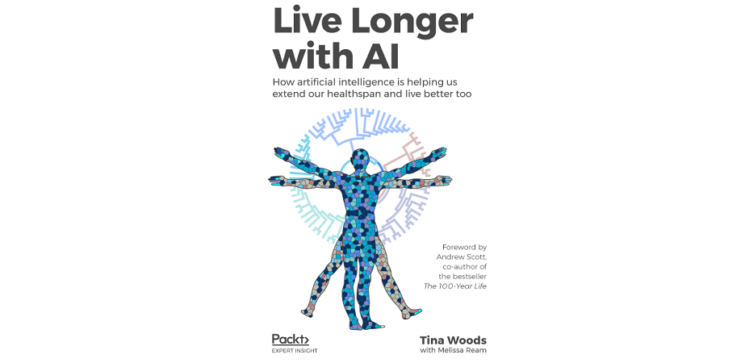
Live Longer with AI book

AI and Longevity Meet in a New Book

Artificial intelligence is the next big thing in medicine, or, using Silicon Valley’s jargon, the next big disruptor. Not a thing of the future, AI is already here, changing our lives, and soon our healthcare, beyond recognition. Given how rapidly AI is invading the field of longevity research, it was only a matter of time until a proper book on the subject appeared. Tina Woods arrived first by publishing “Live Longer with AI”.

Tina is a social entrepreneur with a focus on health innovation. She is the founder and CEO of Collider Health and Collider Science as well as the co-founder and CEO of Longevity International, which runs UK’s All Party Parliamentary Group for Longevity. She participates in the important work of connecting various players – academia, government, business – and facilitates their cooperation in the longevity field.

Despite being written in about a year, “Live Longer with AI” is vast. It stretches far beyond the topic of AI and longevity to include everything from the basics of the biological machinery of aging to the ethics of immortality. This makes the book a decent entry point to our field for anyone ready to tackle its 560 pages. On the bright side, the reading is far from boring. “Live Longer with AI” explores current concepts, raises pressing questions, and tells fascinating stories of discovery and innovation. A large part of the book is dedicated to interviews with some of the field’s leaders, including Aubrey de Grey, Alex Zhavoronkov, and our own Keith Comito, president of lifespan.io.

AI as it exists today is mostly about mining big data in search for patterns, and it has become very good at it. Medicine, on the other hand, has acquired mountains of data that traditional analyses cannot make full sense of. There are also enormous amounts of data that lie beyond the realm of medicine but are nevertheless extremely important to our health: environmental, behavioral, etc. The job of AI is to connect these billions of dots revealing the whole picture, and the importance of this job cannot be overstated. We may be unable to substantially advance medicine and healthcare without employing AI on a major scale.

AI is already in use in medical imaging, where its success is based on the same powerful image recognition algorithms that Facebook employs to tag your friends in a photo. The success rate of AI trained on thousands and millions of images has already largely surpassed that of a human specialist, and although scans are still checked by a human, this stage is becoming increasingly obsolete. AI is incredibly fast and unaffected by fatigue, hunger, mood swings, domestic problems, or any other factor that can cloud human judgement. More importantly, it continually learns by instantaneously sharing information with its “colleagues” all over the world.

This brings us to the extremely important topic of data sharing that receives a lot of attention in the book: how can data be shared between healthcare companies, medical institutions, organizations, and nations? What are the optimal ethics of data sharing that ensure both individual privacy and rapid training of life-saving algorithms? How do we make people less wary of sharing their personal data? Which model is ultimately better for people: that of China, which cares little about privacy and human rights but could deliver better results and propel China to the pole position in the worldwide AI race? Or is it better to stick with the European model, a much more cautious one, that may impose too many barriers? “Live Longer with AI” does not have all the answers because no one does, but it brings you valuable opinions from some of the best experts in the field.

Yet another field in which AI is currently doing wonders is the discovery of new drugs. One of the well-known pioneers of AI-powered drug discovery is Alex Zhavoronkov’s company, Insilico, which recently made headlines for discovering a new drug in a record-breaking 46 days. AI greatly expedites the process and saves a lot of money by quickly analyzing the chemical properties of thousands of molecules. During the current pandemic, AI was used to suggest candidates for COVID-19 vaccines.

The painful subject of COVID-19 reverberates through the book, which was mostly written after the pandemic began. Tina asks her interviewees what lessons the pandemic taught them and gets some interesting answers. Most of them agree that the virus has illuminated the need for a faster, more effective cooperation and data analysis on a global scale, which is exactly where AI shines.

AI is changing our approach to healthcare in numerous ways. One of them is mining “healthy” data. Currently, our healthcare system mostly collects data about us when we get sick. Until very recently, nobody was collecting the same data (blood pressure, heart rate, oxygen levels, sleep quality and dozens of other parameters) from people who are healthy or who think they are healthy. Needless to say, when we feel ill, it is already often past the optimal point for starting treatment. AI is powering the emerging universe of devices (wearables, smart homes, smart cars, etc.) that constantly monitor our health and behavior, advising us on lifestyle and dietary changes and alerting us of possible problems. Collecting “healthy” data from all over the world will open entirely new possibilities for diagnostics and treatment. Maybe even more importantly, these smart devices allow us to take better care of our bodies. Another type of data that is highly relevant for public and personal health is environmental (pollution, noise), and it can also be gathered by AI-infused gadgets.

One of the game-changers in healthcare and longevity research that the book discusses is the increasing presence of large tech companies. Healthcare is one of our basic needs and an enormous market, and Big Tech is extremely well positioned here, having both access to vast amounts of user data and the tools to analyze it, including AI. Healthcare is also one of the few directions that Big Tech can significantly grow in. While the public may distrust yet another “takeover” by the tech giants, their resources and expertise could actually do a lot of good. It will depend in large part on their ability to cooperate with each other and with established healthcare companies that possess a different kind of expertise. We have already seen evidence of such cooperation, like the Amazon – Berkshire-Hathaway deal.

However, AI is not confined to Big Tech headquarters. On the contrary, it can be quite egalitarian. Thanks to cloud computing, startups in healthcare can get access to the world’s most powerful AI engines. Modern technology has been “the great equalizer” for quite some time now. The Internet and smartphones have bridged many gaps between developed and developing nations. They can ensure that advances in medicine benefit humanity as a whole and not just the lucky billion who happen to live in rich countries. AI-powered diagnostics and telemedicine can reach even the most remote and poor parts of the world, potentially ushering in a new era of increasing life expectancy there.

AI can be good for healthcare as a whole, but how can it benefit longevity research? To conquer age-related diseases, we probably must move “upstream”, closer to their common causes, the hallmarks of aging, and the superior ability of AI to connect the dots can prove invaluable here. We have reported on several studies that employ this “connecting the dots” strategy, including a study that was based on what is probably the largest open genomic database in the world – UK Biobank. Upon analyzing 100 thousand human genomes along with the accompanying healthcare data, the study found genetic correlations between various age-related diseases and even suggested existing drugs that can be used for holistic treatment of these diseases. Here is another example: in our interview with Alexander Fedintsev, he lamented the potential difficulty of finding a molecule that can break glucosepane crosslinks that stiffen the extracellular matrix (Fedintsev considers such stiffening immensely important and a new hallmark of aging). AI, with its superior molecule-analyzing abilities, can be of great help here.

“Live Longer with AI” also touches on one of the most contentious questions that divides the longevity community: should we aim at extreme life extension? Is it politically wise to speak about it? Is it even feasible? Would we be better off promoting the modest and prudent vision of healthspan extension? Tina Woods slips this question into most of her interviews. As one would expect, the answers vary widely, from Aubrey de Grey’s extreme vision of the future to much more subdued forecasts, altogether amounting to a fascinating and productive discussion.

“Live Longer with AI” is a demanding but rewarding read. By canvassing dozens of topics, it certainly gives the reader a lot of food for thought. The importance of AI in medicine and in longevity research in particular will only go up. This makes it a thrilling topic to familiarize yourself with, and Tina Woods’ book provides a solid starting point.

We would like to ask you a small favor. We are a non-profit foundation, and unlike some other organizations, we have no shareholders and no products to sell you. All our news and educational content is free for everyone to read, but it does mean that we rely on the help of people like you. Every contribution, no matter if it’s big or small, supports independent journalism and sustains our future.

OneSkin Has Released a Senotherapeutic Skin Cream

If there is one thing about aging research that is almost sure to grab public attention, it is something that has a visible effect. A new product on the market that claims to reduce senescent cells in aged skin could achieve that, assuming that the pending human study is successful.

OneSkin recently released OS-01, a cosmetic skin care product that claims to reduce the activity of senescent cells according to typical cellular senescence biomarkers, such as p16 expression and senescence-associated β-galactosidase.

We would normally be skeptical about such an “anti-aging” product, given that the marketplace is filled with hucksters, grifters, and people looking to make a quick buck from people lacking the scientific knowledge to spot a scam. However, the data presented in this preprint paper from the researchers behind OneSkin is, if nothing else, worth taking a look at.

The compound of interest in OS-01 is peptide 14, which may or may not have senolytic properties. The data presented in the preprint is suggestive of the compound being a senomorphic, meaning that it inhibits or otherwise changes senescent cell secretions, rather than it being an outright senolytic.

Of note, the researchers compared their peptide with rapamycin and noted that peptide 14 promoted the maintenance of the overall structure in their 3D skin models, while rapamycin caused a detrimental effect in overall skin structure, including a thinner and more disorganized epidermis. Rapamycin has a known delaying effect on skin cell senescence and so makes for a good comparison.

It may be the case that the peptide could be somehow preventing some cells from becoming senescent or at least delaying them long enough for the body to partially clear the senescent cell backlog.

Skin aging has been primarily related to aesthetics and beauty. Therefore, interventions have focused on reestablishing skin appearance, but not necessarily skin health, function, and resilience. Recently, cellular senescence was shown to play a role in age-related skin function deterioration and influence organismal health and, potentially, longevity. In the present study, a two-step screening was performed to identify peptides capable of reducing cellular senescence in human dermal fibroblasts (HDF) from Hutchinson-Gilford Progeria (HGPS) patients. From the top four peptides of the first round of screening, we built a 764-peptide library using amino acid scanning, of which the second screen led to the identification of peptide 14. Peptide 14 effectively decreased HDF senescence induced by HGPS, chronological aging, ultraviolet-B radiation, and etoposide treatment, without inducing significant cell death, and likely by modulating longevity and senescence pathways. We further validated the effectiveness of peptide 14 using human skin equivalents and skin biopsies, where peptide 14 promoted skin health and reduced senescent cell markers, as well as the biological age of samples, according to the Skin-Specific DNA methylation clock, MolClock. Topical application of peptide 14 outperformed Retinol treatment, the current gold-standard in “anti-aging” skin care. Finally, we determined that peptide 14 is safe for long-term applications and also significantly extends both the lifespan and healthspan of C. elegans worms tested in two independent testings. This highlights the potential for geroprotective applications of the senotherapeutic compounds identified using our screening platform beyond the skin.

Conclusion

How useful this product is remains to be seen, given that there is no published data for its effects in humans. Launching a product prior to conducting a detailed human study that shows efficacy is typical of the cosmetics and supplements industries, and we would urge caution here as with any product.

While there is apparently a pending human study in the works, anyone jumping on the bandwagon now is entering largely uncharted territory. Unless you have plenty of money and are willing to develop a science-based approach to taking and quantifying supplements, it would be prudent to wait for the human study data to arrive.

That said, the researchers behind this seem sincere, and if efficacy in a human study can be demonstrated and skin aging visibly delayed or even reversed, it could encourage increased public interest.

We would like to ask you a small favor. We are a non-profit foundation, and unlike some other organizations, we have no shareholders and no products to sell you. All our news and educational content is free for everyone to read, but it does mean that we rely on the help of people like you. Every contribution, no matter if it’s big or small, supports independent journalism and sustains our future.
Buckyball

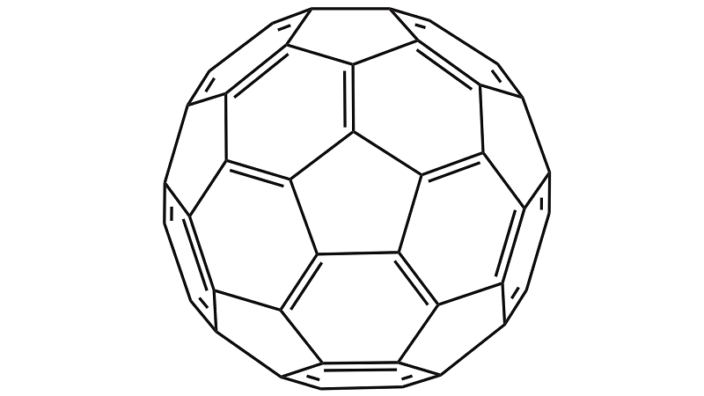
C60 Does Not Improve Lifespan nor Healthspan

Buckminsterfullerene, also known as C60, is a remarkable molecule with a range of interesting chemical and physical properties. Several years ago, C60 came to the attention of the longevity community several years ago when a study with a small cohort of rats found that C60 dissolved in olive oil extended their lifespan [1]. This led to some people in the community purchasing and using C60 supplements despite a lack of safety and efficacy data and even a study showing harmful effects in mouse embryos [2].

A team led by researchers at Ichor Therapeutics has recently evaluated several commercially available C60 supplements to determine whether the contents match the label [3]. They also went a step further and investigated whether pristine C60 prepared in-house had any effect on lifespan. Their findings not only raise concerns about available C60 supplements, they also undermine the rationale for using them in the first place.

The team began by obtaining C60 supplements form a range of online vendors and measuring their purity and concentration. They found that the samples were tainted with impurities and that the C60 concentrations were quite variable and generally inconsistent with the stated concentration. Hopeful consumers were thus paying for an unidentified mix of chemicals with variable amounts of the molecule they were actually trying to get.

The team then investigated whether the consumers would have been better off if they had gotten high-quality C60. They synthesized pristine C60 in their lab and measured what happened to it during storage in various conditions. The samples degraded when exposed to light regardless of whether they were stored in opened or sealed flasks. More troubling, the analysis revealed that after being stored for more than two days, C60 dissolved in olive oil degrades into other compounds that proved toxic to mice.

Finally, the researchers tested whether pristine C60 in olive oil (or extra virgin olive oil) could extend the lifespan of healthspan of mice. In experiments with injected or ingested C60, they didn’t find any significant benefits for the mice, regardless of whether the treatment was started when they were adults or older.

C60 is a potent antioxidant that has been reported to substantially extend the lifespan of rodents when formulated in olive oil (C60-OO) or extra virgin olive oil (C60-EVOO). Despite there being no regulated form of C60-OO, people have begun obtaining it from online sources and dosing it to themselves or their pets, presumably with the assumption of safety and efficacy. In this study, we obtain C60-OO from a sample of online vendors, and find marked discrepancies in appearance, impurity profile, concentration, and activity relative to pristine C60-OO formulated in-house. We additionally find that pristine C60-OO causes no acute toxicity in a rodent model but does form toxic species that can cause significant morbidity and mortality in mice in under 2 weeks when exposed to light levels consistent with ambient light. Intraperitoneal injections of C60-OO did not affect the lifespan of CB6F1 female mice. Finally, we conduct a lifespan and health span study in males and females C57BL/6 J mice comparing oral treatment with pristine C60-EVOO and EVOO alone versus untreated controls. We failed to observe significant lifespan and health span benefits of C60-EVOO or EVOO supplementation compared to untreated controls, both starting the treatment in adult or old age. Our results call into question the biological benefit of C60-OO in aging.

Conclusion

In a nutshell, these findings raise serious doubts about the efficacy of C60 in improving lifespan and health. In fact, there’s some evidence that C60 may degrade into harmful compounds during storage in olive oil, and, perhaps more importantly, it’s clear that many of the products labeled C60 contain other, potentially harmful, compounds. This isn’t just a case of “buyer beware”, it is an excellent example of the need for safety and efficacy tests for supplements.

Literature

[1] Baati T, Bourasset F, Gharbi N, Njim L, Abderrabba M, Kerkeni A, Szwarc H, Moussa F. The prolongation of the lifespan of rats by repeated oral administration of [60]fullerene. Biomaterials(2012), doi: 10.1016/j.biomaterials.2012.03.036

[2] Tsuchiya T, Oguri I, Yamakoshi YN, Miyata N. Novel harmful effects of [60]fullerene on mouse embryos in vitro and in vivo. FEBS Lett (1996), doi: 10.1016/0014-5793(96)00812-5

[3] Grohn, K.J., Moyer, B.S., Wortel, D.C., Fisher, C.M., Lumen, E., Bianchi, A.H., Kelly, K., … and Moody, K.J. C60 in olive oil causes light-dependent toxicity and does not extend lifespan in mice. GeroScience (2020), doi: 10.1007/s11357-020-00292-z

Heart scaffold

The Extracellular Matrix Is Key to Heart Health

A new article published by the International Journal of Molecular Sciences sheds light on the differences between the extracellular matrix (ECM) of healthy people and people in end-stage heart failure.

The key to the heart could be its ECM

Regeneration of heart tissue following a heart attack has been a challenging goal for scientists. At best, most interventions currently only limit damage after the blockage occurs but are not capable of reversing it. Of particular interest, the ECM of the heart is its physical scaffolding and provides a structure on which the cells of the heart can live. Donor heart tissues can be decellularized and used either as a biomaterial in heart regeneration strategies or to study heart physiology and pathology. However, much is unknown about the various components of heart ECM, the effect it has on cells, and how it changes with age and pathology. Recent research published by a joint collaborative effort in Italy has shed light on each of these issues. [1]

The researchers decellularized ECM from two different groups of human donors. The first group came from younger (average age of 36) patients who died from causes unrelated to the heart and were considered healthy heart donors. The second group consisted of heart donors who had pathologies. They were much older (average age of 59) and had end-stage heart failure, and their hearts were collected during heart transplant surgery. After decellularization, the researchers compared cardiac stromal primitive cells cultured on the two groups of ECM as well as cells cultured on 2D cell culture plastic.

The cells cultured on both ECM groups showed greater heart-specific behaviors when compared to cells cultured on 2D. Healthy ECM also demonstrated further benefits over pathological ECM. Cells cultured on the pathological ECM expressed more fibrotic factors, such as PDGF-AA, TGF-β2, and IGF-2. They also demonstrated an increase in compounds associated with a damage response, including GAT4A and hydrogen peroxide. Furthermore, cells cultured on healthy ECM exhibited more cardioprotective cytokines, such as HGF, and expression of angiogenic factors.

Additional studies exposed endothelial cells to conditioned culture media. This conditioned media contains paracrine factors excreted by the cells from the original ECM comparison experiments. The researchers found that endothelial cells cultured using conditioned media from the healthy ECM resulted in faster and greater capillary formation than cells that received conditioned media from the pathological ECM group.

Abstract

In conclusion, CPCs exposed in vitro to dECM-PH from HF myocardium displayed partially reduced cardiac commitment drive, defective paracrine support to angiogenesis, and increased release of pro-fibrotic cytokines, despite displaying some features of a rescue-like mechanism, similar to those described in vivo in pathological conditions. These observations shed novel insights on the crosstalk between ECM remodeling and cardiac stromal primitive cells, suggesting also caution and limitations in the use of non-healthy decellularized myocardium for cardiac tissue engineering approaches.

Conclusion

Overall, 3D cell culture has, many times over, been shown to be superior to 2D culture, but many novel conclusions can be drawn by the research’s comparisons between cells cultured on healthy and pathological ECM. This research suggests that ECM from unhealthy donors may have some limitations in cardiac regeneration strategies. Additionally, it provides evidence for potential mechanisms by which the ECM mediates cardiac cell behavior and some possible pathways for pathological cardiac remodeling. However, the authors did not discuss the difference in age between their two groups of tissue donors, instead primarily attributing their findings to the results of end-stage heart failure. Since the two groups of donors also differed significantly by age, further research is needed to disentangle which differences are caused by heart failure and which are the result of aging tissue.

We would like to ask you a small favor. We are a non-profit foundation, and unlike some other organizations, we have no shareholders and no products to sell you. All our news and educational content is free for everyone to read, but it does mean that we rely on the help of people like you. Every contribution, no matter if it’s big or small, supports independent journalism and sustains our future.

Literature

[1] Belviso, I., Angelini, F., Di Meglio, F., Picchio, V., Sacco, A.M., … & Chimenti, I. (2020). The Microenvironment of Decellularized Extracellular Matrix from Heart Failure Myocardium Alters the Balance between Angiogenic and Fibrotic Signals from Stromal Primitive Cells. International Journal of Molecular Sciences, 21(21), 7903. https://doi.org/10.3390/ijms21217903

Breanna Deutsch interview

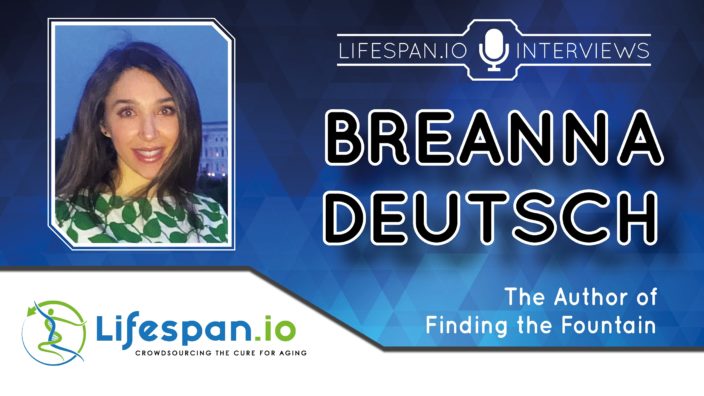
Breanna Deutsch Wants You to Contact Lawmakers About Aging

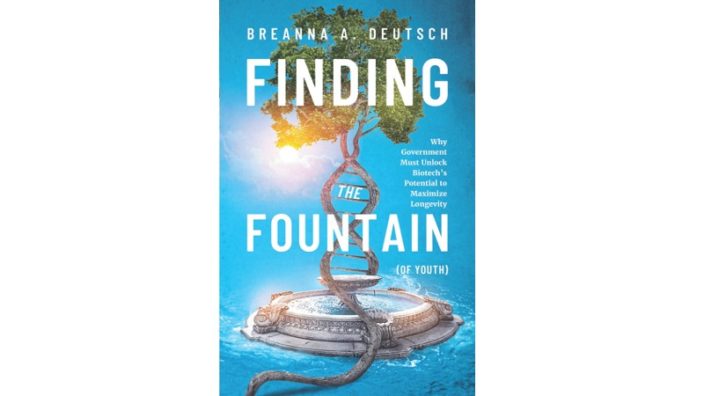
Today, we are interviewing Breanna Deutsch, a policy expert and the author of Finding the Fountain, which we have previously reviewed. Breanna comes from the world of political communications, and she explains what needs to be done to encourage policymakers to pave the way for a world of rejuvenation.

How did you get into the longevity field, and what do you love about it?

I was fortunate to have been raised in a household that understood the connection between healthy lifestyle choices and well-being, so I have long been interested in taking whatever steps I can to optimize my health.

For the most part, this has revolved around maintaining a clean diet and staying physically fit. It was not until I began working in Congress during heated healthcare debates that I went looking for a better medical solution to the chronic conditions that I saw causing the most disruption in our healthcare system. At the time, I recognized that no matter how you sliced and diced insurance policies – which is what congressional healthcare debates typically concentrate on – even the glitziest of insurance plans would not save someone from becoming debilitated by the conditions of old age.

My research led me to a talk that Aubrey de Grey gave at Singularity University. After hearing him speak, I went further down the longevity rabbit hole and soon realized that treating aging itself would result in much better health outcomes and significantly reduced medical costs.

How do you see your book’s audience? Who is it for?

The target audience for this book is the average layperson who wants to be proactive about their health and the health of their loved ones as well as Washington, DC influencers who can play a role in implementing the federal reforms necessary to expedite the development and clinical approval of safe, effective longevity treatments.

I particularly kept my former Capitol Hill colleagues at the forefront of my mind while writing Finding the Fountain. As I argued for the urgent need to increase federal prioritization of longevity research, I outlined how focusing more attention and resources on longevity would help address some of the colossal policy predicaments the US will likely face in the coming decade(s), including a disproportionately large senior population when all Baby Boomers reach retirement age in 2030 as well as the looming insolvency of Medicare and Social Security.

The longevity field has been relatively successful at earning the attention of private sector investors in recent years, but it is lacking acknowledgement from and cooperation with the government. Ultimately, the hope is that this book will help move the needle forward in getting the government on board.

In your book, you discuss how there is debate within the longevity community regarding whether or not aging should be called a disease.     Do you think we should set our differences aside and lobby for aging to be recognized as a disease for practical reasons?

I am sympathetic to the arguments on both sides of this debate, but I am concerned about the longevity community getting bogged down with a game over semantics.

From a public relations perspective, it will be more difficult to earn large-scale public buy-in if we argue for aging to be labeled as a disease. It offends too many people. And for some, as soon as they hear that categorization, they will peg the longevity community as radical and close their minds off to whatever else we have to say.

In my opinion, the more productive approach is to lobby for aging to be recognized as something that is treatable — something we have control over. Ultimately, I think that is the most inclusive, non-controversial messaging and is our greatest selling point.

Apart from aging not being considered a disease – what other political and regulatory roadblocks do we face? How should they be dealt with?

As I detail in Finding the Fountain, researchers are heavily dependent on government grants, and as the longevity community is well aware, the dollars given to researchers looking into the biology of aging are peanuts compared to many other areas of research that are far less critical to the wellbeing of humanity. Appropriators in Congress must be made aware of this fact and specifically designate dollars to aging research, like they have done with Alzheimer’s and other diseases. This way, the National Institutes of Health (NIH) is obligated to direct dollars specifically to research investigating the biology of aging.

Strengthening our investment into worthwhile aging research is incredibly important because there are still many remaining questions surrounding the biology of aging, and getting FDA recognition will not mean much if we do not have effective drugs.

Is there a role for a wider community of longevity enthusiasts?

Yes, there is a large role for the longevity community to play. People often think that members of Congress do not listen to their constituents. I can tell you that this is simply not true. There are a number of things that longevity enthusiasts can do to get involved, including organizing a call-in or letter writing campaign targeting congressional offices. If only a few of a member’s constituents contact their office about an issue, it may not receive much attention.  However, if longevity activists can mobilize enough grassroots support, congressional offices will not be able to ignore their demands. Additionally, since many members are not yet aware of the importance of longevity research, it could be a strategy to get the issue on their radar in the first place.

You probably often get to present our vision to very busy people who are inundated with pitches. How do you make your elevator pitch?

It depends on who I am speaking with, but it is typically something along the lines of:

Treating aging is the most effective way to combat the chronic diseases and ailments of old-age that cause widespread human suffering and bankrupt families and governments.

Unfortunately, there are currently government roadblocks preventing or slowing the development and clinical approval of treatments that have the potential to treat aging itself and alleviate this suffering. We must prioritize aging research and remove federal barriers so that safe, effective treatments can reach the public.

When time and attention span is so limited, it’s important to get straight to the “why does this matter to me” and then go from there.

What counterarguments do you hear most often? What problems do people (especially policymakers) have with the idea of lifespan and healthspan extension?

The most common counterarguments seem to be concerns regarding overpopulation/insufficient resources, the belief that treating aging is going against the natural order of things, and that increasing lifespan will incur additional healthcare costs on the government and on families. The longevity community has answers to all of these concerns.

But focusing on lifespan extension is not an effective approach to win support from policymakers. Using this term will raise red flags, and few are likely to want to associate themselves with the cause. Our messaging should promote longevity drugs as a means to more effectively combat the ailments of old age and increase our number of healthy years while reducing healthcare costs. Living longer is just a side effect.

Money is finally pouring in, but sometimes researchers fail to deliver (like in the case of Unity Biotechnology). I hear opinions that longevity research may already be overhyped at this stage, and more setbacks might discourage investors. Do you agree?

This is why we need to strengthen the allocation of grants to aging researchers. The government does not have the same incentives as investors who are looking to make a quick and large return on their investment. While researchers still must prove to the government that their research has legs, there is more room for trial and error and less pressure to deliver something in a compressed timespan. Investors are also unlikely to invest in an idea that has not been proven in a lab. We need grants so that researchers can experiment and pursue unsolved questions – a freedom that at times results in the discovery of the undiscovered. This is also not to say the grant-giving system could not be improved as well. As we work to find ways to reform the process of grant allocations, the goal should be to create an environment where scientists are empowered to be guided by just the science and are not tugged in one direction or another due to outside political pressures.

Our community views the importance of expanding lifespan and healthspan as self-evident. How long do you think it will take for the penny to drop for everyone else? Can we expect a drastic change in attitude in the nearest future? Is it happening already?

I am not in the business of making predictions, but I do not think we will reach the point where we have a groundswell of support until a significant amount of the public has that “aw huh” moment many of us had when we first heard a talk from or read an article authored by Aubrey de Grey or another longevity leader. The question is, how can we get this information in front of the masses and policy influencers? My hope is that Finding the Fountain will give more people that moment of clarity, when they recognize that aging is treatable and it is the best hope we have to combat the conditions that have caused so much suffering.

What are you busy with now?

I am continuing to promote Finding the Fountain in an effort to get it into the hands of as many people outside of the longevity community as possible. This public awareness campaign is a first step of the larger goal of eventually building the momentum necessary to compel Congress and government bodies to prioritize longevity research and create a clear pathway for safe, effective longevity treatments to reach the public. I am also interested in collaborating on ideas, so please reach out!

We would like to ask you a small favor. We are a non-profit foundation, and unlike some other organizations, we have no shareholders and no products to sell you. All our news and educational content is free for everyone to read, but it does mean that we rely on the help of people like you. Every contribution, no matter if it’s big or small, supports independent journalism and sustains our future.
Rejuvenation Roundup October

Rejuvenation Roundup October 2020

Spooky season has come and gone, but the Grim Reaper is still chasing us down. Fortunately, we’ve learned quite a bit over the last month in finding ways to stop Death from getting a hold of us quite so soon.

LEAF News

Based in the United Kingdom, the All Party Parliamentary Group (APPG) for Longevity has published The Health of the Nation: A Strategy for Longer, Healthier Lives, in which it offers nine core goals for improving the healthy lifespan of older people. It is currently implementing a Business Coalition for Healthier Lives and an Open Life Data Framework in order to accomplish its long-term aims of promoting equitable, open access to life-extending technologies in the UK.

EARD2020

Elena Milova Interviews Stanislav Skakun: Stanislav Skakun of Biodata discusses Quantified Self and how people can use individualized data to determine their medical, dietary, and longevity strategies.

Elena Milova Interviews Mair Underwood: Mair Underwood of the University of Queensland discuss societal attitudes towards rejuvenation biotechnology, including the thought patterns that lead to opposition to rejuvenation along with society’s changing concepts of the human body.

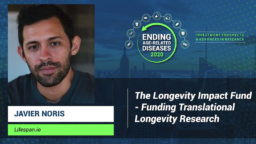
Javier Noris Presents the Longevity Impact Fund: In addition to this groundbreaking fund to aid the production of rejuvenation biotechnology, Javier Noris discussed the “valley of death” that blocks early-stage research from going further in the clinical trial process along with ways in which venture capital can fund high-risk biotechnology ventures.

Panel Discussion of Biomarkers of Aging: As Steve Horvath, Kristen Fortney, Stanislav Skakun, and Peter Fedichev explain, having a robust panel of biomarkers is critical for the development of rejuvenation biotechnology therapies.

Keith Comito Interviews Ronald Kohanski: The National Institutes on Aging has a plan for extending healthy lifespan (healthspan), and Deputy Director Ronald Kohanski explains the goals of the organization.

If you want more of our rejuvenation biotechnology interviews and other videos, subscribe to our Youtube channel, click the notification bell, and be among the first to see our conference interviews and other exciting content!

Rejuvenation Roundup Podcast

Ryan O’Shea of Future Grind hosts this month’s podcast, showcasing the events and research discussed here.

Helpful Information

Today’s Elderly Are Healthier Than a Generation Ago: A study in Finland shows that people no longer age as rapidly as they did even thirty years ago. Easier lifestyles and a reduced rate of smoking may be the causes.

Breanna Deutsch Explains How to Find the Fountain: Her book explains what we know about rejuvenation biotechnology and what societies can be doing to promote it.

Achieving healthy human longevity: A global grand challenge: This article published in Science Translational Medicine offers a broad overview of the current state of longevity and actions that can be taken to support it.

Research Roundup

Medin Aggregates Cause Cerebrovascular Dysfunction in Mice: Alzheimer’s isn’t the only amyloid disease that affects the brain. Aggregates of the protein MFG-E8 accumulate in the blood vessels of the brain, potentially leading to serious problems such as stroke.

Senescent Cells Have Less SIRT1 as a Result of Autophagy: Sirtuins are known to decrease with aging, and this research provides a particularly thought-provoking reason why.

Creating Anti-Glucosepane Antibodies: Glucosepane causes cross-links in collagen, leading to arterial stiffness. Developing antibodies for this substance is a critical step in the development of a glucosepane breaker.

Regenerating Skin With a Single Protein: One individual factor, which stops being produced as mice grow up, has been shown to encourage the skin of older mice to regrow as it did in their youth.

T Cell Progenitors Boost Stem Cell Therapy Effectiveness: Introducing these cells into other stem cell therapies encourages them to develop in the thymus, providing protection without triggering an autoimmune reaction.

Fatty Tissue Generated on a Chip: Creating adipose tissue on a chip allows for better analysis and use of adipocytes, which are useful in reconstructive surgery, research, and, potentially, lab-grown meats.

Uncovering the Origin of the SASP: The protein G3BP1 has been shown to be critical in the emission of the SASP, the chemical cocktail emitted by senescent cells that turns other cells senescent.

Using CRISPR to Remove Mutated DNA to Defeat Cancer: This is the most direct method of attacking cancer: removing the mutant genetic material that causes cells to become cancerous.

A New Mechanism of Telomere Lengthening in T Cells Discovered: This research presents the surprising finding that telomeres are transferred from antigen-presenting cells to T cells.

Generating Neural Progenitor Cells from iPSCs: Neural progenitor cells, which turn into neurons, are critical for maintaining cognitive abilities. Generating them from fibroblasts may one day offer hope for people with age-related brain disorders.

A Genetic Footprint of Aging: This in-depth analysis describes the links between genes and aging, comparing mouse and human results.

Partial Cellular Reprogramming Improves Memory in Old Mice: Mice that were genetically engineered to express OSKM were better able to remember objects in later life than their unmodified counterparts.

Cartilage Regeneration Accomplished in Vitro: With its lack of blood vessels, cartilage is notoriously difficult to regenerate, and this research represents a breakthrough in the process.

Metformin and Resistance Training: Downside and Upside: Metformin blocks the muscle-building effects of resistance training, but it appears to enhance the longevity-related effects as shown by a gene expression profile.

C 60 in olive oil causes light-dependent toxicity and does not extend lifespan in mice: This popular supplement has been reported to extend life, but this study shows that not only is it ineffective in mice, it forms toxic compounds when exposed to ambient light.

Mechanisms of Aging and the Preventive Effects of Resveratrol on Age-Related Diseases: Conducted by a prestigious Korean college and published in Molecules, this review combines a wide body of research in order to explain resveratrol’s reported effects on longevity.

Effect of rapamycin on aging and age-related diseases—past and future: This review uses quite a number of mouse studies, including mouse models of multiple human diseases, in order to describe the longevity-associated effects of the well-known compound rapamycin.

Proteomic assessment of serum biomarkers of longevity in older men: This analysis uses blood proteins to determine which men are more likely to live longer, providing a potentially useful diagnostic tool for the clinic.

Rejuvenation of mesenchymal stem cells by extracellular vesicles inhibits the elevation of reactive oxygen species: Elderly MSCs have problems with dealing with ROS, which are known contributors to age-related diseases, but rejuvenating them through infant extracellular vesicles, a method of intercellular communication, lets them regain this ability.

Klotho ameliorates diabetic nephropathy via LKB1-AMPK-PGC1a-mediated renal mitochondrial protection: Due to its effects on AMPH and mTOR, Klotho has been shown to substantially improve outcomes in a mouse model of diabetic kidney disease.

Intermittent fasting induces anticancer serum proteome response and improves metabolic syndrome: Fasting between dawn and sunset for a month has been shown to improve outcomes in a human trial. Subjects who fasted for that long had greater amounts of proteins associated with lower incidence of cancer and diabetes, and they had reduced obesity and lower blood pressure.

A ketogenic drink improves cognition in mild cognitive impairment: Results of a 6-month RCT: Part of mild cognitive impairment is the inability of the brain to properly process glucose, and ketogenesis appeared to ameliorate this issue in a randomized human clinical trial.\

Exposure to Static Magnetic and Electric Fields Treats Type 2 Diabetes: As this paper explains, the presence of both electrical and magnetic fields triggers a redox response that increases insulin sensitivity.

News Nuggets

A New Senolytic Enters Human Trials: Unity Biotechnology is trying again, this time with UBX1325, a senolytic drug that is being tested for the treatment of diabetic macular edema.

A New Atlas of Dental Cells: This atlas provides details of the sorts of cells that exist in teeth, paving the way for potential tooth replacement therapies.

SynergyAge, a curated database for synergistic and antagonistic interactions of longevity-associated genes: This in-depth database describes ways in which longevity-associated genes affect lifespan in multiple model organisms, providing a foundation for research into genetic associations with aging.

Aging Atlas: a multi-omics database for aging biology: Specifically made to support rejuvenation biotechnology research and interventions against the root causes of aging, this in-depth database combines a large number of related disciplines and data in order to provide a fully detailed map of the biology of aging.

How anti-ageing drugs could boost COVID vaccines in older people: This article published in Nature explains how reversing the effects of age on the immune system could increase the effectiveness of a potential vaccine for COVID-19.

We would like to ask you a small favor. We are a non-profit foundation, and unlike some other organizations, we have no shareholders and no products to sell you. All our news and educational content is free for everyone to read, but it does mean that we rely on the help of people like you. Every contribution, no matter if it’s big or small, supports independent journalism and sustains our future.
Elderly resistance training

Metformin and Resistance Training: Downside and Upside

A new study published in Aging has shown that although taking metformin while undergoing resistance training limits muscle growth, it promotes youthful gene expression.

The downside

As the researchers of this study point out, previous research shows that taking metformin while undergoing physical resistance training (PRT) restricts the development of hypertrophy [1]. While hypertrophy is not always desirable in cells, muscle hypertrophy is responsible for bodybuilding and general muscle growth. Therefore, taking metformin while attempting to build strength through PRT makes the training less effective.

The researchers show that this antagonistic effect of metformin can be attributed to its effects on the transcriptome: the gene expression profile of cells. Many of the gene expressions that cause PRT to cause muscle hypertrophy and increase strength were blocked by metformin.

The upside

PRT has substantial positive effects on the human body beyond muscle building. While it causes some genes responsible for muscle growth to be expressed, it reduces the number of differentially expressed genes in total; these genes may produce non-functional proteins and increase with age. Metformin was shown to enhance this effect, as more genes retained their youthful expression profiles when PRT was combined with metformin. The researchers had originally hypothesized that reduced inflammation was responsible for this effect, but neither PRT nor metformin reduce muscle inflammation.

Metformin was shown to affect several important aging-associated pathways, including senescence and autophagy, a generally beneficial maintenance process in which cells consume their own organelles. Substantial effects on metabolism were observed when metformin was combined with PRT, most notably lipid (fat) metabolism. Older people who took metformin in addition to undergoing resistance training had a more youthful ability to deal with lipids.

Abstract

Evidence from clinical trials and observational studies suggests that both progressive resistance exercise training (PRT) and metformin delay a variety of age-related morbidities. Previously, we completed a clinical trial testing the effects of 14 weeks of PRT + metformin (metPRT) compared to PRT with placebo (plaPRT) on muscle hypertrophy in older adults. We found that metformin blunted PRT-induced muscle hypertrophic response. To understand potential mechanisms underlying the inhibitory effect of metformin on PRT, we analyzed the muscle transcriptome in 23 metPRT and 24 plaPRT participants. PRT significantly increased expression of genes involved in extracellular matrix remodeling pathways, and downregulated RNA processing pathways in both groups, however, metformin attenuated the number of differentially expressed genes within these pathways compared to plaPRT. Pathway analysis showed that genes unique to metPRT modulated aging-relevant pathways, such as cellular senescence and autophagy. Differentially expressed genes from baseline biopsies in older adults compared to resting muscle from young volunteers were reduced following PRT in plaPRT and were further reduced in metPRT. We suggest that although metformin may blunt pathways induced by PRT to promote muscle hypertrophy, adjunctive metformin during PRT may have beneficial effects on aging-associated pathways in muscle from older adults.

Conclusion

While the researchers do not recommend healthy older adults to take metformin, this gene expression analysis offers a baseline for the development of future treatments that directly affect sarcopenia and other symptoms of aging. Ideally, it would be possible to develop a treatment that preserves the muscle-building effects of PRT while retaining the youthful gene expression effects of metformin.

We would like to ask you a small favor. We are a non-profit foundation, and unlike some other organizations, we have no shareholders and no products to sell you. All our news and educational content is free for everyone to read, but it does mean that we rely on the help of people like you. Every contribution, no matter if it’s big or small, supports independent journalism and sustains our future.

Literature

[1] Walton, R. G., Dungan, C. M., Long, D. E., Tuggle, S. C., Kosmac, K., Peck, B. D., … & Ovalle, F. (2019). Metformin blunts muscle hypertrophy in response to progressive resistance exercise training in older adults: A randomized, double‐blind, placebo‐controlled, multicenter trial: The MASTERS trial. Aging cell, 18(6), e13039.

Cartilage cells

Cartilage Regeneration Accomplished in Vitro

New research published in Stem Cell Research and Therapy has improved the regenerative potential of chondrocytes in vitro.

The challenges of cartilage regeneration

Regenerative medicine strategies aim to regenerate the natural cartilage itself to its former glory. This can be either by kick-starting the body’s own healing abilities, growing cartilage in the lab for implantation, or a combination of the two. At first glance, this might seem easier than regenerating other tissues because the difficulty of neural innervation and vascularization, major roadblocks for other tissue types, are not present for cartilage. However, this also severely limits the ability of cartilage to heal itself, limiting how much researchers can rely on the patient’s own healing abilities. Grafted tissues must be highly matured, as they will not develop much further after implantation and do not integrate well with existing cartilage. Furthermore, since the mechanical properties of cartilage are specialized and they are exposed to strong forces, even small deviations from natural properties can result in accelerated wear in implanted materials.

A novel strategy emerges

On this front, a recent collaboration led by Dr. Majid Safa has improved our understanding of chondrocyte differentiation and increased our abilities to regenerate cartilage in vitro [1]. The researchers inhibited matrix metallopeptidase 13 (MMP-13) using the small molecule known as BICA. They studied the release rate of this drug and determined its optimum concentration in an alginate-based hydrogel.

Using this concentration, they then cultured mesenchymal stem cells in the hydrogel-BICA scaffolds and showed that BICA not only inhibited MMP-13 and hypertrophy (a major barrier to the effectiveness of chondrocytes), it also increased chondrocyte differentiation and the cartilage-like tissue that was laid down by the cells. The researchers placed mechanical loads on these scaffolds in order to further improve cartilage regeneration.

In conclusion, PL and CS enhance the mechanical properties and support cell viability in combination with Alg hydrogel. The results presented in this study showed that the tri-part hydrogel composed of Alg, CS, and PL can induce chondrogenic differentiation of hBM-MSCs by the upregulation of collagen type 2 and aggrecan. Also, it was shown that addition of BICA inhibited hypertrophy during chondrogenic differentiation of hBM-MSCs. Moreover, our results indicate that BICA improves hBM-MSCs differentiation into chondrocytes as it increases the expression level of chondrogenic genes as well as GAG and collagen deposition. In order to mimic the physiological environment of chondrocytes, a mechanical shear loading simulation was also provided. It is demonstrated that the applied loading regimen induces chondrogenic differentiation in case of GAG secretion.

Conclusion

This study showed that by inhibiting hypertrophy through the MMP-13 pathway, chondrogenesis can be improved. Additionally, while it is well known that mechanical stimulation also improves chondrogenesis in vitro, it is notable that this strategy synergistically improved outcomes in combination with BICA, suggesting that they operate through separate mechanistic pathways. This drug alone is unlikely to reverse the progression of osteoarthritis, but it demonstrates a meaningful improvement over current regeneration strategies and, in the future, it may be used in combination therapies for even better results.

We would like to ask you a small favor. We are a non-profit foundation, and unlike some other organizations, we have no shareholders and no products to sell you. All our news and educational content is free for everyone to read, but it does mean that we rely on the help of people like you. Every contribution, no matter if it’s big or small, supports independent journalism and sustains our future.

Literature

[1] Jahangir, S., Eglin, D., Pötter, N., Ravari, M. K., Stoddart, M. J., …, Safa, M. (2020). Inhibition of hypertrophy and improving chondrocyte differentiation by MMP-13 inhibitor small molecule encapsulated in alginate-chondroitin sulfate-platelet lysate hydrogel. Stem Cell Res Ther. 11: 436. doi: 10.1186/s13287-020-01930-1

Finding the Fountain book

Breanna Deutsch Explains How to Find the Fountain

Aging research is still an emerging field, and its emergence has been laden with difficulties. Until recently, the budgets were scarce, the ideas ridiculed, and public involvement nonexistent. The tide is turning, with more private and institutional players eager to spend money and effort on the noble goal of extending human lifespan and healthspan. Still, our community needs to widen its recently gained foothold in the public consciousness. Popularizing the ideas and achievements of the great people working in our field can put more pressure on policymakers, regulators, and investors to advance our cause.

A good way to achieve this is with an introductory book. While David Sinclair’s “Lifespan: Why We Age and Why We Don’t Have To” is an excellent introduction to the topic, the niche is far from being full. Breanna Deutsch provides a differently focused introduction with her new book, “Finding the Fountain: Why Government Must Unlock Biotech’s Potential to Maximize Longevity”. As someone coming from the field of politics and PR, after several years in various communications positions on Capitol Hill and now in the Heritage Foundation, Breanna provides a fresh angle and a good understanding of political and regulatory issues.

However, contrary to what its title may suggest, “Finding the Fountain” is about much more than regulation and policy. Most of the book is dedicated to a concise and straightforward explanation of the nine hallmarks of aging and of the general state of affairs in longevity research. While people more familiar with the field might not find a trove of new information here, newcomers to the field will find it illuminating, especially since this excellently written and deliberately simplified account is interspersed with personal stories of the field’s leaders, such as Irina Conboy, Steve Horvath, and Aubrey de Grey.

Deutsch does not shy from recounting the problems that longevity research has to deal with, including the lack of governmental funding and the difficulty of conducting clinical trials, and, as she explains, both of these problems at least partially stem from aging not being considered a disease. Of course, the debate on whether aging is a disease is far from settled within the longevity community itself, but Deutsch explains the problems that result from not considering it to be one. Institutions such as the National Institute of Health have a harder time funding aging research, while drugs and therapies must be developed and tested against “real” diseases and not aging per se.

Deutsch holds that the TAME (Targeting Aging with Metformin) study is a possible blueprint for other studies. TAME is unusual because its yardstick includes age-related diseases, such as cardiovascular diseases, stroke, diabetes, cancer, cognitive decline, and the occurrence of death. With this composite approach, what researchers really study, albeit indirectly, is the effect that metformin has on aging itself. It is also important that researchers continue to develop reliable clocks for measuring biological age and to persuade the scientific community that these clocks can be used in clinical trials.

A hefty part of the book is dedicated to discussing common arguments against life extension.  Deutsch expertly deals with misconceptions such as “people living longer will crush our healthcare system”. On the contrary, she counters, to fight aging is to fight age-related diseases that account for the lion’s share of the burden on an already overstressed system. One of the book’s few shortcomings is that, being aimed at the US market, “Finding the Fountain” mostly discusses the current American healthcare system while avoiding international comparisons. On the other hand, aging poses similar problems for all healthcare systems.

Amidst the book, Deutsch vividly describes the difference between suffering through misery and frailty through the last years or even decades of your life and staying vibrant, productive, and curious, capable of enjoying the company of your loved ones and the world around you. It is good to be reminded from time to time what longevity research is all about.

“Finding the Fountain” is as important as it is short. Its conciseness is its superpower. If you have a friend or a relative that you would like to introduce to the longevity field, if you need ammunition for advancing our cause, or if you are looking for a better understanding of the political and regulatory issues that surround it, this book might be for you.

We would like to ask you a small favor. We are a non-profit foundation, and unlike some other organizations, we have no shareholders and no products to sell you. All our news and educational content is free for everyone to read, but it does mean that we rely on the help of people like you. Every contribution, no matter if it’s big or small, supports independent journalism and sustains our future.