The Blog

Building a Future Free of Age-Related Disease

Investment

More Investors Are Becoming Interested in Longevity

More and more investors are starting to get interested in technologies that are being developed to slow or even reverse aging as therapies are starting to reach human trials. Recently, I attended the Longevity Investors Conference to learn more about investments being made towards anti-aging research.

A shift towards doing something about aging

The current focus of much of society tends towards compensating for the ill health and loss of independence that aging brings, rather than on developing rejuvenation biotechnologies, which target the aging processes directly in order to prevent age-related diseases and so keep older people healthy and active for longer.

Thankfully, over the last few years, there has been increasing support for tackling aging directly. Thanks to various advances in our knowledge over the past decade, many scientists are now confident that something can be done about aging, and their numbers are growing by the year.

In the last few years, we have also seen an increased interest from the investment community and even governments. There are now lots of rejuvenation biotechnology companies being created and, most importantly, funded, which is doubtlessly a response to the number of therapies that have reached human clinical trials.

An investor-focused conference

October 1st saw the Longevity Investors Conference being held online, and it welcomed a mixture of researchers and investors to discuss the landscape of the aging research field.

Marc Bernegger, a Swiss entrepreneur and one of the conference organizers, firmly believes that the longevity industry, as many investors are calling it, will become one of the largest investment opportunities in the coming decades. Given that every human being on the planet is a potential customer, I would go as far as to suggest that a successful longevity industry would be the biggest industry not just on the planet but in history.

The conference was originally due to be held in St. Moritz on October 1, but like many other conferences in our field, the current pandemic forced it to go virtual. Despite this setback, the conference managed to bring the research and investment communities together and introduced longevity newcomers to some of the exciting things happening in the field.

Investors were introduced to the field of aging research by Drs. Aubrey de Grey and David Sinclair, who covered topics such as what aging is, NAD+ biology, partial cellular reprogramming; together, they provided a great high-level summary of our current understanding of aging and where we are in translating therapies to humans.

Following this solid introduction to the topic, there were talks about the investment landscape in the longevity industry, with early adopters, such as billionaire investment mogul Jim Mellon, sharing their insights. Jim mentioned that we are at a crucial stage in the longevity industry, and with some recent high-profile failures from UNITY and ResTORbio, there has been some damage to investor confidence.

I have to agree with his point, and what is sorely lacking and urgently needed now is a successful human trial of an anti-aging therapy to prevent further erosion of investor interest. This will mean that companies planning to move to clinical trials will need to make sure that they have all their ducks in a row and are choosing the optimal targets to demonstrate the viability of therapies that target aging. This was one of the take-homes of the conference and was echoed over the course of multiple talks and panels.

It was also apparent that many of the investors currently interested in longevity technology were also aware that returns on investment in this space would take a long time: approximately 10 years compared to 3 years or so for regular pharmaceutical investment. Certainly, anyone investing in this pioneering field should be patient and willing to accept that they are in for the long haul.

It was pleasing to hear that a number of current investors in the field are less concerned with making a profit and more focused on the positive health outcomes that would accompany success, not only for them personally but also for society as a whole.

During a panel, Jim Mellon also quashed a typical concern of longevity therapies being too expensive for everyone to afford, and he was confident that past the early adopters, who will of course pay a premium, the technology would be scalable, given the vast market for it. This makes sense, and we have seen this numerous times with medicine and technology.

Is society ready for increased longevity?

Professor Andrew J. Scott also gave a presentation that looked at society and if it was ready for increased longevity through advances in medical technology. Perhaps unsurprisingly, the conclusion was that no, it is not yet ready for the potentially huge changes that increased longevity will likely bring.

However, the good news is that Professor Scott also believes that society is starting to shift towards a wider acceptance of the fact that people alive today may live significantly longer than previous generations just by the increasing global life expectancy.

Indeed, a recent study in Finland confirmed that there is a marked difference in the functional ability of older people alive today compared to those of thirty years ago and that “currently 75- and 80-year-old people in Finland are living to older ages nowadays with better physical functioning.”

There are also changes in the labor market that suggest this acceptance is spreading, and trends in education show that older adult learning is now a huge share of the market. Quite simply, people are, in general, aging more slowly and in better shape than those of their grandparents’ generation and are able to be productive, independent and even continue to work comfortably beyond the age at which people 30 years ago would typically retire.

Along with these signs, there is now far more public discussion and debate about longevity in general. Increasingly, we are seeing more articles in papers and magazines that discuss longevity and increasing it through science and technology.

So, society appears already to be shifting towards accepting the idea that we may all live longer and healthier lives, and, with that, we should consider finances, worklife, retirement, and more in that context. Society, and especially finances and pensions, will certainly need to change to cope with increasing longevity, and this was also a common theme during the conference panels.

Professor Scott also proposed the idea that if wider society becomes accepting of the idea that its members will live longer than previous generations, they will want to invest in their health for that additional time. If they do that, it will not be long before people will want to improve on that extra time and thus ease them into the idea of even longer lives than just 3-5 extra years.

The take-home I got from this was that while society is not yet ready for extreme longevity, the idea should become more palatable to society as things continue to shift.

A Swiss “Longevity Valley”

Conference co-host Marc Bernegger has talked about the creation of a Swiss “Longevity Valley”, a place where companies working on aging and longevity gather, much like the tech companies of Silicon Valley, and he could well be right. Switzerland has a large pharmaceutical industry as well as a flourishing biotechnology industry and could be poised to become a nexus for longevity-focused companies in the near future.

Switzerland has a number of factors favouring it becoming a longevity valley, given the country’s superb healthcare system, large pharmaceutical and biotech sectors, stable political system, and world-leading financial system. These factors make Switzerland an ideal location for creating a cluster of companies working on aging.

Switzerland also has the second-highest life expectancy in the world with an average of 83.3 years and appears to have an appetite for longevity, as I found out earlier this year when I was asked to write a longevity article for the magazine Schweizer Monat (Swiss Month), which covered the longevity industry this year.

The Longevity Investors Conference is planned to return in 2021, hopefully being held at St. Moritz, and will be a longer event over multiple days if so. We wish to congratulate Marc and his colleagues for organizing the conference and look forward to being at the next one.
We would like to ask you a small favor. We are a non-profit foundation, and unlike some other organizations, we have no shareholders and no products to sell you. All our news and educational content is free for everyone to read, but it does mean that we rely on the help of people like you. Every contribution, no matter if it’s big or small, supports independent journalism and sustains our future.

Cerebral blood vessels

Medin Aggregates Cause Cerebrovascular Dysfunction in Mice

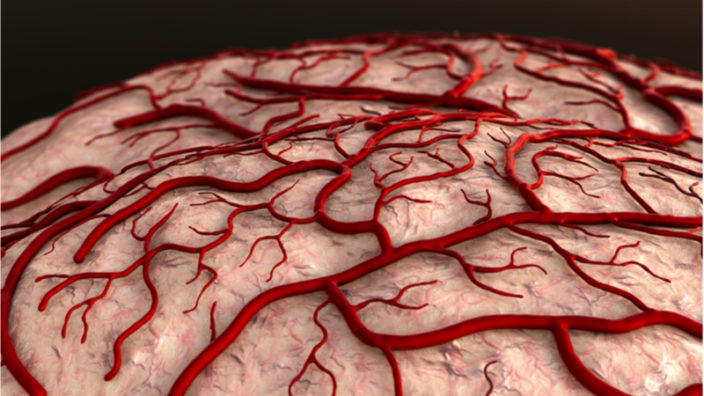
A new study conducted by researchers from Germany and the UK has shown that accumulation of medin, an amyloid of the protein MFG-E8, leads to cerebrovascular (brain blood vessel) disease in wild-type mice [1].

More than just amyloid beta

While amyloidosis is most associated with brain diseases such as Alzheimer’s and Parkinson’s, this is not the first time that amyloids have been implicated in vascular diseases. Transthyretin amyloidosis, known as a major risk factor for supercentenarians, occurs when these amyloids build up in the blood, leading to organ failure [2].

It has been known for 20 years that medin aggregates accumulate in the aortae and upper blood vessels of the elderly [3]. However, the effects of these amyloids on vascular function have not previously been analyzed in a mouse study.

How do we know that medins are dangerous?

To explain the reasoning behind their hypothesis, the researchers of this study cited data suggesting that, in humans, medin accumulation is associated with age-related blood vessel decline, including the blood vessels of the brain [4].

To directly determine whether or not medins are a cause of dysfunction, the researchers used genetically engineered mice that could not meaningfully produce MFG-E8 in a way that would allow it to aggregate. They compared the arteries of these “C2 knockout” animals to wild-type mice. Medin aggregates were, as expected, found in the wild-type animals but not their genetically engineered counterparts.

The ability of arteries to dilate and constrict, a critical part of vascular health, was found to be substantially better in aged C2 knockout mice compared to their wild-type counterparts. This strongly suggests that medin aggregates lead to vascular dysfunction, particularly cerebrovascular dysfunction.

Medin is the most common amyloid known in humans, as it can be found in blood vessels of the upper body in virtually everybody over 50 years of age. However, it remains unknown whether deposition of Medin plays a causal role in age-related vascular dysfunction. We now report that aggregates of Medin also develop in the aorta and brain vasculature of wild-type mice in an age-dependent manner. Strikingly, genetic deficiency of the Medin precursor protein, MFG-E8, eliminates not only vascular aggregates but also prevents age-associated decline of cerebrovascular function in mice. Given the prevalence of Medin aggregates in the general population and its role in vascular dysfunction with aging, targeting Medin may become a novel approach to sustain healthy aging.

Conclusion

As with any early-stage study into a potential cause of disease, especially one that has not been given significant attention, this study leaves a lot of unanswered questions. One of the most crucial involves the fundamental biochemistry behind medin accumulation, as it is not yet known how MFG-E8 transforms into the amyloid, and the exact link between medins and pathology is not yet ascertained either. Considerably more research is required to determine how and why medin accumulates along with its exact effects on blood vessels.

The researchers of this study suggest that kinetic stabilizers, which are used in stopping the progression of transthyretin amyloidosis, may be of use in stopping the accumulation of amyloid. Time will tell if this approach is effective in ameliorating cardiovascular or cerebrovascular disease in humans, and such a therapy may one day be combined with therapies that remove 7-ketocholesterol and other, more well-known, causes of vascular dysfunction and failure.

We would like to ask you a small favor. We are a non-profit foundation, and unlike some other organizations, we have no shareholders and no products to sell you. All our news and educational content is free for everyone to read, but it does mean that we rely on the help of people like you. Every contribution, no matter if it’s big or small, supports independent journalism and sustains our future.

Literature

[1] Degenhardt, K., Wagner, J., Skodras, A., Candlish, M., Koppelmann, A. J., Wild, K., … & Davies, H. A. (2020). Medin aggregation causes cerebrovascular dysfunction in aging wild-type mice. Proceedings of the National Academy of Sciences, 117(38), 23925-23931.

[2] Coles, L. S., & Young, R. D. (2012). Supercentenarians and transthyretin amyloidosis: the next frontier of human life extension. Preventive medicine, 54, S9-S11.

[3] Häggqvist, B., Näslund, J., Sletten, K., Westermark, G. T., Mucchiano, G., Tjernberg, L. O., … & Westermark, P. (1999). Medin: an integral fragment of aortic smooth muscle cell-produced lactadherin forms the most common human amyloid. Proceedings of the National Academy of Sciences, 96(15), 8669-8674.

[4] N. Karamanova et al., Endothelial immune activation by medin: Potential role in cerebrovascular disease and reversal by monosialoganglioside-containing nano-liposomes. J. Am. Heart Assoc. 9, e014810 (2020).

Rejuvenation Roundup thumbnail September

Rejuvenation Roundup September 2020

As the pandemic continues around the world and aging continues to take its toll, there’s plenty of rejuvenation research that has occurred throughout the month of September.

Today, on International Longevity Day, we are introducing a new framework for our Heroes! With new benefits and exclusives for each donation level, we are offering even more reasons to help us reach the $10,000 a month threshold that will push us over the edge to become a true hub of longevity-focused information and resources. Your support, as always, is greatly appreciated!

Remember that lifespan.io is active on social media! Visit us on Facebook, LinkedIn, Twitter, and Youtube, where we have quite a lot of content readily available. If you’re particularly fond of our content, remember to like and subscribe!

LEAF News

Brian Kennedy Discusses Preventive Medicine: While Dr. Kennedy discussed many things at his talk at EARD2020, one of his main points was that preventive medicine is critical in fighting the diseases of aging.

Panel Discussion of Public Perception of Longevity: lifespan.io Board Member Elena Milova, Roey Tzezana of XPRIZE, and Maria Entraigues Abramson of SENS Research Foundation discuss what the public knows and thinks about rejuvenation biotechnology.

Interviews

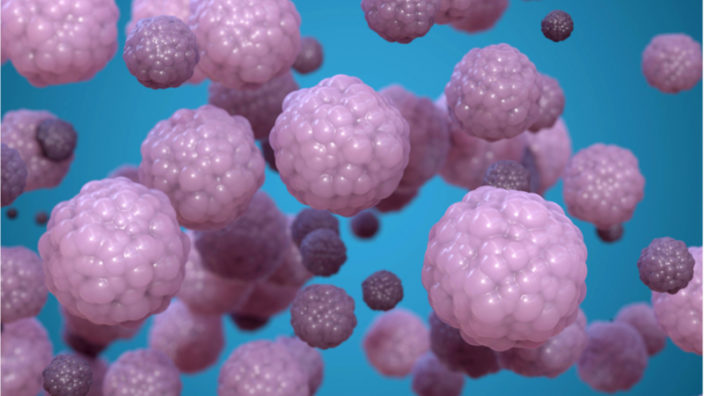
Rick Kiessig Discusses VTose, a Broad-Spectrum Antiviral: Using a similar but not identical method as DRACO, another attempt at creating a broad-spectrum antiviral, VTose causes virally infected cells to remove themselves via apoptosis.

Rejuvenation Roundup Podcast

Ryan O’Shea of Future Grind hosts this month’s podcast, showcasing the events and research discussed here.

Helpful Information

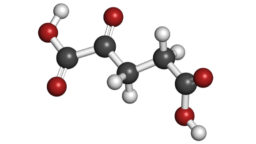
Alpha-Ketoglutarate: While this supplement is used in bodybuilding, its central role in metabolism makes it of interest to aging researchers. This article explains what this molecule is and what it does in the human body.

Tissue Engineering and Regenerative Medicine in Longevity: Tissue engineering and regenerative medicine (TERM) is not directly aligned with longevity, but being able to create organs is of obvious interest to anyone who wants to live longer.

Why NAD+ Declines During Aging – Part 2: The second part in this two-part series discusses how NAD+ is made and what it does throughout the human body, including our mitochondria.

Research Roundup

Clinical Evidence for Targeting NAD Therapeutically: This analysis of previous studies discusses the evidence for targeting NAD+ levels as a means of improving patient outcomes.

Microglial Cells Successfully Replaced by Transplantation: Microglia in the brain are prone to overactive inflammatory reactions, and this can potentially be staved off by replacing these cells with transplanted substitutes.

Alpha-Ketoglutarate Extends Healthspan in Aging Mice: Alpha-ketoglutarate, a critical molecule that forms part of the basic metabolic cycle, has been shown to extend the lifespan of mice.

Brown Fat Transplantation Reduces Obesity in Mice: Brown fat directly burns glucose to produce heat, and transplanting it into mice reduces the effects of a high-fat diet.

Caloric Restriction Improves DNA Repair in Mice: Caloric restriction is known to promote maintenance in cells, and DNA repair, specifically non-homologous end joining, is one of these maintenance tasks.

Spermidine, a caloric restriction mimetic, provides neuroprotection against oxidative stress and apoptosis: The brains of male rats have been shown to be positively affected by this substitute for caloric restriction, producing less of the inflammatory compound interleukin-6.

A Pesco-Mediterranean Diet With Intermittent Fasting: Combining the Mediterranean diet with time-restricted feeding may be a pathway to a longer lifespan.

Methylation Clocks that Measure the Biological Age of Cats: Measuring the age of felines is a first critical step in developing rejuvenation therapies for them.

Underlying features of epigenetic aging clocks in vivo and in vitro: Multiple different clocks can be combined to create a meta-clock that offers greater detail.

Age and life expectancy clocks based on machine learning analysis of mouse frailty: Careful algorithmic analysis of mice allows better use of frailty as an endpoint for rejuvenative interventions.

BMP4 and VEGF Promote Bone Regeneration: By promoting regrowth and vascularization, respectively, BMP4 and VEGF offer hope for people suffering from bone-related ailments.

Senolytic Reverses Chemotherapy-Induced Neuropathy in Mice: Cisplatin works by platinating the DNA of cancer cells, but this also causes damage to healthy neurons in extremities, making them senescent. Senolytics cause these damaged cells to apoptose (die), reducing inflammation and ameliorating the problem of neuropathy.

A Link Between the Microbiome, Heat, and Osteoporosis: Increased temperatures aid the microbiome in ways that lead to downstream effects, including the maintenance of bone.

Microtubule Stabilization Ameliorates Alzheimer’s Symptoms in Mice: By preventing the disintegration of these cellular highways on which transport proteins walk, researchers have prevented some of the damage caused by Alzheimer’s.

A New Microporous Membrane for Skin Regeneration: By applying a microporous amniotic membrane, researchers have been able to heal wounds better than with ordinary amniotic membranes.

Age-Related Female Fertility Decline Linked to Mitochondrial Mutation: Oocytes contain a great many mitochondria, so it is not surprising that mitochondrial dysfunction, one of the hallmarks of aging, leads to the failrue of egg cells.

The mitochondrial-targeted peptide SBT-20 ameliorates inflammation and oxidative stress in chronic renal failure: By restoring mitochondrial membranes, SBT-20 alleviates certain aspects of mitochondrial dysfunction that lead to inflammation.

By Christian Hummert (Ixitixel) – Own work, CC BY-SA 3.0

Plant Flavonoid Naringenin Is a Senotherapeutic: Neural stem cells have been shown to have fewer markers of senescence after exposure to this natural compound.

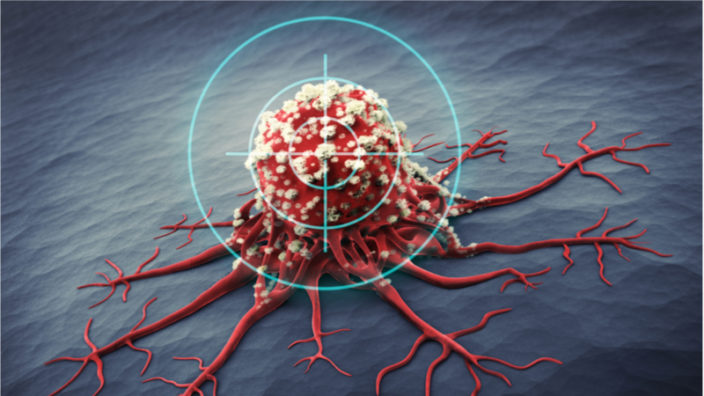
Nanoparticles with Self-Replicating RNA Stop Cancer in Mice: By introducing self-replicating RNA into cancer cells, researchers have been able to cause cancer cells to attract the attention of immune cells.

Spheroids Promote Vascularization in Tissue Regeneration: Vascularization, the development of blood vessels, is critical for tissue development in both regenerative approaches and created organs. This new approach increases the vascularization of tissue.

Age-associated epigenetic changes in chimps and humans: Chimpanzees and humans age in some similar ways, but they age much more rapidly than we do.

The neuromuscular junction is a focal point of mTORC1 signaling in sarcopenia: The mammalian target of rapamycin (mTOR) plays a large role in multiple age-related diseases, and the junctions between nerves and muscle cells are negatively affected by its imbalance.

Time-restricted feeding alters lipid and amino acid metabolite rhythmicity: While restricting feeding times has positive effects on metabolism and causes some regular fluctuations, it does not affect the circadian clock.

Metformin Use Is Associated With Slowed Cognitive Decline and Reduced Incident Dementia: This popular diabetes drug has been shown to have beneficial effects on the brain.

Long-term mid-onset dietary restriction rejuvenates hematopoietic stem cells: These stem cells decrease in function when introduced into an aged environment, but dietary restriction allows them to function better.

Identification of a novel senomorphic agent, avenanthramide C, via the suppression of the SASP: This compound reduces the amount of inflammatory compounds produced by senescent cells.

Exosomes derived from human placenta-derived mesenchymal stem cells improve neurologic function: Exosomes from stem cells have been shown to promote vascular regeneration, including vessel connectivity and vessel function, in a model of spinal cord injury.

News Nuggets

New iPhone App Measures Biological Age: Deep Longevity and Young.ai are offering an app to help you keep your biological age under your chronological age.

Spheroids

Spheroids Promote Vascularization in Tissue Regeneration

New results published in the journal Biofabrication may help researchers on their quest to regenerate vascularized tissues.

Growing capillaries 

Regenerative medicine, which aims to regenerate and replace damaged tissues, is particularly invested in developing vasculature. Since most tissue types are vascularized, it follows that progress in vascular regeneration advances the regeneration of many other tissue types as well. In fact, the difficulty of regenerating vasculature within another tissue type remains one of the foremost limitations of regenerative medicine. While very small tissues have been developed in the lab, these same strategies fail when applied to larger structures since the cells in the deepest regions are not able to survive.

Spheroids to steer regeneration

Recently, researchers at Hallym and Sungkyunkwan Universities developed and applied a novel strategy for inducing the regeneration of vascular tissue, also known as angiogenesis [1]. These researchers created miniature “spheroids” using human adipose-derived stem cells. Spheroids are little balls of cells, in this case ranging from 200-300 µm across, which mimic the in vivo microenvironment. In this study, the spheroids released many more anti-inflammatory and angiogenic factors compared to cells cultured in 2D. The researchers hypothesize that this is due to the mildly hypoxic conditions of the spheroids. Because the spheroid cells have a greater need for oxygen, they release factors that, in vivo, would cause capillaries to grow in their direction.

They also compared the efffects of growing these spheroids on two different hydrogels: collagen and alginate. In collagen, the cells preferred to attach to the collagen fibers rather than stay in their spheroid shape. While, in general, cell attachment is viewed as a positive in regenerative medicine, in this application, the mildly hypoxic environment of the spheroids is preferred. In alginate, the cells maintained their spheroid shape and continued to release more anti-inflammatory and angiogenic factors than in collagen.

The researchers also examined whether embedding the spheroids within the hydrogel or seeding them on top was more beneficial. The results showed seeding to be preferred to embedding, potentially because the environment of the embedded spheroids was too hypoxic, limiting their activity levels. Therefore, seeding the spheroids on alginate was determined to be the best approach in order to maximize angiogenesis.

We developed a 3D alginate scaffold loaded with hASC spheroids to drive angiogenesis during skin tissue regeneration. To fabricate a scaffold that maintains the properties of the spheroids, we entrapped the spheroids in the pores of a 3D-printed mesh structure supplemented with electrospun nanofibers. Analysis of gene expression in the spheroid-scaffolds revealed that the alginate-scaffolding structure clearly retained the characteristics of the spheroids. More specifically, the major application of the spheroid scaffold is the retention of the ability of hASC spheroids to express angiogenic and wound healing-related genes after transplantation to a higher degree than single-cells or single cell-scaffolds. These results suggest that our hybrid alginate structure could represent a new strategy for harnessing and utilizing the outstanding angiogenic components of hASC spheroids.

Conclusion

This research, while focusing on vascular regeneration, has several implications for the broader field of regenerative medicine. It provides additional evidence for the growing belief that, in cell therapies, the therapeutic benefit comes from the implanted cells’ release of factors that influence the host cells (as opposed to the implanted cells acting on their environment directly). It also offers significant promise as a way to promote angiogenesis in many different tissue types. However, it remains to be seen whether this approach is as effective in vivo as it is in vitro and how it stacks up against other proposed vascular regeneration strategies.

We would like to ask you a small favor. We are a non-profit foundation, and unlike some other organizations, we have no shareholders and no products to sell you. All our news and educational content is free for everyone to read, but it does mean that we rely on the help of people like you. Every contribution, no matter if it’s big or small, supports independent journalism and sustains our future.

Literature

[1] Lee, J. S., Chae, S. J., Yoon, D., Yoon, D., Chun, W., Kim, G., H. (2020). Angiogenic factors secreted from human ASC spheroids entrapped in an alginate-based hierarchical structure via combined 3D printing/electrospinning system. Biofabrication, 12(045028).

Targeting tumors

Nanoparticles with Self-Replicating RNA Stop Cancer in Mice

A group of researchers have devised an effective anti-cancer therapy by loading cytokine-coding RNA fragments into lipid nanoparticles and injecting them directly into the tumor [1].

Anti-cancer immunotherapy is a powerful novel strategy that has given hope to millions of cancer patients. The immune system has a few aces up its sleeve when fighting cancer, but many types of cancer cells have found ingenious ways to escape its wrath, such as expressing proteins that turn immune cells off. Immunotherapy attempts to neutralize cancer cells’ defenses and amplify the natural immune response to cancer. Yet, it has its limitations: not all cancer patients respond to immunotherapy, and the available immunotherapeutic agents are often expensive and toxic [2].

Three in one

As this paper explains, a truly effective treatment that results in self-sustaining anti-tumor immunity must stimulate three outcomes at once: immunogenic cancer cell death (ICD), inflammation, and immune priming. The researchers claim to have succeeded in packing these three actions into one therapy – even better, into one injection – by creating lipid nanoparticles (LNPs) loaded with self-replicating RNA that codes for the cytokine interleukin-12 (IL-12). The effects of the therapy were confirmed in vivo in mice and in vitro across several types of human cancer cells.

All the elements of this “weapon system” perform their specific roles. The first is the LNP membrane. The lipid formulation that the researchers used to create it is toxic enough to trigger ICD. Empty LNPs injected into the tumor also induced the collapse of the vasculature at the tumor core, suffocating cancer cells there. However, not all cancer cells died from the exposure to LNPs.

Any RNA – but not just any RNA

The second line of attack is the RNA cargo, which works for any kind of RNA. The mere presence of foreign RNA, even non-coding, elicited a response from the cancer cells. When injected into the tumor, LNPs loaded with benign RNA fragments nevertheless led to the activation of toll-like receptors (TLRs). Because TLRs act as an alarm system that induces inflammation, triggers immune response, and helps immune cells discriminate between healthy and cancerous cells, TLR activation has long been a target of anti-cancer research [3, 4]. The increased presence of TLRs recruited the innate immune system by producing large quantities of type 1 interferon. Sensing the interferon, immune cells of various types, such as neutrophils and natural killer (NK) cells, rushed to the site and attacked the tumor. The researchers found that even with this inactive payload, the first two tiers of the therapy combined had a considerable therapeutic effect.

Of course, the RNA cargo is a meaningful component of the system as well. For this role, the researchers chose artificially created, non-viral RNA fragments that rapidly self-replicate and code for IL-12, a powerful stimulator of immune cell activity via the interferon-gamma (IFNγ) pathway [5]. Even simple intratumoral injection of IL-12 is known to elicit a strong anti-cancer immune response, and many researchers are currently looking for better ways of delivering IL-12 to tumors. LNPs loaded with IL-12-coding RNA apparently did the job well, creating a burst of IL-12 production in cancer cells that greatly enhanced the treatment’s effect. To understand which type of immune cells was instrumental for this final push, the researchers depleted one cell type at a time until they found that IL-12 production triggered dendritic cells (DCs), which are especially good in antigen presentation, to migrate towards the tumor. As a result, swarms of DCs presented cancer antigens in tumor-draining lymph nodes, priming T cells and facilitating a prolonged anti-cancer effect.

How systemic is the response?

Since the therapy elicited a systemic anti-tumor response, the researchers were hopeful that it would be able to affect other tumors that were not directly treated. To check this hypothesis, the researchers treated one flank of mice that had tumors in both flanks. Both tumors were indeed affected by the therapy, especially when combined with checkpoint inhibition treatment (anti-PD1 therapy).

What about metastasizing tumors? To simulate metastasizing, the researchers injected cancer cells into the bloodstreams of mice along with introducing tumors. Untreated mice developed metastases in the lungs, but the treated ones fared much better. Alhough the treatment was not as effective in this case as it was against individual tumors, it still led to greatly improved outcomes.

In summary, we demonstrate here a potent single-agent multifactorial strategy for in situ vaccination of tumors, employing a synthetic nanoparticle formulation consisting of engineered self-replicating RNAs delivered by an immunogenic cell death-inducing LNP. By combining rapid ICD induced by the LNP, innate immune stimulation and transient payload gene expression from the replicon RNA, a cascade of rapid TME (tumor microenvironment) remodeling and antigen presentation is induced.

Conclusion

The researchers achieved highly promising results by packing three anti-cancer effects into a synergetic treatment using cutting-edge technology: lipid nanoparticles and artificially created self-replicating RNA fragments. This approach allows for highly targeted delivery. Tumor regression was achieved following a single injection, which is a major success in the vibrant and rapidly developing field of cancer immunotherapy.

We would like to ask you a small favor. We are a non-profit foundation, and unlike some other organizations, we have no shareholders and no products to sell you. All our news and educational content is free for everyone to read, but it does mean that we rely on the help of people like you. Every contribution, no matter if it’s big or small, supports independent journalism and sustains our future.

Literature

[1] Li, Y., Su, Z., Zhao, W., Zhang, X., Momin, N., Zhang, C., … & Weiss, R. (2020). Multifunctional oncolytic nanoparticles deliver self-replicating IL-12 RNA to eliminate established tumors and prime systemic immunity. Nature Cancer, 1(9), 882-893.

[2] Galluzzi, L., Chan, T. A., Kroemer, G., Wolchok, J. D., & López-Soto, A. (2018). The hallmarks of successful anticancer immunotherapy. Science translational medicine, 10(459).

[3] Kaczanowska, S., Joseph, A. M., & Davila, E. (2013). TLR agonists: our best frenemy in cancer immunotherapy. Journal of leukocyte biology, 93(6), 847-863.

[4] Cen, X., Liu, S., & Cheng, K. (2018). The role of toll-like receptor in inflammation and tumor immunity. Frontiers in pharmacology, 9, 878.

[5] Ni, L., & Lu, J. (2018). Interferon gamma in cancer immunotherapy. Cancer medicine, 7(9), 4509-4516.

Ribes meyeri

Plant Flavonoid Naringenin Is a Senotherapeutic

Researchers have published a new animal study showing that the plant flavonoid naringenin may be useful in targeting problematic senescent cells in the brain.

Ribes meyeri (also known as Ribes meyeri maxim) is a native plant to central Asia, Mongolia and Northeast Afghanistan and is part of the Saxifragaceae family and the Ribes genus; this is why it appears similar to the blackcurrant, a species of popular fruit bush typically grown in Europe.

The plant leaves and roots are a rich source of flavonoids, some of which have anti-inflammatory and anti-cancer effects and have been identified as a potential source of senolytic compounds that target senescent cells [1]. Naringenin is just one of the various active flavonoids present in R.meyeri.

Naringenin was first isolated from R.meyeri by Dr. Zhou’s research team in a 1995 study of the Ribes genus native to China [2]. The flavonoid is also present in high amounts in R.sativum, otherwise known as the redcurrant. It can also be found in the closely related R.nigrum (blackcurrant) and other soft fruits [3].

Naringenin is a known antioxidant and reduces amyloid-induced reactive oxygen species (ROS) inflammation similarly to other related flavonoids, such as quercetin and apigenin.

The researchers of a new study have investigated R.meyeri and naringenin for its potential ability to reduce proinflammatory signaling by senescent neural cells and spur neurogenesis, the process through which new neurons are created in the brain, in mice [4].

There is particular emphasis on the pro-inflammatory cytokine tumor necrosis factor alpha (TNF-a), an important cellular signaling protein that regulates systemic inflammation and is one of the key cytokines that make up the acute phase reaction. TNF-a is a constituent of the senescence-associated secretory phenotype (SASP), the cocktail of proinflammatory signals given off by senescent cells that impairs tissue regeneration, causes cells to behave incorrectly, impedes cell to cell communication, and contributes to inflammaging, the chronic age-related inflammation present in the elderly.

The research community is currently focused on developing ways to combat the SASP from senescent cells, either by blocking its activity or through senolytics, a direct method of destroying senescent cells. Flavonoids such as quercetin, apigenin, and naringenin have been of great interest in this context, given that a number of them appear to target senescent cells.

Aging is associated with neurological impairment and cognitive decline. Flavonoids are very promising in anti-aging research in mouse models. Ribes meyeri anthocyanins are rich in abundant flavonoids, but their anti-aging biological activities remain unknown. In this study, we prepared an R. meyeri anthocyanin extract and analyzed its effects on neural stem cell (NSC) senescence in vivo and in vitro. We isolated mouse NSCs and used cell counting kit-8 (CCK-8), cell cycle, reactive oxygen species (ROS), and immunofluorescence methods to analyze the anti-aging effects of R. meyeri anthocyanins as well as naringenin (Nar), which metabolic analysis revealed as an important flavonoid in R. meyeri anthocyanins. RNA-sequencing (RNA-seq) and enzyme-linked immuno sorbent assay (ELISA) methods were also used to investigate Nar-specific mechanisms of anti-aging. After R. meyeri anthocyanin treatment, NSC proliferation accelerated, and NSCs had decreased senescence markers, and reduced P16ink4a expression. R. meyeri anthocyanin treatment also reversed age-dependent neuronal loss in vivo and in vitro. Nar blocked mNSC aging in vitro and improved spatial memory and cognitive abilities in aging mice through downregulation of plasma TNF-a protein. These findings suggest that R. meyeri anthocyanins increase NSC proliferation and improve neurogenesis with aging via Nar-induced reductions in TNF-a protein levels in vivo.

Conclusion

This research is of interest as it could be another useful compound in the battle against senescent cells, and the resulting neurogenesis, likely the result of reduced chronic inflammation, is promising. Neurogenesis typically occurs during development and early childhood, but it does continue into adult life and is an important factor in cognitive function and recovering from brain injury.

Compounds that are able to reduce systemic inflammation, reduce excessive ROS, and potentially target senescent cells and their secreted SASP are incredibly important, and, without a doubt, we will see more of these natural plant flavonoids appearing in the context of senolytics in the near future.

We would like to ask you a small favor. We are a non-profit foundation, and unlike some other organizations, we have no shareholders and no products to sell you. All our news and educational content is free for everyone to read, but it does mean that we rely on the help of people like you. Every contribution, no matter if it’s big or small, supports independent journalism and sustains our future.

Literature

[1] Zhu, Y., Doornebal, E. J., Pirtskhalava, T., Giorgadze, N., Wentworth, M., Fuhrmann-Stroissnigg, H., … & Kirkland, J. L. (2017). New agents that target senescent cells: the flavone, fisetin, and the BCL-XL inhibitors, A1331852 and A1155463. Aging (Albany NY), 9(3), 955.

[2] Ling-ti, L. (1995). A Study on the Genus Ribes L. in China. Journal of Systematics and Evolution, 33(1), 58-75.

[3] Karjalainen, R., Anttonen, M., Saviranta, N., Stewart, D., McDougall, G. J., Hilz, H., … & Törrönen, R. (2008, September). A review on bioactive compounds in black currants (Ribes nigrum L.) and their potential health-promoting properties. In I International Symposium on Biotechnology of Fruit Species: BIOTECHFRUIT2008 839 (pp. 301-307).

[4] Gao, J., Wu, Y., He, D., Zhu, X., Li, H., Liu, H., & Liu, H. (2020). Anti-aging effects of Ribes meyeri anthocyanins on neural stem cells and aging mice. Aging, 12(17).

Image by Christian Hummert (Ixitixel) – Own work, CC BY-SA 3.0
Rick Kiessig interview

Rick Kiessig Discusses VTose, a Broad-Spectrum Antiviral

Recently, we had the opportunity to interview Rick Kiessig, the co-founder of Kimer Med, a company developing a broad-spectrum antiviral that has the potential to destroy a wide range of viruses.

Its drug, known as VTose, is a variant of an older antiviral drug known as DRACO, which unfortunately failed to gain sufficient funding a few years ago and became a victim of the valley of death, like so many other promising drugs and therapies do.

Kimer Med are building upon the work that went into DRACO and developing its own variant with the aim of creating an antiviral that can knock out multiple viruses. Needless to say, if such a drug could be successfully developed, it would have implications for a myriad of infectious and age-related diseases.

Can you explain in plain language how VTose works?

VTose is a protein with three functional pieces.

On their own, proteins don’t normally pass through cell walls and into cells. So, the first piece is a short “tag,” which solves that problem, allowing the protein to enter the cell.

The other two pieces are parts of proteins that already exist in every cell in the body. One of them binds to long segments of double-stranded RNA (dsRNA), which are only produced by viruses, not healthy cells.

The binding process then activates the final piece, which causes the cell to commit suicide. This process, called apoptosis, is normal and natural in the body and happens to billions of cells every day. We’re actually helping cellular machinery and the immune system do what viruses are preventing them from doing.

After apoptosis, scavenger cells clean up what’s left of the cell. Viral proteins and the virus itself are destroyed.

Why did the name change to VTose?

As defined by Rider, “DRACO” is actually his name for a family of compounds, not just one. DRACO is ultimately Rider’s thing, done a certain way. We will certainly end up doing some or perhaps many things differently, and don’t want to claim to be something we’re not.

We also want our own trade name for a compound that will reflect our changes, investigations, effort, and innovations.

What kinds of viruses could VTose potentially address?

Rider found DRACO was effective against every virus he tested against: 15 different ones, including a number of different types.

One of the early viruses that we want to look at is SARS-CoV-2, of course. Influenza, HIV, Hepatitis B, Herpes, CMV, HPV and EBV are also of interest, as are viruses in pets and livestock, such as FIP in cats.

We know all viruses create dsRNA, so it’s possible that VTose could end up being effective against all of them. However, we also know that viruses have quite a wide range of defenses, including doing things like interfering with the cell’s normal ability to bind with dsRNA and to self-destruct. It’s possible that those same defenses will prevent VTose from working in certain viruses. We won’t know for sure until we test.

Fortunately, we have different formulations we can try for VTose to work around viral defenses, should we eventually run into any that prevent it from working.

Making the project a success is going to take lots of work and specialist knowledge. Can you tell us a little bit about yourself, your co-founder, and your team and why you think you can succeed where Rider failed?

My co-founder Phil and I both have an entrepreneurial background. I ran my own business in Silicon Valley for about 20 years. I’ve also worked with or for about a dozen start-ups, so I’m very familiar with what it takes to start and run a company. By trade, I’m a software architect. In addition, I studied biochemistry in school, and it’s been an ongoing interest of mine in the 40+ years since then. Phil’s degree was in Biomedical Engineering, and he also has a software background.

We strongly believe in the vision and promise of broad-spectrum antiviral technology and that this work is important.

We have the scientific background needed to understand Rider’s work in depth and to work with experts to specify and manage in vitro and in vivo testing. In areas where we have knowledge gaps, or as the company grows, fortunately, expert skills can also be hired. We are already getting advice from specialists at places like Callaghan Innovation, University of Otago, and Massey University.

I admire Dr. Rider and his work greatly. One area where I think we differ is my focus is less on research and more on bringing a product to market.

We’re fortunate these days that much of the work involved with bringing a new drug to market can be contracted out, and we have the project management experience needed to make that happen.

With something as promising as DRACO, you would have thought it would have had no problem finding funding, given its broad antiviral potential. Why did DRACO fail to gain traction in your opinion, when the attempt was made to fundraise for it a few years ago?

Dr. Todd Rider, the inventor of DRACO, said he found that government grant and NIH-type funding related to pharmaceuticals is largely limited to two broad areas: either basic research or the final step of bringing a new drug to market. However, they apparently don’t like to fund the middle part (where we are now), which involves clinical trials.

He also felt that investment from pharma companies would require showing effectiveness against commercially interesting viruses, such as herpes, which is why that was one of the goals of his 2015/2016 crowdfunding campaigns.

My view is a bit more cynical. Pharma companies have a number of drugs to treat viral illness (antivirals and others). Many of those drugs require regular use for a long period of time, because they don’t make the virus go away, they just temporarily keep the symptoms at bay as long as you continue to take them.

Those drugs represent significant revenue streams. Introducing what could be a cure therefore might not be seen in a positive light. To compound the problem, pharma companies also have a significant influence on government funding.

It’s been almost a decade now since the Riders PLoS ONE paper about DRACO, why hasn’t anyone done anything with it before now?

One reason nothing was done before now with DRACO is that it was patented by Rider and MIT Lincoln Labs, where he worked at the time. However, it turns out that MIT/LL recently abandoned those patents. Patents normally last 20 years, but you have to pay maintenance fees to keep them active. If you don’t pay the fees, the patents expire; that’s what happened here.

It’s worth noting that the rest of the world hasn’t completely ignored Rider’s work: two labs have replicated the basics. One in China in 2015, and another in Iran just this year.

Patents certainly aren’t the only reason nothing much has been done with DRACO since 2011, though. The objections that come up when discussing the subject are actually a very interesting reflection of human nature. Quite a few people simply don’t believe the previous results. They think if it was real, surely someone would have already stepped in and done something, or they think the work wasn’t published in a “serious enough” journal and is therefore questionable. Others have fundamental misunderstandings about the underlying biochemistry.

The idea that it wasn’t published in a high enough impact journal (and Plos is hardly a minor player) says everything about how broken the journal system is and how it is holding back scientific progress. We supported the 2018 Jason Schmitt film Paywall: The Business of Scholarship, by getting an interview with the owner of Sci-Hub, the site that provides free access to scientific papers. What is your view on how journals lock scientific knowledge behind extortionate fees and what needs to change to make sharing scientific knowledge work better?

I run into paywalls myself all the time, and they drive me crazy. I completely support the idea of open access to scientific papers.

My view is that journals currently have a successful yet problematic business model and that the current reward system for academics reinforces the problems with journals.

However, scientific research is stifled not just due to the lack of open access to published papers, but also by the way journals select articles to publish and the way peer review is done. I believe lots of very good work is being lost due to these controls.

My suggestion for a place to start with change would be that the terms of all government-sponsored research should include a requirement that the results are published open access. That would also cause academic institutions to re-evaluate their reward systems, since so much of their work is government sponsored.

It is hard to believe people think the science that Rider did was not of high enough quality; I understand that he actually went above and beyond with his experiments. You obviously must think so, or you would not have decided to take this project on. What convinced you in particular that the scientific merit was there despite its vocal critics?

First, I actually read Rider’s paper. Many of Rider’s critics clearly didn’t even get that far. In fact, I’ve read it now at least five times, and each time through, I pick up some new and fascinating insights.

I consider the paper to be a tour de force. He did much more work than he had to in order to get published. My guess is that he may have suspected that he wouldn’t be believed, so instead of reporting results on one virus, he tested 15. Not just one virus family, but seven. Not just one genome type, but 4. Not just one tissue type, but 11. Not just in vitro, but also in vivo in mice. He even verified mechanisms of action and ruled out effects by secondary compounds.

I also read Rider’s patent; all 250 pages’ worth. Mixed in with the horribly repetitive legal and technical language, there were a number of additional valuable insights.

Considered as a whole, I found the weight of the technical evidence and the proposed mechanisms of action to be very convincing. In addition to that, it also helps that the basics of his work have now been reproduced in two other labs.

Obviously, our focus is on aging and age-related diseases here at lifespan.io. With that in mind, in what ways do you think VTose might potentially influence aging?

One area where a broad-spectrum antiviral could help improve longevity is by reducing or eliminating the inflammation caused by chronic viral infections of all kinds. Excessive inflammation is a known contributor to aging.

There is also evidence that viruses are associated with a surprisingly wide range of diseases, including multiple sclerosis (HHV6A) in addition to chronic conditions, such as ME/CFS.

What about the persistent virus cytomegalovirus (CMV), which is thought to contribute to the age-related decline of the immune system?

There is evidence that CMV infections are associated with an age-related decline in the function of the immune system (immunosenescence).

Finding a way to cure CMV may therefore help reverse this age-related decline. That makes CMV an important target for longevity research. It’s a priority for us, too, for the same reason.

In addition, CMV may also be involved in several other widespread health problems, including ME/CFS.

Ditto on HSV-1 & HSV-2?

These are also important early targets for testing, both due to the obvious reason that they are common viral infections and also due to recent evidence showing a connection between HSV-1 and Alzheimer’s.

Given that viruses frequently infect large populations of cells, is there a danger that VTose could end up killing a large number of cells at once and, with that, pose a significant risk to health?

Although possible in theory, massive cell death was never seen by Rider during his testing in mice.

There are several factors at play here; some work in our favor, and some don’t. It’s not just the number of cells that are infected. It’s also their location, the tissue type(s) involved, the density of infection, the current status of the viral replication cycle, and so on.

Ultimately, we won’t know for sure until we test; it’s certainly something that we will be watching for.

If it does end up being an issue, we have a number of work-arounds in mind. As an example, one obvious approach would be to use micro-dosing so that only a small number of cells at a time have a concentration of the drug high enough to trigger apoptosis.

What would be your timeline to Phase 1 clinical trials?

There are a lot of moving parts that feed into an answer to that question: everything from which viruses we end up testing against to which tests we run, which labs we use, what our results look like, and so on. In addition to funding, of course!

If we end up with enough funding, our preference would be to focus on clinical trials first and foremost.

With less-than-optimal funding, we are planning to work with veterinary specialists in New Zealand, and other vets internationally, to treat one or more viral diseases in pets and/or livestock. This will allow us to bring a product to market sooner than would otherwise be possible but might also slightly delay a product for humans.

With enough funding, a relatively narrow focus, and no significant distractions, we believe it’s possible to complete pre-clinical trial testing and analysis and an Investigational New Drug (IND) application and be ready for Phase 1 clinical trials in 18 to 24 months.

However, we don’t know what we don’t know. As with any drug development program, surprises are always possible.

In closing

A successfully working broad antiviral has significant implications for aging, especially in the context of the decline of the immune system, where persistent viruses put additional strain on dwindling cellular resources, and in reducing the level of chronic inflammation known to impair tissue regeneration and other critical cellular communication. We would like to thank Rick for taking the time to speak with us about this fascinating drug and would like to wish the Kimer Med team the very best of fortune in its journey to bring VTose to market.

Image of an oocyte

Mitochondrial Mutations Associated with Fertility Decline

According to new research, mutations accumulate in the mitochondrial DNA of egg cells, leading to changes in cellular metabolism, which result in reduced fertility. The study also showed that Nicotinamide mononucleotide (NMN) treatment can restore the metabolic balance in aging mouse oocytes, rescuing fertility.

Defective eggs

Although malfunctioning of mitochondria and the accumulation of mutations in mitochondrial DNA (mtDNA) have been hypothesized to contribute to age-induced infertility, a clear link has not been demonstrated. To investigate this, a team of researchers at universities in China combined observations of human oocytes – egg cells – with experiments in a mouse strain commonly used to study mtDNA mutations [1].

The team began by looking at oocytes from women undergoing in vitro fertilization or intracytoplasmic sperm injection. They found that oocytes from women older than 38 had more mtDNA mutations than oocytes from women younger than 30, and they were more likely to have rare mtDNA mutations. Additionally, the older patients had lower rates of blastocyst formation than their younger counterparts.

While these findings hint at a link between mtDNA mutations in oocytes and reduced fertility, they only show a correlation, not a causal relationship. The data are also drawn from women using fertility treatment and so may not be representative of the general population. To address these shortcomings, the team turned to experiments in mice.

Digging deeper

The researchers took advantage of a mouse strain with a defective version of an enzyme that synthesizes mtDNA. By breeding these with wild-type mice, they were able to generate a series of mice with four levels of mtDNA mutation: negligible, low, moderate, and high. This made it possible to show a quantitative correlation between mtDNA mutations and reduced fertility.

It also enabled the team to determine which sex was responsible for the reduced fertility. They crossed mutant male or female mice with wild-type mice and found that the reduced fertility only occurred when the female mice were of the mutated type. In other words, mtDNA mutation doesn’t seem to reduce the fertility of male mice. Further observation linked the reduction in fertility with aging of the ovary.

Given the relationship between mitochondrial malfunction and oxidative phosphorylation in cellular metabolism, the team next investigated the status of the key redox molecules nicotinamide adenine dinucleotide (NAD⁺) and its reduced partner, NADH. They found that the NADH/NAD⁺ ratio was lower in mouse oocytes with more mtDNA defects, suggesting that these cells had impaired redox metabolism. The team also confirmed that the same pattern held in oocytes from older wild-type mice.

To confirm the link between NADH/NAD⁺ and fertility, the team treated the mutant mice with nicotinamide mononucleotide (NMN), a compound that has been shown to benefit the NADH/NAD⁺ state of a cell. NMN treatment rescued the fertility of the mutant mice, showing that the NADH/NAD⁺ ratio in oocytes affects fertility.

Mammals’ aging is correlated with the accumulation of somatic heteroplasmic mitochondrial DNA (mtDNA) mutations. Whether and how aging accumulated mtDNA mutations modulate fertility remains unknown. Here, we analyzed oocyte quality of young (≤30 years old) and elder (≥38 years old) female patients and show the elder group had lower blastocyst formation rate and more mtDNA point mutations in oocytes. To test the causal role of mtDNA point mutations on infertility, we used polymerase gamma (POLG) mutator mice. We show that mtDNA mutation levels inversely correlate with fertility, interestingly mainly affecting not male but female fertility. mtDNA mutations decrease female mice’s fertility by reducing ovarian primordial and mature follicles. Mechanistically, accumulation of mtDNA mutations decreases fertility by impairing oocyte’s NADH/NAD+ redox state, which could be rescued by nicotinamide mononucleotide treatment. For the first time, we answer the fundamental question of the causal effect of age-accumulated mtDNA mutations on fertility and its sex dependence, and show its distinct metabolic controlling mechanism.

Conclusion

Taken together, these findings offer an explanation for at least part of the reduction in ferility experienced by aging female mammals. With age, the accumulation of mutations in the mtDNA of reproductive cells leads to metabolic disruption in the form of an altered NADH/NAD⁺ ratio and a perturbed oxidation state. It’s not clear precisely how this change affects the oocytes and ovaries, but the final result is reduced fertility. While it’s exciting to see that NMN treatment can reverse this, generalizing from mice to humans would be hasty. Nevertheless, by identifying the various components at play, this study offers a path forward for research on the link between fertility and aging.

Literature

[1] Yang, L., Lin, X., Tang, H., Fan, Y., Zeng, S., Jia, L., Li, Y., Shi, Y., He, S., Wang, H., Zhijuan, H., Gong, X., Liang, X., Yang, Y. and Liu, X. Mitochondrial DNA mutation exacerbates female reproductive aging via impairment of the NADH/NAD+ redo. Agigin Cell, doi: 10.1111/acel.13206

Woman applying topical skin cream

A New Microporous Membrane for Skin Regeneration

A new study published in Archives of Dermatological Research has shown that a novel microporous membrane can promote the regeneration of healthy human skin.

Skin regeneration

Skin regeneration has been a major goal for tissue engineering and regenerative medicine. However, natural skin is difficult to recapitulate because of its many different layers, components (such as hair follicles and sweat glands), and cell types. Each of these factors is critical to functional skin and poses a different roadblock to regenerating it. Furthermore, regenerative wound healing must compete with the faster, less functional, fibrotic scar tissue healing response. This is complicated even more by the fact the patients who need these treatments most, such as older adults and people with diabetes, are less able to tap into their body’s natural wound healing response.

One strategy currently used in the clinic is to apply an amniotic membrane to the wound. Surprisingly, this material, which typically is discarded after live births, has many of the same extracellular matrix components as skin. It also contains many growth factors that suppress inflammation (a major limitation in chronic wounds) and upregulate tissue formation. While this material improves the wound healing process, it still has room for improvement in closure speed, the size of wounds it can heal, and in limiting the formation of scar tissue.

A small change can make a big difference

Recently, researchers have reported on a manufacturing strategy that improves upon this material. [1] They hypothesized that the high density of amniotic membrane hinders the healing process by restricting cell penetration and mobility at the wound site. By applying a chemical treatment, a  team at the Royan Institute for Stem Cell Biology and Technology created a membrane with a more microporous structure and tested it in diabetic rats.

They found a slight increase in tissue formation and a large increase in vascularization in their microporous amniotic membrane compared to the membranes typically used in the clinic. Additionally, their implant considerably decreased inflammation, a key issue for chronic wounds in diabetic patients.

To the best of our knowledge, the present study was the first report on generation and application of bioengineered HAM-S to enhance healing of an ischemic and delayed wound in diabetic type 1 animal model. The results demonstrated that the natural 3D micro-porous scaffold has more impact in the wound healing process compared to traditional use of HAM. It is suggested that the suitable pore size for cells adhesion, penetration, and migration are markedly positive properties of the bioengineered scaffold relative to the HAM-M. Yet, to develop a more advanced scaffold in the platform of tissue engineering to overcome the diabetic ulcer, further investigations using other synergic key players are needed.

Conclusion

This study demonstrated a clear improvement over a wound healing strategy currently used in the clinic by making only a moderate change to the existing treatment. This is promising news for people with chronic wounds; of course, the results in humans remain to be seen, and there will still be considerable room for improvement in skin regeneration beyond this new treatment.

We would like to ask you a small favor. We are a non-profit foundation, and unlike some other organizations, we have no shareholders and no products to sell you. All our news and educational content is free for everyone to read, but it does mean that we rely on the help of people like you. Every contribution, no matter if it’s big or small, supports independent journalism and sustains our future.
Literature

[1] Nasiry, D., Khalatbary, A. R., Abdollahlfar, M.-A., Amini, A., Bayat, M., Noori, A., Piryael, A. (2020). Engraftment of bioengineered three-dimensional scaffold from human amniotic membrane-derived extracellular matrix accelerates ischemic diabetic wound healing. Archives of Dermatological Research, online ahead of print.

CGI of proteins walking

Microtubule Stabilization Ameliorates Alzheimer’s Symptoms

A group of researchers has been able to ameliorate Alzheimer-like pathologies in mice by using a microtubule-stabilizing compound [1].

Cellular highways

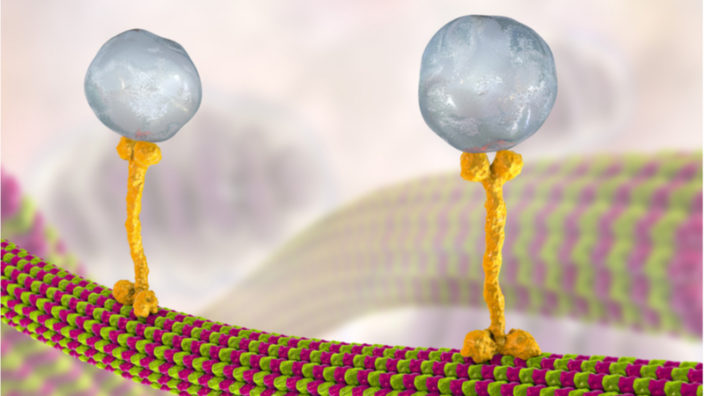
Microtubules (MTs) are tiny pipe-like structures that are made mostly of the polymerized protein tubulin. They constitute an important part of the cytoskeleton, a network of filaments that permeates the cell and performs many vital functions. The cytoskeleton helps maintain the cell’s structural integrity but can also contract, changing the cell’s shape to allow for cell migration [2]. One of MTs’ most important roles is to facilitate cell division by forming spindles [3]. MTs also work as “cellular highways”; ATP-powered molecules called motor proteins, such as dynein and kinesin, literally walk along the MTs, delivering cargo (proteins and organelles) to various regions within the cell.

This mode of transportation is especially important for highly elongated cells such as neurons, where the body (soma) and the opposite end that contains axon terminals are connected by a long and thin axon. As a result, neurons rely on MTs for the orderly and speedy delivery of cargo to and from the soma via the axon, particularly because some axons are a full meter in length. Even the bulky energy-producing mitochondria are transported to axonal terminals via MTs.

MTs and tau proteins

Tau proteins help maintain MT stability. The problem arises when tau molecules become hyperphosphorylated, which occurs when all the locations that allow for the addition of a phosphor atom fill up. These phospho-tau molecules lose their power to hold MT components together, causing MTs to disintegrate. On top of the havoc wreaked by MT disintegration, tau molecules become clumped into insoluble aggregates called neurofibrillary tangles (NFTs). The accumulation of these tangles is a major symptom of Alzheimer’s disease (AD) and some other neurodegenerative pathologies.

Credit: Alzheimer’s Disease Education and Referral Center / National Institute on Aging

Can MT stability lead to less Aβ?

Several compounds that help maintain MT stability, such as taxanes and epothilones, are already in use in chemotherapy [4]. They have also been featured in a few recent preclinical studies of various tauopathies, including AD. What has remained unknown until now is whether they can influence the other hallmark of AD – the accumulation of amyloid-beta (Aβ) peptides.

In the current study, the researchers used transgenic mice prone to accelerated accumulation of Aβ and neuronal loss in several critically important areas of the brain, such as the hippocampus. These mice do not exhibit NFT formation but show other tau pathologies, suggesting crosstalk between tau and Aβ.

The mice that were treated with Epothilone D (EpoD), a brain-penetrating, MT-stabilizing agent, showed significant decrease in both the phospho-tau levels and in the intracellular and extracellular hippocampal Aβ accumulation. Until a few years ago, the prevalent hypothesis blamed AD development on the formation of Aβ plaques. Yet, recently, after several high-profile clinical trials based on this hypothesis ended unsuccessfully, the focus has shifted towards soluble Aβ oligomers that were found to be highly neurotoxic. Interestingly, EpoD treatment was especially effective in lowering the levels of these Aβ oligomers.

The Aβ-decreasing effect of EpoD was also confirmed in cell cultures. After ruling out other possible pathways, the researchers concluded that MT stabilization was indeed the mechanism behind Aβ reduction.

The researchers then evaluated the MT-stabilizing effect of EpoD by analyzing the expression of acetylated tubulin (AcTub). Tubulin acetylation can only happen after MTs are formed by polymerization, which makes AcTub an effective biomarker of MT stability. The untreated mice exhibited higher microtubule instability compared to the control group, but EpoD treatment brought a significant improvement on this front.

A battery of tests was performed to assess various cognitive functions in the mice, such as spatial memory and novel object recognition. EpoD-treated mice showed major improvements in most of the tests, sometimes performing similarly to the healthy control group.

MT disintegration and the consequent disruption of intracellular traffic lead to deformed and underperforming neurons. The researchers have found that EpoD helped to restore neuronal integrity and, as a result, neuronal function, which probably played a major role in the amelioration of cognitive decline.

Conclusion

This particular mechanism appears to be a positive feedback loop between Aβ accumulation and MT instability: the accelerated accumulation of Aβ in the transgenic mice apparently led to MT disintegration, which, in turn, caused even greater Aβ accumulation. The researchers were able to break this vicious circle by administering an MT-stabilizing compound that ameliorated MT disintegration and the accumulation of both Aβ and tau proteins. The treatment also resulted in healthier neurons in the vital hippocampal population and in improved cognitive function. Considering that targeting Aβ itself has been yielding mixed results, it is possible that MT stabilizers are a better way to tackle AD.

Given that AD is one of the deadliest age-related diseases, with more than 3 million new cases per year in the US alone and billions of dollars spent on AD research with few potential breakthroughs in sight, any new inroads are very welcome.

We would like to ask you a small favor. We are a non-profit foundation, and unlike some other organizations, we have no shareholders and no products to sell you. All our news and educational content is free for everyone to read, but it does mean that we rely on the help of people like you. Every contribution, no matter if it’s big or small, supports independent journalism and sustains our future.

Literature

[1] Fernandez-Valenzuela, J. J., Sanchez-Varo, R., Muñoz-Castro, C., De Castro, V., Sanchez-Mejias, E., Navarro, V., … & Vizuete, M. (2020). Enhancing microtubule stabilization rescues cognitive deficits and ameliorates pathological phenotype in an amyloidogenic Alzheimer’s disease model. Scientific Reports, 10(1), 1-17.

[2] Seetharaman, S., & Etienne-Manneville, S. (2020). Cytoskeletal crosstalk in cell migration. Trends in Cell Biology.

[3] Prosser, S. L., & Pelletier, L. (2017). Mitotic spindle assembly in animal cells: a fine balancing act. Nature Reviews Molecular Cell Biology, 18(3), 187.

[4] Larkin, J. M., & Kaye, S. B. (2006). Epothilones in the treatment of cancer. Expert opinion on investigational drugs, 15(6), 691-702.

CGI image of the gut and microbiome

A Link Between the Microbiome, Heat, and Osteoporosis

Researchers from the University of Geneva have shown that a warm environment improves bone strength and highlights a related link with gut microbiome composition. These findings also pave the way for novel therapies for the treatment of osteoporosis.

Turning up the heat

Osteoporosis is an age-related bone disease typified by the loss of bone density, which increases the risk of fractures and breaks due to loss of bone structure. The condition is present in around one third of postmenopausal women and presents a serious health and quality of life issue. New research suggests that there is a link between osteoporosis, heat, and the bacteria living in our guts.

The gut microbiome and the bacteria that live within its ecosystem have been shown in previous studies to influence systemic inflammation, longevity, skeletal muscle mass, and gut barrier integrity, and it might even be the link between chronic inflammation and Alzheimer’s disease.

In a new study, using the latest metagenomic and metabolomics tools and techniques, the research team showed that a warm environment of 34 °C appears to improve bone strength and prevents the age-related bone density loss typically seen in diseases such as osteoporosis [1].

The researchers showed that the phenomenon is linked to changes to the populations of bacteria living in the gut microbiome. They were able to improve bone strength and density in mice suffering with osteoporosis by transplanting microbiota from mice that were kept at a warmer environmental temperature. Doing this also had the overall effect of slowing down the progression of the disease.

It appears that the beneficial changes relating to heat come from gut bacteria that produce a metabolite known as polyamine, which is known to improve bone tissue upkeep. By transplanting these particular bacteria, which thrive in warmer environments, to the guts of mice suffering from osteoporosis in colder conditions, the researchers observed some reversal of disease progression.

Further, this benefit is not observed in mice in which polyamine production is actively prevented via inhibition. This points the finger at polyamine, and the bacteria that produce it, being the key players in the effect that heat has on osteoporosis.

Interesting, but what about humans?

The researchers looked at epidemiological data relating to the incidence of osteoporosis, taking into account average temperature, latitude, calcium consumption, and vitamin D levels. They discovered that there was a lower incidence of hip fractures, a common consequence of osteoporosis, for people who live in warmer regions.

Calcium and vitamin D, which are known players in the progression of osteoporosis, did not influence the correlation between environmental heat and fracture risk. This suggests that while these two factors likely do play a role, the most influential factor appears to be heat.

Osteoporosis is the most prevalent metabolic bone disease, characterized by low bone mass and microarchitectural deterioration. Here, we show that warmth exposure (34°C) protects against ovariectomy-induced bone loss by increasing trabecular bone volume, connectivity density, and thickness, leading to improved biomechanical bone strength in adult female, as well as in young male mice. Transplantation of the warm-adapted microbiota phenocopies the warmth-induced bone effects. Both warmth and warm microbiota transplantation revert the ovariectomy-induced transcriptomics changes of the tibia and increase periosteal bone formation. Combinatorial metagenomics/metabolomics analysis shows that warmth enhances bacterial polyamine biosynthesis, resulting in higher total polyamine levels in vivo. Spermine and spermidine supplementation increases bone strength, while inhibiting polyamine biosynthesis in vivo limits the beneficial warmth effects on the bone. Our data suggest warmth exposure as a potential treatment option for osteoporosis while providing a mechanistic framework for its benefits in bone disease.

Conclusion

These findings could pave the way for the development of novel therapies to address osteoporosis. Such low-tech approaches as fecal transfers are one such possibility, as is isolating the particular bacteria in question and transferring them as a probiotic to patients with osteoporosis.

We would like to ask you a small favor. We are a non-profit foundation, and unlike some other organizations, we have no shareholders and no products to sell you. All our news and educational content is free for everyone to read, but it does mean that we rely on the help of people like you. Every contribution, no matter if it’s big or small, supports independent journalism and sustains our future.

Literature

[1] Chevalier, C., Kieser, S., Çolakoğlu, M., Hadadi, N., Brun, J., Rigo, D., … & Ivanišević, J. (2020). Warmth Prevents Bone Loss Through the Gut Microbiota. Cell Metabolism.

Young.ai logo

New iPhone App Measures Biological Age

A new app created by Hong Kong-based Deep Longevity might help you stay in your prime longer, keep your mind sharp, and maintain habits that keep your biological age lower than your chronological age.

Introducing Young.ai

It has been an increasing trend in recent years for companies to develop health and fitness apps that track a variety of health biomarkers, including heart rate, number of steps taken, calories eaten, and quality of sleep. Given how ubiquitous mobile phones are, this has fueled the popularity of easy-to-use and practical health and fitness apps.

So it was with pleasure that we found out that Deep Longevity has created Young.ai, a health app that specifically considers long-term health and aging. A wide array of metrics, including blood biomarkers, fitness wearable data, facial photographs of the user, and epigenetic clocks, are all combined with deep learning algorithms within the app to determine biological age.

You have two ages

There are two kinds of age: chronological age, which is the number on your driver’s license and is simply an indication of how much time has passed since you were born, and biological age, a measurement of how old your cells, tissues, and organs really are. The former is commonly used, but the latter can be considered your true age.

Many things influence how fast you age and thus affect your biological age, including environment, genetics, stress, lifestyle, exercise and diet. You have probably seen people who appear significantly older than their chronological ages, such as lifelong smokers who frequently look more aged than their non-smoking peers. Biological age is therefore the best measure for assessing how fast someone is aging.

The Young.ai app will be available on the Apple App Store from September 29th and will measure the user’s biological age based on the data it is given. Not only will the app predict the user’s biological age, it will also make future predictions about the rate of that person’s aging while offering personalized recommendations to help slow down or even reverse some aspects of aging.

With a host of metrics and even connectivity to your doctor, this app could set the stage for popularizing health and lifestyle changes in the context of aging. We had the opportunity to speak with Dr. Alex Zhavoronkov, who bills himself as the chief longevity officer (CLO) of Deep Longevity and is one of the minds behind the Young.ai app.

One thing that surprises me the most is that people tend to hide the fact that they are all destined to decline and die into their deep subconscious and prefer to focus on comparatively insignificant short-term issues to distract themselves from thinking about the dramatic end. We are aware of this problem and want to provide a system that would function in a similar way as the Time Machine on Macbook. At least at some levels, people may be able to “save and continue”, and we want to provide them with the ability to create a digital longitudinal twin to track in the context of their own best performance and also in the context of their peers. We also want to help them identify the “longevity bottlenecks”, the term I coined to describe the weakest organ, system, or biology that would lead to the decline and death of the rest of the organism using advanced deep generative reinforcement learning with minimal human interference to enable a maximum level of privacy.

The app can also interpret transcriptome data regarding the range of messenger RNA (mRNA) molecules present in our bodies, microbiome data, which measures the health and diversity of the populations of microbes living in our gut, and gene expression profiles and DNA methylation clocks.

There will be a paid version for the more serious self quantifiers, who will be able to measure even more metrics, and it is also designed to integrate with both the Apple Watch and Fitbit fitness trackers. There will unfortunately be no Android version of the app at launch, though we are informed that the team is working on it. It is also possible to access the app and enjoy expanded functions via a desktop PC.

For those interested in personal data and how companies use it, users will need to agree to give Deep Longevity the right to conduct anonymized research using their data as part of the terms and conditions of using the app. Dr. Alex Zhavoronkov said that the company will also comply with any laws that require additional consent from individuals to use their data for research projects.

Conclusion

Having attended the press preview of Young.ai earlier this week, we are very excited about the potential of this app, and even the standard free version includes a host of metrics and useful functions. For people serious about tracking their biological age and any changes resulting from interventions and lifestyle changes, we recommend checking out the Young.ai app when it launches on September 21.

We would like to ask you a small favor. We are a non-profit foundation, and unlike some other organizations, we have no shareholders and no products to sell you. All our news and educational content is free for everyone to read, but it does mean that we rely on the help of people like you. Every contribution, no matter if it’s big or small, supports independent journalism and sustains our future.
Lab mouse

Senolytic Reverses Chemotherapy-Induced Neuropathy in Mice

Researchers have discovered that removing senescent-like neurons alleviates peripheral neuropathy caused by cisplatin, a powerful chemotherapy drug, in mice.

Cisplatin

As the researchers of this study explain, cisplatin is a chemotherapy drug that works by causing platination in nuclear DNA, which leads to cellular failure, senescence, and death. While this is effective against cancer, this same mechanism has significant side effects in healthy tissue. One of these side effects, cisplatin-induced peripheral neuropathy (CIPN), is caused by systemic neuronal toxicity and is characterized by shooting pains.

Senescent neurons?

As we have previously discussed, the normal guideline for determining senescence is whether or not a cell is capable of division. However, mature neurons are always incapable of division, so researchers use markers that are typical of other senescent cells, such as β-galactosidase.and p16INK4A. After reviewing their data, these researchers hold that this senescence-like state is responsible for CIPN, and they hypothesize that MMP-9, a protein that plays a role in remodeling the extracellular matrix, may play a role.

The experiment

First, the researchers tested whether removing senescent cells would reverse CIPN in genetically modified mice. These mice were modified to have their senescent cells removed by a specific drug, and their symptoms of CIPN were successfully treated via this method.

However, the researchers also decided to determine whether or not unmodified mice could also be affected. To remove senescent-like neurons from wild-type mice, the researchers used the broad-spectrum senolytic drug ABT263, which removes a wide variety of senescent cells.

This drug had strongly significant effects in reversing CIPN: in multiple neuropathic tests, such as paw withdrawal threshold and hot plate latency (measurements of pain threshold), mice that were given this drug after having received cisplatin performed as well as mice that were never given cisplatin at all. Therefore, the drug was shown to be perfectly effective in mice.

Conclusion

There are still many things left unknown after this study. One of the most critical, as the researchers point out, is that they are still unsure of the role that systemic inflammation plays in the development of CIPN. While evidence seems to point away from that direction, as the researchers note that interleukins are not a major factor, they cannot dismiss it as a potential cause.

Similarly, while very mild and temporary beneficial effects were observed in mice that were given this senolytic therapy without having CIPN at all, it remains to be seen if such a therapy could be beneficial for older mice or human beings who are suffering from this or other neuropathies.

We would like to ask you a small favor. We are a non-profit foundation, and unlike some other organizations, we have no shareholders and no products to sell you. All our news and educational content is free for everyone to read, but it does mean that we rely on the help of people like you. Every contribution, no matter if it’s big or small, supports independent journalism and sustains our future.

X-ray hand

BMP4 and VEGF Promote Bone Regeneration

Researchers have discovered that two growth factors, BMP4 and VEGF, can be used together in a single implant to promote bone regrowth after injury.

Because of bone’s natural self-healing abilities, it has provided regenerative medicine with some of its earliest successes. However, as with many tissues, the defects that can be treated are currently limited in size. The problem is twofold for bone. First, large defects are often critically protective or load-bearing. Mechanically, bone is particularly unique in our bodies, and these properties can be difficult to recapitulate.

Second, blood flow throughout the defect site becomes an issue when attempting to regenerate large tissue defects. Small defects can heal effectively because their volume is never too far from intact blood vessels. Without blood flow, cells don’t receive the oxygen and nutrients they need to survive; therefore, they can’t regrow tissue either.

A new approach to an old problem

Researchers at Seoul National University have recently made major progress on this second limitation. [1] In a new study, they designed an implant with specialized inner and outer regions. The inner region contained BMP4, a key growth factor known to promote bone regeneration, and was composed of a gelatin/chitosan hydrogel with a small pore size and slow degradation rate.

The outer region contained VEGF, a key growth factor that promotes vascularization and was composed of a gelatin/heparin hydrogel which had larger pore sizes and a faster degradation rate.

In this way, VEGF was released rapidly into the body first. VEGF has been shown to be particularly beneficial in the early stages of bone regeneration, but long-term exposure can actually hinder bone formation.

However, by including this growth factor only in the outer portion of the implant and in a hydrogel which is rapidly released, VEGF can stimulate rapid vascularization towards the deeper portions of the implant but not overstay its welcome. On the other hand, the slow release of BMP-4 not only sustains long-term osteogenesis but may also prevent unwanted side effects, such as ectopic bone formation.

The researchers were able to show proof-of-concept both in vitro using adipose-derived stem cells and in vivo by replacing a portion of the skulls of mice with these implants. The adipose-derived stem cells quickly differentiated towards an osteogenic lineage, while the mice who received these implants regenerated more bone and more vasculature while having less fibrotic scar tissue than the controls.

Bone regeneration is a complicated physiological process regulated by several growth factors. In particular, vascular endothelial growth factor (VEGF) and bone morphogenetic protein-4 (BMP-4) are regarded as key factors that induce bone regeneration by angiogenesis and osteogenesis. In this study, we developed a double cryogel system (DC) composed of gelatin/chitosan cryogel (GC) surrounded by gelatin/heparin cryogel (GH) for dual drug delivery with different release kinetics. VEGF was loaded in GH (outer layer of DC) for the initial release of VEGF to induce angiogenesis and provide blood supply in the defect area, while BMP-4 was loaded in GC (inner layer of DC) that leads to sustained release for continuous osteogenic induction. After analyzing characteristics of the double cryogel system such as porosity, degradation rate, swelling ratio, and mechanical properties, we evaluated release kinetics of VEGF (initial release) and BMP-4 (sustained-release) by ELISA. Then, the timely release of VEGF and BMP from DC synergistically induced in vitro osteogenic differentiation as confirmed by alkaline phosphatase staining, Alizarin Red S staining, and real-time PCR analysis. Finally, a critical-sized cranial defect model confirmed the enhanced bone regeneration as a result of dual release growth factor mechanisms.

Conclusion

While the defects treated in this study were still quite small, as is unavoidable in mouse studies, the researchers’ strategy shows considerable promise for future studies of larger defects.

We would like to ask you a small favor. We are a non-profit foundation, and unlike some other organizations, we have no shareholders and no products to sell you. All our news and educational content is free for everyone to read, but it does mean that we rely on the help of people like you. Every contribution, no matter if it’s big or small, supports independent journalism and sustains our future.

Literature

[1] Lee, S. S., Kim, J. H., Jeong, J., Kim, S. H. L., Koh, R. H., Kim, I., … & Hwang, N. S. (2020). Sequential growth factor releasing double cryogel system for enhanced bone regeneration. Biomaterials, 257, 120223.

The Golgi apparatus

Delivering MicroRNA to Cells Ameliorates Inflammaging

A group of researchers has found that extracellular vesicles carrying a specific type of microRNA can attenuate age-related inflammation and increase immune response following flu vaccination in mice [1].

Extracellular vesicles (EVs) are an important part of intercellular communication. These tiny nanoscale bubbles are secreted by cells into the intercellular space and can carry various types of molecular cargo. EVs then get engulfed by other cells, sometimes by the same cells, where the cargo elicits a desired response. Now, a group of scientists has discovered that EVs may be related to inflammaging and used to control it.

MicroRNAs – tiny but important

Among the types of cargo that EVs deliver are microRNAs (miRNAs): small non-coding RNA molecules. Their main role is the post-transcriptional regulation of gene expression. Recent studies have shown that some miRNAs carried by EVs have immunoregulatory properties [2]. In 2018, the authors of today’s paper found that EVs carrying immunoregulatory miRNAs regulate the inflammatory response of macrophages to stimulation with whole virus particles (WVPs). WVPs form the backbone of some vaccines, such as flu vaccines. This suggests that EVs can potentially improve our response to vaccination.

This time, after exploring more than a dozen miRNAs that were overexpressed in the EVs of aged mice, the researchers zeroed in on miRNA-192, a specific miRNA molecule that was found to be related to the expression of some inflammatory cytokines, particularly interleukin-6 (IL-6), in macrophages, the immune cells that are potent regulators of inflammation.

Cellular self-help

As it turns out, the relation of miRNA-192 to IL-6 is a negative feedback loop. On one hand, IL-6 knockout mice (genetically modified mice unable to produce IL-6) have lower levels of miRNA-192 in EVs, while intravenous administration of IL-6 leads to increased levels of miRNA-192. These two results suggest a positive correlation. On the other hand, direct administration of miRNA-192 to macrophages leads to a decrease in IL-6 expression, which suggests a negative correlation. So, the age-related increase in IL-6 leads to more miRNA-192 in EVs, which, in turn, leads to partial attenuation of IL-6 overexpression. The researchers also suggest that this process is “autocrine-like”: macrophages themselves release EVs containing miRNA-192 and are affected by those same EVs, much like a burning building with its own fire brigades. Of course, this mechanism is far from perfect; otherwise, we would not be experiencing inflammaging at all.

MiRNA-192 improves vaccination response

As their next step, the researchers wanted to see whether EVs carrying miRNA-192 can affect the murine immune response to a flu vaccine by lowering inflammation. They found that administrating EVs loaded with miRNA-192 reduced both local inflammation caused by the vaccination and prolonged systemic inflammation. Although the miRNA-192 treatment did not seem to decrease murine susceptibility to flu following the vaccination, it did significantly improve the survival outcomes of the infected animals, which could indicate therapeutic potential for miRNA-192 EV treatment.

IL-6-knockout mice produced more specific antibodies in response to the vaccination. On the other hand, they were also more susceptible to infection, as if IL-6 had two opposite effects. This shows yet again that optimal antiviral protection requires just the right amount of inflammation, while too little or too much inflammation both have detrimental effects.

This path is still far from being fully explored. As the scientists note, several other EV-carried miRNAs were upregulated in aged mice. Some of these miRNAs, according to previous studies, also control inflammation; for instance, miRNA-322, which targets NF-κB, a major regulator of inflammatory response, can become the next object of research [3].

Conclusion

The researchers showed that EVs carrying miRNA-192 can attenuate inflammatory responses and improve vaccine efficacy in aged mice. This finding is consistent with the theory that age-related excessive inflammation can hurt vaccine efficacy. Hence, mitigating inflammaging, in addition to having beneficial effects on several hallmarks of aging, can also potentially shield elderly people from infectious diseases.

We would like to ask you a small favor. We are a non-profit foundation, and unlike some other organizations, we have no shareholders and no products to sell you. All our news and educational content is free for everyone to read, but it does mean that we rely on the help of people like you. Every contribution, no matter if it’s big or small, supports independent journalism and sustains our future.

Literature

[1] Tsukamoto, H., Kouwaki, T., & Oshiumi, H. (2020). Aging-associated extracellular vesicles contain immune regulatory microRNAs alleviating hyperinflammatory state and immune dysfunction in the elderly. iScience, 101520.

[2] Alexander, M., Hu, R., Runtsch, M. C., Kagele, D. A., Mosbruger, T. L., Tolmachova, T., … & O’Connell, R. M. (2015). Exosome-delivered microRNAs modulate the inflammatory response to endotoxin. Nature communications, 6(1), 1-16.

[3] Zhang, K., Song, F., Lu, X., Chen, W., Huang, C., Li, L., … & Dai, H. (2017). MicroRNA-322 inhibits inflammatory cytokine expression and promotes cell proliferation in LPS-stimulated murine macrophages by targeting NF-κB1 (p50). Bioscience reports, 37(1).