The Blog

Building a Future Free of Age-Related Disease

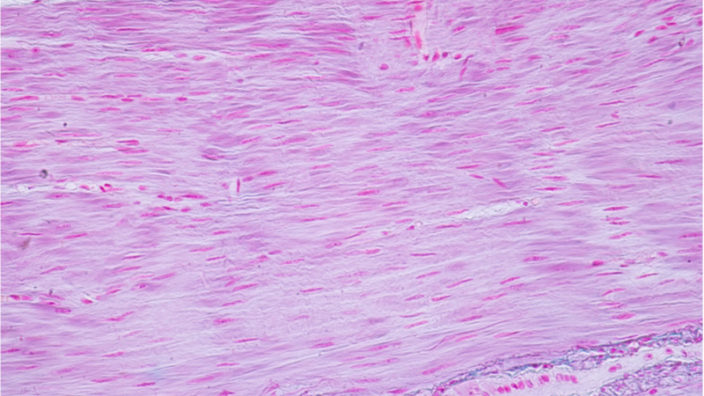
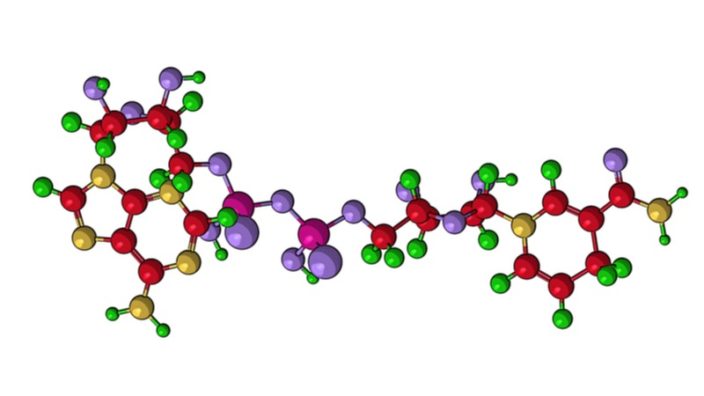
NADH molecule

Why NAD+ Declines During Aging – Part 2

This is part 2 of a series focused on the age-related decline of NAD+; if you have not read the previous part, you can find it here. Today, we are continuing our look at some of the evidence for the age-related decline of NAD+ in humans and some of the likely reasons why this happens.

NAD+ synthesis 

Perhaps surprisingly, we still do not know whether or not NAD+ synthesis actually changes as we age. The majority of tissues primarily synthesize NAD+ via the salvage pathway, converting it from nicotinamide (NAM) into nicotinamide mononucleotide (NMN) and finally into NAD+.

The liver is somewhat of an exception; while it uses the salvage pathway to recycle NAD+, it also creates a significant amount of NAD+ via the de novo pathway, a pathway involving several steps that begin with the essential amino acid tryptophan. The liver, as demonstrated in a recent human trial, and other tissues, such as the kidneys, can also convert nicotinic acid (NA) into NAD+ as follows:

NAD+ can also be created via nicotinamide riboside (NR), which is ultimately converted into NMN upon entering the NAD+ salvage pathway (the loop in the bottom right of the diagram).

However, given that NR levels are naturally low unless supplemented, the importance of this pathway compared to endogenous NAD+ production is unclear in the context of age-related changes. This is supported by studies showing that mice lacking nicotinamide riboside kinase are still able to maintain NAD+ levels via more typical pathways [1-2].

Nicotinamide phosphoribosyltransferase (Nampt) is also subject to age-related decline, at least in adipose fat, adult neural stem cells, and skeletal muscle cells [3-5]. Delivery of additional Nampt, at least in mice, also appears to delay some aspects of aging and increases their lifespan [6]; the same study also showed that Nampt, which is delivered via extracellular vesicles, declines during aging in both rodents and humans.

Finally, nicotinamide mononucleotide adenylyltransferases (NMNATs), which are a critical part of the salvage pathway, are another potential source of NAD+ decline. All the pathways for NAD+ synthesis need NMNATs, and one study showed that there was a significant decline of the enzyme Nmnat1, which catalyzes NAD+ synthesis, in the livers of aged mice [7].

Taken together, these studies strongly suggest that there is an age-related decline of NAD+ synthesis, which occurs via a number of potential channels.

The redox status

The redox status is defined as the balance between pro-oxidants and antioxidants in the body. NAD occurs in two forms: oxidized (NAD+) and reduced (NADH). Most studies have focused on NAD+ rather than NADH, which is more difficult to measure, is less stable, and has a concentration significantly lower than NAD+, which makes measurements less accurate or makes them appear to be.

However, the level of NADH is important in the context of measuring NAD+ decline during aging, since a redox shift to the reduced form could reduce the concentration of NAD+ without changing the overall ratio of the pool of NAD+/NADH combined.

This is supported by an MRI study of NAD+ content in the brain, which showed that the level of NAD+ decreased during aging but the NADH level increased [8]. This means that the decline in the total NAD+/NADH ratio is slower than the decline of NAD+ alone. Further support for this can be found in a small human study in which a more reduced NAD+/NADH ratio was observed in the plasma of aged individuals [9].

With this in mind, future researchers should focus on improving the practicality and accuracy of NADH measurements while taking changes in redox status into account when doing NAD+ measurements.

Mitochondrial NAD+

The concentration of NAD+ within the cell is highly compartmentalized; for example, the level of NAD+ present in the mitochondria is considerably higher than that found in the cytosol [10]. It is also possible for mitochondrial levels of NAD+ to be retained even when total tissue concentrations are greatly reduced [11-12]. It is also possible that other organelles may also be able to retain NAD+ during conditions of tissue NAD+ depletion, though this is yet to be investigated.

Another important consideration is that the mitochondrial NAD+ redox status is typically less pronounced than that found in the rest of the cell [13]. This has important implications when considering the age-related decline of mitochondrial count: a reduction of mitochondria within the cell could potentially influence total cellular NAD+ and thus affect total tissue levels of NAD+. Studies have shown that the number of mitochondria present in cells typically falls as we age, so it is highly likely that this decline has a significant impact on cellular NAD+.

It is currently poorly understood how mitochondria, and potentially other organelles, influence the total NAD+ pool available to cells, and finding better ways to measure this and the changes that occur will be important in understanding the role of NAD+ in aging and metabolism.

Changes in tissue composition 

During aging, many of our tissues change in their cellular composition and structure. For example, the amount of cells in tissue declines due to losses from cellular senescence, and the availability of fresh replacement cells declines due to stem cell exhaustion.

Tissue and the supporting extracellular matrix on which it sits can also experience remodelling during aging, such as through the formation of crosslinks, which can alter the way tissues behave.

A classic example of cellular composition change during aging is in the shift from brown to white fat: our populations of adipocyte cells change from one type to the other as we age. This switch also most likely changes the dynamics and levels of NAD+ in the cells and thus the overall tissue levels of NAD+.

It is because of these changes to tissue composition from various sources that we must be mindful of them when studying NAD+ levels and changes, especially in the adipose tissue of older people.

Right now, it is still largely unknown just how much the shift of cells from one type to another influences NAD+ biology. The use of advanced mass spectrometry-based techniques, including single cell metabolomics as well as imaging, could improve our understanding in this area. Therefore, the development of better ways to measure the impact of tissue composition changes on NAD+ should be a key focus of research.

Conclusion

We have reached the end of our look at the various sources of NAD+ consumption during aging. Hopefully, as research in this area advances, we will begin to unravel the various unknown details and have a full picture of NAD+ and its age-related decline.

We would like to ask you a small favor. We are a non-profit foundation, and unlike some other organizations, we have no shareholders and no products to sell you. All our news and educational content is free for everyone to read, but it does mean that we rely on the help of people like you. Every contribution, no matter if it’s big or small, supports independent journalism and sustains our future.

Literature

[1] Ratajczak, J., Joffraud, M., Trammell, S. A., Ras, R., Canela, N., Boutant, M., … & Auwerx, J. (2016). NRK1 controls nicotinamide mononucleotide and nicotinamide riboside metabolism in mammalian cells. Nature communications, 7(1), 1-12.

[2] Fletcher, R. S., Ratajczak, J., Doig, C. L., Oakey, L. A., Callingham, R., Xavier, G. D. S., … & Philp, A. (2017). Nicotinamide riboside kinases display redundancy in mediating nicotinamide mononucleotide and nicotinamide riboside metabolism in skeletal muscle cells. Molecular metabolism, 6(8), 819-832.

[3] Yoshino, J., Mills, K. F., Yoon, M. J., & Imai, S. I. (2011). Nicotinamide mononucleotide, a key NAD+ intermediate, treats the pathophysiology of diet-and age-induced diabetes in mice. Cell metabolism, 14(4), 528-536.

[4] Stein, L. R., & Imai, S. I. (2014). Specific ablation of Nampt in adult neural stem cells recapitulates their functional defects during aging. The EMBO journal, 33(12), 1321-1340.

[5] Roldan, M., Agerholm, M., Nielsen, T. S., Consitt, L. A., Søgaard, D., Helge, J. W., … & Treebak, J. T. (2019). Aerobic and resistance exercise training reverses age‐dependent decline in NAD+ salvage capacity in human skeletal muscle. Physiological reports, 7(12).

[6] Yoshida, M., Satoh, A., Lin, J. B., Mills, K. F., Sasaki, Y., Rensing, N., … & Imai, S. I. (2019). Extracellular vesicle-contained eNAMPT delays aging and extends lifespan in mice. Cell metabolism, 30(2), 329-342.

[7] Camacho-Pereira, J., Tarragó, M. G., Chini, C. C., Nin, V., Escande, C., Warner, G. M., … & Chini, E. N. (2016). CD38 dictates age-related NAD decline and mitochondrial dysfunction through an SIRT3-dependent mechanism. Cell metabolism, 23(6), 1127-1139.

[8] Zhu, X. H., Lu, M., Lee, B. Y., Ugurbil, K., & Chen, W. (2015). In vivo NAD assay reveals the intracellular NAD contents and redox state in healthy human brain and their age dependences. Proceedings of the National Academy of Sciences, 112(9), 2876-2881.

[9] Clement, J., Wong, M., Poljak, A., Sachdev, P., & Braidy, N. (2019). The plasma NAD+ metabolome is dysregulated in “normal” aging. Rejuvenation research, 22(2), 121-130.

[10] Ryu, K. W., Nandu, T., Kim, J., Challa, S., DeBerardinis, R. J., & Kraus, W. L. (2018). Metabolic regulation of transcription through compartmentalized NAD+ biosynthesis. Science, 360(6389).

[11] Montecucco, F., Bauer, I., Braunersreuther, V., Bruzzone, S., Akhmedov, A., Lüscher, T. F., … & Galan, K. (2013). Inhibition of nicotinamide phosphoribosyltransferase reduces neutrophil-mediated injury in myocardial infarction. Antioxidants & redox signaling, 18(6), 630-641.

[12] Sims, C. A., Guan, Y., Mukherjee, S., Singh, K., Botolin, P., Davila Jr, A., & Baur, J. A. (2018). Nicotinamide mononucleotide preserves mitochondrial function and increases survival in hemorrhagic shock. JCI insight, 3(17).

[13] Sallin, O., Reymond, L., Gondrand, C., Raith, F., Koch, B., & Johnsson, K. (2018). Semisynthetic biosensors for mapping cellular concentrations of nicotinamide adenine dinucleotides. Elife, 7, e32638.

Image of a cat with a clock

Methylation Clocks that Measure the Biological Age of Cats

Today, we have something a little bit different: progress in aging biomarkers but, this time, for cats!

The race has been on for some years now to create biomarkers that can accurately measure biological age. Having such biomarkers is critical in the development of therapies that target the aging processes directly, and one of the most promising ways to measure biological age are DNA methylation clocks.

These DNA methylation clocks measure the methylation status of key sites on the genome, which were chosen due to their relevance to aging, in order to give an estimate of biological age. The methylation status of these sites determines gene expression and predictably shift as we get older, making it possible to examine the genome and say with some certainty how old someone is.

These changes of methylation status are thought to be one of the reasons we age and are part of the aging process known as epigenetic alterations.

There are an ever-increasing number of these clocks being developed, and Dr. Steve Horvath, author of this new study, and his team have been very active in creating them. The unusual thing about this study is that these methylation clocks are not measuring the biological age of mice or humans; rather, they are methylation clocks for cats.

Human DNA methylation profiles have been used successfully to develop highly accurate biomarkers of aging (“epigenetic clocks”). Although these human epigenetic clocks are not immediately applicable to all species of the animal kingdom, the principles underpinning them appear to be conserved even in animals that are evolutionarily far removed from humans. This is exemplified by recent development of epigenetic clocks for mice and other mammalian species. Here, we describe epigenetic clocks for the domestic cat (Felis catus), based on methylation profiles of CpGs with flanking DNA sequences that are highly conserved between multiple mammalian species. Methylation levels of these CpGs are measured using a custom-designed Infinium array (HorvathMammalMethylChip40). From these, we present 3 epigenetic clocks for cats; of which, one applies only to blood samples from cats, while the remaining two dual-species human-cat clocks apply both to cats and humans. As the rate of human epigenetic ageing is associated with a host of health conditions and pathologies, it is expected that these epigenetic clocks for cats would do likewise and possess the potential to be further developed for monitoring feline health as well as being used for identifying and validating anti-aging interventions.

Conclusion

The development of methylation clocks for cats is important in the context of pet longevity research and the development of therapies that may allow our furry friends to live longer and healthier lives. Having access to accurate methylation clocks able to measure aging is critical to ascertain if a particular anti-aging drug or therapy has been successful, and that applies equally to cats and humans.

Some therapies might initially reach companion animals before moving to human trials, so this work is also important in that context. That said, the common practice for developing drugs for pets is to take something that’s already approved for humans and get it approved as a pet therapy. Either way, a cat methylation clock will be useful.

The bottom line here is that if we are going to develop ways to live longer and healthier lives as humans, then it makes sense to take our beloved pets with us on the journey, so this is a step in the right direction.

We would like to ask you a small favor. We are a non-profit foundation, and unlike some other organizations, we have no shareholders and no products to sell you. All our news and educational content is free for everyone to read, but it does mean that we rely on the help of people like you. Every contribution, no matter if it’s big or small, supports independent journalism and sustains our future.

A plate with a question mark representing caloric restriction

Caloric Restriction Improves DNA Repair in Mice

A short-term caloric restriction diet enhanced a DNA repair process known as non-homologous end joining. These results may partially explain how caloric restriction and similar diets increase lifespan and healthspan in a wide range of organisms.

Eat less, live longer

Caloric restriction – that is, reduced caloric intake without malnutrition – is one of the most reliable methods of increasing lifespan in animals. Experiments in the 1930s showed that caloric restriction increased the lifespan of rats, and work since then has found similar results in other organisms and has demonstrated other health benefits.

In mice, reducing caloric intake by 30-40% leads to a 30-40% increase in lifespan. Though results in humans remain inconclusive, work in model organisms has shown that caloric restriction can reduce the incidence of tumors, cardiovascular disease, diabetes, and other disorders. There is also evidence that it protects against damage to DNA, proteins, and other macromolecules.

A better fix

A team of researchers based at New York’s University of Rochester has now shown that mice kept on a caloric restriction diet have improved DNA repair efficiency [1]. One of the most dangerous forms of DNA damage is a double-stranded break. The severing of both strands can lead to rearrangements or other genomic instability.

Cells have several mechanisms to repair double-strand breaks, including non-homologous end joining (NHEJ). To detect NHEJ, the researchers created a genetic construct in which the GFP gene, which encodes a fluorescent protein, is disrupted by the inclusion of a foreign killer sequence. The killer sequence can be cut out using a specific enzyme, after which NHEJ should reassemble GFP. The researchers could thus quantitatively estimate NHEJ activity and efficiency by measuring fluorescence in cell cultures that had been exposed to the enzyme.

They found that NHEJ efficiency was greater in skin, lung, kidney, and brain cell cultures from mice kept on a caloric restriction diet for four weeks. There was also an increase in the expression of the DNA repair-associated genes DNA-PK and SIRT6. The improvement in DNA repair is likely to lead to lower rates of cell death, mutation, and cancer incidence.

Calorie restriction (CR) improves health, reduces cancer incidence and extends lifespan in multiple organisms including mice. CR was shown to enhance base excision repair and nucleotide excision repair pathways of DNA repair, however, whether CR improves repair of DNA double-strand breaks has not been examined in in vivo system. Here we utilize non-homologous end joining (NHEJ) reporter mice to show that short-term CR strongly enhances DNA repair by NHEJ, which is associated with elevated levels of DNA-PK and SIRT6.

Conclusion

While caloric restriction has proven reliable for life extension in model organisms, the mechanisms behind this have remained unclear. Even if caloric restriction were shown to work in humans, it’s unlikely that most people would be able to maintain such a diet. That makes it important to understand the changes triggered by this diet, which likely involve a wide range of signaling pathways, and figuring out which contribute to increased healthspan and lifespan. Improved DNA repair is an attractive candidate in that regard; now, we are faced with the task of identifying the steps linking reduced caloric intake with changes in DNA repair machinery.

Literature

[1] Ke, Z., Firsanov, D., Spencer, B., Seluanov, A., and Gorbunova, V. (2020) Short-term calorie restriction enhances DNA repair by non-homologous end joining in mice. npj Agiing and Mechanisms of Disease, doi: 10.1038/s41514-020-00047-2

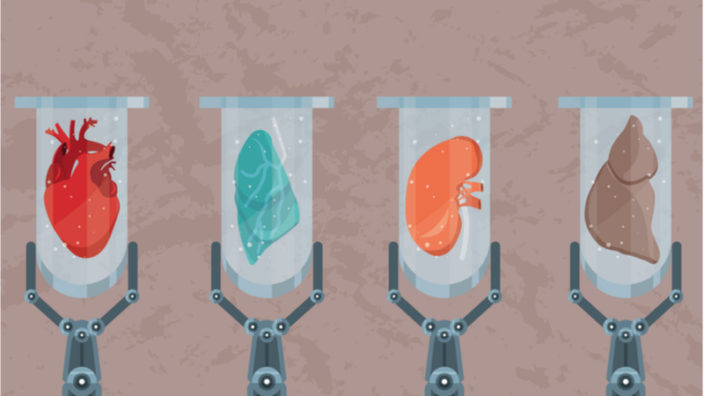
Synthetic organs

Tissue Engineering and Regenerative Medicine in Longevity

This is part one of a new weekly series focusing on recent advancements in the field of regenerative medicine.

The field of tissue engineering and regenerative medicine

Tissue engineering and regenerative medicine (TERM) is a large and rapidly growing field that has implications for the field of longevity. Broadly, the field of TERM is working towards regenerating tissues for which the only current options are replacement through organ donations, autografts, or artificial materials, and the ability to manufacture tissues would dramatically increase their availability to patients. TERM as a field is targeting every type of tissue in the body, but individual lines of research focus on single tissues at a time, which is unlike typical longevity research.

While the potential to replace every tissue and organ in the body at will has obvious implications for longevity, that objective is an absolutely monumental task for a field that, while promising, is still unproven. Additionally, much of what we consider the self is housed in the brain – an organ that ages just like every other tissue in the body and cannot simply be replaced as a whole.

While this field is being applied to a wide range of diseases, current TERM treatments generally have many limitations in common. Most importantly for longevity, these treatments are not tolerated well in the elderly. Simpler cell therapies struggle to provide benefits when transplanted into an environment already damaged by age. Organ transplants, which are more complex, are extremely invasive procedures that are more difficult to recover from the older you are. Furthermore, an old organ transplanted into a young person may last decades longer than it would have otherwise, but a young organ transplanted into an older person will eventually catch up to the rest of its new body. The ultimate ceiling of TERM treatments is still likely limited by aging.

Common ground with longevity

Of course, this is not to say there is no place for TERM in longevity. It is still a radically different approach to medicine with the potential to add years to general human healthspan and decades for the individual patients who benefit the most. Regeneration is a key objective for both fields, of course, and much of what TERM researchers learn can be applied by longevity researchers and vice versa. The two are also highly complementary. Different tissues age at different rates for different individuals [1], and targeting the regeneration of specific tissues may prove to be beneficial, depending on the scenario.

There are also labs, researchers, and companies that straddle the line between both fields. Heart attack, osteoarthritis, chronic kidney disease, sarcopenia, and many other conditions are key targets of both fields [2]. While the thymus is a key focus of some longevity-focused organizations, many other researchers are also trying to regenerate it using TERM technologies [3]. Organ-on-a-chip technology can be used to test drug safety and effectiveness more cheaply, more quickly, and potentially more accurately than in animal models. This technology is being developed primarily by TERM researchers, but it will have major implications for longevity research, as the time it takes to conduct aging experiments is a crucial limiting factor [4]. In a way, TERM is similar to gene therapy, immunotherapy, and artificial intelligence: their relevance to longevity depends on how they are applied.

Conclusion

The field of TERM aims to regenerate specific tissues and organs. While most, although not all, of these strategies do not modify aging, many of them overlap with longevity due to the various common objectives of the two fields. The knowledge and technologies developed by both fields are also highly complementary and can be applied to advance one another. In the coming weeks, we will zoom in on promising TERM strategies every Wednesday, highlighting promising developments in the regeneration of various tissues.

We would like to ask you a small favor. We are a non-profit foundation, and unlike some other organizations, we have no shareholders and no products to sell you. All our news and educational content is free for everyone to read, but it does mean that we rely on the help of people like you. Every contribution, no matter if it’s big or small, supports independent journalism and sustains our future.

Literature

[1] Chhetri, J. K., Barreto, P. D. S., Fougère, B., Rolland, Y., Vellas, B., Cesari, M. (2018). Chronic inflammation and sarcopenia: A regenerative cell therapy perspective. Experimental Gerontology, 103, 115-123.

[2] Ahadi, S., Zhou, W., Rose, S. M. S., Sailani, M. R., Contrepois, K., Avina, M., … & Snyder, M. (2020). Personal aging markers and ageotypes revealed by deep longitudinal profiling. Nature Medicine, 26(1), 83-90.

[3] Tajima, A., Pradhan, I., Geng, X., Massimo, T., Fan, Y. (2019). Construction of thymus organoids from decellularized thymus scaffolds. Methods in Molecular Biology, 1576, 33-42.

[4] Ramadan, Q., Zourob, M. (2020). Organ-on-a-chip engineering: Toward bridging the gap between lab and industry. Biomicrofluidics, 14(4), 041501.

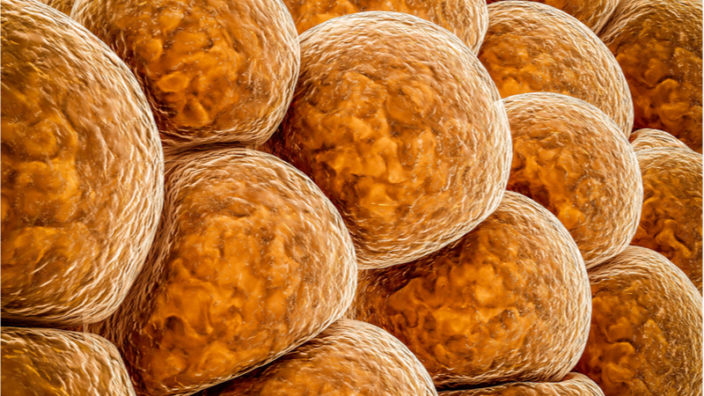
A picture of brown fat cells

Brown Fat Transplantation Reduces Obesity in Mice

A group of researchers has used CRISPR to create energy-dissipating brown adipocytes (fat cells) from white preadipocytes. The new cells were then shown to alleviate obesity in mice [1].

Obesity: the nemesis of longevity

Obesity is one of humanity’s deadliest enemies. It is a known comorbidity in a plethora of diseases, including age-related, such as cardiovascular diseases and diabetes. What WHO calls the obesity epidemic is one of the reasons why life expectancy, which had been on the rise for decades, has plateaued worldwide and is declining in the US. Recently, obesity made headlines as a condition that greatly exacerbates the effects of COVID-19. Obesity is so strongly correlated with many processes of aging, such as telomere shortening and inflammation [2], that one recent meta-study argues that obesity should be considered premature aging [3]. Another one suggests that obesity may actually accelerate aging [4].

WAT to store, BAT to burn

Obesity is simply too much fat, but there are two vastly different kinds of fat tissue in our bodies. The first type, called white adipose tissue (WAT), is the one that stores fat and is associated with obesity. The other one, brown adipose tissue (BAT), is used for burning rather than storing energy. BAT is present in the body in much smaller quantities, in visceral rather than superficial regions. BAT helps keep body temperature constant by generating heat in response to cold exposure. The mechanism behind this process involves UCP1 (uncoupling protein 1), which is probably BAT’s main hallmark. UCP1 interacts with the electron transport chain (ETC), the principal cellular mechanism of energy production. Normally, ETC produces adenosine triphosphate (ATP), the “energy currency” that powers most cellular processes. UCP1 modifies ETC so that it begins to generate heat instead of ATP. In other words, brown adipocytes use their fat reserves to produce thermal energy. BAT is the fat that burns fat.

Since activation of BAT increases energy expenditure and is inversely correlated with body mass index (BMI), BAT has become a potential target for anti-obesity therapies. However, recruiting BAT to the war against obesity is easier said than done: as of now, scientists have failed to produce methods that would considerably increase BAT activation or volume, with cold exposure remaining the only viable strategy [5]. In the current study, the scientists tried a different approach: transplantation of genetically engineered BAT-like cells.

Turning white to brown

Since brown fat is scarce, the scientists searched for ways to obtain brown adipocytes or the next best thing from a more abundant source. Using CRISPR technology, they inserted UCP1-producing genes into human white preadipocytes (adipocyte precursor cells). The treated cells then differentiated into human brown-like (HUMBLE) cells. The new cells demonstrated several BAT-like properties, the most important of which was high levels of UCP1, almost on par with their brown cousins. HUMBLE cells were then transplanted into mice, with two control groups receiving white adipocytes and bona fide brown adipocytes from the same individuals. The transplanted HUMBLE cells continued to churn out UCP1 during the whole period of study (12 weeks). Moreover, the surrounding tissue became vascularized and innervated, just like “real” BAT, which requires sprawling vasculature for heat dissipation (the task that HUMBLEs were found to successfully perform). The detected secretion of adipokines – fat-specific cytokines – led the researchers to believe that the transplants had evolved into fully functional fat tissue.

HUMBLEs alleviate obesity

Next, the researchers wanted to determine whether HUMBLE cells can prevent metabolic disorders in mice suffering from diet-induced obesity (DIO). As it turned out, mice fed a high-fat diet gained less fat if they received HUMBLE cells or “true” brown adipocytes as opposed to white adipocytes. These mice also showed significant improvements in glucose tolerance and insulin sensitivity compared to the white adipocyte control group, consumed more oxygen, and generated more heat even though the food intake remained the same. While the glucose tolerance in the “white” control group deteriorated over time, mice that received HUMBLEs continued to show greatly improved tolerance as late as 12 weeks after the transplantation. HUMBLE transplantation also resulted in the decline in liver lipid content (less fatty livers). The results were then largely recreated in mice that became obese well before the transplantation. The researchers take this as a sign that BAT transplantation can potentially be used to treat as well as prevent obesity.

One of the most interesting and promising findings was that HUMBLEs and brown control cells seemed to increase the activity of endogenous (originally present) BAT in the mice. The researchers determined that the transplanted cells activated murine BAT via nitric acid signaling, amplifying glucose uptake and energy expenditure. The ability of transplanted cells to recruit allies among the endogenous brown adipocyte population makes BAT transplantation therapy even more plausible.

Conclusion

This study further explores the fundamental difference between white and brown fat tissue and offers a strategy of harnessing the energy-dissipating power of BAT against the obesity epidemic. Despite the results being promising, it remains to be seen whether BAT transplantation benefits can be safely recreated in humans.

Literature

[1] Wang, C. H., Lundh, M., Fu, A., Kriszt, R., Huang, T. L., Lynes, M. D., … & Narain, N. R. (2020). CRISPR-engineered human brown-like adipocytes prevent diet-induced obesity and ameliorate metabolic syndrome in mice. Science Translational Medicine, 12(558).

[2] Ahima, R. S. (2009). Connecting obesity, aging and diabetes. Nature medicine, 15(9), 996-997.

[3] Tam, B. T., Morais, J. A., & Santosa, S. (2020). Obesity and ageing: Two sides of the same coin. Obesity Reviews, 21(4), e12991.

[4] Salvestrini, V., Sell, C., & Lorenzini, A. (2019). Obesity may accelerate the aging process. Frontiers in endocrinology, 10, 266.

[5] Fenzl, A., & Kiefer, F. W. (2014). Brown adipose tissue and thermogenesis. Hormone molecular biology and clinical investigation, 19(1), 25-37.

Alpha-Ketoglutarate Extends Healthspan in Aging Mice

A research team led by Dr. Brian Kennedy has shown that administration of alpha-ketoglutarate (AKG) improves both lifespan and healthspan in middle-aged mice.

Modest increase in lifespan from Alpha-Ketoglutarate 

For this study, the researchers administered a calcium salt of AKG, CaAKG, to 18-month-old male and female Black 6 mice, which represents the equivalent of human middle age, and continued dosing them with it for the rest of their lives in order to test its effects on lifespan and healthspan.

The gains in lifespan were relatively modest. Female Black 6 mice, which normally live shorter lives than male mice of this strain, received a 10% benefit in lifespan, while male mice received a 5% improvement. As it is possible to extend the lives of mice much more significantly through other methods, this is not an impressive result.

A treatment for frailty

However, as Dr. Kennedy explained in his talk at Ending Age-Related Diseases 2020, the more important result of this study was the effects of CaAKG on healthspan, the time during which an organism spends its life free from age-related diseases. As the mice grew older, the untreated mice became much more frail much more quickly, and the frailty indices of treated mice significantly lagged behind, even until the ends of their lives, which, of course, were delayed for the treated mice.

These results were more pronounced when shown as a percentage of lifespan. The average untreated female mouse with 5% of its lifespan remaining was significantly more frail than the average treated female mouse with the same percentage of remaining lifespan. In fact, while frailty is a good predictor of mortality in untreated mice, it was significantly less effective at predicting mortality in the treated mice.

Other effects

Hair discoloration and loss is one of the most common issues associated with human aging, and in mice, the results were visually clear. Mice treated with CaAKG were visibly less discolored than untreated mice and retained considerably more of their hair. This is likely to be due to enhanced stem cell function in melanocytes, which allow for the pigmentation of hair.

AKG may also enhance respiration and reduce inflammaging, the age-related inflammation that causes widespread and deleterious effects through our bodies.

Summary

Metabolism and aging are tightly connected. Alpha-ketoglutarate is a key metabolite in the tricarboxylic acid (TCA) cycle, and its levels change upon fasting, exercise, and aging. Here, we investigate the effect of alpha-ketoglutarate (delivered in the form of a calcium salt, CaAKG) on healthspan and lifespan in C57BL/6 mice. To probe the relationship between healthspan and lifespan extension in mammals, we performed a series of longitudinal, clinically relevant measurements. We find that CaAKG promotes a longer, healthier life associated with a decrease in levels of systemic inflammatory cytokines. We propose that induction of IL-10 by dietary AKG suppresses chronic inflammation, leading to health benefits. By simultaneously reducing frailty and enhancing longevity, AKG, at least in the murine model, results in a compression of morbidity.

Conclusion

Obviously, CaAKG is only a limited treatment for aging, as it merely delays the progression of frailty, and it is not entirely clear why this treatment is more effective for female mice. However, it may be a useful stopgap measure, and as AKG is already being sold as a supplement, it may be worthwhile to investigate if it could be effective in extending lifespan and healthspan for middle-aged humans.

Glia Alzheimer's

Microglial Cells Successfully Replaced by Transplantation

A group of researchers has proposed three robust transplantation techniques for fighting microglia-related conditions, such as Alzheimer’s, and potentially boosting our cognitive abilities [1].

The sentinels of the brain

Microglial cells form the backbone of our brain’s immune system. They perform a wide variety of functions, including tracing pathogens, inducing inflammatory reactions, and facilitating the removal of harmful debris from the central nervous system (CNS). Like everywhere else in the human body, things can go terribly wrong with microglia. They are prone to genetic mutations and overactivation that leads to chronic inflammation. Microglial dysfunction is thought to be an important factor behind the bulk of age-related neurodegenerative diseases; Alzheimer’s, Parkinson’s, and frontotemporal dementia result at least partially from microglia failing in their sentinel and housekeeping duties [2].

Scientists have been mostly helpless when it comes to microglia dysfunction, but one of the avenues currently being explored is microglia transplantation. Unfortunately, as the authors of the current study rightly note, traditional methods of microglia transplantation are ineffective, as the transplanted cells only replace a small minority of the resident microglia [3].

Depopulate to repopulate

As the researchers discovered, the problem stems mostly from the fact that the existing dense microglia population impedes the proliferation of the transplanted cells. The solution proposed in this study may sound radical, but it apparently works – at least in mice. Prior to the transplantation, the scientists treated the mice with a compound that kills microglia cells. When the new cells were introduced soon after, they successfully proliferated, taking the place of the diseased resident microglia. To validate the results, the researchers created transgenic mice with cells that express GFP (green fluorescent protein). Cells that originated in the donor mice continued to emit fluorescence, enabling the scientists to detect them in their new locations.

The scientists explored three transplantation methods, with only one using mature microglia as the source. The first is to transplant bone marrow in order to perform microglia replacement by bone marrow cells (mrBMC). It is based on the ability of bone marrow stem cells to differentiate into various cell types, including microglia. Having detected the scarcity of microglia at the target, BMCs dutifully differentiated to repopulate the niche. This method resulted in almost complete repopulation: more than 90% of the old microglia were replaced with the new and healthy ones.

The downside of this approach is the limited availability of bone marrow transplants, as their procurement involves a procedure that is invasive and painful for donors. For their next step, the researchers attempted to use blood instead of bone marrow: microglia replacement by peripheral blood (mrPB). Peripheral blood mononuclear cells (PBMCs) have been reported to be able to differentiate into a wide array of cell types, including endothelial cells, hepatocytes, smooth muscle cells, osteoblasts, and microglia [4]. Blood-derived microglial cells were able to replace more than 80% of the resident microglia, performing only slightly worse than bone marrow cells.

Are these even microglia?

Yet, as the researchers discovered, it may not be entirely correct to refer to the new cells as “microglia”. Although they expressed several microglia-specific markers, a thorough transcriptomic analysis revealed that they actually resemble a close relative of microglia – macrophages, another type of immune cell. While, as the study shows, these new cells can perform some functions of microglia, it is still uncertain whether they represent a truly adequate alternative.

To overcome this hurdle, the researchers attempted a local transplantation of fully-fledged microglia from an external donor. Yet again, following the depletion of the local microglia population, the donor microglial cells proliferated well and repopulated the injection area but not the entire brain or CNS, as its other parts were repopulated by the organism’s own cells that differentiated into microglia. Thus, although this microglia replacement by microglia transfer (mrMT) method can potentially be useful in treating local problems with endogenous microglia, it has the limitation of being confined to a specific area in the brain. As to the availability of transplantable microglia, the researchers cite previous studies indicating that microglia can be obtained from induced pluripotent stem cells (iPSCs).

Healthier and smarter

The authors consider their study a success, though several problems persist. For instance, although the immediate safety of the microglia-killing compound used has been generally confirmed by research, it is not entirely evident that obliterating the local microglia population has no adverse effects in the long run. The researchers admit that this warrants further investigation.

The study lists several possible applications for the discovery. For example, genome-wide association studies revealed that a deficiency in the microglia-specific gene TREM2 is a major risk factor in Alzheimer’s disease. New techniques make it possible to replace genetically deficient microglia with healthy cells. The replacement cells do not have to be wild-type but can be genetically manipulated to overexpress or underexpress certain proteins. For instance, the researchers muse, overexpressing neurotrophins can boost our cognitive abilities. To quote them, in the future, mrT microglia replacement treatment (mrT) may give rise to microglia replacement enhancement (mrE).

Conclusion

Microglial dysfunction is a pressing problem that plays an important role in age-related neurodegeneration. This new study outlines a possible solution by suggesting three promising transplantation-based techniques, though more research is needed to establish their safety and efficacy.

We would like to ask you a small favor. We are a non-profit foundation, and unlike some other organizations, we have no shareholders and no products to sell you. All our news and educational content is free for everyone to read, but it does mean that we rely on the help of people like you. Every contribution, no matter if it’s big or small, supports independent journalism and sustains our future.

Literature

[1] Xu, Z., Rao, Y., Huang, Y., Zhou, T., Feng, R., Xiong, S., … & Li, X. (2020). Efficient Strategies for Microglia Replacement in the Central Nervous System. Cell Reports, 32(6), 108041.

[2] Hickman, S., Izzy, S., Sen, P., Morsett, L., & El Khoury, J. (2018). Microglia in neurodegeneration. Nature neuroscience, 21(10), 1359-1369.

[3] Wang, J., Wegener, J. E., Huang, T. W., Sripathy, S., De Jesus-Cortes, H., Xu, P., … & Starwalt, R. (2015). Wild-type microglia do not reverse pathology in mouse models of Rett syndrome. Nature, 521(7552), E1-E4.

[4] Zhang, M., & Huang, B. (2012). The multi-differentiation potential of peripheral blood mononuclear cells. Stem cell research & therapy, 3(6), 48.

Rejuvenation Roundup thumbnail August

Rejuvenation Roundup August 2020

Ending Age-Related Diseases 2020 has concluded! Our first online conference, with two full days of talks from professionals from both the research and investment fields, has finished. We will be providing videos from that conference in the coming months, but three have already been made available.

LEAF News

Opening Talk of Ending Age-Related Diseases 2020: Our first video to be released from EARD2020 is the introductory talk from lifespan.io president Keith Comito, who focused on the Longevity Dividend, discussing what aging is, what we can do about it, what lifespan.io has been doing to promote rejuvenation biotechnology, and how aging will affect our society.

Developing a Biotechnology Startup in the Rejuvenation Field: While this video is from a workshop held by Dr. Kelsey Moody in 2019, its valuable lessons for anyone attempting to build a biotechnology company still hold true in 2020.

Ending Age-Related Diseases 2020 – Keynote Speech: We were fortunate to have a keynote speech from the esteemed Dr. Aubrey de Grey, who discussed the current state of the rejuvenation biotechnology world and how we are moving closer to a world without age-related diseases.

My Experience Attending Ending Age-Related Diseases 2020: Nina Khera, co-founder of Biotein, offers her experiences with our two-day conference and its various talks.

We would like to thank all the sponsors and media partners of the conference for their support!

Rejuvenation Roundup Podcast

Ryan O’Shea of Future Grind hosts this month’s podcast, showcasing the events and research discussed here.

Research Roundup

SIRT2 Inhibition Ameliorates Cognitive Decline in Mice with Alzheimer’s: The relationship of sirtuins to longevity is complicated, but inhibiting SIRT2 has been shown to help in a mouse model of Alzheimer’s.

Caloric Restriction Appears to Improve Stem Cell Function: Restricting the number of calories consumed each day may help stem cells do their jobs better.

Astrocytes Become Neural Stem Cells After Injury: Astrocytes, cells that normally assist brain function, can themselves become neurons in response to injury.

Reviewing Epigenetic Alterations as a Cause of Aging: Epigenetic alterations are a primary hallmark of aging, and this review explores the relationship between DNA methylation and age-related diseases.

Stem Cells Produce Healthy Cartilage in Osteoarthritic Joints: Restoring the cartilage lost to arthritis has always been a goal of geriatric medicine, and stem cells may be a way to accomplish this.

Linking Immunosenescence and Age-Related Diseases: As the immune system declines, age-related diseases become a greater problem. This is not a coincidence, and a new review explores the link between them.

IGF-1 Reverses Mitochondrial Decline in Smooth Muscular Cells: Insulin-like growth factor 1 has been shown to alleviate mitochondrial dysfunction in smooth muscle tissue.

Researchers Rejuvenate the Thymi of Old Mice: The thymus is the training center for white blood cells, and restoring its function has long been a goal of rejuvenation research.

Major Circadian Cycle Regulator Improves Chromatin Stability: The circadian cycle determines when we wake and sleep, and a major regulator of it has been shown to reduce genomic instability.

New Gene Therapy Destroys 90% of Herpes Simplex Virus 1: Herpes simplex 1, the latent virus that causes cold sores, has been shown to be highly susceptible to a new gene therapy.

Towards a Telomerase Gene Therapy for Pulmonary Fibrosis: This article is about the research that was discussed in this month’s Journal Club.

Gene Therapy Improves Motor Function in Aged Mice: A new gene therapy has been shown to restore strength and function to mice by restoring neuromuscular junctions, an early step to a similar therapy for humans.

CRISPR-engineered human brown-like adipocytes prevent diet-induced obesity and ameliorate metabolic syndrome in mice: Brown fat is rapidly turned into heat, and giving this sort of fat to mice has been shown to prevent their accumulation of adipose (fatty) tissue, even with an obesity-inducing diet.

Senolytic activity of small molecular polyphenols from olive restores chondrocyte redifferentiation and promotes a pro-regenerative environment in osteoarthritis: By restoring chondrocytes, a senolytic compound derived from olives may offer hope to people suffering from osteoarthritis.

Senolytics prevent mt-DNA-induced inflammation and promote the survival of aged organs following transplantation: Organ donations may become less risky when senolytics are added; this could be great news for hospitals and patients alike.

A 25-y longitudinal dolphin cohort supports that long-lived individuals in same environment exhibit variation in aging rates: People age at different rates, but that phenomenon is not unique to humans; dolphins have been shown to have similar experiences.

Heart repair factor boosted by RNA-targeting compound: Vascular endothelial growth factor A signals stem cells to regrow tissues, making it a potential target for therapies.

Astragaloside IV extends lifespan of Caenorhabditis elegans by improving age-related functional declines and triggering anti-oxidant responses: While this is a study of a life form far from humans, the results offer promise for the development of future therapies.

RNAAgeCalc: A multi-tissue transcriptional age calculator: Identifying 1,616 age-related genes, this in-depth calculator approaches biological age in a different way than epigenetic clocks.

News Nuggets

New Startup SENISCA Aims to Reset Senescent Cells: Rather than destroying them through senolytics, SENISCA intends to reset senescent cells to allow them to regain their function.

Disappointing News for UNITY Biotech: Unfortunately, Unity Biotechnology’s phase 2 trial of its senolytic drug UBX0101 has completely failed in treating osteoarthritis.

UT Health San Antonio gains $2M to study rapamycin for Alzheimer’s: Rapamycin is commonly studied in the field of longevity, and this university intends to study its effects on this common neurodegenerative disease.

We would like to ask you a small favor. We are a non-profit foundation, and unlike some other organizations, we have no shareholders and no products to sell you. All our news and educational content is free for everyone to read, but it does mean that we rely on the help of people like you. Every contribution, no matter if it’s big or small, supports independent journalism and sustains our future.

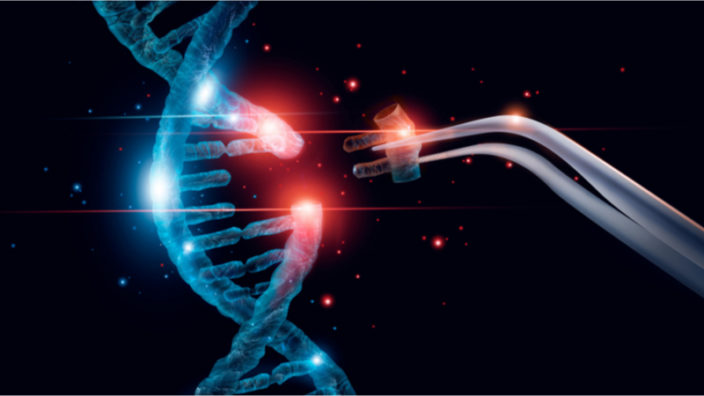
Image of someone editing DNA

Gene Therapy Improves Motor Function in Aged Mice

A gene therapy treatment can ameliorate the loss of motor function and muscle strength in old mice, offering elderly people hope for continuing their active lives.

DOK7 is crucial for muscle function

Declining motor function is common with aging and can significantly reduce the quality of life. This decline occurs at least in part due to changes in neuromuscular junctions, the synapses that connect nerves to muscles. Studies have found increased denervation at neuromuscular junctions with aging and in sarcopenia. Therefore, researchers chose these junctions as a therapeutic target to treat age-related motor dysfunction.

The DOK7 gene is required for normal development of neuromuscular junctions; mutation of DOK7 causes a neuromuscular disease. Several years ago, a team of researchers in Japan used gene therapy to introduce a working copy of DOK7 into mice with a mutated version. The intervention improved the motor activity of the mutant mice and increased their lifespan.

Making mighty mice

Now, the team is using the same approach to see if DOK7 therapy can improve motor function in aged mice [1]. The therapy uses a recombinant muscle-tropic adeno-associated virus (AAV) as a vector to deliver a wild-type version of the human DOK7 gene to aged male mice. Male mice of the strain used in these experiments normally begin to exhibit changes in their neuromuscular junctions and experience decreased motor function when they are 24 months old, and they usually die when they’re between 24 and 32 months old.

The team injected the mice with the DOK7 therapy vector (AAV-D7) when they were 24 months old and carried out tests four months later. They found that AAV-D7 treatment enlarged the neuromuscular junctions of the mice and suppressed denervation. In fact, they report that the treated 28-month-old mice had lower levels of denervation than untreated 24-month-old mice, suggesting that AAV-D7 not only prevents denervation but even promotes reinnervation.

To find out if the restored neuromuscular junctions rescued motor function, the team subjected the mice to motor performance tests. One test measured how long a mouse could stay on a rotating rod, and a second test measured the twitch force of a hind limb muscle upon direct stimulation. The AAV-D7 treated mice did better on both tests than sham-treated mice did, showing that the therapy improved motor function and muscle strength.

Muscle denervation at the neuromuscular junction (NMJ), the essential synapse between motor neuron and skeletal muscle, is associated with age-related motor impairment. Therefore, improving muscle innervation at aged NMJs may be an effective therapeutic strategy for treating the impairment. We previously demonstrated that the muscle protein Dok-7 plays an essential role in NMJ formation, and, indeed, its forced expression in muscle enlarges NMJs. Moreover, therapeutic administration of an adeno-associated virus vector encoding human Dok-7 (DOK7 gene therapy) suppressed muscle denervation and enhanced motor activity in a mouse model of amyotrophic lateral sclerosis (ALS). Here, we show that DOK7 gene therapy significantly enhances motor function and muscle strength together with NMJ innervation in aged mice. Furthermore, the treated mice showed greatly increased compound muscle action potential (CMAP) amplitudes compared with the controls, suggesting enhanced neuromuscular transmission. Thus, therapies aimed at enhancing NMJ innervation have potential for treating age-related motor impairment.

Conclusion

This is exciting work. It’s wonderful to imagine that, with a single injection, we could avoid the motor problems we associate with growing old. That said, gene therapies have a mixed track record, so long-term safety trials would be crucial, and before that, researchers need to show that the treatment works in human cells. The paper notes that there are only a handful of studies reporting the effects of age on neuromuscular junctions in humans, and their results aren’t entirely consistent. Therefore, the first step towards an eventual therapy for people must be to better understand how human neuromuscular junctions change with age.

We would like to ask you a small favor. We are a non-profit foundation, and unlike some other organizations, we have no shareholders and no products to sell you. All our news and educational content is free for everyone to read, but it does mean that we rely on the help of people like you. Every contribution, no matter if it’s big or small, supports independent journalism and sustains our future.

Literature

  1. Ueta, R., Sugita, S., Minegishi, Y., Shimotoyodome, A., Ota, N., Ogiso, N., Eguchi, T., and Yamanashi, Y., (2020) DOK7 Gene Therapy Enhances Neuromuscular Junction Innervation and Motor Function in Aged Mice. iScience, doi: 10.1016/j.isci.2020.101385
virtual conference thumbnail

My Experience Attending Ending Age-Related Diseases 2020

Last week, on Thursday and Friday, I attended a conference.

No, it wasn’t in a bustling hot conference center, with thousands of other people much closer than 6 feet from me talking about tech and disrupting various industries.

Instead, I was sitting at home with my computer on my desk, drinking a hot cup of tea. It was virtual, with hundreds of people at home watching esteemed speakers talk about various topics relating to human longevity.

I didn’t have crazy high hopes, not because I’m not fascinated by human longevity, but because I hadn’t had an amazing virtual conference experience in the past. I wasn’t sure if this would maintain the same ambience and amount of learning opportunities as an in-person conference.

However, I found myself fascinated, and I really enjoyed the conference itself. I was able to meet a ton of attendees and watch some great talks, and I wasn’t roped into a 10-hour-long program, instead joining talks sporadically and watching replays occasionally.

In this article, I’ll talk a little bit about the conference itself, some things I learned, and some things I generally took away from the talks.

Ending Age-Related Diseases 2020 (EARD) was a conference about exactly what the title said it was about: ending diseases like dementia, Parkinson’s, and cardiovascular atherosclerosis. These diseases all have something key in common: they’re associated with aging. The hallmarks and processes of aging cause them to arise, and they end up shortening your healthspan (amount of lifetime spent healthy) a lot.

The conference was hosted on a platform called Swapcard, and it had places to discuss topics with attendees, watch and ask questions after speaker talks, and create a conference schedule for yourself.

There were tons of talks, including ones by Aubrey de Grey, Michael Greve, Steve Horvath, Judith Campisi and Polina Mamoshina, who are all big names and amazing researchers in the aging and longevity fields.

Generally, I took away a lot of science-based knowledge from the speakers and learned a lot around areas within aging that I’m passionate about and a few that I wasn’t as familiar with.

One talk I attended was with Aubrey de Grey of the SENS Foundation, and he spoke about failure and promise in the aging field. He highlighted several trailblazers within the fields, including Nicole Shanahan and Ned Davis. His insights were especially valuable when thinking about the aging field’s progress, which has been huge. He examined past failures, and he spoke about things like the Longevity Dividend and Unity Biotechnology’s recent failure. It was incredibly interesting and got me excited about the future of longevity!

Another awesome talk was given by Lorna Harries of the University of Exeter. She has recently founded a company, Senisca, which aims to rejuvenate senescent cells using modulation of splicing factors, which remove the non-coding RNA code from RNA strands being translated. She talked about naked mole rats and how splicing factor modulation was different in those rodents, which is potentially why they don’t contain senescent cells.

A third talk I liked was by Thomas Weldon about Ponce de Leon Health’s drug trials and work on epigenetic age. Epigenetics is an incredibly promising and up and coming area, and I feel that it will have a large role in aging itself. Only time will tell when these drugs will be available and when we will be able to reverse our epigenetic age!

Overall, I learned a lot from the conference and talks I went to, and I was able to meet so many interesting people through this conference. Thank you for holding this conference, and I look forward to the next; hopefully in person, though! :)

We would like to ask you a small favor. We are a non-profit foundation, and unlike some other organizations, we have no shareholders and no products to sell you. All our news and educational content is free for everyone to read, but it does mean that we rely on the help of people like you. Every contribution, no matter if it’s big or small, supports independent journalism and sustains our future.
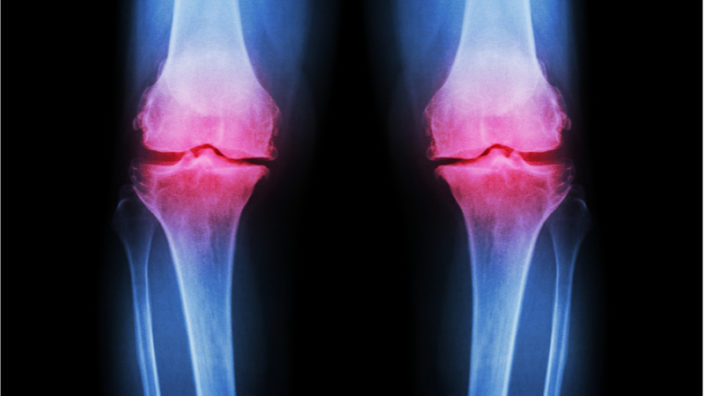
Image of knee inflammation caused by osteoarthritis

Stem Cells Produce Healthy Cartilage in Osteoarthritic Joints

A collective of scientists has shown that osteoarthritis can be alleviated by guiding skeletal stem cells towards differentiation into chondrocytes, which are responsible for producing healthy cartilage [1].

Osteoarthritis (OA) is a classic example of an age-related disease. While almost non-existent in younger people, it affects as much as half of the over-65 population worldwide. This is unsurprising given that OA is, basically, wear and tear: the degradation of joint cartilage as a result of lifelong friction and of age-related cellular dysfunction. Though OA by itself is not life-threatening, and the reports on its correlation with general mortality have been inconclusive [2], it can cause great discomfort or even disability, eroding the quality of life of people suffering from it. Defeating OA would be a major step towards increasing healthspan.

Since the 1950s, one of the popular OA treatments has been microfracture (MF) therapy, in which a minuscule injury is inflicted in the joint region, triggering tissue regeneration. This therapy is far from perfect since the regenerated tissue only vaguely resembles healthy cartilage. This “fibrotic cartilage” is essentially a type of scar tissue, as it contains a lot of fibrotic cells and has inferior mechanical properties. All MF can do is soothe OA symptoms to a degree.

MSCs or SSCs?

The mechanism behind MF therapy, as the authors of the current study have discovered, is the increased proliferation of skeletal stem cells (SSCs) triggered by microfracture. The term SSC is relatively new (or rather reintroduced) and requires a bit of explanation. Until recently, it was thought that stem cells that differentiate into bone and cartilage can be found not only in bone marrow but in other tissues as well, such as muscle and fat. These cells were named “mesenchymal stem cells” (MSCs), and this term is still widely used in the literature. However, more recent studies demonstrate that stem cells that differentiate into bone and cartilage exist exclusively in bone marrow, which is why some researchers insist that the term “skeletal stem cells” is more descriptive of the cells’ localization [3].

The researchers then set out to further elucidate the role that SSCs play in the regeneration of cartilage following MF. First, they tested the vitality of SSCs in relation to age. As expected, the prevalence of SSCs was found to be much lower in adult than in newborn mice. SSCs from adult mice also showed diminished proliferation ability, and when they differentiated into chondrocytes, they produced far fewer proteoglycans, the molecules that give cartilage its supreme weight-bearing abilities. Similar results were confirmed for human SSCs.

MF did more than just increase the proliferation of the local SSC population at the OA-affected joint. The transcriptional activity of genes in SSCs following MF was altered and became more reminiscent of the SSCs of young mice: MF reverted SSCs to a more juvenile type of gene expression.

Can this natural healing mechanism be further improved?

Previous studies have demonstrated that two key pathways, play an important role in tissue remodeling and homeostasis of cartilage [4]. One of these pathways, bone morphogenic protein 2 (BMP2), is known as a potent osteogenic growth factor. The other, vascular endothelial growth factor (VEGF), is normally a signaling protein that promotes the growth of new blood vessels. It drew the researchers’ attention because it had been shown that inhibiting VEGF signaling slows OA and fibrosis progression.

Separately, both factors produced disappointing results, but the simultaneous administration of BMP2 and inhibition of the VEGF pathway seemed to nudge SSCs towards differentiation into chondrocytes, which led to greatly increased cartilage formation.

Applying the cocktail to the MF site in a mouse OA model produced the desired effect. Together, BMP2 and VEGF inhibition stimulated robust formation of mostly normal, healthy cartilage (as opposed to the “fibrotic cartilage” produced by MF alone) and boosted proteoglycan production. Restoration of the biomechanical properties of the cartilage was further confirmed by improved mobility and gate of the treated mice.

MF-stimulated expansion of the SSC population was substantially slower in aged animals, which led to reduced cartilage regeneration. However, when MF-activated SSCs from young mice were transplanted to older mice undergoing MF-BMP2-VEGF therapy, they greatly contributed to stable cartilage formation.

Conclusion

By combining novel methods with this almost 70-year-old therapy, the researchers were able to overcome its limitations. For the first time, an intervention resulted in the formation of healthy cartilage at OA-affected sites. This achievement is hope-inspiring, given that OA remains a pressing and widespread problem that affects about half of the world’s elderly population. Since FDA-approved versions of BMP2 and VEGF signaling blockage are already in clinical use, this could potentially put a new groundbreaking OA therapy on the fast track for approval and deployment.

Literature

[1] Murphy, M. P., Koepke, L. S., Lopez, M. T., Tong, X., Ambrosi, T. H., Gulati, G. S., … & Steininger, H. (2020). Articular cartilage regeneration by activated skeletal stem cells. Nature Medicine, 1-10.

[2] Xing, D., Xu, Y., Liu, Q., Ke, Y., Wang, B., Li, Z., & Lin, J. (2016). Osteoarthritis and all-cause mortality in worldwide populations: grading the evidence from a meta-analysis. Scientific reports, 6(1), 1-7.

[3] Bianco, P., & Robey, P. G. (2015). Skeletal stem cells. Development, 142(6), 1023-1027.

[4] Ray, A., Singh, P. N. P., Sohaskey, M. L., Harland, R. M., & Bandyopadhyay, A. (2015). Precise spatial restriction of BMP signaling is essential for articular cartilage differentiation. Development, 142(6), 1169-1179.

Linking Immunosenescence and Age-Related Diseases

A new review takes a look at the association between the decline of the immune system and the development and course of age-related diseases.

Our immune system is the ultimate defense against invading pathogens and unwanted waste, and its efficient operation is critical to the healthy function of every tissue in the body. We have many kinds of immune cells, and they perform a diverse range of tasks, including patrolling for pathogens, supporting tissue repair and healing, removing senescent cells to prevent their accumulation, breaking down cellular waste and clearing away cell debris, and much more.

Unfortunately, as we get older, the immune system as a whole begins to fail and break down in a process known as immunosenescence. Immunosenescence in a nutshell is the gradual deterioration of the immune system due to advancing age. The adaptive immune system is also affected more than the innate immune system is by immunosenescence.

A serious consequence of immunosenescence is the loss of ability to defend against dangerous pathogens. A barely functional immune system means that literally any infection is a serious matter; what would be considered a trivial injury or infection for someone younger can become a matter of life and death for an older person with a weakened immune system.

Along with the obvious vulnerability to infection, immunosenescence is also accompanied by insidious inflammation. Normally, immune cells use inflammation as a tool to destroy invaders, recruit other immune cells to an injury site, and facilitate wound healing. However, as immunosenescence kicks in, the immune cells begin to behave more erratically, activating inappropriately, and greatly increasing the level of chronic systemic inflammation via their secreted inflammatory signals.

This persistent systemic inflammation is often called “inflammaging“, and immunosenescence is only one of the sources, but it is a significant one. Inflammaging supports the onset and progression of a number of age-related diseases, including atherosclerosis, arthritis, hypertension, and cancer. On top of that, it also reduces tissue repair and regeneration, making wound healing slower and even trivial injuries harder to recover from.

Today, we want to point out a new review that takes a closer look at the association between immunosenescence and age-related diseases [1]. The researchers explore how the aging immune system contributes to the development of age-related diseases, such as neurodegenerative diseases, rheumatoid arthritis, cancer, cardiovascular, and metabolic diseases.

The aging immune system (immunosenescence) has been implicated with increased morbidity and mortality in the elderly. Of note, T cell aging and low-grade inflammation (inflammaging) are implicated with several age-related conditions. The expansion of late-differentiated T cells (CD28−), regulatory T cells, increased serum levels of autoantibodies, and pro-inflammatory cytokines were implicated with morbidities during aging. Features of accelerated immunosenescence can be identified in adults with chronic inflammatory conditions, such as rheumatoid arthritis, and are predictive of poor clinical outcomes. Therefore, there is an interplay between immunosenescence and age-related diseases. In this review, we discuss how the aging immune system may contribute to the development and clinical course of age-related diseases such as neurodegenerative diseases, rheumatoid arthritis, cancer, cardiovascular, and metabolic diseases.

Conclusion

Given the range of age-related diseases as well as the increased risk from infections and the reduction of tissue repair, the rejuvenation of the immune system should be a top priority for our field.

Thankfully, there are a number of initiatives seeking to achieve just that, including Intervene Immune‘s efforts to regenerate the thymus. There are also other companies working on replacing lost hematopoietic stem cells in the bone marrow with fresh cells in order to restore the production and supply of immune cells across the body.

Senolytics, the class of drugs capable of destroying inflammatory senescent cells, may also find utility in the selective destruction of damaged and dysfunctional immune cells.

Ultimately, the decline of the immune system is likely a big reason we age, and solving the problem of immunosenescence would almost certainly be a big step towards longer, healthier lives free from the diseases of aging.

Literature

[1] Barbé-Tuana, F., Funchal, G., Schmitz, C. R. R., Maurmann, R. M., & Bauer, M. E. (2020, August). The interplay between immunosenescence and age-related diseases. In Seminars in Immunopathology (pp. 1-13). Springer Berlin Heidelberg.

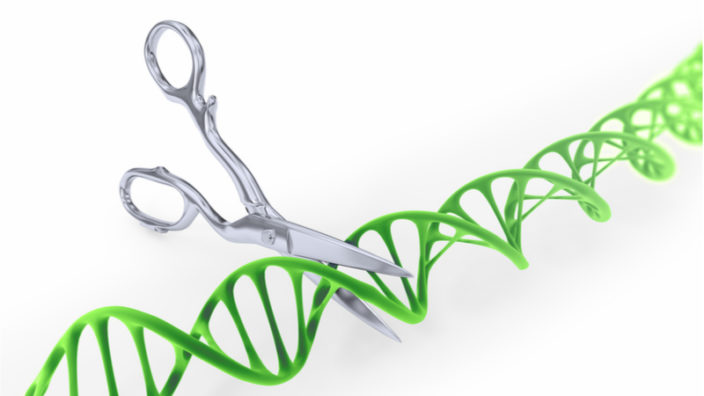
Image of scissors cutting DNA to represent gene editing with CRISPR

New Gene Therapy Destroys 90% of Herpes Simplex Virus 1

The body can be home to many latent viruses, which can lie dormant for years only to be activated much later under certain conditions. Now, researchers may have the solution to one such persistent virus: herpes simplex virus 1, which is commonly known as oral herpes.

Latent viruses put strain on the immune system

A latent viral infection is a type of persistent viral infection in which the virus has periods of dormancy followed by reactivation. Latency is a phase in such viruses’ life cycles in which, following initial infection, the virus ceases to proliferate and send out viral particles. However, in the case of latent viruses, the viral genome in infected cells is not eradicated. Therefore, the virus is able to reactivate months, perhaps years later under certain trigger conditions and resume the proliferation of viral progeny.

In the past, we have talked about the possible contribution to aging that latent viruses may have; cytomegalovirus (CMV) is one such example, as it is a β-herpesvirus that lurks within infected cells and takes up the time and resources of the immune system to keep it in under immunosurveillance. It spreads over the course of decades, increasingly taxes the immune system, and could very likely play an important role in immunosenescence, the age-related decline of the immune system.

Similar to CMV, herpes simplex virus 1 (HSV-1) is another endemic, latent virus, as around 67% of the global population under the age of 50 is thought to have it. HSV-1 typically produces cold sores during initial infection and during subsequent periodic reactivation.

Much like CMV, the presence of HSV almost certainly contributes to the overall infectious burden of the immune system; however, it is not considered as life threatening and is rarely the focus of efforts to find effective treatments for it. Indeed, most efforts in the past have focused on relieving the symptoms rather than tackling the cause, an all-too-common theme in medicine, especially when it comes to treating age-related diseases.

Destroying the virus with gene editing

Researchers at the Fred Hutchinson Cancer Research Center may, however, finally have a possible solution to this persistent virus. Using gene editing, they removed HSV-1 from infected cells in a new mouse study. The animal models showed at least a 90 percent reduction of the virus in the superior cervical ganglia, the nerve tissue where the virus lies dormant.

This reduction of the virus, which persisted for at least a month following treatment, may even be enough to allow the immune system to defeat it and prevent it from returning.

To achieve this, the researchers focused on the nerve pathways that run between the neck and face, which includes the tissue where the HSV-1 hides in a dormant state and evades the immune system. Uniquely, two types of gene editing “scissors” were used to cut the DNA of the virus in order to damage it beyond repair and destroy the virus.

The team found that when using just a single pair of scissors, the virus was able to repair itself, but with two cutting proteins called meganucleases, the DNA of the virus was destroyed beyond repair. These twin DNA scissors were delivered to the HSV-1 infected cells by introducing the gene coding for the gene cutting proteins using a harmless deactivated viral vector, which is able to infiltrate the target cell to deliver its payload.

The researchers are also testing a similar approach to treating the related and more serious herpes simplex 2 virus, which causes genital herpes. The researchers’ plan is to reach human clinical trials for these approaches in the next three years or so.

We evaluate gene editing of HSV in a well-established mouse model, using adeno-associated virus (AAV)-delivered meganucleases, as a potentially curative approach to treat latent HSV infection. Here we show that AAV-delivered meganucleases, but not CRISPR/Cas9, mediate highly efficient gene editing of HSV, eliminating over 90% of latent virus from superior cervical ganglia. Single-cell RNA sequencing demonstrates that both HSV and individual AAV serotypes are non-randomly distributed among neuronal subsets in ganglia, implying that improved delivery to all neuronal subsets may lead to even more complete elimination of HSV. As predicted, delivery of meganucleases using a triple AAV serotype combination results in the greatest decrease in ganglionic HSV loads. The levels of HSV elimination observed in these studies, if translated to humans, would likely significantly reduce HSV reactivation, shedding, and lesions. Further optimization of meganuclease delivery and activity is likely possible, and may offer a pathway to a cure for HSV infection.

Conclusion

The successful translation of a therapy capable of treating HSV-1 and HSV-2 would be a welcome development, and due to the infectious burden they both impose on the immune system, it has considerable relevance to aging. These latent viruses and others such as CMV could well make a significant contribution to the decline of our immune systems as we age, and so eradicating them from our bodies should be one of the things we focus on the road to ending age-related diseases.

Unity biotechnology logo

Disappointing News for UNITY Biotech

While we enjoy reporting positive news, we do occasionally have to report bad news, and today is one of those days. There has been some disappointing news from UNITY Biotechnology with the release of its Phase 2 senolytic trial of its candidate drug UBX0101.

SOUTH SAN FRANCISCO, Calif., Aug. 17, 2020 (GLOBE NEWSWIRE) — UNITY Biotechnology, Inc. (“UNITY”) [NASDAQ:UBX], a biotechnology company developing therapeutics to extend healthspan by slowing, halting or reversing diseases of aging, today announced the 12-week results from the Phase 2 study of UBX0101, a p53/MDM2 interaction inhibitor, in patients with moderate-to-severe painful osteoarthritis (OA) of the knee.

There was no statistically significant difference between any arm of UBX0101 and placebo at the 12-week endpoint for change from baseline in WOMAC-A, an established measurement of pain in OA. Given these results, UNITY does not anticipate progressing UBX0101 into pivotal studies and will narrow the company’s near-term focus to its ongoing ophthalmologic and neurologic disease programs.

A bit of perspective on these results

This is indeed disappointing news, but let’s put this into perspective. The pathway that UNITY used is only one of a number of known pro-survival pathways that senescent cells use to evade apoptosis. Due to the heterogeneity of senescent cell populations, it may be the case that the senescent cells in the knee joints of the trial participants  were using other pathways to survive and that the ones using p53/MDM2 were either not present or insufficiently present to produce a significant effect.

This in no way invalidates the use of p53/MDM2 as a target pathway; rather, it highlights that we need better biomarkers of senescence in order to better understand what distribution of pathways the senescent cells in a given tissue are using in order to choose the ones most likely to elicit positive results.

It may also be the case that senescent cells do not play a significant role in the development and progression of osteoarthritis.

There are a number of reasons why this particular trial may have failed, and UNITY plans to continue developing and testing its other senolytic drugs, which target other pathways.

Science, particularly that relating to medicine and the biology of aging, is very hard, and there will almost certainly be many setbacks, failures, and bumps in the road before we have our first successes in humans. This news should remind us that we still have a long road ahead of us to end age-related diseases, but it is absolutely a goal worth striving for no matter how hard the challenge is or how many failures it takes before we get it right.

Microscope image of smooth muscle cells

IGF-1 Reverses Mitochondrial Decline in Smooth Muscular Cells

Scientists have shown that insulin-like growth factor (IGF-1) mitigates age-related mitochondrial decline and cellular aging in cultured smooth muscular cells [1], although other studies paint a grimmer picture of IGF-1’s effects.

Mitochondrial decline and aging

Mitochondria, dubbed “the powerhouses of the cell” for producing the bulk of the energy that our cells need to operate, are particularly intriguing organelles. A widely accepted endosymbiotic hypothesis postulates that they descend from a prokaryotic creature that developed a symbiotic relationship with another single-cell organism, having been engulfed by it and survived.

Age-related mitochondrial dysfunction is a major hallmark of aging [2] and may even be, as we recently reported, one of the two distinct pathways to cellular death. Mitochondrial homeostasis is supported via two main mechanisms: mitochondrial biogenesis, the production of new mitochondria, and mitophagy, the removal of dysfunctional mitochondria. The efficiency of both processes declines with age, with mitophagy activity dropping significantly in older cells. This decline probably contributes to organismal aging as well.

IGF-1’s self-contradictory properties

IGF-1 is a hormone that plays an important role in childhood growth and promotes anabolism (the synthesis of biomolecules from smaller units). It affects cell growth, differentiation, and migration. As is often the case in cellular chemistry, IGF-1 has pleiotropic (multiple) and, at times, contradictory effects, including on aging. Experiments on numerous animal models have shown that lower IGF-1 levels increase lifespan [3]. On the other hand, human research has been yielding contradictory results, prompting the authors of one scientific paper to proclaim IGF-1 “the Jekyll and Hyde of the aging brain” [4]. IGF-1 is also known to promote cancer development by inhibiting apoptosis and stimulating cell proliferation [5].

The effect of IGF-1 on cellular aging is much less researched, but the hormone has been shown to promote the survivability of smooth muscular cells (SMCs). These cells line the inside of our arteries and, as such, are extremely important to our health in old age, when blood vessels become stiffer and more prone to damage. The current study attempted to elucidate the mechanisms behind the beneficial effect that IGF-1 seems to exert on SMCs’ survival.

It is known that the aging of arteries, including increasing arterial stiffness, happens in large part due to the mitochondrial damage to SMCs. On the other hand, several reports indicate that IGF-1 preserves mitochondrial function in vitro and in vivo [6]. The next step for the researchers was to suggest that IGF-1 may promote cellular health in SMCs by alleviating mitochondrial decline.

How does it work?

As their model, the scientists chose cultured SMCs derived from mice. Aging-like effects, such as mitochondrial dysfunction and senescence, accumulate in cultured cells with each passage (division), making them a valuable model in longevity research.

The researchers found that IGF-1 indeed restored mitophagy in aged cells, where it ground almost to a halt, and alleviated cellular senescence. The hormone restored mitochondrial membrane potential (MMP) and the cells’ mitochondrial content (“mitochondrial mass”) while reducing damage to mitochondrial DNA. The treatment also resulted in a slower pace of telomere shortening. The results were achieved after a short-term (12-hour) treatment, which could potentially present an important advantage if and when the development of a drug targeting this pathway commences.

As for the mechanism of action, IGF-induced mitophagy was accompanied by overexpression of NRF2 and SIRT3. The former is a transcription factor that controls mitochondrial biogenesis, while the latter, a mitophagy regulator, belongs to the well-known sirtuin family of proteins, which has long been associated with increasing longevity. SIRT3 expression declines with age, probably contributing to mitochondrial dysfunction. Inhibition of these two factors entirely blocked the beneficial effects of IGF-1 on cellular aging, showing that these effects are indeed achieved by activation of mitophagy via the crucial NRF2/SIRT3 pathway.

PINK1 is a mitochondrial kinase and another master regulator of mitophagy. When the researchers performed PINK1 silencing, it suppressed mitophagy and completely inhibited IGF-induced anti-aging effects, providing additional proof that these effects owe their existence mostly to the increased mitophagy.

Conclusion

The results led the researchers to suggest that they have found the mechanism behind IGF-1’s reported antiatherosclerotic effect and that this mechanism can be used as a therapeutic target for alleviating cardiovascular aging. Yet, while this particular study highlights IGF-1’s better nature, it is important to remember that most other studies point to IGF-1 being a promoter of aging and carcinogenesis. However, it may be possible to isolate the beneficial effects of IGF-1 by localizing its administration to smooth muscular cells in the cardiovascular system or to achieve a similar effect by focusing on other, more benign, targets along this pathway.

Literature

[1] Hou, X., Li, Z., Higashi, Y., Delafontaine, P., & Sukhanov, S. (2020). Insulin-Like Growth Factor I Prevents Cellular Aging via Activation of Mitophagy. Journal of Aging Research, 2020.

[2] Haas, R. H. (2019). Mitochondrial dysfunction in aging and diseases of aging.

[3] Vitale, G., Pellegrino, G., Vollery, M., & Hofland, L. J. (2019). ROLE of IGF-1 system in the modulation of longevity: controversies and new insights from a centenarians’ perspective. Frontiers in endocrinology, 10, 27.

[4] Gubbi, S., Quipildor, G. F., Barzilai, N., Huffman, D. M., & Milman, S. (2018). 40 YEARS of IGF1: IGF1: the Jekyll and Hyde of the aging brain. Journal of molecular endocrinology, 61(1), T171-T185.

[5] Shanmugalingam, T., Bosco, C., Ridley, A. J., & Van Hemelrijck, M. (2016). Is there a role for IGF‐1 in the development of second primary cancers?. Cancer medicine, 5(11), 3353-3367.

[6] Naia, L., Ferreira, I. L., Cunha-Oliveira, T., Duarte, A. I., Ribeiro, M., Rosenstock, T. R., … & Humbert, S. (2015). Activation of IGF-1 and insulin signaling pathways ameliorate mitochondrial function and energy metabolism in Huntington’s Disease human lymphoblasts. Molecular neurobiology, 51(1), 331-348.