The Blog

Building a Future Free of Age-Related Disease

Eye exam

Treating Glaucoma with Senolytics

New research suggests that senolytic drugs, which remove harmful senescent cells that accumulate during aging, may be an effective therapy for glaucoma, a common age-related condition that leads to loss of vision.

In the short term, inflammation serves a useful purpose, as it helps to spur the repair and regeneration of tissue and rallies the immune system to defend against marauding invaders.

However, the chronic, smoldering, low-grade inflammation that occurs during aging can be incredibly harmful. The sources of this “inflammaging,” as some researchers describe it, include (but are not limited to) dysfunctional immune cells, cell debris, disruption to the gut microbiome, and senescent cells. Today, we are concerned about the latter after the release of a new study focusing on senescent cells and glaucoma [1].

The presence of senescent cells has been linked with a wide, and growing, range of age-related diseases due to their contribution to the elevated levels of systemic inflammation typically observed in older people. Senescent cells secrete a variety of pro-inflammatory signals that, collectively, are known as the senescence‐associated secretory phenotype (SASP).

Glaucoma is the loss of vision caused by the damage and degeneration to the retinal ganglion cells and the optic nerve. In the majority of cases, glaucoma is driven by increased pressure in the eye, which is caused by high blood pressure (hypertension) and damage to the tiny fluid channels in the eye that facilitate drainage.

The researchers here demonstrate that removing senescent cells with the senolytic drug dasatinib reduces ganglion cell death by half in an animal model of glaucoma.

Experimental ocular hypertension induces senescence of retinal ganglion cells (RGCs) that mimics events occurring in human glaucoma. Senescence‐related chromatin remodeling leads to profound transcriptional changes including the upregulation of a subset of genes that encode multiple proteins collectively referred to as the senescence‐associated secretory phenotype (SASP). Emerging evidence suggests that the presence of these proinflammatory and matrix‐degrading molecules has deleterious effects in a variety of tissues. In the current study, we demonstrated in a transgenic mouse model that early removal of senescent cells induced upon elevated intraocular pressure (IOP) protects unaffected RGCs from senescence and apoptosis. Visual evoked potential (VEP) analysis demonstrated that remaining RGCs are functional and that the treatment protected visual functions. Finally, removal of endogenous senescent retinal cells after IOP elevation by a treatment with senolytic drug dasatinib prevented loss of retinal functions and cellular structure. Senolytic drugs may have the potential to mitigate the deleterious impact of elevated IOP on RGC survival in glaucoma and other optic neuropathies.

Conclusion

Glaucoma currently has very limited treatment options, and this study offers a ray of hope for sufferers of the condition. This is the first time that senolytics have been shown to benefit mouse models of glaucoma, and the results are indeed promising. If these results can be translated to human trials, it is plausible that this condition could finally have a robust treatment option that protects patients from losing their sight.

As funding for senolytic research floods into the field, thanks to the increasing amount of interest in doing something about aging, we are likely to see more and more of these kinds of studies and, without a doubt, the list of diseases in which senescent cells have been shown to play a role will continue to grow.

We would like to ask you a small favor. We are a non-profit foundation, and unlike some other organizations, we have no shareholders and no products to sell you. All our news and educational content is free for everyone to read, but it does mean that we rely on the help of people like you. Every contribution, no matter if it’s big or small, supports independent journalism and sustains our future.


Literature

[1] Rocha, L. R., Huu, V. A. N., La Torre, C. P., Xu, Q., Jabari, M., Krawczyk, M., … & Skowronska‐Krawczyk, D. (2019). Early removal of senescent cells protects retinal ganglion cells loss in experimental ocular hypertension. Aging Cell.

2019 to 2020

Looking Back at 2019 – and Forward to 2020

2019 is quite a milestone for LEAF; this will be our fourth year of bringing you the latest industry news, organizing online events, hosting our annual conference in New York, and crowdsourcing important research projects over at lifespan.io. We have been incredibly busy and, as has been customary in previous years, we will be taking a look back at the year.

January

YouGov conducted a survey determining that younger Americans are more interested in longer lives, and indefinite lifespans, than their older counterparts.

LEAF Activities

We conducted a pair of conflicting interviews: one with Dr. Kris Verburgh, an optimist who believes in the potential of AI to revolutionize medicine, and one with Dr. Leonid Peshkin, who is completely in favor of rejuvenative therapies but has a less optimistic view of the future of our industry.

Research

A new pathway was discovered for nicotinamide mononucleotide (NMN) to enter cells directly instead of being converted into nicotinamide riboside first.

February

LEAF Activities

In a collaboration with the Media Institute for Public Health in Russia, Outreach Director Elena Milova co-chaired the second School for Longevity Journalism. Dr. Vadim Gladyshev presented an overview of aging and the areas of research that have the most potential, and Elena along with Anna Dobryukha from Komsomolskaya Pravda shared tips on how to present this topic to the public in an understandable way.

We conducted two more interviews, both of which relate to the financial side of rejuvenation biotechnology: Kelsey Moody of Ichor Therapeutics and the investor Sebastian Aguiar had things to say about the longevity investment ecosystem.

Research

The epigenetic clock GrimAge was shown to be an effective biomarker of biological age, making it potentially useful as a tool for judging the effectiveness of rejuvenative therapies.

The removal of senescent cells from the heart was shown to be beneficial in mice, reducing hypertrophy and fibrosis.

March

We attended Undoing Aging 2019, a European conference held by the SENS Research Foundation and the Forever Healthy Foundation. This conference featured many prominent researchers discussing age-related diseases and rejuvenation biotechnology, and we discussed it on LifeXtenShow, our Youtube show featuring all things rejuvenation.

LEAF Activities

LEAF Outreach Director Elena Milova took part in “At the edge of two professions: the ethics of doctors and medical journalists”, a roundtable on medical ethics. She discussed the ways in which scientific and medical news determines how people make decisions about their own health.

April

LEAF Activities

We conducted a tremendous number of interviews at Undoing Aging 2019, and we published them the following month. Among them, Professor Judy Campisi discussed senolytics, Professor Jerry Shay discussed telomerase, and the well-known Dr. Aubrey de Grey discussed how and why he believes that things are moving faster than expected.

Research

In the brains of mice, cellular waste can be more efficiently cleared by blocking a protein called CD22, significantly reversing cognitive decline. If this can be repeated in people, it offers new hope to those suffering from age-related brain disorders.

May

At an XPRIZE meeting to determine what technologies should be incentivized in the future, LEAF president Keith Comito’s proposal of showing meaningful progress in dementia reduction by 2030 made it to the final round along with Dr. Aubrey de Grey’s proposal of limited but measurable human rejuvenation by 2032.

LEAF Activities

May of 2019 was when LEAF first launched LifeXtenShow, our Youtube video series focusing on rejuvenation biotechnology.

Research

Spiegel Lab researchers at Yale have discovered enzymes that can cleave advanced glycation end-products, which are known to contribute to the development of age-related diseases.

June

Researchers discovered a natural method of breaking down a-synuclein aggregates, which are thought to contribute to Parkinson’s disease. Discovering why and how this mechanism breaks down may lead to effective therapies for this neurodegenerative disorder.

July

As expected, July was our most important month of 2019, as we held our second annual Ending Age-Related Diseases conference. This conference featured many prominent researchers and experts in all aspects of rejuvenation biotechnology, including basic biology, financial concerns, and potential new therapeutics that can potentially ameliorate age-related diseases.

LEAF Activities

At Geek Picnic, the largest Russian popular science festival. LEAF Outreach Director Elena Milova gave a talk entitled “Demand for superlongevity: how many people on Earth are ready to crack the aging code” and participated in a panel discussion on the ethics of biohacking.

This month, we published interviews with Sergey Young of the $100 million Longevity Vision fund, Dr. María Blasco of the National Cancer Research Center in Spain, and the well-known Professor George Church, whose company, Rejuvenate Bio, is working on a therapy for aging dogs.

Research

Researchers have found that T cells invade the aging brain due to inflammatory factors, curtailing neural stem cell development and contributing to cognitive decline.

A machine learning algorithm has identified 110 naturally occurring molecules that fight cancer and determined which foods contain the greatest amount of these beneficial substances.

August

While August was relatively quiet compared to the previous month, one of the most significant events for long-term progress was when Juvenescence secured $100 million in funding to develop a variety of rejuvenation biotechnology companies. The chairman of Juvenescence, Jim Mellon, had spoken at EARD2019.

The Forever Healthy Foundation launched Rejuvenation Now, an initiative to promote evidence-based decisionmaking among the rejuvenation community.

LEAF Activities

This month’s interviews were of Dr. Daniel Ives, with whom we had an interesting discussion regarding epigenetic clocks, and Sarah Constatin, whose company, Daphnia Labs, does aging research on the tiny organisms for which her company is named.

Research

Inducing pluripotency in adult stem cells isn’t desirable, as they forget what they are and what they’re supposed to do, but knowing the different routes that cells can take to get to this state is helpful for the development of stem cell therapies.

In one of the first therapeutic uses of cellular reprogramming, researchers have successfully reversed blindness in mice due to age or injury.

September

LEAF Activities

LEAF Outreach Director Elena Milova gave a talk at the Moscow Biohacking Conference, discussing the motivation for a radically increased lifespan. She informed the audience that if people intend to live for a long time, they should deal with global issues, both environmental and social, before they become threats.

We conducted a heavily attended webinar with Dr. David Sinclair, allowing participants to ask Dr. Sinclair about his new book and his thoughts on rejuvenation in general. We had also interviewed Dr. Sinclair about his book prior to its release.

We conducted two more interviews that month: one with demography expert Prof. S. Jay Olshansky and a highly technical one with Dr. Kevin Strange.

Research

Intervene Immune, a company dedicated to thymus rejuvenation, released Phase 1 results showing that its approach was effective in partially restoring the thymi of older people to youthful function.

Going beyond thin-tissue organoids, a method called SWIFT was shown to generate vascular tissue, allowing for the construction of larger synthetic organs.

October

October was the month of MitoMouse, our second campaign with the MitoSENS team. In this project, mice are bred to have some mitochondrial genes present in the nucleus rather than the mitochondria, thereby proving the concept of this potential method for alleviating mitochondrial dysfunction. In one month’s time, we raised a total of $77,625 through our crowdfunding website lifespan.io, completing all stretch goals.

LEAF Activities

We interviewed Dr. Justin Rebo of BioAge as well as Dr. Ronald Kohanski, the Deputy Director of the National Institutes of Aging.

Research

A team of scientists, including Dr. David Sinclair, discovered that the repair of genetic damage leads to epigenetic alterations, showing a close relationship between these two primary hallmarks of aging.

Gensight Biologics, which is working on a cure for the mitochondrial dysfunction that underlies the blindness-causing disease Leber Hereditary Optical Neuropathy, released further trial data. It turns out that Gensight’s approach was, in a way, too effective: the trial only treated one eye of each patient and used the other as a control, but the treatment had spread to both eyes.

November

Quite a few notable scientists teamed up to create a healthcare framework for aging populations and petition WHO to create proper diagnostic codes for age-related diseases, thereby creating endpoints for prospective treatments that prevent and cure them.

Research

The very first CRISPR trial on human beings was used as a therapy against cancer; it began with three people and grew to encompass more.

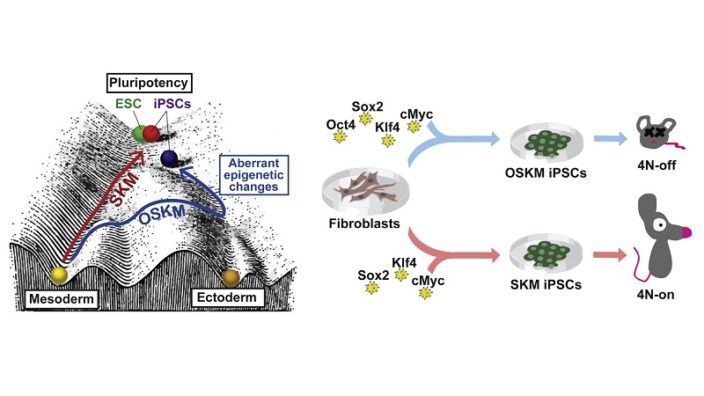
OSKM may no longer be the epigenetic reset cocktail of choice; one study had shown that SKM, without Oct4, may be sufficient for this reset and that Oct4 may be unnecessary and dangerous.

December

LEAF Activities

We interviewed Professor Brian Kennedy of the National University of Singapore about rapamycin and how it relates to the mTOR pathway, and he stressed the importance of developing therapies against aging in Singapore, which is suffering from a severely aging population. We also interviewed Dr. Greg Potter, who offers practical advice on what people can do to lengthen their lives.

Research

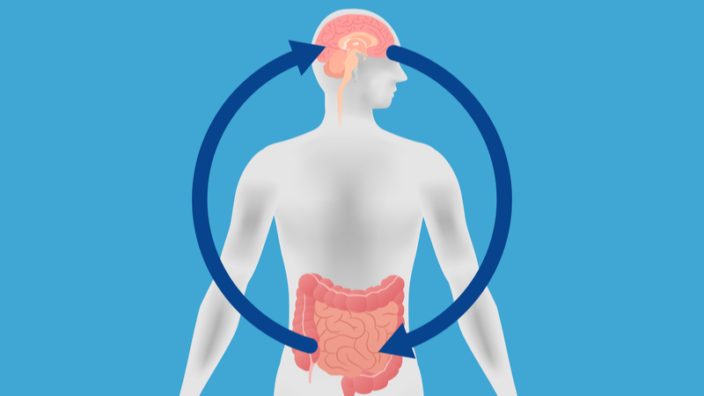
It turns out that harmful changes to your gut microbiome can happen as early as your 30s, causing the onset of the age-related inflammation known as inflammaging.

This piece of research seemingly brings together two entirely disparate topics: in a basic model of aging, caloric restriction has been shown to slow genomic instability, as less stress is placed upon RNA replication machinery.

The growth of LEAF has continued throughout 2019, as we continue to publish well-read articles and scientific communication related to life extension, and we are proud to be at the forefront of this emerging industry. With your support, our site’s traffic has grown past fifty thousand readers a month, and we have grown into a sponsor of multiple successful lifespan.io campaigns and a creator of easy-to-understand science communication videos focused on educating the public about the whys and wherefores of rejuvenation biotechnology.

If you’d like to help us in our mission of bringing us closer to a world without deadly age-related diseases, there are multiple ways to support us.

We look forward to 2020, not just for our own continued growth and our third upcoming conference, but for the critical research that has yet to be done along with the clinical trials and effective, life-saving therapies that will be developed!

Teeth

Anti-Aging Drug Rejuvenates Oral Health

A new study shows that short-term treatment with the common organ rejection drug rapamycin reverses periodontal bone loss, attenuates inflammation, and makes the oral microbiome revert to a more youthful state in old mice.

What is rapamycin?

Rapamycin (also known as sirolimus) is a macrolide, a class of antibiotics that includes Biaxin (Clarithromycin), Zithromax (Azithromycin), Dificid (Fidoximycin), and Erythromycin. Macrolides inhibit the growth of bacteria and are often used in the treatment of common bacterial infections.

Originally isolated from a strain of the Streptomyces bacterial genus, it was found in the Easter Island soil near Rapa Nui, hence its name, and was initially described as an antifungal agent by its discoverers.

Rapamycin is an FDA-approved drug that is used to combat organ rejection during donor transplants and targets the mechanistic target of rapamycin (mTOR) pathway. The mTOR pathway is composed of the mTORC1 and mTORC2 protein complexes. It senses amino acids and is associated with nutrient abundance. It is a kinase, which means it adds phosphates to molecules. mTOR is a master regulator of anabolic metabolism, the process of building new proteins and tissues.

The mTOR pathway is one of the four major pathways that control energy metabolism, and its deregulation is thought to be one of the reasons we age. Numerous experiments with rapamycin in recent years suggest that it can influence aging and promote longevity, at least in mice. For this reason, rapamycin has earned a reputation for being an “anti aging” drug, and, as this new study shows, the description could well be apt.

Rapamycin seems to reverse some aspects of aging

In this new study, a team of researchers led by Dr. Matt Kaeberlein at the University of Washington in Seattle (perhaps better known for his work at the Dog Aging Project) shows that the organ transplant drug rapamycin is able to regenerate the bone into which teeth are embedded [1].

The drug also helped to restore the oral microbiome (the community of microbes that live in the mouth) to a level similar to that found in younger animals, and it reduced inflammation as well.

In this world first, the drug has been demonstrated to rejuvenate the oral environment by spurring new bone growth supporting the teeth.

Periodontal disease is an age-associated disorder clinically defined by periodontal bone loss, inflammation of the specialized tissues that surround and support the tooth, and microbiome dysbiosis. Currently, there is no therapy for reversing periodontal disease, and treatment is generally restricted to preventive measures or tooth extraction. The FDA-approved drug rapamycin slows aging and extends lifespan in multiple organisms, including mice. Here we demonstrate that short-term treatment with rapamycin rejuvenates the aged oral cavity of elderly mice, including regeneration of periodontal bone, attenuation of gingival and periodontal bone inflammation, and revertive shift of the oral microbiome toward a more youthful composition. This provides a geroscience strategy to potentially rejuvenate oral health and reverse periodontal disease in the elderly.

Conclusion

This, once again, shows that aging is not a one-way street and is, in fact, malleable and open to intervention. Drugs such as rapamycin are already approved, have a good safety profile, and may represent low-hanging fruit for therapies that target aging.

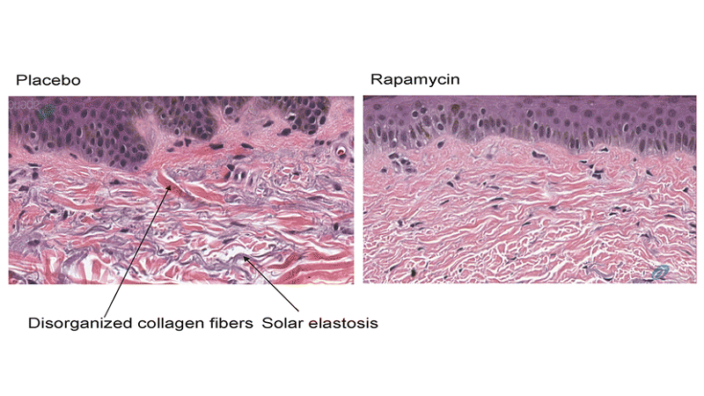
These promising results are not only in mice; there are already some results for the drug in humans, a recent human trial for skin aging using the same drug recently published positive results.

We would like to ask you a small favor. We are a non-profit foundation, and unlike some other organizations, we have no shareholders and no products to sell you. All our news and educational content is free for everyone to read, but it does mean that we rely on the help of people like you. Every contribution, no matter if it’s big or small, supports independent journalism and sustains our future.

Literature

[1] An, J. Y., Kerns, K. A., Ouellette, A., Robinson, L., Morris, D., Kaczorowski, C., … & Kaeberlein, M. (2019). Rapamycin rejuvenates oral health in aging mice. BioRxiv, 861369.

Interview Greg Potter

Greg Potter on Biohacking and Lifestyle

We had the opportunity to interview Greg Potter, Ph.D., a researcher of lifestyle factors in health throughout life, at Biohacking Conference Moscow, which was hosted at the Congress Centre Technopolis Moscow on September 19th.

In a provocative 2017 publication, Serge Faguet claimed to have spent $200,000 on becoming healthier and happier through biohacking; since then, there has been a growing interest in self-tuning.

While some methods remain experimental and risky, others have reliable evidence behind them and can indeed be used by the public to extend healthspan. However, even the most advanced biohackers, including Dr. Potter, admit that building an evidence-based system to maintain health in middle age is complicated and requires significant intellectual effort.

Your scientific research covers multiple topics, from biometrics, diet and fasting to healthy sleep patterns and various forms of physical activity. Science is quite often counterintuitive, meaning that we can expect one thing yet find something about it different. What findings concerning lifestyle and health have been the most surprising for you so far?

I think it depends on the particular lifestyle factor that you’re looking at; I can give a couple of examples that I found very counterintuitive. Concerning sleep, for example: a number of people who struggle to sleep well and have certain forms of insomnia, and sometimes restricting their sleep actually dramatically improves their sleep quality. Over time, that improves how they sleep. That would be one example.

If you think about health in general, and I know that you are especially interested in longevity, there are various different ways you can look at predictors of longevity. Obviously, lots of people are interested in various pharmaceuticals and so on. If you look at the different predictors of longevity, in an untargeted analysis of those predictors, one of the strongest determinants was the person’s self-reported health. So, if you just ask somebody, very simply, “How healthy do you feel at the moment?” that will give you a lot of insight into how likely they are to live a long life.

The representatives of our community often face difficulties when trying to develop healthy lifestyles for their families and to convince friends, say, to stop smoking or to start eating healthily. People often slide back to their own lifestyles, because their local environments don’t support them in retaining healthy ones. What mindset should a person develop to be more resilient and more successful in adopting a healthy lifestyle?

This is a very big question, and I’ll touch on a couple of things. One of the things is that you mentioned the roles of our environments on shaping our health decisions. In recent years, there’s been a lot more attention given to the importance of things like environmental design and how we can optimize our environments to help make healthy choices more straightforward. That’s something that’s worth people learning more about, and there are various resources out there that people can go to; for example, there’s a book, “Atomic Habits”, which was published by James Clear recently, which many people find to be a very practical guide on how to change their environments to make it easier for them to engage in healthy decisions. That’d be one thing.

Regarding mindsets and habit formation, I think people should pick habits that don’t take long to do and that they can do. If anything, they should try to pick things that seem too easy. Because, if people pick more difficult habits, unless they’re very motivated individuals, they are unlikely to sustain those in the long term. So, rather than trying to make dramatic lifestyle changes, in general, I recommend people make small changes. Then, when they’ve ingrained a particular habit, they can then stack an additional healthy lifestyle habit on top of that. If they do so, in that sequential way, they can also better identify how their habits are affecting their health.

The final thing that I’ll mention is regarding mindset. I think that there are certain forms of mental training that will increase people’s awareness of their mindset. For example, meditation is a form of metacognitive training, or training the ability to think about thinking. Before meditation, many people aren’t aware of how chaotic their thoughts are, the fact that our thoughts just arise in our minds without us having conscious control of them. When people go through mindfulness practice, then they become more aware of the nature of their minds, and what they learn to do is watch thoughts arise in the mind. Then, rather than immediately reacting to those thoughts and acting on those things, they can insert a pause. By inserting that pause, they can shift their stance in a way that gives them the ability to make better decisions, so I think mindfulness training is a really useful practice for people to do.

Using biohacking as an advanced form of a healthy lifestyle is a new trend that first started to actively develop after a few quite intriguing publications, one of which is by entrepreneur Serge Faguet, who claims to have spent $200,000 on biohacking and apparently became calmer, kinder, extroverted, healthier and happier. There are many people who want to follow these examples, but who don’t know where to begin. In your view, what is the wrong way to become a biohacker, and what is the right way?

I think it’s difficult because many people who are coming into the biohacking community without a background in science lack the ability to discern good information from bad information. A problem in the community is that some people are very gung-ho, so they will try unproven methods on themselves with the goal of improving longevity or whatever. In some instances, I think we’ll find out that these are actually unsafe.

For that reason, I would always look at safety first. A smart way to go about this is to look at the credentials of people who are involved in this community and find somebody whose voice resonates with you. Base your decision on those two things: choose someone who have a background that helps them discern good information from bad information and somebody who seems to be a voice of reason. Then, learning from that person, choosing things that you think are likely to be safe, and then trying one thing at a time and tracking relevant health outcomes is a smart way to go about it. I would view that as being the right way to go.

The opposite of that would be the wrong way to go. That would be trying these unproven methods, which are potentially dangerous; perhaps they’re invasive, for example, or they use novel therapies, or on further rational thought, they just don’t make any sense. There’s no biological plausibility. That would be the wrong way to go about biohacking.

What would you say about the role of diagnostics in doing biohacking in a good way or in a bad way?

There are things that it’s worth everybody tracking periodically, over time. Those are the things that we know are strongly predictive of overall health and longevity, and those things should be tailored to the individual. Most people suffer from some sort of chronic health condition, and most people aren’t in good metabolic health. Frankly, there’s been some recent work in US adults that has shown that more than 80% of people have suboptimal metabolic health, for example, and I know that many of the people listening to this will be very interested in their health, so they’re not representative of the general population.

The point is that perhaps there’s something that you struggle with with your own health, so I would track something that’s related to that. I’d probably track both the outcome and some lifestyle behaviors that affect that too. Maybe, for example, you struggle with your sleep. One of the things that you could track related to that would be your caffeine intake, for example. That would be one thing: track something that is relevant to your personal goals and that you struggle with.

Also, I would periodically track the health-related quality of life. There are some very simple questionnaires out there that are useful. One of them is the WHO 5. Another is the Short-Form 12 questionnaire. I think those are worth tracking over time. There are certain lifestyle behaviors that I think people should all track, periodically; one would be sleep. You can track that using subjective questionnaires. There’s one available here that people might find useful.

You can also track your sleep using wearable devices, whether it’s a smart ring or a wrist-worn device, whatever it might be, and I would track sleep periodically for two weeks at a time, perhaps three times a year, something like that. Then, I would also periodically track physical activity. Most people fail to meet government Physical Activity Guidelines; physical activity is, of course, an important determinant of overall health. A simple wrist-worn device that tracks step count is useful for people. People should be doing resistance training for major muscle groups a couple of times a week, so I think tracking physical activity is also wise.

Periodically tracking nutrition, too, is a good idea for many people. Unless you have a very strong interest in health, it’s unlikely that you have a good understanding of the nutrients that you’re consuming each day.

This raises an interesting point, which is that the mere act of tracking behaviors tends to quite potently and positively influence the behavior that’s being tracked. There’s been some behavioral science research in recent years that has looked at all the different techniques that are used by behavioral scientists to positively affect health behaviors. When they’ve systematically looked at those behaviors, the single most potent technique in positively affecting our behaviors is self-monitoring. It’s just tracking behavior. If you want to improve your diet, then you should occasionally track your diet. Makes sense, right? That would be one thing to do.

Finally, I do think that there are certain health outcomes that everybody should track every once in a while; the frequency with which you track these depends on you as a person. If, for example, you’re overweight, and you’re trying to lose weight, then you should probably track your body weight every week, and probably multiple times each week. If you’re prone to high blood pressure, then you should probably regularly test your blood pressure. If you have some abnormalities in your blood test, maybe, for example, you have dyslipidemia or poor blood sugar regulation, you should track those at relatively regular intervals too. Because those involve invasive tests or blood tests, and so on, you don’t want to track those too frequently, because that does come with some risks, but certainly tracking those at least once a year does make sense to me too.

What is the contribution of various aspects of lifestyle to personal health? Are there factors that can give you more years of healthy life and should be promoted as much as possible? Why are these factors the most powerful, in your opinion?

The most powerful factors are all the factors that people already know about. Those are nutrition, physical activity, circadian rhythms, and sleep. Mindset, I would have as something that subsumes everything else, but within that bucket, I would also put stress and stress management. Then, environmental exposures too, and that could be things like exposure to certain compounds in the built environment, which negatively affect health. It could be time spent in nature and can be exposure to micro-organisms in the soil, which affect the immune system, and so on. The other one that I mentioned is relationships. If we think about the predictors of longevity, again, going back to this personal scenario and particular interest. Interestingly, having a rich social life, and, specifically, not being socially isolated is a very strong predictor of lifespan. That would be something that’s underappreciated, and I hope that people emphasize that more in years to come. Otherwise, it really comes down to mastering the fundamental lifestyle behaviors.

Obviously, lots of people are interested in the development of new drugs and so on, and those will certainly affect longevity in many people. I would contend that these drugs or lifestyles most positively influence lifespan in people who suffer from related health problems. If you take somebody who’s already in good health, then trying some of these putative pro-longevity drugs, I’m not sure how strong of an effect it’s likely to have, going by the data that I’ve seen so far on the drugs that we currently have. That’s not to say that in the future, we might not find some really promising compounds. I hope that we do, but for the time being, I think that we can get many of the benefits that these drugs are trying to induce through various lifestyle behaviors. If we think, for example, about mTOR and that signaling pathway, then we know that, based on studies of non-human animals, such as mice, a ketogenic diet will lead to tissue-specific changes and mTOR signaling, which should have pro-longevity effects. If you combine that with resistance training, which is going to selectively increase chemical signaling in skeletal muscles, and therefore help people hold on to lots of muscle mass as they grow older, which is important in avoiding falls, which are a very strong predictor of dying from any cause, then rather than taking a rapalog or rapamycin and trying to affect mTOR that way, you can just occasionally consume a low-carbohydrate diet and lift some weights to get the same effect.

I think it’s always dependent on the individual. For some people, it’s going to be really important to focus on their sleep. For other people, it’s going to be an important focus on nutrition. When I say that, it might be that for a given individual, nutrition is the most important thing. But the problem is that they can’t change their diet behaviors as easily as they can change other behaviors. So, even if their diet’s the most important thing to address first, if they can’t influence their diet that strongly because they just really struggle to change that behavior, then they might benefit more from positively affecting their sleep, because at least they can make some beneficial changes to their lifestyle that way. It depends on the person, but it depends on the potency of the change and the ability to enact that change as well.

Academics are currently investigating the potential of certain products that are based on supplements to extend healthy life and lifespan while prolonging the period of health. What do you think of this approach in general?

I think that it’s worth pursuing, but with that said, I think that at the moment, the approach is not balanced. What I mean by that is that many of the people who are especially interested in extending healthspan are focusing on the development of novel pharmaceuticals. As I mentioned earlier, there are various lifestyle ways of achieving some of the same effects that some of these drugs are trying to target. The point is that most people struggle with their health because they have poor health behaviors, so what we need to do is better understand how we can help those people and improve their health behaviors. In recent years, more people have been speaking about the importance of behavioral science, but the reality is that most of these companies that are trying to extend healthspan only pay lip service to behavioral science. Very few of them have systematically looked at the behavioral science literature. If you think about drugs, for example, then even if you pay people to take drugs, their compliance with taking most drugs is not that high. That’s when they’re being paid.

That’s something that I find absolutely crazy, that even in cancer patients, the compliance is not 100%.

Exactly. So if we want to help people extend their healthspan in a way which is sustainable, then I would love to take a lot of the money that’s currently being funneled into the development of some drugs, and put that into us being better able to help people change their health behaviors because I think that’s what people need to do, first and foremost.

What lifestyle factors have only a marginal effect on health, and are not worth spending time on, despite being promoted by some companies as “must be done”? Basically, what approaches do you find useless?

Yeah, I’m not sure I would ever say that anything is useless, because we’re all so different from each other. With that said, of course, there are commonalities that everybody should focus on. What I will say is that, in certain communities, I think there’s a massive overemphasis put on certain things. One of those would be the supplement industry and taking doubtful supplements with a view towards improving healthful performance or extending lifespan, for example. The reality is that the industry is not that well regulated. Much of the time, what you buy will not contain what it says it does, and, sometimes, it won’t have the appropriate doses of the relevant compounds to have the effect that it claims to have. I think that there’s too much emphasis put on that by some people. In general, if you think about those lifestyle behaviors that I mentioned earlier, for example, physical activity, and sleep and circadian rhythms, then I think historically, people are focused far too much on nutrition. In recent years, I’m happy to say that people are being more cognizant of things like their sleep. I think that’s definitely a positive societal trend. But there’s still an imbalance. There’s too much emphasis put on nutrition still, way too much interest in certain dietary approaches. The ketogenic diet is one of these that’s useful for some people but only a minority of people. That isn’t something that people who are otherwise healthy should necessarily try. People probably don’t put enough emphasis on the importance of our social lives and the pivotal roles that they have on our health.

There’s an increasing amount of scientific data in our own health data, which is called quantified self, an amount of data that is so big that our human brains cannot process it anymore. It makes decision making about a healthy lifestyle rather tricky. Some people even argue that having your full genome data, for instance, is useless. What’s the best way to benefit from having a lot of data about your health?

To slightly circumvent the question, there’s a benefit to be had by combining big data approaches with smaller data approaches. Because there are certainly different things that we can track about our health, it’s now possible to uncover previously unappreciated relationships between certain factors that affect our health and the health outcomes that are related to them. We can use that type of big data approach to identifying the health behaviors and some of the other inputs to our health that are likely to be good starting points for most people, but we’re all different. We need to take that big data approach as a starting point for what constitutes a healthy lifestyle for somebody. Then we need to supplement it with a small data approach, where we go through a series of micro and one-off experiments on ourselves, and then track how we respond to changes to our lifestyles, and there are ways that people can do this systematically.

Right now, frankly, nobody in the biohacking community or quantified self community is speaking about the stuff that I’m aware of, but that approach entails drawing on some other disciplines. I’m not just speaking about behavioral science; there actually are some things like control systems engineering that are very relevant to this. I think that many people are doing this very well at the moment. Basically, use big data approaches to identify starting points for people, then track how you respond to certain changes in your lifestyle over time, understand that you are an individual.

To finally add one thing related to something you mentioned, which was genetics data, and whether those are useful. I think that many of the novel omics-type approaches, whether that’s proteomics, metabolomics, genomics, I don’t think those data are easy to interpret at the moment. I think the reality is that we know a lot about what, for example, blood chemistry data, tell us about people’s health, and we know how to positively or negatively affect those parameters and how changing those parameters will influence somebody’s health trajectory. But I don’t think that we can say the same thing in, for example, metabolomics or proteomics. I think the reality is that regarding genetics data, different genetic variants interact with each other. This is an enormously complex thing to try and unpack. There are very rare mutations in certain genes, which will potently affect certain health outcomes, but they are extremely rare, and most people probably don’t carry those mutations. Getting a 23andMe report and then trying to make dramatic lifestyle changes based on those, I think, might be a bit misguided.

The reality is also that if you look at how people change their behaviors in response to getting these reports done, the data show that getting something like a genetics test tends to very negligibly affect related health behaviors thereafter. This really comes back to optimizing lifestyle, treating yourself as an individual, but then starting with some general heuristics that are likely to positively affect health, which, of course, are things like consuming whole foods, minimizing stress in your life, being physically active outdoors each day, and hanging out with people that you love.

Is there a factor, such as the development of new applications with deep learning, that can actually make this big data stuff usable for ordinary people?

Regarding the second point I made about the need for a smooth data paradigm, I think that some of these more advanced computational methods will be very insightful in the years to come and can be applicable to some of these animal experiments. I don’t think people are quite at the stage where that’s possible yet. I haven’t seen anything to lead me to think that that’s the case.

I guess that would just require us to unite, in one network, the medical data from classic medical organizations like hospitals and clinics, where people track their health records, with applications that track assorted health data from diagnostic centers that conduct checkups, especially large checkups and regular checkups. Then, we can use something like deep learning to analyze this data and to support the decision making of a medical specialist, who can then give this information back to the patient in an understandable way.

Exactly. Eric Topol, who many of the listeners will be familiar with, wrote a nice paper earlier this year reviewing the convergence of AI and medicine. We can think about all these different -omes. You have your genome, you have your proteome, you have your metabolome, you have your behaviorome, the sum of all your behaviors each day. We need a way of combining all of these together and then using some of these computational approaches to make sense of that. Then there are additional areas that we can know, based on math, exactly what people should be doing right now; theoretically, we can know that, although we live in this unpredictable universe, which is full of entropy. Math will help identify what people need to be doing. We still need to know how to get people to actually do what they need to do to capitalize on those health benefits.

Motivation is a problem.

Yeah, motivation, but also all those environmental factors that influence our decision making. How can we design our built environments to help people better navigate their health decisions?

Could you please tell our readers about your current projects? What is your current mission? How do you understand it and what are you working on right now in your plans?

I am working for a startup, and what we’re really trying to do is automate health coaching. Most people’s health problems are preventable or reversible through simple lifestyle behaviors, but people don’t know exactly what they should be doing. They don’t know what they’re able to do, and they don’t know how to support their ability to change those behaviors. What we want to do is create a tool that helps people navigate all of those decisions and pushes people towards their health goals but also still supports their long-term health. We want to create something that is scalable but also cost-effective, because the reality is that most people that have poor health aren’t as well off as the people who have lots of money and therefore can afford all the best medical care. If I’m thinking about how I can do the most good in the course of my career, then the reality is that helping these people who have less money and poorer health is better aligned with that mission.

What measures to maintain health are you using; what are the pillars of your own lifestyle?

My lifestyle interventions are the ones that I’ve discussed. Regarding measures of health, there are certain things that I track, like my physical activity patterns. I’ll occasionally wear a wrist-worn activity monitor, which will tell me about my snap count. I record the structured exercise that I do, which is normally resistance training four times a week. I sometimes record processed food intake. For example, if it’s the holidays, I’m concerned that I’m going to consume lots of very poor-quality food. Then, simply tracking my unhealthy food intake at that time is likely to make me more aware of it and so, hopefully, to make me less likely to consume lots of that rubbish food. I occasionally get blood tests, maybe every two or three years or so, I regularly check my body weight, although I don’t struggle with my body weight these days at all. I check my sleep maybe four times a year or so for a couple of weeks at a time.

I do also sometimes track life events too, because if, for example, you lose your job, or you move to a new place, then all those things are massive stresses and are really strongly predictive of health outcome, so I would plot those too. One other random thing to mention is that there’s a blog called “Wait, but why”, which I love. The person who writes that blog, years ago, came out with this calendar, which is called “Your life in weeks“. It’s a calendar that plots a 90-year life. And there’s a single cell for each week in a 90-year life. I have one of those calendars. Each week, I plot something that I’ve really enjoyed the previous week. I plot meaningful stuff to me in that way.

Do you, as an advanced biohacker, have a take-home message for our readers?

If you are interested in your health, then don’t develop an unhealthy obsession about your health.

We would like to ask you a small favor. We are a non-profit foundation, and unlike some other organizations, we have no shareholders and no products to sell you. All our news and educational content is free for everyone to read, but it does mean that we rely on the help of people like you. Every contribution, no matter if it’s big or small, supports independent journalism and sustains our future.
Tryptophan

Tryptophan as a Therapeutic Target for Inflammaging

A new open access paper takes a look at tryptophan and the role that it plays in the dysfunction of the immune system in the context of the age-related changes that occur in the microbiome [1].

The microbiome

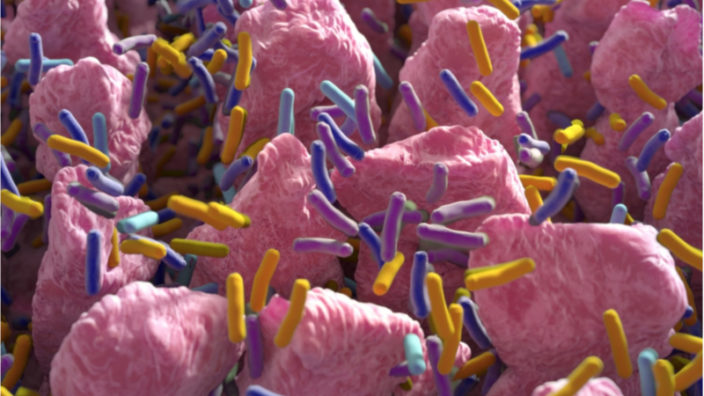
The gut microbiome is a complex ecosystem of bacteria, archaea, eukarya, and viruses that live inside of us, some beneficial and some harmful, the balance of which keeps us alive. Four microbial phyla, Firmicutes, Bacteroides, Proteobacteria, and Actinobacteria, make up 98% of the total population of the intestinal microbiome.

It has taken years of research to start to unravel the complexities of the gut microbiome and how it interacts with our own cells and influences health and lifespan, but that work is starting to bear fruit as our understanding grows.

Many of these teeming bacteria produce useful compounds, such as butyrate, propionate, and indole, that our bodies rely on in order to function. Unfortunately, as we age, the relevant populations of bacteria typically decline along with their beneficial compounds, which can have a significant impact on health.

Tryptophan and the kynurenine pathway

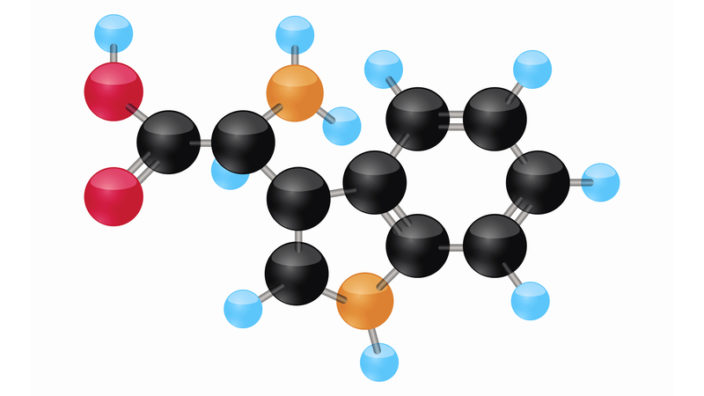
Tryptophan is an α-amino acid that is used in the production of proteins. It is essential in humans: the human body cannot create it, so it must be obtained from dietary sources and processed by the bacteria in the microbiome. Like other compounds, the availability of tryptophan falls as we grow older due to changes to the populations of bacteria that produce it [2].

Generally, the age-related decline of beneficial gut bacteria producing such compounds as tryptophan is accompanied by increasing numbers of harmful bacteria, which contribute to the rise of chronic inflammation typically seen in older people. This smoldering background of persistent low-grade inflammation is known as inflammaging, and it plays havoc with the immune system, cell signaling, and tissue repair, facilitating the development and progression of various age-related diseases.

Nicotinamide adenine dinucleotide (NAD+) is essential for DNA repair, cell signaling, and many other core cellular functions essential to life. This critical coenzyme can be created from scratch (“de novo”) using tryptophan via the kynurenine pathway, which is the only non-vitamin B3 way of creating NAD+. Therefore, the bacteria that produce tryptophan can compensate for shortfalls from dietary sources using this method; if those bacteria decline, then so does that safety net.

In this new paper, the researchers explore how tryptophan creation via the kynurenine pathway regulates inflammaging and supports long-term immune function along with how its levels change during aging and the progression of age-related diseases. Furthermore, they also take a look at how the kynurenine pathway influences other metabolic pathways, including NAD+, microbiota-derived indoles, and the metabolites produced by activation of the kynurenine pathway.

Finally, they also consider the ratio of tryptophan/kynurenine as a potential biomarker of inflammaging and discuss how intervention on the kynurenine pathway may be a therapeutic target to reduce chronic inflammation.

Inflammation aims to restore tissue homeostasis after injury or infection. Age-related decline of tissue homeostasis causes a physiological low-grade chronic inflammatory phenotype known as inflammaging that is involved in many age-related diseases. Activation of tryptophan (Trp) metabolism along the kynurenine (Kyn) pathway prevents hyperinflammation and induces long-term immune tolerance. Systemic Trp and Kyn levels change upon aging and in age-related diseases. Moreover, modulation of Trp metabolism can either aggravate or prevent inflammaging-related diseases. In this review, we discuss how age-related Kyn/Trp activation is necessary to control inflammaging and alters the functioning of other metabolic paths of Trp including Kyn metabolites, microbiota-derived indoles and nicotinamide adenine dinucleotide (NAD+). We explore the potential of the Kyn/Trp ratio as a biomarker of inflammaging and discuss how intervening in Trp metabolism might extend health- and lifespan.

Conclusion

The idea that the microbiome might be manipulated in order to promote health and potentially longevity is an interesting one, and there are multiple potential ways in which tryptophan levels in particular might be increased. The direct delivery of tryptophan is plausible, provided it can get beyond the gut and liver to reach the target cells.

Fecal transplants or probiotics are also a possibility in order to increase the population of bacteria that produce tryptophan and are probably a better long-term solution than repeatedly taking a supplement, which is only compensatory. That said, there is some positive animal data for butyrate supplements that offset changes to the gut microbiome, so both approaches are worth exploring.

We would like to ask you a small favor. We are a non-profit foundation, and unlike some other organizations, we have no shareholders and no products to sell you. All our news and educational content is free for everyone to read, but it does mean that we rely on the help of people like you. Every contribution, no matter if it’s big or small, supports independent journalism and sustains our future.

Literature

[1] Sorgdrager, F. J., Naudé, P., Kema, I., Nollen, E., & De Deyn, P. P. (2019). Tryptophan Metabolism in Inflammaging: From Biomarker to Therapeutic Target. Frontiers in immunology, 10, 2565.

[2] Ruiz‐Ruiz, S., Sanchez‐Carrillo, S., Ciordia, S., Mena, M. C., Méndez‐García, C., Rojo, D., … & Ferrer, M. (2019). Functional microbiome deficits associated with ageing: Chronological age threshold. Aging cell.

sudden downtrend

DNA Testing Company Veritas Genetics Suspends U.S. Operations

After experiencing financial issues, DNA testing company Veritas Genetics has announced the suspension of its U.S. operations in an unexpected announcement on December 4th 2019.

The company is perhaps best known for being co-founded by renowned Harvard University geneticist George Church and has been working towards reducing the costs of genome sequencing so that it could become widely available. There are other companies offering genome sequencing, such as 23andMe, but they only look at a small portion of the total DNA; Veritas, on the other hand, sequences the entire genome for $599.

According to Crunchbase, the company had raised over $50 million in venture funding, but that money appears to have run out. Veritas recently took to Twitter and stated that it had encountered “an unexpected adverse financing situation” that has led to the closure of its U.S. operations.

Allegedly, the closure may be linked in part to investors’ concerns over Chinese investment in the company and the current administration’s moves to prevent Chinese investment in U.S. companies. Veritas’s China-based investors include Lilly Asia Ventures, TrustBridge Partners, and Simcere Pharmaceutical.

The closure sees a total of around 50 members of staff being terminated in Danvers, Massachusetts. While this is a blow for the company, it will continue to operate in China, Latin America, and Europe and has vowed to continue its mission of driving down the cost of genome sequencing.

Conclusion

Hopefully, with more companies becoming involved in genome sequencing and its move towards becoming a more commonly used diagnostic tool in healthcare, we will see the prices of whole genome sequencing tumble in the next decade to become widely accessible and affordable. While this is disappointing news for people interested in sequencing their DNA, it does not necessarily mean the end of the line for Veritas, which will be continuing to operate in regions more conducive to their business.

We would like to ask you a small favor. We are a non-profit foundation, and unlike some other organizations, we have no shareholders and no products to sell you. All our news and educational content is free for everyone to read, but it does mean that we rely on the help of people like you. Every contribution, no matter if it’s big or small, supports independent journalism and sustains our future.
Brian Kennedy Interview

Brian Kennedy on Rapamycin, mTOR, and Interventions

If humans ever reach an average lifespan of well over 100 years, what is going to happen? Are we going to be bored with such long lives? “Well,” says Prof. Brian Kennedy of the National University of Singapore, “If you ask me: ‘Do I want to have cancer at 75? Do I want have Alzheimer’s disease at 85? Or do I want to be bored at 110?’ I know which one I’m going to take.”

It’s hard to argue with that. Finding a new hobby to fend off boredom at age 110 is by far a better problem to have than having to look for your lost marbles at age 85, and Brian Kennedy—one of the top names in biogerontology—is working towards a world where healthy supercentenarians are commonplace.

Meet Prof. Kennedy

Up until 2016, Professor Kennedy was President and CEO of the Buck Institute for Research on Aging, a position to which he was appointed in 2010. While the Buck is still one of Brian’s academic affiliations, he currently serves as the Director of the Centre for Healthy Ageing and Professor of Biochemistry and Physiology at the National University of Singapore (NUS).

After earning a BA in Mathematics and Biochemistry, Molecular Biology, and Cellular Biology at Northwestern University, Kennedy was a doctoral student in Dr. Leonard Guarente’s lab at MIT, where he eventually got his PhD in biology. It was during this time that Kennedy’s interest for aging sparked and led to the discovery that sirtuins—a class of proteins affecting several cellular processes, aging included—influenced the longevity of yeast.

After his postdoctoral studies, which were centered on tumor suppression mechanisms, Brian left the Massachusetts General Hospital Cancer Center to become Assistant, and eventually Associate, Professor at the University of Washington. After Washington, his career as an aging researcher continued at the aforementioned Buck Institute for about six years, during which he also held the title of Visiting Professor in Aging Research at Guangdong Medical College in China. Today, in addition to his position at NUS, he’s also an Affiliate Professor at the University of Washington and an Adjunct Professor at the USC Davis School of Gerontology in Los Angeles, California.

His expertise in the field of aging research has earned Prof. Kennedy consultant and board member positions in several biotech and pharmaceutical organisations, such as Mount Tam Biotechnologies and SENS Research Foundation. He’s also co-Editor-in-Chief of the journal Aging Cell.

Prof. Kennedy’s research

Research at the Kennedy Lab, both in Singapore and back at the Buck, is focused on understanding the biology underlying the aging processes and finding ways to translate results into therapies applicable to humans that can delay, prevent and treat aging and the vast array of diseases that come with it.

Presently, Prof. Kennedy’s research projects focus primarily on the mTOR pathway to determine in which tissues it influences mammalian aging and how long-lasting any effects are.

The mechanistic target of rapamycin (mTOR) pathway is one of the four pathways that make up metabolism (IGF-1, mTOR, sirtuins, and AMP), and it has an influence on deregulated nutrient sensing, one of the reasons we age.

The mTOR pathway is composed of the mTORC1 and mTORC2 protein complexes. It senses amino acids and is associated with nutrient abundance. It is a kinase, meaning that it adds phosphates to molecules. mTOR is a master regulator of anabolic metabolism, the process of building new proteins and tissues.

A lower level of mTOR activity increases lifespan in model organisms, such as mice, yeast, worms, and flies. Though lower mTOR is not always beneficial beyond a certain point, very low levels can affect healing and insulin sensitivity and can cause cataracts and testicular cancer generation in mouse models.

The Kennedy Lab in Singapore studies aging in yeasts and nematodes as well, trying to figure out the interaction between different pathways that control aging. Prof. Kennedy’s other research interests include the genetics of diseases such as dilated cardiomyopathy, muscular dystrophy and Hutchinson-Gilford Progeria Syndrome, which resembles premature aging.

Advocating for healthier, longer lives

However, Prof. Kennedy isn’t just a prolific researcher with nearly 200 published papers. He’s also an outspoken supporter of healthy human lifespan extension and has shown his support in a number of ways and on multiple occasions. In 2016, he took part to the Intelligence Squared debate Lifespans are long enough alongside SENS Research Foundation’s CSO Dr. Aubrey de Grey, where both argued against the debate’s titular motion and won by a good margin.

Speaking of SRF, during Kennedy’s presidency, the Buck hosted the Rejuvenation Biotechnology Conference 2016 (RB2016) which was organized by the SENS Research Foundation. During the event, Kennedy gave a speech outlining the inadequacy of the current funding situation for aging research and the perils that our rapidly aging society will face during the first half of the 21st century if we don’t change our approach to treating age-related diseases. As he pointed out, we currently wait until individual diseases manifest and only then try to attack them one at a time, ignoring that aging is the common denominator driving them all. The result is that late in life, what we really do is not health care, but rather “sick care”, as all that is attained this way is keeping people in a state of debilitation for longer.

More recently, he has given a TEDx Talk as well, titled A Medical Revolution: Targeting aging directly, where he again stressed the importance of targeting aging to prevent not only human suffering but also the otherwise inevitable economic crisis fueled by spiraling late-life health care costs for an ever-growing proportion of people whose health conditions make them unable to contribute wealth anymore. That’s not all there is to it; according to Professor Kennedy, for the first time in human history, we’re close to being able to intervene against aging directly—and as our readership certainly knows, his conviction is shared by an increasing number of other biogerontologists. “We’re on the brink of a medical revolution,” he said in the talk.

To better understand the forthcoming medical revolution envisioned by Prof. Kennedy, we got in touch and asked him a few questions. This interview was taken at the Investing in Immortality conference, which was organized by Forbes Russia and non-profit organization Centaura (WayRay).

What, exactly, led you to study the biology of aging? Was it originally only scientific curiosity, or did you always have the goal of translating basic aging research into clinical applications?

It was totally scientific curiosity. When I got started as a graduate student, I wanted to take a project that was just exciting and answer a question that was totally unknown, and that was what causes aging. That’s been my focus when I started, but as I got more experience doing research in the field, and as I realized the challenge of the demographic population in so many people getting old, that I kind of modified my thinking. Now my primary focus is really on doing translation and extending healthspan, slowing aging.

Do you consider aging to be a disease or, at least, a co-morbid syndrome?

I think you can make an argument that it’s a disease, and you can also make an argument that it’s a risk factor for disease, but to me, fundamentally, it doesn’t matter. It’s the biggest driver of chronic diseases, loss of function late in life, and has a huge impact on life quality and health care costs. So we have to do something about aging, whatever you call it, and I don’t think it’s so important what we call it; it’s more important that we all agree that we have to slow down this process.

Do you think that the definition of aging as a disease called actually improve the regulatory situation with this status?

I think that it could certainly have a positive impact in a regulatory way, because if aging is a disease, then it’s much easier to develop therapies and get reimbursed for therapies, so I’m totally supportive of that effort. I think that, however, as I said in my talk, we don’t call cholesterol a disease, but we treat cholesterol because it’s a risk factor, so the FDA does approve interventions on targeted risk factors as well. I think we have to differentiate whether we’re discussing this from a conceptual point of view or from a regulatory point of view. Either way, we need the FDA to recognize the fact that aging is driving these other diseases that they care so much about, whether they want to call it a disease or recognize it as a validated risk factor. Either way, something has to happen so that we can develop interventions.

We sometimes hear people say that we don’t know enough about aging to do anything about it; however, others argue that we know enough now to start testing interventions and moving forward. Would you agree that we are at the point where we can start doing this?

I’m totally committed to the idea of testing candidate interventions in humans. I think we’re totally ready to do that; we have a range of safe interventions that we can test, so we have very low risk of doing harm, and the field will move forward dramatically if we can validate even one or two of these strategies. I believe exercise is more or less already validated, but what I’m talking about are some of the small molecule strategies and other kinds of interventions that are being developed. If we can validate that a couple of those work, I think it’ll have a huge positive impact on the field.

Targeting the aging processes directly is potentially the best way to prevent age-related diseases and the ultimate in preventative medicine. What do you think it will take for medicine to shift from the current infectious disease approach to age-related diseases to a preventative one?

I think it’s not an infectious disease approach, it’s really a treat disease approach that medicine has right now. The medical community does sick care; they don’t do much health care. Health care is prevention, and sick care is treating diseases, and we spend almost all of our research money and medical interventions’ cost on treating diseases. I think it’s pretty clear that that’s not the most effective way; if we can keep you from getting sick, it’s much better than letting you get sick and then keeping you alive. The challenge is how to change the medical community, the reimbursement system, insurance companies.

One of the reasons I’m in Singapore is that they have a public/private health care system, so everybody has a baseline public health care. Some people pay for more private health care as well, but the government pays a significant component of the health care costs for the individual, and that means the government is incentivized to keep people healthy. If we can develop interventional strategies and validate them in Singapore, we can go to the government and say “you don’t have to make money on the intervention.” We’re going to save a tremendous amount of money by keeping people healthy five or 10 years longer, and that’s really our goal.

If you look at the health care system in the U.S., it’s so screwed up with so many perverse incentives that it’s hard to figure out how you would even develop a drug that slows aging, and that that’s not an indictment on aging research, that’s an indictment on the health care system. I think places like Singapore, which publicly finance healthcare, are much better positioned to be the leaders in trying to develop aging interventions.

You were previously based at the Buck for a number of years and were an incredibly important figure there; what was your motivation to change gear and move country?

There wasn’t just one motivation, but I can answer the question in the following way. I wanted to go somewhere where we had to build into clinical studies which really tested interventions in humans, and that means I needed a research center that has good preclinical research, good basic science, but also hospital and clinical studies that are available, so the center we’re trying to build now is much more clinical in nature. I feel like that’s an important step because, as I said, we’ve developed a lot of ways to slow aging in animals, we need to validate that these things work in humans now, and I feel like Singapore is a good place to do it.

Singapore is projected to have a population made up of nearly 50% of senior citizens by 2050; what do you think will be the biggest challenge facing the elder care sector?

I think that we have to change the system. You can’t just build hospitals, because there are multiple challenges with that. First of all, you have a lot of sick people on a small island; it’s hard to treat all of them. There are not enough doctors and not enough hospitals; there are not enough caregivers to take care of older people. Perhaps most importantly, there are not enough younger workers to keep the economy going to pay for all the costs of the older people.

We have to change the paradigm. I don’t think there’s any solution on Singapore except keeping people healthy longer. We’re going to have to raise the retirement age. The people that are working later, they’re already doing that, and that’s not going to work unless those people are healthy and functional. We think we’re trying to provide an essential component of what Singapore and other countries like it need to get through this demographic crisis that’s happening in the next 30 or 40 years.

How receptive have you found the government and healthcare sector in Singapore to the idea of longer and healthier lives through the development of therapies that target the aging processes directly? How hard was it to convince them?

I think it’s still a process. We haven’t convinced everybody in the government; we have people that really understand and are supportive, and we have other people that we’re still talking to. The thing that excites me about the Singapore government is they think progressively. This is a party that’s been in power for a long time, it’s a democratic country, but the same party has won for many years. It’s probably justified because they’ve dramatically improved the life quality of the population in Singapore in the 1960s.

This was a relatively poor country with a lot of problems, and now it’s one of the richest countries in the world with very low corruption and a very good healthcare system. A lot of things have been accomplished, and the government thinks, “What can I do now to have a positive impact 10 years from now”, and that’s very hard to find in a government these days.

If you look at the U.S. government, everybody’s just worried about the next election cycle, and that’s true of a lot of other democratic governments as well. You have other kinds of governments that may have their own challenges, but if you can find someplace that’s really willing to spend money now that will only return on investment 10 years from now, I think you’ve found a place that has a lot of potential, and I think that’s the most promising thing about Singapore.

You are focusing on the mTOR pathway, part of the deregulated nutrient sensing hallmark of aging. What made you choose this particular pathway as the subject of your studies?

We didn’t choose mTOR, mTOR chose us. Essentially, what happened is that we were screening the simple organism yeast, where we can measure aging really quickly. We were just knocking out every gene one by one by one and finding out which genes lead to longer lifespan, and then we clustered those genes trying to figure out what pathways they’re in. The pathway that jumped out at us was the mTOR pathway.

We were particularly excited about that, because there is a drug, rapamycin, that can inhibit mTOR in mammals and humans even. So there was a clear path toward testing whether mTOR inhibition would have an impact on mammalian aging, and many, many labs have now shown that you can extend lifespan and slow aging, including some work from our lab in mouse models.

Now there’s studies going on in humans that are exciting. I think that it’s emerged now as one of the major pathways that affect aging, and it’s been fun to work on it for the last 10 years; the challenge is that we still don’t really know why reducing TOR activity leads to healthspan extension and lifespan extension, so there’s a lot of basic biology that needs to be done. I’m not planning on giving up on TOR anytime soon.

Rapamycin is the most commonly thought of mTOR inhibitor, but it can suppress the immune system and may have other harmful side effects. Are you investigating the so-called rapalogs as an alternative to rapamycin, and, if so, how do they compare?

There’s two components to this. The first is that there have been studies with current drugs like rapamycin and everolimus in healthy people, and if you dose effectively, you can dramatically reduce side effects. I think there’s potential even for the current generation of rapalogs to be effective.

Having said that, we’ve been working hard in our lab and through a couple of companies to try to develop new versions of rapamycin that have higher efficacy and lower side effects because rapamycin is very effective, but it does have side effects, and that narrows the therapeutic window in which you can give the drug. If we can either improve the efficacy or reduce the side effects, then we have a broader therapeutic window and we can have a better impact, so we’re excited about trying to make derivatives of rapamycin that work even better, but the first generation of drugs look promising on their own.

A number of people interested in longevity already try to reduce mTOR signaling via approaches such as fasting and caloric restriction; do you practice any of these things, and, if so, have you found a method that suits you best in particular?

Yeah, my lifestyle makes it a little bit difficult to control my diet that well because I’m traveling constantly. However, when I’m in one place, I try to do time-restricted feeding where I eat really just one big meal a day and then try to eat within a narrow window during the day. I think that approach tends to work for me well, but it’s hard for me to stay consistently on it because when you start switching time zones every week, it influences your diet. I also try to exercise and do some sort of endurance training and a little bit of resistance training.

Most importantly for me, I’ve been trying to work on stress levels, because, especially when I was CEO of the Buck, there were a lot of things going on. There’s always a problem somewhere in an institute that big; the Institute’s great, but every institute has its problems that you’re dealing with, so if you take all that home and you’re constantly worried about something, your stress levels get very high and that’s not very good, so I’ve been trying to differentiate the signals that generate stress that come in from how I respond to them. I think that that kind of mindfulness is probably beneficial too, so I’d say I’m not a lifestyle freak in terms of being healthy, but I try to do as much as I can to have a healthy lifestyle. Some of this things impact the mTOR pathway, and some of them impact other pathways.

You are also investigating alterations to nuclear lamins, which appear to influence epigenetics and thus gene expression. Progeria is perhaps the best-known example of where defective lamins cause accelerated aging, so do you personally consider progeria and regular aging closely linked?

I suspect that altered lamin function is one of the drivers of normal aging. I don’t think that’s been completely proven yet, but I think the bulk of the data suggests that’s true. The mutation that causes progeria is a dominant mutation, so it makes the protein do something new, and that causes toxicity. It’s very unclear whether that specific variant of the protein occurs in normal individuals or not. There’s some evidence for it, but it’s not strong.

However, lamins go through this proteolytic processing as they’re made, and so you make a large protein that gets clipped into a shorter protein. There’s evidence that that clipping could become defective with aging, and when you have the unclipped longer protein, it has some effects that are very similar to progerin. So we think that unprocessed lamin may be driving aspects of normal aging, and we’re trying to study that.

It still looks like they are closely linked.

I think that we sort of know this. It’s not called a progeria per se, it’s called a segmental progeria. What’s meant by that is that certain aspects of aging are accelerated in these kids and other aspects are not. For instance, they don’t have neurologic problems. They don’t get Alzheimer’s disease. They don’t have cognitive impairment. But they do have cardiovascular disease, particularly strokes, heart attacks, they have cachexia, they lose hair, their hair turns grey. Some aspects of aging are happening and others aren’t. I think that there are probably a number of disease conditions that are segmental in that way. In fact, I think a lot of diseases are linked to aging. It’s just that a lot of these diseases only affect a couple processes of aging, and progeria affects a number of processes of aging.

I’m asking you because a few years ago, I heard Claudio Franceschi saying that in his view, age-related diseases can even be considered as an accelerated aging of a particular system within the human body. So, in some people, some aspects, some systems age faster, and this is why we see age-related diseases manifest.

I agree with that. That’s what differentiates the outcome of one person aging from another person aging, and another way of saying that is personalized aging. We have to really begin to understand not just how we age the same but how we age differently to have the biggest impact down the road, I think.

Do you think that progeric strains of mice serve as useful models of human aging, or do you think, as some critics do, that they are not an accurate representation of real aging?

I think they represent an acceleration of some pathways of aging and not others, so they have value, but I don’t think it’s fair to say that you can learn everything about normal aging by studying any particular progeria model. I’ll give you an example, for instance, that we’ve been studying the mouse model for Hutchinson-Gilford progeria, the lamin mutation. In our hands, rapamycin does not extend the lifespan of that mouse. In normal mice, it does.

There’s a lot of evidence that affects normal aging, but in that particular context, it’s not improving things. Whereas, you know, if you enhance NAD levels with nicotinamide riboside, then we do see positive impacts on aging even though nicotinamide riboside has less of an effect in normal mice. That would suggest that maybe the sirtuin pathways affected in the progeria models, but the TOR pathway’s doing something different, so some aspects of ageing are accelerated and not others. So, the model’s useful, I just think that it becomes dangerous when you say that this recapitulates all of aging, because none of the models do.

Is there a question you never get asked by journalists that you would like us to ask you about your work?

Wow, that’s a hard one. I haven’t been stumped in a long time. I don’t know that I can point to any one question. I think that maybe what I would say is that I rarely get asked anymore what actually causes aging, and we discussed that today. I think that that’s the fundamental challenge in aging right now, as we know how to do interventions to slow aging, and we’re learning how to measure aging with biomarkers, but we still don’t know what causes aging. I think that the people that ask the right biologic questions to answer that are going to be very famous in this field.

Many people say that the hallmarks of aging are the causes.

Yeah, but I don’t think that gets the proximal causes, like you can say altered nutrient signaling, but the altered nutrient signaling is in response to something earlier. You can say DNA damage, but we don’t know how much DNA damage really contributes, and it’s not going to be zero, but it’s not going to be 100% either. Altered stem cell function with age, why, why? How much of inflammation that we see with aging is made by these senescent cells, and how much of it comes from other pathways? These are all open questions, so hallmarks of aging are good at pointing us in the right direction. I think there’s general consensus that most people believe these hallmarks are important, but how they interact with each other, and what are the proximal causes of aging, I still think are open questions.

We would like to ask you a small favor. We are a non-profit foundation, and unlike some other organizations, we have no shareholders and no products to sell you. All our news and educational content is free for everyone to read, but it does mean that we rely on the help of people like you. Every contribution, no matter if it’s big or small, supports independent journalism and sustains our future.
Villi and bacteria

Age-Related Gut Microbiome Changes Happen Early in Life

A new study suggests that harmful changes to the population and diversity of our gut bacteria may occur when we are as young as our mid 30s, which can have serious implications for health and longevity.

The microbiome

The gut microbiome is a complex and ever-changing ecosystem populated by a myriad of archaea, eukarya, viruses, and bacteria. Four microbial phyla, Firmicutes, Bacteroides, Proteobacteria, and Actinobacteria, make up 98% of the total population of the intestinal microbiome.

The microbiome is a complex ecosystem that regulates various aspects of gut function along with the immune system, the nutrient supply, and metabolism. It also helps to control the growth of pathogenic bacteria, protects from invasive microorganisms, and maintains the intestinal barrier.

As we age, the composition and diversity of the microbiome changes, as the beneficial bacteria populations tend to decline and the harmful bacteria often increase in numbers. One emerging hypothesis is that these changes to the gut microbiome lead to detrimental changes elsewhere in the body and could potentially be the origin point of inflammaging, the chronic low-grade smoldering background of inflammation typically observed in older people.

Many other studies have documented that the range, numbers, and diversity of bacteria in the gut microbiome decline as we get older, while this study has shown a 1.4-fold increase, possibly due to its participants eating a different diet. However, the studies are in agreement that gut microbial changes are linked to the development of a variety of diseases.

Studying the microbiome

In their new study, the researchers provide evidence that harmful changes to the microbiome can actually occur as early as our 30s [1]. These changes include alteration not only to the population and diversity of bacteria in the gut but also to the various compounds they produce, including short-chain fatty acids such as butyrate. The goal of the study was to show the link between those microbial changes and the loss of function associated with aging.

Composition of the gut microbiota changes during ageing, but questions remain about whether age is also associated with deficits in microbiome function and whether these changes occur sharply or progressively. The ability to define these deficits in populations of different ages may help determine a chronological age threshold at which deficits occur and subsequently identify innovative dietary strategies for active and healthy ageing. Here, active gut microbiota and associated metabolic functions were evaluated using shotgun proteomics in three well‐defined age groups consisting of 30 healthy volunteers, namely, ten infants, ten adults and ten elderly individuals. Samples from each volunteer at intervals of up to 6 months (n = 83 samples) were used for validation. Ageing gradually increases the diversity of gut bacteria that actively synthesize proteins, that is by 1.4‐fold from infants to elderly individuals. An analysis of functional deficits consistently identifies a relationship between tryptophan and indole metabolism and ageing (p < 2.8e−8). Indeed, the synthesis of proteins involved in tryptophan and indole production and the faecal concentrations of these metabolites are directly correlated (r2 > .987) and progressively decrease with age (r2 > .948). An age threshold for a 50% decrease is observed ca. 11–31 years old, and a greater than 90% reduction is observed from the ages of 34–54 years. Based on recent investigations linking tryptophan with abundance of indole and other “healthy” longevity molecules and on the results from this small cohort study, dietary interventions aimed at manipulating tryptophan deficits since a relatively “young” age of 34 and, particularly, in the elderly are recommended.

Conclusion

Studies like this can provide valuable insights into how the microbiome changes with age and offer potential solutions to offsetting those changes. There is some evidence in mice that supplementing the loss of the short-chain fatty acid butyrate improves health, and the same may apply to humans. More research is needed, but it is plausible that better health as we age can be supported via interventions focused on the microbiome.

We would like to ask you a small favor. We are a non-profit foundation, and unlike some other organizations, we have no shareholders and no products to sell you. All our news and educational content is free for everyone to read, but it does mean that we rely on the help of people like you. Every contribution, no matter if it’s big or small, supports independent journalism and sustains our future.

Literature

[1] Ruiz‐Ruiz, S., Sanchez‐Carrillo, S., Ciordia, S., Mena, M. C., Méndez‐García, C., Rojo, D., … & Ferrer, M. (2019). Functional microbiome deficits associated with ageing: Chronological age threshold. Aging cell.

The Gut Microbiome’s Influence on Skeletal Muscle Mass

Researcher Dr. Michael Lustgarten has recently published a compact and very readable review that focuses on the role of the gut microbiome and its influence on skeletal muscle mass.

The gut microbiome

The microbiome describes a varied community of bacteria, archaea, eukarya, and viruses that inhabit our gut. The four bacterial phyla of Firmicutes, Bacteroidetes, Proteobacteria, and Actinobacteria comprise 98% of the intestinal microbiome.

The microbiome community is a complex ecosystem whose activity regulates a number of functions in the gut and interacts with the immune system and energy metabolism. The beneficial bacteria in our gut also help to prevent the growth of harmful bacteria, protect us from invasive microorganisms, and help to maintain the integrity of the intestinal barrier.

One of the microbiome’s more important activities is to facilitate energy production and metabolic function, which it achieves by the creation of short-chain fatty acids (SCFAs) and their conjugate bases (acetate, propionate, and butyrate). A number of bacteria, including Faecalibacterium prausnitzii, Roseburia faecis, Anaerostipes butyraticus, Ruminococcaceae, and Christensenellaceae, break down fiber and ferment it to make these SCFAs, which are then used as an energy source for the microbiome and gut membrane cells such as colonocytes. This, in turn, supports the integrity of the intestinal barrier and stimulates the inflammasome pathway in gut homeostasis [1].

The gut microbiome helps facilitate immune function and development, and studies have shown that when the microbiome is absent, such as in animals kept in a sterile environment, the immune system does not develop and mature properly [2]. Gut bacteria such as Candida albicans and Citrobacter rodentium also help with pathogen control by activating T cells and summoning neutrophils and other immune cells. Bacteroides fragilis and Clostridium help to regulate inflammation by inducing the differentiation of regulatory T cells (FoxP3-positive) and the production of interleukin-10 and transforming growth factor β [3].

Reviewing the gut-muscle axis

This new review explores the link between the populations of bacteria in the gut with the age-related loss of skeletal muscle [4]. There is a particular focus on SCFAs during the review along with the excellent suggestion that more studies should include assessment of the presence of SCFAs, which play a vital role in providing the cells lining the intestine with energy and the decline of which may start a cascade that leads to leaky gut.

Within the past year, several studies have reported a positive role for the gut microbiome on the maintenance of skeletal muscle mass, evidence that contrasts previous reports of a negative role for the gut microbiome on the maintenance of whole body lean mass. The purpose of this mini-review is to clarify these seemingly discordant findings, and to review recently published studies that further elucidate the gut-muscle axis.

Conclusion

It is very clear that the health and diversity of our gut microbiome has a strong influence on a number of physiological systems and that adjusting the microbiome may be a useful therapeutic approach to improving health and, potentially, longevity.

Dr. Lustgarten also gave a talk at our Ending Age-Related Diseases 2019 conference in New York, which relates to this research as well as discusses biomarkers and optimal health.

For more info about Dr. Lustgarten and his work, head over to his blog, his university page, or his Twitter or Facebook pages.

We would like to ask you a small favor. We are a non-profit foundation, and unlike some other organizations, we have no shareholders and no products to sell you. All our news and educational content is free for everyone to read, but it does mean that we rely on the help of people like you. Every contribution, no matter if it’s big or small, supports independent journalism and sustains our future.

Literature

[1] Macia, L., Tan, J., Vieira, A. T., Leach, K., Stanley, D., Luong, S., … & Binge, L. (2015). Metabolite-sensing receptors GPR43 and GPR109A facilitate dietary fibre-induced gut homeostasis through regulation of the inflammasome. Nature communications, 6, ncomms7734.

[2] L., & Mazmanian, S. K. (2009). The gut microbiota shapes intestinal immune responses during health and disease. Nature Reviews Immunology, 9(5), 313.

[3] Atarashi, K., Tanoue, T., Oshima, K., Suda, W., Nagano, Y., Nishikawa, H., … & Kim, S. (2013). T reg induction by a rationally selected mixture of Clostridia strains from the human microbiota. Nature, 500(7461), 232.

[4] Lustgarten, M. S. (2019). The role of the gut microbiome on skeletal muscle mass and physical function: 2019 update. Frontiers in Physiology, 10, 1435.

Rapamycin skin

Positive Results of a Human Trial for Skin Aging

The results of a small human clinical trial focused on skin aging have been published, and they are positive.

A topical application of rapamycin, an FDA-approved drug that is used to combat organ rejection during donor transplants and targets the mechanistic target of rapamycin (mTOR) pathway, was tested to see if it had any effect on skin aging.

mTOR is composed of the mTORC1 and mTORC2 protein complexes. It senses amino acids and is associated with nutrient abundance. It is a kinase, which means it adds phosphates to molecules. mTOR is a master regulator of anabolic metabolism, the process of building new proteins and tissues. mTOR is one of the four major pathways which control energy metabolism, and its deregulation is thought to be one of the reasons we age.

Thirty-six participants aged 40 years and over took part in the pilot study and were all chosen due to having signs of photoaging and loss of dermal volume; other than age-related damage to their skin, they were healthy.

The researchers observed that there was a significant decrease in the level of p16INK4A protein following treatment. This protein is typically secreted by senescent cells, which have reached their end of their useful lives or are damaged to the point that they can no longer replicate. Usually these cells enter a self-destruct process known as apoptosis and are disposed of by the immune system, but as we get older, an ever increasing amount of these cells go rogue and avoid this fate. Instead, they remain at large in the body and cause chronic inflammation and are also thought to be another reason we age.

If the presence of p16INK4A protein is falling as a result of treatment, this suggests that there has been a reduction of senescent cells; this could either be a case of them being removed properly by the immune system after entering apoptosis, as happens when we are younger, or that the cells themselves are experiencing a slower pace of aging and reaching senescence later. In either case, the reduction of p16INK4A-expressing cells is a positive thing for longevity, and in animal studies, this is known to lead to an increase of healthy lifespan and the delay of age-related diseases.

The researchers also observed an increase in collagen VII protein in the treated skin. Collagen VII is crucial for the integrity of skin and gives it support and structure; the level of collagen VII also falls as we age and contributes to the formation of wrinkles and other familiar signs of aging in skin.

The researchers suggest that these initial results show that rapamycin has potential in addressing skin aging in humans and could be developed for therapeutic use.

Aging is a major risk factor for the majority of human diseases, and the development of interventions to reduce the intrinsic rate of aging is expected to reduce the risk for age-related diseases including cardiovascular disease, cancer, and dementia. In the skin, aging manifests itself in photodamage and dermal atrophy, with underlying tissue reduction and impaired barrier function. To determine whether rapamycin, an FDA-approved drug targeting the mechanistic target of rapamycin (mTOR) complex, can reduce senescence and markers of aging in human skin, an exploratory, placebo-controlled, interventional trial was conducted in a clinical dermatology setting. Participants were greater than 40 years of age with evidence of age-related photoaging and dermal volume loss and no major morbidities. Thirty-six participants were enrolled in the study, and nineteen discontinued or were lost to follow-up. A significant (P = 0.008) reduction in p16INK4A protein levels and an increase in collagen VII protein levels (P = 0.0077) were observed among participants at the end of the study. Clinical improvement in skin appearance was noted in multiple participants, and immunohistochemical analysis revealed improvement in histological appearance of skin tissue. Topical rapamycin reduced the expression of the p16INK4A protein consistent with a reduction in cellular senescence. This change was accompanied by relative improvement in clinical appearance of the skin and histological markers of aging and by an increase in collagen VII, which is critical to the integrity of the basement membrane. These results indicate that rapamycin treatment is a potential anti-aging therapy with efficacy in humans.

Conclusion

A relatively low dose of rapamycin (10 μM, or 0.001%) is being used for this topical application, while far higher doses (0.1–1%) are used for the treatment of tuberous sclerosis complex (TSC) without serious side effects. In the treatment of TSC, the dose is designed to halt cell growth, but in this application, the dose is massively lower in order to aid healthy cell function without stopping cells from growing and replicating. This dose, therefore, presents a minimal risk to safety.

It is also worth noting that there are a number of other drugs that target mTOR, including several rapalogs, which are based on rapamycin but may be more efficient and with less off-target effects. It would be interesting to test those rapalogs using the same topical delivery approach to see if they are more or less effective at combating skin aging.

Unfortunately, as people are people and are harder to keep track of than mice, 19 participants dropped out of the study before it was completed. This is a shame but highlights why human studies should be as large as possible, as non-compliance and drop-outs are all too common. There were still a reasonable number of remaining participants, especially for an initial study like this, and the data presented here is valuable. We look forward to seeing a larger follow-up study that will hopefully further confirm the viability of topical rapamycin for skin aging.

We would like to ask you a small favor. We are a non-profit foundation, and unlike some other organizations, we have no shareholders and no products to sell you. All our news and educational content is free for everyone to read, but it does mean that we rely on the help of people like you. Every contribution, no matter if it’s big or small, supports independent journalism and sustains our future.
Colombia

Irresponsible Marketing Surrounds Telomerase Trials

Recently, Libella Gene Therapeutics has announced that it will be running a patient-paid trial in Colombia with an eye-watering $1 million USD price tag on enrollment.

Patient-paid trial likely to cause backlash

The topic of patient-paid trials often stirs up considerable debate among the research community, regulatory authorities, and the general public, with many people suggesting that it is unethical to expect patients to pay to participate in clinical trials. While this is a controversial issue, these trials are a legitimate way to test therapies that would otherwise struggle to reach the clinic due to cost constraints, and the data gathered by such trials can still be valuable.

This is certainly the case with therapies that directly target the aging processes in order to address age-related diseases, as this concept is still very new and viewed with skepticism by some healthcare practitioners and researchers. Therefore, running trials to test the approach of directly targeting aging has great potential value and could help build the overwhelming support that is needed to change how healthcare treats aging and age-related diseases.

However, that said, there is almost no doubt whatsoever that this study’s patient-paid status is going to cause considerable backlash and condemnation by many people in the healthcare community.

The huge price tag is no surprise

There is no doubt that a lot of media focus will be on the $1 million per-patient price tag, but this is not really any surprise given the manufacturing costs currently associated with producing the adeno-associated virus (AAV) that is used as a vector for gene therapy.

If we assume Libella is creating viral vectors in accordance with U.S. Good Manufacturing Practice (GMP), and the company very much should be doing so if it is serious about safety and reliable results, then it is likely that the bulk of that $1 million cost per treatment is going into manufacturing costs.

AAV is currently the favorite delivery method for gene therapies; however, even years after its initial development, it remains hugely expensive to create even a single dose of such a vector.

This is, of course, an unacceptable situation for aging and healthcare research in general, and there needs to be a breakthrough in the reduction of manufacturing costs before gene therapy is scalable for broad clinical deployment. We have already seen such cost reductions in things like gene sequencing, which now costs a few hundred dollars per test compared to many thousands just a decade or so ago. Hopefully, we will see similar reductions happen to gene therapy in the near future, as therapies could remain prohibitively expensive until they do.

Small-scale studies only get you so far

Such a study is unlikely to attract the hundreds of patients needed for high-quality data, and with small studies, there is a risk of statistical noise; for example, in mouse research, it is best to have at least a few dozen mice in addition to a similarly sized control group, as a larger group is less likely to be affected by outliers.

Also, lab mice are closely related on a genetic level, unlike humans who have many gene variants and far more confounding factors than mice do, which makes large-scale studies an absolute must when dealing with humans.

Simply put, the larger the test group, the more reliable the data will be; if a large group shows positive results, this greatly supports the efficacy of a therapy. In a small group of 5-10 people, that data is far less reliable, and an outlier has the potential to skew the figures considerably.

Another concern in small-scale studies like this is the lack of a control group, which really is a must in a clinical trial if the resulting data is to be of good quality. Obviously, this very much depends on the study’s design, but the inclusion or absence of a control group is a significant factor in its quality. Granted this is apparently a phase 1 study and therefore focused on determining safety rather than efficacy, but given how important the data could be for such an expensive trial, we would be very surprised if data on its efficacy was not being recorded and if so including a control group would be useful.

In any event, a small study like this could only be considered a pilot, and before wider access could happen, it would still need to go via the proper regulatory channels in the US or EU before it could be approved for use in healthcare. Let us hope that if Libella is successful, it can approach the FDA with its Colombian data and that the agency will take it into consideration while further trials are arranged on U.S. soil.

Medical tourism is often touted by people in the community as the solution to this issue; the idea is that the trial is conducted in a country with less strict regulations, such as Colombia, where people can travel in order to get the treatment. This is perfectly fine if you have the kind of income that allows you to do this, but for regular working folks with modest or low incomes, this is not realistic. These therapies need to be widely available and that isn’t going to happen by sneaking off to countries with less strict regulations instead of tackling the regulatory issues at home. This however does highlight how urgently regulatory systems in the U.S. need to change for the better to discourage this kind of thing.

This is where the real problem starts

Unfortunately, Libella Gene Therapeutics’ announcement has more problems than being a patient-paid trial without a control group, and one look at the hyperbolic title of the press release should be enough to see why.

Breakthrough Gene Therapy Clinical Trial is the World’s First That Aims to Reverse 20 Years of Aging in Humans

While marketing spin and wording is often exaggerated in order to generate excitement and interest, the marketing surrounding this announcement has the potential to do a great deal of harm to the credibility of the field.

Given that a decreasing but still substantial number of people consider this area of science to be fringe, this kind of marketing is plain irresponsible. Libella needs to rein in this press release, as it is filled with hype and overpromise and positively reeks of snake oil and quackery, even if there is some scientific merit to telomerase therapy.

This could lead to Libella offering the world’s only treatment to cure and reverse aging by 20 years.

Quite aside from the ridiculous marketing hype, and apart from the fact that we do not yet know if this AAV will successfully lengthen telomeres in living humans, the suggestion that increasing telomere length will reverse aging by 20 years is completely unfounded. To date, no credible studies have successfully used telomerase therapy in humans, and outside of the petri dish, there is no evidence to support the claim that doing so would reverse 20 years of aging.

While there is certainly evidence that telomeres are important in the context of aging and appear to influence genomic and epigenomic stability, including regulating the expression of certain genes due to the telomere position effect, such bold claims as these are pure nonsense.

The idea that telomeres are the only driver of aging and could cure it is very much firmly rooted in an understanding of aging that dates from the 1990s. Times have moved on since those early days, and the weight of evidence strongly suggests that while telomeres are important, they are almost certainly only one piece of the puzzle. There are a number of core processes that drive aging, and to suggest otherwise is highly reductionist and not representative of the actual scientific evidence.

Conclusion

This study will certainly cause controversy, especially given the huge price tag, which is likely what most media will focus on, but that isn’t the largest problem here. This has the potential to backfire very badly, and the resulting fallout could be harmful to credible researchers working in the field who are very careful about overpromising in the absence of results. While there is a need for marketing, good marketing can be done without resorting to unrestrained hype and nonsense. Ultimately, the success of this endeavor can only be determined with peer-reviewed data.

We will also leave a copy of the original PR just in case it vanishes from the website and to serve as a future record of what this article is refering to.

MANHATTAN, Kan., Nov. 21, 2019 /PRNewswire/ — Libella Gene Therapeutics, LLC (“Libella”) announces an institutional review board (IRB)-approved pay-to-play clinical trial in Colombia (South America) using gene therapy that aims to treat and ultimately cure aging. This could lead to Libella offering the world’s only treatment to cure and reverse aging by 20 years. Under Libella’s pay-to-play model, trial participants will be enrolled in their country of origin after paying $1 million. Participants will travel to Colombia to sign their informed consent and to receive the Libella gene therapy under a strictly controlled hospital environment. Traditionally, aging has been viewed as a natural process. This view has shifted, and now scientists believe that aging should be seen as a disease. The research in this field has led to the belief that the kingpin of aging in humans is the shortening of our telomeres. Telomeres are the body’s biological clock. Every time a cell divides, telomeres shorten, and our cells become less efficient at dividing again. This is why we age. A significant number of scientific peer-reviewed studies have confirmed this. Some of these studies have shown actual age reversal in every way imaginable simply by lengthening telomeres. Bill Andrews, Ph.D., Libella’s Chief Scientific Officer, has developed a gene therapy that aims to lengthen telomeres. Dr. Andrew’s gene therapy delivery system has been demonstrated as safe with minimal adverse reactions in about 200 clinical trials. Dr. Andrews led the research at Geron Corporation over 20 years ago that initially discovered human telomerase and was part of the team that led the initial experiments related to telomerase induction and cancer. Telomerase gene therapy in mice delays aging and increases longevity. Libella’s clinical trial involves a new gene-therapy using a proprietary AAV Reverse (hTERT) Transcriptase enzyme and aims to lengthen telomeres. Libella believes that lengthening telomeres is the key to treating and possibly curing aging. Libella’s clinical trial has been posted at the United States National Library of Medicine (NLM)’s clinicaltrials.gov database. Libella is the world’s first and only gene therapy company with a clinical trial posted at clinicaltrials.gov that aims to reverse the condition of aging. On why they decided to conduct its project outside the United States, Libella’s President, Dr. Jeff Mathis, said, “Traditional clinical trials in the U.S. can take years and millions, or even billions, of dollars. The research and techniques that have been proven to work are ready now. We believe we have the scientist, the technology, the physicians, and the lab partners that are necessary to get this trial done faster and at a lower cost in Colombia.”
gut brain axis diagram

Gut Microbes Promote Neurogenesis and Longevity Hormone

The relationship between health and the microorganisms living in the gut has increasingly reached the spotlight in the last few years, and a new study led by researchers at Nanyang Technological University, Singapore (NTU Singapore) sheds more light on the gut microbiome and how it can influence aging.

The gut microbiome

The gut microbiome is a complex ecosystem that includes a varied community of bacteria, archaea, eukarya, and viruses that inhabit our guts. The four bacterial phyla of Firmicutes, Bacteroidetes, Proteobacteria, and Actinobacteria comprise 98% of the intestinal microbiome.

The activity of the microbiome community regulates a number of functions in the gut and interacts with the immune system and energy metabolism. The beneficial bacteria in our guts also help to prevent the growth of harmful bacteria, protect us from invasive microorganisms, and help to maintain the integrity of the intestinal barrier.

One of the microbiome’s more important activities is to facilitate energy production and metabolic function, which it achieves by the creation of short-chain fatty acids (SCFAs) and their conjugate bases (acetate, propionate, and butyrate). A number of bacteria, including Faecalibacterium prausnitzii, Roseburia faecis, Anaerostipes butyraticus, Ruminococcaceae, and Christensenellaceae, break down fiber and ferment it to make these SCFAs, which are then used as an energy source for the microbiome and by gut membrane cells such as colonocytes. This, in turn, supports the integrity of the intestinal barrier and stimulates the inflammasome pathway in gut homeostasis [1].

The gut microbiome helps facilitate immune function and development, and studies have shown that when the microbiome is absent, such as in animals kept in a sterile environment, the immune system does not develop and mature properly [2]. Gut bacteria such as Candida albicans and Citrobacter rodentium also help with pathogen control by activating T cells and summoning neutrophils and other immune cells. Bacteroides fragilis and Clostridium help to regulate inflammation by inducing the differentiation of regulatory T cells (FoxP3-positive) and the production of interleukin-10 and transforming growth factor ß [3].

Butyrate spurs neurogenesis in young mice

The new study transplanted gut microbes from aged, 24-month-old mice into the guts of 6-week-old germ-free mice, and a control group of 6-week-old germ-free mice received microbe transplants from normal 6-week-old mice [4]. Unexpectedly, after just eight weeks, the mice that had received transplants from the older mice showed an increased level of intestinal growth and higher levels of neurogenesis, the creation of new neurons in the brain, compared to the mice that had received transplants from their same-aged counterparts. This was due to an increased supply of a compound known as butyrate.

Butyrate is a type of short-chain fatty acid (SCFA) and has been shown to reduce inflammation and improve cognitive functions in other animal studies, and the production of butyrate by gut bacteria stimulates the production of the hormone FGF21, which has been associated with longevity and regulates energy metabolism.

A fiber-rich diet supports the butyrate-producing gut bacteria and helps them to thrive, unlike diets more rich in fat or protein, which appear to influence the gut microbiome negatively. It is less clear that supplementing directly with butyrate has the same benefits for humans, though some animal studies suggest it might [5].

As humans age, levels of butyrate generally fall due to changes in the populations of gut bacteria producing it, and some researchers believe it could be the origin point of inflammaging, the chronic background of low-grade inflammation typically found in older people.

In the next step in the study, the researchers gave young germ-free mice butyrate directly and observed the same neurogenesis effect that transplanting gut microbes from old mice achieved.

Butyrate changes the digestive system

Finally, the research team took a look at the effects of gut microbe transplants from aged to young mice on the digestive system. In general, the decline with age of butyrate production in the gut contributes to loss of intestinal wall integrity, so called leaky gut, and the death of the cells lining it. However, butyrate appears to improve the situation by helping the intestinal barrier function and reducing its inflammation.

The researchers found that the young mice saw improvement to their digestive system with increased length and width of the intestinal villi, small finger-like structures in the small intestine that help to absorb digested food.

The young mice given the microbes also had longer small intestines and colons, which means that their digestive systems would be better at processing nutrients given the extra surface area.

The researchers suggest that adjusting populations of gut microbes can somewhat compensate for an aging body and that this opens to the door for using butyrate to counter some of the negative effects of aging.

The gut microbiota evolves as the host ages, yet the effects of these microbial changes on host physiology and energy homeostasis are poorly understood. To investigate these potential effects, we transplanted the gut microbiota of old or young mice into young germ-free recipient mice. Both groups showed similar weight gain and skeletal muscle mass, but germ-free mice receiving a gut microbiota transplant from old donor mice unexpectedly showed increased neurogenesis in the hippocampus of the brain and increased intestinal growth. Metagenomic analysis revealed age-sensitive enrichment in butyrate-producing microbes in young germ-free mice transplanted with the gut microbiota of old donor mice. The higher concentration of gut microbiota–derived butyrate in these young transplanted mice was associated with an increase in the pleiotropic and prolongevity hormone fibroblast growth factor 21 (FGF21). An increase in FGF21 correlated with increased AMPK and SIRT-1 activation and reduced mTOR signaling. Young germ-free mice treated with exogenous sodium butyrate recapitulated the prolongevity phenotype observed in young germ-free mice receiving a gut microbiota transplant from old donor mice. These results suggest that gut microbiota transplants from aged hosts conferred beneficial effects in responsive young recipients.

Conclusion

This is tantalizing evidence that direct supplementation with butyrate may be useful for health and could potentially translate to humans; if it does, then it could be used to support tissue regeneration following strokes or spinal damage and perhaps even slow down cognitive decline.

While it is still unclear if the same benefits will be observed in humans through increasing butyrate via dietary intervention, fecal transplant, butyrate supplementation, or other methods, it is certainly plausible. If nothing else, this study is a good case for including plenty of plant fiber in your diet now while we wait for human studies to be done.

If you are interested in delving deeper into the fascinating world of the microbiome and its relation to health and aging, you may enjoy the microbiome webinar we did earlier this year with leading microbiome researchers Dr. Mike Lustgarten, Dr. Amy Proal, and Dr. Cosmo Mielke.

We would like to ask you a small favor. We are a non-profit foundation, and unlike some other organizations, we have no shareholders and no products to sell you. All our news and educational content is free for everyone to read, but it does mean that we rely on the help of people like you. Every contribution, no matter if it’s big or small, supports independent journalism and sustains our future.

Literature

[1] Macia, L., Tan, J., Vieira, A. T., Leach, K., Stanley, D., Luong, S., … & Binge, L. (2015). Metabolite-sensing receptors GPR43 and GPR109A facilitate dietary fibre-induced gut homeostasis through regulation of the inflammasome. Nature communications, 6, ncomms7734.

[2] L., & Mazmanian, S. K. (2009). The gut microbiota shapes intestinal immune responses during health and disease. Nature Reviews Immunology, 9(5), 313.

[3] Atarashi, K., Tanoue, T., Oshima, K., Suda, W., Nagano, Y., Nishikawa, H., … & Kim, S. (2013). T reg induction by a rationally selected mixture of Clostridia strains from the human microbiota. Nature, 500(7461), 232.

[4] Kundu, P., Lee, H. U., Garcia-Perez, I., Tay, E. X. Y., Kim, H., Faylon, L. E., … & Nicholson, J. K. (2019). Neurogenesis and prolongevity signaling in young germ-free mice transplanted with the gut microbiota of old mice. Science Translational Medicine, 11(518).

[5] Matt, S. M., Allen, J. M., Lawson, M. A., Mailing, L. J., Woods, J. A., & Johnson, R. W. (2018). Butyrate and Dietary Soluble Fiber Improve Neuroinflammation Associated With Aging in Mice. Frontiers in Immunology, 9.

Disappointment

Disappointing Results for ResTORbio Human Trial

ResTORbio announced on Friday 15th that its current phase 3 drug trial for respiratory tract infections did not achieve its primary goal. The drug showed promise in earlier phases of testing, but sadly failed to reduce the incidence of respiratory tract infections in patients aged 65 and above.

A setback for RTB101

This news has led to the startup’s stock price plummeting to almost 82.3 percent, trading at $1.40 per share. This is perfectly understandable, as investor confidence has been shaken.

The drug, known as RTB101, is the only clinical stage drug candidate that the company currently has available, although it is developing additional drugs that target the mTOR metabolic pathway just as RTB101 does.

While the results for combating respiratory tract infections failed, the company is continuing to test the approach for other age-related diseases, most significantly Parkinson’s disease. However, the choice of Parkinson’s as the next target disease for trials has been met with skepticism by some in the industry, though, as Reuters reported, the company has made the following statement regarding these concerns:

“In the Parkinson’s disease trial, the mechanism of action will be completely different than what we were aiming for (in the respiratory illness trial),” Chief Medical Officer Joan Mannick said, adding the doses tested in the two trials were very different.

The company anticipates releasing data from the Parkinson’s trial sometime around mid 2020.

resTORbio Announces That the Phase 3 PROTECTOR 1 Trial of RTB101 in Clinically Symptomatic Respiratory Illness Did Not Meet the Primary Endpoint

BOSTON, Nov. 15, 2019 (GLOBE NEWSWIRE) — resTORbio, Inc., (Nasdaq: TORC), a clinical-stage biopharmaceutical company developing innovative medicines that target the biology of aging to prevent or treat aging-related diseases, today announced that top line data from the PROTECTOR 1 Phase 3 study, evaluating the safety and efficacy of RTB101 in preventing clinically symptomatic respiratory illness (CSRI) in adults age 65 and older, did not meet its primary endpoint, and that it has stopped the development of RTB101 in this indication. RTB101 is an oral, selective, and potent TORC1 inhibitor.

“While we are disappointed in these results, there are extensive preclinical data supporting the potential therapeutic benefit of TORC1 inhibition in multiple aging-related diseases, including Parkinson’s disease, for which we have an active Phase 1b/2a trial of RTB101 alone or in combination with sirolimus,” said Chen Schor, co-founder, president and CEO of resTORbio.  “Multiple pre-clinical models have demonstrated that inhibition of TORC1 decreases protein and lipid synthesis, increases lysosomal biogenesis and stimulates the clearance of misfolded protein aggregates, such as toxic synucleins, that cause neuronal toxicity in Parkinson’s disease. We remain committed to exploring the potential benefits of TORC1 inhibition in patients, and we look forward to the data from our Parkinson’s disease trial, which we expect in mid-2020.”

The PROTECTOR 1 Phase 3 trial was a randomized, double-blind, placebo-controlled clinical trial that evaluated the safety and efficacy of RTB101 10mg given once daily for 16 weeks during winter cold and flu season to subjects 65 years of age and older, excluding current smokers and individuals with chronic obstructive pulmonary disease. The primary endpoint of the trial was the reduction in the percentage of subjects with clinically symptomatic respiratory illness, defined as illness associated with a respiratory tract infection, or RTI, based on prespecified diagnostic criteria, with or without laboratory confirmation of a pathogen.  The PROTECTOR 1 trial included 1024 patients who were randomized 1:1 to receive RTB101 or placebo administered once daily for 16 weeks. In an analysis of the primary endpoint, the odds of experiencing a CSRI were 0.44 in the placebo cohort and 0.46 in the RTB101 cohort (odds ratio 1.07, p=0.65). The Company plans to conduct detailed analyses of the PROTECTOR 1 study, including additional data on safety and secondary and exploratory endpoints, which are not available at this time, with the goal of gaining insights that may explain the difference in RTB101 activity observed in PROTECTOR 1 as compared to prior Phase 2 studies.

Source: Official press release

Conclusion

Unfortunately, science is unpredictable, and the biology of aging is very complex. What works well in mice or even initial trial phases in humans does not always pan out, and there are often setbacks and failures along the road.

Does this mean that the approach of targeting the mTOR pathway to boost the aging immune system is not useful? Not at all, but this study does highlight the challenge we face in developing effective drugs that address aging. Our field of medicine is still in its early days, and, without a doubt, there will be more failed trials in the years to come, so while this news is disappointing, with an ever-growing number of companies and approaches arriving, we should remain optimistic that, eventually, progress will be made.

We would like to ask you a small favor. We are a non-profit foundation, and unlike some other organizations, we have no shareholders and no products to sell you. All our news and educational content is free for everyone to read, but it does mean that we rely on the help of people like you. Every contribution, no matter if it’s big or small, supports independent journalism and sustains our future.
SKM and OSKM

Excluding Oct4 from OSKM Yields Positive Results

A recent open-access study published in Cell Stem Cell has shown that excluding Oct4 from the OSKM cocktail reduces epigenetic aberrations and off-target gene activation.

Induced pluripotency and Yamanaka factors

Pluripotent stem cells are cells that can become other cell types in the body; during natural development, they create differentiated stem cells and ultimately somatic cells, which are the mature cells that actually carry out bodily functions. In 2006, Drs. Takahashi and Yamanaka discovered that it was possible to induce pluripotency in somatic cells with four factors: Oct4, Sox2, Klf4, and c-Myc, which are collectively known as OSKM. Obviously, inducing full, embryo-like pluripotency in existing tissues is harmful, as the cells forget what they are and what they are supposed to be doing, but inducing pluripotency is a method of creating viable stem cell populations for research and therapeutic use.

This is not the first research into alternatives to the four OSKM factors. Turn.bio has experimented with the additional factors LIN28 and Nanog to create the OSKMLN cocktail.

This study, however, shows that introducing Oct4 as part of the OSKM cocktail is not only unnecessary, it causes the overexpression of Oct4, leading directly to epigenetic aberrations and off-target gene activation – not things that researchers want stem cells to be doing! The researchers hypothesize that Oct4 was originally considered an indispensable part of the cocktail due to the silencing of the retroviral factor used to induce pluripotency: an artifact of the process rather than a true biological necessity.

Summary

Oct4 is widely considered the most important among the four Yamanaka reprogramming factors. Here, we show that the combination of Sox2, Klf4, and cMyc (SKM) suffices for reprogramming mouse somatic cells to induced pluripotent stem cells (iPSCs). Simultaneous induction of Sox2 and cMyc in fibroblasts triggers immediate retroviral silencing, which explains the discrepancy with previous studies that attempted but failed to generate iPSCs without Oct4 using retroviral vectors. SKM induction could partially activate the pluripotency network, even in Oct4-knockout fibroblasts. Importantly, reprogramming in the absence of exogenous Oct4 results in greatly improved developmental potential of iPSCs, determined by their ability to give rise to all-iPSC mice in the tetraploid complementation assay. Our data suggest that overexpression of Oct4 during reprogramming leads to off-target gene activation during reprogramming and epigenetic aberrations in resulting iPSCs and thereby bear major implications for further development and application of iPSC technology.

Conclusion

This discovery is certain to shake up the field of stem cell research, as other researchers verify the findings and determine whether or not introducing Oct4 is truly necessary to induce pluripotency. If this research is verified, it will cause a permanent change in the field, leading to different approaches to inducing pluripotency with different combinations of factors and different viral vectors. It may be that different combinations of factors are preferable for different cell populations.

One thing is certain, though: Understanding stem cell reprogramming is vital to understanding the changes in epigenetics that occur during this process. Epigenetic alterations are one of the primary hallmarks of aging, and resetting epigenetics through partial cellular reprogramming may provide a treatment for this hallmark; such a treatment would likely have downstream effects that could greatly increase longevity.

We would like to ask you a small favor. We are a non-profit foundation, and unlike some other organizations, we have no shareholders and no products to sell you. All our news and educational content is free for everyone to read, but it does mean that we rely on the help of people like you. Every contribution, no matter if it’s big or small, supports independent journalism and sustains our future.
Fat mouse

Combination Gene Therapy Treats Many Age-Related Diseases

A team of researchers, including renowned geneticist Professor George Church, has published a new paper demonstrating the mitigation of multiple age-related diseases using a multi-target gene therapy.

Treating multiple age-related diseases at once

George Church is a very prominent figure in genetics and aging research, and he created quite a stir last year when he co-founded Rejuvenate Bio, a biotech company with the ambitious goal of reversing aging using gene therapies that he has been developing for many years at his Harvard lab. The company has recently stated that its initial data shows that its technology can mitigate multiple age-related diseases at once.

In its recent study, the company published data showing how it used a gene therapy to selectively and simultaneously target three longevity-associated genes: FGF21, sTGF2betaR and alpha-Klotho [1]. These targets were informed by an earlier study showing that mice modified to overexpress these genes saw increased healthy lifespans.

FGF21 was chosen as it is known to have a beneficial role in insulin resistance and fat metabolism. It is also known that beta-Klotho supports weight loss abd glucose metabolism, and it improves insulin sensitivity due to its binding action to FGF21. Alpha-Klotho is also known to modulate the aging process by facilitating FGF23 signalling.

This study used mouse models that emulate obesity, type 2 diabetes, heart failure, and kidney failure. The researchers wanted to see if their hypothesis was correct about these longevity-associated genes and whether giving mice additional copies of these genes could improve health, mitigating or even reversing these disease symptoms. Their results are indeed promising for some combinations of gene targets.

The researchers demonstrated that the combination gene therapy was able to address all four diseases at the same time. When FGF21 was the sole target, this was enough to reverse weight gain and type 2 diabetes in mouse models, and when combined with sTGF2betaR in mouse models of kidney failure, it reduced kidney atrophy by an impressive 75%.

However, it is not all good news. When the research team combined all three gene targets, the results were poor, and mice given the triple combination performed worse than the other treated animals did. The researchers suggest that this may have been due to a reaction between FGF21 and alpha-Klotho, and they intend to test this further to see if this is the case.

Comorbidity is common as age increases, and currently prescribed treatments often ignore the interconnectedness of the involved age-related diseases. The presence of any one such disease usually increases the risk of having others, and new approaches will be more effective at increasing an individual’s health span by taking this systems-level view into account. In this study, we developed gene therapies based on 3 longevity associated genes (fibroblast growth factor 21 [FGF21], αKlotho, soluble form of mouse transforming growth factor-β receptor 2 [sTGFβR2]) delivered using adeno-associated viruses and explored their ability to mitigate 4 age-related diseases: obesity, type II diabetes, heart failure, and renal failure. Individually and combinatorially, we applied these therapies to disease-specific mouse models and found that this set of diverse pathologies could be effectively treated and in some cases, even reversed with a single dose. We observed a 58% increase in heart function in ascending aortic constriction ensuing heart failure, a 38% reduction in α-smooth muscle actin (αSMA) expression, and a 75% reduction in renal medullary atrophy in mice subjected to unilateral ureteral obstruction and a complete reversal of obesity and diabetes phenotypes in mice fed a constant high-fat diet. Crucially, we discovered that a single formulation combining 2 separate therapies into 1 was able to treat all 4 diseases. These results emphasize the promise of gene therapy for treating diverse age-related ailments and demonstrate the potential of combination gene therapy that may improve health span and longevity by addressing multiple diseases at once.

Conclusion

Given the role of genetics in longevity and health outcomes, this research is an important stepping stone towards treating multiple diseases of aging at once. These mouse data will also serve as a good foundation for the company to develop gene therapies that address age-related diseases in humans.

We would like to ask you a small favor. We are a non-profit foundation, and unlike some other organizations, we have no shareholders and no products to sell you. All our news and educational content is free for everyone to read, but it does mean that we rely on the help of people like you. Every contribution, no matter if it’s big or small, supports independent journalism and sustains our future.

Literature

[1] Davidsohn, N., Pezzone, M., Vernet, A., Graveline, A., Oliver, D., Slomovic, S., … & Church, G. M. (2019). A single combination gene therapy treats multiple age-related diseases. Proceedings of the National Academy of Sciences.