
The Blog

Building a Future Free of Age-Related Disease

Would I Want a Designer Baby? CRISPR, Gene-Editing, and You

A couple of days ago, news about the first designer babies has shaken the world. A Chinese researcher, Jiankui He, and his team at the Southern University of Science and Technology of China have been recruiting couples in order to create the world’s first babies with artificially increased resilience to HIV. The embryos were modified using the CRISPR/Cas9 gene editing tool before being implanted in their mother.

According to the research lead, the twins were born healthy a few weeks ago, and genetic testing performed after they were born confirmed that the editing had actually taken place. While the academic community discusses whether it is acceptable or not to modify human genes, taking into account that the changes made will be inherited by these babies’ offspring and are now added to mankind’s genetic pool, I want to share my own views on designer babies.

Are these the first designer babies? Hardly.

First, and most importantly: If by “design”, we mean that the parents have consciously chosen the qualities of their children, then these are not the first designer babies. When cryobanks with human reproductive cells first opened, they offered the parents-to-be the opportunity to choose their donors and thus their future babies’ qualities, including eye color, height, and blood group. As the donors must also have met the requirements of the bank regarding health and age, one can say that the parent-to-be purposefully improved his or her bloodline. In my opinion, babies that were born as a result of in vitro fertilization (IVF) using chosen reproductive material from a cryobank are designer babies.

We should also keep in mind that IVF was developed in 1978, and, since then, couples who could not have children naturally (because the woman is past her reproductive age or the male partner cannot have children), have been messing with nature to allow their genes to stay in the genetic pool. Over 8 million children have, so far, been born thanks to IVF.

Over time, information about the donors became more and more detailed, and, several years ago, potential parents became more able to design their babies’ features thanks to the possibility of sequencing the parents’ genomes, which provides a fairly sharp estimate of what qualities their babies could possibly have. Obviously, parents with severe health problems were the first people to test this innovation.

This technique, called preimplantation genetic diagnosis (PGD), was developed back in the 1990s. The idea is fairly simple: if both parents have hereditary diseases, and there is a high risk that their babies are going to inherit them or an aggravated form of them, then, after IVF, the doctors test the embryos’ DNA and only implant the healthy ones into the prospective mother’s uterus. At this early stage, when the embryo only has 8-16 cells, it is safe to take out one cell to test its DNA; it was proven that this loss does not lead to any deformities or illnesses in the baby.

Right now, most places that provide in vitro fertilization also offer IVF+PGD services, which means that we are already surrounded by designer babies whose features remain in the genetic pool. These little miracles, the completely healthy offspring of two ill parents, don’t make the headlines as often as deserved. The IVF+PGD approach is what I would call a very soft and positive version of eugenics: the improvement of our common genetic pool without any sort of violence.

What is more interesting is that IVF+PGD has begun to be used even by healthy women over 35, who would prefer to exclude the possibility of having a child with chromosome abnormalities. However, as genetic testing allows potential parents to know the child’s features in advance, there is a growing demand for choosing the sex and looks of the offspring. We may expect more and more countries to submit to the invisible hand of the market and allow the parents to decide what their new family member should look like.

One more recent example of designer babies involves three parents. Sometimes, reproductive cells are not good enough to be used for IVF, yet the parents still want the child to be their own with minimal genetic influence from other people. A couple of years ago, a boy was born as a result of using a revolutionary “pronuclear transfer” technique. This method, which is now approved in the UK to provide hope to women suffering from Leigh syndrome, involves a fertilized donor egg with healthy mitochondria (the power plants of the cell, which have their own DNA). As Leigh syndrome lies in mitochondrial DNA defects, the nucleus of the mother’s fertilized egg is put into the donor egg after its nucleus has been removed. As a result, the child has inherited his features from three parents: healthy nuclear DNA from mom and dad and healthy mitochondrial DNA from the donor. If that is not a designer baby, I don’t know what is.

If designer babies are already here, then why is there so much discussion of what Jiankui He has done using CRISPR/Cas9?

One answer is novelty. Novelty is frightening, and this is a perfectly natural reaction, as, indeed, CRISPR is a new technique; we don’t know much about the long-term effects of its use yet, we know that its accuracy is still in development, and we are right to be concerned about the CRISPR-edited babies’ health. However, every new reproductive technique has gone through this stage before becoming publicly approved and massively implemented. The current situation with CRISPR/Cas9 is exactly the same as it was with IVF, IVF+embryo cryopreservation, IVF with donor cells, and IVF+PGD. No one knew the long-term consequences when these techniques were first used, and one could accurately refer to them as “immature” back then.

However, in all of these cases, the researchers had the ultimate goal of improving the lives of the parents and the future child by removing the (harmful) limitations imposed by the natural bloodline. In my view, this goal is perfectly ethical.

An ordinary person’s view on designer babies

To be honest, I am not a big fan of reproduction. I find other things in life more appealing than producing and raising a child. It was this way from the very beginning of my conscious life, and it will hardly change in the foreseeable future, despite the fact that I am almost 40 and know that I am getting closer to the end of my reproductive age. If science finds a way to slow down aging and bring it under medical control, my chances will increase, but there is a little problem.

My genetic layout is far from the best, according to the information I already have about my genome. If I give birth naturally, my children will likely inherit a high risk of developing glaucoma and macular degeneration early in life, and they would be likely to develop gout and a vast variety of connective tissue disorders, including problems with heart valves and rhythm. Do I want for my children the life that I have, which involves constantly monitoring my sight, joints, vessels, and heart, avoiding factors that can let my genetic predisposition manifest itself? I am pretty good at that, which is why I have managed to avoid lots of health problems so far, but I would still want a perfectly healthy baby who would be able to just enjoy life!

Can IVF+PGD be enough to have a healthy baby? Likely not, as my problems involve too many genes at once. Sure, I could seduce a perfectly healthy young man whose genes would compensate for some of the problems, but it still would mean consciously putting my child through my problems, even if their effects were reduced. It also would mean that I would consciously decrease the health of the bloodline of my man, which, to be frank, I find unethical.

My only solutions would be germ-line gene therapies that would affect my reproductive cells and clear my bloodline from heritable disorders or gene-edited embryos controlled by PGD before implantation.

So, would I vote for applying CRISPR/Cas9 editing techniques to human genes? I would. My reasons would include the work that is now done by George Church and other scientific teams around the globe to define the genes that we could modify to achieve healthy life extension. I totally would not mind becoming a GMO or, say, a “designer adult” with improved health and an extended lifespan or my children being born with perfect health and 200-year lifespans (even in the absence of further rejuvenation biotechnologies) either. The colossal efforts I put into engineering a lifestyle that would protect me from the harmful parts of my genetics are not as handy as a few injections of a viral vector with new genes.

It seems that the members of our community think the same way. In a poll on Facebook, I asked if people would prefer a designer baby or an ordinary one, and I received the results that I expected: around 85% of people voted for a designer baby. A few people also noted in the comments that they would like to see more adults genetically edited – starting with themselves – to improve health, lifespan, and mental capacities. The main reason that people voted against the technique was that they did not trust the safety of the current gene editing procedures.

Three reasons for supporting gene editing and even designer babies:

1. WHO’s main goal is to help everyone in all nations in achieving the highest possible standard of health, and it defines health as a state of complete physical, mental and social well-being and not merely the absence of disease or infirmity. Think of that. Perfect health. Can perfect health be compatible with any genetic weaknesses like mine? It can’t. WHO’s bylaws obligate this UN agency to support the development of diagnostic techniques and therapies that can make people healthier, so it is only a matter of time and research before the agency promotes gene editing tools such as CRISPR/Cas9. After all, gene editing is just another tool of evidence-based preventative medicine, which fits into its mission.

2. It looks like it is far cheaper to begin with a healthy embryo from IVF+PGD, or to create one through IVF+CRISPR+PGD, than to provide lifelong treatment to a person born with certain genetic problems or weaknesses. Jiankui He and his team offered $40,000 in medical services for the children born through this procedure. The other costs are not revealed, but we know that an initial cycle of IVF+PGD usually costs around $20k, while the application of CRISPR/Cas9 to target a specific gene can cost another $10k. So, it is highly possible that the overall cost of the procedure was around $70k, which sounds expensive. However, according to the Centers for Disease Control and Prevention, the lifetime treatment cost of an HIV infection is estimated at $379,668 (in 2010 dollars), which can be considered the amount of money saved by preventing an HIV infection. We are not only discussing money; we are talking about avoiding unnecessary human suffering on a large scale. According to WHO, there were around 37 million people with HIV in the world in 2017, and around 60% of them were receiving treatment for it.

3. Nature makes life forms adapt to the environment. The epidemic of AIDS we see now is likely not the first one in human history. This is why the European population already has some share of people resistant to HIV, which inspired the Chinese researchers to edit the corresponding CCR5 gene. Therefore, nature would do the same thing that the researchers are doing now but with a greater number of mistakes and failures (because nature cannot pick one gene and edit it – it must wait for a mutation to accidentally occur and then wait for the carrier of this gene to survive to prove its usefulness), and this process takes millions of years. Does it really make any sense to wait if there is a way to speed up progress?

Conclusion

This procedure still has risks and potential negative consequences for children, and there are still perfectly valid concerns, such as increasing the inequality that can currently be linked to health and intellectual capacity. However, the remedy for these concerns is not to stop medical studies or to close regenerative medicine clinics; instead, it is to work on resolving these issues more actively.

I hope that we have learned our lesson from a setback in gene therapy after the Gelsinger case, in which a young man died during clinical trials of a gene therapy aimed at curing his OTCD, a disease that prevents the body from processing nitrogen in the blood. Years and years of progress in gene therapy development were lost due to the public overreaction that followed. Individual adverse reactions happen, and yes, they are often unpredictable, so no one can make clinical trials absolutely safe. It would not be wise to repeat this mistake by condemning a pioneer just because he had the luxury – or the burden – of actually becoming the first to perform a study.

A Review of Fasting and Calorie Restriction

Today, we want to discuss a review published in the journal Science, as it provides a whistle-stop tour of caloric restriction, intermittent fasting, and time-restricted feeding [1].

There is a considerable amount of data supporting the effects of caloric restriction and similar dietary approaches on both health and lifespan in multiple species. In general, the more simple the organism, the greater the observed effect tends to be, although the effect is less so in longer-lived organisms. For example, caloric restriction has a significant effect on mouse lifespan, but it appears to do little, if anything, to the lifespan of humans.

Why is this? One explanation could be that, as humans, we have already evolved efficient repair systems that more thoroughly address the damages of aging than the repair systems of mice and other short-lived species. In other words, there is little improvement to be made to human repair systems compared to those of mice.

However, that is not to say that caloric restriction is useless for humans, and there is plenty of evidence to support its various benefits to our health. Caloric restriction appears to promote autophagy, a regulated form of cellular garbage disposal that breaks down and recycles unnecessary or dysfunctional cellular components.

It promotes the expression and activity of NRF2, which activates a number of antioxidative and carcinogen-detoxifying enzymes. Periodic cycles of fasting have systemic anti-inflammatory effects and increase progenitor stem cells. Caloric restriction also appears to reduce the activity of the insulin–IGF-1 signaling (IIS) and mTOR pathways, which are metabolic pathways whose excessive activity is associated with aging. There are a myriad of other positive effects, which the review describes in further detail.

The downside is that practicing caloric restriction is challenging, as it requires precision to do correctly while avoiding malnutrition and takes considerable willpower to stick with. Fortunately, the review discusses dietary approaches that may mimic the beneficial effects of caloric restriction.

Abstract

Nutrient composition and caloric intake have traditionally been used to devise optimized diets for various phases of life. Adjustment of meal size and frequency have emerged as powerful tools to ameliorate and postpone the onset of disease and delay aging, whereas periods of fasting, with or without reduced energy intake, can have profound health benefits. The underlying physiological processes involve periodic shifts of metabolic fuel sources, promotion of repair mechanisms, and the optimization of energy utilization for cellular and organismal health. Future research endeavors should be directed to the integration of a balanced nutritious diet with controlled meal size and patterns and periods of fasting to develop better strategies to prevent, postpone, and treat the socioeconomic burden of chronic diseases associated with aging.

Conclusion

The bottom line is while such dietary approaches may do little, if anything, for human lifespan, they can almost certainly influence healthspan. Alongside exercise, caloric restriction and similar mimetics may represent cost-effective ways to remain healthy for as long as possible, making them worth considering.

Although the first versions of some technologies that can effectively manage the aging processes are already in human trials, most of them are still a decade or two away; therefore, if you are serious about maximizing your chances of living long enough to enjoy a full suite of rejuvenation therapies, it might be wise to consider dietary practices that offer the benefits of caloric restriction.

You can learn more by checking out our topic on fasting and how it works.

Literature

[1] Di Francesco, A., Di Germanio, C., Bernier, M., & De Cabo, R. (2018). A time to fast. Science362(6416), 770-775.

Too much mTOR is Linked to Diabetes and Aging

A new study takes a look at the relationship between metabolism, aging, and type 2 diabetes and in particular the mTORC1 protein complex, part of the mTOR pathway.

The mTOR pathway

The mechanistic target of rapamycin (mTOR) pathway is a major part of metabolism and is one of four major pathways that control it; collectively, the four pathways are part of deregulated nutrient sensing, which is one of the aging processes.

The mTOR pathway includes two distinct protein complexes: mTORC1 and mTORC2. The pathway senses amino acids and is associated with nutrient abundance. It is a kinase, which means that it adds phosphates to molecules. mTOR is a master regulator of anabolic metabolism, the process of creating new proteins and tissues.

Studies show that less mTOR activity increases lifespan in various species, including mice, yeast, worms, and flies. Think of high mTOR activity being an analog of the phrase “Live fast, die young”, because too much activity is good for growth but bad for lifespan. However, too little mTOR activity is not beneficial either and can disrupt healing and insulin sensitivity and can cause cataracts in mouse models [1].

mTOR has been well studied in the last few years, particularly for its role in caloric restriction. Inhibiting mTOR has been tried as an approach to emulate some of the positives of caloric restriction, particularly the mTORC1 pathway, which appears to be the better of the two complexes to target. Targeting mTORC1 increases healthy lifespan in mice due to the activation of stress response mechanisms and enhanced autophagy (the recycling of unwanted cellular components).

The study sees researchers looking at mTORC1 and its role as a regulator of metabolism and its relationship to aging and type 2 diabetes [2].

Abstract Type 2 Diabetes Mellitus (T2DM), a worldwide epidemics, is a progressive disease initially developing an insulin resistant state, with manifest pancreatic beta islet overwork and hyperinsulinemia. As the disease progresses, pancreatic β cells are overwhelmed and fails in their capacity to compensate insulin resistance. In addition, it is usually associated with other metabolic diseases such as hyperlipidemia, obesity and the metabolic syndrome. During the progression to T2DM there is a chronic activation of mTORC1 signaling pathway, which induces aging and acts as an endogenous inhibitor of autophagy. The complex 1 of mTOR (mTORC1) controls cell proliferation, cell growth as well as metabolism in a variety of cell types through a complex signaling network. Autophagy is involved in the recycling of cellular components for energy generation under nutrient deprivation, and serves as a complementary degradation system to the ubiquitin-proteasome pathway. Autophagy represents a protective mechanism for different cell types, including pancreatic β cells, and potentiates β cell survival across the progression to T2DM. Here, we focus our attention on the chronic overactivation of mTORC1 signaling pathway in β islets from pre-diabetics patients, making these cells more prone to trigger apoptosis upon several cellular stressors and allowing the progression from prediabetes to type 2 diabetes status.

Conclusion

In both aging and type 2 diabetes, the level of mTORC1 activity is elevated and drives both the disease and one of the aging processes. This suggests that approaches that reduce excessive mTORC1 activity may be beneficial for healthy longevity and for combating metabolic diseases such as type 2 diabetes.

Literature

[1] López-Otín, C., Blasco, M. A., Partridge, L., Serrano, M., & Kroemer, G. (2013). The hallmarks of aging. Cell, 153(6), 1194-1217.

[2] Guillén, C., & Benito, M. (2018). mTORC1 overactivation as a key aging factor in the progression to type 2 Diabetes Mellitus. Frontiers in endocrinology, 9, 621.

An Interview With Leonid Gavrilov And Natalia Gavrilova

Many people are concerned that vastly extended healthy lifespan might lead us to catastrophic overpopulation, and the best way to mitigate this fear is probably to talk to an experienced demographer. To learn more about this and other interesting questions related to life extension, we spoke to Drs. Leonid Gavrilov and Natalia Gavrilova, respectively Principal Investigator and Research Associate at the Center on Aging in Chicago University. Both of them have specialized in the biodemography of aging and longevity and possess nearly endless resumes.

Natalia and Leonid, your field of expertise is the biodemography of aging and longevity. What drew you to this field of research?

This is a scientific approach using demographic data and methods to get insights into the biological mechanisms of aging and longevity. We came to this research area because it allows us to obtain new interesting and meaningful scientific findings despite very limited funding.

Our first scientific publications on this topic were made in 1978 (four articles), so, this year, we celebrate the 40th anniversary of our research effort. In 1991, we published “The Biology of Life Span” in the United States, a book that has received over 600 scientific citations so far.

Assuming that therapies for healthy life extension are never implemented, what would you expect the age demographics to look like over the course of the next hundred years?

By the 2040s, we expect to observe population collapse (depopulation), particularly for people of European ancestry because of their low fertility rate. Life expectancy may stop increasing because mortality rates at ages 100+ will not decrease significantly. The economic and disease burden of an aging population will increase. There will be a strong demand to develop therapies for healthy life extension to resolve all these problems. However, more demographic research is needed to answer this question conclusively.

Both of you authored a study titled “Demographic Consequences of Defeating Aging”. In that paper, you showed that the 2005 Swedish population wasn’t projected to grow by more than 22%, even given a radical life extension scenario, during the course of a hundred years. Could you summarize why the growth would be so slow despite life extension?

The key to population growth is the fertility level. If the number of children born to one woman is less than two on average, then the chain reaction of explosive population growth is not possible. Instead, the population growth becomes asymptotic, with an upper limit to the final population size.

Is there a reason why you chose Sweden specifically? Can this type of study be done on the global population, and what is required for that?

Sweden was chosen because it has very detailed and accurate demographic data, which is needed for population forecasting. This type of study can also be done on the global population if we find detailed and accurate demographic data on the global population as well as research funding to do this job. Perhaps the Lifespan Extension Advocacy Foundation could sponsor this project.

How much would you expect the world population to grow over the next hundred years, assuming extreme life extension?

We need to do a special study on this topic to answer this question (see above). Also, there is no single answer here but a set of possible scenarios that depend on particular assumptions about future fertility.

Even though there is no real consensus on the matter, there is a widespread belief that the Earth is overpopulated. Do you think that this is correct?

The Earth is overpopulated in some places, and it is abandoned in many other places too. The carrying capacity of the Earth depends on eco-friendly “green” technological progress. It should outpace the challenges of population growth.

Despite the fact that the world population is still growing, according to the UN, the growth rate has been nosediving for almost 60 years now, leading to slower and slower growth. Apparently, some areas, such as Japan, might even experience depopulation. However, some studies suggest that once the human development index reaches high enough levels, fertility goes up again, causing an increase in population. Do you think that this will affect future population growth?

If fertility goes up again, it will affect future population growth. As we said earlier, there is no single forecast but a set of possible scenarios, depending on particular assumptions about future fertility. The future is not fixed, and it depends on the choices we make now.

Another direction of your research is how different environmental aspects and birth circumstances affect people’s lifespans. Could you please list the factors that were found to be beneficial for a longer life?

We found that people born to young mothers have a higher chance of living to 100 years compared to their brothers and sisters born by the same parents later. We also found that the season of birth is an important predictor of human longevity.

So far, the longevity record belongs to Jeanne Calment, who lived for 122 years. Since 1997, this record has not been broken, and it is somewhat counterintuitive, taking into account all the advancements of medicine. One of the questions we often get from our readers is how much human life can be extended; is there some sort of limit or not? What is your opinion?

This is an open scientific question and a matter of ongoing research efforts. Our most recent studies indicate that over the last 80 years, there has been no significant improvement in human survival after age 100, despite the spectacular progress of medicine during this time period. So, there might be some sort of provisional limit to further life extension.

Has the age of the oldest living person been generally increasing over time?

Yes, with the exception of two longevity outliers (Jeanne Calment and Sarah Knauss), the age of the oldest living person has been generally increasing over time. However, the pace of this longevity progress has declined over time. We will present these scientific findings at the Gerontological Society of America, which will meet in Boston on November 14.

There is no real agreement as to how aging should be classified; do you believe that it should be classified as a disease, classified as a syndrome, or have no medical classification?

Aging is an umbrella term for the totality of processes, each of which contributes to bodily deterioration with age. In other words, any process involved in age-related degradation acts as a component of the aging process. Aging is too broad a concept to be reduced to a single, specific disease. Not every disease is associated with aging, but any disease progression with age is related to aging; aging is the “maturation” of diseases with age.

There is a need for further scientific meetings and discussions with WHO experts to find out whether aging could be classified as a syndrome or have no medical classification.

The field of rejuvenation research has gained a lot of momentum over the past 10 years, and with some luck, the next 10 years might even see some first-generation rejuvenation therapies reaching the clinic. What sort of progress in this field do you expect over the next 50 years?

In our vision for the future, we are encouraged by the prediction of American biogerontologist Steven Austad that a longevity record of 150 years may be reached by 2150. This may happen thanks to future rejuvenation therapies. However, to achieve this, we need a long period of peaceful and prosperous development. The current peaceful situation is fragile, because there is still a risk of accidental nuclear war.

How can the community of people interested in healthy life extension, and society as a whole, help accelerate the pace of aging research and foster the development of therapies to prevent or cure the damages of aging?

The best way to accelerate the pace of aging research and the development of anti-aging therapies is to increase funding for them. Society as a whole can help to do this by advocating for more international collaboration in this area between countries instead of wasting their resources in a mutual arms race.

Thank you so much to both Leonid and Natalia for taking the time to answer our questions. While we can’t promise to sponsor a study on the effect of life extension on the global population, we certainly hope that one day we may at least have the resources that would be required, which may be possible if enough Lifespan Heroes help us out.

Plasma NAD+ Levels Decline Significantly with Age

Today, we want to highlight a recent, small-scale study looking at NAD+ and how it declines with age in the plasma.

The researchers looked at various NAD+ metabolites across age groups and found that the amounts of some of them, particularly NAD+ itself, are significantly smaller in older people than younger ones [1]. This is likely due to an age-related imbalance between the cellular machinery that consumes NAD+ and the machinery that produces it, and this imbalance leads to the lower levels observed. However, it remains unclear if the resulting decline of NAD+ is due to an increase in consumption or a decrease of production.

Other factors may also serve to reduce the amount of NAD+ in plasma, such as inflammatory signaling molecules and oxidative damage to the NAD+ molecules. The researchers also discuss the role of CD38, a major reason why NAD+ declines as we get older and how inhibiting it may be a potential way to boost NAD+.

Abstract

Nicotinamide adenine dinucleotide (NAD+) is an essential pyridine nucleotide that serves as an electron carrier in cellular metabolism and plays a crucial role in the maintenance of balanced redox homeostasis. Quantification of NAD+:NADH and NADP+:NADPH ratios are pivotal to a wide variety of cellular processes, including intracellular secondary messenger signaling by CD38 glycohydrolases, DNA repair by poly(adenosine diphosphate ribose) polymerase (PARP), epigenetic regulation of gene expression by NAD-dependent histone deacetylase enzymes known as sirtuins, and regulation of the oxidative pentose phosphate pathway. We quantified changes in the NAD+ metabolome in plasma samples collected from consenting healthy human subjects across a wide age range (20–87 years) using liquid chromatography coupled to tandem mass spectrometry. Our data show a significant decline in the plasma levels of NAD+, NADP+, and other important metabolites such as nicotinic acid adenine dinucleotide (NAAD) with age. However, an age-related increase in the reduced form of NAD+ and NADP+—NADH and NADPH—and nicotinamide (NAM), N-methyl-nicotinamide (MeNAM), and the products of adenosine diphosphoribosylation, including adenosine diphosphate ribose (ADPR) was also reported. Whereas, plasma levels of nicotinic acid (NA), nicotinamide mononucleotide (NMN), and nicotinic acid mononucleotide (NAMN) showed no statistically significant changes across age groups. Taken together, our data cumulatively suggest that age-related impairments are associated with corresponding alterations in the extracellular plasma NAD+ metabolome. Our future research will seek to elucidate the role of modulating NAD+ metabolites in the treatment and prevention of age-related diseases.

The data here also supports that extracellular NAD+ can penetrate the cell membrane under certain conditions; there has been considerable debate on this topic recently, as some researchers have claimed that it cannot, while this and other data supports the claim that it can.

Conclusion

NAD+ is looking to be ever-more important in metabolism and aging, and approaches to increase it in older people hold potential for delaying and preventing age-related diseases. This study helps to fill in some of the gaps in our current understanding of NAD+ biology.

Literature

[1] Clement, J., Wong, M., Poljak, A., Sachdev, P., & Braidy, N. (2018). The Plasma NAD+ Metabolome is Dysregulated in ‘normal’Ageing. Rejuvenation research, (ja).

Lab on a Chip Measures Aging Biomarkers Almost Instantly

A new palm-sized testing system has been developed to measure the levels of aging biomarkers circulating in the body.

The new biomarker system, called Click-A+Chip, was developed by Sarah Balderston and Mandeep Sandhu, who are part of the Keck Graduate Institute team led by Assistant Professor of Medical Diagnostics and Therapeutics Kiana Aran. This miniature lab on a chip can measure the decline of tissue health and function by examining changes to certain blood proteins that are known to be significant in aging [1].

Traditionally, researchers have used blood samples to measure these age-related changes, though this can be costly, challenging, and slow. The new system promises to eliminate this, as it can rapidly, directly, and accurately assess levels of blood proteins. Such a system also has the potential to save money and cost less to use, as there would no longer be any need to send samples for analysis; it could all be done in-house, with data available almost instantly.

Abstract Studies of heterochronic parabiosis, where two animals of different ages are joined surgically, provided proof-of-principle results that systemic proteins have broad age-specific effects on tissue health and repair. In an effort to identify these systemic proteins, we previously developed a method to selectively label the proteome of only one animal joined in parabiosis utilizing bio-orthogonal non-canonical amino acid tagging (BONCAT), which can metabolically label proteins during their de novo synthesis by incorporating a methionine substitute, azido-nor-leucine (ANL), in cells expressing a mutant methionyl-tRNA synthetase (MetRSL274G). Once labeled, we can selectively identify the proteins produced by the MetRSL274G transgenic mouse in the setting of heterochronic parabiosis. This approach enabled the detection of several rejuvenating protein candidates from the young parabiont, which were transferred to the old mammalian tissue through their shared circulation. Although BONCAT is a very powerful technology, the challenges associated with its complexity including large starting material requirements and cost of ANL-labeled protein detection, such as modified antibody arrays and mass spectrometry, limit its application. Herein, we propose a lab-on-a-chip technology, termed Click-A+Chip for facile and rapid digital detection of ANL-labeled proteomes present in minute amount of sample, to replace conventional assays. Click-A+Chip is a graphene-based field effect biosensor (gFEB) which utilizes novel on-chip click-chemistry to specifically bind to ANL-labeled biomolecules. In this study, Click-A+Chip is utilized for the capture of ANL-labeled proteins transferred from young to old parabiotic mouse partners. Moreover, we were able to identify the young-derived ANL-labeled Lif-1 and leptin in parabiotic systemic milieu, confirming previous data as well as providing novel findings on the relative levels of these factors in young versus old parabionts. Summarily, our results demonstrate that Click-A+Chip can be used for rapid detection and identification of ANL-labeled proteins, significantly reducing the sample size, complexity, cost and time associated with BONCAT analysis.

We note that Irina and Michael Conboy are listed among the authors of the paper. They are well known for their extensive work on pro-aging factors in blood and are currently working on a next-generation plasmapheresis system to filter aged blood back to a younger state. A system such as Click-A+Chip could make the calibration of blood factors plausible and would likely be very useful for developing and testing their new approach.

Conclusion

Having what is effectively a lab on a chip to measure multiple circulating biomarkers is exactly what the field needs and could replace conventional assays. Near-instant blood analysis opens the door for all kinds of disease analysis as well as aging research, and it could cost significantly less than traditional methods of analysis. This is superb news for the field, and we will be watching how Click-A+Chip develops with keen interest.

Literature

[1] Sadlowski, C., Balderston, S., Sandhu, M., Hajian, R., Liu, C., Tran, T. P., … & Aran, K. (2018). Graphene-based biosensor for on-chip detection of bio-orthogonally labeled proteins to identify the circulating biomarkers of aging during heterochronic parabiosis. Lab on a Chip.


Drug that Slows Alzheimer’s Successful

Through a new approach dubbed AMBAR, the biotechnology company Grifols has attempted to reduce the amount of harmful, Alzheimer’s disease-causing amyloid beta in the brain by collecting it with a blood protein called albumin and draining it out of the bloodstream. This approach differs from the previous antibody and catabody approaches and offers new hope for sufferers of this neurodegenerative disease.

What is Alzheimer’s disease?

Alzheimer’s disease, named after its discoverer, is a slow and progressive disease that causes the degradation of the brains of its sufferers. This leads to memory loss, a decrease in problem-solving abilities, changes in personality, and other symptoms. It is associated with the accumulation of tau and amyloid beta in the brain.

This disease predominantly impacts the elderly, with incidence increasing rapidly beyond the age of 65, impacting 30% of people over the age of 90 [1]. It is thought to be the most common cause of dementia, with more than 50 million sufferers worldwide. This number is estimated to grow worldwide as a result of the aging population crisis [2].

Until now, there has been no clinically proven treatment for Alzheimer’s disease; all therapies have been strictly focused on lessening the symptoms without attempting to cure or slow the progression of the disease. Until recently, any therapies that attempted to address the root causes of the disease have failed.

How AMBAR works

Albumin can be thought of as a natural ‘molecular bus’, as it binds to all sorts of molecules and carries them into the bloodstream for later unbinding. Grifols has shown that amyloid freely passes between the brain and blood vessels with the assistance of albumin. Therefore, by draining amyloid-carrying albumin out of the bloodstream and replacing it with ‘empty’ albumin, the brain can be continuously emptied of beta-amyloid.

How it performed

In its phase III trial, AMBAR was shown to significantly and dramatically slow the rate of Alzheimer’s disease progression (ranging from 42% to 75%, depending on the scale used), measured both in terms of mental decline and the ability of sufferers to carry out the activities of daily life. Its clinical trials, which have involved thousands of people, have also shown this therapy to be safe.

Because this was a phase III clinical trial, the therapy has reached the end of its pre-sales research. All that remains is to get the therapy registered and accepted with the FDA, after which it will become available; this therapy will likely be available in the next few years if nothing changes.

Conclusion

While this therapy is not an outright cure, even disregarding its direct benefits to health, its success makes a powerful statement. For a long time, scientists have been unable to effectively treat Alzheimer’s disease, causing some people to question the validity of the amyloid model, which states that amyloid beta is the direct cause of this disease.

The fact that a treatment targeting amyloid was successful in delaying the progression of Alzheimer’s disease can increase our confidence in this model and could justify optimism for other amyloid-based approaches that may cure Alzheimer’s disease.

References

[1] Qiu, C., Kivipelto, M., & von Strauss, E. (2009). Epidemiology of Alzheimer’s disease: occurrence, determinants, and strategies toward intervention. Dialogues in clinical neuroscience, 11(2), 111. [2] Brookmeyer, R., Evans, D. A., Hebert, L., Langa, K. M., Heeringa, S. G., Plassman, B. L., & Kukull, W. A. (2011). National estimates of the prevalence of Alzheimer’s disease in the United States. Alzheimer’s & Dementia, 7(1), 61-73.

The Young Turks Interview Keith Comito

As part of our strategy, we are constantly networking and seeking opportunities to engage new audiences about the topic of healthy life extension. Recently our President, Keith Comito appeared on the Young Turks Rebel HQ and spoke with Cenk Uygur, the host, and creator of the Young Turks.

The Young Turks is an American progressive political and social commentary channel that covers news and current affairs. Cenk Kadir Uygur is a Turkish-American businessman, columnist, journalist, activist, and political commentator.

This interview went out initially on the main TYT channel to an audience of 4.2 million and, later, on the Rebel HQ channel to 184,000 followers. This aligns with the core principles of our mission, which involve engaging with new audiences about aging research and healthy life extension.

We were delighted by how enthusiastic Cenk was about the potential of healthy life extension, and it is great to see a media outlet with such a large audience talking about the topic in such a positive way. We will continue our work to engage with ever-larger audiences, which is especially urgent now that the first rejuvenation technologies are currently in human trials.

Preparing the public for what the future potentially holds is a cornerstone of our organization, and you can rely on us to lead the way in promoting dialogue and discussion about obtaining healthier, longer lives through science.

Choosing Health Early On

Today, we’re going to engage in a thought experiment. We’re going to imagine a world with some sort of antechamber to life in which you hang around as some sort of disembodied entity before you are born. (Some people actually believe in something like that, but we won’t go there; it’s just a thought experiment.)

The Choice to Be Born

Let’s suppose that, as a disembodied soul, you have a somewhat human outlook on things: you want to enjoy new experiences, avoid unpleasant circumstances, and so forth. Let us further suppose that you have a choice over being born or not and that someone comes along and tries to get you sold on the idea of being born. Neither of you can predict the future and know exactly how good or bad a life you would have, but you do know the gist of it—what stages you need to go through, what issues may manifest, etc.

In this scenario, if you were to start thinking of all the things that being born would or may imply, you could easily get overwhelmed; you would need to put up with childhood mood swings and deal with school and its peer-group issues, then you might pick the wrong college, then, at some point, you would need to get a job that you might hate, and then you might have children of your own and might not enjoy taking care of them, et cetera. The list goes on, and if you were to see this potential life as being more trouble than it’s worth, the odds are that you’d rather choose not to be born.

The problem here is that, in such a scenario, you’re thinking very much ahead of yourself; you’ve not even born yet, and you’re already worrying about everything that can go wrong. As a waiting-to-be-born human, you probably will end up dealing with at least some of the things on the list above, but not all at once; most of those things will be years apart from each other, and you will become a different person between them, hopefully wiser and better equipped.

You would want to use your growing skills to plan for the future—as a human, that is what you are probably doing right now—but that becomes increasingly hard the farther away that future is, because over long timespans, more things may happen and turn whatever plans you might have on their heads. After a certain point, it’s pointless to even try to plan.

Without bothering with hypothetical life antechambers, did you plan out every twist and turn of your life for the next twenty years? You almost certainly didn’t, and even if you did, keep in mind that more often than not, plans end up not working and need redoing—not infrequently because they were laid out too early on. So, if you’re concerned that you wouldn’t know how your life could unfold over 200 years, cheer up—you don’t know it for a tenth of that time either, and you probably don’t need to anyway. Besides, whichever way your life may actually unfold, it’s probably going to be a little better if you aren’t sick with an age-related disease (or any disease, really) or dead.

Making the best of the whole “being born” thing

Even though you can’t accurately project how your life might unfold, you can make generalized predictions based on the resources you have, or expect to have, available to you. Imagine a line chart representing your level of happiness as a function of time. Of course, it’s going to go flat the moment you die, but this doesn’t matter much, because you won’t be aware of it. What matters is what the chart shows before your death, and rejuvenation biotechnology can make quite a difference there, both in length and in happiness.

For example, it’s quite possible that, if you’re 80 and suffer from Alzheimer’s disease, you spend a good part of the rare moments of lucidity that you might still have on wishing that you didn’t have to put up with this and wondering when your identity will be taken from you for good; not having Alzheimer’s disease (which is part of what rejuvenation biotechnology is about) would probably make you happier. Another example with less morbidity involved is a situation in which you’re fairly okay for an 80-year-old and you’ve just got a new grandnephew whom you’d like to see grow up into an adult; however, you know your odds of making it are slim. In a world with life extension, having all the time you need to see your nephew grow up might brighten your days a little.

Other examples aren’t difficult to find, and you don’t need to pick a sick 80-year-old, either. You could be in your forties and realize that there’s so very much you want to do with your life but simply won’t be able to, because a regular lifespan simply isn’t long enough. The thought of having to give up on something you’d love doing because of lack of time can definitely drag your happiness line downwards, whereas knowing that you’ve got all the time in the world to be all you want to be may give it a little push. You could be in your thirties and realize that your parents will die relatively soon because of aging, worrying about how to take care of them when they won’t be able to do it on their own anymore, and saddened about the fact that, in a world without rejuvenation biotechnology, you can’t really prevent any of this from happening. If your parents didn’t have an expiration date, this concern would be taken off your mind, and you happiness line could go up a little bit.

Whether or not living longer will contribute to making you happier than you are now depends on your specific circumstances, but one thing is fairly certain: rejuvenation biotechnology would be highly likely to prevent you from becoming less happy than you are. Getting a disease of any kind, age-related ones included, isn’t exactly known as a cause of happiness; if anything, being sick generally makes you less happy than you were when you were healthy. As life extension is all about preventing age-related diseases, it would eliminate at least a set of causes that could, and eventually would, drag down your happiness line. So, if you’re particularly unlucky, rejuvenation biotechnology won’t make your happiness line go up, but it will prevent it from going further down. Not too bad a deal, is it?

Obviously, the end of age-related diseases wouldn’t be just about your happiness, either; this all applies to your family and friends, and to their families and friends, and ultimately to the entire population of the planet Earth.

With all this in mind, let’s return to the original thought experiment. If, having decided to be born, you were made aware of all this and given a choice between a world in which rejuvenation biotechnology would be developed within your lifetime and a world in which it wouldn’t, which world would you choose to be born into?

Rejuvenation Roundup October 2018

Longevity Month is behind us, and the holiday season lies ahead; to set the mood, what could be better than sitting down comfortably with your favorite hot drink and reading the latest updates from the world of rejuvenation? Let’s get started.

LEAF News

Highlight: the NAD+ Mouse Project campaign

The NAD+ Mouse Project, which is due to conclude on November 3rd, successfully reached its second stretch goal on October 29, reaching an astounding 237% of the initial goal! The donation meter currently stands at over $70,000, which will allow Dr. Sinclair and his team to run the world’s first long-term longevity study with NMN. Without the amazing support of the life extension community—you!—this would never have happened. Thank you so much for helping us build a world free of age-related diseases!

Given the popular interest in this project, the researchers have decided to add a third stretch goal of $75,000, and Dr. Sinclair had offered a second funding match for $5,000 in donations; if we hit the new goal, Dr. Sinclair’s team will be able to run end-of-life pathology tests and MRI diagnostics as well, maximizing the amount of information that we can get out of this study. There’s only one day left before the campaign is over, but we know that we can count on our supporters!

Team and activities

More videos from our NYC conference. Last month, we published a number of very interesting videos of panels and talks from the conference we held in New York City last July. We had a panel about translating aging research and another about rejuvenation start-ups; for the talks, Dr. Mike West discussed the reversibility of human aging, while Dr. Alvaro Macieira-Coelho presented aging as a consequence of entropy.

Intervene Immune CEO Bobby Brooke talked about a crucial aspect of any solid rejuvenation platform, the rejuvenation of the thymus; Dr. Sudhir Paul from Covalent Bioscience had a speech about catalytic antibodies against amyloid diseases; Dr. James Peyer from Apollo Ventures talked about strategies to bring longevity therapies to the market as quickly as possible; and Joe Betts Lacroix of Y Combinator talked about the different approaches that entrepreneurs can take to help to overcome the diseases of aging.

You can find all these talks and panels in the video playlist below:
Keith Comito at Ending Age-Related Diseases 2018 — One Second, One Life | LEAF Keith Comito at Ending Age-Related Diseases 2018 — One Second, One Life | LEAF

Podcast. Ryan O’Shea returns for another superb Rejuvenation Roundup Podcast, the accompanying podcast, and companion to this monthly article series.

Ask LEAF Anything video. On October 16, we hosted a livestreamed event on our Facebook page in celebration of Longevity Month; President Keith Comito, Vice President Oliver Medvedik, and board directors Steve Hill and Elena Milova answered various questions from our followers, ranging from rejuvenation science to personal motivations for their involvement in the cause to…their favorite pizza toppings. If you missed the livestream, you can watch it here.

LEAF at Frontiers in Aging. On October 24, Elena Milova attended the international conference Frontiers in Aging, which was organized by Vadim Gladyshev and Sergey Dmitriev in Moscow State University. Among the key speakers, there were Brian Kennedy (National University of Singapore), Dario Valenzano (Max Planck Institute for Biology of Ageing), Vera Gorbunova and Andrei Seluanov (University of Rochester), Alexey Moskalev (Institute of Biology, Russian Academy of Sciences), Alexey Golubev (Petrov Institute of Oncology). Several rejuvenation biotechnology companies, such as Youth Laboratories and GERO, also reported on their work. 

Death Cafe in Moscow on October 26. Elena keeps exploring the possibilities of interaction with the community of Death Cafes. The main topics of this meeting were euthanasia and the path to accepting one’s mortality in childhood and adulthood. Because many participants admitted that the idea of mortality terrified them at whatever age they have to face it, it was quite appropriate for Elena to mention the advancements of aging research and the spreading idea that aging can be brought under medical control in our lifetime. We asked Elena about the outcome, and she said, “I need to order more business cards.”

Blog digest

Advocacy on LEAF. Have you ever been asked how long you want to live? If you have, did you answer that something like 80 years would be enough for you? It turns out that a lot of people do that, but do they really think that way? Did they ponder the question thoroughly and come to the conclusion that, indeed, they do not wish to live longer than 80 years, or is it just a set phrase that they are repeating? This is something that we talked about in a recent article.

Hesitations and justifications for aging can be largely ascribed to the pro-aging trance, which, up until this point in history, has served the purpose of taking mortality out of our minds; just how powerful it is can be seen when you notice how it pushes us to reason in absurd ways when it comes to aging, even though we’d never reason in the same ways about other things.

lifespan.io Interviews. In October, we brought our readers more interesting interviews. We interviewed the founders of Repair Biotechnologies, Reason and Bill Cherman, to ask them about investments in the rejuvenation sector and to share their tips with any of our readers who might want to become investors themselves; Dr. Sam Palmer from Heriot-Watt University discussed the possibility that the primary driver behind the increased cancer risk associated with age might be the decline of the immune system rather than the accumulation of mutations.

News from the rejuvenation world

Reimagine aging with SRF. The traditional end-of-year SENS fundraiser campaign began in mid-October, and this year, it has an ambitious final goal of $500,000; the first $54,000 donated by people who sign up as SRF patrons will be matched by the matching fund put together by Reason, Josh Triplett, and Christophe and Dominique Cornuejols. If you wish to help SRF carry out its mission to end age-related diseases, you can do so here.

Aubrey de Grey on Mind & Machine. SRF’s CSO Dr. de Grey was featured in a one-hour interview on the future-focused YouTube channel Mind & Machine, where he discussed the damage repair approach to aging as well as longevity escape velocity and the pro-aging trance.

UA2019 seeks abstracts for poster session. The SENS Research Foundation and the Forever Healthy Foundation are seeking abstracts for the 2019 Undoing Aging Conference poster sessions. Undoing Aging will take place on March 28-30, 2019 at the Umspannwerk Alexanderplatz in Berlin, Germany. Submission information and guidelines can be found at https://www.undoing-aging.org/abstracts.html. The deadline for consideration is January 31, 2019. The Undoing Aging conference series is focused on the cellular and molecular repair of age-related damage as the basis of therapies to bring aging under full medical control. The series, a joint effort of the SENS Research Foundation and the Forever Healthy Foundation, provides a platform for the existing scientific community that already works on damage repair and, at the same time, offers interested scientists and students a first-hand understanding of the current state of this exciting new field of biomedical research. The conference sessions will cover a range of topics across the damage-repair spectrum, including speakers from the SENS Research Foundation, Oxford University, the Buck Institute for Research on Aging, Stanford University, and the Albert Einstein College of Medicine. All details, including regular speaker announcements, can be found at www.undoing-aging.org.  Conference Early Bird pricing remains in effect until January 24, 2019.

Research roundup

Cellular senescence

Nonclassical monocytes undergo senescence. Monocytes, a type of immune cell, are highly pro-inflammatory despite expressing high levels of an anti-inflammatory molecule. This led scientists from the Singapore Immunology Network to the discovery that these cells, contrary to previous belief, undergo senescence.

Senolytic effects of fisetin. Fisetin, a compound present in a variety of vegetables and fruits, has shown remarkable senolytic properties not only in vitro but also in vivo in mice; it might be possible to further study its properties in human clinical trials.

Cancer

A connection between skin aging and cancer. According to two studies published in the journal Cancer Discovery, the same types of age-related changes that cause our skin to wrinkle also favor a higher melanoma incidence, and the loss of integrity of lymphatic vessels with age may allow cancer cells to migrate more easily from their initial site to other tissues.

Scientists at work to reduce need for traditional cancer therapies. A technique combining nanoparticles, laser illumination, and ultrasound might be employed for head and neck cancers, potentially reducing the need for chemotherapy or radiotherapy and related side effects.

A common mechanism in lung and prostate cancers. According to a study from UCLA, gene expression patterns in lung and prostate cancers are nearly identical, despite being very different when the same tissues are healthy. The study suggests this might be true in other small-cell tumors in different organs; the discovery might offer a new way of targeting many deadly cancer types.

The many survival tricks of cancer. Cancer is uncontrolled cell growth, and, as such, it requires a lot of energy to keep going. Where does cancer get so much energy? The disease has many ways to prevent healthy cells from taking up glucose so that it remains available for cancer cells themselves, and one of these involves hijacking gut bacteria.

Loss of proteostasis

A new marker for Alzheimer’s disease thanks to CRISPR. Researchers at IBPM found that brain cells of patients suffering from non-hereditary Alzheimer’s disease are deficient in a protein called STIM1. To study the effects of this deficiency, they used CRISPR to silence the gene responsible for the production of the protein in vitro.

Other

In vivo imaging of atherosclerotic plaques. Scientists at the University of Tsukuba developed a system to image the development of atherosclerotic plaques in mice, which, in the future, might help to assess how well anti-atherosclerotic drugs work. The scientists’ approach involves the use of macrophages, which are abundant in atherosclerotic plaques, that have been genetically engineered to be fluorescent.

Gene therapy to improve wound healing. In a study by the Salk Institute, discussed here, scientists managed to turn cells in wounds into keratinocytes—that is, cells responsible for the formation of the outer layers of the skin—by employing gene therapy; in mice, this technique successfully patched up a wound in a little less than a month. This research is not ready to be tried in humans, but, someday, it might turn out to be useful; indeed, keratinocyte production declines with age, and in the elderly, this means that wound healing becomes more difficult.

A new radiotracer to image the aging brain. Scientists at the Johns Hopkins University tested 18F-XTRA, a new PET radiotracer, to characterise the distribution of the α4β2-nAChR protein in the human brain. This protein is a receptor that has been shown to decrease in the cortices and hippocampi of aging patients and people suffering from neurodegenerative diseases. The researchers think that their new tool will be important for monitoring and assessing brain changes in future studies.

News nuggets

Results of the Longevity Film Competition. The Longevity Film Competition, held by the Healthy Life Extension Society, SENS Research Foundation, and the International Longevity Alliance, had concluded on October 1 with the announcement of the three winning films, which you can watch and read about here.

Senolytics in the media. A recent article in the Guardian talks about senescent cells, senolytics, and the companies working on getting the technology into the clinic as fast as possible in the cautiously optimistic and positive light that the topic deserves, finally leaving behind the hypothetical apocalyptic scenarios usually associated with life extension. The topic of senolytics is further discussed in a recent interview of Dr. Judy Campisi by the MIT Technology Review.

First Undoing Aging 2019 speakers announced. The first speakers of the second Undoing Aging conference have been announced: Dr. Jerry W. Shay, the Vice-Chairman of the Department of Cell Biology at the University of Texas Southwestern Medical Center in Dallas, and Dr. Judy Campisi, a leading expert on cellular senescence from the Buck Institute for Research on Aging. Abstract and poster submissions are due on January 31, 2019; you can find more information about this conference here.

A viewpoint on aging as a therapeutic target. A paper by Nir Barzilai, Ana Maria Cuervo, and Steve Austad has been published in JAMA; it discusses the threat that age-related ill-health pses to our society as well as the potential of scientific research to slow down biological aging. This article is paywalled, and proponents of open science may choose to use Sci-Hub to access it.

Epigenetics on LLL. Earlier in October, our friends at LongLongLife published the second and third parts of their article series on epigenetics and their involvement in aging. If you missed out on the first part, you can find it here.

Cancer and aging on The Conversation. The authors of a paper about methylation damage published in Blood Journal discussed methylation, DNA damage, and their involvement in the increased cancer risk observed with age in this article on The Conversation.

Coming up in November

Fourth Eurosymposium on Healthy Aging in Brussels. The Healthy Life Extension Society (HEALES) will host the fourth EHA conference in Brussels from November 8 to November 10 in Brussels, Belgium. Speakers will include Dr. Peter de Keizer, Dr. João Pedro de Magalhães, Dr. Aubrey de Grey, TransVision organizer Jose Cordeiro, investor Michael Greve, Anastasia Egorova from the Open Longevity Project, Daria Khaltourina from the International Longevity Alliance, and many other luminaries. LEAF will also be present in the persons of Elena Milova and Nicola Bagalà, who will talk about lifespan.io’s outreach experience, namely how to reach millions in absence of a large budget and what can be done to increase the popularity of life extension.

The Longevity Forum. On November 5, the inaugural Longevity Forum will be held in London, UK. This initiative, building upon Jim Mellon’s Juvenescence, is meant to bring longevity science and society closer together to help ensure that the whole world can reap the benefits of rejuvenation. According to the Forum’s website, this event:

is a true public and private partnership which will address a host of issues pertaining to the full human life cycle – both from a scientific and a social science perspective. It will bring together key opinion leaders from the worlds of government, business, science and education, to identify immediate and long-term priorities for The Longevity Forum. Specific projects aimed to address immediate priorities will be discussed in individual work streams with participants deciding by vote on the projects that The Longevity Forum will commit to delivering during 2019.

Speakers will include the president of the Buck Institute for Research on Aging, Eric Verdin; the director of the Stanford Center on Longevity, Laura Carsten; the CEO of AgeX Therapeutics, Mike West; the chairman of Juvenescence Limited, Jim Mellon; and many others.

Longevity Month has treated us well; we look forward to seeing what November has in store for the world of life extension, and if recent trends are any indication, we are confident that it will be something good.

NAD+ and Longevity – Dr. David Sinclair AMA

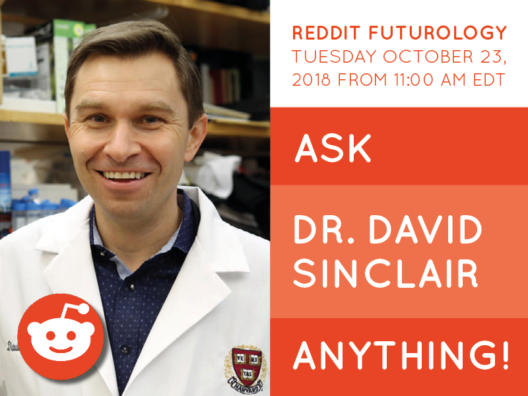
On the 23rd of this month, Dr. David Sinclair did an Ask Me Anything over at the Futurology subreddit in support of the NAD+ Mouse Project on lifespan.io. There were a range of interesting questions from the community about his work in aging research, particularly the role of NAD+ in aging.

Dr. David A. Sinclair is a Professor in the Department of Genetics at Harvard Medical School and a co-joint Professor in the Department of Physiology and Pharmacology at the University of New South Wales. He is the co-Director of the Paul F. Glenn Laboratories for the Biological Mechanisms of Aging and a Senior Scholar of the Ellison Medical Foundation. He obtained his Ph.D. in Molecular Genetics at the University of New South Wales, Sydney in 1995. He worked as a postdoctoral researcher at M.I.T. with Dr. Leonard Guarente; there, he co-discovered a cause of aging for yeast as well as the role of Sir2 in epigenetic changes driven by genome instability.

More recently, he has been in the spotlight for his work with NAD+ precursors and their role in aging and has been helping to develop therapies that replace NAD+, which is lost with aging, in order to delay the diseases of old age. Below are a selection of questions and answers from the AMA, and we urge you to head over to Reddit Futurology to check out the other questions that people asked.

In a recent interview, you said something to the effect of “I used to say ‘ask me again in 5 years’… now I say ‘ask me again in 5 weeks’ indicating a very recent explosive trajectory of progress underway in unlocking the NAD+ mechanisms…

How soon do you believe that you/science will be able to prove robust rejuvenation to the public? I’ve always imagined it being “5-10 years away”, but due to all the activity in the longevity circles in recent months, I’m getting the feeling that this is coming much sooner than “5-10” years away, and may actually be happening this year or next. What are your thoughts on how soon this is going to happen?

Most drugs take a few years from initiating Phase I trials, depending on the disease they will treat. If it’s rare, it can go faster. There are some molecules including NAD boosters that are in Phase I. If all goes well, I expect the first success to be in the next 3 years and roll out increasingly frequently after that.

Molecules that may slow the effects of aging and even treat some diseases are already in clinical trials – rapalogs, NAD boosters, and senolytics. I remain optimistic that one or more of these approaches, or others, will be successful in the next few years. But drug development is a very hard, slow process, so it’s hard to say for sure. What I can say for sure is that hundreds of people around the world are working very hard to progress this science.

How is progress going with NAD+ therapy?

There are clinical trials ongoing with NAD boosters in humans as we speak. If they are safe, then they move next year into Phase II ‘efficacy studies’, then there’s Phase III. There are other companies working on cool tech also that are at about the same stage of development.

I know it’s frustrating how slow it is. Believe me, I wish it would happen faster too. But please know that I am working as hard as I possibly can to turn breakthroughs in my lab and in others’ labs around the world into medicines that are known to be safe and proven to work.

How soon will this be available to the public? And how much would it be?

Best estimates are 3 years if all goes well, longer if there’s a glitch. And glitches happen, especially on super important projects. Even on Reddit, they happen, as today’s AMA showed.

About the price, I will do all I can to make these drugs available to everyone who needs them. Globally.

I’m aware that global drug prices aren’t a simple matter, which is why I’m trying hard to maintain a say in how things turn out.

Here are the core values of Life Biosciences, which I co-authored:

Everyone is entitled to treatments and therapies that improve their quality of life.

Accessibility to the drugs and treatments we develop is key to progress – regardless of age, race, creed, nationality or economic standing.

Transparency and generosity are the cornerstones of our scientific and social responsibility.

Patient-centric outcomes will always come first.

Economic and environmental sustainability must be consistent with any technologies we develop.

I have read that an enzyme on the surface of immune system cells called CD38 does regulate cellular levels of NAD in multiple tissues and cells. Could CD38 inhibitors be a promising area of research to prevent the NAD+ decline? Are you working on such topics?

Yes, we are working on that and a new pathway that depletes NAD. They do seem promising.

Lots of talk about the advantages/disadvantages of the NAD+ precursors Nicotinamide Mononucleotide (NMN) vs. Nicotinamide Riboside (NR/Niagen). Anecdotally, I have seen more people say NMN is better, but that’s not scientific. Do you think one is more effective in humans than another, or are they totally interchangeable?

We are researching that. There are some different effects seen on mouse health and fitness. What’s needed is a head-to-head study. Also, I’m working with very talented people making novel and more potent NAD boosters that we hope will be effective in patients.

What do you think about George Church’s plan to reverse aging through epigenetics and the growing theory that the main forms of aging are epigenetically triggered and have little to do with telomere length? Thank you!

Love George. He’s my close colleague in my Department.

I thought that was our idea :) See Oberdoerffer et al. Cell, 2008:

‘We speculate that the RCM response may also cause permanent changes to the chromatin structure.. leading to stable transcriptional changes that accumulate over a lifetime (Oberdoerffer and Sinclair, 2007).’ …and even before that in the 1990s at MIT when studying yeast.

We have made good progress on cellular reprogramming in vivo. Discoveries are coming in rapidly. We have figured out a much safer approach than OSKM, in mice at least. Credit to Yuancheng Lu in our lab, and members of Zhigang He’s lab at Harvard, Benedikt Brommer, Chen Wang and Songlin Zhou. Will release more info when I can.

My understanding is that NAD+ facilitates DNA repair; I read there are different types of damages that can occur and different repair mechanisms. Is NAD+ involved in all of them? If not, which ones is your current project focusing on?

We’ve looked at DNA double strand break repair, which is the worst damage of all for cell survival and possibly aging. That said, the mechanism was in part due to PARP1 activation, and PARP1 facilitates many types of DNA repair (see Li et al., Science, 2017).

We are focused on DNA breaks, because we still think they are a major cause of epigenetic changes that drive aging (see Oberdoerffer and Sinclair, 2007).

Do you think that your ICE mice will be effective models for testing proteostasis diseases (such as Alzheimer’s), senescent cell-related disorders, or lamin-related (i.e. progeric) conditions?

In our ICE mice, in which we ‘induce changes to the epigenome’, we do see evidence of dementia and brain inflammation. We haven’t yet looked in detail for changes in proteostasis. Would be great if we saw it! Imagine doing experiments much faster! I’m also excited about the possibility that the ICE system could make the current models of age-related diseases more human-like by enhancing epigenetic changes beyond what a mouse would normally experience.

We would like to thank Dr. Sinclair for taking the time to do this AMA, and if you are interested in learning more about his current project, check out the NAD+ Mouse Project at lifespan.io. Dr. Sinclair has recently announced he is matching the next $5000 donated to the project too so it’s the ideal time to support the project.

Protein Produced by Astrocytes Involved in Brain Plasticity

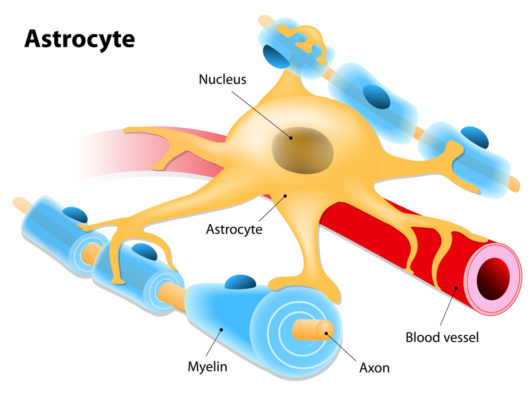
Researchers from the Salk Institute have discovered that a protein called Chrdl1, secreted by astrocytes, is responsible for driving synapse maturation and limiting brain plasticity later in life [1].

Abstract

In the developing brain, immature synapses contain calcium-permeable AMPA glutamate receptors (AMPARs) that are subsequently replaced with GluA2-containing calcium-impermeable AMPARs as synapses stabilize and mature. Here, we show that this essential switch in AMPARs and neuronal synapse maturation is regulated by astrocytes. Using biochemical fractionation of astrocyte-secreted proteins and mass spectrometry, we identified that astrocyte-secreted chordin-like 1 (Chrdl1) is necessary and sufficient to induce mature GluA2-containing synapses to form. This function of Chrdl1 is independent of its role as an antagonist of bone morphogenetic proteins (BMPs). Chrdl1 expression is restricted to cortical astrocytes in vivo, peaking at the time of the AMPAR switch. Chrdl1 knockout (KO) mice display reduced synaptic GluA2 AMPARs, altered kinetics of synaptic events, and enhanced remodeling in an in vivo plasticity assay. Studies have shown that humans with mutations in Chrdl1 display enhanced learning. Thus astrocytes, via the release of Chrdl1, promote GluA2-dependent synapse maturation and thereby limit synaptic plasticity.

What is brain plasticity

The brain was once thought to be an unchangeable organ that stayed the same throughout your life. In reality, the brain can reorganize itself throughout your life, although this ability does appear to diminish as you age. The brain’s ability to rewire itself, creating new neurons and new connections between them while purging older, unnecessary connections, is known as brain plasticity or neuroplasticity; it is absolutely essential in allowing us to learn new things, form memories, and repair damaged brain tissue, and, not surprisingly, it’s at its peak when we are very young and our brains are still developing.

The extent to which brain plasticity decreases as we age is still a somewhat controversial matter; in any case, ways to enhance the brain’s plasticity may be needed both for therapeutic reasons and to allow us to continue to learn new things if rejuvenation therapies grant us very long lives.

The study

Salk researchers set out to find out the role that a type of brain cell called an astrocyte has in brain plasticity; not much is known about the role of astrocytes in the adult brain, and in order to learn more about them, the authors of the study decided to focus their attention on a specific protein secreted by these cells, namely Chrdl1, or chord-like 1.

It is known that synapses—structures that allow neurons to communicate—transition from an immature to a mature state when certain calcium-permeable receptors on their surfaces are replaced by calcium-impermeable receptors; this change is what allows synapses to become stable. In their study, the researchers showed that this process is regulated by astrocytes through the secretion of Chrdl1.

To figure it out, the researchers engineered mice that were unable to produce the protein by switching off the gene that encodes for it. The result was that, even as adults, these mice had a much higher level of plasticity than normal adult mice; in fact, the Chrdl1-knockout mice exhibited immature synapses and levels of plasticity comparable to those of young mice. Furthermore, the researchers didn’t just show that the protein has some effects on synapse maturation; according to the study, the expression of the protein is both necessary and sufficient for the maturation of synapses.

Conclusion

We don’t know much about the role of the Chrdl1 protein in the human brain, although some studies had shown alterations in patients suffering from schizophrenia and bipolar disorder.

If brain plasticity never decreased at all, this would prevent our brains from stabilizing and would force them in a sort of childlike state for our entire lives; however, being able to restore more youthful levels of plasticity may prove extremely useful for the sake of restoring lost connections in areas of the brain that have been affected by conditions such as stroke.

Literature

[1] Blanco-Suarez, E., Liu, T.-F., Kopelevich, A., & Allen, N. J. (2018). Astrocyte-Secreted Chordin-like 1 Drives Synapse Maturation and Limits Plasticity by Increasing Synaptic GluA2 AMPA Receptors. Neuron.

Dr. Sam Palmer – Thymic Involution and Cancer Risk

Cancer is the poster child of age-related diseases, and a recent study sheds light on why the risk of cancer rises dramatically as we age.

Abstract For many cancer types, incidence rises rapidly with age as an apparent power law, supporting the idea that cancer is caused by a gradual accumulation of genetic mutations. Similarly, the incidence of many infectious diseases strongly increases with age. Here, combining data from immunology and epidemiology, we show that many of these dramatic age-related increases in incidence can be modeled based on immune system decline, rather than mutation accumulation. In humans, the thymus atrophies from infancy, resulting in an exponential decline in T cell production with a half-life of ∼16 years, which we use as the basis for a minimal mathematical model of disease incidence. Our model outperforms the power law model with the same number of fitting parameters in describing cancer incidence data across a wide spectrum of different cancers, and provides excellent fits to infectious disease data. This framework provides mechanistic insight into cancer emergence, suggesting that age-related decline in T cell output is a major risk factor.

Thymic involution and rising cancer risk with age

The thymus is a specialized organ that produces the majority of immune T cells, and as we age, it shrinks in size and ability to produce these cells. This process is called involution.

The involution of the thymus is part of the wider phenomenon of immunosenescence, the gradual deterioration of the immune system caused by aging. Immunosenescence involves the decline of the host’s ability to respond to infections and injury along with the immune system’s ability to remember previously encountered pathogens as part of immune memory.

Immunosenescence is observed in all species of animals that age regardless of lifespan, and it is relative to their life expectancy. It is a major factor in the increase in morbidity and mortality in older people. The decline of the immune system exposes a person to age-related and other diseases, particularly cancer.

A new model for cancer risk

It has been known for many decades that DNA mutations caused by genetic predisposition, environmental stressors, or lifestyle choices can cause cancer. The traditional view in science has been that cancer risk rises with age due to gradually increasing cellular mutations and that five or six mutations in a cell could cause it to turn cancerous.

However, earlier this year, a study by researchers at Heriot Watt University, the University of Edinburgh, and the Institut Curie in France suggests that immunosenescence could be the primary reason why cancer risk rises dramatically with age [1].

The team hypothesized that immunosenescence due to aging could result in a higher incidence of cancer, much as the incidence of other diseases is seen in older people. The researchers examined data from 2 million cancer cases of people in the 18-70 age range. Then, using a mathematical equation for how they expected cancer incidence to increase in relation to immunosenescence, they compared it to the age range profiles of 100 different kinds of cancer.

What they found was that their model was better supported by the data than the traditional mutation hypothesis for cancer. Their model also explains the difference in cancer incidence between men and women; the immune system tends to decline more slowly in women than it does in men. This is something that the traditional mutation hypothesis cannot really explain adequately.

Their findings suggest that it is the decline of the immune system during immunosenescence that plays a greater role in cancer development than mutations. This makes sense because cancer is constantly happening in the body, but the immune system patrols for, detects, and destroys it before it can spread.

Some of the most critical cancer-fighting immune cells are the T cells produced by the thymus. As aging causes the organ to shrink and turn into fat, the output of T cells falls to critically low levels and opens us up to cancer and other diseases.

If further studies confirm the validity of this new model of cancer prediction, it has significant implications for how we predict, prevent and treat cancer. This also means that the thymus is a prime target for regenerative medicine in the fight against age-related diseases.

We had the opportunity to speak with one of the study authors, Dr. Sam Palmer from Heriot-Watt University, about the experiment and his work as a researcher.

Some people suggest that cancer is the poster child of age-related diseases; given the results of your study, would you agree with the idea that cancer is primarily an age-related disease?

Absolutely, age is the single biggest predictor of cancer risk, and both cancer and aging itself have genetic mutations acting as a key player. I actually suspect that if something close to a cure for cancer is found, it will be intimately linked with pro-longevity treatments. So, curing cancer and curing aging may well go hand in hand.

Another poster child for age-related disease is Alzheimer’s disease. I actually checked to see if the risk of neurodegenerative diseases would fit the model, and their profiles are quite different. Risk comes on suddenly and rises exponentially at a very fast rate, doubling every 4 years or so. This is much faster than the relatively slow increase for cancer and infectious diseases, which often double every 16 years. As reported in my paper, this exponential increase in risk is mirrored by the exponential decay of the thymus (and T-cell production), which halve every 16 years.

As a researcher, what prompted you to develop the immunosenescence model for cancer?

This is quite a long story but, hopefully, an interesting one. It all started with a paper from Tomasetti and Vogelstein that made headlines for claiming that 2/3rds of cancer is “bad luck”. While I don’t agree with the bad luck interpretation, what they found was very interesting. They found a correlation between the number of stem cell divisions in a given organ and the risk of cancer in that organ.

So as I stewed over that, I noticed something strange. The traditional idea that cancer arises from a gradual accumulation of mutations (which I believed at the time) would actually predict a non-linear relationship, rather than what they found. So, I thought about why people believe this mutation accumulation idea, and one reason is that risk often goes up with age as a “power law”, as in, risk is proportional to age to some power. This is what you would expect from waiting for some rare events. These rare events were interpreted as driver mutations, and this line of reasoning is seen in textbooks, etc.

So, I looked into it myself and confirmed that some cancers do indeed rise as power laws, but I noticed some cancers, such as CML and brain cancers, rising exponentially, which is not what you would expect from accumulating mutations. So, I thought, what other factor might lead to an increase in risk with age? That’s when I started investigating the decline of the immune system and found that T-cell production declines exponentially at the same rate that those exponential cancers rose.

Then, I looked into infectious diseases and found many of them rising in risk exponentially, doubling every 16 years as well. So I thought about making a model to describe the interactions of T-cells and antigenic cells, that would capture this inverse correlation. After a few attempts that predicted different types of relationships, I arrived at a model, which I imagined as a kind of war between T-cells and cancer cells, which the cancer cells would win if they manage to grow up to a certain size. Then, surprisingly, with my group at the University of Dundee, we found that this model could also fit cancers like colon cancer, which happen to look like power laws. Overall, when fitting to all cancer types, this model fit slightly better than the power law model, with the same number of fitting parameters.

What do you think was lacking in the traditional mutational model for cancer?

Initially, nothing! It was only when I saw that certain cancers rise in risk exponentially, rather than as power laws, that I really started to doubt it.

For cancers that rise as power laws, the traditional mutational model for cancer, we would predict that the number of driver mutations is usually around six. However, there was a paper which took a different approach and found that “only three driver gene mutations are required for the development of lung and colorectal cancers”, and this seems quite solid to me. If that is right, then you can break down the rise in risk as partly coming from accumulating three driver mutations and partly from immune decline. If you do that, it turns out that immune decline is an even bigger factor than the mutation accumulation factor.

We actually made a combined model to include both factors, and this model also arrived at the estimate of three driver mutations. For the cancers that rise exponentially, this model suggests just one driver mutation. One such cancer is CML (chronic myeloid leukaemia), which already has a good candidate for what this one driver mutation would be: it is known as the Philadelphia chromosome and comes from a chromosomal translocation event.

Your study suggests that unlike the traditional view of cancer emergence in which multiple mutations are required, it appears that even single oncogenic mutations can lead to cancer if the immune system does not destroy the affected cells. Obviously, in an older person with a much less active immune system, that would mean a rising cancer risk. In your view, are most cancer cases a consequence of the immune deficiency caused by aging and resulting thymic involution?

That’s right. This is known as the immunosurveillance hypothesis, and there is some evidence for it.

In your paper, you note that the body does continue to create T cells even when the thymus has involuted to the point that it is effectively useless. T cells are produced elsewhere in the body, particularly via peripheral clonal expansion. However, despite the level of T cells remaining relatively constant even in old age due to clonal expansion, these T cells do not appear to do a very good job at keeping cancer at bay; why is this?

That’s right, although I’m not sure the thymus is ever effectively useless, but it does get very small. T-cells develop from hematopoietic stem cells; they first develop a “random” T-cell receptor then pass through a selection process in the thymus, ensuring that they are not self-reactive, then they replicate (clonal expansion). With age, the rate of T-cell production goes down, but the rate of clonal expansion goes up, resulting in an approximately constant total number of T-cells. This finding that T-cell production is inversely proportional to disease risk suggests that this clonal expansion does not increase the effectiveness of T-cells. I think testing that directly would make a great experiment.

There was an interesting paper recently that showed that the effectiveness of T-cells depends linearly on co-stimulatory factors. Perhaps whatever mechanism is behind that may explain both phenomena.

There are a number of research teams engaged in trying to encourage the thymus to regrow; are you optimistic that we can achieve rejuvenation of the thymus, and what impact do you think it might have, not only in terms of cancer but for other age-related diseases?

I am optimistic. One of the co-authors of this project, Prof. Clare Blackburn at the University of Edinburgh, has already succeeded in reprogramming fibroblast cells of mice to create a lab-grown mouse thymus. She is now working on doing the same for a human thymus. Other people are taking different approaches, and so it seems very likely that one of them will succeed soon.

As for what impact it might have, I can only speculate. As a best-case scenario, it may provide a treatment for various diseases, and perhaps the new T-cells may even clear out mutated (non-cancerous) cells, which would effectively treat aging itself. I find that idea really exciting because T-cells already have this amazing method for detecting mutated cells, so perhaps that could be used to kill dysfunctional cells and prolong lifespan. However, even if a T-cell recognizes a cell as mutated, if there are no “danger signals”, it won’t actually do anything. So I suspect that additional steps will be needed for thymus regeneration to delay aging itself.

There have been some small-scale experiments with mice, mostly from the 1970’s, looking at whether thymus transplantation affects lifespan or cancer progression. The experiments had very small sample sizes, so take them with a grain of salt. The lifespan extension results were not very promising, but the cancer experiments did appear to work. So, we’ll have to wait and see.

What is the next step in developing your immunosenescence model of cancer and how has it been accepted so far in academia?

There are several possible next steps. I think one obvious one would be to see if a thymus transplant could cure cancer in mice, essentially repeating the experiments from the 1970s with a larger sample size.

Another possible experiment would be to see if the effectiveness of T-cells is independent of clonal expansion. In particular, I would predict that there is an ‘immune escape threshold’ proportional to the number of T-cell clones, that doesn’t depend on how much clonal expansion the T-cells have done. Apart from that, there are lots of potential ideas: applying this framework to autoimmune diseases, childhood infections and cancers, cancers with quantifiable risk factors such as lung cancer, etc.

I think the response so far has been very positive. Some discussions followed that were published separately as letters, but, so far, no one has pointed out any fatal flaws. I think that this paper is part of a general shift in perspective, which is happening, where the immune system is playing a more central role. There was even a paper earlier this year which began with the very audacious opening line: “It has recently become apparent that the immune system can cure cancer.”

Thank you very much to Dr. Palmer for taking the time to speak to us about this fascinating study.

If you would like to read more about attempts to restore the thymus, you may find our interview with Dr. Greg Fahy last year to be interesting. Dr. Fahy has been developing a method to encourage the thymus to regrow, and, last year, he concluded a pilot study in a small group of people with some positive results.

Dr. Fahy has recently formed Intervene Immune, a biotech company focused on rejuvenation of the immune system.

Literature

[1] Palmer, S., Albergante, L., Blackburn, C. C., & Newman, T. J. (2018). Thymic involution and rising disease incidence with age. Proceedings of the National Academy of Sciences, 115(8), 1883-1888. [2] Bredenkamp, N., Ulyanchenko, S., O’Neill, K. E., Manley, N. R., Vaidya, H. J., & Blackburn, C. C. (2014). An organized and functional thymus generated from FOXN1-reprogrammed fibroblasts. Nature cell biology, 16(9), 902.

Reason and Bill Cherman – Investing in Longevity

Here at LEAF, we engage in a wide range of activities in support of the development of rejuvenation biotechnology in order to end age-related diseases. We report the latest news in aging research, attend conferences and give talks, educate, advocate, and fundraise for research projects on lifespan.io; recently, we implemented the Longevity Investor Network in order to bring startup companies and investors together.

The Longevity Investor Network

The Longevity Investor Network is a group of investors who meet every month and invite young biotech companies working on aging to pitch their ideas. A successful pitch can often mean funding for a new startup company, helping to get its product developed and into clinical trials.

We had the opportunity to speak with two of the Longevity Investor Network members, Reason, and Bill Cherman, the co-founders of the new startup Repair Biotechnologies, Inc.

Reason is the CEO of Repair Biotechnologies, and many advocates also know him as the owner of Fight Aging!, a blog focused on rejuvenation biotechnology and aging research. Reason is also an active angel investor in the industry.

Bill is the Chairman of Repair Biotechnologies and a partner at Front Seat Capital, where he heads up investments in biotech and blockchain technology. Prior to this, he was a consultant at McKinsey & Company.

Why did you decide to join the Longevity Investor Network?

Reason: Connections are everything in angel investing. Since my agenda is as much to foster such connections in order to expand the pool of interested investors as it is to advance the state of rejuvenation research by investing, it makes perfect sense to participate in investor-led initiatives arising from our community. Many of the people involved in investing in rejuvenation research startups are still only dipping their toes in the water, and they see themselves somewhere in a process of learning and discovery. Talking to them can often help to accelerate that process, but to do that, one has to find out who they are and meet them first.

Bill: I noticed that the leading investors and startups in the space were a part of it. Networking with and learning from the most brilliant minds, in any industry, is key to successful investing, in my view.

Why, generally, do you invest in longevity companies?

Reason: It is an effective means of advancing the state of rejuvenation biotechnologies that are at a certain stage of maturity. It is at least ten times easier to raise investment funding than it is to raise philanthropic funding, but there is very little difference in the use such money is put to when comparing late-stage lab work with early-stage startup work. Venture capital and its angel community cousin like to present themselves as bold and risk-taking, but there is nonetheless an awful lot of herd behavior taking place. Investors follow for preference. A great deal can be accomplished in terms of steering money to sensible destinations by stepping out in front of the crowd and presenting a solid rationale for investment choices, by being the first to put some money down and explaining in detail why you choose to do that. It works at the level of small angel investments, and it works at the level of Jim Mellon’s Juvenescence venture.

Bill: There are mission and financial motivations. Mission-wise, no industry can have a more positive impact on humanity than the longevity industry; after all, life is man’s fundamental value, and all others require it.

Biotech startup investing has historically delivered distinctive results to investors; if longevity startups succeed in extending healthspan, even larger financial outcomes will follow, I believe. I particularly like early-stage preclinical companies, which are often valued in the 7-, low-8-digit range and can IPO and reach unicorn status in as early as 2-3 years.

Why do you think now is the right time for investors to get involved in the sector?

Reason: It has matured enough to the point at which follow-on funding is there for companies that succeed in their seed stage. It has not matured to the point at which every opportunity is chased by capital or even recognized as viable. Anyone with a high-level grasp of the science can easily identify dozens of opportunities to produce rejuvenation treatments just waiting for funding and entrepreneurs to step in and do good work.

Bill: The science gets stronger by the day, there are enough interesting projects and exceptional founders to fund, and there is still a huge valuation gap between seed-stage startups and buyout/IPO-ready companies, all of which investors can take advantage of today.

Not that I am complaining about a good thing, but I imagine early-stage valuations will rise significantly after the first FDA approval of a longevity drug (possibly a senolytic in 2025 or so). Even now, we already are seeing a rise in early-stage valuations as more Silicon Valley investors dive into the space (for example, Y Combinator with its anti-aging track).

Why do you see value in having a network of investors who share and collaborate on deals?

Reason: Rare is the deal in which a network of investors was not in some way involved in bringing it about. The present ad hoc assembly of happenstance meetings, persuasion, and passage of information is an essential part of setting up companies, even if the investment is ultimately made by just a few of those participants. Formalizing the networks helps greatly in lowering the barriers to entry for entrepreneurs (and there are never enough entrepreneurs) and to finding good investment opportunities on the part of investors. AngelList, I think, has proven this quite comprehensively. The same applies at any level of investment.

Ultimately, however, this is a little different from your run-of-the-mill investment where, at the end of the day ,the point is to obtain more of those funnily little tokens called money. Here, the goal is more life and the medical control of aging, and, at some point, the funny little tokens become a little less important than getting the job done. That dynamic is still shaking itself out, but I think we need communities whose members recognize that doing no more than aiming at increments of net worth to enable an ever-more luxurious tomb marker at some increasingly near point in the future is obsolete thinking when it comes to life science investment.

Bill: I would note there is value to investors and entrepreneurs. Investors get a more curated deal flow and a more thorough due diligence process, while entrepreneurs, many of whom lack business experience (to their benefit, many times), get access to several people who they can bounce ideas with and who can give them some guidance on fundraising, communicating with stakeholders, etc.

What is the most difficult part of investing in rejuvenation biotechnology companies?

Reason: That varies by investor. I think the biggest challenges are (a) that investors not already familiar with our community will struggle to know of the most important opportunities before they happen and (b) investors who have not internalized the SENS view of aging will invest in approaches that have a low probability of producing meaningful results in humans, as they do not address any of the fundamental causes of aging.

Bill: Finding entrepreneurs who will not give up in the face of the repeated failures and necessary pivots characteristic of biotech and the cumbersome regulatory process to get a drug approved.

What do you hope the Longevity Investor Network can grow into?

Reason: A much bigger group of investors who largely understand that the point of this exercise is to generate a world in which aging can be controlled and that funding and profit are just means to an end. In a world in which money can truly buy additional health in late life, buy time spent vigorously alive, then money is somewhat less important than it is today. The point becomes living, and, in this, we all win together or we all lose together. Senolytics show the way: high-tech development at the core, and a surrounding halo of cheap, highly beneficial treatments, something that will benefit the entire world as a result of early investments in the field.

Bill: Ideally, a one-stop shop for longevity startups to quickly raise money from smart and helpful investors, so they don’t have to burn months of energy with fundraising and can go back to the science as soon as possible.

Do you have any advice for investors looking to begin investing in longevity companies?

Reason: Talk to people. Join a network. Figure out what you think about the underlying science. If you don’t understand enough of the science of aging and rejuvenation to have an opinion on why one approach is better than another, then you are at the mercy of anyone who claims to have a worthwhile technical agenda. However, these technical agendas are not all the same, and some are much better than others, with a much greater expectation value when it comes to odds of success at every stage on the way through the development pipeline.

Bill: I would say general investing advice applies well to this space: read a lot (my partner Reason’s Fight Aging is a tremendous resource), talk to entrepreneurs, talk to fellow investors.

We would like to thank Reason and Bill for taking the time to do this interview with us. If you are interested in joining the Longevity Investor Network, get in touch with us.

Type of Human Monocytes Found to Undergo Senescence

Scientists from the A*STAR Singapore Immunology Network have discovered that immune cells called nonclassical monocytes undergo cellular senescence, contradicting what was previously thought of them [1].

Abstract

Human primary monocytes comprise a heterogeneous population that can be classified into three subsets based on CD14 and CD16 expression: classical (CD14high/CD16−), intermediate (CD14high/CD16+), and non-classical (CD14low/CD16+). The non-classical monocytes are the most pro-inflammatory in response to TLR stimulation in vitro, yet they express a remarkably high basal level of miR-146a, a microRNA known to negatively regulate the TLR pathway. This concurrence of a pro-inflammatory status and a high miR-146a level has been associated with cellular senescence in other cell types. Hence, we assessed the three monocyte subsets for evidence of senescence, including proliferative status, telomere length, cellular ROS levels, and mitochondrial membrane potential. Indeed, the non-classical subset exhibited the clearest hallmarks of senescence, followed by the intermediate and then the classical subset. In addition, the non-classical subset secreted pro-inflammatory cytokines basally in vitro. The highly pro-inflammatory nature of the non-classical monocytes could be a manifestation of the senescence-associated secretory phenotype (SASP), likely induced by a high basal NF-κB activity and IL-1α production. Finally, we observed an accumulation of the non-classical monocytes, in conjunction with higher levels of plasma TNF-α and IL-8, in the elderly. These factors may contribute to inflamm-aging and age-related inflammatory conditions, such as atherosclerosis and osteoarthritis. With our new understanding that the non-classical monocyte subset is a senescent population, we can now re-examine the role of this subset in disease conditions where this subset expands.

What are monocytes?

Monocytes are immune cells that can differentiate into macrophages and are involved in the process of adaptive immunity. There are three known types of monocytes: classical, intermediate, and nonclassical. The nonclassical ones are the most pro-inflammatory even though they express high levels of miR-146a, a micro-RNA that is known to limit inflammatory responses. This apparent contradiction is what led the authors of this study to discover if there is more to miR-146a than meets the eye.

MiR-146a and cellular senescence

The micro-RNA miR-146a has indeed been associated with cellular senescence in a range of different human tissues. Cellular senescence is a phenomenon by which normal cells stop dividing and begin secreting a highly inflammatory cocktail of chemicals known as the senescence associated secretory phenotype (SASP). Cellular senescence may occur spontaneously as a result of exposure to different stressors, as an anti-cancer response to oncogene activation, or when telomeres wear out due to cellular replication.

In modest amounts, senescent cells have beneficial roles; however, they tend to accumulate as we age, which results in a constant, low-grade inflammation as well as a higher susceptibility to a range of age-related diseases, cancer included, in the elderly.

Given that the elevated pro-inflammatory activity of nonclassical monocytes is rather reminiscent of the SASP and that they display such high levels of miR-146a, the scientists reasoned that nonclassical monocytes may well undergo senescence, even though this was against what was previously thought.

The study

In the first part of their research, the scientists studied monocytes in vitro, looking for typical signs of cellular senescence. Specifically, they focused on Ki67 expression and telomere length. Ki67 is a protein that is expressed only by proliferating cells, and among the three types of monocytes, nonclassical ones had the least expression of this protein as well as the shortest telomere length, which suggested that nonclassical monocytes are the least proliferative ones as well as the most senescent.

Both in vitro and in vivo from a set of healthy human volunteers, nonclassical monocytes also exhibited the SASP along with an abundance of NF-κB, which is a transcription factor for many pro-inflammatory cytokines, and membrane-bound IL-1α, which regulates NF-κB.

After ascertaining the typical signs of senescence in nonclassical monocytes, the scientists moved on to determining whether elderly patients display an accumulation of these cells compared to younger people. They collected samples from 30 healthy volunteers between the ages of 22 and 35 years and 30 healthy elderly people aged 55 and older. While there was no significant difference in the total percentage of any of the three monocyte types between the two groups, the researchers found out that the elderly had a higher monocyte count per volume of blood, especially nonclassical monocytes. Accordingly, the level of inflammatory cytokines in the blood of the elderly was significantly higher. This led the scientists to conclude that senescent monocytes do indeed accumulate in the blood of the elderly and may well contribute to inflammaging, which is the chronic, low-grade inflammation that is typical among older people.

Conclusion

The researchers suggest that nonclassical monocytes might be a viable target for treating age-related and chronic inflammatory conditions, even non-age-related ones. It may be possible to reduce the SASP secreted by nonclassical monocytes or reduce the number of circulating nonclassical monocytes.

There is already plentiful evidence of the deep involvement of cellular senescence in the development of age-related pathologies, and this study reinforces it even further. Therefore, treatments that target senescent cells might be a winning strategy against aging.

Literature

[1] Ong, S.-M., Hadadi, E., Dang, T.-M., Yeap, W.-H., Tan, C. T.-Y., Ng, T.-P., … Wong, S.-C. (2018). The pro-inflammatory phenotype of the human non-classical monocyte subset is attributed to senescence. Cell Death & Disease, 9(3).