The Blog

Building a Future Free of Age-Related Disease

Astragalus

Astragalus Supplement Lengthens Telomeres in the Middle-Aged

Treating middle-aged people for six months with a supplement combination that included astragalus, a plant used in traditional Chinese medicine, positively impacted their telomeres [1].

Preventing the shortening

Telomeres are like shoelace aglets, forming protective caps at the ends of DNA strands. They are made of a specific repetitive sequence of nucleotides. They prevent chromosome ends from being damaged and helps to preserve genome integrity, but each replication cycle reduces telomere length by about 50 to 200 base pairs. Environmental factors, including diet, physical activity, and lifestyle, impact this rate of shortening [2].

The only enzyme that can replicate telomeres and lengthen them again is telomerase. When telomerase is inactive, telomeres become shorter and shorter with each cell cycle until they reach a critically low length. At that point, cells can no longer divide, and they undergo senescence or apoptosis.

Some compounds can also activate telomerase, and active compounds in astragalus, such as astragaloside IV and cycloastragenol, have been reported to have such activity in vitro and in animal experiments [3].

A supplement with no apparent side effects

The authors of this study conducted a randomized, double-blind, placebo-controlled, parallel-group trial to test the impact of an active astragalus-based supplement and a few other compounds on the telomere length.

During the trial, 40 healthy volunteers between 40 and 70 years old with a mean age of 56 were randomly assigned to a placebo group or an astragalus supplement group for six months. Each group consisted of 8 men and 12 menopausal women. Both groups had similar metrics at baseline, including medical history, body mass index, weekly physical activity, and biochemical test values. Participants had their measurements taken at baseline and during visits at one month, three months, and six months.

While the researchers included both sexes in their study, they didn’t analyze the results separately for each sex, which is something worth doing in the future since there are known differences in the telomere length between men and women [4].

The tested supplement, ASTCOQ02, was a mix of many ingredients, including “astragalus extracts (including astragaloside IV and cycloastragenol), olive fruit extract (including hydroxytyrosol), zinc oxide, and grape seed extract.” It was taken twice daily for six months. This supplement has not been reported to be toxic, and the authors emphasize that hydroxytyrosol can inhibit oxidative stress and inflammation.

The researchers did not observe any side effects during the study. The lab results and the measurements taken from the study subjects didn’t show any changes in weight, blood pressure, heart rate, or heart functioning. There was also no indication of inflammation.

Improvements in telomere length

Measurements of median telomere length didn’t show significant differences between groups at baseline, although the placebo group trended towards having longer telomeres. Over this experiment’s duration, “in the placebo group, the median telomere length either decreased or remained stable.”

In the group that was taking the supplement blend, the researchers observed a significant increase in telomere length compared to baseline. At month one, there was an increase of 271 kilo base pairs (kbp), 472 kbp at three months, and 695 kbp at six months.

The researchers also observed an increase in short telomere length. First, the researchers looked into the mean size of short telomeres at baseline and observed that the placebo group had a higher mean size of short telomeres. That value remained stable throughout the experiment. These results were similar to the median short telomere length, which remained stable after a slight decrease at one month.

In the group taking the supplement, “the median short telomere length increased significantly compared to baseline, starting at one month” and was significantly increased again at three and six months. Additionally, the percentage of short telomeres decreased significantly in the supplement-treated group at six months.

Effects on aging and disease

Reduced telomere length has been shown to correlate with senescence, and it can be used as a marker of aging. It has been associated with age-related diseases, including cardiovascular disease.

The authors suggest that their study “opens a novel and effective therapeutic pathway to control telomere length in aging and/or support the prevention of cardiovascular-related diseases.” However, these hypotheses still need to be tested in future experiments.

This randomized, double-blind, placebo-controlled study confirmed that ASTCOQ02 lengthens both median and short telomeres by increasing telomerase activity and reduces the percentage of short telomeres (<3 kbp). In addition, our results further confirm our previous open prospective preliminary study that found zero toxicity associated with the intake of ASTCOQ02. This randomized, double-blind, placebo-controlled trial confirmed that ASTCOQ02 can lengthen telomeres in a statistically and possibly clinically significant manner. ASTCOQ02 warrants further research to investigate its pro-health benefits for healthy aging and longer life expectancy.

We would like to ask you a small favor. We are a non-profit foundation, and unlike some other organizations, we have no shareholders and no products to sell you. All our news and educational content is free for everyone to read, but it does mean that we rely on the help of people like you. Every contribution, no matter if it’s big or small, supports independent journalism and sustains our future.

Literature

[1] de Jaeger, C., Kruiskamp, S., Voronska, E., Lamberti, C., Baramki, H., Beaudeux, J. L., & Cherin, P. (2024). A Natural Astragalus-Based Nutritional Supplement Lengthens Telomeres in a Middle-Aged Population: A Randomized, Double-Blind, Placebo-Controlled Study. Nutrients, 16(17), 2963.

[2] Srinivas, N., Rachakonda, S., & Kumar, R. (2020). Telomeres and Telomere Length: A General Overview. Cancers, 12(3), 558.

[3] Harley, C. B., Liu, W., Flom, P. L., & Raffaele, J. M. (2013). A natural product telomerase activator as part of a health maintenance program: metabolic and cardiovascular response. Rejuvenation research, 16(5), 386–395.

[4] Huang, Z., Liu, C., Ruan, Y., Guo, Y., Sun, S., Shi, Y., & Wu, F. (2021). Dynamics of leukocyte telomere length in adults aged 50 and older: a longitudinal population-based cohort study. GeroScience, 43(2), 645–654.
Motor neuron degradation

Cryptic Exons for Targeting Neurodegenerative Disease

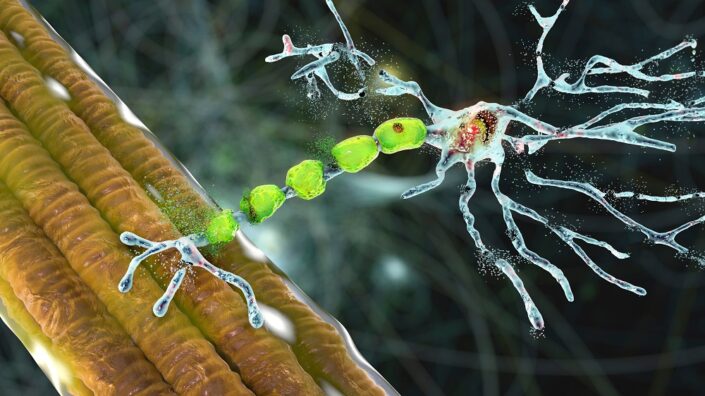
Amyotrophic lateral sclerosis (ALS) only affects a fraction of cells and must be treated with high specificity. Scientists have achieved that by targeting mRNA sites associated with the disease [1].

Cryptic behavior

ALS is a neurodegenerative disease in which age is a major factor. While it can be diagnosed at almost any age, the average age of onset is 55. ALS is debilitating and sometimes life-threatening, and finding cures for it can be relevant to other neurodegenerative conditions as well.

ALS is associated with the loss of function of the protein TDP-43 in a subset of motor neurons. This protein’s role protects the basics of DNA transcription. When a gene is transcribed into RNA, the resulting molecule contains exons, the parts that will be included in the mature messenger RNA (mRNA) after splicing, and introns, the parts that will be discarded.

However, introns themselves may contain parts that can be mistaken for exons by the transcription machinery. These “cryptic exons” can scramble the final transcript, resulting in a dysfunctional protein.

TDP-43 protects the cell from cryptic exons, so, when it goes bad, all hell breaks loose. Aggregates of dysfunctional TDP-43 are found in almost all cases of ALS [2], but also in about half of the cases of frontotemporal dementia. It has also been linked to Alzheimer’s disease [3].

A guided weapon

Gene therapy has been helpful in conditions that involve loss of function in proteins, but the problem is in ALS, only a tiny fraction of neurons is affected, so the therapy must be precisely targeted. “While neurodegenerative diseases have devastating effects, we can estimate that less than 0.00001% of cells in a patient’s body are actually diseased,” said Oscar Wilkins, leading author on a new study published in Science, in which researchers from the Francis Crick Institute and the UCL Queen Square Institute of Neurology have described a novel method of targeting.

The researchers created viral vectors that, in addition to the therapeutic cargo, such as a transgene that codes for functional TDP-43, carry a particular cryptic exon sequence, found in the gene AARS1. The vectors are designed in a way that only allows transcription of the cargo when the cryptic exon sequence is not silenced – that is, in cells where TDP-43 is not working properly.

First, the researchers included a fluorescent protein, mCherry, as cargo to see how specific their construct is. A massive increase in both mCherry expression and the cryptic exon expression was detected in cells with TDP-43 knocked down. However, even in cells with normal TDP-43, some “leaky expression” occured, which was addressed by subsequent tweaks. Including additional cryptic exons further increased specificity. Similar results were achieved in mice with TDP-43 knocked out.

However, TDP-43 knockout is a less than perfect model of ALS. A closer fit would be cells with dysfunctional, aggregated TDP-43. Working on human embryonic kidney cells, the researchers were able to mimic ALS-like TDP-43 dysfunction. In those cells, the viral vectors got activated as well, “strongly suggesting this approach will function within ALS and FTD patients.”

Precision is the key

The researchers performed two other interesting experiments with different therapeutic cargoes. In one, they loaded the vectors with DNA-editing machinery and were able to remove cryptic splice sites – again, only in cells where TDP-43 didn’t perform well. In another, they used a transgene that codes for a modified TDP-43 that is less prone to aggregation.

“Gene therapy holds promise for treating neurodegenerative diseases like ALS and FTD, which are relatively common but for which there are few treatments,” said Claire Le Pichon from the Eunice Kennedy Shriver National Institute of Child Health and Human Development, NIH, who was an American collaborator on the study.

“TDP-43 controls many aspects of cellular health, and its dysfunction is a key driver of disease. Therefore, correcting TDP-43 function only in the cells that have lost it is an important step toward a safer precision medicine. Successful therapies depend on thorough preclinical studies, and we look forward to additional work to validate and build upon our findings.”

Disease-induced activation of gene therapies at single-cell resolution could help mitigate the potential risks of permanent transgene expression in patients. Furthermore, in at-risk individuals carrying causal genetic variants of ALS, the spatial and temporal specificity of TDP-REG could allow the therapeutics to be delivered at the presymptomatic stage, lying dormant until the very first stages of TDP-43 pathology are detected. Additionally, TDP-REG can be used during the preclinical phase of drug development as a real-time readout for TDP-43 pathology in cells or even live animals.

We would like to ask you a small favor. We are a non-profit foundation, and unlike some other organizations, we have no shareholders and no products to sell you. All our news and educational content is free for everyone to read, but it does mean that we rely on the help of people like you. Every contribution, no matter if it’s big or small, supports independent journalism and sustains our future.

Literature

[1] Wilkins, O. G., J. Chien, Z. Y., Wlaschin, J. J., Barattucci, S., Harley, P., Mattedi, F., Mehta, P. R., Pisliakova, M., Ryadnov, E., Keuss, M. J., Thompson, D., Digby, H., Knez, L., Simkin, R. L., Diaz, J. A., Zanovello, M., Brown, L., Darbey, A., Karda, R., . . . Fratta, P. (2024). Creation of de novo cryptic splicing for ALS and FTD precision medicine. Science.

[2] Scotter, E. L., Chen, H. J., & Shaw, C. E. (2015). TDP-43 proteinopathy and ALS: insights into disease mechanisms and therapeutic targets. Neurotherapeutics, 12(2), 352-363.

[3] McAleese, K. E., Walker, L., Erskine, D., Thomas, A. J., McKeith, I. G., & Attems, J. (2017). TDP‐43 pathology in Alzheimer’s disease, dementia with Lewy bodies and ageing. Brain pathology, 27(4), 472-479.

Phagocytosis

Senescent Macrophages: A Unique Target

In Aging, researchers have published a new study on a tool meant for analyzing macrophage senescence along with differences between inflammaging and regular inflammation.

Macrophages are driven to senescence

Previous work has found that excessive senescent cells are uniquely harmful to macrophages, recruiting them into senescence and causing them to perpetuate the chronic age-related inflammation known as inflammaging [1]. For example, macrophages that come into contact with senescent cells in the peritoneum, the membrane that lines the abdomen, begin expressing SA-β-gal and p16INK4A, two well-known markers of senescence [2].

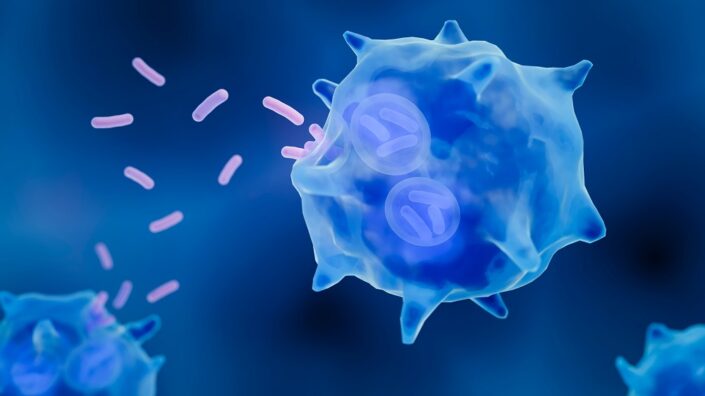
Compounding the problem, inflammaging reduces, rather than increases, the macrophages’ ability to handle harmful bacteria, including in the gut [3]. Macrophages taken from older animals are less able to clear pathogens and debris (phagocytosis) than macrophages taken from young ones [4].

To get a better handle on this problem, the researchers intensively studied macrophage aging on the cellular level, looking for the details in how these cells age and what can be done about it.

Senescence through division

Fortunately for researchers but unfortunately for older people, it is not difficult to get macrophages to become senescent. After 14 days of culture, mouse macrophages derived from the peritoneum had substantially greater gene expression of p16INK4A and p21CIP1, another well-known senescence marker. p53 levels also went up despite not having an increased expression in mRNA. SA-β-gal, interestingly, was relatively high at day 2 of culture but remained static throughout the experiment.

Having high senescence markers meant that the macrophages had little ability to proliferate, but very few of them died by the cellular self-destruction known as apoptosis. The researchers noted that this appears to be due to the expression of p21, which inhibits apoptosis [5].

Interestingly, while SASP biomarkers do increase in living two-year-old mice, many SASP biomarkers increase far more in this cellular culture than in these older animals, even despite the cultured cells being derived from young mice. This appears to be connected to macrophage polarization: the cultured macrophages became rapidly polarized towards inflammation rather than healing over the two weeks, with metabolic markers supporting this transition. Despite this polarization and in accordance with previous research [4], however, these cultured macrophages were less able to conduct phagocytosis.

Senolytics ineffective

Just like in previous research [6], the senolytic combination of dasatinib and quercetin was completely ineffective against senescent macrophages. However, previous work has found that Trx-1, which is naturally formed in the human body, is effective in reducing macrophage inflammation [7]. This is upstream of CB3, a peptide that this team has found to be directly effective in reducing key inflammatory factors [8].

However, that study was conducted in the context of high-fat diets, not aging. In this study, the effects were visible, but mixed: some SASP components were decreased, but another, IL-1β, was increased. p21 was decreased, and proliferation was restored, but phagocytosis was not, and polarization appeared to still be inflammatory.

While these are largely negative results, such results are crucial for understanding why some anti-inflammatory approaches that work well against short-term inflammation in younger people, such as that caused by sprains or other injuries, may be completely ineffective or even counterproductive in attempting to treat inflammaging. Furthermore, as this research confirms, directly dealing with macrophages cannot be done in the same way as with other senescent cells. Therefore, a pointed and specific effort must be made in order to defeat inflammaging at the macrophage level or otherwise neutralize the SASP’s effects on it.

We would like to ask you a small favor. We are a non-profit foundation, and unlike some other organizations, we have no shareholders and no products to sell you. All our news and educational content is free for everyone to read, but it does mean that we rely on the help of people like you. Every contribution, no matter if it’s big or small, supports independent journalism and sustains our future.

Literature

[1] Hall, B. M., Balan, V., Gleiberman, A. S., Strom, E., Krasnov, P., Virtuoso, L. P., … & Gudkov, A. V. (2016). Aging of mice is associated with p16 (Ink4a)-and β-galactosidase-positive macrophage accumulation that can be induced in young mice by senescent cells. Aging (Albany NY), 8(7), 1294.

[2] Hall, B. M., Balan, V., Gleiberman, A. S., Strom, E., Krasnov, P., Virtuoso, L. P., … & Gudkov, A. V. (2017). p16 (Ink4a) and senescence-associated β-galactosidase can be induced in macrophages as part of a reversible response to physiological stimuli. Aging (Albany NY), 9(8), 1867.

[3] Thevaranjan, N., Puchta, A., Schulz, C., Naidoo, A., Szamosi, J. C., Verschoor, C. P., … & Bowdish, D. M. (2017). Age-associated microbial dysbiosis promotes intestinal permeability, systemic inflammation, and macrophage dysfunction. Cell host & microbe, 21(4), 455-466.

[4] Aprahamian, T., Takemura, Y., Goukassian, D., & Walsh, K. (2008). Ageing is associated with diminished apoptotic cell clearance in vivo. Clinical & Experimental Immunology, 152(3), 448-455.

[5] Gartel, A. L., & Tyner, A. L. (2002). The role of the cyclin-dependent kinase inhibitor p21 in apoptosis. Molecular cancer therapeutics, 1(8), 639-649.

[6] Xu, M., Pirtskhalava, T., Farr, J. N., Weigand, B. M., Palmer, A. K., Weivoda, M. M., … & Kirkland, J. L. (2018). Senolytics improve physical function and increase lifespan in old age. Nature medicine, 24(8), 1246-1256.

[7] Billiet, L., Furman, C., Larigauderie, G., Copin, C., Brand, K., Fruchart, J. C., & Rouis, M. (2005). Extracellular human thioredoxin-1 inhibits lipopolysaccharide-induced interleukin-1β expression in human monocyte-derived macrophages. Journal of Biological Chemistry, 280(48), 40310-40318.

[8] Canesi, F., Mateo, V., Couchie, D., Karabina, S., Nègre-Salvayre, A., Rouis, M., & El Hadri, K. (2019). A thioredoxin-mimetic peptide exerts potent anti-inflammatory, antioxidant, and atheroprotective effects in ApoE2. Ki mice fed high fat diet. Cardiovascular Research, 115(2), 292-301.

Editorial

Fall Is Here, but It’s Full Steam Ahead for lifespan.io

For those of us living in the Northern Hemisphere, the summer days are gone and the cooler days of fall have arrived. While it’s time to ditch the beachwear for chunky sweaters and a hot chocolate by the fire, things have been heating up in the longevity space.

Lifespan merges with SENS Research Foundation

Lifespan Research Institute

lifespan.io (Lifespan Extension Advocacy Foundation) and SENS Research Foundation are excited to announce the completion of their merger, forming a new 501(c)(3) non-profit: Lifespan Research Institute (LRI).

The new merged organization will develop, promote, and ensure widespread access to regenerative medicine solutions targeting the disabilities and diseases of aging, combining direct research efforts with robust education, affiliation, and outreach programs. The newly merged organization will focus on two core areas: Research and Outreach.

LRI’s research program will leverage our Research and Education Center in Mountain View, CA for targeted internal scientific projects and comprehensive education of the next generation of scientists and leaders.

The outreach program will encompass strong advocacy work necessary to propel the industry’s research and momentum forward through the Longevity Investor Network, news outlet, and other initiatives. With this new structure, the organization is positioned to drive greater impact by delivering solutions that directly tackle the effects of biological aging.

You can learn more about this exciting merging of two of the leading non-profit orgs in the longevity space by reading the full Lifespan Research Institute press release.

The Importance of Collaboration 2024 Longevity Frontiers Workshop

On July 28-29, the 2024 Longevity Frontiers Workshop was jointly hosted by the Longevity Biotech Fellowship and Foresight Institute.

The workshop brought together leading experts from research, investment, and entrepreneurship. The goal was to discuss and create projects designed to break the bottlenecks in five key focus areas:

  1. Acceleration: Tools to increase the rate of progress in biotech
  2. Replacement: Bypass aging complexity by swapping old for young tissue
  3. Bioengineering: Measuring, modeling and gene delivery to solve aging
  4. Biostasis: Saving lives with reversible stasis for organs and full humans
  5. Healthcare 3.0: Affordable health and lifespan extension for all of humanity

lifespan.io Executive Director Stephanie Dainow was at the workshop and discussed the merger of Lifespan.org and SENS Research Foundation, signifying industry momentum. She highlights the importance of collaboration and challenges the audience to think differently.

Stephanie emphasized the need for effective communication and marketing in aging research, suggesting the need to understand public perceptions and tailor narratives accordingly.

  • Lifespan.org and SENS Research Foundation have merged, indicating significant industry momentum.
  • A state-of-the-art research facility exists near Mountain View, which Stephanie has been visiting and is now the chief business officer at.
  • Lifespan and SENS Research Foundation are fostering collaboration and education in longevity research.
  • The organizations are offering lab space and equipment for startups and educational opportunities for aspiring longevity scientists.
  • Stephanie is actively working to connect investors with longevity research and startups.
  • Lifespan.org operates a news outlet with a strict code of ethics, refusing to write about companies for payment.
  • The organizations aim to be a one-stop shop for longevity research, offering visibility, funding, and support services.
  • Startups supported by these services have had a success rate of over 65% in securing six-figure offers.
  • Marketing longevity research requires reframing complex science into understandable terms for the public.
  • Stephanie emphasizes the importance of storytelling and understanding the audience’s perspective when communicating about longevity.

The PEARL rapamycin clinical trial webinar

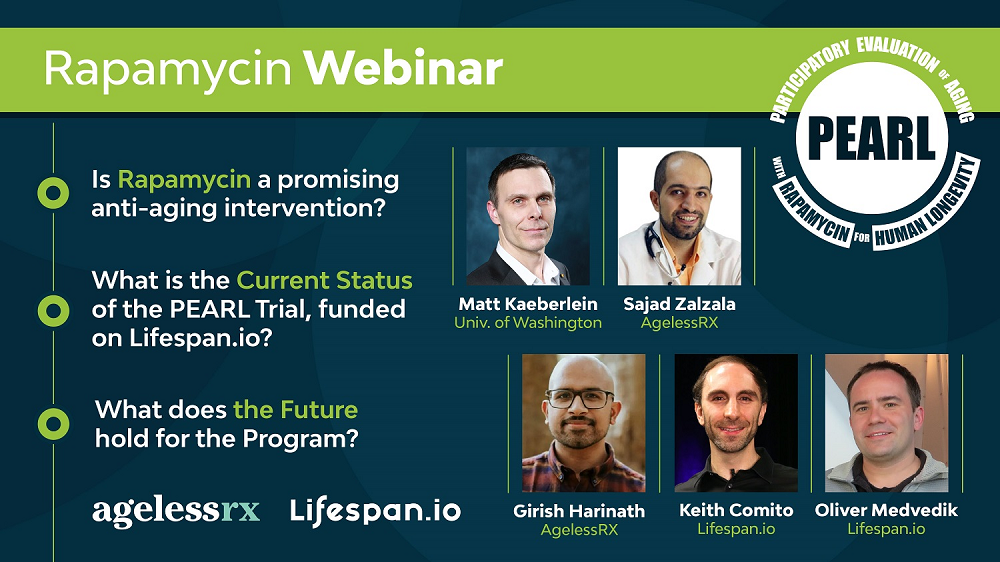
On August 27th at 1 PM EST, there was a special webinar for backers of the PEARL research fundraiser hosted by AgelessRX with guests from lifespan.io.

PEARL Webinar

PEARL was an AgelessRX project hosted back in 2021 on our website and is short for Participatory Evaluation of Aging with Rapamycin for Longevity. The campaign raised $182,838, hit 2 stretch goals to expand the scope of the study, and ended at 243% funding.

The participants of the webinar were:

  • Girish Harinath
  • Dr. Zalzala
  • Matt Kaeberlein
  • Keith Comito
  • Oliver Medvedik

The webinar allowed participants to see the latest PEARL research data, ask questions, and join in with the discussion about the future of the project. For those of you who could not make it, we have made the recording available for you to enjoy.

We will continue to deliver the best longevity news for you

On top of the exciting merger, rest assured that the news outlet will continue to bring you the latest longevity news and educational topics right here at lifespan.io, so there is no need to change your bookmarks!

Transparency and professional journalism have long been a cornerstone of what we do here at the lifespan.io news outlet, so much so that we created an Ethics Code of Longevity Journalism.

This code was created to help us to maintain a trusted source of information for people who are interested in longevity and aging research. Ours is a complex field that is rapidly evolving, and there is a literal information storm to navigate as well as perils such as snake oil salesmen, fraud, and fake news.

“We have long been a trusted source of information about the field and our commitment to quality and accessible journalism will continue. When I first created the news outlet, it was with the goal of providing the community and public with a source of information they could trust, free from commercial and government influence. There is a significant amount of dishonest and misleading information about longevity, usually with the aim to sell questionable supplements or ‘therapies’, out there, and it was my goal and that of lifespan.io to challenge this. I look forward to continuing this tradition under the banner of the Lifespan Research Institute” – Steve Hill, Editor in Chief

Our commitment to quality and accessible journalism will continue, and you can rely on us for the best longevity news coverage.

Expanding our coverage following the audience survey

Earlier this year, we conducted a large-scale audience survey: we listened to what you had to say and the kinds of content you wanted to see, and we are acting on that now. Many thanks to those of you who took the time to share your thoughts on the future of lifespan.io’s news outlet.

You can expect more special feature articles, interviews, and reports on the rejuvenation biotech side of the field. Our goal is to bring you more in-depth coverage and commentary from the leading researchers in the field, helping you to stay informed.

We are expanding our scope to bring you more rejuvenation biotech business news. Our readers have told us that it’s important to them to understand the investment and funding landscape in our field and to get a feel for how things are going. With that in mind, we are working on some special reports that will focus on the impact of the decentralized science (DeSci) funding model on research funding, the level of investment in rejuvenation biotech over recent years, and more.

Many of you are probably familiar with the Longevity Investor Network (LIN), which we created a few years ago. The LIN brings investors and promising rejuvenation biotech startups together to drive progress in the field at the clinical stage. We plan to collaborate with the LIN to bring expert commentary on the business side of the field. If you are an investor and are interested in applying to join the LIN, please get in touch using the application form on the Longevity Investor Network page.

The merge also means we can bring you even more news! As the LRI, we have a state-of-the-art research facility in Mountain View, California. Therefore, you can expect us to bring you all the exciting news about our research on aging programs directly from our lab in the near future.

Stay up to date, join the newsletter!

If you want to keep up with the latest research news, then feel free to join our newsletter. We will see you in the next editorial closer to the holidays with more updates and news on what our new organization has been doing to defeat age-related diseases.

We would like to ask you a small favor. We are a non-profit foundation, and unlike some other organizations, we have no shareholders and no products to sell you. All our news and educational content is free for everyone to read, but it does mean that we rely on the help of people like you. Every contribution, no matter if it’s big or small, supports independent journalism and sustains our future.
UK US

UK Citizens Are Healthier Than Americans, but Don’t Feel So

A new study shows that in midlife, United States citizens are less healthy than their British counterparts. The latter, however, smoke more and rate their health worse [1].

I’ll show you my health if you show me yours

It is well-known that despite the US being one of the richest countries in the world, it has high disease prevalence and one of the lowest life expectancies in the developed world. America also spends more than almost any other country on healthcare per capita, which does not seem to help.

In a new study, published in the International Journal of Epidemiology, scientists set out to answer the question of who is healthier in midlife: Americans or the British? After all, the two countries have multiple similarities, and neither sports a particularly healthy food culture. The study was done by researchers from Oxford University and University College London, in collaboration with American scientists from the University of Texas and the University of North Carolina.

The researchers analyzed data on about 12,000 Americans and around 10,000 British citizens in their 30s and 40s. The authors note that while there have been studies of health differences between the two countries’ populations, those were mostly done in older people. Middle age, on the other hand, is a crucial point in life when many age-related diseases and conditions start to manifest themselves, and the body’s capacity begins its slow decline.

“Critically,” the researchers write, “international comparisons provide the opportunity to identify contextual drivers of population health.”

Americans are at a disadvantage

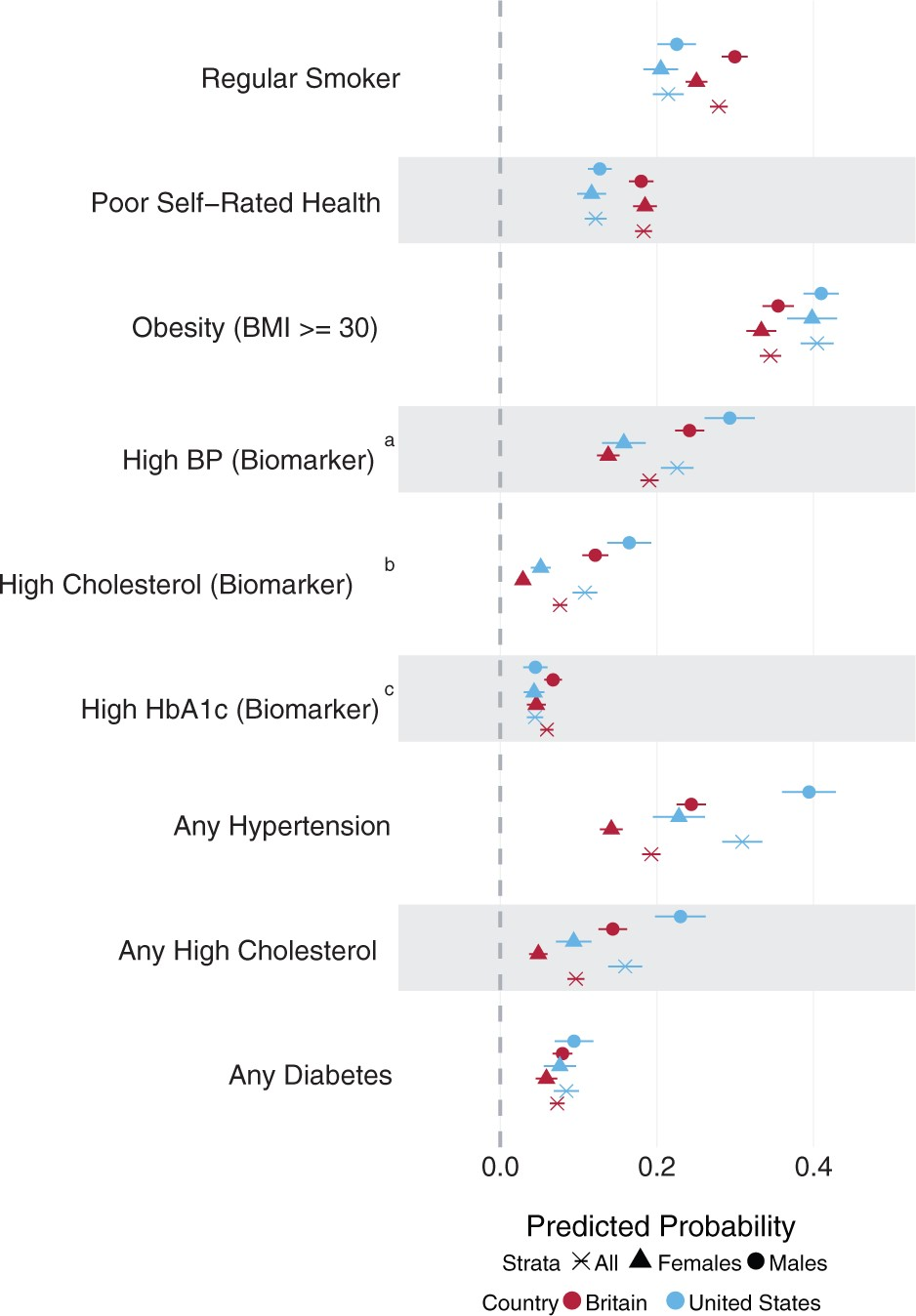
The researchers found that Americans are more likely to be obese and have high blood pressure. The US cohort also had higher total cholesterol and a higher total cholesterol-to-HDL cholesterol ratio, which indicates metabolic problems. In general, Americans appeared objectively less healthy, but UK residents were worse-off in terms of self-rated health.

Interestingly, while being healthier overall, people in the UK were more likely to be smokers. This concurs with previous research, which “found the prevalence of risky behaviors, including smoking, to be more common among English adults despite their lower chronic disease risk.” [2] This seeming contradiction, the authors hypothesize, might reflect an interplay of both individual and wider social factors, such as the differences in the two healthcare systems.

UK-US Differences

In both societies, lesser socioeconomic status was associated with poorer health, although for Americans, the correlation was stronger. “For some outcomes,” the researchers note, “such as hypertension and cholesterol, more socioeconomically advantaged US adults had similar or worse health than socioeconomically disadvantaged British adults.”

Is it the system?

Digging deeper into those differences, the researchers make an interesting observation based on previous research: the US does better than the UK in mortality and morbidity for medically amenable causes of death [3], possibly because Medicare provides universal quality healthcare for older people who bear most of the disease burden. Why is the prevalence of disease still higher in the US and the life expectancy lower? These researchers hypothesize that the lack of universal access to healthcare at younger ages has long-term effects.

Lead author, Dr. Charis Bridger Staatz from UCL’s Centre for Longitudinal Studies, said, “We can speculate that differences in levels of exercise, diets and poverty, and limited access to free health care may be driving worse physical health in the US. Given political and social similarities between the US and Britain, the US acts as a warning of what the state of health could be like in Britain without the safety net of the NHS and a strong welfare system.”

Co-author Professor Jennifer Dowd, Deputy Director of the Leverhulme Centre for Demographic Science and Oxford Population Health’s Demographic Science Unit, added, “Despite the worse health of American compared to British adults in midlife, higher rates of smoking and growing obesity levels in Britain show that there is room for improvement in both countries.”

Our analyses identified a US mid-life health disadvantage similar to that observed at older ages. The health disadvantage is notable for obesity, hypertension and cholesterol, though British adults have greater probabilities of current smoking and worse self-rated health. Further, socioeconomic inequalities are typically wider in the USA, where health differences between the most and least advantaged are larger. For current smoking, and to a lesser extent diabetes, this is due to better health among socioeconomically advantaged US adults but worse health among socioeconomically disadvantaged adults compared with Britain. For hypertension and high cholesterol, socioeconomically advantaged US adults have comparable—or worse—health than socioeconomically disadvantaged British adults.

We would like to ask you a small favor. We are a non-profit foundation, and unlike some other organizations, we have no shareholders and no products to sell you. All our news and educational content is free for everyone to read, but it does mean that we rely on the help of people like you. Every contribution, no matter if it’s big or small, supports independent journalism and sustains our future.

Literature

[1] Bridger Staatz, C., Gutin, I., Tilstra, A., Gimeno, L., Moltrecht, B., Moreno-Agostino, D., … & Ploubidis, G. B. (2023). Midlife Health in Britain and the US: A comparison of Two Nationally Representative Cohorts. medRxiv, 2023-12.

[2] Zaninotto, P., Head, J., & Steptoe, A. (2020). Behavioural risk factors and healthy life expectancy: evidence from two longitudinal studies of ageing in England and the US. Scientific Reports, 10(1), 6955.

[3] Aron, L., & Woolf, S. H. (Eds.). (2013). US health in international perspective: Shorter lives, poorer health.

Ready to sprint

Exercise Intensity, Duration, and Amount All Matter

In the European Journal of Protective Cardiology, researchers have published evidence that the intensity of exercise is somewhat more important than volume in reducing all-cause mortality risk, although both have significant correlations.

The questions of how long and how much

Conventional wisdom had maintained that exercise must be conducted in continuous periods to be of value, but in some public health circles, there has been a shift away from this: the World Health Organization stopped recommending exercise periods to be for at least 10 minutes. Instead, the new paradigm is that “every minute counts” [1]. This shift is based on studies that have compared the effectiveness of different interval lengths of exercise [2].

However, interval duration is not the same as total amount (volume) or intensity. The volume of movement during the day has been documented to be related to mortality [3], and interval intensity has been investigated for issues such as bone health [4], but these researchers note a previous lack of cross-sectional studies that directly compare exercise intensity to volume and duration.

Intensity and consistency

Like many other cross-sectional studies done in the United States, this study used data from the National Health and Nutrition Examination Survey (NHANES) [5]. This study is largely reflective of the US adult population. The mean age of participants was 48, and the average BMI was 28.

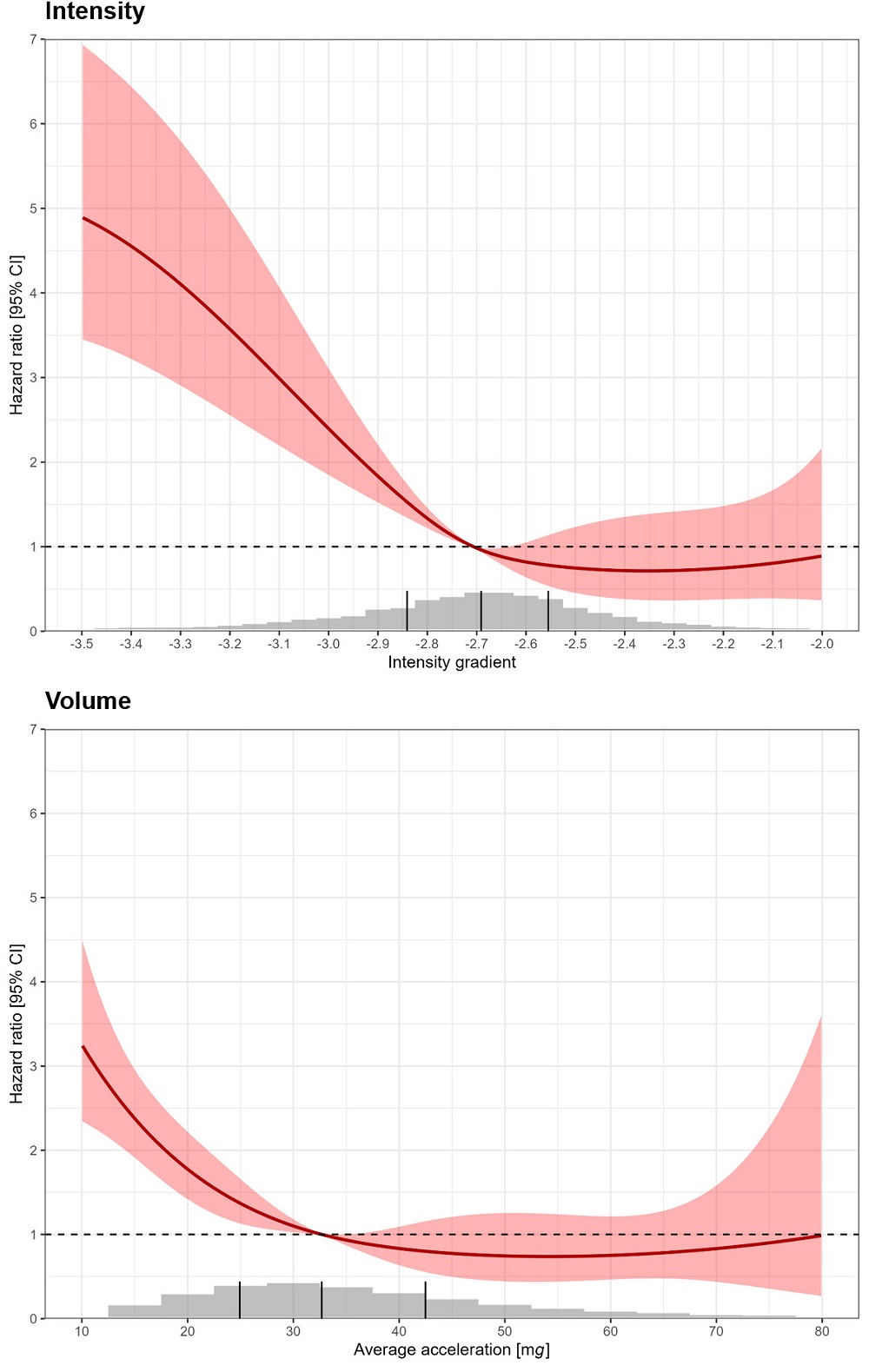
To measure exercise, the participants each wore a wrist accelerometer for a week. The related metrics, therefore, were quantified in terms of acceleration: the total volume of exercise was listed as AvAcc, and intensity was measured as a gradient (IG). Making allowances for brief breaks, continuous activity was measured, as was the comparative ratio of the most intense to the least intense activity periods. While intensity had a stronger effect than volume, both volume and intensity had profound impacts on all-cause mortality: too much was not good, but less intensity, particularly for people who had less than the average 70-year-old, was strongly associated with a higher risk of death.

Exercise Intensity and Volume Effects

The effect of intensity was even stronger in the case of cardiovascular risk. AvAcc did not quite reach the level of statistical significance, but IG was found to have a similar curve to the all-cause mortality curve.

Fragmentation of exercise was found to be negative. People who moved in continuous 5-minute, 15-minute, or 60-minute bouts were less likely to die of any cause than people whose bursts were more sporadic. The researchers give as an example someone who briskly walks at random intervals for a total of 15 minutes during the day; if this person were to briskly walk for 15 minutes all at one time, that person would have a substantially reduced mortality risk.

Therefore, while every minute does count, it is still a good idea to have time set aside for steady amounts of relatively intense exercise. The researchers hold that their research differs from WHO’s recommendations due to their differences in data collection and handling techniques.

While this study’s modeling did account for chronological age when determining hazard ratios, the researchers also noted that older people are far less likely to be able to move as much as younger people, particularly people in their 80s and 90s. This was true for both men and women, and it was especially reflective of intensity even more than volume.

Limitations and concurrences

This study did have some limitations. Specifically, it was impossible for the researchers to adjust for smoking, mobility limitations, and alcohol use, due to a lack of data in any of these categories. It is also impossible in this sort of research to fully account for reverse causation: people who engage in less-intense exercise may be suffering from undiagnosed conditions that limit their ability to move as much. Deaths within the first 12 months were excluded from this study in order to mitigate this problem.

Despite its limitations, however, this study’s results are in close accordance with other work on the subject, including research that used UK Biobank data to determine that intensity is critical in maintaining health and fighting back against aspects of aging [6]. The researchers also note that their work concurs with research demonstrating that exercise that is intensive and long enough to make demands of the cardiovascular system is important for vascular and respiratory health [7]. While this is a populational study and cannot be directly applied to an individual, it is clear that sustained, intense exercise periods are directly correlated with a reduced risk of death.

We would like to ask you a small favor. We are a non-profit foundation, and unlike some other organizations, we have no shareholders and no products to sell you. All our news and educational content is free for everyone to read, but it does mean that we rely on the help of people like you. Every contribution, no matter if it’s big or small, supports independent journalism and sustains our future.

Literature

[1] Bull, F. C., Al-Ansari, S. S., Biddle, S., Borodulin, K., Buman, M. P., Cardon, G., … & Willumsen, J. F. (2020). World Health Organization 2020 guidelines on physical activity and sedentary behaviour. British journal of sports medicine, 54(24), 1451-1462.

[2] Jakicic, J. M., Kraus, W. E., Powell, K. E., Campbell, W. W., Janz, K. F., Troiano, R. P., … & 2018 Physical Activity Guidelines Advisory Committee. (2019). Association between bout duration of physical activity and health: systematic review. Medicine and science in sports and exercise, 51(6), 1213.

[3] Rowlands, A., Davies, M., Dempsey, P., Edwardson, C., Razieh, C., & Yates, T. (2021). Wrist-worn accelerometers: recommending~ 1.0 mg as the minimum clinically important difference (MCID) in daily average acceleration for inactive adults. British journal of sports medicine, 55(14), 814-815.

[4] Rowlands, A. V., Edwardson, C. L., Dawkins, N. P., Maylor, B. D., Metcalf, K. M., & Janz, K. F. (2020). Physical activity for bone health: how much and/or how hard?. Medicine & Science in Sports & Exercise, 52(11), 2331-2341.

[5] National Center for Health Statistics (US). (2013). National Health and Nutrition Examination Survey: Sample design, 2007-2010. Department of Health and Human Services Public Health Service.

[6] Dempsey, P. C., Musicha, C., Rowlands, A. V., Davies, M., Khunti, K., Razieh, C., … & Samani, N. J. (2022). Investigation of a UK biobank cohort reveals causal associations of self-reported walking pace with telomere length. Communications Biology, 5(1), 381.

[7] Hov, H., Wang, E., Lim, Y. R., Trane, G., Hemmingsen, M., Hoff, J., & Helgerud, J. (2023). Aerobic high‐intensity intervals are superior to improve V̇O2max compared with sprint intervals in well‐trained men. Scandinavian journal of medicine & science in sports, 33(2), 146-159.

Frontier Bio

Lab-Grown Lung Tissue for Diseases and Transplants

Frontier Bio Corporation has announced a groundbreaking achievement in lab-grown lung tissue. By combining 3D bioprinting with the ability of stem cells to self-assemble, mimicking natural organ development, the California-based biotech company has created complex microscale lung tissue. This innovation paves the way for advancements in treating respiratory diseases and organ transplantation.

Animal testing is commonly used in preclinical drug development, but it often fails to accurately represent human biology, leading to high failure rates in human trials. Frontier Bio is developing lab-grown human lung tissue as an alternative, offering a more accurate model for drug development and increasing the likelihood of successful translation to clinical use.

Frontier Bio’s lung models are produced from a mixture of cells found in the lung, including stem cells. These are combined with a proprietary blend of biomaterials and then processed using Frontier Bio’s own bioprinting hardware to produce the tissue geometry. Frontier Bio developed methods to induce natural self-assembly processes to drive the cells to organize themselves into the complex microtissue architecture of the distal lung, including bronchioles and alveolar air sacs. What is unique about Frontier Bio’s technology is that they harness the power of the stem cell to differentiate and self-assemble into complex microtissue architecture. Their distal lung model develops bronchioles, alveolar air sacs and beating cilia (tiny hair-like structures that keep natural airways clean), and even produces both mucus and surfactant found in natural lung tissue.

“There is an urgent need for more accurate models of lung tissue that allow us to test new therapeutics more effectively than with current methods,” said Victoria-Elisabeth Gruber, Head of Translational Research at Frontier Bio.

The lab-grown lung models also provide a platform for studying diseases like lung cancer, pulmonary fibrosis, COPD, and COVID-19, aiding in the development of new treatments in this $70B market. The technology also offers a foundation for creating tissues and organs for transplantation. Over 34 million people suffer from chronic lung diseases in the US alone and there is a great need for replacement lung tissue.

“This could fundamentally change the landscape of lung transplants, giving hope to thousands of patients waiting for lifesaving treatment,” added Eric Bennett, CEO of Frontier Bio.

Frontier Bio’s innovative approach has broad applications across various tissues and organs. The company is now actively seeking partnerships to advance therapeutic and regenerative medicine applications of its technology.

“Frontier Bio is doing more than just creating lab-grown human tissues. They’re paving the way for a future where organ donors are no longer needed, and animal testing is a thing of the past,” commented George Church, pioneering geneticist and advisor to Frontier Bio.

About Frontier Bio

Frontier Bio is a biotechnology company focused on the development of lab-grown tissues. Supported by a National Science Foundation SBIR grant and in collaboration with Mayo Clinic, Frontier Bio has pioneered work in blood vessels, neural tissue, and lung tissue. The company’s mission is to revolutionize disease treatment and organ replacement through cutting-edge tissue engineering.

For more information, visit www.frontierbio.com.

We would like to ask you a small favor. We are a non-profit foundation, and unlike some other organizations, we have no shareholders and no products to sell you. All our news and educational content is free for everyone to read, but it does mean that we rely on the help of people like you. Every contribution, no matter if it’s big or small, supports independent journalism and sustains our future.
Combination therapy

mTOR and SGLT-2 Inhibitors Impact Age-Related Processes

The authors of a recent review propose that there may be positive synergistic effects from combining mTOR inhibitors and sodium-glucose co-transporter-2 (SGLT-2) inhibitors [1].

Inhibition of two molecules is better than one

mTOR is a well-known molecule in aging research. Inhibition of mTOR has been shown to extend lifespan in multiple organisms, including worms, yeast, flies, and mammals. Further investigation has suggested that it can also prolong human lifespan [2].

mTOR is involved in many cellular processes, like growth, metabolism, proliferation, and protein synthesis. SGLT-2 is also involved in aging processes, and SGLT-2 inhibitors play a role in preventing the accumulation of senescent cells [3]. However, SGLT-2 inhibitors are currently more known for their role in regulating glucose reabsorption in the kidneys and excretion through urine. Since they lower glucose levels, they are used as therapeutics in type 2 diabetes.

SGLT-2 inhibitors impact nutrient signaling, which leads to a reduction of mTOR activation and activation of different proteins related to nutrient sensing. Those changes simulate the state of caloric restriction. This, in addition to other molecular changes associated with SGLT-2 inhibition, made these researchers speculate about using SGLT-2 inhibitors alongside mTOR inhibitors in conditions that are related to aging or mTOR activation.

The authors of this review note that there are few studies that directly test combinations of mTOR and SGLT-2 inhibitors and their impacts on age-related processes. However, there is enough data to discuss potential synergistic benefits, as the pathways affected by the inhibition of those two molecules appear to be complementary.

Two molecules, multiple processes

One of the most well-known features of senescent cells is the senescence-associated secretory phenotype (SASP), which is the release of pro-inflammatory cytokines and other factors. mTOR has been found to be involved in the development of the SASP, and its inhibition has, accordingly, been found to inhibit the production of some of its factors. SGLT-2 inhibition has also been shown to reduce these molecules [4].

SGLT-2 inhibition’s anti-inflammatory properties are also useful in reducing the factors involved in chronic, age-related inflammation (inflammaging). The expression of some of those pro-inflammatory factors is regulated through SGLT-2 inhibitors and proteins in the mTOR network, and lowering mTOR activity can reduce their expression [5, 6]. However, the authors also mention that some research shows that using the mTOR inhibitor rapamycin doesn’t impact chronic inflammation, but it reduces cellular senescence markers [7]. Future work is needed to better reconcile those two observations.

The authors also discuss that mTOR and SGLT-2 inhibition can help with the aging of the immune system (immunosenescence), which leads to the weakening of immune responses in the elderly. Recent studies suggest the potential for SGLT-2 inhibition in immunomodulatory processes and that mTOR inhibition improves “the performance of the aging immune system in both mice and humans.”

The authors also discuss the consumption of a cell’s own parts (autophagy), a maintenance process that has effects on lifespan [8]. mTOR is one of the major regulators of autophagy, and SGLT-2 inhibition also has been shown to improve autophagy in several organs [9].

Mitochondrial function also declines with age. mTOR is essential for regulating the selective consumption of dysfunctional mitochondria through mitophagy, a quality control process that reduces mutations. Using one of the mTOR inhibitors was shown “to significantly induce mitophagy and reduce mitochondrial mutation frequency in vitro” [10]. SGLT-2 inhibitors also have a positive impact on mitochondria and have been shown to restore mitochondrial morphology and function.

The authors also discuss the microbes that live in the body, mostly the gut (the microbiome), which plays an essential function in many bodily processes. Aging leads to a decrease in microbial diversity.

The mTOR pathway plays an essential role in the communication between microbes and the host organism and can be utilized in therapies. mTOR and SGLT-2 inhibition have been shown to have an impact on microbial composition and microbial metabolites and increase the abundance of microbial species that are associated with health benefits and healthy aging [11]. However, there is still a lack of understanding of the molecular processes behind those connections.

Beneficial combination with some side effects

Even though there might be benefits of combining mTOR and SGLT-2 inhibition, the authors also point to its possible side effects and limitations in its clinical applications.

As of now, there is limited data in the aging population regarding the use of the SGLT-2 inhibitors. Existing evidence suggests similarities in efficacy and safety for older and younger populations. Still, there is a risk of adverse effects, such as urinary tract infections, renal-related adverse events, and hypoglycemia, which is higher in the elderly. That being said, the authors point to a “favorable benefit–risk balance in elderly patients” for SGLT-2 inhibitors.

mTOR inhibition comes with its own challenges and side effects. Rapamycin use was linked to an increase in the risk of developing type 2 diabetes, high levels of protein in the urine (proteinuria), and abnormalities in blood lipid levels (dyslipidemia). The authors note that SGLT-2 inhibitors can be potentially used to mitigate some of the mTOR side effects.

The authors also believe there is a need to understand the molecular mechanism behind how the inhibition of SGLT-2 and mTOR regulates cellular senescence. This will allow for optimizing those treatments while considering variables such as sex or pre-existing conditions. They also highlight the need for long-term clinical trials to test such combinations in the elderly.

We would like to ask you a small favor. We are a non-profit foundation, and unlike some other organizations, we have no shareholders and no products to sell you. All our news and educational content is free for everyone to read, but it does mean that we rely on the help of people like you. Every contribution, no matter if it’s big or small, supports independent journalism and sustains our future.

Literature

[1] Troise, D., Mercuri, S., Infante, B., Losappio, V., Cirolla, L., Netti, G. S., Ranieri, E., & Stallone, G. (2024). mTOR and SGLT-2 Inhibitors: Their Synergistic Effect on Age-Related Processes. International journal of molecular sciences, 25(16), 8676.

[2] Johnson, S. C., Rabinovitch, P. S., & Kaeberlein, M. (2013). mTOR is a key modulator of ageing and age-related disease. Nature, 493(7432), 338–345.

[3] Ferrannini E. (2017). Sodium-Glucose Co-transporters and Their Inhibition: Clinical Physiology. Cell metabolism, 26(1), 27–38.

[4] Scisciola, L., Cataldo, V., Taktaz, F., Fontanella, R. A., Pesapane, A., Ghosh, P., Franzese, M., Puocci, A., De Angelis, A., Sportiello, L., Marfella, R., & Barbieri, M. (2022). Anti-inflammatory role of SGLT2 inhibitors as part of their anti-atherosclerotic activity: Data from basic science and clinical trials. Frontiers in cardiovascular medicine, 9, 1008922.

[5] Stallone, G., Infante, B., Prisciandaro, C., & Grandaliano, G. (2019). MTOR and Aging: an old fashioned dress. International Journal of Molecular Sciences, 20(11), 2774.

[6] Gohari, S., Ismail-Beigi, F., Mahjani, M., Ghobadi, S., Jafari, A., Ahangar, H., & Gohari, S. (2023). The effect of sodium-glucose co-transporter-2 (SGLT2) inhibitors on blood interleukin-6 concentration: a systematic review and meta-analysis of randomized controlled trials. BMC endocrine disorders, 23(1), 257.

[7] Correia-Melo, C., Birch, J., Fielder, E., Rahmatika, D., Taylor, J., Chapman, J., Lagnado, A., Carroll, B. M., Miwa, S., Richardson, G., Jurk, D., Oakley, F., Mann, J., Mann, D. A., Korolchuk, V. I., & Passos, J. F. (2019). Rapamycin improves healthspan but not inflammaging in nfκb1-/- mice. Aging cell, 18(1), e12882.

[8] Masclaux-Daubresse, C., Chen, Q., & Havé, M. (2017). Regulation of nutrient recycling via autophagy. Current Opinion in Plant Biology, 39, 8–17.

[9] Fukushima, K., Kitamura, S., Tsuji, K., Sang, Y., & Wada, J. (2020). Sodium Glucose Co-Transporter 2 Inhibitor Ameliorates Autophagic Flux Impairment on Renal Proximal Tubular Cells in Obesity Mice. International journal of molecular sciences, 21(11), 4054.

[10] Twig, G., Hyde, B., & Shirihai, O. S. (2008). Mitochondrial fusion, fission and autophagy as a quality control axis: The bioenergetic view. Biochimica Et Biophysica Acta (BBA) – Bioenergetics, 1777(9), 1092–1097.

[11] Ragonnaud, E., & Biragyn, A. (2021). Gut microbiota as the key controllers of “healthy” aging of elderly people. Immunity & ageing : I & A, 18(1), 2.

Astrocytes

Boosting Autophagy in Astrocytes Might Help Cure Alzheimer’s

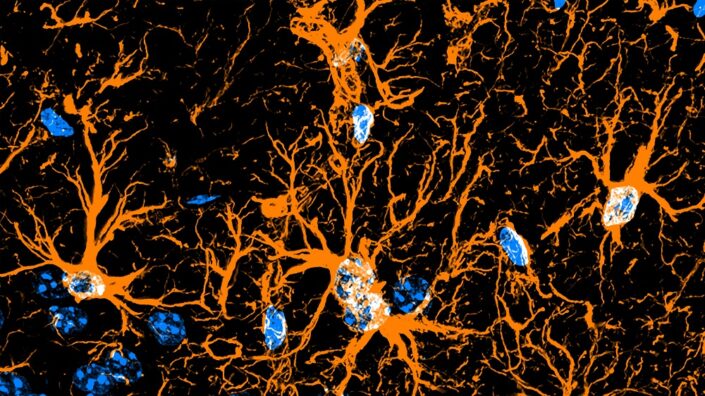
With Alzheimer’s disease, most of the focus has been on neurons. A new study’s researchers suggest boosting the process of cellular junk removal in astrocytes, brain cells that perform maintenance tasks, as a new pathway [1].

Looking at a different cell type

Accumulation of amyloid beta, a misfolded protein, is undoubtedly one of the hallmarks of Alzheimer’s disease [2]. However, attempts to cure Alzheimer’s by removing amyloid beta have been largely unsuccessful, although recently, the first moderately effective drugs based on this approach have been approved by the FDA.

It may be possible to instead use the body’s own mechanisms for amyloid beta clearance. Amyloid beta accumulation affects neurons, but it’s the brain’s other cells, collectively known as glia, that are the maintenance workers whose task is to ensure neurons’ unimpeded function. In this new study, a group of Korean scientists investigated the possible role of astrocytes, a type of glia, in amyloid beta clearance, and they arrived at intriguing results.

Fighting the junk

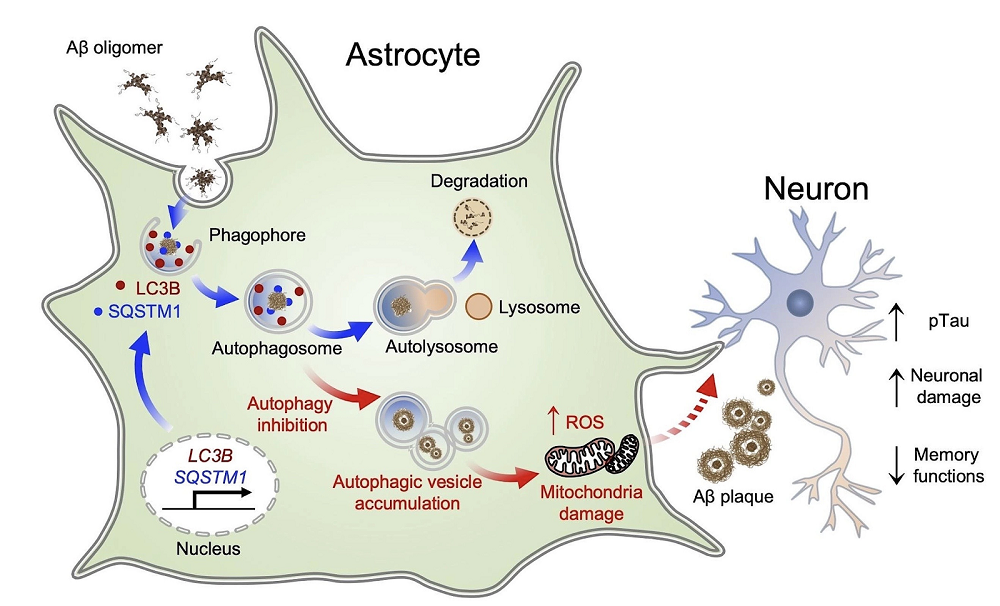
The same group of researchers, as well as others, have already shown that astrocytes take up and degrade amyloid beta [3], but the exact mechanism was not known. This time, scientists focused on the process of autophagy, which removes various cellular junk, such as damaged organelles and misfolded proteins.

Experimenting with mouse astrocytes in vitro, the researchers showed that the introduction of amyloid beta oligomers into this cellular culture causes astrocyte activation and upregulation of genes central to autophagy and an increase in the number of autophagosomes, the intracellular vesicles that participate in autophagy. Interestingly, in neurons, amyloid beta caused a decrease in autophagy levels.

Next, the scientists analyzed tissues from human Alzheimer’s patients. The researchers discovered that the same genes were upregulated in the brains of people with severe Alzheimer’s, but not with mild cognitive impairment (MCI). They also had more activated astrocytes. This suggests that the presence of amyloid beta makes astrocytes work harder in an attempt to remove it.

Returning to cellular cultures, the researchers tried several autophagy inhibitors on mouse and human astrocytes. They discovered that those inhibitors greatly reduced the viability of cells that were challenged with amyloid beta. The researchers saw various signs of mitochondrial dysfunction, suggesting that when autophagy is impaired, this overwhelms mitochondria and leads to increased production of reactive oxygen species.

When the researchers knocked down components of the autophagy process in a mouse model of Alzheimer’s, the mice’s brains showed increased signs of amyloid beta plaque formation. “This result”, they write, “indicates that astrocytic autophagy activation has a critical function in clearing up amyloid beta in AD.” This was accompanied by a decrease in neuronal function and exacerbated cognitive decline.

Astrocyte

Boosting autophagy improves amyloid beta clearance

What goes down can come up. When the researchers tried overexpressing the autophagy gene LC3B specifically in astrocytes in Alzheimer’s-prone mice, this significantly decreased the number of amyloid beta plaques in the hippocampus. Boosting autophagy also led to a substantial increase in the number of functional neurons and to an improvement in cognitive and spatial memory functions.

Finally, the researchers transfected human astrocytes with viral LC3B plasmids and, after 24 hours, exposed them to amyloid beta. Just like in mice, LC3B overexpression improved mitochondrial function and decreased the levels of active caspase-3, a marker of cell death.

According to Korea’s National Research Council of Science and Technology, Dr. Ryu and Dr. Suhyun Kim (the first author on the study) said about their research, “Our findings show that astrocytic autophagy restores neuronal damage and cognitive functions in the dementia brain. We hope this study will advance our understanding of cellular mechanisms related to autophagy and contribute to future research on waste removal by astrocytes and health maintenance of the brain.”

Taken together, our studies identify the underlying molecular mechanisms of astrocytic autophagy plasticity and provide critical insights for enhancing the beneficial effects of reactive astrocytes while minimizing the detrimental effects by reactive astrocytes to ameliorate the pathology of AD. In line with this new concept, the pharmacological and genetic modulation of astrocytic autophagy pathway can be considered for boosting the detoxifying machinery of astrocytes under AD stresses and may be a therapeutic strategy for ameliorating AD pathology.

We would like to ask you a small favor. We are a non-profit foundation, and unlike some other organizations, we have no shareholders and no products to sell you. All our news and educational content is free for everyone to read, but it does mean that we rely on the help of people like you. Every contribution, no matter if it’s big or small, supports independent journalism and sustains our future.

Literature

[1] Kim, S., Chun, H., Kim, Y., Kim, Y., Park, U., Chu, J., … & Ryu, H. (2024). Astrocytic autophagy plasticity modulates Aβ clearance and cognitive function in Alzheimer’s disease. Molecular Neurodegeneration, 19(1), 55.

[2] Rajasekhar, K., Chakrabarti, M., & Govindaraju, T. (2015). Function and toxicity of amyloid beta and recent therapeutic interventions targeting amyloid beta in Alzheimer’s disease. Chemical communications, 51(70), 13434-13450.

[3] Ju, Y. H., Bhalla, M., Hyeon, S. J., Oh, J. E., Yoo, S., Chae, U., … & Lee, C. J. (2022). Astrocytic urea cycle detoxifies Aβ-derived ammonia while impairing memory in Alzheimer’s disease. Cell metabolism, 34(8), 1104-1120.

Rejuvenation Roundup September 2024

This past month, we’ve covered plenty of research news and information about conferences, but now we have some news of our own. Here’s what’s been happening in the rejuvenation biotechnology world.

LEAF News

Lifespan Research Institutelifespan.io and SENS Research Foundation Unite to Launch a New Powerhouse in Aging Research: Today, we and SENS Research Foundation are excited to announce the completion of their merger, forming a new 501(c)(3) non-profit: Lifespan Research Institute.

Interviews

I Dined with Bryan Johnson and Didn’t Die: Don’t Die is a concept or philosophy that Bryan has been developing. It shares some premises with Ray Kurzweil’s theory of singularity, which states that due to the ever-increasing pace of technological progress, a future is near that is completely unimaginable – and hence, unpredictable from our current standpoint.

Advocacy and Analysis

A4LI LogoNILAR: A4LI’s Response to NIH Reform Proposal: The longevity advocacy and lobbying group has submitted detailed feedback to the congressional proposal to replace NIA with the National Institute on Dementia – and now you can sign the petition.

Less Talk, More Work: Foresight/LBF Longevity Workshop 2024: When Foresight Institute and Longevity Biotech Fellowship joined forces, a one-of-a-kind longevity event emerged. Foresight Institute has been perfecting the workshop formula for years. According to Foresight CEO Allison Duettmann, it’s been quite successful, with numerous ideas, which were originally thrown around at workshops, becoming projects and getting funded.

ARDD ConferenceFor the 11th Year in Copenhagen: Highlights from ARDD 2024: The Copenhagen-based Aging Research and Drug Discovery Meeting (ARDD) was already enormous, but at the dawn of its second decade, ARDD’s attendance of researchers, entrepreneurs, and enthusiasts grew even bigger and was sold out even sooner, solidifying its iconic status in the field.

Insights from the Roundtable of Longevity Clinics 2024: The quest to extend human lifespan and improve healthspan is advancing rapidly, and one of the most prestigious platforms for driving these discussions is the Roundtable of Longevity Clinics. This annual gathering brings together global experts to exchange knowledge on cutting-edge research, innovations, and regulatory strategies aimed at enhancing human longevity.

Research Roundup

Ground coffeeCaffeic Acid Variant May Suppress Bone Deterioration: In Aging, researchers have described how a derivative of caffeic acid inhibits osteoclasts, the cells that break down bone, which may lead to a treatment for osteoporosis.

Combination Therapy Works Against Pancreatic Cancer in Mice: In a new study, a multi-prong treatment combined with a clever delivery method has shown promise against pancreatic ductal adenocarcinoma, one of the deadliest cancers.

Keto dietKeto Diets May Help Cognitive Function in Alzheimer’s: The results of 10 independently conducted clinical trials suggest that ketogenic diets have a positive impact on the cognitive function of Alzheimer’s disease patients, offering a potential treatment addition for an incurable disease.

Targeting Senescent Cells by Their Surface Markers: New research in Aging Cell has suggested that targeting senescent cells based on their surface proteins (surfaceome) may be effective in dealing with them, as it makes drug development more feasible.

SwimmerAssociations Between Professional Sports and Longevity: A new study analyzed how being an elite athlete in various sports affects human lifespan. Some of the results were surprising and contradicted conventional wisdom.

Blocking a Dopamine Receptor May Improve Memory: Neurological researchers, in Aging Cell, have deepened our understanding of the brain, explaining how turning off a dopamine receptor may lead to better memory in older people.

CholesterolMedium LDL Levels Associated With Lowest Mortality: A new observational study suggests that lower LDL cholesterol levels are not necessarily better. Instead, the ratio of triglycerides to HDL may be more important.

How Supplement Formulas, Including NOVOS, Affect Skin Aging: Researchers have tested several combinations of ingredients with anti-aging properties. Those combinations, including a 12-ingredient formulation created by NOVOS, helped to reduce DNA damage and oxidative stress in human skin cells in cultures.

Connection databaseA New Atlas for Cellular Rejuvenation: In Aging, researchers from Spain and Luxembourg have described the creation of Single-cell RNA-seq Investigation of Rejuvenation Agents and Longevity (SINGULAR), an atlas for cellular rejuvenation that describes how interventions affect individual cells.

Extracellular Vesicles to Fight Liver Fibrosis: Researchers have filled extracellular vesicles (EVs) with micro-RNA that is effective against liver fibrosis in mice and published their breakthrough in Aging Cell. EVs, which cells use to send chemical messages and packages to one another, are significantly affected by aging to the point that they have been used as biomarkers.

Light pollutionLight Pollution Linked to Alzheimer’s Disease Prevalence: Scientists have found a correlation between the intensity of nighttime outdoor lighting, which can disrupt sleep, and Alzheimer’s disease. Excessive levels of artificial outdoor light are called “light pollution” and have been linked to sleep disruption, obesity, depression, anxiety, memory dysfunction, atherosclerosis, and cancer.

Combining Treatments Against Multiple Hallmarks of Aging: Researchers have published a review of the current state of combination therapies that address multiple Hallmarks of Aging. Some of these combined therapies were found to induce greater lifespan extension than single treatments.

Heart ventriclesThe Ventricles of the Heart Age Differently: In Aging Cell, researchers have published their findings on how the right ventricle of the heart ages differently from the left one. Research on aging has agreed that organs age differently, including all the arteries, brain tissue, muscles, and skin, along with all of the various digestive and maintenance organs, and this now includes the ventricles of the heart.

Axolotls’ Epigenetic Clocks Stop Ticking: In a preprint published in bioRxiv, researchers have published their findings in applying an epigenetic clock to the axolotl, a salamander species that does not age like humans. Axolotls, and salamanders more generally, are well-known for their regenerative capabilities, being able to grow back lost limbs.

Greenland SharkThe Greenland Shark’s Genome Reveals Clues to Its Longevity: Scientists have compiled the most complete genome ever of the Greenland shark, an exceptionally long-lived species. These sharks, giant, slow-moving abyss dwellers, hold the title of the longest-lived vertebrate at 400 years.

MSC Treatment Improves Age-Related Phenotypes in Rats: In a recent study, researchers injected rats with mesenchymal stromal cells. They observed improvements in aging-related biomarkers and phenotypes in many organs. Mesenchymal stromal cells (MSCs) can be obtained from diverse sources, including bone marrow, adipose tissue, perinatal tissue, and dental tissues.

Cynomolgus monkeysMetformin Slows Aging in Non-Human Primates: In a new study, metformin, which has already shown good results in rodents and in human epidemiological studies, alleviated multiple signs of aging in male cynomolgus monkeys. Metformin, a well-established anti-diabetes drug, has been touted as a possible geroprotector since a study suggested that diabetes patients on metformin outlived age-matched healthy controls.

A Likely Beneficial Compound Also Predicts Mortality: Researchers publishing in Aging have found that fibroblast growth factor 21 (FGF21), an apparently beneficial protein naturally produced by the human body, heralds a greater likelihood of death.

Cellular reprogrammingReprogramming Senescent Cells Extends Lifespan in Mice: Dr. Belmonte’s group at Altos Labs targeted stressed and senescent cells with partial reprogramming, producing large increases in lifespan in male mice. Since the discovery of cellular reprogramming almost two decades ago, a lot of hopes have been put into this technology, and a lot of progress has been made.

A Bank of Centenarian Stem Cells: Researchers are keeping a bank of induced pluripotent stem cells (iPSCs) derived from centenarians and their descendants. They describe the purpose of this bank and its uses in Aging Cell. Centenarians don’t merely live for a hundred years; they spend more time in good health (healthspan) than other people.

More sandStudy Suggests Mammals’ Lifespan Is Limited by Epigenetics: Juan José Alba-Linares and his research team have published a preprint study that examined why different animals age at different rates. They found that epigenetic changes over time could explain why some animals live longer and estimated an upper limit for mammalian lifespan.

How Lifesaving Treatments Can Cause Long-Term Harm: A research paper published in Aging explored a link between breast cancer, hematopoietic cell transplants (HCTs), an increase in physical frailty, and cellular senescence. HCTs and breast cancer treatment are lifesaving procedures. However, chemotherapy in breast cancer sharply increases p16INK4a, a key biomarker of cellular senescence, and HCT treatment accelerates aging.

Associations of daily eating frequency and nighttime fasting duration with biological aging in NHANES: Abnormally long fasting and fewer meals per day were associated with accelerated aging.

Association between plant and animal protein and biological aging: findings from the UK Biobank: Higher plant protein intake is inversely associated with biological aging. Although there is no association with animal protein, food with animal proteins displayed a varied correlation.

Intensity or volume: the role of physical activity in longevity: Intensity is a main driver of reduced mortality risk, suggesting that the intensity of activity, rather than the quantity, matters for longevity.

Optimal dose and type of exercise to improve cognitive function in patients with mild cognitive impairment: A network meta-analysis identified multi-component exercise as the most effective intervention for improving global cognitive and executive function in patients with mild cognitive impairment.

Hydrolyzed collagen supplementation prior to resistance exercise augments collagen synthesis: Ingesting 15g hydrolyzed collagen rescues the collagen synthesis response in middle-aged men, and 30g augments that response further.

A Natural Astragalus-Based Nutritional Supplement Lengthens Telomeres in a Middle-Aged Population: This supplement warrants further investigation for its potential benefits in promoting health, extending life expectancy, and supporting healthy aging.

A randomized, placebo-controlled trial of purified anthocyanins on cognitive function in individuals at elevated risk for dementia: Individuals with elevated levels of inflammation markers benefited from anthocyanin treatment to enhance cognitive performance, whereas those with lower levels did not.

Dose–response relationship of dietary Omega-3 fatty acids on slowing phenotypic age acceleration: This study highlights the potential role of dietary Omega-3 fatty acids in regulating age acceleration and supports the strategy of delaying aging through dietary interventions to increase Omega-3 intake.

Calorie restriction and rapamycin distinctly restore non-canonical ORF translation in the muscles of aging mice: The corresponding peptides may provide entry points for therapies aiming to maintain muscle function and extend healthspan.

Hyaluronan and proteoglycan link protein 1 – A novel signaling molecule for rejuvenating aged skin: rhHAPLN1 may act as a novel biomechanical signaling protein to rejuvenate aged skin.

Rejuvenation of aged oocyte through exposure to young follicular microenvironment: These findings provide the basis for a future follicular somatic cell-based therapy to treat female infertility.

E5 treatment showing improved health-span and lifespan in old Sprague Dawley rats: In conclusion, this unique ‘plasma-derived exosome’ treatment (E5) alone is adequate to improve the healthspan and extend the lifespan of the old SD rats significantly.

News Nuggets

Ora BiomedicalOra Biomedical Awarded Technology Development Grant: Ora Biomedical, Inc., a pioneering longevity biotechnology company, is pleased to announce that it has been awarded a Small Business Innovation Research (SBIR) Phase I grant from the National Institutes of Health (NIH). The $324,240 grant will support the development of EleGantry, an innovative software and hardware infrastructure to improve research quality.

Insilico Medicine Reports Positive Phase IIa Results for IPF: Insilico Medicine, a clinical-stage generative AI-driven drug discovery company, announced positive preliminary results from its Phase IIa clinical trial evaluating ISM001-055. ISM001-055 is a first-in-class small molecule targeting TNIK (Traf2- and Nck-interacting kinase) and was designed utilizing generative AI to treat idiopathic pulmonary fibrosis (IPF).

Coming Up

BOAC logoBiomarkers of Aging Consortium Announces Second Conference: The Biomarkers of Aging Consortium is proud to announce its second annual Biomarkers of Aging Conference, scheduled for November 1-2, 2024, at the Joseph Martin Conference Center at Harvard Medical School. This event stands as the premier conference dedicated to all aspects of biomarkers of aging, bringing together the brightest minds in the field.

We would like to ask you a small favor. We are a non-profit foundation, and unlike some other organizations, we have no shareholders and no products to sell you. All our news and educational content is free for everyone to read, but it does mean that we rely on the help of people like you. Every contribution, no matter if it’s big or small, supports independent journalism and sustains our future.

Lifespan Research Institute

lifespan.io and SENS Research Foundation Unite

October 1, 2024lifespan.io (Lifespan Extension Advocacy Foundation) and SENS Research Foundation are excited to announce the completion of their merger, forming a new 501(c)(3) non-profit: Lifespan Research Institute.

Lifespan Research Institute (“LRI”) will develop, promote, and ensure widespread access to regenerative medicine solutions targeting the disabilities and diseases of aging, combining direct research efforts with robust education, affiliation, and outreach programs. The newly merged organization will focus on two core areas: Research and Outreach.

LRI’s research program will leverage their Research and Education Center in Mountain View, CA for targeted internal scientific projects and comprehensive education of the next generation of scientists and leaders. The outreach program will encompass strong advocacy work necessary to propel the industry’s research and momentum forward through the Longevity Investor Network, News Outlet, and other initiatives. With this new structure, the organization is positioned to drive greater impact by delivering solutions that directly tackle the effects of the biological aging process.

Lifespan Research Institute is dedicated to ensuring that the benefits of longevity research are accessible on the international stage, with the aim of creating a future where everyone has access to biomedical advancements. Executive team Lisa Fabiny-Kiser and Stephanie Dainow are focused on growing this new organization’s role in research and advocacy for the benefit of the longevity industry and aging research.

“It is with great pride that we are able to announce today the merging of our organizations and our missions for the advancement of research on aging. SRF has long been focused on the importance of community and collaboration, and this merger highlights the strength we can achieve when we come together to reimagine aging.” – Lisa Fabiny-Kiser, Chief Executive Officer

“Lifespan Research Institute is driven by a passionate international team committed to a cause that matters to all of us: helping people live longer, healthier lives. Using science and technology, our mission is enabling something truly priceless—more time. More time to enjoy life fully, spend with the people we love, and experience everything life has to offer. The future of longevity science has never been brighter, and with this incredible team, we’re ready to help shape what comes next.” – Stephanie Dainow, Chief Business Officer

The Board of Directors of Lifespan Research Institute includes Bill Liao, Keith Comito, Oliver Medvedik, Kevin Perrott, Paul Spiegel, Barbara Logan, Andrew Aiello, and Kevin Dewalt. “This merger brings two great organizations together to develop and spread new and exciting science into the longevity space. I very much look forward to the new directions that the combined team are going to bring to the world!” – Bill Liao, Chairman

“lifespan.io and SRF have shared a rich legacy in the battle against age-related diseases, driven by passion and purpose in both advocacy and research. Today, we unite these powerful forces to forge an organization uniquely equipped to identify and advance the most transformative projects in our field. Together with you, the Lifespan Research Institute will work to create a future where vitality and long-lasting health are within reach for everyone.” – Keith Comito, President of the Board

For ongoing updates, please visit us at Lifespan Research Institute.

For further information, please contact:

christie.sacco@lifespan.io

About SENS Research Foundation

Founded in 2009, SENS Research Foundation, a leading non-profit organization located in Mountain View, CA, is renowned for its cutting-edge research into the science of aging and regenerative medicine. Through its innovative research program at their 11,000 sq. ft. Silicon Valley based Research and Education Center, the SENS Research Foundation is revolutionizing the approach to preventing and treating age-related decline, aiming to address the root causes of aging to extend the healthy years of life.

About lifespan.io

Founded in 2014, lifespan.io is a dynamic hub for advancing the frontier of longevity research. The non-profit organization is dedicated to fostering collaboration between scientists, researchers, and the broader community to accelerate progress in extending healthy human lifespan. Their website serves as a nexus for disseminating information about ongoing research initiatives, sharing updates on funded projects, and providing educational resources to raise awareness about the potential of longevity science.

lifespan.io’s mission is not only to support scientific endeavors but also to inspire a collective effort towards achieving longer, healthier lives for all.

We would like to ask you a small favor. We are a non-profit foundation, and unlike some other organizations, we have no shareholders and no products to sell you. All our news and educational content is free for everyone to read, but it does mean that we rely on the help of people like you. Every contribution, no matter if it’s big or small, supports independent journalism and sustains our future.
Frail woman

How Lifesaving Treatments Can Cause Long-Term Harm

A research paper published in Aging explored a link between breast cancer, hematopoietic cell transplants (HCTs), an increase in physical frailty, and cellular senescence.

Treatment comes at a cost

HCTs and breast cancer treatment are lifesaving procedures. However, chemotherapy in breast cancer sharply increases p16INK4a, a key biomarker of cellular senescence [1], and HCTs are known to cause accelerated aging [2]. It is unsurprising, then, that people who had undergone such treatments are much more frail than most people, and their physical abilities often resemble those of much older people [3, 4]. As frailty is often accompanied by an increase in mortality, these researchers sought to determine its effects.

This work analyzed its population of 124 former breast cancer and HCT patients by connecting frailty to quality of life, functional assessments, and p16INK4a. Frailty and quality of life were assessed with well-known standardized measurements. People were tested on whether they were constantly exhausted, had unintentionally lost significant weight, walked slowly, could perform only limited physical activity, or had poor grip strength: one or two of these criteria marked someone as being pre-frail, and having least three of these criteria would mark someone as physically frail.

Chronological age was only one factor

About half of the participants were over the age of 60, and slightly over two-fifths were physically frail. While older people were more likely to be frail, the correlation was only moderate: the average age of the frail group was 63, while that of the non-frail group was 56. Frail people were also more likely to have had treatments more recently: an average of 3.4 years compared to 5.8 for the non-frail group. Breast cancer was less heavily correlated with frailty than HCTs were.

There were a few key associations. People who had lost weight, had less grip strength, or less physical ability were more likely to have increased p16INK4a. As expected, people with frailty had significantly reduced quality of life metrics and physical performance. BMI wasn’t significantly correlated with frailty, however.

While this was a relatively small and limited study, and the sample sizes were not very large, it still illustrated the downstream dangers of increasing senescent cell burden. Causing accelerated aging isn’t just accelerating mortality; it also has significant and measurable impacts on how people are able to live. Therefore, replacing harmful-but-necessary treatments with treatments that lack such serious side effects is a research priority.

We would like to ask you a small favor. We are a non-profit foundation, and unlike some other organizations, we have no shareholders and no products to sell you. All our news and educational content is free for everyone to read, but it does mean that we rely on the help of people like you. Every contribution, no matter if it’s big or small, supports independent journalism and sustains our future.

Literature

[1] Shachar, S. S., Deal, A. M., Reeder-Hayes, K. E., Nyrop, K. A., Mitin, N., Anders, C. K., … & Muss, H. B. (2020). Effects of breast cancer adjuvant chemotherapy regimens on expression of the aging biomarker, p16INK4a. JNCI cancer spectrum, 4(6), pkaa082.

[2] Uziel, O., Lahav, M., Shargian, L., Beery, E., Pasvolsky, O., Rozovski, U., … & Yeshurun, M. (2020). Correction: Premature ageing following allogeneic hematopoietic stem cell transplantation. Bone marrow transplantation, 55(7), 1519.

[3] Ness, K. K., Krull, K. R., Jones, K. E., Mulrooney, D. A., Armstrong, G. T., Green, D. M., … & Hudson, M. M. (2013). Physiologic frailty as a sign of accelerated aging among adult survivors of childhood cancer: a report from the St Jude Lifetime cohort study. Journal of Clinical Oncology, 31(36), 4496-4503.

[4] Arora, M., Sun, C. L., Ness, K. K., Teh, J. B., Wu, J., Francisco, L., … & Bhatia, S. (2016). Physiologic frailty in nonelderly hematopoietic cell transplantation patients: results from the bone marrow transplant survivor study. JAMA oncology, 2(10), 1277-1286.

More sand

Study Suggests Mammals’ Lifespan Is Limited by Epigenetics

Juan José Alba-Linares and his research team have published a preprint study that examined why different animals age at different rates. They found that epigenetic changes over time could explain why some animals live longer and estimated an upper limit for mammalian lifespan [1].

A problem of noise

In this study, Alba-Linare’s team analyzed the epigenetics of 18 different mammals and found that the rate at which their methylation became disorganized (noisy) matched how long those animals tend to live. For example, humans and whales have slower epigenetic changes, which might be why they can live for many decades. In contrast, mice were found to have much faster changes, which might explain their shorter lifespans.

The researchers think this could mean that there is a natural limit to how long mammals can live, and they estimate that the maximum lifespan for any mammal, including humans, might be around 220 years.

This study gives scientists a new way to think about aging. If people can figure out how to slow down the epigenetic changes that cause this noise, they might be able to find ways to help people live longer, healthier lives. However, the researchers also pointed out that more studies are needed, especially to see how epigenetic changes in different body parts besides blood and how things like diet and environment affect this process.

In summary, this research helps explain why we age by examining how our DNA changes. It also hints that there might be a natural limit to how long humans and other mammals can live, though scientists are still working to fully understand this.

Hardly uneditable

Biotechnology and medical research advancements have opened new frontiers in the quest to understand and potentially reverse aspects of aging. Among the most promising developments CRISPR-based therapies, which are currently being developed to affect the epigenome, not just the genome. These therapies could reverse or slow down the accumulation of epigenetic noise. By restoring proper DNA methylation patterns, such therapies could possibly re-establish cellular function and identity, addressing a fundamental cause of aging.

If such technology is utilized to correct age-related epigenetic changes or to reverse epigenetic drift, it could theoretically extend human lifespan beyond the predicted maximum of 220 years. This potential to extend human lifespan is not just a theoretical concept but a real possibility that could change how we perceive aging. Specifically, CRISPR-mediated methylation editing might re-establish youthful epigenetic patterns, reducing cellular noise and extending health span and lifespan. Applications of CRISPR in this context include direct epigenome editing, which involves the targeted modification of DNA methylation patterns to “reset” aging cells, and gene therapy that repairs age-related genetic mutations that accelerate entropy or contribute to age-related diseases [2].

Another groundbreaking approach is epigenetic reprogramming using the Yamanaka factors: Oct4, Sox2, Klf4, and c-Myc. This method has demonstrated the ability to reverse age-associated epigenetic changes and restore youthful cellular phenotypes. This technique could dramatically reduce epigenetic noise and entropy, extending lifespan beyond natural limits by reprogramming cells to a more youthful state [3, 4].

If applied systemically without inducing cancer, epigenetic reprogramming could reset the biological clock and significantly extend lifespan. Current research has shown that transient expression of Yamanaka factors can rejuvenate cells in mice without fully reprogramming them to an embryonic state or risking de-differentiation into other cell types, suggesting potential for safe application in humans [5].

Cell therapy involving stem cells or exosomes derived from young donors may also help rejuvenate aged tissues. These treatments could reset or slow down the aging clock in tissues by re-establishing youthful gene expression patterns and restoring epigenetic stability, possibly pushing lifespan beyond predicted limits [4].

Other approaches

Senolytics represent another promising avenue in anti-aging research. These are drugs designed to clear senescent cells, which are dysfunctional cells that accumulate with age and contribute to chronic inflammation and tissue degradation [6, 7]. By reducing the burden of senescent cells, senolytics could decrease epigenetic entropy by preventing cellular dysfunction and genomic instability.

Although they do not directly address DNA methylation, senolytics may help maintain the overall health of the cellular environment, thus slowing down the accrual of epigenetic noise. Drugs like dasatinib and quercetin are currently being tested for their ability to eliminate senescent cells and potentially extend lifespan selectively [8].

Telomere extension therapies offer yet another strategy to combat aging. Telomere shortening is a well-known hallmark of aging, and therapies based on telomerase activation aim to lengthen telomeres, extending cellular lifespan and improving overall genomic stability [9]. While this approach does not directly address epigenetic entropy, extending telomeres could help stabilize the genome, prevent cellular senescence, and mitigate age-related genomic and epigenomic changes [10]. Longer telomeres might delay the onset of epigenetic noise accumulation, which limits lifespan.

Restoration of NAD+ levels is also gaining attention in aging research. NAD+ levels decline with age, leading to compromised mitochondrial function and increased cellular stress. Therapies that replenish NAD+ levels, such as NAD+ precursors like nicotinamide riboside (NR) and nicotinamide mononucleotide (NMN), aim to improve energy metabolism and enhance DNA repair mechanisms. By restoring NAD+ levels, these therapies could reduce the accumulation of DNA damage and epigenetic drift, thereby delaying or preventing some of the processes contributing to epigenetic entropy. This would enable cells to control gene expression and longevity pathways better [11].

Lastly, caloric restriction mimetics such as rapamycin, resveratrol, and spermidine mimic the effects of caloric restriction, which has been shown to delay aging and reduce epigenetic entropy. By reducing the metabolic burden and oxidative stress on cells, these treatments could maintain epigenetic integrity for extended periods, pushing the upper limits of lifespan. These compounds aim to activate longevity pathways without significantly reducing caloric intake, making them more practical for widespread use [12-14].

Such emerging therapies and interventions offer potential avenues to slow down aging and could obviate this paper’s prediction of a maximum human lifespan based on epigenetic entropy. By directly targeting the fundamental mechanisms of aging, whether through genetic editing, epigenetic reprogramming, removal of senescent cells, telomere extension, restoration of vital molecules like NAD+, or mimicking the effects of caloric restriction, scientists are exploring ways to extend human healthspan and lifespan beyond current limitations. Continued research and development in these areas may one day redefine our understanding of aging and open the door to unprecedented longevity.

We would like to ask you a small favor. We are a non-profit foundation, and unlike some other organizations, we have no shareholders and no products to sell you. All our news and educational content is free for everyone to read, but it does mean that we rely on the help of people like you. Every contribution, no matter if it’s big or small, supports independent journalism and sustains our future.

Literature

[1] José, J.; Linares, A.-; Ramón Tejedor, J.; Fernández, A.F.; Pérez, R.F.; Fraga, M.F. A Universal Limit for Mammalian Lifespan Revealed by Epigenetic Entropy. bioRxiv 2024, 2024.09.06.611669.

[2] Fadul, S.M.; Arshad, A.; Mehmood, R. CRISPR-Based Epigenome Editing: Mechanisms and Applications. Epigenomics 2023, 15, 1137–1155.

[3] Yamanaka, S. Induced Pluripotent Stem Cells: Past, Present, and Future. Cell Stem Cell 2012.

[4] Singh, P.B.; Zhakupova, A. Age Reprogramming: Cell Rejuvenation by Partial Reprogramming. Development (Cambridge) 2022, 149.

[5] Puri, D.; Wagner, W. Epigenetic Rejuvenation by Partial Reprogramming. BioEssays 2023, 45, 2200208.

[6] Chaib, S.; Tchkonia, T.; Kirkland, J.L. Cellular Senescence and Senolytics: The Path to the Clinic. Nature Medicine 2022 28:8 2022, 28, 1556–1568.

[7] Wissler Gerdes, E.O.; Zhu, Y.; Tchkonia, T.; Kirkland, J.L. Discovery, Development, and Future Application of Senolytics: Theories and Predictions. FEBS J 2020, 287, 2418–2427.

[8] Nieto, M.; Könisgberg, M.; Silva-Palacios, A. Quercetin and Dasatinib, Two Powerful Senolytics in Age-Related Cardiovascular Disease. Biogerontology 2024, 25, 71–82.

[9] Saretzki, G. Role of Telomeres and Telomerase in Cancer and Aging. International Journal of Molecular Sciences 2023, Vol. 24, Page 9932 2023, 24, 9932.

[10] Rai, R.; Sodeinde, T.; Boston, A.; Chang, S. Telomeres Cooperate with the Nuclear Envelope to Maintain Genome Stability. BioEssays 2024, 46, 2300184.
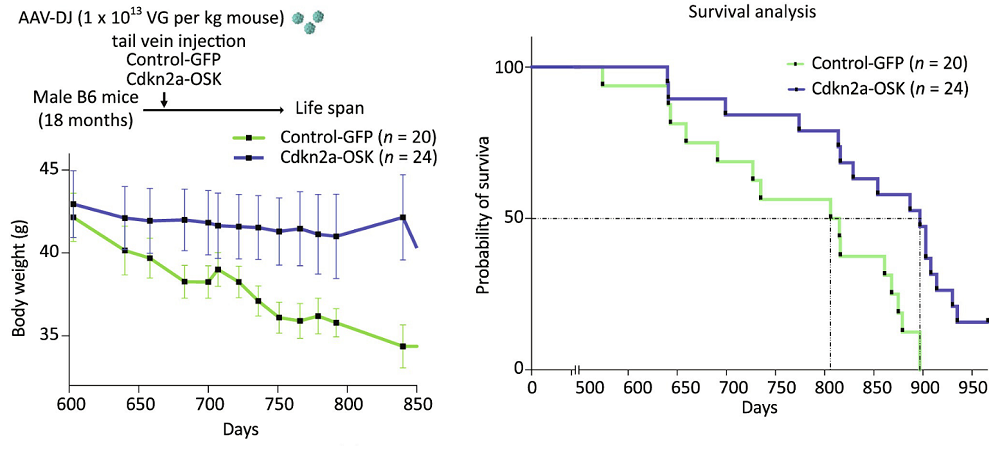
[11] Covarrubias, A.J.; Perrone, R.; Grozio, A.; Verdin, E. NAD+ Metabolism and Its Roles in Cellular Processes during Ageing. Nature Reviews Molecular Cell Biology 2020 22:2 2020, 22, 119–141.

[12] Panwar, V.; Singh, A.; Bhatt, M.; Tonk, R.K.; Azizov, S.; Raza, A.S.; Sengupta, S.; Kumar, D.; Garg, M. Multifaceted Role of MTOR (Mammalian Target of Rapamycin) Signaling Pathway in Human Health and Disease. Signal Transduction and Targeted Therapy 2023 8:1 2023, 8, 1–25.

[13] Ni, Y.; Zheng, L.; Zhang, L.; Li, J.; Pan, Y.; Du, H.; Wang, Z.; Fu, Z. Spermidine Activates Adipose Tissue Thermogenesis through Autophagy and Fibroblast Growth Factor 21. J Nutr Biochem 2024, 125, 109569.

[14] Pezzuto, J.M. Resveratrol: Twenty Years of Growth, Development and Controversy. Biomol Ther (Seoul) 2019, 27, 1–14.

100th birthday cake

A Bank of Centenarian Stem Cells

Researchers are keeping a bank of induced pluripotent stem cells (iPSCs) derived from centenarians and their descendants. They describe the purpose of this bank and its uses in Aging Cell.

A category of their own

Centenarians don’t merely live for a hundred years; they spend more time in good health (healthspan) than other people. This is called the compression of morbidity [1]. This makes them ideal for research, as people attempt to assess why they are so resistant to various age-related disorders such as Alzheimer’s disease [2]. However, researchers have still not discovered the biological methods by which centenarians retain such longevity [3].

At least part of this longevity is genetic. The descendants of centenarians are less vulnerable to age-related diseases [4] and are younger according to epigenetic clocks [5]. Therefore, cells derived from centenarians, including iPSCs that can transform into any other type of cell, will retain these genetic advantages [6].

Old cells can grow like young cells

These researchers built their bank using peripheral blood mononuclear cells (PBMCs) and the iPSCs derived from them. A total of 45 centenarians were recruited for this study, with 45 descendants included as well. Over three-fourths of the centenarians had healthy brains at age 100, and more than four-fifths were able to live independently at that age.

While offspring data was less consistent, centenarians were confirmed to have slightly slower epigenetic aging than non-centenarians. In accordance with previous research, immune cells derived from centenarians were found to have named longevity-promoting genes [7].

Creating iPSCs from such old people was surprisingly easy; generating them and having them proliferate was no different than it was in cells derived from younger people. The researchers were able to program these cells into forebrain neurons. Regardless of the age of the subjects, all cells were equally likely to correctly differentiate into these cells. However, some cells in three male centenarians lacked their Y chromosomes; this “mosaic” loss is linked to age-related diseases [8].

The researchers tout their new biobank as a permanent resource that can aid future research, and propose that it might be used in finding effective therapies against age-related diseases. Additionally, it better enables the identification of people who are likely to live for a very long time, thus allowing them to be more easily included in future research. If these iPSCs can be used to create organoids that simulate human organs, it might be possible to validate therapies against age-related diseases that work even on the oldest old.

We would like to ask you a small favor. We are a non-profit foundation, and unlike some other organizations, we have no shareholders and no products to sell you. All our news and educational content is free for everyone to read, but it does mean that we rely on the help of people like you. Every contribution, no matter if it’s big or small, supports independent journalism and sustains our future.

Literature

[1] Fries, J. F., Bruce, B., & Chakravarty, E. (2011). Compression of morbidity 1980–2011: a focused review of paradigms and progress. Journal of aging research, 2011(1), 261702.

[2] Andersen, S. L. (2020). Centenarians as models of resistance and resilience to Alzheimer’s disease and related dementias. Advances in geriatric medicine and research, 2(3).

[3] Lin, J. R., Sin-Chan, P., Napolioni, V., Torres, G. G., Mitra, J., Zhang, Q., … & Zhang, Z. D. (2021). Rare genetic coding variants associated with human longevity and protection against age-related diseases. Nature Aging, 1(9), 783-794.

[4] Newman, A. B., Glynn, N. W., Taylor, C. A., Sebastiani, P., Perls, T. T., Mayeux, R., … & Hadley, E. (2011). Health and function of participants in the Long Life Family Study: a comparison with other cohorts. Aging (Albany NY), 3(1), 63.

[5] Horvath, S., Pirazzini, C., Bacalini, M. G., Gentilini, D., Di Blasio, A. M., Delledonne, M., … & Franceschi, C. (2015). Decreased epigenetic age of PBMCs from Italian semi-supercentenarians and their offspring. Aging (Albany NY), 7(12), 1159.

[6] Bucci, L., Ostan, R., Cevenini, E., Pini, E., Scurti, M., Vitale, G., … & Monti, D. (2016). Centenarians’ offspring as a model of healthy aging: a reappraisal of the data on Italian subjects and a comprehensive overview. Aging (Albany NY), 8(3), 510.

[7] Karagiannis, T. T., Dowrey, T. W., Villacorta-Martin, C., Montano, M., Reed, E., Belkina, A. C., … & Sebastiani, P. (2023). Multi-modal profiling of peripheral blood cells across the human lifespan reveals distinct immune cell signatures of aging and longevity. EBioMedicine, 90.

[8] Thompson, D. J., Genovese, G., Halvardson, J., Ulirsch, J. C., Wright, D. J., Terao, C., … & Perry, J. R. (2019). Genetic predisposition to mosaic Y chromosome loss in blood. Nature, 575(7784), 652-657.

Cellular reprogramming

Reprogramming Senescent Cells Extends Lifespan in Mice

Dr. Belmonte’s group at Altos Labs targeted stressed and senescent cells with partial reprogramming, producing large increases in lifespan in male mice [1].

What are they doing there?

Since the discovery of cellular reprogramming almost two decades ago, a lot of hopes have been put into this technology, and a lot of progress has been made. Partial reprogramming, when cells do not revert to a pluripotent state but retain their identity while also undergoing rejuvenation, is being pursued by numerous companies, including the gigantic and secretive Altos Labs, which was founded by Jeff Bezos and Yuri Milner with a three-billion-dollar investment.

Altos Labs has recruited many big names in the longevity field, such as Steve Horvath, Morgan Levin, and Juan Carlos Izpisua Belmonte. Dr. Belmonte was the first to demonstrate that partial cellular reprogramming extends lifespan in fast-aging (progeroid) mice [2]. For a couple of years, little has been known about what’s going on at Altos. A new paper in Science by Dr. Belmonte’s team might be a major leap towards bringing partial cellular reprogramming to the clinic.

Targeting only damaged cells

The scientists used just three of the original four reprogramming “Yamanaka factors”: OSK instead of OSKM. Omitting the fourth factor, c-Myc, was pioneered by Harvard geroscientist David Sinclair, and his team’s work on partial reprogramming of retinal ganglion cells [3] was given credit in this new paper. The three-factor cocktail is thought to be safer and easier on cells.

However, this study’s big distinction is that the viral vectors carrying the three factors were only aimed at stressed and senescent cells. While there have been experiments with tissue-specific reprogramming, the novelty in Dr. Belmonte’s approach is that it targets damaged, but not healthy cells in multiple tissues. The hypothesis was that rejuvenating those cells might be enough for a robust effect on an organismal level.

The targeting was achieved by using the promoter Cdkn2a, which is mostly active in stressed and senescent cells. If the environment in those cells turns the endogenous promoter on, it should also activate the same promoter on the viral vector, triggering OSK expression.

Late-life treatment increases lifespan

First, the researchers experimented with a mouse model of Hutchinson-Guilford progeria syndrome. Such mice experience greatly accelerated aging. The OSK treatment led to improvements in both median (40%) and maximal (32%) lifespan, body weight, activity, and inflammation.

As a positive control, the researchers used viral vectors with anti-inflammatory cargo (an NF-κB inhibitor) to make sure the effects produced by the OSK treatment go beyond simply quelling inflammation. Indeed, the anti-inflammatory treatment led to a much smaller increase in lifespan.

The improvements in lifespan were comparable to the group’s previous results with full-body cellular reprogramming, suggesting that targeting only damaged cells can be just as effective. However, in that experiment, the researchers used all four reprogramming factors.

Progeroid mice are not the best models of natural aging. The researchers subsequently moved to wild-type mice, delivering a single injection to aged (18-month-old) male animals. Despite the late-life administration, the treatment significantly improved both median and maximal lifespan (median by 12%). Age-related body weight loss was largely prevented, and overall physical activity and fitness were improved compared to age-matched controls.

OSK Lifespan

Not a senolytic

The researchers investigated whether the treatment killed senescent cells (a senolytic effect). However, eight months after the shot, most cells where viral-delivered OSK were activated were still there. This shows that the treatment improved the targeted cells instead of just eliminating them.

Senescent cells are not always harmful. In fact, they exist even in young people and play important roles in development, wound healing, and cancer prevention, although they can also promote cancer under certain circumstances. This is why a senomorphic approach, which alters senescent cells towards a healthier phenotype, might be superior. Reassuringly, the OSK treatment improved wound healing in the mice.

Another known problem with cellular reprogramming is that it might lead to the creation of tumors (tumorigenesis), although OSK without the M has a better safety profile. In this study, too, the treated mice were not more prone to cancer than controls over two years of follow-up.

The researchers note that the way their treatment downregulates pro-inflammatory genes in senescent cells without leading to cell death resembles how some other geroprotective interventions work, including metformin and the mTOR inhibitor rapamycin.

These findings suggest that we may not need to target a large population of cells to elicit functional organismal improvement. Young organisms have the potential to cope with a diverse range of stresses, with a strong molecular buffering capacity that gradually deteriorates with age. This buffering capacity may be improved by targeting a small population of cells, such as aged and stressed cells, leading to the improvement of the entire organism. Further understanding of the target organs and cell types driving the beneficial effects of Cdkn2a-OSK may allow us to develop a more precise approach to achieve organismal rejuvenation and reverse disease phenotypes.

We would like to ask you a small favor. We are a non-profit foundation, and unlike some other organizations, we have no shareholders and no products to sell you. All our news and educational content is free for everyone to read, but it does mean that we rely on the help of people like you. Every contribution, no matter if it’s big or small, supports independent journalism and sustains our future.

Literature

[1] Sahu, S. K., Reddy, P., Lu, J., Shao, Y., Wang, C., Tsuji, M., … & Belmonte, J. C. I. (2024). Targeted partial reprogramming of age-associated cell states improves markers of health in mouse models of aging. Science Translational Medicine, 16(764), eadg1777.

[2] Ocampo, A., Reddy, P., Martinez-Redondo, P., Platero-Luengo, A., Hatanaka, F., Hishida, T., … & Belmonte, J. C. I. (2016). In vivo amelioration of age-associated hallmarks by partial reprogramming. Cell, 167(7), 1719-1733.

[3] Lu, Y., Brommer, B., Tian, X., Krishnan, A., Meer, M., Wang, C., … & Sinclair, D. A. (2020). Reprogramming to recover youthful epigenetic information and restore vision. Nature, 588(7836), 124-129.