The Blog

Building a Future Free of Age-Related Disease

Weekend backpackers

Weekend-Oriented Physical Activity Superior for Brain Health

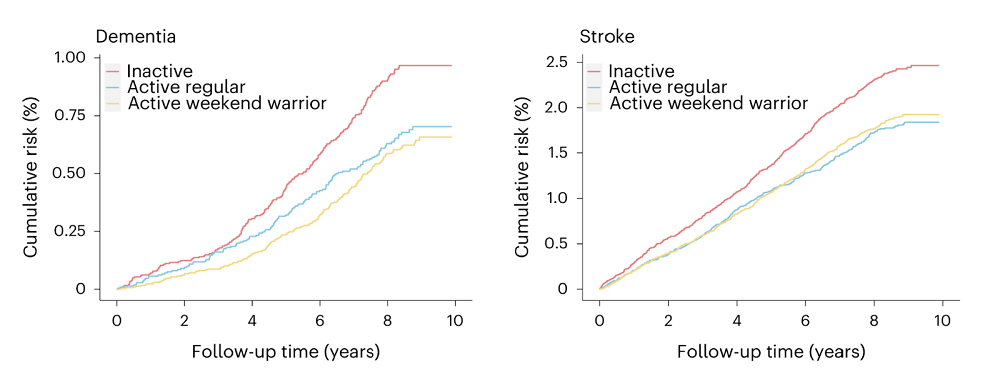
According to a new study, “weekend warriors”, people who have most of their physical activity over one or two days a week, enjoy the most robust risk reduction for several brain health-related conditions [1].

Couch potato, except on weekends

Exercise is universally necessary to stay healthy for longer. It is one of the three staples of healthy longevity, along with a good diet and sleep. However, for people who work standard 40-hour weeks at sedentary jobs, it can be difficult to maintain healthy levels of physical activity. Many people clock most of their exercise hours on weekends, which can be done more enjoyably than on a treadmill, such as by hiking or skiing.

However, it was questioned whether this kind of physical activity provides the same health benefits as exercising more regularly. Last year, a study showed that, when it comes to lowering the risk of cardiovascular diseases, the answer is mostly yes [2].

This time, a group of scientists decided to check the same hypothesis with regard to brain health. Their study, published in Nature Aging, uses the same data source: UK Biobank, a vast repository of health information on hundreds of thousands of British citizens.

Some of them wore professional-grade accelerometers for a week to record their physical activity, and this data engendered a trove of studies. A week might not seem long, but research has shown that in sufficiently large samples, it is representative enough of regular exercise patterns.

“Weekend warriors” are the largest group

The researchers divided their sample of 75,000 participants into three categories: inactive (less than 150 minutes of moderate-to-vigorous physical activity, or MVPA), “weekend warriors” (more than 150 minutes of MVPA, with more than 50% of it occurring over the course of 1-2 days a week), and regular exercisers (more than 150 minutes of MVPA spread more evenly).

150 minutes of MVPA per week is an amount that lies somewhere in the middle of the current WHO recommendations for physical activity: “All adults should undertake 150–300 min of moderate-intensity, or 75–150 min of vigorous-intensity physical activity, or some equivalent combination of moderate-intensity and vigorous-intensity aerobic physical activity, per week.” [3]

One example of moderate activity is brisk walking that still allows you to maintain a conversation, while running is already considered a vigorous activity. A more technical definition is 3-6 metabolic equivalents of task (METs) or more than 6 METs, respectively.

The study population was relatively old, with an average age of 62. Interestingly, the proportion of “weekend warriors” was the highest (40%), followed by physically inactive (32%) and regular exercisers (28%). The researchers controlled for a variety of confounding variables, including age, sex, diet, smoking, alcohol consumption, and relevant health conditions: diabetes, hypertension, and cancer. The median follow-up period was 8.4 years.

Weekend warriors reign supreme

The results were somewhat surprising: not only “weekend warriors” did much better than the inactive participants, but they also beat regular exercisers. Compared to the inactive group, weekend warriors enjoyed a 26% risk reduction for dementia, 21% for stroke, 45% for Parkinson’s disease, 40% for depression, and 37% for anxiety disorder. For regular exercisers, the reduction in dementia risk was only 9% and did not reach statistical significance. For other conditions, the results of weekend warriors and regular exercisers were closer, although in the fully adjusted model, risk reduction for stroke in regular exercisers landed below the statistical significance threshold.

Weekend warrior efficiency

This picture generally held true for all ages and both sexes. However, risk reductions for dementia, stroke, and Parkinson’s disease were slightly more pronounced in people over 65.

This study had several limitations, including a rather coarse-grained division into groups. Despite that, its results are intriguing and warrant further investigation. If the superiority of the “weekend warrior” pattern is confirmed, it would be interesting to understand the reasons behind it. One such reason might conceivably be that weekend activities provide increased stimulation for the brain compared to going to the gym.

In this large population-based cohort study, we found that adhering to the weekend warrior pattern was similarly associated with a lower risk of both neurological diseases and psychiatric disorders in regularly active individuals. The findings were almost consistent after adjusting for various covariates, including sociodemographical factors, lifestyles and health conditions.

We would like to ask you a small favor. We are a non-profit foundation, and unlike some other organizations, we have no shareholders and no products to sell you. All our news and educational content is free for everyone to read, but it does mean that we rely on the help of people like you. Every contribution, no matter if it’s big or small, supports independent journalism and sustains our future.


Literature

[1] Min, J., Cao, Z., Duan, T., Wang, Y., & Xu, C. (2024). Accelerometer-derived ‘weekend warrior’ physical activity pattern and brain health. Nature Aging, 1-9.

[2] Khurshid, S., Al-Alusi, M. A., Churchill, T. W., Guseh, J. S., & Ellinor, P. T. (2023). Accelerometer-Derived “Weekend Warrior” Physical Activity and Incident Cardiovascular Disease. JAMA, 330(3), 247-252.

[3] Bull, F. C., Al-Ansari, S. S., Biddle, S., Borodulin, K., Buman, M. P., Cardon, G., … & Willumsen, J. F. (2020). World Health Organization 2020 guidelines on physical activity and sedentary behaviour. British journal of sports medicine, 54(24), 1451-1462.

Xplore Program

Young Longevity Talent from the 2024 Xplore Program

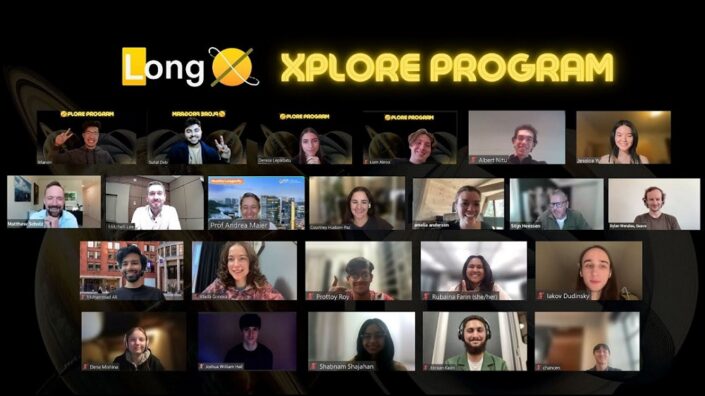
LongX, an initiative dedicated to providing global early-career avenues into longevity, has concluded Cohort 1 of its first fully remote educational venture, the Xplore Program.

The longevity community is welcome to attend the Xplore Program showcase event on Sep 7, 2024 to support the next generation of longevity talent. The virtual event will feature pitch presentations by Xplore Program fellows and will document the progress made by fellows over the past few months.

Register for the Xplore Program Showcase: https://lu.ma/xs648ekv

The Xplore Program

From June to August, 9 fellows were guided through the longevity field in a 1 month primer course, an incubator, and an educational experience with a longevity biotechnology company. The 2024 longevity biotechnology partners were AgeRate (Canada), AuroraFit (Germany), Tomorrow Biostasis/Oxford Cryotechnology (United Kingdom) and Senexell (Germany), a division of Longaevus Technologies.

Fellows also had the opportunity to develop LongX projects internally and engage with experts such as Dr. Courtney Hudson-Paz (TIME Initiative), Dr. Stijn Heesen (Alder Tx), Dylan Wenzlau (Guava Health), Dr. Matthew Scholz (Oisin Biotechnology), Dr. Mitchell Lee (Ora Biomedical), Dr. Andrea Maier (Chi Longevity, NUS), and Dr. Amelia Anderson (Cyclarity Tx), through fireside events. A collaborative program was established with SENS Research Foundation (SRF) for fellows to learn about aging biology research from scientists at SRF.

Those interested in facilitating Cohort 2 of the Xplore Program in 2025 are encouraged to visit the LongX website. Applications for Cohort 2 will open in early 2025. Interested students may also contact LongX to be involved in other educational efforts.

About LongX

LongX was launched in 2023 as a platform for youth interested in longevity. We prioritize fostering innovation and interdisciplinary collaboration, aiming for both short-term impact and long-term progress. We encourage exploration beyond traditional roles and aim to equip future experts with the skills to drive progress. Our Substack provides regular articles on our thoughts, experiences, and interviews.

Contact

Marvin Yan, Co-Founder

longevityxplorer@gmail.com

Osteoporosis

Why Bone Destruction Is Accelerated with Aging

Researchers have described a relationship between the NAD+ regulator CD38, mitochondrial function, and the gradual destruction of bone in Aging Cell.

Inflammation up, bone mass down

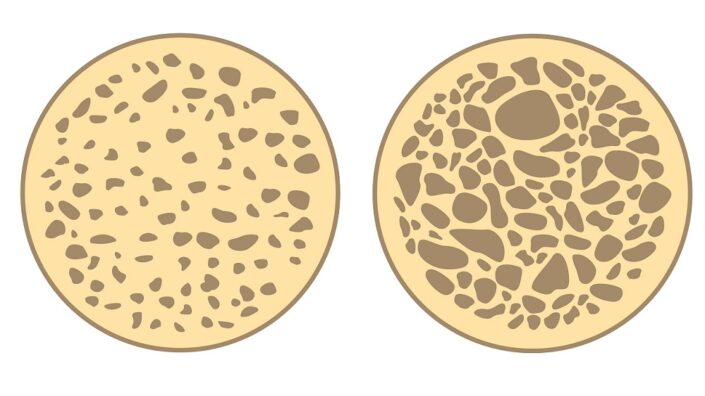
It is well known that CD38, an enzyme that takes away NAD+, increases with age. The gradual depletion of this core metabolic molecule is, as expected, linked to multiple problems, one of which is a loss in bone-building osteoblasts [1]. Instead, CD38 contributes to the formation of osteoclasts, the cells that wear away bone [2].

Additionally, previous work has found that inflammatory conditions, including age-related inflammation (inflammaging), increases the number of monocytic myeloid-derived suppressor cells (M-MDSCs), the bone marrow cells that differentiate into osteoclasts [3]. While these researchers have found links between obesity, periodontitis, and this age-related loss of bone [4], many of the metabolic mechanisms have not been explored.

The wrong cells are accelerated with aging

This study used six-month-old (young) and two-year-old (aged) Black 6 mice, and their tibia bones were analyzed at a cellular level. As expected, aged mice had more M-MDSCs than their younger counterparts in multiple tissues, but interestingly, there was no significant difference in the bone marrow itself, which the researchers ascribe to more migration brought about by inflammation. Not only did the aged mice have more osteoclasts, their osteoclasts were bigger and were more aggressive in wearing down bone.

This aggressiveness was accompanied by an increase in mitochondrial function. While mitochondrial dysfunction is a hallmark of aging, this did not seem to occur in these osteoclasts; instead, the osteoclasts of aged mice had strongly upregulated genes related to oxygen use and ATP production. Even the undifferentiated M-MDSCs had more mitochondrial activity in these aged animals.

This increase in activity also came with an increase in CD38. An RNA analysis found that bone marrow M-MDSCs taken from aged mice expressed eight times the CD38 as younger mice did. A more detailed gene expression analysis found that this increase in CD38 was directly correlated with genes related to accelerated bone resorption.

A small molecule, 78c, was found to be possibly effective against this increase, as it suppresses CD38. Administering 78c to the M-MDSCs derived from older mice reduced their ability to destroy bone, including the relevant mitochondrial upregulation, but it did not affect the M-MDSCs of younger mice.

This relationship between CD38, mitochondrial activity, and NAD+ is somewhat confusing and unintuitive: why would a compound that is widely known to deplete NAD+ accelerate mitochondrial function in these specific cells? It is also unclear if this activity is sex-specific, as this work was only done in male mice. Further work will have to be done to determine the role of CD38 in relation to NAD+ in these cells and to verify whether or not 78c could be safe and effective as a drug.

We would like to ask you a small favor. We are a non-profit foundation, and unlike some other organizations, we have no shareholders and no products to sell you. All our news and educational content is free for everyone to read, but it does mean that we rely on the help of people like you. Every contribution, no matter if it’s big or small, supports independent journalism and sustains our future.
Literature

[1] Kim, H. N., Ponte, F., Warren, A., Ring, R., Iyer, S., Han, L., & Almeida, M. (2021). A decrease in NAD+ contributes to the loss of osteoprogenitors and bone mass with aging. NPJ aging and mechanisms of disease, 7(1), 8.

[2] Costa, F., Toscani, D., Chillemi, A., Quarona, V., Bolzoni, M., Marchica, V., … & Giuliani, N. (2017). Expression of CD38 in myeloma bone niche: A rational basis for the use of anti-CD38 immunotherapy to inhibit osteoclast formation. Oncotarget, 8(34), 56598.

[3] Pawelec, G., Picard, E., Bueno, V., Verschoor, C. P., & Ostrand-Rosenberg, S. (2021). MDSCs, ageing and inflammageing. Cellular immunology, 362, 104297.

[4] Kwack, K. H., Zhang, L., Sohn, J., Maglaras, V., Thiyagarajan, R., & Kirkwood, K. L. (2022). Novel preosteoclast populations in obesity-associated periodontal disease. Journal of Dental Research, 101(3), 348-356.

TimePie Header

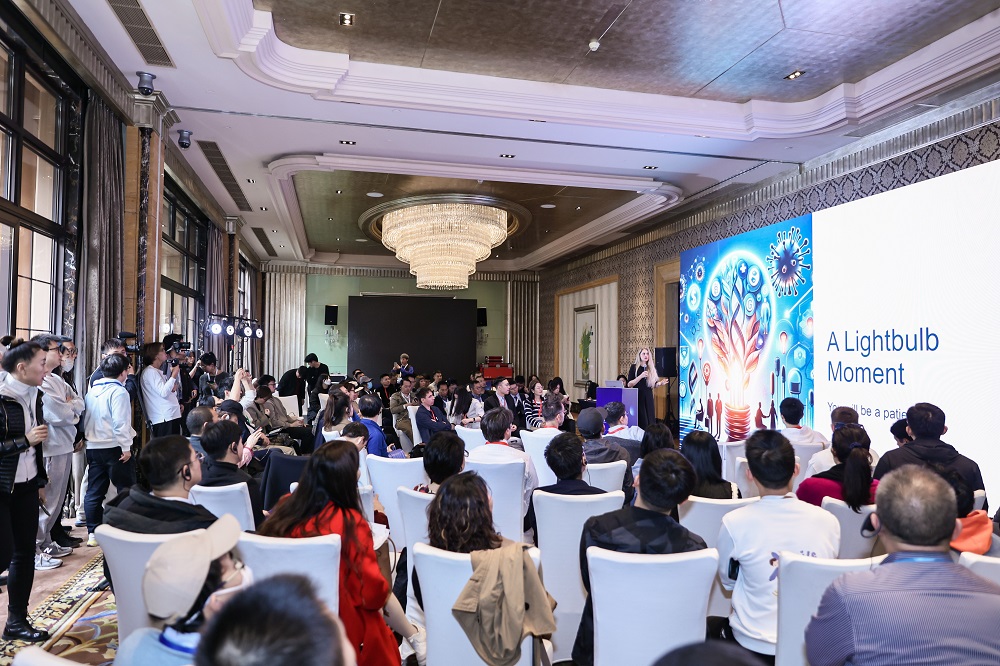
40+ Experts Gather in Shanghai for TimePie Longevity Forum

From November 1st to 3rd, 2024, the 5th TimePie Longevity Forum will take place in Shanghai, China. Bringing together 40+ leading speakers from around the globe and attracting over 1,000 attendees, this event is set to be one of the most significant platforms for international anti-aging research, academic exchange, and industry collaboration in China.

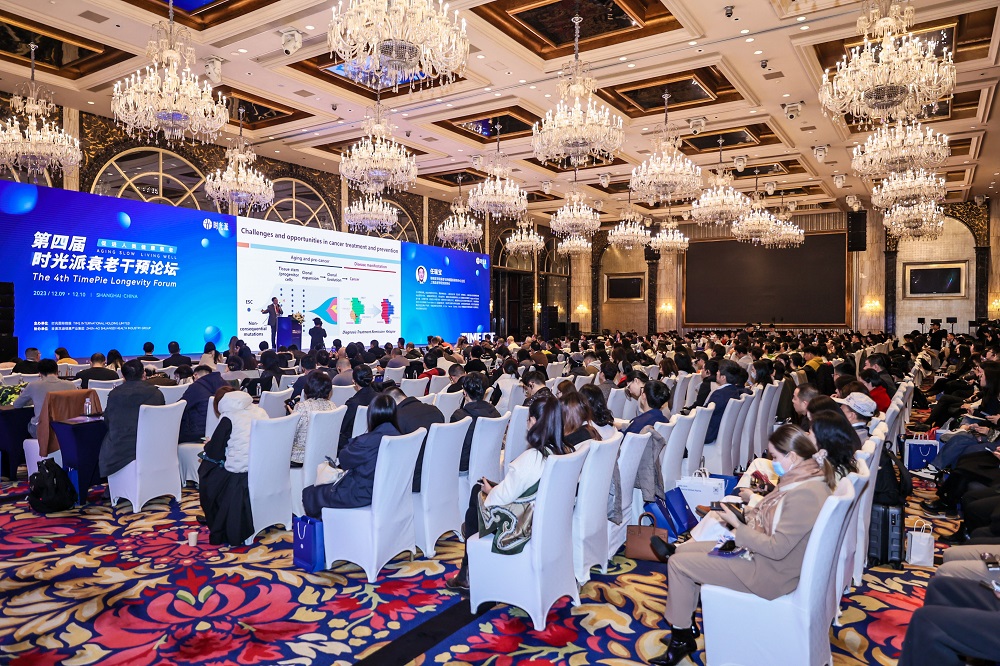
TimePie 1 Taken at the 4th TimePie Longevity Forum in 2024

A Global Dialogue on Anti-Aging Research: From Mechanisms to Translation

This gathering offers a rare opportunity to engage with a diverse array of perspectives, bringing together more than 40 leading scholars and experts from China and around the globe.

Thought leaders such as Barry Halliwell, Brian Kennedy, and Richard A. Miller will join prominent figures from China’s top universities and research institutions, including Zhao Wang from Tsinghua University, Hongbing Zhang from the Chinese Academy of Medical Sciences & Peking Union Medical College, and Yu-Xuan Lyu from The Southern University of Science and Technology. More distinguished Chinese speakers will soon be revealed.

Discussions will delve into the core mechanisms of aging, with a focus on translating the latest scientific discoveries into practical strategies for extending both healthspan and lifespan. Participants will not only gain insights into cutting-edge research but also engage in conversations about how these advancements can be applied in real-world contexts.

Connecting with China’s Expanding Longevity Market

China currently has over 260 million citizens aged 60 and above, and by 2035, this number is expected to swell to 400 million, surpassing the entire population of the United States. This dramatic demographic shift is fueling a rapidly growing demand for longevity solutions, creating a vast market ripe for innovation and development.

Amidst the diverse audience of about 1,000 participants, a significant portion—beyond the 43% academics and 39% longevity enthusiasts—comprises representatives from leading companies and investors, both domestic and international, who are deeply involved in the longevity industry.

Notably, the forum features an exceptionally international exhibitor lineup, with companies from China and around the globe spanning sectors such as CDMO, laboratories, aging diagnostics, advanced equipment, supplements, meal replacements, and traditional Chinese medicine for anti-aging.

This event serves as a crucial bridge between scientific innovation and commercial opportunity. It also provides global entrepreneurs and businesses with direct access to the Chinese market, opening doors for collaboration, investment, and expansion in one of the world’s most dynamic industries.

Immersive Experiences and Innovative Exchanges

Complementing the main discussions, the forum will feature a dynamic Biohacker Session, bringing together pioneers from China and across the globe. These trailblazers will share their bold and innovative approaches to health and longevity, sparking a vibrant exchange of ideas and experimental techniques.

Adding to the forum’s engaging atmosphere, attendees will also have the opportunity to explore a diverse exhibition area. This space will showcase the latest advancements in the anti-aging field, offering participants a chance to interact with cutting-edge products and technologies firsthand. These interactive experiences make the forum not just an intellectual gathering, but a comprehensive, hands-on exploration of the future of longevity.

TimePie 2

The Biohacker Session at the 4th TimePie Longevity Forum

Join the 5th TimePie Longevity Forum

We believe this event is more than just a conference; it’s an opportunity to contribute to the ongoing advancements in the field of aging research.

To register and reserve your spot at this important event, please visit timepielongevityforum.com.

Join us in Shanghai to connect with leading experts and be part of a global dialogue that is helping to advance the future of longevity.

About Us

Founded by distinguished alumni from Fudan University’s Schools of Medicine, Pharmacy, and Biology, TimePie stands as a pioneering force in China’s anti-aging media landscape. Dedicated to sharing the latest breakthroughs in aging research, TimePie fosters a vibrant environment for the exchange of ideas and experiences, advancing the dialogue on aging and longevity.

Central to our mission is the annual TimePie Longevity Forum, where the world’s leading scientists, visionaries, and industry leaders gather to explore the future of aging. This event brings together experts who present groundbreaking research, alongside CEOs and biotech enthusiasts who provide valuable industry insights and share best practices.

We welcome a diverse audience, from longevity enthusiasts to biotech professionals interested in the dynamics of aging and rejuvenation. Our forum serves as a vital bridge between science and society, working towards the common goal of promoting healthier, longer lives for all.

Use code “lifespanio” for 20% off at checkout.

We would like to ask you a small favor. We are a non-profit foundation, and unlike some other organizations, we have no shareholders and no products to sell you. All our news and educational content is free for everyone to read, but it does mean that we rely on the help of people like you. Every contribution, no matter if it’s big or small, supports independent journalism and sustains our future.
Manuka Tree

Manuka Honey Effective Against Breast Cancer in Mice

UCLA scientists have shown that Manuka, an exclusive honey variety, can quench estrogen receptor-positive breast cancer in vitro and in vivo [1].

Honey, kill that cancer

Breast cancer remains the deadliest type of cancer in women, claiming more than 40 thousand victims a year in the US alone. Of its subtypes, estrogen receptor (ER)-positive is the most common, constituting 70-80% of all cases. Generally, ER-positive breast cancers have a better prognosis because they are often slower-growing and respond well to hormone therapy. That said, it depends on how early the cancer was detected, and the recurrence rates over several years are high.

Although modern oncology has made great strides, most anti-cancer therapies are still blunt tools that cause massive side effects and even accelerate aging [2]. The search for safer therapeutic options continues, including in the realm of natural products. Several of them, including curcumin, resveratrol, and quercetin, have shown promise against cancer, mostly in tandem with established anti-cancer therapies [3]. Honey, however, has seldom been seriously investigated.

Honey has a bad rap as “just sugar.” However, some of its varieties have been linked to a number of health benefits. Manuka honey is one of the most exclusive and expensive ones, hailing from New Zealand and some parts of Australia. It is produced by bees that pollinate the flowers of the Manuka tree (Leptospermum scoparium).

Manuka honey is known for its distinctive antibacterial properties. These are attributed mainly to the compound methylglyoxal (MGO), which is also a potent antioxidant. Other compounds abundant in Manuka honey include polyphenols and amino acids.

Recent research indicates that manuka honey can induce death by apoptosis in several cancer cell lines and helps prolong survival in some murine models of cancer [4]. Possible mechanisms of action include selective estrogen receptor modulation and inhibition of growth factor signaling pathways.

Bad for bad cells

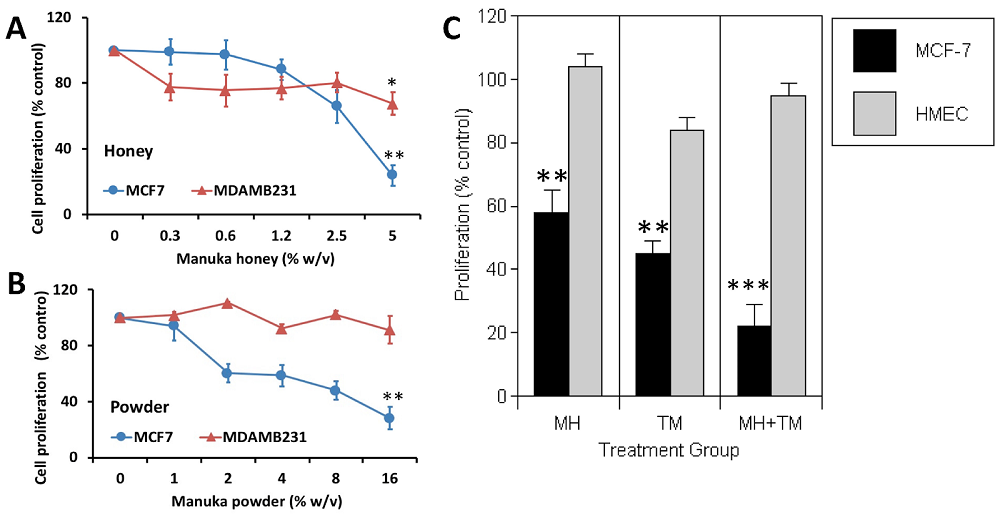
In this new study conducted by UCLA scientists, Manuka honey and Manuka powder were first applied to cell lines of ER-positive breast cancer, triple-negative breast cancer (TNBC, a rarer but deadlier variant that lacks all three receptors common in breast cancer), and healthy mammary tissue cells.

Both honey and powder drastically decreased cellular proliferation in the ER-positive cells at high concentrations, but honey was also mildly effective in TNBC cells. In another experiment, Manuka honey was almost as effective in blocking proliferation as tamoxifen, the estrogen blocker widely used against ER-positive breast cancer. However, Manuka honey was safer for non-malignant human mammary epithelial cells (HMECs). Importantly, the two treatments showed powerful synergistic effects. Cancer cells develop resistance to tamoxifen rather quickly, making Manuka honey’s independent effectiveness important.

Manuka Honey 1

24 hours after treating ER-positive cancer cells with Manuka honey, more than 80% of them died by apoptosis. Here too, the effect was dose-dependent. TNBC cells also experienced apoptosis, but to a lesser degree. The researchers used a different type of honey as a control, and it did not produce any of Manuka honey’s effects.

In addition to inducing apoptosis, Manuka honey might counter the growth of cancer cells by inhibiting the growth-promoting protein mTOR. In high concentrations, Manuka honey effectively increased the levels of AMPK, a protein that negatively modulates the mTOR pathway.

Tumor growth blocked

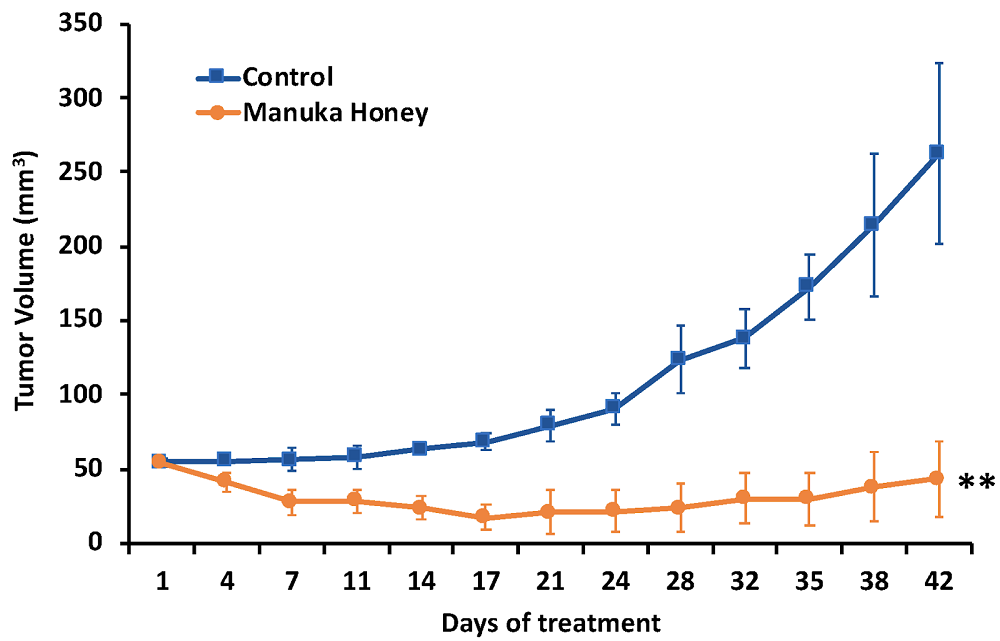
The researchers then tested Manuka honey in a mouse model of ER-positive breast cancer. After the tumors grew to a size of 50-75 cm3, the mice started receiving orally either Manuka honey or dextrose as control, and the former blocked tumor growth almost completely.

Manuka Honey 2

“The findings provide hope for development of a natural, less toxic alternative to traditional chemotherapy,” said Dr. Diana Marquez-Garban, associate professor of medicine at the David Geffen School of Medicine at UCLA, and the study’s first author. “Although more research is necessary to fully understand the benefits of natural compounds in cancer therapy, this study establishes a strong foundation for further exploration in this area.”

Our findings confirm that MH has potent anticancer properties through different mechanisms. MH’s unique composition, including phenolic compounds and methylglyoxal, has been reported to have antioxidant, antiseptic, and anticancer properties. MH inhibited in vitro cell proliferation of MCF7 cells in a dose-dependent manner and induced apoptosis through PARP activation. Further, MH activated AMPK and inhibited mTOR downstream signaling as well as STAT3. Notably, orally administered MH inhibited the growth of MCF7 tumor xenografts in vivo without major side effects. These findings indicate that natural compounds such as Manuka honey, with significant antitumor activity and selectivity towards hormone receptor-positive breast cancers, may be further developed as a supplement or potential alternative to cytotoxic anticancer drugs that have more non-selective adverse effects.

We would like to ask you a small favor. We are a non-profit foundation, and unlike some other organizations, we have no shareholders and no products to sell you. All our news and educational content is free for everyone to read, but it does mean that we rely on the help of people like you. Every contribution, no matter if it’s big or small, supports independent journalism and sustains our future.
Literature

[1] Márquez-Garbán, D. C., Yanes, C. D., Llarena, G., Elashoff, D., Hamilton, N., Hardy, M., … & Pietras, R. J. (2024). Manuka Honey Inhibits Human Breast Cancer Progression in Preclinical Models. Nutrients, 16(14), 2369.

[2] Bhatia, R., Holtan, S., Jurdi, N. E., Prizment, A., & Blaes, A. (2022). Do cancer and cancer treatments accelerate aging?. Current oncology reports, 24(11), 1401-1412.

[3] Lotfi, N., Yousefi, Z., Golabi, M., Khalilian, P., Ghezelbash, B., Montazeri, M., … & Eskandari, N. (2023). The potential anti-cancer effects of quercetin on blood, prostate and lung cancers: An update. Frontiers in immunology, 14, 1077531.

[4] Ahmed, S., Sulaiman, S. A., & Othman, N. H. (2017). Oral Administration of Tualang and Manuka honeys modulates breast cancer progression in Sprague‐Dawley rats model. Evidence‐Based Complementary and Alternative Medicine, 2017(1), 5904361.

Alopecia

A Phase 2 Clinical Trial for Hair Loss

Los Angeles-based Pelage Pharmaceuticals has just announced a Phase 2a clinical trial for the treatment of androgenetic alopecia, also known as pattern baldness.

It is thought that up to 50% of men experience hair loss as a result of pattern baldness by age 50. In this condition, the normal hair growth cycle is disrupted due to genetics, hormonal changes, and environmental factors. These things can then cause the depletion or long-term dormancy (quiescence) of hair follicle stem cells. Reviving these dormant stem cells is a potential way to treat hair loss and restart the hair growth cycle.

Building on previous clinical success

Earlier this year, Pelage Pharmaceuticals announced positive results from a phase 1 clinical trial. PP405 is a non-invasive, topical small molecule. It is also an MPC inhibitor and is based on research at UCLA that discovered a switch that can reactivate quiescent hair follicle stem cells.

That previous trial has provided evidence that this does indeed work in people, and this new phase 2a trial follows a successful series A-1 financing round that landed the company $14 million. It will be a randomized, placebo-controlled trial involving 60 participants who will be given a daily topical treatment of PP405 or a placebo.

“The advancement of our lead program, PP405, into Phase 2a is a pivotal moment in our journey to deliver a non-invasive, innovative treatment for androgenetic alopecia across all genders, skin types, and hair types,” said Qing Yu Christina Weng, M.D., Chief Medical Officer of Pelage Pharmaceuticals. “We are excited to include women and men of all skin tones and hair textures, which has not always been the case in hair loss studies.”

What does this have to do with aging?

There is a crucial connection between technologies that reverse hair loss and technologies that focus on reversing the more deadly aspects of aging and curing age-related diseases. Stem cell exhaustion, one of the reasons we age, is linked to androgenetic alopecia.

The depletion or long-term quiescence of hair follicle stem cells can cause the hair growth cycle to cease. It is one of many examples in which tissues cease to function properly due to the failure or loss of resident stem cell populations.

The good news is that if this trial is successful, we can learn more about stem cell rejuvenation from the results. This approach could have broader effectiveness against the aging of stem cell populations and could showcase how rejuvenation could be achieved in other tissues.

Curb your enthusiasm

However, the clinical trial process takes years to be completed. Successfully bringing a new drug or therapy to market requires a number of phases:

  • Phase 1 – Assessing safety and dosage
  • Phase 2 – Evaluating efficacy and side effects
  • Phase 3 – Comparing efficacy versus current standard of care
  • Phase 4 – Ongoing study of long-term effects after drug approval

A lot can and often does go wrong during the long road to approval. The medical field is littered with multiple failed attempts to reverse hair loss, and there are plenty of hucksters trying to peddle useless concoctions to desperate people.

This does not mean that what Pelage Pharmaceuticals is doing is doomed to failure or is unscientific. This is simply a call to remain cautiously optimistic. While a solution to hair loss would be very welcome, this approach is still in its infancy until it successfully finishes phase 3.

We would like to ask you a small favor. We are a non-profit foundation, and unlike some other organizations, we have no shareholders and no products to sell you. All our news and educational content is free for everyone to read, but it does mean that we rely on the help of people like you. Every contribution, no matter if it’s big or small, supports independent journalism and sustains our future.
HIIT training could be a way to combat cognitive decline as we age.

High-Intensity Interval Training Improves Cognition

Cognitive decline is one of the risks associated with getting older, but new research suggests there may be a way to fight back. A new study suggests that high-intensity interval training improves spatial learning and maintains brain volume and connectivity [1].

Shrinking aging brain

One of the main cognitive functions that declines during dementia is spatial learning and memory. The part of the brain called the hippocampus is greatly responsible for those functions.

Previous research has identified a decrease in hippocampal volume and connectivity in an age-dependent manner [2-3]. Research in rodents identified physical activity as a promising approach to ameliorating hippocampal-dependent spatial learning [4-5].

The authors note there’s a “lack of studies examining the extent to which physical exercise affects hippocampal function in aged humans.” To fill this knowledge gap, they tested the effect of exercise on healthy elderly people.

More sweat, more gains

For their experiment, 151 participants, 65-85 years of age, were divided into three groups:

  • Low-intensity training (LIT),
  • Medium-intensity training (MIT)
  • High-intensity interval training (HIIT)

All participants exercised three times a week for a 6 month period.

The study participants were given a hippocampal-dependent paired associated learning (PAL) test. This measures spatial learning, the ability to make a mental representation of the environment.

At the end of the study, the HIIT group performed better on the PAL test compared to the initial measurements. Improvements were also seen in the HIIT group in comparison to the MIT and LIT groups, which remained stable.

But the study didn’t stop there. Participants were tested 6 months after the exercise program ended, and then regularly for the next 4 years. These promising results for the HIIT group withstood the test of time. The HIIT group had better test scores over five years compared to the LIT and MIT groups. Meanwhile for the LIT and MIT groups test scores were not significantly different from the baseline.

The researchers observed that those who had the worst scores at the baseline seemed to benefit the most from the HIIT regimen. Those participants showed the greatest increase in test results, and they maintained it throughout the follow-up period.

The MIT group showed some improvement in low test scores, but the effects of the exercise were more modest. The authors note that, based on their results, “HIIT intervention was specific to the hippocampal-dependent spatial learning task.”

The researchers studied other parts of the brain as well. These parts did not show any difference in response to the intensity of the exercise. They also showed similar memory improvements in all groups. There were no improvements following the exercise in either visual working memory or emotional recognition.

Bigger and better-connected brain

The cognitive tests showed changes in brain volume, particularly in the right hippocampus. The right hippocampus is linked to spatial learning [6].

After 6 months of exercise, researchers found that the right hippocampal volume decreased significantly. This was true for both the LIT and MIT groups. However, the HIIT group maintained the hippocampal volume at 6 and 12 month time points.

The hippocampus was not the only brain region impacted by the exercise. The researchers observed differences between groups in brain regions responsible for motor functions, language processing, learning, and memory. HIIT exercise helped maintain the volume of those regions.

The HIIT group showed improvements to connections between brain networks for attention, movement, and vision during rest. This was in contrast to the LIT and MIT groups.

Biomarkers of cognitive improvement

Exercise has been previously described as impacting several blood biomarkers. The researchers measured whether these were associated with the hippocampal-dependent cognitive improvement they observed.

In the HIIT group, they observed a correlation between increased BDNF (a brain-derived neurotrophic factor that plays a role in neurogenesis and synaptic plasticity) and cortisol levels and improved hippocampal-dependent cognitive function.

They noted that cortisol can have different effects depending on the duration of the increased levels. While chronically elevated cortisol levels have detrimental effects on cognition [7], acute elevation, as during exercise, was reported to have beneficial effects [8].

The mechanism behind the BDNF, cortisol, and cognitive improvement caused by HIIT requires more research. The researchers believe BDNF and cortisol are biomarkers for the effectiveness of exercise on cognition in healthy elderly people. The researchers also identified a possible biomarker in the MIT group: prolactin. In this group, a decrease in prolactin levels correlated with improved hippocampal-dependent cognition.

The researchers hypothesized that the different reactions in biomarkers were likely due to the types of exercise. The MIT group did aerobic exercise, while the HIIT group did a mix of aerobic and anaerobic exercise. However, future studies will need to address this hypothesis in more depth.

The long-term effects 

Overall researchers concluded that their “results highlight the specificity of HIIT in significantly improving hippocampal-dependent spatial learning in the healthy elderly.”

The authors point out that one of the most important findings here is the long-term effectiveness of an exercise regimen. As they discuss, older individuals have more difficulty performing high-intensity exercise. Therefore, it is essential to apply such interventions at younger ages. Their results suggest “that a relatively acute, 6-month HIIT intervention can maintain the improvement in hippocampal function for at least 4.5 years with no diminution of performance.”

The researchers discuss a few limitations of the study, for example, the lack of a non-exercise control group and the lack of addressing the varied types of exercise between groups. Also, the inclusion criteria limited the study group to elderly individuals with no cognitive deficits capable of following the 6-month exercise regimen, limiting the generalizability of results to less healthy or cognitively impaired elderly individuals.

That said, exercise, in particular HIIT, could be a good strategy to protect against cognitive decline.

We would like to ask you a small favor. We are a non-profit foundation, and unlike some other organizations, we have no shareholders and no products to sell you. All our news and educational content is free for everyone to read, but it does mean that we rely on the help of people like you. Every contribution, no matter if it’s big or small, supports independent journalism and sustains our future.

Literature

[1] Blackmore, D. G., Schaumberg, M. A., Ziaei, M., Belford, S., To, X. V., O’Keeffe, I., Bernard, A., Mitchell, J., Hume, E., Rose, G. L., Shaw, T., York, A., Barth, M., Cooper, E. J., Skinner, T. L., Nasrallah, F., Riek, S., & Bartlett, P. F. (2024). Long-Term Improvement in Hippocampal-Dependent Learning Ability in Healthy, Aged Individuals Following High Intensity Interval Training. Aging and disease, 10.14336/AD.2024.0642. Advance online publication. https://doi.org/10.14336/AD.2024.0642

[2] Nobis, L., Manohar, S. G., Smith, S. M., Alfaro-Almagro, F., Jenkinson, M., Mackay, C. E., & Husain, M. (2019). Hippocampal volume across age: Nomograms derived from over 19,700 people in UK Biobank. NeuroImage. Clinical, 23, 101904. https://doi.org/10.1016/j.nicl.2019.101904

[3] Zonneveld, H. I., Pruim, R. H., Bos, D., Vrooman, H. A., Muetzel, R. L., Hofman, A., Rombouts, S. A., van der Lugt, A., Niessen, W. J., Ikram, M. A., & Vernooij, M. W. (2019). Patterns of functional connectivity in an aging population: The Rotterdam Study. NeuroImage, 189, 432–444. https://doi.org/10.1016/j.neuroimage.2019.01.041

[4] van Praag, H., Shubert, T., Zhao, C., & Gage, F. H. (2005). Exercise enhances learning and hippocampal neurogenesis in aged mice. The Journal of neuroscience : the official journal of the Society for Neuroscience, 25(38), 8680–8685. https://doi.org/10.1523/JNEUROSCI.1731-05.2005

[5] Blackmore, D. G., Steyn, F. J., Carlisle, A., O’Keeffe, I., Vien, K., Zhou, X., Leiter, O., Jhaveri, D., Vukovic, J., Waters, M. J., & Bartlett, P. F. (2021). An exercise “sweet spot” reverses cognitive deficits of aging by growth-hormone-induced neurogenesis. iScience, 24(11), 103275. https://doi.org/10.1016/j.isci.2021.103275

[6] Ezzati, A., Katz, M. J., Zammit, A. R., Lipton, M. L., Zimmerman, M. E., Sliwinski, M. J., & Lipton, R. B. (2016). Differential association of left and right hippocampal volumes with verbal episodic and spatial memory in older adults. Neuropsychologia, 93(Pt B), 380–385. https://doi.org/10.1016/j.neuropsychologia.2016.08.016

[7] Evans, P. D., Fredhoi, C., Loveday, C., Hucklebridge, F., Aitchison, E., Forte, D., & Clow, A. (2011). The diurnal cortisol cycle and cognitive performance in the healthy old. International journal of psychophysiology : official journal of the International Organization of Psychophysiology, 79(3), 371–377. https://doi.org/10.1016/j.ijpsycho.2010.12.006

[8] Mura, G., Cossu, G., Migliaccio, G. M., Atzori, C., Nardi, A. E., Machado, S., & Carta, M. G. (2014). Quality of life, cortisol blood levels and exercise in older adults: results of a randomized controlled trial. Clinical practice and epidemiology in mental health : CP & EMH, 10, 67–72. https://doi.org/10.2174/1745017901410010067

Peter Diamandis is a major influence on the field of aging and rejuvenation research.

Peter Diamandis: “Stay Healthy, Anti-Aging Tech is Coming”

To many people, Peter Diamandis needs no introduction, and to the rest, it’s going to be a long one. To put it as concisely as possible, Peter is a serial entrepreneur and investor in several fields, from commercial space flight to longevity biotech; a visionary speaker and author of several best-selling books, including Abundance, The Future is Faster Than You Think, and Life Force; creator of the world-famous XPRIZEs, including the recently announced massive XPRIZE Healthspan; founder of the Singularity University… I could go on and on, but I’d rather let Peter do most of the talking.

You have a very interesting biography, and your “first love” was space travel. How did you get involved in longevity?

Yes, I grew up passionate about space flight, on the heels of Apollo and Star Trek. But my dad was a physician, and my parents expected me to go into medicine as well. At some point, I said, okay, I’ll do it, because it’s a way of becoming an astronaut.

Long story short, I went to medical school, and by the end of it I was already running a few companies, mostly in the space business. I remember watching a TV show on long-lived sea life – bowhead whales, Greenland sharks. Then I had this thought: if they can live that long, why can’t we?

I was an engineer and a medical student, and I said to myself that it was either a hardware or a software problem. Anyway, we’re going to be able to solve it in the future. That was the first time I really started thinking about that.

The second time I started thinking about longevity was when I realized that the commercialization of space flight was moving a lot slower than I wanted it to be. And I thought that if I wanted to make my dream of going to the stars come true, I would have to live a lot longer for the technology to get there.

Sounds like, initially, longevity was a means to an end for you, but today, your involvement in this field is deep and sprawling, correct?

I consider myself mostly an entrepreneur. At this point, I’ve started 26-27 companies. About 12 years ago, I reengaged with longevity by starting Human Longevity with Craig Venter and Dr. Bob Hariri. About at the same time, I started to realize that technologies required to reengineer the human body, its hardware and software, were coming online.

I’d become enamored with the notion that exponential technologies are going to give us the tools to fundamentally understand why we age, and how to slow, stop, perhaps even reverse aging. And there’s nothing of greater value.

I think if you’re healthy and love life, you will want to see as much of it as you can. People who are in pain or have disabilities or chronic disease towards the end of their lives don’t have a desire to live an extra 50 years. But if we can rid them of that pain, lack of energy, chronic diseases, cognitive decline, who would not want to continue that vibrant life?

So, I became more and more interested in the longevity field, and I started building companies in it, and as I did in the space industry 30 years ago, I approached this from multiple directions. I started a venture fund, BOLD Capital, and we’ve steered it towards longevity. BOLD Capital III, our third fund is, probably, two thirds biotech investments. We’ll be announcing shortly the first close of Bold Longevity Growth, which is a growth venture fund in partnership with Sergei Young.

The second thing I did was the educational push. I run something called Platinum Longevity Trips. I’m scanning about 500 companies a year through my venture fund, through XPRIZE, through other means. We choose the top 50 companies, and we run an adventure trip to go and visit those, meet with the CEOs. I bring about 80 family offices, venture capitalists and CEOs. It’s a five-day deep dive. Basically, I learn as much as I can, and I teach as much as I can. There’s also my Abundance Summit every year, and longevity is a very important part of that.

The third part is the books I’ve written on the subject. The fourth is the 101-million-dollar XPRIZE Healthspan. I’m a contributor towards it. Money came from Chip Wilson, the founder of Lululemon, from Hevolution, and from several people from my abundance community.

Finally, the last part is starting companies, such as Fountain Life, Celularity, and Vaxxinity.

We’ll talk about it all, but first, it’s interesting that you moved out of the space field because it was moving too slowly. Do you ever get the feeling that the longevity field is moving even more slowly? How optimistic are you about it?

The longevity field has a lot of parallels to commercial space flight. In the early days, a lot of it was based on faith. There was this huge dream, big potential, but it was in the realm of science fiction. And there were all those crazy entrepreneurs trying to do things.

In the space business, it was either government funding or this unique class of commercial – comm satellites and military, but it wasn’t the entrepreneurial approach.

In the longevity field, it’s been similar – government-funded research and the pharma industry focused on chronic diseases. But conversations specifically about longevity and slowing or reversing aging were always viewed as fanciful and crazy.

But now we’re seeing this transition, just like it was with space, where the entrepreneurs are coming in. These are small, agile teams, backed by venture capital and these exponential technologies, and they are beginning to really accelerate the field.

This makes me extremely hopeful. For me, the two biggest businesses in the world, the two biggest opportunities are AI and longevity.

One of your principles is “if you want to become a billionaire, you should help a billion people”. With longevity, we’re talking about eight billion people.

Yes, and I think, what an amazing beneficial coincidence this is – all eight billion of us have the same disease of aging, so anything that helps a wealthy billionaire will help the poorest individual as well.

People ask me all the time whether we’re talking about therapeutics for just the wealthiest, the top 1%. But I don’t think that will be the case.

Maybe for the first few years. But just like mRNA vaccines, which essentially are gene therapies, became mass-produced and dropped to a cost of a couple of dollars per dose, it’s likely that we’ll see the same happening with longevity therapeutics – they will be mass-produced, and the price will drop precipitously.

But to be honest, your current flagship longevity company, Fountain Life, just like Human Longevity before, and your ultra-exclusive trips – all of them sort of reinforce this stereotype of longevity treatments for the rich only. How important is democratizing longevity to you?

Very important. And those businesses have to be viable on their own to succeed. So, yes, the longevity trips are expensive, they’re 70 thousand dollars a head, but the point of those trips is to connect these high-net-worth investors to the longevity space.

I take the data from those trips, and I put it out for free through my Moonshots podcast, through my books, and my blogs. I can’t afford having ten thousand people visiting these labs, but the information I get from them isn’t locked up forever, it’s disseminated.

With Fountain Life, we’re getting ready to launch a lower-tier product, and the technology is demonetizing. Believe me, we want to run that demonetization curve. The cost of imaging technologies, AI as your diagnostician, all these things are rapidly demonetizing.

As with every technology, like the cellphone, at first, it’s expensive and paid for by millionaires and billionaires. Eventually, it starts working really well and being available to all. So, now, we have a 40-dollar smartphone with massive amounts of free content on it, and it works a thousand times better than the first cell phones did thirty years ago.

That will also be true in all these areas, especially in diagnostics. It’s just not there yet, but it will be, probably in the next five years.

I understand the idea of drawing private capital in with those expensive, bespoke, concierge-style solutions, which brings me to another question. You’re a sort of a “billionaire whisperer”.

Billionaires sit on vast resources, but they don’t seem to be ready to massively invest in longevity yet, even though that would be a very natural thing for them to do, many of them not being that young. What’s your experience discussing longevity with them?

I’ve had very blunt conversations with many of them. When I was working to raise the 141 million dollars for our healthspan prize, we eventually got two billionaires to commit to the prize.

But the situation I want to tell you about is when we set up several virtual meetings, where I sometimes had a dozen billionaires on Zoom with me, most of them in their fifties to eighties. In one year, I met with probably 30 of 40 billionaires in that fashion. In total, I pitched well over 50 or 60 during the course of the competition.

My message to them was: “Here’s the deal – you don’t pay the money until it’s won. You do pay a small amount that runs the prize, but the majority is pledged. And when it gets won, you will have early access to these benefits.”

I would have imagined that all of them would have been fighting to be in a position to donate. I donated a significant amount of my wealth. It’s my largest philanthropic donation ever. And it was crickets. The vast majority of them said “no”.

This made me realize that many of these individuals got there by looking at money as a mechanism to make more money. And they don’t give the longevity business the credibility it deserves as an investment opportunity yet.

Today, people are pouring money into SpaceX, which was a crazy idea 15 years ago. So, it’s a challenge. At some point, maybe in two years, maybe in five, but no longer than ten years, the bit will flip, and people will be clamoring to invest. But it’s not there yet.

But it shouldn’t be just about the money. This is literally about life and death.

You’re absolutely right, but that’s just not the way they’re viewing it. You could say that all of us put our money in three different buckets.

There’s a bucket for money that will be used to make more money. Another one is for money that will be used for family, enjoyment, vacations, and so on.

And the last one is for helping people. Unfortunately, for most people, that last bucket is the smallest by orders of magnitude.

I think it’s not just about philanthropy. It should also be driven by egoistic considerations. Maybe there’s a place for a fourth bucket, where you help humanity, but you also help yourself. After all, today, death is pretty inescapable whether you’re a billionaire or a construction worker. Even more so than, say, climate change.

It seems obvious to me. Why aren’t people acting in their own self-interest? This thing should hit every bucket. I’m going to invest in longevity because it’s going to help me, my family, and humanity, and it will also allow me to feel better, to have a happier life.

And it’s also a huge business opportunity, right?

The only reason that’s not hitting is that people don’t believe it yet. We have been so indoctrinated about the inevitability of death!

I try to change it, by writing books about this. My mission is to help the public create a longevity mindset, which is based on the realization that the technology to enable us to extend the healthy human lifespan is coming online now, in the decade ahead.

And if you believe that in the next ten years, we’re going to significantly extend the human healthspan, and you can have access to it if you’re in good health, then, logically, you’d want to do everything you can to remain in the best health possible.

I want people to change the way they think about healthspan and longevity and what’s possible for them. Because your mindset is the most powerful tool that you have. If you believe it, you’re going to change your behavior.

As a serial investor in various fields, how do you see longevity biotech today? What is your investment philosophy, favorite subfields?

I have an investment team that does due diligence on companies. I make some seed investments, and I’ve taken advisory positions in a few companies.

I do feel that cellular medicine and epigenetic reprogramming are critical. I’m working in “a bridge to a bridge to a bridge” paradigm, something that Ray Kurzweil talks about, which is making sure I’m tackling the near-term things that will buy me the next 10, 20, 30 years, which then buys me the next 50 years. This is why immune health, cognitive function, and musculoskeletal function are things I’m always focused on.

Also, companies that create a revolutionary change are going to be powered by AI systems in one shape or another. This is why I’m very excited about what AlphaFold3 has done, and where DeepMind CEO, Demis Hassabis and his team want to take it in the future, which is AI modeling of an entire human cell, and then AI modeling of you and me.

I’m also always looking at the entrepreneur, this is crucial: am I excited about them? How passionate and dedicated are they? How are they leveraging exponential tech? What is their primary near-term focus?

Importantly, most companies have the potential to go after 30 or 40 things, but it’s narrow focus that determines the winner early on. So, I make sure that the entrepreneur knows what the first thing they’re going to do is, what’s going to drive revenue.

We’ve had this incredibly decimating biotech winter over the last two-three years, which has been crushing, and that’s because so many companies went public before they had consistent revenues or any profits. I think revenue is king. How do you build something that has near-term revenue?

But quick revenue is sort of antithetical to rejuvenation biotech.

And yet, there are companies like Rejuvenate Bio which uses gene therapies in dogs. This is a marketplace that’s easier to get approval for, and there’s a large population of buyers. I’m fascinated by business models like that. There are several pet-based business models, and most of them translate to humans.

Companies where you have to constantly raise money for five or ten years only work sometimes, if the financial markets are moving in the right direction.

What do you think of potentially high-impact areas such as organ and tissue replacement that might allow us to “hack” aging without really understanding it?

Again, this is all about living long enough to live forever. To go back to Ray’s theory, he talks about the three bridges.

Bridge 1 is the current technology.

Bridge 2 is technology that’s coming online, and that includes organogenesis and replacement – things that are going to keep you healthy and going.

Bridge 3, which in his mind, is nanotechnology.

If I had the ability to grow a backup set of organs and have them in the freezer in the garage, why not? It’s an alternative to today’s organ donor marketplace which is insane and cruel to the recipient, given how long the waiting lists are, so it’s obviously important.

Tell me about XPRIZE Healthspan, and how it became the biggest XPRIZE of all time.

XPRIZEs are meant to be competitions that ignite people’s imagination, that get them wondering, “How would I do that?” It’s about giving them a stretched goal with a clearly defined finishing line.

Evolutionarily, we’re designed to compete. We do our best work when we compete for a mate, in the Olympics, in business. Why not use that drive of competition to get people to work on solving the world’s biggest problems? But, XPRIZEs also do something else: they credential a field. They sort of say: “This is real, worth doing, achievable.”

Aubrey de Grey approached me about a longevity prize just after the original XPRIZE for space flight was won. But we could never define the goal, because a prize for extending human healthspan or lifespan by 20 or 30 years would take 30 years to pay out. It just didn’t seem viable.

A few years later, Sergey Young put up half a million dollars to study the idea. Aubrey was involved again. At first, I said, no, I can’t, as much as I want this, I don’t know how we would do it.

Then there was a conversation with George Church and a subsequent conversation with David Sinclair, both of whom were advisors for this prize from early on. And they said, let’s not talk about longevity, or even about age reversal, but about functional reversal. Let’s look at the restoration of age-related loss of function.

The human body was never engineered to live past age 30. We peak in our late 20s. 200 thousand years ago, you were pregnant at 12 or 13, you were a grandparent at the age of 27-28, and soon, you were no longer of any use to the species. The best thing you could do was die. There was no positive selective pressure for living long, so, we didn’t.

This is why past age 30, we have this slow decline, immunosenescence, stem cell population exhaustion, sarcopenia, cognitive decline – all these things decline slowly till death at a measurable rate.

So, the idea is, basically, screw Darwin, we want to take up the mantle of reversing this degradation. If you’re a team that can show in a population of 65 to 85 that you can roll cognitive function, immune function, muscular function back by at least 10 years, you can win this.

It’s all about getting as many smart people into this mission as possible and about getting the regulators to view aging as a reversible chronic disease. One of the things we did with the original space flight XPRIZE is that we got the regulators to create a structure for private space flight carrying humans, which did not exist before. These competitions have the ability to do that.

It’s a global competition, and if it’s a success, we’re going to hit the headlines, attract many more funders, get regulatory support, and change public opinion. We will maybe prove not that aging is not inevitable and that we can fight back against the dying of the light. That we can extend our healthspan. And that’s one of the most important things we can do.

Let’s talk about your two books on longevity – Life Force and Longevity: Your Practical Playbook. How are they different, and what did you try to achieve with each one?

Life Force, which I wrote with Tony Robbins, was a New York Times bestseller. I’m very proud of this book. But it’s a long book, 700 pages! And no matter how good it is, many people won’t read 700-page books.

I wanted to author something that would be consumable, and this is how the Practical Playbook was born.

It started originally because people would ask me, what do I do for my own health – what do I eat, how do I exercise, and so on. It started as a ten-page Word document, and then it grew and grew, and now, it’s a 120-page book.

People can get a digital digest of the book for free, because my mission is to get those basic ideas out into the world.

I’m updating this book every year, and the 2025 edition is coming out in December. So, it’s a living book, so to speak – everything I’m learning, I’m trying to make available and easily accessible.

You already mentioned Fountain Life and Celularity, two of the companies you personally founded that are longevity-related. Tell me more about them.

Fountain Life is a company I started with Tony Robbins. I serve as executive chairman. It’s a company focused on providing the most advanced diagnostics in an integrated fashion, analyzed by a functional medicine AI and a team of AI physicians and care specialists.

It’s a membership model. The goal is for people to come for a full-day “upload.” It takes about six hours where we generate 150 gigabytes of data about the patient. This includes things like full-body MRI, brain vasculature MRI, coronary CT, lung CT, genomics, DEXA scan, metabolomics, blood biomarkers.

All this is to answer two questions. One, is there anything going on inside you that you need to know about? And if so, should we take care of it right away? Second, what’s likely to happen to you, and how do we prevent it?

I call my annual upload “not dying from something stupid.” In other words, there’s going to be that moment in time when something goes awry, and the very best thing you could do is to catch it at the earliest stage. And that’s the primary function of Fountain Life. I’m very proud of it.

Celularity is a company where I serve as a co-founder and vice chairman. Dr. Bob Hariri is the founder, CEO, and chairman. He’s a brilliant regenerative medicine doctor who ran the cellular medicine division of Celgene, which grew to a 120-billion-dollar juggernaut in the pharma industry. I supported him in spinning out the cellular medicine division from Celgene, which became Celularity.

Celularity supports allowing pregnant mothers and families to bank their placentas, and newborn placentas are basically mined for placental materials. We have placenta-derived T cells, natural killer cells, stem cells, exosomes. The company is focused on regenerative medicine.

You seem to believe that longevity escape velocity (LEV) can be achieved during our lifetime. How do you think this will happen, and in what timeframe?

I do believe that we will reach LEV. This decade will see the convergence of a variety of exponential technologies, in particular AI that will enable us to understand the details of cellular and organismal aging.

Models like AlphaFold already do an incredible job in predicting molecule interactions. What comes after that is that AI will help us to model an entire human cell, and then entire tissues and organs. And then we will begin to understand how to slow, stop, and reverse aging.

We’re having billions of dollars flowing into this field. Epigenetic reprogramming will play a critical role. There will be multiple other steps, from organ replacement to cellular medicine, to senolytics.

I don’t think it’s a matter of if, only a matter of when. Ray Kurzweil’s prediction is the end of 2030. George Church and David Sinclair are slightly more conservative and put it in the mid-2030s.

Everybody’s responsibility today is to stay in the best health they can to intercept these technologies when they do materialize.

We would like to ask you a small favor. We are a non-profit foundation, and unlike some other organizations, we have no shareholders and no products to sell you. All our news and educational content is free for everyone to read, but it does mean that we rely on the help of people like you. Every contribution, no matter if it’s big or small, supports independent journalism and sustains our future.
Tricky balance

Fighting Inflammation May Cause More Senescence

A researcher publishing in Biogerontology has reviewed the literature on the relationship between cellular senescence and the immune system, finding that dwindling immune surveillance allows senescent cells to accumulate.

The immune system needs to be deadly

On the cellular level, the bodies of vertebrates are brutal police states. Immune cells report, attack, and kill anything that gives off improper chemical signals, which includes the body’s own cells. When immune cells go after healthy, functioning cells, this is a potentially fatal immune disorder; however, when they are convinced not to attack unhealthy cells, such as in tumors, this can lead to the spread of cancer.

Senescent cells are also frequently policed and destroyed by the immune system. However, with aging, this ability declines, which is part of why senescent cells accumulate in older people [1]. While senescent cells and their SASP are often associated with inflammation, there is an increase in anti-inflammatory activity as well; for example, senescent cells in mice have been found to greatly suppress immune activity in a way that leads to the development of cancer [2].

Much of this anti-immune activity originates from immunosuppressive cells, such as Tregs, myeloid-derived suppressor cells (MDSCs), and healing-polarized M2 macrophages. Polarizing macrophages away from the M1 inflammatory type and towards healing is normally considered a good thing in the context of systemic inflammation in aging (inflammaging), but systemic immunosuppression has been reported to make inflammaging worse [1].

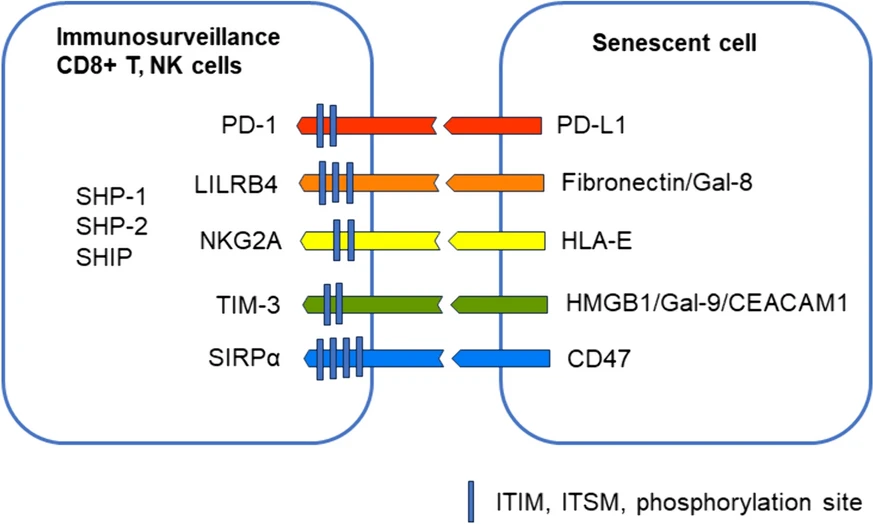
Senescent cells, themselves, also secrete compounds that convince immune cells not to destroy them. Cytokines, which are often secreted to promote inflammation, can be anti-inflammatory instead: for example, TGF-β and IL-10 are both secreted by senescent cells and discourage aggressive T cells and natural killer (NK) cells from destroying them [3, 4]. Similarly, an increase in certain inhibitory immune checkpoints, such as ones involving the programmed death (apoptosis)-related proteins PD-L1 and PD-1, block immune policing in a way that encourages senescence [5]. The author also noted that, on top of an increase in signals that inhibit immune cells from killing other cells (cytotoxicity), the cells themselves appear to be more receptive to these signals with aging.

Five key receptors

Immunosuppressants in senescence

This paper focuses on these five specific receptors, explaining their functions and in what cells they appear.

PD-1 is primarily activated by PD-L1, which is common around the body [6]. While this protein is expressed by healthy cells, it is also strongly expressed by senescent cells and cancer cells, which use it to prevent being attacked by the immune system. While some cancers have managed to avoid attacks on this pathway [7], blocking this pathway may be a viable method of fighting senescence [5].

LILRB4 is also connected to cancer. An experiment in mice found that suppressing this pathway suppressed cancer [8]. However, activating the pathway instead may be a valid method of discouraging autoimmune issues, such as transplanted organ rejection [9]. In aging, LILRB4 is increasingly activated by increased fibronectin, and the literature suggests that it may be protective against conditions such as cardiac hypertrophy [10].

NKG2A is activated by HLA-E, a common protein expressed by cells that have been driven senescent by radiation or chemicals along with non-senescent cells exposed to the SASP [11]. Like other immunosuppressive receptors, cancers express HLA-E to avoid being consumed by the immune system [12].

TIM-3 has been documented to have multiple functions involving the suppression of the immune system. It has been linked to the exhaustion of some T cells while suppressing NK cells and inducing tolerance for transplants and antigens. It has multiple molecules that can activate it, including CEACAM1, which is produced by senescent cells [13].

SIRPα is activated by the CD47 protein, which increases with senescence. Blocking CD47 has been found to fight against atherosclerosis in mice [14]. This may be because CD47 inhibits macrophages from consuming cells that might need to be consumed, such as dying and dysfunctional cells [15]. It is a crucial “self” protein that differentiates the body’s cells from foreign invaders [16].

This is a particularly difficult area to target with drugs. Not only are there multiple potential targets, there is tremendous potential for harm whether they are underactivated or overactivated. By necessity, any research into this area must focus on getting immune cells to attack what they need to attack and leave alone what they need to leave alone.

We would like to ask you a small favor. We are a non-profit foundation, and unlike some other organizations, we have no shareholders and no products to sell you. All our news and educational content is free for everyone to read, but it does mean that we rely on the help of people like you. Every contribution, no matter if it’s big or small, supports independent journalism and sustains our future.

Literature

[1] Salminen, A. (2021). Immunosuppressive network promotes immunosenescence associated with aging and chronic inflammatory conditions. Journal of Molecular Medicine, 99(11), 1553-1569.

[2] Ruhland, M. K., Loza, A. J., Capietto, A. H., Luo, X., Knolhoff, B. L., Flanagan, K. C., … & Stewart, S. A. (2016). Stromal senescence establishes an immunosuppressive microenvironment that drives tumorigenesis. Nature communications, 7(1), 11762.

[3] Li, M. O., Wan, Y. Y., Sanjabi, S., Robertson, A. K. L., & Flavell, R. A. (2006). Transforming growth factor-β regulation of immune responses. Annu. Rev. Immunol., 24(1), 99-146.

[4] Ouyang, W., Rutz, S., Crellin, N. K., Valdez, P. A., & Hymowitz, S. G. (2011). Regulation and functions of the IL-10 family of cytokines in inflammation and disease. Annual review of immunology, 29(1), 71-109.

[5] Wang, T. W., Johmura, Y., Suzuki, N., Omori, S., Migita, T., Yamaguchi, K., … & Nakanishi, M. (2022). Blocking PD-L1–PD-1 improves senescence surveillance and ageing phenotypes. Nature, 611(7935), 358-364.

[6] Acosta, J. C., Banito, A., Wuestefeld, T., Georgilis, A., Janich, P., Morton, J. P., … & Gil, J. (2013). A complex secretory program orchestrated by the inflammasome controls paracrine senescence. Nature cell biology, 15(8), 978-990.

[7] Vesely, M. D., Zhang, T., & Chen, L. (2022). Resistance mechanisms to anti-PD cancer immunotherapy. Annual review of immunology, 40(1), 45-74.

[8] Deng, M., Gui, X., Kim, J., Xie, L., Chen, W., Li, Z., … & Zhang, C. C. (2018). LILRB4 signalling in leukaemia cells mediates T cell suppression and tumour infiltration. Nature, 562(7728), 605-609.

[9] Xiang, Z., Yin, X., Wei, L., Peng, M., Zhu, Q., Lu, X., … & Zou, Y. (2024). LILRB4 Checkpoint for Immunotherapy: Structure, Mechanism and Disease Targets. Biomolecules, 14(2), 187.

[10] Zhou, H., Li, N., Yuan, Y., Jin, Y. G., Wu, Q., Yan, L., … & Tang, Q. Z. (2020). Leukocyte immunoglobulin-like receptor B4 protects against cardiac hypertrophy via SHP-2-dependent inhibition of the NF-κB pathway. Journal of Molecular Medicine, 98, 691-705.

[11] Pereira, B. I., Devine, O. P., Vukmanovic-Stejic, M., Chambers, E. S., Subramanian, P., Patel, N., … & Akbar, A. N. (2019). Senescent cells evade immune clearance via HLA-E-mediated NK and CD8+ T cell inhibition. Nature communications, 10(1), 2387.

[12] Fisher, J. G., Doyle, A. D., Graham, L. V., Khakoo, S. I., & Blunt, M. D. (2022). Disruption of the NKG2A: HLA-E immune checkpoint axis to enhance NK cell activation against cancer. Vaccines, 10(12), 1993.

[13] Sappino, A. P., Buser, R., Seguin, Q., Fernet, M., Lesne, L., Gumy-Pause, F., … & Mandriota, S. J. (2012). The CEACAM1 tumor suppressor is an ATM and p53-regulated gene required for the induction of cellular senescence by DNA damage. Oncogenesis, 1(4), e7-e7.

[14] Kojima, Y., Volkmer, J. P., McKenna, K., Civelek, M., Lusis, A. J., Miller, C. L., … & Leeper, N. J. (2016). CD47-blocking antibodies restore phagocytosis and prevent atherosclerosis. Nature, 536(7614), 86-90.

[15] Logtenberg, M. E., Scheeren, F. A., & Schumacher, T. N. (2020). The CD47-SIRPα immune checkpoint. Immunity, 52(5), 742-752.

[16] Deuse, T., Hu, X., Agbor-Enoh, S., Jang, M. K., Alawi, M., Saygi, C., … & Schrepfer, S. (2021). The SIRPα–CD47 immune checkpoint in NK cells. The Journal of experimental medicine, 218(3).

Elderly eating healthy food

Anti-Inflammatory Diets Mitigate Risk of Dementia

A new study suggests that an anti-inflammatory diet can significantly reduce the risk of dementia and delay its onset even in people with existing cardiometabolic diseases [1].

Is it too late to lower the risk?

Cardiometabolic diseases, such as type 2 diabetes, heart attack, and stroke, strongly contribute to the risk of developing dementia later in life [2]. It is common wisdom that a healthy diet can help prevent or delay the onset of those diseases [3], but can it mitigate the risk of dementia after those co-morbidities have developed? That was the question that an international group of researchers from the US, Sweden, and China set out to answer in a new study.

The study was based on UK Biobank, a treasure trove of health data on hundreds of thousands of British citizens. The researchers built a sample of more than 80,000 adults over 60 who were dementia-free at baseline and were followed up for periods up to 15 years, with a median period of 12.4 years.

Several times over the course of the follow-up, the participants filled out an elaborate food questionnaire. This allowed the researchers to calculate a dietary inflammation score based on the reported intake of 31 ingredients. Inflammation is known to play a major role both in cardiometabolic diseases and in dementia.

Lower risk, later onset, and larger brains

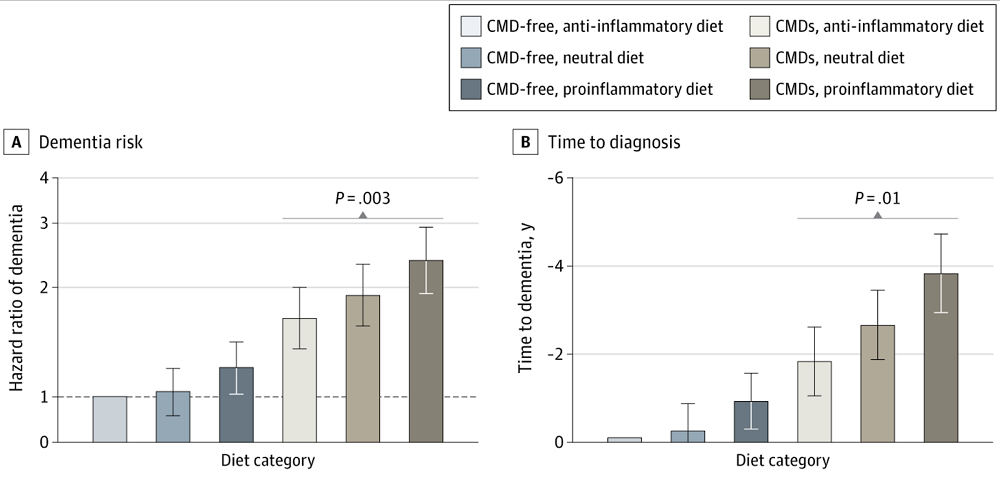
During follow-up, close to 1,600 participants (1.9%) developed dementia. The presence of cardiometabolic diseases (CMDs) was predictably associated with a massive 81% increase in dementia risk. However, an anti-inflammatory diet mitigated this risk significantly: participants with CMDs who consumed an anti-inflammatory diet had a 31% lower risk of dementia compared to similar people who consumed a pro-inflammatory diet. Moreover, a pro-inflammatory diet increased the risk of dementia even in people without CMDs. In people who eventually developed dementia, an anti-inflammatory diet seemed to delay its onset by as much two years.

CMDs, diets, and dementia

A subsample of 8,917 participants underwent MRI imaging during follow-up. The study revealed that an anti-inflammatory diet affected not just dementia risk but brain structure itself. In people with CMDs, an anti-inflammatory diet was associated with significantly larger total brain volume, grey matter volume, white matter volume, and white matter hyperintensity volume. The latter is the total volume of regions within the brain’s white matter that appear hyperintense, or brighter, on certain types of MRI scans. These hyperintensities have been linked to cognitive decline, stroke, and other cerebrovascular diseases.

What is an anti-inflammatory diet?

The researchers controlled for several possible confounding variables, including socioeconomic status, race and ethnicity, educational attainment, body-mass index, and various health parameters. They also ran several sensitivity analyses, such as excluding people who received a dementia diagnosis during the first five years of follow up and hence could have undiagnosed dementia at baseline.

The anti-inflammatory diets consumed in this study are generally based on fruits and vegetables, whole grains, unsaturated fats, and lean proteins. They emphasize fiber-rich foods, omega-3s, vitamin C, and polyphenols, and minimize saturated and trans fats. The Mediterranean diet is a good example of a low-inflammation diet. However, inflammatory responses to food can be highly individual, depending on factors like genetics, gut microbiota, and immune system sensitivity.

In this cohort study, participants with CMDs and an anti-inflammatory diet had a lower risk of dementia compared with those with a proinflammatory diet. Moreover, people with CMDs and an anti-inflammatory diet had significantly higher GMV and lower WMHV than their counterparts with a proinflammatory diet. Together, these results highlight an anti-inflammatory diet as a modifiable factor that may support brain and cognitive health among people with CMDs.

We would like to ask you a small favor. We are a non-profit foundation, and unlike some other organizations, we have no shareholders and no products to sell you. All our news and educational content is free for everyone to read, but it does mean that we rely on the help of people like you. Every contribution, no matter if it’s big or small, supports independent journalism and sustains our future.

Literature

[1] Dove, A., Dunk, M. M., Wang, J., Guo, J., Whitmer, R. A., & Xu, W. (2024). Anti-Inflammatory Diet and Dementia in Older Adults With Cardiometabolic Diseases. JAMA Network Open, 7(8), e2427125-e2427125.

[2] Qiu, C., & Fratiglioni, L. (2015). A major role for cardiovascular burden in age-related cognitive decline. Nature Reviews Cardiology, 12(5), 267-277.

[3] Wang, W., Liu, Y., Li, Y., Luo, B., Lin, Z., Chen, K., & Liu, Y. (2023). Dietary patterns and cardiometabolic health: Clinical evidence and mechanism. MedComm, 4(1), e212.

Elderly man with large waistline

Inflammation May Drive Fat Distribution in Older People

A new study published in Aging Cell has detailed what happens to individual fat cells in white adipose tissue (WAT) as they age.

When fat is more than just fat

Previous research has described WAT as an organ in its own right, functioning not only as an energy storage source but as a regulator of metabolism [1]. If this function is impaired, adipose tissue moves towards the central abdomen [2]; causes fats to accumulate in other tissues, which leads to insulin resistance [3]; and leads to low-level chronic inflammation [4].

Like many other declines in function, this is related to aging. Cellular senescence [5], a lack of stem cell progenitors [6], and infiltration of immune cells into tissues [7] have all been pinpointed as potential causes.

However, those prior analyses were based on relatively primitive approaches, such as fluorescence imagery and relatively blunt cellular or tissue analysis. This research utilizes single-cell transcriptomics, a field that has recently been used to analyze human WAT [8]. As this team has recently used single-cell RNA sequencing on human fat cells [9], the researchers then chose to use that technique, in addition to others, in order to determine the effects of aging on these cells.

Fatter in the middle despite having the same BMI

This experiment drew samples from ten people who were at least 65 and ten more under the age of 30. Despite having similar metrics in insulin sensitivity and body mass, the older group had higher systolic blood pressure, greater waist circumference, and worse cholesterol measurements.

Analyzing the cells’ RNA to determine what genes were upregulated, the researchers initially found two groups of cells with differences that had little to do with aging. The first group, Adip_1, had upregulation of genes related to handling oxidation, while the second group, Adip_2, had upregulation of genes that were related to insulin responsiveness.

There were age-related differences in cell type and composition. Older people had more mast cells of connective tissue along with more macrophages associated with lipids, and these macrophages were of the M1 inflammatory type. Younger people’s stem cells produced more proteins related to the extracellular matrix, their vascular cells were more likely to create new blood vessels, and their Adip_2 cells had more active genes related to lipid metabolism.

Instead, in the older group, Adip_2 cells were more likely to have a gene expression profile associated with increased inflammation, and many cells in older people produced collagen that was associated with fibrosis and a lack of insulin sensitivity [10]. Fibrosis itself was, fortunately, not found to be increased with aging in WAT. Older people did, however, have more very large fat cells than younger people did.

Macrophages in the gut

Macrophage infiltration was visible under the microscope. In older males, macrophages attacking damaged or dying adipocytes would form crown-like structures in the process. This was very strongly associated with the accumulation of fat in the abdominal area. In particular, CXC14 was singled out as a key driver of inflammation and macrophage infiltration [11], and it was found to be upregulated in older people.

Unsurprisingly, older people had significantly increased levels of cellular senescence in WAT. Rather than being general among all cell types, though, pre-adipocytes, Adip_1 cells, and vascular tissues were noted as producing senescence-related proteins.

This study was illuminating for future work, associating previously unassociated biological metrics with inflammation and senescence. Fat accumulating in the gut is not just something that happens: it appears to be the result of the fat tissue, itself, suffering from inflammaging.

We would like to ask you a small favor. We are a non-profit foundation, and unlike some other organizations, we have no shareholders and no products to sell you. All our news and educational content is free for everyone to read, but it does mean that we rely on the help of people like you. Every contribution, no matter if it’s big or small, supports independent journalism and sustains our future.

Literature

[1] Goodpaster, B. H., & Sparks, L. M. (2017). Metabolic flexibility in health and disease. Cell metabolism, 25(5), 1027-1036.

[2] Kuk, J. L., Saunders, T. J., Davidson, L. E., & Ross, R. (2009). Age-related changes in total and regional fat distribution. Ageing research reviews, 8(4), 339-348.

[3] Boren, J., Taskinen, M. R., Olofsson, S. O., & Levin, M. (2013). Ectopic lipid storage and insulin resistance: a harmful relationship. Journal of internal medicine, 274(1), 25-40.

[4] Starr, M. E., Evers, B. M., & Saito, H. (2009). Age-associated increase in cytokine production during systemic inflammation: adipose tissue as a major source of IL-6. Journals of Gerontology Series A: Biomedical Sciences and Medical Sciences, 64(7), 723-730.

[5] Justice, J. N., Gregory, H., Tchkonia, T., LeBrasseur, N. K., Kirkland, J. L., Kritchevsky, S. B., & Nicklas, B. J. (2018). Cellular senescence biomarker p16INK4a+ cell burden in thigh adipose is associated with poor physical function in older women. The Journals of Gerontology: Series A, 73(7), 939-945.

[6] Caso, G., McNurlan, M. A., Mileva, I., Zemlyak, A., Mynarcik, D. C., & Gelato, M. C. (2013). Peripheral fat loss and decline in adipogenesis in older humans. Metabolism, 62(3), 337-340.

[7] Trim, W. V., Walhin, J. P., Koumanov, F., Bouloumié, A., Lindsay, M. A., Chen, Y. C., … & Thompson, D. (2022). Divergent immunometabolic changes in adipose tissue and skeletal muscle with ageing in healthy humans. The Journal of physiology, 600(4), 921-947.

[8] Divoux, A., Whytock, K. L., Halasz, L., Hopf, M. E., Sparks, L. M., Osborne, T. F., & Smith, S. R. (2024). Distinct subpopulations of human subcutaneous adipose tissue precursor cells revealed by single-cell RNA sequencing. American Journal of Physiology-Cell Physiology, 326(4), C1248-C1261.

[9] Whytock, K. L., Divoux, A., Sun, Y., Hopf, M., Yeo, R. X., Pino, M. F., … & Sparks, L. M. (2023). Isolation of nuclei from frozen human subcutaneous adipose tissue for full-length single-nuclei transcriptional profiling. STAR protocols4(1), 102054.

[10] Divoux, A., Tordjman, J., Lacasa, D., Veyrie, N., Hugol, D., Aissat, A., … & Clément, K. (2010). Fibrosis in human adipose tissue: composition, distribution, and link with lipid metabolism and fat mass loss. Diabetes, 59(11), 2817-2825.

[11] Lu, J., Chatterjee, M., Schmid, H., Beck, S., & Gawaz, M. (2016). CXCL14 as an emerging immune and inflammatory modulator. Journal of Inflammation, 13, 1-8.

Photo by Dinkum from Wikimedia Commons

A Botanical Extract Extends Lifespan and Healthspan in Mice

According to a new study, a polyphenol-rich natural extract positively impacts lifespan, healthspan, and cellular senescence. These results were observed in both cell culture and a mouse model [1].

From folk medicine to modern science

Traditional and folk medicines offer many botanical extracts that can be tested by modern science for their medicinal properties and influences on aging. One such plant is the Bolivian prawn sage (Salvia haenkei).

Salvia haenkei is a fast growing perennial plant with aromatic leaves and upright stems of red, prawn-like flowers. It is native to Bolivia and southern Peru and is found in the seasonally dry tropical environment of those countries.

This study’s authors had previously screened botanical extracts and discovered that an extract from Salvia haenkei delays cellular senescence in human cell cultures [2]. The extract is called Haenkenium (HK).

Longer and healthier lives

In this study, the authors administered HK to the drinking water of 20-month-old mice until the ends of their lives. The mice that consumed HK lived longer than the control group: a median lifespan of 32.25 months compared to 28 months.

This lifespan effect was sex-independent, as both male and female mice treated with HK had longer lifespans. The researchers also reported no observed signs of toxicity.

HK Senescence

Improvements in lifespan were accompanied by improvements in healthspan, as HK-treated animals’ age-related phenotypes were improved compared to the control group.

Those phenotypes included abnormal rounding of the upper back (kyphosis), tumor development, fur quality, bone structure, grip strength, and kidney function. In other words, not only did the mice live longer, they were also healthier.

Impacts on gene expression

The authors compared muscle-specific gene expression between young and old animals. They also analyzed the impact of HK treatment on age-related gene expression changes.

The analysis identified genes that are upregulated and downregulated during aging. In mice treated with HK, they observed comparative downregulation of aging-upregulated genes and upregulation of aging-downregulated genes.

The researchers also noted the molecular pathways and processes of these age-related gene expression changes, which included inflammation, immune activation, cellular senescence, and the senescence-associated secretory phenotype (SASP).

In mice treated with HK, these pathways were relatively suppressed. To be certain, the researchers used multiple methods to confirm these findings in different tissues.

Beyond aging

Cellular senescence can result from natural aging or can be induced by stressors, such as chemotherapy [3]. Since HK was effective in ameliorating the effects of senescence caused by aging, the researchers hypothesized that it could be effective in ameliorating the effects of chemotherapy on senescence.

They treated the mice with doxorubicin, a potent chemotherapeutic agent that induces cellular senescence [4]. The mice treated with doxorubicin that also consumed water with HK had fewer accumulated senescent cells and didn’t lose as much body weight as the controls.

Doxorubicin is also known for causing cardiac dysfunction by inducing senescence in cardiac tissue [5]. In this study, the researchers induced senescence with doxorubicin in human-induced cardiomyocyte cells and then treated them with HK. HK treatment significantly reduced senescence in those cells. However, as researchers caution, there is still a need to test the impact of HK on chronic exposure to doxorubicin to better reflect clinical settings.

Finding the active component

Since the HK extract has shown such promising results, the researchers were curious about which component of this botanical extract is responsible for those effects. They identified several groups of molecules in the extract, including phenols/lignans, flavonoids, and terpenes. Previous research reported that flavonoids can modulate cellular senescence [6, 7]; the researchers decided to focus mainly on this group for further exploration.

Testing several flavonoids present in HK revealed that three had an impact on senescence that were similar to overall HK treatment. Among those three, luteolin and its derivatives account for 1.33% of the HK extract, making it the most prevalent flavonoid.

Subsequent experiments, in cell culture and mice, have shown that luteolin acted similarly to HK in preventing the accumulation of senescent cells after senescence induction by UV or doxorubicin, which suggests that luteolin is a key component of HK.

On the molecular level, the researchers identified that luteolin binds to the cell cycle regulator CDK6 and disrupts binding between the cell cycle inhibitor p16 and CDK6. The increase in p16 plays a part in developing senescence by blocking CDK6 activity and inhibiting the cell cycle [8]. The researchers suggest that this is luteolin’s mechanism of action in preventing or delaying the onset of senescence.

Strengths and weaknesses

Luteolin, identified in this study as an active compound with anti-senescence properties, is not only found in HK but in many edible vegetables and herbs and has been described previously to have antioxidant, anti-inflammatory, and anticancer properties [9, 10], which makes it an interesting candidate for further studies and clinical trials.

The researchers point out that contrary to many studies of different compounds, the dose they used is low, which makes it a promising candidate for use as a supplement or in pharmaceuticals. Additionally, those researchers have demonstrated that even treatment started relatively later in life can still show many beneficial effects, which makes it promising for humans. However, the researchers focused on a limited number of age-associated phenotypes, and further research is needed to assess if HK also impacts different aspects of aging.

This paper focused on luteolin and its anti-senescence properties, but other components of HK may also significantly contribute to lifespan and healthspan extension, which requires further investigation.

Lastly, the authors caution that their study involved experiments done on inbred mice, and further research should confirm if these effects are also observed in a more genetically heterogeneous population.

We would like to ask you a small favor. We are a non-profit foundation, and unlike some other organizations, we have no shareholders and no products to sell you. All our news and educational content is free for everyone to read, but it does mean that we rely on the help of people like you. Every contribution, no matter if it’s big or small, supports independent journalism and sustains our future.

Literature

[1] Zumerle, S., Sarill, M., Saponaro, M., Colucci, M., Contu, L., Lazzarini, E., Sartori, R., Pezzini, C., Rinaldi, A., Scanu, A., Sgrignani, J., Locatelli, P., Sabbadin, M., Valdata, A., Brina, D., Giacomini, I., Rizzo, B., Pierantoni, A., Sharifi, S., . . . Alimonti, A. (2024). Targeting senescence induced by age or chemotherapy with a polyphenol-rich natural extract improves longevity and healthspan in mice. Nature Aging.

[2] Matic, I., Revandkar, A., Chen, J., Bisio, A., Dall’Acqua, S., Cocetta, V., Brun, P., Mancino, G., Milanese, M., Mattei, M., Montopoli, M., & Alimonti, A. (2016). Identification of Salvia haenkei as gerosuppressant agent by using an integrated senescence-screening assay. Aging, 8(12), 3223–3240.

[3] Demaria, M., O’Leary, M. N., Chang, J., Shao, L., Liu, S., Alimirah, F., Koenig, K., Le, C., Mitin, N., Deal, A. M., Alston, S., Academia, E. C., Kilmarx, S., Valdovinos, A., Wang, B., de Bruin, A., Kennedy, B. K., Melov, S., Zhou, D., Sharpless, N. E., … Campisi, J. (2017). Cellular Senescence Promotes Adverse Effects of Chemotherapy and Cancer Relapse. Cancer discovery, 7(2), 165–176.

[4] Ludke, A., Akolkar, G., Ayyappan, P., Sharma, A. K., & Singal, P. K. (2017). Time course of changes in oxidative stress and stress-induced proteins in cardiomyocytes exposed to doxorubicin and prevention by vitamin C. PloS one, 12(7), e0179452.

[5] Lazzarini, E., Lodrini, A. M., Arici, M., Bolis, S., Vagni, S., Panella, S., Rendon-Angel, A., Saibene, M., Metallo, A., Torre, T., Vassalli, G., Ameri, P., Altomare, C., Rocchetti, M., & Barile, L. (2022). Stress-induced premature senescence is associated with a prolonged QT interval and recapitulates features of cardiac aging. Theranostics, 12(11), 5237–5257.

[6] Fan, X., Fan, Z., Yang, Z., Huang, T., Tong, Y., Yang, D., Mao, X., & Yang, M. (2022). Flavonoids-Natural Gifts to Promote Health and Longevity. International journal of molecular sciences, 23(4), 2176.

[7] Lim, H., Park, H., & Kim, H. P. (2015). Effects of flavonoids on senescence-associated secretory phenotype formation from bleomycin-induced senescence in BJ fibroblasts. Biochemical pharmacology, 96(4), 337–348.

[8] Campisi, J., & d’Adda di Fagagna, F. (2007). Cellular senescence: when bad things happen to good cells. Nature reviews. Molecular cell biology, 8(9), 729–740.

[9] Gendrisch, F., Esser, P. R., Schempp, C. M., & Wölfle, U. (2021). Luteolin as a modulator of skin aging and inflammation. BioFactors (Oxford, England), 47(2), 170–180.

[10] Seelinger, G., Merfort, I., Wölfle, U., & Schempp, C. M. (2008). Anti-carcinogenic effects of the flavonoid luteolin. Molecules (Basel, Switzerland), 13(10), 2628–2651.

A4LI Logo

A4LI Responds to NIH Reform Proposal

August 5, 2024 WASHINGTON, DC — The Alliance for Longevity Initiatives (A4LI) is proposing a new National Institute for Longevity and Aging Research (NILAR) in response to the recent NIH reform proposed by House Energy and Commerce (E&C) Chair Cathy McMorris-Rodgers (R-WA).

While this new NIH framework aims to enhance clarity, transparency, oversight, and reduce redundancy within the institute, the intent to shift the focus of the National Institute on Aging (NIA) to the National Institute on Dementia greatly affects our current progress in geroscience and longevity research. After six focus group sessions with their strategic partners in both academia and industry, A4LI drafted a well-thought out proposal to enhance the existing NIA, which will be submitted by the stakeholders feedback deadline on August 16, 2024.

With the rise of older adults of 60 years and older living with at least one or more chronic illness, it becomes increasingly imperative to be motivated by aging biology research and to expand on what the NIA has accomplished in the last 50 years. NILAR’s ultimate goal is to advance geroscience and longevity research and support the development of groundbreaking therapeutics that prevent multiple age-related conditions while emphasizing accountability and innovation within the institute.

With Congress prioritizing NIH reformation to better serve the needs of Americans, A4LI’s proposal of NILAR will strive to innovate research tools and develop therapies that prevent chronic illnesses and the cause of multimorbidity in older adults. While A4LI recognizes that an optimal outcome might involve the Energy and Commerce Committee not altering the NIA at all, this proposal may also serve as a blueprint for a new institute or as recommendations for enhancing the existing NIA.

Please sign to demonstrate your support for NILAR. If you have feedback that will strengthen this proposal, please reach out to Dylan or Brenda.

About the Alliance for Longevity Initiatives (A4LI)

The Alliance for Longevity Initiatives (A4LI) is an independent 501(c)(4) nonprofit organization committed to advancing legislation and policies that promote healthy human lifespan. With a focus on equitable access to next-generation therapies, A4LI brings together scientists, policymakers, and influencers to drive collaboration and innovation in the longevity biotech industry.

Disclaimer

Keith Comito serves both on the lifespan.io and A4LI board of directors.

We would like to ask you a small favor. We are a non-profit foundation, and unlike some other organizations, we have no shareholders and no products to sell you. All our news and educational content is free for everyone to read, but it does mean that we rely on the help of people like you. Every contribution, no matter if it’s big or small, supports independent journalism and sustains our future.
Black 6 looking at viewer

NMN Increases Lifespan in Female Mice

A new preprint from David Sinclair’s lab has discovered that NMN supplementation started in midlife increases median and maximal lifespan in female mice and boosts healthspan in males [1].

NAD and aging

Nicotinamide adenine dinucleotide (NAD) is a ubiquitous metabolite that performs several crucial roles. NAD’s oxidized version, NAD+, participates in energy production, facilitates DNA repair, and serves as a co-substrate for many enzymes, such as sirtuins, the family of proteins linked to longevity.

NAD+ levels decline with age, but they are not easy to replenish. While it is possible to get pure NAD+ intravenously, via patches, or as a nasal spray, a seemingly easier way is to use NAD+ precursors, such as nicotinamide mononucleotide (NMN) and nicotinamide riboside (NR). Numerous studies have shown that both can elevate NAD+ levels and produce various health benefits [2], such as improved mitochondrial function and lower inflammation.

When it comes to lifespan, NR has shown mixed results in mice. Notably, a vast study by the Intervention Testing Program, considered the golden standard of mouse lifespan studies, failed to demonstrate life extension by NR [3]. NMN’s effect on mammalian lifespan has not been tested until now. Both compounds are currently in multiple human trials and are marketed as supplements.

Long live the females!

In this new study, coming from the Harvard laboratory of the prominent geroscientist David Sinclair and currently under review by the journal Cell, mice of both sexes received NMN in their food starting at 13 months of age (roughly 40 in human years). The chosen daily dose was 550 mg/kg. Using a popular conversion formula based on body surface, this is equivalent to a human dose of 44 mg/kg, or about 3 grams for an average human.

Both male and female mice in the study group had lower frailty scores later in life. Males experienced less vision loss, maintained fur color and had better breathing rates compared to controls. Females enjoyed better coat condition and less kyphosis.

The same group of researchers recently developed a mouse biological age clock based on frailty metrics. “Application of these tools to the male mice at 21 months,” the researchers wrote, “showed the NMN-treated mice had lower predicted age, indicating lower biological age, and higher predicted remaining lifespan than untreated mice.” Methylation clocks, a more widely accepted metric of biological age, however, did not show a significant effect of NMN.

While the frailty-based clock showed lower biological age in male mice, the treatment did not translate into longer lifespan in this subgroup. It did, however, in female mice, extending median lifespan by 8.5% and maximal lifespan (measured at 90% mortality) by 7.9%. Many compounds tested for lifespan extension in mice have sex-specific effects, and the reasons for that are not clear yet.

NMN Mouse Survival

“Despite the increased lifespan of the female mice,” the authors note, “there was no difference in disease burden or morbidity index between treated and untreated mice, implying a delay in the onset of age-related diseases generally with NMN treatment, rather than the targeting of a specific disease.”

Lower inflammation and better microbiome

While male mice didn’t get significant lifespan extension, their increased healthspan was consistent with the visible separation of survival curves up to the 24-month mark. Male mice stayed leaner on average and showed increased activity during dark time when mice are most active. Interestingly, many of the benefits seen in males were not detected in females. Their metabolome also showed much less changes in reaction to treatment than in males.

The treated mice of both sexes also had lower levels of 4 out of 31 inflammatory cytokines, suggesting the attenuation of age-related inflammation. The composite cytokine score showed a downward trend, which did not quite achieve statistical significance.

In another interesting finding, NMN caused changes in the microbiome. In particular, it increased the abundance of Anaerotruncus colihominis, a bacterial species that has been linked to lower neuroinflammation and is enriched in centenarians. This might explain some of NMN’s beneficial effects. However, the authors admit that “the mechanism of lifespan extension in female mice with NMN remains unclear.” It is also unclear why life extension was only observed in female mice, although the researchers did detect certain sex-related differences in NMN metabolism that might account for that.

“The beneficial effects of NMN on metabolism and its ability to delay frailty in mice were expected,” David Sinclair said to lifespan.io, “but we didn’t expect to see apparently positive changes to the microbiome or sex differences in lifespan. We hope the work is useful in guiding the design of future clinical trials testing the effects of NMN and other NAD boosters in humans.”

We would like to ask you a small favor. We are a non-profit foundation, and unlike some other organizations, we have no shareholders and no products to sell you. All our news and educational content is free for everyone to read, but it does mean that we rely on the help of people like you. Every contribution, no matter if it’s big or small, supports independent journalism and sustains our future.

Literature

[1] Kane, A. E., Chellappa, K., Schultz, M. B., Arnold, M., Li, J., Amorim, J., … & Sinclair, D. A. (2024). Long-term NMN treatment increases lifespan and healthspan in mice in a sex dependent manner. bioRxiv, 2024-06.

[2] Rajman, L., Chwalek, K., & Sinclair, D. A. (2018). Therapeutic potential of NAD-boosting molecules: the in vivo evidence. Cell metabolism, 27(3), 529-547.

[3] Harrison, D. E., Strong, R., Reifsnyder, P., Kumar, N., Fernandez, E., Flurkey, K., … & Miller, R. A. (2021). 17‐a‐estradiol late in life extends lifespan in aging UM‐HET3 male mice; nicotinamide riboside and three other drugs do not affect lifespan in either sex. Aging cell, 20(5), e13328. Chicago

Knee arthritis

A Ketosis-Related Compound Alleviates Arthritis in Rats

In Aging Cell, researchers have published details on the pathway by which a compound commonly found in ketone bodies ameliorates osteoarthritis in a rat model.

Chondrocytes are crucial in arthritis

The cartilage holding joints together is built and maintained by chondrocytes, which synthesize such necessary proteins as collagen and aggrecan [1]. Unfortunately, the cellular senescence that accompanies aging prevents these cells from proliferating and doing their jobs properly [2].

Metabolism has a substantial effect on chondrocyte function [3]. A review of human clinical trials has found that the ketone bodies that occur with the consumption of a ketogenic diet can alleviate osteoarthritis [4]; however, that previous work could not elaborate on the biochemical reasons why.

These researchers have noted that β-hydroxybutyrate (βOHB), a major component of ketone bodies [5], is substantially diminished in the knee joint fluid of osteoarthritis patients [6]. As βOHB has been found to suppress inflammation [7, 8] and affects fundamental AMPK metabolism [9], the researchers suspected that βOHB might play a causal role in suppressing osteoarthritis.

Less inflammation, better function

For the first experiment, the researchers subjected rats to a surgical procedure that induces arthritis or to a sham surgery, and then subdivided those two groups into standard-diet and ketosis-inducing diet groups. βOHB was very significantly elevated in rats fed a keto diet, whether they had induced arthritis or not. Of the rats fed a standard diet, the induced arthritis group had slightly less βOHB than the sham group.

The keto diet reduced inflammatory factors in the arthritis-induced group. Compared to arthritic rats fed a standard diet, the ketosis group had less TNF-α, IL-6, and PGE2 while scoring better on the OARSI, a test that assesses function in osteoarthritis.

In another experiment, groups of rats were directly injected with βOHB in various concentrations instead of being fed a keto diet. The effects were substantial and dose-dependent. Once more, TNF-α, IL-6, and PGE2 were all substantially reduced, and OARSI scores were improved.

βOHB OARSI

Cellular effects

The hydrogen peroxide derivative TBHP induces senescence and oxidative stress in chondrocytes and is commonly used to model arthritis on a cellular level. As such, it is highly toxic to these cells, regularly causing death by apoptosis. However, βOHB was able to protect chondrocytes from moderate doses of TBHP, neutralizing these toxic effects. The TBHP-induced senescence was substantially reduced, the secretions of senescent cells were similarly reduced, and the affected chrondrocytes were once able to produce cartilage-forming proteins. Apoptosis, too, was reduced, and an investigation found that the key proteins involved in apoptosis were strongly upregulated with TBHP but reduced with βOHB.

Previous work had found that mitochondrial maintenance is key in chondrocyte function and senescence prevention [10]. A main indicator of mitochondrial function that had nearly vanished in cells given TBHP had it restored by βOHB. Similarly, mitochondria given TBHP were often found in fragments, but administering βOHB prevented this fragmentation. While it had no significant effects on cells that were not subjected to TBHP, βOHB improved multiple metrics in the mitochondria of the cells that were, including ATP production and respiration.

This was found to be due to an increase in mitophagy, the process of cells consuming their own damaged mitochondria. Cells that were additionally given other compounds that interfered with the PINK1 mitophagy pathway could no longer be aided by βOHB. The researchers also found that this treatment requires HCAR2, a receptor of βOHB, to function properly, and that the AMPK pathway is crucial to its function; interference in either of these places also prevented βOHB from having its effects.

These results, while promising and positive, came from experiments done on a rat model and on cells, and they may or may not apply to patients in the clinic. Trials would have to be conducted to determine if direct administration of βOHB has any positive effects on people suffering from arthritis.

We would like to ask you a small favor. We are a non-profit foundation, and unlike some other organizations, we have no shareholders and no products to sell you. All our news and educational content is free for everyone to read, but it does mean that we rely on the help of people like you. Every contribution, no matter if it’s big or small, supports independent journalism and sustains our future.

Literature

[1] Zhang, Y., Jin, W., Chen, J., Wei, S., Cai, W., Zhong, Y., … & Peng, H. (2023). Gastrodin alleviates rat chondrocyte senescence and mitochondrial dysfunction through Sirt3. International Immunopharmacology, 118, 110022.

[2] Chen, H., Wu, J., Wang, Z., Wu, Y., Wu, T., Wu, Y., … & Shang, S. (2021). Trends and patterns of knee osteoarthritis in China: a longitudinal study of 17.7 million adults from 2008 to 2017. International Journal of Environmental Research and Public Health, 18(16), 8864.

[3] Zheng, L., Zhang, Z., Sheng, P., & Mobasheri, A. (2021). The role of metabolism in chondrocyte dysfunction and the progression of osteoarthritis. Ageing research reviews, 66, 101249.

[4] Abboud, M., AlAnouti, F., Georgaki, E., & Papandreou, D. (2021). Effect of ketogenic diet on quality of life in adults with chronic disease: A systematic review of randomized controlled trials. Nutrients, 13(12), 4463.

[5] Sharma, R., & Ramanathan, A. (2020). The aging metabolome—biomarkers to hub metabolites. Proteomics, 20(5-6), 1800407.

[6] Mickiewicz, B., Kelly, J. J., Ludwig, T. E., Weljie, A. M., Wiley, J. P., Schmidt, T. A., & Vogel, H. J. (2015). Metabolic analysis of knee synovial fluid as a potential diagnostic approach for osteoarthritis. Journal of Orthopaedic Research®, 33(11), 1631-1638.

[7] Fu, S. P., Li, S. N., Wang, J. F., Li, Y., Xie, S. S., Xue, W. J., … & Liu, J. X. (2014). BHBA suppresses LPS‐induced inflammation in BV‐2 cells by inhibiting NF‐κB activation. Mediators of inflammation, 2014(1), 983401.

[8] Youm, Y. H., Nguyen, K. Y., Grant, R. W., Goldberg, E. L., Bodogai, M., Kim, D., … & Dixit, V. D. (2015). The ketone metabolite β-hydroxybutyrate blocks NLRP3 inflammasome–mediated inflammatory disease. Nature medicine, 21(3), 263-269.

[9] Carretta, M. D., Barría, Y., Borquez, K., Urra, B., Rivera, A., Alarcón, P., … & Burgos, R. A. (2020). β-hydroxybutyrate and hydroxycarboxylic acid receptor 2 agonists activate the AKT, ERK and AMPK pathways, which are involved in bovine neutrophil chemotaxis. Scientific Reports, 10(1), 12491.

[10] Shang, J., Lin, N., Peng, R., Jiang, N., Wu, B., Xing, B., … & Lu, H. (2023). Inhibition of Klf10 attenuates oxidative stress-induced senescence of chondrocytes via modulating mitophagy. Molecules, 28(3), 924.