
The Blog

Building a Future Free of Age-Related Disease

Smiling older woman

Happiness and Lifespan Are Strongly Linked

Researchers publishing in BMC Geriatrics have found that people who reported being happy were considerably more likely to live longer than people who were not.

Conflicting previous research

The relationship between happiness and health, even controlling for other relevant factors, has been frequently confirmed and occasionally denied in the research. While a comprehensive review has found a very significant association [1], another study found that controlling for physical activity and prevalent morbidity was sufficient to remove the statistical association between happiness and reduced mortality [2]. The fact that not all happiness-related studies ask the same questions muddies the waters, making it unclear how they should be compared.

A robust, mostly happy cohort

This study used two combined cohorts that consisted over 6,000 Singaporean adults who were at least 55 years old and dwelling in senior communities. The researchers note that Singapore is home to a wide variety of Asian ethnicities, and they have indicated that their research applies to every group involved in this study.

The participants were asked a simple question: how happy are you? A scale consisting of five possible options, from “very happy” to “very sad”, was offered. About three-fifths of respondents reported “fairly happy”. Only about a fifth responded neutrally, “fairly sad” was at 1.4%, and “very sad” was at 0.3%, with “very happy” being nearly a fifth.

After 71,337 person-years of observation, just over a sixth of the very happy participants had died, compared to over a fifth of the fairly happy, about a fourth of the neutral, two-fifths of the fairly sad, and nearly half of the very sad. This represents a very strong correlation with a very small p-value.

Confounding factors

While these results held true when they were controlled for age, sex, and ethnicity, they were not corroborated when many psychiatric health conditions were controlled for. However, as the researchers note, there is strong overlap: people with such conditions are highly unlikely to be happy. Controlling for cognitive impairment still gave strong results, and while controlling for physical problems reduced the strength of the results, they were still within statistical significance.

Our results suggest that it cannot be disentangled from a broader construct of psychological wellbeing and holistic health. It is therefore unsurprising that the presence of depression and self-perceived health and functioning should explain almost all the relationship between happiness and mortality.

Unlike other studies [3], these researchers found no gender differences in their results: men and women were equally affected. The researchers also note that, unlike many other studies in this area, the researchers used a single metric rather than multiple, which may have altered the results.

Chicken or egg?

This is an association study, not a causation study. Health and happiness are obviously closely related, but the nature of that relationship is not clear. The researchers assert that “Happy people are healthy people”, but it is not clear just how much health leads to happiness and happiness leads to health. It is very plausible that the association is bidirectional: each one contributes to the other.

We would like to ask you a small favor. We are a non-profit foundation, and unlike some other organizations, we have no shareholders and no products to sell you. All our news and educational content is free for everyone to read, but it does mean that we rely on the help of people like you. Every contribution, no matter if it’s big or small, supports independent journalism and sustains our future.

Literature

[1] Diener, E., & Chan, M. Y. (2011). Happy people live longer: Subjective well-being contributes to health and longevity. Applied Psychology: Health and Well-Being, 3(1), 1-43.

[2] Koopmans, T. A., Geleijnse, J. M., Zitman, F. G., & Giltay, E. J. (2010). Effects of happiness on all-cause mortality during 15 years of follow-up: The Arnhem Elderly Study. Journal of Happiness Studies, 11, 113-124.

[3] Martín-María, N., Miret, M., Caballero, F. F., Rico-Uribe, L. A., Steptoe, A., Chatterji, S., & Ayuso-Mateos, J. L. (2017). The impact of subjective well-being on mortality: a meta-analysis of longitudinal studies in the general population. Psychosomatic medicine, 79(5), 565-575.

Planking

Analysis: Isometric Exercises Are Best for Blood Pressure

In a new expansive meta-analysis comparing several types of exercise, isometric exercises, which include wall squats and planks, were linked to the biggest decrease in blood pressure [1].

Lowering the pressure

As is very well-known, exercise confers numerous health benefits, including age-related benefits, and it has been linked to lower cardiovascular and cancer risks, better metabolism, and slower cognitive decline [2]. However, there are substantial differences in how various types of exercise work. For instance, aerobic exercise is better for cardiovascular health, while resistance training is more effective in maintaining muscle mass, which is essential for staying active with age [3].

In this comprehensive meta-analysis encompassing 270 randomized clinical trials with more than 15,000 participants, the researchers attempted to rank several types of exercise by their effect on blood pressure, a central biomarker of cardiovascular health. Hypertension is a risk factor for heart disease and for metabolic and kidney problems [4]. With age, it gets increasingly harder to keep blood pressure at bay, and exercise is known to be one of the most effective interventions [5].

This meta-analysis considered several types of training, such as aerobic exercise training, dynamic resistance training, and isometric exercise training. It is one of the first such studies to include high-intensity interval training (HIIT), an increasingly popular type of physical activity, and the first one to include combined training. Moreover, those types of training were divided into subtypes, with activities such as walking, cycling, and running analyzed independently.

More results with less movement

The study confirmed that all types of exercise are effective in lowering both diastolic and systolic blood pressure. Unsurprisingly, the effect sizes were bigger in hypertensive cohorts than in cohorts with normal blood pressure at baseline. However, major differences were observed between various types of training, with isometric exercise training emerging as a clear winner.

Isometric exercise training is a type of strength training in which joint angle and muscle length do not change during contraction. This results in static tension that helps build strength and stability.

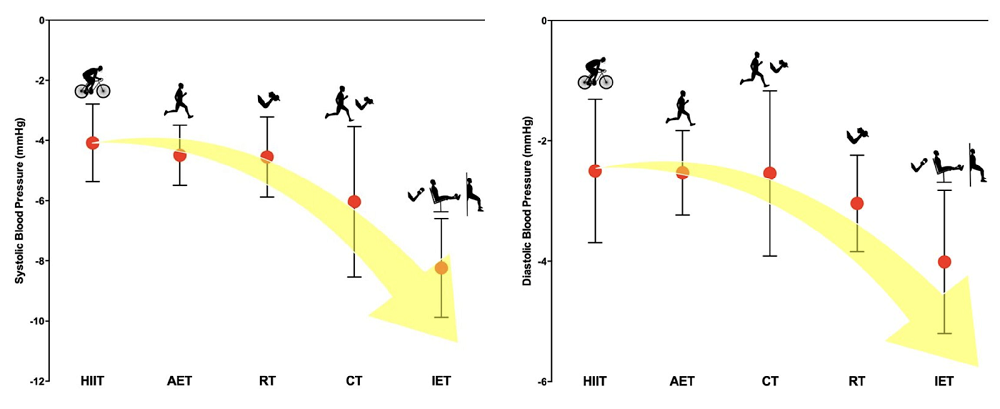
In this image, the types of exercise from left to right are high intensity interval training, aerobic exercise training, resistance training, combined training, and isometric exercise training:

Isometric graph

The subtypes of isometric exercise included in the study were the handgrip, leg extension, and wall squat. All of them, including the handgrip, which is not a whole-body exercise, were more effective in lowering systolic blood pressure than any other non-isometric exercise. For diastolic blood pressure, running was the only type of exercise that outperformed isometric exercises. However, when considering both systolic and diastolic blood pressures, isometric exercise training reigned supreme.

Unfortunately, the review did not include the plank, an increasingly popular type of isometric exercise in which someone maintains a position similar to a push-up for a prolonged period, engaging multiple muscle groups, especially the core. However, there is no obvious reason for planking to be any less effective in lowering blood pressure than leg extensions or wall squats.

Feel the HIIT

These scientists note that HIIT, being a relatively new type of training, appeared in fewer studies and should be studied further. A subtype called sprint interval training (SIT) was responsible for the bulk of the effect, while aerobic interval training (AIT) failed to show statistically significant benefits. AIT is a popular form of HIIT, usually practiced as a series of four-minute bouts of intensive activity (walking or running) interspersed by four minutes of lower-intensity activity. In SIT, the intensive periods are shorter but much more strenuous (akin to 30-second sprints), requiring a push to the limit of ability.

This review joins the growing body of evidence documenting the benefits of isometric exercise training, suggesting that this type of physical activity, which is often neglected by athletes, should become an integral part of regular exercise.

In this systematic review and NMA, we analysed all relevant RCT data, involving 270 trials and 15?827 participants, to establish optimal exercise prescription practices in the management of resting arterial blood pressure. Pairwise analyses demonstrated a significant reduction in resting SBP and DBP following all exercise modes except AIT. All modes demonstrated substantially larger reductions in hypertensive cohorts than those with normal baseline blood pressure. As shown by the primary NMA, the rank order of effectiveness based on SUCRA values for SBP were IET ranked highest followed by CT, RT, AET and HIIT.

We would like to ask you a small favor. We are a non-profit foundation, and unlike some other organizations, we have no shareholders and no products to sell you. All our news and educational content is free for everyone to read, but it does mean that we rely on the help of people like you. Every contribution, no matter if it’s big or small, supports independent journalism and sustains our future.

Literature

[1] Edwards, J. J., Deenmamode, A. H., Griffiths, M., Arnold, O., Cooper, N. J., Wiles, J. D., & O’Driscoll, J. M. (2023). Exercise training and resting blood pressure: a large-scale pairwise and network meta-analysis of randomised controlled trials. British Journal of Sports Medicine.

[2] Febbraio, M. A. (2017). Health benefits of exercise—more than meets the eye!. Nature Reviews Endocrinology, 13(2), 72-74.

[3] Schroeder, E. C., Franke, W. D., Sharp, R. L., & Lee, D. C. (2019). Comparative effectiveness of aerobic, resistance, and combined training on cardiovascular disease risk factors: A randomized controlled trial. PloS one, 14(1), e0210292.

[4] Buford, T. W. (2016). Hypertension and aging. Ageing research reviews, 26, 96-111.

[5] Pescatello, L. S., Franklin, B. A., Fagard, R., Farquhar, W. B., Kelley, G. A., & Ray, C. A. (2004). Exercise and hypertension. Medicine & Science in Sports & Exercise, 36(3), 533-553.

Ginkgo Biloba

The Flavonoid Rutin May Suppress Senescent Cells

Researchers publishing in Aging Cell have documented some potential effects of rutin against senescence and cancer. Rutin is a natural compound found in several plants.

Another compound to fight senescence

In this study, the researchers place rutin among the many other natural compounds that have demonstrated effectiveness in the lab against cellular senescence, including fisetin and quercetin. Rutin, a fat-soluble compound [1] that is also known as quercetin-3-O-rutinoside, has been found to have anti-inflammatory and antioxidant properties [2] and is produced by the well-known Ginkgo Biloba plant [3]. However, whether or not rutin does anything regarding senescent cells is a topic that has only been lightly explored.

Quelling the SASP, ASAP

For their experiments, the researchers chose a line of prostate stromal cells, PSC27, that was chemically driven senescent through administration of bleomycin. They then exposed these cells to 37 natural medicinal agents (NMAs) and observed the effects.

None of these NMAs were senolytic: they did not have the ability to destroy senescent cells. Rather, some of these agents showed signs of being senomorphic, which refers to their ability to suppress the effects of cellular senescence. Among the NMAs tested, rutin stood out in its ability to suppress the inflammatory factor interleukin 8 (IL-8).

Further testing revealed that rutin suppresses many other SASP factors as well, including other interleukins, CXCL3, and MMP3. An RNA analysis confirmed these results, showing that rutin had decreased the expression of these genes.

Interestingly, rutin did not decrease the amount of SA-ß-gal, a key biomarker of cellular senescence. The cells were just as senescent as they were before rutin administration; it was only the SASP that was suppressed.

The researchers also noted rutin’s effects against the acute stress-associated phenotype: the ASAP. Through multiple experiments and a process of elimination, they identified the specific biochemical pathway, finding that rutin prevents ASAP-activated ATM from activating HIF1a and TRAF6, two compounds that are key to the ASAP’s progression to the SASP.

Potential against cancer

The SASP has been documented to encourage malignancy in cancer cells [4]. Combining senescent prostate cells with prostate cancer cells confirmed these findings, showing that exposure to the SASP approximately doubled the invasiveness, cell number, and migration of multiple lines of prostate cancer cells. While rutin did nothing against cancer cells that had not been exposed to the SASP, combining rutin with the senescent and cancerous cells reduced the cancer’s proliferative abilities nearly to that of the SASP-unexposed cells.

With these findings in hand, the researchers then went to animal testing. Injecting combinations of cancer cells and other compounds into mice, the researchers found that, while still being effective, the chemotherapy drug MIT encourages cellular senescence and that the senescent PSC27 cells encourage tumor growth. Rapamycin was effective in blunting PSC27’s effects, but rutin was statistically even more effective.

Rutin Tumors

Not a panacea but an addition

The researchers offer two potential uses for rutin. First, of course, is to quell the SASP in general, preventing out-of-control senescent cells from driving even more cells senescent, particularly in the context of aging. The second would be to include rutin in conventional chemotherapy treatments, limiting the SASP and the related cancer growth that such compounds can inadvertently promote. As always, clinical trials are necessary to determines if this works in people as well as mice.

We would like to ask you a small favor. We are a non-profit foundation, and unlike some other organizations, we have no shareholders and no products to sell you. All our news and educational content is free for everyone to read, but it does mean that we rely on the help of people like you. Every contribution, no matter if it’s big or small, supports independent journalism and sustains our future.

Literature

[1] Negahdari, R., Bohlouli, S., Sharifi, S., Maleki Dizaj, S., Rahbar Saadat, Y., Khezri, K., … & Raeesi, S. (2021). Therapeutic benefits of rutin and its nanoformulations. Phytotherapy Research, 35(4), 1719-1738.

[2] Ghorbani, A. (2017). Mechanisms of antidiabetic effects of flavonoid rutin. Biomedicine & Pharmacotherapy, 96, 305-312.

[3] Morató, X., Marquié, M., Tartari, J. P., Lafuente, A., Abdelnour, C., Alegret, M., … & Boada, M. (2023). A randomized, open-label clinical trial in mild cognitive impairment with EGb 761 examining blood markers of inflammation and oxidative stress. Scientific Reports, 13(1), 5406.

[4] Chen, Q., Tang, L., Zhang, Y., Wan, C., Yu, X., Dong, Y., … & Huang, W. (2022). STING up-regulates VEGF expression in oxidative stress-induced senescence of retinal pigment epithelium via NF-?B/HIF-1a pathway. Life Sciences, 293, 120089.

Calcium

Impaired Calcium Uptake May Impact Long-Term Inflammation

Scientists have reported in Nature Aging that impaired mitochondrial uptake of calcium ions leads to changes in inflammatory responses that resemble what happens in aging [1].

Inflammation and aging

Inflammation is an essential, evolutionarily conserved process and a fundamental part of the immune response, providing immediate defense against infections by pathogens such as bacteria, viruses, fungi, and parasites. It also plays a role in tissue repair and wound healing.

However, if not properly regulated, inflammation can be harmful. Extreme cases of inflammation can spiral out of control, which occurs in allergic reactions, autoimmune disorders, and the cytokine storms that accompany acute conditions such as COVID-19.

Another type of harmful inflammation is inflammaging, the gradual inflammation that steadily increases with age. Inflammaging is ‘sterile’, as it is not caused by any pathogen. It is also a hallmark of aging and has been implicated in multiple age-related conditions. There is a growing appreciation of the crucial role of inflammation in aging [2].

Inflammaging may be ubiquitous, but its mechanisms are not properly understood. Only certain aspects of it are well-documented at the biological level. For example, senescent cells, which become more abundant with age, secrete harmful inflammatory factors [3], and gut permeability, which also increases with age, drives inflammation by letting pathogens into the bloodstream [4]. However, the picture is far from full.

A fundamental mechanism?

In this new study, the researchers report a surprising discovery of what might be a fundamental mechanism behind age-related changes in inflammation patterns.

The aging processes are highly interconnected. Since both inflammaging and mitochondrial dysfunction are hallmarks of aging, these researchers were curious to know about the relationship between them.

Therefore, they analyzed the transcriptome of whole blood samples taken from donors of different ages as a “reasonable surrogate of combined gene expression” in white blood cells, which are a central component of the immune system. They noted an age-related downregulation of the mitochondrial genes associated with calcium signaling, which facilitates the immune system’s early response to triggers. Specifically, mitochondrial calcium uniporter (MCU), a protein that facilitates the mitochondrial uptake of calcium ions, was strongly correlated with donor age.

Next, the researchers experimented with mouse macrophages, which are cells that form the backbone of the innate immune system and probably play an important role in inflammaging. They confirmed that MCU was downregulated in macrophages from older mice compared to those from young mice.

The researchers then confirmed that macrophages exhibit an age-dependent decrease in calcium ion uptake. To understand how this deficiency affects inflammatory responses, the researchers stimulated the macrophages with zymosan, a fungal pathogen. They found that calcium ion levels oscillated more strongly in the cytoplasm of the old cells. The same amplification occurred in macrophages in which MCU had been genetically knocked out.

In response to zymosan, both old and MCU-KO mouse macrophages expressed higher levels of the pro-inflammatory cytokines IL-6 and IL-1ß and increased activity of the important inflammatory transcription factor NF-κB, compared to young fibroblasts. The researchers interpreted these and other findings as cells with impaired mitochondrial calcium uptake exhibiting a “hyper-inflammatory response”.

Several inflammatory genes were significantly upregulated in MCU-KO macrophages compared to wild-type macrophages, both with and without inflammatory triggers, suggesting that this effect might be relevant both to acute inflammation and inflammaging.

In line with observations

The researchers suggest that mitochondrial uptake of calcium ions helps regulate their levels in cytoplasm and, hence, inflammatory responses. When this mechanism is impaired, it might lead to what we observe in old organisms: in addition to the sterile, low-grade inflammaging, they are also prone to inflammatory overreaction to stimuli, such as in COVID-19, which was one of the reasons that elderly people were more vulnerable to the pandemic.

If this theory is correct, it might be possible to mediate age-related changes in inflammatory responses by upregulating MCU or influencing another stage in the pathway. Given the importance of inflammation in multiple aspects of aging, the effects of such a therapy might be profound.

In this study, we report a surprising discovery that mCa2+ uptake capacity in macrophages drops significantly with age. This amplifies cCa2+ signaling and promotes NF-κB activation, rendering the macrophages prone to chronic low-grade inflammatory output at baseline and hyper-inflammatory when stimulated. Although mitochondrial dysfunction has long been a suspected driver of aging, our study pinpoints the MCU complex as a keystone molecular apparatus that links age-related changes in mitochondrial physiology to macrophage-mediated inflammation.

We would like to ask you a small favor. We are a non-profit foundation, and unlike some other organizations, we have no shareholders and no products to sell you. All our news and educational content is free for everyone to read, but it does mean that we rely on the help of people like you. Every contribution, no matter if it’s big or small, supports independent journalism and sustains our future.

Literature

[1] Seegren, P. V., Harper, L. R., Downs, T. K., Zhao, X. Y., Viswanathan, S. B., Stremska, M. E., … & Desai, B. N. (2023). Reduced mitochondrial calcium uptake in macrophages is a major driver of inflammaging. Nature Aging, 1-17.

[2] Chung, H. Y., Kim, D. H., Lee, E. K., Chung, K. W., Chung, S., Lee, B., … & Yu, B. P. (2019). Redefining chronic inflammation in aging and age-related diseases: proposal of the senoinflammation concept. Aging and disease, 10(2), 367.

[3] Davalos, A. R., Coppe, J. P., Campisi, J., & Desprez, P. Y. (2010). Senescent cells as a source of inflammatory factors for tumor progression. Cancer and Metastasis Reviews, 29, 273-283.

[4] Ahmadi, S., Razazan, A., Nagpal, R., Jain, S., Wang, B. O., Mishra, S. P., … & Yadav, H. (2020). Metformin reduces aging-related leaky gut and improves cognitive function by beneficially modulating gut microbiome/goblet cell/mucin axis. The Journals of Gerontology: Series A, 75(7), e9-e21.

Reaching for the sun

Impact of Vitamin D Supplements on Mortality Risk

In a new study published in Nutrients, researchers analyzed the results of 80 randomized clinical trials and assessed the impact of vitamin D supplementation on mortality [1].

Vitamin D plays essential roles in human health

According to the CDC, 6.7% to 36.9% of Americans take vitamin D supplements, depending on age group. This makes it the second most popular supplement in the USA.

Vitamin D has a wide spectrum of activity. It is essential in calcium absorption in the gut, regulates calcium, phosphorus, and glucose metabolism, and supports bone growth, remodeling, and mineralization. Other roles of vitamin D include the reduction of inflammation, modulation of cell growth, and neuromuscular and immune function. Sufficient vitamin D levels protect adults from osteoporosis and prevent rickets in children.

There are many genes that are controlled by vitamin D, and the vitamin D receptor is present in many bodily tissues [2]. It is not surprising, then, that low levels of vitamin D have been reported to be associated with multiple disorders, including cardiovascular problems, diabetes, cancer, and inflammatory disorders.

Due to Vitamin D’s essential role, much research has been done on its impact on mortality risk. However, the reported results are inconsistent. This inconsistency, the limitations of previous research, and the emergence of new studies prompted these researchers to analyze existing and new research for an in-depth look at vitamin D supplementation.

Gathering multiple studies under one umbrella

Researchers looked at the results of randomized controlled trials that were published between 1983 and 2022. They wanted to know if taking vitamin D supplements affected overall mortality and wanted to know if it was linked to deaths from cardiovascular diseases. Therefore, studies included in the analysis differentiated between all-cause mortality, cardiovascular mortality, non-cardiovascular mortality, and cardiovascular morbidities: cardiovascular issues that do not necessarily lead to death themselves.

Studies included in the analysis investigated vitamin D supplementation with or without calcium. They needed to include at least one year of follow up.

The total number of participants in all analyzed studies combined was more than 160,000, with a mean age of 66. However, it didn’t include pregnant or lactating women, frail elderly, or patients with serious conditions, such as stroke, COVID-19, and HIV.

The studies in this analysis varied in their design and quality. Therefore, these researchers divided the studies into low, fair, and good quality by assessing their risk of bias, with high-quality studies having a low risk of bias.

Out of the 80 studies chosen, 11 were found to have a high risk of bias. Additionally, 34 studies were identified as having a fair risk of bias, and 35 studies were labeled good quality with a low risk of bias.

The good-quality studies included over 120,000 participants, and the lowest-quality studies represented only over a thousand participants.

Vitamin D supplementation and mortality risk

Based on the analysis of all 80 studies, these researchers concluded that vitamin D supplementation reduced the risk of all-cause mortality. When they analyzed good- and fair-quality studies together, they saw the same effect. However, when good- or fair-quality studies were analyzed separately, the effect of vitamin D supplementation on all-cause mortality was close to being statistically significant but didn’t reach the mark. The association was not observed when only poor-quality studies were analyzed.

The researchers analyzed 38 randomized controlled trials that examined cardiovascular mortality. No link was found between taking vitamin D and a lower risk of cardiovascular mortality, whether studies were analyzed together or separately.

The association between vitamin D supplementation and non-cardiovascular mortality risk was close to statistical significance but didn’t reach significance. Similarly, statistical significance was not achieved when analyzing subgroups of low-, fair-, or good-quality studies separately.

The authors also analyzed the effect of vitamin D supplementation on specific conditions, such as heart attack, stroke, heart failure, and other adverse cardiovascular events. There was no association between vitamin D supplementation and a lower risk of cardiovascular morbidities.

The need for a definitive answer

This study used data obtained from 80 different studies that varied on many levels. For example, participants in those studies took different doses of vitamin D. Additionally, participants in each of those studies could differ in age, gender, basal levels of vitamin D before the study, etc. These studies may also have been done at different seasons of the year, which affects natural vitamin D exposure.

Even though all these factors could influence the overall results, they were not accounted for in the analysis, limiting the conclusions that can be drawn.

These authors believe there is a need for well-planned and executed studies to address the question of vitamin D supplementation and mortality risk, which would need to be done before any strong recommendation could be given. They also brought up the important issue of study quality. They note that, in some cases, adding substandard results to the analysis changes its overall results and thus could affect recommendations.

Their opinion is echoed by the participants of a conference focused on vitamin D controversies. There, attendees stated the need for definitive randomized controlled trials that can conclusively assess which disorders vitamin D can help [3].

We would like to ask you a small favor. We are a non-profit foundation, and unlike some other organizations, we have no shareholders and no products to sell you. All our news and educational content is free for everyone to read, but it does mean that we rely on the help of people like you. Every contribution, no matter if it’s big or small, supports independent journalism and sustains our future.

Literature

[1] Ruiz-García, A., Pallarés-Carratalá, V., Turégano-Yedro, M., Torres, F., Sapena, V., Martin-Gorgojo, A., & Martin-Moreno, J. M. (2023). Vitamin D Supplementation and Its Impact on Mortality and Cardiovascular Outcomes: Systematic Review and Meta-Analysis of 80 Randomized Clinical Trials. Nutrients, 15(8), 1810.

[2] Bouillon, R., Marcocci, C., Carmeliet, G., Bikle, D., White, J. H., Dawson-Hughes, B., Lips, P., Munns, C. F., Lazaretti-Castro, M., Giustina, A., & Bilezikian, J. (2019). Skeletal and Extraskeletal Actions of Vitamin D: Current Evidence and Outstanding Questions. Endocrine reviews, 40(4), 1109–1151.

[3] Giustina, A., Adler, R. A., Binkley, N., Bouillon, R., Ebeling, P. R., Lazaretti-Castro, M., Marcocci, C., Rizzoli, R., Sempos, C. T., & Bilezikian, J. P. (2019). Controversies in Vitamin D: Summary Statement From an International Conference. The Journal of clinical endocrinology and metabolism, 104(2), 234–240.

Old mouse and young mouse

Heterochronic Parabiosis Extends the Lives of Mice

For the first time, scientists have shown that letting young and old mice share blood leads to a significant lifespan extension in the old mouse [1].

Rejuvenation by young blood

Since the dawn of civilization, young blood has been credited with healing and rejuvenating powers, and its value has been demonstrated by modern science. In recent years, studies into heterochronic parabiosis, pioneered by Irina and Michael Conboy, have shown that stitching together circulatory systems of a young and an old animal leads to signs of rejuvenation in the latter, at the expense of its young counterpart [2].

Yet, until now, there have been no studies of the effects of heterochronic parabiosis on lifespan, mainly due to the lack of detachment protocols. Testing lifespan properly involves safely detaching the animals and determining when the older one dies of age-related diseases.

Significant lifespan extension

This new study, published in Nature Aging and authored by prominent geroscientists such as Steve Horvath and Vadim Gladyshev, does just that. The researchers report successfully detaching heterochronic pairs, testing them immediately upon detachment and two months later, and determining the remaining lifespan of the older mice.

The mice were divided into three groups: old isochronic pairs (that is, both mice stitched together were old), young isochronic pairs, and heterochronic pairs. Each of those groups was divided into two subgroups, with one undergoing a three-month parabiosis protocol, and the other one undergoing a shorter five-week version that is used in existing studies. The older mice were 20 months old, and the younger ones were three months old.

The main result was a significant six-week extension of median lifespan and a two-week extension of maximum lifespan in the older mice that underwent long-term heterochronic parabiosis compared to the isochronic controls.

Heterochronic Parabiosis

Epigenetic and transcriptomic rejuvenation

The researchers measured the mice’s biological age using several different methylation clocks and two independent methylation sequencing platforms. Immediately upon detachment, old mice in heterochronic pairs showed a robust methylation age reduction of 24% compared to old isochronic pairs. Importantly, this effect lingered even two months after detachment (22.4%). Comparable results were seen in the liver (17% age reduction immediately after the detachment and 19% two months later), showing that rejuvenation affected solid organs as well. With the shorter five-week protocol, the effects were less prominent.

In heterochronic parabiosis, the surgery and the involuntary cohabitation themselves are potent stressors that can affect the animals’ health. However, the researchers did not detect any difference in epigenetic age between the old parabionts and untreated controls of the same age, which shows that surgery itself had no effect on the epigenome.

The researchers had to exclude another possible confounding factor: the relative lack of physical activity in parabiosis pairs. They developed a model of mock parabiosis in which the animals were attached together but their circulation systems remained apart. Those pairs did not exhibit an increase in methylation age compared to non-paired controls, which means that the lack of activity did not make parabionts epigenetically older.

An analysis of gene expression in the liver showed that older heterochronic parabionts experienced substantial upregulation of pathways related to oxidative phosphorylation and mitochondrial biogenesis (i.e, cellular energy production), and downregulation of inflammatory response genes. Those changes were largely sustained after the two-month detachment.

Both the transcriptomic and epigenetic profiles of old heterochronic parabionts clustered between those of young and old mice, but much closer to the former, suggesting robust rejuvenation. Here, too, the effects of the shorter treatment were much weaker.

Comparisons to other anti-aging interventions

The researchers then compared the changes in gene expression induced by heterochronic parabiosis to those associated with known anti-aging interventions, such as caloric restriction. They found a strong positive association with four out of five intervention signatures.

However, the similarity decreased during the post-detachment period. The effects of short-term parabiosis, while still noticeable, were much smaller. “Heterochronic parabiosis in old mice”, the researchers note, “seems to counteract aging by activating genes related to metabolism and cellular respiration while inhibiting the inflammatory response, like other longevity interventions.”

Among individual genes, the researchers noticed upregulation of Sirt3 and of Gstt2. The latter is involved in the production of glutathione, the main antioxidant in the body. Both of these genes are also upregulated by many other anti-aging interventions.

Interestingly, the researchers also saw a significant increase in the Tert gene, which encodes telomerase reverse transcriptase, an enzyme that keeps telomeres long. Its overexpression was recently shown to increase lifespan in mice [3]. The researchers concluded that their findings “indicate that what we observed is in fact multi-omic, systemic and sustained biological rejuvenation.”

We would like to ask you a small favor. We are a non-profit foundation, and unlike some other organizations, we have no shareholders and no products to sell you. All our news and educational content is free for everyone to read, but it does mean that we rely on the help of people like you. Every contribution, no matter if it’s big or small, supports independent journalism and sustains our future.

Literature

[1] Zhang, B., Lee, D. E., Trapp, A., Tyshkovskiy, A., Lu, A. T., Bareja, A., … & White, J. P. (2023). Multi-omic rejuvenation and life span extension on exposure to youthful circulation. Nature Aging, 1-17.

[2] Huffman, D. M., Csiszar, A., & Ungvari, Z. (2021). Heterochronic blood exchange attenuates age-related neuroinflammation and confers cognitive benefits: do microvascular protective effects play a role?. GeroScience, 43, 111-113.

[3] Jaijyan, D. K., Selariu, A., Cruz-Cosme, R., Tong, M., Yang, S., Stefa, A., … & Zhu, H. (2022). New intranasal and injectable gene therapy for healthy life extension. Proceedings of the National Academy of Sciences, 119(20), e2121499119.

Rejuvenation Roundup July

Rejuvenation Roundup July 2023

Genetic and epigenetic studies abound this month, with a small molecule study making waves throughout the rejuvenation world. Let’s see what’s happened in July.

LEAF News

Fedichev InterviewPeter Fedichev Explains His Theory of Aging: Peter Fedichev, co-founder and CEO of Gero, is a relative newcomer to the field of geroscience with a background in physics and not in biology. However, Peter has firmly established himself and Gero in the longevity landscape by twice publishing in Nature, entering a lucrative collaboration with Pfizer, and proposing a new aging-related theory.

How Life Noggin Educates Millions – Pat Graziosi aka Blocko: In this episode of Making Time, host Ryan O’Shea sits down with Pat Graziosi, the creative mind behind the hugely popular educational YouTube channel, Life Noggin, and the voice of its main character, Blocko.

Journal Club

Editing Mitochondrial DNA: The Journal Club returned on 25th July at 12:00 Eastern time to the lifespan.io Facebook channel. Editing mitochondrial DNA (mtDNA) has long been a challenge and systems such as CRISPR, which make editing regular DNA faster and easier, are very difficult to use when it comes to mtDNA.

Advocacy and Analysis

Online courses about aging research.Free Courses in Longevity Medicine: One of the challenges of making longevity and rejuvenation research a mainstream field is getting it accepted into healthcare practice. It turns out that healthcare professionals are often not aware of the amazing things being developed in labs right now.

Neil Riordan on the Rising Tide of Stem Cell Therapies: “Stem Cell Therapy: A Rising Tide” by Neil Riordan is a comprehensive exploration of stem cell therapy along with its potential benefits, limitations, and prospects. The father of mesenchymal stem cell research, Arnold Caplan, dubbed Riordan as a pioneering figure in stem cell research and application.

Research Roundup

AngiogenesisStem Cell Signals Encourage Blood Vessel Formation in Mice: Researchers publishing in Aging have outlined how biochemical signals derived from created stem cells encourage blood vessels to form new branches in naturally aged mice.

Taurine Increases Median Lifespan in Mice by 12%: In a new study published in Science, taurine supplementation led to a significant lifespan extension in mice and health benefits in non-human primates.

MicrobesMicrobial Composition May Affect Lifespan: New research published in Scientific Reports suggests that microbes in the human gut and mouth can impact how long people live. Bacteria and other microbes are often associated with diseases, but disease-causing microbes are only a minority. The majority of microbes are harmless or beneficial to humans.

Creatine on the Brain: A Review: A review recently published in Sports Medicine has discussed a considerable number of research papers that describe the effects of the muscle-building supplement creatine on the brain.

CnidarianCellular Senescence Drives Regeneration in Cnidarians: Scientists have demonstrated that full-body regeneration in cnidarians, a group of animals that includes the jellyfish and hydra, can be driven by signals from senescent cells. This might be the original purpose of cellular senescence.

The Longevity Factor Klotho Improves Memory in Monkeys: Researchers have explained in Nature Aging how klotho, a factor associated with longevity, improves the cognitive abilities of rhesus macaques. Klotho had previously been found to improve cognitive function in mice.

Disagreeing clocksUsing Proteins and RNA to Determine How Old You Are: A paper published in Aging goes into detail about the proteins and RNA pieces that increase and decrease with aging, suggesting a multiple-clock approach to biomarkers.

Better Health in Older Adults, One Step at a Time: Research published in Experimental Gerontology suggests that even smaller amounts of daily physical activity can benefit people over 60.

KillifishSenolytics Restore Regeneration in Killifish: Researchers publishing in npj regenerative medicine have found that destroying senescent cells through a well-known senolytic combination gives older killifish back some of their regenerative abilities.

Aerobic, Resistance Training Differently Affect Skin Aging: According to a study published in Nature Scientific Reports, while both aerobic and resistance exercise improve some aspects of skin aging, only the latter is able to increase skin thickness.

SortingMaking Genetically Engineered Stem Cells Viable: Researchers publishing in Cell Stem Cell have announced a new method of accurately and rapidly cloning genetically engineered stem cells. While the accuracy of genetic modification through the well-known CRISPR/Cas9 system continues to improve, the technology remains imperfect.

Rejuvenating Cells Using A New Small Molecule Approach: A team led by renowned Harvard geroscientists David Sinclair and Vadim Gladyshev has reported successful chemically induced partial cellular reprogramming in vitro. The researchers have also developed a novel cellular rejuvenation assay.

DNAFinding The Genes for Longevity in Mammals: Researchers have analyzed the activity of genes in the livers, kidneys, and brains of over a hundred mammals and found genes that are consistently associated with longevity. Between the shortest-living and the longest-living mammal, there is a more than 100-fold difference in lifespan.

Repairing the Long-Term Damage of Smoking: Researchers publishing in Aging Cell have described how treating the increased senescent cell burden that comes with cigarette smoke exposure can repair some of the damage.

Variety of clocksNew System-Specific Epigenetic Clocks Revealed: A group of researchers led by Morgan Levine of Altos Labs has created a set of methylation clocks that can detect various aging patterns.

Metformin Protects Against Muscle Atrophy in Clinical Trial: Researchers publishing in Aging Cell have documented a human clinical trial showing that metformin reduces atrophy caused by long periods of bed rest. Long periods of disuse cause muscles to atrophy and accelerate the age-related muscle wasting known as sarcopenia.

Review Links Statins to Insulin Resistance and Diabetes: A systematic review lends support to the idea that statins, which are life-saving, cholesterol-lowering drugs, are associated with an increased risk of insulin resistance and type 2 diabetes.

Vigorous Weekend Exercise May Be Enough: A study suggests that “weekend warriors”, people who only exercise for one or two days a week, enjoy similar cardiovascular benefits as those who exercise more regularly.

Even geneticsSome Age-Related Gene Expression Changes May Extend Life: In a recent paper published in Nucleic Acids Research, researchers analyzed the organs of several mammalian species, exploring gene expression patterns associated with maximum lifespan and finding surprising correlations.

Psychedelic Drugs for Alzheimer’s Treatment: A review article published in European Neuropsychopharmacology has described how and why psychedelic compounds may be useful in treating neurodegenerative diseases such as Alzheimer’s.

Electrical CellsYoung Brain Cells Outcompete Old Cells in a Mouse Model: In a mouse model of Huntington’s disease, scientists showed that injected young healthy brain cells can outcompete and eventually replace old, diseased ones. The results might be relevant for other neurodegenerative diseases.

Genetically Engineering Cells to Respond to Electricity: A paper published in Nature Metabolism has described a method of genetically engineering cells to respond to electrical stimuli, allowing for on-demand gene expression.

Rejuvenating effects of young extracellular vesicles in aged rats and in cellular models of human senescence: This work not only identifies extracellular vesicles (EVs) as possible therapeutic candidates for a wide range of age-related pathologies, but also raises the question of whether EVs function as endogenous modulators of senescence.

Embryonic stem cell-derived extracellular vesicles rejuvenate senescent cells and antagonize aging in mice: These findings demonstrate that extracellular vesicle treatment can rejuvenate senescence both in vitro and in vivo and suggest their therapeutic potential.

Delayed-release rapamycin halts progression of left ventricular hypertrophy in subclinical feline hypertrophic cardiomyopathy: At day 180, the primary study outcome variable, maximum LV myocardial wall thickness at any location, was significantly lower in the low-dose DR rapamycin group compared to placebo.

Rutin is a potent senomorphic agent to target senescent cells and can improve chemotherapeutic efficacy: This study provides a proof of concept for rutin as an emerging natural senomorphic agent and presents an effective therapeutic avenue for alleviating age-related pathologies including cancer.

What is really known about the effects of nicotinamide riboside supplementation in humans: Collectively, oral nicotinamide riboside supplementation has displayed few clinically relevant effects, and there is an unfortunate tendency in the literature to exaggerate the importance and robustness of reported effects.

Predicting lifespan-extending chemical compounds for C. elegans with machine learning and biologically interpretable features: Overall, this work opens avenues for future work in employing machine learning to predict novel life-extending compounds.

Dietary flavonoids intake contributes to delay biological aging process: analysis from NHANES dataset: Flavonoid intake positively contributes to delaying the biological aging process, especially in the heart and liver.

Systemic inflammation and biological aging in the Health and Retirement Study: Greater systemic inflammation was positively associated with DNA methylation age acceleration for 10 of the 13 epigenetic clocks, after adjustment for sociodemographics and chronic disease risk factors.

Evaluation of potential aging biomarkers in healthy individuals: Markers that reflect the progression of biological aging vary with age. Their levels could be used in clinical practice, determining biological age, risk of age-related diseases and death of all causes.

Happy people live longer because they are healthy people: Much of the association between happiness and increased life expectancy could be explained by socio-demographic, lifestyle, health and functioning factoVitaDAOrs, and especially psychological health and functioning factors.

News Nuggets

VitaDAO Launches VITA-FAST Tokens: VitaDAO, the global community accelerating research and development in longevity science, is pleased to announce the launch of the VITA-FAST tokens. This marks the first-ever opportunity for token holders to directly influence longevity research, setting a new precedent in the field of decentralized science (DeSci).

We would like to ask you a small favor. We are a non-profit foundation, and unlike some other organizations, we have no shareholders and no products to sell you. All our news and educational content is free for everyone to read, but it does mean that we rely on the help of people like you. Every contribution, no matter if it’s big or small, supports independent journalism and sustains our future.

Electrical Cells

Genetically Engineering Cells to Respond to Electricity

A paper published today in Nature Metabolism has described a method of genetically engineering cells to respond to electrical stimuli, allowing for on-demand gene expression.

Finding a better trigger

Despite its futuristic outlook, this line of research is built upon previous work. The idea of an implantable gene switch to command cells in order to deliver valuable compounds into the human body is not new. The authors of this paper cite longstanding work showing that gene switches can be developed to respond to antibiotics [1] or other drugs, and the antibiotic doxycycline is used regularly for this purpose in mouse models. More recently, researchers have worked on cells that control their output based on green light [2], radio waves [3], or heat [4].

However, these mechanisms have their problems. A gene trigger that operates in response to a chemical compound requires that compound to have stable, controllable biological availability [5]. If it relies on any wavelength of electromagnetic radiation, that process may be triggered by mistake or require intense energy to function [3].

Therefore, these researchers decided to focus on developing triggers that respond to electricity itself. While previous work in this area has relied on battery-powered implantable devices that are poorly suited for therapeutic use [6], this team built on a process that naturally exists.

A use for ROS

Reactive oxygen species (ROS) have a well-deserved bad reputation in the world of longevity, as they are associated with mitochondrial dysfunction and age-related deterioration. However, applying low-voltage direct current can induce production of ROS that is well below dangerous levels [6]. While normal cells are not particularly sensitive to such low levels of ROS, these researchers found a way to hypersensitize engineered cells to respond to them. They call their development DC-actuated regulation technology (DART).

In their initial testing apparatus, the researchers engineered cells to produce the glycoprotein SEAP when exposed to electricity. They placed plates of these cells in a medium that was exposed to electrical current between two electrodes. Short-term, low-power DC current was found to have no affect on cell viability. Inducing current for 30 seconds at a time was harmful, but the researchers ascribe this fact to gas and pH changes occurring at the electrodes.

The approach appeared to work. The engineered cells produced six times more SEAP after they had been exposed to electricity, whether at 10 volts for 15 seconds or 5 volts for 20 seconds.

DART in cells

These results were broadly recapitulated through multiple experiments, as the researchers used 5V DC on different types of engineered cells in different patterns for different lengths of time. Some cell lines responded much better to DART than others.

DART in cell types

Further experiments showed that lower voltages over longer time periods, and slightly higher voltages over shorter time periods, could accomplish similar results.

Function in mice

These encouraging results led to an equally encouraging in vivo test. A mouse model of diabetes had received encapsulated cells that express insulin in response to electricity, and their blood glucose was monitored. Unstimulated, these mice still had high blood glucose, and animals that were electrically stimulated far from the target cells also did not respond. Only the diabetic mice that had their cells directly stimulated had blood glucose levels akin to wild-type mice.

DART in mice

In total, these results are highly encouraging for drug deployment. If time- and release-dependent drugs such as insulin can be reliably triggered through low-voltage electricity, it may obviate the need for regular injections of these drugs. Even an automatic system could, in theory, detect high blood glucose and respond with insulin-producing pulses.

However, the reliance on ROS as a delivery mechanism is concerning in a specific way. If these cells, themselves, are allowed to age or otherwise express additional ROS outside of electrical stimulation, this could lead to dangerous situations. Therefore, if DART is ever deployed in human beings, the implanted cells will need to be closely monitored.

We would like to ask you a small favor. We are a non-profit foundation, and unlike some other organizations, we have no shareholders and no products to sell you. All our news and educational content is free for everyone to read, but it does mean that we rely on the help of people like you. Every contribution, no matter if it’s big or small, supports independent journalism and sustains our future.

Literature

[1] Kohanski, M. A., Dwyer, D. J., Hayete, B., Lawrence, C. A., & Collins, J. J. (2007). A common mechanism of cellular death induced by bactericidal antibiotics. Cell, 130(5), 797-810.

[2] Mansouri, M., Hussherr, M. D., Strittmatter, T., Buchmann, P., Xue, S., Camenisch, G., & Fussenegger, M. (2021). Smart-watch-programmed green-light-operated percutaneous control of therapeutic transgenes. Nature Communications, 12(1), 3388.

[3] Stanley, S. A., Gagner, J. E., Damanpour, S., Yoshida, M., Dordick, J. S., & Friedman, J. M. (2012). Radio-wave heating of iron oxide nanoparticles can regulate plasma glucose in mice. Science, 336(6081), 604-608.

[4] Stefanov, B. A., Teixeira, A. P., Mansouri, M., Bertschi, A., Krawczyk, K., Hamri, G. C. E., … & Fussenegger, M. (2021). Genetically encoded protein thermometer enables precise electrothermal control of transgene expression. Advanced Science, 8(21), 2101813.

[5] Shao, J., Xue, S., Yu, G., Yu, Y., Yang, X., Bai, Y., … & Ye, H. (2017). Smartphone-controlled optogenetically engineered cells enable semiautomatic glucose homeostasis in diabetic mice. Science translational medicine, 9(387), eaal2298.

[6] Valko, M., Leibfritz, D., Moncol, J., Cronin, M. T., Mazur, M., & Telser, J. (2007). Free radicals and antioxidants in normal physiological functions and human disease. The international journal of biochemistry & cell biology, 39(1), 44-84.

Active cells

Young Brain Cells Outcompete Old Cells in a Mouse Model

In a mouse model of Huntington’s disease, scientists showed that injected young healthy brain cells can outcompete and eventually replace old, diseased ones. The results might be relevant for other neurodegenerative diseases [1].

When neurons’ helpers fail

The non-neuronal cells in the brain are collectively known as glia. This category includes astrocytes, which nourish neurons and maintain the blood-brain barrier, oligodendrocytes, which wrap axons in myelin sheaths, and microglia, the brain’s resident immune cells. Glial dysfunction drives numerous neurological conditions, such as Huntington’s disease, which causes neurons to gradually break down and die, causing progressively debilitating symptoms [2]. This disease is currently uncurable.

Glia are produced by differentiation of glial progenitor cells (GPC). In this new study published in Nature Biotechnology, the researchers tested the hypothesis that it is possible to replace diseased glia by seeding animal brains with healthy GPCs.

Glial showdown

First, the researchers had to create an appropriate model. This was done using a process known as chimerization, in which human progenitor cells are introduced into murine embryos. Scientists have perfected this technique over decades, and now they can target specific tissues and organs, such as the brain.

Mouse embryos were injected with human GPCs expressing mutated huntingtin, which causes the disease. The resulting progeny had a considerable population of human glia showing the characteristics of Huntington’s disease.

Next, after those mice have reached adulthood, the researchers seeded their brains with unmodified human GPCs. What ensued resembled a competition between the old and the new cells. Over the course of several weeks, the population of engrafted GPCs and glia that arose from them spread in the brain at the expense of resident Huntington-affected cells. The new cells, delivered to the part of the brain called the striatum, propagated from the injection site, “overpowering” their diseased counterparts:

Glial competition

This microscopic showdown was marked by higher proliferation rates of unmodified cells and the gradual disappearance of Huntington-affected cells. The researchers found that the unmodified cells activated several protein synthesis pathways, including the transcription factor Myc, a potent regulator of cellular growth and proliferation that is also one of the four Yamanaka factors driving cellular reprogramming. Myc is also an oncogene that, when mutated, often supports the proliferation of cancer cells [3].

This data, researchers write, suggests that the implanted unmodified human cells “actively assumed a competitively dominant phenotype upon contact with their HD counterparts, to drive the latter’s local elimination while promoting their own expansion and colonization.”

This competition between the two microglia populations indeed seemed to be triggered by their encounter: the new cells acquired their more aggressive phenotype by activating Myc and several other transcription factors only upon contact with old cells. The old cells were not just outnumbered by their young counterparts but driven to cellular death by apoptosis.

Age, not disease, is the key factor

However, another factor might have been at play: the cellular age. The engrafted unmodified cells were younger than the resident Huntington cells. When the researchers repeated their experiment on chimeric mice that carried unmodified human cells instead of Huntington cells, the results were mostly the same: young healthy cells outcompeted and replaced old healthy cells, albeit at a slightly slower pace.

The researchers suggest that “cell replacement was driven by a recapitulation of developmental cell competition, an evolutionarily conserved selection process by which less fit clones are sensed and eliminated from the tissue by their fitter neighbors.” However, here, this competition was happening in an adult brain, which is remarkable. Its exact mechanisms will have to be elucidated by future research.

The results of this study suggest a future possibility of replacing aged glia with younger cells in healthy humans. This might revolutionize our approach to age-related neurodegenerative diseases.

The clinical implications of this observation may be profound; it suggests that the dysfunctional glia of diseased brains, across a variety of disease etiologies and phenotypes, might be effectively eliminated and replaced by the intracerebral delivery of newly generated allogeneic hGPCs. However, it is important to recognize that these conclusions are based on our experiments in a model system that has inherent limitations. While we have endeavored to provide as humanized a model as feasible, by largely humanizing and to some extent aging the host glial population before later transplantation of younger WT human cells, these chimeric animals comprise an inherently artificial system.

We would like to ask you a small favor. We are a non-profit foundation, and unlike some other organizations, we have no shareholders and no products to sell you. All our news and educational content is free for everyone to read, but it does mean that we rely on the help of people like you. Every contribution, no matter if it’s big or small, supports independent journalism and sustains our future.

Literature

[1] Vieira, R., Mariani, J. N., Huynh, N. P., Stephensen, H. J., Solly, R., Tate, A., … & Goldman, S. A. (2023). Young glial progenitor cells competitively replace aged and diseased human glia in the adult chimeric mouse brain. Nature Biotechnology, 1-12.

[2] Walker, F. O. (2007). Huntington’s disease. The Lancet, 369(9557), 218-228.

[3] Dang, C. V. (2012). MYC on the path to cancer. Cell, 149(1), 22-35.

Riordan Stem Cells

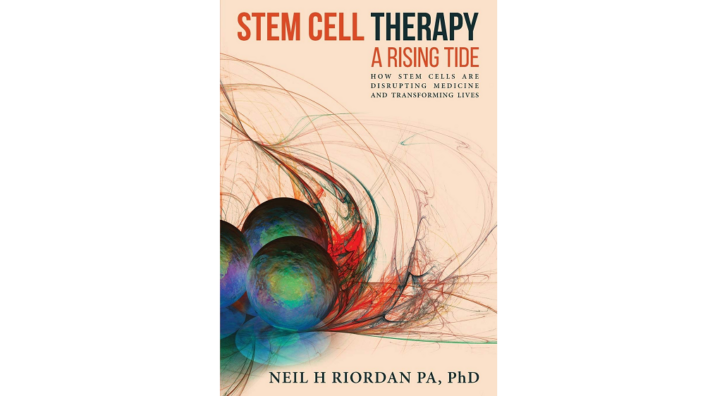
Neil Riordan on the Rising Tide of Stem Cell Therapies

“Stem Cell Therapy: A Rising Tide” by Neil Riordan is a comprehensive exploration of stem cell therapy along with its potential benefits, limitations, and prospects. The father of mesenchymal stem cell research, Arnold Caplan, dubbed Riordan as a pioneering figure in stem cell research and application. Therefore, it is no surprise that Riordan brings an expert perspective to this fascinating and complex subject, delivering a compelling narrative that is both highly informative and accessible to a lay audience.

Structured for learning

Riordan’s book is structured in a manner that allows readers to gain a comprehensive understanding of the topic. It commences with a historical perspective on stem cell research, detailing its origins and evolution. He then delves into the science behind stem cells, explaining complex biological processes with simplicity and clarity. The discussions involving different types of stem cells, including embryonic, adult, and induced pluripotent stem cells, illuminate their unique characteristics, the means of their procurement, and their respective implications.

The book’s primary strength resides in its meticulous exploration of the therapeutic potential inherent in stem cell treatments. Riordan, with his adept comprehension and expertise in the field, deftly intertwines real-world case studies with rigorous scientific evidence. This approach allows him to demystify the complex landscape of clinical applications of stem cell therapy, making it accessible and understandable to a broad audience.

The book is not merely a dry presentation of scientific facts. Instead, it invites readers into a world of discovery in which science and patient experiences intersect. Each case study serves as a testament to the transformative potential of stem cell therapy, illuminating the profound impact it can have on individual lives.

Potential for treatment

Riordan’s vivid depiction of how stem cells can be utilized in treating an array of conditions, including but not limited to spinal cord injuries, Parkinson’s disease, and autoimmune disorders, illuminates a promising horizon in the world of medicine. His discussion doesn’t merely delineate the technical aspects but also underscores the human dimension, showing how these therapies can profoundly affect patients’ quality of life.

The narrative underscores the notion that these are not abstract, distant diseases but real-life struggles that people wrestle with every day. By presenting the potential of stem cell therapy, Riordan instills hope in those grappling with these illnesses, depicting a future in which they might have access to life-altering treatment options.

In the end, the reader is left with a deep appreciation for the groundbreaking potential of stem cell therapy, recognizing it as a rising tide in the field of medicine. In his book, Riordan creates an enduring narrative that bridges the gap between intricate scientific detail and the real-world implications of this emerging therapy, delivering an engaging and hopeful vision of the future of healthcare.

A look at ethics

While Riordan presents a positive picture of stem cell therapy, he does not shy away from addressing the controversies and ethical issues surrounding this field. He acknowledges the political and moral debates surrounding the use of embryonic stem cells, expressing a measured perspective. Riordan also addresses potential pitfalls in stem cell therapy, such as the risks of rejection and tumorigenesis and the practical limitations regarding scalability and cost.

In the latter part of the book, Riordan navigates the intricate regulatory landscape of stem cell therapy, vividly detailing the scientific complexities and varied global regulations that pose challenges to clinical trial implementation. However, he underscores the importance of these trials in bringing therapies to patients.

Riordan emphasizes the rigorous oversight necessary in this nuanced field, touching on the ethical debates surrounding the use of certain stem cell types. These discussions illuminate the challenges faced by researchers while emphasizing the need for ethical conduct.

He underscores the significant costs of developing stem cell therapies, which can deter investment in long-term clinical trials, hindering progress. Despite this, Riordan remains optimistic about the future and the need for continued investment in research and development.

Riordan also addresses the difficulties in patient recruitment for trials and safety considerations. He highlights the complexity of dealing with advanced disease stages in trial participants and the necessity of safety monitoring.

Reinforcing studies

Lastly, Riordan delves into the challenges of standardization and reproducibility in stem cell therapies. He emphasizes the importance of maintaining stem cell quality and consistency, underlining the need for robust research methodologies.

In the end, Riordan offers insightful predictions about the future of stem cell therapy, always pointing back to the essential need for more research and development. His discussions emphasize the magnitude and depth of ongoing challenges, but they also shine a light on the exciting promise that this field holds. This balanced and honest exploration of the hurdles and potential of stem cell therapy leaves readers with an informed understanding of the current state of the field and its hopeful future.

Despite its many strengths, “Stem Cell Therapy: A Rising Tide” does have a few limitations. The case studies, while informative, may seem anecdotal to some readers, and the lack of negative outcomes may present a slightly biased view of the therapy’s success rate. Additionally, while Riordan strives for accessibility, certain sections of the book may still prove challenging for readers with minimal scientific backgrounds.

Nonetheless, “Stem Cell Therapy: A Rising Tide” is an enlightening and engaging read. It serves as a comprehensive guide to the exciting possibilities of stem cell therapy and is a testament to Riordan’s deep knowledge and passion for the subject. As a thought-provoking exploration of a cutting-edge field, this book is a valuable resource for both professionals in the field and people seeking to understand the potential of this promising area of medicine.

We would like to ask you a small favor. We are a non-profit foundation, and unlike some other organizations, we have no shareholders and no products to sell you. All our news and educational content is free for everyone to read, but it does mean that we rely on the help of people like you. Every contribution, no matter if it’s big or small, supports independent journalism and sustains our future.

Psychedelic Drugs for Alzheimer’s Treatment

A review article published in European Neuropsychopharmacology has described how and why psychedelic compounds may be useful in treating neurodegenerative diseases such as Alzheimer’s.

A question of neuroplasticity

Neuroplasticity refers to the ability of neurons to remodel themselves, forming new connections in response to stimuli. Many psychedelic drugs are psychoplastogens, compounds that encourage neuroplasticity [1].

Alzheimer’s disease harms the brain in many ways, killing neurons and increasing stress on the ones that remain, and so it is no surprise that it impedes neuroplasticity [2]. The downstream effect is that people afflicted with Alzheimer’s not only lose their old memories, they lose their ability to form new ones.

Therefore, many research groups have put these facts together, considering whether or not the plastogenic properties of psychedelic drugs may be enough to impact the trajectory of Alzheimer’s.

A focus on serotonin

Serotonin is well-known as a brain chemical, and it has a wide variety of different modulating effects. Development, regeneration, and plasticity are all affected by serotonin [3]. Serotonin distribution and use are, as expected, impacted by Alzheimer’s disease [4].

Specifically, the serotonin receptor 5-HT2A is crucial to memory retention and cognitive development [5], and psychedelics work in part by directly affecting this receptor [6]. Different drugs also affect different pathways: the well-known lysergic acid diethylamide (LSD) also affect the 5-HT1A and Sig-1R receptors [7], while mescaline affects 5-HT2C more than other compounds [8]. Interestingly, the mTOR pathway is also affected by 5-HT2B activation [9].

Biology of Psychedelics

The researchers also mention three potentially useful drugs that do not use serotonin. The psychoactive compound in Amanita mushrooms, muscimol, activates the receptor of the neurotransmitter GABA and may potentially reduce the broad overexcitation that comes with Alzheimer’s [10]. Ibogaine, a somewhat toxic compound that broadly affects multiple neurotransmitters, has a synthetic variant (tabernanthalog) that has been tested in rodents to treat addiction [11]. Harmine is promising for neurogenesis and neuroplasticity, but high doses are toxic and impair memory instead [12].

Careful dosing and judgment are required

Unlike with many other compounds, the side effects of psychedelic drugs are very well-known, which has led to their recreational and broadly illegal use. This is, of course the reason why clinical trials are difficult to consider or begin, and tabernanthalog or another synthetic compound may need to be developed before this idea can be clinically tested.

Unfortunately, the mechanisms by which psychedelics cause hallucinations and strange behavior are the exact same mechanisms that make them appealing as potential treatments for Alzheimer’s disease. Therefore, even though many of these drugs are not particularly toxic in the directly destructive sense, any study designers or clinicians who seek to make use of potentially dangerous hallucinogens must carefully determine the extent to which they want to activate serotonin receptors and which compounds they choose to activate them.

We would like to ask you a small favor. We are a non-profit foundation, and unlike some other organizations, we have no shareholders and no products to sell you. All our news and educational content is free for everyone to read, but it does mean that we rely on the help of people like you. Every contribution, no matter if it’s big or small, supports independent journalism and sustains our future.

Literature

[1] Vargas, M. V., Meyer, R., Avanes, A. A., Rus, M., & Olson, D. E. (2021). Psychedelics and other psychoplastogens for treating mental illness. Frontiers in psychiatry, 1691.

[2] Teter, B., & Ashford, J. W. (2002). Neuroplasticity in Alzheimer’s disease. Journal of neuroscience research, 70(3), 402-437.

[3] Salvan, P., Fonseca, M., Winkler, A. M., Beauchamp, A., Lerch, J. P., & Johansen-Berg, H. (2023). Serotonin regulation of behavior via large-scale neuromodulation of serotonin receptor networks. Nature neuroscience, 26(1), 53-63.

[4] Vann Jones, S. A., & O’Kelly, A. (2020). Psychedelics as a treatment for Alzheimer’s disease dementia. Frontiers in synaptic neuroscience, 12, 34.

[5] Zhang, G., & Stackman Jr, R. W. (2015). The role of serotonin 5-HT2A receptors in memory and cognition. Frontiers in pharmacology, 6, 225.

[6] Vollenweider, F. X., & Smallridge, J. W. (2022). Classic psychedelic drugs: update on biological mechanisms. Pharmacopsychiatry.

[7] Rickli, A., Moning, O. D., Hoener, M. C., & Liechti, M. E. (2016). Receptor interaction profiles of novel psychoactive tryptamines compared with classic hallucinogens. European Neuropsychopharmacology, 26(8), 1327-1337.

[8] Ray, T. S. (2010). Psychedelics and the human receptorome. PloS one, 5(2), e9019.

[9] Ly, C., Greb, A. C., Cameron, L. P., Wong, J. M., Barragan, E. V., Wilson, P. C., … & Olson, D. E. (2018). Psychedelics promote structural and functional neural plasticity. Cell reports, 23(11), 3170-3182.

[10] Xu, Y., Zhao, M., Han, Y., & Zhang, H. (2020). GABAergic inhibitory interneuron deficits in Alzheimer’s disease: implications for treatment. Frontiers in neuroscience, 14, 660.

[11] Cameron, L. P., Tombari, R. J., Lu, J., Pell, A. J., Hurley, Z. Q., Ehinger, Y., … & Olson, D. E. (2021). A non-hallucinogenic psychedelic analogue with therapeutic potential. Nature, 589(7842), 474-479.

[12] Libânio, T. C., Eufrásio, R. A., Niigaki, S. S., Peres, F. F., Silva, R. H., Zuardi, A. W., … & Abílio, V. C. (2022). Harmine impairs memory performance of treated rats and nontreated cagemates. Experimental and Clinical Psychopharmacology, 30(6), 751.

Even genetics

Some Age-Related Gene Expression Changes May Extend Life

In a recent paper published in Nucleic Acids Research, researchers analyzed the organs of several mammalian species, exploring gene expression patterns associated with maximum lifespan and finding surprising correlations [1].

How and why gene expression changes

As organisms age, their gene activity patterns change. To understand why, some researchers look into cross-species analysis to find common patterns. Others look into long-lived animals to identify what genetic features make them live longer.

These researchers combined those approaches. Analyzing the gene expression of several tissues in mice, they found that any gene expression that is associated with maximum lifespan in mammals is statistically more likely than usual to be associated with aging. Similarly, a gene expression that is negatively associated with maximum lifespan is less likely to be associated with aging.

These findings were further corroborated by an analysis of kidney gene expression. This analysis found that it is statistically less likely than usual that a gene expression that is positively associated with maximum lifespan is negatively associated with aging. It is similarly unlikely that a gene expression that is negatively associated with maximum lifespan is positively associated with aging.

In total, these observations suggest that mice have similarities between gene expressions associated with aging and gene expressions associated with maximum lifespan. These similarities were also identified in human tissues.

Complex roles of inflammation

When analyzing gene expression in kidneys of different mammalian species, researchers found that many genes positively associated with maximum lifespan were involved in inflammatory processes. Many genes negatively associated with maximum lifespan involved the mitochondria.

The expression of inflammatory genes is considered a common feature of aging [2, 3]. The chronic inflammatory state observed in older organisms is known as inflammaging.

In this study, the authors analyzed more than one previously published data set that had included different mammalian species. Two separate datasets show differences regarding immune regulation, which led to a curious observation regarding inflammatory genes.

In the first dataset, the authors observed an overrepresentation of inflammatory genes among genes positively correlated with mammalian maximum lifespan. In the second dataset, which included data from rodents, hedgehogs, and gymnures, inflammatory gene representation was found among genes negatively correlated with maximum lifespan.

Based on a detailed analysis of specific genes, researchers concluded that immune system regulation for longer lifespans evolved differently in rodents, hedgehogs, and gymnures compared to other mammals. This and previous research point to the complex role of inflammatory responses in aging.

On the one hand, dysregulated inflammatory responses are linked to the pathogenesis of many diseases. Conversely, their functions are important for tumor suppression [4]. The authors also point out that high expression of inflammatory genes can be linked to better immunity in long-lived animals.

Regulation of aging-associated genes

In this and previous research, these researchers expressed the idea that many changes in the expression of aging-related genes could be the result of the adaptation to aging.

For example, they present the transcription repressor called REST as one of the proteins that can support such a hypothesis. Although REST expression increases with aging, increased expression of REST in the human brain benefits longevity and cognitive performance [5].

The authors showed that in the brain, REST target genes were overrepresented among genes whose expression negatively correlated with maximum lifespan and REST target genes were underrepresented among genes whose expression positively correlates with maximum lifespan.

They further note that observed gene expression doesn’t prove that REST activity correlates with maximum lifespan-associated genes. Alternatively, DNA sites responsible for binding REST can be increased in the parts of the DNA that regulate the activity of maximum lifespan-associated genes.

Transcription factors are proteins that regulate the expression of genes. To fulfill their role, they bind to very specific DNA sequences. The authors explored the possibility that such transcription factors are regulating this interaction, as they found DNA sequences that bind to transcription factors that can potentially drive the expression of maximum lifespan-associated genes. Those transcription factor binding sequences were found to be correlated with maximum lifespan.

This suggests that maximum lifespan evolved together within maximum lifespan-associated genes and the sequences that aid in regulating the expression of those genes.

Alternative interpretations

These researchers suggest that similarities in gene expression associated with aging and maximum lifespan could indicate that some age-related gene expression changes are beneficial rather than harmful. However, they are aware of the limitations of their observations.

They point out that looking into gene expression levels may not reflect the levels of proteins in the cells, which can change due to a loss of proper functioning of protein-building machinery and the accumulation of misfolded proteins. This is known as the loss of proteostasis, and it is one of the Hallmarks of Aging. The authors did not directly observe functional proteins, and they note that such an analysis might not result in the same conclusions.

Another limitation of the study was that changes in gene expression levels “during aging and in the evolution of longevity may be the result rather than the cause of aging/longevity.” For example, the authors explain that if a gene’s transcription decreases with age, it can be caused by damaged DNA that prevents transcript production. Species with long lifespans are known to have better protected DNA.

Finally, this paper points out that ”most aging-related gene expression changes represent reversal or extension of developmental gene expression changes” [6, 7]. Therefore, those age-related changes in gene expression may be the result of a program and not the result of damage accumulation.

We would like to ask you a small favor. We are a non-profit foundation, and unlike some other organizations, we have no shareholders and no products to sell you. All our news and educational content is free for everyone to read, but it does mean that we rely on the help of people like you. Every contribution, no matter if it’s big or small, supports independent journalism and sustains our future.

Literature

[1] Takasugi, M., Yoshida, Y., Nonaka, Y., & Ohtani, N. (2023). Gene expressions associated with longer lifespan and aging exhibit similarity in mammals. Nucleic acids research, gkad544. Advance online publication. https://doi.org/10.1093/nar/gkad544

[2] Frenk, S., & Houseley, J. (2018). Gene expression hallmarks of cellular ageing. Biogerontology, 19(6), 547–566. https://doi.org/10.1007/s10522-018-9750-z

[3] de Magalhães, J. P., Curado, J., & Church, G. M. (2009). Meta-analysis of age-related gene expression profiles identifies common signatures of aging. Bioinformatics (Oxford, England), 25(7), 875–881. https://doi.org/10.1093/bioinformatics/btp073

[4] Egen, J. G., Ouyang, W., & Wu, L. C. (2020). Human Anti-tumor Immunity: Insights from Immunotherapy Clinical Trials. Immunity, 52(1), 36–54. https://doi.org/10.1016/j.immuni.2019.12.010

[5] Lu, T., Aron, L., Zullo, J., Pan, Y., Kim, H., Chen, Y., Yang, T. H., Kim, H. M., Drake, D., Liu, X. S., Bennett, D. A., Colaiácovo, M. P., & Yankner, B. A. (2014). REST and stress resistance in ageing and Alzheimer’s disease. Nature, 507(7493), 448–454. https://doi.org/10.1038/nature13163

[6] de Magalhães J. P. (2012). Programmatic features of aging originating in development: aging mechanisms beyond molecular damage?. FASEB journal : official publication of the Federation of American Societies for Experimental Biology, 26(12), 4821–4826. https://doi.org/10.1096/fj.12-210872

[7] Blagosklonny M. V. (2013). Aging is not programmed: genetic pseudo-program is a shadow of developmental growth. Cell cycle (Georgetown, Tex.), 12(24), 3736–3742. https://doi.org/10.4161/cc.27188

Vigorous Weekend Exercise May Be Enough

A new study suggests that “weekend warriors”, people who only exercise for one or two days a week, enjoy similar cardiovascular benefits as those who exercise more regularly [1].

How crucial is a daily run?

The consensus of medical studies practically implores people to engage in at least some exercise, with current research strongly suggesting that people can get most of the health benefits from moderate levels of physical activity [2]. One prevalent idea is a need for consistency, with the idea that peole should clock some amount of exercise every day or every other day. People who are overwhelmed with work and family chores can find this an insurmountable hurdle, leading to frustration and the abandonment of exercise in general.

Until now, this notion has rarely been put to the test. In particular, the research about so-called “weekend warriors”, people who only exercise on weekends, is limited. This new study published in JAMA aims to expand our understanding of how different exercise patterns square against each other.

No difference in outcomes

The scientists used data from UK Biobank, a repository of health information on half a million British citizens that has enabled a lot of quality research in recent years. About a hundred thousand Biobank members wore accelerometers for a week, allowing scientists to capture the full scope of their physical activity and juxtapose it with their health biomarkers.

The researchers divided the subjects into three subgroups. The first one, active weekend warriors, reached or exceeded the weekly recommended amount of 150 minutes per week of medium-to-vigorous physical activity (MVPA) but clocked half or more of this activity over a period of one or two days. The second group, active regulars, also met the MVPA threshold, but their exercise activity was more evenly spread in time. Finally, the inactive group consisted of people who did not reach the recommended MVPA threshold.

The researchers assessed each group’s atrial fibrillation, myocardial infarction, and heart failure, controlling for several confounding variables such as age, sex, racial and ethnic background, tobacco use, socioeconomic status, alcohol intake, educational attainment, self-reported health, and diet quality. The median follow-up for assessment of health outcomes was 6.3 years.

For all outcomes, the reduction in hazard ratio was statistically similar for weekend warriors and active regular groups compared to the inactive group, although there was a trend towards lower risk of myocardial infarction for regular exercisers. These associations held for several other activity thresholds.

Despite some existing concern about the weekend warrior pattern leading to higher incidence of injuries [3], both activity patterns were associated with similarly lower risks of musculoskeletal conditions compared to the inactive group. The researchers note that the weekend warrior pattern appears quite common, with more than half of physically active people accruing most of their MVPA during one or two days per week.

Weekend Warriors

More data is on the way

This study joins a few others that recently produced similar results, including one meta-analysis that found the “weekend warrior” pattern to be comparable to regular exercise in terms of cardiovascular and mortality benefits [4]. However, it has many limitations, the first of which is that it’s a populational study rather than a randomized controlled trial. The participants only wore accelerometers for one week, even though in large samples, activity patterns are known to change little over time. Finally, the follow-up period was on the shorter side.

Importantly, the data for this study was collected about ten years ago, when wearable accelerometers were still a novelty. Today, the amount of data flowing in from wearable devices is enormous, and soon we will probably have an even clearer understanding of the benefits that various activity patterns confer. For now, the upshot is that it is okay for people to go to the gym or on a run on weekends. In terms of health, they might be just as well off as people who exercise daily.

Within nearly 90,000 individuals providing wrist-based activity quantification, physical activity concentrated within 1 to 2 days was associated with similarly lower risk of cardiovascular outcomes to more regular activity. Future prospective studies are warranted to assess whether interventions to increase physical activity, even when concentrated within a day or 2 each week, improve cardiovascular outcomes.

We would like to ask you a small favor. We are a non-profit foundation, and unlike some other organizations, we have no shareholders and no products to sell you. All our news and educational content is free for everyone to read, but it does mean that we rely on the help of people like you. Every contribution, no matter if it’s big or small, supports independent journalism and sustains our future.

Literature

[1] Khurshid, S., Al-Alusi, M. A., Churchill, T. W., Guseh, J. S., & Ellinor, P. T. (2023). Accelerometer-Derived “Weekend Warrior” Physical Activity and Incident Cardiovascular Disease. JAMA, 330(3), 247-252.

[2] Kraus, W. E., Powell, K. E., Haskell, W. L., Janz, K. F., Campbell, W. W., Jakicic, J. M., … & 2018 Physical Activity Guidelines Advisory Committee. (2019). Physical activity, all-cause and cardiovascular mortality, and cardiovascular disease. Medicine and science in sports and exercise, 51(6), 1270.

[3] Hartnett, D. A., Milner, J. D., & DeFroda, S. F. (2022). The Weekend Warrior: Common Shoulder and Elbow Injuries in the Recreational Athlete. The American Journal of Medicine, 135(3), 297-301.

[4] Kunutsor, S. K., Jae, S. Y., & Laukkanen, J. A. (2023). ‘Weekend warrior’and regularly active physical activity patterns confer similar cardiovascular and mortality benefits: a systematic meta-analysis. European Journal of Preventive Cardiology, 30(3), e7-e10.

Review Links Statins to Insulin Resistance and Diabetes

A new systematic review lends support to the idea that statins, which are life-saving cholesterol-lowering drugs, are associated with an increased risk of insulin resistance and type 2 diabetes [1].

Statins’ dark side

Statins, drugs that improve the lipid profile by reducing harmful LDL cholesterol, are considered one of the biggest successes in medicine in recent decades. Statins have probably saved millions of lives by reducing the cardiovascular risks associated with abnormally high levels of cholesterol in the blood (hypercholesterolemia). However, there is a growing concern that statins may also exacerbate insulin resistance, a hallmark of metabolic dysfunction and type 2 diabetes [2]. A newly published meta-analysis consolidates data from several previous studies to shed more light on this question.

A significant correlation

After assessing the quality of studies, the authors selected 11 of them for their review. Their selections included cohort studies, randomized controlled trials, and two previous meta-analyses.

Four studies linked statins to increased fasting glucose, glycated hemoglobin (HbA1c), and fasting insulin, all of which are established biomarkers of insulin resistance. A fifth study, which was the smallest study with only 21 participants, showed mixed results on these metrics.

The relationship between statin use and insulin resistance was shown to be dose-dependent in two of the studies. Larger doses of statins were linked to greater insulin resistance.

Five studies also delved into the relationship between different types of statins and the risk of incidence of type 2 diabetes. According to four of those studies, the risk was higher with high-potency statins. The fifth study showed that this increase in risk was independent of the type of statins used.

The connection between the length of statin use and the risk of developing type 2 diabetes was explored in two studies. Those studies’  findings indicate that the risk of diabetes is indeed influenced by the duration of statin use, with people who use statins for medium (31-365 days) or long-term periods (over 365 days) having a significantly higher chance of developing diabetes compared to those who use statins for shorter durations (under 31 days).

Mechanisms still unknown

The findings of this study mostly confirm already well-established suspicions about statins and insulin resistance, which caused the FDA to update the labels for statins with a cautionary note about an increased risk of diabetes. However, the exact mechanisms behind statins’ influence on insulin sensitivity and glucose metabolism are not fully understood. Proposed theories include a direct impact on pancreatic beta cells, which produce insulin [3], along with changes to lipid metabolism. Research is ongoing.

It is important to note, as the study’s authors do, that for most patients, the benefits of statins outweigh the increase in metabolic risk. However, like in many other cases, reaching for a pill might not be the best first strategy. For many people, managing cholesterol levels and decreasing cardiovascular risk would be more safely conducted through diet and exercise [4].

The authors also suggest that healthcare professionals might want to personalize their approach to statin prescription, such as by prescribing weaker statins, such as pravastatin and rosuvastatin, to people with lower cardiovascular risk.

Despite its unequivocal findings, this meta-analysis has its limitations, such as the small number of studies included. Due to statins’ extreme popularity, it is important to further investigate their link to insulin resistance and diabetes.

In conclusion, the present systematic review provides compelling evidence that statins are significantly associated with a decrease in insulin sensitivity, regardless of the type of statin used. These findings have important clinical implications for healthcare providers in managing patients with high cholesterol. However, a targeted approach may optimize treatment outcomes by selecting statins with a lower risk of causing insulin intolerance in patients at a higher risk of developing diabetes. This approach can help healthcare providers personalize treatment plans to meet the individual needs of their patients and achieve better health outcomes.

We would like to ask you a small favor. We are a non-profit foundation, and unlike some other organizations, we have no shareholders and no products to sell you. All our news and educational content is free for everyone to read, but it does mean that we rely on the help of people like you. Every contribution, no matter if it’s big or small, supports independent journalism and sustains our future.

Literature

[1] Dabhi, K. N., Gohil, N. V., Tanveer, N., Hussein, S., Pingili, S., Makkena, V. K., … & Nath, T. S. (2023). Assessing the Link Between Statins and Insulin Intolerance: A Systematic Review. Cureus, 15(7).

[2] Thakker, D., Nair, S., Pagada, A., Jamdade, V., & Malik, A. (2016). Statin use and the risk of developing diabetes: a network meta-analysis. Pharmacoepidemiology and drug safety, 25(10), 1131-1149.

[3] Galicia-Garcia, U., Jebari, S., Larrea-Sebal, A., Uribe, K. B., Siddiqi, H., Ostolaza, H., … & Martín, C. (2020). Statin treatment-induced development of type 2 diabetes: from clinical evidence to mechanistic insights. International Journal of Molecular Sciences, 21(13), 4725.

[4] Mirabelli, M., Chiefari, E., Arcidiacono, B., Corigliano, D. M., Brunetti, F. S., Maggisano, V., … & Brunetti, A. (2020). Mediterranean diet nutrients to turn the tide against insulin resistance and related diseases. Nutrients, 12(4), 1066.

Sarcopenia

Metformin Protects Against Muscle Atrophy in Clinical Trial

Researchers publishing in Aging Cell have documented a human clinical trial showing that metformin reduces atrophy caused by long periods of bed rest.

A common problem and a well-known diabetes drug

Long periods of disuse cause muscles to atrophy and accelerate the age-related muscle wasting known as sarcopenia [1]. Strength training is the accepted treatment for this problem, but with aging, it becomes less effective [2]. Therefore, more fundamental biological interventions are needed to combat atrophy-related frailty.

Like rapamycin, the diabetes drug metformin has gotten a large amount of attention within the longevity community, and previous research has shown that it affects a wide variety of age-related biomarkers in human beings [3]. These researchers were particularly interested in its effects in preventing cellular senescence [4], as they have previously shown it to prevent senescence-related atrophy in human cells in vitro [5].

Of course, cells under a microscope don’t always behave like cells in people, which is why the researchers followed up with this human clinical trial.

Effective in glucose-tolerant older adults

A total of 20 people with an average age of almost 70 participated in this experiment. As metfomin is a diabetes drug, this trial excluded people with diabetes along with a wide variety of other diseases, including kidney disease.

Metformin or placebo was administered for two weeks and still given during five days of bed rest, after which dosing was halted. Caloric intake was strictly controlled during the resting period. Muscle biopsies were conducted throughout this experiment, including a week after the bed rest.

Metformin did not seem to affect the total number of muscle fibers. However, there were more thick fibers and fewer thin fibers in the metformin group compared to the control group. Accordingly, total muscle size, as measured by MRI of the leg, was greater in the metformin group.

Many other measurements

The researchers included some negative results in this study. Capillaries, satellite cells, and macrophages are all part of the muscle remodeling process and are affected by sarcopenia [6]. Capillaries were unaffected by metformin or bed rest. The number of satellite cells was found to be reduced by metformin, but this number was not affected by bed rest and recovery in either group. Macrophages were increased after bed rest, but they were statistically unaffected by metformin.

Collagen deposition, which is increased by bed rest, was sharply affected by metformin. Every member of the placebo group had increased collagen deposition at the end of the study. The metformin group had considerably more mixed results, with some members having less collagen deposition as measured by Sirius Red staining.

While the senesence markers p21 and p16 did not differ in muscle progenitors between the treatment and control groups, the metformin group had significantly less of these markers in fibro-adipogenic progenitor cells in muscle tissue. Senescence in these cells was correlated with increased collagen deposition.

These results were confirmed in RNA analysis. After bed rest, the placebo group had strongly upregulated senescence-related and collagen-related transcriptions and transcriptional pathways compared to the metformin group.

An informative study

This is a human clinical trial, and the results were above the threshold of statistical significance. Therefore, despite the relatively small sizes of the tested groups, it serves as strong evidence that metformin is effective against disuse-relate atrophy in older people, and that this is very likely to be due to its effects against cellular senescence in some cell types. However, this trial also showed that metformin doesn’t affect everything related to atrophy and muscle aging. It is simply one tool in the toolkit against age-related diseases.

We would like to ask you a small favor. We are a non-profit foundation, and unlike some other organizations, we have no shareholders and no products to sell you. All our news and educational content is free for everyone to read, but it does mean that we rely on the help of people like you. Every contribution, no matter if it’s big or small, supports independent journalism and sustains our future.

Literature

[1] Kehler, D. S., Theou, O., & Rockwood, K. (2019). Bed rest and accelerated aging in relation to the musculoskeletal and cardiovascular systems and frailty biomarkers: a review. Experimental gerontology, 124, 110643.

[2] Aagaard, P., Suetta, C., Caserotti, P., Magnusson, S. P., & Kjær, M. (2010). Role of the nervous system in sarcopenia and muscle atrophy with aging: strength training as a countermeasure. Scandinavian journal of medicine & science in sports, 20(1), 49-64.

[3] Kulkarni, A. S., Gubbi, S., & Barzilai, N. (2020). Benefits of metformin in attenuating the hallmarks of aging. Cell metabolism, 32(1), 15-30.

[4] Fang, J., Yang, J., Wu, X., Zhang, G., Li, T., Wang, X. E., … & Wang, L. (2018). Metformin alleviates human cellular aging by upregulating the endoplasmic reticulum glutathione peroxidase 7. Aging Cell, 17(4), e12765.

[5] Petrocelli, J. J., de Hart, N. M., Lang, M. J., Yee, E. M., Ferrara, P. J., Fix, D. K., … & Drummond, M. J. (2023). Cellular senescence and disrupted proteostasis induced by myotube atrophy are prevented with low-dose metformin and leucine cocktail. Aging (Albany NY), 15(6), 1808.

[6] Larsson, L., Degens, H., Li, M., Salviati, L., Lee, Y. I., Thompson, W., … & Sandri, M. (2019). Sarcopenia: aging-related loss of muscle mass and function. Physiological reviews, 99(1), 427-511.