The Blog

Building a Future Free of Age-Related Disease

Common Aggregate

A Common Amyloid Between Brain Diseases

Research funded by the National Institutes of Health and published in Cell has thoroughly described a little-known amyloid aggregate that accumulates in the brains of people suffering from multiple proteostasis-related neurological disorders.

Three classes of pathology, one protein fragment

The authors of this study list three different classes of neurodegenerative protein disorders: TDP-43 proteinopathies, such as frontotemporal lobar degeneration (FTLD) and amyotrophic lateral sclerosis; tauopathies, such as Alzheimer’s disease; and synucleinopathies, such as Parkinson’s disease.

An aggregate of a single protein fragment has been found in the brains of people who had suffered from each of these different diseases. This fragment is 135 amino acids long, nearly half as long as its original protein, TMEM106B, abnormalities of which are associated with neurodegenerative disorders [1].

A protein for proteostasis

TMEM106B is found in the membranes of endosomes, which regulate protein transport within cells, and lysosomes, which are responsible for destroying unwanted proteins [2]. Other research has discovered that it is heavily involved in the functions of these organelles [3]. As these organelles maintain proteostasis in healthy cells, this leads to an unpleasant concept: one of the very proteins responsible for preventing amyloid accumulation can accumulate as an amyloid.

A large portion of this paper is given to explaining the fragment itself in exacting detail, including what it looks like under an electron microscope, what segment of the protein it is formed from (amino acids 120-254 of a protein 274 amino acids long), and the fibril aggregates that the researchers found in cells. Interestingly, Google’s AlphaFold, a powerful, AI-driven predictor of protein folding, had predicted that it would form these sorts of aggregates due to its prevalence of ß strands, which the researchers also explain in detail.

The researchers also offer evidence that TMEM106B aggregates don’t reliably show up on Western blots, a very well-known tool for protein analysis. Their findings are backed up by a recent preprint [4]. However, as the researchers note, reagents and antibodies that reliably interact with these aggregates in all their forms have not yet been developed.

Conclusion

This is very early, exploratory research, and this paper discusses the TMEM106B amyloid as found in post-mortem examinations rather than the brains of living people or animals. Much more research will need to be done to discover how much this fragment causes proteostasis diseases and brain deterioration, and if it does play a significant role, what approaches can be taken to destroy it or prevent its accumulation.

However, if this amyloid is found to be strongly linked to other amyloid disorders, such as Alzheimer’s and Parkinson’s, it may provide a crucial piece of the puzzle, giving researchers extremely valuable insight into methods of defeating these crippling, life-destroying, and deadly diseases.

We would like to ask you a small favor. We are a non-profit foundation, and unlike some other organizations, we have no shareholders and no products to sell you. All our news and educational content is free for everyone to read, but it does mean that we rely on the help of people like you. Every contribution, no matter if it’s big or small, supports independent journalism and sustains our future.

Literature

[1] Feng, T., Lacrampe, A., & Hu, F. (2021). Physiological and pathological functions of TMEM106B: A gene associated with brain aging and multiple brain disorders. Acta neuropathologica, 141(3), 327-339.

[2] Lang, C. M., Fellerer, K., Schwenk, B. M., Kuhn, P. H., Kremmer, E., Edbauer, D., … & Haass, C. (2012). Membrane Orientation and Subcellular Localization of Transmembrane Protein 106B (TMEM106B), a Major Risk Factor for Frontotemporal Lobar Degeneration. Journal of Biological Chemistry, 287(23), 19355-19365.

[3] Lüningschrör, P., Werner, G., Stroobants, S., Kakuta, S., Dombert, B., Sinske, D., … & Damme, M. (2020). The FTLD risk factor TMEM106B regulates the transport of lysosomes at the axon initial segment of motoneurons. Cell reports, 30(10), 3506-3519.

[4] Jiang, Y. X., Cao, Q., Sawaya, M. R., Abskharon, R., Ge, P., DeTure, M., … & Eisenberg, D. S. (2022). Amyloid fibrils in frontotemporal lobar degeneration with TDP-43 inclusions are composed of TMEM106B, rather than TDP-43. bioRxiv.

Healthy Diet

Anti-Inflammatory Diet Lowers Risk of Dementia

In a population study, scientists have found that consuming foods associated with a low Diet Inflammatory Index substantially lowers the risk of dementia [1].

Aging is accompanied by an increase in chronic, low-grade inflammation, known as inflammaging, which has been linked to multiple age-related diseases. Inflammaging promotes cancer, diabetes, cardiovascular diseases, and various types of dementia, such as the deadly Alzheimer’s disease. Age-related cognitive decline is of particular concern to geroscientists since the brain is the one organ that can never be replaced as a whole.

While modern medicine is usually pretty good at treating acute inflammation, countering inflammaging is a much harder task. Currently, no approved treatments exist, and inflammaging is not even in the International Classification of Diseases.

Not much to do except exercise and diet

Like with many age-related conditions, lifestyle interventions are the only available treatments. For instance, there are indications that aerobic exercise protects against inflammaging [2]; on the other hand, too much exercise can exacerbate local inflammation, such as in joints affected by osteoarthritis [3]. It has been known for years that some types of food are more inflammatory than others. For example, a plant-based diet has been found to lower inflammation in general and in rheumatoid arthritis in particular [4].

The Diet Inflammatory Index (DII) shows how various foods and nutrients contribute to inflammation. Based on hundreds of studies, it is widely accepted by the scientific community. Since inflammaging negatively affects many aspects of health, it is not surprising that previous studies have found that an anti-inflammatory diet substantially lowers the risk of cardiovascular diseases, colorectal cancer, and overall mortality [5, 6].

Three-fold increase in the risk of dementia

In this new paper, an international group of researchers ran a population study to determine how DII affects dementia incidence. 1059 healthy participants (no dementia at baseline) with a mean age of 73 were recruited through random population sampling. The mean follow-up period was 3 years, and the participants’ dietary habits were assessed via a detailed questionnaire.

The researchers controlled for several potentially confounding variables that have been associated with a risk of dementia: total energy intake, baseline mild cognitive impairment (MCI) score, education, sex, and a clinical comorbidity index that, in turn, included multiple conditions like hypertension and diabetes. Unfortunately, some other relevant variables, such as physical activity, smoking, and alcohol consumption, were not accounted for.

Over the course of the study, 62 of the participants developed dementia. DII score emerged as the main predictor: a 1-point increase in DII was associated with a 21% increase in the risk of dementia, and people in the highest DII tertile (that is, the people consuming the most pro-inflammatory diets) were three times as likely to develop dementia as people in the lowest tertile. The results were highly statistically significant.

Broad studies, broad variables

Population studies are tricky, mostly because there are too many variables to consider. They can produce widely varying and sometimes contradictory results, so they should be taken with a grain of salt; figurative salt, though, as salt intake promotes inflammation [7]. However, that does not make population studies worthless. When there is a critical mass of studies pointing in one direction, they can influence the scientific consensus.

It looks like on this particular topic, scientists are inching towards an agreement. The authors cite several previous studies, including a US-based population study of 7085 women that produced similar results (this study included people of both sexes) and other studies from France and Korea. A smaller Australian study, on the other hand, did not find an association between DII and global cognitive function.

In addition to the usual limitations of a population study, this one was characterized by a high rate of people who were not available for follow-up at the end of the study. The researchers do not cite specific reasons for that but maintain that this did not affect the robustness of the results.

Accruing evidence supports that diet plays a central role in the regulation of chronic inflammation, and dietary modulation of inflammaging might be a valuable preventive strategy for dementia and cognitive decline. In the present study, we were able to demonstrate that the inflammatory potential of diet, assessed using an easily applicable tool, was positively associated with the risk for dementia in community-dwelling non-demented older adults.

Conclusion

This population study bolsters the hypothesis that a low-inflammation diet can be protective against age-related cognitive decline. Though more research is needed, these results are in agreement with what we know about inflammation and aging.

We would like to ask you a small favor. We are a non-profit foundation, and unlike some other organizations, we have no shareholders and no products to sell you. All our news and educational content is free for everyone to read, but it does mean that we rely on the help of people like you. Every contribution, no matter if it’s big or small, supports independent journalism and sustains our future.

Literature

[1] Charisis, S., Ntanasi, E., Yannakoulia, M., Anastasiou, C. A., Kosmidis, M. H., Dardiotis, E., … & Scarmeas, N. (2021). Diet Inflammatory Index and Dementia Incidence: A Population-Based Study. Neurology97(24), e2381-e2391.

[2] Nilsson, M. I., Bourgeois, J. M., Nederveen, J. P., Leite, M. R., Hettinga, B. P., Bujak, A. L., … & Tarnopolsky, M. A. (2019). Lifelong aerobic exercise protects against inflammaging and cancer. PloS one, 14(1), e0210863.

[3] Perez-Lasierra, J. L., Casajús, J. A., González-Agüero, A., & Moreno-Franco, B. (2021). Association of physical activity levels and prevalence of major degenerative diseases: Evidence from the national health and nutrition examination survey (NHANES) 1999–2018. Experimental Gerontology, 111656.

[4] Alwarith, J., Kahleova, H., Rembert, E., Yonas, W., Dort, S., Calcagno, M., … & Barnard, N. D. (2019). Nutrition interventions in rheumatoid arthritis: the potential use of plant-based diets. A review. Frontiers in nutrition6, 141.

[5] Shivappa, N., Godos, J., Hébert, J. R., Wirth, M. D., Piuri, G., Speciani, A. F., & Grosso, G. (2018). Dietary inflammatory index and cardiovascular risk and mortality—a meta-analysis. Nutrients10(2), 200.

[6] Shivappa, N., Godos, J., Hébert, J. R., Wirth, M. D., Piuri, G., Speciani, A. F., & Grosso, G. (2017). Dietary inflammatory index and colorectal cancer risk—a meta-analysis. Nutrients9(9), 1043.

[7] Zhu, H., Pollock, N. K., Kotak, I., Gutin, B., Wang, X., Bhagatwala, J., … & Dong, Y. (2014). Dietary sodium, adiposity, and inflammation in healthy adolescents. Pediatrics133(3), e635-e642.

Mouse TBI

Plant Compound Shown to Ameliorate Brain Injury

Publishing in Aging, a team of Taiwanese researchers has found that a chemical derived from Polygonum multiflorum, a herb native to southeastern China, aids in recovery from traumatic brain injury and encourages brain regeneration.

The problem of glutamate

Traumatic brain injury (TBI), the infliction of tissue damage directly to the brain, causes oxidative stress and inflammation that can lead to further damage [1]. This includes DNA damage, which leads to brain cell death through apoptosis [2].

Prior research has found that some of this damage is caused by elevated, neurotoxic levels of the amino acid glutamate [3], which has been shown to cause cell swelling and death in cell cultures [4]. Other research has found that this is due to its interference with a specific pathway based on N-methyl-D-aspartate (NMDA) [5]. Excess glutamate has also been shown to cause damage to the glial cells, the chaperone cells of the brain [6].

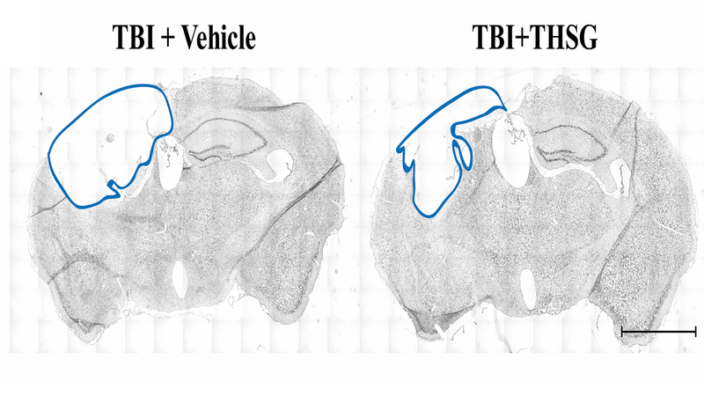
Some research has already revealed that antioxidants may prevent some of this damage [7]. Therefore, the researchers examined 2, 3, 5, 4’-tetrahydroxystilbene-2-O-beta-D-glucoside (THSG), which is derived from the Chinese herb Polygonum multiflorum and is known for its antioxidant properties.

THSG reverses the effects of glutamate

For their first experiment in this study, the researchers administered THSG to glial cells two hours before dosing them with glutamate. They found that 100 micromoles of THSG was the optimal dose; while it had no significant effect on cells that had not been dosed with glutamate, it dramatically increased the viability of cells that were. Higher doses did not help, and the 300-micromole dose appeared to show toxicity.

Similar results were found in cortical neurons. Interestingly, these cells performed better at a 200-micromole dose of THSG, and a 300-micromole dose did not show any toxicity at all..

The researchers then examined a mouse model of TBI, finding consistent results between their tests. Foot slipping on a balance beam test was significantly reduced, neurological severity score was significantly reduced, and testing with an underwater platform-finding task revealed significant amelioration in the THSG group. THSG had no significant effect on uninjured mice.

Perhaps most importantly, 21 days after injury, the THSG-treated mice were shown to recover from traumatic brain injury to a greater extent than the untreated group, both in the foot-slip balance beam test and in a physical examination.

A possibility of regeneration?

As their last experiment, the researchers tested for doublecortin, a protein that is associated with immature neurons and neuronal precursors and that has been shown to improve recovery in children suffering from TBI [8]. While this protein is enhanced after TBI, it was even further enhanced with administration of THSG in mice, suggesting that this compound enhances a natural repair process. Interestingly, THSG administration was shown to substantially enhance doublecortin expression even in uninjured animals.

Conclusion

The researchers conclude their study by highlighting the known roles of apoptosis in brain deterioration and suggesting that THSG be given at a dose of 60 mg/kg in subsequent research. While their focus is on immediate recovery after traumatic injury, it seems plausible that THSG’s effects on neurogenesis might make this compound valuable for spurring neurogenesis and improving memory to help ameliorate age-related diseases, and we look forward to research in this direction.

We would like to ask you a small favor. We are a non-profit foundation, and unlike some other organizations, we have no shareholders and no products to sell you. All our news and educational content is free for everyone to read, but it does mean that we rely on the help of people like you. Every contribution, no matter if it’s big or small, supports independent journalism and sustains our future.

Literature

[1] Corps, K. N., Roth, T. L., & McGavern, D. B. (2015). Inflammation and neuroprotection in traumatic brain injury. JAMA neurology, 72(3), 355-362.

[2] Smith, J. A., Park, S., Krause, J. S., & Banik, N. L. (2013). Oxidative stress, DNA damage, and the telomeric complex as therapeutic targets in acute neurodegeneration. Neurochemistry international, 62(5), 764-775.

[3] Guerriero, R. M., Giza, C. C., & Rotenberg, A. (2015). Glutamate and GABA imbalance following traumatic brain injury. Current neurology and neuroscience reports, 15(5), 1-11.

[4] Rothman, S. M. (1985). The neurotoxicity of excitatory amino acids is produced by passive chloride influx. Journal of Neuroscience, 5(6), 1483-1489.

[5] Tymianski, M., Charlton, M. P., Carlen, P. L., & Tator, C. H. (1993). Source specificity of early calcium neurotoxicity in cultured embryonic spinal neurons. Journal of Neuroscience, 13(5), 2085-2104.

[6] Matute, C., Domercq, M., & Sánchez-Gómez, M. V. (2006). Glutamate-mediated glial injury: mechanisms and clinical importance. Glia, 53(2), 212-224.

[7] Di Pietro, V., Yakoub, K. M., Caruso, G., Lazzarino, G., Signoretti, S., Barbey, A. K., … & Amorini, A. M. (2020). Antioxidant therapies in traumatic brain injury. Antioxidants, 9(3), 260.

[8] Chiaretti, A., Barone, G., Riccardi, R., Antonelli, A., Pezzotti, P., Genovese, O., … & Conti, G. (2009). NGF, DCX, and NSE upregulation correlates with severity and outcome of head trauma in children. Neurology, 72(7), 609-616.

Spinal disc

Intervertebral Disc Rejuvenation Using Yamanaka Factors

Partial cellular reprogramming using Yamanka factors has become increasingly prominent in the world of aging research. A new study suggests that transient exposure to the Yamanaka factors might be the solution to intervertebral disc degeneration [1].

Partial cellular reprogramming with Yamanaka factors

We have talked previously about Yamanaka factors and how exposure to them can roll back the biological clock in old cells. In a nutshell, Drs. Kazutoshi and Shinya Yamanaka showed that cells could be reprogrammed and made epigenetically younger with four master genes: Oct4, Sox2, Klf4, and c-Myc (OSKM).

During the reprogramming process, the gene expression profile that is typical of aged cells gets switched to a profile seen in younger cells. This means that the Yamanaka factors are essentially able to reverse cellular aging.

Later studies showed that it was also possible to reverse the age of cells in living animals, making them biologically younger. Now, the race is on to make this partial cellular reprogramming technology safe enough to bring to people. Yamanaka factors have the potential to rejuvenate aged tissues and organs and could transform how people age in the future.

Addressing intervertebral disc degeneration with rejuvenation

Lower back pain is closely associated with intervertebral disc degeneration (IDD). This is a condition in which the discs that separate the vertebrae, the bones of the spine, break down. This degeneration typically causes back or neck pain and can also lead to pain in the hands and legs. The condition is a leading cause of mobility loss globally and poses a significant societal burden.

The researchers in this new study demonstrated the potential of Yamanaka factors as a therapy for intervertebral disc degeneration. They tested short-term cyclic exposure to the Yamanaka factors in a mouse model of IDD. Their results showed that transient exposure over a number of treatments inhibited the progression of IDD by degenerative disc regeneration.

The study also looked at the nucleus pulposus, a jelly-like substance located in the center of the intervertebral disc. This substance distributes hydraulic pressure within each disc under compressive load and facilitates movement. Structurally, it consists of collagen fibrils, nucleus pulposus cells, and a hydrated gel structure called proteoglycan aggrecans that gives the cartilage a load-bearing capability.

Partial cellular reprogramming appeared to prevent age-related characteristics in the aging nucleus pulposus cells. It achieved this by increasing the expression of hexokinase 2 (HK2) which, in turn, activates energy metabolism and promotes the redistribution of the cytoskeleton into a more youthful form.

The cytoskeleton is a structure that helps cells maintain their shape and internal organization. It is also critical for supporting mechanical functions for the cell such as division and movement. The reprogrammed cells showed the characteristics of young cells including cell size reduction and thickening with a decrease in size of the nucleus and nucleoli.

There was also a reduction of various signals typically associated with senescent cells, another reason we age.

Abstract

Rejuvenation of nucleus pulposus cells (NPCs) in degenerative discs can reverse intervertebral disc degeneration (IDD). Partial reprogramming is used to rejuvenate aging cells and ameliorate progression of aging tissue to avoiding formation of tumors by classical reprogramming. Understanding the effects and potential mechanisms of partial reprogramming in degenerative discs provides insights for development of new therapies for IDD treatment. The findings of the present study show that partial reprogramming through short-term cyclic expression of Oct-3/4, Sox2, Klf4, and c-Myc (OSKM) inhibits progression of IDD, and significantly reduces senescence related phenotypes in aging NPCs. Mechanistically, short-term induction of OSKM in aging NPCs activates energy metabolism as a “energy switch” by upregulating expression of Hexokinase 2 (HK2) ultimately promoting redistribution of cytoskeleton and restoring the aging state in aging NPCs. These findings indicate that partial reprogramming through short-term induction of OSKM has high therapeutic potential in the treatment of IDD.

Conclusion 

Taken together, this research shows that transient exposure to the Yamanaka factors is able to induce the rejuvenation of aged cells. This opens the door for the development of therapies that reverse cellular aging to treat conditions such as IDD and potentially many more.

There has been a large amount of enthusiasm for using Yamanaka factors to rejuvenate aging organs and tissues, and considerable funding has arrived to develop it in recent months. For example, Altos Labs recently announced that it is developing rejuvenation therapies using partial cellular reprogramming to the tune of $3 billion in funding.

Given the likely role of epigenetic alterations in aging, partial cellular reprogramming has great potential to combat age-related diseases and even how we actually age. While it is likely to be a decade or two before this technology reaches mainstream medical use, it has the potential to be truly transformative.

We would like to ask you a small favor. We are a non-profit foundation, and unlike some other organizations, we have no shareholders and no products to sell you. All our news and educational content is free for everyone to read, but it does mean that we rely on the help of people like you. Every contribution, no matter if it’s big or small, supports independent journalism and sustains our future.

Literature

[1] Cheng, F., Wang, C., Ji, Y., Yang, B., Shu, J., Shi, K., Wang, L., Wang, S., Zhang, Y., Huang, X., Zhou, X., Xia, K., Liang, C., Chen, Q., & Li, F. (2022). Partial reprogramming strategy for intervertebral disc rejuvenation by activating energy switch. Aging cell, e13577. Advance online publication. https://doi.org/10.1111/acel.13577

Ramadan Fasting

Fasting During Ramadan and Acute Kidney Injury Incidence

A cohort study that was published in BioMed Central by Dr. Alsayyari and colleagues examined fasting on acute kidney injury incidence [1].

Background

Fasting during the month of Ramandan is a obligation in Islam with exceptions, such as for chronic illness that has a poor prognosis or is uncontrolled [2]. Our prior articles discuss the health benefits of intermittent fasting during Ramadan and how it can alter gut bacteria.

The data in this retrospective study was derived from emergency room patients at King Abdulaziz Medical City during Ramadan (fasting cohort) and the following month (non-fasting cohort) in 2016 and 2017. Each 499-patient cohort had stable baseline serum creatinine and did not have an end-stage kidney disease. Their baseline characteristics did not significantly differ, except for medications. Acute kidney injury (AKI) was diagnosed through serum creatinine and urine output, and the researchers used the Charlson Comorbidity Index (CCI) to categorize comorbidities of patients based on International Classification of Diseases (ICD) diagnosis codes [3].

Incidence of acute kidney injury was higher in the non-fasting group

The non-fasting group had AKI at a rate of 20.4%, compared to 13.4% for the fasting cohort. After adjusting for other important factors, the patients who were fasting had a 35% lower chance of AKI than the non-fasting patients. Specifically, the non-fasting group took significantly more medications that are considered to be damaging to the kidneys.

After controlling for the effect of fasting on the other variables in their statistical model, patients who had a CCI score greater than 4 and who were 60 years old and above had a higher risk of AKI than those with a CCI score less than 4 and younger than 60 years old. However, when they adjusted the model for all effects, this significant difference was no longer found.

Some comorbid conditions were improved with fasting

32.7% of the non-fasting group but only 21.7% of the fasting group had hypertension. Dyslipidemia, cardiomyopathy, ischemic heart disease, and diabetes incidence were similarly affected. The most pronounced differences involved liver cirrhosis (66.6% non-fasting vs. 30% fasting), chronic kidney disease (53.6% non-fasting vs. 36.4% fasting), and heart failure (45.8% non-fasting vs. 17.2% fasting). However, in hypothyroidism patients, the fasting cohort had a higher percentage who developed AKI (26.6% non-fasting vs. 36.8% fasting).

Hypertension, history of AKI, diabetes mellitus, dyslipidemia, a variety of heart conditions, hypothyroidism, and cirrhosis were all significant predictors of the occurrence of AKI in the researchers’ first analysis. When they controlled for the effect of all other variables in a stricter analysis, hypertension, liver cirrhosis, and a history of AKI were the only comorbid conditions that remained significant in predicting the occurrence of AKI. Additionally, non-fasting patients with a history of AKI were twice as likely to have another AKI than similar patients in the fasting group.

22.4% of the fasting group and 19% of the non-fasting group had a baseline serum fasting creatinine of under 60 micromoles per liter (µmol/L), which is associated with a lower chance of AKI. In this study, the use of kidney-damaging medicines was not associated with an increased risk of developing AKI.

Conclusion

This retrospective study had intrinsic limitations. Determining patient adherence to kidney-damaging medication was not possible, and this study was only conducted at a single center during a single chart review. There was also no washout period, and some patients may have developed AKI after the initial emergency room admission. However, if there was a washout period, it would have been limited to the first seven days of the following month. The researchers do not think that these limitations confounded their results, and they conclude with:

The results of this study showed a significant reduction in the incidence of AKI in the fasting cohort of patients as compared with a matched cohort of nonfasting individuals. Moreover, patients with additional risk factors for AKI were at lower risk of developing AKI in the fasting cohort than in nonfasting cohort. Thus, patients with an increased risk of AKI would not be harmed from fasting during Ramadan. Moreover, the benefit of fasting for patients with predisposing risk factors for AKI can be considered a nonpharmacologic intervention. Lastly, to have a better understanding for the effect of fasting on the risk of AKI in patients with comorbidities, large prospective studies are needed to confirm the findings of this study.

We would like to ask you a small favor. We are a non-profit foundation, and unlike some other organizations, we have no shareholders and no products to sell you. All our news and educational content is free for everyone to read, but it does mean that we rely on the help of people like you. Every contribution, no matter if it’s big or small, supports independent journalism and sustains our future.

Literature

[1] AlAbdan, N. A., Almohammed, O. A., Altukhaim, M. S., Farooqui, M. A., Abdalla, M. I., Al Otaibi, H. Q., Alshuraym, N. R., Alghusun, S. N., Alotaibi, L. H., & Alsayyari, A. A. (2022). Fasting during Ramadan and acute kidney injury (AKI): a retrospective, propensity matched cohort study. BMC nephrology, 23(1), 54. https://doi.org/10.1186/s12882-022-02674-1

[2] Grindrod, K., & Alsabbagh, W. (2017). Managing medications during Ramadan fasting. Canadian pharmacists journal : CPJ = Revue des pharmaciens du Canada : RPC, 150(3), 146–149. https://doi.org/10.1177/1715163517700840

[3] Charlson, M. E., Pompei, P., Ales, K. L., & MacKenzie, C. R. (1987). A new method of classifying prognostic comorbidity in longitudinal studies: development and validation. Journal of chronic diseases, 40(5), 373–383. https://doi.org/10.1016/0021-9681(87)90171-8

Cat and mouse

Glutathione Extends Lifespan in Mice by 24%

In a study conducted by scientists from Baylor College of Medicine in Houston, supplementation of glutathione had a drastic effect on the lifespan of wild-type mice, both male and female [1].

Dangerous species

Oxidative stress happens when the delicate balance between the production and degradation of reactive oxygen species (ROS) is lost. This can be caused by various stressors, such as UV radiation, but also by aging.

ROS are byproducts of normal oxygen metabolism, which, like many chemical processes, is indispensable for life but also produces toxic waste (although ROS also plays some beneficial roles) [2]. The body has robust anti-ROS protections in place, which is why ROS levels in cells are low and stable in youth. Alas, all our defense mechanisms slowly decay with time, which can be considered the essence of aging.

ROS accumulation is not considered a hallmark of aging, but it deeply affects other hallmarks, such as mitochondrial dysfunction and genomic instability, because accumulated ROS interfere with chemical processes all over the body.

Glutathione (GSH) is the most abundant intracellular antioxidant, the backbone of natural defenses against ROS. It is a tripeptide composed of glycine, cysteine, and glutamic acid. GSH levels decline with age, so supplementing it could plausibly affect other processes of aging.

This can be achieved with GlyNAC, a combination of two GSH precursors, glycine and N-acetylcystein. GlyNAC has already been an object of several studies. The same group that is behind this new paper has previously shown that continuous GlyNAC supplementation alleviates mitochondrial dysfunction and improves mitophagy (degradation of dysfunctional mitochondria), nutrient sensing, and genome stability in humans [3]. It also reverses premature aging in people with HIV [4].

Why would the group move from human to mouse trials? As the authors explain, humans are so long-lived that it makes studying any intervention’s direct effect on lifespan virtually impossible. To be able to do this, you need species with a much shorter lifespan, such as mice.

Best-in-class results

The researchers ran two studies simultaneously, one dedicated solely to determining the effect of GlyNAC on lifespan and the second one on various other parameters. Importantly, the scientists used wild-type mice, rather than mice genetically engineered for accelerated aging. The 32 mice in this study were equally divided between the study group and the control group. At the age of 65 weeks, which is mid-life by mouse standards, 8 males and 8 females started receiving GlyNAC with food. Supplementation continued until the mice died of age-related diseases. This study is slightly larger than other influential “proof of concept” studies, which are typically conducted on about a dozen mice.

Mice on GlyNAC lived, on average, 24% longer than the controls: 129 vs. 104 weeks. This rivals some of the best life extension results ever achieved in mice. Importantly, the effect was equally strong in males and females, contrary to some other promising geroprotective compounds that are sex-specific. The graph shows an unmistakable shift in the survival curve:

Glynac

Bring them all back!

The second study analyzed the effect of GlyNAC supplementation on GSH levels, oxidative stress, mitochondrial dysfunction, mitophagy, nutrient sensing, and genomic damage in the hearts, livers, and kidneys of old mice.

First, it found what we already knew: GSH concentration in the old animals was 65% to 72% lower. GlyNAC supplementation was able to bring GSH levels back to normal. GSH synthesis, substantially slowed by age, also bounced back as a result of GlyNAC supplementation.

Levels of TBARS, an oxidative stress marker, were around twice as high in old untreated mice than young mice. Here again, GlyNAC did wonders, bringing TBARS back to almost youthful levels.

In all the other key areas, mitochondrial function, mitophagy, nutrient sensing (measured by SIRT3 levels), and genomic stability (measured by phosphorylated histone protein H2AX), the results were equally impressive: the markers bounced back almost to the levels observed in young mice. Such wall-to-wall positive results are rarely seen in a study.

Conclusion

This study might put glutathione on the list of the most promising life-extending molecules. GSH is known to be safe and is already marketed as a supplement, although more research is needed to confirm its efficacy in humans. The results of this study probably warrant GSH inclusion in the ITP program, which tests various potentially life-prolonging compounds in mice in three different institutions, providing an especially robust testing environment. It would also be interesting to see the results of combining GlyNAC with other known life-prolonging interventions such as caloric restriction.

We would like to ask you a small favor. We are a non-profit foundation, and unlike some other organizations, we have no shareholders and no products to sell you. All our news and educational content is free for everyone to read, but it does mean that we rely on the help of people like you. Every contribution, no matter if it’s big or small, supports independent journalism and sustains our future.

Literature

[1] Kumar, P., Osahon, O. W., & Sekhar, R. V. (2022). GlyNAC (Glycine and N-Acetylcysteine) Supplementation in Mice Increases Length of Life by Correcting Glutathione Deficiency, Oxidative Stress, Mitochondrial Dysfunction, Abnormalities in Mitophagy and Nutrient Sensing, and Genomic Damage. Nutrients, 14(5), 1114.

[2] Santos, A. L., Sinha, S., & Lindner, A. B. (2018). The good, the bad, and the ugly of ROS: new insights on aging and aging-related diseases from eukaryotic and prokaryotic model organisms. Oxidative medicine and cellular longevity2018.

[3] Kumar, P., Liu, C., Hsu, J. W., Chacko, S., Minard, C., Jahoor, F., & Sekhar, R. V. (2021). Glycine and N-acetylcysteine (GlyNAC) supplementation in older adults improves glutathione deficiency, oxidative stress, mitochondrial dysfunction, inflammation, insulin resistance, endothelial dysfunction, genotoxicity, muscle strength, and cognition: Results of a pilot clinical trial. Clinical and translational medicine11(3), e372.

[4] Kumar, P., Liu, C., Suliburk, J. W., Minard, C. G., Muthupillai, R., Chacko, S., … & Sekhar, R. V. (2020). Supplementing glycine and N-acetylcysteine (GlyNAC) in aging HIV patients improves oxidative stress, mitochondrial dysfunction, inflammation, endothelial dysfunction, insulin resistance, genotoxicity, strength, and cognition: results of an open-label clinical trial. Biomedicines8(10), 390.

Champions of Coronavirus

Fighting COVID-19 by Counteracting Aging

A research paper that has just been peer reviewed and published in Nature has described how disrupting an immune pathway that is upregulated in aging decreases the lethality of COVID-19 in a mouse model.

Mice with COVID-19

As the researchers explain, normal mice do not use the same angiotensin converting enzyme 2 (ACE2) as humans, which makes them naturally resistant to SARS-CoV-2, the virus that causes COVID-19 [1]. Therefore, to develop a mouse model of the disease, the researchers had to choose between two options: they could use gene editing or similar techniques to cause the mice to express the human version of ACE2, or they could alter the virus to infect mice.

The researchers chose the latter option. After making one small mutation to the virus’ genome, they were able to infect mice, and repeatedly passaging the virus through mouse lungs caused it to mutate further towards greater virulence and lethality in mice. This is not the first lab to mutate SARS-CoV-2 for mouse research, and the mutations that occurred in this virus were similar to those found in previous research [2].

Two days after infection, the virus was found in all the organs in the body, but in four days, it was found only in the lungs and heart. Interestingly, while it did not kill young C57BL/6 (Black 6) mice, the most common mouse strain used in research, it killed many young BALB/c albino mice, along with middle-aged Black 6 mice, approximately a week after infection.

A pathway enhanced with aging

Previous research had found that a specific prostaglandin pathway, which increases susceptibility to the original SARS virus, was increased with age [3]. It involves prostaglandin D2 (PGD2), a phospholipase known as PLA2G2D, and PTGDR, a PGD2 receptor. This pathway is known to be upregulated by oxidative stress and inflammaging, the increased inflammation associated with age.

This pathway is critical to SARS-CoV-2 infection as well. Testing on middle-aged Black 6 mice, the researchers infected 9 mice that did not express PTGDR, 9 other mice that did not express PLA2G2D, and a control group of 8 wild-type mice. Five of the PTGDR-negative mice perished a week after infection, all of the wild-type mice perished within 8 days, and every single one of the PLA2G2D-negative mice survived the disease.

The researchers attempted to interfere with this pathway by administering indomethacin, a non-steroidal anti-inflammatory drug. However, this approach was found to be ineffective.

Therefore, they turned to aspiprant, a drug that is known to specifically target the PGD2 pathway in humans. Beginning to administer the drug two days after infection and continuing for six days, they found that it was nearly miraculous in their mouse model. While the murine version of SARS-CoV-2 killed all of the ten control mice, only a single one of the dozen treated mice died. This made the survival rate of middle-aged Black 6 mice very similar to that of young mice.

Additionally, aspiprant reduced lung fluids, better preserved body weight, and partially prevented abnormal lung thickening.

Conclusion

Unlike other recently published murine research, this approach is already being explored in a Phase 2 human trial, as asapiprant has already been thoroughly tested for safety in trials for allergic rhinitis. Five of the authors of this paper are employees of BIOAGE Labs, the company conducting this human trial. If it proves successful, this approach will demonstrate that counteracting pathways that are upregulated in aging is a viable approach towards fighting infectious disease.

We would like to ask you a small favor. We are a non-profit foundation, and unlike some other organizations, we have no shareholders and no products to sell you. All our news and educational content is free for everyone to read, but it does mean that we rely on the help of people like you. Every contribution, no matter if it’s big or small, supports independent journalism and sustains our future.

Literature

[1] Wan, Y., Shang, J., Graham, R., Baric, R. S., & Li, F. (2020). Receptor recognition by the novel coronavirus from Wuhan: an analysis based on decade-long structural studies of SARS coronavirus. Journal of virology, 94(7), e00127-20.

[2] Leist, S. R., Dinnon III, K. H., Schäfer, A., Longping, V. T., Okuda, K., Hou, Y. J., … & Baric, R. S. (2020). A mouse-adapted SARS-CoV-2 induces acute lung injury and mortality in standard laboratory mice. Cell, 183(4), 1070-1085.

[3] Vijay, R., Hua, X., Meyerholz, D. K., Miki, Y., Yamamoto, K., Gelb, M., … & Perlman, S. (2015). Critical role of phospholipase A2 group IID in age-related susceptibility to severe acute respiratory syndrome–CoV infection. Journal of Experimental Medicine, 212(11), 1851-1868.

Aaron Cravens

Kizoo and Revel Announce $8.4 Million Seed Round

Revel Pharmaceuticals, a holding of Kizoo Technology Capital, has announced that it is seeking $8.4 million dollars in investment funding in order to develop its enzyme-based approach towards ending age-related diseases. The full press release is included below.

Kizoo Portfolio Company Revel Pharmaceuticals Announces $8.4M Seed to Develop Repairing Based Approaches to Reversing Aging

Led by Kizoo Technology Capital, the Seed round will be used to advance Revel Pharmaceuticals’ enzyme therapy pipeline towards the clinic.

San Francisco, CA, U.S., March 17, 2022 – Revel Pharmaceuticals, a longevity therapeutics company developing enzymes to repair damage from aging, announced today that it has raised $8.4M in Seed financing. The oversubscribed round was led by Kizoo Technology Capital, a leading early-stage investor in breakthrough rejuvenation technologies, and Starbloom Capital with participation from Tubus LLC. The funds will support Revel as it advances its repair-based enzyme therapy pipeline towards the clinic.

Today, enzymes are applied therapeutically in only a handful of applications, including for lysosomal storage disorders (Cerezyme), cancer (Asparaginase), and cystic fibrosis (DNase). Revel Pharmaceuticals is reimagining how enzymes can be used as therapeutics by developing repair-based approaches to aging and disease.

One root cause of aging are the toxic chemical byproducts of metabolism that build up on the long-lived collagen proteins giving our bodies structure. These toxic byproducts build up in the body over time, driving inflammation, stiffening tissues, and leading to increased systolic blood pressure, kidney damage, and increased risk of stroke and death. Revel is developing designer enzymes to precisely remove and repair this damage from aging.

“Revel’s enzyme discovery and engineering platform leverages nature’s chemical toolkit – enzymes – to repair collagen”, said Dr. Aaron Cravens, cofounder and CEO at Revel. “Collagen is the infrastructure of our bodies, supporting cellular function and health. Applying enzymes to repair decades of damage to this infrastructure is a logical way to go about reversing age related disease. With this funding, we are equipped to drive our therapeutic pipeline towards the clinical and ultimately help patients.”

“Revel is leading innovation in repair-based approaches to aging”, says Patrick Burgermeister, Partner at Kizoo Technology Capital and board member of Revel Pharmaceuticals. “We are thrilled to lead this round and continue supporting the expansion of Revel’s pipeline of enzymatic-repair and crosslink-breakers. The enzyme therapies being developed at Revel will reverse aspects of aging by repairing damage that accumulates as we age.”

About KIZOO

Kizoo provides seed and follow-on financing with a focus on rejuvenation biotech. Having been entrepreneurs, VC, and mentors in both high-growth tech and biotech companies for many years – with multiple exits and massive value created for the founders – Kizoo now brings this experience to the emerging field of rejuvenation biotech. We see it as a young industry that will eventually outgrow today’s largest technology markets.

As part of Michael Greve’s Forever Healthy Group, Kizoo directly supports the creation of startups turning research on the root causes of aging into therapies and services for human application. Investments include Cellvie, Underdog, Revel Pharmaceuticals, Elastrin Therapeutics, and others.

Forever Healthy’s other initiatives include the evaluation of new rejuvenation therapies, evidenced-based curation of the world’s cutting-edge medical knowledge, funding research projects on the root causes of aging, and hosting the annual Undoing Aging Conference.

For more information, please visit: www.kizoo.com and www.forever-healthy.org.

About Revel Pharmaceuticals

Revel Pharmaceuticals is a biotechnology company located in San Francisco, CA. with a technology platform based on the work of Yale Professors David Spiegel and Jason Crawford. We are commercializing therapeutic designer enzymes to degrade molecular damage that accumulates with aging. By addressing one of the hallmarks of aging, Revel is strategically positioned to develop therapeutics for multiple diseases of aging including osteoarthritis, kidney disease, cardiovascular disease, skin aging, and complications of diabetes.

For more information, please visit: www.revelpharmaceuticals.com.

Media Contact for Kizoo:

Frank Schueler

Managing Director

Kizoo Technology Capital

fs@kizoo.com

Media Contact for Revel Pharmaceuticals:

Revel Pharmaceuticals

press@revelpharmaceuticals.com

Elderly and dog

Dog Ownership Lowers Risk of Disability in Old Age

In a new population study, scientists show that dog ownership is associated with a lower risk of developing disability in old age, though it does not affect all-cause mortality [1].

1500+ dogs, and some cats too

What can be more stereotypical than an old lady with a cat or an old gentleman with a dog? In a new study, scientists collected data from more than 11,000 elderly (65+) Japanese to try and understand how owning a dog or a cat affects a person’s risk of disability and overall mortality.

All participants were physically and cognitively independent at baseline. A questionnaire was issued to ascertain overall health, physical activity, income, household size, marital status, alcohol and tobacco consumption, eating habits, and many other variables. The follow-up period was 3.5 years on average. Participants were also asked whether they have ever owned a dog or a cat or currently own one.

Of the 11,000 participants, fewer than 14% of them (1545 people) were current dog or cat owners, with dog ownership being a bit more widespread (8.6% vs 6.3% for cat owners). Japanese dog or cat owners are disproportionally female, married or living with a partner, have higher than average education and income, are slightly healthier and more physically and socially active, and, interestingly, are also more likely to be drinkers and smokers.

Dogs have the upper paw

After adjusting for sociodemographic variables and health, the researchers saw that current, but not past, dog ownership cut the risk of developing a disability during the follow-up period almost in half. In a blow to cat lovers, cat ownership showed no such correlation.

While physical activity is obviously increased by dog ownership, this variable was controlled for. It did not explain the correlation between dog ownership and disability risk, but it was shown to enhance the effect: people who were both current dog owners and physically active were the ones most protected from the onset of disability.

If dog ownership lowers the risk of disability via other means than physical activity, it begs the question as to why cat ownership doesn’t seem to work that way. The study is also silent about people who own both dogs and cats.

Population studies at their best and worst

The strengths and weaknesses of population studies are on display here. On one hand, such studies allow us to analyze factors that cannot be rigorously tested in a clinical setting. On the other, they are rarely enough to establish causal relationships, and there’s always a chance that variables not accounted for will skew the results. Hence, population studies can be all over the place. For instance, several previous studies did find a negative correlation between dog ownership and all-cause mortality [2], but another comprehensive study did not [3], and neither did this study.

Even when carefully controlling for variables, researchers can get some relationships wrong. For example, older people who decide to get dogs might be slightly healthier and more active. This might not be enough to be reflected in the questionnaire but could be enough to influence their chances to develop disability in the years to come.

As the authors themselves note, a lot of additional research is needed to fully elucidate this pressing question: does owning pets make us age slower and stay healthy for longer? Despite all the ambiguities and limitations, the study seems to support the conventional wisdom: when you own a dog, you exercise more, enjoy more social contact, such as with fellow dog owners, and benefit from the love and affection that these animals are renowned for.

Conclusion

Population studies are an important, if blunt, instrument for finding factors that affect aging, and this particular study is refreshing and informative, despite the usual caveats. In the absence of approved rejuvenating medical treatments, we only have lifestyle changes to potentially slow. Exercise and healthy diet, obviously, receive most of the attention, but dog ownership, for people who are able to take proper care of their animals, also appears to be a good idea.

We would like to ask you a small favor. We are a non-profit foundation, and unlike some other organizations, we have no shareholders and no products to sell you. All our news and educational content is free for everyone to read, but it does mean that we rely on the help of people like you. Every contribution, no matter if it’s big or small, supports independent journalism and sustains our future.

Literature

[1] Taniguchi, Y., Seino, S., Headey, B., Hata, T., Ikeuchi, T., Abe, T., … & Kitamura, A. (2022). Evidence that dog ownership protects against the onset of disability in an older community-dwelling Japanese population. PLoS one, 17(2), e0263791.

[2] Mubanga, M., Byberg, L., Nowak, C., Egenvall, A., Magnusson, P. K., Ingelsson, E., & Fall, T. (2017). Dog ownership and the risk of cardiovascular disease and death–a nationwide cohort study. Scientific reports, 7(1), 1-9.

[3] Headey, B., & Grabka, M. M. (2007). Pets and human health in Germany and Australia: National longitudinal results. Social Indicators Research, 80(2), 297-311.

Elderly professor

The Growing Increase in Cognitive Reserve

A study published in Brain Sciences has shown that mild cognitive impairment is less than half as common now as it was twenty years ago.

Two cohorts, one study

This study used data from the Interdisciplinary Longitudinal Study of Adult Development and Aging (ILSE), which began in 1992. It featured a thousand people: 500 born between 1930 and 1932 (C30), and another 502 born between 1950 and 1952 (C50).

These two cohorts were examined at four different times: T1 in 1993-1996, T2 in 1997-2000, T3 at 2005-2008, and T4 at 2014-2016. The researchers chose to compare the C30 T2 data against the C50 T4 data, as the researchers wanted to protect against the effects of repeated examinations.

Before each part of the study could begin, participants were excluded if they had diminished mental faculties, and one of the reasons was age-associated cognitive decline (AACD). 23.6 participants in the C30 cohort were excluded from T2 due to AACD, while only 9.7% of the C50 participants were excluded from T4. The C50 T4 cohort was only, on average, three years older than the C30 T2 cohort and had an average of a year more education.

Education makes a big difference

Education was found to be substantially and very significantly correlated with concentration, visual and spatial thinking, verbal fluency, executive functioning, and abstract thinking, and it also had a significant effect on word memorization.

The measured increase of intelligence over time is known as the Flynn effect, which has been confirmed in multiple studies, as another meta-analysis has shown [1]. Other previous research has shown that education increases brain capacity in such a way that the effects of cognitive decline are less pronounced [2]. This concept is known as cognitive reserve, and the researchers of this study concur that it is responsible for the decrease in cognitive decline.

Education did not account for all of the effects, however. Even after correcting for education, the C50 cohort scored higher on word memorization and the mosaic test than the C30 cohort did.

Conclusion

While this is extremely good and very welcome news, the researchers did not have a detailed explanation as to why factors other than education affected these results. Possible explanations include environmental poisons such as lead along with social effects, changes to the tests, and selection biases in the data.

This research highlights the importance of maintaining brain use and brain health. People who took care of, and built up, their brains at younger ages were able to keep them healthy and functional in older ages. Hopefully, we will soon discover ways to restore brain health, bringing back lost neurons and allowing older people to more easily learn new skills.

We would like to ask you a small favor. We are a non-profit foundation, and unlike some other organizations, we have no shareholders and no products to sell you. All our news and educational content is free for everyone to read, but it does mean that we rely on the help of people like you. Every contribution, no matter if it’s big or small, supports independent journalism and sustains our future.

Literature

[1] Pietschnig, J., & Voracek, M. (2015). One century of global IQ gains: A formal meta-analysis of the Flynn effect (1909–2013). Perspectives on Psychological Science, 10(3), 282-306.

[2] Sattler, C., Toro, P., Schönknecht, P., & Schröder, J. (2012). Cognitive activity, education and socioeconomic status as preventive factors for mild cognitive impairment and Alzheimer’s disease. Psychiatry research, 196(1), 90-95.

Microglia

Microglia Depletion Decreases Neuroinflammation in Mice

Scientists show that when done right, partial elimination of microglia, the immune cells of the brain, lowers age-related inflammation and cellular senescence [1].

Aging makes microglia bitter

Brain health is of utmost importance for geroscientists, since the brain is the one organ that cannot be replaced, and microglia are the brain’s resident immune cells. Reacting to pathogens and injuries, microglia get activated and drive an inflammatory response. Yet, in the brain, just as elsewhere in the body, this immune response becomes dysregulated with age, leading to the constant low-grade inflammation known as inflammaging, a key feature of many age-related diseases. Brain inflammaging has been linked to neurodegeneration, including Alzheimer’s disease [2]. Some microglia also become senescent and, as a result, toxic.

If you can’t fix them, kill them

To counter these detrimental effects, scientists have been experimenting with microglia depletion or blocking microglia function using genetic and pharmacological tools [3].

In this new paper, the researchers studied partial pharmacological microglia depletion in young and old mice using various doses of the microglia-killing drug PLX5622.

First, they analyzed the amount of microglia in the brain. An interesting early finding was that old mice had more microglia than the young ones. Treatment with PLX5622 eliminated microglia in a dose-dependent manner, with the smaller dose (300 mg/kg) reducing the overall number of microglia by 30-40% and the higher dose (1200 mg/kg) by 70-80%. However, more is not always better. Though there were more microglia in the old mice, a higher percentage of their microglia succumbed to the drug, which partially closed the gap.

Inflammation and senescence

The researchers wanted to know how depletion of microglia affects inflammation. To begin with, they found that several pro-inflammatory markers were substantially upregulated in old, untreated mice compared to young mice, which makes sense in light of the age-related chronic inflammation.

In young mice, the depletion of microglia did not lead to significant changes in the expression of inflammation markers, indicating that young microglia are mostly quiescent and do not contribute to inflammation. Conversely, in aged mice, the treatment substantially reduced the levels of inflammation-related markers.

Interestingly, the levels of the pro-inflammatory cytokine IL-1ß were significantly reduced only by the low dose and not by the high dose of the treatment.

Additional tests showed a five-fold increase in the senescence marker p16Ink4a in the brains of old untreated mice compared to young mice, confirming that old brains contain more senescent cells. In young mice, the treatment did not decrease the marker levels; here, again, the young microglia were found to be benign, with no signs of age-related senescence.

The low-dose treatment led to a significant decrease in p16Ink4a expression compared to the untreated group. Yet, similarly to the IL-1ß case, p16Ink4a levels in the high-dose group were much higher than in the low-dose group, though not as high as in the untreated controls.

Decimate, don’t eliminate

Additional investigation led the researchers to conclude that the high-dose treatment has an ambiguous effect on inflammation and senescence: the mass death of microglia probably leads to the overactivation of the remaining ones and also of astrocytes, another type of brain cell. The authors suggest that the diseased cells leave a lot of cellular debris that the remaining ones have to deal with.

Previous research supports the notion that although killing microglia is a promising therapeutic strategy, it should be exercised with caution: while partial depletion has been shown to improve cognition in a mouse model of Alzheimer’s [4], other studies have found that complete genetic depletion of the microglial population can cause a cytokine storm and worsen cognitive dysfunction [5].

The researchers conclude that low-dose partial pharmacological depletion of microglia is the way to go, as higher doses trigger unacceptable side effects. Another reason to choose the more balanced approach is because of the similarity of microglia to some other immune cells. As a result, the researchers argue, complete depletion of microglia in vivo could compromise immune function.

Conclusion

Age-related microglial activation is a known problem that currently has no solution. Modulating the very number of microglia in vivo is a bold idea that deserves serious consideration. As this research shows, even a modest decrease in microglial numbers can substantially reduce inflammation and senescence in the brain, while complete depletion probably does more harm than good.

We would like to ask you a small favor. We are a non-profit foundation, and unlike some other organizations, we have no shareholders and no products to sell you. All our news and educational content is free for everyone to read, but it does mean that we rely on the help of people like you. Every contribution, no matter if it’s big or small, supports independent journalism and sustains our future.

Literature

[1] Stojiljkovic, M. R., Schmeer, C., & Witte, O. W. (2022). Pharmacological depletion of microglia leads to a dose-dependent reduction in inflammation and senescence in the aged murine brain. Neuroscience.

[2] Giunta, B., Fernandez, F., Nikolic, W. V., Obregon, D., Rrapo, E., Town, T., & Tan, J. (2008). Inflammaging as a prodrome to Alzheimer’s disease. Journal of neuroinflammation5(1), 1-15.

[3] Coleman, L. G., Zou, J., & Crews, F. T. (2020). Microglial depletion and repopulation in brain slice culture normalizes sensitized proinflammatory signaling. Journal of neuroinflammation17(1), 1-20.

[4] Spangenberg, E. E., Lee, R. J., Najafi, A. R., Rice, R. A., Elmore, M. R., Blurton-Jones, M., … & Green, K. N. (2016). Eliminating microglia in Alzheimer’s mice prevents neuronal loss without modulating amyloid-ß pathology. Brain139(4), 1265-1281.

[5] Parkhurst, C. N., Yang, G., Ninan, I., Savas, J. N., Yates III, J. R., Lafaille, J. J., … & Gan, W. B. (2013). Microglia promote learning-dependent synapse formation through brain-derived neurotrophic factor. Cell155(7), 1596-1609.

Clinical trial

Clinical Trials Targeting Aging

A miniature review of clinical trials targeting aging was published in Frontiers in Aging by Dr. Morten Scheibye-Knudsen and colleagues [1]. This review specifically focuses on interventions that have shown strong clinical evidence that they impact aging.

Caloric restriction

We have previously discussed the effects of caloric restriction (CR) in reducing immunosenescence, improving DNA repair, and improving stem cell function in animal and cell studies. A couple of human studies have shown that CR reduces blood pressure, blood glucose levels, body weight, and resting metabolic rate [2,3]. Additionally, the Washington University CALERIE trial, a one-year study of 48 middle-aged overweight individuals, showed that caloric restriction improved insulin sensitivity and decreased fasting insulin; however, inflammation was not changed, as indicated by stable TNFa during caloric restriction [4]. In this same study, the CR group also had reduced levels of thyroid hormones T3 and T4. The review goes on to express other positive effects that caloric restriction has on metabolism and decreased inflammation.

Caloric restriction has also been shown to decrease unfavorable blood lipids and increase favorable lipids, reduce blood pressure and a decrease in C-reactive protein, an inflammation marker [5,6]. One study that further explored inflammation showed that specific inflammation markers were only impacted when IL-6 changes were significant [7].

Adiponectin, an important regulator of metabolism, was significantly increased in one study. Additionally, resting metabolic rate was decreased in all intervention groups but not in the control group [8]. Additional studies showed a 6% greater decrease in metabolic rate in CR invention groups compared to controls [3,9]. Regardless of the glycemic load of the CR diet, similar changes were seen in biomarkers of oxidative stress [10].

A recent trial showed that caloric restriction impacted healthspan but not the pace of aging [11]. The authors of this review mention that though results are promising within clinical settings, the evidence to show that these interventions work outside such settings is weak.

NAD+ supplements

We have previously published an article about NAD and its role in metabolism. Research suggests that NAD+ decreases with age and may be due to age-associated mitochondrial dysfunction [12]. NAD+ levels can be increased by consuming the biochemical precursors nicotinamide riboside (NR) and nicotinamide mononucleotide (NMN) [13]. Murine research has shown that these precursors improve physiological parameters and extend life [14,15].

A study in aged adult humans has shown that a combination of 250 mg and/or 500 mg NR and 50 mg and/or 100 mg pterostilbene increased blood NAD+ levels in the intervention groups in a dose-dependent manner. These supplements also improved liver enzyme biomarkers and decreased blood pressure; however, it could not be determined if it was pterostilbene, NR, or both that caused these benefits [16]. However, a study using 1000 and 200 mg doses of this combination, given two weeks prior to the injury, did not result in improved muscle injury recovery [17].

A 30-person study that examined kidney function, lipid profile, liver enzymes, hematology, and other biomarkers showed no difference between NR supplementation and placebo at 1000 mg for six weeks [18]. In a 12-person study, similar results were found in a 21-day trial [19]. This study also examined venous blood, urine, and skeletal muscle, showing significantly increased NAD+ levels, nicotinic acid adenine dinucleotide (NAAD), and NMN. This mini review goes on to explain other studies that show positive and negative results regarding NR.

A human study in 2018 showed no significant improvments in insulin sensitivity or other health parameters measured in a 12-week study of 2000 mg NR per day in 40 obese, insulin-resistant, sedentary men [20]. 1000 mg/day NR for 12 weeks also produced no significant changes in insulin resistance [21].

The authors note that research on the dosage of NAD+ increasing molecules in human studies is still in its early stages. They recommend longer and larger trials to further investigate the potential benefits of NAD+ increasing therapeutics.

Senolytics 

Cellular senescence is one of the hallmarks of aging. A study in 14 patients with fibrosis showed improved physical benefits from dasatinib and quercetin in 6-minute walking distance, 4-minute gait speed and chair-stand time. However, they did not observe changes in pulmonary function, biomarkers, reported health, and frailty [22]. A study on 11 people with diabetes and kidney dysfunction showed that dasatinib and quercetin resulted in a significant decrease in senescent cell burden in adipose tissue along with senescence markers [23].

A recent trial of senolytics for knee osteoarthritis failed phase 2 trials. While the full results of these trials have not yet been published, there are many questions surrounding the trial design. The authors of this mini-review conclude this section by expressing the need for additional clinical trials involving senescence-reducing therapeutics.

Clinical trials that target mTOR

Promising data has been demonstrated that inhibiting mTOR extends lifespan in animals [24]. However, these results have not yet been reproduced in human trials that use rapamycin to inhibit mTOR [25,26]. Additionally, Dr. Mannick’s human research showed decreased infection rates and upregulated immune function in older adults [26]. A recent article shows how this work has led to industry collaboration on mTOR inhibition by mTOR analogs.

Rapamycin applied as a cream applied showed reduced skin senescence after 8 months of use [27]. Current proposed strategies to treat declining mitophagy include NAD+ supplements, activation of AMPK and/or SIRT1, and mTOR inhibition [28,29]. Urolithin A has been shown to improve in mitochondrial and muscle health [30], and we recently summarized a study showing that urolithin A affects mitochondrial and muscle in older adults. An animal study suggests that the mechanism involves mTOR inhibition [31].

Exercise and eating pattern 

In long-term cross-country skiers, endurance training was associated with reduced systemic and muscle inflammation and improved telomeres [32,33]. A study done in 34 cyclist men at a variety of ages suggests that endurance training reduces inflammation, while senescence increases with age and may be unaffected by endurance training [34].

A different study of sleep, a plant-based diet, and exercise for 8 weeks showed a reduction of DNA methylation age by 3.32 years in 43 middle-aged and older males [35].  In a similar 2-year study with 219 females, DNA methylation was significantly decreased with a plant-based diet and exercise intervention [36]. Additionally, the authors of this review discuss how prior human data suggests that a Mediterranean diet reduces cardiovascular risk [37] by improving immune function and changing gut microbiome composition [38,39].

Conclusion

Beyond the scope of this review, the authors encouraged readers to become informed about other emerging inventions, such as senescence immunotherapy, stem cell reprogramming, nutraceutical inventions, and microbiome alterations.

In their concluding paragraph, the authors discuss the need to carefully select biomarkers in clinical trials that target aging in humans. They further go on to explain how AI can help with age and health predictions. In the meantime, the authors include this figure of proposed biomarkers to target and/or monitor in clinical trials targeting aging.

Clinical trials targeting aging
We would like to ask you a small favor. We are a non-profit foundation, and unlike some other organizations, we have no shareholders and no products to sell you. All our news and educational content is free for everyone to read, but it does mean that we rely on the help of people like you. Every contribution, no matter if it’s big or small, supports independent journalism and sustains our future.

Literature

[1] Nielsen, J. L., Bakula, D., & Scheibye-Knudsen, M. (2022). Clinical trials targeting aging. Frontiers in Aging, 3. https://doi.org/10.3389/fragi.2022.820215

[2] Velthuis-te Wierik, E. J., Hoogzaad, L. V., van den Berg, H., & Schaafsma, G. (1994). Effects of moderate energy restriction on physical performance and substrate utilization in non-obese men. International journal of sports medicine, 15(8), 478–484. https://doi.org/10.1055/s-2007-1021091

[3] Loft, S., Velthuis-te Wierik, E. J., van den Berg, H., & Poulsen, H. E. (1995). Energy restriction and oxidative DNA damage in humans. Cancer epidemiology, biomarkers & prevention : a publication of the American Association for Cancer Research, cosponsored by the American Society of Preventive Oncology, 4(5), 515–519.

[4] Weiss, E. P., Racette, S. B., Villareal, D. T., Fontana, L., Steger-May, K., Schechtman, K. B., Klein, S., Holloszy, J. O., & Washington University School of Medicine CALERIE Group (2006). Improvements in glucose tolerance and insulin action induced by increasing energy expenditure or decreasing energy intake: a randomized controlled trial. The American journal of clinical nutrition, 84(5), 1033–1042. https://doi.org/10.1093/ajcn/84.5.1033

[5] Lefevre, M., Redman, L. M., Heilbronn, L. K., Smith, J. V., Martin, C. K., Rood, J. C., Greenway, F. L., Williamson, D. A., Smith, S. R., Ravussin, E., & Pennington CALERIE team (2009). Caloric restriction alone and with exercise improves CVD risk in healthy non-obese individuals. Atherosclerosis, 203(1), 206–213. https://doi.org/10.1016/j.atherosclerosis.2008.05.036

[6] Kraus, W. E., Bhapkar, M., Huffman, K. M., Pieper, C. F., Krupa Das, S., Redman, L. M., Villareal, D. T., Rochon, J., Roberts, S. B., Ravussin, E., Holloszy, J. O., Fontana, L., & CALERIE Investigators (2019). 2 years of calorie restriction and cardiometabolic risk (CALERIE): exploratory outcomes of a multicentre, phase 2, randomised controlled trial. The lancet. Diabetes & endocrinology, 7(9), 673–683. https://doi.org/10.1016/S2213-8587(19)30151-2

[7] Larson-Meyer, D. E., Newcomer, B. R., Heilbronn, L. K., Volaufova, J., Smith, S. R., Alfonso, A. J., Lefevre, M., Rood, J. C., Williamson, D. A., Ravussin, E., & Pennington CALERIE Team (2008). Effect of 6-month calorie restriction and exercise on serum and liver lipids and markers of liver function. Obesity (Silver Spring, Md.), 16(6), 1355–1362. https://doi.org/10.1038/oby.2008.201

[8] Civitarese, A. E., Carling, S., Heilbronn, L. K., Hulver, M. H., Ukropcova, B., Deutsch, W. A., Smith, S. R., Ravussin, E., & CALERIE Pennington Team (2007). Calorie restriction increases muscle mitochondrial biogenesis in healthy humans. PLoS medicine, 4(3), e76. https://doi.org/10.1371/journal.pmed.0040076

[9] Heilbronn, L. K., de Jonge, L., Frisard, M. I., DeLany, J. P., Larson-Meyer, D. E., Rood, J., Nguyen, T., Martin, C. K., Volaufova, J., Most, M. M., Greenway, F. L., Smith, S. R., Deutsch, W. A., Williamson, D. A., Ravussin, E., & Pennington CALERIE Team (2006). Effect of 6-month calorie restriction on biomarkers of longevity, metabolic adaptation, and oxidative stress in overweight individuals: a randomized controlled trial. JAMA, 295(13), 1539–1548. https://doi.org/10.1001/jama.295.13.1539

[10] Meydani, M., Das, S., Band, M., Epstein, S., & Roberts, S. (2011). The effect of caloric restriction and glycemic load on measures of oxidative stress and antioxidants in humans: results from the CALERIE Trial of Human Caloric Restriction. The journal of nutrition, health & aging, 15(6), 456–460. https://doi.org/10.1007/s12603-011-0002-z

[11] Waziry, R., Corcoran, D. L., Huffman, K. M., Kobor, M. S., Kothari, M., Kraus, V. B., Kraus, W. E., Lin, D. T. S., Pieper, C. F., Ramaker, M. E., Bhapkar, M., Das, S. K., Ferrucci, L., Hastings, W. J., Kebbe, M., Parker, D. C., Racette, S. B., Shalev, I., Schilling, B., & Belsky, D. W. (2021). Effect of long-term caloric restriction on DNA methylation measures of biological aging in healthy adults: CALERIE™ Trial Analysis. https://doi.org/10.1101/2021.09.21.21263912

[12] Zhu, X. H., Lu, M., Lee, B. Y., Ugurbil, K., & Chen, W. (2015). In vivo NAD assay reveals the intracellular NAD contents and redox state in healthy human brain and their age dependences. Proceedings of the National Academy of Sciences of the United States of America, 112(9), 2876–2881. https://doi.org/10.1073/pnas.1417921112

[13] Petr, M. A., Tulika, T., Carmona-Marin, L. M., & Scheibye-Knudsen, M. (2020). Protecting the aging genome. Trends in Cell Biology, 30(2), 117–132. https://doi.org/10.1016/j.tcb.2019.12.001

[14] Zhang, H., Ryu, D., Wu, Y., Gariani, K., Wang, X., Luan, P., D’Amico, D., Ropelle, E. R., Lutolf, M. P., Aebersold, R., Schoonjans, K., Menzies, K. J., & Auwerx, J. (2016). NAD? repletion improves mitochondrial and stem cell function and enhances life span in mice. Science (New York, N.Y.), 352(6292), 1436–1443. https://doi.org/10.1126/science.aaf2693

[15] Gomes, A. P., Price, N. L., Ling, A. J., Moslehi, J. J., Montgomery, M. K., Rajman, L., White, J. P., Teodoro, J. S., Wrann, C. D., Hubbard, B. P., Mercken, E. M., Palmeira, C. M., de Cabo, R., Rolo, A. P., Turner, N., Bell, E. L., & Sinclair, D. A. (2013). Declining NAD(+) induces a pseudohypoxic state disrupting nuclear-mitochondrial communication during aging. Cell, 155(7), 1624–1638. https://doi.org/10.1016/j.cell.2013.11.037

[16] Dellinger, R. W., Santos, S. R., Morris, M., Evans, M., Alminana, D., Guarente, L., & Marcotulli, E. (2017). Repeat dose NRPT (nicotinamide riboside and pterostilbene) increases NAD+ levels in humans safely and sustainably: a randomized, double-blind, placebo-controlled study. NPJ aging and mechanisms of disease, 3, 17. https://doi.org/10.1038/s41514-017-0016-9

[17] Jensen, J. B., Dollerup, O. L., Møller, A. B., Billeskov, T. B., Dalbram, E., Chubanava, S., Dellinger, R. W., Trost, K., Moritz, T., Ringgaard, S., Møller, N., Treebak, J. T., Farup, J., & Jessen, N. (2021). A randomized placebo-controlled clinical trial of nicotinamide riboside and Pterostilbene supplementation in experimental muscle injury in elderly subjects. https://doi.org/10.1101/2021.10.04.21264504

[18] Martens, C. R., Denman, B. A., Mazzo, M. R., Armstrong, M. L., Reisdorph, N., McQueen, M. B., Chonchol, M., & Seals, D. R. (2018). Chronic nicotinamide riboside supplementation is well-tolerated and elevates NAD+ in healthy middle-aged and older adults. Nature communications, 9(1), 1286. https://doi.org/10.1038/s41467-018-03421-7

[19] Elhassan, Y. S., Kluckova, K., Fletcher, R. S., Schmidt, M. S., Garten, A., Doig, C. L., Cartwright, D. M., Oakey, L., Burley, C. V., Jenkinson, N., Wilson, M., Lucas, S., Akerman, I., Seabright, A., Lai, Y. C., Tennant, D. A., Nightingale, P., Wallis, G. A., Manolopoulos, K. N., Brenner, C., … Lavery, G. G. (2019). Nicotinamide Riboside Augments the Aged Human Skeletal Muscle NAD+ Metabolome and Induces Transcriptomic and Anti-inflammatory Signatures. Cell reports, 28(7), 1717–1728.e6. https://doi.org/10.1016/j.celrep.2019.07.043

[20] Dollerup, O. L., Christensen, B., Svart, M., Schmidt, M. S., Sulek, K., Ringgaard, S., Stødkilde-Jørgensen, H., Møller, N., Brenner, C., Treebak, J. T., & Jessen, N. (2018). A randomized placebo-controlled clinical trial of nicotinamide riboside in obese men: safety, insulin-sensitivity, and lipid-mobilizing effects. The American journal of clinical nutrition, 108(2), 343–353. https://doi.org/10.1093/ajcn/nqy132

[21] Dollerup, O. L., Chubanava, S., Agerholm, M., Søndergård, S. D., Altintas, A., Møller, A. B., Høyer, K. F., Ringgaard, S., Stødkilde-Jørgensen, H., Lavery, G. G., Barrès, R., Larsen, S., Prats, C., Jessen, N., & Treebak, J. T. (2020). Nicotinamide riboside does not alter mitochondrial respiration, content or morphology in skeletal muscle from obese and insulin-resistant men. The Journal of physiology, 598(4), 731–754. https://doi.org/10.1113/JP278752

[22] Justice, J. N., Nambiar, A. M., Tchkonia, T., LeBrasseur, N. K., Pascual, R., Hashmi, S. K., Prata, L., Masternak, M. M., Kritchevsky, S. B., Musi, N., & Kirkland, J. L. (2019). Senolytics in idiopathic pulmonary fibrosis: Results from a first-in-human, open-label, pilot study. EBioMedicine, 40, 554–563. https://doi.org/10.1016/j.ebiom.2018.12.052

[23] Hickson, L. J., Langhi Prata, L., Bobart, S. A., Evans, T. K., Giorgadze, N., Hashmi, S. K., Herrmann, S. M., Jensen, M. D., Jia, Q., Jordan, K. L., Kellogg, T. A., Khosla, S., Koerber, D. M., Lagnado, A. B., Lawson, D. K., LeBrasseur, N. K., Lerman, L. O., McDonald, K. M., McKenzie, T. J., Passos, J. F., … Kirkland, J. L. (2019). Senolytics decrease senescent cells in humans: Preliminary report from a clinical trial of Dasatinib plus Quercetin in individuals with diabetic kidney disease. EBioMedicine, 47, 446–456. https://doi.org/10.1016/j.ebiom.2019.08.069

[24] ??Harrison, D. E., Strong, R., Sharp, Z. D., Nelson, J. F., Astle, C. M., Flurkey, K., Nadon, N. L., Wilkinson, J. E., Frenkel, K., Carter, C. S., Pahor, M., Javors, M. A., Fernandez, E., & Miller, R. A. (2009). Rapamycin fed late in life extends lifespan in genetically heterogeneous mice. Nature, 460(7253), 392–395. https://doi.org/10.1038/nature08221

[25] Kraig, E., Linehan, L. A., Liang, H., Romo, T. Q., Liu, Q., Wu, Y., Benavides, A. D., Curiel, T. J., Javors, M. A., Musi, N., Chiodo, L., Koek, W., Gelfond, J., & Kellogg, D. L., Jr (2018). A randomized control trial to establish the feasibility and safety of rapamycin treatment in an older human cohort: Immunological, physical performance, and cognitive effects. Experimental gerontology, 105, 53–69. https://doi.org/10.1016/j.exger.2017.12.026

[26] Mannick, J. B., Morris, M., Hockey, H. P., Roma, G., Beibel, M., Kulmatycki, K., Watkins, M., Shavlakadze, T., Zhou, W., Quinn, D., Glass, D. J., & Klickstein, L. B. (2018). TORC1 inhibition enhances immune function and reduces infections in the elderly. Science translational medicine, 10(449), eaaq1564. https://doi.org/10.1126/scitranslmed.aaq1564

[27] Chung, C. L., Lawrence, I., Hoffman, M., Elgindi, D., Nadhan, K., Potnis, M., Jin, A., Sershon, C., Binnebose, R., Lorenzini, A., & Sell, C. (2019). Topical rapamycin reduces markers of senescence and aging in human skin: an exploratory, prospective, randomized trial. GeroScience, 41(6), 861–869. https://doi.org/10.1007/s11357-019-00113-y

[28] Fang, E. F., Scheibye-Knudsen, M., Brace, L. E., Kassahun, H., SenGupta, T., Nilsen, H., Mitchell, J. R., Croteau, D. L., & Bohr, V. A. (2014). Defective mitophagy in XPA via PARP-1 hyperactivation and NAD(+)/SIRT1 reduction. Cell, 157(4), 882–896. https://doi.org/10.1016/j.cell.2014.03.026

[29] Scheibye-Knudsen, M., Mitchell, S. J., Fang, E. F., Iyama, T., Ward, T., Wang, J., Dunn, C. A., Singh, N., Veith, S., Hasan-Olive, M. M., Mangerich, A., Wilson, M. A., Mattson, M. P., Bergersen, L. H., Cogger, V. C., Warren, A., Le Couteur, D. G., Moaddel, R., Wilson, D. M., 3rd, Croteau, D. L., … Bohr, V. A. (2014). A high-fat diet and NAD(+) activate Sirt1 to rescue premature aging in cockayne syndrome. Cell metabolism, 20(5), 840–855. https://doi.org/10.1016/j.cmet.2014.10.005

[30] Andreux, P. A., Blanco-Bose, W., Ryu, D., Burdet, F., Ibberson, M., Aebischer, P., Auwerx, J., Singh, A., & Rinsch, C. (2019). The mitophagy activator urolithin A is safe and induces a molecular signature of improved mitochondrial and cellular health in humans. Nature metabolism, 1(6), 595–603. https://doi.org/10.1038/s42255-019-0073-4

[31] Ryu, D., Mouchiroud, L., Andreux, P. A., Katsyuba, E., Moullan, N., Nicolet-Dit-Félix, A. A., Williams, E. G., Jha, P., Lo Sasso, G., Huzard, D., Aebischer, P., Sandi, C., Rinsch, C., & Auwerx, J. (2016). Urolithin A induces mitophagy and prolongs lifespan in C. elegans and increases muscle function in rodents. Nature medicine, 22(8), 879–888. https://doi.org/10.1038/nm.4132

[32] Beavers, K. M., Brinkley, T. E., & Nicklas, B. J. (2010). Effect of exercise training on chronic inflammation. Clinica chimica acta; international journal of clinical chemistry, 411(11-12), 785–793. https://doi.org/10.1016/j.cca.2010.02.069

[33] Østhus, I. B., Sgura, A., Berardinelli, F., Alsnes, I. V., Brønstad, E., Rehn, T., Støbakk, P. K., Hatle, H., Wisløff, U., & Nauman, J. (2012). Telomere length and long-term endurance exercise: does exercise training affect biological age? A pilot study. PloS one, 7(12), e52769. https://doi.org/10.1371/journal.pone.0052769

[34] Balan, E., De Groote, E., Bouillon, M., Viceconte, N., Mahieu, M., Naslain, D., Nielens, H., Decottignies, A., & Deldicque, L. (2020). No effect of the endurance training status on senescence despite reduced inflammation in skeletal muscle of older individuals. American journal of physiology. Endocrinology and metabolism, 319(2), E447–E454. https://doi.org/10.1152/ajpendo.00149.2020

[35] Fitzgerald, K. N., Hodges, R., Hanes, D., Stack, E., Cheishvili, D., Szyf, M., Henkel, J., Twedt, M. W., Giannopoulou, D., Herdell, J., Logan, S., & Bradley, R. (2021). Potential reversal of epigenetic age using a diet and lifestyle intervention: a pilot randomized clinical trial. Aging, 13(7), 9419–9432. https://doi.org/10.18632/aging.202913

[36] Fiorito, G., Caini, S., Palli, D., Bendinelli, B., Saieva, C., Ermini, I., Valentini, V., Assedi, M., Rizzolo, P., Ambrogetti, D., Ottini, L., & Masala, G. (2021). DNA methylation-based biomarkers of aging were slowed down in a two-year diet and physical activity intervention trial: the DAMA study. Aging cell, 20(10), e13439. https://doi.org/10.1111/acel.13439

[37] Estruch, R., Ros, E., Salas-Salvadó, J., Covas, M. I., Corella, D., Arós, F., Gómez-Gracia, E., Ruiz-Gutiérrez, V., Fiol, M., Lapetra, J., Lamuela-Raventos, R. M., Serra-Majem, L., Pintó, X., Basora, J., Muñoz, M. A., Sorlí, J. V., Martínez, J. A., Fitó, M., Gea, A., Hernán, M. A., … PREDIMED Study Investigators (2018). Primary Prevention of Cardiovascular Disease with a Mediterranean Diet Supplemented with Extra-Virgin Olive Oil or Nuts. The New England journal of medicine, 378(25), e34. https://doi.org/10.1056/NEJMoa1800389

[38] Maijo, M., Ivory, K., Clements, S. J., Dainty, J. R., Jennings, A., Gillings, R., Fairweather-Tait, S., Gulisano, M., Santoro, A., Franceschi, C., Carding, S. R., & Nicoletti, C. (2018). One-Year Consumption of a Mediterranean-Like Dietary Pattern With Vitamin D3 Supplements Induced Small Scale but Extensive Changes of Immune Cell Phenotype, Co-receptor Expression and Innate Immune Responses in Healthy Elderly Subjects: Results From the United Kingdom Arm of the NU-AGE Trial. Frontiers in physiology, 9, 997. https://doi.org/10.3389/fphys.2018.00997

[39] Ghosh, T. S., Rampelli, S., Jeffery, I. B., Santoro, A., Neto, M., Capri, M., Giampieri, E., Jennings, A., Candela, M., Turroni, S., Zoetendal, E. G., Hermes, G., Elodie, C., Meunier, N., Brugere, C. M., Pujos-Guillot, E., Berendsen, A. M., De Groot, L., Feskins, E., Kaluza, J., … O’Toole, P. W. (2020). Mediterranean diet intervention alters the gut microbiome in older people reducing frailty and improving health status: the NU-AGE 1-year dietary intervention across five European countries. Gut, 69(7), 1218–1228. https://doi.org/10.1136/gutjnl-2019-319654

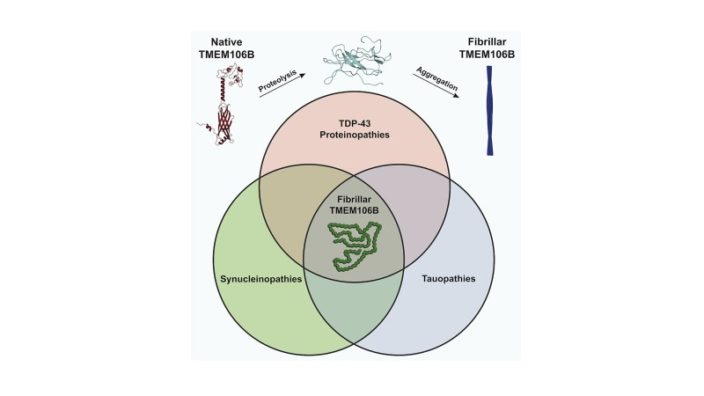
Dina Radenkovic

Dina Radenkovic on the Root Cause of Gender Inequality

Our interviewee today holds that female reproductive aging, or ovarian aging, is accelerated compared to other organs and that it has a deep impact both on the lives and health of women and on our society as a whole. Nevertheless, ovarian aging continues to be underresearched, with only a handful of companies working in the field. Dina Radenkovic, a medical doctor, bioinformatics researcher, and health entrepreneur, heads one such company: Gameto, a startup that recently made waves after securing 23 million dollars in a round of funding.

Could you give us an overview of ovarian aging? What is it, what does it do to the female body, and how exactly can we measure it, considering that we think of it as premature?

The way we talk about it is in terms of function, not just cellular pathways. The reason our company is called Gameto is that we want to change the game of gametogenesis. Spermatogenesis is male gametogenesis, and it occurs throughout the lifetime, whereas female gametogenesis occurs while the woman is still an embryo. However, when women need to start using their ovaries, in the current social environment, this mostly happens relatively late, after they get an education, advance a career, and so on.

Yet, in standard gynecology, ovaries are often characterized as geriatric starting from the woman’s mid-thirties. Women experience a steep decline in the function of this organ. So, we say it’s an aged organ simply because its function is declining. That’s why we have the need for IVF, which only started about 40 years ago, and now it’s one of the largest out-of-pocket industries, and the demand is ever-growing because we’re pushing it to the edge in terms of age.

Organ dysfunction, or organ failure, is one way to characterize aging. In this paradigm, the first milestone is the decline in fertility, and the second is menopause. This is when you lose the function of your ovary and the production of the hormones that control a lot of your behavior and physiology. Menopause is so functionally important in the context of aging that the age of menopause onset is actually associated with life expectancy.

There have been studies that show that if you postpone the age of menopause by one year, you can increase life expectancy by 2-2.6 years. Interestingly, prior to menopause, women are more protected from many health conditions than men – for instance, from coronary heart disease. But after menopause, they start experiencing all those diseases of aging.

It’s like the stereotypical frail old lady with the cane, right? Your bones become weaker. You have increased risk of dementia, heart disease, and many other conditions, and you develop this syndrome of frailty. If you look at the diseases of aging in women, they all start with menopause.

This is what ovarian aging is: you’re 35 and your skin and brain are in perfect order, but your ovaries are already declining in function and that’s something that’s not happening to your male counterparts. Yes, there is this concept of andropause, but it happens relatively in synchrony with the function of other organs.

What we at Gameto are saying is that if this loss of function is the root cause of both infertility and all those diseases that occur with menopause (and there’s also early menopause, this extremely problematic condition called primary ovarian failure, when your ovaries stop working in your twenties and thirties), let’s develop therapeutics that will solve this, that will rescue this function.

To summarize: if you look at ovarian aging, be it in terms of follicular count or the quality of the eggs, ovaries share many aging pathways with other organs, but the function of the ovaries declines faster, and that’s why we say that the ovaries age faster than the rest of your body.

Do we have any idea why ovarian aging is so different?

I wouldn’t say it’s necessarily different. The reason why a lot of the interventions for aging work in the ovaries is because the same pathways are involved, but the actual answer to your question is that we don’t know. For instance, why does the thymus age faster? The truth is we have no idea. If you want me to speculate, using the antagonistic pleiotropy theory of aging or the hyperfunction theory, you could argue that ovaries are hyper-stimulated. We lose many follicles to get the one good mature follicle per month.

It’s not optimized to preserve function, it’s hyper-stimulated to ensure that one good egg is mature, and this one good egg will control all your cycle and physiology. This hyperfunction in the early stages is probably optimal for reproduction, but as the hyperfunction theory suggests, later on, hyperfunction leads to dysfunction.

The reason why it hasn’t been “fixed” by evolution is because evolutionary forces mostly work during the reproductive period. But the society has changed! Today, women can expect to live to 90 or 100, if they don’t smoke and adopt a healthy lifestyle. So, they spend two thirds of their lives infertile, unable to have children, and also half of their life in this state of post-menopausal poor health. And that’s what we are trying to solve.

Because of accelerated ovarian aging, women in the modern society have to accept compromises they may not wish to make, like should I take this job, or should I have a baby? Suppose you want to do both, but biologically, you have to make a choice, and that’s what we hope to change.

How does this accelerated reproductive aging drive gender equality? What would be the societal implications of extending reproductive healthspan in women? 

I would call it the root cause of gender inequality. I would love to see a future where a young couple in their twenties can pursue their careers, travel the world, do all those things they want to do, and then start a family in their forties. Today, most women are unable to do that, so men have the advantage. Leveling the field would make the game fairer, would empower women and allow them more choice.

Childbearing and childcare are also expensive, and not everyone can afford it when they’re young. So, we don’t want to tell people what to do with their lives and when to have children, we just want to give them more choice, that’s our company’s mission.

This year in the United States, we have the lowest fertility rates on record, and that’s not necessarily good because a lot of women are postponing childbirth or deciding not to have children at all because of various difficulties. We want to ensure they can have children when they feel ready, mature, when they feel that they found the right partner or that they’ve done what they wanted in terms of career. To me, this is very important. I think this would enable more women to participate in the workforce, to get education, to contribute to society, which would be good for society as a whole. I would like to have it myself as a woman, and my sister to have that option. I would have wanted my grandma to have that option.

Female aging is known to be underresearched. Is this a part of the broader gender bias in medicine?

I think things are moving slowly in the right direction, but we need to do more. We must have more women in high-profile positions. As there are more women, and as they climb up the corporate ladder, they will talk more about this issue. Before we had representation of women in those positions, these issues were a taboo. Women create the market; women talk about women’s problems. It might be hard to understand women’s issues if you’re not experiencing them yourself. You might not necessarily have bad intentions; people can be simply unaware of problems that are not theirs. That’s why I support diversity and inclusion.

It is also very important to have serious biotech companies in this space to show that this can be backed by real science, that proper therapeutics can be invented, that it can be profitable for investors.

So, is this gender bias still around?

I think it is. For instance, because I’m a woman, people would always think I’m a nurse, not a doctor, and so on. Yes, it is still out there, in some areas more than others. It’s changing slowly, but we need to keep pushing for it.

We need to encourage more people to work in this space, both on the biotech side and in service delivery. We’re talking about half the population that are experiencing these problems, and it’s horrible that we haven’t done anything about this.

For instance, every decade, we add two years to life expectancy, but we haven’t pushed back the onset of female reproductive aging an inch since we started keeping medical records in the 1800s. As long as we keep living longer without changing this, we’re just worsening the gender inequality. This is so unfair! When I started working in the aging field, I thought that this is a problem I must solve.

Looks like ovarian aging today is perceived like organismal aging was perceived until recently – something that we just thought was normal.

Yes, exactly.

Premenopausal hormone levels seem to be protective for women. On the other hand, there are estrogen-related cancers, and hormone replacement therapies have been linked to increased risk of cancer as well. How sure are we that extending this premenopausal hormonal landscape would do more good than bad?

It’s not like we’re building a drug for everyone, and everyone should start taking it. This is not what we’re doing. We’re developing biologics that are going to solve some of the problems like infertility or diseases that occur after menopause. Hopefully, they will get approved and licensed for specific indications, like infertility, primary ovarian failure, and physicians would prescribe them based on the clinical need.

As to the studies, there was this study where the median age of patients was 63, I think, and they found a very marginal increase in the risk of breast cancer. On the other hand, the women also became more fit, they had improvements in some other conditions.

The answer is that it will obviously require a conversation between a patient and their physician, an assessment of what’s best for the patient, for how many years they need to take it, when to stop and so on, based on the clinical picture. It’s very hard to generalize, but I think overall, if we could provide personalized dose delivery and to slow some of the pathological processes that occur with menopause, we could find a way to get the best of both worlds – that is, to prevent diseases without necessarily causing the increased risk of cancer.

You could argue that if you push the age of menopause by continuing hormone exposure, what will happen will be similar to men and prostate cancer. Prostate continues to grow because men don’t go through a quick andropause. They don’t lose 80% of their hormones within one year, so their prostate continues to be constantly exposed to androgens. That’s why there is a saying that most men will die with prostate cancer, but not of prostate cancer. You could argue that a similar picture might occur with women – they won’t die of it because they will be biologically younger, and fitter. But yes, we could see increased incidents of some cancers.

I think, the regulators and the clinicians have the right to be cautious and to give those therapies to women who need them and for the amount of time they need them, because yes, of course, with every therapy you have the upside and the downside, and it’s about the overall benefit.

Let’s talk about Gameto. You haven’t released a lot of details about what you’re going to do and what’s the science behind your strategy. Could you walk us through this? For instance, cellular reprogramming is a vast topic, so what exactly are you going to do with it?

I think we’ve disclosed everything that we are working on right now. We’re a very early-stage company, but we use cellular reprogramming to make ovarian cells and ovaroids. And then we use ovaroids to make biologics for infertility in ovarian diseases. We’ve published a paper and we’ll publish another one, hopefully, this year, once the patents are converted, and we want to keep publishing everything as soon as we are legally able to, because we’re pushing the boundaries of an interesting area of science.

In terms of the biologics, we have two lines that we’re working on. The first one is fertility. We’re testing a biologic for IVF, so that instead of giving stimulation with injections before we extract the eggs, we’d be able to make it a full in vitro experience, making the cell extraction shorter, safer, more effective. That would allow women to undergo IVF for a little bit longer, as long as they’re pre-menopausal. My co-founder and chairman is Martine Ruszkowski, he’s a global leader in the fertility space, and we collaborate with his chain of fertility clinics, the largest in the United States.

Later down the line, we’re working on a biologic for primary ovarian failure, which is early menopause, and that could also help other women with menopause. Right now, we have a sponsored research agreement with George Church’s lab at Harvard. A lot of the basic science in cellular reprogramming comes from Harvard, and then the more clinical work is done within the company. We have more things to tell, and as soon as we are legally allowed to disclose, we surely will.

Are you aware of any competition? I think just a handful of companies are currently working in this space. 

I wouldn’t call that competition. I would like to have more people working in this area. There are so many problems: we have endometriosis, PCOS (polycystic ovarian syndrome). For endometriosis, there’s no therapy. For PCOS, we have seen some use of metformin, but it’s not even licensed for this. In menopause, there’s not much innovation as well. Then, we have IVF. There’s just so much to do, and only a handful of companies, so I would love to have more people in, more talent, both on the science side, and in the industry. This is something that’s affecting half of the population, and we only have three or four companies working in this field. We can’t do it all by ourselves.

Also, in order to grow, you need an ecosystem, a talent pool. Now, it’s easy because we’re a small company. But if we, hopefully, grow and become a big company developing multiple biologics, we will need to hire scientists who are interested in this space and educated in it. Unless there’s relevant funding for academia, where are we going to find them?

I see everybody working in this space as my partners, my collaborators, because we’re trying to establish ourselves as a credible field and to attract top talent, and today, it’s like a nuclear war for talent. It’s really hard to recruit people. I think we’re all helping each other, and I would love to see more companies entering this space.

What are your thoughts about the situation in the longevity field in general? Are you focused solely on female reproductive aging, or are you, let’s say, a longevity enthusiast?

In the company, we’re focused on female reproductive aging, but I have spent a lot of time in the aging field, and I am passionate about it. I think what has happened over the last few years has been mind-blowing. We’ve seen huge organizations taking shape. In the past, if you said you worked in the aging field, people would not understand you. What is longevity medicine? Today, it’s becoming a respectable, interesting, cutting-edge area.

I think this is extremely important, and I’m so happy for the field, but as a company, we will not be able to do everything. So, I want us to stay focused on the diseases caused by ovarian aging. Still, I’m obviously extremely passionate about everything aging-related.

I love to follow all the other aging companies, to read about their work, I cheer for them. And I think we can make an important contribution to the field, because a lot of what we’ve learned about ovarian aging could be translated and shared.

Various lifestyle interventions might currently be our best bet to slow aging. Do you think any of these, such as caloric restriction or exercise, can work against ovarian aging?

Being generally healthy, having good metabolic health, maintaining healthy weight and low levels of inflammation should be just as good for ovaries as for other organs, but sadly, I don’t think these interventions are sufficient to have a marked effect on this accelerated type of aging that results in the loss of ovarian function.

We would like to ask you a small favor. We are a non-profit foundation, and unlike some other organizations, we have no shareholders and no products to sell you. All our news and educational content is free for everyone to read, but it does mean that we rely on the help of people like you. Every contribution, no matter if it’s big or small, supports independent journalism and sustains our future.
Cell targeting

Using Gene Expression to Target Senescent Cells

An open access study published in iScience has discussed the development of senolytics to target particular genes that are upregulated in cellular senescence.

Understanding senescence, cell by cell

In our earlier interview with Simon Melov of the Buck Institute, the lead researcher of this paper, Dr. Melov, explained his lab’s focus on single-cell sequencing. As this paper points out, senescent cells represent only a small fraction of tissue, so bulk analysis is difficult and inefficient.

Instead, the researchers used single-cell RNA sequencing to analyze two cellular types that regenerate muscle tissue: fibro-adipogenic progenitors (FAPs) and muscle stem cells. They performed this sequencing technique on thousands of these cells, comparing gene expression between mice that had received the senolytic drug ABT-263 and mice that had not. Both sets of mice had received doxocirubin, a drug that induces cellular senescence.

The researchers then did further analysis to determine which cells were senescent and what genes they were expressing. The proteins p21, encoded by Cdkn1A, and p16, encoded by Cdkn2A, are widely known to be associated with cellular senescence. Genes that were upregulated with doxocirubin but downregulated with ABT-263 were also closely examined.

Most importantly, the researchers focused on genes that are known to cause apoptosis when silenced or inhibited, comparing that list to genes whose downregulation was spurred by ABT-263. Genes with both qualities, the researchers reasoned, would be critical targets in the development of a new senolytic.

Narrowing down the targets

The researchers found a total of ten targets, four in FAPs and six in stem cells. They found that two of these genes, Cryab and Hmox1, were significantly upregulated in both kinds of cells after administration of doxocirubin. The researchers focused their efforts on these two specific genes.

Interestingly, small molecules that target these genes were already known; they were just never tested as senolytics. While one of these small molecules, NCI-41356, killed both senescent and non-senescent cells, HC25 was found to be a powerful, preferential senolytic against CRYAB expression, and OB24 and QC-308 were found to have slight but significant preference for killing senescent cells.

Testing their new candidate

To determine if this approach had yielded something actually effective, the researchers tested HC25 against the current top dog that they used as their reference senolytic: ABT-263. They found that HC25 was equal to or better than ABT-263 against FAPs, muscle stem cells, and other muscle cells, human skeletal muscle myoblasts. They then went on to test HC25 and their other candidates against multiple other cells, finding that while OB24 and QC-308 were ineffective or had off-target effects, HC25 substantially and significantly caused senescent cells to die while leaving normal cells alone, whether that senescence was caused by doxocirubin or irradiation.

Finally, the researchers tested HC25 in mice. In young mice administered a regimen of doxocirubin, HC25 was able to restore key biomarkers of senescent cells, p21 and Cryab, either slightly above or even somewhat below their original states. In naturally aged mice, these biomarkers were restored to nearly their levels in young mice.

Conclusion

In many ways, this research was a demonstration of a technique more than the development of a senolytic. While it may be possible that HC25 will be an effective therapeutic, which requires substantially more testing to determine, this single-cell technique may find many more, possibly better, targets for the treatment of cellular senescence.

It may also be possible, and even likely, that a cocktail of drugs developed with this gene expression targeting technique will show substantially more effectiveness than individual drugs. If multiple genes that are upregulated only in cellular senescence can be targeted at once, the resulting combination therapy may ultimately lead to a treatment that removes the harmful cells from our bodies – and only those.

We would like to ask you a small favor. We are a non-profit foundation, and unlike some other organizations, we have no shareholders and no products to sell you. All our news and educational content is free for everyone to read, but it does mean that we rely on the help of people like you. Every contribution, no matter if it’s big or small, supports independent journalism and sustains our future.
Guinea pig

Tuberculosis Is Associated with Epigenetic Aging

Publishing in Aging, a team of researchers has explained the relationship between tuberculosis (TB) and multiple aspects of aging, including epigenetic alterations and the senescence-associated secretory phenotype (SASP).

A disease known to cause long-term harm

Tuberculosis, a disease that has proliferated around the world, kills 1.4 million people every year. Previous research has shown that, even if the disease is successfully treated, it decreases life expectancy by at least seven years [1]. With a combination of previous research and newly derived animal results, the researchers sought to provide clear evidence that this is the result of epigenetic alterations, one of the hallmarks of aging.

TB causes hypermethylation in guinea pigs and people

Guinea pigs are commonly associated with animal research, but their actual use is relatively rare; however, they are a common model of tuberculosis infection, as they experience the disease in much the same way as people [2]. The researchers had discovered previously that tuberculosis is associated with DNA hypermethylation in people [3], and this research shows that similar methylation occurs in guinea pigs.

People and guinea pigs both had hypermethylation of the immune system, including CD4, CD8, and CD14 cells. The pathways affected by this methylation included metabolism and signaling processes, such as the mTOR pathway, which is well-known to be associated with longevity in model organisms; calcium signaling; the MAPK pathway, which interprets intercellular signaling; and enzymes that affect chromosomes. Similar results were found in the lungs and spleens of guinea pigs.

The researchers confirmed these results through gene expression analysis, which also found that genes responsible for SASP secretion were upregulated, showing a link between TB and cellular senescence.

TB hypermethylation is associated with aging

In addition to further confirmation that tuberculosis is associated with the SASP, the researchers found that the epigenetic age of TB patients was an average of 12.7 years above their chronological age, according to the Horvath epigenetic clock, and this continued for at least six months after TB therapy had been completed. An RNA sequencing calculator reported an increase of 14.38 years. The researchers suggest that this epigenetic aging may be responsible for the increase in all-cause mortality associated with TB. However, more advanced epigenetic clocks, such as GrimAge, were not used in this analysis.

Conclusion

The researchers point out that while human studies could not prove causation, the guinea pig data makes it clear that TB leads to hypermethylation. However, they also note that TB is not the only disease associated with hypermethylation, epigenetic alterations may still lead to disease susceptibility, and confounding factors that cause hypermethylation, such as smoking, can also increase susceptibility to tuberculosis infection. Additionally, previous research has shown that TB is also associated with telomere attrition, another hallmark of aging [4].

In the wake of the COVID-19 pandemic, this relationship between aging and infectious disease deserves further understanding and investigation. Many of the issues associated with infection, such as systemic inflammation, are also associated with aging. Being able to directly counteract these effects at the cellular level is a plausible method of extending human lives that deserves further exploration.

We would like to ask you a small favor. We are a non-profit foundation, and unlike some other organizations, we have no shareholders and no products to sell you. All our news and educational content is free for everyone to read, but it does mean that we rely on the help of people like you. Every contribution, no matter if it’s big or small, supports independent journalism and sustains our future.

Literature

[1] Lee-Rodriguez, C., Wada, P. Y., Hung, Y. Y., & Skarbinski, J. (2020). Association of mortality and years of potential life lost with active tuberculosis in the United States. JAMA network open, 3(9), e2014481-e2014481.

[2] McMurray, D. N. (2001). Disease model: pulmonary tuberculosis. Trends in molecular medicine, 7(3), 135-137.

[3] DiNardo, A. R., Rajapakshe, K., Nishiguchi, T., Grimm, S. L., Mtetwa, G., Dlamini, Q., … & Mandalakas, A. M. (2020). DNA hypermethylation during tuberculosis dampens host immune responsiveness. The Journal of clinical investigation, 130(6), 3113-3123.

[4] Freimane, L., Barkane, L., Igumnova, V., Kivrane, A., Zole, E., & Ranka, R. (2021). Telomere length and mitochondrial DNA copy number in multidrug-resistant tuberculosis. Tuberculosis, 131, 102144.