The Blog

Building a Future Free of Age-Related Disease

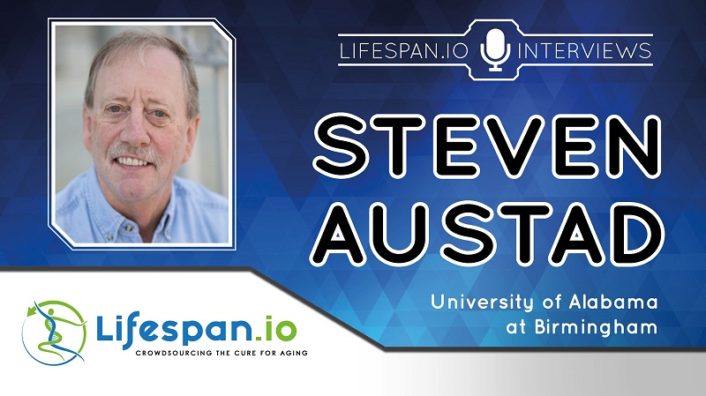
Steven Austad

Dr. Steven Austad on Aging in Wild and Lab Animals

Dr. Steven Austad of the University of Alabama at Birmingham is not a typical geroscientist, or at least, he did not become one in a typical way. After obtaining his undergraduate degree in English literature, Steven spent several years on jobs such as a wild animal trainer for Hollywood before deciding to study biology, and his transition to the biology of aging happened even later. Today, Steven is one of the most prominent figures in geroscience, with a focus on aging in animals in the wild and on improving the ways we study aging in model organisms in the lab.

Steven wrote one of the first popular books on geroscience, Why We Age, and his second book, Methuselah’s Zoo, will be published later this year. We talked about a range of topics, from Steven’s fascinating personal history to his famous bet against Dr. Jay Olshansky, with many insights on biology of aging and on the current state of geroscience sandwiched in between.

Your personal story is unusual – at least, for a scientist. How did you become involved in the biology of aging?

I ended up by a very strange path in longevity research. I did my PhD in animal behavior, and I really had never even thought about issues of longevity. I was a field biologist doing a postdoc in Venezuela.

This was a project on opossums. Opossums are about the size of a house cat, so I assumed that they lived as long as a house cat. This project had nothing to do with aging, but it made me realize that within a few months, opossums went from vigorous, healthy, young-looking adults to being old and decrepit: they got cataracts, their muscles wasted away, they got parasites, and this happened so rapidly. It just struck my attention. I couldn’t believe it, and I couldn’t understand it. And it made me think about why do things generally age faster or slower?

So, this got me interested in the field. In fact, the paper that came out of the project I was working was published in Nature, but by the time it came out, I totally lost interest in that field and focused my attention on longevity and aging, because it seemed to me a much more interesting problem.

But it was an intellectual problem for me. I wasn’t really thinking about the human implications, I was thinking why evolution can take a single fertilized egg and mold it into a healthy young adult, whether it’s a dog, a frog, or a bird, but for some reason, it cannot maintain that healthy young adult phenotype. Why would that be? That was the question that motivated me. And I was in the field for at least a decade before it ever occurred to me that what I was studying had human implications. But once it did, I thought, oh my goodness, this has so many major repercussions for life over the next decades that it deserves to be the focus of my future research.

I just have to ask: did you find the answer about the opossums?

There’s an evolutionary theory of aging that suggests that animals that have evolved in relatively safe environments will be slow-aging and long-lived relative to animals that evolve in hazardous environment.

In most of the opossum range, about 80% of them are killed by predators before they have a chance to die of old age. So, I studied the opossums on an island that was lacking all the predators, and I found out that they did age slower. They’d been there for probably 5,000 years.

But how do they do that? What changed over that time? At that time, I wasn’t really interested in that kind of question, though. So, I left that study as it is without ever exploring that. Years later, I thought about returning to it because it still is very fascinating. Now, we can have an opossum genome and we have all these new tools, and we could really do something with this.

In the interim, I went back to the island with a film crew that was doing a piece on aging and wanted to feature this work. When I went back, I discovered that since I left, someone had introduced a lot of new animals into the island, and there were new species, and I was no longer certain that the island population was completely isolated from the mainland.

So, I wasn’t sure that even starting to analyze the genome would give me the answer I wanted, because whatever genes had been selected for on the island had been diluted out by more recent immigrants.

But that same idea that animals living in safe environments on islands will evolve slow aging caused me to try to replicate this whole process in house mice. I actually went around the world, collecting mice off of tropical islands, mice that had been introduced there sometime in the last 400-500 years.

But it turned out I didn’t do that in a very smart fashion. I ran into the same problem that I ran into with the opossums: I had collected my mice near the port, which is always where the main town is. And of course, near the port, there’s going to be recurrent introductions of these animals off of ships. So, they weren’t the pristine isolated island populations that I was searching for, which is too bad.

I’m still thinking I might, at some point, go back because it’s very curious. We have all these ways now in the laboratory to make mice live and stay healthy longer, but we don’t know how nature might accomplish the same thing. It might be a completely different mechanism.

Studying wild animals in the context of aging is pretty unique. Are you aware of anyone else doing that? 

I’m not, and it’s too bad because one of the problems that we face with our laboratory organisms is that we can make them live longer, but can we really maintain their health longer? After all, that’s the thing humans care about. But it’s not easy to assess health in lab animals the same way that we would in humans because in the laboratory, there are no challenges. If you are a lab mouse, all you need to do is walk across the cage to eat, your temperature is controlled, you’re eating the best diet, you’re not in danger from infectious diseases.

Animals living in the wild, on the other hand, are facing dramatic challenges all the time. And the fact that they have lived a certain amount of time in the wild suggests that they have been able to maintain their health for that amount of time.

But how do you do a controlled experiment in the wild?

You have to think about this in a different way. In laboratory animals, we try to figure out how we can manipulate them, knock out a gene, or change their diet, or give them a drug to make them live longer.

In wild studies, what we do is we will choose some exceptionally long-lived species, compare them with some short-lived species, and try to figure out what the key differences are. We’re not trying to demonstrate that they’re long-lived and slow-aging, we already know that.

It’s a different experimental approach, and it’s very difficult, because any two species differ in many ways. The best situation is that, like with my opossums, you find the same species, but in situation one, it lives a very long time, and in situation two, it doesn’t. That narrows your search, and that’s why I liked that island paradigm so much. But those situations are difficult to find.

What else are you working on right now?

One of the things I’ve always been interested in is which animals we choose to study aging in, whether in the laboratory or in the wild. So, I’m working on developing new animals to study in the laboratory, and I’ll tell you why. Right now, the entire biomedical enterprise has settled on the mouse as the mammal. But there are 5,000 species of mammals. Why we would settle for one is not clear to me because we don’t know how idiosyncratic mice might be.

They might be very unusual mammals, but if we don’t study aging in any others, we’ll never notice that. I think that this reasoning is shown by the fact that recently there’s this new program in the field called the C. elegans Interventions Testing Program. It’s using Caenorhabditis nematodes to find drugs that increase longevity.

So, it’s like the ITP, but in worms?

But here’s the difference: instead of just using C. elegans (Caenorhabditis elegans), they’re also using two other closely related species – C. briggsae and C. tropicalis. And one of the very consistent things they’re finding is that the species differ in the impact that the drugs have on them.

Just to take one: metformin universally increases longevity of C. elegans and universally has no effect on C. briggsae. In fact, if you look at a whole series of drugs, it turns out that C. elegans quite often will live longer when exposed to drugs, and C. briggsae almost never does. If you have that kind of difference in response for two closely related species of nematodes, what are the odds that what you’re seeing in one of those species is likely to translate into humans?

And I think the same is true of mice. We’re only looking at one species. And even the Interventions Testing Program, which I think very highly of, is only looking at a certain genotype, although a heterogeneous one. To me, that’s not enough. We don’t know if what we find in mice will have any relevance whatsoever to people.

We know that cancer treatments that work in mice tend not to work in people, it’s a 90% failure rate. In mouse Alzheimer’s versions, we have over 300 therapeutic successes, and so far, zero in humans. That suggests to me that we really need to bring a few more species into the laboratory to investigate, and there are some. It used to be that rats were more common than mice in the laboratory. Rats are very well-characterized, they don’t live any longer than mice. So that would be one that I would bring back.

We should have a small panel of species to experiment on, and it would save us a lot of time and money on doing clinical trials with humans. I think at a minimum we’d want two, ideally, four species. Rats and mice are pretty closely related, they’re like monkeys and humans, so I’d like to see something more distantly related. There’s a small laboratory marsupial, a laboratory opossum that doesn’t live any longer than a mouse. It’s midway in size between a mouse and a rat.

I’d like to see, let’s say, those three species. If you gave them all rapamycin, and they all did very well, with minimal side effects and increased longevity, and all things that rapamycin has been shown to do in mice, then I’d feel very confident that we’re at a point where we would have a high probability of success.

Just how misguided this reliance on laboratory mice makes us?

I don’t think we know that yet, but I’m concerned that it could be very misleading. A lot of the excitement in the field has come about because we found so many ways to extend life in mice. It used to be thought this is going to be very difficult, and it’s turned out not to be difficult, but what if mice are like C. elegans, when almost anything you do extends lifespan, and we’re like C. briggsae, and there are only a handful of things that may work for us? I’m quite concerned that we may be very much misled by focusing only on a single species.

I think it’s a big issue in the field that we need to pay attention to. If we have two, three, or four human trials of interventions that have worked well in mice, and none of them work in people, I think people will begin to think it’s impossible to medically intervene in aging and extend human healthspan and lifespan.

And I don’t believe that’s true. I believe that we can do it. Nature has done it again and again. But we need to know the right way to proceed. And I’m not sure that focusing all our efforts on the mouse is going to lead us in the right direction. It may, but we don’t know that.

You have a book coming out this year called Methuselah’s Zoo, and I’m really looking forward to reading it. Can you give us a sneak preview?

In Methuselah’s Zoo, I go into animals with exceptional longevity. First, I talk about insects, tube worms, sea urchins. Then I go right up through all the phyla, and I describe each of them in a lot of detail. How do we know how old they are? For instance, the Greenland shark supposedly lives up to 400 years. But how do we know that? How reliable is that?

And then I ask what we can expect to learn from the fundamental biology of that organism? Just to give you a little a preview: I don’t think we have a lot to learn about human aging from this 400-year-old shark. On the other hand, if you take another long-lived marine animal, the bowhead whale, I think we have a tremendous amount to learn from that.

When you see such long-lived mammals, it’s tempting to think that we can somehow emulate this, but you seem to think that we, humans, have a hard limit of about 100-120 years? Do we have any chance of achieving what is called extreme life extension?

I guess it depends on what you mean by extreme. I think that there is a limit, certainly. Unless we do something dramatic to human biology, we’re not going to see any 200-year-old or 1000-year-old people. On the other hand, if we tinker with human biology, I’m quite confident that we could increase longevity by 20%.

So, instead of life expectancy being 80, it will be a hundred. And the reason I say that is that’s about as much an extension as we can regularly achieve in our laboratory animals. So, as a target, that seems reasonable. If we have five ways to make a mouse live longer and a couple of ways to make a rat live longer by 20 or 25%, that seems like something that should be achievable in humans. The idea that we’re going to create humans that live 500 or a thousand years, seems to me, quite frankly, crazy, because we haven’t been able to do that even in the most well-described experimental animal systems.

To think that we’re going to do something vastly better in humans than we’ve been able to do in these other animals where we can manipulate their genome, and their environment, and everything else… This just strikes me as impossible. it’s almost touching, though. I admire the aspiration to do that, I just don’t think it’s very realistic.

That brings me to my next question. Many geroscientists have this feeling that the gains we’ve been seeing are based on eliminating or neutralizing the bad things that we do to our body, sort of “going back to normal”. Do you think that geroscience might hit the wall after we eliminate all those bad influences?

In fact, I think that’s what 20th century medicine has been focused on. Let’s cure cancer, let’s cure heart disease, let’s cure Alzheimer’s disease. That’s what we’re really trying to do with geroscience, and I think we’re succeeding to prevent all these things in our experimental animals. The idea behind geroscience is, of course, that if we can target the aging processes themselves, it will push back all these diseases and disabilities of later life. I think we make a mistake by focusing only on things that kill us, because there’s a lot of things that just degrade the quality of later life like vision loss, osteoporosis, joint pain. There are things that we would like to push all back as a group, and there’s a lot of evidence that with some of the interventions, we’re doing that in laboratory animals.

The strongest evidence is for rapamycin that delays a number of things in mice. It’s astonishing. So, I think that we’re really slowing aging with that.

You have talked a lot about calorie restriction, but you seem to be less optimistic about it than the most.

I am, for several reasons. First of all, I think that eating a healthy diet and maintaining a healthy body weight is very important. In fact, it’s probably the best thing besides not smoking that you can do to maximize your longevity today. But the idea that manipulating our diet, let’s say reducing our calorie intake by 30% or so, is going to increase our health, is not a promising approach.

First of all, we don’t know how to translate what they’ve done to rodents into people. We don’t know if what they’ve really done is taking obese animals and making them less obese and thus healthier or taking healthy-weight animals and making them extremely lean and thus even healthier.

We don’t know that. This is shown by the two monkey studies that were done that really came to different conclusions. In one study where they had animals with healthy body weight and they additionally reduced weight, they saw no effect on survival at all. In the other study, they let them get obese, as captive monkeys or almost any captive animal will, because it doesn’t have the room to move around, and then they reduced their weight to normal with multiple benefits.

But we already know that. We know obesity is bad and normal body weight is good. What we don’t know is whether exceptionally low body weight is any good. The human studies that have been done, short term and all, really haven’t produced the extreme leanness that, say people in the Caloric Restriction Society tried to achieve. So, yes, watching the diet is important, but it’s not clear that extreme leanness is the road to extreme longevity. In fact, I think the weight of the evidence is probably against that.

I understand that for humans, you put more faith in fasting than in calorie restriction.

Yes. It seems that a lot of the advantages of calorie restriction are not necessarily from the amount of food that had been eaten, but from the timing of when the food was eaten. That’s very interesting because, first of all, it’s doable. Only a very small fraction of people could restrict their diet by 20% or 30% year after year. But eating all your food in a 12-hour window – that’s something almost everyone can do. We know now that a lot of the beneficial effects of calorie restriction seem to be mimicked by a period of fasting.

This shows a great deal of promise – not for making us live an average of a hundred years, but for getting more and more of us to live into their eighties and nineties. There are enough people already doing it now, it’s become quite popular. Still, I don’t know if there’s any advantage to it beyond maintaining healthy body weight.

But we still have some things to learn. There’s probably a lot of individual variations. You may be different than me, the environments that we’ve grown up in probably have been different, or our genes are different. We need to figure that out, as well as is there a best time window for fasting? Should you eat when you first get up in the morning and stop mid-afternoon or should you wait until noon? After all, around 85% of all the genes in our body are on a daily rhythm. They turn off and on at certain times. It may be that when we eat is as important as how long we fast.

And this points up another of my worries about using mice as laboratory animals: we really mess up their daily clock in many ways. We do most of our experiments on them in the daytime when they would normally be sleeping, because they’re nocturnal. The way that we have bred them in the laboratory has led most of them to lose the ability to synthesize melatonin in their pineal gland.

Also, if you think of the way that light and dark cycles, which our bodies have evolved to be in tune with, work in the real world, what happens is that late in the day, it starts to get dark and cooler. In the laboratory, we never change the temperature, and we flip the lights off and on at a certain point. It’s not a good replica of the situation in which these animals have evolved for millions of years.

I guess there are more problems with our current animal studies.

There are several things that we don’t take account of in our animal studies. For one, we typically raise our animals in separate cages. There might be four or five animals per cage, and 10 cages in a study. But we don’t look at the cage effects. This could be an important factor. For instance, when an animal dies, it changes the social environment. If there are four mice per cage, late in life, some cages will have one mouse left, some will still have three mice. That’s the kind of thing that we’ve pretty much ignored in the field because it costs more money to do a bigger, more complex experiment.

This is also why people have resisted adding both sexes. It used to be that mostly males were studied. And then the National Institute on Aging dictated that you need to use both, but that doubles the cost of your study, unless you have fewer of each, in which case you don’t have the power to distinguish. One of the things that we have to discuss that could turn out to be really important is the way that some interventions work in one sex, but not in the other.

If you think about human medicine, there’s virtually no medicines that females are assumed to respond to differently than males. But we know from recent work in mice, that at least some types of neuropathic pain are experienced differently. Mechanistically, pain signals are transmitted differently. Drugs that help male mice relieve pain will not work in females.

We’re just starting to think about this in humans. Ultimately, I think there’s likely to be some anti-aging interventions that do well in women, but maybe not so well in men and vice versa. The future, of course, is going to be personalized health because soon, all of our genomes will become part of our medical records. I think the first place we’re going to see the impact of personalized health is in female and male-specific approaches to treating and preventing diseases.

Your first book, “Why We Age”, was a pioneering one, published long before most other popular books on the science of aging. Given a chance, would you publish a new edition now, with just a few alterations, or have the science and your views changed too much?

I have been asked to do that many times and I have always resisted, because it felt like kissing your sister or something – it just wasn’t satisfying. And you’re right, when I wrote that book, there were very few popular science books in aging. So, I felt I could make a real contribution by bringing what we knew at that time into popular view.

Now I think there actually are quite a few very good books about aging. What I thought I had unique to say, had to do with expanding the research bestiary, which is why I wrote Methuselah’s Zoo. If somebody said to me let’s go back to Why We Age and bring it up to date… So much has changed. It would really be a brand-new book. And there are some excellent books already out there, so I don’t think I’d make that much of a contribution.

That brings to mind your famous bet against Jay Olshansky. Is the bet still on? Has your prognosis somehow changed?

Jay Olshansky and I originally made this bet in 2001. We put $150 each into an investment account. I had claimed that somebody was already alive in 2001 who would live to be 150 years old by the year 2150. If someone has lived 150 years, then my descendants would get all the accumulated money, and if not, then his descendants would get all the money. By the way, we calculated that, at the historical rate of growth in the stock market, it would have been worth about half a billion dollars by 2150. We doubled the bet at the urging of a journalist – I think it was in 2015.

So now, it should be worth about a billion dollars in 2150 and, actually, Olshansky has been investing the money very wisely and has done better than the stock market. He had it in Tesla at one point. Unfortunately, he took it out of Tesla a couple of years ago, which is too bad.

I think we’re both still confident that we’re going to win the bet. He’s probably confident, because when we made the bet, no one had lived longer than 122 years. And now, 20 years later, still no one has lived longer than 122 years.

I, on the other hand, am looking at all the animal research and finding this proliferation of interventions that help them live longer. By the way, 150 years is 20% longer than 122 years. So, if any of these things really pan out in humans, then I’m likely to win my bet. The other thing that gives me confidence is that we used to think that for an intervention to really have a major impact on longevity, it had to be started early. We know now that’s not true because drugs like rapamycin can be started at the mouse equivalent of 60 or 70 years and still have a dramatic effect on lifespan.

If you put those two things together, I think that we’re likely to come up with interventions that we could start in people, say in their fifties, that could maybe get one of them to live to 150. I’m not saying that life expectancy will be 150. Only one person has to live to that age, but they have to be mentally intact, they have to be able to carry on.

So, it’s going to be a woman because women live longer than men. I would guess it’s probably going to be a Japanese woman because Japanese are the longest-lived people on the planet right now. By the way, I think that by the year 2150, a hundred-year life expectancy for humans is very plausible.

So, you think that an outlier can live 50% longer?

Yes. Life expectancy is roughly 80 today, and Jeanne Calment lived till 122 years. 150 is the same thing, but with a life expectancy of a hundred. There’s my winning bet.

Unless we all become half-androids by that time, in which case I’m not sure how the bet could be resolved.

That would be a problem, wouldn’t it?

We began with your personal story, and I probably asked the wrong question. I was wondering how a person who wants to become a novelist and tries all kinds of exotic occupations suddenly decides to go back to school and do a PhD in biology?

In college, I had my undergraduate degree in English literature, and I indeed wanted to be a great novelist. After I got out of college, I had a whole variety of jobs that would give me money and time to write my novels. Since you’ve never heard of any of my novels, you can probably figure out how that turned out.

One of the jobs, though, that I finally ended up doing was training wild animals for the movie business. I trained mostly lions, but a few other species too – a few tigers, an elephant, a bear. That reawakened an interest in biology that I’d always had. I guess it just wasn’t a conscious interest.

And then I decided that I didn’t want to be a movie animal trainer for the rest of my life because it was a hazardous occupation. I actually got injured pretty bad once and I had three weeks in the hospital to think about my future. I thought, since I’ve been studying animal behavior in this kind of applied way, I would like to maybe go back to school and study it in a more scientific way.

When I was still working in the movie business, I started taking science classes because as an English major, as an undergraduate, the only thing I had taken was microbiology for poets or something like that. I had no science background, so I just went back and took all the science classes – the chemistry, the physics, the biology – to make sure that this is really what I wanted to do.

I started graduate school when I was 30, but it was clearly the right thing to do. I’ve loved it ever since. I can’t imagine anything that I’d like to do more. I still have my love of writing. I like to communicate the science to the public. My training in literature has probably been helpful in that. But this is the most rewarding type of life I can imagine because how many people get paid to think? And that’s really what I feel: that I get paid to think and write down what I think and try to figure the world out. It just makes the world an endlessly fascinating place.

This is really inspiring. There’s a misconception that you have to possess a special ‘scientific’ mind to do science, you have to start early, and to go through all those stations really quickly if you want to succeed.

This is not like gymnastics, where you have to start when you’re ten if you want to compete on a serious level. Here, you just need to be willing to do the work, to learn the background, to learn the style of thinking in that particular field.

And I tell students this all the time. I say, if you don’t know what you want to do, even after you get your PhD, you may decide to go into something completely different. It’s possible. The most important thing is you have to be willing to put in the work. And if you enjoy the work, then putting in the work is easy.

What are the most promising anti-aging interventions around today, both practically and theoretically – from the small molecules that are being tested to gene therapy?

I think gene therapy is out. I don’t think that’s going to be a contributor. Huge contributions are going to be in combinations of some of these drug interventions, but also in combinations with lifestyle interventions.

I believe that where combination drugs are going to come in is in countering the side effects of one another. One of the side effects, for instance, of rapamycin is that it can be diabetogenic. On the other hand, it’s exactly what metformin is good for. So, this particular combination could be really useful.

Combine that with the right lifestyles – and I think we could be looking at something really exciting – or not. We don’t know, most clinical trials fail. But if we did a trial like that, I would have a reasonable level of confidence that we were going to find something interesting.

As a veteran in the field, do you think that the longevity community is still small, misunderstood and strapped for cash, or do you see things starting to change?

It’s getting far less strapped for cash now that there are so many private investors interested in the field. The number of investigators is growing, though not dramatically.

I think a lingering problem in the field is the number of bogus scientists that are out there or people pretending to be scientists. This has always been a problem in aging research, of course. Probably 2000 years ago that were someone on the back of a wagon trying to sell you a pill or a potion or an ointment that would keep you young forever. I think that problem has gotten worse and worse.

But at the same time, we’re making serious progress. We really do understand a lot about the underlying process of aging now. Everything in the field points up at this point – more money, more scientists, more promising avenues of research. I’m quite confident that the field is going to be vigorous, and grow, and really be contributing over these next decades.

We would like to ask you a small favor. We are a non-profit foundation, and unlike some other organizations, we have no shareholders and no products to sell you. All our news and educational content is free for everyone to read, but it does mean that we rely on the help of people like you. Every contribution, no matter if it’s big or small, supports independent journalism and sustains our future.
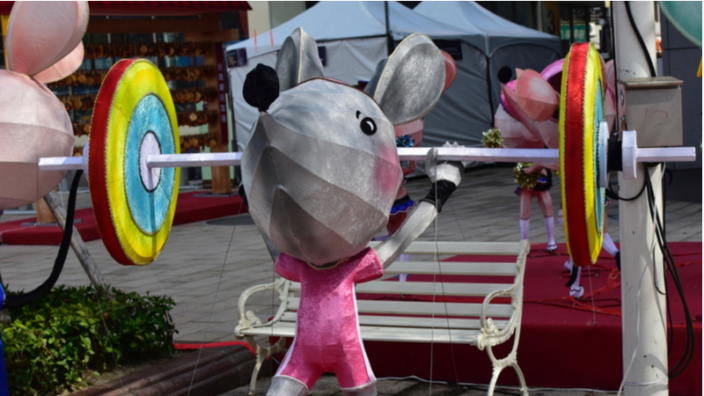
Weightlifting Mouse

Senolytics Improve Resistance Training in Old Mice

A paper published in GeroScience has reported that older mice taking the well-known senolytic combination of dasatinib and quercetin (D+Q) are able to build muscle more like young mice.

Senescent cells harm muscle development

In this paper, the researchers cite their prior research showing that the SASP, in conjunction with its known inflammatory effects, harms the ability of muscle progenitor cells to proliferate, thus depleting the ability of muscle to regenerate [1]. That paper showed that removing senescent cells through the senolytic combination of dasatinib and quercetin (D+Q) allowed for muscle regeneration in old mice, although it did not benefit old mice.

In this new research, the research sought to determine whether this also applied to muscle hypertrophy: that is, whether senolytics can help older organisms to build muscle through resistance training.

Resistance training for mice

Unfortunately, it isn’t possible to get mice to the gym. Therefore, the researchers used an established technique of removing “synergistic” muscle tissue (in this case, of the soleus and the gastrocnemius) in order to spur the development of the targeted muscle (in this case, the plantaris) [2]. Sham surgeries, in which no tissue was actually removed, were performed on a control group.

The plantaris muscles of both young (5 to 6 months) and old (23 to 24 months) mice increased slightly compared to their respective control groups, although young mice had significantly more muscle mass both before and afterwards, and while older mice stopped growing plantaris muscle tissue after a week, younger mice continued to grow it for two weeks.

As expected, senescent cells, which increase in muscle tissue after exercise, were found in substantially greater numbers in the older mice, especially after 14 days. While their numbers varied wildly from mouse to mouse, older mice had substantially and significantly more senescent cells than younger animals did, according to tests for the known senescent biomarkers p21 and SA-ß-gal.

The effects of senolytics

The effects of D+Q on senescent cells were significant, in line with previous murine studies. Cells expressing SA-ß-gal were decreased to a third of their previous level, while cells expressing p21 were approximately halved.

The researchers’ main hypothesis, that D+Q would increase muscle mass upon resistance training, was shown to be correct: older mice given this senolytic combination and the surgery had greater plantaris muscle mass and superior fiber characteristics to the older mice given only the surgery. However, this comes with an important caveat. Older mice that received D+Q but only received the sham surgery, which did not impart resistance effects on their plantaris muscles, actually had muscles that were weaker or equal to the mice that did not receive D+Q at all.

In other words, in the absence of resistance training, senolytics were not shown to be of any benefit and may have even have caused harm below the level of statistical significance.

Senescent cells in human volunteers

Fortunately, it is possible to get people to the gym. In a cohort of human volunteers between 20 and 39 years old, nearly no senescent cells were found in muscle tissue; however, after resistance exercise, p21 and SA-ß-gal tests found the presence of these senescent cell biomarkers, although their numbers varied wildly as they did in mice. This data suggests that the results found in mice may apply to human beings, although this was not a human trial.

Conclusion

The finding that senolytics may only have value in building muscle when combined with resistance exercise is a very important one that will certainly guide future trial design. If the results found in mice are recapitulated in human beings, a senolytic and exercise combination may be prescribed in the near future in order to give older people back some of their mobility and fight back against frailty.

We would like to ask you a small favor. We are a non-profit foundation, and unlike some other organizations, we have no shareholders and no products to sell you. All our news and educational content is free for everyone to read, but it does mean that we rely on the help of people like you. Every contribution, no matter if it’s big or small, supports independent journalism and sustains our future.

Literature

[1] Dungan, C. M., Murach, K. A., Zdunek, C. J., Tang, Z. J., VonLehmden, G. L., Brightwell, C. R., … & Peterson, C. A. (2022). Deletion of SA ß-Gal+ cells using senolytics improves muscle regeneration in old mice. Aging Cell, e13528.

[2] Kirby, T. J., McCarthy, J. J., Peterson, C. A., & Fry, C. S. (2016). Synergist ablation as a rodent model to study satellite cell dynamics in adult skeletal muscle. In Skeletal Muscle Regeneration in the Mouse (pp. 43-52). Springer, New York, NY.

Ginger root

Ginger Extract Shows Strong Senolytic Effect

A paper supported by the National Institute on Aging has shown that gingerenone A, a component of ginger extract, is a natural senolytic that is potentially more powerful and less toxic than the combination of dasatinib and quercetin [1].

Ginger and many other plants are widely known for their anti-inflammatory effects. Cellular senescence, in turn, plays a major role in the age-related chronic inflammation known as inflammaging [2]. This prompted an investigation into four plant extracts to see if any of them actually influence cellular senescence.

The two molecules that worked

This paper focused on human fibroblasts, a widely accepted senescence model. In this study, cellular senescence, which can be triggered by various stressors along different pathways, was induced by ionizing radiation.

In the initial screening, only an extract of ginger (Zingiber officinale Rosc.) had shown a discernible senolytic effect and was chosen for further experiments. After testing several key components of ginger extract individually, the scientists found that only two, 6-shogaol and gingerenone A, decreased the viability of senescent cells following a 72-hour treatment. The researchers pitted these two molecules against the popular senolytic combination of dasatinib and quercetin (D+Q).

In these experiments, the viability of cells was assessed after 48 hours of treatment. Both D+Q and gingerenone A decreased the viability of senescent cells, with the latter having a slight edge over the former. The difference was even more pronounced in the effect that the drugs had on the viability of proliferating (non-senescent) cells, which is how the specificity of a senolytic treatment is measured. While D+Q decreased the viability of proliferating cells, gingerenone A actually boosted it compared to controls, though the effect was not statistically significant. 6-shogaol increased the viability of proliferating cells more significantly but had a much smaller effect on the viability of senescent cells, leaving gingerenon A as the most potent senolytic among the three.

Gingerenone

Different effects on the SASP

Senescent cells exert their harmful effect mostly via their senescence-associated secretory phenotype (SASP), a pro-inflammatory mixture of molecules [3]. When studying senolytic compounds, scientists usually analyze their effect on various SASP components.

This time, the results were a mixed bag. Treatment with gingerenone A reduced the levels of the pro-inflammatory SASP factors IL-6, MCP-1, and IP-10 and increased the levels of the anti-inflammatory cytokines IL-10 and IL-13 (everything is complicated in biology, so some SASP components are actually anti-inflammatory). However, gingerenone A also increased the levels of the pro-inflammatory cytokines IL-8 and IL-1ß.

D+Q showed a different profile: similarly to gingerenone A, it reduced MCP-1 and IP-10. It also decreased two other pro-inflammatory cytokines, IL-10 and IL-8, while enhancing the secretion of the pro-inflammatory cytokines IL-6, IL-4, and IFN-γ. 6-shogaol did not induce significant changes in any of the SASP components measured.

These experiments show that no two senolytics work in exactly the same way, which must be taken into account when developing actual therapies. It is likely that the future of senolytics lies in combination treatments; D+Q is already a combination of two molecules.

Different apoptosis pathways

Senolytics usually work by restarting the apoptosis-inducing mechanism that gets “stuck” in senescent cells. Like senescence, apoptosis can be switched on via various pathways. Here, too, differences between the three compounds were evident. While D+Q significantly increased the levels of the protein p53, indicative of one of the pathways, gingerenone A and 6-shogaol did not. However, gingerenone A and 6-shogaol increased the levels of another pro-apoptotic marker, caspase-3, more than D+Q did. The researchers conclude that gingerenone A induces apoptosis via caspase-3 and not p53, although it is not entirely clear why 6-shogaol, which also led to an increase in caspase-3, was shown to be inferior to gingerenon A as a senolytic.

Reinventing plant extracts

Some of the components in otherwise beneficial plant extracts might be useless or even harmful, or their proportions might not be ideal; after all, plants were not created by evolution to treat sick humans. By studying plant extracts, scientists might be able to reformulate them in a better, more effective way. In this case, gingerenone A might be able to do the heavy lifting of senolysis, while 6-shogaol provides additional benefits.

Toxicity is a known problem with some senolytics [4], as demonstrated by the damage inflicted on proliferating cells by D+Q in this study. Most phytoextracts, on the other hand, are known to be safe – yet another reason to look for new senolytics in the world of plants.

Conclusion

This new study shows that ginger’s famous anti-inflammatory effect might be explained, at least in part, by its senolytic properties. Gingerenone A, one of the ingredients of ginger extract, might even be superior in its senolytic action to the D+Q duo while also being less toxic to non-senescent cells.

We would like to ask you a small favor. We are a non-profit foundation, and unlike some other organizations, we have no shareholders and no products to sell you. All our news and educational content is free for everyone to read, but it does mean that we rely on the help of people like you. Every contribution, no matter if it’s big or small, supports independent journalism and sustains our future.

Literature

[1] Moaddel, R., Rossi, M., Rodriguez, S., Munk, R., Khadeer, M., Abdelmohsen, K., … & Ferrucci, L. (2022). Identification of gingerenone A as a novel senolytic compound. Plos one17(3), e0266135.

[2] Olivieri, F., Prattichizzo, F., Grillari, J., & Balistreri, C. R. (2018). Cellular senescence and inflammaging in age-related diseases. Mediators of Inflammation2018.

[3] Coppé, J. P., Desprez, P. Y., Krtolica, A., & Campisi, J. (2010). The senescence-associated secretory phenotype: the dark side of tumor suppression. Annual review of pathology: mechanisms of disease5, 99-118.

[4] Guignabert, C., Phan, C., Seferian, A., Huertas, A., Tu, L., Thuillet, R., … & Humbert, M. (2016). Dasatinib induces lung vascular toxicity and predisposes to pulmonary hypertension. The Journal of clinical investigation126(9), 3207-3218.

Assisted living

Results From A Human Trial Of Stem Cells For Alzheimer’s

A paper published in the journal of the Alzheimer’s Association has revealed the results of a Phase 1 clinical trial of stem cells for Alzheimer’s disease.

Using stem cells for their signals

While stem cells, including the mesenchymal stem cells (MSCs) of which Lomecel-B consists, are well-known for their ability to differentiate into other cells, this approach does not involve that ability. Instead, this clinical trial focused on their attraction to damage and inflammation [1] along with their signaling abilities, a combination that gives them the ability to recruit microglia in order to reduce amyloid beta deposits, as has been shown in preclinical animal studies [2].

However, despite their effectiveness being shown in cell culture and animals, it has not previously been shown to be effective or even safe in people, which was the purpose of this trial.

Shown to be safe in this placebo-controlled study

In this Phase 1 study of people with mild Alzheimer’s disease, 8 people were given placebo, 15 people were given 20 million MSCs, and 10 people were given 100 million MSCs. As a Phase 1 trial is focused on safety rather than effectiveness, the primary endpoint was treatment-emergent serious adverse events (TE-SAEs) within 30 days of infusion.

Only one person had a TE-SAE: a person who had received 100 million cells had back pain that was determined to be unrelated to the treatment. One person, who had withdrawn from the low-dose group, died in an assisted living facility 144 days after infusion, presumably of age-related diseases.

Adverse events occurred more often in the placebo group than the treatment groups. No adverse events, serious or otherwise, were determined to be related to the infusion.

Mechanisms of action

The researchers analyzed multiple biomarkers related to neurodegenerative disease, including vascular endothelial growth factor (VEGF), interleukin-4 (IL-4), and IL-6.

VEGF is known to have positive and protective effects on the nervous system [3], and while it degrades with Alzheimer’s disease, it was maintained in the low-dose group and actually increased in the high-dose group. IL-4, which has anti-inflammatory effects and known positive effects in the context of Alzheimer’s disease [4], was maintained in the treatment arms but decreased in the placebo group. IL-6, a cytokine that protects against glucose toxicity [5], was significantly higher in the high-dose group than the placebo group.

Perhaps most importantly, the volume of the hippocampus, the part of the brain associated with memory, was significantly higher in the high-dose treatment group than either of the other groups.

Effects on cognition

Unfortunately, the effects on cognitive decline were less clear than the biomarker studies. The high-dose group performed akin to placebo on the Mini-Mental State Examination and a quality of life test; only the low-dose group saw improvement there. Another test, ADAS-cog, showed positive results that were not statistically significant. In a different quality of life study, ADCS-ADL, the placebo group performed much worse than either of the treatment groups.

Conclusion

In total, these results are very positive for a Phase 1 clinical trial. While the cognitive effects are unclear, the mechanisms of action appear to work as expected, it has been shown to be safe at both doses, and future phases with more participants will better prove or disprove the effectiveness of Lomecel-B for Alzheimer’s disease.

We would like to ask you a small favor. We are a non-profit foundation, and unlike some other organizations, we have no shareholders and no products to sell you. All our news and educational content is free for everyone to read, but it does mean that we rely on the help of people like you. Every contribution, no matter if it’s big or small, supports independent journalism and sustains our future.

Literature

[1] Oliva, A. A., McClain-Moss, L., Pena, A., Drouillard, A., & Hare, J. M. (2019). Allogeneic mesenchymal stem cell therapy: A regenerative medicine approach to geroscience. Aging Medicine, 2(3), 142-146.

[2] Lee, J. K., Schuchman, E. H., Jin, H. K., & Bae, J. S. (2012). Soluble CCL5 derived from bone marrow-derived mesenchymal stem cells and activated by amyloid ß ameliorates Alzheimer’s disease in mice by recruiting bone marrow-induced microglia immune responses. Stem cells, 30(7), 1544-1555.

[3] Hohman, T. J., Bell, S. P., Jefferson, A. L., & Alzheimer’s Disease Neuroimaging Initiative. (2015). The role of vascular endothelial growth factor in neurodegeneration and cognitive decline: exploring interactions with biomarkers of Alzheimer disease. JAMA neurology, 72(5), 520-529.

[4] Shimizu, E., Kawahara, K., Kajizono, M., Sawada, M., & Nakayama, H. (2008). IL-4-induced selective clearance of oligomeric ß-amyloid peptide1–42 by rat primary type 2 microglia. The Journal of Immunology, 181(9), 6503-6513.

[5] Villar-Fincheira, P., Sanhueza-Olivares, F., Norambuena-Soto, I., Cancino-Arenas, N., Hernandez-Vargas, F., Troncoso, R., … & Chiong, M. (2021). Role of interleukin-6 in vascular health and disease. Frontiers in Molecular Biosciences, 8, 79.

Elastrin

Kizoo Company Elastrin Closes $10M Funding Round

The well-known biotechnology holding company Kizoo has engaged in another funding round, this time for Elastrin Therapeutics, a company that focuses on returning stiff tissues to their natural state. The full press release is included here.

Greenville, SC, U.S, April 7, 2022 – Elastrin Therapeutics Inc., a privately held biotechnology company leveraging a platform to develop therapeutics that render calcified tissue and organs supple again, today announced the closing of a $10 million funding round led by Kizoo Technology Capital, a leading early-stage investor in breakthrough rejuvenation technologies. Other investors in the round include Starbloom Capital and SC Launch. Elastrin Therapeutics was founded in 2018 as a spinout from Clemson University where the technology was first developed over a 20-year period. The company’s lead asset ELT-001 is an EDTA-loaded nanoparticle conjugated with a proprietary monoclonal antibody for the treatment of vascular calcification.

Frank Schueler, Managing Director of Kizoo Technology Capital, explains: “We’re excited to lead the round for Elastrin. We have been impressed by what the small team accomplished in a short period of time, and we look forward to seeing the company grow and help millions of people. Their technology is truly groundbreaking by not only delaying age-related disease but also reversing them.”

“This is another incredible milestone for our company. It´s fantastic to have the support of our strong investors as we look to growing the company and scaling the technology,” said Matthias Breugelmans, CEO of Elastrin Therapeutics. “We want to save lives, and the capital, network, and knowledge that our investors bring to Elastrin Therapeutics is a true asset to enable us doing so at record pace.”

“We are proud to see the company grow and to be part of its journey with this revolutionary technology platform, truly making an impact for healthy living by repairing significant damage of aging,” commented Patrick Burgermeister, Partner at Kizoo Technology Capital and member of Elastrin Therapeutics’ Board of Directors.

About KIZOO

Kizoo provides seed and follow-on financing with a focus on rejuvenation biotech. Having been entrepreneurs, VC, and mentors in both high-growth tech and biotech companies for many years – with multiple exits and massive value created for the founders – Kizoo now brings this experience to the emerging field of rejuvenation biotech. We see it as a young industry that will eventually outgrow today’s largest technology markets.

As part of Michael Greve’s Forever Healthy Group, Kizoo directly supports the creation of startups turning research on the root causes of aging into therapies and services for human application. Investments include Cellvie, Underdog, Revel Pharmaceuticals, Elastrin Therapeutics, and others.

Forever Healthy’s other initiatives include the evaluation of new rejuvenation therapies, evidenced-based curation of the world’s cutting-edge medical knowledge, funding research projects on the root causes of aging, and hosting the annual Undoing Aging Conference.

For more information, please visit: www.kizoo.com and www.forever-healthy.org.

About Elastrin Therapeutics Inc.

Elastrin Therapeutics is a South Carolina-based biotech developing novel therapies to reverse cardiovascular disease. Its underlying technology was developed by Dr. Naren Vyavahare over the last 20 years at Clemson University. Our team has built a proprietary platform that targets and restores degraded elastin by removing the harmful calcification that stiffens arteries. The platform significantly improves the efficacy of drugs and eliminates side effects by combining particle design with elastin targeting.

Further information can be found at www.elastrin.com.

About SC Launch

Established in 2006, SC Launch, Inc. is an independent, non-profit corporation affiliated with SCRA (South Carolina Research Authority), which provides loans and investments to selected South Carolina-based companies participating in the SC Launch program. The SCRA was chartered in 1983 by the State of South Carolina as a public, non-profit corporation. The SCRA fuels South Carolina’s Innovation Economy by accelerating technology-enabled growth in research, academia, entrepreneurship and industry.

For more information, please visit: www.scra.org/sclaunchinc.

About Starbloom Capital

Starbloom Capital is a crypto-based family office that supports companies developing revolutionary longevity technologies.

Media Contact for Kizoo:

Frank Schueler

Managing Director

Kizoo Technology Capital

fs@kizoo.com

MC Services AG

Raimund Gabriel kizoo@mc-services.eu

Media Contact for Elastrin Therapeutics:

Matthias Breugelmans

Chief Executive Officer

Elastrin Therapeutics Inc.

matthias.breugelmans@elastrin.com

We would like to ask you a small favor. We are a non-profit foundation, and unlike some other organizations, we have no shareholders and no products to sell you. All our news and educational content is free for everyone to read, but it does mean that we rely on the help of people like you. Every contribution, no matter if it’s big or small, supports independent journalism and sustains our future.
Mice and food

Senolytics Restore α-Klotho in Mice and Humans

New senolytics data was released from Dr. James L. Kirkland’s Mayo Clinic lab and published in The Lancet [1].

Prior studies have shown that α-Klotho protein decreases with age in mice and humans [2,3]. It has also been demonstrated that mice that lack α-Klotho have shorter lifespans, cognitive impairment, sarcopenia, vascular dysfunction, osteopenia, cardiac hypertrophy and fibrosis, and physical dysfunction [2-9]. α-Klotho overexpression in mice is linked to increased lifespan, cognition, and skeletal muscle regeneration. These mice also had decreased diabetes-related inflammation and delayed age-related vascular decline [10-12].

We have previously discussed how low α-Klotho levels are associated with all-cause mortality and dementia. This study sought to determine if there is a causal link between α-Klotho and cellular senescence by determining the effect of senolytics on urinary α-Klotho levels in naturally aged, diet-induced obese, and senescent cell-transplanted mice. For the human portion of the study, urine from patients with idiopathic pulmonary fibrosis (IPF) were assayed for α-Klotho from a prior study [13].

α-Klotho is decreased by senescent cells via paracrine mechanisms

In three cell lines, the researchers examined both non-senescent and senescent cells. Treating the cell lines with activin A or Interleukin-1a, two notable components of the SASP, caused α-Klotho expression to decrease. To further determine causality, they transplanted a small number of senescent cells into the adipocyte progenitor cells into young mice, which decreased α-Klotho in the urine, cerebellum, and choroid plexus compared to controls.

Removal of a senescence marker in senescent cells increased α-Klotho

In old and young transgenic mice that do not strongly express the senescence marker p16Ink4a, kidney, brain, and urine α-Klotho was still lower in the older mice than the young. Furthermore, α-Klotho was increased when mice were treated with a compound that decreases p16Ink4a.

The SASP factors activin A and Interleukin-1a were elevated in the kidneys and brains of the old mice. Decreasing p16Ink4a caused their activitin A and Interleukin-1a to also be decreased, supporting the hypothesis that these two SASP factors contribute to age-related decline.

In vivo senolytic treatment increases α-Klotho levels

When mice were treated with dasatinib plus quercetin (D+Q) along with fisetin, α-Klotho levels were increased in the urine. Young wild-type mice with diet-induced obesity, which have more senescent cells than lean mice, had increased α-Klotho in urine with D+Q treatment. In young mice with transplanted senescent cells, D+Q and fisetin also increased urinary α-Klotho.

In the older mice, D+Q increased α-Klotho in the cerebellum and choroid plexus parts of the brain. The mRNA of α-Klotho was also increased in the the brains of the older mice and the obese mice. Additionally, α-Klotho levels were inversely related to adipose senescent cells in the obese mice.

In human cells and young transgenic mice, α-Klotho was not transcriptionally upregulated

Neither D+Q nor fisetin increased α-Klotho in non-senescent human preadipocytes (fat cells) or astrocytes (brain cells). In young female transgenic mice, decreasing p16Ink4a levels or administering D+Q did not increase α-Klotho in the kidneys or urine.

“Thus, senescent cell targeting strategies do not appear to increase α-Klotho when senescent cell burden is low, consistent with increases in α-Klotho being due to removal of senescent cells, rather than other mechanisms.”

Humans treated with senolytics have increased α-Klotho levels

The researchers had previously shown in IPF patients that nine doses of D+Q over three weeks led to improved gait distance and speed five days after the last dose of senolytics. Additional parameters show improved short performance scores and the ability to rise out of a chair. Urinary α-Klotho was increased after D+Q treatment.

Conclusion

The authors conclude their study by describing its implications:

“Our study also opens a novel, translationally-feasible avenue for developing orally-active small molecules to increase α-Klotho, which may also be a useful biomarker for senescent cell burden or senolytic drug activity in clinical trials.”

Six of this study’s authors on this study have a financial interest related to research and patents on senolytic drugs that are held by Mayo Clinic. However, this is a well-designed study with a wealth of data, and it may help to bring senolytics to the bedside as therapies against age-related diseases.

We would like to ask you a small favor. We are a non-profit foundation, and unlike some other organizations, we have no shareholders and no products to sell you. All our news and educational content is free for everyone to read, but it does mean that we rely on the help of people like you. Every contribution, no matter if it’s big or small, supports independent journalism and sustains our future.

Literature

[1] Zhu, Y., Prata, L., Gerdes, E., Netto, J., Pirtskhalava, T., Giorgadze, N., Tripathi, U., Inman, C. L., Johnson, K. O., Xue, A., Palmer, A. K., Chen, T., Schaefer, K., Justice, J. N., Nambiar, A. M., Musi, N., Kritchevsky, S. B., Chen, J., Khosla, S., Jurk, D., … Kirkland, J. L. (2022). Orally-active, clinically-translatable senolytics restore α-Klotho in mice and humans. EBioMedicine, 77, 103912. https://doi.org/10.1016/j.ebiom.2022.103912

[2] Maique, J., Flores, B., Shi, M., Shepard, S., Zhou, Z., Yan, S., Moe, O. W., & Hu, M. C. (2020). High Phosphate Induces and Klotho Attenuates Kidney Epithelial Senescence and Fibrosis. Frontiers in pharmacology, 11, 1273. https://doi.org/10.3389/fphar.2020.01273

[3] Faul, C., Amaral, A. P., Oskouei, B., Hu, M. C., Sloan, A., Isakova, T., Gutiérrez, O. M., Aguillon-Prada, R., Lincoln, J., Hare, J. M., Mundel, P., Morales, A., Scialla, J., Fischer, M., Soliman, E. Z., Chen, J., Go, A. S., Rosas, S. E., Nessel, L., Townsend, R. R., … Wolf, M. (2011). FGF23 induces left ventricular hypertrophy. The Journal of clinical investigation, 121(11), 4393–4408. https://doi.org/10.1172/JCI46122

[4] Kuro-o, M., Matsumura, Y., Aizawa, H., Kawaguchi, H., Suga, T., Utsugi, T., Ohyama, Y., Kurabayashi, M., Kaname, T., Kume, E., Iwasaki, H., Iida, A., Shiraki-Iida, T., Nishikawa, S., Nagai, R., & Nabeshima, Y. I. (1997). Mutation of the mouse klotho gene leads to a syndrome resembling ageing. Nature, 390(6655), 45–51. https://doi.org/10.1038/36285

[5] Kawaguchi, H., Manabe, N., Miyaura, C., Chikuda, H., Nakamura, K., & Kuro-o, M. (1999). Independent impairment of osteoblast and osteoclast differentiation in klotho mouse exhibiting low-turnover osteopenia. The Journal of clinical investigation, 104(3), 229–237. https://doi.org/10.1172/JCI5705

[6] Kawaguchi, H., Manabe, N., Miyaura, C., Chikuda, H., Nakamura, K., & Kuro-o, M. (1999). Independent impairment of osteoblast and osteoclast differentiation in klotho mouse exhibiting low-turnover osteopenia. The Journal of clinical investigation, 104(3), 229–237. https://doi.org/10.1172/JCI5705

[7] Kamemori, M., Ohyama, Y., Kurabayashi, M., Takahashi, K., Nagai, R., & Furuya, N. (2002). Expression of Klotho protein in the inner ear. Hearing research, 171(1-2), 103–110. https://doi.org/10.1016/s0378-5955(02)00483-5

[8] Nagai, T., Yamada, K., Kim, H. C., Kim, Y. S., Noda, Y., Imura, A., Nabeshima, Y., & Nabeshima, T. (2003). Cognition impairment in the genetic model of aging klotho gene mutant mice: a role of oxidative stress. FASEB journal : official publication of the Federation of American Societies for Experimental Biology, 17(1), 50–52. https://doi.org/10.1096/fj.02-0448fje

[9] Fan, J., & Sun, Z. (2016). The Antiaging Gene Klotho Regulates Proliferation and Differentiation of Adipose-Derived Stem Cells. Stem cells (Dayton, Ohio), 34(6), 1615–1625. https://doi.org/10.1002/stem.2305

[10] Jiang, W., Xiao, T., Han, W., Xiong, J., He, T., Liu, Y., Huang, Y., Yang, K., Bi, X., Xu, X., Yu, Y., Li, Y., Gu, J., Zhang, J., Huang, Y., Zhang, B., & Zhao, J. (2019). Klotho inhibits PKCa/p66SHC-mediated podocyte injury in diabetic nephropathy. Molecular and cellular endocrinology, 494, 110490. https://doi.org/10.1016/j.mce.2019.110490

[11] He, T., Xiong, J., Huang, Y., Zheng, C., Liu, Y., Bi, X., Liu, C., Han, W., Yang, K., Xiao, T., Xu, X., Yu, Y., Huang, Y., Zhang, J., Zhang, B., & Zhao, J. (2019). Klotho restrain RIG-1/NF-?B signaling activation and monocyte inflammatory factor release under uremic condition. Life sciences, 231, 116570. https://doi.org/10.1016/j.lfs.2019.116570

[12] Sahu, A., Clemens, Z.J., Shinde, S.N. et al. Regulation of aged skeletal muscle regeneration by circulating extracellular vesicles. Nat Aging 1, 1148–1161 (2021). https://doi.org/10.1038/s43587-021-00143-2

[13] Justice, J. N., Nambiar, A. M., Tchkonia, T., LeBrasseur, N. K., Pascual, R., Hashmi, S. K., Prata, L., Masternak, M. M., Kritchevsky, S. B., Musi, N., & Kirkland, J. L. (2019). Senolytics in idiopathic pulmonary fibrosis: Results from a first-in-human, open-label, pilot study. EBioMedicine, 40, 554–563. https://doi.org/10.1016/j.ebiom.2018.12.052

Two running mice

New Candidate Drug Extends Lifespan in Male Mice

Scientists from Mayo Clinic have significantly extended lifespan in male mice by inhibiting the enzyme CD38, which lowers NAD levels [1].

The age-related decline of nicotinamide dinucleotide (NAD) has been associated with various metabolic abnormalities, age-related diseases, and fitness loss.

Increasing NAD levels is considered a plausible anti-aging strategy, but scientists usually attempt to achieve it by supplementing NAD precursors such as nicotinamide riboside (NR) and nicotinamide mononucleotide (NMN). Although such supplementation has shown various health benefits, the only robust study that was done in the context of lifespan extension – a study of NR by the Intervention Testing Program (ITP), which is considered the golden standard of anti-aging drug testing – delivered negative results [2].

Interestingly, in that trial, scientists detected no NAD increase in tissues, which means that for unknown reasons, perhaps involving poor absorption, NR supplementation failed to boost NAD levels. Therefore, the trial did not bury the hypothesis that increasing NAD levels extends lifespan, but it raised the question of whether NR supplementation is the best strategy.

Enter CD38

The enzyme CD38 has multiple roles, including in the metabolism of NAD. CD38 expression causes a decline in NAD+ levels, most likely by regulating the availability of its precursors [3]. Hence, inhibiting it should have the opposite effect. In earlier research, scientists have created genetically modified CD38-deficient mice. These mice were not tested for lifespan, but the knock-out led to both positive effects [4] and deficiencies [5], helping to elucidate some roles of CD38.

This time, the researchers chose a different approach, inhibiting CD38 with the molecule 78c. In a previous study, 78c extended the survival of progeroid mice [6], but it was important to test it on naturally aging animals.

In the first experiment, 78c was fed to young mice, which significantly boosted their NAD levels, validating the approach. Then, the researchers took one-year-old naturally aging mice, dividing them into treatment and control groups. The researchers followed the mice until they died of natural causes or were euthanized according to the established rules, including non-fatal conditions that elicit animal suffering.

A benefit only for males

The treatment resulted in a 9% extension in maximum lifespan, which is considered substantial, but the results were highly sex-specific. In males, a 14% increase in maximum lifespan and a 17% increase in median lifespan were recorded, while in females, no statistically significant survival benefit was observed.

Interestingly, scientists often detect sex-related differences in the efficacy of candidate geroprotective drugs. Most molecules that caused lifespan extension in ITP trials worked better in one sex (usually males) than in the other. The reasons for this discrepancy are not fully clear yet, but it is something that scientists will have to consider when designing new anti-aging drugs and treatments.

The scientists noticed that the female mice in the study were disproportionally euthanized due to non-lethal conditions rather than dying of natural causes. They hypothesize that at a certain point, CD38 deficiency starts causing non-fatal deleterious conditions in female mice. Prior to that point, the survival curve for the treated female mice looked much better than that of the controls, but then it plunged abruptly. This might be relevant for elucidating the sex-specific effects of CD38 and other geroprotective drugs.

In fitness, sex-related differences were smaller, with both sexes seemingly benefiting from the treatment. Even at the age of two years (roughly equivalent to 60 human years), and 50 weeks after the beginning of the treatment, treated mice performed significantly better on a treadmill and in a hand grip test, and their rate of age-related fitness loss was much slower.

Most laboratory mice die from cancer, but autopsies showed no difference in the proportion of visible tumors between the treated mice and the controls. This suggests that 78c improves lifespan not via any evident anti-cancer effect. One possible takeaway is that a combination of 78c and an anti-cancer drug can potentially lead to an even greater increase in lifespan. Many researchers are convinced that combination treatments are the future of geroscience, but as of now, very few combinations have actually been tested.

Conclusion

With this study, 78c joins the growing cohort of molecules that extend lifespan in mice, a model organism that is considered close to humans. This particular study had a small sample size and questionable design features: some findings, such as NAD levels, were not stratified by sex, even though this study revealed substantial sex-related differences in the treatment’s efficacy. However, this study provides an important proof of concept for an alternative way to boost NAD levels in aging organisms. Since the lifespan extension was substantial, at least in males, we hope to see 78c or other CD38 inhibitors taken up by the ITP in the near future.

We would like to ask you a small favor. We are a non-profit foundation, and unlike some other organizations, we have no shareholders and no products to sell you. All our news and educational content is free for everyone to read, but it does mean that we rely on the help of people like you. Every contribution, no matter if it’s big or small, supports independent journalism and sustains our future.

Literature

[1] Peclat, T. R., Thompson, K. L., Warner, G. M., Chini, C. C., Tarragó, M. G., Mazdeh, D. Z., … & Chini, E. N. (2022). CD38 inhibitor 78c increases mice lifespan and healthspan in a model of chronological aging. Aging Cell, e13589.

[2] Harrison, D. E., Strong, R., Reifsnyder, P., Kumar, N., Fernandez, E., Flurkey, K., … & Miller, R. A. (2021). 17-a-estradiol late in life extends lifespan in aging UM-HET3 male mice; nicotinamide riboside and three other drugs do not affect lifespan in either sex. Aging cell20(5), e13328.

[3] Hogan, K. A., Chini, C., & Chini, E. N. (2019). The multi-faceted ecto-enzyme CD38: roles in immunomodulation, cancer, aging, and metabolic diseases. Frontiers in immunology10, 1187.

[4] Bu, X., Kato, J., Hong, J. A., Merino, M. J., Schrump, D. S., Lund, F. E., & Moss, J. (2018). CD38 knockout suppresses tumorigenesis in mice and clonogenic growth of human lung cancer cells. Carcinogenesis39(2), 242-251.

[5] Chen, J., Chen, Y. G., Reifsnyder, P. C., Schott, W. H., Lee, C. H., Osborne, M., … & Leiter, E. H. (2006). Targeted disruption of CD38 accelerates autoimmune diabetes in NOD/Lt mice by enhancing autoimmunity in an ADP-ribosyltransferase 2-dependent fashion. The Journal of Immunology176(8), 4590-4599.

[6] Tarragó, M. G., Chini, C. C., Kanamori, K. S., Warner, G. M., Caride, A., de Oliveira, G. C., … & Chini, E. N. (2018). A potent and specific CD38 inhibitor ameliorates age-related metabolic dysfunction by reversing tissue NAD+ decline. Cell metabolism27(5), 1081-1095.

Psoralea corylifolia

Corylin Shown to Affect Multiple Processes of Aging

A new publication in Nature Communications has revealed that corylin, which is derived from the Chinese herb Psoralea corylifolia, increases the lifespan of model organisms through well-known pathways of aging.

Finding corylin

This study did not begin with an examination of corylin or even a look at this particular herb. Instead, the researchers examined multiple ancient Chinese medical manuals, choosing 33 herbs and six herbal formulas to begin their initial test.

After using water, ethanol, and centrifugation to create extracts, the researchers administered these extracts to yeast cultures and examined their effects on replicative lifespan. They found that the ethanol extract of Psoralea corylifolia increases the lifespan of normal yeast almost exactly to that of a long-lived mutant strain that expresses less TOR1, and tests on another mutant strain with sirtuin genes deleted showed that this effect did not happen due to sirtuins.

The researchers then further analyzed this extract, finding 22 different compounds through chromatography and a review of the literature. They tested each of these compounds in yeast, finding only two, corylin and neobavaisoflavone, that increased lifespan, with corylin being the most effective.

Corylin affects the mTOR pathway

The researchers then performed a variant of their earlier test, examining the effects of corylin on mutant strains of yeast and finding similar results: corylin reduces TOR1 in a sirtuin-independent manner, making wild-type yeast live as long as its TOR1-reduced counterpart. Further tests showed that its effects are through the Gtr1 protein, and the researchers showed exactly how corylin docks with this protein in a way that similar compounds do not.

A previous study, whose authors include Oliver Medvedik and David Sinclair, has shown that caloric restriction and TOR inhibition cause the transcription factor Msn2 to be relocated from the cytoplasm to the nucleus, promoting Pnc1 expression and thus increasing NAD+, a vital component of metabolism that decreases with aging [1]. These results were also seen in this study.

These results were bolstered by data showing that a combination of corylin and caloric restriction was not helpful in yeast, suggesting that corylin acts as a caloric restriction mimetic in this model organism.

Corylin affects cellular senescence in human cells

The researchers then turned their attention to human umbilical vein endothelial cells (HUVECs), a common choice for cellular analysis. Corylin was shown to substantially reduce the markers of cellular senescence in these cells: after nine doublings, nearly all of the cells in the control group expressed SA-ß-gal, but only approximately a fifth of the corylin group did, and p21 expression was also substantially reduced.

Sequencing the RNA of young HUVECs, senescent HUVECs, and senescent HUVECs given corylin, the researchers found that the gene expression of the corylin group had become more similar to that of the young group and had strongly affected CXCL8, a known marker of senescence.

Corylin increased lifespan in mice fed a high-fat diet

Giving corylin at 50 milligrams per kilogram to 40-week-old mice in a treatment group, along with a high-fat diet for both the treatment and control groups, caused the survival curves of the two groups to diverge after only four weeks. After two years, approximately 60% of the corylin group was still alive, while only 40% of the control group had survived, despite eating similar amounts of food and having generally similar body weights.

Rearing behaviors and balance were improved in the corylin group, showing increased muscle strength and mobility compared to the control group. Corylin was shown to have effects on the mTOR1 of mice just as it had on the TOR1 of yeast.

Conclusion

While it is far too early to claim that corylin is at least as effective as rapamycin or rapalogs, it clearly has rapalog-like effects in model organisms, showing promise as a potential caloric restriction mimetic and a senotherapeutic that diminishes the effects of cellular senescence. If its safety and effectiveness can be ascertained in human beings, along with a careful analysis of side effects, corylin might become a longevity staple.

We would like to ask you a small favor. We are a non-profit foundation, and unlike some other organizations, we have no shareholders and no products to sell you. All our news and educational content is free for everyone to read, but it does mean that we rely on the help of people like you. Every contribution, no matter if it’s big or small, supports independent journalism and sustains our future.

Literature

[1] Medvedik, O., Lamming, D. W., Kim, K. D., & Sinclair, D. A. (2007). MSN2 and MSN4 link calorie restriction and TOR to sirtuin-mediated lifespan extension in Saccharomyces cerevisiae. PLoS biology, 5(10), e261.

Unhappy Sperm

Metformin in Fathers Linked to Birth Defects

A large-cohort population study from Denmark has linked metformin to a 40% increase in the risk of birth defects when taken by fathers during the spermatozoa development period [1].

A drug linked to longevity

Metformin is an anti-diabetes drug that drew geroscientists’ attention after studies had shown that it reduces all-cause mortality and alleviates diseases of aging [2, 3]. One crucial study even found that diabetic patients who took metformin had a lower risk of all-cause mortality than healthy people who were not on metformin [4].

Another study showed that metformin extends life in mice [5]. Surprisingly, metformin flopped in Intervention Testing Program (ITP) trials, which are extremely robust mouse trials of candidate geroprotective drugs. However, it was shown to enhance the life-prolonging effect of rapamycin [6].

Many geroscientists think there is a considerable chance that metformin can extend lifespan in humans. Currently, metformin is the subject of TAME (Targeting Aging with Metformin), the first large-scale human trial of a potentially life-extending drug.

40% more birth defects

The results of this new study might pour some cold water on the metformin craze. By analyzing a large cohort of Danes, the scientists detected an increased prevalence of birth defects in children whose fathers were on metformin prior to conception.

Drawing from a giant health database, the researchers identified diabetic fathers who had a history of taking one or more of the anti-diabetes medications insulin, metformin, and sulfonylurea. Of more than one million offspring, 3.3% had major birth defects, but metformin-exposed children – those of fathers who took metformin during the spermatozoa development period (three months prior to conception) – were 40% more likely to have birth defects. The correlation waned with time: if the father stopped taking metformin one year or more prior to conception, the drug had no effect on the prevalence of birth defects.

Genital defects that appeared solely in boys constituted a disproportional amount of birth defects in metformin-exposed children. In another important finding, unexposed siblings of exposed offspring did not have an increased risk of birth defects. Insulin showed no correlation with birth defects, and while sulfonylurea did show some correlation, the results were not statistically significant.

Caveats and limitations

The authors went to considerable lengths to ensure the robustness of the study. Diabetic mothers and even mothers with diagnosed hypertension were excluded to minimize the effect of the mother’s health. The analysis was also restricted to a maternal age at birth of 35 and a paternal age at birth of 40, since parental age strongly affects the prevalence of birth defects, and this variable was accounted for in the study.

Several other potentially confounding variables, such as parental education, income levels, and maternal smoking status during pregnancy, were also accounted for. The researchers had no access to other potentially relevant parameters such as obesity or diet, which can hint at how well glucose is controlled.

The study had some additional limitations. For instance, the researchers only knew whether the father received and redeemed a prescription for metformin but not whether he was actually taking the drug as prescribed.

For the main result of the study, the P-value (the probability that the result was obtained purely due to chance) was 0.012. This is well inside the commonly used boundary of 0.05 but not overly impressive. This probably has a lot to do with the overall low prevalence of birth defects: even in a million-strong cohort, the number of children with birth defects born to parents with a history of anti-diabetic drugs was too small to provide for a more robust statistical analysis.

However, the weight of the evidence is hard to ignore. The prevalence of male birth defects is consistent with a recent study that referred to metformin as a contaminant of emerging concern with anti-androgenic properties [7]. The fact that unexposed offspring of the same fathers had a normal risk of birth defects also points to metformin.

Is it serious?

How serious are the implications? First, no population study can establish a causal relationship, and we should wait for the results to be replicated in other large-scale studies or for scientists to find a mechanistic explanation for the correlation. Second, since birth defects are rare, even after a 40% increase, the risk is still low. It is up to the individual diabetic whether or not to switch to a different drug several months before a planned conception.

In the context of metformin and life extension, we probably have even less to worry about. As the lead scientist of the TAME study, Nir Barzilai, pointed out in our interview with him, it would probably be useless to start taking metformin as a life-prolonging intervention before the age of 50 (of course, people over 50 have children too, but less often).

It is worth noting that, overall, metformin has a great safety record and has been included in the WHO’s list of essential medicines.

Conclusion

Though this study raises important questions about metformin’s safety, it does not establish a causal relationship between the drug and the prevalence of birth defects. Like all population studies, it has various limitations and should be taken with a grain of salt. We will be monitoring the situation closely as new studies are published.

We would like to ask you a small favor. We are a non-profit foundation, and unlike some other organizations, we have no shareholders and no products to sell you. All our news and educational content is free for everyone to read, but it does mean that we rely on the help of people like you. Every contribution, no matter if it’s big or small, supports independent journalism and sustains our future.

Literature

[1] Wensink, M. J., Lu, Y., Tian, L., Shaw, G. M., Rizzi, S., Jensen, T. K., … & Eisenberg, M. L. (2022). Preconception Antidiabetic Drugs in Men and Birth Defects in Offspring: A Nationwide Cohort Study. Annals of Internal Medicine.

[2] Roussel, R., Travert, F., Pasquet, B., Wilson, P. W., Smith, S. C., Goto, S., … & Reduction of Atherothrombosis for Continued Health (REACH) Registry Investigators. (2010). Metformin use and mortality among patients with diabetes and atherothrombosis. Archives of internal medicine170(21), 1892-1899.

[3] Campbell, J. M., Bellman, S. M., Stephenson, M. D., & Lisy, K. (2017). Metformin reduces all-cause mortality and diseases of ageing independent of its effect on diabetes control: a systematic review and meta-analysis. Ageing Research Reviews40, 31-44.

[4] Bannister, C. A., Holden, S. E., Jenkins-Jones, S., Morgan, C. L., Halcox, J. P., Schernthaner, G., … & Currie, C. J. (2014). Can people with type 2 diabetes live longer than those without? A comparison of mortality in people initiated with metformin or sulphonylurea monotherapy and matched, non-diabetic controls. Diabetes, Obesity and Metabolism16(11), 1165-1173.

[5] Martin-Montalvo, A., Mercken, E. M., Mitchell, S. J., Palacios, H. H., Mote, P. L., Scheibye-Knudsen, M., … & De Cabo, R. (2013). Metformin improves healthspan and lifespan in mice. Nature communications4(1), 1-9.

[6] Strong, R., Miller, R. A., Antebi, A., Astle, C. M., Bogue, M., Denzel, M. S., … & Harrison, D. E. (2016). Longer lifespan in male mice treated with a weakly estrogenic agonist, an antioxidant, an a-glucosidase inhibitor or a Nrf2-inducer. Aging cell15(5), 872-884.

[7] Alla, L. N. R., Monshi, M., Siddiqua, Z., Shields, J., Alame, K., Wahls, A., … & Pitts, D. K. (2021). Detection of endocrine disrupting chemicals in Danio rerio and Daphnia pulex: Step-one, behavioral screen. Chemosphere271, 129442.

Raiany Rommani

Raiany Romanni on the Ethical Aspects of Life Extension

Raiany Romanni is a Harvard Kennedy Fellow in Effective Altruism, an A360 Scholar, a Stanford Existential Risk Fellow, and a bioethicist. She is currently working on a non-fiction book aimed at catalyzing the ethics of longevity research, while suggesting that aging is the costliest of all human diseases.

You are a bioethicist. Could you explain to our readers what this is, how did you become one, and why we need bioethicists around?

The easy answer would be to point at my degree in bioethics, from Harvard Medical School. The more accurate answer, however, would be to say that I became a bioethicist because I’ve always been obsessed with life. What does it mean to be alive, or dead? How have the meanings we ascribe to life evolved over the centuries? My training in philosophy seemed insufficient to address these questions. Theory is only useful if we can translate it to the suffering of real persons, and to the emerging world of converging technologies which will transfigure “the” meaning of life.

We need bioethicists around because what is right isn’t always intuitive, and it takes rigorous work to understand how best to augment human flourishing. As a bioethicist, I try to occupy myself with what is quantifiably good for human societies. I recently became a Harvard Kennedy Fellow in Effective Altruism (EA) and believe EA supplements the work of bioethics by encouraging counterintuitive questions like “What if we treated the fundamental processes of aging, instead of Alzheimer’s? Would that — objectively — be a better use of our limited resources towards our existing goal of extending human healthspan?”

We currently spend a little over 1% of all National Institutes of Health funding on the fundamental processes of aging. Meanwhile, some 80% of an average individual’s medical expenses occur past the age of forty. There’s a significant mismatch here.

Our society spends billions of dollars on fighting diseases and keeping people alive for as long as possible, sometimes to the point of absurdity. Yet, there is a lot of resistance when we dare to talk about solving aging or extending lifespan. Why do you think this happens, and how do you deal with it?

For all our medical breakthroughs, two things have remained rather constant throughout history: human lifespan and human healthspan. For every human life, we have consistently recorded one death, at a maximum age of 122. At around 25, we begin to decay. These two facts often overshadow the remarkable fact that we’ve engineered a doubling in average life expectancy over the past century.

The eradication of smallpox and polio — and the relative control of nearly all infectious diseases — was hardly insignificant. But the fact that we haven’t doubled the number of years a human can live — let alone in good health — legitimately contributes to the public’s disbelief that scientists may be able to achieve this.

We’re wired to appreciate the world through an availability heuristic: the examples we can most readily recall often guide our moral reasoning. So, it’s not altogether irrational that people should question our ability to reverse aging. Only a small fraction of the world’s population devotes their time to reading dense, scientific papers, which indeed prove that several mechanisms of aging can be quite easily manipulated. And only a small fraction of the world’s population wants to deal with the ethical challenges that accompany this fast-arriving revolution.

We’ve built so much of our infrastructure around the idea of death and gradual decay that most of us would rather just reject the messy possibility of a longer, healthy life. It seems like too much work. With radical health extension, what do we do about incarceration or monogamy? These are difficult questions—but certainly worth answering.

As a myth, the notion that death is a progress-furthering entity, and aging a necessary parcel of life, made sense. For millennia, it was a helpful narrative, needed to cope with the gruesomeness of bodily decay, when we could do nothing about it. We certainly didn’t have the converging technologies, when the Black Plague killed a good half of the European population, to hope otherwise. In that context, religion, too, was a rational choice.

Responding from a place of recognition of the public’s rationality, rather than the (misguided) assumption that people reject longevity research because they are irrational, is helpful, I think. People rely on heuristics to do their own scanning of the world, and those can be misleading at times, but I like to believe that if offered a full picture of the problem of aging, a good portion of us would be convinced it must be solved.

Do you think that ethical and economic arguments in favor of life extension work in synergy, or maybe invoking economy and profit devalues the moral foundations of our cause?

The ethics, in my view, can’t be considered without consideration of the economic, downstream effects. If you think ethics ought to be addressed without regard to economic impact, then you can’t talk about equitable distribution, affordability, or even the creation of these therapies in the first place (which, whether theorists like it or not, requires money).

We can’t reduce the ethics to just economics: a mistake often made when bioethicists assume that biotechnologies should only be pursued if they can be made immediately affordable. But we also can’t undermine the fact that increased capital can translate directly into increased human flourishing.

To be relevant (i.e., not constantly outpaced by the science), I think bioethicists must learn to consider technologies in principle: to assume that they could work, could be quite equitably distributed (not in ideal, Rawlsian worlds, but in the flawed societies we’ve got), and could go through all phases of a clinical trial. Then, we get to truly interesting questions.

If we could engineer ourselves out of aging, would we risk engineering ourselves, too, out of the meaning of human life? The answer, I think, is yes: but only as much as we engineered ourselves out of the meaning of life in the Stone Age, when to be human meant to hunt and gather for one’s every meal—until it didn’t.

Recently, I read an op-ed in The Guardian, where the author was attacking the longevity field because he sees it as “billionaires trying to reach immortality by spending tons of money.” This is ridiculous, of course, but how do you think the growing involvement of personalities like Jeff Bezos in our field affects its moral landscape?

First, I think the wealthy should be rewarded for funding these life-saving technologies towards clinical safety, and — eventually — towards governmental adoption. If there is no reward, there are no therapies, no trickle-down effect, no decreased human suffering.

The sad part, for me, is that venture capital alone, absent governmental funding, is going to take decades, if not centuries, longer to deliver commercial-grade aging therapies. Imagine, for a minute, that for some odd reason governments decided during the COVID-19 pandemic that they would leave it all to private capital. We’d probably get to a vaccine, and to some level of social relief, but not within the span of several months.

Again, only about 1% of all National Institutes of Health funding goes to fundamental aging research. So, at least we have people like Bezos and Thiel and Zuckerberg interested in disrupting the healthcare system. I hope they do: we’d all benefit from it.

Are you interested in the ethics of extreme life extension? Have you ever thought about what an ageless society might look like? I personally think so much in our civilization depends on aging and mortality that it’s hard to imagine a world without them.

I’m interested in increased human flourishing, and diminished suffering. Whether a civilization that could repeatedly reset its biological clock could achieve both is a question at least worth pursuing.

We’ve built our entire infrastructure to sustain—not solve—the problem of aging. Nick Bostrom’s “The Fable of the Dragon Tyrant” is a brilliant caricature of this problem. If we could always return to a more youthful state — say, like Turritopsis dohrnii — I think we’d be incredibly productive. The US currently spends nearly half its federal budget every year on the effects of aging. Imagine the problems we could solve—and there will be no shortage of problems—if that funding were freed up.

But then, would innovation take place at a similar rate? Some studies show that people are most productive in their forties—when they’ve lived enough years to know what they are doing, but not enough that their cells can’t remember what they used to be. If the same person were in charge of innovation, say, through a two-hundred-year health-span, would they be prone to founding startups, and coming up with fresh solutions to old problems? I think we’d need to actively train this new civilization on the importance of remaining nimble, and not carrying biases. This may not be so easily achieved, but if the alternative is murdering these people, or burdening our healthcare systems, I think we all agree it would be well worth the effort.

So, yes, if we engineer ourselves out of aging, we will most likely engineer ourselves, too, out of “the” meaning of life. This would be neither the first nor the last time in history this happened. We’re the storytellers. The difference, in this century, is that the story is going to evolve at an unprecedented pace.

We are all ambassadors. I know I get to explain the idea of life extension quite often. Can you give our audience a piece of advice on how best to promote our cause?

The cause isn’t ours: it’s humanity’s. Health extension is a more effective way of doing what we’ve been doing all along: namely, extending life and health, and delaying death and decay.

Soon, our populations will begin to shrink—Japan, for example, is set to lose 21 million people by 2050. And, as Peter Diamandis writes, in technologically advanced societies—where misdistribution and not scarcity of resources is the issue—large populations are an asset. The more minds working towards human and planetary flourishing, the better.

We would like to ask you a small favor. We are a non-profit foundation, and unlike some other organizations, we have no shareholders and no products to sell you. All our news and educational content is free for everyone to read, but it does mean that we rely on the help of people like you. Every contribution, no matter if it’s big or small, supports independent journalism and sustains our future.
Rejuvenation Roundup March

Rejuvenation Roundup March 2022

March was a productive month for aging research, including new information coming out about the popular supplement glutathione and insights into what leads to cognitive decline. Here’s what happened in the rejuvenation world this month.

LEAF News

EARD2021

Daniel Ives on Genomic Aging Clocks: Daniel Ives of Shift Bioscience discussed how genes themselves, rather than methylation, might provide effective clocks and therapeutic targets.

Lifespan News

Update on Resveratrol Controversy: Ryan O’Shea revisits the ongoing controversy involving resveratrol and the widely known longevity enthusiast David Sinclair.

Glutathione for Longevity: Glutathione is a supplement that has increased the longevity of mice by 24% in one experiment, and Ryan O’Shea discusses this research. We have a new topic on glutathione here.

Interviews

Simon MelovDr. Simon Melov on Single Cell Genomics: Dr. Simon Melov is a professor at the Buck Institute for Research on Aging. His lab is working on identifying the molecular hallmarks of aging, specifically in the context of cellular senescence. Recently, the lab published a paper in which it announced a discovery of a completely new senolytic compound, 25HC.

Dina Radenkovic on the Root Cause of Gender Inequality: Our interviewee today holds that female reproductive aging, or ovarian aging, is accelerated compared to other organs and that it has a deep impact both on the lives and health of women and on our society as a whole. Nevertheless, ovarian aging continues to be underresearched.

Rejuvenation Roundup Podcast

Ryan O’Shea of Future Grind hosts this month’s podcast, showcasing the events and research discussed here.

Journal Club

Reversing Cellular Aging in Mice with Yamanaka Factors: On Tuesday, March 29th, the Journal Club was livestreamed to our Facebook page at 12:00 Eastern. Dr. Oliver Medvedik took a look at a new paper showing that partial cellular reprogramming to reverse cellular aging in possible in normally aged mice.

Advocacy and Analysis

Clinical trialClinical Trials Targeting Aging: A miniature review of clinical trials targeting aging was published in Frontiers in Aging by Dr. Morten Scheibye-Knudsen and colleagues. This review specifically focuses on interventions that have shown strong clinical evidence that they impact aging.

Life Extension and Anti-Aging Have a Branding Problem: It seems bizarre that in 2022, some biotech companies interested in doing something about aging are still saying that they are not. Cellular rejuvenation seems to be the latest buzzword and an attempt to rebrand and escape the stigma of anti-aging.

Research Roundup

Gut bacteriaGut Viruses Found to Improve Cognition in Humans: A study published in Cell Host & Microbe has found that members of the Cuadovirales viral order, which infect gut bacteria, positively affect cognition in multiple species, including humans.

Exercise Improves Cognition Depending on Type and Amount: In a new review paper, scientists show that exercise can alleviate age-related cognitive decline, but not all types of exercise are created equal. Lifestyle choices, such as exercise and diet, are the most powerful anti-aging interventions currently available to us, and they might be the only effective ones.

Immune cell warriorSENS Researchers Culture Immune Cells to Fight Senescence: Publishing in Aging, a team of researchers from SENS Research Foundation has described a new method of enriching natural killer (NK) cells to fight senescent cells.

Vitamin D Dosing Safety in a Randomized, Controlled Trial: New data has been released from the Vitamin D Type 2 Diabetes (D2d) study. This study is a randomized, controlled trial that includes overweight and obese people studied at 22 academic medical centers in the United States.

Meat on plateMeat Consumption Increases Risk of Some Types of Cancer: In a new population study, scientists have found more evidence that consuming a lot of meat might not be a good idea, though the association between meat and cancer depends on multiple factors.

Long-Term Cellular Reprogramming Causes Rejuvenation in Mice: Scientists have shown that in vivo partial cellular reprogramming can be safe and effective in an animal model, although the rejuvenation was mostly limited to long-term treatments and two tissue types.

Guinea pigTuberculosis Is Associated with Epigenetic Aging: Publishing in Aging, a team of researchers has explained the relationship between tuberculosis (TB) and multiple aspects of aging, including epigenetic alterations and the senescence-associated secretory phenotype (SASP).

Using Gene Expression to Target Senescent Cells: An open access study published in iScience has discussed the development of senolytics to target particular genes that are upregulated in cellular senescence.

MicrogliaMicroglia Depletion Decreases Neuroinflammation in Mice: Scientists show that when done right, partial elimination of microglia, the immune cells of the brain, lowers age-related inflammation and cellular senescence. Brain health is of utmost importance for geroscientists, since the brain is the one organ that cannot be replaced, and microglia are the brain’s resident immune cells.

The Growing Increase in Cognitive Reserve: A study published in Brain Sciences has shown that mild cognitive impairment is less than half as common now as it was twenty years ago. This study used data from the Interdisciplinary Longitudinal Study of Adult Development and Aging (ILSE), which began in 1992, and featured a thousand people.

Elderly and dogDog Ownership Lowers Risk of Disability in Old Age: In a new population study, scientists show that dog ownership is associated with a lower risk of developing disability in old age, though it does not affect all-cause mortality.

Fighting COVID-19 by Counteracting Aging: A research paper that has been peer reviewed and published in Nature has described how disrupting an immune pathway that is upregulated in aging decreases the lethality of COVID-19 in a mouse model.

Cat and mouseGlutathione Extends Lifespan in Mice by 24%: In a study conducted by scientists from Baylor College of Medicine in Houston, supplementation of glutathione had a drastic effect on the lifespan of wild-type mice, both male and female.

Fasting During Ramadan and Acute Kidney Injury Incidence: A cohort study that was published in BioMed Central by Dr. Alsayyari and colleagues examined Islamic fasting on acute kidney injury incidence.

Spinal discIntervertebral Disc Rejuvenation Using Yamanaka Factors: Partial cellular reprogramming using Yamanka factors has become increasingly prominent in the world of aging research. A new study suggests that transient exposure to the Yamanaka factors might be the solution to intervertebral disc degeneration.

Plant Compound Shown to Ameliorate Brain Injury: Publishing in Aging, a team of Taiwanese researchers has found that a chemical derived from Polygonum multiflorum, a herb native to southeastern China, aids in recovery from traumatic brain injury and encourages brain regeneration.

Healthy DietAnti-Inflammatory Diet Lowers Risk of Dementia: In a population study, scientists have found that consuming foods associated with a low Diet Inflammatory Index substantially lowers the risk of dementia.

A Common Amyloid Between Brain Diseases: Research funded by the National Institutes of Health and published in Cell has thoroughly described a little-known amyloid aggregate that accumulates in the brains of people suffering from multiple proteostasis-related neurological disorders.

Olive oilOleanoic Acid Protects Against Cardiac Aging in Mice: Scientists have shown that oleanoic acid, a nutrient most associated with olive oil, greatly improves numerous markers of cardiac health in aging mice.

Caloric Consumption Affects Caloric Restriction in Mice: Publishing in Aging, researchers from the Chengdu Jinjiang Hospital in China have discovered that caloric restriction is less effective on mice previously fed a high-calorie diet.

Blood pressureCarotid Bodies Play a Role in Glucose Regulation: An advance online preprint was released in Circulation Research examining carotid bodies’ role in hypertension and diabetes. The investigators of this study mention that despite established clinical protocols in Europe, less than 40% of patients with hypertension and diabetes achieve their treatment targets.

Chloroquine Increases Maximum Lifespan in Rats by 13%: Scientists have shown that chloroquine, a well-known anti-malarial drug and the cousin of hydroxychloroquine, attenuates inflammation and fibrosis while significantly extending median and maximum lifespan in naturally aged rats.

The NADPARK study: A randomized phase I trial of nicotinamide riboside supplementation in Parkinson’s disease: These findings nominate NR as a potential neuroprotective therapy for PD, warranting further investigation in larger trials.

Role of resveratrol supplementation in regulation of glucose hemostasis, inflammation: and oxidative stress in patients with diabetes mellitus type 2: Supplementation of resveratrol along with oral hypoglycemic agents may be useful in the reduction of diabetic associated complications.

Association between lithium use and the incidence of dementia and its subtypes: A retrospective cohort study: The researchers observed an association between lithium use and a decreased risk of developing dementia, lending further support to the idea that lithium may be a disease-modifying treatment for dementia

Intranasal oxytocin modulates the salience network in aging: These findings suggest that administration of oxytocin can play a modulatory role on resting-state functional connectivity.

OSBPL2 mutations impair autophagy and lead to hearing loss, potentially remedied by rapamycin: This research shows that rapamycin restores the autophagic abilities lost to these mutations.

Activation of Rictor/mTORC2 signaling acts as a pivotal strategy to protect against sensorineural hearing loss: A high dose of sirolimus (rapamycin) resulted in severe hearing loss by reducing the mTORC2/AKT signaling pathway in the cochlea, but restoring mTORC2 might be a viable therapy.

Biological mechanisms of aging predict age-related disease co-occurrence in patients: This paper focuses on how various root causes of aging lead to age-related disease co-occurrence and could potentially be targeted to reduce the incidence of these diseases.

Geroscience-guided repurposing of FDA-approved drugs to target aging: A proposed process and prioritization: Challenges in repurposing existing and moving newly discovered interventions from the bench to clinical care have impeded the progress of this potentially transformational paradigm shift.

Multi-omic rejuvenation of naturally aged tissues by a single cycle of transient reprogramming: A single period of OSKM expression can drive epigenetic, transcriptomic, and metabolomic changes toward a younger configuration

CD38 inhibitor 78c increases mice lifespan and healthspan in a model of chronological aging: This study is the first to investigate the effect of CD38 inhibition in naturally aged animals.

The flavonoid corylin exhibits lifespan extension properties in mouse: Corylin ameliorates cellular senescence in human cells and extends lifespan in mice fed a high-fat diet. Taken together, these findings suggest that corylin may promote longevity.

A comparison over 2 decades of disability-free life expectancy at age 65 years for those with long-term conditions in England: The researchers observed improvement between 1991 and 2011 despite the presence of most health conditions.

Secular trends in prevalent mild cognitive impairment: Data from the Swedish population-based study Good Aging in Skåne: An overall drop of 9 to 10 percentage points in mild cognitive impairment prevalence between 2001 and 2020 was observed

Orally-active, clinically-translatable senolytics restore a-Klotho in mice and humans: The researchers hold that this opens a novel, translationally feasible avenue for developing therapies that restore this valuable, geroprotective protein.

Attenuation of intrinsic ageing of the skin via elimination of senescent dermal fibroblasts with senolytic drugs: These results indicate that selective clearance of senescent skin cells can attenuate and improve skin aging phenotypes and that senolytic drugs may be useful therapeutics for skin aging.

Senolytic treatment rescues blunted muscle hypertrophy in old mice: These data collectively show that senescent cells emerge in human and mouse skeletal muscle following a hypertrophic stimulus and that D?+?Q improves muscle growth in old mice.

Identification of gingerenone A as a novel senolytic compound: Gingerenone A selectively promotes the death of senescent cells with no effect on non-senescent cells.

News Nuggets

The Maximon Longevity Prize for Translational Research: The investment firm Maximon is awarding a prize of 50,000 Swiss francs to an organization that Maximon believes has engaged in research that is likely to improve healthspan and lifespan in humans.

Aaron CravensKizoo and Revel Announce $8.4 Million Seed Round: Revel Pharmaceuticals, a holding of Kizoo Technology Capital, has announced that it is seeking $8.4 million dollars in investment funding in order to develop its enzyme-based approach towards ending age-related diseases.

Insilico Medicine Identifies New Aging Targets: Insilico Medicine, which uses AI for drug discovery, has identified potential dual-purpose therapeutic targets that are implicated in aging and age-associated diseases using artificial intelligence and a Hallmarks of Aging framework.

We would like to ask you a small favor. We are a non-profit foundation, and unlike some other organizations, we have no shareholders and no products to sell you. All our news and educational content is free for everyone to read, but it does mean that we rely on the help of people like you. Every contribution, no matter if it’s big or small, supports independent journalism and sustains our future.
Small mouse big mouse

Caloric Consumption Affects Caloric Restriction in Mice

Publishing in Aging, researchers from the Chengdu Jinjiang Hospital in China have discovered that caloric restriction is less effective on mice previously fed a high-calorie diet.

Well-known effects

In their introduction, the researchers discuss what caloric restriction is known to do, citing papers that show its effects on autophagy [1], inflammation [2], nutrient sensing [3], and mitochondrial handling of oxidative stress [4], all of which are related to aging. The researchers also cite papers showing the well-known effects of obesity, focusing on its related cardiac issues [5].

One of the critical points of cardiac function, and a focus of this paper, is how mitochondria use fatty acids as fuel through oxidative phosphorlyzation (OXPHOS), which generates 95% of the energy used by the heart [6] and is regulated through nutrient sensing pathways that involve AMPK, SIRT1, and mTOR.

The researchers also focused on adiponectin, a hormone that is downregulated in obesity and upregulated after weight loss. This hormone is known to have multiple positive effects, including reducing inflammation and oxidation [7].

With this in mind, the researchers sought to investigate another question: how does caloric restriction affect obesity?

Transitioning between different types of food

For this study, the researchers used four different groups of mice: mice fed nothing but a standard food diet of 3.1 kcal/kg (3.1CG), mice fed standard food for 17 weeks and then a diet of 60% of their previous calories for 13 weeks (3.1CR), mice fed nothing but a 5.5 kcal/kg diet (5.5CG) for the duration of the study, and mice fed a 5.5 kcal/kg diet for 17 weeks and then a 3.1 kcal/kg diet (5.5CR). All of these mice had spent the first 12 weeks of their lives eating a 3.1 kcal/kg diet.

Most of the results of this study were no surprise. The 5.5CG group initially ingested less food than the 3.1CG group, although its food intake approximated the 3.1CG group after 17 weeks. The 5.5CG group had more fat content and was significantly heavier than the other groups, and it had more of the protein Fabp4, a measurement of fat infiltration into other tissues.

Interestingly, the 3.1CR group did not have significantly less fat than the 3.1CG group, although it did have notably lower glucose. The blood glucose of the 5.5CR group closely approximated that of the 3.1CG group after 9 to 13 weeks.

Some surprising effects on the heart

Probably the most surprising finding of this study is how much the caloric restriction groups’ hearts resembled each other in multiple respects. Their sizes during both expansion and contraction were significantly smaller than the control groups, which had similar heart sizes.

However, the ejection fraction of the 3.1CR group was much higher than the 5.5CR group, suggesting permanent damage to the heart in the latter group. Accordingly, and in line with expectations, the 5.5CG group suffered from heart hypertrophy.

Effects on mitochondria

While some metabolic measurements were similar between the two control groups, others were not. The NADH of the 5.5CR group was similar to that of the 3.1CG group, and only the 3.1CR group enjoyed substantial improvements there. Cytochrome numbers were much higher in the 3.1CR group.

While the mtDNA copy numbers were higher in both caloric restriction groups, the researchers examined the biomarker eNOS, using it to conclude that this proliferation only represented significant biogenesis in the 3.1CR group.

Many other biomarkers related to nutrient sensing showed similar effects. AMPK-related biomarkers that were upregulated in the 3.1CR group were significantly downregulated in both 5.5 groups. PGC-1a, a biomarker of metabolic fitness, behaved similarly. Interestingly, SIRT1 was most upregulated in the 5.5CR group, even more than the 3.1CR group; the 5.5CG group had the least SIRT1.

Conclusion

Perhaps this study’s main issue is that it measured the effects of caloric restriction as a percentage of what the mice were used to rather than an absolute value. If the 5.5CR group had received the same amount of calories as the 3.1CR group, the results, and the researchers’ conclusion, might have been significantly different.

Still, this is illustrative of a very real-world scenario: people engaging in weight loss strategies might choose to eat significantly less than they did previously, which might still not be enough of a reduction to confer a measurable benefit in all areas. Such people may wish to seek personalized medical advice in order to engage in healthy weight loss without malnutrition.

We would like to ask you a small favor. We are a non-profit foundation, and unlike some other organizations, we have no shareholders and no products to sell you. All our news and educational content is free for everyone to read, but it does mean that we rely on the help of people like you. Every contribution, no matter if it’s big or small, supports independent journalism and sustains our future.

Literature

[1] Wohlgemuth, S. E., Seo, A. Y., Marzetti, E., Lees, H. A., & Leeuwenburgh, C. (2010). Skeletal muscle autophagy and apoptosis during aging: effects of calorie restriction and life-long exercise. Experimental gerontology, 45(2), 138-148.

[2] Csiszar, A., Labinskyy, N., Jimenez, R., Pinto, J. T., Ballabh, P., Losonczy, G., … & Ungvari, Z. (2009). Anti-oxidative and anti-inflammatory vasoprotective effects of caloric restriction in aging: role of circulating factors and SIRT1. Mechanisms of ageing and development, 130(8), 518-527.

[3] Vega-Martin, E., Gonzalez-Blazquez, R., Manzano-Lista, F. J., Martin-Ramos, M., Garcia-Prieto, C. F., Viana, M., … & Gil-Ortega, M. (2020). Impact of caloric restriction on AMPK and endoplasmic reticulum stress in peripheral tissues and circulating peripheral blood mononuclear cells from Zucker rats. The Journal of Nutritional Biochemistry, 78, 108342.

[4] Opalach, K., Rangaraju, S., Madorsky, I., Leeuwenburgh, C., & Notterpek, L. (2010). Lifelong calorie restriction alleviates age-related oxidative damage in peripheral nerves. Rejuvenation research, 13(1), 65-74.

[5] de Divitiis, O. R. E. S. T. E., Fazio, S. E. R. A. F. I. N. O., Petitto, M., Maddalena, G., Contaldo, F., & Mancini, M. (1981). Obesity and cardiac function. Circulation, 64(3), 477-482.

[6] Murphy, E., Ardehali, H., Balaban, R. S., DiLisa, F., Dorn, G. W., Kitsis, R. N., … & Youle, R. J. (2016). Mitochondrial function, biology, and role in disease: a scientific statement from the American Heart Association. Circulation research, 118(12), 1960-1991.

[7] Turer, A. T., & Scherer, P. E. (2012). Adiponectin: mechanistic insights and clinical implications. Diabetologia, 55(9), 2319-2326.

Oil of Snake

Life Extension and Anti-Aging Have a Branding Problem

It seems bizarre that in 2022, some biotech companies interested in doing something about aging are still saying that they are not. Cellular rejuvenation seems to be the latest buzzword and an attempt to rebrand and escape the stigma of anti-aging.

Genentech is another cellular rejuvenation company

Recently, researchers at the Salk Institute, in collaboration with Genentech, showed that they can safely and effectively reverse aging in old mice by resetting their cells to a more youthful state using Yamanaka factors.

Genentech, a large Roche subsidiary biotech company, is focusing on cellular rejuvenation using partial cellular reprogramming. It could be set to become a future rival of Altos Labs.

Earlier this year, Altos Labs made its debut, bringing $3 billion in funds and an impressive roster of researchers to focus on cellular reprogramming. Despite media suggestions that it is a longevity or anti-aging company, Altos is adamant that it is not.

Instead, Altos has positioned itself as a cellular rejuvenation reprogramming company. Genentech also looks like it might follow a similar path and double down on the cellular rejuvenation angle, avoiding coming out and saying that it is an anti-aging or longevity company. Given that both companies are working on cellular rejuvenation, which is very much relevant to aging, it might seem somewhat strange for them to claim to be uninvolved in it.

Why are they doing this? It’s because life extension and anti-aging have a branding problem. There are a few reasons why.

Rebranding to get through clinical trials

Some companies are sidestepping the whole issue by simply going after diseases without drawing focus on the age reversal aspect of what they are doing. The FDA is not going to approve a trial to “reverse aging”, so the logical step for a number of companies is to instead focus on a particular disease and aim to demonstrate disease modification.

The FDA is unlikely to take issue with age reversal or rejuvenation technology if it is demonstrably effective against a specific age-related disease. This is why an increasing number of companies are taking this route to get through clinical trials. Once approved the idea would be that off label use would occur.

Overpromising and underdelivering

The life extension community unfortunately does have a reputation for being long on promises and short on delivery. With what is now decades of research, there are still no effective therapies against aging.

Of course, science takes time, and a lot of progress is being made in our fundamental understanding of aging as well as the steady slog to translate the research from animals to humans. However, public perception is based on results, and so far, nothing has turned back aging enough in people to grab public attention.

This is also not helped by otherwise earnest researchers in our community sometimes fueling hype and exaggerating the impact of their current research. While it is perfectly understandable to be excited about one’s own research, some researchers do sometimes make claims that go beyond the data.

This is likely due to their hopes of attracting funding and grants, but it can be harmful to the image of the field when the hype does not meet the reality.

Another factor that is likely playing a part in this rebranding is the sad fact that our field is filled with snake oil salesmen out to make a quick buck.

Alongside the legitimate researchers doing fine scientific work in the lab, there are also plenty of hucksters hiding in the community. These people prey on people who lack the knowledge to discern credible science from pseudoscience and peddle worthless products, much like the snake oil salesmen of the Old West.

It will take a group effort to clean up the perception of our field to hopefully make these new companies more comfortable in associating with it. There are a few things that each of us can do to help.

Stop drinking the Kool-Aid, and learn to evaluate scientific claims

While it will be some years yet before a comprehensive suite of therapies to end age-related diseases is here and available, and the hucksters are peddling their wares right now, you can arm yourself with knowledge and protect yourself and our community from these people. Learn to evaluate science rather than taking things at face value, and avoid expensive scams and bad science.

Here are some useful questions to consider when reading an article, looking at claims made by supplement makers, or evaluating any science in general.

Was the claim first announced through mass media or through scientific channels? 

Legitimate claims will undergo peer review first. Shady companies not backing up their claims with published data are a dime a dozen; do not be fooled by them. Also, pay attention to the source of the news; press releases, associated companies, and obscure websites are poor sources. The bottom line is that any company making claims about its product should be able to back those claims up with published research in a respected journal.

Are the claimants transparent about their testing, and is there sufficient published data for reproduction?

Credible research is generally published in credible, peer-reviewed journals with transparent and clear details of experiments so that others may attempt to replicate their results. When evaluating a claim, always see if it is published and if anyone else has successfully, independently replicated the results. Also, ensure that any independent results are indeed independent and that there is no link between the original group and the study replicating the results.

A properly developed technology will take years of development to reach release; is there a clear paper trail of studies and clinical trials supporting it?

Similar to the above; a company or research team worth its salt will have a trail of evidence documenting research and development efforts that likely go back for years or even decades. If a company appeared from nowhere and has no historical record of its research, this is a huge red flag.

How good is the quality of data supporting the claim, and is it of statistical significance?

Learn to evaluate how statistically significant results are. Did a test involve a single mouse or a person, or did it involve hundreds or even thousands of test subjects to reach its conclusion? The smaller the study, the higher the statistical noise and the greater the effect that outliers can have on the average. Large test groups offer the most stable and accurate data, and small, single-patient studies are, for the most part, not useful.

Beware a company that tests on a single candidate and claims that a supplement or therapy works. A credible company may start with a small pilot study but ultimately expands into larger-scale studies in order to prove safety and efficacy.

Are the claimants reputable, and are they published in credible journals?

Investigate and check their academic pedigrees. Having a Ph.D. is not required to conduct great science, but, in general, a researcher of any worth will have peer-reviewed publications with lots of citations and a good reputation in academia.

Where does the study funding come from?

Even when there is published data, make sure you find out where the funding comes from. Studies on a patented supplement that are funded by the patent holder are a serious red flag and should be viewed with extreme caution.

Do the claimants state that their claim is being suppressed by authorities? Big Pharma? The government?

Claims of being suppressed or somehow blocked by the government or other entities is a common tactic used by scammers. A scammer might claim to be a misunderstood researcher who just wants to help, and a supplement maker in trouble with the FDA for making false claims might say that it is simply being misinterpreted. This is base trickery; don’t fall for it.

Does the claim sound far-fetched?

If it sounds too good to be true, then the chances are that it probably is. Credible science is always appropriately cautious and never overly affirmative; if someone is way too positive, this is a red flag.

Is the claim said to be based on ancient knowledge?

The ‘appeal to the ancients’ logical fallacy is commonly used to convince and part people from their money. “The ancients used certain supplements, so they must work” is a common tactic used to sell things. The truth is that while our ancestors were indeed clever and creative in many ways, not all their ideas were wise; indeed, many of the things they believed were dead wrong and even dangerous. This is a commonly used tactic in the supplement and diet industries.

Is the claim said to be “natural” as a selling point?

This is the ‘appeal to nature’ fallacy, another common sales tactic that takes advantage of the biases we as humans have and our inclination to think that everything natural is good. A quick review shows us that what is natural is not always a good thing: tidal waves, earthquakes, venomous snakes, diseases, and aging are all natural, but they are most certainly not desirable.

This is, of course, only a short checklist of things to watch out for; if a claim raises these flags, then it’s a good idea to be highly dubious about its credibility.

Conclusion

The snake oilers will be with us for quite a while, but by working together as a community and thinking critically about claims, we can help filter these people out and ultimately clean up the field for the benefit of legitimate scientists working on the real solutions to aging that will benefit us all.

Another consideration is that as more therapies enter clinical trials and high-quality data arrives, the hucksters will be steadily ousted. Ultimately, once therapies that have passed through the proper trial process arrive, most people will not wish to risk their health and money on hucksters.

The reputation of the field has improved massively in the last decade, but there is much that we can all do to improve it further.

We would like to ask you a small favor. We are a non-profit foundation, and unlike some other organizations, we have no shareholders and no products to sell you. All our news and educational content is free for everyone to read, but it does mean that we rely on the help of people like you. Every contribution, no matter if it’s big or small, supports independent journalism and sustains our future.
Insilico Medicine

Insilico Medicine Identifies New Aging Targets

Insilico Medicine, which uses AI for drug discovery, has identified potential dual-purpose therapeutic targets that are implicated in aging and age-associated diseases using artificial intelligence and a Hallmarks of Aging framework. The full press release is included here.

Aging Target Wheel

March 29, 2022, New York (11AM ET) — Insilico Medicine, a clinical stage end-to-end artificial intelligence (AI)-driven drug discovery company, today announced that it has successfully established a unique approach to identify potential dual-purpose targets for therapeutics of aging and age-associated diseases with PandaOmics, its proprietary AI-enabled biological target discovery platform. The research was published on Aging.

People worldwide are living longer. According to WHO, one in six people in the world will be aged 60 years or over by 2030. However, aging increases vulnerability to a wide range of human disorders, including cancers, diabetes, cardiovascular diseases, and neurodegenerative diseases. Roughly two-thirds of 150,000 people who die each day globally suffer from age-associated diseases.

Recent aging research suggests that targeting the aging process itself could ameliorate many age-related pathologies. The research proposed by Insilico Medicine’s scientists aims to utilize AI to identify potential targets that are implicated in multiple age-associated diseases and also play a role in the basic biology of aging, which may have substantial benefits for the discovery and development of therapeutics for both aging and age-associated diseases.

Insilico Medicine deployed PandaOmics to perform target identification for 14 age-associated diseases (AADs) and 19 non-age-associated diseases (NAADs) across multiple disease areas to identify targets of age-associated diseases targets. Upon the comprehensive assessment, 145 genes were considered as potential aging-related targets and mapped into corresponding aging hallmark(s), including 69 high confidence targets with high druggability, 48 medium novel targets with high or medium druggability, and 28 highly novel targets with medium druggability.

“Developing interventions that target multiple age-associated diseases and aging itself could result in unprecedented health benefits by not only treating disease but also extending healthspan and providing for more fresh drug repurposing candidates,” said Alex Zhavoronkov, PhD, CEO of Insilico Medicine. “The current study also demonstrated the power of PandaOmics AI-powered target discovery platform to identify novel dual-purpose targets not only for specific disorders but across multiple types of diseases in a cost-saving and time-efficient manner.”

A list of potential therapeutic dual-purpose aging targets for drug discovery was disclosed in the paper.

About PandaOmics

PandaOmics is an AI-enabled biological target discovery platform. It utilizes advanced deep learning models and AI approaches to predict the target genes associated with a given disease through a combination of Omics AI scores, Text-based AI scores, Finance scores, and Key opinion leader (KOL) scores, and is currently being employed in both academic and industry settings. The algorithm also allows the prioritization of protein targets for novelty, confidence, commercial tractability, druggability, safety, and other key properties that drive target selection decisions.

About Insilico Medicine

Insilico Medicine, a clinical stage end-to-end artificial intelligence (AI)-driven drug discovery company, is connecting biology, chemistry, and clinical trials analysis using next-generation AI systems. The company has developed AI platforms that utilize deep generative models, reinforcement learning, transformers, and other modern machine learning techniques to discover novel targets and to design novel molecular structures with desired properties. Insilico Medicine is delivering breakthrough solutions to discover and develop innovative drugs for cancer, fibrosis, immunity, central nervous system (CNS) diseases and aging-related diseases.

For more information, visit www.insilico.com.

For media inquiry, please contact media@insilicomedicine.com.

Olive oil

Oleanoic Acid Protects Against Cardiac Aging in Mice

Scientists have shown that oleanoic acid, a nutrient most associated with olive oil, greatly improves numerous markers of cardiac health in aging mice [1].

is a nutrient abundant in some foods, particularly olive oil. Olive oil has been shown to have health benefits compared to most other types of oil, but this data comes mostly from population studies that can establish a connection but do not provide a mechanistic explanation for it. To do this, a scientific deep dive is needed, and some have already been done.

The researchers of this study point out that oleanoic acid has been shown to possess antiviral, hepatoprotective, anti-cancer, anti-diabetic, and neuroprotective properties. At least in part, it works by countering oxidative stress, a major factor in various processes of aging, such as inflammaging and mitochondrial dysfunction.

The heart of the matter

In this study, the researchers wanted to analyze the beneficial effects of oleanoic acid on heart function using 4- to 6-month-old and 22- to 24-month-old mice. In this placebo-controlled study, the treatment groups received oleanoic acid every other day for six weeks.

As expected, the passage of time induced various pathological changes in the animals’ hearts. With aging, the heart gets larger, mostly because of age-related hypertension. The treatment attenuated age-related heart hypertrophy, though the researchers do not report whether it actually lowered blood pressure.

The part of the heart that grows the most with aging is the left ventricle. The treatment led to a substantial decline in its mass and its diameter at the end of the contraction phase.

Considerable improvement in cardiac function was recorded as well. To perform as expected, heart muscle cells (cardiomyocytes) must be able to shorten quickly and substantially. The treatment improved several important markers, such as peak shortening (as a percentage of the resting cell length), maximal velocity of shortening/relengthening, and relengthening duration. More concretely, aging worsened peak shortening by a factor of two, yet oleanoic acid was able to restore this parameter, as well as the others, virtually to youthful levels.

On the tissue level, aging is accompanied by cardiomyocyte remodeling and a drastic increase in fibrosis. The latter was just as drastically reversed by oleanoic acid, again almost to the levels observed in young mice.

Autophagy and mitophagy

Autophagy is an important maintenance mechanism that dismantles and clears out dysfunctional organelles, toxic proteins, etc. This process gets sluggish as we age, and that includes mitophagy, the type of autophagy that targets dysfunctional mitochondria. This decrease in autophagic activity has been implicated in many age-related diseases and conditions, such as cancer and neurodegeneration [2].

Since autophagy and oxidative stress are linked together in an intricate interplay [3], the researchers decided to check the behavior of several autophagic and mitophagic markers.

The autophagic markers LC3-II and p62 revealed an age-related decrease in autophagy that was mostly reversed by the treatment. Of the three mitophagic markers, only one, called FUNC1, was significantly upregulated by oleanoic acid in aged mice.

To further investigate this marker’s role, scientists created mice with the FUNC1 gene knocked out. In those mice, the effects of aging on cardiac function were of the same magnitude as in wild-type mice, but the treatment failed to alleviate them, pointing at the importance of the FUNC1 pathway for oleanoic acid’s effect on cardiac function.

Superoxide (O2) is the primary free radical produced by mitochondria, and its destructive power is well captured by study titles such as “A mitochondrial superoxide theory for oxidative stress diseases and aging” [4]. The researchers found that oleanoic acid reverted the levels of superoxide back to normal.

Finally, the researchers tested for several inflammation markers, including the primary pro-inflammatory cytokines TNF-α and IL-1ß. In line with the other markers, those two became upregulated with age but were rolled back by the treatment.

Is olive oil actually healthy?

As mentioned above, olive oil is indeed considered a healthy alternative to other oils, but its properties are probably not the same as those of pure oleanoic acid. Moreover, although oleanoic acid is thought to be relatively safe, one study showed that it reduces motility and fertility in rats, so more research should be done on safety and dosage.

Conclusion

In line with what we know about the benefits of olive oil and other oleanoic acid-containing products, this study shows that oleanoic acid can potentially protect against age-related cardiac deficiencies, probably by promoting autophagy and mitophagy. It is intriguing and hope-inspiring that this relatively short-term and late-onset treatment was able to revert so many markers back to youthful levels.

We would like to ask you a small favor. We are a non-profit foundation, and unlike some other organizations, we have no shareholders and no products to sell you. All our news and educational content is free for everyone to read, but it does mean that we rely on the help of people like you. Every contribution, no matter if it’s big or small, supports independent journalism and sustains our future.

Literature

[1] Gong, Y., Luo, Y., Liu, S., Ma, J., Liu, F., Fang, Y., … & Ren, J. (2022). Pentacyclic triterpene oleanolic acid protects against cardiac aging through regulation of mitophagy and mitochondrial integrity. Biochimica et Biophysica Acta (BBA)-Molecular Basis of Disease, 166402.

[2] Barbosa, M. C., Grosso, R. A., & Fader, C. M. (2019). Hallmarks of aging: an autophagic perspective. Frontiers in endocrinology, 790.

[3] Chang, K. C., Liu, P. F., Chang, C. H., Lin, Y. C., Chen, Y. J., & Shu, C. W. (2022). The interplay of autophagy and oxidative stress in the pathogenesis and therapy of retinal degenerative diseases. Cell & Bioscience12(1), 1-20.

[4] Indo, H. P., Yen, H. C., Nakanishi, I., Matsumoto, K. I., Tamura, M., Nagano, Y., … & Majima, H. J. (2015). A mitochondrial superoxide theory for oxidative stress diseases and aging. Journal of clinical biochemistry and nutrition56(1), 1-7.