
October 29, 2026
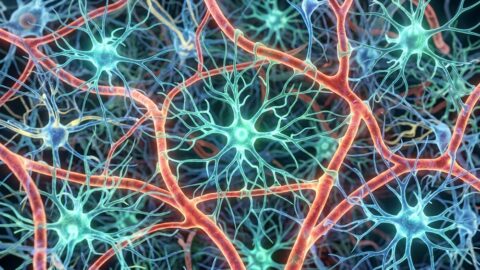
In Aging Cell, researchers have described how increasing fibroblast growth factor 13 (FGF13) in astrocytes reduces aging throughout the bodies of mice. A factor from a well-known family FGFs are signaling molecules that share structural and functional commonalities and play crucial roles in biology, including neural function [1]. Some of these molecules are secreted, and...

October 27, 2026
One of the oldest and biggest longevity conferences moved this year across the Atlantic, from Copenhagen to Boston. The new location brought ARDD close to several important longevity hubs and might have contributed to this edition’s practical, entrepreneurial, and forward-oriented spirit. We have already reported on the unprecedented panel where FDA named longevity a priority....
September 17, 2026
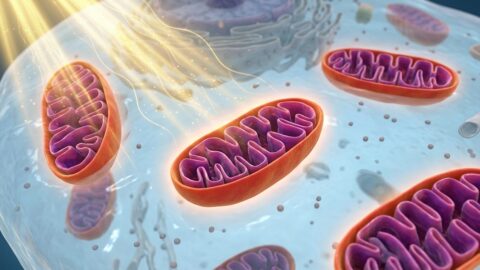
Researchers publishing in Aging Cell have found that a cocktail of molecules released by human umbilical cord mesenchymal stem cells (hUC-MSCs) can mitigate sun-induced skin aging (photoaging) in mice by restoring their cells' ability to get rid of their own damaged mitochondria (mitophagy). Wrinkles are only a small part of the problem Chronic exposure to...
August 12, 2026
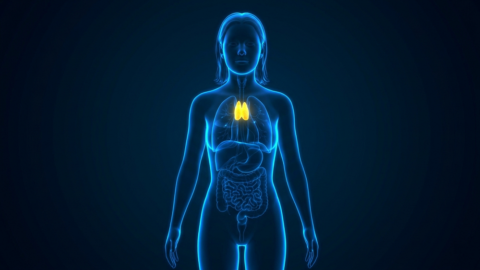
A recent study identified the thymus hormone thymulin as a molecule with the potential to reduce inflammation in an age-dependent manner. Treating cancer-bearing mice with this molecule made other cancer treatments more effective [1]. The aging immune system Aging has a profound impact on the immune system. It leads to a progressive decline in immune...

July 31, 2026
For the last several years, Dr. José Pedro Castro, a Gladyshev Lab alumnus, who is now Assistant Researcher and Project Principal Investigator at the Institute for Research and Innovation in Health at the University of Porto, has been studying inflammation and its crucial role in aging and disease. Earlier this month, he received the Rising...

July 14, 2026
A new study suggests that aging or Parkinson’s-triggering mutations create inflammation in peripheral tissues, and then circulating extracellular vesicles spread it to the brain, which might contribute to the disease [1]. Brain on fire Nature made the brain remarkably well-protected, including from the elements by the skull and from pathogens by the blood-brain barrier (BBB)....