




Having a Hobby Might Lead to a Healthier Life
A new publication in Nature Medicine has provided evidence from multiple countries supporting the idea that older people who have hobbies are healthier and less likely to have depression. Loneliness,

Ending Age-Related Diseases 2023: Longevity/DeSci Success
The Ending Age-Related Diseases 2023 conference has ended, and it was a big success. Today, we are delighted to announce that the first of our conference videos is available: the

Jumping Genes Influence the Speed of Aging in Worms
According to a newly published paper in Nature Communications, transposable elements impact aging in C.elegans [1]. Transposable elements and aging Transposable elements are often referred to as mobile genetic elements

Taking Up Exercise Late in Life May Prevent Fitness Decline
According to a new study published in Aging Cell, previously sedentary old people who took up an exercise program were able to improve their fitness and maintain it for at

Turning Back the Clock With mRNA Telomerase Therapy
Since its launch in 2016, Rejuvenation Technologies, located in Mountain View, California, has been developing a therapeutic to restore telomeres in humans. The company has been in stealth mode for

Two Industries in One Field
We are at an interesting time for our field, and at long last, some rejuvenation therapies are entering clinical trials. The approach of directly targeting the processes of aging in
Metformin and Galantamine To Combat Muscle Loss
Researchers associated with Rejuvenate Biomed and publishing in JCI Insight have conducted multiple experiments on a combination of metformin and galantamine in animal models. These preclinical experiments are intended to

Impact of Plant-Based Diets on Biological Aging
In new research published in BMC Medicine, the authors recruited a large cohort of participants in order to assess how plant-based foods affect aging trajectories [1]. Benefits of plant-based diets

Biomarkers of Aging for Facilitating Future Research
The Biomarkers of Aging Consortium, an initiative uniting about 200 geroscientists around the goal to inform and guide the use of biomarkers of aging, has put out its first paper

Fisetin Reduces Senescence in the Brains of Sheep
A study published in Antioxidants has found that the senolytic fisetin significantly decreases cellular senescence in the brains of sheep. A flavonoid with a long history This paper begins with
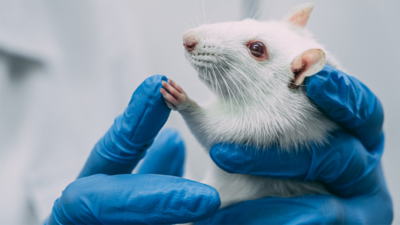
Extracellular Vesicles Improve Cardiac Health in Old Rats
In a new study published in Nature, extracellular vesicles derived from neonatal cardiac progenitors produced significant rejuvenation in old rats and human cells [1]. Tiny messengers Extracellular vesicles (EV) are

Rejuvenation Roundup August 2023
EARD2023, the Longevity + DeSci Summit, is over, but the work its speakers have been doing continues. Here’s what’s happened on the aging research front in August. LEAF News Team
Longevity and DeSci Recap – August 2023
On the Longevity and DeSci Recap, you’ll discover the latest interviews, insights, and research in the longevity tech sphere over the past month and learn more about topics including blockchain,

A Gene Behind a Key Senescence Biomarker
A paper published in GeroScience has described a gene responsible for a key biomarker of cellular senescence. A widely used biomarker Senescence-associated beta-galactosidase (SA-ß-gal) is the most widely used and
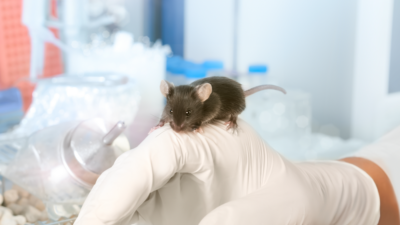
Senolytics Have Sex-Dependent Effects on Young Mice
In a research paper published in GeroScience, researchers investigated the impact of senolytics on young mice and found some surprising results [1]. Senescent cell removal and other properties Senolytics, when

Having a Hobby Might Lead to a Healthier Life
A new publication in Nature Medicine has provided evidence from multiple countries supporting the idea that older people who have hobbies are healthier and less likely to have depression. Loneliness, social isolation, and hobbies This paper begins with an explanation of population aging and its downstream

Ending Age-Related Diseases 2023: Longevity/DeSci Success
The Ending Age-Related Diseases 2023 conference has ended, and it was a big success. Today, we are delighted to announce that the first of our conference videos is available: the opening talk from the event given by our President, Keith Comito. But before we get into

Jumping Genes Influence the Speed of Aging in Worms
According to a newly published paper in Nature Communications, transposable elements impact aging in C.elegans [1]. Transposable elements and aging Transposable elements are often referred to as mobile genetic elements or jumping genes, as these DNA pieces can change their position in the genome. Changing the

Taking Up Exercise Late in Life May Prevent Fitness Decline
According to a new study published in Aging Cell, previously sedentary old people who took up an exercise program were able to improve their fitness and maintain it for at least four years [1]. Better late than never When is it too late to engage in

Turning Back the Clock With mRNA Telomerase Therapy
Since its launch in 2016, Rejuvenation Technologies, located in Mountain View, California, has been developing a therapeutic to restore telomeres in humans. The company has been in stealth mode for a number of years, but there is finally some news! Reversing a decade of telomere loss

Two Industries in One Field
We are at an interesting time for our field, and at long last, some rejuvenation therapies are entering clinical trials. The approach of directly targeting the processes of aging in humans can finally be put to the test. While rejuvenation therapies that aim to prevent, stop,
Metformin and Galantamine To Combat Muscle Loss
Researchers associated with Rejuvenate Biomed and publishing in JCI Insight have conducted multiple experiments on a combination of metformin and galantamine in animal models. These preclinical experiments are intended to be a prelude to a human trial for sarcopenia. A debilitating disease with no pharmaceutical treatments

Impact of Plant-Based Diets on Biological Aging
In new research published in BMC Medicine, the authors recruited a large cohort of participants in order to assess how plant-based foods affect aging trajectories [1]. Benefits of plant-based diets Previous research has shown that consumption of plant-based foods is associated with healthy aging [2,3]. It

Biomarkers of Aging for Facilitating Future Research
The Biomarkers of Aging Consortium, an initiative uniting about 200 geroscientists around the goal to inform and guide the use of biomarkers of aging, has put out its first paper [1]. The need for biomarkers Since studies with lifespan as their endpoint can take a prohibitively

Fisetin Reduces Senescence in the Brains of Sheep
A study published in Antioxidants has found that the senolytic fisetin significantly decreases cellular senescence in the brains of sheep. A flavonoid with a long history This paper begins with an in-depth discussion of many previous experiments involving this flavonoid, which is naturally found, in small
Extracellular Vesicles Improve Cardiac Health in Old Rats
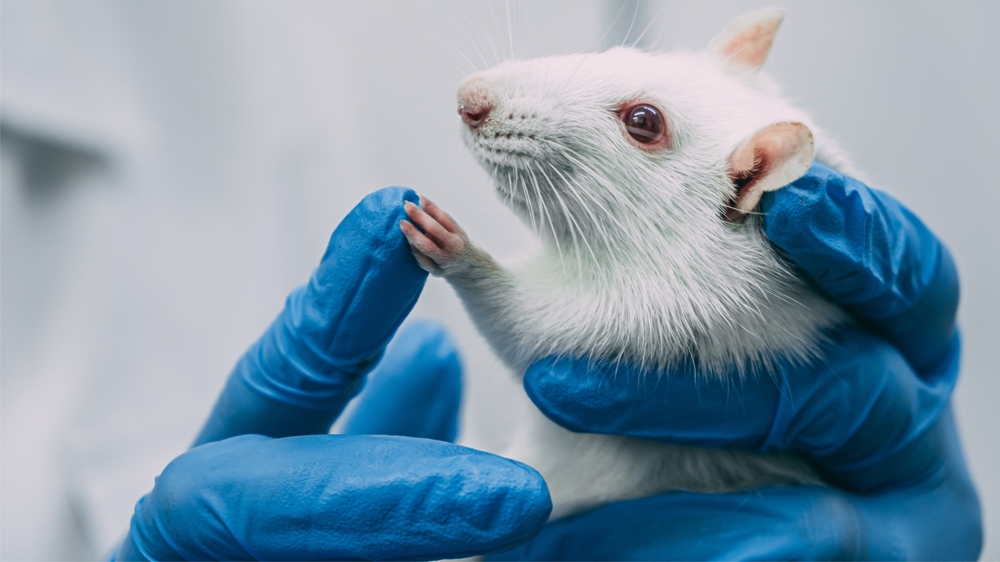
In a new study published in Nature, extracellular vesicles derived from neonatal cardiac progenitors produced significant rejuvenation in old rats and human cells [1]. Tiny messengers Extracellular vesicles (EV) are microscopic bubbles encased in the same lipid bilayer that cellular membranes are made of. EVs are

Rejuvenation Roundup August 2023
EARD2023, the Longevity + DeSci Summit, is over, but the work its speakers have been doing continues. Here’s what’s happened on the aging research front in August. LEAF News Team and activities EARD 2023: After three years in digital format due to COVID concerns, one of the

Longevity and DeSci Recap – August 2023
On the Longevity and DeSci Recap, you’ll discover the latest interviews, insights, and research in the longevity tech sphere over the past month and learn more about topics including blockchain, DAOs, cryptocurrency, DeSci, and events that have been happening over the past month. The fall breeze

A Gene Behind a Key Senescence Biomarker
A paper published in GeroScience has described a gene responsible for a key biomarker of cellular senescence. A widely used biomarker Senescence-associated beta-galactosidase (SA-ß-gal) is the most widely used and most definitive biomarker of cellular senescence [1]. However, unlike other senescence-related biomarkers, such as p21 [2],
Senolytics Have Sex-Dependent Effects on Young Mice
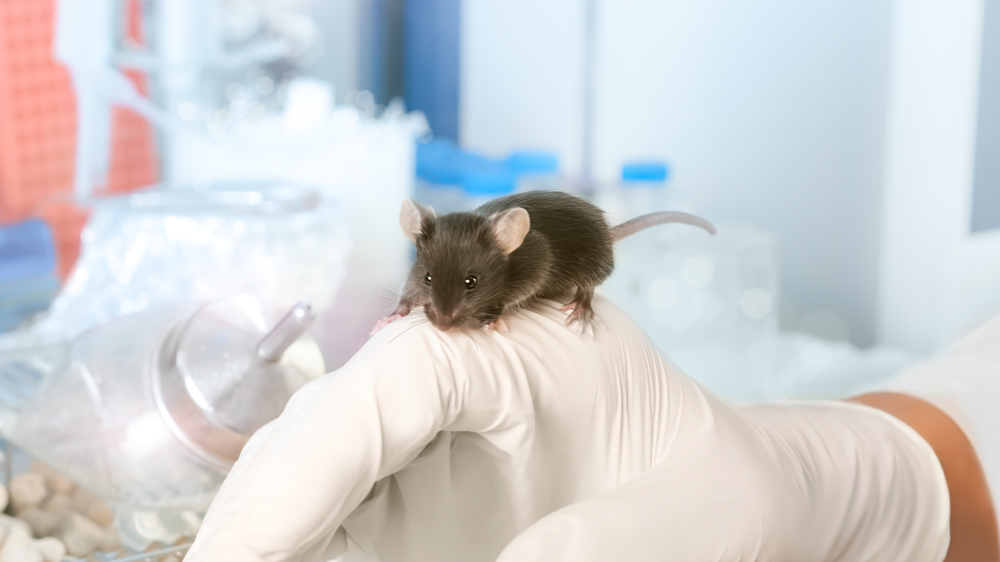
In a research paper published in GeroScience, researchers investigated the impact of senolytics on young mice and found some surprising results [1]. Senescent cell removal and other properties Senolytics, when given to older mice, clear senescent cells. Senolytics such as fisetin and quercetin also have anti-inflammatory