



Epigenomic Rejuvenation for Restoring Bone Stem Cells
Researchers have shown that age-related loss of bone maintenance is caused by changes in gene expression [1]. Perhaps most importantly, those changes can also be reversed and the bone marrow

Understanding How We Evolved to Age
In a paper in Frontiers in Genetics, Maël Lemoine of France’s CNRS offers an evolutionary perspective on the hallmarks of aging [1]. This review examines the appearance of the hallmarks

MoveAge: A New Movement-Based Biological Aging Clock
Researchers have developed a biological aging clock based on movement data from wearable devices. Using their clock and the same dataset, they identified a few possibly life-prolonging nutrients and drugs

Key Source of Thymic Aging Discovered
Publishing in Nature Communications’ Cell Death Discovery, a team of Chinese researchers has discovered a reason for thymic involution, the age-related decline of the thymus. The thymus and its involution
BioNTech mRNA Cancer Treatment Enters Human Trials
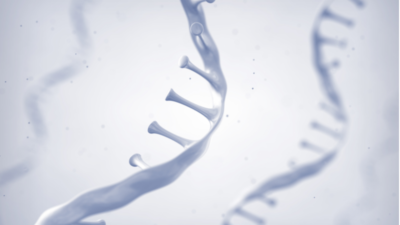
The current pandemic has brought mRNA vaccines into the spotlight and have likely sped up the widespread adoption and usage of this technology. Now, a company has its sights set

Boosting NANOG to Revitalize Muscle Cell Progenitors
Boosting the expression of the transcription factor NANOG reduces markers of cellular senescence in cultured muscle cells and in live mouse models, according to new research [1]. This holds out

MTOR Inhibition Leads to 30% Life Extension in Progeric Mice
Researchers have created a new mouse model for studying Hutchinson-Gilford progeria syndrome (HGPS) and achieved 30% lifespan extension in these animals by genetically downregulating mTOR [1]. HGPS: accelerated aging HGPS,

Fecal Transplantation for Alzheimer’s Disease
A recent review published in Cureus shows why fecal microbial transplantation (FMT) might be able to help sufferers of Alzheimer’s disease, showing how tightly the gut and brain are intertwined.

Altos Labs Launches with a Focus on Cellular Reprogramming
A new company focused on aging has launched, and it has the backing of Yuri Milner and Jeff Bezos among other wealthy people interested in tackling aging. Altos Labs is

A Peptide Boosts Cognition in Mouse Study
Cognitive decline and neurological aging may involve a peptide known as adropin, according to new research. The identification of this link offers a new perspective on the aging brain and

Exploring the Senescence-Associated Secretory Phenotype
Today, we want to highlight a recent review that charts the pro-inflammatory signals produced by senescent cells [1]. What is the senescence-associated secretory phenotype? As we grow older, an increasing

What are Senolytics? A Summary of Senotherapeutics
In this article we will take a look at senolytics and how they have the potential to reverse some aspects of the aging process. Senescent cells and aging As your

The Road Between Inflammation and Heart Aging
A team of Chinese researchers has outlined the cellular link between age-related inflammation (inflammaging) and the physical aging of heart muscle cells (cardiomyocytes). NLRP3 and why it matters We have

Early Antibiotic Exposure Can Decrease Lifespan in Mice
A study published in Cell Reports has shown that early-life exposure to antibiotics that destroy the gut flora can harm the lifelong development of mice, including lifespan. Three groups with

Collagen, Senescence, and Age-Related Hair Loss
Last week, a new study published in Aging reported similar mechanisms of TGF-ß2 and collagen on hair follicle aging, dermal papilla cell senescence, and in vitro spheroid formation. Aging hair

Epigenomic Rejuvenation for Restoring Bone Stem Cells
Researchers have shown that age-related loss of bone maintenance is caused by changes in gene expression [1]. Perhaps most importantly, those changes can also be reversed and the bone marrow stem cells rejuvenated. Bones become weaker as we age as stem cell function declines With advancing

Understanding How We Evolved to Age
In a paper in Frontiers in Genetics, Maël Lemoine of France’s CNRS offers an evolutionary perspective on the hallmarks of aging [1]. This review examines the appearance of the hallmarks in different groups across the tree of life, with the aim of providing a comprehensive picture

MoveAge: A New Movement-Based Biological Aging Clock
Researchers have developed a biological aging clock based on movement data from wearable devices. Using their clock and the same dataset, they identified a few possibly life-prolonging nutrients and drugs [1]. I move, therefore I am Developing reliable biomarkers of aging is crucial for geroscience, since

Key Source of Thymic Aging Discovered
Publishing in Nature Communications’ Cell Death Discovery, a team of Chinese researchers has discovered a reason for thymic involution, the age-related decline of the thymus. The thymus and its involution The thymus is a boot camp for T cells. Originating from bone marrow, T (for thymus)

BioNTech mRNA Cancer Treatment Enters Human Trials
The current pandemic has brought mRNA vaccines into the spotlight and have likely sped up the widespread adoption and usage of this technology. Now, a company has its sights set on treating cancer with mRNA technology, and the initial animal data is positive. mRNA steps up

Boosting NANOG to Revitalize Muscle Cell Progenitors
Boosting the expression of the transcription factor NANOG reduces markers of cellular senescence in cultured muscle cells and in live mouse models, according to new research [1]. This holds out the hope that cells could be rejuvenated without reprogramming them to pluripotency, avoiding some of the

MTOR Inhibition Leads to 30% Life Extension in Progeric Mice
Researchers have created a new mouse model for studying Hutchinson-Gilford progeria syndrome (HGPS) and achieved 30% lifespan extension in these animals by genetically downregulating mTOR [1]. HGPS: accelerated aging HGPS, sometimes referred to just as ‘progeria’, is a rare disease that affects one in 4 to

Fecal Transplantation for Alzheimer’s Disease
A recent review published in Cureus shows why fecal microbial transplantation (FMT) might be able to help sufferers of Alzheimer’s disease, showing how tightly the gut and brain are intertwined. Why would this ever work? The gut and brain are closely linked through biochemistry, and last

Altos Labs Launches with a Focus on Cellular Reprogramming
A new company focused on aging has launched, and it has the backing of Yuri Milner and Jeff Bezos among other wealthy people interested in tackling aging. Altos Labs is founded to treat aging itself In recent months, there have been some hints but considerable secrecy

A Peptide Boosts Cognition in Mouse Study
Cognitive decline and neurological aging may involve a peptide known as adropin, according to new research. The identification of this link offers a new perspective on the aging brain and points to novel potential therapies. A newly discovered metabolic neuropeptide The adropin protein is encoded by

Exploring the Senescence-Associated Secretory Phenotype
Today, we want to highlight a recent review that charts the pro-inflammatory signals produced by senescent cells [1]. What is the senescence-associated secretory phenotype? As we grow older, an increasing number of aged cells in our body enter a state called senescence. At this point, the
What are Senolytics? A Summary of Senotherapeutics
In this article we will take a look at senolytics and how they have the potential to reverse some aspects of the aging process. Senescent cells and aging As your body ages, increasing amounts of your cells enter into a state of senescence. Senescent cells do

The Road Between Inflammation and Heart Aging
A team of Chinese researchers has outlined the cellular link between age-related inflammation (inflammaging) and the physical aging of heart muscle cells (cardiomyocytes). NLRP3 and why it matters We have previously discussed the NLRP3 inflammasome, which releases inflammatory cytokines upon exposure to irritants [1], including reactive

Early Antibiotic Exposure Can Decrease Lifespan in Mice
A study published in Cell Reports has shown that early-life exposure to antibiotics that destroy the gut flora can harm the lifelong development of mice, including lifespan. Three groups with different microbiota To begin the study, the researchers fed 20 baby mice, as well as their

Collagen, Senescence, and Age-Related Hair Loss
Last week, a new study published in Aging reported similar mechanisms of TGF-ß2 and collagen on hair follicle aging, dermal papilla cell senescence, and in vitro spheroid formation. Aging hair follicles Hair follicles reside in the epidermal and dermal skin layers. At their base is the