New mRNA Therapy Destroys Cancer by Improving T Cell Priming
- Immune cells need to be told what their targets are.

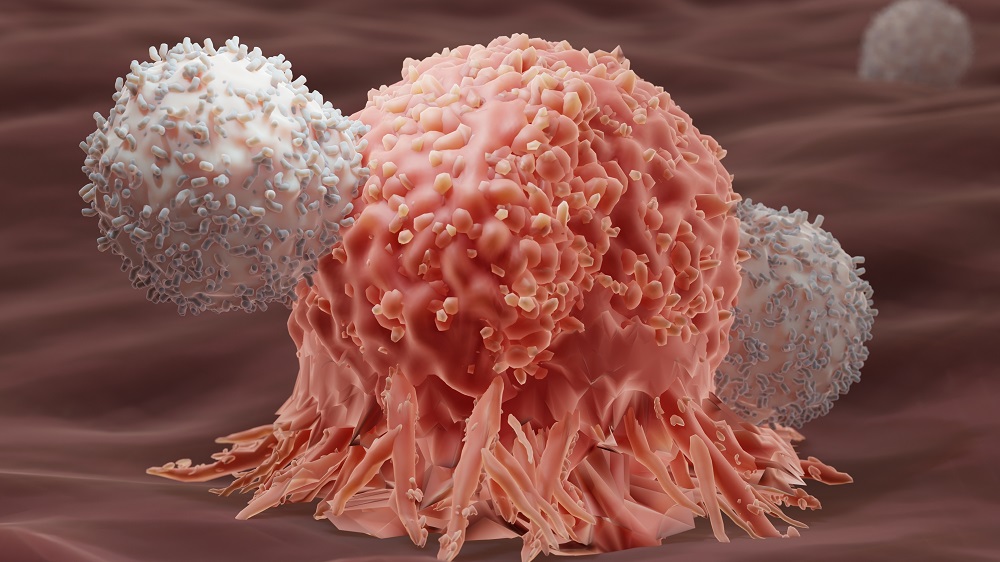
- Dendritic cells bring antigens to naive T cells to tell them what to target.
- Cells that can take tumor antigens and deliver them are relatively rare.
- Shifting immune cells towards this rare phenotype successfully fights cancer in mice.
Scientists have found a way to drastically ramp up mouse immune responses to cancer along with flu and COVID-19 [1].
How to wake up the immune system
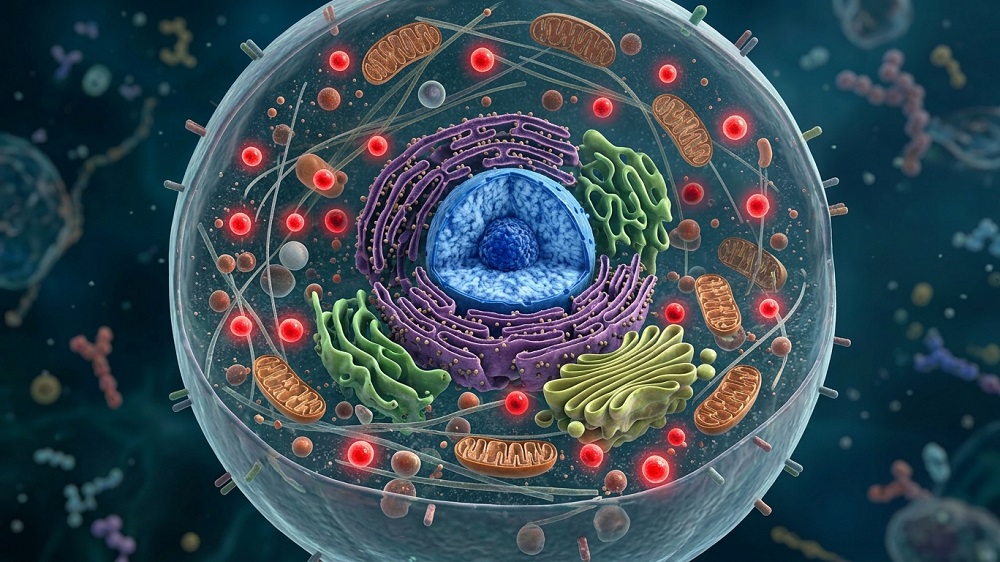
Modern cancer immunotherapies only work for a minority of patients. The reason, broadly, is that many tumors are immunologically “cold”: they do not trigger, and/or actively suppress, the cellular machinery needed to mount an immune attack [2]. Among other things, they do not elicit production of enough tumor-specific killer T cells (CD8+ T cells) and competent antigen-presenting cells (APCs), which show fragments of tumor proteins to T cells to teach them what to attack.
One chokepoint lies with specific APCs called dendritic cells (DC). Only a rare subset of these cells, cDC1, is able to obtain antigens from tumor cells and present them to naive T cells in lymph nodes [3]. This process, called cross-presentation, triggers naive T cell maturation into cytotoxic T cells. They arm themselves with killer proteins (perforins and granzymes), quickly multiply, and become an army ready to engage the cancer cells that express the same antigen.
Scientists have been trying to stimulate the creation of cDC1s and other elements of anti-cancer immune response by overexpressing various relevant cytokines as signals. This approach, however, has its limitations: secreted cytokines diffuse away from the intended site and often cause systemic toxicity, and each cytokine activates only one or a few downstream pathways [4]. In other words, a single cytokine is a narrow tool.
Making rare DCs less rare
In this new MIT-led study published in Nature Biotechnology, the researchers tried moving upstream. They identified two factors that affect maturation of myeloid cells such as DCs: NF-κB-inducing kinase (NIK), which drives DC and T cell crosstalk, and interferon regulatory factor 8 (IRF8), the master transcription factor that defines the cDC1 lineage.
“Most cancer immunotherapies rely on external signals to activate immune cells. We take a different approach – reprogramming immune cells from within by targeting their internal signaling machinery, enabling a more potent and durable anti-tumor response,” said Riddha Das, a research fellow at Harvard Medical School and MGH and a lead author of the study.
First, the authors transfected immature mouse DCs with NIK or IRF8, using mRNA packed inside liquid nanoparticles (LNP), an increasingly popular delivery method. The researchers call these mRNAs immune-remodeling (IR-mRNAs). Both IR-mRNAs dramatically shifted the cells towards the cDC1 phenotype and upregulated cytokines associated with CD8+ T cell priming. Similar effects were observed in human DCs and in live mice.
“We see that the dendritic cells start shifting toward a more cDC1 phenotype, which is the most important dendritic cell phenotype and can generate a stronger T-cell response,” said another lead author, Akash Gupta, a former MIT Koch Institute research scientist who is now an assistant professor at the University of Houston.
Cancer in retreat
In vivo, the authors tested two subcutaneous tumor models and one metastatic model, with both intratumoral and intravenous dosing. Three weekly doses caused complete tumor regression in 11 out of 15 (IRF8) and 11 out of 16 (NIK) mice with colorectal tumors, versus 0% survival for controls. The IV protocol was slightly less effective, but still highly impressive. Importantly, when rechallenged on the opposite flank 60 days later, 91% (NIK) and 82% (IRF8) of mice rejected the new tumor outright, suggesting durable immune memory.
Antibody-mediated depletion of CD8+ T cells completely abolished the therapeutic effect, while depleting CD4+ (helper) T cells had only a modest effect. This confirms that the cDC1/CD8+ T cell axis is doing the work, rather than some off-target mechanism.
In a model of metastatic melanoma, tumor cells were injected intravenously to establish lung metastases, then treated with two systemic doses of IR-mRNA-containing LNPs. Bioluminescence imaging showed near-complete suppression of metastatic outgrowth, with much higher CD8+ T cell infiltration, and 5- to 12-fold fewer proliferating tumor cells.
To see if the therapy works by genuinely improving CD8+ T cell priming rather than by disrupting tumor immunosuppression locally, the researchers used it as a vaccine adjuvant. They vaccinated mice with ovalbumin, an established stand-in antigen, either alone or co-delivered with NIK or IRF8 mRNA, then tracked CD8+ T cells in blood over 90 days. The adjuvanted groups generated 3- to 4-fold more OVA-specific T cells and retained many of them for three months.
Improving vaccines for cancer and infections
When the mice were then challenged with OVA-expressing melanoma cells, every mouse (5 out of 5) in the NIK and IRF8 groups completely rejected the tumor, versus 1 out of 5 in controls, proving that the adjuvant effect is real, durable, and protective. Interestingly, combining NIK and IRF8 gave no additional benefit, consistent with the two molecules working on overlapping downstream pathways.
If the mechanism is “make DCs better at priming,” it shouldn’t matter whether the antigen is a tumor protein or a viral protein. To test this, the authors co-administered IR-mRNAs with hemagglutinin, a surface glycoprotein, from H3N2 influenza or SARS-CoV-2 spike mRNA. With the IR-mRNA adjuvant, antibody titers rose about 4- to 5-fold, demonstrating that this is a viable way to improve protection against infectious diseases.
Literature
[1] Gupta, A., Das, R., Reed, K. et al. (2026). Immune-remodeling mRNAs expressing IRF8 or NIK generate durable antitumor immunity in multiple cancer models. Nat Biotechnol.
[2] Galassi, C., Chan, T. A., Vitale, I., & Galluzzi, L. (2024). The hallmarks of cancer immune evasion. Cancer cell, 42(11), 1825-1863.
[3] Theisen, D., & Murphy, K. (2017). The role of cDC1s in vivo: CD8 T cell priming through cross-presentation. F1000Research, 6, 98.
[4] Saxton, R. A., Glassman, C. R., & Garcia, K. C. (2023). Emerging principles of cytokine pharmacology and therapeutics. Nature reviews Drug discovery, 22(1), 21-37.
About the author

Arkadi Mazin