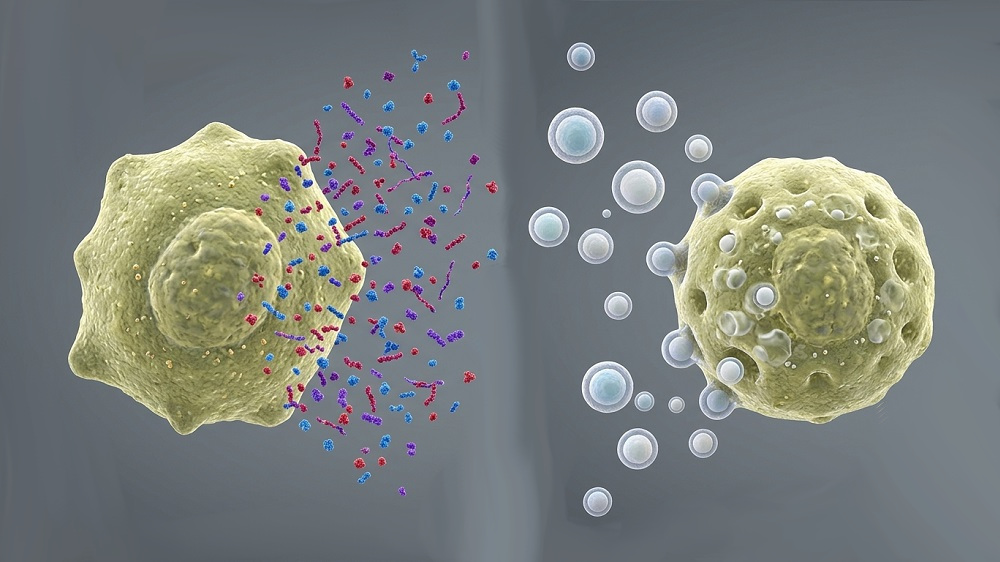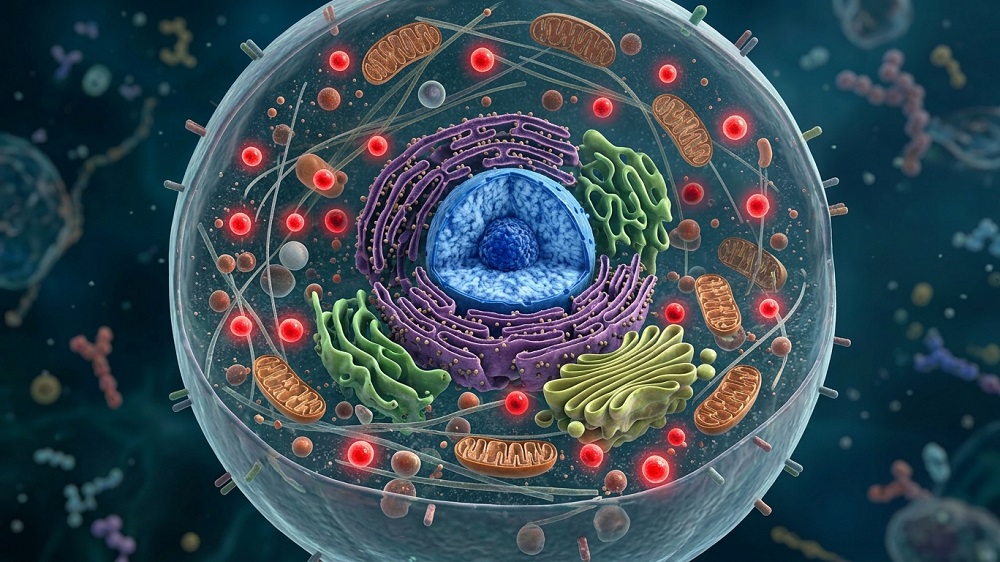
Approaches that modify the processes of aging at their roots have gone well beyond basic research and into therapies intended for the clinic within the next few years. Here’s how the field has advanced in May.
Team and activities
 The Longevity Investor Network Looks Back at 2025: Through curated monthly pitch sessions, educational seminars, collaborative diligence, and ecosystem-building events, LIN provides a structured platform for investors to discover, evaluate, and support companies working at the forefront of aging biology and rejuvenation biotechnology.
Interviews
Junyue Cao on How the Body Ages, Cell by Cell: Dr. Junyue Cao is a professor at the Rockefeller University, and his lab develops ultra-high-throughput single-cell technologies and applies them to the biology of aging.
 Matthew O’Connor on Cyclarity’s Successful Phase 1 Trial: Most cardiovascular trials focus on lowering LDL cholesterol or reducing inflammation to slow disease progression. UDP-003 targets the root cause: toxic 7-ketocholesterol (7KC) inside macrophages and soft plaques.
Developing a Drug To Reverse Heart Disease: We have spoken with Reason from Repair Biotechnologies about his company’s lead candidate, REP-0004, a drug targeting the liver to reduce excess intracellular free cholesterol.
Advocacy and Analysis
Radical Life Extension: This book explains aging as accumulated biological damage, examines why most longevity ideas fail, and outlines three strategies—biostasis, replacement, and bioengineering—that could allow humans to live dramatically longer lives. Current Clinical Trials of Alzheimer’s Drugs: A group of researchers published an annual report on the clinical trials that are testing drugs for Alzheimer’s disease. Overall, they reported an increase in the number of trials, with 158 drugs investigated across 192 trials.
Harvard Publishes a Longevity Report for the General Public: The report, titled “Pathways to Longevity”, introduces several important longevity concepts to the general reader and is another sign that the field is coming of age and entering the mainstream.
Research Roundup
 “Thinking” AI Outperforms Human Doctors on Real-Life Data: A new study has pit an advanced large language model against human physicians in tasks involving complex reasoning, treatment recommendations, and messy real-world patient records.
Creatine Shows Synergy With Exercise in Older Adults: In a new study, the popular supplement creatine seemed to add to some of the beneficial effects of power training.
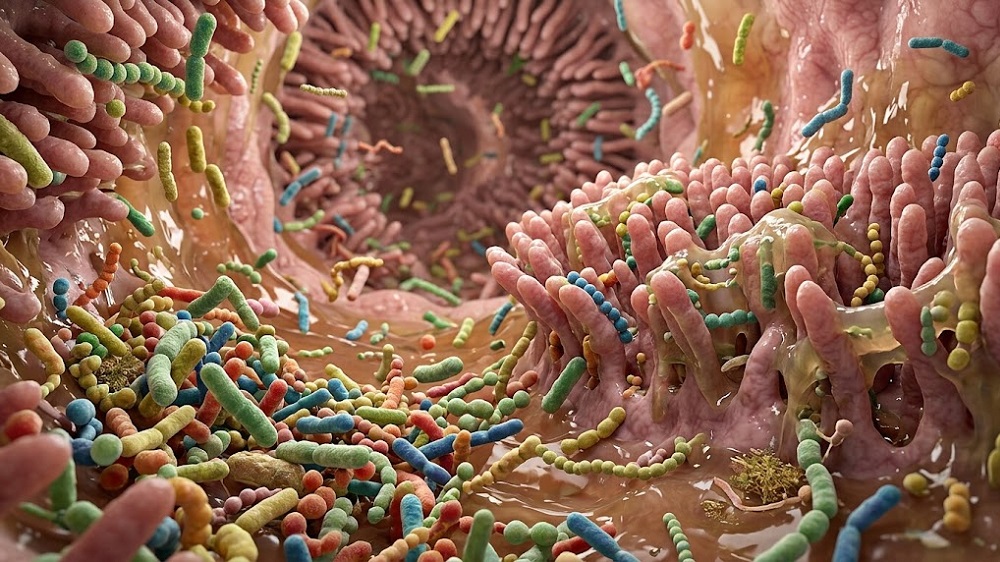
 How Intestinal Aging Encourages Harmful Bacteria: In Aging Cell, researchers have elucidated the relationship between intestinal aging and age-related changes to the gut microbiome.

GLP-1 Drugs’ Muscle Effects Similar to Ordinary Weight Loss: A new study suggests that GLP-1 receptor agonists do not affect muscle mass any more than weight loss caused by caloric restriction, and this appears to be true for strength as well.
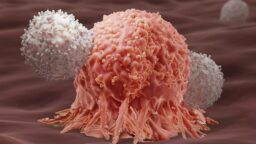 New mRNA Therapy Destroys Cancer by Improving T Cell Priming: Scientists have found a way to drastically ramp up mouse immune responses to cancer along with flu and COVID-19.
CRISPR-Based System Targets RNA and Kills Cells on Demand: Scientists have devised a CRISPR-based tool that can kill cells carrying a specific strand of RNA. The tested targets include cancerous and virus-infected cells.
 Untangling Cellular Senescence at Its Roots: In Aging Cell, researchers have described the differences between primary and secondary senescent cells, comparing radiation-induced senescence to senescence induced by the SASP.
How an Oxidative Stress Regulator Makes Cataracts Worse: Researchers have outlined a key receptor and protein involved in the formation of cataracts, paving the way for potential treatments targeting them.
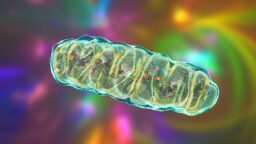 Mitochondrial Aging Linked to Losing Crucial Membrane Lipid: Scientists have found that the levels of phosphatidylcholine, the most abundant lipid in mitochondrial membranes, decline with age, driving mitochondrial aging in worms and possibly humans.
How Omega-3 Fatty Acids May Alleviate Kidney Disease: Researchers have discovered the role of cellular senescence in the interaction between omega-3 polyunsaturated fatty acids (PUFAs) and chronic kidney disease (CKD).
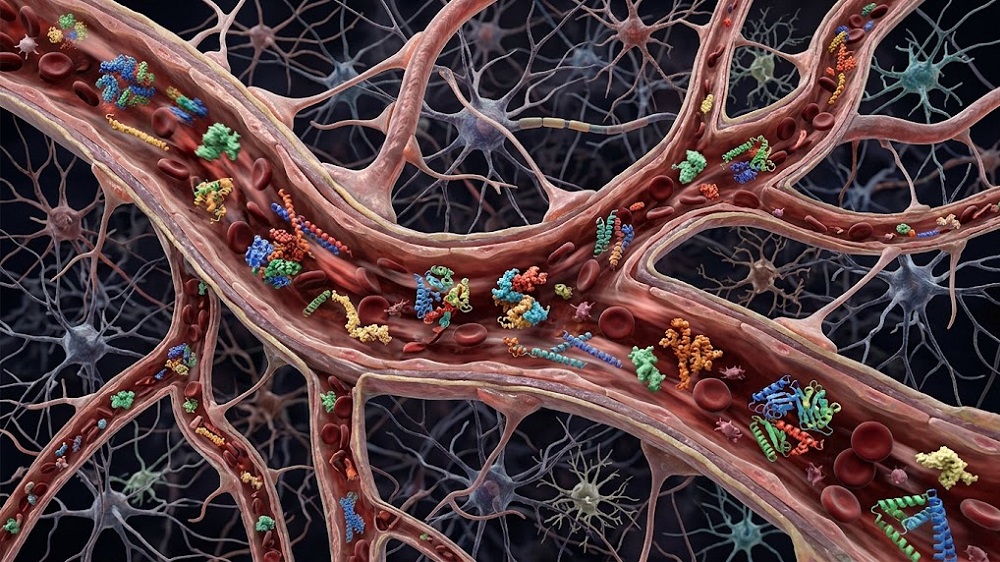
 Tau Protein Is Crucial for Encoding Long-Term Memory: Scientists have uncovered an unexpected function of the tau protein, which is mostly known for its role in Alzheimer’s and related disorders: helping encode long-term memory..
Cardiovascular Health During the Menopausal Transition: Perimenopausal women had about twice the odds of having a poor overall score when compared with premenopausal women, after adjusting for age.
Early Cancer Cells Change Their Surroundings to Form Tumors: Scientists have demonstrated how cancer cells influence neighboring cells to create a favorable niche for the tumor to grow.
A Better Algorithm for Predicting How Cells Behave: In a preprint published in arXiv, researchers from Altos Labs have described a machine learning algorithm that performs end-to-end prediction of how cells’ gene expression will respond to interventions.
Sleep chart of biological ageing clocks in middle and late life: These findings suggest a cross-organ, multi-omics U-shaped relationship between sleep duration and biological ageing clocks.
Time-restricted feeding improves functional capacity of adipose-derived stem cells with activation of OSK-associated transcriptional programs: TRF is a noninvasive, physiologically safe intervention to restore aged stem cell function and tissue homeostasis during aging.
Pyrroloquinoline quinone and imidazopyrroloquinoline intake diminish mortality risk during midlife and improve muscular dysfunctions with age in mice: This is the first study to demonstrate that PQQ and IPQ supplementation is effective in ameliorating age-related alterations and diminishes mortality risk during midlife in mice.
Can table tennis protect the aging brain? A systematic review and meta-analysis in neurodegenerative diseases: It appears to be a safe, feasible, and potentially effective non-pharmacological intervention for improving cognitive and motor outcomes in individuals with AD, PD, and dementia.
Effect of Nicotinamide Mononucleotide on Retinal Thickness of Older Patients With Diabetes Mellitus: Based on the retinal thickness results, NMN may be efficacious in mitigating age-related alterations in the retina.
Effects of acute, subacute, and chronic exercise on plasma s-Klotho levels: a systematic review and meta-analysis: Exercise significantly increases s-Klotho levels, with acute and subacute aerobic sessions benefiting healthy and diseased populations.
Porcine plasma-derived extracellular vesicles orchestrate multi-target neuroimmune reconfiguration to alleviate Alzheimer’s disease pathology: This study positions PpSEVs as a potent, multi-target intervention that decouples therapeutic benefits from human donor reliance, paving the way for sustainable, xenogeneic exosome-based AD therapies.
Same Patients, Different Health Care Systems—Revisited. Geriatric Care Models in the U.S., Canada, and Europe: Recommendations emphasize harmonizing geriatric expertise, embedding evidence-based interventions, and fostering cross-system learning to optimize outcomes for older adults.
Methylene blue protects hair follicle stem cells from oxidative and metabolic stress to enhance hair regeneration: Remarkably, pre-treatment with MB protected HFSCs from GLP-1 RA–induced metabolic stress and premature cell death.
Nicotinamide riboside and pterostilbene reduces frequency and severity of undesirable symptoms of the menopause transition: an open-label, pilot clinical trial: This study demonstrates that NRPT is effective in significantly decreasing the frequency and magnitude of undesirable symptoms of the menopause transition.
Mesenchymal drift: A convergent framework for the hallmarks of aging: Partial reprogramming is a potential strategy to restrain or reverse MD and counteract its associated aging hallmarks.
Hypoxia-induced autophagic degradation of HIF-1α attenuates cellular aging and extends mammalian lifespan: These findings define a regulatory axis in which HIF-1α degradation under hypoxia contributes to longevity, and support HATC as a geroprotective strategy to improve healthspan.
Does leisure activity matter for epigenetic aging? Analyses of arts engagement and physical activity in the UK Household Longitudinal Study: These findings position ACEng as a potential contributor to healthy aging at the biological level, supporting its inclusion in public health strategies.
Universal transcriptomic hallmarks of mammalian ageing and mortality: This study reveals conserved signatures and a modular architecture of mortality regulation, providing a framework for quantifying and targeting ageing of cellular subsystems across species and tissues.
Bench to bedside: is rapamycin headed for the docTOR?: Rapamycin—or molecules that similarly act to inhibit mTOR—may yet realize the century-old dream of extending healthspan and lifespan with a small molecule.
Plasma glycine decelerates biological aging via the redox-inflammatory axis: A large-scale study modulated by sex and dietary patterns: These results support for precision interventions integrating glycine optimization with anti-inflammatory dietary patterns to extend healthy longevity.
News Nuggets
 Forever Healthy Releases AI4L 1.0 for Practical Longevity: AI4L, “AI for Practical Longevity”, is an open-source system that enables anyone to produce rigorous, evidence-based reviews of health and longevity interventions using frontier AI models.
Cyclarity Unveils Oxidized Cholesterol Excretion Data: Cyclarity Therapeutics, Inc. has just unveiled data from a clinical trial of its lead candidate, UDP-003, at the American Heart Association Vascular Discovery Scientific Sessions.
 China Launches Standardized Physician Education in Longevity: China has launched its first national competency-based education programme in longevity medicine, marking a significant step toward integrating healthy longevity and preventive care into mainstream clinical practice.