
August 27, 2026
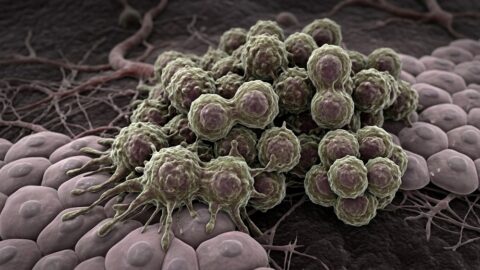
A recent study has examined whether senescence might allow cancer cells to survive oncogene withdrawal and become even more dangerous [1]. Some blocking techniques are temporary Many cancers depend heavily on a particular oncogenic signal to maintain their growth. Drugs that block these drivers can, therefore, produce dramatic tumor shrinkage. A major clinical problem, however,...
August 13, 2026
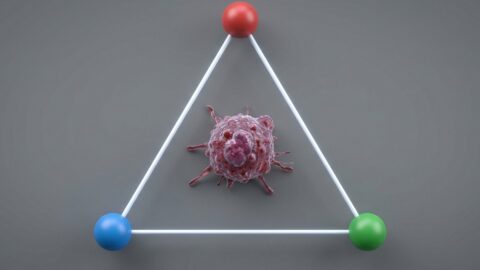
In Aging, the Conboys and their team have described how a combination treatment kills both senescent and cancer cells and lengthens the lives of old mice. Of senescence and cancer Cellular SenescenceAs your body ages, more of your cells become senescent. Senescent cells do not divide or support the tissues of which they are part;...

June 23, 2026
A new study links accelerated aging to early-onset solid cancers, while showing that this gap is becoming wider with each new generation [1]. Why do more young people get cancer? While life expectancy has been on the rise for decades (though it has slowed in recent years), counterintuitively, early-onset cancer is becoming more common. Cancers...
May 28, 2026
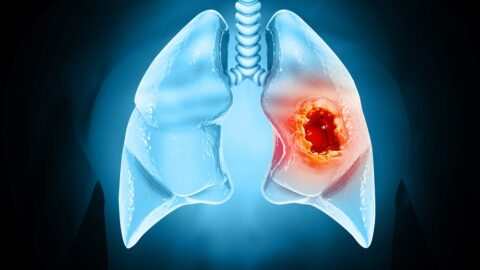
Scientists have demonstrated how cancer cells influence neighboring cells to create a favorable niche for the tumor to grow. This can inform future early-stage cancer therapies [1]. Cancer is a disease of aging. With the exception of childhood cancers, most of which stem from inherited genetic errors, adult cancers tend to occur later in life....
May 19, 2026
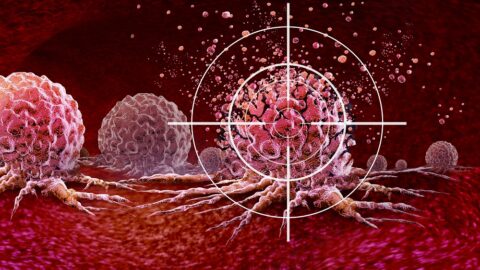
Scientists have devised a CRISPR-based tool that can kill cells carrying a specific strand of RNA. The tested targets include cancerous and virus-infected cells [1]. Targeted assassination of cells CRISPR-based systems work by cutting or changing DNA at a particular spot, an ability that can be used to fix dangerous mutations, such as in the...
May 15, 2026
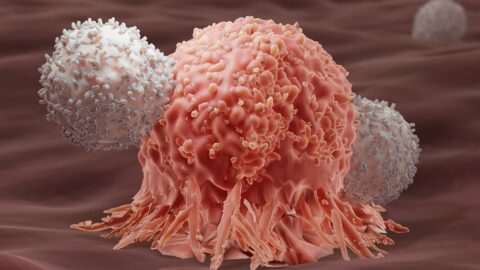
Scientists have found a way to drastically ramp up mouse immune responses to cancer along with flu and COVID-19 [1]. How to wake up the immune system Modern cancer immunotherapies only work for a minority of patients. The reason, broadly, is that many tumors are immunologically “cold”: they do not trigger, and/or actively suppress, the...