What is Alpha-lipoic Acid? A Summary of ALA
- We take a look at the supplement Alpha-lipoic acid


Alpha-lipoic acid (also known as ALA) is a common supplement, and we take a look at it in the context of aging.
What is alpha-lipoic acid?
Alpha-lipoic acid is an organosulfur (an organic compound that contains sulfur) derived from caprylic acid (also known as octanoic acid).
It was first discovered in 1937, when Snell found that a type of bacteria relied on potato juice to reproduce [1]. This led to alpha-lipoic acid being known as the potato growth factor for some time after its discovery. However, it was not isolated until 1951 by Reed [2]. The first clinical use of alpha-lipoic acid was recorded in Germany in 1959 for the treatment of poisoning from amanita phalloides, commonly known as the death cap mushroom.
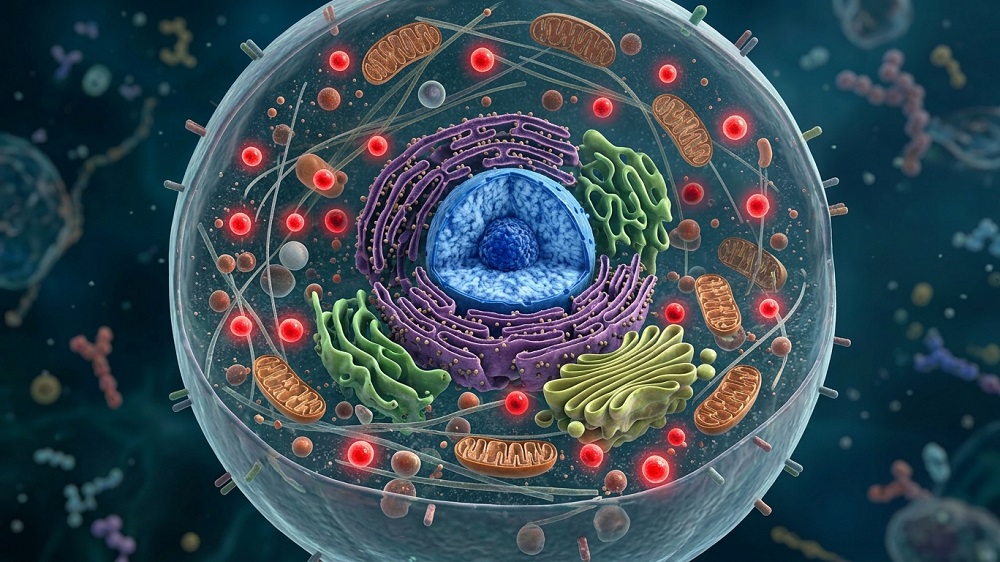
ALA is a coenzyme involved in cellular metabolism and the Krebs cycle, a series of chemical reactions used by mitochondria to transform energy from carbohydrates, fats, and proteins into carbon dioxide and chemical energy in the form of adenosine triphosphate (ATP) [3-4].
In addition, the cycle provides the precursors of certain amino acids as well as the reducing agent NADH, which is used as a reducing agent to donate electrons during biochemical reactions and is part of the NAD+ and energy metabolism.
Alpha-lipoic acid is an antioxidant and is both water- and fat-soluble, which means it can work in every cell or tissue in the body. This is unusual when compared to other antioxidants, which are typically either water- or fat-soluble. These antioxidant properties may be linked to benefits such as lower blood sugar, reduced inflammation, improved nerve function, weight loss, and slowed skin aging.
Alpha-lipoic acid in food
ALA is commonly found in vegetables such as spinach and broccoli, with smaller amounts found in potatoes, sweet potatoes, brussels sprouts, peas, and tomatoes. ALA is also found in meats, particularly organ meats, such as the heart, liver, and kidneys.
It can be produced by animals internally, but humans only produce alpha-lipoic acid in small amounts. For this reason, it is often sold as a dietary supplement and often marketed as an antioxidant.
What does alpha-lipoic acid do?
Based on research, alpha lipoic acid benefits appear to primary focus on its antioxidant action. ALA can bind to free radicals to prevent or reduce oxidative stress and the resulting cell damage it causes [5-8]. Oxidative stress is well documented in its role in aging, so reducing excessive levels of free radicals might be beneficial for health and reducing the impact of aging. Interestingly, ALA also influences the metabolism of other antioxidants, such as vitamin C, vitamin E, and glutathione [9].
Studies have shown that ALA can prevent cell damage from the oxygen deprivation of ischemia [10], diabetes [11], diabetic neuropathy [12], atherosclerosis [13], neurodegeneration [14], and hypertension [15]. ALA and its chemical byproduct dihydrolipoic acid both show pro-oxidant activity in tumor cells, damaging them. In cell cultures, ALA reduced cancer cell proliferation and increased levels of apoptosis (cell death) in the cells [16-19].
The potential of ALA for metabolic syndrome has also been explored. It was shown that ALA can help weight loss, ameliorate insulin resistance and atherogenic dyslipidemia, as well as to lower blood pressure [20]. It has been shown to reduce symptoms of nerve damage and lower the risk of diabetic retinopathy associated with diabetes [21-23]
Animal studies show that alpha-lipoic acid prolonged lifespan in certain species [24], but reduced it in progeric mice [25]. There is currently no data supporting such an effects on human lifespan, and studies of the long-term effects on health have not been conducted.
Alpha-lipoic acid side effects
Taken as a supplement, alpha-lipoic acid is generally considered safe with no serious side effects reported. Occasionally some people may experience mild symptoms like nausea, rashes, and itching. If you experience any serious adverse effects, cease taking immediately and consult your doctor.
Disclaimer
This article is only a very brief summary, is not intended as an exhaustive guide, and is based on the interpretation of research data, which is speculative by nature. This article is not a substitute for consulting your physician about which supplements may or may not be right for you. We do not endorse supplement use nor any product or supplement vendor, and all discussion here is for scientific interest.
Literature
[1] Snell, E. E., Strong, F. M., & Peterson, W. H. (1937). Growth factors for bacteria: Fractionation and properties of an accessory factor for lactic acid bacteria 1. Biochemical Journal, 31(10), 1789. [2] Reed, L. J., DeBusk, B. G., Gunsalus, I. C., & Hornberger, C. S. (1951). Crystalline α-lipoic acid: a catalytic agent associated with pyruvate dehydrogenase. Science, 114(2952), 93-94. [3] Packer, L., Witt, E. H., Tritschler, H. J. (1995). Alpha-lipoic acid as a biological antioxidant. Free Radical Biology and Medicine, 19(2), 227-250. [4] Bilska, A., Wlodek, L. (2005). Lipoic acid-the drug of the future. Pharmacological Reports,57(5), 570-577. [5] Packer, L., Witt, E. H., & Tritschler, H. J. (1995). Alpha-lipoic acid as a biological antioxidant. Free Radical Biology and Medicine, 19(2), 227-250. [6] Suzuki, Y. J., Tsuchiya, M., Packer, L. (1991). Thioctic acid and dihydrolipoic acid are novel antioxidants which interact with reactive oxygen species. Free Radical Research, 15(5), 255-263. [7] Bilska, A., Wlodek, L. (2005). Lipoic acid-the drug of the future. Pharmacological Reports,57(5), 570-577. [8] Scott, B. C., Aruoma, O. I., Evans, P. J., O’neill, C., Van Der Vliet, A., Cross, C. E., … & Halliwell, B. (1994). Lipoic and dihydrolipoic acids as antioxidants. A critical evaluation. Free radical research, 20(2), 119-133. [9] Biewenga, G. P., Haenen, G. R., Bast, A. (1997). The pharmacology of the antioxidant lipoic acid. General Pharmacology: The Vascular System, 29(3), 315-331. [10] Coombes, J. S., et al. (2000). Improved cardiac performance after ischemia in aged rats supplemented with vitamin E and α-lipoic acid. American Journal of Physiology-Regulatory, Integrative and Comparative Physiology, 279(6), R2149-R2155. [11] Ros, R. D., Assaloni, R., Ceriello, A. (2005). Molecular targets of diabetic vascular complications and potential new drugs. Current Drug Targets, 6(4), 503-509. [12] Laher, I. (2011). Diabetes and alpha lipoic acid. Frontiers in pharmacology, 2, 69. [13] Wollin, S. D., Jones, P. J. (2003). α-Lipoic acid and cardiovascular disease. The Journal of Nutrition, 133(11), 3327-3330. [14] Pirlich, M., Kiok, K., Sandig, G., Lochs, H., Grune, T. (2002). Alpha-lipoic acid prevents ethanol-induced protein oxidation in mouse hippocampal HT22 cells. Neuroscience letters, 328(2), 93-96. [15] de Champlain, J., et al. (2004). Oxidative stress in hypertension. Clinical and Experimental Hypertension, 26(7-8), 593-601. [16] Mark, K. V. D., et al. (2003). α‐Lipoic acid induces p27Kip‐dependent cell cycle arrest in non‐transformed cell lines and apoptosis in tumor cell lines. Journal of Cellular Physiology, 194(3), 325-340. [17] Wenzel, U., Nickel, A., Daniel, H. (2005). α-lipoic acid induces apoptosis in human colon cancer cells by increasing mitochondrial respiration with a concomitant O2−.-generation. Apoptosis, 10(2), 359-368. [18] Sen, C. K., Sashwati, R., Packer, L. (1999). Fas mediated apoptosis of human Jurkat T-cells: intracellular events and potentiation by redox-active alpha-lipoic acid. Cell Death and Differentiation, 6(5), 481-491. [19] Simbula, G., Columbano, A., Ledda-Columbano, G. M., Sanna, L., Deidda, M., Diana, A., Pibiri, M. (2007). Increased ROS generation and p53 activation in α-lipoic acid-induced apoptosis of hepatoma cells. Apoptosis, 12(1), 113-123. [20] Pershadsingh, H. A. (2007). α-Lipoic acid: physiologic mechanisms and indications for the treatment of metabolic syndrome. Expert opinion on investigational drugs, 16(3), 291-302. [21] Foster T. S. (2007). Efficacy and safety of alpha-lipoic acid supplementation in the treatment of symptomatic diabetic neuropathy. The Diabetes educator, 33(1), 111–117. https://doi.org/10.1177/0145721706297450 [22] Papanas, N., & Ziegler, D. (2014). Efficacy of α-lipoic acid in diabetic neuropathy. Expert opinion on pharmacotherapy, 15(18), 2721–2731. https://doi.org/10.1517/14656566.2014.972935 [23] Kim, Y. S., Kim, M., Choi, M. Y., Lee, D. H., Roh, G. S., Kim, H. J., … & Choi, W. S. (2018). Alpha-lipoic acid reduces retinal cell death in diabetic mice. Biochemical and biophysical research communications, 503(3), 1307-1314. [24] Bauer, J. H., Goupil, S., Garber, G. B., & Helfand, S. L. (2004). An accelerated assay for the identification of lifespan-extending interventions in Drosophila melanogaster. Proceedings of the National Academy of Sciences of the United States of America, 101(35), 12980-12985. [25] Farr, S. A., Price, T. O., Banks, W. A., Ercal, N., & Morley, J. E. (2012). Effect of alpha-lipoic acid on memory, oxidation, and lifespan in SAMP8 mice. Journal of Alzheimer’s Disease, 32(2), 447-455.About the author

Steve Hill