



Science and Advocacy at EARD 2023
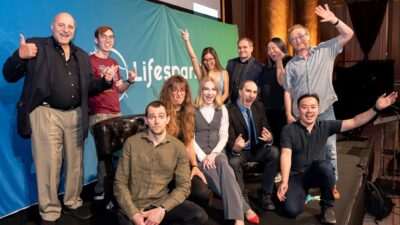
After three years in digital format due to COVID concerns, one of the oldest longevity conferences was again welcoming attendants in New York City. Ending Age-Related Diseases (EARD), organized by

Treating Enlarged Hearts in Cats with Rapamycin
Researchers publishing in Journal of the American Veterinary Medical Association have conducted a feline clinical trial finding that rapamycin is effective against heart enlargement in cats. A well-known drug for

Is Immortality Possible or Is Aging Inevitable?
“Could humans become immortal?” is something we get asked quite often, and the answer depends on what exactly you mean. When it comes to immortality, what you mean is
Diversity in Daily Activities Might Slow Cognitive Decline
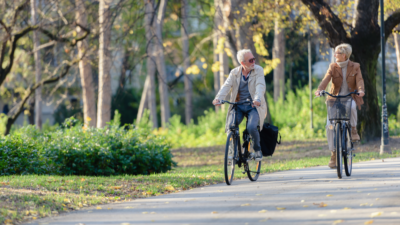
A new study suggests that greater diversity of everyday activities is associated with a slower rate of age-related cognitive decline, independently of the amount of physical activity [1]. Variety or
Utilizing One of the Naked Mole Rat’s Abilities
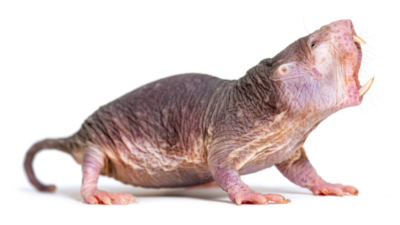
Publishing in Nature, a team of researchers including Vadim Gladyshev, Steve Horvath, and Vera Gorbunova has investigated the role of hyaluronan, which naked mole rats have in abundance, as a
How Spaceflight Alters the Rate of Aging
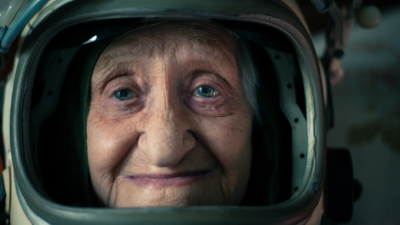
A review published in Aging Cell has explored the impact of spaceflight on human and other organisms’ health and aging [1]. Hazards of spaceflight Will sending humans to space make

A Protective Mechanism Against AMD
A paper published in Aging explains the relationship of long noncoding RNAs, which change with aging, to age-related macular degeneration (AMD). A disease of deposits and aging This paper begins
Figuring Out Why Stem Cells Won’t Build Bone
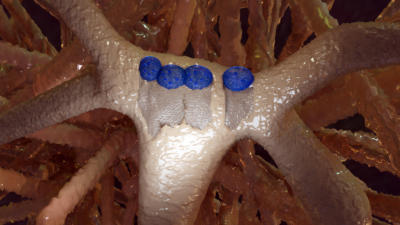
Researchers publishing in Aging have uncovered some of the molecular mechanisms behind why mesenchymal stem cells (MSCs) do and don’t differentiate into bone-building osteoblasts, unlocking a potential new approach to

Join us for Journal Club August 2023
The Journal Club for August returns live to the Lifespan.io Facebook channel on September 5th at 12:00 Eastern hosted by Dr. Oliver Medvedik. This time we are taking a look
Antioxidants Rescue Cognitive Decline in Mice
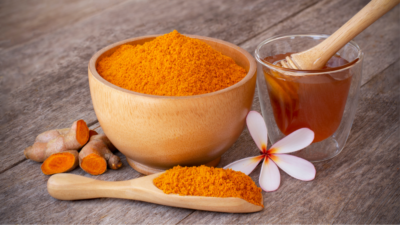
Scientists have found that EGCG and curcumin, two well-known antioxidants, are effective both alone and especially in combination in a mouse model of cognitive decline induced by oxidative stress [1].
Biomarker Study Returns Surprising Results
Researchers publishing in Biogerontology have tested multiple biomarkers in an effort to use them as proxies for aging, and some of their findings were surprising. A simple study with direct

Flavonoid Consumption Correlates With Less Biological Aging
Researchers investigated how much the consumption of flavonoids impacts the biological age of the heart, kidney, liver, and whole body [1]. Chronological age, biological age, and diet Chronological age only
Extracellular Vesicles from Stem Cells Reverse Senescence
Scientists have found that bubbles secreted by embryonic stem cells counter cellular senescence, in large part due to just two tiny snippets of RNA [1]. Helpful bubbles Extracellular vesicles (EVs)
Restoring Helper Cell Function to Fight Alzheimer’s
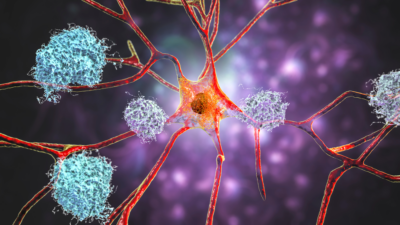
In a study published in Cell Stem Cell, researchers have investigated a way to repopulate the brain with functional cells in order to fight back against Alzheimer’s disease. A gene
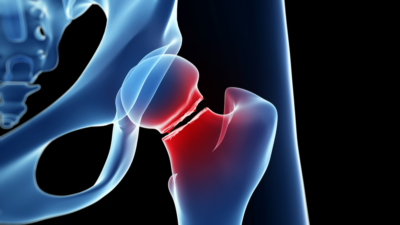
Study: Vegetarians Have Higher Risk of Hip Fracture
Studying a large British cohort, scientists have found that vegetarians have an increased risk of hip fracture compared to regular meat eaters, but pescatarians and occasional meat eaters do not
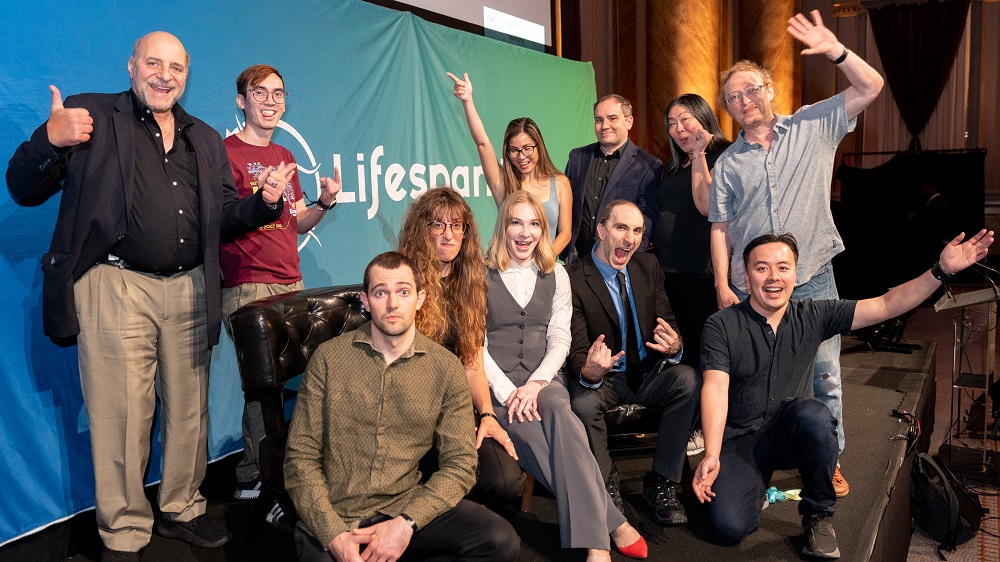
Science and Advocacy at EARD 2023
After three years in digital format due to COVID concerns, one of the oldest longevity conferences was again welcoming attendants in New York City. Ending Age-Related Diseases (EARD), organized by Lifespan.io for the sixth time, kept with modern ideas by using a hybrid format that combined

Treating Enlarged Hearts in Cats with Rapamycin
Researchers publishing in Journal of the American Veterinary Medical Association have conducted a feline clinical trial finding that rapamycin is effective against heart enlargement in cats. A well-known drug for a well-known problem Rapamycin, also known as sirolimus, is one of the most well-known and commonly

Is Immortality Possible or Is Aging Inevitable?
“Could humans become immortal?” is something we get asked quite often, and the answer depends on what exactly you mean. When it comes to immortality, what you mean is important Whether human immortality is possible greatly depends on how you define it. If you define

Diversity in Daily Activities Might Slow Cognitive Decline
A new study suggests that greater diversity of everyday activities is associated with a slower rate of age-related cognitive decline, independently of the amount of physical activity [1]. Variety or quantity? It is widely accepted that being cognitively and socially active can slow down age-associated cognitive
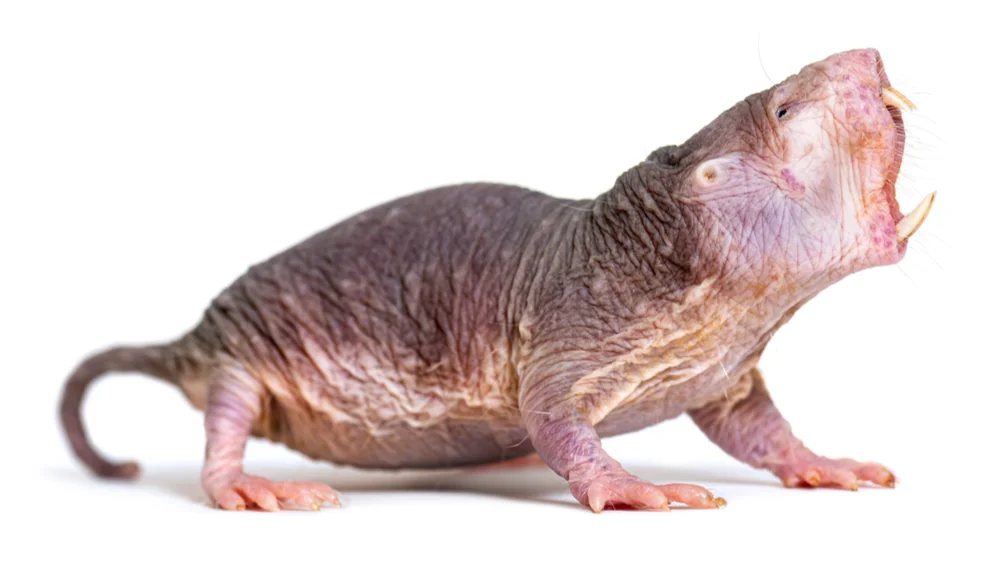
Utilizing One of the Naked Mole Rat’s Abilities
Publishing in Nature, a team of researchers including Vadim Gladyshev, Steve Horvath, and Vera Gorbunova has investigated the role of hyaluronan, which naked mole rats have in abundance, as a protective mechanism in a mouse model. An established mechanism Naked mole rats are notably resistant to
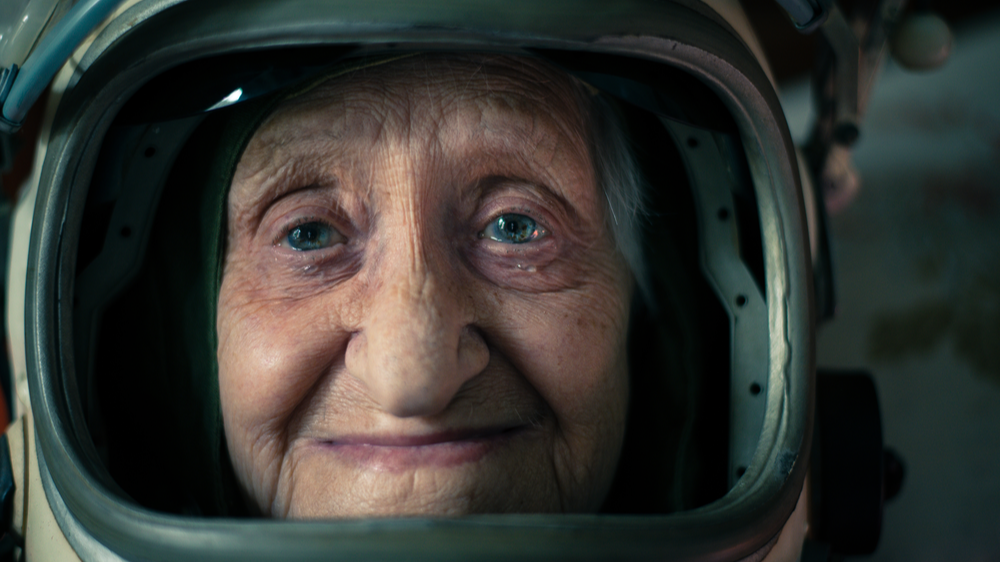
How Spaceflight Alters the Rate of Aging
A review published in Aging Cell has explored the impact of spaceflight on human and other organisms’ health and aging [1]. Hazards of spaceflight Will sending humans to space make them age slower or faster? Will they be healthier, or will their health suffer? As space

A Protective Mechanism Against AMD
A paper published in Aging explains the relationship of long noncoding RNAs, which change with aging, to age-related macular degeneration (AMD). A disease of deposits and aging This paper begins with a discussion of AMD and its prevalence. AMD is the most common cause of vision

Figuring Out Why Stem Cells Won’t Build Bone
Researchers publishing in Aging have uncovered some of the molecular mechanisms behind why mesenchymal stem cells (MSCs) do and don’t differentiate into bone-building osteoblasts, unlocking a potential new approach to osteoporosis. A matter of cellular fate MSCs are downstream of pluripotent stem cells: they can differentiate

Join us for Journal Club August 2023
The Journal Club for August returns live to the Lifespan.io Facebook channel on September 5th at 12:00 Eastern hosted by Dr. Oliver Medvedik. This time we are taking a look at a paper where researchers have transfered a lifespan and healthspan boosting mechanism from the naked
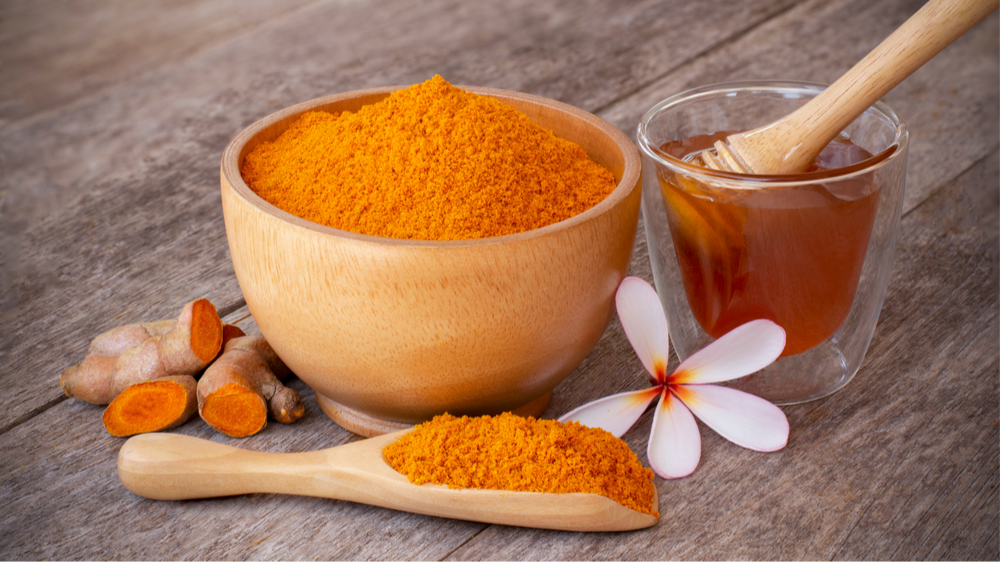
Antioxidants Rescue Cognitive Decline in Mice
Scientists have found that EGCG and curcumin, two well-known antioxidants, are effective both alone and especially in combination in a mouse model of cognitive decline induced by oxidative stress [1]. Not the usual stress Oxidative stress results mostly from molecules called reactive oxygen species (ROS), which
Biomarker Study Returns Surprising Results
Researchers publishing in Biogerontology have tested multiple biomarkers in an effort to use them as proxies for aging, and some of their findings were surprising. A simple study with direct measurements Unlike other association studies that are used to evaluate biomarkers of aging, this study did

Flavonoid Consumption Correlates With Less Biological Aging
Researchers investigated how much the consumption of flavonoids impacts the biological age of the heart, kidney, liver, and whole body [1]. Chronological age, biological age, and diet Chronological age only refers to the number of years that have passed, but biological age refers to the lasting

Extracellular Vesicles from Stem Cells Reverse Senescence
Scientists have found that bubbles secreted by embryonic stem cells counter cellular senescence, in large part due to just two tiny snippets of RNA [1]. Helpful bubbles Extracellular vesicles (EVs) are membrane-bound tiny bubbles that are loaded with various molecular cargo, such as proteins, DNA, or
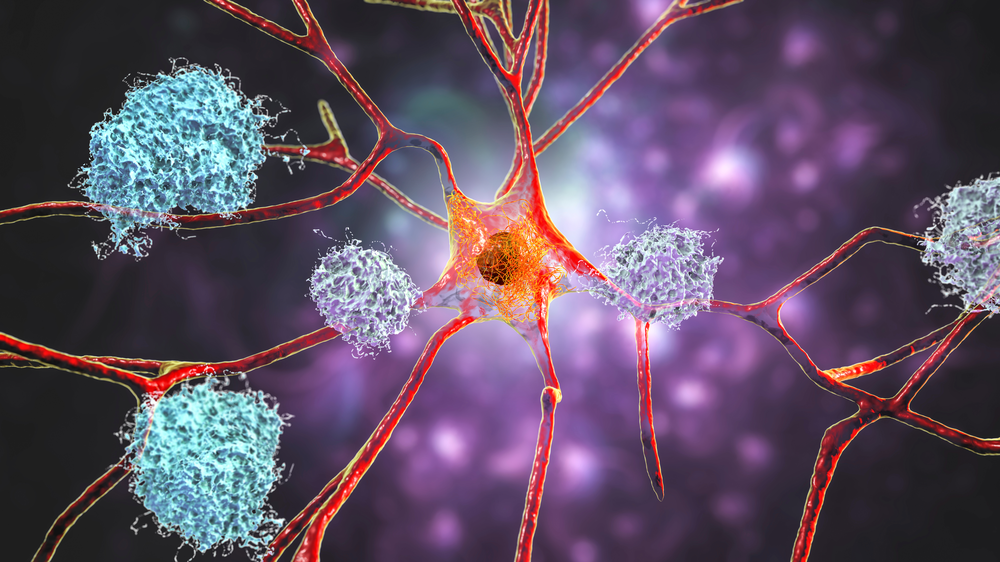
Restoring Helper Cell Function to Fight Alzheimer’s
In a study published in Cell Stem Cell, researchers have investigated a way to repopulate the brain with functional cells in order to fight back against Alzheimer’s disease. A gene with a microglial function Various allelles of the apolipoprotein E (APOE) genes are well-known for their
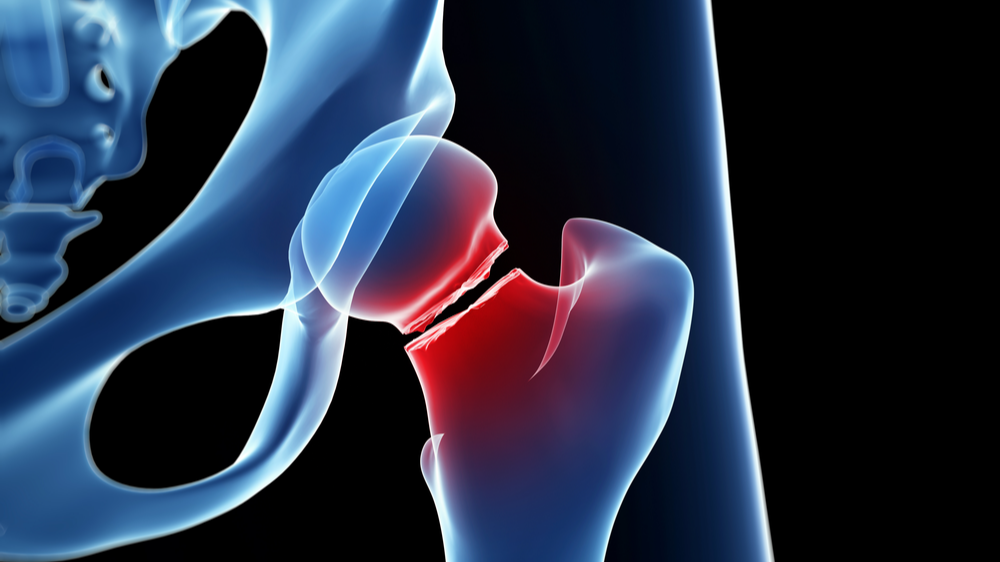
Study: Vegetarians Have Higher Risk of Hip Fracture
Studying a large British cohort, scientists have found that vegetarians have an increased risk of hip fracture compared to regular meat eaters, but pescatarians and occasional meat eaters do not [1]. Diet and brittle bones Hip fracture is one of the injuries most associated with aging.