




One Drug to Fight Both Sarcopenia and Osteoporosis
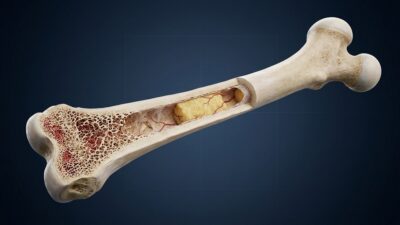
In a new study published in Bone Research, Japanese researchers established a novel drug screening system and identified a promising compound to treat age-associated muscle and bone frailty [1]. Musculoskeletal

Early-Onset Cancer Cases Are Rising
In a review paper published in Nature, scientists discuss the problem of the rising burden of early-onset cancer [1]. Not just a disease of aging We tend to think of

Inflammation Linked To Alzheimer’s and Parkinson’s
In the Journal of Inflammation, researchers from Johns Hopkins University have published a detailed review of the relationship between brain inflammation and the principal diseases of dementia. A focus on
Stem Cell Activity Regulated By Mitochondrial Protein
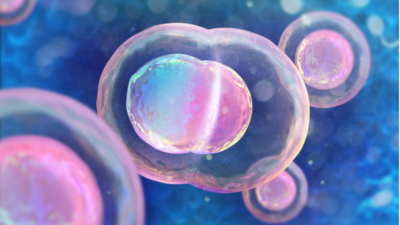
Researchers publishing in Cell Stem Cell have found that the mitochondrial protein OPA1 is an integral, regulatory part of muscle stem cell activation, the process by which muscle stem cells

Removing Senescent Cells to Alleviate Muscular Dystrophy
A study published in Aging has shown that the removal of senescent cells through senolytics alleviates muscle degeneration in a mouse model of Duchenne muscular dystrophy. A genetic disease with

Neuromodulation Improves Memory in Older Adults
A new study published in Nature Neuroscience has shown that neuromodulation of low-frequency neuronal activity in the parietal cortex improved working memory, while high-frequency modulation in the prefrontal cortex improved

Injectable Cytokine Factories Eradicate Cancer in Mice
Researchers have succeeded in beating a type of cancer previously considered incurable by using microcapsules that contained live cytokine-producing cells [1]. IL-2 is potent but toxic Interleukin-2 (IL-2) therapy was
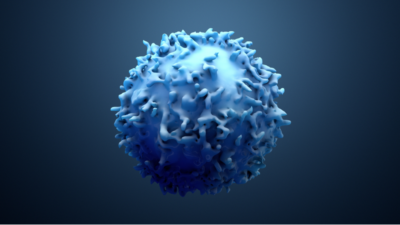
Lactate Inhibits Tumor Growth in Mice
Publishing in Nature, scientists have found that sodium lactate boosts the T cell-mediated anti-cancer immune response, leading to significant inhibition of tumor growth [1]. A double-edged sword As a means

Senescence-Associated Protein Promotes Skin Aging in Mice
Researchers publishing in Aging have identified an individual protein, secreted frizzled-related protein 4 (SFRP4), that is produced by senescent cells and contributes to skin aging in mice. The spread of

Brief Rapamycin Treatment in Early Adulthood Combats Aging
A study published in Nature Aging has shown that short-term rapamycin treatment in early adulthood extends lifespan in flies and improves gut health in both flies and mice [1]. A

Mitochondrial Division Promotes Muscle Regeneration
A paper published in Cell Stem Cell has detailed how mitochondrial division is critical to the ability of muscle stem cells to regenerate damaged tissue [1]. Waiting until needed This

Umbilical Plasma Injections Reduce Biological Age in Humans
Researchers have found that intramuscular injections of plasma concentrate made from human umbilical cord blood improve various health biomarkers and decrease biological age in elderly people [1]. Old blood, young

Canagliflozin Alleviates Several Aging Pathologies in Mice
Scientists have found that canagliflozin, an anti-diabetes drug that is known to extend lifespan in mice, alleviates an array of age-related pathologies, albeit in males only [1]. Anti-diabetes and anti-aging

Two Small Molecules May Provide Partial Reprogramming
A preprint published in bioRxiv has detailed how partial reprogramming through two small molecules can rejuvenate human cells as well as C.elegans, a common model of aging. Beyond OSKM This

NAD+ Ameliorates Age-Related Hearing Loss in Mice
In a preprint published in bioRxiv, scientists have shown that long-term supplementation of nicotinamide riboside (NR), a NAD+ precursor, alleviates the progression of age-related hearing loss in a mouse model

One Drug to Fight Both Sarcopenia and Osteoporosis
In a new study published in Bone Research, Japanese researchers established a novel drug screening system and identified a promising compound to treat age-associated muscle and bone frailty [1]. Musculoskeletal system Muscle health and bone health are tightly interconnected. Various muscular dystrophies are a great example:

Early-Onset Cancer Cases Are Rising
In a review paper published in Nature, scientists discuss the problem of the rising burden of early-onset cancer [1]. Not just a disease of aging We tend to think of cancer of a disease of aging, and for a good reason: cancer is indeed highly correlated

Inflammation Linked To Alzheimer’s and Parkinson’s
In the Journal of Inflammation, researchers from Johns Hopkins University have published a detailed review of the relationship between brain inflammation and the principal diseases of dementia. A focus on genetics and environment One out of twenty Americans over 85 have Parkinson’s disease [1], and seven

Stem Cell Activity Regulated By Mitochondrial Protein
Researchers publishing in Cell Stem Cell have found that the mitochondrial protein OPA1 is an integral, regulatory part of muscle stem cell activation, the process by which muscle stem cells proliferate and become active muscle tissue (myogenesis) [1]. Another piece of the puzzle We have recently

Removing Senescent Cells to Alleviate Muscular Dystrophy
A study published in Aging has shown that the removal of senescent cells through senolytics alleviates muscle degeneration in a mouse model of Duchenne muscular dystrophy. A genetic disease with hallmarks of aging Duchenne muscular dystrophy is caused by a mutation that gradually destroys the muscles,

Neuromodulation Improves Memory in Older Adults
A new study published in Nature Neuroscience has shown that neuromodulation of low-frequency neuronal activity in the parietal cortex improved working memory, while high-frequency modulation in the prefrontal cortex improved long-term memory in older adults [1]. As people age, their cognitive abilities get worse. This includes

Injectable Cytokine Factories Eradicate Cancer in Mice
Researchers have succeeded in beating a type of cancer previously considered incurable by using microcapsules that contained live cytokine-producing cells [1]. IL-2 is potent but toxic Interleukin-2 (IL-2) therapy was the first anti-cancer immunotherapy approved decades ago. It is based on the ability of this inflammatory

Lactate Inhibits Tumor Growth in Mice
Publishing in Nature, scientists have found that sodium lactate boosts the T cell-mediated anti-cancer immune response, leading to significant inhibition of tumor growth [1]. A double-edged sword As a means of energy production, the Krebs cycle is preferred by most cells in most conditions. However, there

Senescence-Associated Protein Promotes Skin Aging in Mice
Researchers publishing in Aging have identified an individual protein, secreted frizzled-related protein 4 (SFRP4), that is produced by senescent cells and contributes to skin aging in mice. The spread of the SASP The authors of this paper introduce this topic with a familiar discussion of the

Brief Rapamycin Treatment in Early Adulthood Combats Aging
A study published in Nature Aging has shown that short-term rapamycin treatment in early adulthood extends lifespan in flies and improves gut health in both flies and mice [1]. A well-studied drug Rapamycin, an inhibitor of mTOR signaling, is capable of extending the lifespan of several

Mitochondrial Division Promotes Muscle Regeneration
A paper published in Cell Stem Cell has detailed how mitochondrial division is critical to the ability of muscle stem cells to regenerate damaged tissue [1]. Waiting until needed This paper begins with a discussion of quiescent muscle stem cells, which are held in reserve until

Umbilical Plasma Injections Reduce Biological Age in Humans
Researchers have found that intramuscular injections of plasma concentrate made from human umbilical cord blood improve various health biomarkers and decrease biological age in elderly people [1]. Old blood, young blood Circulating proteins have a significant impact on our health, and blood plasma transfusion is increasingly

Canagliflozin Alleviates Several Aging Pathologies in Mice
Scientists have found that canagliflozin, an anti-diabetes drug that is known to extend lifespan in mice, alleviates an array of age-related pathologies, albeit in males only [1]. Anti-diabetes and anti-aging Canagliflozin, a widely used anti-diabetes drug, belongs to the class of sodium glucose cotransporter 2 (SGLT2)

Two Small Molecules May Provide Partial Reprogramming
A preprint published in bioRxiv has detailed how partial reprogramming through two small molecules can rejuvenate human cells as well as C.elegans, a common model of aging. Beyond OSKM This paper begins with a discussion of the four well-known Yamanaka reprogramming factors (OSKM) that cause cells

NAD+ Ameliorates Age-Related Hearing Loss in Mice
In a preprint published in bioRxiv, scientists have shown that long-term supplementation of nicotinamide riboside (NR), a NAD+ precursor, alleviates the progression of age-related hearing loss in a mouse model [1]. An overlooked hearing impairment Globally, age-related hearing loss (ARHL) is the most common sensory deficit