The Blog

Building a Future Free of Age-Related Disease

Public Longevity Group

Lifespan Research Institute Launches Public Longevity Group

[Mountain View, September 17, 2025]Lifespan Research Institute (LRI) today announced the launch of the Public Longevity Group (PLG), a new initiative focused on bridging the cultural gap between scientific breakthroughs in aging and their public acceptance. To kickstart its work, PLG has opened a crowdfunding campaign to develop tools that measure and strengthen public trust in longevity science.

While the science of longevity biotechnology continues to advance, skepticism and cultural resistance limit progress, with some studies showing that more than half of Americans would reject a safe, proven therapy to extend life. This hesitation poses risks of raising costs, delaying health-promoting regulation, and slowing the delivery of treatments that could combat age-related diseases and extend healthy lifespan.

“The breakthrough that unlocks all other breakthroughs is public trust,” said Sho Joseph Ozaki Tan, Founder of PLG. “Without it, even the most promising therapies may never reach the people they’re meant to help. PLG exists to change that.”

“Persuasion is a science too,” said Keith Comito, CEO of Lifespan Research Institute. “To bring health-extending technologies to the public as quickly as possible, we must approach advocacy with the same rigor as our research. With PLG, we’ll be able to systematically measure and increase social receptivity, making the public’s appetite for credible longevity therapies unmistakable to policymakers, investors, and the public itself.”

PLG is developing the first data-driven cultural intelligence system for longevity—a platform designed to track real-time sentiment, test narratives, and identify which messages resonate and which backfire. Early tools include:

  • The Longevity Cultural Clock: a cultural barometer mapping readiness and resistance across demographics and regions.
  • Sentiment Dashboards: real-time monitoring of public, investor, and policymaker perceptions.
  • Narrative Testing Tools: data-driven analysis that will enable robust pathways to public support.

The crowdfunding campaign will provide the initial $100,000 needed to launch these tools, creating the cultural foundation required for healthier, longer lives.

With a lean, data-driven team, the group aims to provide open-access cultural insights for advocates and policymakers while offering advanced analytics to mission-aligned partners.

Campaign Timeline:

  • Campaign completion: November 2, 2025
  • Dashboard development: Dec 2025 – Feb 2026
  • First survey deployment: Feb – Apr 2026
  • Beta dashboard launch: May 2026
  • First public insight report: June 2026

Supporters can contribute directly at: https://lifespan.io/campaigns/public-longevity-group/

The PLG campaign is sponsored by the members of LRI’s Lifespan Alliance, a consortium of mission-aligned organizations that believe in the promise of extending healthy human lifespan. Newly-joined members include OpenCures, AgelessRx, and Lento Bio.

About Lifespan Research Institute

Lifespan Research Institute accelerates the science and systems needed for longer, healthier lives by uniting researchers, investors, and the public to drive lasting impact. LRI advances breakthrough science, builds high-impact ecosystems, and connects the global longevity community.

Media Contact:

Christie Sacco

Marketing Director

Lifespan Research Institute

christie.sacco@lifespan.io

(650) 336-1780

We would like to ask you a small favor. We are a non-profit foundation, and unlike some other organizations, we have no shareholders and no products to sell you. All our news and educational content is free for everyone to read, but it does mean that we rely on the help of people like you. Every contribution, no matter if it’s big or small, supports independent journalism and sustains our future.

Robot doctor

“Thinking” AI Outperforms Human Doctors on Real-Life Data

A new study has pit an advanced large language model against human physicians in tasks involving complex reasoning, treatment recommendations, and messy real-world patient records [1].

Testing a “thinking” model

The dream of a ‘computer doctor’ has existed since at least 1959 [2], but until the recent rise of large language models, no computer program could come near human physicians in working on complex clinical cases. The rise of LLMs ignited new hope and spawned numerous studies with encouraging results [3]. The next big step was the appearance of reasoning models, which maintain an internal chain of thought and can explain their decisions.

This has made the human-machine showdown much more interesting, and now the first rigorous study of a reasoning LLM directly pitted against human doctors is out and published in Science. Despite the study being fresh off the press, the head-spinning pace of progress in the field of AI means that the LLM used – OpenAI’s first reasoning model, o1-preview – is already obsolete, and the newest models should perform even better.

Outperforming humans on hard cases

The researchers tested the model across six different physician-style tasks, comparing it against hundreds of physicians and against earlier models like GPT-4. First, they fed o1-preview the full text of 143 NEJM clinicopathological conferences (CPCs) and asked it to produce a ranked list of possible diagnoses (a differential diagnosis). Two physicians independently scored the outputs. A CPC is a commonly used teaching format in which a real, usually challenging, case is presented in detail to a discussant who works through it aloud, building a differential diagnosis and reasoning toward a final answer.

o1-preview included the correct diagnosis somewhere in its differential in 78.3% of cases and named it as the top guess in 52% of cases. When “very close” answers were also counted as wins, accuracy reached 97.9%.

A critical concern with LLMs on published cases is memorization, as a model may have seen the case and its answer during training. The authors addressed this by comparing performance on cases that were published before and after o1-preview’s pretraining cutoff and found no significant difference, suggesting genuine reasoning rather than recall.

GPT-4 performed meaningfully worse. More importantly, on a 101-case subset where responses from human physicians were previously documented, o1-preview outperformed humans in both top-1 and top-10 accuracy.

AI, what do you recommend?

Making a diagnosis is just the first step. Will the model be able to correctly recommend further actions? To answer this question, on 136 of the same CPCs, the authors asked o1-preview which diagnostic test it would order next. In 87.5% of cases, the model picked the correct test; in another 11%, it picked something the reviewers judged to be helpful; and in only 1.5% was the choice unhelpful.

Next, the team tested o1-preview on 20 cases from NEJM Healer, a virtual-patient educational tool, scoring responses across four domains of written clinical reasoning such as problem representation and differential justification. The model scored a perfect 10 on 78 of 80 responses, significantly outperforming GPT-4 (47/80), attending physicians (28/80), and residents (16/72). In one bright spot for human physicians, o1-preview was not meaningfully better in including “cannot-miss” diagnoses (the high-stake possibilities that must be considered even when they are remote).

In another test of AI’s ability to make recommendations and not just diagnoses, the authors used five clinical vignettes from a prior study in which 25 expert physicians participated. o1-preview scored a median of 89% – dramatically better than GPT-4 alone (42%), physicians using GPT-4 (41%), and physicians using conventional resources (34%).

To more rigorously address memorization concerns, the authors used six diagnostic vignettes that were taken from a 1994 study and have never been publicly released. o1-preview scored a median of 97% compared to 92% for GPT-4, 76% for physicians + GPT-4, and 74% for physicians + conventional resources. However, none of the differences reached statistical significance due to the small case count.

Handling real clinical data with gusto

In the final experiment that distinguishes this paper from earlier studies, the authors collected 76 real, randomly selected ER cases from Beth Israel Deaconess Medical Center, with all identifiers and unstructured notes intact – the messy real-world clinical data. They then constructed three “diagnostic touchpoints” representing the information available at successive stages of an ER visit: initial triage (minimal data), ER physician evaluation (history, exam, and initial labs already available), and admission to floor or ICU (most complete data).

At each touchpoint, o1, GPT-4o, and two attending physicians independently produced differential diagnoses. Two separate attending physicians, blinded to source, scored every differential. Interestingly, blinding worked extremely well: the raters guessed whether the diagnoses were from AIs or humans correctly only 3-15% of the time, choosing “Can’t tell” 84-94% of the time, indicating that o1’s outputs were stylistically indistinguishable from human outputs.

o1 handily beat both attendings and GPT-4o. The advantage was largest at initial triage, where the least data is available and the stakes are highest. By admission, when the data is rich, the gap narrowed and was no longer statistically significant, suggesting that o1 extracts more diagnostic signal from sparse information than physicians do.

“We didn’t pre-process the data at all,” said Adam Rodman, MD, MPH, a hospitalist and clinical researcher at BIDMC. “The model is literally just processing data as it exists in the health record.” “I thought it was going to be a fun experiment but that it wouldn’t work that well. That was not at all what happened.”

“We tested the AI model against virtually every benchmark, and it eclipsed both prior models and our physician baselines,” added co-senior author Arjun (Raj) Manrai, assistant professor of biomedical informatics at Harvard Mecal School. “However, this does not mean AI will necessarily improve care – how and where it should be deployed remain understudied, and we desperately need rigorous prospective trials to evaluate the impact of AI on clinical practice.”

We would like to ask you a small favor. We are a non-profit foundation, and unlike some other organizations, we have no shareholders and no products to sell you. All our news and educational content is free for everyone to read, but it does mean that we rely on the help of people like you. Every contribution, no matter if it’s big or small, supports independent journalism and sustains our future.
Literature

[1] Peter G. Brodeur et al. (2026). Performance of a large language model on the reasoning tasks of a physician. Science 392,524-527

[2] Rs, L., & LB, L. (1959). Reasoning foundations of medical diagnosis; symbolic logic, probability, and value theory aid our understanding of how physicians reason. Science (New York, NY), 130(3366), 9-21.

[3] Goh, E., Gallo, R., Hom, J., Strong, E., Weng, Y., Kerman, H., … & Chen, J. H. (2024). Large language model influence on diagnostic reasoning: a randomized clinical trial. JAMA network open, 7(10), e2440969.

LIN Report

The Longevity Investor Network Looks Back at 2025

The Longevity Investor Network (LIN) was created to help bridge the gap between promising longevity startups and the investors capable of helping them scale. Through curated monthly pitch sessions, educational seminars, collaborative diligence, and ecosystem-building events, LIN provides a structured platform for investors to discover, evaluate, and support companies working at the forefront of aging biology and rejuvenation biotechnology.

The Longevity Investor Network is one of Lifespan Research Institute’s core ecosystem-building initiatives, designed to complement our work in scientific research, science communication, and strategic partnerships. While LRI advances the longevity field through nonprofit programming and public engagement, LIN serves as our dedicated platform for connecting high-potential startups with informed investors, helping translate promising aging science into funded companies and real-world impact.

LIN 1

Since its founding in 2020, LIN has invested in 23 companies and helped facilitate more than $6.7 million in capital deployment into longevity-focused startups worldwide. These companies span a wide range of areas, including cellular reprogramming, regenerative medicine, senotherapeutics, diagnostics, neurodegeneration, mitochondrial health, and tissue engineering.

In 2025 alone, LIN invested over $1.2 million in capital into longevity focused companies invited to pitch at our monthly sessions. In addition to hosting monthly pitch sessions, the network expanded its educational programming and in-person events. This broader role became especially important in a more difficult venture environment, where access to trusted networks, curated deal flow, and informed diligence became even more valuable.

LIN 2

2025 Presenting Companies by Session

LIN 3 LIN 4

January Sessions

  • XM Therapeutics https://www.xmtherapeutics.com/ Develops extracellular matrix-based therapeutics for chronic diseases, including heart failure and pulmonary fibrosis. The company focuses on regenerative approaches that restore tissue function rather than simply treating symptoms.
  • Vivian Therapeutics https://www.vivantx.com/ Develops personalized cancer therapies using AI and in vivo drug screening to identify treatments for individual patients. Its platform is designed to improve precision oncology outcomes.
  • AniBiome https://www.ani.ai/ Focuses on microbiome-based interventions for longevity and healthspan using AI, omics, and personalized therapeutics. The company aims to improve metabolic health and healthy aging through gut biology.
  • Rejuvenation Technologies https://rejuvenationtech.com/ Develops telomere-extension therapies intended to reverse cellular aging and improve regenerative capacity. The company is focused on directly targeting one of the hallmarks of aging.
  • Lucina Biotherapeutics https://lucina.bio/ Develops therapies for dry age-related macular degeneration by restoring molecules lost with age. The company is targeting one of the largest unmet needs in age-related vision loss.
  • Dermatherix https://www.dermatherix.com/ Develops biologic therapies for chronic wounds and tissue repair. Its lead programs are designed to accelerate healing and reduce complications in aging populations.

February Sessions

  • Renewal Bio https://www.renewal.bio/ Develops regenerative medicine approaches using stem-cell-derived embryonic technologies to address age-related disease and organ failure. The company is pursuing highly ambitious therapies at the frontier of regenerative biology.
  • Asima Health https://asimahealth.com/ Builds diagnostic and monitoring tools that help individuals and clinicians better understand health risks and disease progression. The company is part of the growing longevity diagnostics ecosystem.

March Sessions

  • X-Therma https://x-therma.com/ Develops advanced biopreservation technologies for organs, tissues, and biologics. Its platform could play an important enabling role in regenerative medicine and transplantation.
  • Sensi.AI https://www.sensi.ai/ Uses AI-powered audio monitoring to improve care for older adults and detect health or behavioral changes in the home. The company sits at the intersection of aging, caregiving, and digital health.
  • HepaTx https://hepatx.com/ Develops regenerative therapies for liver disease and liver failure. The company aims to provide alternatives to transplantation through tissue engineering and cell therapy.

April Sessions

  • VeLo Pharma https://vertical-longevity-pharma.com/ Clearance of senescent cells with a Virus-Like Particle (VLP) Vaccine demonstrating clear atherosclerotic plaque reduction and cardiovascular protection
  • Maxwell Biosciences https://maxwellbiosciences.com/ Develops synthetic antimicrobial peptide technologies designed to treat infectious and inflammatory disease. Its platform may have important applications in immune health and resilience.
  • ETTA Biotechnology https://ettabiotechnology.com/ Develops enabling biotechnology tools and platforms for advanced therapeutics. The company is focused on making next-generation therapies more scalable and manufacturable.
  • Turn Biotechnologies https://www.turn.bio/ Develops epigenetic reprogramming therapies designed to restore cellular function and reverse age-related decline. The company is one of the most visible players in the rejuvenation biology category.
  • New Brain Developing a method to replace brain tissue to treat neurological diseases. The approach involves engineering human precursor brain tissue ex vivo from iPSC-derived cells and their normal extracellular environment.

May Sessions

  • Unlimited Bio https://unlimited.bio/ Builds infrastructure and services designed to accelerate access to experimental therapeutics and longevity interventions.
  • Ora Biomedical https://orabiomedical.com/ Develops high-throughput screening tools to discover compounds that extend lifespan and healthspan. The company enables faster identification of promising longevity therapeutics.
  • Galilei Biosciences Pioneering a novel class of small-molecule therapeutics that activate SIRT6, a validated longevity gene with neuroprotective effects.
  • Sundial Therapeutics https://sundialtx.substack.com/ Developing cell therapies for non-invasive brain repair and replacement. Working with an early placental progenitor stem cell population which has been shown to cross into the maternal body during pregnancy.
  • Cyclarity Therapeutics https://cyclaritytx.com/ Develops therapies that remove toxic oxidized cholesterol linked to cardiovascular disease. Its approach is directly relevant to one of the largest age-related causes of death.

June Sessions

  • Sinaptica Therapeutics https://sinapticatx.com/ Develops noninvasive neuromodulation therapies for Alzheimer’s disease and cognitive decline.
  • Inner Cosmos https://innercosmos.ai/ Develops brain-computer-interface technologies for depression and mental health. Its implantable system combines neurostimulation with AI-based monitoring.
  • CelineBio Develops therapies relevant to aging, inflammation, or regenerative medicine. Final website and company description to be confirmed.
  • Inapill https://www.inapill.com/ Develops oral delivery technologies designed to improve how biologic drugs are administered. Its platform could help make advanced therapeutics easier and cheaper to use.
  • Cat Health https://thecathealth.com/ Developing novel therapeutics targeting mammalian muscle and kidney aging using novel computational advances by world-class bioinformaticians. Lead candidates are currently undergoing clinical trials in Europe.
  • AgeisBio https://www.ageisbio.com/ Develops therapies and technologies targeting biological aging and age-related decline. The company is focused on translating aging science into therapeutic interventions.

July Sessions

  • WakeBio https://www.wake.bio/ Using machine learning and rapid experimentation to develop technologies for reversible preservation of whole organisms, with the goal of reversibly preserving humans.
  • Minovia Therapeutics https://minoviatx.com/ Develops mitochondrial cell therapies to treat diseases associated with mitochondrial dysfunction. Its approach may have important implications for age-related degeneration.
  • Telos Biotech https://www.telosbio.com/ Develops technologies focused on telomeres, genomic stability, and cellular fitness.
  • CUTISS https://cutiss.swiss/ Develops personalized skin tissue engineering and regenerative medicine products. Its technology has applications in burns, reconstructive surgery, and wound healing.

August Sessions

  • Shift Bioscience https://shiftbioscience.com/ Develops partial cellular reprogramming approaches to reverse age-related decline. The company focuses on restoring youthful gene-expression patterns without losing cell identity.
  • Neoclease https://www.neoclease.ai/ Uses AI to design next-generation nucleases and gene-editing tools. Its platform could become important enabling infrastructure for advanced therapeutics.
  • Prohibix https://prohibix.com/ Developing injectable biotherapeutics based on a HYALUTE microparticle technology that enables long-acting tissue lubrication, anti-inflammatory activity and controlled release through a proprietary chemistry.
  • Caren Pharma https://www.carenpharma.com/ Developing a novel long-acting injectable that safely elevates brain hormone levels by combining synergistic agents to optimize dosing and mitigate risk.

September Sessions

  • Solyn Bio https://solynbio.com/ Develops diagnostics and biomarkers that help measure biological aging and health status.
  • LifeCraft Sciences https://lifecraftsciences.com/ Develops rejuvenation therapies aimed at restoring cellular function and resilience.
  • ReverAging https://reveraging.com/ Develops therapeutics designed to reverse aspects of biological aging. The company focuses on mechanisms that may restore youthful cellular behavior.
  • Forever Labs https://www.foreverlabs.com/ Provides stem cell banking services that allow individuals to preserve younger cells for potential future therapeutic use. The company is part of the growing longevity services and infrastructure market.

October Sessions

  • RiboGenyX https://ribogenyx.com/ Develops RNA-targeting therapeutics and gene-regulation technologies. Its platform may have broad applications across aging and disease.
  • Lento Bio https://lentobio.com/ Develops therapies for retinal disease and age-related vision loss. The company is focused on preserving visual function in aging populations.
  • Revel Pharmaceuticals https://revelpharmaceuticals.com/ Develops therapies targeting advanced glycation end products and other molecular drivers of aging. The company focuses on damage-repair approaches to longevity.
  • BASE4 Biotechnology https://www.base4.bio/ Develops RNA and synthetic biology technologies that support next-generation therapeutics. Its platform has applications across biotech manufacturing and drug development.

November Sessions

  • KeryxBio https://keryx.bio/ Developing diagnostics that detects dysfunction early & a therapeutic pipeline that restores cellular function
  • Hayflick Partners https://www.hayflickpartners.com/ Advancing a first-in-class, prescription topical cream to treat the root biological causes of aging. Targeting the skin to harness the anti-aging activity of rapamycin and extend disease-free life.

December Sessions

  • reThink64 https://www.rethink64.com/ Develops large-molecule delivery technologies intended to improve drug penetration into tissues such as the brain. Its platform may help unlock new therapeutic possibilities in neurology and beyond.
  • Regelife Developing a new paradigm in regenerative medicine by integrating iPSC-derived neural cells, biomaterials-engineered microenvironments, and machine-learning optimization to achieve true tissue regeneration.

Subsector Analysis

LIN small icon 11) Cellular rejuvenation and reprogramming remained one of the strongest recurring themes

A meaningful share of the 2025 lineup clustered around the idea that aging can be modified at the cellular level rather than only managed symptom-by-symptom. This bucket included companies such as Rejuvenation Technologies, Turn Biotechnologies, Shift Bioscience, LifeCraft Sciences, ReverAging, AgeisBio, and potentially others whose programs are adjacent to epigenetic restoration, stress-response biology, or cell-state control.

This is important for investors because it suggests that the Longevity Investor Network is not merely seeing companies that treat downstream age-related disease. It is seeing founders trying to intervene further upstream in the aging processes themselves. That generally carries higher scientific upside and, often, higher technical and regulatory risk. It also tends to produce platform-style stories rather than single-asset stories, which can be attractive in venture if the underlying biology holds.

Investor takeaway: 2025 reinforced that rejuvenation biology is still one of the highest-conviction areas in longevity, but the field is diversifying beyond classic Yamanaka-factor narratives into safer, more targeted, more chemically precise, and more indication-led approaches.

LIN small icon 22) Longevity is increasingly being commercialized through age-related disease entry points

Many of the year’s presenters were best understood not as generic longevity companies but as businesses attacking large diseases of aging through longevity-relevant mechanisms. Examples include:

  • Neurodegeneration / brain health: Sinaptica Therapeutics, Inner Cosmos, New Brain, Sundial Therapeutics, Caren Pharma, RegenaLife
  • Cardiovascular aging: Cyclarity Therapeutics
  • Ocular aging / vision: Lucina Biotherapeutics, Lento Bio
  • Liver degeneration: HepaTx
  • Wound healing / tissue repair: Dermatherix, CUTISS
  • Inflammation / immune regulation: Inapill, Maxwell Biosciences, CelineBio

This pattern matters because it reflects one of the most investable routes into longevity: start with a recognized medical indication, generate clearer clinical endpoints, and then expand into broader healthspan narratives over time.

Investor takeaway: One of the healthiest signs in the 2025 pipeline was the number of companies using disease-specific beachheads rather than trying to sell an abstract promise of “anti-aging.” That usually improves regulatory clarity, reimbursement logic, and near-term financing narratives.

LIN small icon 33) Neurotech and brain longevity emerged as a particularly visible cluster

A notable 2025 theme was the density of companies focused on the brain, cognition, neurodegeneration, or noninvasive/adjacent neurotechnology. Sinaptica Therapeutics, Inner Cosmos, Sundial Therapeutics, New Brain, Caren Pharma, and RegenaLife all fit within this broader category.

This is notable because brain aging sits at the intersection of enormous unmet need, difficult biology, and high investor interest. It also broadens what counts as a longevity company. Not every brain-health company is a geroscience company, but many become highly relevant to longevity investors if they address age-related decline, neuroplasticity, dementia risk, or the preservation of cognitive function over time.

Investor takeaway: Brain longevity may be becoming one of the most important bridges between mainstream healthcare markets and longevity-native capital.

LIN small icon 44) Regenerative medicine remained central, but with more product variety than in earlier waves

The 2025 cohort included multiple regenerative medicine approaches: Renewal Bio, HepaTx, CUTISS, Minovia, X-Therma, Turn Biotechnologies, and Telos Biotech each reflect different pieces of the regenerative stack.

Some were building replacement or restorative biological therapies. Others were enabling preservation, manufacturing robustness, or tissue engineering. That variety is important. It suggests the field is moving from a single-theme regenerative story into a more complete ecosystem of tools required to actually make regenerative medicine scalable and investable.

Investor takeaway: Regenerative medicine in longevity is no longer just about stem cells. It increasingly includes preservation, cell fitness, tissue engineering, mitochondrial function, and manufacturing enablement.

LIN small icon 55) Diagnostics, screening, and measurement are becoming more integral to the longevity thesis

Asima Health, Sensi.AI, AniBiome, Solyn Bio, and possibly additional companies in the cohort indicate that investors are also being exposed to businesses that improve measurement, prediction, monitoring, or personalization.

This is strategically important because longevity needs better ways to identify risk, stratify patients, monitor decline, and show that interventions work. Diagnostic and monitoring companies may not always look as exciting as therapeutic moonshots, but they can become some of the most commercially practical businesses in the ecosystem.

Investor takeaway: A mature longevity market needs picks-and-shovels companies that help define, quantify, and manage aging-related risk. The 2025 lineup suggests that the network is seeing more of these infrastructure layers.

LIN small icon 66) Delivery technologies and platform infrastructure are becoming more investable in their own right

A number of companies presented not just a disease thesis but a platform or delivery thesis: reThink64 on large-molecule delivery, Neoclease on AI-designed nucleases, BASE4 on RNA-targeting small molecules, X-Therma on preservation, Telos on telomere-linked cell fitness, and ETTA on enabling technologies.

For investors, these businesses can be especially interesting because they may create value across multiple indications. They are often less “consumer longevity” and more core biotech infrastructure, but they can become foundational to the future of rejuvenation and regenerative therapies.

Investor takeaway: The network’s 2025 flow suggests longevity investing is broadening from end-products to the enabling systems that will make advanced therapies possible.

LIN small icon 77) The network also captured the widening boundary of longevity itself

Some presenters sat closer to the outer edge of what traditional biotech investors would define as longevity: Forever Labs, WakeBio, companion-animal health companies such as Cat Health, and businesses that blend wellness, access, prevention, or patient services with a longevity framing.

That boundary expansion is worth noting because it reflects how the market is actually evolving. Longevity is becoming a broader economic category that includes therapeutics, diagnostics, regenerative platforms, clinical services, data, prevention, and consumer gateways.

Investor takeaway: The network’s deal flow suggests longevity is not consolidating into a single category. It is becoming a layered market, and investors may benefit from thinking in terms of a longevity stack rather than a longevity niche.

The 2025 Longevity Investor Network pipeline showed that longevity is maturing from a narrow anti-aging thesis into a full innovation stack spanning rejuvenation therapeutics, age-linked disease companies, regenerative medicine, neurotechnology, diagnostics, and enabling platform infrastructure.

Additional 2025 LIN Satellite Events

Beyond the core investor pitch sessions, LIN also hosted a set of satellite events that expanded the network’s value proposition beyond deal flow alone. These events helped position LIN not only as a venue for startup presentations but also as a platform for investor education, ecosystem convening, and relationship-building across the broader longevity field.

Investor education and policy-facing programming

One standout example was the investor education seminar featuring ARPA-H and Jean Hebert, centered on the Functional Repair of Neocortical Tissue (FRONT) program and broader public-sector efforts relevant to longevity companies. This was a strategically important topic for the network because it exposed investors to non-dilutive government funding pathways, translational infrastructure, and the ways federal programs may help de-risk advanced therapeutic development.

LIN 5

Why these events mattered in 2025

These satellite events were particularly relevant given the financing backdrop of 2025. When capital is harder to access, the value of trusted networks, better-informed investors, and high-signal curation tends to rise. In that context, LIN’s educational and convening work became an even more important complement to the formal pitch sessions.

Live Events and Ecosystem Building

In addition to its monthly virtual pitch sessions and virtual investor education seminars, LIN hosted several in-person events in 2025 designed to strengthen relationships between investors, founders, researchers, and operators across the longevity ecosystem. These events provided opportunities for deeper discussion, more informal networking, and the kind of trust-building that often leads to future diligence and investment activity.

Longevity Biotech Pre-JPM Event

LIN hosted a Longevity Biotech Pre-JPM gathering in San Francisco ahead of the JPM healthcare conference season. The event brought together founders, investors, scientists, and longevity advocates for networking and discussion around the major themes likely to shape the year ahead in longevity biotechnology.

The event served as an opportunity to connect investors with promising founders before the start of one of the busiest weeks in biotech. Discussions focused on fundraising trends, the state of longevity therapeutics, regenerative medicine, diagnostics, and how the field could continue to mature despite a difficult capital environment.

LIN 6

Longevity Biotech Happy Hour

LIN also hosted a Longevity Biotech Happy Hour event in San Francisco focused on building stronger community ties across the ecosystem. Unlike formal pitch sessions, this event emphasized relationship-building between investors, startup founders, operators, scientists, and ecosystem partners in a more informal setting.

The event created space for conversations around fundraising conditions, founder challenges, recent scientific progress, and areas of growing investor interest such as cellular reprogramming, neurodegeneration, and diagnostics. These more casual gatherings can be especially valuable in difficult markets because they help create familiarity and trust between participants before formal diligence processes begin.

LIN 7

Longevity Biotech Pitch Night – Boston

One of LIN’s largest in-person events of the year was the Longevity Biotech Pitch Night held at the historic Wightman Mansion in Boston during Boston Longevity Week. The event brought together a curated audience of investors to hear presentations from longevity startups in an intimate, invite-only environment.

This event’s agenda included founder presentations, networking sessions, and remarks from Lifespan Research Institute leadership. Companies presenting included BioIO and XM Therapeutics, among others, with the event designed to give investors early exposure to high-potential companies before broader fundraising activity. This event emphasized the value of curated, investor-only environments where founders could engage in more detailed conversations with potential backers.

Collectively, these live events reinforced LIN’s role not just as a pitch platform but as a broader community hub for the longevity ecosystem. In a financing environment where investors became more selective and relationship-driven, in-person events played an increasingly important role in helping founders and investors build trust, exchange information, and identify opportunities for future collaboration.

LIN 8

2025 Funding Environment: Context for Investors

The broader financing environment is important context for interpreting 2025 outcomes. 2025 remained a difficult year for many venture-backed therapeutic startups, especially those without near-term clinical catalysts.

LIN small icon 81) Venture capital remained available, but it became far more concentrated

A central theme of 2025 was not the complete disappearance of capital but its concentration into fewer themes and fewer companies. AI absorbed a disproportionate share of venture capital attention and dollars, while many non-AI sectors faced a much more selective environment. Even within biotech, investors increasingly favored later-stage, de-risked, asset-centric, or platform-differentiated companies.

LIN small icon 92) Early-stage therapeutics remained the hardest part of the market

This matters directly for longevity companies, many of which are still preclinical, biologically ambitious, and relatively early in their capital formation journey. In a market like 2025, those companies can still raise but generally under tougher conditions, with longer timelines, heavier diligence, more syndication challenges, and stronger demands for translational clarity.

LIN small icon 103) Exit conditions still constrained risk appetite

One reason investors remained more conservative in 2025 is that venture still had an incomplete exit recovery. Healthcare and biotech IPO activity remained much weaker than the most favored tech categories, which reduced confidence in downstream liquidity for many life-science startups. When exit visibility is limited, investors often become more selective at the front end.

LIN small icon 114) Why this context matters for LIN’s annual report

Any moderation in check sizes, slower fundraising cycles, or lower aggregate capital placed through the network should be interpreted against the backdrop of a tougher market. That makes this network’s role in curation, investor education, and relationship-building more important than ever.

Looking Ahead and Thank You

A banner for the Longevity investors network.

As we reflect on 2025, we want to thank all of the investors, founders, scientists, operators, and ecosystem partners who contributed to the Longevity Investor Network over the course of the year.

We are especially grateful to our investor members, whose time, expertise, diligence, and willingness to support early-stage companies make this network possible. Early-stage longevity investing remains a challenging category: the science is complex, timelines are long, and the path from breakthrough biology to clinical and commercial success is rarely straightforward. The willingness of investors to engage with these opportunities, often well before they become obvious to the broader market, is one of the key reasons the field continues to move forward.

We also want to recognize all of the founders and companies that presented through LIN in 2025. Building a biotechnology company is difficult in any environment, but it was especially challenging in a year when capital became more concentrated, investors became more selective, and fundraising timelines lengthened across much of the venture market. Despite these challenges, the companies we saw this year continued to push forward with new ideas, ambitious science, and a shared commitment to addressing some of the largest unmet needs in aging and age-related disease.

One of the most encouraging themes of 2025 was the continued expansion of the longevity field itself. The companies presenting through LIN reflected not only the growing maturity of core rejuvenation biotechnology, but also the rise of adjacent areas such as regenerative medicine, neurotechnology, diagnostics, biomarker development, tissue engineering, AI-enabled drug discovery, and companion-animal longevity. Together, these companies are helping define what the future of the longevity economy may look like.

Looking ahead, we remain committed to building LIN into one of the most valuable early-stage investor communities in longevity biotechnology. Our goal is to continue surfacing the most compelling companies in the field, helping investors better understand the science and commercial landscape, and supporting founders as they move from early concepts to funded businesses and, ultimately, to therapies that can improve and extend healthy human life.

At a time of extraordinary scientific progress in aging biology, we believe there has never been a more important moment to support the development of longevity therapeutics. We are proud to play a role in that process and look forward to continuing to help build the ecosystem in the years ahead.

About Us

Lifespan Research Institute (“LRI”) is a 501(c)(3) nonprofit organization focused on the defeat of age-related disease and the extension of healthy human lifespan through raising funds and awareness for scientific work addressing the root causes of aging, building a thriving ecosystem of mission aligned stakeholders which can be mobilized to strategic action, and spearheading relevant research projects directly. We work to identify, develop, and promote initiatives with outsized impact and the greatest potential to realize widespread access to regenerative medicine solutions targeting the disabilities and diseases of aging.

Lifespan.io Sponsors & Members of the Lifespan Alliance

​We are deeply honored by and grateful for the support of our Lifespan Alliance members, whose contributions are integral to our mission to extend healthy human lifespan and overcome age-related disease. These forward-thinking organizations empower our work at the forefront of scientific discovery and advocacy, advancing transformative interventions and fostering breakthroughs that will redefine health and aging for generations to come. Join the Lifespan Alliance today.

We would like to ask you a small favor. We are a non-profit foundation, and unlike some other organizations, we have no shareholders and no products to sell you. All our news and educational content is free for everyone to read, but it does mean that we rely on the help of people like you. Every contribution, no matter if it’s big or small, supports independent journalism and sustains our future.
Rejuvenation Roundup April 2026

Rejuvenation Roundup April 2026

Aging is a multifaceted topic, and it’s becoming more and more clear that the only way to deal with it is piece by piece. Here’s what pieces our industry has put together in April.

Advocacy and Analysis

SpringtimeIt’s Springtime and the Rejuvenation Field Is Flourishing: For those of us in the Northern Hemisphere, spring is here. This is a time of renewal and hope for better times ahead, echoing what our field is trying to achieve: the rejuvenation of aging cells and tissues to keep older people free from age-related diseases.

Some Researchers Choose Replacement Over Repair in Aging: A perspective published in Aging Cell details the replacement-based approaches being investigated by several research organizations.

AI’s Promise of Healthy Longevity: Exploring the Implications of Extended Lifespans Under International Law: This article questions whether there already is, or should be, an international human right to facilitate considerably extended lifespans, along with other relevant legal frameworks.

Research Roundup

King penguinsBecoming Well-Fed and Sedentary Accelerates Penguin Aging: A recent study suggests that the transition of king penguins from the wild to a zoo environment, which resembles a sedentary, well-fed Western lifestyle, results in accelerated aging and changes in metabolic pathways [1].

How an Enzyme’s Depletion Makes Fat Worse: In Aging Cell, researchers have described how the enzyme Pck1, a core part of metabolic activity, is required for staving off senescence in fat (adipose) cells.

Waking up after surgeryA Target for Ameliorating Post-Operative Delirium: Researchers have discovered a potential treatment for post-operative delirium, which accelerates cognitive decline in older people.

APOE4 Increases Neurons’ Excitability Before Symptoms Appear: The pro-Alzheimer’s allele APOE4 makes hippocampal neurons in mice smaller and hyperexcitable. This effect, which resembles epilepsy and accelerated aging, can be mitigated by manipulating a neuronal protein.

Time-restricted eatingThe Timing of Meals Matters for Biological Aging: A recent study investigated a connection between the timing of meals and the rate of biological aging. These findings suggest that later timing of the first and last meals is associated with faster aging.

Life Bio’s Trial: Is the FDA Warming to Rejuvenation?: If this technique works in resetting the biological age of the human eye, the entire multibillion-dollar longevity industry could move to the center of mainstream medicine.

Drug combinationA Combination NAD+ Treatment Has Benefits for Mice: Researchers have found that simultaneously supplying NAD+ through NMN and reducing its loss through apigenin restores muscle function and bone structure to aged mice.

Affecting a Signaling Pathway Alleviates Alzheimer’s in Mice: The overexpression of somatostatin (SST), a neuropeptide produced in neurons and acting mostly on microglia, lowers inflammation and amyloid β burden, improving cognitive abilities in a mouse model of Alzheimer’s.

Wrinkled skinWhy Fast-Cycling Skin Cells Decrease With Age: In Aging Cell, researchers have described how one dermal protein is related to maintaining the populations of fast-cycling skin cells and preserving skin integrity.

A Single Sauna Session Causes White Blood Cell Mobilization: A new study shows that hitting a sauna for 30 minutes causes a transient spike in the number of circulating white blood cells. The researchers suggest that this exercise-like effect might provide health benefits by improving immune surveillance.

Cynomolgus monkeyVitamin C Alleviates Aging in Cynomolgus Monkeys: A recent study described a process called ferro-aging, in which iron accumulation leads to oxidative damage and cellular senescence. This process can be delayed by Vitamin C.

Targeting an Appetite Hormone Receptor for Stronger Muscles: In Aging Cell, researchers have described how suppressing the ghrelin receptor improves muscle function and fights sarcopenia in older mice.

B cell releasing antibodiesEngineered Stem Cells Become Lifelong Protein Factories: Researchers have genetically engineered blood stem cells to produce B cells that can churn out rare broad-action antibodies to fight HIV, malaria, and flu.

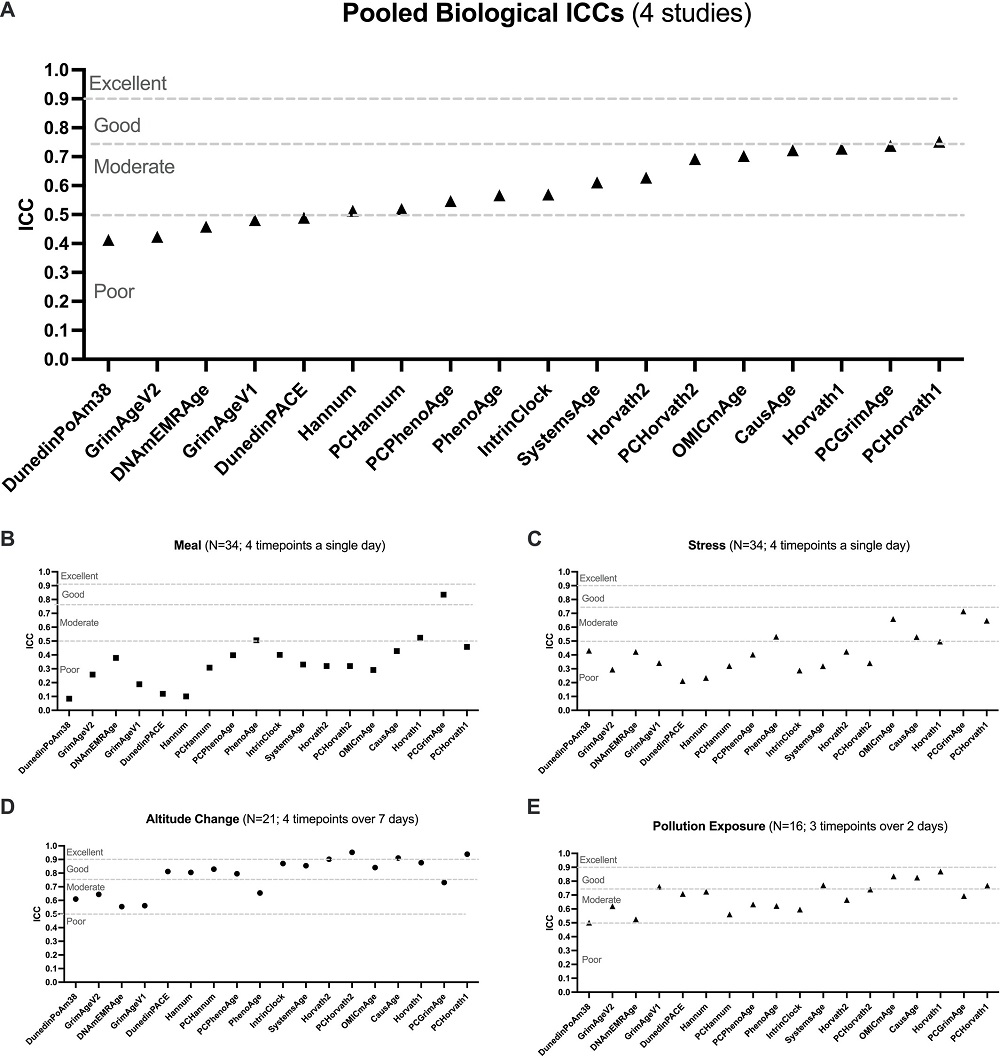
How Inflammaging Is Linked to Epigenetic Aging: A paper in Cell Genomics has described how age-related systemic inflammation is related to epigenetic aging as measured by four established clocks.

Hiking on Easter IslandRapamycin Might Blunt Exercise Response in Humans: According to a new study, rapamycin probably interferes with exercise, blunting its effects in older human subjects. This result, however, might be specific to the particular protocol.

The Immune System Ages Differently in Men and Women: An investigation into the aging immune system identified age-related changes, including sex-dependent differences, in immune cell subpopulations and gene expression.

Heart attackReprogrammed Cardiomyocytes Soften the Blow in Heart Attack: A new study has found that partial reprogramming mitigates the damage of myocardial infarction in mice by helping heart muscle cells to complete division.

A Robust Senescence Response Helps Wounds Heal: A team of scientists has examined how younger and older mice heal from wounds and found that more robust senescent cell activation in younger animals helps them heal faster.

Obese mouse and healthy mouseObesity’s Effects on the Immune System May Linger for Years: A new study has suggested that T cells might retain a pro-inflammatory phenotype long after normal weight is regained following a period of obesity.

A Popular Senolytic Treatment Causes Brain Damage in Mice: A new study calls for caution in using the well-known senolytic treatment of dasatinib and quercetin (D+Q), showing that it causes damage in certain regions of the brain, similar to what is observed in multiple sclerosis.

Sleeping at deskDaytime Napping and Mortality Association in Older Adults: A recent study found an association between longer and more frequent daytime napping and higher mortality risk.

Electromagnetic field-inducible in vivo gene switch for remote spatiotemporal control of gene expression: Overall, a remotely controlled EMF-inducible gene switch represents a versatile and effective biomedical platform.

Why dietary interventions fail or succeed in ageing: Metabolic resilience as the missing integrative framework: This perspective supports a shift towards resilience-oriented endpoints, improved biological stratification, and the integration of functional phenotypes into study design.

Epigenetic Age Feedback as a Catalyst for Sustained Lifestyle Change: One-Year Results from the EU iHelp Study: The marked variation between epigenetic clocks highlights the importance of selecting models designed for clear communication when used in public-facing health interventions.

The effects of metformin and exercise training on cardiorespiratory, blood pressure, and metabolic adaptations across the spectrum of glucose dysregulation: Compared with exercise alone, metformin was associated with smaller improvements in VO2peak, attenuated reductions in systolic blood pressure, and attenuated reductions in diastolic blood pressure.

Effects of high-load, velocity-intentional variable resistance training combined with creatine supplementation: Creatine supplementation confers complementary, modality-specific benefits and supports their use in combination to high-speed resistance exercise to promote healthy aging.

An Extracellular Matrix Aging Clock Based on Circulating Matrisome Proteins Predicts Biological Aging and Disease: These findings establish circulating ECM proteins as sensitive biomarkers of aging and disease and suggest that targeting ECM remodeling may offer new strategies for promoting healthy aging.

Harnessing viral strategies to reverse cognitive dysfunction through the integrated stress response: This treatment reversed cognitive and synaptic deficits in mouse models of Down syndrome, Alzheimer’s disease, and aging.

Combined effects of a low-dose multi-target supplement (CaHMB, CBP, and HA) on delaying musculoskeletal aging: The low-dose combination of CaHMB, CBP, and HA provides comprehensive benefits against age-related muscle and bone loss, likely by modulating the muscle–bone axis, and outperforms individual components.

SRN-901, a Novel Longevity Drug, Extends Lifespan and Healthspan by Targeting Multiple Aging Pathways: SRN-901-treated 18-month-old mice showed a significant increase of 33% in median remaining lifespan compared to placebo-treated mice.

Clearance of Senescent Cells by BCLXL-PROTAC: A Novel Approach to Treat COPD?: BCLXL-PROTAC is a potent and selective senolytic agent that may promote lung cell rejuvenation, supporting its potential as a novel therapeutic strategy for age-related diseases, including COPD.

Tomatidine is a senotherapeutic compound that improves cognitive function and reduces cellular senescence in aged mice: Tomatidine also diminished brain endothelial cell senescence while enhancing tight junction protein expression, suggesting preserved blood–brain barrier integrity.

News Nuggets

Insilico MedicineInsilico and Eli Lilly Announce a Major Collaboration: Building on two previous deals between the companies, this new agreement is potentially worth up to $2.75 billion and involves Lilly licensing assets from Insilico’s pipeline.

BioAge Reports Positive Phase 1 Data for BGE-102: BioAge Labs, Inc., a clinical-stage biopharmaceutical company, reported results from the Phase 1 clinical trial of BGE-102, a potent, structurally novel, orally available, brain-penetrant small molecule NLRP3 inhibitor.

Coming Up

2026 HLISAPLMS and Kitalys to Host Healthy Longevity in Hong Kong: The Asia-Pacific Longevity Medicine Society (APLMS), in partnership with The Kitalys Institute, announced that the 2026 Asia-Pacific Healthy Longevity International Summit (APAC-LMIS) will be held in Hong Kong from October 1–4, 2026, at the Hopewell Hotel.

Longevity Day at NFC Summit Lisbon Announces Speaker Lineup: Longevity Day at NFC Summit Lisbon has announced its confirmed speaker lineup ahead of its debut on 4 June 2026 at the Unicorn Factory in Lisbon. The event will bring together scientists, clinicians, founders, and investors from across the longevity ecosystem for a full-day program spanning ancestral wisdom, cutting-edge science, and frontier biotech.

We would like to ask you a small favor. We are a non-profit foundation, and unlike some other organizations, we have no shareholders and no products to sell you. All our news and educational content is free for everyone to read, but it does mean that we rely on the help of people like you. Every contribution, no matter if it’s big or small, supports independent journalism and sustains our future.
New part and old part

Some Researchers Choose Replacement Over Repair in Aging

A perspective published in Aging Cell details the replacement-based approaches being investigated by several research organizations.

Repair versus replacement

This perspective begins by noting the inherent difficulty of rejuvenating the human body because of the vast variety of interventions that need to be performed at multiple levels, from the molecular to the whole-body. It defines replacement-based interventions as “strategies that replace cells, tissues, organs, physiological systems, or cellular components (e.g., mitochondria or genes) with biological or synthetic alternatives” and notes that endogenous repair process have inherent limitations. It cites a paper suggesting that such interventions may be more practical than attempting to repair aged biology [1], and some of that paper’s authors are listed on this paper as well.

Biological replacements include such well-known interventions as lab-generated stem cells, including in the brain, along with bioprinted tissues and organs. Therapeutic plasma exchange, which removes age-related protein accumulation from the bloodstream, is also listed as a biological replacement. Synthetic replacements include prostheses and medical devices that interface with the human body.

To this end, the authors hosted a Replacement in Aging workshop at last year’s Aging Research and Drug Discovery conference. They listed a great number of current challenges, including well-known immune rejection issues, the difficulties of introducing novel biological components into living organisms, and the tendency of introduced tissues to rapidly exhibit the same signs of aging as their hosts (age assimilation). They also listed several emerging potential interventions, including tissues with receptor knockouts that prevent rapid aging along with mass production of stem cells useful for off-the-shelf treatments.

Current work

This perspective also contains information about the ways that specific labs are putting forward replacement-based therapies.

For example, Anthony Atala of the Wake Forest Institute of Regenerative Medicine (WFIRM) mentioned several clinical trials of replacement-based therapies, including trials of stem cells into the urinary sphincter to treat incontinence, satellite cells to treat rotator cuff injuries in the shoulder, and reprogrammed autologous cells to treat severe knee osteoarthritis. The organization is using placentally sourced multipotent cells, and it claims to have enough types that it can find an immunological match with 80% of the population.

Additionally, WFIRM continues a Phase 3 trial of bioprinted kidneys that appear to be effective enough to keep patients off of dialysis machines. It is also using organ-on-a-chip technologies to test cancer treatments.

Kyle M. Loh’s lab at Stanford University focuses on differentiating human pluripotent stem cells (hPSCs). Some of these cells can be turned into vascular cells, which is crucial for the development of functional organs; the formation of blood vessels (vascularization) within these organs has long been a problem in bioprinting. This lab is also working on differentiating neurons into specific subpopulations, allowing them to be used to bolster the human brain, specifically the hindbrain responsible for autonomic nervous functions.

Vera Gorbunova of Rochester University brought forward the idea of genetic replacements. For example, genes from the naked mole rat, such as its overexpression of hyaluronan, may be useful for fighting cancer. Bowhead whales overexpress the CIRBP protein, which has been found to enhance DNA repair in human cells [2]. Overexpression of sirtuins, such as SIRT6, may also have life-extending benefits.

A complicated and ambitious undertaking

This perspective explains what needs to happen for replacement therapies to be truly effective, mentioning that “hundreds of forms of molecular and organellar damage” need to be simultaneously dealt with and that the extracellular matrix, which is nearly impossible to replace in large quantities, also needs to be addressed. Enhancing pathways that eliminate damaged components from cells may increase their lifespan as well.

However, this line of research is not without its many challenges. The minimum amount of tissue that needs to be replaced may be different between organs, and dealing with specifically damaged tissue, such as fibrotic tissue, may be necessary. Replacing certain types of cells, such as immune cells, is not yet feasible outside of specific contexts.

While some current treatments are included, this perspective is largely speculative in nature. However, its authors frequently offer concrete avenues for further work. Genetic editing to prevent immunorejection, better targeting of disease states, and more efficient creation of cellular replacement therapies will all be necessary in staving off aging through this replacement-based approach.

We would like to ask you a small favor. We are a non-profit foundation, and unlike some other organizations, we have no shareholders and no products to sell you. All our news and educational content is free for everyone to read, but it does mean that we rely on the help of people like you. Every contribution, no matter if it’s big or small, supports independent journalism and sustains our future.
Literature

[1] Lore, S., Poganik, J. R., Atala, A., Church, G., Gladyshev, V. N., Scheibye-Knudsen, M., & Verdin, E. (2025). Replacement as an aging intervention. Nature aging, 5(5), 750-764.

[2] Firsanov, D., Zacher, M., Tian, X., Sformo, T. L., Zhao, Y., Tombline, G., … & Gorbunova, V. (2025). Evidence for improved DNA repair in the long-lived bowhead whale. Nature, 648(8094), 717-725.

Sleeping at desk

Daytime Napping and Mortality Association in Older Adults

A recent study found an association between longer and more frequent daytime napping and higher mortality risk. The authors suggest using napping frequency and duration as behavioral markers of increased mortality risk [1].

Common activity with a dark side

Daytime napping is a relatively common activity among older adults. It is estimated that between 20% and 60% of older adults take daytime naps [2]. The feeling of reduced fatigue and increased alertness after a brief nap can give the impression that naps have a positive impact, but there is also a dark side to napping, especially excessive napping, which was linked to many adverse health effects in the elderly [3-5].

“Excessive napping later in life has been linked to neurodegeneration, cardiovascular diseases and even greater morbidity, but many of those findings rely on self-reported napping habits and leave out metrics like when and how regular those naps are,” said lead author Chenlu Gao, Ph.D., an investigator at the Department of Anesthesiology in Mass General Brigham and an affiliated research fellow at the Division of Sleep and Circadian Disorders in the Department of Medicine.

The authors of this study addressed those shortcomings by analyzing data from wrist actigraphy, which was continuously recorded for up to 14 days. An actigraph is a device that records movement and, when combined with computer algorithms, estimates sleep parameters. While the device may have difficulty distinguishing sleep from quiet wakefulness, the chosen algorithm achieves high accuracy in doing so.

The data came from the Rush Memory and Aging Project (MAP), a study was initiated in 1997 and tracked mortality until 2025. During that time, almost 70% of participants died. That study included 1338 participants aged 56 years or older from retirement communities, senior and subsidized housing, and church groups in northern Illinois.

Duration and frequency matter

Analysis of the obtained data showed that both the duration and frequency of napping, but not variability in duration across days, affected mortality risk. The authors report that longer nap duration and each additional daily nap taken were associated with increased mortality. Specifically, “a 1-hour increase in nap duration corresponded to the risk associated with being approximately 1.1 years older.” While each additional daily nap corresponds to “a risk associated with being approximately 0.6 years older.”

The timing of naps also mattered: people who napped in the morning (between 9 AM and 1 PM) had a higher mortality risk than those who napped in the early afternoon. This risk was “equivalent to being approximately 2.5 years older.” However, in a subsequent analysis examining subgroups more closely, the association was absent when the analysis was limited to cognitively healthy individuals.

Napping at different times of the day might mean different things. While afternoon naps are associated with naturally decreased alertness at that time of day [6] and often linked to local cultural customs such as the siesta, morning naps might indicate disrupted circadian rhythms [7].

Understanding the connection

This study aligns with the results of the previous studies on this topic. For example, a recent meta-analysis showed that taking short naps (less than one hour) wasn’t associated with increased mortality risk, whereas taking longer naps (more than one hour) was [8].

The researchers speculate on the reasons linking napping and mortality risk. One possible reason for daytime naps is an underlying sleep disorder, such as obstructive sleep apnea; however, the researchers exclude this possibility because the models they used accounted for nighttime sleep duration and quality.

Similarly, they speculated that many chronic conditions can cause daytime fatigue, prompting napping. Although the researchers observed the associations even after adjusting for various comorbidities, they suggest that there may be patients with subclinical or undiagnosed conditions not accounted for in the analysis. Such undiagnosed conditions can lead to increased fatigue, napping, and mortality risk. In such a case, excessive napping would be a marker for an underlying health condition, which, if not addressed and treated, can lead to increased mortality risk.

Another possibility is cardiovascular system-related problems. The researchers explain that napping can result from sleep disruption or circadian misalignment, which can also lead to such problems as increased blood pressure [9], which further leads to a pro-inflammatory and pro-atherogenic state, all increasing mortality risk. What’s more, previous studies have shown an association between long daytime naps and cardiovascular risk factors and cardiovascular diseases [10].

Systemic inflammation was also previously linked to daytime napping. Specifically, an observational study found higher levels of inflammatory markers among those who took naps compared to those who didn’t [11], suggesting that chronic inflammation might lead to fatigue and daytime napping. Further studies indicated that the prevalence of inflammatory markers varies across times of day [12], suggesting possible links to distinct underlying conditions.

A better understanding of those connections should be addressed in future studies, but for now, the researchers propose using napping patterns, which can be easily tracked with increasingly popular wearable devices that monitor activity, as biomarkers to identify patients at health risk.

“Now that we know there is a strong correlation between napping patterns and mortality rates, we can make the case to implement wearable daytime nap assessments to predict health conditions and prevent further decline,” said Gao.

Correlation not causation

The study authors advise against drawing causal inferences from their results and to understand them in the broader context of aging processes. “It is important to note that this is correlation, not causation. Excessive napping is likely indicating underlying disease, chronic conditions, sleep disturbances, or circadian dysregulation,” said Gao.

We would like to ask you a small favor. We are a non-profit foundation, and unlike some other organizations, we have no shareholders and no products to sell you. All our news and educational content is free for everyone to read, but it does mean that we rely on the help of people like you. Every contribution, no matter if it’s big or small, supports independent journalism and sustains our future.

Literature

[1] Gao, C., Cai, R., Zheng, X., Gaba, A., Yu, L., Buchman, A. S., Bennett, D. A., Gao, L., Hu, K., & Li, P. (2026). Objectively Measured Daytime Napping Patterns and All-Cause Mortality in Older Adults. JAMA network open, 9(4), e267938.

[2] Zhang, Z., Xiao, X., Ma, W., & Li, J. (2020). Napping in Older Adults: A Review of Current Literature. Current sleep medicine reports, 6(3), 129–135.

[3] Sun, J., Ma, C., Zhao, M., Magnussen, C. G., & Xi, B. (2022). Daytime napping and cardiovascular risk factors, cardiovascular disease, and mortality: A systematic review. Sleep medicine reviews, 65, 101682.

[4] Li, P., Gao, L., Yu, L., Zheng, X., Ulsa, M. C., Yang, H. W., Gaba, A., Yaffe, K., Bennett, D. A., Buchman, A. S., Hu, K., & Leng, Y. (2023). Daytime napping and Alzheimer’s dementia: A potential bidirectional relationship. Alzheimer’s & dementia : the journal of the Alzheimer’s Association, 19(1), 158–168.

[5] Leng, Y., Wainwright, N. W., Cappuccio, F. P., Surtees, P. G., Hayat, S., Luben, R., Brayne, C., & Khaw, K. T. (2014). Daytime napping and the risk of all-cause and cause-specific mortality: a 13-year follow-up of a British population. American journal of epidemiology, 179(9), 1115–1124.

[6] Milner, C. E., & Cote, K. A. (2009). Benefits of napping in healthy adults: impact of nap length, time of day, age, and experience with napping. Journal of sleep research, 18(2), 272–281.

[7] Bonnet M. H. (1986). Performance and sleepiness as a function of frequency and placement of sleep disruption. Psychophysiology, 23(3), 263–271.

[8] Wang, M., Xiang, X., Zhao, Z., Liu, Y., Cao, Y., Guo, W., Hou, L., & Jiang, Q. (2024). Association between self-reported napping and risk of cardiovascular disease and all-cause mortality: A meta-analysis of cohort studies. PloS one, 19(10), e0311266.

[9] Covassin, N., Bukartyk, J., Singh, P., Calvin, A. D., St Louis, E. K., & Somers, V. K. (2021). Effects of Experimental Sleep Restriction on Ambulatory and Sleep Blood Pressure in Healthy Young Adults: A Randomized Crossover Study. Hypertension (Dallas, Tex. : 1979), 78(3), 859–870.

[10] Sun, J., Ma, C., Zhao, M., Magnussen, C. G., & Xi, B. (2022). Daytime napping and cardiovascular risk factors, cardiovascular disease, and mortality: A systematic review. Sleep medicine reviews, 65, 101682.

[11] Leng, Y., Ahmadi-Abhari, S., Wainwright, N. W., Cappuccio, F. P., Surtees, P. G., Luben, R., Brayne, C., & Khaw, K. T. (2014). Daytime napping, sleep duration and serum C reactive protein: a population-based cohort study. BMJ open, 4(11), e006071.

[12] Wright, F., Hammer, M., Paul, S. M., Aouizerat, B. E., Kober, K. M., Conley, Y. P., Cooper, B. A., Dunn, L. B., Levine, J. D., DEramo Melkus, G., & Miaskowski, C. (2017). Inflammatory pathway genes associated with inter-individual variability in the trajectories of morning and evening fatigue in patients receiving chemotherapy. Cytokine, 91, 187–210.

A Popular Senolytic Treatment Causes Brain Damage in Mice

A new study calls for caution in using the well-known senolytic treatment of dasatinib and quercetin (D+Q), showing that it causes damage in certain regions of the brain, similar to what is observed in multiple sclerosis [1].

Stem cell senescence prevents brain repair

Multiple sclerosis (MS) is a brain disorder in which the patient’s own immune system attacks oligodendrocytes: cells in the nervous system that provide a myelin coating for neurons, which is essential for their function and survival. MS is much more common in older patients, who are also more likely to have progressive disease and a worse response to treatment.

This has been linked to an increase in senescence among neural progenitor cells (NPCs) [2]. NPCs are stem cells that can repopulate lost oligodendrocytes and restore their function in the brain. In patients with MS, many NPCs are senescent, meaning that they’ve lost their ability to divide and instead remain in the tissue, promoting local inflammation. This observation has led the authors of a new study published in the journal PNAS to explore whether clearing away senescent cells may improve MS outcomes, with potential implications for other neurodegenerative diseases.

Effects on a healthy brain

To test this idea, the researchers administered the well-known senolytic combination of D+Q to aged mice. D+Q became popular after it was found to kill senescent cells in culture while generally sparing non-senescent cells [3]. It is considered the gold standard for senolytic interventions and has advanced to clinical trials for senescence-related conditions, including diseases of the lungs and kidneys, diabetes, and general age-related frailty, with promising results.

However, D+Q is not perfect. Both D and Q target molecules and molecular pathways that are not entirely unique to senescent cells, which runs the risk of off-target effects. Nevertheless, few studies have examined the effects of D+Q on a healthy brain, and this study was conducted to fill that gap.

D+Q stresses and reduces function in oligodendrocytes

The authors delivered D+Q orally three times a week on alternating weeks. In previous studies, similar protocols were found to extend the lives of mice.

One month after the start of the treatment, they collected the rostral corpus callosum (CC), a part of the brain connecting the left and right frontal lobes. The CC acts as a central wiring structure between the two hemispheres and balances the controls of higher cognitive functions. Neurons in the CC are organized into bundles that are wrapped in layers of myelin.

The CCs were analyzed by transmission electron microscopy (TEM) to measure myelination and compare it between treated and untreated mice. Surprisingly, D+Q treatment reduced myelination levels. The reduction was very modest but statistically significant. This was later confirmed in young animals, suggesting that the effect is age-independent.

Further analysis found that the treatment did not kill oligodendrocytes but altered their morphology, making them less complex and causing them to retract their outgrowths and reduce myelin deposition. This change occurred within 20 minutes of treatment onset.

To understand the underlying cause of this effect, the authors analyzed gene expression patterns in cells treated with D+Q. They found that cells that had received D+Q exhibited extensive endoplasmic reticulum stress, a condition in which newly produced proteins are not folded properly.

This led to the silencing of the machinery that normally controls myelin deposition. The injured oligodendrocytes still maintained myelin production and their cellular identity, but they were no longer able to deliver and organize myelin correctly, leaving the neurons exposed. In many ways, these changes are similar to those that occur during MS.

D+Q Neural Effects

Key takeaways

For people who are interested in using senolytics to extend life and healthspan, this study serves as a warning that some treatments may have unintended and serious consequences. It’s a call for caution and for the discovery and development of more selective treatments.

For MS researchers, however, the study points to a surprising opportunity. The D+Q treatment affects oligodendrocytes in ways similar to those observed in MS, but the cells themselves remain viable. Hence, the changes they experience may be reversible, making D+Q a useful model to study that possibility.

We would like to ask you a small favor. We are a non-profit foundation, and unlike some other organizations, we have no shareholders and no products to sell you. All our news and educational content is free for everyone to read, but it does mean that we rely on the help of people like you. Every contribution, no matter if it’s big or small, supports independent journalism and sustains our future.

Literature

[1] Lombardo, E. R., Pijewski, R. S., Lustig, J. T., Dhari, Z., Lahiri, A., Papile, L. E., … & Crocker, S. J. (2026). Senolytic treatment induces oligodendrocyte dysfunction and demyelination in the corpus callosum. Proceedings of the National Academy of Sciences, 123(12), e2524897123.

[2] Nicaise, A. M., Wagstaff, L. J., Willis, C. M., Paisie, C., Chandok, H., Robson, P., … & Crocker, S. J. (2019). Cellular senescence in progenitor cells contributes to diminished remyelination potential in progressive multiple sclerosis. Proceedings of the National Academy of Sciences, 116(18), 9030-9039.

[3] Zhu, Y. I., Tchkonia, T., Pirtskhalava, T., Gower, A. C., Ding, H., Giorgadze, N., … & Kirkland, J. L. (2015). The Achilles’ heel of senescent cells: from transcriptome to senolytic drugs. Aging cell, 14(4), 644-658.

Obese mouse and healthy mouse

Obesity’s Effects on the Immune System May Linger for Years

A new study has suggested that T cells might retain a pro-inflammatory phenotype long after normal weight is regained following a period of obesity. In mice, the effect lasts for weeks, while its existence and duration in humans are to be determined [1].

The inflammation that stays

Obesity is a chronic, relapsing condition linked to many adverse health outcomes and increased mortality [2]. The difficulties involved in losing weight and not regaining it are well-known, and even if the endeavor is successful, recent research has found that the consequences of obesity might linger long after returning to a normal weight. However, the mechanisms behind these long-term effects are not completely understood. A new study by a European research team suggests that helper T cells remain in the obesity-associated state for a long time, possibly continuing to drive health risks.

Healthy abdominal fat tissue is patrolled by anti-inflammatory immune cells, most notably regulatory T cells (Tregs), which dampen inflammation. In obesity, the immune milieu shifts towards pro-inflammatory cells, which produce chronic low-grade inflammation that drives metabolic disease [3]. Some of the authors of this new study have previously shown that obesity specifically drives CD4+ (helper) T cells toward the especially aggressive and pro-inflammatory effector memory (Tem) phenotype and that saturated fatty acids (SFAs) like palmitate and stearate, which are abundant in high-fat Western diets, can signal directly to CD4+ T cells to drive this bias [4].

Confirmed in mice and (sort of) in humans

To dig deeper, the team started with cohorts of female mice on different diets to model obesity and recovery: chow diet (CD) for 14 weeks, high-fat diet (HFD) for 14 weeks, or HFD for 8 weeks followed by 6 weeks of chow (HFD-RE, “recovery”). Basically, the researchers wanted to see whether getting the mice back on a healthy diet would normalize things. At the end of the experiment, the mice received an antigenic challenge to investigate their T cells’ response.

The HFD-RE mice fully normalized their adipose tissue mass back to chow-fed levels, so by the metric of fat, “recovery” worked. Despite this metabolic recovery, the inflammatory Tem response remained stuck at HFD-like levels in the 14-week recovery group.

Importantly, a male cohort showed comparable HFD-induced Tem expansion, but there was no recovery period. The female-only composition of the main cohorts might have been chosen to maximize the chances of discovery as females have stronger adaptive immune responses, but this is also a genuine gap limiting the results’ generalizability.

When recovery was extended to 12 weeks, the Tem populations did normalize toward CD levels, suggesting that the immune dysregulation is reversible but only with prolonged weight maintenance. Using a mouse-to-human age conversion, the researchers extrapolated this to suggest several years of sustained weight control might be needed in humans, though this is just a hypothesis.

Professor Claudio Mauro from the Department of Inflammation and Aging at the University of Birmingham, a co-lead author of the study, said, “The findings suggest that short-term weight loss may not immediately reduce the risk of some disease conditions associated with obesity, including type 2 diabetes and some cancers. Instead, ongoing weight management following loss will see the ‘obesity memory’ slowly fade. This may take several years of sustained weight loss maintenance, likely five to 10 years, though this requires further study, to fully reverse the effects of obesity on T cells.”

To test whether this finding is human-relevant, the authors examined three human cohorts: patients with obesity treated for 6 months with a GLP-1 receptor agonist; people with Alström Syndrome, a rare monogenic obesity-causing disorder; and people who had participated in a 10-week randomized controlled trial of exercise. Neither the semaglutide cohort nor the exercise cohort showed T cell normalization, despite the real weight loss in the former and the metabolic improvements in the latter. This resembles the already familiar delay in getting T cells back to normal, at least in these relatively short timeframes.

Methylation and autophagy

Next, the team performed a DNA methylation analysis on naive and memory T cells from the spleens of the three 14-week mouse groups. They identified 104 genes whose methylation in memory T cells was similarly altered in HFD and HFD-RE compared to CD – i.e., genes where the methylation changes “stuck” through weight loss. Two hypomethylated genes popped out (hypomethylation suggests chromatin derepression, meaning that the gene is more active): Bcl6, a transcription factor known to drive memory T-cell differentiation, and Stk26, an inducer of intracellular junk removal (autophagy).

Inflammatory Tem cells in the HFD-RE group indeed showed sustained autophagy flux, significantly higher than in the CD group. While autophagy is generally associated with lower inflammation, here it possibly indicates increased Tem activity and fitness.

Given their previous results with saturated fatty acids, the researchers wanted to test whether SFAs alone could induce these changes. They treated human CD4+ T cells from healthy donors with palmitate, stearate, or oleate (the unsaturated control). Both palmitate and stearate increased the proportion of Tem cells. Stearate also reduced regulatory T cells. Palmitate specifically upregulated STK26 in activated helper T cells and increased autophagy.

To test causality, the team then put STK26-deficient mice on 8 weeks of CD or HFD. STK26 knockout impaired autophagy and reduced antigen-induced expansion of inflammatory Tem populations on both CD and HFD. The means that autophagy via STK26 is required for the Tem expansion, which is evidence of a causal role.

Apart from using mainly female mice, the study had several more limitations. Most importantly, further studies must be conducted to confirm the effect and its duration in humans. Regarding possible translational implications, Mauro said: “Our study suggests potential therapeutic opportunities to expedite this process, such as repurposing drugs like SGLT2 inhibitors, which have shown promise in reducing inflammation and promoting immune-mediated clearance of senescent cells in obesity.”

We would like to ask you a small favor. We are a non-profit foundation, and unlike some other organizations, we have no shareholders and no products to sell you. All our news and educational content is free for everyone to read, but it does mean that we rely on the help of people like you. Every contribution, no matter if it’s big or small, supports independent journalism and sustains our future.

Literature

[1] Niven, J., Kucuk, S., Gope, A. et al. (2026). DNA methylation-mediated memory of obesity in CD4 T lymphocytes perpetuates immune dysregulation. EMBO Rep

[2] Abdelaal, M., le Roux, C. W., & Docherty, N. G. (2017). Morbidity and mortality associated with obesity. Annals of translational medicine, 5(7), 161.

[3] Feuerer, M., Herrero, L., Cipolletta, D., Naaz, A., Wong, J., Nayer, A., … & Mathis, D. (2009). Lean, but not obese, fat is enriched for a unique population of regulatory T cells that affect metabolic parameters. Nature medicine, 15(8), 930-939.

[4] Mauro, C., Smith, J., Cucchi, D., Coe, D., Fu, H., Bonacina, F., … & Marelli-Berg, F. M. (2017). Obesity-induced metabolic stress leads to biased effector memory CD4+ T cell differentiation via PI3K p110δ-Akt-mediated signals. Cell metabolism, 25(3), 593-609.

Wound healing

A Robust Senescence Response Helps Wounds Heal

A team of scientists has examined how younger and older mice heal from wounds and found that more robust senescent cell activation in younger animals helps them heal faster.

A double-edged sword

Multiple experiments have found that senescent cells and proper wound healing are intrinsically linked. Zebrafish are well-known to completely regenerate tissue, but an experiment found that the blanket removal of senescent cells impairs this ability [1]. Removing senescent cells from 2-month-old mice impaired their wound healing as well [2].

However, it is well-known that older people heal slower from wounds while having more cellular senescence throughout the body. These researchers decided to take a closer look at this phenomenon at the cellular level.

When young people have more senescent cells

In the first experiment, the researchers cut one-centimeter wounds through the back fat of 2-month-old and 24-month-old mice, which were given painkillers and kept from infection. Unsurprisingly, the wounds of the older mice healed much slower than those of the younger mice; by week 18, the wounds of the younger mice had fully closed, while it took the older mice 24 days to heal.

This was linked to the transient activation of senescent cells. Before the wound, the aged mice had more senescent cells in the area than the younger mice did, as measured by the two well-known biomarkers p16 and SA-β-gal; a week after wounding, however, only the younger mice exhibited sharp upregulations of both of these biomarkers, and this was confirmed by an examination of p16 mRNA gene expression. Another senescence-associated biomarker, p21, was upregulated only in the young mice two weeks after wounding, which was also confirmed by an mRNA analysis.

The SASP had similar temporary changes. In the younger mice, the increase in senescent cells within a week was matched by transient increases in well-known inflammatory factors, including tumor necrosis factor (TNF) and IL-6, along with factors that remodel the extracellular matrix. In the aged mice, however, the increase in IL-6 was prolonged compared to the young mice, the matrix-remodeling factor MMP8 was also elevated for longer, and many of the other factors were not significantly elevated at all.

Going senescent for a reason

Looking closely at the cells at the wound site, the researchers isolated a “defined senescent” population. These were cells that had upregulated p16 and p21 levels and did not express the proliferation marker Mki67. Most of these cells were fibroblasts, although other immune and tissue cells were present in this population as well. The authors described the fibroblasts as having a ‘transcriptionally active program’ that led to upregulated SASP factors.

Rather than inflammation, most of these upregulated factors were related to matrix regulation and growth, which clearly play significant roles in wound healing. These findings were corrobrated with human data: a public dataset of RNA sequencing data derived from younger people’s wounds found similar upregulations in ECM remodeling and deposition.

Unsurprisingly, these upregulated factors were less present in older animals. The older mice had a less robust response at the cellular level; their senescent cells were less heterogenous. Unlike the younger mice, they were more prone to expressing inflammatory factors as part of the SASP, and there was less activation of matrix-deposition factors. The older cells’ signaling, according to the authors, suggests “a dysfunctional, stressed state rather than a reparative one”.

In sum, young senescent wound fibroblasts mount a prorepair chemokine and ECM-remodeling program and broadcast it to their neighbors, whereas aged senescent wound fibroblasts lose that reparative signaling and instead exhibit proteotoxic/inflammatory features that fail to promote efficient healing.

Just as there is a difference between acute inflammation and the chronic inflammation known as inflammaging, this study’s results show a clear difference between transient and permanent senescence. A “senescent cell” is simply one that no longer divides, and there is obviously a distinction between cells that become activated to become senescent to perform a specific task and cells that have been gradually driven senescent through aging. Promoting the former while eliminating the latter is a difficult but necessary job in dealing with this aspect of aging.

We would like to ask you a small favor. We are a non-profit foundation, and unlike some other organizations, we have no shareholders and no products to sell you. All our news and educational content is free for everyone to read, but it does mean that we rely on the help of people like you. Every contribution, no matter if it’s big or small, supports independent journalism and sustains our future.
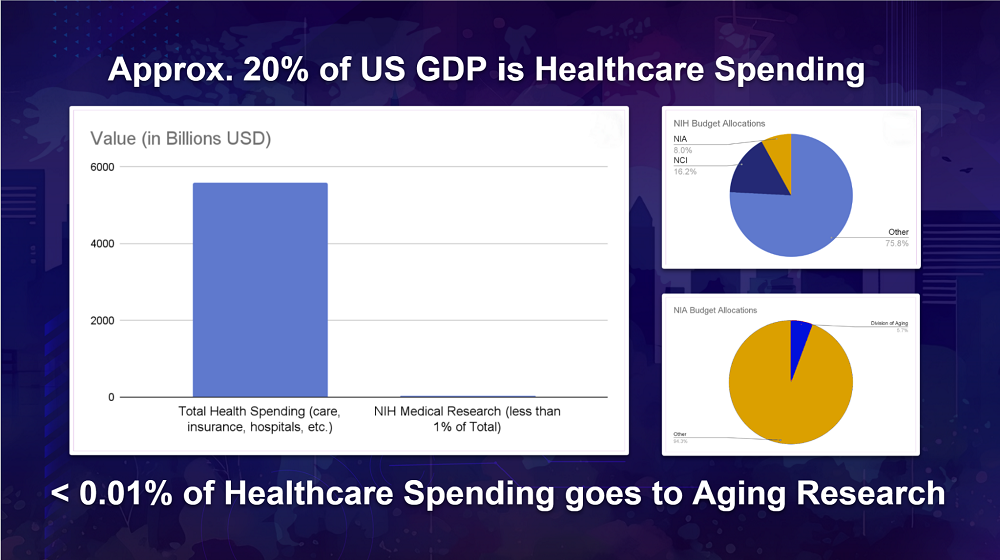
Literature

[1] Da Silva‐Álvarez, S., Guerra‐Varela, J., Sobrido‐Cameán, D., Quelle, A., Barreiro‐Iglesias, A., Sánchez, L., & Collado, M. (2020). Cell senescence contributes to tissue regeneration in zebrafish. Aging cell, 19(1), e13052.

[2] Demaria, M., Ohtani, N., Youssef, S. A., Rodier, F., Toussaint, W., Mitchell, J. R., … & Campisi, J. (2014). An essential role for senescent cells in optimal wound healing through secretion of PDGF-AA. Developmental cell, 31(6), 722-733.

Heart attack

Reprogrammed Cardiomyocytes Soften the Blow in Heart Attack

A new study has found that partial reprogramming mitigates the damage of myocardial infarction in mice by helping heart muscle cells to complete division [1].

When heart cells get stuck

When a heart attack (myocardial infarction, MI) kills a patch of heart muscle, the adult mammalian heart cannot replace it, since the lost contractile muscle cells (cardiomyocytes, CMs) do not meaningfully regenerate. Instead, the heart heals with scar tissue, which, over time, leads to heart failure [2].

Why do adult cardiomyocytes lose this regenerative capacity? One piece of the puzzle is that mature CMs acquire a rigid, highly organized internal scaffold of contractile machinery called the sarcomere: the repeating protein units that generate force when the heart beats. This is great for pumping blood but terrible for cell division, because dividing requires the cell to dismantle its internal structure.

Another piece is that adult CMs often carry more than the normal two sets of chromosomes (polyploid) or have more than one nucleus per cell (multinucleated). This happens because they can enter the cell cycle and replicate DNA but then fail to complete the final step: cytokinesis, the physical splitting of one cell into two daughter cells [3].

The authors of a new study published in the Journal of Molecular and Cellular Cardiology liken this to turning on the tap without unblocking the drain: CMs are pushed into DNA replication, but if they cannot actually divide, no new heart cells are produced. To try and “unblock” the process, the researchers induced partial reprogramming of CMs using three of the four classic “Yamanaka factors”: OCT4, SOX2, and KLF4 (OSK). The idea was that this would help the cells dismantle their sarcomeres and complete a full division.

Unblocking the drain

OSK overexpression in neonatal and adult mouse CMs reduced the expression of cardiac troponin T, a sarcomere protein that marks mature CM identity, and disrupted the striped, organized sarcomere architecture. The gene expression profile shifted from that of an adult heart cell back toward an embryonic heart cell, suggesting dedifferentiation without loss of cellular identity.

The full four-factor cocktail, OSKM (M stands for c-Myc), had the same effect, but, unlike OSK, it also produced clonal clusters of rapidly dividing cells that lost their CM markers. The authors interpret this as dysregulated proliferation approaching a pre-tumorigenic state, as opposed to the controlled dedifferentiation seen with OSK.

Interestingly, c-Myc is a well-known oncogene; it was already recognized as cancer-causing before Yamanaka’s team included it in the original cocktail, where it acts by dampening the cellular brakes that normally prevent runaway division. It is required for full reprogramming and the production of induced pluripotent stem cells (iPSCs), but not for partial reprogramming.

Since dedifferentiation is thought to be a prerequisite for heart regeneration – as seen in zebrafish and neonatal mice – does OSK also drive cell cycle re-entry? OSKM and c-Myc alone both strongly drove cells into the cycle, confirming c-Myc’s classic proliferation-boosting effect, but OSK did not. So, the central question of the paper became: If OSK does not make cells divide more often, how can it help the heart regenerate?

As the researchers found out, while OSK did not increase the number of cells “attempting” division, far more of the cells that did try completed the split successfully, as if OSK solved the “blocked drain” problem. Supporting this hypothesis, OSK-treated cultures had more single-nucleus cells and fewer two-nucleus cells, a result that is consistent with successful division.

Rescue in vivo

To see if this would work in living animals, the researchers delivered OSK to newborn mouse hearts using a virus (AAV) targeted to heart cells. Two weeks later, the hearts showed the same pattern seen in vitro: dedifferentiated cells, disassembled sarcomeres, and more completed cytokinesis events.

However, when OSK expression was allowed to continue for four weeks, the hearts developed a combination of thin walls, enlarged chambers, and weakened pumping (dilated cardiomyopathy), suggesting that prolonged dedifferentiation becomes harmful. Interestingly, in adult mice, the same duration of OSK caused no obvious damage: it seems that adult hearts tolerate OSK better than developing ones. This might also mean that treatment timing and duration will be important for clinical translation.

For the final and crucial test, the researchers induced heart attacks and injected OSK at the same time. Over the following month, OSK-treated mice, compared to controls, showed better blood pumping (higher ejection fractions) at 14 and 28 days, less scarring (fibrosis), and more dividing heart cells, especially near the injury site. They also had smaller individual heart cells, suggesting less compensatory enlargement; in other words, new cells were sharing the load.

Harvard geroscientist David Sinclair, who was not involved in this new study but whose team has used OSK to successfully restore vision in animal models, discussed the results in an X post: “Why is this such a big deal? Because adult heart cells do not meaningfully divide, which is why the heart heals with scar tissue rather than regeneration. This fundamental limitation has defined cardiology for decades. In 2020, OSK restored function in damaged neurons. Now the same principle is being explored in the heart, building on results already seen in eye, brain, liver, and skin.”

Dr. Sinclair added that the findings were consistent with his Information Theory of Aging, which postulates that cells have a “backup copy” of their youthful epigenetic makeup that can be restored by cellular reprogramming. “Cells retain the instructions for repair; aging is a loss of access to them. Restore that information, and regeneration follows.”

We would like to ask you a small favor. We are a non-profit foundation, and unlike some other organizations, we have no shareholders and no products to sell you. All our news and educational content is free for everyone to read, but it does mean that we rely on the help of people like you. Every contribution, no matter if it’s big or small, supports independent journalism and sustains our future.
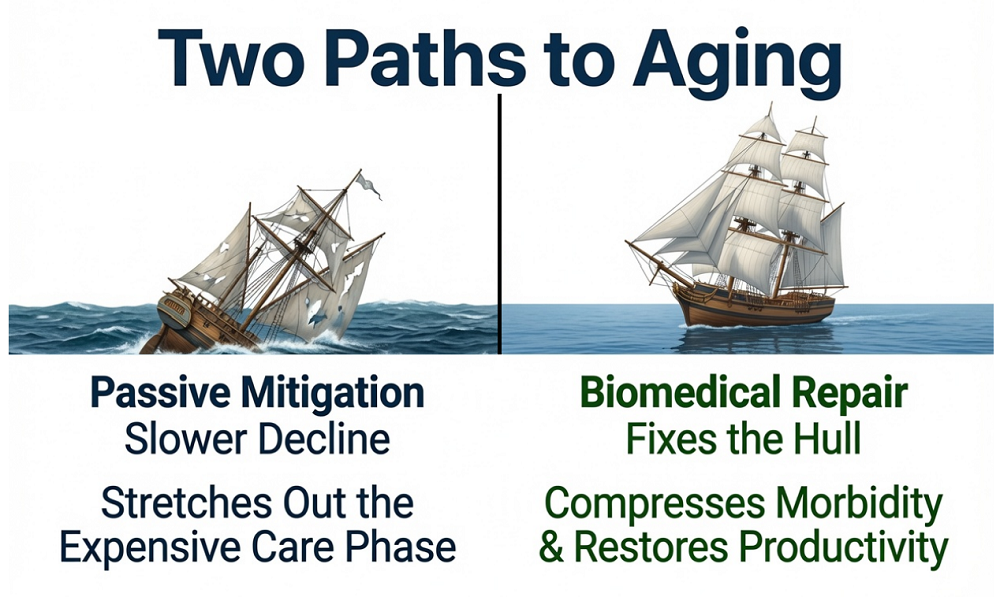
Literature

[1] Yan, Y., Huang, Y., Cao, C., Li, D., Che, Y., Wang, Q., … & Wang, L. (2026). OSK-mediated partial reprogramming induces cardiomyocyte dedifferentiation, overcomes cytokinesis barriers, and promotes post-MI endogenous cardiac regeneration. Journal of Molecular and Cellular Cardiology.

[2] Frangogiannis, N. G. (2015). Pathophysiology of myocardial infarction. Comprehensive physiology, 5(4), 1841-1875.

[3] Derks, W., & Bergmann, O. (2020). Polyploidy in cardiomyocytes: roadblock to heart regeneration?. Circulation research, 126(4), 552-565.

Springtime

It’s Springtime and the Rejuvenation Field Is Flourishing

For those of us in the Northern Hemisphere, spring is here. This is a time of renewal and hope for better times ahead, echoing what our field is trying to achieve: the rejuvenation of aging cells and tissues to keep older people free from age-related diseases.

On that note, let’s take a look at what has been going on at Lifespan News and the wider Lifespan Research Institute.

Top longevity news stories

Kicking off the new year, we published a trio of articles covering the state of the rejuvenation research field. We engaged leading experts in business, research, and advocacy to give you an overview of how things are progressing.

Geroscience in 2025: The Expert Roundup

Biological researchHow far has science advanced towards longer healthier lives?

We spoke with researchers Steve Horvath, George Church, Andrea Maier, Matt Kaeberlein, and Oliver Medvedik. They shared their expert views on the current state of aging research.

Longevity Biotech in 2025: The Expert Roundup

Year 2025Good science also needs good business leadership to turn discoveries into working therapies. Getting therapies through clinical trials is the final barrier to making rejuvenation biotech an accessible reality.

Kristen Fortney, Mehmood Khan, Jamie Justice, Nathan Cheng, Karl Pfleger weighed in on the business side of the field. Join us as we explore how the business of rejuvenation is progressing.

Longevity Advocacy in 2025: The Expert Roundup

MegaphoneDeveloping the technology is one thing, but that needs to be accompanied with effective advocacy. There are many misconceptions and objections to treating aging as a medical issue. We need strong advocacy to educate people and build social acceptance.

Andrew Steele, Melissa King, Bernard Siegel, Dylan Livingston, Adam Gries, and Anastasia Egorova shared their thoughts. Check out how longevity advocacy performed in 2025.

LRI was at the Longevity Biomarkers Competition

LRI President Keith Comito recently spoke at the Longevity Biomarkers Competition in Infinita City in Roatán, Honduras. The “living laboratory” event saw researchers, innovators, entrepreneurs, artists, and biohackers exploring the future of longevity science.

Keith is a technology inventor who has developed digital biomarker tools using face, body, and voice data. In his presentation, he suggested that these non-invasive “functional biomarkers” may solve a key challenge in aging research. They could provide reliable, treatment-sensitive signs of biological age for clinical trials.

Prioritizing audio/video-based biomarkers could deliver quick wins and drive broader adoption. For example, most dementia cases go undiagnosed because doctors rarely screen for it. However, voice-based technology has the potential to detect dementia early. Paired with new drugs, it may reduce progression and yield major economic benefits.

In addition to chronic conditions, this diagnostic potential also applies to infectious diseases. During the COVID-19 pandemic, Keith worked on projects surrounding vocal diagnostics of the disease using Convolutional Neural Networks (CNNs).

CNN-based vocal diagnostics can detect infectious diseases like COVID-19 by analyzing vocal cord and respiratory features. These models reportedly outperformed antigen tests versus PCR, detecting even asymptomatic cases with high specificity. They work because COVID affects the nervous system, so models can detect subtly altered vocal cord vibrations rather than relying on phlegm.

This may be useful for other conditions that affect the neurological system, such as Alzheimer’s disease. In fact, it may have broad applications for a variety of diseases that have a subtle influence on the voice.

Non-invasive functional biomarkers, if developed properly, could become a useful accompaniment to traditional medical screening. In the future, it isn’t hard to imagine something akin to the Star Trek medical tricorder using these technologies.

Rapamycin and exercise clinical trial results

We are delighted to see that Dr. Brad Stanfield has had his manuscript accepted. LRI (at the time Lifespan.io) supported Brad’s fundraising efforts to get this clinical trial launched.

Brad Stanfield post

Congratulations to Brad, and we are glad we were able to help. We look forward to seeing the published results of his rapamycin clinical trial.

Radical No More: Societal Perceptions of Life Extension – Past, Present, and Future Directions

Keith Comito has also recently contributed to a publication focusing on how society suffers from mixed messaging. He argued that the public does, in fact, support longer lifespans. He also proposes that our field should be less inclined to downplay the potential rewards of its success.

There should be nothing radical about the idea of living longer thanks to medical technology that targets aging. It does seem somewhat strange that the concept of more and healthier years should be somehow taboo. It makes us wonder if people in the past pushed back on other technologies that allowed people to live longer in good health. Somehow, we doubt that happened in any significant capacity.

A good example of that support would be a 2022 AARP and National Geographic collaborative survey, which included 2,580 US adults. In one part, they asked them a simple question: “Assume for a moment that there was a pill that could extend your life by 10 years. How likely would you be to take that pill?”

Survey results 1

The response to that question was largely in favor of taking that pill and enjoying additional years of life. This seems to go against the persistent narrative that these ideas are somehow radical and unpopular.

The same survey went on to couch those additional years with continued good health. The results are even more in favor of using rejuvenation technologies to increase healthy lifespans. With the understanding that those additional years will be spent in good health, there is a significant increase in support.

Survey results 2

Keith went on to discuss other examples of support and enthusiasm for increasing human lifespans.

Abstract

Humanity’s relationship with mortality has long defined its values, myths, and ambitions. Across cultures, the quest to transcend aging has been reflected in stories that both explore the desire for life extension and warn against its pursuit.

However, as the science of longevity advances, these inherited narratives, once serving to reconcile people with inevitable death, now distort public understanding and policy by linking life extension with moral corruption, inequality, or futility.

This tension reflects a psychological coping pattern that evolved in response to perceived impossibility, not genuine opposition to longer life itself. Analysis of mythological motifs, cultural history, social media data, and contemporary polling reveals that broad public support exists for increased healthspan and even radical lifespan gains, provided they are equitable and grounded in credible science.

These findings challenge the assumption that advocacy must downplay longevity goals for wider acceptance. Recognizing and updating these cultural scripts opens new pathways for public engagement, research funding, and ethical frameworks that align emerging biotechnologies with our enduring human aspiration, to live longer, healthier, and more meaningful lives.

Keith provided some real food for thought ,and perhaps our field needs to change how it thinks about public engagement. Check out the full Radical No More article.

We would like to ask you a small favor. We are a non-profit foundation, and unlike some other organizations, we have no shareholders and no products to sell you. All our news and educational content is free for everyone to read, but it does mean that we rely on the help of people like you. Every contribution, no matter if it’s big or small, supports independent journalism and sustains our future.
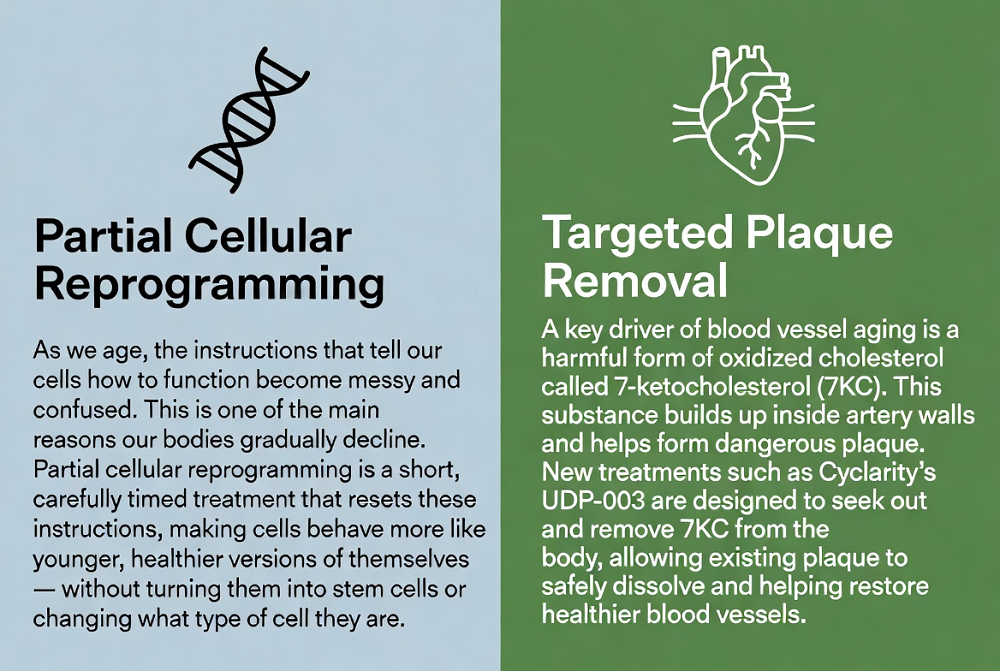
Non-Fungible Conference

Longevity Day at NFC Summit Lisbon Announces Speaker Lineup

Longevity Day at NFC Summit Lisbon has announced its confirmed speaker lineup ahead of its debut on 4 June 2026 at the Unicorn Factory in Lisbon. The event will bring together scientists, clinicians, founders, and investors from across the longevity ecosystem for a full-day program spanning ancestral wisdom, cutting-edge science, and frontier biotech.

The event is curated by Michelangelo Gallia and Nina Patrick, co-founders of Longevity Wednesdays in Lisbon, and is embedded within NFC Summit, one of Europe’s largest tech and entrepreneurship conferences, drawing 4,000 attendees from 59 countries.

A LINEUP ACROSS THREE THEMATIC PILLARS

Longevity Day is structured around three tracks: Wisdom from the Past, Knowledge from the Present, and Hope from the Future — a framework that holds ancestral practice and radical science with equal seriousness.

Confirmed speakers include:

  • Diogo Barardo — R&D Director, NOVOS (Knowledge from the Present)
  • Dr. Jeff Vogel — Physician & CEO, Concorde Health (Knowledge from the Present)
  • Marvin Amberg — Consumer Health Investor, naturalX Health Ventures (Knowledge from the Present)
  • Dr. Sabine Krofczik-Wilhelm — Neurodegenerative Disorders, PPD/Thermo Fisher (Knowledge from the Present)
  • Francisco Marques-Teixeira — Founder & CEO, Mu Labs (Wisdom from the Past)
  • Stephen Watson — Founder, Miami Institute; former CSO, Blue Zones Center (Knowledge from the Present)
  • Jose Pedro Castro — Researcher & Professor, i3s & NOVA Medical School (Knowledge from the Present)
  • Anthony Schwartz — CEO, ARTAN Bio (Hope from the Future)
  • Max Unfried — Research Fellow, National University of Singapore; Scientific Director, The Thalion Initiative (Hope from the Future)
  • Max Rodman — Founder, MVMT.Studio (Wisdom from the Past)
  • Caitlin Lewis — Research Director & Founding Board Member, LEV Foundation (Hope from the Future)
  • Yves Beraerts — Neuroscientist & Wim Hof Method Instructor, Champalimaud Foundation (Wisdom from the Past)
  • Borjan Miliniković — Postdoctoral Researcher, Institut des Neurosciences Paris-Saclay (Hope from the Future)
  • Sebastian Brunemeier — Partner & Co-Founder, Healthspan Capital & LongGame Ventures (Hope from the Future)
  • Ekua Yankah — Public Health Strategist & Founder (Wisdom from the Past)

ABOUT LONGEVITY DAY AT NFC SUMMIT LISBON

Longevity Day is a dedicated track within NFC Summit, Europe’s premier technology and entrepreneurship conference. The event takes place on 4 June 2026 at the Unicorn Factory, Lisbon. It is the only longevity event in Portugal to convene researchers, founders, clinicians, and practitioners across this breadth of the field in a single day.

Tickets and registration: https://www.eventbrite.pt/e/longevity-day-2026-tickets-1984404402988

ABOUT NFC SUMMIT

NFC Summit is one of Europe’s largest technology and entrepreneurship conferences, hosting 4,000 attendees from 59 countries annually in Lisbon, Portugal.

For press inquiries, speaker interviews, or partner information, contact Michelangelo Gallia at michelangelo@frontaeva.com

We would like to ask you a small favor. We are a non-profit foundation, and unlike some other organizations, we have no shareholders and no products to sell you. All our news and educational content is free for everyone to read, but it does mean that we rely on the help of people like you. Every contribution, no matter if it’s big or small, supports independent journalism and sustains our future.
Active immune cells

The Immune System Ages Differently in Men and Women

An investigation into the aging immune system identified age-related changes, including sex-dependent differences, in immune cell subpopulations and gene expression. In general, females showed greater age-related changes than males, including greater changes in autoimmune gene expression [1].

Cell-by-cell analysis

Aging results in changes to the function and composition of immune cells, collectively referred to as immunosenescence. This decline in immune function manifests as increased susceptibility to infections, cancer, autoimmune diseases, and vascular diseases [2] as well as a persistent low-level inflammatory state known as inflammaging.

Many of these changes are sex-specific; unfortunately, sex-specific aspects of biology are often understudied. As Marta Melé, leader of the Transcriptomics and Functional Genomics group at Barcelona Supercomputing Center (BSC) and director of the study, said, “Many studies still do not take sex into account in their analyses, or directly only use data from men, so they leave key questions unanswered. Our research was born precisely from this need and combines a scientific outlook with a sex perspective, inclusive data, and great computational power.”

The authors of the study focused specifically on aging-related sex-specific changes in immune cell subpopulations. To address that, they analyzed gene expression levels in single cells, rather than the typical bulk analysis, in over 1 million peripheral blood mononuclear cells (PBMCs) from 416 male and 566 female donors aged 19 to 97 years.

“Until now, most studies analyzed the immune system based on the average of many cells at once, which makes it difficult to capture the progressive effects of aging. With cell-by-cell analysis and a much larger sample, we were able to detect (…) patterns and compare them robustly between biological sexes,” explained Maria Sopena-Rios, researcher at BSC and first co-author of the study.

Sex-dependent immune aging

Initial analysis of the immune cells identified populations that showed similar age-dependent changes in both sexes, but the researchers also observed sex-specific differences. Further analysis indicated that women exhibited more pronounced aging-related changes in immune cells, suggesting greater immune system remodeling, including both increases and decreases in various cell populations. Since the changes appear in immune cell subpopulations with different functions, this suggests differences in how male and female immune systems function as they age.

The researchers identified three sex-specific, age-enriched groups: CD8+ TEM and CD14+ monocytes in females, and naive B cells in males. CD8+ TEM was enriched for cytotoxic markers, cell-killing, and natural killer activation signatures. Those activities are important for destroying pathogen-infected and tumorous cells [3]. CD14+ monocytes showed an increase in inflammatory markers, potentially contributing to inflammaging, but they are also involved in viral defense.

The observation that naive B cells are enriched with age in men, specifically the accumulation of their subset CD5+ B cells (more pronounced in some donors), has clinical importance since it has been previously reported that “these expansions may represent the early stages of monoclonal B cell lymphocytosis, a precursor to chronic lymphocytic leukemia, which is more prevalent in older males.” [4]

This analysis of cell types was accompanied by an analysis of gene expression, which indicated that 25% of age-associated changes were shared between sexes but a significant number were sex-specific. Women had more such unique age-associated differentially expressed genes across most cell types (2,306 in women and 1,122 in men), suggesting that women have stronger gene expression responses to this type of aging. Analysis of the various pathways in which those genes were involved indicated that around half were shared between the sexes, and the remainder were female-specific.

Grouping individuals into early (<50 years old), mid (40-60 years old), and late (≥50 years old) age groups revealed that most of the gene expression changes occurred in the late group, especially “around age 70 in female participants and slightly later in male participants.”

Differences in disease susceptibility

Immunosenescence does not affect both sexes in the same way. While the previous results suggest that males are more susceptible to leukemia, females face different immune system-related problems.

Women generally have stronger immune responses, resulting in greater resistance to infections [5,6]. However, they pay a high price for this effectiveness: a significantly increased prevalence of autoimmune diseases compared to men [7]. Multiple pieces of evidence from this study, including age-related changes in cell subpopulations and gene expression, support the previous findings and help explain some of the observations at the molecular level.

An analysis of age-related differentially expressed genes showed enrichment for autoimmune-related functions in an immune cell subtype associated with autoimmune disease pathogenesis. Further investigation showed that autoimmune-related gene expression increases significantly with age in both men and women; however, in women older than 50, these genes show significantly higher levels than in men. All of these observations suggest a potential enhancement of autoimmune susceptibility in women. They also agree with previous observations that certain autoimmune diseases, such as multiple sclerosis, inflammatory bowel disease, rheumatoid arthritis, and psoriasis, generally worsen with age [8-12].

Beyond the immune system

The authors of this study suggest that the identified changes can be used as biomarkers of immunosenescence and disease risk. However, the immune system is not an isolated system; it also affects other organs. As Aida Ripoll-Cladellas, researcher at BSC and first co-author of the study, puts it, “The immune system plays a fundamental role throughout the organism; therefore, the differences we observed have a very important generalized impact on the entire body. Better understanding the aging of the immune system can help us understand processes that go beyond the blood and affect multiple tissues.”

We would like to ask you a small favor. We are a non-profit foundation, and unlike some other organizations, we have no shareholders and no products to sell you. All our news and educational content is free for everyone to read, but it does mean that we rely on the help of people like you. Every contribution, no matter if it’s big or small, supports independent journalism and sustains our future.

Literature

[1] Sopena-Rios, M., Ripoll-Cladellas, A., Omidi, F., Ballouz, S., Alquicira-Hernandez, J., Oelen, R., Hewitt, A. W., Franke, L., van der Wijst, M. G. P., Powell, J. E., & Melé, M. (2026). Single-cell analysis of the human immune system reveals sex-specific dynamics of immunosenescence. Nature aging, 10.1038/s43587-026-01099-x. Advance online publication.

[2] Aw, D., Silva, A. B., & Palmer, D. B. (2007). Immunosenescence: emerging challenges for an ageing population. Immunology, 120(4), 435–446.

[3] Vojdani, A., Koksoy, S., Vojdani, E., Engelman, M., Benzvi, C., & Lerner, A. (2024). Natural Killer Cells and Cytotoxic T Cells: Complementary Partners against Microorganisms and Cancer. Microorganisms, 12(1), 230.

[4] Molica S. (2006). Sex differences in incidence and outcome of chronic lymphocytic leukemia patients. Leukemia & lymphoma, 47(8), 1477–1480.

[5] Furman, D., Hejblum, B. P., Simon, N., Jojic, V., Dekker, C. L., Thiébaut, R., Tibshirani, R. J., & Davis, M. M. (2014). Systems analysis of sex differences reveals an immunosuppressive role for testosterone in the response to influenza vaccination. Proceedings of the National Academy of Sciences of the United States of America, 111(2), 869–874.

[6] Fischinger, S., Boudreau, C. M., Butler, A. L., Streeck, H., & Alter, G. (2019). Sex differences in vaccine-induced humoral immunity. Seminars in immunopathology, 41(2), 239–249.

[7] Jacobson, D. L., Gange, S. J., Rose, N. R., & Graham, N. M. (1997). Epidemiology and estimated population burden of selected autoimmune diseases in the United States. Clinical immunology and immunopathology, 84(3), 223–243.

[8] Park, E., & Ciofani, M. (2025). Th17 cell pathogenicity in autoimmune disease. Experimental & molecular medicine, 57(9), 1913–1927.

[9] Baecher-Allan, C., Kaskow, B. J., & Weiner, H. L. (2018). Multiple Sclerosis: Mechanisms and Immunotherapy. Neuron, 97(4), 742–768.

[10] Kebir, H., Ifergan, I., Alvarez, J. I., Bernard, M., Poirier, J., Arbour, N., Duquette, P., & Prat, A. (2009). Preferential recruitment of interferon-gamma-expressing TH17 cells in multiple sclerosis. Annals of neurology, 66(3), 390–402.

[11] Chen, L., Wu, B., Mo, L., Chen, H., Zhao, Y., Tan, T., Chen, L., Li, Y., Yao, P., & Tang, Y. (2024). Associations between biological ageing and the risk of, genetic susceptibility to, and life expectancy associated with rheumatoid arthritis: a secondary analysis of two observational studies. The lancet. Healthy longevity, 5(1), e45–e55.

[12] Puche-Larrubia, M. Á., Ladehesa-Pineda, L., López-Montilla, M. D., Barbarroja, N., Escudero-Contreras, A., Vazquez-Mellado, J., Collantes-Estévez, E., & López-Medina, C. (2023). Differences between early vs. late-onset of psoriatic arthritis: Data from the RESPONDIA and REGISPONSER registries. Joint bone spine, 90(4), 105563.

Hiking on Easter Island

Rapamycin Might Blunt Exercise Response in Humans

According to a new study, rapamycin probably interferes with exercise, blunting its effects in older human subjects. This result, however, might be specific to the particular protocol.

Can they work together?

Physical activity is one of the most potent pro-longevity interventions currently available [2]. Rapamycin is the undisputed champion of small molecules for extending lifespan in animal models, although human data is scarce. It would seem sensible to combine those two for a synergistic effect, but they are in an intrinsic tug-of-war with each other.

Rapamycin blocks mTORC1, an important regulator of nutrient sensing, switching the organism from the “building mode” to the “maintenance mode.” Growth (anabolism) is attenuated, while intracellular cleanup (autophagy) is upregulated, which results in robust longevity gains in model organisms. Exercise, on the other hand, builds muscle mass and endurance by increasing anabolic activity. This conflict has unclear outcomes for humans in real life.

The “cycling hypothesis” suggests that spacing out rapamycin administration might help mitigate the tension with exercise, giving us the best of the two worlds. To test it, an international group of researchers, supported by Lifespan Research Institute as a fiscal sponsor, conducted a trial, the results of which have been published in the Journal of Cachexia, Sarcopenia and Muscle.

“Lifespan Research Institute has been a wonderful partner that enabled this trial to be done. I’m incredibly thankful for their support,” said Brad Stanfield, one of the authors, to Lifespan News. “Going in, we hoped the ‘cycling hypothesis’ would alleviate anabolic resistance (meaning that older adults would see improved muscle performance when rapamycin was combined with exercise, compared to just exercise alone).”

Rapamycin seems to make things worse

The team recruited 40 sedentary adults aged 65-85 who were treated once a week with 6 mg of rapamycin (sirolimus) or placebo, alongside a 13-week home exercise program, with dosing timed to the rest day furthest from the next workout. The question of the randomized, double-blind, and placebo-controlled trial was simple: does weekly rapamycin help, hurt, or have no effect on the functional gains people get from exercise?

“We hoped that weekly rapamycin dosed 24 hours after the last workout would preserve the autophagy benefits of mTORC1 inhibition while leaving room for post-exercise adaptation. It didn’t,” said Stanfield. “One explanation is that rapamycin’s about 62-hour half-life likely kept mTORC1 partially inhibited into the next training week.”

Both groups did the same home exercise program three times a week: a resistance component of 30-second chair-stands, progressed by asking participants to do more reps in the fixed 30-second window, and an endurance component on a magnetic-resistance stationary bike that ramped from 10 minutes at Level 1 to 25 minutes at Level 5 over the 13 weeks. The authors did not measure pharmacodynamic markers to confirm that mTORC1 was actually being inhibited as expected, instead relying on prior literature showing that 5-6 mg weekly does so for 5-7 days.

Both groups improved their chair-stand performance over 13 weeks. The placebo group improved more, although this primary endpoint did not reach statistical significance. Two prespecified sensitivity analyses sharpened the picture with statistically significant results favoring the placebo group: the complete-case analysis (only participants with both baseline and Week-13 data) and the per-protocol analysis (participants who completed 75% or more of doses and exercise sessions). The other functional measurements, including six-minute walk distance and grip strength, all pointed in the same direction (a win for placebo) but fell short of reaching statistical significance.

Consistency matters here: across several independent outcomes, the rapamycin arm underperformed, which is exactly what you’d expect if the drug is genuinely blunting adaptation to exercise. The study was powered to detect only large effects, so smaller-but-real effects would be expected to miss significance.

The team also measured exploratory mechanistic outcomes, including epigenetic clocks and C-reactive protein (CRP), a blood marker of systemic inflammation. Surprisingly, rapamycin participants had higher inflammation on average, although this was driven by two outliers with unusually high CRP levels; excluding them reduced the difference to less than 1 mg/L. So, at the very least, rapamycin did not meaningfully reduce inflammation, contrary to a common hypothesized benefit of the drug.

Four epigenetic age measurements, PCGrimAge, SystemsAge, OMICmAge, and DunedinPACE, showed mixed, non-significant trends. PCGrimAge trended toward a younger biological age in the rapamycin arm, but the other three clocks showed no pattern or slightly favored placebo. Several lab parameters also shifted modestly in the rapamycin arm: HbA1c and LDL cholesterol both rose slightly.

17 of 20 participants in each arm reported at least one adverse event, but the total number of events was higher in the rapamycin arm. Events judged to be possibly or probably drug-related were more than twice as common in the rapamycin arm (35% vs. 15%). Only one serious adverse event occurred, and it was in the rapamycin arm: a participant developed community-acquired pneumonia, requiring hospitalization. Because rapamycin is immunosuppressive, a causal contribution cannot be excluded.

It’s still too early to tell

“This is a single dose, schedule, and population study, so it isn’t a verdict on rapamycin generally,” said Stanfield. “But within that window, the signal is internally consistent: the primary outcome pointed against enhancement, every secondary functional outcome directionally favored placebo, and the per-protocol effect size was large. That pattern is hard to dismiss as noise, and it lines up with classic rodent overload studies and acute human muscle-protein-synthesis data showing rapamycin blunts the anabolic response to loading.”

Stanfield maintains that there is “real biological tension” between mTORC1 being the master regulator of muscle protein synthesis and sustained mTORC1 inhibition, which is probably responsible for rapamycin’s geroprotective effect. “Timing (‘cycling’) was the hypothesized workaround, but at weekly 6 mg, the pharmacokinetics don’t cooperate,” he said. “Whether longer interdose intervals or much longer treatment durations can strike the right balance is genuinely open. Until we have answers to these questions, my stance since the beginning remains the same: I recommend against off-label rapamycin use. In the meantime, regular exercise remains the unequivocal first line for preserving function in older adults.”

Another co-author, the renowned geroscientist Matt Kaeberlein, disagreed “with the blanket position that rapamycin should never be prescribed off-label.” In a thorough X post, he said: “While we absolutely need better clinical data, there is already a growing body of evidence – along with clinical experience – suggesting benefit in specific contexts. My hypothesis is that the apparent attenuation in functional gains is likely a short-term effect. If the study had extended to 12 months instead of 13 weeks, I would predict the rapamycin group to show improvement.”

“Given that mTOR activation is required for muscle protein synthesis, it’s not surprising that early hypertrophic responses could be blunted,” he added. “But over longer timeframes – especially with intermittent or cycled dosing – it is entirely plausible (and, in my view, likely) that rapamycin could ultimately enhance functional outcomes in older adults.”

We would like to ask you a small favor. We are a non-profit foundation, and unlike some other organizations, we have no shareholders and no products to sell you. All our news and educational content is free for everyone to read, but it does mean that we rely on the help of people like you. Every contribution, no matter if it’s big or small, supports independent journalism and sustains our future.
Literature

[1] Stanfield, B., Leroux, B., Kaeberlein, M., Jones, J., & Lucas, R. (2026). Exercise and Weekly Sirolimus (Rapamycin) in Older Adults: RAPA‐EX‐01 Randomised, Double‐Blind, Placebo‐Controlled Trial. Journal of Cachexia, Sarcopenia and Muscle, 17(2), e70274.

[2] Ruegsegger, G. N., & Booth, F. W. (2018). Health benefits of exercise. Cold Spring Harbor perspectives in medicine, 8(7), a029694.

[3] Miller, R. A., Harrison, D. E., Astle, C. M., Fernandez, E., Flurkey, K., Han, M., … & Strong, R. (2014). Rapamycin‐mediated lifespan increase in mice is dose and sex dependent and metabolically distinct from dietary restriction. Aging cell, 13(3), 468-477.

BioAge Labs

BioAge Reports Positive Phase 1 Data for BGE-102

BioAge Labs, Inc. (Nasdaq: BIOA) (“BioAge” or the “Company”), a clinical-stage biopharmaceutical company developing therapeutic product candidates for metabolic diseases by targeting the biology of human aging, today reported results from the Phase 1 clinical trial of BGE-102, a potent, structurally novel, orally available, brain-penetrant small molecule NLRP3 inhibitor. The full dataset, which includes a newly announced 60 mg once-daily cohort dosed for 21 days in participants with obesity and elevated inflammation, demonstrates that BGE-102 achieved potential best-in-class reductions in high-sensitivity C-reactive protein (hsCRP) and consistent reductions across multiple inflammatory biomarkers, with a favorable tolerability profile.

Notably, the 60 mg dose achieved hsCRP and other biomarker reductions comparable to the previously reported 120 mg dose. Based on the full Phase 1 dataset, BioAge intends to initiate a dose-ranging Phase 2 cardiovascular risk proof-of-concept trial in the first half of 2026, with data anticipated in the second half of 2026.

“These Phase 1 results position BGE-102 as a potential best-in-class NLRP3 inhibitor, delivering profound hsCRP reductions with a well-tolerated once-daily oral dose,” said Kristen Fortney, Ph.D., CEO and co-founder of BioAge. “These data give us strong conviction to accelerate the program across multiple indications. BGE-102’s potency and tissue penetration make it a potential pipeline in a pill — a single oral therapy to address NLRP3-driven inflammation in cardiovascular, ocular, and CNS diseases. We are rapidly advancing BGE-102 with a Phase 2 dose-ranging trial in cardiovascular risk, a Ph1b/2a proof-of-concept trial in diabetic macular edema, and full investment in CMC, regulatory, and clinical activities to enable Phase 3 initiation in 2027.”

“hsCRP is among the most predictive biomarkers of cardiovascular risk, and targeting inflammation is a clinically validated strategy: prior interventional data for anti-inflammatory therapies demonstrated that reducing hsCRP below 2 mg/L was associated with a 25% reduction in major adverse cardiovascular events,” said Paul Rubin, M.D., Chief Medical Officer of BioAge. “We believe a convenient, well-tolerated oral medicine has broad potential in ASCVD secondary prevention — and potentially in primary prevention as well. These data, demonstrating potent effects across multiple clinically established drivers of cardiovascular risk, suggest that NLRP3 inhibition could have transformational potential, much as statins did for LDL cholesterol decades ago.”

Phase 1 Trial Design

The Phase 1 trial was a randomized, double-blind, placebo-controlled trial in healthy volunteers and participants with obesity, with primary endpoints of pharmacokinetics and safety and exploratory pharmacodynamic endpoints including inflammatory biomarkers. The multiple ascending dose (MAD) portion of the study enrolled healthy volunteers and participants with obesity (BMI 32–42) with elevated systemic inflammation (hsCRP >3 mg/L). The two obese MAD cohorts are reported here: 120 mg once daily for 14 days and 60 mg once daily for 21 days. Prior results from single ascending dose (SAD) and MAD cohorts in healthy volunteers, including pharmacokinetics, brain penetration, and IL-1β suppression data, and additional results from the 120 mg obese MAD cohort, were reported previously.

Biomarker Efficacy in Participants with Obesity and Elevated hsCRP

hsCRP

BGE-102 demonstrated rapid, profound, and sustained reductions in hsCRP at both dose levels, with comparable percent median reductions from baseline:

  • 60 mg QD (21-day dosing):
    • 85% reduction at Day 7, 80% at Day 14, 86% at Day 21
    • 87% of participants on active treatment (13/15) achieved normalized hsCRP (<2 mg/L) at Day 21, with 60% (9/15) reaching ≤1 mg/L
  • 120 mg QD (14-day dosing):
    • 83% reduction at Day 7, 86% at Day 14
    • 93% of participants on active treatment (13/14) achieved normalized hsCRP (<2 mg/L) at Day 14, with 71% (10/14) reaching ≤1 mg/L

IL-6

Reductions in IL-6, a clinically validated inflammatory mediator of cardiovascular risk, were consistent with hsCRP findings at both dose levels, confirming potent upstream NLRP3 inflammasome inhibition:

  • 60 mg QD: 78% reduction at Day 7, 70% at Day 14, 55% at Day 21
  • 120 mg QD: 69% reduction at Day 7, 58% at Day 14

Fibrinogen

Reductions in fibrinogen, an established cardiovascular risk marker, were observed at both dose levels:

  • 60 mg QD: 20% reduction at Day 7, 19% at Day 14, 23% at Day 21
  • 120 mg QD: 24% reduction at Day 7, 30% at Day 14

Additional data from the BGE-102 Phase 1 trial are available in the Company’s corporate presentation, which can be found on the Investors section of the Company’s website.

Safety and Tolerability

BGE-102 was well tolerated across all dose levels evaluated in the Phase 1 study. All treatment-emergent adverse events (TEAEs) were mild to moderate in severity and self-limited, with no dose dependency. There were no serious adverse events, TEAEs leading to discontinuation, or clinically meaningful changes in vital signs, ECGs, or laboratory values.

BGE-102 Planned Development Program

Cardiovascular risk proof-of-concept trial

Based on the complete Phase 1 dataset, BioAge plans to initiate a Phase 2 dose-ranging proof-of-concept trial evaluating BGE-102 in participants at elevated cardiovascular risk in the first half of 2026, with data anticipated in the second half of 2026. Three oral once-daily dose levels will be assessed, with hsCRP as the primary endpoint. The trial is designed to support optimal dose selection for Phase 3. Additional trial design details are available in the Company’s corporate presentation.

Proof-of-concept trial in diabetic macular edema (DME)

BioAge also plans to initiate a Phase 1b/2a proof-of-concept study evaluating BGE-102 in patients with DME in mid-2026, with results anticipated in mid-2027. The trial is designed to demonstrate pharmacodynamic target engagement for BGE-102 in the eye, supporting future development in inflammation-driven retinal diseases. Additional details on the ophthalmology program can be found in the corporate presentation.

More information can be found on the official press release.

We would like to ask you a small favor. We are a non-profit foundation, and unlike some other organizations, we have no shareholders and no products to sell you. All our news and educational content is free for everyone to read, but it does mean that we rely on the help of people like you. Every contribution, no matter if it’s big or small, supports independent journalism and sustains our future.

Clock and heart

How Inflammaging Is Linked to Epigenetic Aging

A paper in Cell Genomics has described how age-related systemic inflammation (inflammaging) is related to epigenetic aging as measured by four established clocks.

Tying together two well-known aspects of aging

These researchers note that inflammatory problems have been repeatedly linked to aging, both in inflammaging and in the immune system’s failure to properly respond to threats (immunosenescence). Very often in older people, chronic inflammation is linked to internal factors that have no link to pathology; however, these researchers cite one study that noted the downstream benefits of eliminating hepatitis C, finding that it had beneficial effects on epigenetic aging [1].

The authors of this study decided to investigate this relationship further, looking into the relationship between inflammaging and epigenetic aging as measured by four established clocks: Horvath and Hannum, which are based on chronological age; PhenoAge, a clock that is more closely tied to healthspan; and GrimAge, another healthspan-based clock that is a strong predictor of all-cause mortality. The researchers also included the versions of these clocks that measure the rate of increase (epigenetic aging acceleration, EAA).

A morbid link

For their first analysis, the researchers used data from the BCG-PRIME cohort, whose participants had at least one comorbidity known to worsen length or quality of life. Frailty was one of these comorbidities, and unsurprisingly, frailty was linked to every clock except the EAA_Hannum and EAA_Horvath clocks. Frailty appeared to be even more strongly linked to GrimAge than to chronological age.

Similar results were found in a multimorbidity analysis. Unsurprisingly, the number of various morbidities was strongly linked to GrimAge, although there were significant results among the other clocks. These results were maintained even after adjusting for smoking, which is known to cause both epigenetic damage and COPD, one of the morbidities that was also strongly linked to GrimAge.

The researchers then went to the heart of their study. They performed an analysis that compared these four clocks and their EAA versions to 64 inflammatory biomarkers that were considered to be measurable enough by a quality control analysis. While the EAA versions of Hannum and Horvath failed to have any significant connections, both of their regular versions showed associations with many of these proteins.

GrimAge and PhenoAge had stronger connections. Many CCLs, members of an inflammatory cytokine family of proteins, were associated with these clocks and their EAA variants. Hepatocyte growth factor (HGF) was another hit, as was another well-known inflammatory factor, tumor necrosis factor (TNF), which was more strongly associated with these clocks than with chronological age.

CXCL9 causes faster epigenetic aging

The strongest relationship was between GrimAge and CXCL9, a chemokine with well-established links to inflammation, and a link to age acceleration was found as well. Using a Mendelian randomization analysis, this link was found to be causal: people with more circulating CXCL9 were found to be epigenetically older, and epigenetically aging more quickly, than people with less. This causal link was also established for PhenoAge. Even after multiple statistical correction methods, this association persisted, and both TNF and CXCL10 were found to be casually associated with faster aging according to EAA_GrimAge.

Similarly, these inflammatory factors were found to be linked with multimorbidity, leading the authors to conclude that inflammaging indeed is a driver of age-related diseases.

The researchers then broke their results down by sex. Men and women had very few differences, none of which reached statistical significance. The effects of CXCL9, in particular, appeared to be completely unaffected by sex.

Their next experiment involved testing cells derived from the 500FG and BCG-PRIME cohorts against well-known pathogens. Unsurprisingly, cells that were epigenetically older according to the various clocks did not perform as well against these attacks; despite having more overall inflammation, they failed to properly respond to genuine threats with IFN-γ and IL-22.

This study was only an association study that investigated causal links through statistical methods. While the researchers noted that the strongest hits were related to the interferon pathway (IFN) and that this pathway has been previously linked to stem cell aging [2], this research did not involve any investigation into the mechanisms of action. Future work will need to determine why CXCL9 and related proteins increase with age and if anything can be done to halt this increase.

We would like to ask you a small favor. We are a non-profit foundation, and unlike some other organizations, we have no shareholders and no products to sell you. All our news and educational content is free for everyone to read, but it does mean that we rely on the help of people like you. Every contribution, no matter if it’s big or small, supports independent journalism and sustains our future.

Literature

[1] Oltmanns, C., Liu, Z., Mischke, J., Tauwaldt, J., Mekonnen, Y. A., Urbanek-Quaing, M., … & Cornberg, M. (2023). Reverse inflammaging: long-term effects of HCV cure on biological age. Journal of hepatology, 78(1), 90-98.

[2] Demerdash, Y., Kain, B., Essers, M. A., & King, K. Y. (2021). Yin and Yang: The dual effects of interferons on hematopoiesis. Experimental hematology, 96, 1-12.