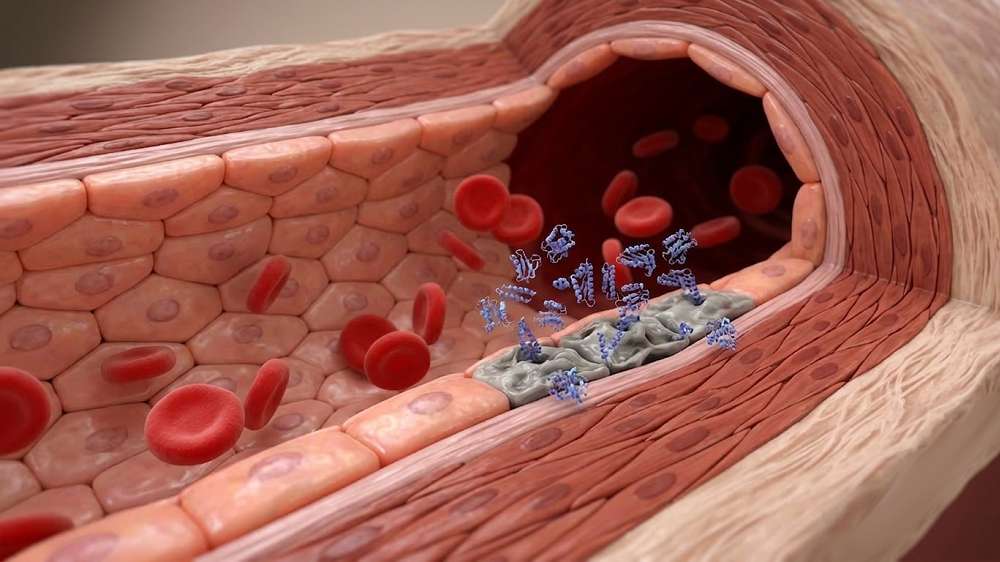
Which generation will be considered “the last to die” of age-related diseases is ultimately a question of technological development and deployment. Here’s what’s been done on that front in September.
Interviews
 The Last Generation to Die: Interview With Tim Maupin: Filmmaker Tim Maupin has spent a number of years developing The Last Generation to Die, a near-future film about what happens when the first true rejuvenation technologies arrive and who gets left behind.
Research Roundup
Mice With Growth Hormone Halted in Middle Age Live Longer: Researchers publishing in Aging Cell have described how stopping growth hormone receptor production in midlife significantly lengthens the lives of mice.
 Late-Life GLP-1 Treatment Increases Lifespan in Female Mice: In a new study, semaglutide given late in life increased median lifespan in female mice by more than 12% and improved various health markers. Semaglutide’s effect possibly went beyond caloric restriction.
Comparing the Responsiveness of Epigenetic Aging Biomarkers: In a recent study, researchers have evaluated how responsive several DNA methylation (DNAm) biomarkers are to a range of longevity interventions.
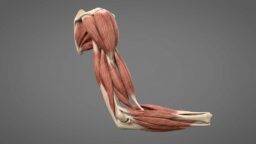 Calcium Mishandling Contributes to Muscle Loss: Researchers have discovered and explained how calcium mishandling in muscle cells leads to long-term muscle weakness in older people.
Lung Fibrosis Drug Lowers Biological Age Estimates: Six different aging clocks detected younger blood protein profiles in patients taking the experimental lung-fibrosis drug rentosertib. This suggests possible anti-aging effects, but separating those from the narrower benefits of treating fibrosis remains a challenge.
 Mitochondrial Performance May Strongly Influence Learning: A team of researchers has discovered that mitochondrial health and location may be critical to why cognitive plasticity decreases with age.
An Entirely New Target for Fighting Senescence: Researchers have established how a protein that is nearly absent in the literature, PTCHD4, is linked to cellular senescence.
 Clearing Damaged Mitochondria to Fight Skin Photoaging: A cocktail of molecules released by human umbilical cord mesenchymal stem cells can mitigate sun-induced skin aging in mice by restoring their cells’ ability to get rid of their own damaged mitochondria.
Thymus Grafts Grow in Mouse Spleens, Restoring Immunity: In a new study, thymic tissue implanted in the spleen improved immune responses against viruses and tumors and reversed age-related thymic involution in mice.
 Intermittent Fasting Shows Promise in a Huntington’s Trial: In a pilot study, patients engaging in intermittent fasting demonstrated improvements in Huntington’s disease, a neurodegenerative condition currently considered untreatable.
Transplanted Immune Cells Donate Mitochondria to Neighbors: According to a new study using a mouse model of a rare disease, transplanted immune cells donate their mitochondria to neighboring donor cells, improving energy production and rescuing function.
 Physical Activity Delays Ovarian Aging in Mice: Results from a recent study suggest a delay in ovarian aging in mice following treadmill training; this effect was mediated by adiponectin. Pharmacologically activating adiponectin receptors extended reproductive span in mice.
Giving Cells Fresh Mitochondria Helps Clear Damaged Ones: Researchers have discovered that BNIP3, which regulates mitochondrial maintenance, is increased with aging, harming the heart’s ability to process energy.
 Creatine Protects Lean Mass Even Without Exercise: According to a new study, creatine supplementation might help maintain and increase lean mass even without diet or exercise. It also enhanced the effects of a combined diet and exercise intervention.
A New Metric for Overall Senescent Cell Burden: Researchers have created a deep learning-based biomarker, SASP Score, that evaluates the combined effects of the senescence-associated secretory phenotype (SASP) circulating in the bloodstream.
 Transplanted Hearts Shift Toward Recipients’ Molecular Age: A new preprint study suggests that transplanted hearts’ epigenetic age and possibly function are influenced by their recipients’ age.
Rapamycin increases cerebral blood flow and modulates metabolic, inflammatory, and microbiome profiles in healthy middle-aged APOE4 carriers: a pilot single-arm trial: These findings suggest that rapamycin may mitigate early cerebrovascular and systemic dysfunction in APOE4 carriers and support a precision medicine approach in which therapeutic response is influenced by genotype.
Metformin therapy increases leukocyte telomere length, telomerase activity, and longevity gene expression in Asian Indians with prediabetes: Metformin significantly increased all of these metrics compared to placebo.
Metformin Use Is Associated With Better Cognitive Performance in Older Adults With Type 2 Diabetes: Metformin is associated with better cognition in older T2DM adults. The association was not statistically explained by B12 or MMA. The benefit was concentrated in younger-old and cognitively vulnerable subgroups.
Inducible chronic NAD deficiency in mice reveals multi-systemic phenotypical, metabolic, and transcriptional changes: Dietary niacin repletion reversed phenotypic, biochemical, senescence-associated, and transcriptional abnormalities, demonstrating that recovery of tissue NAD levels restored systemic function.
Clearance of p16-positive cardiac cells improves age-related cardiac remodeling in mice: Selective clearance of cardiac cells with a p16-targeted probe reduces age-related signs of diastolic dysfunction, cellular hypertrophy, and fibrosis. These effects appear to be due to the targeting of senescent fibroblasts and cardiomyocytes.
Microfluidic Mechanical Reactivation of Senescent Stem Cells: This platform establishes a non-genetic, mechanobiological approach to functional stem cell reactivation, offering a scalable strategy for restoring stem cell function and providing a foundation for future cellular rejuvenation strategies.
A probiotic Bifidobacterium pseudocatenulatum converts hesperidin to bioactive hesperetin and improves metabolic dysfunction in aging mice: These findings support a microbiome-enabled strategy in which probiotic-assisted hesperetin bioconversion activates the CISD2 longevity pathway to improve metabolic health during aging.
Conditional Senescence and Longevity Mechanisms in Early-Branching Metazoans: Insights from Hydra: These observations suggest that aging in early-branching metazoans is a regulated, context-dependent process characterized by substantial lineage-specific variation rather than an inevitable, universal consequence of cellular senescence.
How to live for centuries: common denominators of organisms with exceptional longevity: Out of the 101 multicellular species with a maximum lifespan of 250+ years, 11 are animals and 90 are plants.
Control theory of aging and longevity for gerotherapeutic drug discovery: state space, vector fields, modalities, safety, and the minimum safe cost of functional restoration: This paper posits a control-theoretic framework that is not merely descriptive but prescriptive: it specifies which intervention, at which dose and sequence, under which safety constraints, will restore a measured biological state to a functional region.
Aging rate indicators and the search for anti-aging drugs: This article presents recent work on anti-aging drugs that are effective in mice, provides evidence for candidate “aging rate indicators” (ARIs), and outlines a roadmap for translating these into clinical research to slow aging in humans.
A demographic perspective on longevity and healthspan: Rethinking population ageing through a positive and prospective lens: In this context, healthspan, the portion of life lived in good health and with preserved functional capacity—and not longevity—becomes a central criterion for assessing ageing.
Enhancing Healthy Longevity: Scoping Review of Practices and Interventions: This scoping review identifies the existing and emerging practices and interventions that promote healthy longevity, identifies the key components of these practices and interventions, and considers how stakeholders contribute to these practices and interventions.
News Nuggets
 From World Cup Champions to Longevity Champions: Fresh from Spain’s spectacular victory in the 2026 FIFA World Cup, Madrid has prepared for another kind of world-class gathering: one focused not on winning more years of sporting glory, but on winning more healthy years of life.
Invested in Her Campaign Extends Fundraising Deadline: Driven by ongoing support from their community, The Longevity Science Foundation had extended the deadline for the Invested in Her campaign to October 1, 2026, as they work toward a $250,000 fundraising target to support early-stage research into ovarian aging and menopause.