Public engagement is key to building momentum for longevity science, and you can make a real difference. Our nonprofit team works hard to bring you the latest news in the field, based on a clear code of journalistic ethics. Please consider making a donation to support our work. Thank You.
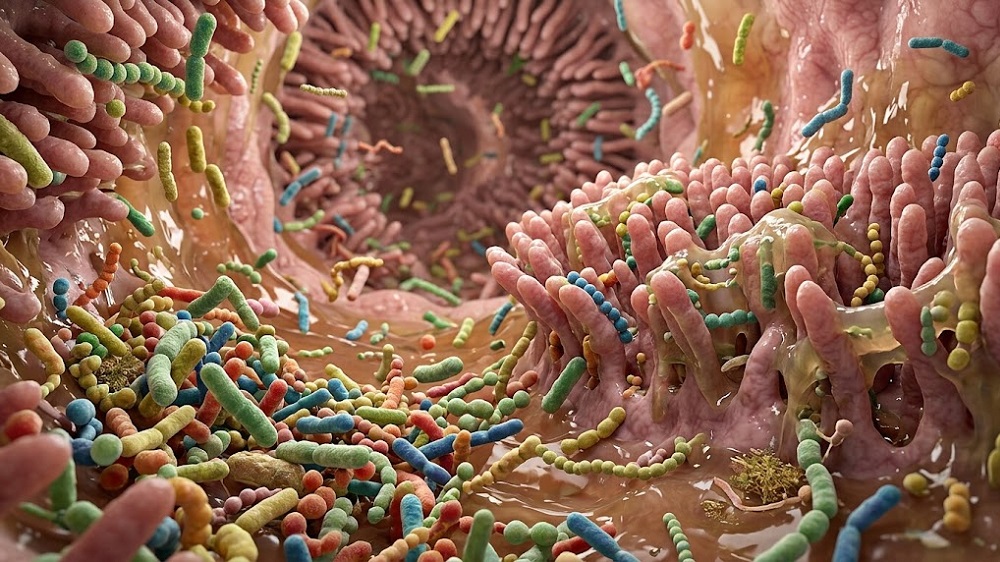
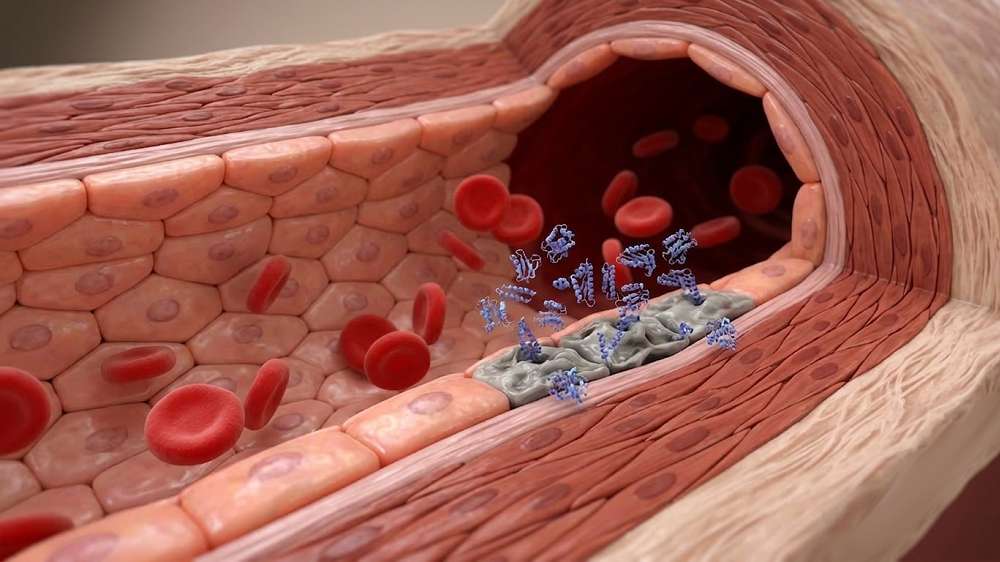
A new study highlights a fatty acid produced by a particular genus of bacteria as a “natural statin,” suggesting a new way of treating atherosclerosis [1].
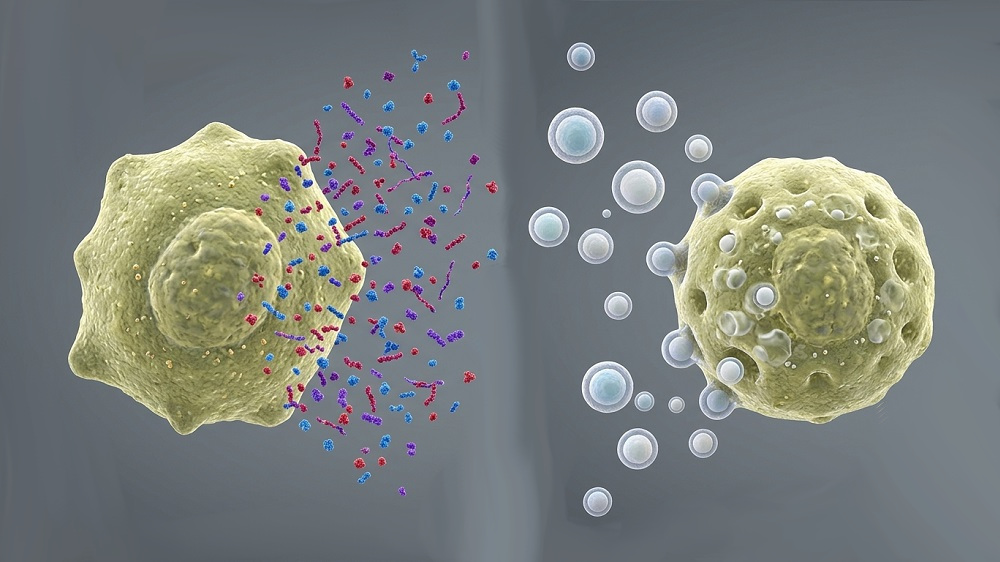
In Aging, researchers have described the differences between the secretions of cells driven senescent through a cancer gene and cells that stopped proliferating due to p16
With more than 860 evidence reviews on health and longevity interventions, Evipedia is now probably one of the deepest online sources in this area. We have
A new study links an age-related decline in cellular maintenance to impaired immune clearance. Activating the pathway reduced signs of senescence in aged mice [1]. Senescence
Researchers have discovered key biomarkers that are strongly linked to all-cause mortality and identified four measurements with independent predictive power. Biological versus chronological This paper opens
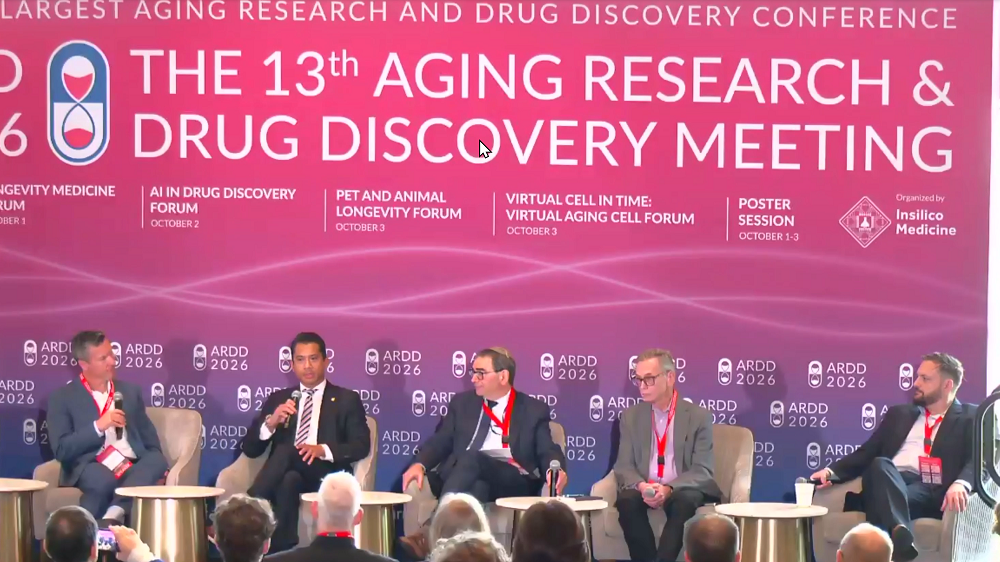
At a panel in Boston, senior officials announced plans to include aging in the agency’s regulatory science agenda and discussed how therapies could move toward approval.
The Biomarkers of Aging Consortium will host its fourth annual Biomarkers of Aging Conference on October 5 and 6, 2026, at the Joseph B. Martin Conference
Which generation will be considered “the last to die” of age-related diseases is ultimately a question of technological development and deployment. Here’s what’s been done on
A new preprint study suggests that transplanted hearts’ epigenetic age and possibly function are influenced by their recipients’ age. The findings can be relevant to both
Researchers have created a deep learning-based biomarker, SASP Score, that evaluates the combined effects of the senescence-associated secretory phenotype (SASP) circulating in the bloodstream. Measuring an
According to a new study, creatine supplementation might help maintain and increase lean mass even without diet or exercise. It also enhanced the effects of a
Researchers have discovered that BNIP3, which regulates mitochondrial maintenance, is increased with aging, harming the heart’s ability to process energy. Mitochondrial transplantation was found to be
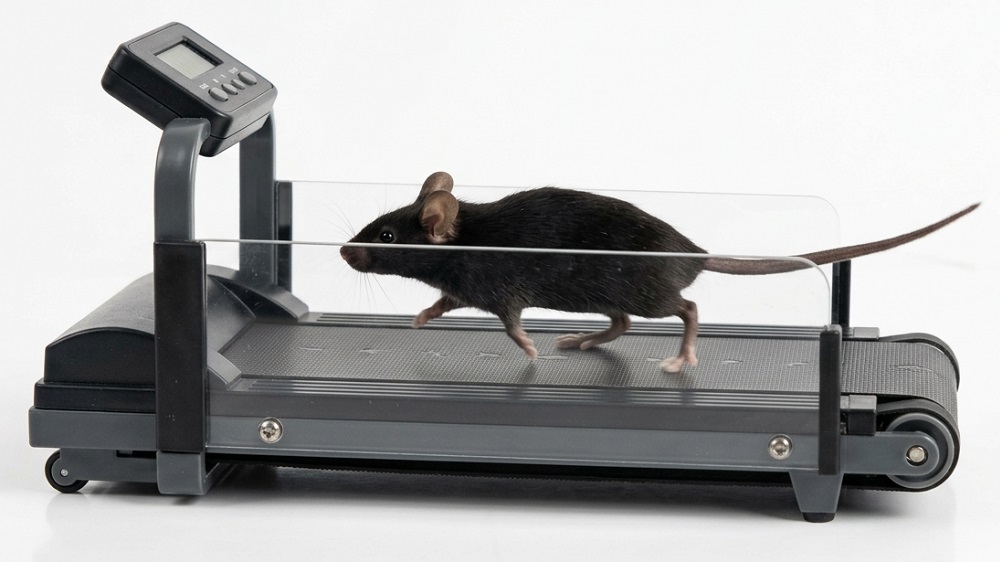
Results from a recent study suggest a delay in ovarian aging in mice following treadmill training; this effect was mediated by adiponectin. Pharmacologically activating adiponectin receptors
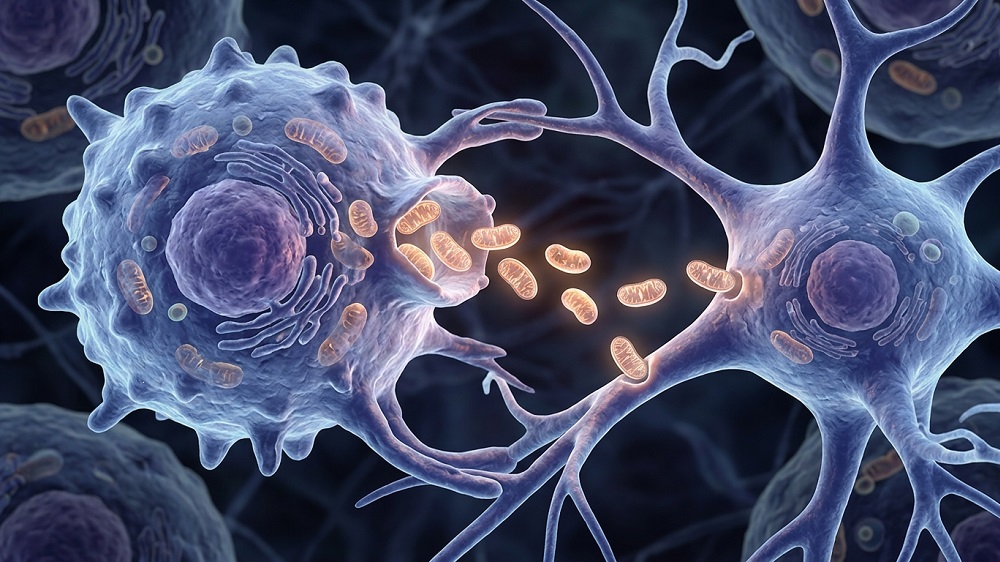
According to a new study using a mouse model of a rare disease, transplanted immune cells donate their mitochondria to neighboring donor cells, improving energy production
In a pilot study, patients engaging in intermittent fasting demonstrated improvements in Huntington’s disease, a neurodegenerative condition currently considered untreatable. However, the study’s size and limitations