The Blog

Building a Future Free of Age-Related Disease

Public Longevity Group

Lifespan Research Institute Launches Public Longevity Group

[Mountain View, September 17, 2025]Lifespan Research Institute (LRI) today announced the launch of the Public Longevity Group (PLG), a new initiative focused on bridging the cultural gap between scientific breakthroughs in aging and their public acceptance. To kickstart its work, PLG has opened a crowdfunding campaign to develop tools that measure and strengthen public trust in longevity science.

While the science of longevity biotechnology continues to advance, skepticism and cultural resistance limit progress, with some studies showing that more than half of Americans would reject a safe, proven therapy to extend life. This hesitation poses risks of raising costs, delaying health-promoting regulation, and slowing the delivery of treatments that could combat age-related diseases and extend healthy lifespan.

“The breakthrough that unlocks all other breakthroughs is public trust,” said Sho Joseph Ozaki Tan, Founder of PLG. “Without it, even the most promising therapies may never reach the people they’re meant to help. PLG exists to change that.”

“Persuasion is a science too,” said Keith Comito, CEO of Lifespan Research Institute. “To bring health-extending technologies to the public as quickly as possible, we must approach advocacy with the same rigor as our research. With PLG, we’ll be able to systematically measure and increase social receptivity, making the public’s appetite for credible longevity therapies unmistakable to policymakers, investors, and the public itself.”

PLG is developing the first data-driven cultural intelligence system for longevity—a platform designed to track real-time sentiment, test narratives, and identify which messages resonate and which backfire. Early tools include:

  • The Longevity Cultural Clock: a cultural barometer mapping readiness and resistance across demographics and regions.
  • Sentiment Dashboards: real-time monitoring of public, investor, and policymaker perceptions.
  • Narrative Testing Tools: data-driven analysis that will enable robust pathways to public support.

The crowdfunding campaign will provide the initial $100,000 needed to launch these tools, creating the cultural foundation required for healthier, longer lives.

With a lean, data-driven team, the group aims to provide open-access cultural insights for advocates and policymakers while offering advanced analytics to mission-aligned partners.

Campaign Timeline:

  • Campaign completion: November 2, 2025
  • Dashboard development: Dec 2025 – Feb 2026
  • First survey deployment: Feb – Apr 2026
  • Beta dashboard launch: May 2026
  • First public insight report: June 2026

Supporters can contribute directly at: https://lifespan.io/campaigns/public-longevity-group/

The PLG campaign is sponsored by the members of LRI’s Lifespan Alliance, a consortium of mission-aligned organizations that believe in the promise of extending healthy human lifespan. Newly-joined members include OpenCures, AgelessRx, and Lento Bio.

About Lifespan Research Institute

Lifespan Research Institute accelerates the science and systems needed for longer, healthier lives by uniting researchers, investors, and the public to drive lasting impact. LRI advances breakthrough science, builds high-impact ecosystems, and connects the global longevity community.

Media Contact:

Christie Sacco

Marketing Director

Lifespan Research Institute

christie.sacco@lifespan.io

(650) 336-1780

We would like to ask you a small favor. We are a non-profit foundation, and unlike some other organizations, we have no shareholders and no products to sell you. All our news and educational content is free for everyone to read, but it does mean that we rely on the help of people like you. Every contribution, no matter if it’s big or small, supports independent ethical journalism and sustains our future.

Forever Healthy Foundation

Forever Healthy Launches the Evipedia Browser Extension

Staying informed about health and longevity interventions can be tedious and time-consuming. Often it involves manually decoding a supplement label with numerous compounds, reading a blog post about some therapy, or an X-post that name-drops a peptide — and having to look up every item manually.

The Evipedia browser extension takes this challenge head-on.

It scans whatever page the user is on, recognizes any intervention Evipedia covers, and underlines it right there in the text. Hover for an instant evidence summary, or click through to the full review — no more switching tabs to look things up by hand.

The extension currently recognizes 3,700+ terms across 630+ evidence reviews.

It is free to use and available for Chrome, Firefox & Safari. Installing the extension is a simple one-click process from Evipedia’s extension page.

Evipedia Browser Extension: https://evipedia.ai/extension

What’s in Evipedia

  • 630+ Evidence Reviews Evipedia covers a wide array of subjects, including first-generation rejuvenation therapies, peptides, psychedelics, supplements, botanicals, lifestyle protocols, and many more. The encyclopedia is constantly expanding its library and actively invites users to suggest new reviews.
  • A dual structure for every entry Each intervention has a one-page Quick Reference Sheet for at-a-glance protocol, benefits, risks, contraindications, and monitoring, plus a Full Evidence Review for in-depth analysis.
  • Continuous updates Entries are refreshed every 4-6 weeks to reflect new research, keeping reviews current rather than freezing them in time.
  • Stable, shareable permalinks Every intervention has a fixed, short URL and a purpose-designed social sharing card — ideal for citing a compound in a supplement stack or anchoring a claim in an online discussion.
  • Full Audit & Quality Transparency Every “Quick Reference Sheet” and “Evidence Review” on Evipedia is accompanied by its audit report, which outlines the detailed audit criteria and the history of audits and fixes applied to the documents.
  • AI & Agent-friendly, Extensive Integration Support Built as a backbone service for the longevity and rejuvenation community, Evipedia features a variety of integration tools and an easily accessible API. All free to use, under an AI and agent-friendly site policy and a Creative Commons 4.0 license.
  • Based on AI4L Evipedia is built on top of Forever Healthy’s open-source AI4L framework, which enables anyone to create high-quality, evidence-based reviews of health and longevity interventions. At the core of AI4L is its novel “Audit-Driven Prompting” approach, which generates hallucination-free, accurate, and well-structured reviews using frontier AI models.

About the Forever Healthy Foundation

The Forever Healthy Foundation gGmbH is a German nonprofit with a single mission: to enable people to extend their healthy lifespan and benefit from the rapidly approaching breakthroughs in human rejuvenation. More at forever-healthy.org.

Resources

Press contact

hello@forever-healthy.org

We would like to ask you a small favor. We are a non-profit foundation, and unlike some other organizations, we have no shareholders and no products to sell you. All our news and educational content is free for everyone to read, but it does mean that we rely on the help of people like you. Every contribution, no matter if it’s big or small, supports independent ethical journalism and sustains our future.
Thymus in body

The Thymus Hormone Thymulin Reduces Inflammaging in Mice

A recent study identified the thymus hormone thymulin as a molecule with the potential to reduce inflammation in an age-dependent manner. Treating cancer-bearing mice with this molecule made other cancer treatments more effective [1].

The aging immune system

Aging has a profound impact on the immune system. It leads to a progressive decline in immune function [2] and to a chronic, systemic inflammatory state known as inflammaging. Chronic inflammation is a contributor to cancer progression and its resistance to therapies, but the connection between those two processes is still not well understood. The researchers of this study focused on identifying circulating factors with the potential to reduce inflammaging and cancer progression.

They started by identifying cell populations that produce pro-inflammatory factors. They observed increased levels of those cells, along with elevated levels of pro-inflammatory factors, in aged mice and humans as well as in tumors from aged patients. A similar pattern was observed in breast cancer and melanoma mouse models. In those mouse models, they also observed faster tumor progression and reduced survival in aged mice. This was accompanied by slightly elevated levels of pro-inflammatory cells in mice with tumors (both young and old) compared to healthy mice. While tumor presence contributed to inflammation, its impact was much lower than that of age, suggesting that aging is the main driver of systemic inflammation.

Exchanging blood

Some of the identified pro-inflammatory molecules were previously described as characteristic of inflammaging and were elevated in some cancers. Moreover, they have been associated with tumor progression, metastasis, and resistance to therapies, while inhibiting them was shown to improve the efficacy of antitumor therapies [3-5].

This suggests that a dysregulated immune system and inflammation prevent effective cancer immunotherapy. Restoring proper immune function can enhance the effectiveness of cancer therapy in older people. However, full rejuvenation of the immune system is currently out of reach; therefore, this study’s authors turned to heterochronic parabiosis, a process in which the circulatory systems of young and aged animals are surgically connected. Previous experiments that used heterochronic parabiosis showed a reduction in inflammatory markers in aged animals who underwent such a procedure [6].

When the circulatory systems of aged and young mice were connected, the levels of circulating cytokine-producing cells were reduced to levels similar to those in the young control animals. Connecting aged and young tumor-bearing mice resulted in benefits for the aged mice, including reduced circulating pro-inflammatory cells, delayed tumor progression, and improved survival, but young mice in this pair suffered from increased tumor progression and worse survival than their age-matched controls.

Narrowing down the search

In the next step, the authors aimed to identify circulating factors from young mice that reduce the activation of cells that produce pro-inflammatory factors. Their initial experiments using mice with transplanted bone marrow showed that non-bone marrow-derived circulating factors are important for pro-inflammatory cytokine production levels and the speed of tumor progression.

What were these factors? Using their experimental data combined with bioinformatics analysis, the researchers narrowed their search to three candidates. There was a common theme among those candidates: inactivating each one leads to thymic atrophy [7-9], suggesting that the thymus might play a role in regulating age-associated inflammation. Among the thymus-related candidates, thymulin, a thymus-produced hormone, showed the highest potential since previous studies reported thymulin’s role in suppressing pro-inflammatory cytokine production in vitro [10]. Additionally, thymulin activity decreases with age [11] and in cancer patients [12]. The researchers, therefore, performed more testing on thymulin as a regulator of inflammatory cytokines.

In their experiments, thymulin reduced the expression of pro-inflammatory cytokines in human peripheral blood cells grown in the lab and in mice. However, this reduction only occurred in older cells and older animals, not in young ones.

“The thymus is best known for producing T-cells that allow the immune system to fight infections and cancer, but our findings show it also helps keep age-related inflammation in check,” said Fumito Ito, MD, PhD, professor of surgery and immunology and immune therapeutics at the Keck School of Medicine and lead author of the study.

“This is the first evidence of a substance that is naturally produced in the thymus, declines with age, and has the power to reverse age-related inflammation,” Ito added.

Beyond suppressing pro-inflammatory cytokines, the researchers showed that thymulin delayed the growth of various tumors, improved survival in aged mice with tumors, and lowered the number of pro-inflammatory cytokines in aged mice, but there was almost no effect in young mice. What’s more, while aged mice do not respond well to cancer immunotherapy, thymulin treatment made tumors in aged mice responsive to this type of therapy, leading to increased survival and better tumor control.

These age-dependent effects suggest that thymulin treatment does not enhance the immune system but restores age-associated immune dysfunction. If these results could be replicated in humans, they could have a clinical application for older people undergoing cancer immunotherapy.

Linking the thymus and systemic inflammation

“Together, these findings uncover a pathway linking aging, inflammation and cancer immunity, and suggest thymulin as a potential strategy to improve cancer immunotherapy in older individuals,” said Ito.

The link between the thymus, cancer, and systemic inflammation was also reported in previous studies. For example, removing the thymus in adults leads to an increase in pro-inflammatory cytokines, increased cancer risk, and higher mortality [13]. All in all, these results “support a model in which age-related thymic decline contributes to inflammaging and shapes cancer susceptibility and therapeutic response.”

The authors also point out one important consideration that their results suggest: since an animal’s immune system undergoes changes with age, using young mice to study cancer might not fully reflect the impact of inflammation on potential treatments, and older mice may be a better choice. “When using young mice, we may be underestimating the impact of age-related chronic inflammation,” Ito said. “Studying older animals may be critical for understanding diseases of aging.”

We would like to ask you a small favor. We are a non-profit foundation, and unlike some other organizations, we have no shareholders and no products to sell you. All our news and educational content is free for everyone to read, but it does mean that we rely on the help of people like you. Every contribution, no matter if it’s big or small, supports independent ethical journalism and sustains our future.

Literature

[1] Kanemaru, H., Luong, S., Yamamoto, Y., Mizukami, Y., & Ito, F. (2026). Thymulin restrains age-associated myeloid inflammation and enhances cancer immunotherapy. Nature communications, 17(1), 6534.

[2] Dolan, M., Libby, K. A., Ringel, A. E., van Galen, P., & McAllister, S. S. (2025). Ageing, immune fitness and cancer. Nature reviews. Cancer, 25(11), 848–872.

[3] Garner, H., Martinovic, M., Liu, N. Q., Bakker, N. A. M., Velilla, I. Q., Hau, C. S., Vrijland, K., Kaldenbach, D., Kok, M., de Wit, E., & de Visser, K. E. (2025). Understanding and reversing mammary tumor-driven reprogramming of myelopoiesis to reduce metastatic spread. Cancer cell, 43(7), 1279–1295.e9.

[4] Harris, M. A., Savas, P., Virassamy, B., O’Malley, M. M. R., Kay, J., Mueller, S. N., Mackay, L. K., Salgado, R., & Loi, S. (2024). Towards targeting the breast cancer immune microenvironment. Nature reviews. Cancer, 24(8), 554–577.

[5] Hailemichael, Y., Johnson, D. H., Abdel-Wahab, N., Foo, W. C., Bentebibel, S. E., Daher, M., Haymaker, C., Wani, K., Saberian, C., Ogata, D., Kim, S. T., Nurieva, R., Lazar, A. J., Abu-Sbeih, H., Fa’ak, F., Mathew, A., Wang, Y., Falohun, A., Trinh, V., Zobniw, C., … Diab, A. (2022). Interleukin-6 blockade abrogates immunotherapy toxicity and promotes tumor immunity. Cancer cell, 40(5), 509–523.e6.

[6] Lagunas-Rangel F. A. (2024). Aging insights from heterochronic parabiosis models. npj aging, 10(1), 38.

[7] Ribeiro, C., Ferreirinha, P., Landry, J. J. M., Macedo, F., Sousa, L. G., Pinto, R., Benes, V., & Alves, N. L. (2024). Foxo3 regulates cortical and medullary thymic epithelial cell homeostasis with implications in T cell development. Cell death & disease, 15(5), 352.

[8] Hale, J. S., Frock, R. L., Mamman, S. A., Fink, P. J., & Kennedy, B. K. (2010). Cell-extrinsic defective lymphocyte development in Lmna(-/-) mice. PloS one, 5(4), e10127.

[9] Zhang, Q., Liang, Z., Zhang, J., Lei, T., Dong, X., Su, H., Chen, Y., Zhang, Z., Tan, L., & Zhao, Y. (2021). Sirt6 Regulates the Development of Medullary Thymic Epithelial Cells and Contributes to the Establishment of Central Immune Tolerance. Frontiers in cell and developmental biology, 9, 655552.

[10] Safieh-Garabedian, B., Ahmed, K., Khamashta, M. A., Taub, N. A., & Hughes, G. R. (1993). Thymulin modulates cytokine release by peripheral blood mononuclear cells: a comparison between healthy volunteers and patients with systemic lupus erythematosus. International archives of allergy and immunology, 101(2), 126–131.

[11] Bach, J. F., Dardenne, M., Pleau, J. M., & Bach, M. A. (1975). Isolation, biochemical characteristics, and biological activity of a circulating thymic hormone in the mouse and in the human. Annals of the New York Academy of Sciences, 249, 186–210.

[12] Consolini, R., Cei, B., Cini, P., Bottone, E., & Casarosa, L. (1986). Circulating thymic hormone activity in young cancer patients. Clinical and experimental immunology, 66(1), 173–180.

[13] Kooshesh, K. A., Foy, B. H., Sykes, D. B., Gustafsson, K., & Scadden, D. T. (2023). Health Consequences of Thymus Removal in Adults. The New England journal of medicine, 389(5), 406–417.

Why Affecting Aging in Complex Organisms Is So Hard

A new study proposes a theoretical framework that explains why the more complex an animal is, the harder it is to move the needle on its rate of aging [1].

A problem of great complexity

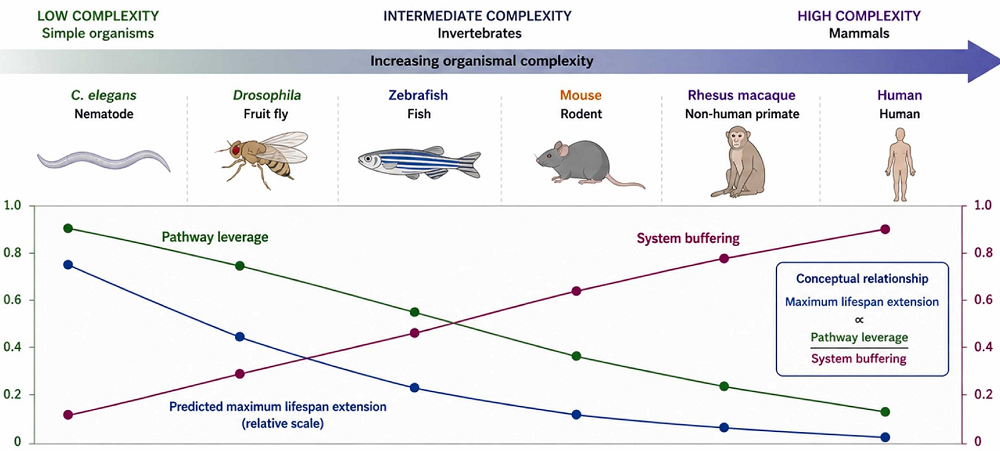
A familiar puzzle in geroscience is that while many of the same longevity-related pathways are highly evolutionarily conserved, manipulating them can produce enormous lifespan gains in simple organisms, such as worms, but much smaller gains in mammals. For instance, a daf-2 mutation can roughly double the lifespan of the nematode worm C. elegans [2], whereas even rapamycin, considered a particularly successful longevity drug, generally produces much more modest effects in mice [2]. There seems to be an additional gap between mice and humans.

This apparent “law of diminishing returns” has frustrated geroscientists for decades. A new study by a European team led by researchers in Romania and Germany, and published in Mechanisms of Ageing and Development, proposes a framework to explain the phenomenon.

The authors first argue that there is a broad inverse relationship between organismal complexity and the size of lifespan extension produced by longevity interventions. In worms, changing one important node can reorganize a large fraction of the organism’s physiology. In Drosophila, the same pathways remain important, but effects are typically smaller and more conditional.

Mammalian lifespan is even harder to extend. For example, rapamycin in mice extends lifespan by around 10-25%, while caloric restriction has substantial but variable effects. Other compounds often improve health or particular aging phenotypes (“healthspan”) without comparably large extensions of maximal lifespan.

From simple pathways to huge networks

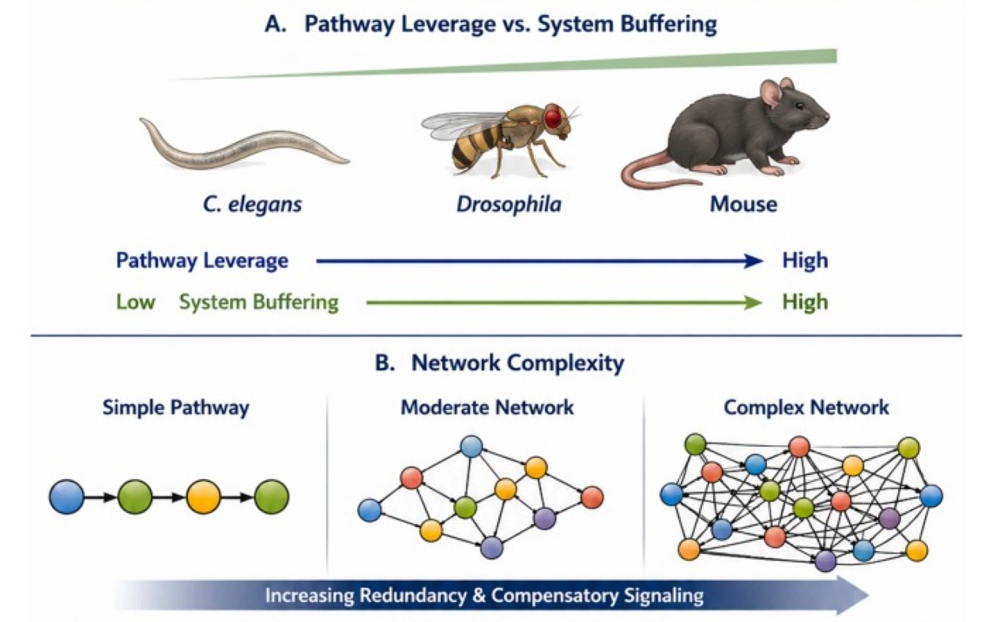
The rest of the paper attempts to explain this observation. First, according to the authors, increasing network complexity makes individual pathways less dominant. As biological networks acquire more cross-talk, redundancy, and feedback, perturbing one component produces less change in the overall system (the fraction of the total “aging system” controlled by the intervention’s target shrinks).

Complexity 1

For instance, in the worm, pathways such as the insulin/insulin-like growth factor-1 signaling pathway (IIS), mTOR, and DAF-16/FOXO exert a lot of influence. Changing one produces organism-wide effects. In flies, those pathways interact more extensively with mitochondrial metabolism, reproductive signaling, dietary inputs, and stress responses. As a result, the effect of altering TOR, for example, is much more context-dependent.

In mammals, these pathways exist within even larger networks distributed among many tissues. mTOR inhibition is again the authors’ main example: it can produce beneficial effects, but it can also trigger compensatory changes in upstream insulin signaling and has different consequences in different tissues. In other words, the mammalian response to an intervention is partly a response against that intervention, as feedback and parallel pathways work to maintain stability.

That stability is, in fact, useful: a robust, long-lived organism should not have its entire metabolic state transformed whenever one signaling protein changes slightly. However, the very same robustness becomes a problem if the goal is to affect aging.

Specialized tissues and weak links

Next, the authors discuss tissue specialization. As organisms become more complex, aging stops being a mostly cell-intrinsic phenomenon. Instead, the same pathway can have different functions in different tissues. Inhibiting mTOR might be beneficial in one organ but interfere with repair or metabolism somewhere else. Moreover, improving one tissue does not necessarily move the entire organism toward rejuvenation. Recent research into organ-specific aging lends some support to this idea.

Complexity might also explain the “next weakest link effect,” where even if you successfully eliminate one major cause of aging-related death, another failure mode becomes limiting. The most well-known example is the calculation that eliminating cancer mortality altogether would only extend human life expectancy by about three years [4].

Moreover, complexity also means that many effects can be both good and bad (pleiotropic). For instance, growth pathways such as mTOR and IIS support cell proliferation – but sustained proliferative capacity can also drive cancer. Suppressing those pathways may reduce cancer and other hyperfunction-related damage while simultaneously compromising wound healing, immune activity, or regenerative capacity.

Likewise, chronic immune activation contributes to inflammaging and tissue damage, but suppressing immunity too much has its own dangers: cancer and acute infections, both major causes of age-related mortality. Maintaining highly proliferative stem-cell pools would aid tissue repair, but excessive or poorly controlled proliferation increases dysplasia and cancer risk.

Wait, the system is buffering

Organisms have finite resources that can broadly be allocated among growth, reproduction, and somatic maintenance. The authors argue that simple organisms can shift this allocation much more dramatically.

For instance, if food becomes scarce, a worm can substantially downregulate growth and reproduction and upregulate maintenance. Much of the extraordinary lifespan extension from dietary restriction or mutations in related pathways may represent this fundamental switching into a different life-history state. Flies retain this ability to some extent; for instance, amino-acid restriction can reduce reproductive investment and increase lifespan.

Mammals, on the other hand, have expensive specialized organs and tissues and rigid physiological commitments, meaning they cannot just redirect a huge fraction of their resources from one biological program and to maintenance without disrupting essential functions. Consequently, caloric restriction can still shift mammalian physiology toward maintenance, but to a lesser degree.

All these arguments are ultimately folded into one conceptual principle: maximum lifespan extension is proportional to pathway leverage divided by system buffering. As complexity rises, pathway leverage declines because aging control becomes distributed among more pathways, tissues, and physiological systems, while system buffering increases as redundancy, feedback, tissue interactions, and compensatory mechanisms become stronger. The predicted result is a decline in the maximum possible effect from a single intervention.

Complexity 2

While this framework explains some observations, it remains mostly theoretical. However, if the authors are correct, meaningful human lifespan extension will probably require multi-target, multi-tissue interventions rather than finding one molecular “master switch.”

We would like to ask you a small favor. We are a non-profit foundation, and unlike some other organizations, we have no shareholders and no products to sell you. All our news and educational content is free for everyone to read, but it does mean that we rely on the help of people like you. Every contribution, no matter if it’s big or small, supports independent ethical journalism and sustains our future.

Literature

[1] Pirscoveanu, D. F., Papa, M. C., Kaltwasser, B., Hermann, D. M., Brockmeier, U., Cercel, A., … & Popa-Wagner, A. (2026). Biological limits of lifespan extension: evidence for a shift from pathway leverage to system-level buffering across species. Mechanisms of Ageing and Development, 112231.

[2] Kenyon, C., Chang, J., Gensch, E., Rudner, A., & Tabtiang, R. (1993). A C. elegans mutant that lives twice as long as wild type. Nature, 366(6454), 461-464.

[3] Harrison, D. E., Strong, R., Sharp, Z. D., Nelson, J. F., Astle, C. M., Flurkey, K., … & Miller, R. A. (2009). Rapamycin fed late in life extends lifespan in genetically heterogeneous mice. Nature, 460(7253), 392-395.

[4] Yashin, A. I., Ukraintseva, S. V., Akushevich, I. V., Arbeev, K. G., Kulminski, A., & Akushevich, L. (2009). Trade-off between cancer and aging: what role do other diseases play?: evidence from experimental and human population studies. Mechanisms of ageing and development, 130(1-2), 98-104.

Crowded blood cells

A New Target Against High Blood Pressure

Researchers have discovered why the protein AGGF1 has significant effects on blood pressure and published their findings in Aging Cell.

Blood pressure is a condition of its own

The authors begin their paper by discussing high blood pressure (hypertension), one of the most commonly known medical issues and a significant contributor to both disability and mortality in older people [1]. Between normal blood pressure (normotension) and hypertension sits prehypertension, an intermediate state that signifies increased risks [2].

Prehypertension often begins when the endothelium, which lines the blood vessels, becomes dysfunctional with aging and various other medical issues [3]. Glucose, lipids, and physical stresses damage these cells [4], leading to senescence, the production of reactive oxygen species (ROS), and vascular aging [5].

Previous work has found that an factor involved in blood vessel creation, AGGF1, may help combat this chain of events by fighting inflammation related to TNF-α [6]. A study from earlier this year found that AGGF1 is repressed in hypertensive patients [7]. Therefore, this study aimed to discover its precise role in preserving the endothelium and determine whether or not it is a potentially valuable target.

AGGF1 has significant effects on blood pressure

This study began with a look at data derived from the Gene Expression Omnibus database, which is commonly used in analyses like this one. Unsurprisingly, AGGF1 was found to significantly decline with both hypertension and aging.

The researchers then turned to mice, which have age-related hypertension issues just like we do [8]. They employed two male mouse models: one that fails to express murine Aggf1, and one that overexpresses human AGGF1. A control group of wild-type Black 6 mice maintained normal blood pressure at 18 months; the underexpressing group developed high blood pressure at 11 months; and while overexpression did not stop blood pressure from rising completely, the overexpressing group had considerably less hypertension even at 25 months of age, a statistically significant improvement over the wild-type group.

A closer look revealed this to be entirely due to AGGF1’s effects on the endothelium. Endothelium-dependent forms of blood vessel relaxation were negatively impacted by underexpression and positively affected in older ages by overexpression. Forms of blood vessel relaxation that do not rely on the endothelium were unaffected. AGGF1 was also found to have benefits against ROS production, with overexpressing mice producing significantly less and underexpressing mice producing significantly more.

An analysis of human umbilical vein endothelial cells (HUVECs) found even more effects: endothelial cells that underexpress AGGF1 have more markers of senescence, higher expression of the DNA damage marker γH2AX, increased inflammation as measured by IL-6, and less cellular proliferation. Increasing AGGF1 expression reduced the effectiveness of doxorubicin, a toxin that causes cellular senescence.

An established downstream protein

These results were found to be due to AGGF1’s effects on the expression of SESN2, a protein that has been previously examined in other age-related contexts, including knee arthritis. A database analysis of human expression found that SESN2 and AGGF1 expression are related in older people, and this team found similar results in its mice.

Directly affecting SESN2 overrode the effects of AGGF1 in HUVECs; cells that were forced to express SESN2 without AGGF1 had decreased senescence, but cells that overexpressed AGGF1 without SESN2 had increased senescence. These results were confirmed in mice; administering a SESN2 adeno-associated virus (AAV) to Aggf1-underexpressing mice significantly reduced this group’s tendency to develop high blood pressure at an early age. Likewise, silencing SESN2 in AGGF1-overexpressing mice caused this group to develop high blood pressure earlier.

This study had a few notable limitations: this was murine and cellular work, and only male mice were utilized in this study. The reason why AGGF1 declines with age was not explored. However, this is further evidence of SESN2’s impact on aging tissues, and the researchers claim that these findings “identify the endothelial AGGF1/SESN2/p-eNOS axis as a novel and important signaling pathway in the maintenance of blood pressure.”

We would like to ask you a small favor. We are a non-profit foundation, and unlike some other organizations, we have no shareholders and no products to sell you. All our news and educational content is free for everyone to read, but it does mean that we rely on the help of people like you. Every contribution, no matter if it’s big or small, supports independent ethical journalism and sustains our future.

Literature

[1] Benetos, A., Petrovic, M., & Strandberg, T. (2019). Hypertension management in older and frail older patients. Circulation research, 124(7), 1045-1060.

[2] Egan, B. M., & Stevens-Fabry, S. (2015). Prehypertension—prevalence, health risks, and management strategies. Nature Reviews Cardiology, 12(5), 289-300.

[3] Zhao, L., Meng, X., Zhang, Q. Y., Dong, X. Q., & Zhou, X. L. (2021). A narrative review of prehypertension and the cardiovascular system: effects and potential pathogenic mechanisms. Annals of Translational Medicine, 9(2), 170.

[4] Zhang, Y., Yang, X., Lan, M., Yuan, Z., Li, S., Liu, Y., … & Li, B. (2025). Regulation of blood pressure by METTL3 via RUNX1b–eNOS pathway in endothelial cells in mice. Cardiovascular Research, 121(1), 205-217.

[5] Ungvari, Z., Tarantini, S., Donato, A. J., Galvan, V., & Csiszar, A. (2018). Mechanisms of vascular aging. Circulation research, 123(7), 849-867.

[6] Hu, F. Y., Wu, C., Li, Y., Xu, K., Wang, W. J., Cao, H., & Tian, X. L. (2013). AGGF1 is a novel anti-inflammatory factor associated with TNF-α-induced endothelial activation. Cellular signalling, 25(8), 1645-1653.

[7] Gao, D., Wu, Z., Zhou, Z., & Liang, J. (2026). BACH1-mediated transcriptional repression of pro-angiogenic factors drives angiogenic impairment in hypertension. Frontiers in Cardiovascular Medicine, 13, 1769747.

[8] Feng, R., Ullah, M., Chen, K., Ali, Q., Lin, Y., & Sun, Z. (2020). Stem cell‐derived extracellular vesicles mitigate ageing‐associated arterial stiffness and hypertension. Journal of extracellular vesicles, 9(1), 1783869.

Wei-Wu He

Wei-Wu He: People Should Become the CEOs of Their Own Health

Human Longevity Inc., a company founded in 2013 by a trio of visionaries – Craig Venter, Peter Diamandis, and Robert Hariri – initially inspired high hopes. Several years and several hundred million dollars later, however, the company entered what many people saw as a period of turmoil. Dr. Wei-Wu He, an early investor in HLI, took the helm in 2019 and has led the company ever since.

Wei-Wu He is an unusual combination of scientist and businessman, with a PhD in molecular biology from Baylor College of Medicine and a record of founding and leading several successful companies. As HLI’s chairman and CEO, Dr. He guided it through a difficult period, stabilizing the business while preserving its scientific vision. That vision is now moving back to the foreground, with two major collaborations announced recently. We thought it was a great time to sit down with Dr. He and talk about the company’s past, present – and future, which he believes could change the longevity field and the way we tend to our bodies.

When Human Longevity launched, it was a major event. The company has since had an interesting history, with rapid expansion, several pivots, and changes in its business model. How do you see that story?

The company was founded by Craig Venter, Peter Diamandis, and Robert Hariri, and the original vision came largely from Craig’s work in genomics. He helped decode the first human genome, so he was always thinking about the genome’s impact. Eight billion people each have a genome, and humans have been on Earth for roughly 300,000 years, but this is the first time we can actually read it.

Craig’s vision was to create a precision medicine platform built on genomic information, combined with phenotypic information such as whole-body MRI, proteomics, metabolomics, and other measurements of health. The goal was to prevent or delay major diseases such as heart attack, stroke, cancer, and dementia. If you can delay those diseases by 20 or 30 years, you may end up living much longer.

That has always been the company’s thesis: a data-driven system. When HLI started, today’s AI tools didn’t even exist. The execution and business model have changed, but I don’t think the underlying vision has. Human Longevity was meant to serve humanity at scale, not just a small group of people.

We want to use precision medicine, starting with the genome, to add 10, 20, or potentially more healthy years to people’s lives. It’s a scientific endeavor, and that’s what distinguishes us from companies that are mainly selling luxury retreats or pampering. We publish research and remain a science-driven platform.

My impression was that HLI began as an extremely ambitious scientific and commercial project, with rapid growth, acquisitions, and a great deal of funding. Then, for several years, it seemed to become primarily a direct clinical service, perhaps putting some of the larger scientific ambitions on hold. Now, with technology catching up and collaborations such as those with Insilico Medicine and the LEV Foundation, it looks like HLI may be returning to its original vision. Is that a fair reconstruction?

I don’t think we ever paused the scientific work. One of the biggest barriers in this field is the lack of longitudinal datasets, and we now have 13 years of follow-up data from more than 10,000 people. That’s what allows us to build more accurate algorithms today.

The mistake in the early years was that we raised around $500 million and tried to work on everything. Scientists see that much funding and think of it as a very large NIH grant: they want to pursue every interesting question. But even the NIH, with tens of billions of dollars a year, cannot do everything. Trying to cover the entire field was a business mistake.

I’ve known Craig for more than 30 years. We helped build Human Genome Sciences after I left Harvard, doing large-scale DNA sequencing in the early 1990s. Craig later founded Celera to sequence the human genome, while I built OriGene and also ran a venture fund. When I heard in 2015 that Craig was building Human Longevity, I flew to San Diego and invested $40 million in the Series B round. Celgene (Bristol Myers Squibb), Illumina, GE, and others also invested.

The board agreed on the broad idea that data, AI, and science could help people live longer and healthier lives, but the company was going in too many directions at once, including cancer vaccines and projects such as predicting a person’s face from DNA. That work was publishable and technologically interesting, but in my view it wasn’t a good use of $5 million or $10 million.

By 2019, the company was burning roughly $100 million a year. I invested another $30 million, restructured it, and have been running it since then. I don’t take a salary, and I have probably invested around $70 million of my own money altogether. The company is very different today, but the vision of eventually democratizing this form of medicine for a billion people or more hasn’t changed.

For the past several years, though, HLI has mainly served high-net-worth clients and charged substantial annual fees. On the surface, that seems almost contrary to democratization.

All new technologies are expensive at the beginning. The first Tesla Roadster cost around $200,000, and only a small number were produced. Whole-genome sequencing cost us about $10,000 when HLI started. Today, the cost has fallen below $500, which is why we can offer clinical-grade whole-genome sequencing for $599.

You have to begin somewhere, learn how the system works, and bring the cost down over time. Mayo Clinic wasn’t built in three years with venture capital. It became Mayo Clinic by delivering high-quality healthcare for more than a century and operating sustainably. Silicon Valley often wants nine women to deliver a baby in one month, but biology and medicine have their own pace. You can’t build the Mayo Clinic of precision medicine in three years, no matter how much money you have.

So, your clinical business wasn’t a retreat from science. Instead, it gave HLI a sustainable model while allowing you to continue building a deeply phenotyped longitudinal dataset?

Exactly. Every period in medical history has had a major revolution. In the twentieth century, antibiotics and vaccines transformed infectious disease. Today, most deaths are caused by cardiovascular disease, cancer, dementia, diabetes, and other metabolic diseases. These are largely age-related diseases, and genetics plays an important role.

The two great revolutions now are that the human genome can be decoded for a few hundred dollars and that AI gives us the ability to analyze tens of terabytes of data. But, people often pigeonhole HLI as a genomics company because Craig Venter helped sequence the first genome. From day one, we’ve described ourselves as a genotype-and-phenotype company. That’s why we use whole-body MRI, extensive blood testing, proteomics, metabolomics, and other measurements.

We published a PNAS paper using data from our first roughly 1,200 participants to show why genotype and phenotype must be linked. One case involved a person with compound heterozygous variants associated with cystic fibrosis. The person had spent years being treated for symptoms such as nasal congestion and food allergies, but combining genomic information with lung imaging led to the underlying diagnosis very quickly.

The same principle applies to common disease. We’re developing an algorithm to predict future heart attacks by combining genetics with conventional biomarkers such as LDL cholesterol, Lp(a), high-sensitivity CRP, blood pressure, and homocysteine, as well as data such as continuous glucose monitoring and visceral fat. If an organization gives me data on 10,000 people, the goal is to identify the 500 who will contribute disproportionately to its future cardiovascular events.

Do we have evidence that this kind of early diagnosis and deep phenotyping actually reduces morbidity or mortality?

Our internal outcomes are very encouraging. In 13 years, we haven’t had a single prostate cancer case first detected at stage four. We’ve found them at stage one or stage two. Statistically, we would have expected a meaningful number of deaths, but we’ve had none. We haven’t yet published the full outcome dataset, so this is still internal evidence.

We’re confident enough that we offer a million-dollar pledge: if a member develops stage four prostate cancer that we failed to detect earlier, we commit up to $1 million to their care. We believe it would be extremely difficult for someone under regular surveillance to progress to stage four without our knowing about it.

There’s a common argument that eliminating cancer entirely would add only a few years to average life expectancy, but for the person whose cancer is prevented or cured, the benefit could be decades.

Yes, that’s an important distinction. Adding even one year to global average life expectancy is really hard, but population averages also conceal the benefit to people at particularly high risk. If you cure Steve Jobs’ pancreatic cancer and he lives another 20 years, that isn’t a two- or three-year benefit for him.

A subset of the population is genetically much more prone to cancer. For those people, preventing or successfully treating cancer may add five, ten, or many more years. When you average that benefit across eight billion people, the population-wide number looks smaller. Precision medicine is about identifying who is at high risk rather than treating everyone as an average person.

Let’s turn to the Insilico Medicine collaboration. What are you trying to build together?

We need a foundation model for longevity, but it won’t simply be a large language model. It’ll be a multimodal world model because humans are three-dimensional organisms and much of the relevant information is visual. Think of Tesla’s self-driving system: it isn’t based primarily on language; it learns from imaging and other sensor data.

In medicine, facial data may contain information about stress or emotional state. Retinal imaging can reveal signs associated with diabetes and other diseases. MRI, CT, pathology, and many other forms of imaging will also be part of the model. The collaboration with Insilico is aimed at building this broader world model for longevity. We may also work with large AI companies. Geoffrey Hinton and Michael Levitt have joined us as advisers.

We’re also working with the Framingham Heart Study. We’re sequencing several thousand people from a cohort with decades of longitudinal phenotypic data. Linking their genotypes to that history is very valuable. The more longitudinal data you have, the stronger the foundation model can become.

Framingham is one of the most important cohorts in medical history, but it was built primarily around phenotypic and clinical information. And now, you’re adding genomic data.

Exactly. What Craig envisioned 13 years ago is finally becoming practical. A recent UK Biobank cardiovascular algorithm suggests that genetics accounts for a very large share of heart attack risk. For $599, we can obtain information that remains relevant for the rest of your life.

We’re using UK Biobank data and our own cohort of more than 10,000 people to validate and improve these algorithms. One important finding is that an algorithm developed mainly in people of European ancestry may work well for Caucasian populations but much less well for Chinese or Indian populations.

HLI’s clinical cohort is also self-selected and includes many affluent clients. Doesn’t that create its own limitations?

It does, but our dataset is more diverse than people assume. We provided services to San Diego firefighters, many of them through a donated program. We also operated a clinic in Beijing, giving us data from thousands of Chinese clients. Silicon Valley itself has a diverse population.

But the problem is real. For example, the lack of Asian representation is a major weakness in many existing datasets. If an algorithm doesn’t work for Asian populations, it doesn’t work for a very large part of humanity.

Biology is now in a race to collect enough high-quality data to train useful foundation models. Where does HLI fit into that race?

It’s not enough to collect isolated measurements. You need to follow people over time, observe interventions, and record outcomes. Data scientists often simplify biology because they want a black-and-white problem. Healthcare is never black and white. There are tens of thousands of named human diseases, and the same genome can mean very low risk for one disease and very high risk for another.

Technology companies also often lack direct relationships with patients. Silicon Valley’s slogan is ‘fake it until you make it,’ but in medicine, if you fake data, you can harm people and go to jail. The consequences are completely different from releasing software with a bug.

We’ve spent 13 years building a dataset that begins with the genome, adds multi-omics and imaging, and includes physicians who care for the participants. That produces feedback and outcome data. Our dataset may be much deeper than a biobank because thousands of people are followed regularly by our physicians. A hospital system may have enormous amounts of data, but patients often go there because they are already ill. We repeatedly assess people before they develop disease, which is a different type of information.

Do you expect large health systems, including single-payer systems, to eventually adopt this model and offer regular genomic testing, imaging, and longitudinal surveillance?

Absolutely. The hardware is relatively easy to copy; the algorithm is harder. Anyone can buy scanners, just as anyone can buy servers. The real value is in how the data are integrated and interpreted. If genome sequencing eventually costs only a few dollars a year and helps identify the people at highest risk of heart attack, stroke, or cancer, why wouldn’t a health system use it? The economics could be compelling.

The economics depend on incentives, and US healthcare incentives are often poorly aligned. Have you worked with insurers? They would seem to benefit from prevention.

Almost 10 years ago, the CEOs of the largest insurance companies spent a full day in San Diego with Craig. They all said they wanted to do it, but none actually did. Large insurers are profitable and bureaucratic. The problem is a basic misalignment: an insurer may pay to reduce your long-term risk, but you may switch insurers before the benefit appears. The next company gets the savings.

We’ve also spoken with self-insured corporations. They have a more direct incentive because healthcare is a budget item for them, but even they say that employees often leave after a few years. Why should they pay today to reduce someone’s dementia risk if that person will be working for a different company by the time the benefit arrives?

Who, then, has the strongest incentive to pay for long-term prevention?

Life insurers are potentially very interested because their business directly depends on lifespan. If I can predict that someone is likely to live to 99, that changes how I would price a policy. Accurate longevity prediction gives you a real information advantage.

That brings us nicely to HLI’s collaboration with the LEV Foundation and its work on centenarians and supercentenarians. What do you hope to learn?

Genetics clearly influences lifespan. Some studies have put the heritable contribution to longevity at around 15%, while a recent Science paper argued for something closer to 50% or 55%. I don’t know the true number, but I believe it’s more than 15%.

One scientific strategy is to study the extremes. At one end are supercentenarians who live beyond 110. At the other are children and teenagers who develop cancer very early; I’m funding a Harvard project in that area. Their genetics may reveal opposite ends of genome stability and DNA repair. Bowhead whales can live for more than 200 years and rarely develop cancer, and elephants also have unusual cancer resistance. Understanding those mechanisms could eventually benefit billions of people.

Centenarians and supercentenarians have been studied and sequenced before, without yielding a simple set of “longevity genes.” What makes you think the next effort will succeed?

The tools may not have been good enough. AlphaGenome, from Google DeepMind, is potentially a major advance. When two people differ at a single nucleotide, historically we’ve had very limited ability to tell whether that difference matters, especially outside protein-coding regions. AlphaGenome can help predict the functional consequences of variants in regulatory DNA.

Much of what used to be called junk DNA contains important regulatory elements. Longevity may not come from one or two genes. It could reflect the combined effect of hundreds of thousands or even millions of variants across the genome. The same may be true at the other extreme for a child who develops colon cancer at 14.

At very old ages, chance must also matter. A person who reaches 110 may simply have been lucky to survive a series of risks that killed other people with similar biology.

Chance matters for an individual, but it becomes a lazy answer if we use it to avoid studying populations. It’s true that in the past, people who reached 100 were probably extraordinarily lucky, but the number of centenarians has been rising quickly.

Science asks whether we can move the entire distribution. Can we increase the number of centenarians from perhaps 10 per 100,000 people to 100 per 100,000? That’s not a story about one lucky person. It’s a measurable population-level project. Our goal is to increase the number of healthy centenarians dramatically over the next 20 years.

What is HLI’s practical roadmap for doing that?

Our algorithms are designed to delay the major diseases that cause most deaths. If I’m otherwise destined to have a heart attack at 55, I want to prevent it before 55. Maybe I’ll have one at 105, but I’ve gained 50 years. The same applies to cancer: if we identify an aggressive prostate cancer at stage on and remove a one-centimeter tumor before it metastasizes, we’ve delayed or prevented the disease that would have killed that person. Eventually, everyone dies of something. The goal is to keep moving the major threats farther into the future.

My initial instinct was to separate the collaborations into simple categories: Insilico for future therapies and LEV for longevity variants, but I can see now that your strategy is more integrated than that.

Medicine is much more complex than those categories. It’s a symphony – think of Beethoven’s Ninth. To live to 110, you need diagnostics, interventions, monitoring, and many other components working together. It may be the most complex symphony in the world, yet people constantly try to simplify it.

Medical schools divide medicine into specialties because no human brain can remember tens of thousands of diseases. A patient may have one rare disease that a general physician has never encountered. AI can change all that. Geoffrey Hinton told me, “Don’t worry about specialization. Collect as much data as humanly possible, and eventually AI will figure it out.”

We’re following that advice. We collect microbiome data, GlycanAge data, imaging, and potentially facial and retinal data, but the critical element is outcome data. AlphaGo learned from games in which there was a clear outcome: somebody won. A longevity model also needs to know what happened to the person. Did the intervention work? Did the disease occur? Did the person remain healthy? Without outcomes, you can’t validate the model.

How would that model change an individual’s care?

My own risks provide a simple example. An AI model looking at my genome, PSA history, and prostate imaging might tell me not to worry much about prostate cancer because my genetic risk is in the lowest percentile and my markers have been stable for 10 years. But my coronary calcium score rose from three to 80 in five years. The model should tell me: don’t focus on your prostate; focus on your cardiovascular risk.

That kind of prioritization can be smarter than the fragmented advice people often get from multiple specialists. Your main risk may be completely different from mine.

You have said that people should become the CEOs of their own health. Is this what you mean?

Yes. Everyone should have something like a personal ChatGPT with all of their own data behind it: genome, proteomics, imaging, annual examinations, and 10 or 20 years of history. That system could coach you to become the CEO of your own body.

But, the physician remains important. The AI should also help identify the right human expert. If you have a very rare autoimmune or genetic disease, it may direct you to the one physician who has spent 40 years studying it. Deep human expertise can contain a kind of pattern recognition that is difficult to explain. Malcolm Gladwell’s Blink describes an art expert who immediately recognized a museum acquisition as fake even though technical testing had suggested it was genuine. He couldn’t explain his reasoning; it was intuition based on decades of expertise. Medicine will combine that human expertise with AI rather than simply replacing it.

Genome sequencing has fallen dramatically in price, but other components of deep phenotyping, such as whole-body MRI, remain expensive. How can those be democratized?

Imaging will also become cheaper. Siemens, for example, has developed the Magnetom Free.Max, a 0.55-tesla MRI system that uses much less helium and can be installed more easily than a conventional high-field scanner. It may not replace every advanced MRI application, but it can be very useful for many forms of screening.

Never underestimate technology. Something that costs a million dollars today may cost $5,000 in 30 years. Craig has said that the computing hardware used for the first human genome cost around $80 million at the time; years later, comparable computational power cost almost nothing. We’ll see the same kind of decline in imaging and other diagnostics.

Beyond genomics and imaging, are you adding biological-age tests or other longevity-oriented modalities?

We have tried many of them. At the moment, we’re particularly interested in GlycanAge. It has a substantial scientific literature and measures a specific dimension of aging: glycosylation patterns on IgG. I think it may be saying something about inflammatory and immune aging. If that measure looks unusually old, it may be worth considering interventions to reduce inflammation.

We also offer therapeutic plasma exchange in our clinic. More broadly, we keep evaluating new modalities and interventions. We work with a large network of clinicians at Mass General Brigham and Brigham and Women’s Hospital on difficult cases. Deep sequencing inevitably identifies rare variants and unusual diseases. Brugada syndrome, for example, can involve variants in cardiac ion channels and a risk of sudden death. A specialist who has studied a particular variant or syndrome for decades may know exactly how to manage it.

So, HLI is not just accumulating data. The clinical work is still generating scientific questions and interventions.

I’m doing this for the science. Basic lifestyle is still important: sleep well, exercise, eat well, and don’t overeat. Chinese medicine and philosophy have emphasized those principles for thousands of years. But lifestyle alone won’t solve everyone’s genetic or medical risks. Science is what can add another 20 years.

I think most people are biologically capable of living much longer than they do. The body is like a ship designed to last for decades, but it can sink on its first voyage if it hits an iceberg. A century ago, the iceberg was often infection. Today, it’s often cardiovascular disease or cancer. If we protect the blood vessels and prevent a heart attack, we may add decades. If we also prevent cancer, we may add more.

In other words, HLI’s role within the broader longevity field is to help people realize more of their inherent biological potential.

Yes. I call that class-one technology: using prediction, prevention, and current medicine to help the body reach its inherent potential. Class two is regenerative medicine – replacing a failing heart, kidney, retina, or another organ so the person can go beyond that original limit. Gene therapy and regenerative medicine are coming.

Somebody has to believe in the future. If people don’t believe a difficult technology can be built, it will never be built. HLI’s task is to keep collecting the data, proving what works, and moving precision medicine from a boutique service toward something that can benefit humanity at scale.

We would like to ask you a small favor. We are a non-profit foundation, and unlike some other organizations, we have no shareholders and no products to sell you. All our news and educational content is free for everyone to read, but it does mean that we rely on the help of people like you. Every contribution, no matter if it’s big or small, supports independent ethical journalism and sustains our future.
Pasta

A New Transcriptomic Clock for Intervention Analysis

A team of researchers has developed Pasta, a transcriptomic clock that accurately predicts the age-related effects of various compounds and gene expressions.

Epigenetics versus transcriptomics

The authors begin by discussing the strengths and limitations of conventional methylation-based epigenetic clocks. They note that while such clocks have good prediction abilities as a whole, they are technically demanding [1], and the CpG sites that they use are not always linked to gene expression in an interpretable way [2].

Instead, they favor transcriptomic clocks, which measure expressed genes (the transcriptome) rather than epigenetic methylation. They hold that such clocks are more understandably responsive to perturbations [3], and autonomous AI has already been employed to use transcriptomic data to discover potential interventions against aging [4].

We have recently published an article on how epigenetic clocks have been found to be sensitive to short-term influences, and transcriptomic clocks may be even more sensitive than that. Such clocks also have significant issues with availability; the authors note transcriptomic clocks that lack available software and cannot be simply used out of the box in the same way that many epigenetic clocks can.

A broadly effective model

To fill that gap, these researchers have developed a clock using three separate datasets. After comparing the performance of multiple potential models by leaving out one of the datasets, they concluded that a model built using a 40-year age shift was the most accurate in assessing biological aging when applied to RNA sequencing data. This model became Predicting Age-Shift from Transcriptomic Analysis (Pasta), a clock that they describe as “ready-to-use”, is applicable to multiple tissues, and can be used on multiple experimental platforms.

In the majority of the datasets that these researchers tested against, they found that Pasta outperformed multiple variants of two existing transcriptomic clocks, MultiTIMER [5] and tAge [6]. Even though it was built using human data, the researchers found that it was also fairly accurate in some mouse tissues as well. Many of the key gene expressions were found to be related to the tumor suppressor p53, which is related to genetic damage [7].

While its performance was not perfect across all datasets, in 19 out of 30 of them, Pasta was able to exactly determine which cells were senescent and which were proliferating. In four out of five other datasets, it was able to determine which cells were senescent and which were merely quiescent. It was also very good at determining which particular compounds induce senescence, and it was able to determine which cells had been induced into pluripotency and which had not.

“Together, these results show that Pasta reliably tracks not only tissue age but also cellular age across a continuum spanning pluripotent, differentiated, and senescent states.”

The researchers then applied Pasta to various types of cancerous tumors. Here, the results were inconsistent but potentially useful: in some cancers, an increased age score was associated with a poorer prognosis; in others, the more dangerous tumors appeared to be younger; in the remainder, there was no significant relationship.

Discovering what works

Using Pasta to determine which compounds support senescence and which support rejuvenation yielded some interesting results. 271 compounds were labeled as senescence-inducing, and many of them are well-known to do so, such as doxorubicin; other members of this category included chemotherapy drugs, which often induce senescence in cancer cells.

63 other compounds were listed as rejuvenating, and they included inducers of pluripotency. Interestingly, 27% of the rejuvenating group was found to promote both senescence and rejuvenation; these were histone deacetylase inhibitors, which are documented as doing both [8, 9]. Pasta’s analysis was found to yield more useful results in detecting both rejuvenating and senescence-inducing compounds than a conventional regression model.

An analysis of cancer cells supported Pasta’s effectiveness in judging which compounds are and are not likely to yield results. Pasta correctly predicted that pralatrexate would induce senescence in a line of melanoma cells and fail to induce senescence in a line of breast cancer cells. Similarly, it also correctly predicted that piperlongumine would increase pluripotency-related genes in a line of prostate cancer cells and fail to do so in another line of breast cancer cells.

Accurate but not perfect

Further work found that Pasta accurately discovered genetic perturbations that affect aging. Many of the identified genes are known inducers of senescence, such as when a cell reacts to potential cancer (oncogene-induced senescence). Genes related to stemness were, unsurprisingly, found to be rejuvenative in nature. The researchers also identified the propensity for cells to be involved in aging or rejuvenation; cells with the propensity for rejuvenation were enriched in certain proteins related to mRNA translation, while cells with the propensity for aging had certain enrichments relating to mitochondrial activity. Proteins that were negatively related to these propensities were discovered as well.

Pasta’s creators noted some of its limitations. One of its clearest downsides is that while this clock has been developed with data using a broad variety of tissues, it may not be applicable to every tissue and more specific clocks may be more appropriate in some cases. Similarly, although it was found to be somewhat predictive with mouse data, mouse-specific clocks may be more useful there as well. Pasta was also designed solely to predict aging; unlike mortality-related clocks, such as GrimAge, it was not designed to predict health.

Overall, these researchers describe their clock as being “biologically grounded and versatile”, and they claim that it can be used for translational research in cancer, neurodegeneration, regenerative medicine, and interventions against aging.

We would like to ask you a small favor. We are a non-profit foundation, and unlike some other organizations, we have no shareholders and no products to sell you. All our news and educational content is free for everyone to read, but it does mean that we rely on the help of people like you. Every contribution, no matter if it’s big or small, supports independent ethical journalism and sustains our future.
Literature

[1] Teschendorff, A. E., & Horvath, S. (2025). Epigenetic ageing clocks: statistical methods and emerging computational challenges. Nature Reviews Genetics, 26(5), 350-368.

[2] Horvath, S., & Raj, K. (2018). DNA methylation-based biomarkers and the epigenetic clock theory of ageing. Nature reviews genetics, 19(6), 371-384.

[3] Subramanian, A., Narayan, R., Corsello, S. M., Peck, D. D., Natoli, T. E., Lu, X., … & Golub, T. R. (2017). A next generation connectivity map: L1000 platform and the first 1,000,000 profiles. Cell, 171(6), 1437-1452.

[4] Ying, K., Tyshkovskiy, A., Moldakozhayev, A., Wang, H., De Magalhães, C. G., Iqbal, S., … & Gladyshev, V. N. (2025). Autonomous AI agents discover aging interventions from millions of molecular profiles. bioRxiv, 2023-02.

[5] Jung, S., Arcos Hodar, J., & Del Sol, A. (2023). Measuring biological age using a functionally interpretable multi‐tissue RNA clock. Aging cell, 22(5), e13799.

[6] Tyshkovskiy, A., Kholdina, D., Davitadze, M., Molière, A., Moldakozhayev, A., Tongu, Y., … & Gladyshev, V. N. (2026). Universal transcriptomic hallmarks of mammalian ageing and mortality. Nature, 1-16.

[7] Stewart-Ornstein, J., Iwamoto, Y., Miller, M. A., Prytyskach, M. A., Ferretti, S., Holzer, P., … & Lahav, G. (2021). p53 dynamics vary between tissues and are linked with radiation sensitivity. Nature communications, 12(1), 898.

[8] Huangfu, D., Maehr, R., Guo, W., Eijkelenboom, A., Snitow, M., Chen, A. E., & Melton, D. A. (2008). Induction of pluripotent stem cells by defined factors is greatly improved by small-molecule compounds. Nature biotechnology, 26(7), 795-797.

[9] Di Bernardo, G., Squillaro, T., Dell’Aversana, C., Miceli, M., Cipollaro, M., Cascino, A., … & Galderisi, U. (2009). Histone deacetylase inhibitors promote apoptosis and senescence in human mesenchymal stem cells. Stem cells and development, 18(4), 573-582.

Ships together

Why Democratizing Rejuvenation Is an Economic Imperative

The cost of the broken sickcare system

Modern medicine is effectively based on a reactive management approach. It typically waits for an acute organ failure, such as a heart attack, and then it deploys high-cost, non-curative interventions to manage the fallout. This is a flawed and extremely costly approach for both the patient and healthcare system [2].

The scale of this fiscal crisis is laid out in the World Economic Forum 2026 Longevity Dividend Report, which establishes that population aging is the single most addressable driver of national economic growth:

Longevity has been treated as a health story or a pensions story or an older-population story. It is all three at once – and more… Failing to understand it as such creates both measurable and mounting costs: trillions in avoidable medical spend, retirement savings shortfalls that pose the greatest challenges for women and productivity losses in every economy studied.

Under our current model of reactive management, the International Monetary Fund suggests that advanced economies are facing an unmanageable contraction in potential GDP growth because healthcare expenditure remains structured around late-life systemic maintenance and not increasing healthy lifespan. The Longevity Dividend by Andrew Scott and Peter Piot explained this as follows:

The current health system is at risk of keeping us alive but not healthier for longer, at an ever-increasing cost to individuals, families, and society. In short, in the 20th century, we added years to life. In the 21st, we must add life to these extra years. This requires a shift toward chronic disease prevention and health maintenance, not just treating people when they become ill.

The polypharmacy trap is unsustainable

The gradual buildup of systemic, age-related damage and biological errors is indeed akin to an expanding hull breach in a sinking ship. Factors such as DNA damage, loss of epigenetic information, mutations in mitochondrial genomes, and the steady formation of arterial plaque are among the material causes of this deterioration [3].

Taking daily medications to control blood pressure or artificially clear blood glucose merely stabilizes the water level for a period of time. It does not patch the hull; it does not address the root cause of the problem.

Unfortunately, as a person ages, the hole in the hull progressively widens as more damage accumulates. This means that the body requires an increasing number of bailing buckets (medications) just to remain afloat.

This leads to polypharmacy, the concurrent use of multiple medications by an individual, and is highly prevalent among older adults managing multiple chronic conditions. Polypharmacy carries the potential risks of adverse drug reactions, dangerous drug interactions, and accidental falls.

Older populations regularly end up prescribed dozens of concurrent medications, yet none of these interventions make them biologically younger, healthier, or more independent. They are simply put in a state of managed and expensive decline.

The Centers for Medicare & Medicaid Services (CMS) actuarial data accounts for the highest escalating sector of US healthcare spending. It shows that individuals managing three or more chronic conditions are driving over 80% of total Medicare expenditures. This makes it the single highest and fastest-growing sector of U.S. healthcare spending.

By contrast, less than 0.01% of total U.S. healthcare expenditure is directed toward research into the biology of aging at the National Institute on Aging.

Healthcare spending

This pattern is not unique to the US. There are similar conditions in the UK, where Health Security Agency tracking data shows polypharmacy accounts for the highest escalating sector of modern health expenditures.

Ultimately, this keeps public health policy trapped in daily damage management rather than proactive repair. In effect, modern healthcare is still just bailing water from a ship that is already taking on more water than it can remove.

The passive risk mitigation fallacy

Medical authorities frequently uses the word prevention, but they largely use it incorrectly. To public health bureaucracies, prevention means passive risk mitigation, which includes fundamental business such as advising populations to stop smoking, adjust their diets, and engage in basic exercise.

Healthy lifestyle choices are very important for slowing the speed of aging decline, but they do not address the underlying damage. No matter how much exercise a person does, or how healthy a diet that person maintains, it can only modestly slow down aging. Passive mitigation only stretches out the period of chronic decline, making it longer and more expensive.

In contrast, actual prevention requires active biomedical repair to directly intercept and clear cellular damage to halt or reverse the progression of age-related diseases. Because this strategy targets the shared root causes of aging, it unlocks the ability to address multiple chronic age-related diseases simultaneously.

Two paths to aging

The sickcare system needs to go

Society has been taught to view aging as a natural, inevitable slide into physical decay, with healthcare acting as a cushion for the fall. This is a fundamental misconception because aging is not an abstract timeline, it is the physical accumulation of specific and identifiable damage.

Reacting solely to the downstream symptoms rather than the upstream driver ignores the structural hole in the hull to focus entirely on the bucket. We treat Alzheimer’s, heart disease, and type 2 diabetes as completely independent conditions. They are not; they are the distinct consequences of a single underlying cause: biological aging.

Current medicine treats these diseases sequentially, just like it treats infectious disease. This turns into a medical game of whack-a-mole, scrambling to deal with each new chronic symptom as it pops up.

If we instead use therapies such as partial cellular reprogramming to restore organ function, or small molecule plaque clearance (such as Cyclarity’s UDP-003) to unclog arteries, we can treat these diseases simultaneously.

Novel approaches

At the very least, this approach delivers what Stanford epidemiologist James Fries called the compression of morbidity [4]. This means delaying chronic disease until late old age and condensing the high cost, low-quality period near life’s end into a smaller, manageable window.

Yet, the potential of biomedical repair suggests a reality that may go beyond simply squeezing disease into a smaller window. If these epigenetic resets can successfully roll back the biological age of organs and if small-molecule drugs like Cyclarity’s UDP-003 can restore vascular health by extracting the 7-ketocholesterol driving arterial decay, we are no longer just delaying biological degradation.

These biomedical repair technologies hold the possibility of extending healthy human lifespan, a scenario in which chronological age is decoupled from age-related disease and decline.

The urgent need for a shift in how we treat age-related diseases is very clear. While the infectious disease model works perfectly for acute bacterial threats, applying this approach to age related diseases delivers increasingly diminishing returns.

The danger of longevity inequality

This reactive whack-a-mole approach also inadvertently acts as an accelerant of structural healthcare inequality. The Socioeconomic Status (SES) health gradient shows that individuals in lower-income demographics frequently develop systemic multi-morbidity and multi-organ degeneration roughly 10 to 15 years earlier than more affluent populations.

In standard market economics, breakthrough drugs inevitably launch at a high cost, which is accessible primarily to early private consumers before industrial manufacturing scales. While this phased rollout is standard for traditional drugs, the arrival of biological repair technologies introduces a profound systemic challenge.

If advanced interventions like partial cellular reprogramming or small molecule plaque clearance remain locked inside private clinics, we will transition from standard socioeconomic inequality to absolute biological stratification. Wealth will no longer just purchase superior lifestyle comfort, it could literally purchase physical youth and extra decades of functional cognitive and cardiovascular health. Lifespan could become directly linked to capital access, not as a matter of individual choice but as a consequence of market economics and distribution.

This scenario represents an unsustainable economic trap. Healthcare infrastructure cannot survive an economic environment where late-life vitality is structurally limited to a narrow market segment, while the broader population relies on reactive, sequential treatments for unmanaged multi-organ failure. The bottleneck is not a moral failing of early adopters; it is an infrastructure failure that threatens the fiscal solvency of the state.

The democratic imperative

The real argument does not revolve around moral outrage about billionaires “living forever”; it revolves around absolute economic necessity. The scale of this shift was captured in a landmark study by Andrew Scott, Martin Ellison, and David Sinclair in Nature Aging, which calculated that a single addition of just one year of healthy human life expectancy would deliver a staggering 38 trillion US dollars in net economic value to a nation’s treasury [5].

This compounding wealth, driven by the retention of productive human capital and the radical containment of late life clinical costs, is what economists term the Longevity Dividend.

However, if these advanced rejuvenation therapies launch exclusively as gated luxury products for an affluent elite, national economies will face structural collapse. Leaving the working class majority to age normally means federal and state infrastructure must continue to shoulder an unsustainable financial burden of long term social care, hospital beds, and late-stage chronic treatments.

As the economic model demonstrates, the true financial dividend can only be realized if healthy and longer lifespans are distributed universally across the entire population. Failing to do so means the shrinking tax base of a declining workforce will be completely crushed by the demographic dependency ratio.

Delaying biological aging by even a marginal fraction delivers a dramatically positive impact on healthcare financing, work productivity, and pension sustainability compared to traditional disease-specific cures.

The democratization of rejuvenation is the only path to fiscal survival for national health systems. Because programmable technologies like mRNA act as digital software, their long-term cost curves scale down efficiently. Once manufacturing infrastructure scales, the physical cost of goods to produce a therapeutic batch drops significantly, allowing these interventions to be mass produced for a fraction of the cost of long term chronic care.

For healthcare systems, delivering universal, affordable access to biomedical repair is not a charitable handout. It is an upfront infrastructure investment that permanently lowers the national disease burden, returns citizens to the productive workforce, and secures the long term solvency of the state.

The democratization of rejuvenation technologies carries both economic and moral weight. Public concern about wealthy individuals living longer is rarely rooted in opposition to healthier, longer lives itself. Instead, it reflects a deep aversion to inequality of access to future biomedical repair technologies. Polling data indicates broad public desire for significant healthspan extension, making equitable access a political opportunity as well as an economic necessity [6].

In the spirit of Martin Luther King’s Poor People’s Campaign, which insisted that a prosperous society has an obligation to secure basic dignity and opportunity for all, allowing only the wealthy to access tools that compress morbidity and extend healthy productivity would represent a profound missed opportunity. The longevity dividend is only fully realized when healthy, longer, lives become a shared public good rather than a private privilege.

The legislative pipeline from theory to law

The shift from a reactive sick-care monopoly to an automated public utility is no longer a theoretical debate. In Washington, the bipartisan Congressional Longevity Science Caucus led by Representatives Gus Bilirakis (R-FL) and Paul Tonko (D-NY) is actively working with health policy experts to translate the $38 trillion Longevity Dividend into federal law.

Progress is already underway on multiple fronts. Beyond the scientific advances occurring in the lab, the regulatory landscape itself is beginning to adapt. One concrete example is the Multi-Disease Therapeutic Designation (MDTD) framework.

By adding the MDTD framework amendments into the upcoming PDUFA VIII reauthorization package, lawmakers are building the explicit regulatory tracks needed to convince the FDA to accept qualified aging biomarkers. If accepted, this federal modernization will strip away the multi-year bureaucratic silos that currently delay multi-organ therapeutics.

The existence of the Caucus and the push for MDTD together signal that democratization of biomedical repair is being treated not as a moral welfare program, but as an essential national security asset required to protect Social Security and Medicare infrastructure from collapse.

By embedding the MDTD framework into PDUFA VIII, lawmakers can directly enable the expanded regenerative medicine advanced therapy (RMAT) pathway, surrogate endpoint acceptance, and public-private funding models outlined below.

Call to action for policymakers and regulators

Ultimately, to realize the economic benefits of rejuvenation technologies, governments and regulators should immediately prioritize:

  • An expanded fast-track RMAT pathway for therapies targeting underlying aging processes and age-related diseases.
  • Public-private funding models to accelerate development and ensure broader access.
  • Acceptance of surrogate endpoints, including epigenetic clocks, multi-omic biomarkers, and plaque volume reduction, in Phase 2/3 trials for aging-related indications.
  • Adopting digital and non-invasive biomarkers as supporting evidence for clinical trials. These are also cheaper and easier to democratize.
  • Adapting the clinical trial process to be more streamlined like Australia, Japan, and the UK in order to avoid losing ground and relevance on the international stage.

Democratizing safe and effective rejuvenation interventions is not merely an ethical goal, it is an economic imperative to prevent the collapse of entitlement systems and unlock the Longevity Dividend for society at large.

We would like to ask you a small favor. We are a non-profit foundation, and unlike some other organizations, we have no shareholders and no products to sell you. All our news and educational content is free for everyone to read, but it does mean that we rely on the help of people like you. Every contribution, no matter if it’s big or small, supports independent ethical journalism and sustains our future.
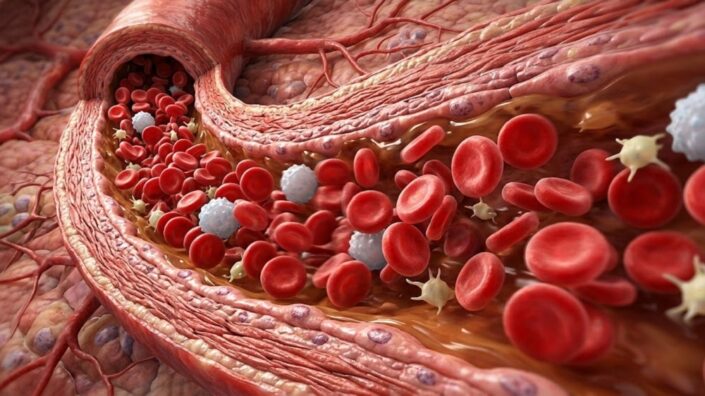
Literature

[1] Seshamani, M. (2004). The impact of ageing on health care expenditures: impending crisis, or misguided concern? (No. 000488). Office of Health Economics.

[2] Olshansky, S. J., Perry, D., Miller, R. A., & Butler, R. N. (2007). Pursuing the longevity dividend: scientific goals for an aging world. Annals of the New York Academy of Sciences, 1114(1), 11 13.

[3] López Otín, C., Blasco, M. A., Partridge, L., Serrano, M., & Kroemer, G. (2013). The hallmarks of aging. Cell, 153(6), 1194 1217.

[4] Fries, J. F. (1989). The compression of morbidity: near or far?. The Milbank Quarterly, 208 232.

[5] Scott, Andrew J., Martin Ellison, and David A. Sinclair. “The economic value of targeting aging.” Nature Aging 1.7 (2021): 616 623.

[6] Comito, K (2026). Radical No More: Societal Perceptions of Life Extension – Past, Present, and Future Directions. Zenodo.

No Valine Mouse

Valine Restriction Increases Male Mouse Lifespan by 23%

A new study has found that restricting dietary valine extends both median and maximum lifespan in male mice while improving healthspan in both sexes. The mechanism remains unclear, though increased liver mitochondrial activity emerged as a leading clue.

Protein composition matters

The debates around how much protein people should consume to maximize their healthspan and lifespan are among the most heated in the longevity field. Some recent studies suggest that protein restriction can be beneficial [2], while higher animal-protein intake is associated with poorer metabolic health and a greater risk of several age-related diseases [3]. Others hint that the answer might be age-related: while protein restriction might be good for middle-aged adults, older people should ramp up their protein consumption to prevent muscle and bone loss [4].

A growing body of work suggests that these effects are not determined simply by the total amount of protein but may depend on the amino acids that make up the protein. In particular, intriguing results have been obtained for the three branched-chain amino acids, or BCAAs: leucine, isoleucine, and valine.

Previous research showed that restricting all three BCAAs improved metabolic health and extended male mouse lifespan. Restricting isoleucine alone also had substantial benefits, including lifespan extension in genetically heterogeneous mice [5]. Evidence that restricting leucine alone produces comparable benefits has so far been limited, while valine has remained understudied – a gap that a new study led by researchers at the University of Wisconsin-Madison and published in Nature Aging attempted to bridge.

Male-specific lifespan extension

The authors placed male and female C57BL/6J mice on either a control amino-acid diet or a diet containing 67% less valine from four weeks of age and followed them throughout life. The diets were isocaloric and matched for fat, carbohydrates, and total calories from amino acids. The missing valine was replaced with non-essential amino acids.

Lifelong valine restriction increased median male lifespan from 777 to 959 days – a 23.4% increase. Importantly, it also increased male maximum lifespan: the longest-lived ten valine-restricted males lived roughly 15% longer than the longest-lived ten controls. This result suggests that valine restriction’s effect goes beyond simply compressing mortality.

Female median lifespan, however, was essentially unchanged: 842 days in controls versus 850 days with valine restriction, an increase of less than 1%. Many longevity interventions work differently in males and females, and the reasons for that are unclear.

“Very few interventions extend lifespan in both sexes, although there is the possibility that females might benefit from valine restriction under other conditions, such as a different degree of restriction, started at another time in life, or on a different genetic background,” said Dr. Dudley Lamming, the study’s corresponding author. “There are known differences in BCAA catabolism in male and female mice, so that could be part of it.”

Improved frailty, but not motor performance

Valine-restricted mice of both sexes gained much less weight – both fat and lean mass – and remained markedly leaner throughout adulthood. The reduction in fat was proportionally greater than the reduction in lean mass, so adiposity percentage fell in both sexes.

Importantly, the mice were not simply stunted. Femur and tibia lengths were unchanged, suggesting normal longitudinal skeletal growth. There were, however, potentially unfavorable changes in bone structure and microarchitecture.

Valine-restricted mice ate more calories relative to their body weight but actually stayed leaner than controls, possibly because their energy expenditure was higher. This was not explained by greater movement: activity was unchanged in males and lower in females.

The treated mice had some thermogenesis markers elevated, and brown fat, which participates in thermogenesis, showed morphology less geared towards lipid storage. Interestingly, genes involved in both lipid synthesis and lipid breakdown increased, which the authors interpret as possible futile lipid cycling: repeatedly building and breaking down lipids consumes energy without producing useful chemical work.

The authors also examined metabolic health. Valine restriction improved glucose tolerance in males from early adulthood through 24 months and across most of the female lifespan. Insulin-tolerance testing produced a weaker and more sex-specific result: males tended to respond more strongly to insulin, but females did not show a consistent overall improvement.

The researchers repeatedly scored a frailty index, which included coat condition, gait problems, tumors, body condition, sensory abnormalities, and signs of discomfort. Valine restriction lowered frailty in both sexes, but the treated animals generally did not show consistent improvements in motor performance.

Less senescence, more mitochondrial activity

Valine restriction reduced senescence-associated staining and gene-expression signatures in several tissues, including liver, kidney, and adipose tissue, although some senescence markers actually moved in the opposite direction. The treatment also reduced glial inflammatory markers in selected hypothalamic and hippocampal regions, with the clearest and most consistent effects in males. Males’ microglia – the brain’s resident macrophages – generally showed less activation-associated morphology.

The researchers expected that restricting an essential amino acid would suppress mTORC1, a nutrient-sensing protein complex that promotes growth and protein synthesis and whose chronic inhibition can extend lifespan. Contrary to this expectation, valine restriction increased hepatic mTORC1 signaling in both sexes. This result distinguishes valine restriction from interventions such as rapamycin and from some forms of total protein restriction.

Another interesting result was that male liver mitochondria showed greater respiratory activity. This male-specific change might be the paper’s leading mechanistic clue. However, this result is correlational.

“We didn’t previously know that valine restriction could extend lifespan in mice, nor that the effect would be sex-specific,” Lamming said. “Other key findings include many details about beneficial effects of valine restriction on healthspan in both sexes, which was previously unknown, and the fact that valine restriction actually increases mTOR signaling in male liver, despite extending lifespan. We also found that valine restriction boosts liver mitochondrial activity, which could be linked to the effects on lifespan.”

We would like to ask you a small favor. We are a non-profit foundation, and unlike some other organizations, we have no shareholders and no products to sell you. All our news and educational content is free for everyone to read, but it does mean that we rely on the help of people like you. Every contribution, no matter if it’s big or small, supports independent ethical journalism and sustains our future.

Literature

[1] Calubag, M. F., Ademi, I., Green, C. L., Manchanayake, D. N., Jayarathne, H. S., Marshall, R. N., … & Lamming, D. W. (2026). Lifelong restriction of dietary valine has sex-specific benefits for health and lifespan in mice. Nature Aging, 1-20.

[2] Ferraz-Bannitz, R., Beraldo, R. A., Peluso, A. A., Dall, M., Babaei, P., Foglietti, R. C., … & Foss-Freitas, M. C. (2022). Dietary protein restriction improves metabolic dysfunction in patients with metabolic syndrome in a randomized, controlled trial. Nutrients, 14(13), 2670.

[3] Lv, J. L., Wu, Q. J., Li, X. Y., Gao, C., Xu, M. Z., Yang, J., … & Zhao, Y. H. (2022). Dietary protein and multiple health outcomes: an umbrella review of systematic reviews and meta-analyses of observational studies Clinical Nutrition, 41(8), 1759-1769.

[4] Coelho-Junior, H. J., Rodrigues, B., Uchida, M., & Marzetti, E. (2018). Low protein intake is associated with frailty in older adults: a systematic review and meta-analysis of observational studies. Nutrients, 10(9), 1334.

[5] Green, C. L., Trautman, M. E., Chaiyakul, K., Jain, R., Alam, Y. H., Babygirija, R., … & Lamming, D. W. (2023). Dietary restriction of isoleucine increases healthspan and lifespan of genetically heterogeneous mice. Cell metabolism, 35(11), 1976-1995.

Rejuvenation Roundup July 2026

The fight for longevity treatments that measurably improve and lengthen quality of life is ongoing in research, treatment, and policy, with promising successes and a horrifying failure. Here’s what’s happened in July.

Interviews

Gabriel Cian InterviewGabriel Cian on Building the 2060 Longevity Ecosystem: In this follow-up interview, we speak with Gabriel Cian about how the 2060 ecosystem has evolved since last year’s Forum, what he learned from the first edition, and how he is thinking about investment, scientific credibility, health optimization, policy, and the future of longevity in Europe.

José Pedro Castro on Inflammation and Aging: We discussed the idea that inflammation underlies both important functions and many processes of aging, and how future therapies might help us keep up this elusive youthful inflammatory profile.

Advocacy and Analysis

Protein-Rich DietOptimizing Guidelines Toward Optimal Health Outcomes: In a recently published perspective paper, the author argues that the UK’s official health guidelines on physical activity and protein intake should be revised to recommend levels necessary to achieve optimal health, rather than the bare minimum currently recommended.

NYC Woman Dead After Receiving a “Longevity Infusion”: According to the experts that we spoke to, the death, which followed an intravenous NAD⁺ infusion that went catastrophically wrong, underscores the risks of unproven treatments and the need for rigorous longevity medicine.

Montana State LegislatureMontana’s Right-to-Try Law Enters a New Phase: Montana’s first experimental treatment review board has brought three longevity heavyweights into the state’s effort to expand access to experimental therapies.

Research Roundup

Intermittent Fasting Increases Lifespan in Male Mice: Restricting food access to an 8-hour window increased median lifespan in male mice by 12%. However, that might be due to voluntary caloric restriction induced by the regimen.

Man with dumbbellHow Muscle Loss and Bone Loss Are Related: Researchers have elucidated some of the links between the age-related loss of muscle (sarcopenia) and the age-related loss of bone (osteoporosis).

Rescuing Calcium Ion Homeostasis Extends Mouse Lifespan: Scientists have linked disrupted Ca²⁺ homeostasis to aging in both progeroid and naturally aging mice. Rescuing it with a well-known antidepressant significantly increased the animals’ median and maximum lifespan.

Underground laboratoryAn Experimental Proposal for Blocking Ambient Radiation: A perspective published in Aging and Disease has recommended the use of underground laboratory space in order to remove the effects of surface radiation on biological clocks.

Combining Senolytics and Stem Cells Shows Promise in Mice: A new study associated with Immorta Bio suggests that combining a senolytic vaccine with mesenchymal stem cells might create a synergistic impact. However, the findings rest on acute, artificially induced injury models rather than natural aging.

Brain and peripheralsPeripheral Inflammation May Drive Parkinson’s: A new study suggests that aging or Parkinson’s-triggering mutations create inflammation in peripheral tissues, and then circulating extracellular vesicles spread it to the brain, which might contribute to the disease.

Activating a Key Receptor Fights Thymic Involution in Mice: Publishing in Aging Cell, researchers have devised a way to delay the aging of the thymus by targeting GPR40, a key receptor in its epithelial cells.

E ColiEngineered Enzyme Reverses Age-Related Protein Damage: Scientists have engineered an enzyme that removes an advanced glycation end product (AGE) from proteins. This type of age-related modification, which affects protein function and can trigger inflammation, has previously been considered extremely hard to reverse.

Exosomes From Stem Cells Fight Liver Disease in Mice: Researchers have described a method of using exosomes derived from mesenchymal stem cells (MSCs) to fight harmful metabolic changes in the liver.

SitupsRegular Training Erases Parts of Muscle Aging Signature: A new study suggests that regular planned exercise, not just being generally active, protects against certain aspects of muscle aging.

The Progress and Future of Biological Aging Clocks: A recent review discusses the development of biological aging clocks, their capabilities and limitations, the discoveries they enabled, and possible future developments in this area.

The kidneyMore Autophagy Reduces Toxin-Induced Kidney Failure in Mice: Autophagy, which increases in younger mice under toxic stress, does not increase in older mice and leaves them susceptible to acute kidney injury (AKI).

How the Immune System Makes Sun Damage Worse: In Aging Cell, researchers have published an explanation of how neutrophil extracellular traps (NETs) worsen UVB damage and how inhibiting them alleviated this damage in a mouse model.

Clock precisionShort-Term Stresses May Undermine Clock Results: A team of researchers has concluded that while methylation-based epigenetic clocks generally give reliable outputs when given the same inputs, short-term biological fluctuations can drastically change their results.

Lifelong restriction of dietary valine has sex-specific benefits for health and lifespan in mice: This paper has found that it improves multiple aspects of healthspan in mice of both sexes, extends lifespan in male mice, and suggests that interventions that mimic it may have translational potential for aging and age-related diseases.

Early-life sugar rationing, brain aging, and long-term neurodegenerative and psychiatric health outcomes: a population-based natural experiment study: These quasi-experimental findings suggest that early-life sugar restriction is associated with attenuated neurobiological aging and lower risks of dementia and psychiatric disorders.

Enhancing the Anti-Aging Capacity of hUC-MSCs via NMN Co-Treatment in D-Galactose-Induced Mice and Cellular Senescence Models: Taken together, this study provides a promising combinatorial approach that sustains stem cell function and amplifies anti-aging efficacy.

Young cardiac telocyte-derived exosomes rejuvenate aging hearts in rats: Y-CT-exos rejuvenated cardiac aging through multiple avenues, including ameliorating the senescence of cardiomyocytes and cardiac fibroblasts.

Engineered Red Blood Cell-Derived Extracellular Vesicles With Klotho Peptide Protect the Kidney From Fibrosis: Collectively, these findings demonstrate that klotho-engineered EVs effectively inhibit TGFβ-driven fibrosis and preserve tubular integrity, highlighting a promising therapeutic strategy for targeting kidney fibrosis.

Intermittent chloroquine treatment extends lifespan and prevents mammary hyperplasia in female rats while reducing serum ldl and igfbp3 levels: These findings indicate that this treatment is associated with extended lifespan and coordinated physiological adaptations in aged rats.

Prebiotic and postbiotic synergy alleviates age-related dysbiosis and inflammation in mice: Combining prebiotics and postbiotics modulates immune responses in aged mice, restoring adult-like levels through gut microbiota changes.

Selective targeting of cancer and senescence via shared metabolic shifts extends lifespan of old mice: While the in vivo effects of DMA are yet to be fully explored, these findings suggest that it might represent a new, clinically viable way to combat cancer and senescence without toxicity to healthy cells and tissues.

Biological limits of lifespan extension: Evidence for a shift from pathway leverage to system-level buffering across species: In simple organisms, aging is governed by a limited number of high-leverage pathways, whereas in mammals it emerges from distributed, multi-tissue regulatory systems characterized by redundancy, feedback, and competing physiological constraints.

News Nuggets

Forever Healthy FoundationForever Healthy Launches Evipedia AI Integration: Forever Healthy has announced the launch of a set of new tools to make it easier than ever for AI agents, research pipelines, and AI environments to integrate Evipedia.

We would like to ask you a small favor. We are a non-profit foundation, and unlike some other organizations, we have no shareholders and no products to sell you. All our news and educational content is free for everyone to read, but it does mean that we rely on the help of people like you. Every contribution, no matter if it’s big or small, supports independent ethical journalism and sustains our future.

Jose Pedro Castro Interview

José Pedro Castro on Inflammation and Aging

For the last several years, Dr. José Pedro Castro, a Gladyshev Lab alumnus, who is now Assistant Researcher and Project Principal Investigator at the Institute for Research and Innovation in Health at the University of Porto, has been studying inflammation and its crucial role in aging and disease. Earlier this month, he received the Rising Star Award at Longevity Summit Dublin.

At the summit, Dr. Castro presented his yet unpublished concept of “inflammatory fidelity”: maintaining a healthy, balanced inflammatory homeostasis, which gets disrupted with age. We discussed the idea that inflammation underlies both important functions and many processes of aging, and how future therapies might help us keep up this elusive youthful inflammatory profile.

What is your personal story of getting into the longevity field?

Unfortunately, I don’t have one of those amazing stories about why I joined the longevity field. I finished my degree in microbiology and then started a master’s project using blood from centenarians. We were looking for oxidative changes in proteins and asking whether those proteins were better preserved than in controls.

That’s how I got excited about aging. It’s one of those fields where you start working on one thing and suddenly find yourself in a completely different system. During my master’s, I began with T cells and immunosenescence. At the time, we knew much less about it, and most of the discussion was about oxidative stress and redox biology.

From there, I moved into muscle and adipose tissue and started seeing how closely those tissues are connected. I also began to think that oxidative stress alone couldn’t explain aging. I finished my master’s, did a Ph.D. on T-cell aging and protein aggregation, and then joined Tilman Grune’s group in Germany for my postdoc. We looked more and more at metabolism and aging – for example, how oxidative stress might mimic aging in fat or muscle.

Near the end of that postdoc, I became interested in Vadim Gladyshev’s lab. I read his paper introducing the “deleteriome,” the buildup of many different harmful changes with age. I couldn’t sleep for almost two days after reading it. I kept thinking: aging isn’t just oxidative stress or DNA damage. It’s a combination of many things, including some we may not even know about.

Vadim was taking a systems approach, which was new to me: everything is connected. There may be important hubs, of course, but no single pathway explains the whole process. I wrote to him with ideas for experiments, we connected, I got a grant from Germany, and I joined his lab. Suddenly, I was working across many systems – gene expression, DNA methylation, different tissues, different species.

That completely shifted my interests. If you want to understand aging, you need tools like multi-omics that show how the whole system changes, not just one protein or pathway. So my journey was from one protein and one model to trying to look at as many connected processes as possible. It’s difficult, but it gives you a much better sense of how complex aging really is.

Does that immense complexity ever frustrate you? Do you think we will understand enough to start reversing aging in the foreseeable future?

I don’t know whether we’ll reverse aging completely, because there are so many things we don’t even know to look for, but I think we can slow it meaningfully and perhaps reverse some parts of it.

What’s both exciting and exhausting is that an amazing paper now comes out almost every day, often with powerful new tools and huge datasets. You want to use everything. You see a result and immediately wonder how your model fits into it, but then it becomes very hard to coordinate all of that and still tell a clear story or make a specific contribution.

That’s one reason I decided to focus more narrowly on inflammation. Once I really started digging into inflammation and biological age, I found that despite the enormous literature, some important questions had barely been studied.

Inflammation has been studied for decades and is recognized as a hallmark of aging. At the same time, there is a growing sense that its role may be even broader – that it underlies many aging processes and could be one of the most universal targets for longevity therapies. How should we think about inflammation in aging today?

The term “inflammaging” did something very important: it made people aware that chronic inflammation probably contributes to aging and underlies many chronic diseases. But, there’s a bias. If you search for harmful inflammation and disease, the number of papers has risen almost exponentially. Research on adaptive, regenerative, or otherwise helpful inflammation has stayed much flatter.

Basically, people have focused almost entirely on the bad side, but we need inflammation to fight infections and repair tissues. I think we’ve overlooked that side of it.

That led us to a concept we call “inflammatory fidelity,” which I discussed in Dublin. We need to find inflammatory circuits linked to aging and accelerated biological age, but also different circuits linked to development, adaptation, and regeneration.

Embryos regenerate very quickly. The neonatal heart can still regenerate too, but it loses that ability soon after birth, and inflammation is involved. Using transcriptomic data from embryonic development through late life, we found two broad inflammatory circuits. One is very active during development and early life and then drops sharply. The other starts low and rises with age.

We combine their expression into a fidelity score – very simply, beneficial inflammation divided by harmful inflammation. The score falls in aging, chronic disease, and fibrosis. It rises in regeneration and in signatures linked to longer lifespan.

So, the score seems to track the state of a cell or organism. It could add something to biological-age measures, which may or may not capture inflammation. If you were running a clinical trial, for example, it might not be enough to measure IL-6 or C-reactive protein. Someone could have high pro-inflammatory markers but still have strong regenerative or adaptive pathways that buffer the damage.

Centenarians are a good example. Some studies find high IL-6 and other inflammatory markers in centenarians, yet they stay resilient until very late in life. That suggests they have compensatory mechanisms.

Context matters enormously too. When we activate one of the inflammatory circuits we found, the effect changes with age. In a middle-aged mouse, we see harmful cytokines, inflammatory macrophages, and changes in the immune system, but the mouse can still produce many regulatory T cells that try to hold the response back.

So the question isn’t simply whether inflammation is there. When did it start? What’s the context? IL-6, for example, can be pro-inflammatory in one setting and support regeneration in another.

Or when IL-6 rises acutely in response to exercise, right?

Yes, exactly. In the liver, for example, macrophages need to secrete IL-6 to promote regeneration. The outcome depends on timing, dose, the cell type, and the combination of signals.

Tell me if I understand this correctly: inflammatory fidelity is something like maintaining a healthy inflammatory homeostasis. We have a youthful blueprint in which the system is balanced, and with age, the harmful side begins to dominate. The idea is to bring it back to that more youthful state.

Exactly. That’s the next step for us. We now have candidate transcription factors that seem to control these circuits. We want to test them in different cell types: boost the factor controlling beneficial inflammation, reduce the one controlling harmful inflammation, and see which age-related features improve.

Take macrophages. Young macrophages can help the heart regenerate, while old macrophages promote fibrosis and damage. Can we restore inflammatory fidelity in old macrophages? If we reprogram them for cell therapy, or change them directly in vivo, can we improve regeneration after injury in the heart, liver, or other tissues? And would aging clocks show a younger state? We don’t know yet.

Another big gap is causality. We know inflammation tracks with aging and disease. We give rapamycin, and IL-6 falls; we try another intervention, and some marker goes up or down. But which inflammatory pathways actually make biological age move faster or slower?

In a separate project, we used transcriptomic clocks and their inflammatory modules to predict genes linked to accelerated transcriptomic aging. We chose the strongest, most consistent candidate across datasets such as Tabula Muris Senis. When we treated cells with an agonist for the receptor we found, their transcriptome shifted toward an older state. We’re also testing it in mice.

The main point is that it’s not enough to say inflammation rises with age or falls after a geroprotective treatment. We need to find the specific circuits that actually push biological age up or down.

The inflammatory-fidelity work is still unpublished, but you recently posted a preprint on an inflammation-based epigenetic clock. Tell me more about it.

The fidelity project came later and is still at an early stage. We have a lot of in silico evidence, but we’re only starting the lab validation.

The clock project came from that inflammatory circuit linked to accelerated transcriptomic age. We had a set of genes connected to that state. I contacted Csaba Kerepesi, a former member of Vadim’s lab and a friend, and we asked: if this signature is tied to transcriptomic aging and is strongly enriched for inflammation, can we use it to build an epigenetic clock?

Most epigenetic clocks are black boxes. They can predict very well, but you often don’t know what biology the selected CpG sites represent. Is it inflammation, DNA repair, or something else?

So, you went the opposite way – from the functionality.

Exactly. We started from the biology. We already had a little over 100 inflammation-related genes with a clear function. We knew this group of genes was heavily enriched for inflammation. So we thought: if it really captures inflammation, perhaps a clock built from these genes should pick up diseases in which inflammation plays a major role.

We selected CpG sites in the promoters of those genes and built the clock. It tracks epigenetic age and age acceleration in several chronic conditions, including immune and cardiovascular disorders and many cancers. One interesting analysis compared normal tissue, tissue next to a tumor, and the tumor itself. The predicted age rose from normal to adjacent tissue and then rose again in the tumor.

We also asked whether it could pick up rejuvenation. In OSKM partial-reprogramming data, the predicted biological age went down. To me, that was exciting. We wanted to show that if you start with a meaningful pathway linked to accelerated aging, you can build a clock that still detects age acceleration and deceleration.

OSKM validation is really interesting, but on the other hand it’s all epigenetic reprogramming. You could argue that the factors do something to the epigenome, including somehow recalibrating those genes – and that’s what you see in the readout.

Yes. That doesn’t prove inflammation itself was rejuvenated. OSKM directly remodels the epigenome, so it may simply be changing those promoters, but at least it suggests that this inflammation-related signal is involved.

Have you looked then at other validations, other therapies?

We want to. That work is underway. We’d like to test rapamycin and whatever other intervention datasets are available.

Did you test your inflammation-based clock against more established epigenetic clocks?

Yes. We compared it with established clocks, including Horvath, Hannum, GrimAge, and GrimAge2. They don’t agree perfectly in every dataset, but overall we saw similar trends. That mattered because our clock didn’t come from a search across the whole methylome. We restricted it to a small, biologically chosen gene set and still picked up many of the same signals.

Did you find any organ-specific inflammatory signatures?

Not yet. The current clock was built from blood data. We want to see whether signatures trained in different organs give better or different predictions and respond differently to interventions. Only one graduate student is working on it right now, so progress is slower than we’d like, but organ-specific clocks are an important next step.

Inflammation is clearly more multifaceted than the simple division into pro- and anti-inflammatory factors suggests. Your March preprint examines IL-10, normally considered an anti-inflammatory cytokine, and suggests that chronic IL-10 exposure can instead promote inflammaging and tissue senescence. How does a protective signal become harmful, and how relevant might that be to normal human aging?

I should be careful because I’m a co-author, not the first or senior author, and the paper is still being revised. But, the basic idea is that cytokines probably have an optimal range. You need IL-10 to resolve inflammation, but if it stays too high for too long, it can turn harmful.

The work began in Margarida Saraiva’s lab, which mainly studies tuberculosis. In mice with sustained IL-10 overexpression in CD4+ and CD8+ T cells, those cells were reprogrammed. They became highly inflammatory, entered several tissues, and were linked to tissue dysfunction and signs of aging.

So, we need to understand the right range, not just whether a cytokine is “good” or “bad.” We’re not going to solve this one cytokine at a time, and we can’t simply suppress the immune system because it still has to fight infections.

That’s why I’m cautious about spectacular intervention studies. IL-11 inhibition extends lifespan in lab mice, but what happens in a natural environment? If you shut down a major pathway, perhaps the animals become worse at fighting infection.

The message isn’t that IL-10 is bad. It’s that too much for too long can be bad, and the same may be true for other “anti-inflammatory” cytokines.

In UK Biobank data, higher blood IL-10 was linked to a small increase in mortality risk, although the result was variable and shouldn’t be overinterpreted. So, dose, timing, and context matter more than the simple pro- versus anti-inflammatory label.

That seems like a recurring problem in aging research. We arrive with a simple intervention: this factor is elevated, let’s suppress it; that one is reduced, let’s increase it. Only later do we begin to understand the network. The mouse environment may also be a major confounder, especially for inflammation and immune aging. Lab mice live in unusually protected conditions. Rapamycin can suppress inflammation and some immune responses, and the mice live longer, but how well does that translate to humans who are exposed to many more pathogens?

I agree. I use mice, so I have to work within those limits, but it’s an important problem. One interesting experiment would be to give young lab mice defined inflammatory challenges – viruses, bacteria, LPS, TNF-α – and then see how those exposures change their later trajectory. We’ve started smaller in vitro proof-of-concept work.

My hypothesis is that if young cells get the right amount and pattern of inflammatory stress, they may become more resilient rather than older. It’s still very early and speculative, but some preliminary observations make us want to pursue it, at least in immune cells.

I’m also becoming more interested in non-immune cells. We see inflammatory signatures rise quite strongly in many of these cells with age.

We usually focus on two sources of age-related inflammation: immune cells and senescent cells. You are suggesting that apparently non-senescent, non-immune cells can also participate actively in inflammatory signaling.

Yes. The circuit linked to accelerated transcriptomic age is overexpressed not only in immune cells but also in non-immune cells. We see this clearly in the kidney, where several non-immune cell types become strongly pro-inflammatory with age even without the classical signs of senescence.

It makes sense. When a cell is in danger, it has to tell the immune system and nearby cells that something is wrong. Virus-infected cells do this through interferons. We see a similar pattern with MIF, macrophage migration inhibitory factor. Many cell types seem to express and release MIF when they’re under stress, whether from DNA damage, loss of proteostasis, or something else.

The idea is that non-immune cells start releasing inflammatory signals in response to the damage they build up over time. Those signals could amplify inflammation locally and perhaps eventually across the body.

We see it in the tissue too. In liver and kidney histology, many non-immune cells stain strongly for the marker linked to accelerated inflammatory aging. So, inflammaging isn’t simply an old immune system attacking passive tissues. The tissues themselves may join in.

I also wanted to discuss your 2024 paper on age-associated clonal B cells. I have long been fascinated by clonal expansion, including CHIP, and its relationship to aging and malignancy. What did you find?

I love that paper. It’s one of my favorites, and I want to stress that Anastasia Shindyapina and I were co-first authors.

We hadn’t planned the project when I joined Vadim’s lab. Anastasia and I became obsessed with it during a different intervention study. Some old control mice had very enlarged spleens, and at first we didn’t know whether B cells, T cells, or something else were responsible.

Around the same time, two relevant studies came out. One, from the late Angelika Amon’s group at MIT, linked larger cell size to senescence and aging. Another cross-species study connected larger cells in one tissue with shorter lifespan. So cell enlargement looked like a possible sign of accelerated aging.

We also knew that old C57BL/6 mice often develop B-cell lymphoma. We asked a simple question: are B cells from old mice larger than those from young mice? That same day, with only two young and two old animals, we saw a huge difference. The old B cells were much larger. We thought they might enlarge with age, become dysfunctional, and grow more vulnerable to cancer.

We then compared young mice, old controls, and old mice with B-cell lymphoma, usually identified after their spleens became greatly enlarged. With age, B-cell receptor diversity fell and clonality rose, especially in lymphoma. We then asked how a normal B cell might move toward cancer.

Age-associated B cells, or ABCs, were already known to build up with age and appear in autoimmunity and chronic infections. We thought they might give rise to a clonally expanded population we called age-associated clonal B cells, or ACBCs.

Using public single-cell data, we found markers separating follicular B cells, ABCs, and the clonal cells in lymphoma, and then confirmed them in the lab. ABCs were common in old mice without lymphoma, while ACBCs were abundant in lymphoma. That suggested a path from follicular B cells to ABCs and then to ACBCs.

CellChat pointed to CD22 signaling as one possible driver of the increase in cell size. Follicular B cells grew larger when exposed to ABCs, and blocking CD22 reduced that effect. So, communication between B-cell populations may help push cells toward the ACBC state.

The clones also had internal changes: somatic mutations, epigenetic changes including promoter hypermethylation, and c-Myc activation. These could give some clones an advantage and let them expand. The cells were IgM-positive and didn’t follow the usual germinal-center route.

So, it isn’t one event. The aged environment changes, B-cell diversity shrinks, some cells acquire mutations and epigenetic changes, and particular clones expand.

The big question was whether this mattered in humans. Mouse and human B-cell lymphomas aren’t identical, and the reviewers pushed us to be careful, but the mouse ACBC signature overlapped with human follicular lymphoma and diffuse large B-cell lymphoma. In human data, we also saw B-cell receptor diversity fall and clonality rise with age and found clonal B cells carrying the ACBC signature in people over 50.

So, ABCs may be a useful sign of age-related B-cell problems. They may lead toward autoimmunity, infection-related dysfunction, or cancer, and we still don’t know what decides the path, but they appear in all of those settings.

We also found that inhibiting mTOR or c-Myc in old mice reduced premalignant B-cell changes, so the process may not be irreversible, and those pathways could be targets for prevention.

The implications may extend beyond individual diseases. I have a pet hypothesis that clonal immune aging could be a limiting factor in extreme longevity. Clonal expansions are common in centenarians and supercentenarians, and perhaps they help impose a ceiling on maximum lifespan.

I agree it’s worth exploring. Clonal expansion may be manageable for a long time and then eventually start limiting resilience, but we need much more evidence.

Looking ahead, what is the roadmap for longevity therapies that target inflammation? In an optimistic, almost science-fiction scenario, how much could they affect human lifespan?

Potentially a lot, although I’m less sure that targeting inflammation alone can slow biological aging itself. Most chronic diseases have an inflammatory component, and many are linked to accelerated biological age. So, if we learn to control the right switches – keeping helpful inflammation while reducing harmful inflammation – we could probably extend lifespan by delaying chronic disease.

Whether that changes the aging process itself is harder to say, because many other things are happening, but even if it mainly separates healthy aging from disease and compresses morbidity, the effect could still be big.

We’re still early. As this conversation shows, there are many basic things about inflammation that we still don’t understand.

What are you personally planning to do to move the field in that direction?

I see three main directions. First, I want to find biomarkers that predict a resilient inflammatory state in humans. That would be a dream. We have a cohort of patients with chronic kidney disease that may be a good place to start.

Second, we want to reprogram immune cells so they support regeneration and perhaps lower biological age. This connects directly to inflammatory fidelity: finding the right switches and restoring a younger balance between helpful and harmful inflammatory programs.

The third direction is more speculative. I want to expose young animals and young cells to carefully controlled stimuli and ask whether the right kind of priming – even with things we normally consider damaging – can make them more resilient or biologically younger. It’s related to hormesis, but focused on inflammatory conditioning. The project is still embryonic, but I’m very excited about it.

We would like to ask you a small favor. We are a non-profit foundation, and unlike some other organizations, we have no shareholders and no products to sell you. All our news and educational content is free for everyone to read, but it does mean that we rely on the help of people like you. Every contribution, no matter if it’s big or small, supports independent ethical journalism and sustains our future.

Clock precision

Short-Term Stresses May Undermine Clock Results

A team of researchers has concluded that while methylation-based epigenetic clocks generally give reliable outputs when given the same inputs, short-term biological fluctuations can drastically change their results.

Technical and biological reliability

The authors make a clear distinction between technical and biological reliability. A technically reliable clock is one that consistently gives the same outputs when presented with the same input. A dozen researchers at a dozen different labs could present portions of the same blood sample to a technically reliable clock, and, as they are using identical material, it would give the same answer to all of them.

In the context of biological research, this is far from a trivial problem. The authors list a great many issues that may affect technical reliability, including differences between array platforms, differences in sample probing procedures including the chemistry of the probes used, and differences involving the handling, extraction, and storage of DNA. While no clock can fully account for the various ways that its input may be mishandled, some clocks that use principal components (PCs) have been designed to fight back against technical noise [1].

In general, all of the clocks that the researchers tested remained technically reliable under various laboratory conditions; While still in the ‘good’ range, CausAge was found to be the most vulnerable to such perturbations; SystemsAge and the PC versions of various clocks remained robust in the ‘excellent’ range. Certain disruptions in handling, such as slide placement, led to completely degraded technical reliability in many cases, and DNA extraction differences reduced reliability in three clocks. However, assuming proper and consistent handling, technical reliability appears to only be a mild concern.

A long-term clock can capture short-term effects instead

Biological reliability, however, is different. Aging clocks are supposed to measure long-term biological changes and remain unaffected by short-term perturbations in living conditions. However, the researchers’ findings, and the main thrust of their paper, are that they have significant problems with this and that their biological reliability is unrelated to their technical reliability.

For example, samples taken before and after eating yielded very different results in the vast majority of clocks. Only the PC version of the original GrimAge remained within the ‘good’ range of test/re-test reliability in this case; version 2 of GrimAge was very poorly reliable, as were the majority of other clocks. PhenoAge and the original Horvath clock remained in the ‘moderate’ zone after a meal.

Short-term stress yielded similar results; while many of the clocks were in the ‘moderate’ zone under stressful conditions, not a single one was considered ‘good’. Pollution exposure significantly degraded many clocks to the ‘good’ and ‘moderate’ ranges, and even a simple altitude change caused some unreliability, including in the PC version of GrimAge.

Epigenetic Clock Reliability

Ensuring reliability is difficult

The authors hypothesized that controlling for immune cell counts, which fluctuate under these conditions, may be a way of mitigating biological unreliability. This proved to be completely counterproductive; in nearly all of the clocks and nearly all of the conditions tested, this additional control led to a massive decrease in reliability instead. This led the authors to conclude that “changes in immune cell composition appear to reflect meaningful biological processes that are reproducibly detected by DNA methylation aging biomarkers.”

Of course, unreliable clocks cannot be used to yield reliable results. The authors claim that some of these clocks are so unreliable that their variation in z-scores fluctuates “across the full significance spectrum”, rendering their use completely untrustworthy regardless of the results generated using them.

Biological unreliability is in no way unique to methylation-based clocks [2], and the authors urge these results to be interpreted in that context. More traditional biomarkers, such as inflammatory compounds, are highly sensitive to perturbations such as exercise, markers such as hematocrit are very sensitive to hydration, and proteomic biomarkers fluctuate after meal consumption.

Additionally, the authors listed potential flaws in their own work; many of their findings were generated using cohorts of young adults, and there were no separate control groups to determine if specific perturbations or the simple passage of hours or days caused the variation in the clocks’ results. Further work should be done to ascertain more details about popular clocks’ reliability and any constraints, such as a fasting period, that should be adhered to in their use. If at all possible, future clocks should be developed to be insensitive to short-term alterations in epigenetic biomarkers.

We would like to ask you a small favor. We are a non-profit foundation, and unlike some other organizations, we have no shareholders and no products to sell you. All our news and educational content is free for everyone to read, but it does mean that we rely on the help of people like you. Every contribution, no matter if it’s big or small, supports independent ethical journalism and sustains our future.

Literature

[1] Higgins-Chen, A. T., Thrush, K. L., Wang, Y., Minteer, C. J., Kuo, P. L., Wang, M., … & Boks, M. P. (2022). A computational solution for bolstering reliability of epigenetic clocks: implications for clinical trials and longitudinal tracking. Nature aging, 2(7), 644-661.

[2] Della Monica, C., Revell, V., Atzori, G., Laban, R., Skene, S. S., Heslegrave, A., … & Dijk, D. J. (2024). P-tau217 and other blood biomarkers of dementia: variation with time of day. Translational psychiatry, 14(1), 373.

Montana State Legislature

Montana’s Right-to-Try Law Enters a New Phase

Montana’s first experimental treatment review board has brought three longevity heavyweights into the state’s effort to expand access to experimental therapies.

How much regulation is too much?

Many people in the longevity field will tell you that regulation is holding it back. Sensible oversight of novel therapies is essential, but an overly cautious interpretation of “do no harm” can itself cause harm by delaying or denying access to potentially beneficial and life-prolonging therapies. The balance between protecting patients from risk and allowing them the freedom to seek better health and quality of life may currently be tilted too far toward the former.

Some people turn to therapies that are unproven even in terms of safety, sometimes administered by unlicensed practitioners. We have covered one case in which this led to loss of life and another in which it nearly did. Other people engage in medical tourism, seeking treatment in more permissive jurisdictions, which is expensive and not always safe. A different group has instead set its sights on advancing right-to-try legislation in the US.

The Montana way

Traditional right-to-try laws are generally limited to people with terminal illnesses, allowing them to try therapies that have not yet been fully approved by the FDA. Montana enacted a law along these lines in 2015: eligible products had to have completed Phase I and remain in an FDA-approved clinical trial. In 2018, the federal Right to Try Act became law, covering patients with life-threatening conditions who have exhausted approved treatments and cannot participate in a clinical trial involving the investigational product.

In 2023, Montana lawmakers passed SB 422, sponsored by State Senator Ken Bogner and supported by the Alliance for Longevity Initiatives and other members of the longevity community. In what was widely described as a US first, the law removed the terminal-illness restriction, potentially making the pathway available to any patient. Importantly, it did not require patients to exhaust standard care, only to have “considered all” FDA-approved options. Despite the polarized political climate, SB 422 enjoyed substantial bipartisan support.

While SB 422 removed restrictions, it did not provide investors and clinic operators with a licensing framework for establishing facilities. This was addressed in the follow-up bill, SB 535, which passed on a knife-edge in 2025.

It was designed to create that missing infrastructure by establishing a new category of health facility: the experimental treatment center. Such centers can charge for treatment and establish payment arrangements involving digital or alternative currencies – an unusual provision consistent with the legislation’s entrepreneurial and biohacking roots. The bill also loosened its predecessor’s language further, requiring patients only to have “evaluated other” approved options.

Welcome aboard

Under final rules that took effect earlier this month, an experimental treatment center must establish or contract with an experimental treatment review board, or ETRB. Board members may have no conflicts of interest involving the centers they review. ETRBs are envisioned as an important guardrail intended to improve patient safety.

The first such board has now been formed, and developers can submit eligible therapies for review for a fee of $12,500. Most eligible treatments will have completed Phase I, although Montana law also permits an alternative route based on equivalent documented safety evidence. Phase I trials primarily investigate safety and dosage and generally do not establish the treatment’s efficacy. Importantly, approval by the board does not amount to FDA approval or confer any federal legal status.

The five-member board includes three prominent figures in the longevity field: Matt Kaeberlein, a longevity researcher affiliated with the University of Washington; Jamie Justice, executive vice president of XPRIZE’s Health Domain; and Felipe Sierra, former director of the Division of Aging Biology at the National Institute on Aging. The other two members are bioethicist Jessica Flanigan and Montana oncologist James Burke.

The caliber of the board lends immediate credibility to the initiative, which was launched by Infinita, an organization founded by Niklas Anzinger and based in the Próspera special economic zone on the Honduran island of Roatán. “It’s been a lot of work, almost three years since the first bill,” Anzinger said. “Montana’s framework has been strongly influenced by the wishes of the longevity community. A patient does not need a defined disease state to be eligible – which is important because aging is not classified as a disease. This is a genuine first and only in recent history.”

Setting an example

Dr. Kaeberlein has long argued that the current development and approval process for new therapies is too slow and expensive. At the same time, he has frequently criticized the “Wild West” approach to longevity medicine.

“What interests me about Montana’s approach is that it attempts to create a middle ground,” he said. “Rather than pushing patients toward medical tourism or unregulated clinics, it seeks to establish a framework with independent review, physician oversight, informed consent, and systematic data collection. Whether that framework ultimately succeeds remains to be seen, but I believe it’s worth trying to make it as rigorous and scientifically credible as possible. That’s why I agreed to participate.”

“I joined Montana’s ETRB because this was too important an opportunity to pass up,” said Justice. “In many cases, testing of experimental therapies has moved offshore, and Montana has a chance to be at the forefront of bringing it back onshore. The board provides an opportunity for promising treatments to move forward, but with transparency and accountability built in from the start.”

Justice noted that, to avoid conflicts of interest, she will recuse herself from reviewing or making decisions involving competing teams, advisors, or other groups affiliated with XPRIZE Healthspan.

Given how narrowly SB 535 passed last year – and the reservations raised by both Democrats and Republicans – the first ETRB has an opportunity to address some of those concerns. By conducting rigorous reviews and producing meaningful safety and outcome data, it could offer a model for other states and, perhaps eventually, for federal legislation. Montana rules require review boards to publish annual summaries covering the treatments reviewed, safety outcomes, serious adverse events, and general review timelines.

“Local scientific review boards are a big part of China’s and Australia’s clinical trial success,” said Anzinger. “US states can really innovate before Washington catches up, and in the process generate valuable insight for national reform.”

We would like to ask you a small favor. We are a non-profit foundation, and unlike some other organizations, we have no shareholders and no products to sell you. All our news and educational content is free for everyone to read, but it does mean that we rely on the help of people like you. Every contribution, no matter if it’s big or small, supports independent ethical journalism and sustains our future.
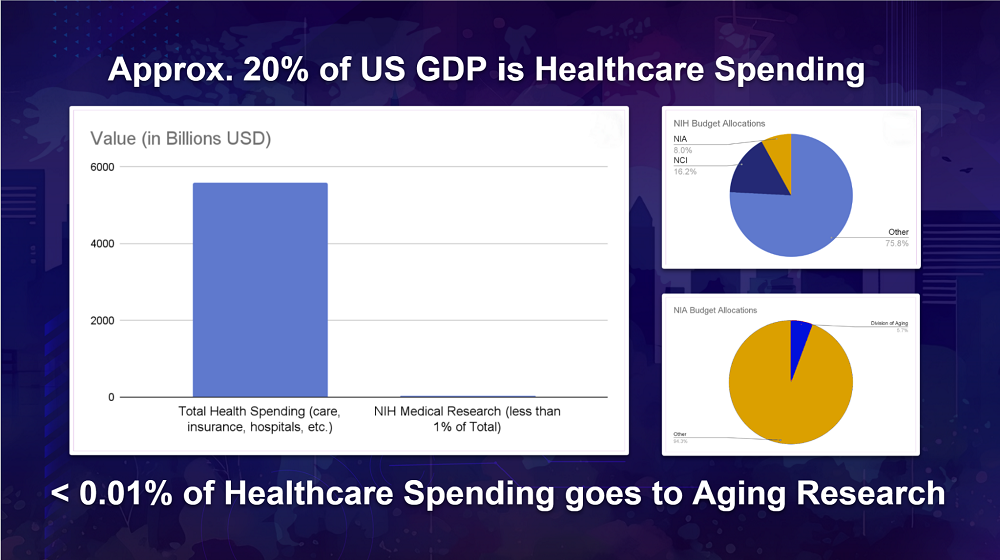
How the Immune System Makes Sun Damage Worse

In Aging Cell, researchers have published an explanation of how neutrophil extracellular traps (NETs) worsen UVB damage and how inhibiting them alleviated this damage in a mouse model.

When defenders just make things worse

Immune activation is a common response to damage, as the immune system often perceives such damage as a pathogenic attack. Activation of immune system components in the absence of actual pathogens is known as sterile inflammation, and it is a frequent subject of aging research; chronic sterile inflammation is known as inflammaging.

Damage done by UVB radiation from the sun causes an immune reaction that brings neutrophils into the skin. Exposed to this radiation themselves, these immune cells react by flooding the area with inflammatory cytokines, recruiting even more neutrophils and creating systemic inflammation that can even affect the kidneys [1].

NETs are created when neutrophils destroy themselves in a controlled demolition that releases proteins and DNA from their nuclei, and as their name suggests, NETs trap and kill pathogens. However, in sterile inflammation conditions, excessive NETs lead to autoimmune disorders, including rheumatoid arthritis [2], and previous work has found that reducing NETs alleviates UVB-related skin damage in mice [3]. This research builds upon that work, focusing on PAD4, a nuclear enzyme that is required for NET formation [4].

Stopping NETs at their source

The researchers first examined tissue samples derived from the lesions of human patients with actinic keratosis or chronic actinic dermatitis, two conditions that are related to sun damage of the skin. Compared to a control group, these samples had increased numbers of NETs.

They then began experimenting on mice, exposing the skin of wild-type Black 6 mice to UVB radiation and giving some of the exposed mice GSK484, a compound that inhibits PAD4. Compared to the untreated mice exposed to UVB, the GSK484-treated group had much less visible skin damage and reduced skin erosion, confirming previous research [5]. While it did not fully protect the mice from UVB damage, skin thickening, inflammatory biomarkers, and measurements of oxidative stress were all significantly reduced compared to the untreated group.

Cellular death by apoptosis was reduced as well. Fibroblasts and keratinocytes normally die in this way when exposed to UVB, but the rate of apoptosis, according to multiple biomarkers, was substantially reduced when GSK484 was administered.

RNA sequencing was performed to determine the pathways involved. The JNK branch of the well-known inflammation pathway MAPK, which was previously reported to be involved in NET-related damage [6] and was found to be linked to UVB damage in this study, was strongly inhibited by GSK484.

HaCaT cells, a line of immortalized human skin cells, were used in another experiment. The researchers exposed neutrophils to UVB radiation in order to generate NETs, which were then delivered to these cells. At 4 milligrams per liter of NETs, the HaCaT cells became unable to proliferate, began expressing inflammatory cytokines, experienced oxidative stress, and activated the JNK pathway, leading to apoptosis. However, exposing NETs to DNAse I before delivery degraded them, significantly reducing their negative effects on HaCaT cells.

A receptor may be a target

The researchers then investigated CCDC25, a gene in keratinocytes that responds to NET exposure. HaCaT cells that had their RNA expression of this gene silenced barely reacted to NETs, having no measurable increase in the JNK pathway and only slightly increased apoptosis.

These results were confirmed in mice. Using an adeno-associated virus (AAV) to block CCDC25 in UVB-exposed mice yielded similar results to GSK484 treatment: inflammation was significantly decreased, additional skin thickness was reduced, and markers of oxidative stress were lessened compared to the UVB-exposed and untreated control group.

This research opens up new avenues for potential treatments that might reduce long-term sun damage. While stopping the radiation itself can only be done through direct preventative measures, the immune system’s role in worsening this damage may be a treatable target. Preventing unnecessary NET formation may help curb inflammaging and reduce skin damage.

We would like to ask you a small favor. We are a non-profit foundation, and unlike some other organizations, we have no shareholders and no products to sell you. All our news and educational content is free for everyone to read, but it does mean that we rely on the help of people like you. Every contribution, no matter if it’s big or small, supports independent ethical journalism and sustains our future.
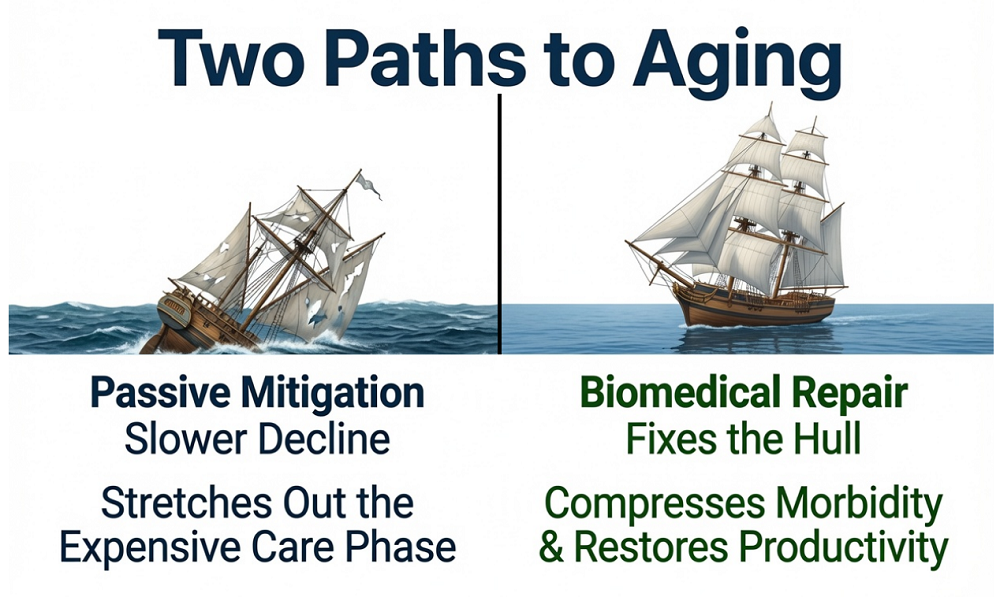
Literature

[1] Skopelja-Gardner, S., Tai, J., Sun, X., Tanaka, L., Kuchenbecker, J. A., Snyder, J. M., … & Elkon, K. B. (2021). Acute skin exposure to ultraviolet light triggers neutrophil-mediated kidney inflammation. Proceedings of the National Academy of Sciences, 118(3), e2019097118.

[2] Fousert, E., Toes, R., & Desai, J. (2020). Neutrophil extracellular traps (NETs) take the central stage in driving autoimmune responses. Cells, 9(4), 915.

[3] Inaba, I., Hiramoto, K., Yamate, Y., Morita, A., Tsutsumi, T., Yasuda, H., & Sato, E. F. (2024). Inhibiting neutrophil extracellular traps protects against ultraviolet B-induced skin damage: effects of Hochu-ekki-to and DNase I. International Journal of Molecular Sciences, 25(3), 1723.

[4] Mutua, V., & Gershwin, L. J. (2021). A review of neutrophil extracellular traps (NETs) in disease: potential anti-NETs therapeutics. Clinical reviews in allergy & immunology, 61(2), 194-211.

[5] Inaba, I., Hiramoto, K., Yamate, Y., Morita, A., Tsutsumi, T., Yasuda, H., & Sato, E. F. (2024). Inhibiting neutrophil extracellular traps protects against ultraviolet B-induced skin damage: effects of Hochu-ekki-to and DNase I. International Journal of Molecular Sciences, 25(3), 1723.

[6] Hu, Z., Hua, X., Mo, X., Chang, Y., Chen, X., Xu, Z., … & Song, J. (2023). Inhibition of NETosis via PAD4 alleviated inflammation in giant cell myocarditis. IScience, 26(7).

Snake oil

NYC Woman Dead After Receiving a “Longevity Infusion”

According to the experts that we spoke to, the death, which followed an intravenous NAD⁺ infusion that went catastrophically wrong, underscores the risks of unproven treatments and the need for rigorous longevity medicine.

Earlier this week, Elizabeth Baron, a 27-year-old woman from New York City, died after receiving an intravenous infusion at a local “wellness clinic.” The procedure was performed by 55-year-old Luis Rojas Cabrera, the owner of Bereshit Lifestyle Center. Cabrera was taken into custody by the NYPD and charged with reckless endangerment and unauthorized practice of a profession. He was later released without bail but ordered to surrender his passport. Cabrera claims to have completed his medical training in the Dominican Republic, but he is not licensed to practice medicine in the United States.

A popular but misused coenzyme

The tragic incident is directly connected to the longevity field: the infusion Baron received was supposed to contain NAD⁺ (nicotinamide adenine dinucleotide), a coenzyme central to energy production and DNA repair and a popular subject of longevity research.

NAD⁺ levels decline with age in some tissues [1], and the molecule has been linked to aspects of aging biology by multiple studies. NAD⁺ supplementation has significant appeal but is not easily achievable, as the molecule is rapidly metabolized. Most human research has therefore focused on the precursors NR and NMN, which can reliably raise blood NAD⁺ after oral administration.

NR can extend lifespan in yeast [2], and both NR and NMN have improved numerous age-related outcomes in rodents [3]. The lifespan evidence is less consistent: NR improved survival in a 2016 study [4], but failed to extend lifespan in either sex in the National Institute on Aging’s rigorous Intervention Testing Program (ITP) [5].

Human data is currently even less convincing, which has not stopped NAD⁺ and its precursors from becoming a fad in longevity circles. Numerous supplements can be bought online, including NAD⁺ nasal sprays and patches, and then there are NAD⁺ infusions, which, despite appearing more “serious” to laypeople, are backed by particularly slim evidence.

The experts weigh in

“Stories like this are heartbreaking,” said Dr. Matt Kaeberlein, a longevity researcher, University of Washington affiliate professor, and CEO and co-founder of Optispan. “Unfortunately, it isn’t the first time someone has been seriously harmed – or killed – while pursuing an unproven ‘longevity’ therapy. We still don’t know exactly what happened in this case, and it’s important to wait for the medical examiner’s findings before jumping to conclusions about the specific treatment involved. But the broader lesson is one I’ve been repeating for years: every experimental intervention comes with unknown risks. Those risks may come from the biology of the therapy itself, from manufacturing or quality-control problems, or simply from errors in preparation or administration.”

One of the cases that Kaeberlein is referring to happened last year at RAADfest, a popular gathering of longevity enthusiasts. It, too, involved injections offered in a setting where some of the practitioners reportedly were not properly licensed. The injections supposedly contained peptides, chains of several amino acids that can perform various biological actions. Two people almost died as a result.

In neither case do we yet know whether the reaction was caused by the purported active ingredient, contamination, incorrect preparation or dosing, or another aspect of administration. Unfortunately, what the general public will remember – and what will certainly resonate with its stereotypes – is that those longevity treatments turned out to be dangerous, and this one turned out to be deadly.

“The danger increases dramatically when these interventions are provided by unlicensed practitioners, through offshore clinics, or obtained through unregulated channels, whether that’s IV infusions, stem cells, or research-grade peptides purchased over the internet,” cautioned Kaeberlein.

Cabrera seems to clearly fit that bill, with his website offering a wide array of seemingly unrelated treatments alongside bombastic ‘scientific’ claims. One page features “a personalized Wellness Kit with the combination of over 100 components.” There is no indication that such a complex, personalized combination has been rigorously tested as a whole for safety, efficacy, or possible interactions among its components.

The story also reflects the gap between intense public demand for interventions that promise better health and longevity and the much slower progress of clinical science. In fact, the list of proven longevity treatments is extremely thin and headlined by “boring” lifestyle interventions such as diet and exercise. To many people, real longevity medicine – a nascent but quickly developing field – seems less glittery than the pseudoscientific talk of modern snake oil salesmen.

“Healthy Longevity Medicine is a medical discipline and, like every other medical discipline, it must be grounded in evidence, clinical governance, and patient safety,” said Dr. Andrea Maier, Oon Chiew Seng Professor in Medicine at the National University of Singapore and a longevity medicine pioneer trying to bring it to the masses. “We have created tremendous public interest in healthy longevity, but we have not done enough to educate the public about what is proven, what is experimental, and what remains unvalidated. The solution is not to question the field itself, but to strengthen physician education, international standards, and appropriate regulation so Healthy Longevity Medicine develops with the same scientific rigor and accountability expected of every other branch of medicine.”

“Alongside the need for more robust evidence and well-conducted safety trials, we also need to pay much greater attention to the potential adverse effects of different compounds, as well as the safety of their sourcing and manufacturing,” said Dr. Evelyne Bischof, Professor at Shanghai University of Medicine and Health Sciences and President of the Healthy Longevity Medicine Society. “When a substance is neither FDA-approved nor recommended by professional guidelines, and is often produced without rigorous independent quality control, traceability, or verification by accredited laboratories, there are important safety concerns that simply cannot be overlooked. It is deeply unfortunate that they are so often only recognized after tragic events like this occur.”

“I understand why people are eager to try the next promising intervention, but enthusiasm should never replace evidence or basic safety standards,” added Kaeberlein. “My advice remains the same: focus first on the interventions that have actually been shown to improve health and reduce disease risk, and when medication is appropriate, work with a qualified healthcare professional and stick to FDA-approved drugs from legitimate sources.”

We would like to ask you a small favor. We are a non-profit foundation, and unlike some other organizations, we have no shareholders and no products to sell you. All our news and educational content is free for everyone to read, but it does mean that we rely on the help of people like you. Every contribution, no matter if it’s big or small, supports independent ethical journalism and sustains our future.
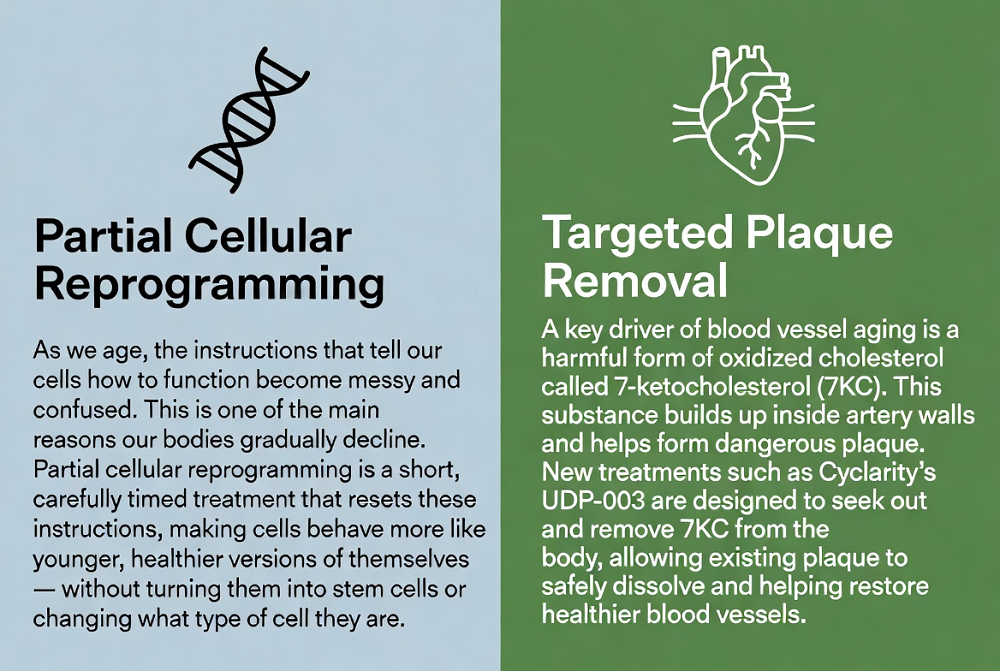
Literature

[1] Janssens, G. E., Grevendonk, L., Perez, R. Z., Schomakers, B. V., de Vogel-van den Bosch, J., Geurts, J. M., … & Hoeks, J. (2022). Healthy aging and muscle function are positively associated with NAD+ abundance in humans. Nature Aging2(3), 254-263.

[2] Belenky, P., Racette, F. G., Bogan, K. L., McClure, J. M., Smith, J. S., & Brenner, C. (2007). Nicotinamide riboside promotes Sir2 silencing and extends lifespan via Nrk and Urh1/Pnp1/Meu1 pathways to NAD+. Cell, 129(3), 473-484.

[3] Mills, K. F., Yoshida, S., Stein, L. R., Grozio, A., Kubota, S., Sasaki, Y., … & Imai, S. I. (2016). Long-term administration of nicotinamide mononucleotide mitigates age-associated physiological decline in mice. Cell metabolism, 24(6), 795-806.

[4] Zhang, H., Ryu, D., Wu, Y., Gariani, K., Wang, X., Luan, P., … & Auwerx, J. (2016). NAD+ repletion improves mitochondrial and stem cell function and enhances life span in mice. Science, 352(6292), 1436-1443.

[5] Harrison, D. E., Strong, R., Reifsnyder, P., Kumar, N., Fernandez, E., Flurkey, K., … & Miller, R. A. (2021). 17‐a‐estradiol late in life extends lifespan in aging UM‐HET3 male mice; nicotinamide riboside and three other drugs do not affect lifespan in either sex. Aging cell, 20(5), e13328.

The kidney

More Autophagy Reduces Toxin-Induced Kidney Failure in Mice

Autophagy, which increases in younger mice under toxic stress, does not increase in older mice and leaves them susceptible to acute kidney injury (AKI). Increasing autophagic flux by targeting a key molecule, transcription factor EB (TFEB), alleviates some of this damage.

An acute disease with lasting effects

AKI is a rapidly developing condition that causes patients to lose kidney function within days, sometimes within hours. In severe cases, kidney dialysis may become required to save the patient. Aging is a risk factor for AKI, for both incidence and severity [1], and in older people, it frequently leads to systemic inflammation and death [2].

In intensive care settings, blood poisoning (sepsis) caused by invading pathogens is a common cause of AKI [3]. However, while it is possible to artificially purify the blood and administer drugs to kill off pathogens, there are currently no methods of directly treating AKI.

The researchers have hit upon TFEB as a potential avenue for such a treatment. We have previously reported that this protein improves the maintenance of other proteins and increases cellular survival in senescence due to its effects on autophagy, a cellular maintenance process in which cells consume their own organelles. TFEB is directly related to autophagy, directly activating several associated proteins [4], and substantial previous work has found that TFEB is downregulated in various models of AKI, including septic AKI [5].

Older mice are less poison resistant

This paper’s first experiment involved administering lipopolysaccharide (LPS), a poison that is known to induce AKI, to 2-month-old and 18-month-old mice. After LPS administration, creatinine, blood urea nitrogen (BUN), tubular damage, and many other biomarkers of kidney damage were higher in the older mice than the younger mice.

LC3, a marker of autophagy, was slightly higher in the older mice before LPS administration. However, after LPS administration, LC3 was notably upregulated in the younger mice but not significantly upregulated in the older mice, and LPS caused autophagic flux to be twice as high in the younger animals as the older animals.

A cellular experiment found this to be related to senescence; ordinary kidney cells upregulated LC3 in response to this toxin, while senescent cells were unresponsive in this respect, and cells derived from older animals were less responsive from cells derived from younger animals. LC3 was found within puncta within the senescent cells, but it was not flowing freely, reflecting a lack of autophagic flux rather than an increase.

Administering Tat-Beclin 1, a peptide that directly induces autophagy, to kidney cells diminished the damage caused by LPS. Chloroquine, which inhibits autophagy, increased this damage, leading to both increased markers of cellular senescence and increased cellular death by apoptosis. Therefore, the relationship appears to be bidirectional; senescent cells exhibit less autophagy, and a lack of autophagy under toxic stress conditions contributes to cellular senescence.

Using TFEB to fight back

These results were confirmed by a gene expression analysis, which found significant decreases in autophagy-related genes in older mice compared to younger ones. One of the most downregulated proteins was TFEB; normally, older and younger mice express similar levels of TFEB, but LPS exposure caused TFEB in younger mice to decrease while it decreased even more in older mice. This finding was confirmed in cells, with LPS causing senescent cells to express significantly less TFEB than similarly treated non-senescent cells.

Using RNA to force senescent cells to express more TFEB under LPS conditions partially restored autophagy to these cells. Other autophagy-related genes were increased by this expression, and inflammatory cytokines were decreased.

The researchers then tested a curcumin analog, C1, which increases the nuclear translocation of TFEB, in older kidney cells exposed to LPS and a population of older mice also exposed to the toxin. In cells, this treatment improved autophagy by encouraging the beneficial translocation of TFEB even though it did not increase the total amount. In mice, this treatment partially but significantly reduced multiple markers of kidney damage, including creatinine, BUN, and NGAL, an established biomarker of kidney injury.

This work was done in a group of toxically injured mice and may not reflect conditions for real kidney patients. However, the findings are promising within this context. It remains to be seen whether C1 or another autophagy enhancer can ameliorate the damage caused by sepsis-induced or other AKI.

We would like to ask you a small favor. We are a non-profit foundation, and unlike some other organizations, we have no shareholders and no products to sell you. All our news and educational content is free for everyone to read, but it does mean that we rely on the help of people like you. Every contribution, no matter if it’s big or small, supports independent ethical journalism and sustains our future.
Literature

[1] Hsu, R. K., McCulloch, C. E., Dudley, R. A., Lo, L. J., & Hsu, C. Y. (2013). Temporal changes in incidence of dialysis-requiring AKI. Journal of the American Society of Nephrology, 24(1), 37-42.

[2] Rex, N., Melk, A., & Schmitt, R. (2023). Cellular senescence and kidney aging. Clinical Science, 137(24), 1805-1821.

[3] Pais, T., Jorge, S., & Lopes, J. A. (2024). Acute kidney injury in sepsis. International journal of molecular sciences, 25(11), 5924.

[4] Di Malta, C., Cinque, L., & Settembre, C. (2019). Transcriptional regulation of autophagy: mechanisms and diseases. Frontiers in cell and developmental biology, 7, 114.

[5] Li, R., Zhao, X., Zhang, S., Dong, W., Zhang, L., Chen, Y., … & Liang, X. (2021). RIP3 impedes transcription factor EB to suppress autophagic degradation in septic acute kidney injury. Cell Death & Disease, 12(6), 593.