

The fight for longevity treatments that measurably improve and lengthen quality of life is ongoing in research, treatment, and policy, with promising successes and a horrifying failure. Here’s what’s happened in July.
Interviews
 Gabriel Cian on Building the 2060 Longevity Ecosystem: In this follow-up interview, we speak with Gabriel Cian about how the 2060 ecosystem has evolved since last year’s Forum, what he learned from the first edition, and how he is thinking about investment, scientific credibility, health optimization, policy, and the future of longevity in Europe.
José Pedro Castro on Inflammation and Aging: We discussed the idea that inflammation underlies both important functions and many processes of aging, and how future therapies might help us keep up this elusive youthful inflammatory profile.
Advocacy and Analysis
 Optimizing Guidelines Toward Optimal Health Outcomes: In a recently published perspective paper, the author argues that the UK’s official health guidelines on physical activity and protein intake should be revised to recommend levels necessary to achieve optimal health, rather than the bare minimum currently recommended.
NYC Woman Dead After Receiving a “Longevity Infusion”: According to the experts that we spoke to, the death, which followed an intravenous NAD⁺ infusion that went catastrophically wrong, underscores the risks of unproven treatments and the need for rigorous longevity medicine.
 Montana’s Right-to-Try Law Enters a New Phase: Montana’s first experimental treatment review board has brought three longevity heavyweights into the state’s effort to expand access to experimental therapies.
Research Roundup
Intermittent Fasting Increases Lifespan in Male Mice: Restricting food access to an 8-hour window increased median lifespan in male mice by 12%. However, that might be due to voluntary caloric restriction induced by the regimen.
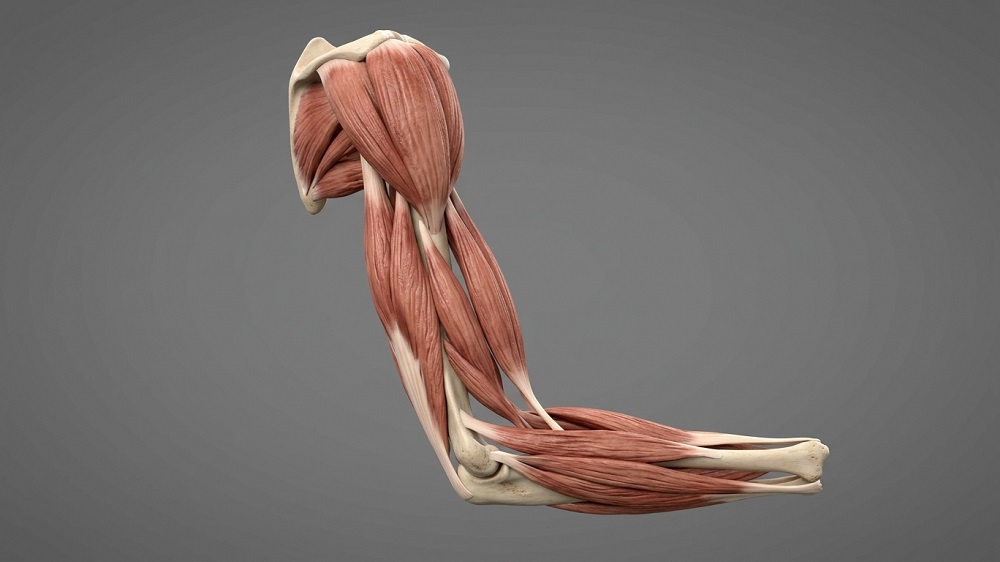
 How Muscle Loss and Bone Loss Are Related: Researchers have elucidated some of the links between the age-related loss of muscle (sarcopenia) and the age-related loss of bone (osteoporosis).
Rescuing Calcium Ion Homeostasis Extends Mouse Lifespan: Scientists have linked disrupted Ca²⁺ homeostasis to aging in both progeroid and naturally aging mice. Rescuing it with a well-known antidepressant significantly increased the animals’ median and maximum lifespan.
 An Experimental Proposal for Blocking Ambient Radiation: A perspective published in Aging and Disease has recommended the use of underground laboratory space in order to remove the effects of surface radiation on biological clocks.

Combining Senolytics and Stem Cells Shows Promise in Mice: A new study associated with Immorta Bio suggests that combining a senolytic vaccine with mesenchymal stem cells might create a synergistic impact. However, the findings rest on acute, artificially induced injury models rather than natural aging.
 Peripheral Inflammation May Drive Parkinson’s: A new study suggests that aging or Parkinson’s-triggering mutations create inflammation in peripheral tissues, and then circulating extracellular vesicles spread it to the brain, which might contribute to the disease.
Activating a Key Receptor Fights Thymic Involution in Mice: Publishing in Aging Cell, researchers have devised a way to delay the aging of the thymus by targeting GPR40, a key receptor in its epithelial cells.
 Engineered Enzyme Reverses Age-Related Protein Damage: Scientists have engineered an enzyme that removes an advanced glycation end product (AGE) from proteins. This type of age-related modification, which affects protein function and can trigger inflammation, has previously been considered extremely hard to reverse.
Exosomes From Stem Cells Fight Liver Disease in Mice: Researchers have described a method of using exosomes derived from mesenchymal stem cells (MSCs) to fight harmful metabolic changes in the liver.
 Regular Training Erases Parts of Muscle Aging Signature: A new study suggests that regular planned exercise, not just being generally active, protects against certain aspects of muscle aging.
The Progress and Future of Biological Aging Clocks: A recent review discusses the development of biological aging clocks, their capabilities and limitations, the discoveries they enabled, and possible future developments in this area.
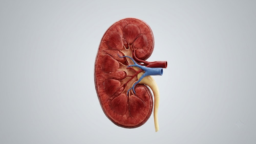 More Autophagy Reduces Toxin-Induced Kidney Failure in Mice: Autophagy, which increases in younger mice under toxic stress, does not increase in older mice and leaves them susceptible to acute kidney injury (AKI).
How the Immune System Makes Sun Damage Worse: In Aging Cell, researchers have published an explanation of how neutrophil extracellular traps (NETs) worsen UVB damage and how inhibiting them alleviated this damage in a mouse model.
 Short-Term Stresses May Undermine Clock Results: A team of researchers has concluded that while methylation-based epigenetic clocks generally give reliable outputs when given the same inputs, short-term biological fluctuations can drastically change their results.
Lifelong restriction of dietary valine has sex-specific benefits for health and lifespan in mice: This paper has found that it improves multiple aspects of healthspan in mice of both sexes, extends lifespan in male mice, and suggests that interventions that mimic it may have translational potential for aging and age-related diseases.
Early-life sugar rationing, brain aging, and long-term neurodegenerative and psychiatric health outcomes: a population-based natural experiment study: These quasi-experimental findings suggest that early-life sugar restriction is associated with attenuated neurobiological aging and lower risks of dementia and psychiatric disorders.
Enhancing the Anti-Aging Capacity of hUC-MSCs via NMN Co-Treatment in D-Galactose-Induced Mice and Cellular Senescence Models: Taken together, this study provides a promising combinatorial approach that sustains stem cell function and amplifies anti-aging efficacy.
Young cardiac telocyte-derived exosomes rejuvenate aging hearts in rats: Y-CT-exos rejuvenated cardiac aging through multiple avenues, including ameliorating the senescence of cardiomyocytes and cardiac fibroblasts.
Engineered Red Blood Cell-Derived Extracellular Vesicles With Klotho Peptide Protect the Kidney From Fibrosis: Collectively, these findings demonstrate that klotho-engineered EVs effectively inhibit TGFβ-driven fibrosis and preserve tubular integrity, highlighting a promising therapeutic strategy for targeting kidney fibrosis.
Intermittent chloroquine treatment extends lifespan and prevents mammary hyperplasia in female rats while reducing serum ldl and igfbp3 levels: These findings indicate that this treatment is associated with extended lifespan and coordinated physiological adaptations in aged rats.
Prebiotic and postbiotic synergy alleviates age-related dysbiosis and inflammation in mice: Combining prebiotics and postbiotics modulates immune responses in aged mice, restoring adult-like levels through gut microbiota changes.
Selective targeting of cancer and senescence via shared metabolic shifts extends lifespan of old mice: While the in vivo effects of DMA are yet to be fully explored, these findings suggest that it might represent a new, clinically viable way to combat cancer and senescence without toxicity to healthy cells and tissues.
Biological limits of lifespan extension: Evidence for a shift from pathway leverage to system-level buffering across species: In simple organisms, aging is governed by a limited number of high-leverage pathways, whereas in mammals it emerges from distributed, multi-tissue regulatory systems characterized by redundancy, feedback, and competing physiological constraints.
News Nuggets
 Forever Healthy Launches Evipedia AI Integration: Forever Healthy has announced the launch of a set of new tools to make it easier than ever for AI agents, research pipelines, and AI environments to integrate Evipedia.